Modern consumers expect chocolate that is ethical, sustainable and delicious. Achieving cold chain vegan chocolate certification requires much more than placing chocolate in a freezer; it demands mastery of temperature, رطوبة, التغليف, التتبع والامتثال. The global vegan chocolate market is expected to reach USD 3.126 billion by 2032 with a compound annual growth of 12.3%, driven by plant based adoption and flexitarian consumers. في أثناء, the cold chain logistics industry is valued at US$436.3 billion in 2025 ومن المتوقع أن يتجاوز 1.3 تريليون دولار أمريكي بحلول 2034. In this article you will learn why proper cold chain control is essential for vegan chocolate certification, how to navigate certification programs and regulatory standards, and what emerging technologies and market trends mean for your business.
What makes cold chain control critical for vegan chocolate certification? – Understand the temperature and humidity requirements and how plant based fats behave differently.
Which vegan chocolate certification programs should you consider? – Compare standards from the Vegan Society, BeVeg, جبهة الخلاص الوطني, Friend of the Earth and others.
How can you prevent cross contamination and allergen risks? – Learn about dedicated zones, sequential picking, and sanitation practices.
ماذا تفعل 2025 market trends and technologies mean for your logistics? – Explore the role of IoT, منظمة العفو الدولية, blockchain and digital twins in ensuring compliance and transparency.
كيف التكلفة, packaging and sustainability intersect? – Get strategies for balancing dimensional weight, coolant strategy and eco friendly materials.
Why is Cold Chain Control Essential for Vegan Chocolate Certification?
Proper cold chain management is the backbone of vegan chocolate certification. Vegan chocolate formulations often contain plant based fats and inclusions (المكسرات, wafers, الفاكهة) that are more sensitive to heat and moisture than milk fats. These ingredients can soften or pick up off odours quickly if exposed to temperatures above 20 °C or relative humidity above 50%. Maintaining a stable temperature band protects the sensory qualities of vegan chocolate and ensures compliance with certification bodies that require rigorous handling and storage standards.
To certify vegan chocolate, producers must demonstrate that the supply chain controls temperature, humidity and cross contamination from the moment cocoa beans leave the farm until chocolate reaches the consumer. An unstable environment can trigger sugar bloom (white crystals on the surface), ازهر الدهون (dull appearance and soft texture) والنمو الميكروبي, all of which compromise product integrity. Adhering to cold chain guidelines signals professionalism and builds trust with increasingly discerning consumers.
Controlling Temperature and Humidity
The first step toward certification is to define and monitor temperature and humidity parameters. Dark vegan chocolate is most stable when kept between 12–20 °C with relative humidity below 50%. Plant based fats soften at slightly lower temperatures than dairy fats, so many supply chain managers standardize a narrower band of 16–20 °C for vegan formulas and set strict limits on time out of control. الرطوبة فوق 50% يشجع ازدهار السكر; أقل 40% may lead to moisture loss and brittle texture.
Real time sensors and data loggers provide continuous visibility into temperature and humidity. When chocolate is transferred between vehicles or facilities—the so called “worst thirty minutes” when the product is most vulnerable—pre chilling equipment, sealed acclimation and cold last picking prevent heat spikes. Including these parameters in the certification documentation demonstrates a proactive approach to risk management.
Preventing Cross Contamination and Allergen Risk
Cross contamination is a major threat to vegan certification. Chocolate often shares equipment with dairy based products, and even small residues can disqualify a product. Certification bodies require manufacturers to implement dedicated zones, color coded pathways, sequential picking and rigorous cleaning to prevent cross contamination. The Vegan Society, FoodChain ID and NSF all mandate management systems that verify ingredients, control animal derived allergens and avoid contact with non vegan materials.
Handling vegan chocolate in a cold chain also means preventing the pickup of smells from other goods. Plant based fats and inclusions readily absorb odors, so vegan SKUs should be segregated from pungent foods and stored in odor neutral compartments. Regular deep cleaning, equipment design that prevents trapped particles, and comprehensive employee training further reduce risk.
Cost Management and Packaging Strategy
Balancing quality, cost and sustainability is a challenge. Cold chain cost is driven by dimensional weight, pack out materials, استراتيجية المبرد, freight charges and the risk of loss. Vegan chocolate certification often calls for additional packaging layers to prevent contamination and maintain temperature. A typical pack out might include:
الشاحن الخارجي – a corrugated box sized to minimize dimensional weight.
طبقة العزل – biodegradable foam or recyclable liners that reduce heat ingress.
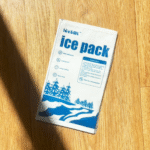
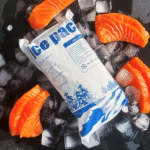
مواد تغيير المرحلة (بي سي إم) – gel packs or eutectic plates configured for the 16–20 °C band.
Vapor barrier and odor absorbing liner – to prevent humidity and off odor transfer.
Product packaging – sealed vegan chocolate wrappers with anti fog film and clear labeling.
Using right sized packaging reduces shipping costs and emissions. على سبيل المثال, switching from 1.5 inch walls to 1 inch high performance insulation can lower billable weight without compromising hold time. Documenting your packaging approach helps certification auditors understand how you control temperature, humidity and contamination.
| عامل | Recommended Range or Practice | Relevance to Vegan Chocolate | فوائد |
| درجة حرارة | 12–20 °C overall; 16–20 °C for vegan formulas | Plant based fats soften faster; narrow range prevents texture loss and fat bloom | Maintains product integrity and certification compliance |
| الرطوبة النسبية | ≤50%; 40–50% optimal | الرطوبة فوق 50% يسبب ازدهار السكر ونمو الميكروبات; أقل 40% can dry inclusions | Keeps surfaces smooth and prevents contamination |
| Maximum time out of control | ≤30 minutes during handoff | Most damage occurs during cross docks and doorsteps; limiting exposure avoids heat spikes | Ensures continuous chain of custody and auditability |
| Packaging layers | الشاحن الخارجي, العزل, بي سي إم, حاجز بخار | Provides barrier against heat, humidity and odors | Reduces risk of cross contamination and extends shelf life |
Practical Tips for Controlling Cold Chain Variables
Schedule shipments strategically: Avoid extreme seasons and route through climate controlled facilities. Use overnight or early morning deliveries to minimize dwell time.
Calibrate your sensors: Install IoT trackers that log temperature and humidity every 5–15 minutes; set alerts for deviations so you can intervene quickly.
Standardize lane profiles: Define temperature band, maximum out of control time, humidity rule and handoff timer for each route. Document these parameters and adjust them based on real performance.
تدريب موظفيك: Educate pickers and drivers about cold last loading, sealed acclimation and the sensitivity of vegan chocolate. A few minutes of negligence can cause product loss.
مثال العالم الحقيقي: A specialty vegan chocolatier in California was experiencing dull surfaces on its almond milk bars during summer deliveries. By moving to a 16–18 °C lane profile, pre chilling delivery vans, and limiting door open times to under 20 minutes, the company reduced bloom complaints by 80% and passed their annual Vegan Society audit.
Navigating Vegan Chocolate Certification Programs
Certification provides consumers with assurance that vegan chocolate is free from animal ingredients and meets rigorous handling standards. The landscape includes multiple programs, each with unique requirements. Selecting the right program depends on your target market, product range and operational capabilities. Below is an overview of leading certifications.
Major Certification Bodies and Their Requirements
| Certification body | المتطلبات الأساسية | أبرز | أهمية عملية |
| Vegan Society’s Vegan Trademark | No animal derived ingredients; no animal testing; management systems to avoid cross contamination | Registers individual products; annual renewal; emphasises ingredient verification and separate preparation lines | Globally recognised; builds trust among ethically minded consumers |
| FoodChain ID Plant Based and BeVeg Vegan Certification | Prohibits any ingredient or processing aid from animal origin; includes allergen controls; ISO 17065 accredited | SupplyTrak platform manages supply data; can integrate Non GMO Project and USDA organic certifications | Streamlines multiple certifications and reduces audit duplication |
| NSF Protocol 543 Vegan & Cruelty Free Certification | Requires ingredients, processing aids and packaging to be non animal; prohibits animal testing; supply chain verification with ongoing monitoring | Incorporates vegan and cruelty free components; helps brands appeal to conscious consumers; ensures training and traceability | New program (2025) reflecting rising demand; يتوافق مع أهداف الاستدامة |
| Friend of the Earth Certification | Ensures products safeguard ecosystems, water and soil; prohibits dangerous substances; enforces social responsibility; recognizes 100% vegan chocolate free of dairy, palm oil or gluten | Certifies farms and processing; emphasises sustainable agriculture and packaging; widely adopted across 5,000 مزارع | Demonstrates holistic sustainability beyond vegan criteria |
| Other Recognised Symbols | Certified Vegan (Vegan.org), Plant Based Foods Association, Kosher Pareve | Provide additional assurance that products avoid animal ingredients and cross contamination | Useful for retail shelves and international markets; may complement primary certification |
Steps to Achieve Vegan Chocolate Certification
Verify all ingredients and suppliers: Review every ingredient, processing aid and cleaning chemical to ensure no animal derived material or animal testing. Use supply chain management software to maintain documentation.
Document cross contamination controls: Map equipment layout, cleaning procedures and production planning. Dedicate lines or implement thorough changeover protocols to separate vegan and non vegan products.
Control storage and transport: Maintain cold chain parameters for vegan chocolate and ensure that raw materials and finished products do not contact non vegan goods. Capture temperature and humidity data for audits.
Implement training and management systems: Provide ongoing staff training on vegan requirements, allergens and contamination risks. Assign a quality manager to oversee compliance.
Conduct an internal audit and rectify gaps: Use a self assessment checklist or digital twin simulation to identify weaknesses. Many certification bodies require an audit report before granting approval.
Submit application and undergo external audit: Provide detailed documentation, facility inspections and product samples. After approval, display the certification mark and maintain continuous monitoring.
Leveraging Certification for Brand Credibility and Market Access
Obtaining vegan certification is more than a compliance exercise—it’s a marketing advantage. استطلاعات المستهلكين تظهر ذلك 67% of US shoppers value sustainability and ethically sourced products. Vegan certification signals that your chocolate aligns with these values. The UK already sees 64% of manufacturers integrating vegan lines, و 52% of plant based sales in the US are also Non GMO Project verified. By pursuing complementary labels such as organic or Non GMO, you amplify trust and expand shelf placement opportunities.
Certification also opens doors to new demographics. Millennial and Gen Z consumers account for 62% of vegan chocolate purchases, with flexitarians (people who reduce but do not eliminate animal products) making up a significant portion. Offering certified vegan chocolate positions your brand as modern, inclusive and transparent—characteristics that command premium pricing and brand loyalty.
مثال العالم الحقيقي: Culture Choc became the first chocolate brand to earn Friend of the Earth certification, highlighting its commitment to 100% vegan ingredients, sustainable farming and packaging free from palm oil, ألبان, gluten and white sugar. This holistic certification not only boosted sales but also positioned the brand as an innovator in environmental stewardship.
Implementing Cold Chain Logistics for Vegan Chocolate
To achieve certification and deliver consistently high quality vegan chocolate, businesses must integrate cold chain best practices into their operations. That includes designing precise lane profiles, adopting advanced monitoring technologies and embracing sustainability.
Optimizing Lane Profiles and Handoff Management
Lane profiles describe the temperature band, maximum time out of control, humidity rule and handoff timer for a given route. For vegan chocolate, set a temperature band of 16–20 °C, a humidity cap of 50%, and limit out of control time during handoffs to less than 30 minutes. Use the following techniques:
Cold last picking: Pick vegan chocolate orders just before departure to minimize dwell time in ambient zones. Keep them in cooled staging areas until loading.
Sealed acclimation: Transfer products directly from cold rooms into insulated shippers; avoid exposing them to warm air during packing.
Pre condition trucks: Bring vehicles down to target temperature before loading; maintain recirculation fans to ensure uniform airflow.
Monitor handoff points: Cross docks, last mile doorsteps and customer receiving points are critical. Real time alerts allow carriers to correct deviations quickly.
Documenting these practices ensures auditors understand how you maintain chain of custody and manage risk. Regularly review lane performance and adjust profiles based on seasonal variations and route data.
Technology and Traceability: إنترنت الأشياء, منظمة العفو الدولية, Blockchain والتوائم الرقمية
Emerging technologies are transforming cold chain logistics. IoT sensors provide continuous temperature and humidity readings and transmit alerts when thresholds are breached. AI driven analytics optimize routing, forecast delays and recommend preventive actions. Blockchain platforms create immutable records of each temperature reading, custody transfer and equipment calibration, تعزيز الشفافية والثقة. Digital twins simulate real world conditions, allowing you to test packaging and route scenarios before actual shipments.
Integrating these technologies into your cold chain not only facilitates certification audits but also improves operational efficiency. Automated data collection reduces manual record keeping errors, while predictive analytics minimize spoilage and logistics costs. Certifications like NSF Protocol 543 emphasise supply chain verification and ongoing compliance monitoring, making digital tools indispensable.
Sustainability and Ethical Considerations
Sustainability is integral to vegan chocolate certification. Consumers expect plant based products to reflect environmental stewardship, and certification bodies increasingly incorporate social and ecological standards. Friend of the Earth certification, على سبيل المثال, requires safeguarding ecosystems, water and soil resources and promoting social responsibility across the entire supply chain.
Many companies are adopting renewable energy, reducing packaging waste and measuring carbon footprints. A recent industry report shows that 42% of manufacturers have pledged packaging waste reductions, بينما 60% are investing in renewable energy to power production. Using biodegradable insulation, recyclable liners and regionally sourced raw materials supports these commitments.
Heavy metals and contaminants are another ethical concern. Rigorous testing for cadmium and lead, combined with Good Manufacturing Practices (ممارسات التصنيع الجيدة) and certifications such as FSSC 22000, ensures that vegan chocolate meets safety standards. Transparent labelling and third party audits further build consumer confidence.
2025 Trends and Future Outlook for Vegan Chocolate and Cold Chain
نظرة عامة على الاتجاه
The vegan chocolate industry and cold chain logistics are evolving rapidly. تشكيل الاتجاهات الرئيسية 2025 وما بعدها تشمل:
Market growth and consumer demographics: The global vegan chocolate market is expected to reach USD 3.126 billion by 2032 مع 12.3% CAGR. Millennials and Gen Z represent 62% of consumption, and flexitarian consumers drive growth.
توسيع سلسلة التبريد: The cold chain logistics market was valued at US$436.3 billion in 2025 and is forecast to surpass US$1.3 trillion by 2034, driven by demand for perishable goods and advanced monitoring technologies.
الابتكارات التكنولوجية: مستشعرات إنترنت الأشياء, لوجستيات ممكّنة بالذكاء الاصطناعي, شفافية البلوكتشين, digital twins and autonomous vehicles are transforming supply chain visibility and efficiency. These tools support certification by providing verifiable data and predictive insights.
Ingredient sourcing and sustainability: Precision fermentation, cocoa free chocolate and plant based fats offer new avenues for vegan products. Companies are investing in sustainable cocoa farming, renewable energy and waste reduction.
Regulatory and certification evolution: Programs like NSF Protocol 543 (أطلقت 2025) reflect rising consumer demand for vegan and cruelty free products. Certification bodies are integrating environmental and social criteria, pushing the industry toward holistic sustainability.
أحدث التطورات في لمحة
IoT enabled logistics: Many logistics providers now embed smart sensors in pallets and packages, providing real time data to carriers and shippers. This helps meet certification requirements and improves responsiveness when deviations occur.
تحسين مسار الذكاء الاصطناعي: Machine learning models analyze weather, traffic and historical performance to choose the best routes, reducing transit time and preserving chocolate quality.
إمكانية تتبع البلوكشين: Brands use blockchain to document ingredient origins, transport conditions and processing steps. Consumers can scan a code to verify vegan certification and sustainability claims.
Precision fermentation: Start ups are producing cocoa butter alternatives through fermentation, reducing reliance on traditional cocoa farming. These ingredients require unique cold chain profiles and new certification considerations.
رؤى السوق
Consumer preference is shifting toward ethical and sustainable chocolate. Flexitarian diets and health consciousness drive demand for plant based ingredients, while transparent labelling and certifications influence purchase decisions. في أوروبا, 64% of chocolate producers are integrating vegan lines, with the UK leading the trend. Adoption of technology and improved shelf stability (39% of market drivers) will continue to push innovation. لكن, climate change and geopolitical instability introduce supply chain risks—cocoa prices rose to nearly US$12,000 per ton in early 2025 before dropping to around US$5,800, still historically high. Effective cold chain and supplier diversification will be crucial to mitigate volatility.
الأسئلة المتداولة
What does vegan certification mean for chocolate?
Vegan certification confirms that a chocolate product contains no animal ingredients, by products or additives and has not been tested on animals. It also requires management systems to prevent cross contamination and may include sustainability criteria depending on the certifying body.
How can I tell if a dark chocolate bar is truly vegan?
Look for recognised certification symbols such as the Vegan Society’s sunflower, BeVeg, or Certified Vegan logos. Check the ingredient list for dairy, honey, gelatin or ambiguous “natural flavors.” Avoid products with “may contain milk” warnings, which signal cross contamination risk.
What temperature should I store vegan chocolate at home?
Store dark vegan chocolate between 12–18 °C away from direct sunlight and moisture. يجب أن تظل الرطوبة أدناه 50%. If your home is warmer than 24 °C, refrigerate chocolate in an airtight container to prevent condensation; allow it to return to room temperature before opening.
Do I need organic certification in addition to vegan certification?
Organic certification is not required to label a product as vegan, but combining organic, Non GMO and vegan certifications can enhance market appeal and demonstrate comprehensive ethical standards. Organic regulations emphasize traceability, separation from conventional goods and prohibited substances.
What is the best vegan chocolate certification program?
The best program depends on your market and values. The Vegan Society’s trademark offers global recognition, FoodChain ID provides integrated certification with Non GMO and organic options, NSF Protocol 543 adds cruelty free criteria, and Friend of the Earth encompasses environmental sustainability. Evaluate the requirements and audit processes to choose the right fit.
How can cold chain logistics companies reduce the cost of vegan chocolate delivery?
Optimize packaging to minimize dimensional weight, use phase change materials suited to your temperature band, plan efficient routes with AI, and negotiate multi stop deliveries. Monitoring real time data reduces spoilage, and using sustainable insulation can lower costs through improved efficiency and reduced waste.
ملخص وتوصيات
The vegan chocolate market is booming, and certification paired with robust cold chain control is essential for success. تشمل الوجبات السريعة الرئيسية:
Maintain strict environmental parameters: Keep chocolate at 12–20 °C (preferably 16–20 °C for vegan formulas) مع الرطوبة أدناه 50%, and limit out of control time during handoffs.
Prevent cross contamination: Dedicate equipment and storage zones, practice thorough cleaning and train employees on allergen management.
Select the right certification program: Compare requirements from the Vegan Society, FoodChain ID, NSF and Friend of the Earth; integrate additional labels like organic or Non GMO to enhance credibility.
الاستفادة من التكنولوجيا: اعتماد أجهزة استشعار إنترنت الأشياء, تحسين مسار الذكاء الاصطناعي, blockchain and digital twins to improve transparency and reduce risk.
احتضان الاستدامة: استخدم عبوات صديقة للبيئة, test for heavy metals, and support ethical farming practices.
الخطوات التالية القابلة للتنفيذ
تدقيق سلسلة التوريد الخاصة بك: Use a self assessment tool to identify temperature, humidity and cross contamination risks. Document lane profiles and packaging specifications.
Choose a certification pathway: Evaluate the requirements and benefits of major vegan, plant based and sustainability certifications. Consider whether combining labels (عضوي, Non GMO) aligns with your brand strategy.
استثمر في التكنولوجيا: Implement IoT sensors and a centralized monitoring platform. Explore blockchain and digital twin solutions for better traceability and predictive planning.
تدريب وتعليم: Create training programs for staff on vegan requirements, cold chain best practices and allergen management. Continuous education reduces errors and improves compliance.
إشراك المستهلكين: Highlight your certifications, sustainability initiatives and quality controls on packaging and marketing materials. Encourage feedback and transparency to build lasting trust.
حول Tempk
Tempk is a specialist in cold chain packaging and logistics solutions for high value foods such as gourmet and vegan chocolate. We design custom thermal shippers using eco friendly materials, integrate phase change materials tailored to your temperature requirements, and provide IoT monitoring devices that give you real time visibility into your shipments. Our team of experts stays ahead of regulatory changes and industry trends so that your products remain compliant and arrive in perfect condition. We also offer consultancy services to develop lane profiles, optimize packaging for dimensional weight and implement sustainable practices.
Ready to safeguard your vegan chocolate? Contact us for a free consultation and discover how Tempk can help you achieve certification, reduce costs and delight your customers with every bite.