How to Optimize the Cold Chain Vegetables Supply Chain in 2025?
تم التحديث بتاريخ 25 ديسمبر 2025
Ensuring vegetables stay fresh from farm to table has never been more important or more complex. A well managed cold chain vegetables supply chain minimizes waste and maximizes profits, حتى الآن حتى 12 % of global food production is lost annually because of inadequate cold chains. This comprehensive guide explains why an efficient vegetables cold chain matters, what drives the market in 2025, which technologies are reshaping the industry and how you can stay ahead. Whether you’re a farmer, موزع, retailer or logistics manager, this article will show you how to cut losses, reduce emissions and deliver fresher produce to your customers.
سيجيب هذا المقال:
Why is a reliable cold chain vegetables supply chain essential? — Understand the impact of food loss, regulatory requirements and temperature guidelines.
What are the market drivers in 2025? — Explore rising demand for frozen foods, لوائح أكثر صرامة, cross border trade and consumer preferences.
Which technologies are transforming vegetable cold chains? — See how AI, إنترنت الأشياء, blockchain and renewable energy improve traceability and sustainability.
How can you manage risks and overcome challenges? — Get practical strategies to control temperature, boost visibility and minimize waste.
What are the latest trends and what’s next? — Discover sustainability initiatives, market growth forecasts and price outlooks.
Why Is a Reliable Cold Chain Vegetables Supply Chain Essential?
Without efficient cold chains, vegetables spoil quickly. Inadequate refrigeration is responsible for losing around 526 million tonnes of food each year. Smallholder farmers in parts of Africa lose more than 50 % of their vegetable harvests because of insufficient cooling. Proper cold chains reduce microbial growth and enzymatic reactions, extending shelf life and preserving nutrients. They also lower greenhouse gas emissions — food loss and waste account for 8–10 % من الانبعاثات العالمية, while refrigeration processes alone consume 17 % of the world’s electricity.
Regulatory compliance is another driver. الولايات المتحدة. قانون تحديث سلامة الأغذية (FSMA) قاعدة 204 يتطلب تتبعًا لمدة 24 ساعة للأغذية عالية المخاطر, including many vegetables. Maintaining temperatures of 0 - 5 درجة مئوية (32 - 41 ° f) prevents pathogens and preserves texture. Real time monitoring and proper documentation are therefore essential for meeting legal requirements and avoiding costly recalls.
Temperature Requirements and Best Practices for Different Vegetables
Different vegetables require distinct temperature and humidity ranges. Improper handling leads to ice crystals, texture damage or wilting. Use the table below as a quick reference:
| نوع الخضار | درجة الحرارة الموصى بها & رطوبة | Impact If Ignored | ماذا يعني هذا بالنسبة لك |
| خضار مجمدة | −18 °C to −23 °C; رطوبة منخفضة | Fluctuations form ice crystals and damage cell structure | Consistent ultra low temperatures prevent bacterial growth and preserve flavour. |
| الخضر الورقية الطازجة | 0 - 4 °C with high humidity | Wilting, dehydration and nutrient loss | Maintain high humidity using breathable films or misting to keep leaves crisp. |
| الخضروات الجذرية (البطاطس, البصل) | 10 - 13 درجة مئوية | Chilling injury or sprouting | Warmer storage avoids injury but still slows spoilage. |
| الخضروات الاستوائية (طماطم, خيار) | 10 - 13 °C with moderate humidity | Softening and decay | Avoid temperatures below 10 °C to prevent chilling injury. |
Practical Handling Tips for 2025
Use reefer containers: Set precise temperature and humidity controls; تحتاج الخضار الطازجة 0 - 4 °C while tropical varieties require 10 - 13 درجة مئوية.
خطة التحميل والتفريغ: Reduce exposure to ambient temperatures by coordinating swift transfers.
تنفيذ المراقبة في الوقت الحقيقي: Deploy IoT sensors and GPS trackers to get continuous data and alert handlers to deviations.
Have backup power and renewable energy: Generators and solar or wind power prevent disruptions during outages. A Southeast Asian distributor reported that using solar powered cold storage and IoT monitoring slashed energy costs from 13.10 سنتا لكل كيلوواط ساعة إلى 3.2 سنتا while maintaining ultra low temperatures.
قبل أن تبرد بسرعة: Use blast chillers or forced air cooling immediately after harvest to avoid ice crystal formation.
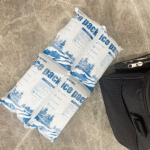
استخدم التغليف المناسب: حاويات الرغوة المعزولة, vacuum sealed bags and gel packs help maintain temperature.
مراقبة الرطوبة: Balanced humidity prevents wilting; breathable films allow gas exchange while retaining moisture.
تثبيت أجهزة الاستشعار: IoT loggers provide continuous temperature and humidity data, enabling rapid interventions.
دراسة حالة: في يوليو 2025 تم شحن اليونيسف 500 000 vaccine doses by sea; careful route planning and green logistics reduced greenhouse gas emissions by 90 % وخفض تكاليف الشحن بنسبة 50 % مقارنة بالشحن الجوي. Similar strategies can help vegetable exporters save money and lower their carbon footprint.
What Are the Market Drivers in 2025?
The cold chain vegetables market is expanding rapidly thanks to evolving consumer habits, لوائح أكثر صرامة والابتكار التكنولوجي. Here are the main drivers:
ارتفاع الطلب على الأطعمة المجمدة والمصنعة — Urban lifestyles and the popularity of meal kits have increased consumption of frozen vegetables and ready to eat foods. Persistence Market Research values the food cold chain market at نحن $65.8 مليار في 2025 and projects it to reach نحن $205.3 مليار من قبل 2032, ينمو عند 17.5 % سنويا. The frozen vegetable market itself is worth نحن $57 مليار ومن المتوقع أن يصل نحن $102.3 مليار من قبل 2035.
Stricter food safety and environmental regulations — FSMA Rule 204 mandates digital records and 24 hour traceability. The Move to 15 °C initiative encourages raising freezer temperatures from –18 °C to –15 °C, تسليم 10-15 % توفير الطاقة دون المساس بالسلامة. The EU Packaging Directive requires recyclable and reusable packaging.
Growth of cross border trade and infrastructure — Perishable exports have grown 5.6 % سنويا منذ ذلك الحين 2018. India’s cold storage capacity grew 35 % بين 2020 و 2024, while China’s capacity exceeds 200 مليون متر مكعب. The Asia Pacific market is expected to grow 11 % بواسطة 2025, though regional disparities create investment opportunities.
Digitalization and sensor technology — IoT platforms and predictive analytics help reduce downtime by حتى 50 %, decrease repair costs by 10-20 % وحفظ 10-30 % من الطاقة. Blockchain provides tamper proof records of each handoff, ضمان التتبع من النهاية إلى النهاية.
Changing consumer preferences — Consumers demand fresh, minimally processed vegetables and appreciate convenience. اشتراكات مجموعة الوجبات, online grocery services and quick service restaurants rely on reliable refrigerated logistics. The quick service restaurant sector in India is projected to grow 20-25 % سنويا.
Market Statistics and Trends in 2025
| متري | 2025 قيمة | تنبؤ بالمناخ / تأثير | الأهمية العملية |
| السوق العالمية للوجستيات سلسلة التبريد | نحن $436 مليار | من المتوقع أن يتجاوز نحن $1.36 تريليون بواسطة 2034 | Rapid growth highlights strong investment opportunities and need for efficient logistics. |
| سوق سلسلة تبريد الأغذية (إجمالي) | نحن $65.8 مليار | من المتوقع أن تصل نحن $205.3 مليار بواسطة 2032 (CAGR 17.5 %) | Indicates increasing demand across food categories, بما في ذلك الخضار. |
| سوق الخضار المجمدة | نحن $57 مليار | توقعات للوصول نحن $102.3 مليار بواسطة 2035 (CAGR 6 %) | Demonstrates strong growth in frozen vegetables; processors should expand capacity. |
| Share of food lost due to lack of cold chain | 12 % (526 million t) | Enough food to feed 1 مليار الناس | Investing in refrigeration infrastructure could dramatically improve food security. |
| Cold chain’s share of global GHG emissions | 4 % من الانبعاثات العالمية; 17 % of world electricity consumption | Reducing emissions through energy efficient practices and renewable power is critical. | |
| Fresh vegetable price forecast (نحن) | Retail prices largely unchanged in 2025 (-1.3 % ل 1.3 % change); farm level prices expected to decrease 14.1 % | Stable retail prices benefit consumers but pressure growers; efficiency in cold chains helps maintain margins. | |
| North American cold chain market | نحن. market estimated at نحن $91 مليار في 2025, المتوقعة للوصول نحن $109 مليار بواسطة 2030; Canada US $6 billion rising to US $7 مليار; Mexico US $7 billion rising to US $8 مليار | مجموع نحن $124 مليار North American market highlights regional dominance and opportunities. | |
| Dominant cold storage players | Lineage Logistics has 2.1 مليار قدم مكعب من القدرة; Americold Logistics has 1.3 مليار قدم مكعب | Together they control over 50 % من الولايات المتحدة. سعة التخزين البارد, giving them pricing power. | |
| Vegetable price volatility | USDA predicts fresh vegetable prices could decrease 0.8 % في 2025 (y o y); لكن, wholesale prices increased 38.9 % في يوليو 2025 due to weather and tariffs | Price fluctuations underscore the need for resilient cold chain systems that can buffer supply and demand shocks. |
Which Technologies Are Transforming the Vegetable Cold Chain?
Technological innovation is revolutionizing how vegetables are stored, transported and monitored. The following solutions provide competitive advantages in 2025 وما وراءها:
منظمة العفو الدولية, IoT and Blockchain Applications
الذكاء الاصطناعي والتحليلات التنبؤية: AI optimizes delivery routes, يتنبأ بالطلب ويتنبأ بأعطال المعدات. يمكن أن تقلل من استهلاك الوقود, mitigate delays and lower maintenance costs. AI driven demand forecasting helps address uncertainty in supply and demand.
تمكين مراقبة إنترنت الأشياء: Sensors continuously track temperature, الرطوبة والموقع. Real time alerts enable corrective actions and reduce spoilage. في 2022 يمثل قطاع الأجهزة أكثر من ذلك 76.4 % of the cold chain tracking and monitoring market.
Blockchain للتتبع: Blockchain creates immutable records of each handoff, ensuring transparency and compliance with food safety regulations.
الروبوتات والأتمتة: أنظمة التخزين والاسترجاع الآلية (AS/RS) and robotic handling systems address labour shortages and reduce errors. حول 80 % المستودعات ليست آلية, مما يشير إلى إمكانات نمو كبيرة. تعمل الروبوتات بشكل مستمر, improving throughput and ensuring consistent temperature control.
الصيانة التنبؤية: AI driven analytics schedule repairs before breakdowns, reducing downtime by حتى 50 % and lowering repair costs by 10-20 %.
Renewable Energy and Sustainable Refrigeration
غرفة تبريد تعمل بالطاقة الشمسية: Decentralised, off grid cold storage units, such as those adopted in Andhra Pradesh, help smallholder farmers reduce post harvest losses. A 10 tonne solar cold storage unit cost ₹12.5 lakhs (مع حول 75 % subsidised) and enabled farmers to store produce on site, saving transport costs and cutting spoilage. Facilities in India’s chilli producing regions were operating at 70-80 % utilisation بواسطة 2024, demonstrating energy efficiency and solar adoption.
المبردات الطبيعية: Replacing high GWP refrigerants with CO₂, ammonia or hydrocarbons aligns with the Kigali Amendment and helps reduce direct emissions.
مبادرة الانتقال إلى -15 درجة مئوية: Raising freezer temperatures from –18 °C to –15 °C can save 10-15 % of energy while maintaining food safety, extending equipment life and lowering operating costs.
Built to suit and micro fulfilment centres: New facilities are designed with multiple temperature zones, عزل متقدم (such as vacuum insulated panels and phase change materials), renewable energy integration and automation. North American providers like NewCold and RLS Logistics are investing hundreds of millions of dollars in highly automated cold storage facilities to provide flexible, energy efficient capacity.
Route Optimization and Digital Platforms
تخطيط الطريق الذكي: Advanced analytics minimize exposure to adverse weather and reduce transit times. Automated route optimisation and real time tracking lower fuel consumption and operational expenses.
End to end visibility platforms: Real time tracking provides verifiable records of temperature and location, ensuring compliance and enhancing customer satisfaction. Data standardisation is increasing, مع 74 % of logistics data expected to be standardised by 2025.
Emerging Trends and Niche Innovations
Solar refrigerated containers و electric reefer trucks are reducing reliance on diesel generators. Companies like Eja Ice Nigeria deploy solar powered cold storage and IoT monitoring to reduce energy bills and maintain quality.
Smart containers with embedded sensors monitor temperature and location, reducing weight and supporting circular supply chains.
Decentralised cooling as a service models: Farmers’ cooperatives and FPOs share solar cold storage units to lower capital costs.
How Can You Manage Risk and Overcome Challenges?
The vegetables cold chain faces many risks, from temperature deviations to communication gaps. Proactive risk management is essential.
Common Challenges and Their Impact
التحكم في درجة الحرارة والاستقرار: Fluctuations during transport cause ice crystallization, texture deterioration and spoilage.
Lack of visibility and coordination: Gaps in monitoring make it hard to pinpoint where temperature abuse occurs. Poor coordination between suppliers, carriers and retailers leads to delays and product damage.
Packaging waste and planning errors: Misuse of gel packs wastes materials and increases the risk of temperature deviations.
عدم الامتثال التنظيمي: Missing records or improper storage conditions can result in fines and recalls.
فجوات البنية التحتية: Outdated facilities, poor transport routes and high energy costs hinder efficiency.
Risk Management Strategies
Real time monitoring and alerting: Deploy sensors and GPS trackers to continuously monitor temperature, الرطوبة والموقع.
الصيانة التنبؤية: Use AI driven analytics to schedule repairs before breakdowns, reducing downtime and repair costs.
نهاية إلى نهاية الرؤية: Integrate transportation management systems with enterprise resource planning to track shipments and inventory. Use RFID and barcodes to maintain optimum stock levels.
تحسين الطريق: Employ AI to optimise delivery routes, تقليل التأخير واستهلاك الوقود.
Training and communication: Standardise procedures for loading, unloading and monitoring; إجراء تدريبات وتدريبات منتظمة.
Backup power and renewable energy: Install generators and adopt solar or wind power to ensure uninterrupted refrigeration.
التغليف المستدام: Calibrate packaging sizes to shipment volume; adopt reusable containers and closed loop pooling systems.
نصائح وتوصيات عملية
Small batch meal kits: Use insulated containers and gel packs that maintain 0–5 °C, combined with IoT loggers for last mile delivery monitoring.
Long haul frozen shipments: Maintain –18 °C or lower; employ smart containers with sensors and route optimization. Consider sea freight to reduce emissions and costs.
Fresh cut processing: Apply robotic corers and peelers to minimize handling time; package in breathable films and cool quickly.
Invest in resilient infrastructure: Develop multi temperature zones, integrate renewable energy and build micro fulfilment centres to improve last mile delivery.
Collaboration and education: Educate small farmers and cooperatives about temperature control; provide affordable cold storage and financing.
دراسة حالة: A Southeast Asian frozen vegetable exporter installed IoT sensors and backup power systems. Temperature excursions fell by 90 %, complaints about shelf life dropped dramatically and raising freezer temperatures to –15 °C cut energy costs by 10-15 %.
What Are the Latest Trends and What’s Next?
Sustainability at the Heart of Operations
الاستدامة البيئية لم تعد اختيارية; it’s expected. The food cold chain accounts for 4 % of global greenhouse gas emissions and consumes 17 % of the world’s electricity. Companies are integrating solar and wind energy into facilities and using biofuels for transport. Certification systems such as EDGE Advanced demonstrate zero carbon operations. ال انتقل إلى -15 درجة مئوية مبادرة, supported by major retailers, promises 10-15 % energy savings and extended equipment life. Circular packaging and closed loop pooling systems reduce waste.
الأتمتة و AI
أنظمة التخزين والاسترجاع الآلية, robotics and AI are taking centre stage. تقريبا 80 % من المستودعات ليست مؤتمتة بعد, مما يترك مجالًا كبيرًا لتحقيق مكاسب في الكفاءة. AI provides predictive insights that optimise warehouse operations, توقع الطلب والجدول الزمني للصيانة. Robots improve safety, reduce labour costs and ensure consistent temperature control.
Green Logistics and Modern Infrastructure
Investments in modern refrigeration systems, automated handling equipment and on site renewable energy are upgrading aging cold storage facilities. Companies are moving toward built to suit solutions that customise capacity and improve energy efficiency. ال سوق الخدمات اللوجستية لسلسلة التبريد الغذائية في أمريكا الشمالية ومن المتوقع أن يصل نحن $86.67 مليار في 2025, reflecting increased investment in fresh food logistics. Strategic partnerships and supply chain integration help companies gain visibility and resilience; بواسطة 2025, 74 % ومن المتوقع أن يتم توحيد البيانات اللوجستية.
Plant Based and Organic Product Boom
Plant based alternatives and organic certified products are gaining traction. Bloomberg Intelligence projects the plant based foods market could make up 7.7 % سوق البروتين العالمي من خلال 2030. These products introduce new temperature and regulatory requirements and often come from start ups without logistics experience. Cold chain providers must adapt to this growth by offering expertise, flexible storage and sustainable packaging.
Price Volatility and Consumer Behavior
أحداث الطقس, inflation and tariffs caused wholesale fresh vegetable prices in the U.S. to spike 38.9 % year on year in July 2025. Key vegetables like lettuce and spinach saw price increases of 133 % و 157.4 %, على التوالى. لكن, the USDA predicts fresh vegetable prices might decrease 0.8 % year on year later in 2025. Stable retail prices with falling farm level prices underline the need for efficient cold chains to preserve profitability.
Expansion and Resilience
Demand for cold storage is increasing due to climate variability and supply chain disruptions. Companies are expanding capacity or outsourcing storage and using micro fulfilment centres to improve last mile delivery. Resilience strategies include building strategic stocks and diversifying suppliers. New partnerships enable integration across supply chains, ensuring that companies can adapt quickly to shocks.
الأسئلة المتداولة
- What temperature should fresh vegetables be stored at during transport?Fresh vegetables generally require 0 - 4 درجة مئوية (32 - 40 ° f), while tropical vegetables such as tomatoes and cucumbers need 10 - 13 درجة مئوية (50 - 55 ° f); maintaining humidity prevents wilting.
- How does AI improve cold chain logistics for vegetables?AI optimizes delivery routes, predicts equipment failures and provides real time inventory and demand forecasts. These insights reduce fuel consumption, minimize downtime and enhance product freshness.
- What are the biggest challenges in shipping frozen vegetables internationally?The main challenges are maintaining temperatures between –18 °C and –23 °Cطوال الرحلة, avoiding power outages, ensuring regulatory compliance and achieving visibility across multiple handoffs. مراقبة في الوقت الحقيقي, backup power and trained handling practices help overcome these issues.
- Why is the Move to –15 °C initiative important?Raising standard freezer temperatures from -18 درجة مئوية إلى -15 درجة مئويةcan save 10-15 % of energy and extend equipment life. It reduces emissions without compromising food safety and helps companies meet sustainability goals.
- How can small farmers benefit from improved cold chain systems?Access to affordable cold storage reduces post harvest losses, increases income and enables farmers to reach distant markets. Solar powered units operated by farmer producer organizations offer a cost effective solution.
ملخص وتوصيات
في 2025 ال cold chain vegetables supply chain يتطور بسرعة. تشمل الوجبات السريعة الرئيسية:
Investing in proper temperature control reduces food loss and preserves nutrition. Different vegetables have distinct temperature requirements, and quick pre cooling and insulated packaging protect quality.
Market demand for frozen and processed foods is driving rapid growth; the food cold chain market is projected to triple by 2032. لوائح أكثر صرامة, cross border trade and consumer preferences also fuel expansion.
Technological innovations such as AI, إنترنت الأشياء, blockchain and robotics provide better visibility, الكفاءة والاستدامة. Renewable energy and natural refrigerants help reduce emissions and energy costs.
Proactive risk management — including real time monitoring, الصيانة التنبؤية, route optimization and training — reduces spoilage and enhances resilience.
الاستدامة, الأتمتة, modern infrastructure and plant based product trends are shaping the future. Price volatility underscores the need for robust cold chains to protect margins.
Action Plan for Practitioners
قم بتقييم سلسلة التبريد الحالية لديك: Use a self assessment tool to evaluate your temperature control, documentation and compliance. Identify gaps in sensors, training and backup power.
استثمر في المراقبة في الوقت الحقيقي: تنفيذ أجهزة استشعار إنترنت الأشياء, data loggers and blockchain systems to maintain transparency and meet FSMA requirements. Consider using a digital platform that integrates route optimization and predictive maintenance.
Adopt renewable energy and energy efficient practices: Explore solar powered cold storage, move your freezers to –15 °C and replace high GWP refrigerants. Use vacuum insulated panels and phase change materials to improve insulation.
تحديث البنية التحتية: Upgrade or outsource to built to suit facilities with automation and multiple temperature zones. Plan for expansion and resilience by diversifying suppliers and building micro fulfilment centres.
التدريب والتعاون: Provide regular staff training on loading, إجراءات التفريغ والمراقبة. Work with FPOs and cooperatives to make cold storage accessible to smallholders.
حول Tempk
Tempk is a trusted provider of high performance insulated packaging and cold chain solutions. نحن specialise in eco friendly cold chain products, بما في ذلك عبوات الثلج الهلامية, أكياس معزولة, vacuum insulated panels and smart containers with embedded sensors. Our products maintain precise temperatures for vegetables, الأدوية والمواد القابلة للتلف الأخرى, helping businesses reduce waste and meet regulatory standards. نحن also invest in research and development to improve energy efficiency and sustainability, aligning with global initiatives such as the Move to –15 °C.
دعوة إلى العمل: على استعداد لتحسين سلسلة التبريد الخاصة بك? اتصل بـ Tempk للحصول على استشارة شخصية. Our team will help you select the right insulated packaging, monitoring solutions and renewable energy options to safeguard your vegetables and boost your bottom line.