Update Date: ديسمبر 2025
مقدمة
Getting artisanal truffles or creamy bars to your door in perfect condition isn’t luck—it’s science. Premium chocolates contain cocoa butter, sugar and milk solids that respond quickly to heat and humidity. With global demand for premium chocolate soaring—the market surpassed US$1.11 trillion in 2025—mastering cooled chocolate shipping is vital for your brand’s reputation and profit. This comprehensive 2025 guide explains how to control temperature, packaging and timing so that each piece arrives glossy and delicious.

Ideal shipping conditions: find the right temperature and humidity ranges for different chocolate types.
Packaging and cooling solutions: understand insulation materials, مواد تغيير الطور والتبريد النشط.
Tech-driven cold chain: learn how IoT sensors and AI analytics enhance visibility and efficiency.
Market trends and growth: explore how a booming cold chain industry affects chocolate delivery.
Last mile and seasonal strategies: get practical tips for shipping during heat waves or winter chills.
What Conditions Are Ideal for Cooled Chocolate Shipping?
Cocoa butter melts easily. To avoid bloom or cracking, shipments should stay between 54 درجة فهرنهايت و 68 ° f (12-20 درجة مئوية) مع الرطوبة النسبية أدناه 50 %. Dark chocolate tolerates the cooler end of that range, while milk and white chocolate require tighter control. Even a short temperature spike above 86 ° f (30 درجة مئوية) softens cocoa butter, while high humidity crystallises sugar. Pre cooling your products and packaging keeps internal moisture stable during transit.
لماذا درجة الحرارة والرطوبة مهمة؟
Temperature and humidity determine whether chocolate arrives glossy or blooms. Heat softens fats, تسبب ازدهار الدهون; humidity triggers sugar bloom. When the environment fluctuates, fats migrate to the surface or sugars crystallise. Keeping the micro climate stable prevents condensation and preserves the desired snap. To achieve this stability:
Stabilise temperature: keep shipments within 12–20 °C using insulated containers and phase change materials (PCMS).
السيطرة على الرطوبة: maintain relative humidity under 50 % by using desiccants or moisture absorbing liners.
Ensure airflow: allow space around boxes and avoid storing chocolate near odorous goods.
حماية من الضوء: use opaque packaging to prevent light induced degradation.
فهم نقاط انصهار الشوكولاتة
Chocolates have different compositions, so their melting points and sensitivity vary. The table below summarises ideal conditions:
| نوع الشوكولاتة | نطاق درجة الحرارة (درجة مئوية) | رطوبة (%) | دلالة |
| الشوكولاتة الداكنة | 12-20 | ≥50 | High cocoa content; tolerates slight cooling |
| شوكولاتة الحليب | 12-20 | ≥50 | Contains milk solids; يحتاج إلى رقابة أكثر صرامة |
| شوكولاتة بيضاء | 12-20 | ≥50 | Low cocoa solids; fats separate quickly |
| شوكولاتة محشوة/كريمية | 12-20 | ≥50 | Prone to cracking and filling dissolution |
نصائح عملية للحفاظ على الظروف المثلى
Tailor conditions to chocolate type: dark chocolate can handle lower temperatures; milk and white chocolates need steady warmth.
التعبئة والتغليف شرط مسبق: cool both chocolates and packaging materials to 18–20 °C before shipping to prevent condensation.
استخدم حواجز الرطوبة: add desiccants or humidity absorbing liners inside boxes.
Add continuous monitoring: place IoT data loggers to track temperature and humidity in real time; adjust if readings drift.
مثال العالم الحقيقي: a logistics firm shipping gourmet truffles saw sugar bloom rates drop from 15 % ل 2 % after adding sensors and switching to insulated passive packaging.
القضية الفعلية: A small chocolatier shipping filled pralines to international clients saw repeated bloom during summer. After pre cooling each batch and adding humidity absorbing paper inside insulated boxes, rejection rates fell to less than 3 %. Customers noted a firmer texture and shinier finish.
How to Choose Packaging and Cooling Solutions for Chocolate Shipping?
Packaging is the final defence against heat and moisture. Choosing the right insulation and coolants can keep chocolates within their safe range for days. You need to balance thermal performance, الاستدامة والتكلفة.
العزل والمبردات
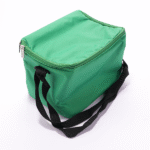
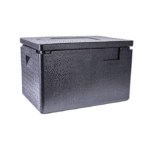
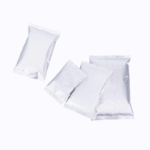
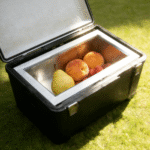
Modern insulated boxes use materials such as expanded polystyrene (EPS) رغوة, بطانات ألياف القطن, الرغاوي القائمة على النشا, bubble wrap and recycled paper. Premium options like ClimaCell® combine high thermal performance with sustainability. Coolants include gel packs, dry ice and PCMs that absorb or release energy during phase change. لشحنات الشوكولاتة, aim to keep contents between 60 درجة فهرنهايت و 70 ° f (15-21 درجة مئوية).
التغليف الأولي والتحكم في الرطوبة
Primary packaging must protect against condensation and rough handling. Sturdy boxes or tins combined with moisture resistant wraps withstand delivery bumps. When shipping premium chocolates, combine multiple layers: an inner wrap for direct contact and an outer layer to block light. Adding desiccants inside the box reduces the risk of sugar bloom.
Pre conditioning and Pre cooling
Temperature control starts before leaving the warehouse. Chocolates should be cooled to 18–20 °C and packaging materials pre chilled to stabilise internal temperatures. إن وضع المنتجات الباردة في عبوات دافئة يؤدي إلى التكثيف; pre conditioning both reduces temperature gradients and maintains humidity below 50 %.
Comparing Packaging and Cooling Solutions
| حل | صفات | تقريبا. مدة (ساعات) | فوائد |
| صناديق معزولة | Multi layer materials (البوليسترين, ورق, قطن) نقل الحرارة البطيء | 24-72 | خفيف الوزن, غير مكلف, قابل للتخصيص |
| مواد تغيير المرحلة (PCMS) | تعمل عبوات الجل أو PCMs المتقدمة على امتصاص الحرارة أو إطلاقها أثناء تغيير الطور | 24-96 | الحفاظ على درجات حرارة مستقرة عبر نطاق أوسع; قابل لإعادة الاستخدام |
| الحاويات النشطة | Powered refrigeration units with precise control | 72+ | مناسبة للشحنات ذات القيمة العالية أو لمسافات طويلة; أكثر تكلفة |
| الحلول الهجينة | مزيج من العزل, PCMs والحد الأدنى من التبريد النشط | 48-96 | موازنة التكلفة والأداء للمسافات المتوسطة |
Packaging Recommendations
Match insulation to route: thicker or higher performance liners are needed for high ambient temperatures.
Choose PCMs for desired range: standard gel packs keep near 0 درجة مئوية; specialised PCMs maintain 15–20 °C, ideal for chocolate.
تأمين التغليف الأساسي: sturdy boxes prevent crushing and moisture ingress.
ضبط للموسمية: increase coolant or insulation in summer and insulate against cold in winter.
دمج مسجلات البيانات: continuous monitoring detects deviations early.
Be Smart About Insulation and Coolant
According to a packaging guide, most chocolate wants to stay between 60–70 °F. Blooming can occur when shipments get too hot or too cold, so packaging must be designed for the entire journey. Insulation slows heat transfer and affects transit time, coolant quantity and box size. Common insulation materials include EPS foam, بطانات ألياف القطن, starch based foam, bubble wrap and recycled paper. PCMs can maintain temperature over a wider range for longer durations. When selecting coolant, consider both summer and winter conditions.
User Focused Tips and Suggestions
هدايا دفعة صغيرة: For gifting chocolate in summer, choose overnight shipping with PCMs and include a moisture barrier. Avoid weekend transit to prevent packages sitting in hot warehouses.
أوامر الشركات: لهدايا الشركات الكبيرة, use hybrid solutions: insulated boxes with PCMs and minimal active cooling. Real time data logging helps your team respond quickly to deviations.
Subscriptions: For monthly chocolate subscriptions, adjust packaging according to season. Add extra insulation in July and August, and less in winter. Provide customers with guidelines on storing and opening their deliveries.
السيناريو العملي: A boutique chocolatier switched from Styrofoam to cotton fibre liners paired with PCMs. Combined with real time temperature sensors, their summer shipments maintained 60-70 درجة فهرنهايت despite a heat wave. على الرغم من ارتفاع تكاليف التعبئة والتغليف بشكل طفيف, complaints dropped dramatically.
Why Are IoT, AI and Sustainability Transforming Cold Chain Logistics?
صناعة سلسلة التبريد تتطور بسرعة. Customers expect transparency and reliability, regulators demand traceability, and businesses need to reduce waste. استجابة, companies are turning to technology and sustainable practices.
Industry Trends Shaping the Cold Chain
أ 2025 study highlights several major trends:
تزايد الطلب والتجارة الإلكترونية: النمو السكاني, higher living standards and online grocery demand are driving a surge in refrigerated trucks, containers and urban cold storage facilities.
إنترنت الأشياء والاتصال المتقدم: built in sensors provide continuous temperature, مراقبة الرطوبة والموقع. Asset trackers now combine GPS with environmental sensors.
Data analytics and artificial intelligence: predictive analytics forecast demand, تحسين طرق التسليم وتوقع الصيانة.
الأتمتة والروبوتات: automated warehouses and digital conveyor systems reduce human error and speed up operations.
الضغط التنظيمي وسلامة الأغذية: regulators require detailed temperature logs, chain of custody documentation and compliance with FDA, EU GDP and WHO practices.
الاستدامة وكفاءة الطاقة: greener practices—such as eco friendly refrigerants and solar powered refrigerated trucks—reduce the cold chain’s carbon footprint.
These trends create an ecosystem where technology, compliance and sustainability intersect.
فوائد إنترنت الأشياء والمراقبة في الوقت الحقيقي
الرؤية المستمرة: real time sensors detect problems immediately, allowing route changes or equipment fixes before products spoil.
الامتثال التنظيمي: automated temperature logs create tamper proof audit trails.
الصيانة التنبؤية: AI platforms analyse past temperature excursions to prevent future failures.
التوجيه الأمثل: real time data combined with predictive analytics helps avoid traffic, الطقس القاسي أو انقطاع التيار الكهربائي.
Pain Points and Solutions
Despite the progress, cold chain stakeholders face common challenges:
Maintaining precise conditions: deviations during loading, unloading or equipment failures can spoil goods.
عدم وجود رؤية في الوقت الحقيقي: without continuous tracking, shipments become “black boxes”.
الامتثال التنظيمي: manual record keeping is error prone and labour intensive.
قيود البنية التحتية: limited cold storage near consumption centres causes bottlenecks.
ارتفاع التكاليف: specialised refrigerated trucks and energy hungry equipment strain margins.
Complex last mile: dense urban traffic and varying handling requirements challenge timely delivery.
التحميل الزائد للبيانات: multiple monitoring systems create information silos.
مخاوف الاستدامة: balancing greener practices with cost and reliability is difficult.
Solutions include implementing connected IoT trackers, integrating systems for unified data, investing in renewable energy, and adopting advanced analytics. على سبيل المثال, a cellular tracker like the LL309 monitors temperature and humidity, stores thousands of data records and sends alerts if readings drift.
الاستدامة واللوجستيات الخضراء
Environmental sustainability is not optional—it’s a requirement. Cold chain operations face increasing pressure to adopt greener practices while maintaining efficiency. الاتجاهات ل 2025 include innovations in green logistics, إدارة الطاقة والقدرة على التكيف مع تغير المناخ. Companies are using biofuels, الطاقة الشمسية وطاقة الرياح to power refrigerated fleets and facilities. Emerging coalitions, مثل انتقل الى -15 ºC مبادرة, promote energy efficient refrigeration technologies.
الذكاء الاصطناعي والأتمتة
Embracing AI is transforming warehouse operations and supply chain management. AI provides predictive insights for inventory control, optimises warehouse layouts, and reduces direct and indirect labour costs. وتشمل الفوائد الرئيسية:
أتمتة المستودعات: robots optimise space, energy and manpower.
Proactive maintenance: يتنبأ الذكاء الاصطناعي بأعطال المعدات, minimising shutdowns.
تحسين الطريق: traffic and weather analysis reduces delays and fuel costs.
مراقبة في الوقت الحقيقي: IoT sensors ensure optimum conditions for perishable products.
مثال: أ 2025 cold chain facility integrated AI driven warehouse automation, reducing labour costs by 30 % واستهلاك الطاقة بنسبة تقارب 20 %. توقع النظام احتياجات صيانة الضاغط, منع التوقف خلال مواسم الذروة.
What Trends Will Shape Cold Chain and Chocolate Shipping in 2025 وما بعدها?
The cold chain logistics market is entering a period of explosive growth. وفقا لأبحاث الأسبقية, the global cold chain logistics market was worth USD 436.30 مليار في 2025 ومن المتوقع أن يصل دولار أمريكي 1,359.78 مليار من قبل 2034, التوسع في أ 13.46 % CAGR. The Asia Pacific region is expected to grow at the highest CAGR of 14.3 %. يحتفظ قطاع الألبان والحلويات المجمدة حاليًا بأكبر حصة من الإيرادات, while refrigerated warehouse and transportation types are expected to expand rapidly.
Market Growth Factors
هناك عدة عوامل تدفع هذا النمو:
توسيع تجارة الغذاء العالمية: perishable food demand and globalization accelerate cold chain investments.
التجارة الإلكترونية والبقالة عبر الإنترنت: explosive growth in online grocery requires reliable temperature controlled transportation.
التقدم التكنولوجي: إمكانية تتبع blockchain, IoT monitoring devices and innovative packaging enhance transparency and reduce spoilage.
الأسواق الناشئة والتحضر: rising disposable incomes and changing dietary preferences create demand for convenience foods.
Tightening regulations: food safety laws like the FSMA in the U.S. require strict compliance and push companies toward better cold chain practices.
مبادرات الاستدامة: renewable energy and eco friendly packaging reduce carbon footprints, aligning with regulatory and consumer expectations.
Cold Storage and Infrastructure Trends
كما يرتفع الطلب, cold storage infrastructure must expand and modernize. وتشمل الاتجاهات الرئيسية:
Changing consumption patterns: consumers prefer fresh, locally sourced foods like farm to fork produce and meal kits. Cold storage facilities are adapting to handle a broader range of perishables, prioritizing transparency and efficiency.
الأتمتة, sustainability and energy efficiency: urban micro fulfilment centres integrate automated picking and advanced temperature controls to meet e commerce demands. Greener practices such as LED lighting and solar integration reduce energy costs by almost 50 %.
Speculative construction: developers are building state of the art cold storage facilities without pre leased tenants, anticipating future demand. مناطق النمو المرتفع مثل تكساس, Florida and Georgia accounted for 47 % التطورات الجديدة منذ ذلك الحين 2020.
Investment boom: average asking rents for cold storage facilities have risen over 96 % منذ 2019, reflecting scarcity and importance. Investors fund modernization projects to meet rising demand.
Last mile challenges: delivering temperature sensitive goods to consumers’ doorsteps remains one of the toughest tasks. Strategies include collaborative warehouses, repurposing older facilities and partnering with 3PL providers to optimise routes.
Supply Chain Resilience and Climate Adaptation
Extreme weather events—such as floods and droughts—highlight the need for resilient logistics systems. Cold chain operators must invest in adaptive infrastructure to mitigate climate related disruptions. مصممة لتناسب الحلول, where facilities are customised to operational needs, optimise costs and increase efficiency. Maintaining strategic stocks of critical products also helps manage volatility.
Market Growth and Investment Data
| سنة | حجم السوق (مليار دولار أمريكي) | CAGR | ملحوظات |
| 2024 | 436.30* | - | Base year for global cold chain logistics market |
| 2025 | 436.30 | - | Market size after pandemic recovery |
| 2026 | 496.80 | - | Expected growth as regulatory pressure and e commerce accelerate |
| 2034 | 1,359.78 | 13.46 % | Forecasted global market size |
* ملحوظة: Precedence Research uses 2024 as a base year in its analysis but reports the same figure for 2025 due to post pandemic recovery.
How to Execute Last Mile and Seasonal Strategies for Cooled Chocolate Shipping?
The last mile—the final leg from distribution hub to your customer—is often the most challenging part of cold chain delivery. يمكن أن تؤدي تقلبات درجات الحرارة أثناء التسليم النهائي إلى تدهور سريع. When shipping chocolates, timing and planning are everything.
Last Mile Strategies
جدولة التسليم الفعالة: deliver during cooler periods and avoid midday heat; plan routes with predictive analytics to avoid traffic.
Minimise handling time: limit time outside insulated packaging during transfer to prevent rapid temperature changes.
مراكز الوفاء الصغيرة: position small warehouses close to customers to shorten transit times and reduce exposure. Urban micro fulfilment centres also address e commerce demand.
Collaborative networks: share cold storage and delivery infrastructure with partner brands to optimise routes and reduce costs.
Seasonal Strategies
Warm seasons pose a high risk of melting. A chocolatier notes that most chocolate softens between 80 درجة فهرنهايت و 85 °F and melts at around 86 - 93 ° f. To protect shipments:
Use insulation and ice packs: in warm months, include insulation and ice packs; add costs when temperatures exceed 75 ° f.
Select shipping days wisely: ship Monday through Wednesday to avoid weekend delays.
Upgrade delivery options: choose overnight or 2 day shipping if the destination is more than two transit days away and temperatures exceed 80 ° f.
Choose the right address: send packages to locations where someone can receive them immediately, avoiding hot mailboxes.
During colder seasons, chocolate may crack or condense. Use insulated packaging to prevent freezing and avoid leaving boxes outside in freezing temperatures. Adjust coolant quantity to prevent the chocolate from dropping below its safe range.
Shipping Guidelines by Season
| موسم | Temperature risk | Packaging adjustments | Delivery strategy |
| Spring/Summer | High ambient temps; risk of melting | استخدم عزلًا أكثر سمكًا, PCMs and ice packs; منتجات ما قبل التبريد | السفينة في وقت مبكر من الأسبوع; choose overnight or 2 day shipping; تجنب عطلة نهاية الأسبوع |
| Autumn | معتدل; variable weather | ضبط سمك العزل; moderate PCMs | Plan routes based on local weather; schedule deliveries during cooler periods |
| Winter | Low temperatures; risk of condensation and cracking | Use insulation to prevent freezing; avoid cold air exposure | مراقبة الرطوبة; instruct recipients to bring packages inside quickly |
2025 أحدث التطورات والاتجاهات
The cold chain is evolving at breakneck speed. Here’s a snapshot of emerging developments in 2025:
اللوجستية الخضراء: companies adopt renewable energy sources, such as solar and wind, for refrigerated fleets and facilities.
AI driven warehouse automation: predictive maintenance and route optimisation reduce downtime and fuel consumption.
التبريد الموفرة للطاقة: مبادرات مثل انتقل الى -15 ºC coalition promote energy efficient technologies and sustainable practices.
مرونة سلسلة التوريد: investments in adaptive infrastructure to tackle climate change and extreme weather.
Reducing food waste: cold chain logistics helps prevent the 1 billion tonnes of food wasted annually, which accounts for 8–10 % من انبعاثات الغازات الدفيئة العالمية.
Expansion of cold storage: built to suit solutions and speculative construction address soaring demand.
Latest Market Insights
US chocolate industry growth: الولايات المتحدة. chocolate industry is expected to surpass $20 مليار من قبل 2025.
السوق العالمية للوجستيات سلسلة التبريد: تقدر قيمتها بأكثر من $321 مليار في 2023 and estimated at over $368 مليار في 2024; projected to exceed $1.245 تريليون بواسطة 2033 بمعدل نمو سنوي مركب قدره 14.5 %.
Average cold storage facility age: متوسط مرافق التخزين البارد هو 42 سنة; more than half are over 30 سنة, تسليط الضوء على الحاجة إلى التحديث.
Cold storage rents: average asking rents have risen over 96 % منذ 2019, signalling high demand and limited supply.
الأسئلة المتداولة
س 1: What temperature range should I maintain for shipping chocolates?
Keep shipments between 54–68 °F (12-20 درجة مئوية) والرطوبة النسبية بالأسفل 50 %. Staying in this range prevents fat and sugar bloom and ensures your chocolates arrive glossy and smooth.
Q2: Why does chocolate bloom during shipping?
Bloom occurs when fats or sugars migrate to the surface due to temperature or humidity fluctuations. Using proper insulation, PCMs and moisture barriers prevents bloom.
س 3: Which packaging materials work best for shipping chocolate?
Insulated boxes made from EPS foam, ألياف القطن, starch based foams or recycled paper provide thermal protection. Combining them with phase change materials or gel packs keeps the temperature stable.
س 4: How can I reduce the environmental impact of chocolate shipping?
Opt for sustainable insulation materials, reusable PCMs and renewable energy for transportation. الجمع بين الشحنات, use micro fulfilment centres and select recyclable packaging.
س 5: What is the ideal shipping schedule during summer?
Ship orders early in the week, preferably Monday through Wednesday, لتجنب عطلة نهاية الأسبوع. Include insulation and ice packs when temperatures exceed 75 °F and choose expedited delivery.
س6: How will AI improve cooled chocolate shipping?
AI provides predictive insights for inventory, route optimisation and maintenance, تقليل التأخير والتلف. Automated warehouses and real time sensors enhance efficiency and safety.
س7: How big is the cold chain market and why does it matter?
The global cold chain logistics market was worth $436.30 مليار في 2025 ومن المتوقع أن يصل $1,359.78 مليار من قبل 2034. Rapid growth reflects rising demand for perishable goods, making robust cold chain practices essential for chocolate and other temperature sensitive products.
ملخص وتوصيات
Effective cooled chocolate shipping is a blend of science and strategy. Chocolates must stay between 12–20 °C and humidity below 50 %. Proper packaging—combining insulation, PCMs and moisture barriers—protects against bloom and cracking. Pre cooling both products and packaging stabilises internal conditions. Real time monitoring through IoT sensors and AI analytics provides transparency, predictive insights and compliance. Growing demand, tighter regulations and sustainability imperatives mean the cold chain industry will continue expanding. Investing in modern facilities, renewable energy and automation ensures resilience and efficiency.
الخطوات التالية القابلة للتنفيذ
تدقيق التعبئة والتغليف الخاصة بك: evaluate current insulation, coolants and moisture controls. Test different combinations to maintain 60–70 °F during transit.
تنفيذ المراقبة في الوقت الحقيقي: equip each shipment with IoT sensors that record temperature and humidity. Use alerts to intervene when deviations occur.
Optimise routes and timing: schedule deliveries during cooler periods, avoid weekend holds and leverage predictive analytics for route planning.
اعتماد الممارسات المستدامة: switch to recyclable insulation and renewable energy. Explore coalition initiatives like انتقل الى -15 ºC for energy efficient refrigeration.
تثقيف العملاء: provide clear instructions for receiving and storing chocolate. Encourage recipients to track deliveries and bring packages inside promptly.
حول Tempk
We are a leading innovator in cold chain packaging. Our products combine high thermal performance with sustainability. ClimaCell® liners deliver superior insulation using paper based materials that are easily recyclable. We design solutions for perishable food, pharmaceuticals and medical devices, ensuring products stay within their optimal temperature range during transit. Our team stays at the forefront of cold chain trends, incorporating IoT monitoring and renewable energy to help clients reduce waste and costs. من خلال الشراكة معنا, يمكنك الوصول إلى التعبئة والتغليف الموثوقة, expert guidance and cutting edge technology.
نداء العمل
Ready to elevate your cooled chocolate shipping? Contact us for tailored advice on packaging design, IoT monitoring solutions and sustainability strategies. Our experts will help you choose the right insulation, coolant and logistics approach to keep your chocolates perfect. Don’t let your hard work melt away—reach out today!