Cooled pralines packaging is more than wrapping sweets – it is a science of temperature, humidity and customer delight. When you ship or gift pralines, the wrong conditions can make the chocolate melt, bloom or lose its glossy finish. This guide explains how to choose and use insulated packaging, maintain the ideal 54–68 °F (12-20 درجة مئوية) نطاق درجة الحرارة, and create an unforgettable unboxing experience. By understanding these principles you can deliver premium chocolates that arrive as stunning as when they left your kitchen.

Why do pralines need strict temperature and humidity control? Learn how fat and sugar bloom occur and why consistent shipping conditions matter.
What materials and coolants work best for cooled pralines packaging? Compare liners, gel packs and sustainable alternatives based on performance and cost.
How can you design eco friendly packaging that wows customers? Explore sustainable options like compostable foam and recycled fibre and learn about unboxing strategies.
ما هي الأحدث 2025 trends in cold chain logistics? اكتشف كيف تعمل أجهزة استشعار إنترنت الأشياء, AI analytics and consumer demand for sustainability are reshaping the gourmet confectionery market.
Frequently asked questions about storing, shipping and enjoying pralines. Get concise answers to common concerns about temperature ranges, packaging materials and shelf life.
Why Do Temperature and Humidity Matter for Pralines Shipping?
إجابة مباشرة
Pralines are highly sensitive to heat and moisture, so they must be kept between about 54 °F and 68 °F (12-20 درجة مئوية) with relative humidity below 50 % to prevent melting and bloom. The cocoa butter and sugar crystals inside pralines soften or recrystallize when temperatures fluctuate. Heat above roughly 86 °F (30 درجة مئوية) melts the fat, تسبب ازدهار الدهون, while moisture triggers sugar bloom, creating white streaks and a grainy texture. Maintaining a stable micro climate during transit preserves the glossy finish, snap and flavor of your confections.
شرح مفصل
Shipping pralines isn’t as simple as placing them in a box. Chocolates melt at temperatures lower than the human body – dark chocolate melts at about 86–90 °F (30-32 درجة مئوية), milk chocolate at 84–88 °F (29–31 °C) and white chocolate at 82–84 °F (28–29 °C). Pralines often have soft fillings such as ganache or caramel, making them even more temperature sensitive. When temperatures exceed the melting point, cocoa butter liquefies and migrates to the surface; when humidity is high, sugar dissolves and recrystallizes, مما يؤدي إلى إزهار السكر. على العكس من ذلك, temperatures that are too low can create condensation when the chocolate warms up again, encouraging sugar bloom.
Proper humidity control is just as crucial. Relative humidity should remain under 50 %【589197806985395†L168-L160】; above 60 °F (15 درجة مئوية), even moderate humidity can cause sugar to dissolve and later recrystallize. To maintain stable conditions, use desiccants or moisture absorbing liners inside the package and avoid refrigeration unless absolutely necessary. Refrigerators often have high humidity levels and can cause condensation when chocolates are removed.
Understanding melting points
Different pralines melt at different temperatures because of their ingredients:
| نوع الشوكولاتة | Melting point (° f) | Significance for pralines shipping |
| الشوكولاتة الداكنة | 86–90 °F | Can tolerate cooler conditions but still melts quickly in summer. |
| شوكولاتة الحليب | 84–88 °F | أكثر حساسية بسبب المواد الصلبة الحليب; يتطلب تحكمًا أكثر صرامة في درجة الحرارة. |
| شوكولاتة بيضاء | 82–84 °F | Most delicate; fats separate quickly, so consistent cooling is vital. |
| Filled/cream pralines | similar ranges | Soft centers can crack or leak when temperatures fluctuate. |
These ranges illustrate why cooled pralines packaging must stay within 54–68 °F (12-20 درجة مئوية) and why you should avoid extreme heat or cold. You can use wine coolers or dedicated cold rooms to pre cool pralines to 45–67 °F before packaging.
نصائح وإرشادات عملية
Start with cold, clean hands: Body heat can melt chocolate, so run your hands under cold water before packing.
Pre cool both pralines and packaging: Cooling both the product and the box to 18–20 °C reduces temperature gradients and prevents condensation.
مراقبة الرطوبة: Include desiccant packets or humidity absorbing paper inside the packaging to keep relative humidity under 50 %.
تجنب التغيرات السريعة في درجة الحرارة: Don’t move pralines directly from refrigeration into warm air; allow them to acclimate gradually to avoid condensation.
استخدام مسجلات البيانات: IoT sensors can track temperature and humidity during transit and alert you to deviations.
دراسة حالة: A small chocolatier shipping filled pralines internationally experienced bloom during summer. After pre cooling each batch and adding humidity absorbing liners, rejection rates fell to less than 3 %. Customers noted a firmer texture and shinier finish, demonstrating how proper cooling and moisture control improve quality.
How to Choose the Right Insulated Packaging for Cooled Pralines
إجابة مباشرة
The ideal cooled pralines packaging combines insulation, refrigerants and moisture control to maintain 54–68 °F (12-20 درجة مئوية) and low humidity for 24–72 hours. Use a sturdy outer box, بطانة معزولة (such as EPS foam, recycled cotton or starch based foam), and gel packs or phase change materials (PCMS) sized for the journey. Avoid leaving empty space inside the box; too much air allows heat to circulate and melt your chocolates.
شرح مفصل
Packaging for pralines shipping involves multiple layers:
التعبئة الأولية: Each praline or assortment should be placed in a dedicated chocolate box or tray to prevent movement and protect delicate decorations. Wrap the chocolates in foil or wax paper to seal freshness and block light. Use inserts or dividers to keep pralines from touching each other.
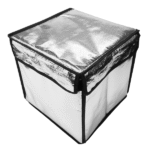
بطانة معزولة: The insulated liner fits inside a corrugated box and reduces heat transfer. Options include reflective liners such as metalized film with plastic bubbles (على سبيل المثال, كول لاينر) للشحنات لمدة 24 ساعة, thick paper or cotton fiber liners for up to 48 hours (على سبيل المثال, EcoLiner) and EPS foam or starch based foam for longer journeys. Some liners are biodegradable or recyclable, offering sustainability benefits.
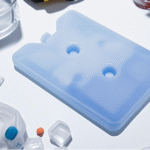
المبرد: Gel packs provide consistent cooling around 0 °C and are safe and easy to handle. Dry ice maintains extremely low temperatures and is necessary for frozen products but is usually not suitable for pralines because it can overcool them. Phase change materials designed for 15–20 °C are ideal for chocolate; they absorb and release heat to maintain a stable environment.
Moisture barrier and desiccants: Sugar bloom occurs when moisture condenses on chocolate. Add moisture absorbing packets or humidity resistant gel packs to reduce internal humidity.
Packaging materials comparison
| مادة | Insulation duration | الاستدامة | أهمية عملية |
| الرغوة EPS | 24-72 ساعة | Petroleum based; not biodegradable | Excellent thermal performance, تكلفة منخفضة; widely used for long shipments. |
| Cotton fibre or recycled textile liners | 48 ساعات | Made from recycled fibres; recyclable and sometimes compostable | عزل جيد; eco friendly alternative to foam; compressible for storage. |
| Starch based foam (على سبيل المثال, المبرد الحيوي®) | 48 ساعات | Derived from renewable plant starches; قابل للتسميد | Provides insulation comparable to EPS; يقلل من التأثير البيئي. |
| Metalised bubble liners (كول لاينر) | 24 ساعات | Recyclable plastic and foil | خفيف الوزن; good for overnight shipping or moderate climates. |
| مواد تغيير المرحلة (PCMS) | 24-96 ساعة | قابلة لإعادة الاستخدام; some made from bio based materials | Maintain stable temperature at 15–20 °C, مثالية لحلوى الشيكولاتة; can be reused or returned. |
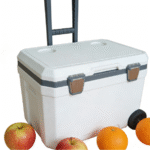
| حاويات مبردة نشطة | 72 hours+ | Energy intensive; قابل لإعادة الاستخدام | توفير التحكم الدقيق في درجة الحرارة; used for high value shipments but cost more. |
User tips and suggestions
Match insulation to transit time and climate: For overnight shipments or mild climates, a metalized bubble liner and a small gel pack may suffice. For multi day shipping or summer heat, use thicker cotton or foam liners and additional refrigerant.
Calculate box dimensions carefully: Leave only ½–1 in (1.3–2.5 cm) extra space inside the box to fit gel packs and reduce air pockets. Overly large boxes cause the refrigerant to warm faster.
Place gel packs correctly: Wrap gel packs in plastic and place one at the bottom of the shipping box, with additional packs around the sides if necessary to maintain temperature.
Choose condensation resistant packs: Sweat proof gel packs reduce moisture inside the box and prevent sugar bloom.
Avoid weekend shipping: Packages sitting in warehouses over weekends often lose temperature control. Ship early in the week and provide customers with tracking information.
سيناريو العالم الحقيقي: A logistics firm shipping gourmet truffles switched from Styrofoam to cotton fibre liners paired with phase change materials and installed temperature sensors. Even during a heat wave, shipments maintained 60–70 °F (15-21 درجة مئوية), and customer complaints dropped dramatically. Though packaging costs increased slightly, the improved quality and reduced waste justified the investment.
Sustainable and Eco Friendly Options for Cooled Pralines Packaging
إجابة مباشرة
Sustainable cooled pralines packaging uses compostable or recyclable insulation, biodegradable films and reusable coolants to minimize environmental impact while keeping confections safe. Customers increasingly prefer eco friendly packaging, و 2023/2024 research shows products with sustainability related claims saw 28 % cumulative growth compared with 20 % for those without.
شرح مفصل
Consumers value not only the taste of pralines but also the ethics behind them. Sustainable packaging reduces plastic waste, supports brand reputation and aligns with regulatory trends. تشمل الخيارات:
Compostable foam and fibre: Starch based foams like Biocooler® mimic the insulation of styrofoam but are made from renewable plant starches that return to nature after disposal. Cotton fibre or recycled textile liners are recyclable and reduce reliance on fossil fuels.
Recycled paper and card: الورق المقوى, kraft and cardboard are lightweight, printable and recyclable. They work well for outer boxes and primary packaging; rigid boxes can be reused by customers.
Biodegradable film: Foil wrappers combined with biodegradable plastic films protect against light and oxygen while being compostable or recyclable.
مبردات قابلة لإعادة الاستخدام: Phase change materials can be reclaimed and reused for multiple shipments, تقليل النفايات. Some gel packs are drain friendly or biodegradable.
Eco friendly packaging comparison
| حل | Environmental benefit | الاعتبارات الرئيسية |
| Compostable foams (المبرد الحيوي®, Biocooler) | Made from renewable plant starches; decompose naturally | Cost may be higher; ensure they provide adequate insulation for your route. |
| Recycled cotton liners | Reuses textile waste; recyclable and sometimes biodegradable | Compressibility makes storage efficient; may retain moisture if not lined properly. |
| Kraft paper and cardboard | قابلة للتحلل, recyclable and lightweight | Provide structural strength but require an insulated liner for thermal protection. |
| أجهزة PCM قابلة لإعادة الاستخدام | Reduce single use coolant waste | Need a return program or incentive for customers to send them back. |
User tips and suggestions
Tell your sustainability story: Print short notes on the box about your eco friendly practices, such as using renewable materials or supporting carbon offsets.
Offer reusable packaging options: Provide customers with the option to return or reuse insulated shippers. Incentivise returns with discounts on future orders.
Use plant based inks: Soy based inks reduce chemical pollution and align with the overall eco friendly theme.
Limit excess packaging: Choose appropriately sized boxes and use minimal padding to reduce waste and shipping costs.
Certify your materials: Look for certifications like FSC (Forest Stewardship Council) أو ASTM D6400 (for compostable plastics) to assure customers of environmental claims.
حالة عملية: Nature Pack’s sustainable cold chain packaging uses plant based foams and gel refrigerants. Their Biocooler® insulated shippers increase temperature control time by up to 30 % compared with traditional EPS foams, while the materials decompose naturally. This highlights how eco friendly solutions can deliver both performance and sustainability.
Designing an Unforgettable Pralines Unboxing Experience
إجابة مباشرة
A great unboxing experience combines functional protection with aesthetic delight and storytelling. Use sturdy boxes, dividers and inserts to secure pralines and complement them with luxurious finishes like foil stamping or embossing. Include personalized notes, flavor guides, or small samples to surprise customers and encourage sharing on social media.
شرح مفصل
For many buyers, opening a box of pralines is as exciting as tasting them. A well designed unboxing experience strengthens your brand and encourages repeat purchases. Consider the following elements:
Box design: Choose materials such as rigid cardboard or kraft that convey quality and withstand shipping. Use inserts to hold each praline in place and prevent damage during transport. Design with your brand colors, fonts and patterns to evoke the flavor and story behind your chocolates.
Visual appeal: Add foil stamping, embossing or unique shapes to make the package share worthy on social media. Use thermochromic inks that change color based on temperature to signal when the box has warmed, integrating functionality and design.
Storytelling: Share information about the praline flavors, مكونات, origin of cocoa and sustainability practices on the inside lid or an accompanying card. Customers appreciate transparency and may post photos of your messaging.
Personal touches: Include handwritten notes, seasonal messages or mini samples. These small gestures build loyalty and differentiate your brand.
Practical convenience: Ensure the box is easy to open and reseal. If shipping multiple layers of pralines, include trays that can be removed individually. Provide clear instructions on storing leftovers (على سبيل المثال, keep in a cool, dry place at 60–70 °F).
User tips and suggestions
Segment flavors: Use compartments or color coded wrappers to differentiate fillings. This helps customers select their favorite praline without disturbing others.
Include QR codes: Link to videos demonstrating how the pralines are made or stored. Digital content enhances engagement and builds trust.
تشجيع ردود الفعل: Add a short survey card or ask customers to share their unboxing on social media. Offer discount codes for future orders in exchange for reviews.
Seasonal packaging: Create limited edition boxes for holidays or special occasions. Customers often purchase chocolates as gifts, so themed packaging drives excitement and sales.
Test your design: Conduct drop tests and real world shipping trials to ensure the unboxing stays perfect even after rough handling.
مثال: A boutique praline maker introduced a seasonal box with a sliding drawer and illustrated map of origin. Customers loved the interactive design and shared unboxing videos on social media, boosting brand exposure.
Latest Trends and Technology in Cold Chain Packaging (2025 تحديث)
نظرة عامة على الاتجاه
The cold chain industry has undergone rapid innovation. أ 2025 study notes that consumers increasingly demand premium, ethically sourced gourmet foods and are willing to pay more for products with sustainability claims. The global gourmet food market grew from US$27.93 billion in 2023 to an expected US$48.38 billion by 2031. To deliver high value products like pralines across continents, brands are adopting smart packaging technologies and sustainable materials.
أحدث التطورات في لمحة
أجهزة استشعار إنترنت الأشياء ومسجلات البيانات: Modern shipments use connected devices to monitor temperature, الرطوبة والموقع في الوقت الحقيقي. Sensors send alerts when conditions deviate, allowing shippers to intervene and protect quality.
Artificial intelligence and analytics: AI algorithms analyze sensor data to predict temperature excursions, optimize packaging configurations and suggest route adjustments. These tools reduce waste and improve energy efficiency.
Passive thermal packaging: مواد العزل المتقدمة, such as plant based foams and recycled cotton liners, provide reliable cold chain protection without using electricity. Passive solutions reduce operational costs and environmental impact.
الحلول الهجينة: Combining insulation, phase change materials and minimal active cooling results in cost effective packaging that maintains temperatures for 48–96 hours.
Sustainable packaging adoption: Consumer demand for environmentally friendly products drives the use of compostable insulation, recyclable cardboards and reusable coolants. Brands that highlight their eco initiatives see higher growth rates.
الامتثال التنظيمي وإمكانية التتبع: Governments require detailed temperature logs and chain of custody documentation. Blockchain and cloud platforms provide secure data sharing and enhance trust throughout the supply chain.
رؤى السوق
Sustainability influences purchasing decisions: a McKinsey & NielsenIQ report found that products with sustainability claims enjoy 28 % cumulative growth, compared with 20 % for those without. Consumers also prioritise local sourcing, transparency and ethical practices. For praline makers, this means using responsibly sourced cocoa, eco friendly packaging and clear labeling. With gourmet food e commerce expanding, cold chain protection becomes critical. Fine chocolate must be kept at 10–18 °C during transport, and any disruption can lead to spoilage and reputational damage. Investing in passive thermal packaging and digital monitoring ensures that products arrive safely even during last mile delivery.
الأسئلة المتداولة
س 1: What temperature should I store and ship pralines at?
Keep pralines between 54 °F and 68 °F (12-20 درجة مئوية) with relative humidity below 50 %. Avoid exposing them to temperatures above 86 °F (30 درجة مئوية), which can cause fat bloom. Pre cool your products and packaging and use insulated liners and gel packs during shipping.
Q2: Can I refrigerate pralines?
Refrigeration is generally not recommended because refrigerators have high humidity. Condensation forms when chocolates are removed and warmed, مما يؤدي إلى إزهار السكر. بدلاً من, store pralines in a cool, dry place away from light and strong odors.
س 3: كم من الوقت يمكن أن تبقى حلوى اللوز في العبور?
When packed properly with insulated liners and gel packs, pralines can stay in transit for up to 48–72 hours. لكن, shipping times should be minimized; overnight or two day shipping is ideal. Avoid weekend shipping to prevent packages from sitting in unrefrigerated facilities.
س 4: What are the best eco friendly materials for cooled pralines packaging?
Plant based foams such as Biocooler®, recycled cotton liners, kraft paper and cardboard are excellent sustainable options. These materials reduce plastic waste and can often be recycled or composted. Reusable phase change materials also lower environmental impact by eliminating single use gel packs.
س 5: How do I prevent pralines from absorbing odors during shipping?
Use airtight primary packaging and ensure proper air circulation around pallets to prevent chocolates from absorbing unwanted smells. Keep pralines away from products with strong odors during storage and transportation and add odor absorbent sachets if necessary.
س6: What interactive elements can improve customer engagement?
Consider adding a QR code linking to a flavor guide or a short quiz to help customers identify their flavor preferences. Provide a packaging calculator on your website that suggests the number of gel packs and type of liner based on destination and weather. Offer a feedback form with a discount for completed surveys.
ملخص وتوصيات
الوجبات الرئيسية
Cooled pralines packaging requires a careful balance of temperature control, moisture management and aesthetic presentation. Keep pralines within 54–68 °F (12-20 درجة مئوية) and maintain humidity under 50 % to prevent melting and bloom. Use insulated liners, gel or phase change coolants and moisture barriers to maintain conditions during transit. Choose sustainable materials like compostable foams and recycled cotton to meet consumer demand for eco friendly packaging. Design your packaging to provide a memorable unboxing experience with storytelling and personal touches. ابق على اطلاع حول 2025 trends such as IoT sensors, AI analytics and passive thermal packaging to ensure your cold chain remains efficient and compliant.
Actionable suggestions
Develop a packaging checklist: Include steps like pre cooling products, selecting the appropriate liner and gel pack, and adding humidity absorbing packets.
Invest in data monitoring: Use IoT sensors to monitor temperature and humidity and to generate compliance reports. This will help prevent spoilage and build customer trust.
Adopt eco friendly materials: Transition from EPS foam to compostable or recycled liners. Educate customers about your sustainable efforts through packaging notes.
Enhance the unboxing experience: Incorporate high quality box designs, personal notes and interactive elements to encourage sharing and repeat purchases.
Optimize shipping schedules: Avoid weekend deliveries, use overnight or two day services when possible and track weather forecasts for extreme conditions.
Use internal links: Link related articles on your site, such as guides on “cold chain logistics,” “sustainable packaging materials,” and “designing brand storytelling,” to boost SEO and provide more value to readers.
حول Tempk
Tempk is a leader in cold chain packaging solutions, specializing in advanced insulated containers, phase change materials and eco friendly packaging for food and pharmaceutical industries. مع عقود من الخبرة, we design systems that keep products within precise temperature ranges during transit. Our materials, like plant based foams and recyclable liners, provide high performance while reducing environmental impact. We also offer data logging technology and custom designs to ensure your pralines arrive fresh and your brand shines.
For expert advice and custom solutions, اتصل بـ Tempk اليوم to discuss how we can protect your pralines and enhance your customer experience.