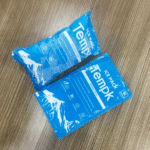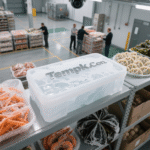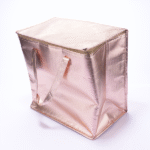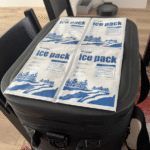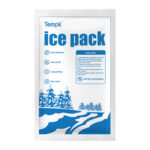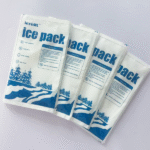
الصندوق المعزول المخصص هو أسهل طريقة للتوقف “الوافدين الحارة العشوائية” قبل أن تلحق الضرر بمنتجك وسمعتك. في الأمثلة الميدانية, خفضت الفرق الضرر بنسبة تصل إلى 28% واستخدام المبرد بحوالي 35% بعد التحجيم الصحيح وتوحيد العبوة. عندما تقوم بتصميم عبوات حول طريقك الحقيقي, يمكنك تقليل الرحلات وتكلفة الشحن الإجمالية. يوضح لك هذا الدليل كيفية اختيار المواد, حجم العبوة, والتحقق من صحة الأداء ل 2026 الممرات.
هذا الدليل سوف يساعدك:
اختر صندوقًا معزولًا مخصصًا لشحن السلسلة الباردة الذي يتوافق مع نطاق درجة الحرارة لديك ويحتفظ بالوقت
قم ببناء حزمة قابلة للتكرار للشاحن المعزول الخاص بك, حتى في المناوبات المزدحمة
قارن عبوات الجل مع PCM للشحن عند درجة حرارة 2-8 درجات مئوية دون تجميد المنتجات الحساسة
التحقق من صحة الخطة مع الاختبار العملي (بما في ذلك ملفات تعريف نمط ISTA ووضع المسجل)
تحسين الاستدامة من خلال التغليف المعزول المستدام 2026 الخيارات
لماذا يعتبر الصندوق المعزول المخصص أفضل من التغليف القياسي؟?
تم تصميم صندوق معزول مخصص لمنتجك, ليس للظروف المتوسطة. إنه يتوافق مع نطاق درجة الحرارة الخاص بك, مدة العبور, والتعامل مع المخاطر. هذا الملاءمة يقلل من فجوات الهواء, حدود الجسور الحرارية, ويحسن اتساق الختم. والنتيجة هي ارتفاعات أقل في درجات الحرارة وتقليل المبالغ المستردة.
تفترض شركات الشحن القياسية طرقًا قصيرة وطقسًا معتدلًا. تشمل الممرات الحقيقية أحواضًا ساخنة, مدرجات باردة, وتأخير الميل الأخير. يتيح لك التصميم المخصص ضبط السُمك, إدراج, وطريقة الختام لأسوأ يوم واقعي. هذه هي الطريقة التي تحول بها عملية التغليف من مقامرة إلى نظام.
كيف يعمل العزل المخصص على تحسين استقرار درجة الحرارة؟?
يعمل الصندوق المعزول المخصص على تقليل انتقال الحرارة عن طريق تقليص الحجم الفارغ وتحسين التحكم في الاتصال. أقل “هواء حر” يعني اختلاطًا أقل ونقاطًا ساخنة أقل. كما أن الغطاء الأفضل والتجويف الأكثر إحكامًا يقللان أيضًا من تسرب الهواء الدافئ. يمكنك الحصول على وقت أطول مع نفس المبرد.
| عامل العزل | الشاحن القياسي | صندوق معزول مخصص | ماذا يعني لك |
|---|---|---|---|
| سمك الجدار | مُثَبَّت | ضبطها | عقد درجة الحرارة لفترة أطول |
| تناسب داخلي | نوعي | خاص بالمنتج | فقدان أقل للبرد |
| جودة الختم | أساسي | هندسيا | ارتفاعات أقل في درجات الحرارة |
| حماية الحمولة | محدود | الأمثل | انخفاض خطر الضرر |
نصائح عملية يمكنك تطبيقها الآن
طرق قصيرة: استخدم تركيبًا أكثر إحكامًا وإدخالات أبسط قبل الدفع مقابل الجدران السميكة.
طرق طويلة: قم بإضافة سمك العزل وتقليل فجوات الهواء لتمديد كل عبوة جل.
التعامل الخام: تعزيز الزوايا والحواف لمنع الضغط والرغوة المتشققة.
السيناريو الحقيقي: قامت إحدى شركات شحن المواد الغذائية الطازجة بتخفيض التلف بنسبة 28% بعد التبديل إلى صندوق معزول مخصص مطابق للمسار وحزمة موحدة.
كيف يمكن للصندوق المعزول المخصص أن يقلل من إجمالي تكلفة الشحن?
يعمل الصندوق المعزول المخصص على تقليل التكلفة عن طريق منع الفشل, وليس باستخدام مواد أرخص. عندما تصمد درجة الحرارة لفترة أطول, أنت تنفق أقل على مبرد الطوارئ وإعادة الشحن. عندما تصبح العبوة قابلة للتكرار, يمكنك تقليل المطالبات وعبء دعم العملاء. عادةً ما تتجاوز هذه التكاليف المخفية سعر الصندوق.
| منطقة التكلفة | التعبئة والتغليف القياسية | صندوق معزول مخصص | تأثير الادخار |
|---|---|---|---|
| فقدان المنتج | مخاطر أعلى | مخاطر أقل | حماية الهامش المباشر |
| وزن المبرد | في كثير من الأحيان المفرطة | تم ضبطها على المسار | انخفاض الإنفاق على الشحن |
| عودة & يعيد شحنه | أكثر تواترا | أقل تواترا | تقليل المبالغ المستردة والتأخير |
| جهد الامتثال | من الصعب إثبات ذلك | أسهل للتوثيق | موافقات أسرع |
| دورات إعادة الاستخدام | محدود | مصممة للدورات | انخفاض التكلفة لكل رحلة |
استراتيجية التكلفة القابلة للتنفيذ
استخدم بيانات مسجل درجة الحرارة لضبط سمك العزل وكتلة سائل التبريد.
توحيد الأحجام عبر مجموعات المنتجات لتقليل فوضى SKU.
قم بترقية الإدخالات وإجراءات التشغيل القياسية (SOP) قبل الإضافة “المزيد من الجل” أو “المزيد من الرغوة.”
ما الذي يجب عليك قياسه قبل تصميم صندوق معزول مخصص؟?
يعمل الصندوق المعزول المخصص بشكل أفضل عندما تقوم بتصميم حوالي ثلاثة أرقام. أنت بحاجة إلى نطاق درجة الحرارة الخاص بك, مدة الباب إلى الباب الخاص بك, وأسوأ تعرضك للبيئة المحيطة الواقعية. إذا تخطيت هذه المدخلات, سوف تفرط في البناء أو تبالغ في البناء. في كلتا الحالتين, أنت تدفع ثمنها.
ابدأ بسجل فحص شركة النقل وأوقات العبور الحقيقية. ثم قم بإضافة الموسمية والمخزن المؤقت للتأخير لعطلات نهاية الأسبوع والأعياد. تصميم ل “التأخير المتوقع,” ليس اليوم المثالي. هذه العقلية تجعل الصندوق المعزول المخصص أكثر موثوقية وأسهل للتحقق من صحته.
درجة مخاطر المسار لمدة 60 ثانية
أعط نفسك 1 نقطة لكل “نعم.” هذا فحص ذاتي سريع, ليس تقرير مختبر.
هل تجلس الشحنات في الخارج؟ 30+ دقائق عند الاستلام أو التسليم?
هل تقوم بالشحن عبر أكثر من منطقة مناخية واحدة?
هل ترى تأخيرات 12+ ساعات مرة واحدة على الأقل شهريا?
هل منتجك حساس لرحلات درجات الحرارة الصغيرة؟?
هل تقوم بالشحن يوم الجمعة أو قبل العطلات الرسمية?
دليل النتيجة
0-1: قد يكون الشاحن المعزول الأساسي كافيًا بإجراءات تشغيل موحدة بسيطة.
2-3: من المحتمل أنك تحتاج إلى صندوق معزول مخصص مع عبوات موسمية.
4-5: خطط لعزل أعلى, استراتيجية تبريد أقوى, واختبار التحقق من الصحة.
حول Tempk
و Tempk, نقوم بتصميم أنظمة صناديق معزولة مخصصة وأجهزة شحن يتم التحكم في درجة حرارتها لعمليات سلسلة التبريد الحقيقية. نحن نركز على كفاءة المواد, حزم قابلة للتكرار, والوثائق الجاهزة للتحقق. يساعدك فريقنا على تصميم الحجم الصحيح, تقليل وزن سائل التبريد, وتحسين الاتساق عبر خطوط التعبئة المزدحمة. إذا كنت تشارك نطاق درجة الحرارة الخاص بك, عقد الوقت, ونوع الممر, يمكننا المساعدة في تحديد مواصفات عملية للصندوق المعزول.
دعوة إلى العمل: أرسل ملف تعريف المسار الخاص بك وتفاصيل الحمولة لطلب مراجعة التصميم وخطة اختبار تجريبية.