آخر تحديث: يناير 9, 2026
An eco-friendly insulated box is only “أخضر” if it protects your product and avoids re-ships. In the EU alone, packaging waste reached 186.5 kg per person in 2022, and plastic packaging waste was 35.3 kg per person in 2023—pressure is rising from regulators and customers. This guide helps you choose the right eco-friendly insulated box for your lane, so you reduce waste and keep temperature stable.
هذه المقالة سوف تجيب لك:
How to judge an eco-friendly insulated box beyond labels (معاد تدويره, قابل لإعادة التدوير, قابل لإعادة الاستخدام)
Which materials work best for your lane using a practical recyclable insulated shipping box checklist
How to plan insulation for 24–72 hours, including insulated box for frozen shipping without foam
How to pack an eco-friendly insulated box with fewer temperature failures (قابل للتكرار “وصفة”)
When a reusable eco-friendly insulated box beats single-use on total cost
What makes an eco-friendly insulated box truly eco-friendly?
A truly eco-friendly insulated box reduces total impact only when it keeps temperature stable, matches real disposal, and avoids “إضافي” materials that add weight or waste.
If it fails temperature and forces reshipments, your footprint can increase fast.
So you should judge the full system, not a single label.
A simple way to decide is the “3-امتحان” filter:
Protects product reliably, 2) Fits real-world end-of-life, 3) Uses less total material and energy.
Recycled vs recyclable vs reusable: which label helps you most?
| ملصق | Typical example | ما يمكن أن يحدث الخطأ | ماذا يعني لك |
|---|---|---|---|
| Recycled content | Recycled PET felt liner | Not recyclable again in many areas | Good story, but confirm disposal |
| قابل لإعادة التدوير | المموج + paper insulation | Trashed if wet/contaminated | Needs moisture control + clear instructions |
| قابلة لإعادة الاستخدام | EPP/returnable tote | Reverse logistics not planned | Best long-term when returns are reliable |
نصائح عملية يمكنك استخدامها اليوم
If you ship DTC: pick an eco-friendly insulated box that stays dry and easy to separate.
If you ship regulated goods: performance and repeatability come first, then sustainability.
If you ship cross-border: assume “recyclable everywhere” is not real. Map disposal by market.
مثال في العالم الحقيقي: A tighter, right-sized packout reduced damage claims and lowered gel pack use because there was less void space.
Which eco-friendly insulated box materials fit your product and lane?
The best eco-friendly insulated box material is the one that matches your temperature target, مدة, and disposal reality—there is no universal winner.
Start with product risk: seafood needs moisture control, chocolate needs heat-spike protection, and pharma needs repeatable validation.
Then choose a stack: الكرتون الخارجي + العزل + المبردات + (خياري) طبقات الحاجز.
Material options (quick practical view)
| نوع المادة | Typical strengths | Typical tradeoffs | ماذا يعني لك |
|---|---|---|---|
| Molded pulp / paper fiber | Often curbside-friendly | Moisture sensitivity | Great for short chilled lanes |
| Recycled PET felt | Good insulation-to-weight | Recycling varies by region | Good when “premium unboxing” يهم |
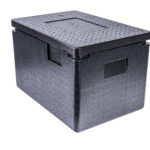
| Reusable EPP shell | متينة, many cycles | Needs return plan | Best for B2B repeat routes |
| Bio-based foams | Lower fossil inputs | End-of-life can be confusing | Verify certification + local acceptance |
| كبار الشخصيات الهجينة | عزل عالي جداً, الجدران الرقيقة | يكلف, puncture risk | Best for long duration, high value |
نصائح عملية يمكنك استخدامها اليوم
المأكولات البحرية: choose tight lid fit and strong moisture resistance.
Produce/salads: manage condensation and protect fragile items with airflow space.
High-value pharma: select materials that support consistent validation.
مثال في العالم الحقيقي: A fitted paper-based liner reduced heat-damage complaints during shoulder seasons by removing oversized void space.
How much insulation does your eco-friendly insulated box need?
Your eco-friendly insulated box needs enough insulation to “شراء الوقت” against heat, and enough refrigerant to absorb what gets through.
Three inputs drive the answer: وقت, ambient exposure, and payload sensitivity.
If you are unsure, plan for your worst realistic day, ليس المتوسط الخاص بك.
A simple lane-to-packout planning table
| الملف الشخصي لين | خطر نموذجي | What to change first | ماذا يعني لك |
|---|---|---|---|
| 0- 24 ساعة, الطقس المعتدل | قليل | الحجم الصحيح للمربع | Less refrigerant cost |
| 24–48h, mixed weather | واسطة | Upgrade liner + add PCM | أكثر درجات ثبات |
| 48–72h, الموسم الحار | عالي | أضف هامشًا + التحقق | Fewer failures when delayed |
Insulated box for frozen shipping without foam: what’s realistic?
Frozen lanes are harsher, so you must redesign the system.
Focus on right-sizing, stronger refrigerant strategy (dry ice or frozen PCM), and thicker liners if needed.
If you keep the same packout while swapping materials, you may see melt or soggy cartons.
نصائح عملية يمكنك استخدامها اليوم
Cut headspace first: a smaller box often beats “more gel packs.”
Build seasonal packouts: one summer + one winter setup reduces surprises.
Treat frozen as a pilot: validate before you scale.
مثال في العالم الحقيقي: Teams that standardized a tighter packout often improved consistency without increasing gel pack weight.
How do you pack an eco-friendly insulated box for 24–72 hours?
Packing an eco-friendly insulated box is a repeatable process, not a guessing game—standard steps cut failures and waste.
Most failures come from too much empty space, unconditioned refrigerant, or walls not matched to the lane.
You can often improve results without adding more refrigerant by tightening the packout and sealing better.
2026 eco-friendly insulated box trends and rules to watch
في 2026, the direction is clear: نفايات أقل, clearer recyclability, and more producer responsibility—your eco-friendly insulated box strategy should assume more reporting and stricter design rules.
What’s changing in 2026 (وجهة نظر عملية)
EU PPWR timeline: The EU Packaging and Packaging Waste Regulation applies from 12 أغسطس 2026 (entered into force in February 2025).
US EPR patchwork: اعتبارا من أكتوبر 2025, seven states had enacted packaging EPR laws (مين, Oregon, كولورادو, كاليفورنيا, Minnesota, ميريلاند, واشنطن).
Fees are becoming real: Oregon fee obligations began July 1, 2025; Colorado fees begin January 2026; California begins January 2027.
2026 design trends you can act on now
Mono-material insulation to make recycling simpler
Moisture-resistant paper liners to keep cartons cleaner
Smarter PCM to hold temps with less refrigerant mass
Sensor-ready designs for real-time monitoring
Right-sizing as a default to cut freight and waste together
نصائح عملية يمكنك استخدامها اليوم
Print disposal steps inside the lid in plain language.
Reduce mixed materials unless performance requires them.
Document weights and materials now, before reporting pressure increases.
الأسئلة المتداولة
س 1: Does an eco-friendly insulated box really keep products cold?
Yes—modern designs can match foam performance when the box and packout match your lane and season.
Q2: What is the best eco-friendly insulated box for food delivery?
For many 24–48 hour chilled lanes, paper-based liners with conditioned gel packs work well. Test your hottest lane first.
س 3: Is a recyclable insulated shipping box always better than compostable?
ليس دائما. Recyclable wins when customers can actually recycle it cleanly and easily. Compostable can fail without a real disposal path.
س 4: Can I ship frozen products in an insulated box for frozen shipping without foam?
نعم, but expect a redesign. Use stronger refrigerant strategy and validate, especially in hot seasons.
س 5: How many gel packs do I need in an eco-friendly insulated box?
There is no universal number. Start with a standard recipe, then test by season and tighten headspace before adding more packs.
س6: Are reusable eco-friendly insulated box programs worth it?
يمكن أن يكونوا كذلك, especially for repeat customers and B2B routes. With reliable returns, lifecycle cost often drops over time.
ملخص وتوصيات
An eco-friendly insulated box works best when you treat it as a system: right-sized box, matched insulation, conditioned refrigerant, and a repeatable packout.
Use the lane risk score to pick between paper-based, هجين, or reusable solutions.
Then validate on your worst lanes, lock the bill of materials, and scale with training and change control.
ماذا تفعل بعد ذلك (خطة بسيطة)
Define your target temperature and worst-case lane time.
Use the decision tool to shortlist 1–2 box styles.
Pilot with temperature loggers in your highest-risk season.
Standardize packout sheets and train staff before scaling.
حول Tempk
و Tempk, we build practical cold chain packaging that balances temperature stability, الاستدامة, and repeatability. We design eco-friendly insulated box systems for food, الأدوية, and biotech shipping, and we support lane-based testing and standardized packout SOPs for consistent results.
الخطوة التالية: Share your lane details (مدة, موسم, درجة الحرارة المستهدفة, return feasibility). We’ll help you shortlist an eco-friendly insulated box configuration and a simple packout recipe you can validate fast.