مقدمة
Ensuring freshness and safety for perishable products is no longer just a matter of tossing items into a cooler. A folding insulated box combines the thermal protection of a rigid cooler with the flexibility of a collapsible design. By neatly folding down to a fraction of its height, it reduces the empty return volume by up to 65–75 % and cuts wasted space without sacrificing insulation performance. As the market for insulated shipping packaging grows from USD 8.18 مليار في 2025 إلى USD 8.78 مليار في 2026, these smart, space-saving containers have become essential for food delivery, pharmaceuticals and e-commerce logistics. In this guide you’ll learn what makes a folding insulated box different from a rigid container, when to use one, how to choose the right size and material, and which trends will shape the future of cold-chain packaging in 2026.
What This Guide Will Answer
What exactly is a folding insulated box and how does it work? We’ll explain the construction, materials and thermal design in simple terms.
When does a folding insulated box make financial sense? Learn how foldability reduces empty return costs and when a rigid container might be better.
What should you look for when choosing one? Discover the key features—size, insulation technology, hinges, latches and cleaning requirements—that determine performance.
How does it compare with other reusable containers? A side-by-side comparison shows trade-offs in weight, durability and ROI.
What new innovations are coming in 2026? Explore trends such as smart sensors, مواد قابلة للتحلل, and circular logistics models impacting the next generation of folding insulated boxes.
نصائح عملية والأسئلة الشائعة: Get actionable advice on cleaning, صيانة, and troubleshooting common issues.
What Is a Folding Insulated Box and Why Should You Care?
إجابة مباشرة
A folding insulated box is a reusable container that provides thermal protection for temperature-sensitive goods while collapsing for efficient backhaul and storage. Made from lightweight yet sturdy materials such as expanded polypropylene (إي بي بي) or composite vacuum insulation panels (PU-VIP), it can maintain internal temperatures between 0 درجة مئوية و 5 درجة مئوية لمدة تصل إلى 200 ساعات في 35 ° C المحيط. The collapsible design reduces empty return volume by roughly two-thirds, cutting logistics costs without compromising insulation performance.
التفسير الموسع
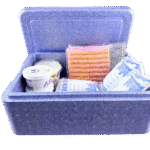
Imagine a rigid cooler you use for camping. It takes up the same amount of space on your ride home as when it’s full. Now picture a cooler that folds like a suitcase. Foldable insulated boxes have hinged panels and removable insulation boards that lock together during use and disassemble into flat pieces after delivery. The walls and lid are often lined with PU-VIP composite materials or expanded polypropylene foam (إي بي بي) لتقليل انتقال الحرارة. Some models include compartments or brackets to hold ice packs securely, ensuring there are no gaps where warm air can sneak in.
Because they fold down, you don’t pay to “ship air” on the return trip. For companies operating closed-loop routes—like meal-kit delivery services or pharmaceutical distributors—the reduction in backhaul space translates to significant fuel and labour savings. في دراسة حالة واحدة, a subscription delivery program cut backhaul clutter and improved warehouse efficiency by adopting foldable return routines. As cold-chain logistics demand grows toward USD 647 مليار من قبل 2028, these savings help businesses stay competitive.
How Does a Folding Insulated Box Work?
Thermal insulation explained in simple terms
The magic of a folding insulated box lies in how it slows down heat transfer. Most boxes use a multi-layer construction: an outer shell (often plastic or corrugated composite), طبقة عازلة (رغوة EPP, PU-VIP panels, or bio-foam), and an inner lining. The insulation traps air pockets that reduce conduction and convection, much like a thermos. Vacuum insulation panels go a step further by eliminating air altogether, creating a barrier that resists heat flow. In some eco-friendly designs, plant-based foams or moulded pulp are used.
مواد تغيير المرحلة (PCMS) can be added in ice packs to absorb or release latent heat at specific temperatures. على سبيل المثال, PU-VIP insulated boxes maintain 0–5 °C for around 200 ساعات في 35 ° C المحيط. High-performance models include real-time sensors or RFID tags that monitor internal temperature, الرطوبة والموقع, alerting you if a shipment strays from its safe range.
Folding mechanisms and design features
Folding insulated boxes typically consist of six panels—four walls, a base and a lid—joined by hinges or clips. To assemble the box, you unfold the panels and lock them together. عندما تكون فارغة, you reverse the process and stack the panels flat. Some designs, like the tray-style insulation box sold by Super Tech, include a special ice-box fixing bracket that allows multiple ice packs to be combined into one accessory. This eliminates the need for a separate “big ice box” mould, making loading and unloading more efficient.
Other thoughtful features include:
Detachable walls and lids: these make the entire box repairable and recyclable.
Lightweight but strong outer shells: composite plastics or reinforced panels keep weight down without sacrificing durability.
Ergonomic handles and latching mechanisms: ensure the box is easy to carry and secure during transport.
Customizable sizes and modular inserts: let you tailor the box for different payloads and reduce temperature drift.
أجهزة الاستشعار الذكية: optional IoT devices track temperature, location and even shock exposure in real time.
Folding Insulated Box vs. حاويات جامدة
Side-by-side comparison
| ميزة | صندوق معزول قابل للطي | Rigid Insulated Container | ماذا يعني لك |
|---|---|---|---|
| Empty return volume | Collapses to one-quarter to one-third of its height | Fixed volume; takes up full space | Saves 65–75 % of backhaul space; lower transport costs |
| Training needed | Medium – hinges and latches require correct assembly | Low – single piece; خطوات أقل | Staff training is important for consistent performance |
| وضع الفشل | Hinges or latches may wear; improper folding can cause odours | Corners may crack under impact | Inspect hinges and seals regularly to maintain integrity |
| أفضل ملاءمة | Closed-loop routes with reliable returns | One-way shipments or low return rate | Choose folding only when returns are feasible |
| أداء العزل | Comparable when seams are tight; PU-VIP models maintain cold for 200 ساعات | عالي; often thicker walls | Focus on seam tightness and lid fit rather than wall thickness |
| يكلف & عائد الاستثمار | Higher upfront price but pays off via lower return costs | تكلفة أولية أقل; no folding benefit | Calculate ROI based on return frequency and warehouse space |
Practical tips for your decision
If you operate reliable return loops, a folding insulated box often earns a pilot. Start with one stable route and track KPIs like return cube saved, loss rate and hinge failures.
For one-way shipments, foldability is a nice feature but may not justify the investment.
Choose boxes with obvious lock indicators and simple assembly if your staff are new.
Target a fold ratio (collapsed height ÷ expanded height) of roughly ¼–⅓. Anything less may not deliver meaningful savings.
Enforce a dry-before-fold rule and avoid folding while damp to prevent odour and hinge fatigue.
Choosing the Right Folding Insulated Box
إجابة مباشرة
The right folding insulated box matches your payload, route and return frequency. Focus on capacity, نوع العزل, ease of folding, durability and compliance with your regulatory requirements. Ensure your main folding insulated box keyword appears here—keep it in your mind when reading labels and product descriptions.
السعة والأبعاد
Choose a size that fits your typical shipment without excess air. Oversized boxes waste PCM and increase payload temperature drift. Undersized boxes may crush goods or make packing awkward. كقاعدة عامة, common capacities include:
| نوع الصندوق | سعة (ل) | Approximate collapsed height | استخدام نموذجي | فائدة عملية |
|---|---|---|---|---|
| Mini folding lunch box | 5-10 لتر | ~25 % of expanded height | Medication kits, small meal deliveries | Fits a single meal or medical supplies; من السهل تحمل |
| برودة متوسطة | 15-30 لتر | ~30 % of expanded height | Daily grocery runs, e-commerce orders | Balances size and portability for household use |
| Large foldable crate | 40-60 لتر | ~35 % of expanded height | شحنات الأدوية, مجموعات الوجبات | Accommodates frozen items or vaccines with extra ice packs; supports longer transit times |
| Pallet-sized foldable box | 70 لام+ | 40 % or less of expanded height | Industrial scale shipments, factory turnover | Allows forklift loading directly onto the tray; reduces labour cost |
When assessing capacity, remember that Trader Joe’s popular insulated bag holds around eight gallons of groceries (عن 30 ل). Use that as a baseline and scale up or down based on your needs.
Materials and insulation technology
Your choice of materials affects both performance and sustainability:
موسع البولي بروبيلين (إي بي بي): متينة, lightweight and reusable. Folds easily and resists impact. Ideal for closed-loop deliveries. Focus on seam tightness and lid fit over wall thickness.
PU-VIP (Polyurethane–Vacuum Insulated Panel) composites: deliver exceptional thermal performance. A PU-VIP foldable box maintained 0–5 °C for 200 ساعات في 35 ° C المحيط. Suitable for pharmaceuticals and biologics. Panels are detachable and repairable.
Plant-based foam or moulded pulp: biodegradable options reduce disposal burden. In biodegradable insulated boxes, insulation time ranges 24–96 hours, yet materials decompose naturally. Use them for short-haul food deliveries or when sustainability messaging matters.
مواد هجينة: some boxes combine EPP for structural strength with VIP panels for critical temperature zones. Others include PCM ice packs or built-in cold plates.
Smart materials: active containers like Ember’s Cube incorporate battery-powered cooling and IoT sensors to maintain precise temperatures for 72 ساعات أو أكثر. While expensive, they are ideal for high-value biologics.
Hinges, latches and fold quality
Folding mechanisms are the box’s Achilles heel. Poorly designed hinges increase assembly time and risk failure. بحث:
Heavy-duty hinges made from reinforced plastic or metal, tested for thousands of cycles.
Positive-locking latches that clearly indicate when the box is secure. Avoid designs that rely solely on friction; vibrations during transport can open them.
Smooth folding sequence: بشكل مثالي, the panels fold in one intuitive motion. A 10-second fold + lock standard operating procedure (SOP) helps staff avoid mistakes.
التنظيف والصيانة
Keeping your folding insulated box in good condition extends its life and prevents odours:
Empty and pre-cool: قبل التحميل, place an ice pack inside for 10–15 minutes to create a cold base layer.
حزمة بشكل استراتيجي: Put frozen items at the bottom and use gel packs or frozen vegetables to extend cooling time. Separate hot and cold goods to avoid cross-temperature contamination.
الحد من الفتحات: Each time you open the box, يهرب الهواء البارد. Plan your packing order to minimize searching.
Clean and dry thoroughly: Wipe the interior with a damp cloth and air-dry after use. Odours are usually trapped moisture. Always ensure the box is dry before folding.
Inspect hinges and seals: Regularly check for wear and damage. Replace worn gaskets or hinges promptly to maintain insulation performance.
Cost and return on investment (عائد الاستثمار)
Folding insulated boxes typically cost more upfront than single-use or rigid alternatives. To decide whether the investment pays off, calculate:
Return frequency: If you control returns weekly, a foldable design typically delivers cost savings. Without reliable returns, ROI is weak.
Space savings: By collapsing to one-quarter or one-third of their height, boxes reduce storage and backhaul space by 65–75 %.
Labor savings: Tray-style designs allow forklift loading directly into the bottom tray, eliminating manual transfer and reducing labour costs.
عمر: Choose repairable designs with detachable panels. A longer lifespan spreads the cost over more cycles.
أداة القرار (عنصر تفاعلي)
To help you decide, consider building a simple calculator that asks for your average shipment volume, return frequency, and warehouse cost per cubic metre. It then estimates potential savings from switching to folding insulated boxes. A yes/no output guides your procurement team. You could implement this tool on your website using a spreadsheet or JavaScript widget.
Real-World Applications and Case Studies
Meal kits and groceries
E-commerce meal-kit companies rely on folding insulated boxes to keep ingredients fresh during delivery and reduce packaging waste. على سبيل المثال, one meal-kit service upgraded to custom insulated bags with double zippers and adjustable straps, maintaining meals below 40 °F after a 45-minute drive. A foldable design would further reduce backhaul clutter by collapsing after delivery.
For grocery runs, modular bags with foldable constructions and removable liners pre-chilled for 10 minutes provide a cold base layer. This concept translates to folding insulated boxes that allow inserts to be removed and the outer shell to fold flat.
المستحضرات الصيدلانية والبيولوجية
في الخدمات اللوجستية الصيدلانية, maintaining a 2–8 °C range is critical. PU-VIP composite boxes demonstrate excellent insulation and barrier performance, holding 0–5 °C for 200 hours even at 35 درجة الحرارة المحيطة. They are used for transporting vaccines, biologics and clinical trial samples. Detachable panels and foldability make them easier to sanitize and return.
Factory turnover and industrial applications
Factories use pallet-sized folding insulated boxes to transfer vaccines, biologics and fresh food between facilities. A forklift can place goods directly into the tray, and the panels then clamp together. عندما تكون فارغة, the panels stack flat, reducing the cost of returning or storing empty containers. Special brackets allow multiple ice boxes to be combined, eliminating the need for custom “big ice boxes”.
Sustainability and biodegradable options
Eco-conscious companies are adopting biodegradable insulated boxes made from plant-based fibres, moulded pulp and bio-foams. These materials provide insulation for 24–96 hours but decompose naturally after use. They reduce long-term waste and regulatory burden, المواءمة مع أهداف الاستدامة المؤسسية. A meal-kit distributor that switched from foam packaging to biodegradable boxes reduced temperature excursions by 18 % and nearly eliminated disposal complaints.
Financial services promotional programs
A regional bank commissioned custom insulated cooler bags for its customer reward program, using recycled polyester and eco-friendly messaging. Redemption rates rose by 30 %, and customers praised the bank’s commitment to sustainability. Folding insulated boxes can serve a similar role—doubling as functional gifts that promote brand loyalty while reducing packaging waste.
أحدث الاتجاهات والابتكارات في 2026
نظرة عامة على 2026 اتجاهات السلسلة الباردة
The cold-chain industry is evolving rapidly. With the insulated shipping packaging market expected to grow from USD 8.18 مليار في 2025 إلى USD 8.78 مليار في 2026, companies are investing in innovative designs that balance performance, الاستدامة والتكلفة. Analysts expect the broader cold-chain logistics sector, بقيمة دولار أمريكي 436 مليار في 2025, to exceed USD 1.3 تريليون بواسطة 2034. Here are the key trends shaping folding insulated boxes and reusable packaging in 2026:
Specialized and modular designs: Outdoor enthusiasts demand rugged models while commuters prefer lightweight, صناديق قابلة للطي. Manufacturers are integrating layered compartments and detachable bottle racks. Scenario-specific designs—waterproof, foldable or backpack-style—are mainstream.
الاستدامة والاقتصاد الدائري: The shift toward reusable and pooled packaging systems is accelerating. Closed-loop models emphasize reuse, return, التنظيف وإعادة التوزيع. مواد قابلة للتحلل, recycled plastics and bamboo fibre are replacing traditional foam. 74 % of Americans prefer refillable formats, pushing brands to adopt eco-friendly solutions.
تكامل التكنولوجيا الذكية: IoT-enabled boxes include temperature, humidity and location sensors. Predictive analytics and GPS help maintain product integrity. Blockchain technology records data securely for traceability, while battery-powered containers like Ember’s Cube maintain precise temperatures for 48–72+ hours.
الابتكار المادي: Advanced insulation materials—phase change materials (PCMS), ألواح معزولة بالفراغ (كبار الشخصيات) and reusable gel packs—are being optimized for better thermal performance and lower weight. Biopolymers, dairy-protein films and plant-based foams reduce carbon footprint.
Standardization and pooling: Companies are adopting shared, standardized reusable containers such as reusable plastic crates (RPCs) to cut waste and costs. Standardizing folding boxes’ sizes and processes reduces assembly errors.
بدائل الجليد الجافة: A tight CO₂ supply is causing concern about dry ice shortages in 2026. Dry ice has been affordable and effective, but scarcity is driving R&D toward alternative refrigerants and reusable battery-powered coolers. Packaging manufacturers are investing in sustainable temperature-assured solutions to reduce reliance on dry ice.
Growth of e-commerce and meal kits: The rise of online grocery and meal-kit services is driving innovation. Insulated shipping boxes now play a pivotal role in preserving food quality during lengthy delivery routes. Companies are scaling solutions to handle fluctuating order volumes without increasing cost.
رؤى السوق
The reusable cold-chain packaging market is valued at USD 4.97 مليار في 2025 ومن المتوقع أن يصل إلى الدولار الأمريكي 9.77 مليار من قبل 2035, ينمو بمعدل نمو سنوي مركب قدره 6.98 %. Reusable insulated boxes and containers dominate the product segment.
The global logistics market is expected to expand from USD 242.39 مليار في 2021 إلى USD 637.47 مليار من قبل 2028, driven by demand for efficient distribution. Businesses that integrate sustainable materials and smart technology remain competitive.
في 2025, عن 20 % of temperature-sensitive products are damaged in transit. Adopting improved insulation, monitoring and standardized procedures can cut spoilage and protect revenue.
Dry ice supply issues highlight the need for alternative cooling solutions. CO₂ production has grown only 0.3 % per year over the past decade, yet demand for dry ice is rising by 5 % سنويا. Plant closures in California will remove nearly 850 tons of CO₂ production per day by early 2026.
User Tips and Actionable Advice
سيناريوهات عملية
Meal kit subscription service: Choose a medium folding insulated box (15-30 لتر) لأطقم الوجبات. Pre-chill using a PCM ice pack for 10 دقائق, place frozen proteins at the bottom and use gel packs above. Send a simple instruction card to customers about folding and storing the empty box for return.
Pharmaceutical wholesaler: Opt for PU-VIP composite boxes with sensor integration. Use a collapsible pallet-sized design to move vaccines or biologics between facilities. Attach a QR code for return tracking, and enforce a dry-before-fold policy to prevent contamination.
Farmers’ market vendor: Pick biodegradable foldable boxes with moulded pulp or bio-foam insulation for produce. They provide 24–48 hours of insulation and decompose after use. Educate customers about composting the packaging.
مثال في العالم الحقيقي: A regional meal-kit company switched from foam boxes to biodegradable insulated boxes and reduced temperature excursions by 18 % during summer deliveries, while nearly eliminating disposal complaints. This demonstrates how sustainable materials can protect product quality and improve customer satisfaction.
الأسئلة المتداولة
س 1: How do I fold and unfold a folding insulated box correctly?
Follow the manufacturer’s SOP: lay the base flat, attach the side panels one by one, and secure the latches. When folding, reverse the steps and ensure the box is dry. Avoid twisting hinges; store panels stacked to prevent warping.
Q2: Does a folding insulated box insulate as well as a rigid container?
Yes—when seams and lids are tight. Studies show that seam tightness and lid fit matter more than wall thickness. PU-VIP composite models maintain 0–5 °C for up to 200 ساعات, comparable to many rigid coolers.
س 3: What materials are commonly used in folding insulated boxes?
موسع البولي بروبيلين (إي بي بي) foam and PU-VIP composite panels dominate the market. EPP offers durability and light weight; PU-VIP delivers superior insulation but costs more. Biodegradable options use moulded pulp or plant-based foams for eco-friendly disposal.
س 4: How long can a folding insulated box maintain temperature?
It depends on materials, PCM packs and ambient conditions. PU-VIP boxes can keep contents at 0–5 °C for around 200 ساعات في 35 ° C المحيط. Biodegradable boxes typically provide 24–96 hours of insulation.
س 5: When does it make sense to invest in folding insulated boxes?
If you have reliable returns, limited storage or expensive backhaul costs, foldable designs can deliver strong ROI. Without a return loop, a rigid container or single-use box may be more cost-effective.
ملخص وتوصيات
Folding insulated boxes combine the protective power of high-performance coolers with the space-saving benefits of collapsible design. They help companies cut backhaul costs by 65–75 %, maintain temperatures for days at a time, and support sustainability goals through reusable or biodegradable materials. As cold-chain logistics expand toward USD 647 مليار من قبل 2028 and reusable packaging grows to USD 9.77 مليار من قبل 2035, investing in folding insulated boxes positions your business ahead of the curve.
للبدء, select a route with reliable returns, choose a box size that matches your payload, and implement a simple SOP for folding, cleaning and tracking. Consider eco-friendly materials for short-haul deliveries, and adopt smart sensors for high-value pharmaceuticals. With a clear plan and the right partner, a folding insulated box program can reduce waste, improve operational efficiency and delight your customers.
حول Tempk
Tempk is a specialist in cold-chain packaging solutions. We develop reusable insulated boxes, ألواح معزولة بالفراغ, gel packs and biodegradable containers designed to maintain product integrity across the most demanding logistics routes. Our research and development centre continually explores new materials and technologies—such as PU-VIP composites and smart sensors—to improve thermal performance and sustainability. By focusing on practical outcomes like stable temperature control, lower damage risk and smoother return workflows, we help businesses stay compliant, efficient and eco-friendly.
دعوة إلى العمل
Ready to optimize your cold-chain logistics? Contact the Tempk team for a personalised assessment. مشاركة وقت طريقك, الظروف المحيطة, return methods and typical payload size, and we will help map a folding insulated box pilot plan with key performance indicators to track