كيف تحافظ خدمات سلسلة تبريد الأغذية على المنتجات طازجة وآمنة في الداخل 2025?
Food cold chain services are the hidden heroes behind fresh produce and safe meals. إنهم يديرون كل شيء بدءًا من التغليف المعزول وحتى النقل المبرد حتى تصل البقالة الخاصة بك دون أن تفسد. In the first fifty words you’ll see the main keyword—food cold chain services—because these services are crucial for keeping temperature sensitive products safe. مع ارتفاع الطلب العالمي والاستدامة تحت المجهر, إن معرفة كيفية عمل سلسلة التبريد يمكن أن تساعدك على اتخاذ خيارات أفضل لشركتك وللمستهلكين.
- ماذا تعني خدمات سلسلة تبريد الأغذية: تعريف موجز ونظرة عامة على العمليات المشاركة في التعامل, تخزين ونقل البضائع القابلة للتلف.
ما هي المكونات الأكثر أهمية؟: التغليف, التخزين البارد, أدوات النقل والمراقبة التي تحمي البضائع خلال كل مرحلة.
كيفية البقاء آمنة ومتوافقة: معايير درجة الحرارة, أطر تنظيمية ونصائح لتقليل الهدر وإطالة مدة الصلاحية.
ما الاتجاهات الشكل 2025: اللوجستية الخضراء, الذكاء الاصطناعي, الأتمتة, المنتجات النباتية والقدرة على الصمود في مواجهة الصدمات المناخية والجيوسياسية.
How to choose a provider and optimize operations: practical guidance to assess service partners, adopt best practices and leverage the latest innovations.
What Are Food Cold Chain Services and How Do They Work?
Food cold chain services are specialized logistics processes that handle, store and transport temperature sensitive products under controlled conditions to prevent spoilage and maintain safety. They provide the backbone for industries such as food, المستحضرات الصيدلانية والمواد الكيميائية, ensuring that items like fresh produce, ألبان, meat and vaccines remain safe from the point of origin to the final consumer. By maintaining the right temperature throughout the journey, cold chain services prevent degradation, contamination and health risks.
Food cold chain logistics encompass multiple stages—packaging, تخزين, transportation and monitoring—that work together to keep goods within optimal temperature ranges. Cooling systems like refrigerated containers, blast freezers and air conditioned warehouses regulate the environment. Cold storage facilities include large refrigerated warehouses for bulk goods and smaller cold rooms for specific products. Transport is carried out using refrigerated trucks, ships and airplanes equipped with temperature control systems. Throughout each step, monitoring technologies such as IoT sensors and RFID tags provide real time data on temperature and humidity, enabling prompt action when deviations occur. Think of the cold chain as an unbroken temperature bridge that carries your favorite foods from farm to table without compromising quality or safety.
Key Components of Food Cold Chain Services
A well designed cold chain depends on four primary components: التغليف, تخزين, النقل والمراقبة. Each component plays a specific role in protecting temperature sensitive products.
| عنصر | وظيفة | ماذا يعني لك |
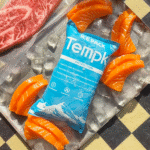
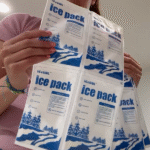
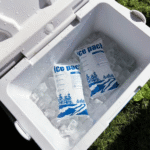
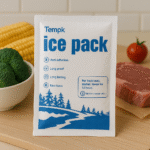
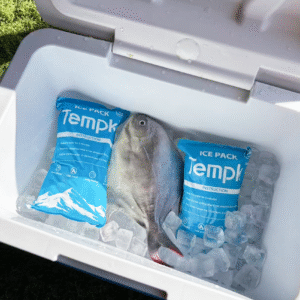
| التغليف | يستخدم الصناديق المعزولة, حزم هلام, dry ice and advanced materials like vacuum insulation panels to keep products within the desired temperature range | Proper packaging maintains temperature during transfer, reducing spoilage and preserving quality |
| التخزين البارد | Employs refrigerated warehouses and cold rooms with advanced refrigeration systems and sensors to store goods at consistent temperatures | Reliable storage facilities extend shelf life and ensure your products remain safe while awaiting transport |
| النقل البارد | Utilizes refrigerated trucks, ships and airplanes to move goods while maintaining temperature control | Ensures that items travel long distances without temperature fluctuations, supporting international trade |
| يراقب & يتحكم | Leverages IoT sensors, RFID tags and real time data systems to track temperature, الرطوبة والموقع | Gives you visibility into the supply chain so you can respond quickly to issues and maintain compliance |
نصائح وإرشادات عملية
Match packaging to product: Use phase change materials or gel packs that maintain the specific temperature range required for your products. This reduces the risk of temperature spikes.
الاستثمار في تكنولوجيا الاستشعار: Continuous monitoring with IoT devices alerts you immediately when a shipment deviates from its safe range, السماح باتخاذ إجراءات تصحيحية.
تدريب فريقك: Proper handling and loading procedures minimize temperature fluctuations during transfers between storage and transport.
Plan transport routes carefully: Route optimization reduces transit times and keeps products within the required temperature window. AI based systems can analyze traffic and weather for smarter decisions.
حالة حقيقية: A seafood exporter integrated refrigerated trucks with IoT temperature sensors and advanced packaging. By actively monitoring shipments and adjusting routes, they reduced spoilage by 25 % and improved customer satisfaction.
Why Are Food Cold Chain Services Essential for Safety and Compliance?
Cold chain services safeguard consumers by preventing spoilage, reducing product loss and ensuring compliance with regulatory standards. Maintaining the right temperature stops bacterial growth and protects the nutritional value of foods and the potency of pharmaceuticals. By extending shelf life, an effective cold chain lowers costs and reduces waste. Compliance with standards from agencies like the World Health Organization and the U.S. Food and Drug Administration is critical for avoiding legal penalties and maintaining consumer trust.
Food waste is not just a moral issue—it contributes significantly to greenhouse gas emissions. Each year more than one billion tons of food are wasted, accounting for 8–10 % of global greenhouse gas emissions. When cold chain services fail, perishable goods spoil during transit, leading to financial losses and environmental harm. Effective cold chain management minimizes such waste by preserving product quality throughout the supply chain. It also protects brand reputation because consumers expect safe, منتجات عالية الجودة. By following strict guidelines and using real time monitoring, businesses can stay compliant and build loyal customer relationships.
Regulatory Standards and Temperature Ranges
Different products require specific temperature ranges to maintain safety and quality. Knowing these ranges and adhering to them is vital for compliance and consumer health.
| فئة المنتج | نطاق درجة الحرارة الموصى بها | معنى لك |
| ثمار & الخضار | 0-5 درجة مئوية (32–41 °F) slows ripening and prevents spoilage | Extends shelf life and preserves flavor for fresh produce |
| الأدوية | 2-8 درجة مئوية (35.6–46.4 °F) maintains potency and effectiveness | Ensures vaccines and medicines remain safe for use |
| الأطعمة المجمدة | Below –18 °C (0 ° f) يمنع ذوبان الجليد ونمو البكتيريا | Keeps frozen meals and meats safe from contamination |
| منتجات الألبان | 1-3 درجة مئوية (34–38 °F) keeps dairy fresh | Maintains taste and texture of milk, الجبن والزبادي |
| المأكولات البحرية | حوالي 0 درجة مئوية (32 ° f) يحافظ على الجودة | Prevents spoilage and preserves freshness of fish and shellfish |
نصائح عملية للامتثال:
Set up temperature logs: Use automated logging devices to record temperatures at each stage, ensuring records for audits and traceability.
التحقق من صحة المعدات: Regularly calibrate thermometers, sensors and refrigeration units to maintain accuracy and prevent drift.
Follow handling protocols: Loading and unloading should be quick and efficient to limit exposure to ambient temperatures.
Know your regulations: Stay up to date with standards like Hazard Analysis and Critical Control Points (تحليل المخاطر ونقاط المراقبة الحرجة), ممارسة توزيع جيدة (الناتج المحلي الإجمالي) and international guidelines from WHO and FDA.
مثال: A dairy processor trained drivers on proper loading procedures and installed automatic data loggers. By maintaining their milk between 1 °C and 3 °C, they reduced spoilage claims by 30 % and passed a regulatory audit without issues.
What Are the Latest Trends in Food Cold Chain Services in 2025?
2025 brings a wave of innovation and change to food cold chain services, driven by sustainability, الرقمنة, new consumer preferences and resilient infrastructure. Companies are embracing green logistics, leveraging artificial intelligence, adopting automated micro fulfillment centers and preparing for plant based products that require tailored handling. Geopolitical turbulence and climate change are prompting investments in resilient cold storage and diversified supply routes. Below is an overview of the major trends shaping the industry this year.
Sustainability and Energy Efficiency Initiatives
الاستدامة البيئية لم تعد اختيارية. Cold chain operations, traditionally energy intensive, now face pressure to reduce their carbon footprint while maintaining efficiency. Companies are turning to renewable energy and greener practices to achieve these goals. Green logistics involves using biofuels and electricity from clean sources to power refrigerated fleets and integrating solar and wind energy into facilities. Cold storage operators are investing in micro fulfillment centers that minimize transit distances and incorporate LED lighting, insulation upgrades and energy efficient refrigeration systems. Such improvements can cut energy costs associated with labor and utilities by almost 50 %.
An emerging initiative is the Move to –15 °C coalition, which advocates standardizing storage temperatures at –15 °C rather than –18 °C. Advancements in insulation and refrigeration technologies enable this shift, saving energy while preserving product quality. Companies like Daifuku are implementing AI powered predictive maintenance and adaptive cooling systems that dynamically adjust compressor cycles based on real time demand. بالإضافة إلى ذلك, the phase out of synthetic refrigerants such as HFCs and HCFCs is accelerating, driven by environmental regulations. New facilities integrate natural refrigerants and lower global warming potential alternatives to meet sustainability targets.
| مبادرة | وصف | تستفيد لك |
| اللوجستية الخضراء | Use of renewable energy, biofuels and cleaner transport technologies in cold chain operations | Reduces carbon footprint and can lower energy costs |
| مراكز الوفاء الصغيرة | Small urban or suburban warehouses with automated picking systems and advanced temperature controls | Enables faster deliveries and better temperature management for e commerce and meal kits |
| –15 °C coalition | Standardizing storage at –15 °C with advanced insulation and AI driven predictive maintenance | Saves energy without sacrificing product integrity |
| المبردات الطبيعية & phase out of HFCs | Upgrading systems to use CO₂, ammonia or hydrocarbon refrigerants while retiring HFC/HCFC systems | Ensures compliance with environmental regulations and reduces emissions |
نصائح عملية حول الاستدامة:
إجراء تدقيق للطاقة: Identify opportunities for solar panels, LED lighting and insulation upgrades in your facility.
Opt for –15 °C where possible: Adjust storage temperatures to optimize energy consumption without compromising safety.
Choose eco friendly refrigerants: Work with service providers that invest in natural refrigerants and comply with new regulations.
Reduce dead miles: Use data analytics to minimize empty runs and improve vehicle utilization, reducing fuel consumption.
قضية: A produce distributor retrofitted its warehouse with LED lighting, solar panels and smart refrigeration units. By switching from HFC based systems to natural refrigerants and adopting –15 °C storage, it cut energy consumption by 40 % and earned a sustainability certification.
الأتمتة, Digitalization and Artificial Intelligence
Automation and digitalization are redefining cold chain efficiency. Artificial intelligence provides predictive insights that optimize warehouse operations, forecast demand and improve inventory control. Robotics and automated storage and retrieval systems (AS/RS) streamline material handling, reducing labor costs and increasing safety. الروبوتات المتنقلة المستقلة (مضادات مضادات الميكروبات) and pallet shuttle systems allow seamless handling of perishable goods at temperatures as low as –25 °C. These systems integrate IoT sensors that offer real time monitoring of temperature and humidity, while AI driven predictive maintenance minimizes equipment downtime.
Visibility across the supply chain is another focus. Logistics providers are investing in software that improves end to end visibility, enabling uninterrupted data on location and temperature to deal with disruptions. Such systems help businesses mitigate risks, address issues promptly and plan routes more effectively. Enhanced management visibility empowers stakeholders to make data driven decisions and reduces the likelihood of product loss. From digital twins to blockchain traceability, technology is making the cold chain more transparent and resilient.
| تكنولوجيا | وظيفة | فائدة المستخدم |
| الذكاء الاصطناعي | Predicts demand, optimizes warehouse layout, schedules maintenance and improves route planning | Cuts operational costs, reduces downtime and enhances accuracy |
| الأتمتة & الروبوتات | AS/RS, AMRs and robotic arms handle goods in high density storage and cold environments | يزيد من الإنتاجية, reduces labor dependency and improves safety |
| مستشعرات إنترنت الأشياء & RFID | Provide real time temperature and humidity monitoring | Enables instant corrective action and supports compliance |
| Visibility software | Tracks products across the supply chain, offering location and condition data | Enhances decision making, reduces risk and builds customer trust |
Tips for embracing digitalization:
ابدأ بالمشاريع التجريبية: Test automation and AI solutions in a single facility before scaling across your network.
دمج الأنظمة: Connect warehouse management systems with transportation management and IoT devices for seamless data flows.
تدريب القوى العاملة الخاصة بك: Equip employees with the skills to work alongside robots and interpret data insights.
استخدم التحليلات التنبؤية: Deploy machine learning to forecast demand and adjust inventory, preventing overstocking or stockouts.
مثال: A dairy company implemented an automated picking system and AI driven route optimization. The result was a 35 % reduction in labor costs, a 20 % decrease in delivery times and a marked improvement in temperature compliance.
صمود, Market Growth and Consumer Trends
The cold chain sector is growing rapidly. The global cold chain logistics market was valued at USD 293.58 billion in 2023 and is projected to reach USD 862.33 billion by 2032, مما يعكس معدل نمو سنوي مركب (CAGR) ل 13 %. This growth is fueled by demographic changes, such as population increases and rising demand for safe food and pharmaceuticals. The pharmaceutical sector alone is expected to reach a market volume of USD 1 454 billion by 2029, وبمعدل نمو سنوي قدره 4.71 %. تفضيلات المستهلك للطازجة, healthy and locally sourced food are reshaping the industry. Concepts such as “farm to fork,” organic products and meal kits are gaining traction, prompting operators to expand capacity for items like fresh produce and dairy.
Geopolitical unrest and climate change create new challenges, affecting transit times, توافر القدرات والعلاقات التجارية. Disruptions like floods, droughts and restrictions on the Panama Canal highlight the need for resilient infrastructure and adaptive logistics systems. To respond, companies invest in built to suit solutions that customize facilities to meet specific operational needs and maintain strategic stocks. Speculative construction is reshaping the market: regions such as Texas, فلوريدا وجورجيا تمثلان 47 % لجميع تطورات التخزين البارد منذ ذلك الحين 2020, as developers build state of the art facilities without pre leased tenants. These investments reflect high returns and a scarcity of modern cold storage space. Average asking rents have risen more than 96 % منذ 2019, and the average cold storage facility is about 42 سنة. Modernization and repurposing older warehouses are therefore essential to meet rising demand.
Another trend is the rise of plant based foods and alternative proteins. Bloomberg reports that the plant based food market could be worth $162 مليار من قبل 2030, من $29.4 مليار في 2020. These products often come from small or medium sized businesses with limited logistics experience. Cold chain providers that can handle such items and guide these companies through complex regulations will gain a competitive edge. أخيراً, last mile optimization is becoming more important as consumers expect rapid delivery. التخزين التعاوني, repurposing older facilities and partnerships with third party logistics providers help streamline last mile deliveries, improving network efficiency and ensuring product quality.
| عامل | التأثير على عملك | Recommended Response |
| نمو السوق & demand | Rapid expansion of cold chain logistics market and pharmaceutical sector increases service opportunities | Scale operations and invest in modern facilities to meet demand |
| Geopolitical & اضطرابات المناخ | Events such as canal restrictions, floods and tariffs disrupt global routes | تنويع الطرق, maintain strategic stock and invest in resilient infrastructure |
| شيخوخة البنية التحتية | Average cold storage facility is 42 سنة; rents have risen over 96 % منذ 2019 | Upgrade facilities or partner with providers that invest in modernization |
| Changing consumption patterns | الطلب على الطازجة, organic and plant based foods requires precise temperature control and transparency | Expand capacity for fresh items and offer visibility tools for customers |
| لوجستيات الميل الأخير | Consumers expect fast deliveries; last mile remains challenging | Use collaborative warehousing, 3PL partnerships and route optimization tools |
Resilience tips:
Maintain strategic stocks: Keep buffer inventory in key locations to navigate disruptions.
Diversify supply routes: Develop alternative routes and flexible transport modes to handle geopolitical or weather related obstacles.
Modernize or retrofit facilities: If you own cold storage, ترقية العزل, refrigerants and automation to stay competitive.
Support emerging products: Offer specialized handling and guidance for plant based and other novel products to capture new markets.
قضية: A frozen meal manufacturer faced delays due to port congestion and unpredictable weather. By creating regional micro fulfillment centers and partnering with a 3PL for last mile delivery, the company improved on time shipments by 40 %, even during geopolitical disruptions.
How to Choose the Right Food Cold Chain Service Provider?
Selecting a cold chain partner involves evaluating reliability, تكنولوجيا, compliance and sustainability practices. The right provider should maintain consistent temperature control, offer real time visibility, comply with international standards and prioritize energy efficiency. Look for companies that invest in modern infrastructure—given that many facilities are more than 30 years old—and that actively phase out environmentally harmful refrigerants. Providers should also demonstrate expertise in handling your specific product category, whether fresh produce, ألبان, المأكولات البحرية أو الأدوية.
An effective partner will use advanced monitoring tools and AI driven route optimization, ensuring your goods travel safely and efficiently. Evaluate the provider’s network coverage and last mile capabilities, as consumers expect rapid delivery. Sustainability credentials matter too; check whether the provider uses renewable energy and pursues initiatives like the –15 °C coalition. أخيراً, assess customer support and communication: a responsive partner can quickly resolve issues and adapt to changing conditions.
| Selection Criterion | ما الذي تبحث عنه | لماذا يهم |
| التحكم في درجة الحرارة & امتثال | Evidence of consistent performance, شهادة (على سبيل المثال, ISO 22000, تحليل المخاطر ونقاط المراقبة الحرجة), adherence to WHO/FDA guidelines | Ensures product safety and reduces legal risk |
| تكنولوجيا & الرؤية | Use of IoT sensors, real time tracking and AI for route optimization | Provides transparency and allows quick corrective action |
| Facility quality | Modern infrastructure with efficient insulation, natural refrigerants and automation | Reduces energy costs and minimizes product loss |
| ممارسات الاستدامة | Initiatives such as renewable energy, –15 °C storage, phase out of HFCs | Meets environmental goals and may lower operational costs |
| Service scope & يدعم | Comprehensive services (التغليف, تخزين, ينقل, الميل الأخير), responsive customer support | Simplifies logistics management and builds a reliable partnership |
Provider selection tips:
طلب بيانات الأداء: Ask for temperature deviation records and audit results to gauge reliability.
Inspect facilities: Visit warehouses to see insulation, cleanliness and technology in action.
Clarify service coverage: Ensure the provider can handle your distribution areas, including rural and urban locations.
Check sustainability alignment: Choose a partner whose environmental goals align with your corporate values.
سيناريو: A meal kit subscription company vetted several cold chain providers. By selecting a partner with advanced visibility tools, modern facilities and a commitment to renewable energy, the company reduced shipping delays and improved customer satisfaction while meeting its sustainability targets.
How Can Food Manufacturers Optimize Their Cold Chain Processes?
Manufacturers can optimize their cold chain by integrating technologies, improving processes and focusing on sustainability. Start by choosing packaging that matches your product’s temperature needs and by investing in automation for efficient handling. Use predictive analytics to anticipate demand and coordinate production with logistics. Real time monitoring and data analytics allow rapid response to deviations and reduce waste.
Energy efficiency should be a priority. ترقية أنظمة التبريد, use natural refrigerants and optimize storage temperatures—for example, adopting –15 °C instead of –18 °C when possible. Train your staff on proper handling techniques and maintain strict hygiene to prevent contamination. Collaboration between departments—procurement, إنتاج, logistics and marketing—creates a holistic view of the cold chain, enabling coordinated decisions.
| أفضل الممارسات | فعل | فائدة |
| Right sized packaging | Select packaging tailored to product volume and temperature needs; employ phase change materials | Prevents temperature excursions and reduces material waste |
| التحليلات التنبؤية | استخدم الذكاء الاصطناعي للتنبؤ بالطلب, schedule production and plan routes | Minimizes stockouts and overproduction while reducing waste |
| مراقبة في الوقت الحقيقي | Deploy IoT sensors and data dashboards to track temperature, الرطوبة والموقع | Allows quick intervention and improves compliance |
| تحسين الطاقة | تجهيز المرافق بإضاءة LED, natural refrigerants and smart compressors; consider –15 °C storage | يخفض تكاليف الطاقة ويدعم أهداف الاستدامة |
| Cross functional collaboration | Foster communication between procurement, إنتاج, logistics and quality teams | Ensures decisions consider the entire supply chain and enhances efficiency |
Optimization tips:
Automate inventory management: Use warehouse management systems integrated with sensors to monitor stock levels and expiration dates.
Educate your supply partners: Share best practices with suppliers and distributors to ensure a consistent cold chain from end to end.
تطوير خطط الطوارئ: تحديد المخاطر المحتملة (على سبيل المثال, port closures, فشل المعدات) and outline backup strategies.
Measure and benchmark: Regularly track key performance indicators such as temperature excursions, energy usage and on time delivery rates.
مثال: A fruit processor applied predictive analytics to align production with demand forecasts. By synchronizing harvesting, packaging and transport schedules, it reduced inventory holding time, improved freshness and lowered energy use by 15 %.
2025 Latest Food Cold Chain Developments and Trends
نظرة عامة على الاتجاه
ال 2025 landscape for food cold chain services reflects technological breakthroughs, sustainability commitments and shifting market dynamics. Companies are integrating renewable energy and adopting the –15 °C standard to cut power usage. Automation and AI continue to revolutionize warehouses, while digital platforms improve visibility across the supply chain. Plant based foods and meal kits are influencing facility design, increasing the need for micro fulfillment centers and flexible storage. Geopolitical and climate disruptions highlight the importance of resilient infrastructure and diversified routes. في أثناء, investment in cold storage is booming, with speculative developments expanding capacity and aging facilities undergoing modernization.
آخر تقدم في لمحة
توسع السوق: من المتوقع أن ينمو السوق العالمي للوجستيات سلسلة التبريد من الدولار الأمريكي 324.85 مليار في 2024 إلى USD 862.33 مليار من قبل 2032, يعكس أ 13 % CAGR.
Plant based boom: The plant based food market may reach USD 162 مليار من قبل 2030, صعودا من الدولار 29.4 مليار في 2020.
تحديث المرافق: Average cold storage facilities are around 42 years old and rents have risen 96 % منذ 2019, driving investment in new and retrofitted structures.
اعتماد الذكاء الاصطناعي: More providers are deploying AI for predictive maintenance, demand forecasting and route optimization.
الالتزام بالاستدامة: The –15 °C coalition, renewable energy integration and natural refrigerants are becoming industry norms.
Last mile focus: Micro fulfillment centers and partnerships with 3PLs are optimizing delivery networks and meeting fast delivery expectations.
التطورات التنظيمية: EU Ecodesign for Sustainable Products Regulation encourages circular design and sustainable packaging; phase out of HFCs continues.
رؤى السوق
From the booming plant based sector to the surge in global cold chain investments, the market shows no signs of slowing. Geopolitical tensions may introduce new tariffs and create routing challenges, yet resilient operators will adapt by diversifying routes and maintaining strategic inventories. Investors are attracted to cold storage because of its stability and high barriers to entry, resulting in speculative builds in high growth regions like Texas, فلوريدا وجورجيا. The phase out of harmful refrigerants and the adoption of renewable energy sources are not only regulatory requirements but also strategic choices to reduce operating costs and appeal to eco conscious customers. Companies that embrace these trends will strengthen their market position and better serve your needs.
الأسئلة المتداولة
What challenges do food cold chain services face in 2025? Challenges include aging infrastructure, ارتفاع تكاليف الطاقة, geopolitical disruptions and extreme weather events. Companies must invest in modernization, diversify routes and adopt renewable energy to remain resilient.
How does artificial intelligence improve cold chain logistics? AI predicts demand, تحسين تخطيطات المستودعات, plans routes and schedules maintenance. It reduces errors, lowers operational costs and helps you deliver products on time.
What sustainable packaging options are available for cold chain products? Insulated boxes using recycled materials, gel packs with phase change substances, vacuum insulation panels and reusable containers reduce environmental impact while maintaining temperature.
Why is last mile logistics so challenging for cold chain? Delivering temperature sensitive goods directly to consumers requires precise timing, short transit windows and reliable packaging. Collaborative warehousing and partnerships with 3PL providers help streamline last mile deliveries.
How can small businesses enter the cold chain market? Small enterprises should partner with experienced cold chain providers, adopt standardized packaging solutions and leverage visibility software to track shipments. By aligning with sustainability goals and seeking guidance, they can deliver products safely and compete with larger players.
ملخص وتوصيات
Food cold chain services are essential to preserving the quality and safety of temperature sensitive products. By controlling temperature through packaging, تخزين, النقل والمراقبة, these services prevent spoilage, extend shelf life and ensure regulatory compliance. The industry is evolving rapidly—embracing sustainability, الأتمتة, plant based foods and resilient infrastructure. للبقاء قادرة على المنافسة, you should choose partners with modern facilities, robust technology and eco friendly practices, and invest in upgrades that optimize your own operations.
نصيحة قابلة للتنفيذ: Evaluate your current cold chain processes and identify gaps in packaging, monitoring or energy efficiency. Partner with providers that prioritize sustainability, adopt AI driven visibility tools and offer comprehensive services. Consider pilot projects with automation or –15 °C storage to reduce costs and emissions. Keep learning about emerging trends so you can adapt quickly and deliver high quality products to your customers.
حول Tempk
Tempk هي شركة رائدة في مجال التعبئة والتغليف لسلسلة التبريد والحلول اللوجستية, offering a full range of insulated boxes, حزم هلام, insulated bag liners and temperature controlled containers designed to keep your products safe. We combine research and development expertise with eco friendly materials to deliver reliable, reusable and recyclable packaging solutions. Our teams work closely with clients in food and pharmaceutical industries to customize solutions that reduce energy consumption and improve delivery quality. By focusing on quality, الابتكار والاستدامة, we help you maintain product integrity and meet evolving regulatory demands.
دعوة إلى العمل: Reach out to Tempk’s experts for a tailored assessment of your cold chain needs. Whether you require insulated packaging, temperature monitoring solutions or guidance on sustainable logistics, we’re here to help you build a more efficient and resilient cold chain.