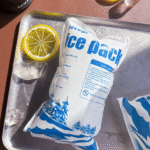
إذا سبق أن تعرضت لالتواء في كاحلك أو استيقظت مع خفقان في المفصل, أنت تعرف كيف يمكن أن يكون الألم مزعجًا. أ حزمة الجليد هلام العلاج الساخن للكاحل يمكن أن تكون الإصابات أداة بسيطة لكنها قوية في تعافيك. العلاج البارد يقلل من التورم عن طريق إبطاء تدفق الدم وتخدير الألم, بينما يعمل العلاج الحراري على زيادة الدورة الدموية واسترخاء العضلات. تجمع هذه الحزم بين الميزتين لمساعدتك على العودة إلى النشاط بشكل أسرع. في سوق تقدر قيمتها بحوالي دولار أمريكي 1.45 مليار في 2025 ومن المتوقع أن تنمو بشكل مطرد, إن فهم كيفية اختيار واستخدام عبوة الجل يمكن أن يوفر لك الوقت والانزعاج.

ما هي فوائد استخدام كيس ثلج جل العلاج الساخن لإصابات الكاحل? تعلم كيف يخفف البرد والحرارة الألم والتورم ومتى يكون كل منهما مناسبًا.
كيف يعمل العلاج الحراري لألم وتورم الكاحل؟? افهم الأساس العلمي وراء العلاج بالتبريد والعلاج الحراري وسبب أهمية التوقيت.
كيف يمكنك استخدام عبوة الجل بأمان? احصل على التعليمات خطوة بخطوة والإرشادات المهمة والمحظورة لتجنب تلف الجلد.
ما هي الميزات التي يجب أن تبحث عنها في عبوة جل الكاحل؟? قارن المواد, المرونة, الأشرطة وعناصر التصميم الأخرى للعثور على المنتج المناسب.
كيفية اختيار المنتج المناسب لاحتياجاتك? استخدم قائمتنا المرجعية العملية لتقييم الحجم, نوع الإصابة ونمط الحياة.
ما الجديد في 2025? استكشاف نمو السوق, تحولات سلسلة التوريد وابتكارات التصميم التي تشكل مستقبل العلاج بدرجة الحرارة.
ما هي فوائد أكياس الثلج العلاجية الساخنة لإصابات الكاحل؟?
العلاج البارد يقلل من التورم ويخفف الألم. عند التواء أو إجهاد الكاحل, يرسل جسمك السوائل إلى المنطقة المصابة. يؤدي تطبيق الكمادات الباردة إلى إبطاء النشاط الخلوي وتضييق الأوعية الدموية, مما يقلل الالتهاب ويخدر الألم. وهذا يجعل العلاج البارد مثاليًا خلال أول 24 إلى 48 ساعة بعد الإصابة الحادة. يوصى به أيضًا لحالات مثل التهاب الأوتار ونوبات النقرس.
العلاج الحراري يريح العضلات ويحسن المرونة. بمجرد أن يهدأ التورم الأولي, يزيد الدفء من تدفق الدم إلى المنطقة المصابة, مما يساعد على استرخاء العضلات المشدودة وتقليل تصلب المفاصل. الحرارة الرطبة, مثل الكمادات الدافئة أو عبوات الجل, يرفع عتبة الألم ويمكن أن يخفف من الحالات المزمنة مثل هشاشة العظام. من الأفضل استخدام الحرارة بعد المرحلة الحادة من الإصابة لاستعادة نطاق الحركة وتهدئة الألم المستمر.
الجمع بين البرد والحرارة يمكن أن يسرع عملية الشفاء. يعمل العلاج بالتبريد والعلاج الحراري بالتناوب على تعزيز التأثيرات المضادة للالتهابات واسترخاء العضلات. غالبًا ما يوصى بهذا النهج لعلاج آلام العضلات بعد التمرين أو الألم المزمن. عن طريق تقليل الالتهاب بالبرد أولاً ومن ثم تحسين الدورة الدموية بالحرارة, يمكنك إدارة الألم بشكل أكثر فعالية وإعداد الكاحل للحركة اللطيفة.
لماذا تعتبر عبوات الجل مثالية للكاحلين
توفر عبوات الجل العديد من المزايا مقارنة بأكياس الثلج التقليدية أو وسادات التدفئة:
| ميزة | لماذا يهم | فائدة لك |
| المرونة عند التجميد | يبقى الجل مرنًا حتى في درجات الحرارة المنخفضة | يضمن أن تكون العبوة محيطة حول الكاحل من أجل الاتصال الكامل والتبريد أو التدفئة المتسقة |
| مواد مانعة للتسرب | هيكل متين يمنع التسربات | يحافظ على جفاف بشرتك ويقلل من الفوضى |
| تصميم مزدوج الاستخدام | يمكن تبريده أو وضعه في الميكروويف | يوفر المال والمساحة من خلال توفير العلاج البارد والحراري في منتج واحد |
| أشكال وأشرطة محيطة | تم تصميم العبوات خصيصًا لأجزاء الجسم مثل الكاحلين | يوفر ضغطًا مستهدفًا واستخدامًا حر اليدين, مما يسمح لك بالبقاء متحركًا أثناء التعافي |
| تغير سريع في درجة الحرارة | يبرد في حوالي ساعة ويسخن 30 ثوان | يتيح لك بدء العلاج بسرعة كلما اشتد الألم |
نصائح ونصيحة عملية
استخدم البرد أولاً: لإصابة جديدة, ضع كمادة هلامية باردة لمدة 15-20 دقيقة في كل مرة وكرر كل ساعة حسب الحاجة. لف العبوة بمنشفة رقيقة لحماية بشرتك.
قم بالتبديل إلى الحرارة لاحقًا: بعد 48 ساعات أو عندما يهدأ التورم, التحول إلى العلاج الحراري لتحسين المرونة. يجب أن تستمر الجلسات أيضًا لمدة 15-20 دقيقة, ما يصل إلى 3-4 مرات في اليوم.
استمع إلى جسدك: إذا كان البرد أو الحرارة تزيد الألم أو تسبب التنميل, توقف واستشر أخصائي الرعاية الصحية. لا تطبق الحرارة على تورم, المناطق الحمراء أو الساخنة.
حالة العالم الحقيقي: أصيب لاعب كرة سلة ترفيهي بالتواء في كاحله أثناء اللعب في عطلة نهاية الأسبوع. بعد بروتوكول PRICE (حماية, استراحة, الجليد, الضغط والارتفاع), استخدم عبوة هلامية باردة في اليومين الأولين ثم تناوب عليها مع الحرارة. يقلل البرد من التورم والألم, بينما تحسن الحرارة المرونة, مما يسمح له ببدء مجموعة لطيفة من تمارين الحركة خلال أسبوع.
كيف يعمل العلاج الحراري لألم الكاحل وتورمه؟?
العلاج بالتبريد يقلل الالتهاب ويخدر الألم. عند إصابة الأنسجة, الوسطاء الكيميائيون يتسببون في اتساع الأوعية الدموية. العلاج البارد يضيق هذه الأوعية ويبطئ عمليات التمثيل الغذائي, الحد من تراكم السوائل وتقليل إطلاق المواد الالتهابية. وهذا لا يقلل من التورم فحسب، بل يخدر أيضًا النهايات العصبية لتوفير تخفيف فوري للألم. ويدعم هذا النهج بروتوكول PRICE طويل الأمد, الذي يجمع بين الحماية, استراحة, الجليد, الضغط والارتفاع بعد التواء أو إجهاد.
العلاج الحراري يزيد الدورة الدموية ويريح الأنسجة. يؤدي تطبيق الحرارة بعد المرحلة الحادة إلى رفع درجة حرارة الأنسجة بنحو 9-12 درجة فهرنهايت, مما يؤدي إلى تمدد الأوعية الدموية واسترخاء العضلات. زيادة الدورة الدموية تجلب الأكسجين والمواد المغذية اللازمة للشفاء وتزيل النفايات الأيضية. تعمل الحرارة الرطبة — مثل عبوة الجل التي يتم تسخينها في الميكروويف — على نقل الحرارة بكفاءة. كما أن الدفء يقلل من تشنجات العضلات وتصلبها, مما يجعلها ذات قيمة للحالات المزمنة مثل هشاشة العظام.
التوقيت أمر بالغ الأهمية. يجب أن يتبع الانتقال من البرد إلى الحرارة مراحل الشفاء. الثلج مثالي خلال المرحلة الالتهابية (أول 24-48 ساعة), بينما الحرارة هي الأفضل خلال مرحلة الانتشار عندما تبدأ الأنسجة بإصلاح نفسها. يمكن أن يؤدي استخدام الحرارة في وقت مبكر جدًا إلى زيادة الالتهاب, في حين أن البرد لفترات طويلة قد يؤخر الشفاء. للألم المزمن أو النوبات المتكررة, العلاج بدرجات الحرارة المتناوبة قبل وبعد النشاط يمكن أن يمنع إشارات الألم من الوصول إلى الدماغ ويساعد على إعادة تدريب الجهاز العصبي.
فهم مبدأ السعر لإصابات الكاحل
يوصى على نطاق واسع باستخدام نهج PRICE لالتواء الكاحل وإصابات الأنسجة الرخوة الأخرى:
حماية: منع المزيد من الضرر عن طريق شل حركة الكاحل. استخدم دعامة أو غلافًا ضاغطًا.
استراحة: الحد من أنشطة تحمل الوزن والسماح للأنسجة بالبدء في الشفاء.
الجليد (العلاج البارد): ضع عبوة هلامية ملفوفة بمنشفة لمدة 15-20 دقيقة, أربع إلى ثماني مرات يوميا خلال اليومين الأولين.
ضغط: استخدم ضمادة مرنة أو عبوة هلامية مع حزام مدمج لتطبيق ضغط لطيف وتقليل التورم.
ارتفاع: إبقاء الكاحل أعلى من مستوى القلب لتقليل تراكم السوائل.
نصيحة: العلاج بالضغط البارد الذي يتم تطبيقه مباشرة بعد الإصابة يمكن أن يسرع عملية الشفاء الوظيفي عن طريق تقليل الألم والتورم. يستخدم العديد من الرياضيين عبوات هلامية مربوطة على الكاحل أو الركبة مباشرة بعد المباريات لتقليل وقت التوقف عن العمل.
كيف تؤثر درجة الحرارة على شفاء الأنسجة
| مرحلة الشفاء | العلاج الموصى به | لماذا يعمل | فائدة الحياة الحقيقية |
| حاد/التهابي (0-48 ساعة) | العلاج البارد مع ضغط لطيف | يقيد الأوعية الدموية, يحد من التورم ويمنع إشارات الألم | يقلل من الانزعاج ويمنع التورم المفرط حتى تتمكن من الراحة بشكل مريح |
| التكاثري (3-7 أيام) | تناوب البرد والحرارة | بعد التورم الأولي, يتحكم البرد في الالتهابات المستمرة بينما تعمل الحرارة على تحسين الدورة الدموية وتوصيل العناصر الغذائية | يدعم إصلاح الأنسجة ويجهز الكاحل لمجموعة من تمارين الحركة |
| إعادة تصميم (1-6 أسابيع) | العلاج الحراري والتمدد اللطيف | الدفء يريح الأنسجة ويعزز المرونة, السماح بالتعزيز التدريجي | يستعيد الوظيفة الطبيعية ويساعد على منع الإصابة مرة أخرى |
نصائح ونصيحة عملية
مدة المراقبة: احتفظ بجلسات البرد أو الحرارة تحتها 20 دقائق لمنع تلف الأنسجة.
استخدم الحواجز: لف العبوة دائمًا بقطعة قماش أو منشفة لتجنب قضمة الصقيع أو الحروق.
تجنب النوم مع حزمة: التعرض لفترات طويلة يمكن أن يضر الجلد والأنسجة الأساسية.
استشر أحد المتخصصين: إذا استمر الألم أو تفاقم, راجع مقدم الرعاية الصحية لاستبعاد الكسور أو الإصابات الشديدة.
كيفية استخدام كيس الثلج العلاجي الساخن بأمان للعناية بالكاحل
الاستخدام الصحيح يزيد من الفوائد ويمنع الإصابة. اتبع هذا الدليل خطوة بخطوة:
قم بإعداد الحزمة. للعلاج البارد, قم بتجميد علبة الجل لمدة ساعتين على الأقل. للعلاج الحراري, قم بتسخينه في الميكروويف لمدة 20-30 ثانية أو اغمره في الماء الساخن (لا تغلي) الماء لمدة خمس دقائق. اختبر درجة الحرارة بيدك قبل الاستخدام.
لف العبوة. لا تضع أبدًا عبوة الجل مباشرة على بشرتك. استخدم منشفة رقيقة أو قطعة قماش لإنشاء حاجز ومنع قضمة الصقيع أو الحروق.
وضعه بشكل صحيح. اجلس أو استلقي وضع الكمادة حول كاحلك. تشتمل العديد من المنتجات على أشرطة أو أكمام تثبت العبوة وتوفر ضغطًا لطيفًا. اضبط الأشرطة بحيث تتناسب العبوة مع الكاحل دون قطع الدورة الدموية.
تعيين مؤقت. حدد كل جلسة بـ 15-20 دقيقة. يمكن أن يؤدي البرد أو الحرارة لفترة طويلة إلى إتلاف الأنسجة أو تأخير الشفاء. السماح على الأقل 60 دقائق بين الجلسات الباردة.
تدوير العلاج. للإصابات الحادة, ابدأ بالعلاج البارد في اليومين الأولين. بمجرد أن يقل التورم, قم بالتبديل بين البرد والحرارة أو استخدم الحرارة وحدها لإرخاء العضلات وتحسين المرونة.
مراقبة حالة الجلد. افحص بشرتك بحثًا عن الاحمرار, خدر أو تهيج. في حالة ظهور أي أعراض سلبية, قم بإزالة العبوة على الفور واستشر مقدم الرعاية الصحية.
ما يجب فعله وما لا يجب فعله للاستخدام الآمن
يفعل قم بتخزين عبوات هلامية متعددة حتى تتمكن من التبديل بين البرد والحرارة دون مقاطعة العلاج. تقدم بعض المنتجات عبوات هلامية إضافية للاستخدام المستمر.
يفعل قم بدمج العبوة مع الضغط والرفع لتحسين تقليل التورم.
لا استخدام الحرارة على تورم, احمرار أو سخونة الكاحل، وهذا يمكن أن يؤدي إلى تفاقم الالتهاب.
لا يزيد عن 20 دقائق لكل جلسة أو تغفو مع وجود عبوة على كاحلك.
لا ضع عبوة على الجلد المكسور أو الجروح المفتوحة; استخدم غطاءً معقمًا أولاً واطلب المشورة الطبية.
مثال الحالة: عانى عداء الماراثون من التهاب وتر العرقوب. لقد بدلت علبة هلام باردة ل 15 دقائق مع الراحة والارتفاع, تليها العلاج الحراري ل 15 دقائق لإرخاء عضلات الساق المشدودة. بعد اسبوع, هدأت الألم والتصلب, السماح لها باستئناف التدريب بتوجيهات العلاج الطبيعي.
ما الميزات التي يجب أن تبحث عنها في كيس الثلج الجل العلاجي الساخن لكاحلك?
شراء العبوة المناسبة يضمن العلاج الفعال, الراحة والمتانة. النظر في الميزات التالية:
المرونة والكنتوري. اختر عبوة هلامية تظل مرنة عند تجميدها بحيث تتوافق مع منحنيات الكاحل. توفر التصميمات التشريحية أو الأكمام 360 درجة تغطية وضغطًا أفضل, ضمان وصول البرودة أو الحرارة إلى جميع جوانب المفصل.
مواد مقاومة للتسرب ومتينة. ابحث عن البلاستيك أو القماش الطبي الذي يقاوم الثقوب والتسرب. مواد عالية الجودة تمنع الفوضى وتسمح بالتجميد والتسخين المتكرر دون تدهور.
تأمين الأشرطة والضغط. تساعد أشرطة الفيلكرو القابلة للتعديل أو الأغلفة المرنة على تثبيت العبوة في مكانها, تمكين الاستخدام الحر للأيدي والضغط اللطيف. يقلل الضغط من التورم ويحسن الاتصال بين العبوة والكاحل.
القدرة على درجة الحرارة المزدوجة. العبوة التي يمكن تجميدها ووضعها في الميكروويف توفر المال ومساحة التخزين. يضمن هذا التصميم ذو الاستخدام المزدوج حصولك دائمًا على العلاج المناسب.
تسخين وتبريد سريع. المنتجات التي تتجمد خلال ساعة واحدة وتسخن خلال ساعة واحدة 30 توفر الثواني الراحة عندما يندلع الألم بشكل غير متوقع.
عبوات جل إضافية للعلاج المستمر. تبيع بعض الشركات المصنعة عبوات إضافية حتى تتمكن من الاحتفاظ بواحدة منها باردة بينما تكون الأخرى قيد الاستخدام. وهذا مفيد لجلسات التعافي الأطول أو عند التناوب بين البرد والحرارة.
الحجم والملاءمة. تحقق من قياس المحيط واختر حزمة ذات أشرطة ممتدة إذا لزم الأمر. على سبيل المثال, قد يصل حجم لف الكاحل إلى 12 بوصة وتتضمن موسعًا للوصول 22 بوصات.
مقارنة أنواع عبوات الجل للكاحلين
| نوع الحزمة | الميزات الرئيسية | الاستخدام المثالي | الآثار العملية |
| حزمة جل مرنة قياسية | مستوي, هلام مرن; يمكن استخدامه ساخنًا أو باردًا; يتطلب الأشرطة أو التفاف | الالتواء العام في الكاحل أو الكدمات | بأسعار معقولة ومتعددة الاستخدامات; يحتاج إلى تحديد المواقع اليدوية والتغليف |
| حزمة حبة هلام | يحتوي على خرزات هلامية صغيرة لإحساس بالتدليك; قوالب بسهولة على الأسطح غير النظامية; يحمل درجة الحرارة بشكل جيد | المناطق المحددة مثل الكاحلين, المرفقين أو الركبتين | يوفر ملاءمة وراحة أفضل; قد تتغير الخرزات مع مرور الوقت |
| حزمة ساخنة/باردة فورية | ينشط التفاعل الكيميائي لتغيير درجة الحرارة بشكل فوري; يمكن التخلص منه | الاستخدام في حالات الطوارئ في حالة عدم توفر الفريزر أو الميكروويف | مريحة للسفر أو مجموعات الإسعافات الأولية; استخدام واحد ويولد المزيد من النفايات |
| كم ضغط مع إدراج هلام | يوفر الكم تغطية وضغط 360 درجة; يمكن إزالة حشوات الجل وتسخينها/تبريدها | الحالات المزمنة أو المستخدمين النشطين الذين يحتاجون إلى العلاج بدون استخدام اليدين | يوفر تغطية ثابتة وضغطًا خفيفًا; قد تكلف أكثر ولكن يمكن إعادة استخدامها |
نصائح ونصيحة عملية
إعطاء الأولوية للراحة: إذا كنت تخطط للتنقل أثناء ارتداء العبوة, اختر تصميمًا بأشرطة أو أكمام آمنة حتى يبقى في مكانه.
النظر في أحجام متعددة: إذا كان لديك كاحلين أكبر أو تخطط لمشاركة الحزمة مع أفراد العائلة, اختر منتجًا قابلاً للتعديل يناسب مجموعة واسعة من الأحجام.
تحقق من مراجعات المنتج: ابحث عن ردود الفعل على المتانة, سهولة الاستخدام, ومدى احتفاظ العبوة بدرجة الحرارة. غالبًا ما توفر العلامة التجارية ذات السمعة الطيبة ضمانات أو دعم العملاء.
دراسة حالة: أوصى أحد المعالجين الفيزيائيين باستخدام كم ضاغط مع حشوات هلامية قابلة للإزالة للمريض الذي يعاني من عدم استقرار مزمن في الكاحل. يوفر الكم علاجًا باردًا بدون استخدام اليدين بعد التمرينات والعلاج الحراري قبل التمدد. لقد أدى ملاءمتها الانسيابية وضغطها إلى تحسين استقبال الحس العميق والسماح للمريض بأداء تمارين التوازن أثناء ارتداء العبوة.
كيفية اختيار كيس الثلج العلاجي الساخن المناسب لكاحلك
يعتمد اختيار المنتج المناسب على إصابتك, نمط الحياة والميزانية. استخدم قائمة المراجعة التالية عند التسوق:
حدد احتياجاتك الأساسية. هل تعالج التواء حاد, إدارة التهاب المفاصل المزمن أو التعافي من الجراحة? تستفيد الإصابات الحادة من العبوات الأكبر التي تغطي الكاحل بالكامل وتوفر الضغط. قد تتطلب الحالات المزمنة كمًا للاستخدام بدون استخدام اليدين والدفء اللطيف.
النظر في مستوى نشاطك. قد يفضل الأفراد النشطون أو الرياضيون حزمة تحتوي على أحزمة آمنة وجل تبريد سريع حتى يتمكنوا من التحرك أثناء التعافي. للاستخدام المستقر (على سبيل المثال, ما بعد الجراحة), قد يكون الغلاف أو الغلاف التقليدي كافيًا.
تقييم أداء درجة الحرارة. تحقق من المدة التي تبقى فيها العبوة ساخنة أو باردة. تظل معظم عبوات الجل فعالة لمدة 20-30 دقيقة. إذا كنت بحاجة إلى جلسات أطول, شراء علبتين وتدويرهما.
التحقق من المواد والسلامة. ابحث عن مادة خالية من مادة BPA, المواد الطبية والتحقق من أن العبوة تظل مرنة عند تجميدها. يجب أن تأتي العبوة مع تعليمات حول أوقات التسخين والتبريد الآمنة.
تقييم سهولة الاستخدام. عبوة يمكن وضعها في الميكروويف أو تجميدها بسرعة, يعلق بسهولة, وينظف بصابون خفيف وهو أكثر ملاءمة للاستخدام اليومي. تجنب المنتجات ذات إجراءات التسخين المعقدة.
عامل في التكلفة والضمان. تختلف نقاط السعر حسب التصميم والعلامة التجارية. قد تكون العبوات عالية الجودة ذات الأكمام الضاغطة أو الحشوات الهلامية الإضافية أكثر تكلفة ولكنها تدوم لفترة أطول. ابحث عن الضمان أو ضمان الرضا.
العوامل التي يجب مراعاتها عند شراء مجموعة جل الكاحل
| اعتبار | أسئلة لطرحها | لماذا يهم |
| نوع الإصابة | هل إصابتك حادة أم مزمنة؟? هل تتعامل مع تورم أو تصلب؟? | تتطلب الإصابات الحادة البرد لتقليل التورم, بينما يستفيد الألم المزمن من الحرارة أو العلاج بالتناوب |
| الملاءمة وقابلية التعديل | هل تناسب العبوة حجم كاحلك؟? هل لديه حزام موسع? | يضمن الملاءمة المناسبة الاتصال والضغط بشكل متسق, تقليل الحاجة إلى حمل العبوة باليد |
| احتباس درجة الحرارة | كم من الوقت تبقى العبوة باردة أو ساخنة? | الاحتفاظ لفترة أطول يعني انقطاعات أقل أثناء جلسات العلاج; العديد من العبوات تعمل لمدة 20-30 دقيقة |
| قابلية النقل | هل تحتاج إلى حزمة للسفر أو الأحداث الرياضية? | تعتبر العبوات الفورية أو تلك التي تتجمد بسرعة مناسبة للاستخدام أثناء التنقل |
| الاستدامة | هل المنتج قابل لإعادة الاستخدام ومصنوع من مواد صديقة للبيئة? | تعمل العبوات القابلة لإعادة الاستخدام على تقليل النفايات وتكون فعالة من حيث التكلفة مع مرور الوقت |
نصائح ونصيحة عملية
استشر مقدم الرعاية الصحية الخاص بك إذا كان لديك مرض السكري, الاعتلال العصبي أو مشاكل الدورة الدموية; يمكن أن يؤثر العلاج الحراري على هذه الحالات.
احتفظ بحزمة احتياطية في حقيبة الفريزر أو الجيم الخاصة بك حتى يكون لديك دائمًا خيار بارد جاهز بعد التمرين.
تتحد مع العلاج الطبيعي: عبوات الجل تكمل إعادة التأهيل المهني. غالبًا ما يوصي أخصائيو العلاج الطبيعي بالعلاج البارد بعد التمارين لتقليل الالتهاب والعلاج الحراري قبل تمارين التمدد لتحسين المرونة.
مثال الحياة الحقيقية: استخدمت عاملة مكتب مصابة بالتهاب اللفافة الأخمصية عبوة هلامية صغيرة لكعبها ليلاً ولفافة أكبر للكاحل أثناء النهار. اختارت المنتجات ذات المواد المقاومة للتسرب والأشرطة القابلة للتعديل. بعد عدة أسابيع من التناوب بين البرد والحرارة وممارسة تمارين التقوية, أبلغت عن ألم أقل في الصباح وتحسنت حركتها.
يمكن أن تعمل عبوات الثلج الجل العلاجية الساخنة على تسريع عملية التعافي من إصابات الكاحل?
الضغط البارد يحسن الشفاء المبكر. تظهر المراجعات السريرية أن البرد والضغط المطبق مباشرة بعد الإصابة أو الجراحة يخفف الألم, تقليل التورم وسرعة الشفاء الوظيفي. غالبًا ما يقوم الرياضيون بتأمين عبوات هلامية باردة لالتواء الكاحل أو شد العضلات في غرفة خلع الملابس للحد من التورم وتقصير وقت التوقف عن العمل.
تعمل الحرارة على تحسين نطاق الحركة أثناء إعادة التأهيل. بمجرد مرور مرحلة الالتهاب الأولية, يصبح العلاج الحراري أكثر فائدة. عن طريق زيادة تدفق الدم واسترخاء العضلات, تقلل الحرارة من تصلب المفاصل وتحسن حركتها. تشير الدراسات الصغيرة إلى أن الأغطية الحرارية تقلل من الإعاقة والألم في حالات مثل آلام الظهر والتهاب الأوتار.
قد تكون درجات الحرارة المتناوبة أكثر فعالية. لآلام العضلات والمشاكل المزمنة, يمكن أن يوفر التناوب بين البرد والحرارة راحة أكبر من أي من الطريقتين وحدهما. البرد يقلل من الالتهابات, بينما تعمل الحرارة على تعزيز المرونة. غالبًا ما يستخدم هذا المزيج في العلاج الطبيعي لإعداد الأنسجة للتمرين وتبريدها بعد ذلك.
الأدلة من الدراسات. أشارت مراجعة سردية لتجارب عشوائية حول العلاج بالضغط البارد إلى أن تطبيق الثلج والضغط مباشرة بعد إصابات العضلات والعظام يقلل بشكل كبير من الألم والتورم.. لكن, وتتضاءل الفوائد إذا تأخر العلاج. العلاجات الحرارية العميقة, تدار في بعض الأحيان من قبل المعالجين الفيزيائيين, يمكن أن يسخن الأنسجة على بعد بوصتين تحت سطح الجلد باستخدام الموجات فوق الصوتية أو طاقة الموجات القصيرة, على الرغم من أن هذه تتطلب معدات احترافية.
مقارنة العلاجات عبر الظروف
| حالة | العلاج الموصى به | سبب | حصيلة |
| التواء الكاحل الحاد | الضغط البارد | يقلل من التورم ويخدر الألم | يسمح بالحركة المبكرة ويقلل من خطر الالتهاب لفترة طويلة |
| يشتعل التهاب وتر العرقوب | العلاج البارد والراحة | يخفف التهاب الأوتار والألم | يمنع المزيد من الضرر ويسرع الشفاء |
| التهاب المفاصل المزمن أو تصلب | العلاج الحراري | يزيد من تدفق الدم ويريح المفاصل | يحسن نطاق الحركة ويقلل من التيبس |
| ألم العضلات بعد التمرين | تناوب البرد والحرارة | يجمع بين التأثيرات المضادة للالتهابات والاسترخاء | يقلل من الألم ويجهز العضلات للتمرين التالي |
| تشنجات الدورة الشهرية | العلاج الحراري | يخفف من تقلصات العضلات | يوفر الراحة بدون دواء |
نصائح ونصيحة عملية
علاج على الفور: للحصول على أفضل النتائج, تطبيق الضغط البارد مباشرة بعد الإصابة. العلاج المتأخر يقلل من الفعالية.
الجمع بين الطرائق: استخدم حزمة هلامية مع الارتفاع والضغط اللطيف للإصابات الحادة ودمج الحرارة عند الانتقال إلى إعادة التأهيل.
مراقبة التقدم: إذا استمر التورم أو الألم لأكثر من بضعة أيام, استشر مقدم الرعاية الصحية لمزيد من التقييم.
البصيرة القضية: في حالات مرضى مفاصل الركبة بعد العمليات الجراحية, يوفر العلاج بالضغط البارد تخفيفًا للألم ونتائج وظيفية أفضل من عدم العلاج. بينما تختلف إصابات الكاحل, تنطبق مبادئ مماثلة: العلاج البارد المبكر يمكن أن يسرع عملية الشفاء ويحسن الراحة.
2025 أحدث التطورات والاتجاهات في أكياس الثلج العلاجية الساخنة للكاحلين
نظرة عامة على الاتجاه
تشهد صناعة العلاج الساخن والبارد نموًا وابتكارًا سريعًا. في 2025, تبلغ قيمة السوق العالمية لحزم العلاج الساخنة والباردة حوالي دولار أمريكي 1.45 مليار ومن المتوقع أن يصل دولار أمريكي 1.89 مليار من قبل 2030, ينمو عند أ معدل النمو السنوي المركب (CAGR) ل 5.49%. ويقدر مصدر آخر السوق في دولار أمريكي 1,557.8 مليون في 2025, توقع أنه سوف أكثر من مضاعفة إلى الدولار الأمريكي 3,290.2 مليون بواسطة 2035. في الولايات المتحدة وحدها, ومن المتوقع أن ترتفع المبيعات إلى دولار أمريكي 380.75 مليون بواسطة 2028.
أحدث التطورات في لمحة
تصميمات مريحة ومستهدفة: تتميز العبوات الآن بأشكال تستهدف مجموعات عضلية معينة, بما في ذلك الكاحلين, باستخدام مواد متقدمة تحافظ على درجة الحرارة لفترة أطول مع الحفاظ على نعومتها. الأشرطة القابلة للتعديل تسمح للمستخدمين بتخصيص الضغط والملاءمة, تحسين الراحة والفعالية.
حبة هلام وحزم محكم: تصميمات جديدة مع خرز جل توفر مرونة, يشعر التدليك بأنه يتحول بسهولة إلى منحنيات, تعزيز الراحة والاحتفاظ بدرجة الحرارة.
منتجات العلاج الفوري: تكتسب العبوات الساخنة أو الباردة التي يتم استخدامها مرة واحدة والتي يتم تنشيطها بواسطة تفاعل كيميائي شعبية في حالات الطوارئ أو السفر, توفر الراحة بدون ثلاجة أو ميكروويف.
مواد صديقة للبيئة وقابلة لإعادة الاستخدام: يقوم المصنعون بتطوير منتجات بمواد مستدامة وعمر أطول. تعمل العبوات القابلة لإعادة الاستخدام على تقليل النفايات وتتوافق مع تفضيل المستهلك المتزايد للمنتجات الصديقة للبيئة.
مرونة سلسلة التوريد: الولايات المتحدة الأخيرة. الرسوم الجمركية على المستلزمات الطبية المستوردة, بما في ذلك حزم هلام, لقد كشفت عن مخاطر الاعتماد على الإنتاج البحري. تقوم الشركات بتحويل التصنيع إلى أمريكا الشمالية لضمان الجودة المتسقة, تقليل التأخير والوفاء بالمعايير التنظيمية.
اعتماد المستهلك على نطاق أوسع: مرة واحدة منتج متخصص, أصبحت حزم العلاج الساخنة والباردة الآن جزءًا من إجراءات العافية السائدة, برامج التعافي الرياضي والسلامة في مكان العمل. تعمل استراتيجيات التسويق المتقاطع في متاجر البيع بالتجزئة على ربط عبوات الجل بمعدات اللياقة البدنية, أدوات الإسعافات الأولية ومنتجات العناية الشخصية لتشجيع عمليات الشراء الاندفاعية.
الطلب المتزايد مدفوعا بالألم المزمن: مع ما يقرب من 1.7 مليار شخص في جميع أنحاء العالم يعانون من أمراض العضلات والعظام وشيخوخة السكان التي ستشهد تقدم السن 60 وما فوق ضعف 2050, الطلب على أدوات إدارة الألم غير الصيدلانية آخذ في الارتفاع. توفر عبوات الجل طريقة بسيطة, الحل المنزلي للظهر المزمن, آلام الرقبة والمفاصل.
رؤى السوق
الزيادة في التبني مدفوعة بعدة عوامل:
التحول نحو الطبيعي, في العافية في المنزل: يفضل العديد من المستهلكين الحلول غير الصيدلانية لإدارة الألم بسبب المخاوف بشأن الآثار الجانبية للأدوية والرغبة في اتباع أساليب أكثر شمولية. توفر عبوات الجل راحة فورية بدون أدوية, مما يجعلها جذابة للجيل Z, جيل الألفية وعشاق اللياقة البدنية.
ظهور الحزم الفورية والراحة: تعتبر العبوات الساخنة والباردة الفورية منتجات عالية الأداء لأنها لا تتطلب أي معدات. يمنح تجار التجزئة هذه المنتجات مساحة كبيرة على الرف ويتاجرون بها مع العناصر ذات الصلة مثل معدات اللياقة البدنية ومسكنات الألم.
ابتكار المنتجات: تستخدم التصميمات الجديدة المواد الهلامية والأقمشة المتقدمة للحفاظ على درجة الحرارة لفترة أطول وتقديم لطيف, حتى الضغط. تتميز بعض العبوات بإدخالات معيارية أو أجهزة استشعار رقمية لدرجة الحرارة لمراقبة درجة حرارة الجلد ومنع الحروق.
التصنيع المحلي: لمواجهة تقلبات الأسعار الناجمة عن التعريفات الجمركية, تقوم الشركات بنقل الإنتاج إلى أمريكا الشمالية, مما أدى إلى تحسين مراقبة الجودة وتقليل أوقات التسليم. وهذا التحول يجذب أيضًا المستهلكين الذين يبحثون عن سلع مصنعة بشكل أخلاقي وتخفيض آثار الكربون.
نصائح ونصيحة عملية
ابحث عن الابتكارات: عند التسوق, ضع في اعتبارك ما إذا كانت العبوة توفر أشكالًا مريحة أو تقنية الخرز الهلامي للحصول على ملاءمة وراحة أفضل.
تحقق من الأصل: قد توفر المنتجات المصنعة بالقرب من المنزل جودة وسلامة أفضل بسبب المعايير الأكثر صرامة وسلاسل التوريد الأقصر.
ابق على اطلاع: مع تطور السوق, مواد جديدة وميزات ذكية (مثل تطبيقات مراقبة درجة الحرارة) قد تصبح متاحة. الاشتراك في النشرات الإخبارية للشركة المصنعة يمكن أن يبقيك مطلعًا على الابتكارات.
الاتجاه الناشئ: بعض الشركات المصنعة تستكشف عبوات الجل الذكية التي تتصل بتطبيق الهاتف الذكي. تراقب هذه العبوات درجة حرارة الجلد وتنبهك عندما يحين وقت إزالة العبوة أو التبديل من البرد إلى الحرارة. بينما لا يزال في مراحل مبكرة, تعكس هذه التكنولوجيا اتجاه أدوات إعادة تأهيل المنزل في المستقبل.
الأسئلة المتداولة
س 1: كم من الوقت يجب أن أستخدم كيس ثلج جل العلاج الساخن على كاحلي؟?
تقتصر كل جلسة على 15-20 دقيقة, سواء باستخدام البرد أو الحرارة. للعلاج البارد, السماح بساعة واحدة على الأقل بين الجلسات. الإفراط في استخدام العلاج الحراري يمكن أن يضر الجلد أو يؤخر الشفاء.
Q2: هل يمكنني استخدام الحرارة مباشرة بعد التواء كاحلي؟?
لا. ينبغي للحرارة لا يتم تطبيقها خلال الفترة الأولى 48 ساعات من الإصابة الحادة لأنه يمكن أن يزيد الالتهاب ويؤخر الشفاء. ابدأ بالعلاج البارد ثم انتقل إلى العلاج بالحرارة بعد زوال التورم.
س 3: هو كيس ثلج جل علاجي ساخن آمن للأطفال?
نعم, ولكن قم دائمًا بالإشراف على الاستخدام. تأكد من أن درجة الحرارة معتدلة وفحص جلد الطفل بانتظام. استخدم حاجزًا من القماش وحدد مدة الجلسة بـ 10-15 دقيقة.
س 4: هل يساعد تناوب البرد والحرارة في علاج آلام الكاحل المزمنة؟?
للحالات المزمنة مثل التهاب المفاصل أو التهاب الأوتار, يمكن أن يوفر التناوب بين البرد والحرارة راحة أكبر من أي من الطريقتين وحدهما. يقلل البرد من الالتهاب أثناء النوبات, بينما تعمل الحرارة على إرخاء العضلات المتصلبة وتحسين الدورة الدموية.
س 5: كيف أقوم بتنظيف وتخزين علبة الجل الخاصة بي?
امسح العبوة بالصابون المعتدل والماء وجففها جيدًا. قم بتخزين العبوات الباردة في الثلاجة أو في درجة حرارة الغرفة للمنتجات الحرارية فقط عند عدم استخدامها.
ملخص وتوصيات
أ كيس ثلج جل العلاج الساخن للكاحل الإصابات هي أداة متعددة الاستخدامات يمكنها تقليل التورم, تخفيف الألم وتسريع الشفاء. العلاج البارد يضيق الأوعية الدموية ويخدر الألم, مما يجعله الخيار الأول للإصابات الحادة. العلاج الحراري يحسن تدفق الدم ويريح العضلات, المساعدة على التعافي بعد أن ينحسر التورم الأولي. الجمع بين الطريقتين يمكن أن يعالج الألم المزمن ووجع ما بعد التمرين. عند اختيار الحزمة, إعطاء الأولوية للمرونة, متانة, أحزمة آمنة وقدرة على درجة الحرارة المزدوجة. استخدم دائمًا حاجزًا, الحد من الجلسات ل 20 دقائق ومراقبة حالة الجلد لتجنب الإصابة. اتجاهات السوق في 2025 تبين أن حزم العلاج بالحرارة أصبحت أكثر راحة, صديقة للبيئة ومتقدمة تكنولوجياً. مع نمو الطلب, توقع ابتكارات مثل حزم الخرز الهلامية وميزات المراقبة الذكية.
الخطوات التالية القابلة للتنفيذ
تقييم احتياجاتك. تحديد ما إذا كنت بحاجة إلى حزمة هلام للتعافي من الإصابة الحادة, إدارة الألم المزمن أو التعافي الرياضي.
اختر المنتج المناسب. حدد مرنة, حزمة مقاومة للتسرب مع أشرطة قابلة للتعديل وإمكانية درجة الحرارة المزدوجة. ضع في اعتبارك استخدام الأكمام الضاغطة إذا كنت بحاجة إلى استخدام حر اليدين.
اتبع إرشادات الاستخدام الآمن. قم بتجميد العبوة أو تسخينها وفقًا للتعليمات, لفها بقطعة قماش, الحد من الجلسات ل 20 دقائق وتجنب النوم مع العبوة.
الجمع مع ممارسة الرياضة. استخدم البرد بعد التمرين لتقليل الالتهاب والحرارة قبل تمارين التمدد لتحسين الحركة.
ابق على اطلاع. مواكبة اتجاهات السوق والابتكارات, مثل التصاميم المريحة والمراقبة الذكية لدرجة الحرارة. اشترك في النشرات الإخبارية للشركات المصنعة للحصول على التحديثات والعروض الخاصة.
حول Tempk
تعتبر Tempk مبتكرًا موثوقًا به في حلول سلسلة التبريد والتحكم في درجة الحرارة. نحن متخصصون في عبوات الجل الساخنة والباردة عالية الجودة مصممة للاستخدام الشخصي والمهني. حزمنا هي مصنوعة من مادة متينة, مواد مانعة للتسرب وتظل مرنة عند تجميدها, ضمان تغطية مريحة حول الكاحلين, الركبتين والمفاصل الأخرى. نحن نتكامل أشرطة قابلة للتعديل وتصميمات مريحة لتوفير ضغط مستهدف واستخدام حر اليدين. يستكشف فريق البحث والتطوير لدينا باستمرار مواد صديقة للبيئة وتكنولوجيا مراقبة ذكية, الحفاظ على منتجاتنا تتماشى مع 2025اتجاهات الصحة والعافية المتطورة. سواء كنت تتعافى من التواء, إدارة الألم المزمن أو منع الإصابة, توفر Tempk حلولاً موثوقة تساعدك على التحرك بثقة.
بحاجة إلى إرشادات? تواصل مع فريقنا للحصول على توصيات مخصصة والعثور على حزمة الجل المثالية لاحتياجاتك. نحن هنا لمساعدتك على التعافي بشكل أسرع والبقاء نشطًا.