كيف ستتطور لوجستيات توريد سلسلة التبريد في 2025
عالم لوجستيات توريد سلسلة التبريد يخضع لتغير سريع, مدفوعة بالتقنيات الجديدة, لوائح أكثر صرامة وتغيير توقعات المستهلكين. في هذا الدليل الشامل ستكتشف كيفية التشغيل الآلي, الذكاء الاصطناعي (منظمة العفو الدولية), تعمل التعبئة المستدامة وديناميكيات السوق الإقليمية على إعادة تشكيل طريقة تخزين المنتجات الحساسة لدرجة الحرارة, نقلها وتسليمها. تقدر قيمة سوق لوجستيات سلسلة التبريد العالمية بـ دولار أمريكي 436.30 مليار في 2025 ومن المتوقع أن يصل إلى حوالي دولار أمريكي 1,359.78 مليار من قبل 2034 مع 13.46 % CAGR. سيساعدك فهم هذه التحولات الآن على اتخاذ قرارات أكثر ذكاءً والحفاظ على سلعك آمنة ومربحة.

ما الذي تتضمنه لوجستيات توريد سلسلة التبريد – من التخزين والنقل إلى المناولة والتسليم النهائي, بما في ذلك المكونات الأساسية وأنظمة التعبئة والتغليف.
كيف تعمل الأتمتة والذكاء الاصطناعي على تحويل العمليات – بما في ذلك اعتماد الروبوتات, التحليلات التنبؤية والمراقبة في الوقت الحقيقي التي تقلل التكاليف والأخطاء.
ما أهمية الاستدامة والحد من النفايات؟ – دراسة الحلول الموفرة للطاقة, التعبئة والتغليف القابلة للتحلل والفوائد الاقتصادية لخفض النفايات.
كيف تدفع قطاعات مثل الأدوية والأغذية الطازجة النمو – تسليط الضوء على احتياجات درجة حرارة العلاج الجيني, توقعات السوق والمنتجات الناشئة.
ما هي الاتجاهات والتحديات الإقليمية التي يمكن توقعها؟ 2025 - استكشاف النمو في منطقة آسيا والمحيط الهادئ, استثمارات البنية التحتية في أوروبا والولايات المتحدة. هيمنة.
الأسئلة المتداولة – إجابات واضحة على خيارات التعبئة والتغليف, المتطلبات التنظيمية واختيار الموردين.
ما الذي تتضمنه لوجستيات توريد سلسلة التبريد ولماذا هي مهمة؟?
تشير لوجستيات توريد سلسلة التبريد إلى عمليات التغليف المترابطة, تخزين, مناولة ونقل البضائع الحساسة لدرجة الحرارة في ظل ظروف خاضعة للرقابة. تحافظ هذه العمليات على المنتجات ضمن نطاق درجة حرارة آمن من الإنتاج إلى الاستهلاك, ضمان السلامة والجودة. بدون أنظمة سلسلة تبريد قوية, الأطعمة القابلة للتلف, اللقاحات, قد تفسد المواد البيولوجية والمواد الكيميائية أو تفقد فعاليتها أثناء النقل. يتزايد الطلب على التعبئة والتغليف الفعالة لسلسلة التبريد بسرعة - وكان السوق العالمي لتغليف سلسلة التبريد على وشك الحدوث 20.08 مليار دولار أمريكي 2020 ومن المتوقع أن يصل 36.65 مليار دولار أمريكي 2026; وتتوقع بعض التحليلات أن تتجاوز 100 مليار دولار بحلول منتصف الثلاثينيات.
يعد فهم لوجستيات سلسلة التبريد أمرًا بالغ الأهمية عبر الصناعات. تتطلب المستحضرات الصيدلانية والبيولوجية نطاقات صارمة لدرجات الحرارة (عادة 2-8 درجة مئوية) للحفاظ على الفاعلية; وتقدر منظمة الصحة العالمية أن أكثر من ذلك 25 % من اللقاحات تفقد فعاليتها بسبب فشل سلسلة التبريد. تشمل المنتجات الطازجة ومجموعات الوجبات حولها 75 % سوق التغليف بسلسلة التبريد, حيث يحافظ على القوام, النكهة والقيمة الغذائية ضرورية. المواد الكيميائية, مستحضرات التجميل, تعتمد الزراعة والبستنة أيضًا على التحكم الدقيق في درجة الحرارة لحماية سلامة المنتج. وبالتالي فإن الخدمات اللوجستية الفعالة لسلسلة التبريد تحمي الصحة العامة, تقليل النفايات ودعم التجارة العالمية.
المكونات الأساسية للتغليف اللوجستي لتوريد سلسلة التبريد
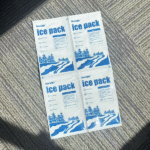
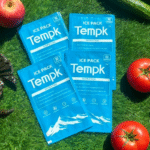
تدمج لوجستيات سلسلة التبريد عدة عناصر تعمل معًا للحفاظ على التحكم في درجة الحرارة طوال الشحنة. وتشمل المكونات الرئيسية المواد العازلة, آليات التحكم في درجة الحرارة, تصميم التعبئة والتغليف مصممة خصيصا, المبردات أو مواد تغيير الطور (PCMS), وأجهزة الاستشعار أو مسجلات البيانات. مواد العزل مثل البوليسترين الموسع (EPS), رغوة البولي يوريثان والألواح المعزولة بالفراغ (كبار الشخصيات) إنشاء حاجز حراري, تقليل انتقال الحرارة والسماح بأوقات عبور أطول. آليات التحكم في درجة الحرارة يمكن أن تكون نشطة (باستخدام وحدات التبريد أو الثلج الجاف) أو سلبي (الاعتماد على عبوات هلامية مكيفة مسبقًا أو PCMs); اختيار النظام المناسب يؤثر على التكلفة, التعقيد والأداء. تصميم التعبئة والتغليف حسب الطلب يضمن ملاءمة المنتجات بشكل مريح ويقلل من المساحة الفارغة للحفاظ على توحيد درجة الحرارة.
يلخص الجدول التالي نطاقات درجات الحرارة النموذجية وخيارات التغليف للمنتجات الشائعة:
| فئة المنتج | نطاق درجة الحرارة الآمنة | التعبئة والتغليف النموذجية | أهمية عملية |
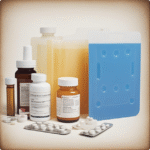
| الأدوية | 35.6 درجة فهرنهايت – 46.4 درجة فهرنهايت (2-8 درجة مئوية) | حاويات معزولة تحتوي على PCMs أو عبوات هلامية; العبث الأختام الواضحة | يحافظ على فعالية الدواء ويقلل من نمو الميكروبات. |
| التمرد (ينتج, ألبان, لحمة) | ≤ 40 ° f (4.4 درجة مئوية) | صناديق EPS أو PUR مع عبوات هلامية; بطانات تنفس | يمنع التلف ويحافظ على الملمس أو النكهة. |
| الشوكولاتة | تليين في 85 ° f (29 درجة مئوية), ذوبان عند 93 ° f (34 درجة مئوية) | البريد الحراري مع العزل العاكس; التبريد المعتدل | يحافظ على المظهر ويمنع تكون الدهون. |
| الأطعمة المجمدة | -30 درجة مئوية إلى 0 درجة مئوية | حاويات من مادة البولي يوريثين تحتوي على ثلج جاف أو PCMs -20 درجة مئوية; شاحنات البليت القابلة لإعادة الاستخدام | يمنع ذوبان المأكولات البحرية والآيس كريم أثناء النقل الطويل. |
| بيولوجيا شديدة البرودة (لقاحات مرنا, العلاجات الجينية) | ≥ -80 درجة مئوية | كبار الشخصيات جنبا إلى جنب مع الثلج الجاف; حاويات جامدة قابلة لإعادة الاستخدام | ضروري للمنتجات شديدة البرودة; يوفر ظروفًا موثوقة -80 درجة مئوية. |
نصائح وإرشادات عملية
خريطة متطلبات المنتج: تصنيف العناصر إلى مناطق درجة الحرارة (على سبيل المثال, بارد 10-15 درجة مئوية, مبردة 0-10 درجة مئوية, مجمدة -30–0 درجة مئوية أو شديدة البرودة ≥ –80 درجة مئوية) لاختيار التغليف المناسب.
مبردات الحالة المسبقة: قم بتجميد أجهزة PCM وحزم الجل أو تجميدها مسبقًا إلى درجة الحرارة الصحيحة قبل التعبئة لتحقيق الأداء الحراري الأمثل.
تقليل المساحة الفارغة: املأ المناطق الفارغة بالوسائد لتقليل انتقال الحرارة ومنع التحول أثناء النقل.
السيطرة على الرطوبة: قد تتطلب الخضر الورقية ما يصل إلى 95 % الرطوبة النسبية; استخدم بطانات ماصة أو مواد تنظيم الرطوبة وفقًا لذلك.
التسمية والوثيقة: ضع علامة على الحزم مع تعليمات التعامل (على سبيل المثال, "الحفاظ على المجمدة") والاحتفاظ بسجلات درجات الحرارة لتلبية المتطلبات التنظيمية.
مثال في العالم الحقيقي: عندما تم توزيع لقاحات كوفيد 19 لأول مرة في الولايات المتحدة, مهندسين في شركة IPS للتغليف & ساعدت الأتمتة في تصميم مواد شحن سلسلة التبريد التي تحافظ على درجات حرارة منخفضة للغاية مع تلبية المعايير التنظيمية, ضمان سلامة اللقاح. وهذا يسلط الضوء على أهمية التغليف المصمم بشكل جيد في حماية الصحة العامة.
كيف تعمل الأتمتة والذكاء الاصطناعي على تحويل لوجستيات توريد سلسلة التبريد?
تظهر الأتمتة والذكاء الاصطناعي كتقنيات أساسية تعالج نقص العمالة, تحسين الطرق وتحسين عملية صنع القرار في مجال لوجستيات توريد سلسلة التبريد. لا تزال العديد من المستودعات غير آلية، وتشير الدراسات إلى ذلك 80 % من المستودعات تفتقر إلى الأتمتة- ترك مجال كبير لتحقيق مكاسب الكفاءة. أنظمة التخزين والاسترجاع الآلية (AS/RS) والتعامل الآلي يقلل من تكاليف العمالة, العمل بشكل مستمر وتقليل الأخطاء. من خلال التحكم في درجة الحرارة والرطوبة تلقائيا, تعمل هذه الأنظمة أيضًا على تحسين جودة المنتج.
يعمل الذكاء الاصطناعي والتحليلات التنبؤية على تعزيز عمليات سلسلة التبريد. يمكن للذكاء الاصطناعي تحليل البيانات التاريخية وقراءات أجهزة الاستشعار في الوقت الحقيقي للتنبؤ بالطلب, تحسين الطرق والتنبؤ باحتياجات صيانة المعدات. وفقًا لـ Inbound Logistics 2025 استطلاع, 71 % من بائعي التكنولوجيا اللوجستية يقدمون الآن حلول الذكاء الاصطناعي, ارتفاع حاد من 50 % في 2024. تم تصنيف تمكين الذكاء الاصطناعي ضمن أهم خمسة تحديات تواجه شركات الشحن, مع 47 % من موردي التكنولوجيا الذين يشيرون إلى أن العملاء ينظرون إلى اعتماد الذكاء الاصطناعي على أنه أمر بالغ الأهمية. تؤكد هذه الإحصائيات أن الذكاء الاصطناعي قد انتقل من مرحلة التجريب إلى مرحلة التبني السائد.
الذكاء الاصطناعي والتحليلات التنبؤية في تحسين المسار
يستخدم تحسين المسار المدعوم بالذكاء الاصطناعي بيانات حركة المرور في الوقت الفعلي, معلومات الطقس والأداء التاريخي لرسم المسارات الأكثر كفاءة للشحنات. وهذا يقلل من أوقات العبور ويمنع تدهور الجودة عن طريق تجنب الازدحام أو الظروف البيئية القاسية. تحدد التحليلات التنبؤية أيضًا رحلات درجات الحرارة القادمة من خلال المراقبة المستمرة, إطلاق تنبيهات فورية لاتخاذ الإجراءات التصحيحية. تكامل الذكاء الاصطناعي مع أجهزة استشعار إنترنت الأشياء، وهي أجهزة صغيرة متصلة بالشحنات تقيس درجة الحرارة, الرطوبة والموقع - يسمح لمقدمي الخدمات اللوجستية بالتدخل بشكل استباقي قبل حدوث التلف.
تمتد فوائد الذكاء الاصطناعي إلى ما هو أبعد من تخطيط الطريق. يساعد التنبؤ بالطلب القائم على الذكاء الاصطناعي المؤسسات على تخصيص الموارد بكفاءة والحفاظ على مستويات المخزون, تقليل النفايات. تقوم خوارزميات الصيانة التنبؤية بمراقبة صحة المعدات وجدولة مواعيد الخدمة قبل حدوث الأعطال, منع خسائر المنتج المكلفة. في المسح اللوجستي الداخلي, يظل خفض التكلفة هو التحدي الأكبر الذي يواجه العملاء, ومع ذلك، يشير البائعون إلى أن تمكين الذكاء الاصطناعي يحتل الآن مرتبة عالية, مما يشير إلى اعتراف واسع النطاق بقيمة الذكاء الاصطناعي.
الروبوتات والرؤية الشاملة
يتم نشر الأنظمة الروبوتية بشكل متزايد للتعامل مع المنصات, فرز الحزم وإدارة المخزون. يمكن لهذه الآلات أن تعمل 24/7, تسريع الإنتاجية وتقليل الأخطاء اليدوية. على سبيل المثال, تتنقل الرافعات الشوكية الآلية في المستودعات باستخدام أجهزة الاستشعار والرؤية الآلية, تقليل تلف المنتج وتحسين السلامة. في أثناء, تتبع في الوقت الحقيقي مع أجهزة إنترنت الأشياء توفر رؤية شاملة; في 2022 عقد قطاع الأجهزة زيادة 76.4 % سوق تتبع ومراقبة سلسلة التبريد. تتيح هذه الرؤية لشركات الخدمات اللوجستية تحسين الطرق, ضمان الامتثال التنظيمي وتعزيز رضا العملاء.
لماذا تعتبر الاستدامة والحد من النفايات من الأولويات الرئيسية؟?
لم تعد الاستدامة البيئية اختيارية لعمليات سلسلة التبريد. سلسلة التبريد الغذائية هي المسؤولة تقريبًا 2 % من انبعاثات ثاني أكسيد الكربون العالمية, و أكثر من مليار طن من الغذاء يتم إهدارها كل عام - أي ما يعادل 8-10 % من انبعاثات الغازات الدفيئة العالمية. يمكن أن تساعد الممارسات المستدامة في تقليل هذه البصمة مع الحفاظ على سلامة المنتج. تدفع الضغوط التنظيمية وتوقعات المستهلكين الشركات إلى اعتماد أنظمة تبريد موفرة للطاقة, مصادر الطاقة المتجددة والتغليف القابل للتحلل أو إعادة التدوير.
مواد مستدامة وابتكارات صديقة للبيئة
تركز الخدمات اللوجستية الخضراء على تقليل الانبعاثات واستهلاك الموارد في جميع أنحاء سلسلة التوريد. في التعبئة والتغليف, هناك اهتمام متزايد بالورق والمواد الورقية, وهي قابلة للتحلل الحيوي وتمثل 42 % سوق مواد التعبئة والتغليف سلسلة التبريد في 2025. تهيمن الحاويات المعزولة على توفيرها 40.4 % الحصة السوقية بسبب متانتها وقدرتها على حماية البضائع من الأضرار المادية. في أثناء, تبتكر الشركات في مجال المبردات: قدمت كريوباك ايكو جل, عبوة جل قابلة للتحلل تحافظ على درجات حرارة ثابتة ويمكنها تحمل الاستخدام المتكرر, تقديم بديل مستدام للمواد الهلامية التقليدية.
ابتكار آخر صديق للبيئة وحدات التخزين البارد التي تعمل بالطاقة الشمسية. توفر هذه الوحدات تبريدًا موثوقًا به في المناطق التي بها شبكات كهرباء غير متناسقة وتقلل من تكاليف الطاقة. تختلف أسعار الطاقة الشمسية التجارية بين 3.2 و 15.5 سنتا لكل كيلوواط ساعة, تقديم وفورات كبيرة مقارنة بمتوسط تكلفة المرافق التجارية 13.10 سنتا لكل كيلوواط ساعة في 2024. وبالتالي تعمل منشآت الطاقة الشمسية على سد الفجوات في الرعاية الصحية الريفية وتوزيع الغذاء في جميع أنحاء جنوب شرق آسيا.
تمتد الاستدامة أيضًا إلى مواد تغيير المرحلة (PCMS) و حاويات جامدة قابلة لإعادة الاستخدام. تم تقييم قطاع PCM بـ 3.6 مليار دولار أمريكي 2024, مما يشير إلى تزايد التبني. ومن المتوقع أن تنمو الحاويات الصلبة القابلة لإعادة الاستخدام وشاحن البليت 4.97 مليار دولار أمريكي 2025 إلى 9.13 مليار دولار أمريكي 2034. على الرغم من ارتفاع التكاليف الأولية, تعمل هذه الأنظمة على تقليل التكلفة الإجمالية للملكية وتقليل الهدر بمرور الوقت.
الفوائد الاقتصادية للحد من النفايات
الحد من التلف يوفر المال ويقلل من التأثير البيئي. يمكن أن يفقد الطعام القابل للتلف المهدر ما يصل إلى 50 % من قيمتها دون التحكم المناسب في درجة الحرارة. تعمل الخدمات اللوجستية الفعالة لسلسلة التبريد على تقليل العائدات, حماية سمعة العلامة التجارية وتعظيم قيمة كل شحنة. بالإضافة إلى ذلك, تساعد الممارسات المستدامة الشركات على الالتزام باللوائح البيئية وتجنب العقوبات. كما أصبحت أسعار الطاقة أكثر تقلبا, يمكن للاستثمارات في التبريد الفعال والطاقة المتجددة أن توفر ميزة تنافسية.
كيف تقود الأدوية والأغذية الطازجة نمو لوجستيات توريد سلسلة التبريد?
يعد قطاع الأدوية محركًا رئيسيًا لتوسيع سلسلة التبريد. خلال جائحة كوفيد 19, وسلطت الحاجة إلى التخزين شديد البرودة لتوزيع اللقاحات الضوء على الفجوات في البنية التحتية وتسريع الاستثمار. تقريبًا 20 % من الأدوية الجديدة قيد التطوير هي العلاجات الجينية والخلوية, التي تتطلب درجات حرارة شديدة البرودة والتعامل الدقيق. ومن المتوقع أن يصل سوق سلسلة التبريد الصيدلانية العالمية 1,454 مليار دولار أمريكي 2029 مع 4.71 % CAGR من 2024 ل 2029, مما يؤكد الطلب على المدى الطويل على الخدمات اللوجستية القوية.
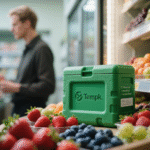
الأطعمة الطازجة أيضا تغذي النمو. ومن المتوقع أن يصل سوق الخدمات اللوجستية لسلسلة التبريد الغذائي في أمريكا الشمالية 86.67 مليار دولار أمريكي 2025. يؤدي الطلب المتزايد على الأطعمة النباتية والعضوية المعتمدة إلى خلق متطلبات جديدة لسلسلة التوريد. بحسب ميرسك, يمكن أن تكون الأطعمة النباتية مسؤولة عن ذلك 7.7 % سوق البروتين العالمي من خلال 2030, يستحق أكثر $162 مليار, وتتطلب هذه المنتجات وسائل نقل مبردة متخصصة. زاد الطلب عبر الإنترنت مباشرة إلى مبيعات المستهلكين, دفع المستودعات وتجار التجزئة إلى إعادة التفكير في استراتيجيات توصيل الميل الأخير. ستستمر الاستثمارات في الخدمات اللوجستية للأغذية الطازجة والبنية التحتية للتوصيل إلى الميل الأخير في النمو لتلبية توقعات المستهلكين.
الخدمات اللوجستية الصيدلانية والمتطلبات شديدة البرودة
اللقاحات, يجب أن تظل العلاجات بالأنسولين والجينات ضمن نطاقات درجات الحرارة الصارمة. بالنسبة للقاحات mRNA وبعض المواد البيولوجية, درجات الحرارة منخفضة تصل إلى -80 درجة مئوية مطلوبة; توفر لكبار الشخصيات جنبًا إلى جنب مع الثلج الجاف أو الحاويات الصلبة القابلة لإعادة الاستخدام الظروف اللازمة. ال عقدت شريحة الجليد الجاف 55.16 % من حصة سوق التكنولوجيا في 2024, مما يوضح أهميته في النقل شديد البرودة. تم تقييم مرافق التبريد المسبق - المستخدمة لإزالة حرارة الحقل من المنتجات والمستحضرات الصيدلانية قبل التخزين - بـ 204.4 مليار دولار أمريكي 2024, مما يعكس البنية التحتية اللازمة للحفاظ على جودة المنتج عبر سلسلة التوريد.
طعام طازج, مجموعات الوجبات وتسليم الميل الأخير
المنتجات الطازجة, ألبان, تمثل مجموعات اللحوم والوجبات حوالي 75 % سوق التغليف بسلسلة التبريد. تختلف حدود درجة الحرارة بين المنتجات، ويجب أن تظل المواد القابلة للتلف عند مستوى أو أقل 40 ° f (4.4 درجة مئوية), بينما تنضج الشوكولاتة عند 85 ° f (29 درجة مئوية). يستفيد توصيل مجموعة الوجبات من شركات الشحن متعددة المناطق التي يمكنها الجمع بين البرودة (10-15 درجة مئوية) والمبردة (0-10 درجة مئوية) مقصورات لتحسين الاستفادة من الحمل عن طريق حتى 30 %. تؤكد استراتيجيات تسليم الميل الأخير على الأتمتة, تحسين الطريق ورؤية المستهلك; وفقا ل Trackonomy, تستثمر الشركات في أجهزة وبرامج التتبع في الوقت الفعلي لتوفير معلومات محدثة وتعزيز رضا العملاء.
ما هي الاتجاهات والتحديات الإقليمية التي ستشكل لوجستيات توريد سلسلة التبريد فيها؟ 2025?
وتؤثر الديناميكيات الإقليمية على الفرص والتحديات على السواء. في سوق الخدمات اللوجستية لسلسلة التبريد, ومن المتوقع أن تنمو منطقة آسيا والمحيط الهادئ بمعدل 14.3 % معدل نمو سنوي مركب من 2025 ل 2034, مدفوعًا بتزايد الطلب على الأطعمة الطازجة, الأدوية وتحسين البنية التحتية. وتتصدر آسيا أيضًا تبني ابتكارات مثل تقنية blockchain لإمكانية التتبع, غرف تبريد تعمل بالطاقة الشمسية وأجهزة استشعار إنترنت الأشياء, وخاصة في جنوب شرق آسيا. أوروبا تصمد 30 % من إيرادات مواد التعبئة والتغليف سلسلة التبريد في 2025, مدعومة بالإنتاج الدوائي القوي والامتثال التنظيمي الصارم. ألمانيا تمثل 17.87 % سوق التغليف بسلسلة التبريد في أوروبا, مما يعكس صناعة الألبان الكبيرة. في أمريكا الشمالية, البنية التحتية اللوجستية المتقدمة والطلب المرتفع القابل للتلف يمنح المنطقة المنطقة أكبر حصة من الإيرادات 33.10 % في 2025.
النمو الإقليمي والاستثمارات في البنية التحتية
وسوف تستمر الاستثمارات في البنية التحتية. في المملكة المتحدة, أعلن مزود التخزين البارد Magnavale عن 130 مليون جنيه استرليني (161.3 مليون دولار أمريكي) استثمار لبناء 101000 مخزن تبريد البليت. تعمل مثل هذه المشاريع على توسيع القدرات وتحديث المرافق القديمة. كما أن الضغوط التنظيمية تقود إلى التغيير; تلاحظ ميرسك ذلك شيخوخة البنية التحتية للتخزين البارد (40– 50 سنة) والتخلص التدريجي من المبردات الضارة بالبيئة مثل مركبات الكربون الهيدروكلورية فلورية ومركبات الكربون الهيدروفلورية تتطلب التحديث والامتثال لأهداف الاستدامة. الاضطرابات الجيوسياسية, مثل القيود المفروضة على قناة بنما أو أحداث البجعة السوداء, التأكيد على الحاجة إلى طرق إمداد مرنة ومتنوعة.
سوف تؤثر الشراكات الاقتصادية والسياسات التجارية على سلاسل التوريد. أدخلت الولايات المتحدة تعريفات جديدة في 2025 مما أدى إلى زيادة تكاليف المكونات الهامة في التعبئة والتغليف التي يتم التحكم في درجة حرارتها. تستجيب الشركات من خلال استكشاف استراتيجيات الدعم القريب وتنويع البائعين للتخفيف من ضغوط التكلفة. في أثناء, الشركات المصنعة تتوسع في الأسواق الناشئة; على سبيل المثال, يعمل وول مارت أكثر من 10,526 منافذ عبر 24 بلدان, يوضح كيف يؤدي التوسع العالمي في تجارة التجزئة إلى زيادة الطلب على الخدمات اللوجستية لسلسلة التبريد.
مقارنات حجم السوق وتوقعات النمو
فيما يلي مقارنة لأحجام السوق الإقليمية ومعدلات النمو المستمدة من تحليلات الصناعة:
| منطقة | الإحصائيات الرئيسية | الآثار المترتبة على عملك |
| لوجستيات سلسلة التبريد العالمية | حجم السوق 436.30 مليار دولار أمريكي 2025, من المتوقع أن يصل إلى 1,359.78 مليار دولار أمريكي بحلول 2034 مع معدل نمو سنوي مركب قدره 13.46 %. | ويشير التوسع العالمي السريع إلى طلب قوي; الاستثمار الآن يضعك في صدارة المنافسين. |
| آسيا والمحيط الهادئ | أعلى معدل نمو سنوي مركب عند حوالي 14.3 % من 2025 إلى 2034; منطقة مواد التعبئة والتغليف الأسرع نموًا مع 7.2 % CAGR. | فرص في البنية التحتية اللوجستية, التجارة الإلكترونية والبقالة وتوزيع الأدوية. |
| أوروبا | يحمل >30 % من حصة إيرادات مواد التعبئة والتغليف; استثمارات كبيرة في مخازن التبريد الحديثة مثل منشأة Magnavale التي تبلغ قيمتها 130 مليون جنيه إسترليني. | تتطلب معايير التنظيم والاستدامة العالية الامتثال; يمكن للشراكات مع مقدمي الخدمات الأوروبيين تسهيل دخول السوق. |
| أمريكا الشمالية | أكبر حصة من الإيرادات (33.10 %) نطاق سوق التغليف بسلسلة التبريد; حصاد كبير من المأكولات البحرية (قيمة الرصيف 6.3 مليار دولار أمريكي) زيادة الطلب على الخدمات اللوجستية المبردة. | البنية التحتية الناضجة وصناعة الأدوية القوية تجعل من هذا السوق سوقًا مستقرًا للنمو. |
| أمريكا اللاتينية & الأسواق الناشئة | تزايد الطلب بسبب التوسعات في سلاسل البيع بالتجزئة مثل وول مارت وزيادة التجارة الإلكترونية. | يجب على الشركات النظر في الشراكات المحلية والامتثال التنظيمي لخدمة المستهلكين الجدد. |
ما هي التحديات والفرص التي تحدد مستقبل لوجستيات توريد سلسلة التبريد?
هناك العديد من التحديات التي تواجه الصناعة. ارتفاع تكاليف حلول التغليف المتقدمة– مثل الشخصيات المهمة, PCMs والأنظمة القابلة لإعادة الاستخدام – يمكن أن تكون باهظة بالنسبة للشركات الصغيرة والمتوسطة الحجم. ارتفاع أسعار المواد الخام يزيد من الضغط على الهوامش. شيخوخة البنية التحتية لا تزال قضية حرجة; يبلغ عمر العديد من مرافق التخزين البارد 40-50 عامًا وتعتمد على المبردات التي يتم التخلص منها تدريجيًا. نقص العمالة تستمر, دفع المشغلين إلى تبني الأتمتة والروبوتات. التعقيد التنظيمي-على سبيل المثال, نحن. قانون تحديث سلامة الأغذية (FSMA) قاعدة 204, قانون أمن سلسلة توريد المخدرات (DSCSA) متطلبات التسلسل وتوجيهات الاستدامة في الاتحاد الأوروبي - تضيف أعباء الامتثال.
ورغم هذه التحديات, الفرص كثيرة. تغليف صديق للبيئة يعد مجالًا رئيسيًا للنمو حيث يطالب المستهلكون والمنظمون بخيارات مستدامة. التكامل التكنولوجي- من الذكاء الاصطناعي وإنترنت الأشياء إلى تقنية blockchain والطاقة الشمسية - تتيح الإدارة الاستباقية, يقلل من النفايات ويعزز الشفافية. الشراكات الاستراتيجية بين مصنعي المواد الغذائية, يمكن لموردي التغليف ومقدمي التكنولوجيا تبسيط سلاسل التوريد وتوسيع نطاق الوصول إلى السوق. هناك أيضًا مجال للتوحيد والتعاون; بواسطة 2025, 74 % ومن المتوقع أن يتم توحيد البيانات اللوجستية, تسهيل التكامل السلس عبر سلاسل التوريد.
2025 أحدث التطورات والاتجاهات اللوجستية لتوريد سلسلة التبريد
نظرة عامة على الاتجاه
مشهد السلسلة الباردة في 2025 يستمر في التطور مع التكنولوجيا, التغيرات البيئية والسوقية. وتشمل التطورات الرئيسية:
أجهزة استشعار إنترنت الأشياء المتقدمة والتتبع في الوقت الحقيقي: توفر أجهزة إنترنت الأشياء المزودة بنظام تحديد المواقع العالمي (GPS) وقدرات مراقبة درجة الحرارة رؤية مستمرة, تمكين الإجراءات التصحيحية الفورية والحد من التلف. يمثل قطاع الأجهزة زيادة 76.4 % سوق تتبع ومراقبة سلسلة التبريد في 2022.
Blockchain لإمكانية التتبع من النهاية إلى النهاية: تجعل الدفاتر الموزعة سجلات الشحنات شفافة ومضادة للتلاعب; يمكن للشركات مشاركة درجة الحرارة في الوقت الحقيقي, بيانات الرطوبة والعبور مع أصحاب المصلحة لضمان الامتثال وبناء الثقة.
التخزين البارد بالطاقة الشمسية وتكامل الطاقة المتجددة: توفر الوحدات الشمسية تبريدًا موثوقًا به في المواقع النائية وتقلل من تكاليف الطاقة, بما يتماشى مع أهداف الاستدامة للشركات ودعم الرعاية الصحية الريفية.
تحسين المسار المدعوم بالذكاء الاصطناعي والصيانة التنبؤية: يقوم الذكاء الاصطناعي بتحليل البيانات التاريخية والوقتية للتنبؤ بالطلب, تخطيط الطرق الفعالة وجدولة الصيانة قبل الأعطال. وهذا يحسن الموثوقية ويقلل من تكاليف التشغيل.
المجمدات المبردة المحمولة: تحافظ الأجهزة الناشئة على درجات حرارة منخفضة تصل إلى -80 درجة مئوية إلى -150 درجة مئوية, حاسمة للبيولوجيا والعلاجات الخلوية.
المبردات المستدامة ومواد التعبئة والتغليف: تقدم الابتكارات مثل Eco Gel وPCMs القابلة للتحلل بدائل لحزم الجل التقليدية, بينما تعمل حلول الورق والورق المقوى على تقليل التأثير البيئي.
تعديلات سلسلة التوريد المدفوعة بالتعريفة الجمركية: الولايات المتحدة الجديدة. التعريفات المقدمة في 2025 زيادة تكاليف مكونات التعبئة والتغليف التي يتم التحكم في درجة حرارتها, حث الشركات على استكشاف القرب من المساندة وتنويع الموردين.
رؤى السوق
استطلاعات الصناعة تكشف ذلك 91 % من بائعي التكنولوجيا اللوجستية يخدمون شركات سلسلة التوريد والنقل, و زاد استخدام التصنيع لتكنولوجيا المعلومات اللوجستية إلى 81 % في 2025. ارتفع اعتماد الذكاء الاصطناعي بشكل كبير: 71 % من البائعين يقدمون حلول الذكاء الاصطناعي, وبرز تمكين الذكاء الاصطناعي باعتباره أحد أهم التحديات التي يواجهها العملاء. على الرغم من الاهتمام القوي بالتكنولوجيا, ولا يزال هناك نقص في الاستخدام، حيث لا تزال العديد من العمليات اللوجستية تعتمد على العمليات اليدوية, مما يدل على وجود فرصة كبيرة للتحول الرقمي.
يقف سوق مواد التعبئة والتغليف بسلسلة التبريد عند 9.5 مليار دولار أمريكي 2025 ومن المتوقع أن تصل 15.7 مليار دولار أمريكي 2032 مع 7.6 % CAGR. ورق & منتجات الورق المقوى تقود هذا القطاع, المحاسبة ل 42 % الإيرادات, بينما تصمد الحاويات المعزولة 40.4 % يشارك. يمثل قطاع الأغذية 65 % من طلب المستخدم النهائي, ويظهر قطاع الأدوية نموًا مرتفعًا بسبب الطب الشخصي والبيولوجيا.
الأسئلة المتداولة
س 1: كيف أختار العبوة المناسبة للوجستيات توريد سلسلة التبريد؟ 2025?
حدد العبوة بناءً على متطلبات درجة حرارة منتجك, مدة الشحن والالتزامات التنظيمية. على سبيل المثال, تعمل صناديق رغوة EPS مع عبوات هلامية على الأطعمة القابلة للتلف والتي تحتاج إلى درجات حرارة تتراوح بين 0-10 درجة مئوية, في حين أن الشخصيات الهامة والثلج الجاف ضروريان للمواد البيولوجية شديدة البرودة عند -80 درجة مئوية. تقييم أداء العزل, الوزن والاستدامة; فكر في استخدام حاويات قابلة لإعادة الاستخدام لتقليل التكاليف على المدى الطويل.
Q2: ما هي اللوائح التي تؤثر على لوجستيات توريد سلسلة التبريد?
تشمل اللوائح الرئيسية الولايات المتحدة. قانون تحديث سلامة الأغذية (FSMA) قاعدة 204, تتطلب سجلات التتبع; قانون أمن سلسلة توريد الأدوية (DSCSA) التسلسل للأدوية; وتوجيهات الاستدامة للاتحاد الأوروبي التي تركز على المواد الصديقة للبيئة. يتطلب الامتثال مراقبة دقيقة لدرجة الحرارة وحفظ السجلات.
س 3: كيف يمكن للأتمتة أن تقلل التكاليف في عملية سلسلة التبريد الخاصة بي?
تعمل الأتمتة على تقليل تكاليف العمالة وتقليل الأخطاء البشرية. تعمل أنظمة المعالجة الآلية والتخزين الآلي بشكل مستمر, زيادة الإنتاجية وتقليل أوقات الدورة. تمنع الصيانة التنبؤية القائمة على الذكاء الاصطناعي فشل المعدات, بينما تعمل خوارزميات تحسين المسار على خفض تكاليف الوقود وتحسين موثوقية التسليم.
س 4: لماذا تعتبر الاستدامة مهمة في لوجستيات سلسلة التبريد?
الاستدامة تقلل من التأثير البيئي وتحسن الربحية. تساهم سلسلة التبريد الغذائي في 2 % من انبعاثات ثاني أكسيد الكربون العالمية; إن اعتماد الطاقة المتجددة والتعبئة القابلة للتحلل يقلل من هذه البصمة. تقليل هدر الطعام (أكثر من مليار طن على مستوى العالم) يمكنها خفض انبعاثات الغازات الدفيئة بنسبة تصل إلى 8-10 % وتحسين الهوامش.
س 5: ما الذي يجب أن أبحث عنه عند اختيار شريك لوجستي لسلسلة التبريد؟?
تقييم الشركاء المحتملين للامتثال التنظيمي (الناتج المحلي الإجمالي, FSMA, DSCSA), التكامل التكنولوجي (تتبع في الوقت الحقيقي, منظمة العفو الدولية, blockchain), الممارسات المستدامة والامتداد الجغرافي. تحقق مما إذا كانت توفر رؤية شاملة وحلولًا مخصصة لمتطلبات المنتج المحددة الخاصة بك.
اقتراح
لتزدهر في 2025, يجب على الشركات أن تتبنى التحول الشامل للوجستيات توريد سلسلة التبريد. تعمل الأتمتة والذكاء الاصطناعي على تعزيز الكفاءة, تعمل التحليلات التنبؤية على تحسين المسارات ومنع الأعطال, ويوفر التتبع في الوقت الفعلي رؤية شاملة. يقلل التغليف المستدام والطاقة المتجددة من التأثير البيئي ومخاطر الامتثال, في حين تدعم البنية التحتية القوية والاستثمارات الإقليمية النمو العالمي. تعمل قطاعات الأدوية والأغذية الطازجة على زيادة الطلب على التخزين البارد للغاية والتسليم الدقيق, جعل الابتكار ضروريا.
الخطوات التالية القابلة للتنفيذ:
تدقيق سلسلة التبريد الخاصة بك: خريطة متطلبات درجة حرارة المنتج, أنظمة التعبئة والتغليف وطرق النقل لتحديد الفجوات وتحسين الفرص.
استثمر في التكنولوجيا: تنفيذ أجهزة استشعار إنترنت الأشياء, التحليلات المعتمدة على الذكاء الاصطناعي وأنظمة المعالجة الآلية لتحسين الرؤية, تقليل الأخطاء وخفض التكاليف.
اعتماد الحلول المستدامة: التحول إلى مواد التعبئة والتغليف الصديقة للبيئة واستكشاف مصادر الطاقة المتجددة مثل وحدات التخزين التي تعمل بالطاقة الشمسية.
تعزيز الشراكات: التعاون مع الموردين, مقدمي الخدمات اللوجستية والعملاء لتوحيد البيانات, تقاسم الموارد وزيادة المرونة.
مراقبة اللوائح والأسواق: ابق على اطلاع على الاتجاهات العالمية, التعريفات الجمركية والاستثمارات الإقليمية لتكييف الاستراتيجيات واغتنام الفرص الجديدة.
من خلال اتخاذ هذه الخطوات, ستضع مؤسستك في موقع يسمح لها بتقديم المنتجات الحساسة لدرجة الحرارة بأمان, بشكل مستدام ومربح في السنوات القادمة.
عن Tempk
Tempk هي شركة رائدة في مجال توفير حلول التعبئة والتغليف واللوجستيات لسلسلة التبريد. نحن متخصصون في الحاويات المعزولة القابلة لإعادة الاستخدام وإعادة التدوير, مواد تغيير الطور وأنظمة المراقبة الممكّنة لإنترنت الأشياء مصممة للحفاظ على منتجاتك ضمن نطاقات درجة الحرارة المستهدفة. مع مركز البحث والتطوير لدينا وعقود من الخبرة في الصناعة, نحن نقدم حلولاً مصممة خصيصًا للمستحضرات الصيدلانية, الأطعمة, المواد الكيميائية وأكثر من ذلك. إن التزامنا بالابتكار والاستدامة يساعد العملاء على تقليل النفايات والتكاليف التشغيلية مع تلبية المعايير التنظيمية.