كيفية ضمان النقل الآمن للحوم ذات السلسلة الباردة?
Cold chain meat transport refers to moving meat products under continuous refrigeration from processing to delivery. It’s crucial because meat spoils quickly if not kept cold. في الحقيقة, حول 13% of all food produced is lost due to inadequate refrigeration, leading to huge waste and safety risks. By maintaining a proper cold chain, you ensure your meat stays safe, طازج, and high-quality from farm to table. هذا 2025 guide will show you how to do it right with up-to-date best practices and insights.
Why a cold chain is vital: How proper refrigeration prevents spoilage and foodborne illness in meat logistics.
Temperature control tips: Proven methods to keep meat at safe temperatures (مبردة أو مجمدة) في جميع أنحاء النقل.
التغليف & handling best practices: How insulated packaging, sanitation, and quick handling keep meat quality intact.
Overcoming cold chain challenges: Solutions for common issues like equipment failures, التأخير, and maintaining consistency.
2025 اتجاهات الصناعة: The latest cold chain innovations (مراقبة إنترنت الأشياء, sustainable tech) that improve meat transport.
Why is cold chain meat transport so important for safety and quality?
Maintaining a cold chain is essential because meat begins to spoil rapidly if its temperature rises above 4 °C (40 ° f). Without continuous refrigeration, harmful bacteria like Salmonella and E. coli can multiply quickly, causing the meat to become unsafe and foul in odor or taste. A robust cold chain keeps meat in a safe temperature range from the slaughterhouse all the way to the store or consumer, greatly extending its shelf life and preventing waste.
Direct impact on safety: Fresh meat is rich in protein and moisture – ideal conditions for bacteria. If meat warms into the "منطقة الخطر" (4 °C–60 °C) even for a few hours, bacteria can explode in number. على سبيل المثال, في درجة حرارة الغرفة (around 20 °C), bacterial counts can double in as little as 20 دقائق, raising the risk of spoilage and food poisoning. على النقيض من ذلك, keeping meat near 0 °C (32 ° f) slows microbial growth to a crawl, preserving the product. According to the UN Food and Agriculture Organization, improving cold chain systems could save up to 620 million tons of global food losses per year – nearly half of all food wasted – largely by preventing temperature abuse during transport. لك, this means fewer spoiled shipments, safer products for customers, and less money thrown away on ruined meat.
Consequences of a broken cold chain
Even a single break in the cold chain can have serious consequences. If a refrigerated truck breaks down on a hot day or boxes of meat sit unrefrigerated on a loading dock too long, the core temperature of the meat can rise above safe levels. Once that happens, quality deteriorates and the batch may become unsafe. Meat that has partially spoiled can develop off-colors and odors, and pathogens may reach dangerous levels. Distributors and retailers often must reject or dispose of any meat shipment that hasn’t been kept below ~4 °C, resulting in direct financial loss and supply chain disruption. There are also legal and reputational risks: food safety regulations (like the FDA’s قانون تحديث سلامة الأغذية in the US) تتطلب مراقبة صارمة لدرجة الحرارة. Shipping compromised meat could lead to regulatory penalties, يتذكر, or damage to your brand’s trust. باختصار, failure to maintain the cold chain not only spoils product but can also cause customer illness, liability issues, and costly waste.
Plan for the “2-hour rule”: Per food safety guidelines, never let meat stay above 4 °C for more than 2 ساعات. If you’re loading or transferring meat, use insulated covers or cold packs so أنت keep it out of the danger zone even during short handling periods.
Emphasize staff training: Ensure your team knows the critical importance of temperature. Simple practices like keeping cooler doors closed as much as possible and rushing meat into cold storage upon receipt will significantly reduce temperature fluctuations.
Audit your cold chain regularly: It’s wise to periodically test and document temperatures at different points (على سبيل المثال. truck interior, product center) during a trial run. This helps أنت identify any weak links or warm spots in your process before they cause a real loss.
قضية: A UK meat distributor once experienced a chiller unit failure in transit. Because the team had been trained to check trailer thermometers at every stop, the driver noticed the temperature rising after one hour. They immediately moved the meat to a backup refrigerated truck within 90 دقائق. نتيجة: The swift action saved approximately $50,000 worth of product and prevented any food safety incidents. This real scenario shows how diligent monitoring and quick response can save your shipment if a cold chain break occurs.
How can you maintain consistent temperature during meat transportation?
You maintain a consistent temperature by using proper refrigeration equipment and diligent monitoring at every stage of transport. This starts with pre-chilling: the meat and the vehicle (or container) should be cooled to the target temperature before loading. أثناء العبور, keep chilled meat shipments at or below about 4 °C (39 ° f), and frozen meat solidly at –18 °C (0 ° f) أو أكثر برودة. يستخدم شاحنات مبردة (“reefers”) أو حاويات معزولة for every leg of the journey, and monitor temperatures continuously with thermometers or IoT sensors. If any temperature deviations occur, immediate corrective action (such as adjusting the thermostat, إضافة الثلج الجاف, or transferring cargo) is needed to keep the cold chain unbroken.
Best practices in action: Make sure the refrigeration unit of your truck is set to the right range and running قبل loading the meat. It’s much easier to keep a cold environment cold than to cool down a warm trailer full of perishables. The meat products themselves should be chilled to the proper temperature range prior to transit – for example, fresh beef carcasses usually need to be cooled to around 0–2 °C (32–36 °F) before shipment. Stacking the cargo properly also matters: allow space for cold air circulation around the boxes or pallets. Avoid overloading beyond the truck’s cooling capacity. It’s wise to use partitioning curtains or thermal dividers if the door will be opened multiple times (for deliveries) so that the cold air loss is minimized. Many companies now equip trucks with digital data loggers or real-time temperature trackers that send alerts to your phone or computer if the temperature starts rising. This means if a problem begins (like a power issue or a door accidentally left open), أنت can catch it early and fix it – potentially saving the entire load. Consistent temperature control is about being proactive: careful planning, using the right tools, and actively watching conditions throughout the journey.
Chilled vs. اللحوم المجمدة: Temperature Standards
Maintaining the correct temperature depends on whether the meat is chilled (مبردة ولكن غير مجمدة) أو المجمدة. Each has its own standards and considerations:
| وجه | Chilled Meat Transport | Frozen Meat Transport | ماذا يعني لك |
| نطاق درجة الحرارة | 0 °C to 4 °C (32–39 °F) | -18 درجة مئوية (0 ° f) أو أدناه | Stay within these ranges to ensure safety. Chilled meat should never warm above ~5 °C; frozen meat must remain rock-solid. |
| مدة الصلاحية النموذجية | A few days (short-term storage) | Several months (تخزين طويل الأمد) | Chilled meat offers fresh quality but needs quick delivery. Frozen meat lasts longer, but any thawing can degrade texture and flavor. |
| Packaging Needs | Insulated truck or cool boxes with gel packs/ice | Freezer truck or containers, often with dry ice or eutectic plates | Use appropriate packaging to prevent temperature rise. Choose chilled transport for short durations and frozen for extended transit. |
| التعامل | Minimal door openings; rapid loading/unloading | Prevent any partial thaw during handling | Good handling preserves quality: work efficiently to avoid warming the meat. A quick load/unload keeps chilled meat safe, while frozen meat handling must avoid thaw cycles. |
نصائح وإرشادات عملية
Summer deliveries: في الطقس الحار, always pre-cool your vehicle and load meat quickly. على سبيل المثال, لو أنت are shipping meat on a 35 °C (95 ° f) يوم, cool the truck to below 4 °C before loading, and consider using portable cold blankets over pallets during the transfer. This prevents a temperature spike in those critical minutes of loading.
If equipment fails: Have an emergency plan. Keep backup cold packs or dry ice on hand for smaller shipments. للشحنات الكبيرة, partner with a nearby cold storage or a backup refrigerated truck service. من هنا, if your reefer unit breaks down or gets stuck in traffic, أنت can transfer the meat or reinforce cooling within an hour to prevent spoilage.
Long-haul trips: يستخدم سجلات بيانات درجة الحرارة inside the cargo. If your meat is crossing borders or traveling for days, these devices record temperature throughout. At each checkpoint or upon arrival, you can review the logs. This not only assures you that the meat stayed within range, but it also provides documented proof of proper handling for clients or inspectors.
قضية: A Brazilian meat exporter shipped frozen beef overseas using refrigerated containers. Mid-voyage, a port delay kept the container in transit longer than expected. لحسن الحظ, the container was outfitted with a smart telemetry system that alerted the company that temperatures were creeping up by 2 °C due to a power issue at the port. The company immediately arranged for on-site technicians to supply auxiliary power. حصيلة: The container’s temperature was restored to –20 °C before the meat thawed, and the shipment arrived in good condition. This real example shows how real-time monitoring and quick intervention can save a valuable meat shipment during an unexpected delay.
How should you package and handle meat in cold chain transport?
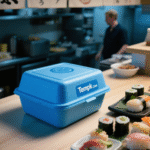
استخدام معزول, sturdy packaging and strict hygiene practices to protect meat during cold chain transport. Meat products should be well-sealed (often vacuum-packed or tightly wrapped) to prevent exposure to air and contaminants. التالي, insulated containers or thermal packaging are essential to maintain temperature around the product. على سبيل المثال, you might pack meat cuts in a foam cooler box with gel ice packs or dry ice for small shipments, or use pallet-sized thermal blankets for large shipments on a refrigerated truck. Sturdy outer packaging – like durable corrugated cartons or plastic crates – will shield the meat from physical damage and also help maintain the cold by adding a layer of protection. أخيراً, handling must be gentle and quick: load and unload meat swiftly to minimize time outside refrigeration, and avoid rough handling that could tear packaging or compromise cleanliness.
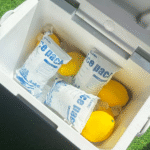
Packaging best practices: Different forms of meat call for different packaging approaches. Fresh chilled meat (like refrigerated beef or poultry) is often shipped in vacuum-sealed packs or butcher paper wrap, then placed in an insulated box with refrigerant gel packs to keep it at fridge temperatures. This setup can keep meat cold for 24-48 hours in transit if no active refrigeration is available. اللحوم المجمدة is usually packed with dry ice or in a mechanical freezer unit. الجليد الجاف (CO₂ الصلبة) is extremely cold (-78 درجة مئوية) and can keep meat frozen for long durations, but you must follow safety guidelines when using it (proper ventilation and labeling, since it sublimates to CO₂ gas). Ensure that any المواد العازلة (مثل الستايروفوم, بطانات حرارية, أو لوحات معزولة الفراغ) is food-grade and dry. Moisture can reduce insulation efficiency, so packaging should repel water from melting ice or condensation. It’s also important to fill empty space in containers with padding or more ice packs – empty air warms up faster. مريح, well-insulated package keeps cold air close to the meat.
On the handling side, sanitation and organization are key. Always pre-inspect the truck or container for cleanliness (no old blood spills, الروائح, or pests). Use clean gloves when handling unpackaged meat cuts to avoid introducing bacteria. Separate different products if needed – for example, keep raw poultry cartons separate from raw beef to prevent any cross-contamination of juices. If you transport meat alongside other refrigerated goods, stack raw meat below ready-to-eat foods in case of drips, following food safety rules. Clearly label the packages with content, تاريخ, and “Keep Refrigerated” or “Frozen” instructions so everyone in the chain knows to handle them properly. By paying attention to packaging and handling, أنت ensure the meat stays at peak quality: بارد, ينظف, and intact, all the way to its destination.
Maintaining hygiene and quality during transit
Cold temperatures slow bacterial growth but do not kill all bacteria, so hygiene remains critical. Before each trip, the refrigerated truck or container should be thoroughly cleaned and sanitized. Residue from previous loads (like blood or fat from meat) can harbor bacteria or cause odors that taint fresh product. Many companies follow a checklist: clean surfaces with food-safe sanitizer, check that door seals are intact (to keep warm air and contaminants out), and ensure no debris could puncture packaging. بالإضافة إلى ذلك, monitoring humidity can be beneficial – too much moisture in a trailer can cause التكثيف on meat packaging, leading to soggy boxes or mold. Using moisture absorbers or setting the ventilation right can help maintain an optimal environment. Quality checks are also important: for long journeys, consider doing quick inspections at driver pit stops – e.g. visually check that there’s no leakage or torn packaging, and that the meat is still safely packed in ice or chilled. Maintaining strict hygiene during handling (only clean, sanitized equipment touches the meat) and checking product quality at intervals will catch any issues early. من هنا, even if the temperature is controlled, أنت add an extra layer of assurance that the meat arriving is not just cold, but also clean and of high quality.
نصائح وإرشادات عملية
شحنات صغيرة: If you’re sending a small quantity of meat (على سبيل المثال, direct to a customer or a restaurant) use a high-quality insulated cooler box. Include sufficient gel ice packs (for chilled meat) أو الجليد الجاف (للحوم المجمدة) to last beyond the expected delivery time. A good rule of thumb is to test your packaging: pack a sample box with a thermometer and see if it stays below 4 °C for the needed duration. This lets أنت adjust the amount of coolant before shipping real products.
Bulk pallet loads: For large meat shipments on pallets, shrink-wrap the pallet and use a thermal pallet cover or blanket. These reflective or insulated covers go over the entire pallet like a cap, adding an extra barrier against heat during loading or if the truck door opens. It’s an easy way to prevent temperature creep. أيضًا, place a layer of cardboard or thermal mat under the pallet if it’s on a warm dock or truck floor – this prevents heat from the ground conducting up into your meat cartons.
International or long-duration shipping: يعتبر active cooling containers. If meat will be in transit for a week (يقول, by sea freight), passive ice packs may not suffice. بدلاً من, use reefer (مبردة) containers or specialized active cooling crates that plug into power. They maintain a set temperature for days or weeks. While they cost more, they ensure that لك meat arrives in top condition even after a long journey. بالإضافة إلى ذلك, be mindful of regulations: certain countries require specific labeling or import documentation for meat (like health certificates). Proper packaging includes having those documents attached and accessible to avoid customs delays that could jeopardize the cold chain.
قضية: A gourmet beef supplier in Australia began vacuum-sealing its premium steaks and packing them with advanced insulation for air freight to Asia. By switching to a thicker styrofoam cooler and gel packs pre-frozen to –20 °C, they found the meat stayed at 2 °C or below for 48 ساعات في العبور. النتيجة: customers reported fresher-tasting steaks upon arrival, and the company saw a 30% drop in temperature-related complaints. This example shows how upgrading packaging materials and methods can directly improve product quality and customer satisfaction in cold chain meat transport.
What challenges affect cold chain meat transport, and how can you overcome them?
Cold chain meat transport faces several challenges – temperature fluctuations, التأخير, فشل المعدات, and high costs – but careful planning and modern tools can overcome them. One major challenge is maintaining درجة حرارة مستقرة طَوَال, especially when external conditions are extreme (على سبيل المثال. summer heat or long distances). Any deviation can spoil the meat, so overcoming this means investing in reliable refrigeration units, المواد العازلة, and backup cooling options. Another challenge is logistical delays or disruptions: الاختناقات المرورية, customs hold-ups, or port delays can all extend transit time beyond what was planned. للتخفيف من هذا, build some time cushion into your cold chain plan and use packaging that can sustain safe temperatures longer than the minimum requirement. Equipment reliability is also a concern – a broken compressor or a power outage can lead to disaster. Regular maintenance schedules and emergency response plans (like having a generator or an alternate reefer truck on standby) are essential solutions here. أخيرا, operating a cold chain is costly (fuel for reefers, التعبئة والتغليف المتخصصة, إلخ.), and businesses worry about profitability. The solution is often تحسين: improve route planning to reduce transit time, consolidate loads to use capacity efficiently, and utilize new tech that cuts energy use. By addressing these challenges head-on, أنت can maintain a robust cold chain even under tough conditions.
Let’s detail a few common pain points and their solutions:
Temperature “excursions”: This refers to any time the meat’s temperature goes out of the safe range. Excursions can happen if a driver unknowingly turns off the reefer too early, or if warm air enters during frequent unload stops. The fix is to enforce strict protocols (reefers stay on until everything is unloaded), plus use curtains or dividers inside trucks to keep most of the cargo cold while one section is opened. أيضًا, continuous temperature monitoring with alarms ensures that if a creep in temperature happens, أنت get notified immediately and can take action (like re-icing or moving the goods).
تأخيرات العبور: Meat shipments sometimes get delayed – maybe a storm closes a highway or a customs inspection takes longer. To overcome this, always pack for a worst-case duration, not just the scheduled time. That means using extra refrigerant or choosing a shipping method with some cooling redundancy. أيضًا, leverage logistics data: if a certain route or border checkpoint often causes holdups, find alternative routes or ship earlier to account for it. Flexibility in planning will save your meat during unforeseen delays.
فشل المعدات: Refrigeration units and trucks work hard, and breakdowns can occur. A proactive approach is key: do maintenance on compressors, الأختام, and thermostats before peak shipping seasons. Keep spare parts or a maintenance contract handy. In case of a breakdown, having a network – for instance, knowing the nearest cold storage warehouse or having a second truck in the region – can let you transfer the load quickly. Some companies also equip shipments with backup cooling like phase-change cold plates that can hold temperature for a few hours if power is lost. Such contingency tools act as life-savers if the main system fails.
إدارة التكاليف: Cold chain can be 2-3 times more expensive than regular shipping due to fuel, المعدات المتخصصة, والتعبئة. To control costs without sacrificing safety, try to maximize efficiency: use load planning software to avoid shipping trucks half-empty, consider multi-stop routes that are well-sequenced to minimize backtracking (less time on road = less fuel used). Newer refrigeration units often are more energy-efficient; upgrading equipment can reduce fuel consumption in the long run. أيضًا, reducing waste itself saves money – every shipment that أنت save from spoilage is money earned back. متأخر , بعد فوات الوقت, investing in good practices and tech is cheaper than losing products.
Leveraging technology for reliability
Technology is a powerful ally in overcoming cold chain challenges. IoT-based monitoring systems are increasingly common in 2025: these devices continuously measure temperature (and sometimes humidity or location) and upload the data to the cloud. You can get alerts on your smartphone if something goes wrong, allowing for quick intervention. This real-time visibility means you’re not operating blindly between the departure and arrival – you know exactly if and when conditions start to drift, and can take action. Another emerging tech is التحليلات التنبؤية for maintenance. Fleet management software can predict when a refrigerated truck’s compressor is likely to fail (based on runtime hours or past performance), so you can service it preemptively. على نفس المنوال, AI-driven route optimization tools help find the fastest or most climate-friendly route for your shipments, reducing the chance of unexpected delays.
For quality assurance, سجلات البيانات now often come with Bluetooth or NFC technology – when the shipment arrives, a receiver can instantly read the entire temperature history by scanning the logger. This not only confirms that the cold chain stayed intact, it can also highlight patterns (على سبيل المثال, maybe every day around 3 pm the truck temp rises slightly – could correspond to the hottest part of day and heavy traffic; such insight lets you adjust schedules). بالإضافة إلى ذلك, packaging technology is improving: there are new phase-change materials that can maintain specific temperatures (like +2 °C or –20 °C) more steadily than regular ice, وهي قابلة لإعادة الاستخدام, helping with both consistency and cost. Blockchain-based traceability is another trend – by recording each handoff and temperature check in an immutable ledger, companies can prove to regulators or clients that their meat was handled correctly end-to-end. Embracing these technologies gives أنت greater control and confidence in your cold chain, turning many potential problems into manageable, trackable events.
نصائح وإرشادات عملية
Train and empower drivers: Your drivers and handlers are the first line of defense. Train them on the importance of maintaining set temperatures and give them simple checklists (على سبيل المثال, “Check reefer temp every 2 hours and before/after loading”). Empower them to make quick decisions – for instance, if they suspect the trailer isn’t cooling properly, they should know to find the nearest cold storage facility rather than just continuing and hoping for the best. A well-trained team can often catch and fix issues on the spot, توفير أنت from major losses.
Use data for continuous improvement: بعد كل شحنة, review any temperature data or incidents. If one route frequently sees temperature spikes, perhaps أنت need to pack more coolant or schedule that route at night when it’s cooler. If a particular customer location causes long unloading times (doors open), maybe provide them with guidance or adjust packaging (على سبيل المثال, use smaller loads that unload faster). By learning from data, you create a feedback loop that constantly tightens your cold chain process.
Insurance and accountability: على الرغم من أفضل الجهود, sometimes losses happen. Protect yourself by using cargo insurance that covers spoilage of refrigerated goods. أيضًا, use clear contracts that specify temperature requirements with any logistics partners. This means if a 3PL (third-party logistics provider) is transporting your meat and they deviate from protocol, أنت have recourse. Knowing that insurance and agreements are in place gives peace of mind and ensures everyone involved takes the cold chain seriously.
قضية: An international meat trader implemented a simple SMS alert system for its shipments: if a container’s temperature went out of range for more than 15 دقائق, it texted the ops manager. في حالة واحدة, a power outage at a port caused several refrigerated containers to shut off. The manager got an alert at 2 أكون., immediately called the port authority and arranged for those containers to be connected to backup power. حصيلة: خارج 20 tons of meat, only a small portion near the walls thawed slightly and was refrozen (used for processed meat), while the majority stayed fully frozen and was sold normally. This shows how real-time alerts and a proactive approach can turn a potential catastrophe into a minor hiccup.
2025 Latest Cold Chain Meat Transport Developments and Trends
نظرة عامة على الاتجاه: اعتبارا من 2025, the cold chain industry is evolving rapidly with new technologies and greater global demand for temperature-controlled transport. Cold chain meat transport in particular is benefitting from innovations that improve efficiency and transparency. على سبيل المثال, internet of things (إنترنت الأشياء) sensors and cloud platforms are now mainstream in tracking shipments, allowing companies (and even their customers) to watch a meat shipment’s temperature in real time. Sustainability is another driving force: الشركات تستكشف greener refrigeration methods amid environmental concerns, such as electric-powered refrigerated trucks and the use of low-global-warming refrigerants in cooling systems. بالإضافة إلى ذلك, emerging markets in Asia, أفريقيا, and Latin America are heavily investing in cold chain infrastructure – new cold storage facilities and refrigerated vehicle fleets – to meet rising demand for fresh and frozen meat. These developments collectively mean the cold chain for meat is becoming more reliable, more high-tech, and more globally connected than ever before.
أحدث التطورات في لمحة
IoT Tracking Goes Mainstream: Real-time temperature tracking devices have become standard for meat shipments. Many logistics providers now equip reefer trucks and containers with GPS and IoT sensors, so you can monitor conditions live. This widespread adoption in 2025 means fewer “blind spots” – if a problem arises, you find out instantly rather than at delivery.
Greener and More Efficient Cooling: Electric refrigerated trucks and solar-powered cold storage units are emerging in response to fuel costs and sustainability goals. Companies are piloting electric “reefer” vans for local meat deliveries, cutting down on diesel emissions. Refrigeration tech is improving too – newer systems use eco-friendly refrigerants and smarter compressors that adjust cooling power based on the load, saving energy while keeping meat safe.
Expanded Cold Chain Infrastructure: Developing regions are boosting their cold chain capacity. على سبيل المثال, many countries in Southeast Asia and Africa, recognizing the importance of reducing food waste, have invested in new cold warehouses and distribution centers. More cold chain capacity globally means meat producers have new markets to ship to, and local consumers get access to meats that maintain quality. This trend is opening opportunities for year-round international meat trade without compromising safety.
رؤى السوق: The cold chain logistics market is experiencing robust growth. عالميًا, it’s valued around $400 مليار في 2025 and climbing fast as demand for fresh and frozen foods increases. المستهلكين, whether individual or businesses like restaurants, now expect high-quality meat that’s been safely handled – and they’re willing to pay a premium for it. This pushes companies to invest more in their cold chain. In the meat sector specifically, global trade volumes are rising: world meat trade is forecast to reach about 43 مليون طن في 2025, a testament to how interconnected markets have become. With such volume moving around, efficiency and reliability are paramount. بشكل ملحوظ, e-commerce and food delivery trends are also impacting cold chain meat transport. More people are ordering meat products online for home delivery, which in turn has led to growth in last-mile cold chain solutions like refrigerated delivery boxes and mini temperature-controlled vans. The industry is also seeing more collaboration and standards – for instance, protocols for data sharing between suppliers and carriers, so everyone has a unified view of temperature records. The takeaway from these market trends is clear: maintaining a strong, tech-enabled cold chain isn’t just about avoiding losses; it’s becoming a competitive advantage. Companies that keep up with the latest cold chain innovations and standards are able to deliver safer, better products, gaining trust and loyalty in an increasingly quality-conscious market.
التعليمات
س1: What temperature should meat be during transport?
For safe cold chain transport, keep chilled meat at or below 4 °C (39 ° f). This is roughly the temperature of a typical refrigerator and prevents bacterial growth. Frozen meat should be kept around –18 °C (0 ° f) or colder so that it remains fully frozen solid. Using calibrated thermometers or sensors is recommended to ensure these temperatures are maintained throughout the journey.
س2: How long can meat safely be transported without spoilage?
If kept at the proper cold temperature, fresh chilled meat can be transported for عن 1-2 أيام before quality starts to degrade (the exact time depends on initial freshness and packaging). اللحوم المجمدة, على الجانب الآخر, can be transported for several days or even weeks as long as it stays completely frozen the entire time. Always include a safety margin – for example, if a trip is 8 ساعات, ensure cooling for 12+ hours – to account for any delays.
س3: What should I do if the refrigeration fails during a meat delivery?
Don’t panic – take immediate action. Keep the doors closed to retain cold air and try to restore cooling (if it’s a minor fix like refueling a generator). If it looks like a longer failure, يجب عليك find alternative cold storage. This could mean transferring the meat to another refrigerated truck, a nearby cold warehouse, or adding dry ice/gel packs if available. الوقت أمر بالغ الأهمية: most meats will remain safe for a short window (maybe 1-2 ساعات) if unopened in a cold container even without active cooling. وراء ذلك, without restoration, quality and safety are at risk. لذا, have an emergency plan and contacts ready in advance.
س4: Can I use dry ice to ship meat, and are there any precautions?
نعم, dry ice is effective for shipping frozen meat because it’s extremely cold. Many small shippers use dry ice in insulated boxes to keep meat frozen for 24-48 ساعات. لكن, you must take precautions: do not use dry ice with fresh (unfrozen) meat that you intend to keep chilled (it can over-freeze the meat). أيضًا, ensure the package can vent gas, because dry ice turns into CO₂ – if sealed too tight, the gas pressure can build up. Always label the package as containing dry ice, and check any carrier regulations (شركات الطيران, على سبيل المثال, limit how much dry ice you can use due to the gas). With proper handling, dry ice is a powerful tool to maintain freezing temperatures.
س5: How do I know if meat has spoiled during transport?
Spoilage isn’t always obvious until the package is opened, but there are signs. Check the temperature log or indicator if you have one – if the temperature went out of range for too long, that’s a red flag even if the meat still looks okay. Upon opening, use your senses: spoiled meat often has a sour or rancid odor, a slimy texture, or a changed color (grayish or green tints). If you detect any of these, or if the meat’s internal temperature is warm to the touch (above 5 °C) عند التسليم, it’s safer to reject or discard it. عندما تكون في شك, don’t taste – it’s better to err on the side of safety. A helpful tip is to include a time-temperature indicator sticker in shipments (these change color if temperatures exceeded safe limits); it provides a quick visual cue whether the cold chain was broken.
اقتراح
Ensuring safe cold chain meat transport comes down to maintaining strict temperature control, باستخدام التغليف المناسب, and being prepared for challenges. Always keep meat below the recommended temperature threshold (around 0–4 °C for chilled meat, or deeply frozen for frozen meat) from start to finish. سريع, efficient handling and good insulation prevent small temperature spikes that can spoil quality. We saw that investing in monitoring – like real-time sensors and regular checks – pays off by catching problems early. بالإضافة إلى ذلك, thorough packaging and hygiene practices protect the meat’s quality and safety during the journey. في ملخص, by following these best practices, أنت significantly cut the risk of spoilage or food safety issues, delivering fresh and safe meat to its destination.
فعل: Now that you know the essentials, here are clear next steps to apply this knowledge:
قم بتقييم سلسلة التبريد الحالية لديك: Make a checklist of your meat transport process – from storage, تحميل, ينقل, to delivery. Identify any points where temperature might not be well-controlled (على سبيل المثال, loading dock time, or older equipment issues).
Upgrade where needed: Implement improvements like better insulation (invest in quality cooler boxes or pallet covers), add temperature data loggers to each shipment, and service your refrigeration units. Even small upgrades, such as extra gel packs or a monitoring app, can dramatically improve safety.
Train your team and partners: Ensure everyone involved understands these cold chain protocols. Set standard operating procedures for temperature checks and emergency actions. على سبيل المثال, create a rule that drivers must call a supervisor if trailer temperature goes above 5 °C so decisions can be made fast.
Stay proactive and informed: Keep an eye on new cold chain technologies and methods – the industry is always advancing (as seen with IoT and new cooling tech in 2025). By staying updated, أنت can adopt cost-saving or safety-enhancing innovations ahead of competitors.
(CTA): If you are unsure where to start or want expert guidance, consider reaching out for a professional cold chain assessment. Ensure every link in your cold chain is strong – from your facilities to the transport to the client’s hands. Taking these actions will help you confidently deliver meat that is safe, جودة عالية, and satisfying for your customers.
عن Tempk
Tempk is a professional cold chain solutions provider specializing in temperature-controlled logistics for the food industry. With over a decade of experience in cold chain management, we combine deep industry expertise with the latest technology to help ensure your perishable goods (مثل اللحوم, المأكولات البحرية, والألبان) travel under ideal conditions. We pride ourselves on evidence-based practices: our systems continuously monitor temperature and humidity, and our team uses data analytics to optimize every step of your supply chain. Our products and services include state-of-the-art refrigerated transport units, smart IoT temperature trackers, and high-performance insulated packaging materials. We maintain strict quality standards (we follow HACCP and ISO 22000 food safety protocols), which means you can trust that we handle your meat products with the utmost care and professionalism.
و Tempk, we understand that each client’s needs are unique. We work closely with you – as partners – to design cold chain solutions that fit your specific operations, whether it’s cross-country meat distribution or local farm-to-table delivery. Our advantage lies in our innovation and commitment: على سبيل المثال, we’ve helped clients reduce temperature deviations by 90% through our real-time alert system, and achieve longer shelf life on deliveries by implementing custom packaging solutions. We believe in transparency, مصداقية, and continuous improvement in everything we do.
فعل: Ready to strengthen your cold chain and protect your valuable products? Contact Tempk today for expert guidance or a personalized solution. Our team is here to help you ensure every piece of meat you ship arrives safe, طازج, and above expectations. Let’s work together to elevate your cold chain meat transport to the next level.