إن الحفاظ على المأكولات البحرية طازجة من القارب إلى المائدة قد يبدو وكأنه سباق مع الزمن. صناديق المأكولات البحرية الطازجة ذات السلسلة الباردة والمعدات تساعدك على الفوز بهذا السباق عن طريق التحكم في درجة الحرارة ومنع التلف. سترى كيف تعمل الصناديق المختلفة والأدوات المبردة معًا لحماية الجودة ومدى سهولة اتخاذ القرارات المتعلقة بالتغليف, يمكن لتخطيط الطريق والمواد المستدامة إطالة العمر الافتراضي. يستخدم هذا الدليل أحدث 2025 رؤى تحسين محركات البحث وسلسلة التبريد لإعطائك الوضوح, نصيحة عملية.
اختر صندوق المأكولات البحرية المناسب - قارن EPP, حاويات VIP وEPS ومعرفة متى تستخدم كل منهما.
فهم المعدات الأساسية - شاحنات مبردة, مبردات محمولة وأجهزة استشعار إنترنت الأشياء لمراقبة درجة الحرارة.
اتبع أفضل الممارسات للتحكم في درجة الحرارة - تحفظ المأكولات البحرية المبردة عند درجة حرارة 0-2 درجة مئوية والمنتجات المجمدة عند درجة حرارة -18 درجة مئوية.
دمج الاستدامة والتتبع - اختر قابلة لإعادة الاستخدام, تعبئة صديقة للبيئة ومراقبة الشحنات باستخدام إنترنت الأشياء وتقنية blockchain.
البقاء في المقدمة 2025 الاتجاهات - انظر كيف الذكاء الاصطناعي, يعمل التعلم الآلي ونمو السوق على إعادة تشكيل لوجستيات سلسلة التبريد.
ما الذي يجعل صناديق المأكولات البحرية ذات السلسلة الباردة ضرورية?
تحافظ صناديق المأكولات البحرية ذات السلسلة الباردة على درجة حرارة يمكن التحكم فيها حتى تظل أسماكك طازجة وآمنة. إنها مصنوعة من مواد عازلة عالية الأداء مثل مادة البولي بروبيلين الممدد (إي بي بي) والألواح المعزولة بالفراغ (VIP) التي تحد من انتقال الحرارة. من خلال الحفاظ على المأكولات البحرية في نطاق 0-2 درجة مئوية للمنتجات الطازجة و-18 درجة مئوية أو أقل للسلع المجمدة, تعمل هذه الصناديق على إبطاء نمو البكتيريا والحفاظ على نسيجها. بدون تنظيم درجة الحرارة, فحتى التقلبات الطفيفة يمكن أن تسبب تلفًا ومخاطر على سلامة الأغذية.
أنواع صناديق المأكولات البحرية ذات السلسلة الباردة
| نوع الصندوق | مادة & العزل | مناسبة ل | ماذا يعني لك |
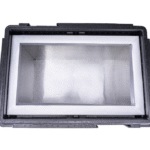
| صناديق إي بي بي | رغوة البولي بروبيلين الموسعة; عزل عالي | المأكولات البحرية المجمدة & شحنات كبيرة | خفيف الوزن, متينة وقابلة لإعادة الاستخدام; يقلل من الحاجة إلى الثلج الإضافي. |
| صناديق VIP | ألواح معزولة بالفراغ; عزل عالي جداً | قسط أو الشحن لمدة طويلة | أكثر تكلفة ولكن يمكنه الحفاظ على درجة الحرارة للرحلات الطويلة. |
| صناديق EPS | البوليسترين الموسع (الستايروفوم); عزل معتدل | التوصيل محلي أو إقليمي | فعالة من حيث التكلفة ولكنها أقل استدامة; مناسبة لمسافات قصيرة. |
| صناديق جل التبريد | التعبئة التقليدية مع عبوات الجل | النقل لمسافات قصيرة | جيد لتوصيل الميل الأخير أو الطلبات الصغيرة. |
نصائح وفوائد عملية
قم بتبريد منتجاتك مسبقًا: قم بتبريد المأكولات البحرية قبل التعبئة لتقليل الحمل الأولي على العزل والحفاظ على درجات حرارة آمنة لفترة أطول.
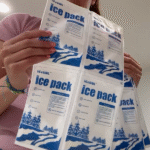
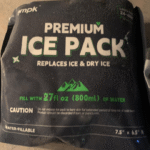
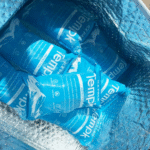
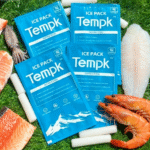
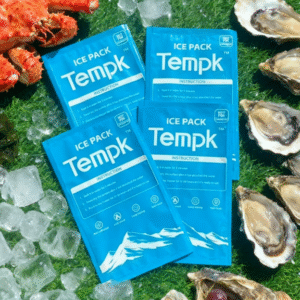
استخدم عبوات الثلج أو الجل بشكل مناسب: للصناديق المعزولة السلبية, ضع عبوات هلامية أو ثلجًا فوق المأكولات البحرية وحولها للحفاظ على درجة حرارة 0-2 درجة مئوية.
ختم العبوات بإحكام: يؤدي تقليل فجوات الهواء إلى إبقاء الهواء البارد في الداخل ويمنع التلوث المتبادل.
خطط لطرق فعالة: تقلل أوقات السفر الأقصر من مخاطر تقلبات درجات الحرارة وانخفاض تكاليف الوقود.
إعادة الاستخدام حيثما أمكن ذلك: اختر صناديق EPP أو VIP القابلة لإعادة الاستخدام لتقليل النفايات والأثر البيئي.
مثال الحالة: قام أحد مصدري المأكولات البحرية متوسط الحجم باستبدال حاويات EPS ذات الاستخدام الواحد بصناديق EPP قابلة لإعادة الاستخدام. عن طريق تبريد الأسماك مسبقًا واستخدام عبوات الجل, لقد قاموا بتمديد مدة الصلاحية لمدة 24 ساعة وخفضوا نفايات التغليف بمقدار 24 ساعة 35%.
ما هي المعدات التي تحافظ على سلامة المأكولات البحرية أثناء النقل؟?
ما وراء الصناديق, تعمل عدة قطع من المعدات معًا للحفاظ على سلسلة التبريد وضمان الامتثال لمعايير سلامة الأغذية.
الشاحنات والحاويات المبردة
الشاحنات المبردة هي العمود الفقري للخدمات اللوجستية للمأكولات البحرية لمسافات طويلة. أنها تحافظ على درجات حرارة ثابتة من المستودع الخاص بك إلى نقطة التسليم. للتصدير, لا غنى عن الحاويات المبردة ذات التبريد المتكامل. إنها توفر تحكمًا دقيقًا في درجة الحرارة وتسمح للشحنات بالبقاء ضمن النطاق الآمن طوال الرحلات الدولية.
مبردات محمولة وحزم هلام
للرحلات القصيرة أو النقل بين المستودعات, تعتبر الثلاجات المحمولة والصناديق المملوءة بالهلام حلولاً عملية. إنها تعمل بشكل أفضل عند دمجها مع الحاويات المعزولة والمنتجات المبردة مسبقًا.
أجهزة استشعار إنترنت الأشياء ومسجلات البيانات
تعتمد سلاسل التبريد الحديثة على أجهزة استشعار ممكّنة لإنترنت الأشياء لمراقبة درجة الحرارة, الرطوبة والصدمة في الوقت الحقيقي. تشير الدراسات إلى أن محركات البحث تكافئ المحتوى بتغطية موضوعية واضحة وعمق. تطبيق هذا المبدأ على الخدمات اللوجستية, تساعدك المستشعرات على التقاط البيانات الشاملة والحفاظ على التحكم. في حالة حدوث انحراف في درجة الحرارة, تتيح لك التنبيهات التلقائية التصرف بسرعة.
التدريب والتنسيق
حتى أفضل المعدات تفشل بدون وجود موظفين مدربين. توفير إرشادات التعامل مع عمال المستودعات, سائقي الشاحنات وعمال الموانئ. دمج البرامج اللوجستية لتنسيق مستويات المخزون, تخطيط الطريق والتتبع في الوقت الحقيقي. هذه الممارسات تقلل من التأخير, منع سوء الفهم ودعم الامتثال التنظيمي.
كيفية اختيار الإعداد المناسب لسلسلة التبريد?
يعتمد اختيار الصناديق والمعدات المناسبة على خصائص شحنتك. النظر في هذه العوامل:
المسافة والمدة: قد تحتاج الرحلات القصيرة فقط إلى صناديق EPS والثلج, بينما التصدير يتطلب حاويات VIP أو حاويات مبردة.
نوع المنتج: سمكة كاملة, قد تتطلب المحار أو الشرائح الرقيقة مستويات عزل وطرق تعبئة مختلفة.
الحجم والحجم: يمكن للدفعات الصغيرة استخدام التغليف السلبي; تستفيد طلبات الجملة الكبيرة من الحاويات المبردة والمراقبة الآلية.
القيمة والمخاطر: تبرر المأكولات البحرية ذات القيمة العالية الاستثمار في صناديق VIP وأجهزة الاستشعار في الوقت الحقيقي لتقليل الخسائر.
الاستدامة: اختر المواد القابلة لإعادة التدوير أو القابلة لإعادة الاستخدام لتقليل البصمة البيئية.
استخدم هذه العوامل لبناء موقعك مصفوفة القرار, مواءمة التكلفة مع الجودة. على سبيل المثال, يمكن أن تعتمد عمليات تسليم المحار المحلية على صناديق EPS مع عبوات هلامية, لكن شحن سمك السلمون الفاخر إلى الخارج يتطلب صناديق VIP وحاويات مبردة.
جدول القرار لاختيارات سلسلة التبريد
| سيناريو | التغليف & معدات | فائدة عملية |
| التسليم المحلي (≥6 ساعات) | صندوق EPS + حزم هلام + برودة المحمولة | تكلفة منخفضة; العزل الكافي للتسليم في نفس اليوم. |
| الشحن الإقليمي (6– 24 ساعة) | صندوق EPP + شاحنة مبردة | عزل أفضل ودرجة حرارة ثابتة للمسافات المعتدلة. |
| التصدير الدولي (يوم متعدد) | صندوق كبار الشخصيات + حاوية مبردة + مستشعرات إنترنت الأشياء | يحافظ على درجات حرارة صارمة; يستوفي معايير الجمارك وسلامة الأغذية. |
| المأكولات البحرية ذات القيمة العالية | حاويات VIP أو هجينة + مراقبة في الوقت الحقيقي | يقلل من مخاطر التلف ويضمن الجودة الممتازة عند الوصول. |
نصائح وإرشادات مفيدة
استخدام مسجلات البيانات لتوثيق تاريخ درجة الحرارة وإثبات الامتثال; تساعد هذه السجلات أيضًا في تحسين الخدمات اللوجستية الخاصة بك.
اعتماد برامج تخطيط الطريق الذي يأخذ في الاعتبار حركة المرور والطقس لتقليل التأخير.
شحنات الحزمة مع متطلبات درجة حرارة مماثلة لتحسين القدرة واستخدام الطاقة.
مثال في العالم الحقيقي: قام أحد موردي السلطعون الدوليين بتثبيت أجهزة استشعار إنترنت الأشياء وتحول إلى الحاويات المبردة. في غضون ربع واحد, لقد خفضوا الخسائر المرتبطة بدرجات الحرارة بنسبة 20% وتحسين تقييمات رضا العملاء.
دمج الاستدامة في سلسلة التبريد الخاصة بك
لم تعد الاستدامة اختيارية، بل أصبحت ميزة تنافسية. تعمل المواد الصديقة للبيئة مثل EPP القابلة لإعادة التدوير والألواح القابلة للتحلل على تقليل النفايات ومناشدة المستهلكين. فيما يلي كيفية جعل سلسلة التبريد الخاصة بك أكثر خضرة:
اختر العبوة القابلة لإعادة الاستخدام: اختر الحاويات المصممة لتحمل شحنات متعددة. تدوم بعض صناديق EPP مئات الدورات.
استخدام التبريد الموفرة للطاقة: الترقية إلى أنظمة التبريد الحديثة والمركبات التي تستهلك طاقة أقل.
استعادة وإعادة التدوير: تنفيذ برامج لجمع العبوات المستعملة وإعادة تدوير المكونات الرغوية أو البلاستيكية.
مراقبة البصمة الكربونية: تتبع استهلاك الوقود وتحسين الطرق لخفض الانبعاثات.
لا تؤدي هذه الخطوات إلى تقليل التأثير البيئي فحسب، بل تعمل أيضًا على تعزيز سمعة علامتك التجارية بين المشترين المهتمين بالبيئة.
2025 الاتجاهات التي تشكل الخدمات اللوجستية لسلسلة المأكولات البحرية الباردة
صناعة سلسلة التبريد تتطور بسرعة. تظهر الأبحاث التي أجريت على خوارزمية Google أن هناك عوامل مثل النشر المستمر للمحتوى المرضي, مشاركة الباحث ونضارته تتفوق الآن على الإشارات التقليدية مثل الروابط الخلفية. بصورة مماثلة, تتحول الاتجاهات اللوجستية لسلسلة التبريد نحو أكثر ذكاءً, أنظمة أكثر اخضرارا.
نمو السوق والطلب
تتوقع تقارير السوق نموًا قويًا في معدات سلسلة التبريد, مع توقعات أ ~7.4% معدل النمو السنوي المركب (CAGR) من 2025 ل 2034. ويؤدي ارتفاع الطلب الاستهلاكي على المأكولات البحرية المجمدة إلى دفع هذا التوسع.
ابتكارات التغليف المستدامة
بسبب المخاوف البيئية, الصناعات تتبنى البدائل القابلة لإعادة التدوير أو القابلة للتحلل للبوليسترين الممدد. توقع المزيد من خيارات العزل القائمة على الألياف أو المشتقة من النباتات.
الذكاء الاصطناعي والتعلم الآلي
يعمل الذكاء الاصطناعي على تحسين تحسين المسار والصيانة التنبؤية. يمكن لأنظمة الذكاء الاصطناعي التنبؤ بالتأخيرات المرتبطة بالطقس وضبط إعدادات التبريد, تقليل استخدام الطاقة.
Blockchain والتتبع
توفر تقنية Blockchain إمكانية التتبع الشامل, ضمان الشفافية والامتثال. يسمح للمشترين بالتحقق من الأصل, شروط التعامل وأوراق اعتماد الاستدامة.
سلاسل التوريد المتكاملة
المزيد من الشركات تقدم خدمات "اللحاق بالمستهلك"., تبسيط الخدمات اللوجستية من سفن الصيد إلى رفوف البيع بالتجزئة. تعمل الإدارة المتكاملة لسلسلة التبريد على تقليل عمليات التسليم وخطر انتهاك درجات الحرارة.
الأسئلة المتداولة
س 1: ما هي درجة الحرارة التي يجب أن تبقى فيها المأكولات البحرية الطازجة؟?
يجب أن تبقى المأكولات البحرية الطازجة في درجة حرارة 0-2 درجة مئوية, مع سماح قصير يصل إلى 4 درجات مئوية لفترات قصيرة. يؤدي البقاء ضمن هذا النطاق إلى إبطاء نمو الميكروبات والحفاظ على الجودة.
Q2: كم من الوقت تبقى المأكولات البحرية طازجة أثناء النقل?
مع التغليف المناسب والتحكم المستمر في درجة الحرارة, يمكن أن تظل المأكولات البحرية طازجة لمدة تصل إلى 72 ساعة. تعتمد المدة الدقيقة على نوع السمك وجودة العزل.
س 3: هل EPS (الستايروفوم) الصناديق لا تزال مقبولة في 2025?
لا تزال صناديق EPS تستخدم لعمليات التسليم المحلية, لكن المخاوف المتعلقة بالاستدامة تدفع الصناعة نحو البدائل القابلة لإعادة التدوير أو القابلة لإعادة الاستخدام.
س 4: ما هي أجهزة استشعار إنترنت الأشياء المستخدمة في الخدمات اللوجستية للمأكولات البحرية?
تقوم أجهزة استشعار إنترنت الأشياء بمراقبة درجة الحرارة, الرطوبة والصدمات في الوقت الحقيقي. يرسلون تنبيهات إذا انحرفت الشروط عن النطاقات المحددة, مساعدتك في الحفاظ على سلامة المنتج والامتثال.
س 5: كيف يمكنني أن أجعل سلسلة التبريد الخاصة بي أكثر استدامة?
قم بالتبديل إلى الحاويات القابلة لإعادة الاستخدام, اعتماد مواد صديقة للبيئة, تحسين المسارات لتقليل استهلاك الوقود ومراقبة البصمة الكربونية الخاصة بك. تقلل هذه الإجراءات من الهدر وتجذب العملاء المهتمين بالبيئة.
الملخص والخطوات التالية
صيانة أ سلسلة تبريد موثوقة ضروري لجودة المأكولات البحرية, السلامة والربحية. اختيار المجموعة الصحيحة من الصناديق (إي بي بي, VIP, EPS), معدات (شاحنات مبردة, مبردات محمولة, مستشعرات إنترنت الأشياء) وأفضل الممارسات (التبريد المسبق, ختم محكم, طرق فعالة) يساعدك تقليل التلف وتلبية المعايير التنظيمية. تذكر ذلك ثابت, محتوى شامل- سواء على موقع الويب الخاص بك أو في عملياتك - يؤدي إلى المشاركة والثقة.
قائمة مرجعية قابلة للتنفيذ
تقييم سلسلة التوريد الحالية الخاصة بك: مسافات الخريطة, أنواع وأحجام المنتجات.
حدد العبوة المناسبة: مطابقة EPP, صناديق VIP أو EPS وفقًا لمتطلبات المسافة والقيمة الخاصة بك.
دمج المراقبة: تجهيز الشحنات بأجهزة استشعار إنترنت الأشياء ومسجلات البيانات للتنبيهات في الوقت الفعلي.
اعتماد الممارسات المستدامة: استخدم الحاويات القابلة لإعادة الاستخدام والتبريد الموفر للطاقة لتقليل النفايات.
تحديث وصقل: قم بمراجعة سجلات درجات الحرارة واتجاهات السوق بانتظام لتكييف إستراتيجية سلسلة التبريد الخاصة بك.
حول Tempk
شركة تيمبك المتخصصة في حلول سلسلة التبريد لصناعة المأكولات البحرية, تقدم مجموعة من الصناديق عالية الجودة, حزم هلام, الحاويات المبردة وأنظمة المراقبة. منتجاتنا تركز على دقة درجة الحرارة, المتانة والاستدامة, مساعدة الشركات على تقليل النفايات وتقديم المأكولات البحرية في ذروة نضارتها. مع عقود من الخبرة والالتزام بالابتكار الصديق للبيئة, نحن على استعداد لتصميم حلول تناسب احتياجاتك اللوجستية المحددة.
دعوة إلى العمل: على استعداد لتحسين لوجستيات المأكولات البحرية الخاصة بك? اتصل بـ Tempk اليوم لاستكشاف التعبئة والتغليف سلسلة التبريد المستدامة, مراقبة إنترنت الأشياء وحلول التبريد المخصصة التي تحافظ على صيدك طازجًا من البحر إلى الطبق.