تم التحديث في ديسمبر 2025 – Delivering ice cream without it melting is a serious challenge, و temperature-controlled ice cream distribution often comes with steep costs. The good news is that you can keep ice cream frozen during transit affordably by using the right strategies. في هذا الدليل, you’ll get easy-to-understand tips rooted in the latest industry data. We’ll show you how better planning, التغليف, والتكنولوجيا can maintain quality while cutting expenses. بحلول النهاية, you’ll know exactly how to ship ice cream cost-effectively without sacrificing its taste or texture.
سيجيب هذا المقال:
-
Why is distributing ice cream so challenging and expensive? – Understand the cold chain hurdles and why temperature control is crucial for ice cream quality.
-
How can you reduce cold chain costs for ice cream? – Learn cost-effective cold chain strategies from route optimization to efficient packaging that save money.
-
What innovations make ice cream delivery more affordable? – Discover 2025’s latest cold chain technologies (مستشعرات إنترنت الأشياء, منظمة العفو الدولية, إلخ.) that cut costs and improve reliability.
-
What are the latest trends in ice cream logistics? – Get updated on تطورات جديدة في 2025 shaping a faster, أكثر خضرة, and more affordable cold chain.
-
Plus FAQs: Quick answers to common questions on shipping ice cream, ideal temperatures, and budget-friendly cold chain tips.
Why is Temperature Control Crucial (and Costly) for Ice Cream Distribution?
Maintaining sub-zero temperatures for ice cream is non-negotiable – and it’s the main reason distribution costs are high. Ice cream must stay around -18درجة مئوية (0° f) throughout shipping to prevent melting and freezer burn. Achieving this requires specialized شاحنات مبردة, التخزين البارد, والتعبئة المعزولة, all of which add expense. إذا سلسلة البرد (the temperature-controlled supply chain) breaks even briefly, ice cream’s texture and quality suffer. This risk means shippers must invest in reliable cooling equipment and monitoring. ببساطة, ensuring quality comes at a price: energy for refrigeration, extra fuel for cooling units, and staff trained to handle frozen goods safely. These factors make ice cream logistics one of the most challenging (and expensive) in the food industry.
[توضيح:] The need for constant deep freeze is what makes ice cream distribution tricky. Think about it from your perspective: if you ship regular products, you don’t worry about them spoiling en route. But with ice cream, any slight rise in temperature can cause tiny ice crystals to form, ruining that creamy texture you love. لتجنب هذا, تستخدم الشركات المركبات المبردة (غالبا ما تسمى "المبردات") that actively cool the cargo. Running a reefer truck costs more – it burns extra fuel to power the cooling unit and needs maintenance to stay efficient. مستودعات التخزين البارد also rack up costs, keeping large freezers at Arctic temperatures 24/7. وفقا للتحالف العالمي لسلسلة التبريد, electricity and fuel costs for refrigeration are significant, لكن labor and rental costs can be even higher (labor alone can be ~40% of cold storage expenses). All these expenses add up, making each tub of ice cream a high-value cargo. لك, this means that without careful management, distributing ice cream can eat into profits. Every melted pint is money lost, so shippers spend more on prevention – from extra-thick insulation to digital temperature monitors – which increases upfront cost but protects against even costlier product losses.
Balancing Cost and Quality in the Cold Chain
When delivering ice cream, you’re always balancing quality vs. يكلف. Here are some key factors that drive up costs and what they mean for عملك:
| سائق التكلفة | Added Expense in Cold Chain | التأثير عليك (القدرة على تحمل التكاليف) |
|---|---|---|
| النقل المبرد | وقود & maintenance ~15–30% higher than regular trucks (runs a cooling unit) | Higher shipping rates per mile for frozen loads – you pay more per delivery. |
| مرافق التخزين البارد | Specialized freezers at -18°C require continuous power (electric bills, مولدات احتياطية) | Higher warehousing fees – storage charges for ice cream are often double those for dry goods. |
| العبوة المعزولة | E.g., thick foam coolers, dry ice or gel packs add $10–$20 per shipment | Increases cost per order – necessary to prevent melting, but raises shipping expense. |
| Spoilage Risk | If temperature slips, a whole batch can melt and become unsellable | Potential 100% loss on affected inventory – a huge hit if monitoring fails, so you invest more in safeguards. |
| Labor in Freezing Conditions | Workers need special gear and often higher pay to handle -20°C environments | Higher operational costs – retaining staff for cold environments may require bonuses, adding to distribution cost. |
ماذا يعني هذا: Each aspect of keeping ice cream frozen comes with a price tag. أ شاحنة مبردة might charge more per kilometer, a cold warehouse charges more per pallet stored, and quality packaging adds cost per unit shipped. لكن, these costs are investments to protect your product. Spending on a reliable cold chain prevents the far greater losses of melted, unsellable ice cream. باختصار, ensuring quality isn’t cheap, but losing quality is even more expensive. By understanding where the money goes (وقود, قوة, تَعَب, إلخ.), you can target those areas to make distribution more affordable – which we’ll explore next.
Practical Tips to Tackle Cold Chain Challenges
-
Plan Quick Transit: Minimize the time ice cream spends in transit. Use direct routes and avoid unnecessary stops so products reach their destination faster with less risk of thawing.
-
استثمر في المراقبة: يستخدم أجهزة استشعار درجة الحرارة and alarms in trucks and storage. من هنا, if any cooling unit fails, you get instant alerts to fix it before products melt.
-
تدريب فريقك: Ensure handlers know the importance of temperature control. Simple practices like keeping freezer doors shut as much as possible can maintain stable temperatures and cut energy waste.
-
Maintain Equipment Proactively: Service your refrigeration units and insulation regularly. الصيانة الوقائية reduces breakdowns – it’s cheaper to replace a worn fridge seal than to lose an entire shipment of ice cream due to a failure.
مثال في العالم الحقيقي: A leading Indian ice cream brand faced high logistics costs due to long routes and spoilage. By using an AI-powered route optimization system, هم cut their delivery distances by about 60% and reduced spoilage losses by 15-20%. This saved them roughly ₹3.5 million (حول $45,000) every month in logistics costs. This case shows that smart planning can dramatically lower expenses while protecting product quality.
How Can You Reduce the Cost of Ice Cream Cold Chain Distribution?
You can make ice cream distribution more affordable by improving efficiency at every step of the cold chain. ابدأ مع تحسين الطريق – plan the shortest, fastest delivery paths and consolidate shipments to keep trucks full. Efficient routing means less fuel burned and fewer trips, which directly cuts costs. التالي, focus on packaging and handling: choose the right insulated containers and refrigerants (like dry ice or gel packs) that keep ice cream frozen longer so you rely less on active cooling. It’s also key to coordinate timing: ينتج, ينقل, and deliver in a tight schedule to avoid paying for extra storage time. بالإضافة إلى ذلك, consider partnering with 3PL cold chain providers or using shared refrigerated distribution networks. By sharing space on a refrigerated truck or in a warehouse with other companies, أنت pay only for what you use, making expensive facilities more accessible. باختصار, boosting efficiency and sharing resources are your friends for cutting cold chain costs.
[توضيح:] Efficiency is all about doing more with less – and in cold chain logistics, that translates to lower costs per ice cream pint delivered. Imagine you have a freezer truck that’s only half full; you’re still paying for the whole truck. By smartly consolidating orders (waiting until you have a full load or combining shipments with a partner’s products), أنت drive down the cost per unit. Many businesses also adopt a “last in, first out” scheduling – timing production so ice cream goes straight onto a truck instead of sitting in storage. This reduces warehousing fees and energy usage because products don’t sit in a freezer longer than necessary. Another cost saver is to leverage local distribution محاور: على سبيل المثال, keep ice cream in regional depots closer to customers so that final delivery legs are shorter and can even be done with smaller vehicles or vans. If you’re a smaller business, outsourcing to a specialized cold-chain logistics company can be cost-effective. They have the volume to fill trucks and negotiate better fuel or electricity rates, and they spread those savings to clients. The bottom line for you is that every minute and meter you save in the cold chain directly saves money – all while still keeping your ice cream at safe temperatures.
Smart Strategies to Cut Cold Chain Costs
Different approaches can significantly lower your expenses. Here’s a look at key strategies and how they impact your budget:
| Strategy or Tool | What It Does | تأثير التكلفة & تستفيد لك |
|---|---|---|
| Route Optimization Software | Plans optimal delivery routes and schedules (avoids empty miles, reduces travel time) | Lowers fuel use and driver hours – saving on transportation costs by up to 20%. |
| Load Consolidation | Combining shipments (yours or with partners) to maximize truck capacity | Maximizes value of each trip – you pay one truck for multiple orders, lowering cost per ice cream batch. |
| Cross-Docking | Transfer ice cream directly from incoming freight to outgoing trucks with minimal storage time | Cuts storage costs – less need for long-term freezing, plus products arrive fresher (fewer quality issues). |
| Seasonal Inventory Planning | Increase shipments in cooler months or at night when temperatures are lower | Saves cooling energy – trucks work less hard in cold weather, which can slightly reduce fuel usage and risk of melting. |
| الاستعانة بمصادر خارجية ل3PLs | Hiring third-party cold chain logistics specialists who pool shipments from many clients | Shares the cost of trucks/warehouses – you avoid big capital expenses and benefit from bulk rates that large 3PLs get. |
Using these methods, even a small ice cream producer can punch above its weight in logistics. على سبيل المثال, route optimization and load consolidation together ensure that every journey is efficient and nothing goes to waste – trucks carry full loads on the shortest paths. Techniques like cross-docking mean your ice cream spends minimal time in storage (which you’re paying for by the hour or day). Many companies also schedule shipments during cooler times (night or winter days) to naturally help maintain low temperatures, a clever trick that reduces strain on refrigeration units. The key takeaway: every efficiency gained is money saved – whether it’s fuel, كهرباء, or labor. By implementing these cost-cutting strategies, you can deliver ice cream more competitively, maybe even dropping prices for your customers without hurting your bottom line.
Additional Cost-Saving Tips
-
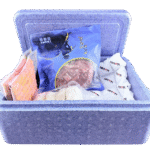
Use Quality Packaging: It might sound counterintuitive to spend more on boxes and coolants, لكن high-performance insulated packaging can maintain freezing temps longer. This can let you use less dry ice or shorter refrigeration, ultimately cutting total cost and preventing spoilage.
-
Regularly Audit Your Cold Chain: Track and review each step – from production to delivery. Identify any bottlenecks or temperature spikes. على سبيل المثال, if you find that unloading at certain warehouses is slow (warming the ice cream), you can fix that process or add portable coolers during transfer. Every weakness you strengthen means less chance of loss and less money wasted.
-
Negotiate Energy Contracts: If you operate your own cold storage, talk to utility providers about off-peak electricity rates. Running freezers and blast chillers during off-peak hours where possible can lower energy bills. Some big cold facilities even produce ice or extra cooling during cheap hours to use later during expensive peak hours, a technique that could save thousands annually.
-
Consider New Refrigerants or Solar-Assisted Reefers: Modern refrigeration systems using المبردات الطبيعية (like ammonia or CO₂) are more energy-efficient and sometimes qualify for energy subsidies or carbon credits. بصورة مماثلة, trucks with solar panels assisting the refrigeration unit can decrease fuel usage. An initial investment in these upgrades can pay for itself through operational savings, making long-term distribution more affordable.
دراسة حالة: A mid-sized gourmet ice cream company in California partnered with a cold-chain 3PL and switched to day-definite deliveries (shipping on set days only when they could fill a truck). By avoiding half-empty runs and using the 3PL’s consolidated warehouse, they cut distribution costs by ~30%. The savings allowed them to lower their product price slightly, attracting more customers – an example of logistics savings directly boosting business growth.
What Innovations Are Making Temperature-Controlled Distribution Cheaper?
Cutting-edge technologies in 2025 are helping to drive down the cost of cold chain logistics for ice cream. One major game-changer is IoT-based real-time monitoring. Tiny wireless sensors placed in ice cream shipments now continuously track temperature, رطوبة, والموقع. This data lets you respond instantly if a trailer gets too warm, منع الخسائر. It also means you can safely push the limits (على سبيل المثال, maybe you can reduce the amount of dry ice if sensors prove the insulation is working well). Another innovation is the use of الذكاء الاصطناعي والتعلم الآلي in demand forecasting and route planning. AI can analyze weather forecasts and sales data to predict ice cream demand by region, so you ship just the right amount – avoiding wasted trips or emergency last-minute deliveries, both of which cost extra. On the transport side, electric and hybrid refrigerated trucks ناشئة. These vehicles have more efficient cooling and lower fuel costs, which can reduce per-mile refrigeration expenses. حتى autonomous warehouse robots and drones are being used in big freezers (“dark warehouses”) to move ice cream faster and cut labor costs in freezing conditions. All these tech improvements share a goal: maintain perfect temperature with less human effort and lower energy use, which ultimately makes each pint cheaper to deliver.
[توضيح:] Let’s break down a few of these innovations and how they help you save money:
-
مستشعرات إنترنت الأشياء & التليماتية: Imagine you’re shipping ice cream across the country. في الماضي, you might add a lot of dry ice “just in case” or set the truck thermostat extra cold (using more fuel) because you had no visibility in transit. الآن, with IoT sensors sending live temperature readings to your phone, you know exactly what’s happening inside the truck. If everything is stable, you might not need that extra cooling buffer – saving on dry ice and energy. If something goes wrong, you can intervene early (reroute to a nearby freezer storage or dispatch a repair) rather than discovering melted product at delivery. Preventing a single shipment failure pays for hundreds of sensors. زائد, consistent monitoring helps you fine-tune operations (maybe you find one lane where temperatures creep up midday – now you add a cooling pack or adjust the route).
-
AI Forecasting & إدارة المخزون: Some large ice cream companies use AI to adjust production and distribution plans dynamically. على سبيل المثال, if the AI predicts a heat wave in one region, it will suggest sending extra ice cream there (people buy more in heat) and ensure freezers are ready. على العكس من ذلك, it might reduce shipments to cooler regions to avoid overstock. By aligning supply with demand so precisely, you avoid wasted product and unnecessary storage time, which saves money. Smaller businesses can use cloud-based AI tools too – there are services that crunch weather and sales data to help even an ice cream truck owner decide how much to carry each day, preventing spoilage and stockouts.
-
الأتمتة & الروبوتات: In refrigerated warehouses, human labor is both expensive and physically taxing (imagine working in a -20°C freezer for hours). الأتمتة, like robotic palletizers or automated guided vehicles, أصبح أكثر شيوعا. While robots are an investment, هم عمل 24/7 without needing heated breaks. This boosts throughput and can lower the long-term cost of running a cold storage facility. لك, it could mean lower storage fees or faster turnaround times. Automated systems also tend to optimize energy use – for instance, they might keep most of the warehouse dark (lights off save energy) since robots don’t need lights, or only cool zones where products are currently stored.
-
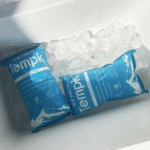
مواد العزل المتقدمة: Innovations in packaging materials are also contributing to affordability. New phase-change materials (PCMS) can replace some dry ice; they absorb heat and melt at a specific temperature, which keeps the environment cold without constant refrigeration. Some shippers use reusable PCM gel packs that freeze at -18°C and slowly release cold energy – these can maintain ice cream temperature for many hours in transit. The upfront cost of these packs is higher, but they can be reused dozens of times, lowering cost per use. أيضًا, ألواح معزولة بالفراغ (VIP) are ultra-thin insulating boards that can dramatically improve a box’s ability to keep cold. By using these, companies have managed to ship ice cream overnight in normal transit (not refrigerated trucks) because the box itself maintains the temperature. متأخر , بعد فوات الوقت, these materials become cheaper, and using less active cooling or dry ice per shipment can save a lot.
الابتكارات في لمحة (2025)
-
AI-Powered Planning: Major producers use AI to forecast demand and optimize routes. This reduces last-minute urgent shipments (which are costly) and cuts down on wasted inventory. تأثير عملي: fewer rush freight charges and no money tied up in melted unsold stock.
-
Connected Cold Chain: زيادة 60% of new refrigerated trucks now come with telematics (smart trackers) that monitor temperature and truck performance. These connected systems help avoid breakdowns and ensure every pint stays frozen. تأثير عملي: near-zero spoilage in transit and insurance savings due to fewer claims.
-
Sustainable Cooling Tech: The industry is adopting greener refrigerants and solar-assisted reefers. على سبيل المثال, some fleets report saving 5-10% في تكاليف الوقود by using solar panels on trailers to power cooling units. تأثير عملي: lower fuel bills and alignment with sustainability goals, which can also boost your brand image.
[نظرة السوق:] The push for efficiency is also driven by market trends. عالميًا, demand for frozen treats is rising – the ice cream and frozen dessert market is expected to top $110 مليار في 2025, up from the previous year. This booming demand forces cold chain providers to expand capacity quickly. More competition and innovation in the cold logistics sector mean services are gradually becoming more affordable as technologies mature. بالإضافة إلى ذلك, consumer expectations for fast, fresh delivery (even for ice cream) are influencing companies to invest in these innovations. The upfront investments in AI, إنترنت الأشياء, and better packaging are becoming necessary to stay competitive. في الحقيقة, companies not upgrading their cold chain find themselves with higher long-term costs or lost sales. لذا, staying informed on these trends isn’t just tech talk – it’s key to keeping your distribution efficient and cost-effective in a fast-evolving market.
2025 Latest Trends in Ice Cream Cold Chain Logistics
نظرة عامة على الاتجاه: في 2025, cold chain logistics for ice cream is evolving with a strong focus on efficiency, الاستدامة, and proximity to the customer. One major trend is the growth of micro-distribution hubs – instead of one giant warehouse serving a whole country, companies are setting up many smaller freezers closer to key markets. This shortens delivery routes and cuts costs for last-mile delivery. Another trend is the integration of sustainability with cost-saving: eco-friendly refrigeration systems (like using natural refrigerants and solar power) not only reduce carbon footprint but also lower energy expenses. We’re also seeing التغييرات التنظيمية (على سبيل المثال, stricter food safety and traceability laws) pushing businesses to enhance their cold chain monitoring, which coincidentally improves efficiency. أخيراً, collaborations across the industry are on the rise – from manufacturers teaming up with logistics startups to shared cold storage facilities – all aiming to handle ice cream distribution in a more agile and affordable way.
آخر تقدم في لمحة
-
الذكاء الاصطناعي والتوائم الرقمية: Companies are using digital twin simulations of their cold chain – a virtual model that tests different scenarios (like a heatwave or a surge in demand) without risking real stock. This helps identify the best and cheapest way to handle events قبل they happen, improving preparedness and saving money.
-
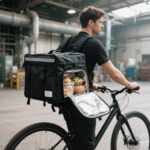
Last-Mile Innovation: New solutions for the last leg of delivery are emerging, such as temperature-controlled smart lockers in neighborhoods and delivery bikes with portable freezers. These innovations ensure that even home deliveries of ice cream remain frozen on arrival, reducing refunds and product loss.
-
المعايير العالمية & تمرين: There’s a trend toward standardized training programs for cold chain handling (often certified by industry associations). Having uniformly trained staff worldwide means fewer mistakes like leaving a pallet out of the freezer too long. This consistency lowers the chance of costly errors, especially as companies expand to emerging markets where cold chain infrastructure is still developing.
رؤى السوق: The cold chain market itself is expanding rapidly. في 2025, ال global cold chain industry is valued at around $250+ مليار, reflecting heavy investments into new refrigerated warehouses and vehicles worldwide. For ice cream specifically, markets in Asia and Africa are growing, prompting companies to build cold chain networks in places that lacked them. This expansion drives innovation: على سبيل المثال, تحضير affordable solar-powered cold storage units for areas with unstable electricity – a solution that emerged to support ice cream sales in remote regions. Consumer behavior is also influencing trends: more people are ordering groceries (including ice cream) متصل. To meet this demand profitably, retailers are adopting techniques like “dark stores” (mini distribution centers in cities) dedicated to online orders, which include frozen sections. All these moves point to a cold chain that’s becoming more distributed, أكثر ذكاءً, and cost-conscious. For businesses of any size, tapping into these trends – like renting space in a shared urban cold facility or trying out a route-planning AI tool – can translate into a real competitive edge and cost savings.
الأسئلة المتداولة (الأسئلة الشائعة)
س 1: How do I ship ice cream without it melting?
To ship ice cream without melting, use a combination of insulation and refrigerant. Pack the ice cream in a thick insulated container (like a foam cooler or an insulated liner box) and include a cold source such as dry ice or gel ice packs. Dry ice is very cold (-78 درجة مئوية) and works well for overnight shipping, keeping ice cream solid. أيضًا, minimize transit time – express shipping (1-2 أيام) is best. Ensure the package is marked “Keep Frozen” so carriers store it appropriately. نصيحة: Fill any empty space in the box with padding (like bubble wrap) to reduce air circulation and keep cold air concentrated around the ice cream.
Q2: ما هي درجة الحرارة التي يجب أن يتم نقل الآيس كريم فيها؟?
Ice cream should be transported at -20° C إلى -18 درجة مئوية (around 0°F). This range keeps ice cream fully frozen and maintains its texture. في درجات الحرارة هذه, ice cream stays as hard as it was in the deep freezer. It’s important the temperature doesn’t rise above about -15°C, ولو لفترة وجيزة, because that can start melting at the edges of the product. للسلامة, refrigerated trucks carrying ice cream are often set slightly colder (like -25°C) to allow for any minor fluctuations when doors open. Always pre-cool your truck or container before loading the ice cream, so it’s placed into a frozen environment immediately.
س 3: Can small businesses afford a cold chain for ice cream?
نعم, small businesses can manage an ice cream cold chain by using creative, cost-effective approaches. Instead of buying expensive equipment outright, you can rent freezer storage space in a shared facility or use a third-party logistics provider that specializes in frozen delivery. Many courier services offer refrigerated or insulated shipping options for small volumes. You can also start with simple methods like using dry ice packages for local deliveries (dry ice is relatively affordable in small quantities). As your volume grows, invest gradually – for example, a second-hand small freezer truck or high-quality coolers. The key is to scale up bit by bit, leveraging available services and focusing on local markets first to keep costs in check.
س 4: Does faster shipping reduce cold chain costs?
في كثير من الحالات, yes – faster shipping can reduce overall cold chain costs because the ice cream spends less time in controlled storage. على سبيل المثال, if you ship ice cream overnight instead of via a slower method, you’ll use less dry ice and the product spends fewer hours in expensive refrigerated transit or warehouses. Faster delivery also lowers the risk of temperature excursions (since there’s simply less time for things to go wrong). لكن, expedited shipping rates can be higher, so there’s a balance. The ideal scenario is to optimize speed without huge cost – for instance, using two-day shipping with sufficient refrigerant could be cheaper than overnight air freight but still safe for the ice cream. Always calculate the cost of extra refrigerant and packaging for slower transit versus the premium of faster shipping. أحيانا, investing in better packaging allows you to use a cheaper shipping method and still keep the product frozen, which can be more economical.
س 5: What’s the best packaging for ice cream shipments?
The best packaging for ice cream shipments is a combination of a thick insulated container and a coolant suited to the duration. عادة, a styrofoam cooler or an insulated foam liner inside a cardboard box works well to prevent external heat from seeping in. For the coolant, use dry ice for anything longer than 24 ساعات (it’s extremely cold and sublimates to gas, which fills the space and keeps it cold). For shorter shipments or less extreme cooling, gel packs that freeze to -20°C can suffice. Also consider thermal bubble wrap or reflective foil liners as additional layers around the ice cream tubs to reflect heat. Make sure the ice cream is as cold as possible (أقل بكثير من درجة التجمد) قبل التعبئة, and fill up any extra space in the cooler with insulating material (like crumpled paper or foam peanuts), as air gaps can cause the cold to dissipate faster. A well-packed box can keep ice cream frozen for 30+ hours without issues.
ملخص وتوصيات
الوجبات الرئيسية: Distributing ice cream in a temperature-controlled way does not have to drain your budget. Remember these essential points: maintaining deep-frozen temperatures is critical to quality, but you can offset the cost by optimizing efficiency at every step. Use smart routing and full truck loads to cut transport costs, invest in good insulation to reduce reliance on expensive active cooling, and consider partnering with logistics providers to share resources. Embracing technology is the future – affordable sensors, AI planning tools, and automation are now accessible even to smaller players, helping to bring down costs by reducing waste and preventing failures. أخيراً, always keep an eye on the latest innovations and industry best practices (as we highlighted for 2025) – the cold chain field is evolving, and new solutions can give you a competitive edge. By focusing on these strategies, you ensure your ice cream reaches customers in perfect condition at a lower cost, which is a win-win for your business and your clients.
الخطوات التالية (خطة العمل): If you’re looking to improve your ice cream cold chain, here’s a simple plan to get started:
-
Audit Your Current Process: Map out each step from production to delivery. Identify the costliest points (وقود, تخزين, التغليف, تلف). Start by tackling the biggest pain point – for example, if fuel for your freezer truck is very high, invest in route planning software or consider a more efficient vehicle.
-
Implement One Improvement at a Time: Introduce a change and monitor results. على سبيل المثال, try a new insulated packaging solution on a few shipments or use temperature loggers to see where you can dial back on refrigerant safely. Measure if these changes maintain quality and lower costs.
-
Train and Engage Your Team: Make sure everyone involved, from warehouse staff to drivers, knows the importance of maintaining the cold chain and how they can help save costs (like quickly transferring goods, keeping doors closed, إلخ.). غالباً, better handling and awareness can yield immediate savings.
-
Explore Partnerships: Reach out to cold chain logistics companies or local distributors. Get quotes on storage or transport – you might find outsourcing certain legs is cheaper than doing it all yourself. بصورة مماثلة, consider joining a cooperative where multiple small food businesses share a refrigerated truck for deliveries in the same area.
-
Leverage Technology and Expertise: Don’t be afraid of modernizing. Even relatively low-cost tech, like a set of Bluetooth temperature sensors, can give you valuable data to refine your process. And consult experts or vendors – many will offer a free assessment of your cold chain and suggest improvements. Taking action now sets you up to confidently deliver ice cream all year round without melting your profits.
من خلال اتباع هذه الخطوات, you’ll create a more robust and cost-efficient cold chain. It’s all about continuous improvement and staying informed. يتذكر, in the world of frozen treats, the companies that master affordable, reliable delivery will scoop up the market!
حول Tempk
Tempk is a leader in temperature-controlled logistics solutions, specializing in state-of-the-art cold chain equipment, التغليف, وتكنولوجيا المراقبة. مع عقود من الخبرة في الصناعة, we have helped businesses around the world keep their products at the perfect temperature – from innovative insulated shipping containers to real-time IoT temperature trackers. We pride ourselves on factual results: our solutions have been shown to reduce cold chain energy use by up to 15% and cut spoilage incidents by nearly 30% for our clients. و Tempk, we combine deep cold chain expertise with a customer-first approach. We continuously invest in research to bring you the latest advancements – whether it’s eco-friendly refrigerants or AI-powered logistics planning – all tailored to make your temperature-controlled distribution more efficient and affordable.
Ready to optimize your ice cream cold chain? اتصل بنا for professional guidance or to learn more about Tempk’s customized cold chain solutions. We’re here to help you deliver excellence – ice cold, في كل مرة.