تحديث: 10 ديسمبر 2025
If you ship gelato across borders, cool chain gelato transport Europe is the difference between a premium scoop and an expensive puddle. من خلال التحكم في درجة الحرارة, التغليف, and routing, you can keep gelato between roughly −22 °C and −18 °C throughout the chain, meeting ATP and EU hygiene rules while cutting melt loss and complaints.()
This guide will help you understand:
How cool chain gelato transport Europe keeps texture, نكهة, and overrun stable along long routes
Which temperature ranges, المركبات, and packaging formats work best for gelato cold chain logistics in Europe
How EU hygiene law, ATP standards, and new 2025 refrigeration rules affect your frozen dessert transport decisions()
ماذا 2025 الاتجاهات (منظمة العفو الدولية, RFID, الاستدامة) mean for your next gelato logistics investment in Europe()
Why is cool chain gelato transport in Europe so demanding?
Because gelato is both a frozen dessert and a delicate premium product, small temperature errors quickly destroy quality. Ice cream and gelato need stable deep-frozen conditions to avoid ice crystal growth, bacterial risk, and texture loss. Recommended guidelines show transport and storage temperatures around −20 °C, with limited variation along the route.()
علاوة على ذلك, cross-border cool chain gelato transport Europe must pass through multiple climates, الموانئ, and hubs. You deal with EU hygiene rules that say the cold chain must not be interrupted, ATP standards for vehicles, and retailer specs for shelf quality.() When you combine long distances, multiple partners, and strict consumer expectations for “perfect scoopability,” you can see why gelato is one of the toughest frozen categories to move reliably.
What temperature ranges should you target for gelato cold chain logistics?
Aim for a narrow frozen band — typically around −22 °C to −18 °C — across storage, cool chain gelato transport Europe legs, and retail delivery. Industry guidance for ice cream and similar frozen desserts points to around −24 °C at production, deep-frozen warehousing near −25 °C, transport near −25 °C, and retail cabinets closer to −18 °C.
Keeping gelato colder in the early chain gives you safety margin for short door openings and handling. But your goal is consistency, not chasing the lowest possible number. EU hygiene law allows only short breaks in the cold chain, and only when they do not create food safety risk.() That means route planning, loading discipline, and verified insulation, not just turning your reefer “to the max”.
Key stages and typical setpoints
| Stage in cool chain gelato transport Europe | نطاق درجة الحرارة النموذجي (درجة مئوية) | Monitoring focus | ماذا يعني لك |
| تصلب & تجميد الانفجار | ≈ −30 to −35 | السحب السريع للأسفل | Lock in micro-structure and overrun for stable texture |
| Frozen warehouse storage | ≈ −25 to −22 | Long-term stability | Prevent large ice crystal growth before shipment |
| Long-haul road / intermodal transport | ≈ −25 to −20 | فتحات الأبواب, setpoint drift | Protect against ambient peaks and delays on European routes() |
| Retail delivery / الميل الأخير | ≈ −20 to −18 | Frequent stops, urban traffic | Balance food safety with operational practicality |
| Store display freezers | ≤ −18 | Consumer door openings | Keep legal minimums and avoid “heat shock” cycles() |
نصائح وتوصيات عملية
Calibrate for the warmest point: Use real temperature mapping to find hot spots in your vehicle or container and set slightly lower to compensate.
Use data loggers as your “black box”: Continuous data logging gives you evidence if disputes arise and helps you fix weak links in routes.
Standardize loading patterns: A tidy, consistent loading plan often reduces temperature spread more than just lowering the setpoint.
حالة العالم الحقيقي: A regional gelato brand switched from mixed frozen loads to dedicated ATP-certified trailers with strict loading patterns. Within one summer season, complaints about “too soft” gelato fell by over 60 %, and claims from retailers dropped markedly.
How should you design packaging for cool chain gelato transport Europe?
Your packaging must act like a mini-freezer around each tub or pan. For cool chain gelato transport Europe, you want packaging that holds frozen temperature, minimizes heat-shock cycles, and protects cups or pans from vibration and inverted stacking. Well-designed insulated shippers, بطانات, and pallet covers reduce temperature fluctuation and give you extra hours of safety in the event of delays.()
Equally important, packaging must fit European retailer expectations for sustainability. Many retailers now push for less virgin plastic and more recyclable or paper-based outer packs, while still expecting long shelf life.()
What gelato packaging components matter most?
1. التعبئة الأولية: cups, tubs, pans, الأغطية
حاجز: Keep air, الروائح, and moisture out, so gelato does not pick up freezer burn or off-flavors.
Rigidity: Prevent deformation during stacking and vibration on European highways.
Headspace and lid design: Enough room to protect improved overrun and decorations without crushing, and a lid that seals well after first opening.()
2. Secondary and tertiary packaging: كرتون, الشاحنين, المنصات
Insulated cartons or EPP/EPS boxes: Reduce the rate of heat gain during loading and cross-docking.
Pallet covers and thermal blankets: Shield from radiant heat on ramps or in mixed-load cross-docks.
Strapping and corner protection: Stop cartons collapsing, which would damage tubs and disturb airflow inside the vehicle.()
| Packaging focus area | Example choices | خطر إذا تم تجاهله | Value for your gelato business |
| Primary containers | Rigid tubs with tight-fitting lids | Lid pop-off, حرق الفريزر, تسرب | Better consumer experience and fewer retailer complaints |
| Insulated outers | إي بي بي / صناديق EPS, بطانات معزولة | Rapid warming in delays | Extra time buffer in cool chain gelato transport Europe |
| Pallet protection | Thermal covers, corner boards | Crush damage, النقاط الساخنة | Higher delivered product value and less rework |
Practical user-level advice
For export pallets: Use pallet covers plus insulated top sheets whenever external docks or rail interchanges are part of the route.
لتوزيع المدينة: Consider reusable insulated totes for last-mile delivery, especially in Southern Europe summers.
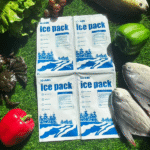
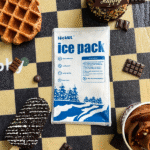
For e-commerce gelato: Combine insulated shippers with gel packs or dry ice sized to worst-case transit time, not average time.()
مثال سيناريو: A direct-to-consumer brand in Germany upgraded from standard corrugated shippers to insulated EPP boxes with phase-change packs sized for 48-hour transit. Even during a July heatwave, زيادة 98 % of parcels arrived with gelato still spoon-hard, and refund rates halved.()
Which regulations shape cool chain gelato transport in Europe?
You operate under a mix of EU food hygiene law and international transport standards. على الأقل, cool chain gelato transport Europe must comply with:
لائحة الاتحاد الأوروبي (المفوضية الأوروبية) لا 852/2004 on food hygiene, which requires that the cold chain is maintained with only limited, controlled breaks.()
اعبي التنس المحترفين (Agreement on the International Carriage of Perishable Foodstuffs), defining classification and performance requirements for insulated and refrigerated vehicles used for perishable foods such as ice cream.()
National HACCP-based rules and inspections, which require you to identify critical control points like freezing, تخزين, and transport temperatures.()
What does ATP mean for gelato?
ATP specifies that ice cream and similar frozen products must be transported at or below −20 °C, and sets rules for how refrigerated equipment is built and tested.() Vehicles used in cool chain gelato transport Europe must be ATP-certified, regularly inspected, and properly marked, or you risk fines and rejected loads.
ما الجديد في 2025 on refrigeration equipment?
في 2025, the EU introduced أنظمة (الاتحاد الأوروبي) 2025/33, أيّ, among other things, defines performance standards for professional refrigeration appliances. It also grants a temporary exemption (until mid-2026) for certain high-GWP refrigerant systems while manufacturers transition to low-GWP solutions.()
لك, هذا يعنى:
When buying new freezers and transport refrigeration units, you should check both energy efficiency and F-gas compliance.
Over the next few years, older units using high-GWP refrigerants will face stricter restrictions and may become more expensive to service.
قائمة مراجعة الامتثال (quick self-test)
[ ] All long-haul vehicles ATP-certified and in valid test period
[ ] Documented temperature setpoints and tolerances for each route
[ ] HACCP plan includes gelato transport as a critical control point
[ ] Data loggers used and records stored for required retention period
[ ] New equipment purchases checked against EU 2025 refrigeration rules
If you cannot tick all five boxes, your cool chain gelato transport Europe probably has compliance gaps worth fixing before the next audit.
How do you plan routes and partners for reliable gelato distribution in Europe?
Gelato moves through a network, not just a truck. Effective cool chain gelato transport Europe connects production sites, frozen warehouses, cross-docks, and retailers into one controlled flow.()
Route and partner design questions
Ask yourself:
Where are your temperature weak points? Long border crossings, ferry legs, or port dwell times can all create risk.
Which partners own which risks? Clarify responsibilities for loading discipline, مراقبة درجة الحرارة, والإجراءات التصحيحية.
How will you handle exceptions? Agree in advance how to deal with reefer breakdowns, door seal issues, or customs delays.
Simple route-risk scoring tool
Rate each factor from 1 (low risk) ل 5 (مخاطر عالية).
| عامل | نتيجة (1-5) | What to consider |
| Climate along route | Summer routes through Southern Europe vs. cooler corridors | |
| Number of handovers / cross-docks | Each handover is a possible door opening and documentation risk | |
| Infrastructure quality | Access to powered cold stores, المقابس, and backup reefers | |
| Partner experience with frozen dessert | Many carriers handle frozen food, but not all understand gelato | |
| Data visibility | Real-time temp and location data vs. paper records only |
A total score above, يقول, 16 should trigger a redesign or mitigation plan, such as extra insulation, different timing, or a more experienced carrier.
Real-life examples of useful actions
Use night-time loading and departure to avoid peak heat in summer on long southbound routes.
Create “gelato-only” frozen lanes for your highest-value products rather than mixing with general frozen loads.
Reserve plug-in points at ports and cross-docks so reefers stay powered during waiting time.()
ما هي 2025 trends shaping cool chain gelato transport Europe?
نظرة عامة على الاتجاه
The frozen dessert market in Europe is expanding, with one analysis estimating frozen dessert sales at over USD 30 مليار في 2024 and forecasting steady growth through 2035.() في نفس الوقت, the European food cold chain logistics market itself is forecast to grow from roughly USD 69 مليار في 2024 إلى أكثر من دولار أمريكي 120 مليار من قبل 2032.()
This growth is driven by convenience foods, premium gelato brands, التجارة الإلكترونية, and tourism. لك, that means more competition — and more pressure to get cool chain gelato transport Europe right.
آخر تقدم في لمحة
AI and RFID-driven visibility: New solutions use RFID tags and AI analytics to detect cold chain deviations and optimize transport routes, especially across multi-country European lanes.()
التعبئة والتغليف المستدامة لسلسلة التبريد: Eco-designed packaging and reduced plastic use are becoming standard, with retailers favoring recyclable or reusable systems and better insulation rather than heavier single-use plastics.()
Urban last-mile innovation: Electric refrigerated vans and micro-hubs designed for frozen and chilled ready-to-eat foods create new options for city-center gelato delivery with lower emissions.()
Market insights for your decisions
Premiumization in frozen desserts continues, with more artisanal and high-value gelato products entering retail and horeca channels.()
Consumers expect both indulgence and sustainability: they care about ingredients and carbon footprint, so energy-efficient transport and eco-friendly packaging can become selling points, not just cost items.()
Regulations on refrigeration gases are tightening, ولكن 2025 transitional exemption for some high-GWP systems gives you a short window to plan equipment upgrades strategically rather than reactively.()
Interactive mini self-assessment: is your gelato cold chain 2025-ready?
Answer “yes” or “no” to each statement:
We know and document our target temperature and tolerance for every leg of cool chain gelato transport Europe.
All long-haul vehicles and containers carrying our gelato are ATP-certified and within their test validity.
We log temperature continuously and can share digital reports with retailers or auditors within hours.
Our packaging has been tested in worst-case European summer conditions, not just laboratory settings.
We have a clear migration plan to more efficient, low-GWP refrigeration systems in line with the latest EU rules.
If you answered “no” to two or more items, your next investment should probably go into measurement, packaging trials, or equipment upgrades before adding new markets.
الأسئلة المتداولة
س 1: What is the ideal temperature for cool chain gelato transport Europe?
You should target around −25 °C to −20 °C during transport, with product temperature staying at or below −18 °C at all times. This aligns with ATP guidelines for ice cream-type products and common retail specifications.()
Q2: Can I mix gelato with other frozen foods in the same truck?
أنت تستطيع, but only if the setpoint and airflow still protect gelato quality. High-value gelato often benefits from dedicated lanes or at least from separation inside the trailer to avoid repeated door openings and mechanical damage.()
س 3: How long can gelato stay outside temperature control during loading?
EU hygiene law allows only short, controlled breaks from the cold chain where food safety is not compromised. في الممارسة العملية, you should design handling steps so gelato never spends more than a few minutes outside frozen conditions and is protected with insulated packaging.()
س 4: Does smart packaging really matter for gelato?
نعم. أجهزة الاستشعار الذكية, time–temperature indicators, and better thermal design help you detect abuse, prove compliance, والحد من النفايات. With frozen dessert demand rising, this can pay back quickly through fewer rejected loads and better brand reputation.()
ملخص وتوصيات
Cool chain gelato transport Europe is a high-stakes game: customers pay for texture, نكهة, and a premium experience, and any break in the cold chain can destroy that value. By keeping gelato near −22 °C to −18 °C, using ATP-certified equipment, and designing insulation and packaging for real-world European routes, you protect both food safety and brand equity.()
Your next steps should be to map your full gelato cold chain, test packaging and loading patterns in summer conditions, close data gaps with loggers or telematics, and build a realistic plan to upgrade refrigeration equipment in line with 2025 EU rules. This approach reduces waste, keeps retailers happy, and prepares your business for growth in the expanding European frozen dessert market.()
الروابط الداخلية المقترحة (for your site structure)
Guide to “frozen dessert cold chain packaging best practices”
Article on “designing ATP-compliant frozen food transport routes”
Landing page for “gelato and ice cream insulated shipping solutions”
Blog post on “how to reduce temperature excursions in last-mile frozen delivery”
(Use descriptive internal anchor text like “gelato insulated shipping solutions” rather than generic “click here”, and link these pages together to strengthen your topical cluster around cool chain gelato transport Europe.)
حول Tempk
Tempk focuses on practical, data-driven cold chain solutions for high-value food products such as gelato, بوظة, and frozen desserts. We work with European manufacturers, الموزعون, and retailers to design insulated containers, reusable EPP and VIP boxes, and validated shipping systems that hold frozen temperatures even during challenging routes.
We combine engineering, field testing, and regulatory insight to help you upgrade cool chain gelato transport Europe without unnecessary complexity. If you are planning a new export lane, considering e-commerce for gelato, or redesigning your frozen packaging portfolio, our team can support you with scenario modelling, packaging trials, and tailored recommendations — so every scoop reaches your customer exactly as you intended.