


عبوة الجل الحراري الشركة المصنعة للمأكولات البحرية: دليل العينة إلى العرض
عبوة الجل الحراري الشركة المصنعة للمأكولات البحرية: دليل العينة إلى العرض
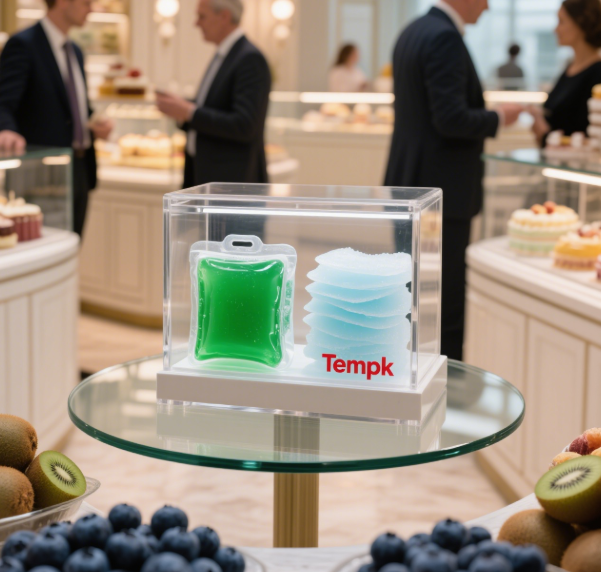
عبوة الجل الحراري الشركة المصنعة للمأكولات البحرية: إطار عملي من العينة إلى العرض
يمكن أن تتجمد العينة بشكل صلب, أشعر بالمتانة, ويظل الاختيار التجاري الخاطئ. تبدأ عملية الشراء عندما تتم ترجمة العينة إلى مواصفات خاضعة للرقابة لذلك الإنتاج, جودة, ويمكن تكرار العمليات. For a buyer searching for a thermal gel pack seafood manufacturer, the central decision is whether the coolant, كرتون, العزل, تحميل المنتج, ضوابط الصرف الصحي, and route work as one hygienic packout. يجمع قرار المصادر الذي يمكن الدفاع عنه بين حدود المنتج, الأدلة المادية, اختبار الحزمة, ضوابط الموردين, وخطة واقعية للاستخدام اليومي.
The final decision belongs to seafood processors, المصدرين, تجار الجملة, مشغلي مجموعة الوجبات, and cold-chain packaging engineers, often across applications such as fresh fish cartons, shellfish distribution, prepared seafood kits, and short-haul wholesale delivery. مراجعة متكاملة تربط المستخدم'حاجة, المنتج النهائي, مراقبة الموردين, أدلة الحزمة, والتنفيذ اليومي. فهو يبقي الافتراضات مرئية بحيث لا تتم الموافقة على نفس العنصر لاستخدام أوسع مما تدعمه الأدلة.
قم ببناء ملف القرار قبل اختيار الحزمة
The approval map for a thermal gel pack seafood manufacturer should contain five linked decisions: ما هو العنصر النهائي, حيث سيتم استخدامه, ما هي المخاطر المهمة, ما هي الأدلة التي تغلق تلك المخاطر, وكيف سيظل الإنتاج مساويا للعينة المعتمدة. يمنع هذا التسلسل الفريق من البدء بعنصر جذاب في الكتالوج واختراع استخدام له لاحقًا. كما أنه يمنح الموردين طريقة واضحة للكشف عن القيود دون التعرض للعقوبات بسبب رفض ضمان غير واقعي.
اكتب بيان الاستخدام المقصود باللغة التشغيلية. قم بتسمية الحمولة, الشرط المطلوب, حاوية, طريق, ترتيب الاتصال, طريقة التكييف, والقرار في الاستلام. ثم حدد أي من الاستخدامات الممكنة, including fresh fish cartons, shellfish distribution, prepared seafood kits, and short-haul wholesale delivery, الموجودة داخل الموافقة الأولى والتي تبقى خارجها. يعد التحكم في النطاق مهمًا بشكل خاص عندما يشير اسم تجاري واحد إلى توزيع الأغذية, الرعاية الصحية, العناية الشخصية, أو التعامل الصناعي.
اجعل حدود المنتج واضحة: A gel pack removes or buffers heat, but it does not replace product chilling, التعامل الصحي, حاوية معزولة, or a product-specific food-safety plan. يجب أن يظهر البيان في الموجز الفني والتدريب, ليس فقط في مذكرة قانونية. يحتاج المشغلون وفرق المبيعات إلى فهم مكون الجل, حاوية معزولة, حزمة مؤهلة, ويؤدي المسار الخاضع للمراقبة وظائف مختلفة. Have the responsible team in global seafood export and domestic distribution confirm the market-specific interpretation.
إسناد كل قرار إلى المالك. يحدد فريق المنتج الشروط المقبولة; تحدد العبوة افتراضات الملاءمة ونقل الحرارة; مراجعات الجودة والأدلة والتغييرات; العمليات تؤكد القدرة على التحضير; ضوابط الشراء على المواصفات التجارية; تلقي نتائج السجلات. عندما تكون الملكية غير واضحة, غالبًا ما يتم ملء الفجوات باللغة التسويقية للموردين بدلاً من قرار المشتري الموثق. Use the result when investigating uneven cooling caused by poor placement in this program.
ترجمة الحزمة النهائية إلى سمات يمكن التحكم فيها
The specification should describe thermal gel packs engineered for seafood packing and distribution as a finished article. تشمل الأبعاد غير المشروطة والمشروطة, ملء أو كتلة, مظهر, بناء الفيلم أو القشرة, التماس أو الإغلاق, مطبعة, ملصق, التعبئة الفردية, كرتون, تخزين, وطريقة التفتيش. تفاوتات الدولة وفئات العيوب. إذا كانت الخاصية مهمة فقط بعد التجميد, تورم, التدفئة, الثناء, أو التنظيف, تحديد التحضير قبل قياسه.
يجب أن تكون معلومات التركيبة كافية للمخاطر الفعلية ومراجعة التعرض. الاسم التجاري للمكثف أو البوليمر لا يصف نوعية المياه, إضافات, المواد الحافظة, تلوينات, بقايا, أو التوافق مع الحاوية. يمكن لـ SDS دعم الإبلاغ عن المخاطر, ومع ذلك، قد تكون هناك حاجة إلى أدلة منفصلة لملامسة الغذاء, ملامسة الجلد, المطالبات الطبية, تصرف, أو الأداء الحراري. اطرح السؤال الدقيق قبل طلب المستند. Apply this check to shellfish distribution and assign its owner before sample approval.
ويجب تمثيل ظروف الفشل المتوقعة. In this program they include puncture from fins, قذائف, or carton staples, meltwater and condensation around labels, uneven cooling caused by poor placement, and cross-contamination after pack damage. يجب أن يوضح التقييم كيفية منع الفشل, مُكتَشَف, الواردة, التحقيق, وربطها مرة أخرى إلى الكثير. This turns broad requirements such as 'تسرب' أو 'آمن' into testable controls and response rules. Tie the evidence to the approved item code and supplier lot for thermal gel packs engineered for seafood packing and distribution.
لسجل الإصدار, حدد حدود التعرض بنفس الكلمات المستخدمة في العمليات. Direct contact with edible seafood should never be assumed. Define whether the product is bagged, tray-sealed, wrapped, or exposed, then obtain evidence for the exact contact condition. وينبغي أن يشمل الاستنتاج المعتمد التسرب المتوقع, تنظيف, والتعامل مع المستخدم وكذلك الفصل الطبيعي. Have the responsible team in global seafood export and domestic distribution confirm the market-specific interpretation.
| بوابة الموافقة | أدلة القرار | شرط الافراج |
|---|---|---|
| استخدام التعريف | حمولة, طريق, العزل, اتصال, وبيان القبول | جميع الافتراضات الهامة مملوكة ومسجلة |
| عينة تمثيلية | المواد النهائية, صيغة, عملية, عمل فني, والتعبئة | يتم إغلاق الاختلافات عن الإنتاج أو تقييمها رسميًا |
| الأدلة الوظيفية | الاحتواء, تكييف, التعامل, والبيانات الحرارية ذات الصلة بالاستخدام | طُرق, عينات, والقيود مرئية |
| مراقبة الموردين | أدوار الموقع, سجلات الكثير, خطة التفتيش, وعملية التغيير | تصل المساءلة إلى عملية الإنتاج الفعلية |
| الاستعداد التشغيلي | تعليمات العمل, تمرين, تلقي, وانحراف سير العمل | يمكن للمشتري إعادة إنتاج ومراقبة الحالة المعتمدة |
تقوم هذه البوابات بإنشاء تسلسل بدلاً من كومة المستندات. لا ينبغي أن يتقدم البرنامج لأن إحدى الشهادات تبدو قوية بينما العينة, طريق, أو تظل تعليمات التشغيل مؤقتة. يصبح الدفاع عن قرار الإصدار أسهل عندما تشير كل بوابة إلى نفس رمز المنتج وتكوينه. Include the decision in the operator instruction for prepared seafood kits.
المؤهل يربط شروط الاختبار بالطريق
يكون بيان الأداء مفيدًا فقط عندما تكون شروطه معروفة. سجل الحاوية المعزولة, حمولة, كمية المبرد وموقعه, درجات حرارة البداية, عملية التكييف, ملف تعريف المحيط, مدة, موقع الاستشعار, معيار النجاح, وأي فتحات أبواب أو التعامل مع الأحداث. يجب أن يحدد التقرير الحزمة التي تم اختبارها بدقة. بدون تلك الحقول, لا يمكن مقارنة قيمة الساعة بشكل عادل أو نقلها بأمان إلى مسار آخر. Apply this check to short-haul wholesale delivery and assign its owner before sample approval.
العمل المخبري ومراقبة الممرات يجيبان على أسئلة مختلفة. تساعد ملفات التعريف التي يتم التحكم فيها على مقارنة التصميمات وإنشاء تكوين مؤهل. تظهر بيانات الطريق كيف شركات النقل, عمليات التسليم, التدريج, طقس, ويتفاعل تباين التشغيل مع هذا التصميم. استخدم الانحرافات لتحسين نموذج المخاطر, لا نفترض أن المزيد من المبرد هو الحل دائمًا. يمكن أن يستهلك سائل التبريد الإضافي الحمولة, إضافة الشحن, وإنشاء أسطح أكثر برودة. Tie the evidence to the approved item code and supplier lot for thermal gel packs engineered for seafood packing and distribution.
ويجب اختبار خطة التشغيل في الموقع الذي سيستخدمها. Pre-chill product and packaging as defined by the food-safety plan, keep coolant preparation separate from raw-product handling, and inspect every damaged pack as a potential contamination event. يجب أن يؤكد التحول التمثيلي القدرة على الإعداد, الانضباط التدريج, تقتيش, والتصعيد قبل الالتزام بالحجم. Have the responsible team in global seafood export and domestic distribution confirm the market-specific interpretation.
تحديد محفزات إعادة التأهيل عند الموافقة. حمولة جديدة, الناقل, موسم, العزل, حجم العبوة, صياغة, موقع الإنتاج, أو طريقة التكييف يمكن أن تبطل الافتراض حتى عندما لا يتغير وصف الشراء. يجب مراجعة بيانات الاتجاه من الاستلام والشكاوى من أجل التحولات الأصغر التي قد تبرر الاختبار المستهدف قبل حدوث فشل واضح. Use the result when investigating uneven cooling caused by poor placement in this program.
حدد المورد وراء عرض الأسعار
For a thermal gel pack seafood manufacturer, تحديد ما إذا كان كل مقدم عرض هو البائع القانوني, مصنع, محول, حشو, موزع, المستورد, أو مالك العلامة الخاصة. خريطة من يشتري المواد الهامة, يوافق على تغييرات الصيغة, يحدد معلمات الختم, يطلق الكثير, يخزن السجلات, ويتعامل مع الشكاوى. يمكن للموزع أن يكون شريكًا فعالاً عندما يكون لديه سيطرة موثقة على المصنع; من الممكن أن يظل المصنع ضعيفًا إذا كانت المسؤوليات مجزأة.
استخدام العينات المرحلية. تستكشف العينات المبكرة الأبعاد والتعامل. تؤكد العينات الهندسية البناء المقصود. عينات تمثيلية للإنتاج تتحقق من الخط المقترح, الأدوات, مواد, صيغة, عمل فني, والتعبئة. قم بتسمية كل عينة مع حالتها ونصيبها. ويجب ألا تعتمد الموافقة النهائية على وحدة معدة بطريقة مخبرية خاصة لا يمكن إعادة إنتاجها للخط العادي. Apply this check to shellfish distribution and assign its owner before sample approval.
يجب أن تحافظ المصطلحات التجارية على الرقابة الفنية. اربط الطلب بمراجعة المواصفات والأعمال الفنية, تعريف التعبئة والتغليف والتفتيش, وثيقة الدولة وتسجيل التوقعات, وتتطلب إشعارًا بالتغييرات الحاسمة. مناقشة نمط الطلب, قمم, التعرض للمواد الخام, قيود القدرات, الطوارئ, توقيت الشكوى, والتصرف في المخزون غير المطابقة. سعر الوحدة المنخفض لا يكتمل إذا انتقل الفحص, إعادة التعبئة, أو تكلفة الفشل على المشتري. Tie the evidence to the approved item code and supplier lot for thermal gel packs engineered for seafood packing and distribution.
Regional planning for global seafood export and domestic distribution adds importer roles, لغة, المطالبات, تعليمات التخلص, والتوزيع المحلي. Food-safety duties vary by product and market. في الولايات المتحدة, sanitary transportation rules address suitable, cleanable equipment and temperature control where necessary; seafood businesses should also align the packout with their hazard analysis and receiving criteria. تأكد من أن هوية النموذج تظل متسقة عبر التقارير, وثائق الحزب الديمقراطي الصربي, فواتير, تسميات, والكرتون, مع إسناد ترافقي متحكم فيه حيث تختلف رموز العلامات التجارية والمصنع.
اختبار عملي للإطار
استخدم هذا السيناريو للطعن في منطق الموافقة. A seafood exporter sees acceptable temperatures at dispatch but warm corners at receiving. Adding more gel blindly may reduce payload and create freezing risk. A better investigation maps pack position, التكييف المسبق, رياح الورق المقوى, handover time, and logger location before changing coolant mass. إنها حالة شراء افتراضية, ليست نتيجة العميل المطالب بها, والغرض منه هو كشف المتغيرات التي تحتاج إلى مالك. Include the decision in the operator instruction for prepared seafood kits.
يجب على الفريق تجميد الافتراضات الحالية قبل تعديل التصميم. التقاط هندسة الحمولة وحالة البداية, العزل, تحضير سائل التبريد, الموضع, التعرض المحيطي, عمليات التسليم, خطة الاستشعار, وقاعدة القبول. ثم اختر أصغر تغيير يعالج المخاطر الملحوظة. تغيير كتلة المبرد, العزل, الموضع, ووقت التحميل معًا قد ينتج عنه تمريرة ولكنه لا يعلم سوى القليل عن التحكم المهم. Record the conclusion in the controlled release record for the thermal gel pack seafood manufacturer.
يتلقى مقدم العرض نفس نمط الحقيقة ويعيد التكوين المقترح مع قيود صريحة. المشتري يقارن ليس فقط السعر, ولكن أيضًا مدى وضوح ربط الاقتراح للحزمة بالمسار, مدى تمثيل العينة, البيانات المتوفرة, وكيف سيتم التحكم في التغييرات. Once the configuration passes the buyer's review, يتم إصدار تعليمات العمل ومعايير الاستلام بنفس المراجعة. Apply this check to short-haul wholesale delivery and assign its owner before sample approval.
تقليل النفايات عن طريق تحسين النظام
على نطاق واسع, يجب أن تظل المسألة البيئية مرتبطة بالعمليات. A reusable pack can be sensible on closed seafood routes, but odor control, wash verification, معدل الخسارة, and return transport can outweigh the material savings. توثيق الافتراضات وراء المقارنة بحيث يحدث تغيير في المسار, معدل العودة, تنظيف, أو أن التصرف لا يترك مطالبة قديمة مرتبطة بنظام مختلف. Have the responsible team in global seafood export and domestic distribution confirm the market-specific interpretation.
تقييم المواد, طاقة التجميد, وزن الطرود, العزل, فقدان المنتج, تنظيف, استعادة, النقل العكسي, والتخلص منها ضمن حدود واحدة. تعد إعادة الاستخدام أمرًا جذابًا على طريق مغلق ومستقر مع عائد مرتفع وفحص خاضع للرقابة. قد يكون غير فعال في شبكة مفتوحة. بصورة مماثلة, تكون المطالبة بالتخلص مفيدة فقط عندما يتلقى المستخدمون تعليمات دقيقة ويمكن للبنية التحتية المحلية تنفيذ النتيجة المعلنة. Use the result when investigating uneven cooling caused by poor placement in this program.
قد يكون أفضل مشروع تخفيض هو حزمة موسمية أصغر, التبريد المسبق أفضل, انطلاق أقصر, تحسين التحكم في الفراغ, أو تجزئة الطريق. يمكن أن تؤدي هذه التغييرات إلى خفض سائل التبريد والشحن مع زيادة الموثوقية. يجب أن يصف التسويق البيئي التحسن الذي تم إثباته بشكل ضيق وأن يتجنب الإشارة ضمنًا إلى أن خاصية مادية واحدة تجعل الشحنة بأكملها مستدامة. Include the decision in the operator instruction for fresh fish cartons.
الأسئلة النهائية قبل الإصدار
يمكن أن تغطي مواصفات عبوة هلامية واحدة العديد من المنتجات?
ربما, ولكن فقط بعد إنشاء مساحة التصميم المشتركة. قد تختلف المنتجات في الحساسية, هندسة, حالة البداية, مسار الاتصال, ومعايير القبول. For uses such as fresh fish cartons, shellfish distribution, prepared seafood kits, and short-haul wholesale delivery, الوثيقة التي تم تقييم المجموعات والتي تتطلب حزمة منفصلة. يجب ألا يخفي رمز الشراء الشائع التعليمات الخاصة بالتطبيق.
ما الذي يجب أن يؤدي إلى إعادة التقييم بعد الإطلاق?
إعادة التقييم عند وجود مادة حرجة, صيغة, موقع التصنيع, أداة, عملية الختم, حجم العبوة, العزل, حمولة, طريق, طريقة التكييف, الناقل, أو تغييرات معايير القبول. يمكن أيضًا أن تؤدي اتجاهات الشكوى والانجراف الموسمي غير المبرر إلى إجراء المراجعة. يجب أن تنص اتفاقية الجودة على من يقوم بإخطار من وما هي الأدلة المطلوبة قبل إصدار التكوين المنقح. Use the result when investigating puncture from fins, قذائف, or carton staples in this program.
How do I create a shortlist for a thermal gel pack seafood manufacturer?
أعط كل مقدم عرض نفس الموجز الخاضع للرقابة: الاستخدام المقصود, حمولة, الشرط المطلوب, العزل, طريق, تكييف, مسار الاتصال, نمط الطلب, والسوق المستهدف. سجل الردود على شفافية التصنيع, شهادة, تمثيل العينة, السيطرة على التغيير, ومناسبة التشغيل. لا تقم بتصنيف مطالبة غير مدعومة بالساعة أعلى من الاقتراح الذي ينص بوضوح على حدود الاختبار الخاصة به. Record the conclusion in the controlled release record for the thermal gel pack seafood manufacturer.
ما هي العينة التي يجب أن يوافق عليها فريق الجودة؟?
اعتماد عينة تمثيلية للإنتاج مربوطة بالمواصفات النهائية, مواد, صيغة, الأدوات, مطبعة, ملصق, والكرتون. يمكن للنموذج الأولي المملوء يدويًا أن يدعم أعمال التصميم المبكرة ولكن لا ينبغي أن يطلق إنتاجًا ضخمًا. احتفظ بالعينة الموقعة كمرجع مرئي أثناء استخدام حدود الفحص الموضوعي للأبعاد, يملأ, ختم, مظهر, والفحوصات الوظيفية. Tie the evidence to the approved item code and supplier lot for thermal gel packs engineered for seafood packing and distribution.
الافراج عن النظام, ثم مشاهدته
A strong thermal gel pack seafood manufacturer decision ends with one controlled product, استخدام واحد محدد, أدلة مع قيود واضحة, عملية تغيير المورد, وتعليمات العمل التي يمكن للمشتري إعادة إنتاجها. ويبدأ أيضًا في تشغيل حلقة ردود الفعل. مراجعة عيوب الكمية, استثناءات التكييف, بيانات الطريق, الشكاوى, وتغييره بحيث لا ينحرف التصميم المعتمد عن الشروط التي بررته.
حول Tempk
Tempk supplies flexible gel ice packs, الطوب الجليدي الصلب, عبوات حقن الماء, and insulated cold-chain packaging components. For thermal gel packs engineered for seafood packing and distribution, يمكننا مراجعة التنسيق المطلوب, أبعاد, التخصيص, التعبئة, ومدخلات العرض التجاري مع فريقك. The final choice should be evaluated in the buyer's complete packout and market context, لذا فإن الاستفسار الأكثر فائدة يشمل الحمولة, الشرط المطلوب, طريق, العزل, مسار الاتصال, ونمط الطلب المتوقع.
Send Tempk the controlled brief for your thermal gel pack seafood manufacturer project when you are ready to compare a production-representative sample with your route and approval requirements.
موزع كندا لحزمة الجل الحراري: دليل العينة إلى العرض

موزع كندا لحزمة الجل الحراري: إطار عملي من العينة إلى العرض
نادرًا ما يكون الخطأ الأكثر تكلفة في عملية الشراء هذه هو اختيار حزمة تبدو بسيطة للغاية. تتم الموافقة على المبرد قبل أن يحدد الفريق الحد الأقصى للمنتج, طريق, مسار الاتصال, والأدلة اللازمة عند الاستلام. لمشتري يبحث عن موزع كندا لحزمة الجل الحراري, القرار المركزي هو ما إذا كان الموزع يمكنه دعم الوثائق الكندية, احتياجات القناة ثنائية اللغة, التجديد الإقليمي, والمشتري'عملية التحكم في درجة الحرارة الفعلية. يجمع قرار المصادر الذي يمكن الدفاع عنه بين حدود المنتج, الأدلة المادية, اختبار الحزمة, ضوابط الموردين, وخطة واقعية للاستخدام اليومي.
القرار النهائي يعود للمستوردين الكنديين, الموزعين الإقليميين, الأعمال الغذائية, موردي الرعاية الصحية, وفرق المشتريات, في كثير من الأحيان عبر تطبيقات مثل توصيل الأغذية المبردة, حزم الدعم السريري, شحنات المجتمع البعيد, وحقائب معزولة قابلة لإعادة الاستخدام. مراجعة متكاملة تربط المستخدم'حاجة, المنتج النهائي, مراقبة الموردين, أدلة الحزمة, والتنفيذ اليومي. فهو يبقي الافتراضات مرئية بحيث لا تتم الموافقة على نفس العنصر لاستخدام أوسع مما تدعمه الأدلة.
ابدأ بخريطة الموافقة
يجب أن تحتوي خريطة الموافقة الخاصة بموزع عبوات الجل الحراري في كندا على خمسة قرارات مرتبطة: ما هو العنصر النهائي, حيث سيتم استخدامه, ما هي المخاطر المهمة, ما هي الأدلة التي تغلق تلك المخاطر, وكيف سيظل الإنتاج مساويا للعينة المعتمدة. يمنع هذا التسلسل الفريق من البدء بعنصر جذاب في الكتالوج واختراع استخدام له لاحقًا. كما أنه يمنح الموردين طريقة واضحة للكشف عن القيود دون التعرض للعقوبات بسبب رفض ضمان غير واقعي.
اكتب بيان الاستخدام المقصود باللغة التشغيلية. قم بتسمية الحمولة, الشرط المطلوب, حاوية, طريق, ترتيب الاتصال, طريقة التكييف, والقرار في الاستلام. ثم حدد أي من الاستخدامات الممكنة, بما في ذلك تسليم الأغذية المبردة, حزم الدعم السريري, شحنات المجتمع البعيد, وحقائب معزولة قابلة لإعادة الاستخدام, الموجودة داخل الموافقة الأولى والتي تبقى خارجها. يعد التحكم في النطاق مهمًا بشكل خاص عندما يشير اسم تجاري واحد إلى توزيع الأغذية, الرعاية الصحية, العناية الشخصية, أو التعامل الصناعي.
اجعل حدود المنتج واضحة: يوفر الموزع الكندي توفر سائل التبريد; فهو لا يؤهل في حد ذاته الشاحن الكامل. حدود المنتج, العزل, حمولة, التعرض للطريق, ولا تزال هناك حاجة إلى تحديد عملية الرصد. يجب أن يظهر البيان في الموجز الفني والتدريب, ليس فقط في مذكرة قانونية. يحتاج المشغلون وفرق المبيعات إلى فهم مكون الجل, حاوية معزولة, حزمة مؤهلة, ويؤدي المسار الخاضع للمراقبة وظائف مختلفة. اطلب من الفريق المسؤول في كندا تأكيد التفسير الخاص بالسوق.
إسناد كل قرار إلى المالك. يحدد فريق المنتج الشروط المقبولة; تحدد العبوة افتراضات الملاءمة ونقل الحرارة; مراجعات الجودة والأدلة والتغييرات; العمليات تؤكد القدرة على التحضير; ضوابط الشراء على المواصفات التجارية; تلقي نتائج السجلات. عندما تكون الملكية غير واضحة, غالبًا ما يتم ملء الفجوات باللغة التسويقية للموردين بدلاً من قرار المشتري الموثق. استخدم النتيجة عند التحقق من أضرار التكثيف في شبكات الطرود في هذا البرنامج.
الموافقة على المنتج, ليست مادة عامة
The specification should describe thermal gel packs distributed for Canadian food, الرعاية الصحية, وبرامج سلسلة التبريد التجارية كمقال نهائي. تشمل الأبعاد غير المشروطة والمشروطة, ملء أو كتلة, مظهر, بناء الفيلم أو القشرة, التماس أو الإغلاق, مطبعة, ملصق, التعبئة الفردية, كرتون, تخزين, وطريقة التفتيش. تفاوتات الدولة وفئات العيوب. إذا كانت الخاصية مهمة فقط بعد التجميد, تورم, التدفئة, الثناء, أو التنظيف, تحديد التحضير قبل قياسه.
يجب أن تكون معلومات التركيبة كافية للمخاطر الفعلية ومراجعة التعرض. الاسم التجاري للمكثف أو البوليمر لا يصف نوعية المياه, إضافات, المواد الحافظة, تلوينات, بقايا, أو التوافق مع الحاوية. يمكن لـ SDS دعم الإبلاغ عن المخاطر, ومع ذلك، قد تكون هناك حاجة إلى أدلة منفصلة لملامسة الغذاء, ملامسة الجلد, المطالبات الطبية, تصرف, أو الأداء الحراري. اطرح السؤال الدقيق قبل طلب المستند. قم بتطبيق هذا الفحص على حزم الدعم السريري وقم بتعيين مالكها قبل الموافقة على العينة.
ويجب تمثيل ظروف الفشل المتوقعة. في هذا البرنامج يشملون عدم تناسق المخزون بين المناطق, المطالبات المنسوخة من سوق آخر, أضرار التكثيف في شبكات الطرود, وإمكانية تتبع الكمية المفقودة. يجب أن يوضح التقييم كيفية منع الفشل, مُكتَشَف, الواردة, التحقيق, وربطها مرة أخرى إلى الكثير. This turns broad requirements such as 'تسرب' أو 'آمن' into testable controls and response rules. اربط الدليل برمز المنتج المعتمد ومجموعة الموردين الخاصة بعبوات الهلام الحراري الموزعة للأغذية الكندية, الرعاية الصحية, وبرامج سلسلة التبريد التجارية.
لسجل الإصدار, حدد حدود التعرض بنفس الكلمات المستخدمة في العمليات. تأكد من حالة الاتصال المباشر وأي التزامات كندية خاصة بتغليف المواد الغذائية تنطبق على العبوة النهائية. لا تتعامل مع رمز استخدام الطعام كدليل كافٍ. وينبغي أن يشمل الاستنتاج المعتمد التسرب المتوقع, تنظيف, والتعامل مع المستخدم وكذلك الفصل الطبيعي. اطلب من الفريق المسؤول في كندا تأكيد التفسير الخاص بالسوق.
| بوابة الموافقة | أدلة القرار | شرط الافراج |
|---|---|---|
| استخدام التعريف | حمولة, طريق, العزل, اتصال, وبيان القبول | جميع الافتراضات الهامة مملوكة ومسجلة |
| عينة تمثيلية | المواد النهائية, صيغة, عملية, عمل فني, والتعبئة | يتم إغلاق الاختلافات عن الإنتاج أو تقييمها رسميًا |
| الأدلة الوظيفية | الاحتواء, تكييف, التعامل, والبيانات الحرارية ذات الصلة بالاستخدام | طُرق, عينات, والقيود مرئية |
| مراقبة الموردين | أدوار الموقع, سجلات الكثير, خطة التفتيش, وعملية التغيير | تصل المساءلة إلى عملية الإنتاج الفعلية |
| الاستعداد التشغيلي | تعليمات العمل, تمرين, تلقي, وانحراف سير العمل | يمكن للمشتري إعادة إنتاج ومراقبة الحالة المعتمدة |
تقوم هذه البوابات بإنشاء تسلسل بدلاً من كومة المستندات. لا ينبغي أن يتقدم البرنامج لأن إحدى الشهادات تبدو قوية بينما العينة, طريق, أو تظل تعليمات التشغيل مؤقتة. يصبح الدفاع عن قرار الإصدار أسهل عندما تشير كل بوابة إلى نفس رمز المنتج وتكوينه. قم بتضمين القرار في تعليمات المشغل لشحنات المجتمع البعيد.
جعل مطالبات الأداء قابلة للتتبع
يكون بيان الأداء مفيدًا فقط عندما تكون شروطه معروفة. سجل الحاوية المعزولة, حمولة, كمية المبرد وموقعه, درجات حرارة البداية, عملية التكييف, ملف تعريف المحيط, مدة, موقع الاستشعار, معيار النجاح, وأي فتحات أبواب أو التعامل مع الأحداث. يجب أن يحدد التقرير الحزمة التي تم اختبارها بدقة. بدون تلك الحقول, لا يمكن مقارنة قيمة الساعة بشكل عادل أو نقلها بأمان إلى مسار آخر. قم بتطبيق هذا الفحص على الحقائب المعزولة القابلة لإعادة الاستخدام وتعيين مالكها قبل الموافقة على العينة.
العمل المخبري ومراقبة الممرات يجيبان على أسئلة مختلفة. تساعد ملفات التعريف التي يتم التحكم فيها على مقارنة التصميمات وإنشاء تكوين مؤهل. تظهر بيانات الطريق كيف شركات النقل, عمليات التسليم, التدريج, طقس, ويتفاعل تباين التشغيل مع هذا التصميم. استخدم الانحرافات لتحسين نموذج المخاطر, لا نفترض أن المزيد من المبرد هو الحل دائمًا. يمكن أن يستهلك سائل التبريد الإضافي الحمولة, إضافة الشحن, وإنشاء أسطح أكثر برودة. اربط الدليل برمز المنتج المعتمد ومجموعة الموردين الخاصة بعبوات الهلام الحراري الموزعة للأغذية الكندية, الرعاية الصحية, وبرامج سلسلة التبريد التجارية.
ويجب اختبار خطة التشغيل في الموقع الذي سيستخدمها. يمكن للممرات الكندية الجمع بين المسافات الطويلة, عمليات التسليم عن بعد, والتغيرات الموسمية القوية. يجب أن يكون المؤهل نموذجًا للمسار بدلاً من الاعتماد على المعدل الوطني العام. يجب أن يؤكد التحول التمثيلي القدرة على الإعداد, الانضباط التدريج, تقتيش, والتصعيد قبل الالتزام بالحجم. اطلب من الفريق المسؤول في كندا تأكيد التفسير الخاص بالسوق.
تحديد محفزات إعادة التأهيل عند الموافقة. حمولة جديدة, الناقل, موسم, العزل, حجم العبوة, صياغة, موقع الإنتاج, أو طريقة التكييف يمكن أن تبطل الافتراض حتى عندما لا يتغير وصف الشراء. يجب مراجعة بيانات الاتجاه من الاستلام والشكاوى من أجل التحولات الأصغر التي قد تبرر الاختبار المستهدف قبل حدوث فشل واضح. استخدم النتيجة عند التحقق من أضرار التكثيف في شبكات الطرود في هذا البرنامج.
المساءلة مطلب تجاري
لموزع كندا لحزمة الجل الحراري, تحديد ما إذا كان كل مقدم عرض هو البائع القانوني, مصنع, محول, حشو, موزع, المستورد, أو مالك العلامة الخاصة. خريطة من يشتري المواد الهامة, يوافق على تغييرات الصيغة, يحدد معلمات الختم, يطلق الكثير, يخزن السجلات, ويتعامل مع الشكاوى. يمكن للموزع أن يكون شريكًا فعالاً عندما يكون لديه سيطرة موثقة على المصنع; من الممكن أن يظل المصنع ضعيفًا إذا كانت المسؤوليات مجزأة.
استخدام العينات المرحلية. تستكشف العينات المبكرة الأبعاد والتعامل. تؤكد العينات الهندسية البناء المقصود. عينات تمثيلية للإنتاج تتحقق من الخط المقترح, الأدوات, مواد, صيغة, عمل فني, والتعبئة. قم بتسمية كل عينة مع حالتها ونصيبها. ويجب ألا تعتمد الموافقة النهائية على وحدة معدة بطريقة مخبرية خاصة لا يمكن إعادة إنتاجها للخط العادي. قم بتطبيق هذا الفحص على حزم الدعم السريري وقم بتعيين مالكها قبل الموافقة على العينة.
يجب أن تحافظ المصطلحات التجارية على الرقابة الفنية. اربط الطلب بمراجعة المواصفات والأعمال الفنية, تعريف التعبئة والتغليف والتفتيش, وثيقة الدولة وتسجيل التوقعات, وتتطلب إشعارًا بالتغييرات الحاسمة. مناقشة نمط الطلب, قمم, التعرض للمواد الخام, قيود القدرات, الطوارئ, توقيت الشكوى, والتصرف في المخزون غير المطابقة. سعر الوحدة المنخفض لا يكتمل إذا انتقل الفحص, إعادة التعبئة, أو تكلفة الفشل على المشتري. اربط الدليل برمز المنتج المعتمد ومجموعة الموردين الخاصة بعبوات الهلام الحراري الموزعة للأغذية الكندية, الرعاية الصحية, وبرامج سلسلة التبريد التجارية.
يضيف التخطيط الإقليمي لكندا أدوار المستورد, لغة, المطالبات, تعليمات التخلص, والتوزيع المحلي. ينطبق إطار الغذاء الآمن للكنديين على العديد من المنتجات المستوردة, تصديرها, والأغذية المتداولة بين المقاطعات. تحدد CFIA الأطعمة المبردة في سياق SFCR على أنها محفوظة في 4 درجة مئوية أو أقل دون تجميدها, لكن المتطلبات الصحيحة لا تزال تعتمد على الطعام والعملية المحددة. تأكد من أن هوية النموذج تظل متسقة عبر التقارير, وثائق الحزب الديمقراطي الصربي, فواتير, تسميات, والكرتون, مع إسناد ترافقي متحكم فيه حيث تختلف رموز العلامات التجارية والمصنع.
استخدم سيناريو واحدًا لكشف الافتراضات الخفية
استخدم هذا السيناريو للطعن في منطق الموافقة. يخدم الموزع تورونتو من المخزون المحلي ولكنه يشحن الحسابات الشمالية من خلال شبكة متعددة الأيام. قد تناسب نفس عبوة الجل كلا الشركتين فقط في حالة العزل, حمولة, تكييف, ويتم تعديل وقت الطوارئ والتحقق منه لكل حارة. إنها حالة شراء افتراضية, ليست نتيجة العميل المطالب بها, والغرض منه هو كشف المتغيرات التي تحتاج إلى مالك. قم بتضمين القرار في تعليمات المشغل لشحنات المجتمع البعيد.
يجب على الفريق تجميد الافتراضات الحالية قبل تعديل التصميم. التقاط هندسة الحمولة وحالة البداية, العزل, تحضير سائل التبريد, الموضع, التعرض المحيطي, عمليات التسليم, خطة الاستشعار, وقاعدة القبول. ثم اختر أصغر تغيير يعالج المخاطر الملحوظة. تغيير كتلة المبرد, العزل, الموضع, ووقت التحميل معًا قد ينتج عنه تمريرة ولكنه لا يعلم سوى القليل عن التحكم المهم. قم بتسجيل الاستنتاج في سجل الإصدار الخاضع للرقابة الخاص بموزع عبوات الجل الحراري في كندا.
يتلقى مقدم العرض نفس نمط الحقيقة ويعيد التكوين المقترح مع قيود صريحة. المشتري يقارن ليس فقط السعر, ولكن أيضًا مدى وضوح ربط الاقتراح للحزمة بالمسار, مدى تمثيل العينة, البيانات المتوفرة, وكيف سيتم التحكم في التغييرات. Once the configuration passes the buyer's review, يتم إصدار تعليمات العمل ومعايير الاستلام بنفس المراجعة. قم بتطبيق هذا الفحص على الحقائب المعزولة القابلة لإعادة الاستخدام وتعيين مالكها قبل الموافقة على العينة.
يجب أن تظل القيمة البيئية قائمة على العمليات
على نطاق واسع, يجب أن تظل المسألة البيئية مرتبطة بالعمليات. التخزين الإقليمي يمكن أن يقلل من الشحن في حالات الطوارئ, في حين أن الحزمة القابلة للإرجاع قد تساعد الشبكات المغلقة. ويجب موازنة كلا المنفعتين مع ازدواجية المخزون, ضوابط الغسيل, والخسارة. توثيق الافتراضات وراء المقارنة بحيث يحدث تغيير في المسار, معدل العودة, تنظيف, أو أن التصرف لا يترك مطالبة قديمة مرتبطة بنظام مختلف. اطلب من الفريق المسؤول في كندا تأكيد التفسير الخاص بالسوق.
تقييم المواد, طاقة التجميد, وزن الطرود, العزل, فقدان المنتج, تنظيف, استعادة, النقل العكسي, والتخلص منها ضمن حدود واحدة. تعد إعادة الاستخدام أمرًا جذابًا على طريق مغلق ومستقر مع عائد مرتفع وفحص خاضع للرقابة. قد يكون غير فعال في شبكة مفتوحة. بصورة مماثلة, تكون المطالبة بالتخلص مفيدة فقط عندما يتلقى المستخدمون تعليمات دقيقة ويمكن للبنية التحتية المحلية تنفيذ النتيجة المعلنة. استخدم النتيجة عند التحقق من أضرار التكثيف في شبكات الطرود في هذا البرنامج.
قد يكون أفضل مشروع تخفيض هو حزمة موسمية أصغر, التبريد المسبق أفضل, انطلاق أقصر, تحسين التحكم في الفراغ, أو تجزئة الطريق. يمكن أن تؤدي هذه التغييرات إلى خفض سائل التبريد والشحن مع زيادة الموثوقية. يجب أن يصف التسويق البيئي التحسن الذي تم إثباته بشكل ضيق وأن يتجنب الإشارة ضمنًا إلى أن خاصية مادية واحدة تجعل الشحنة بأكملها مستدامة. قم بتضمين القرار في تعليمات المشغل الخاصة بتوصيل الأغذية المبردة.
الأسئلة النهائية قبل الإصدار
متى يكون الاختبار الحراري ضروريا؟?
يعد الاختبار ضروريًا عندما يعتمد المشتري على العبوة للحفاظ على حالة المنتج من خلال مسار محدد. يجب أن تحدد الدراسة شروط البداية, ملف تعريف المحيط, حمولة, العزل, تكوين المبرد, مواقع الاستشعار, وقاعدة القبول. مخاطرة, حساسية المنتج, تقلب المسار, وتحدد التوقعات التنظيمية ما إذا كانت هناك حاجة إلى مؤهلات إضافية ومراقبة مستمرة. اربط الدليل برمز المنتج المعتمد ومجموعة الموردين الخاصة بعبوات الهلام الحراري الموزعة للأغذية الكندية, الرعاية الصحية, وبرامج سلسلة التبريد التجارية.
يمكن أن تغطي مواصفات عبوة هلامية واحدة العديد من المنتجات?
ربما, ولكن فقط بعد إنشاء مساحة التصميم المشتركة. قد تختلف المنتجات في الحساسية, هندسة, حالة البداية, مسار الاتصال, ومعايير القبول. لاستخدامات مثل تسليم الأغذية المبردة, حزم الدعم السريري, شحنات المجتمع البعيد, وحقائب معزولة قابلة لإعادة الاستخدام, الوثيقة التي تم تقييم المجموعات والتي تتطلب حزمة منفصلة. يجب ألا يخفي رمز الشراء الشائع التعليمات الخاصة بالتطبيق.
ما الذي يجب أن يؤدي إلى إعادة التقييم بعد الإطلاق?
إعادة التقييم عند وجود مادة حرجة, صيغة, موقع التصنيع, أداة, عملية الختم, حجم العبوة, العزل, حمولة, طريق, طريقة التكييف, الناقل, أو تغييرات معايير القبول. يمكن أيضًا أن تؤدي اتجاهات الشكوى والانجراف الموسمي غير المبرر إلى إجراء المراجعة. يجب أن تنص اتفاقية الجودة على من يقوم بإخطار من وما هي الأدلة المطلوبة قبل إصدار التكوين المنقح. قم بتسجيل الاستنتاج في سجل الإصدار الخاضع للرقابة الخاص بموزع عبوات الجل الحراري في كندا.
كيف أقوم بإنشاء قائمة مختصرة لموزع عبوات الجل الحراري في كندا?
أعط كل مقدم عرض نفس الموجز الخاضع للرقابة: الاستخدام المقصود, حمولة, الشرط المطلوب, العزل, طريق, تكييف, مسار الاتصال, نمط الطلب, والسوق المستهدف. سجل الردود على شفافية التصنيع, شهادة, تمثيل العينة, السيطرة على التغيير, ومناسبة التشغيل. لا تقم بتصنيف مطالبة غير مدعومة بالساعة أعلى من الاقتراح الذي ينص بوضوح على حدود الاختبار الخاصة به. اربط الدليل برمز المنتج المعتمد ومجموعة الموردين الخاصة بعبوات الهلام الحراري الموزعة للأغذية الكندية, الرعاية الصحية, وبرامج سلسلة التبريد التجارية.
الموافقة النهائية هي نقطة بداية مُدارة
ينتهي قرار الموزع الكندي لحزمة الجل الحراري القوي بمنتج واحد خاضع للرقابة, استخدام واحد محدد, أدلة مع قيود واضحة, عملية تغيير المورد, وتعليمات العمل التي يمكن للمشتري إعادة إنتاجها. ويبدأ أيضًا في تشغيل حلقة ردود الفعل. مراجعة عيوب الكمية, استثناءات التكييف, بيانات الطريق, الشكاوى, وتغييره بحيث لا ينحرف التصميم المعتمد عن الشروط التي بررته.
حول Tempk
Tempk supplies flexible gel ice packs, الطوب الجليدي الصلب, عبوات حقن الماء, and insulated cold-chain packaging components. لعبوات الجل الحراري الموزعة للأغذية الكندية, الرعاية الصحية, وبرامج سلسلة التبريد التجارية, يمكننا مراجعة التنسيق المطلوب, أبعاد, التخصيص, التعبئة, ومدخلات العرض التجاري مع فريقك. The final choice should be evaluated in the buyer's complete packout and market context, لذا فإن الاستفسار الأكثر فائدة يشمل الحمولة, الشرط المطلوب, طريق, العزل, مسار الاتصال, ونمط الطلب المتوقع.
أرسل إلى Tempk الملخص الخاضع للرقابة لمشروع توزيع عبوات الجل الحراري في كندا عندما تكون مستعدًا لمقارنة عينة تمثيلية للإنتاج مع مسارك ومتطلبات الموافقة.
مورد الرعاية الصحية لحزمة جل البوليمر فائقة الامتصاص: دليل العينة إلى العرض
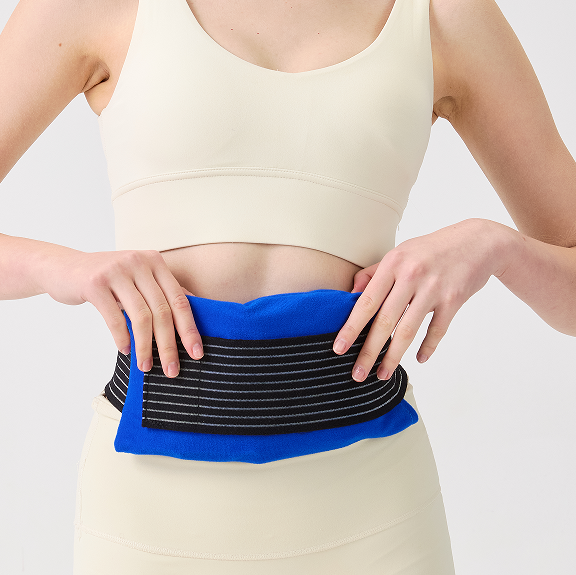
مورد الرعاية الصحية لحزمة جل البوليمر فائقة الامتصاص: إطار عملي من العينة إلى العرض
نادرًا ما يكون الخطأ الأكثر تكلفة في عملية الشراء هذه هو اختيار حزمة تبدو بسيطة للغاية. تتم الموافقة على المبرد قبل أن يحدد الفريق الحد الأقصى للمنتج, طريق, مسار الاتصال, والأدلة اللازمة عند الاستلام. للمشتري الذي يبحث عن مورد للرعاية الصحية في عبوات هلام البوليمر فائقة الامتصاص, القرار المركزي هو ما إذا كان المورد يتحكم في التركيبة الكاملة وأداء العبوات المختومة بدلاً من بيع اسم البوليمر كاختصار للسلامة. يجمع قرار المصادر الذي يمكن الدفاع عنه بين حدود المنتج, الأدلة المادية, اختبار الحزمة, ضوابط الموردين, وخطة واقعية للاستخدام اليومي.
القرار النهائي يعود إلى فرق مصادر الرعاية الصحية, مجمعي المستلزمات الطبية, المشترين اللوجستية المختبرية, ومديري الجودة, في كثير من الأحيان عبر تطبيقات مثل مجموعات الرعاية الصحية المخزنة بدرجة الحرارة, دعم نقل العينات, ملحقات العلاج البارد, ومبردات الشحن المنشّطة بالماء. مراجعة متكاملة تربط المستخدم'حاجة, المنتج النهائي, مراقبة الموردين, أدلة الحزمة, والتنفيذ اليومي. فهو يبقي الافتراضات مرئية بحيث لا تتم الموافقة على نفس العنصر لاستخدام أوسع مما تدعمه الأدلة.
حدد ما يجب أن تثبته عملية الشراء الناجحة
يجب أن تحتوي خريطة الموافقة لمورد الرعاية الصحية في عبوات هلام البوليمر فائق الامتصاص على خمسة قرارات مرتبطة: ما هو العنصر النهائي, حيث سيتم استخدامه, ما هي المخاطر المهمة, ما هي الأدلة التي تغلق تلك المخاطر, وكيف سيظل الإنتاج مساويا للعينة المعتمدة. يمنع هذا التسلسل الفريق من البدء بعنصر جذاب في الكتالوج واختراع استخدام له لاحقًا. كما أنه يمنح الموردين طريقة واضحة للكشف عن القيود دون التعرض للعقوبات بسبب رفض ضمان غير واقعي.
اكتب بيان الاستخدام المقصود باللغة التشغيلية. قم بتسمية الحمولة, الشرط المطلوب, حاوية, طريق, ترتيب الاتصال, طريقة التكييف, والقرار في الاستلام. ثم حدد أي من الاستخدامات الممكنة, بما في ذلك مجموعات الرعاية الصحية العازلة للحرارة, دعم نقل العينات, ملحقات العلاج البارد, ومبردات الشحن المنشّطة بالماء, الموجودة داخل الموافقة الأولى والتي تبقى خارجها. يعد التحكم في النطاق مهمًا بشكل خاص عندما يشير اسم تجاري واحد إلى توزيع الأغذية, الرعاية الصحية, العناية الشخصية, أو التعامل الصناعي.
اجعل حدود المنتج واضحة: يصف البوليمر فائق الامتصاص وظيفة المادة, ليست موافقة على المنتج النهائي. هوية البوليمر, بقايا, إضافات, نوعية المياه, نظام حافظة, فيلم, ختم, والتعرض المقصود كل هذه المسألة. يجب أن يظهر البيان في الموجز الفني والتدريب, ليس فقط في مذكرة قانونية. يحتاج المشغلون وفرق المبيعات إلى فهم مكون الجل, حاوية معزولة, حزمة مؤهلة, ويؤدي المسار الخاضع للمراقبة وظائف مختلفة. اطلب من الفريق المسؤول في مجال إمدادات الرعاية الصحية العالمية تأكيد التفسير الخاص بالسوق.
إسناد كل قرار إلى المالك. يحدد فريق المنتج الشروط المقبولة; تحدد العبوة افتراضات الملاءمة ونقل الحرارة; مراجعات الجودة والأدلة والتغييرات; العمليات تؤكد القدرة على التحضير; ضوابط الشراء على المواصفات التجارية; تلقي نتائج السجلات. عندما تكون الملكية غير واضحة, غالبًا ما يتم ملء الفجوات باللغة التسويقية للموردين بدلاً من قرار المشتري الموثق. استخدم النتيجة عند التحقيق في المطالبات غير السامة غير المدعومة في هذا البرنامج.
يجب أن تصل المواصفات إلى خط الإنتاج
يجب أن تصف المواصفات عبوات جل الرعاية الصحية المصنعة من بوليمر فائق الامتصاص أو نظام ربط الماء ذي الصلة كمنتج نهائي. تشمل الأبعاد غير المشروطة والمشروطة, ملء أو كتلة, مظهر, بناء الفيلم أو القشرة, التماس أو الإغلاق, مطبعة, ملصق, التعبئة الفردية, كرتون, تخزين, وطريقة التفتيش. تفاوتات الدولة وفئات العيوب. إذا كانت الخاصية مهمة فقط بعد التجميد, تورم, التدفئة, الثناء, أو التنظيف, تحديد التحضير قبل قياسه.
يجب أن تكون معلومات التركيبة كافية للمخاطر الفعلية ومراجعة التعرض. الاسم التجاري للمكثف أو البوليمر لا يصف نوعية المياه, إضافات, المواد الحافظة, تلوينات, بقايا, أو التوافق مع الحاوية. يمكن لـ SDS دعم الإبلاغ عن المخاطر, ومع ذلك، قد تكون هناك حاجة إلى أدلة منفصلة لملامسة الغذاء, ملامسة الجلد, المطالبات الطبية, تصرف, أو الأداء الحراري. اطرح السؤال الدقيق قبل طلب المستند. قم بتطبيق هذا الفحص على دعم نقل العينات وتعيين مالكها قبل الموافقة على العينة.
ويجب تمثيل ظروف الفشل المتوقعة. في هذا البرنامج يتم تضمين غبار البوليمر أو الانسكاب أثناء التعبئة, التآزر هلام أو فصل السائل, ادعاءات غير سامة غير مدعومة, وتباين التورم بعد تنشيط الماء. يجب أن يوضح التقييم كيفية منع الفشل, مُكتَشَف, الواردة, التحقيق, وربطها مرة أخرى إلى الكثير. This turns broad requirements such as 'تسرب' أو 'آمن' into testable controls and response rules. اربط الدليل برمز المنتج المعتمد ومجموعة الموردين الخاصة بعبوات جل الرعاية الصحية المصنعة من بوليمر فائق الامتصاص أو نظام ربط مائي ذي صلة.
لسجل الإصدار, حدد حدود التعرض بنفس الكلمات المستخدمة في العمليات. أبقِ المبرد منفصلاً ماديًا عن حمولة الرعاية الصحية ما لم يتم تقييم النظام النهائي لجهة الاتصال المقصودة. Do not treat a generic 'غير سامة' statement as a substitute for exposure-specific evidence. وينبغي أن يشمل الاستنتاج المعتمد التسرب المتوقع, تنظيف, والتعامل مع المستخدم وكذلك الفصل الطبيعي. اطلب من الفريق المسؤول في مجال إمدادات الرعاية الصحية العالمية تأكيد التفسير الخاص بالسوق.
| بوابة الموافقة | أدلة القرار | شرط الافراج |
|---|---|---|
| استخدام التعريف | حمولة, طريق, العزل, اتصال, وبيان القبول | جميع الافتراضات الهامة مملوكة ومسجلة |
| عينة تمثيلية | المواد النهائية, صيغة, عملية, عمل فني, والتعبئة | يتم إغلاق الاختلافات عن الإنتاج أو تقييمها رسميًا |
| الأدلة الوظيفية | الاحتواء, تكييف, التعامل, والبيانات الحرارية ذات الصلة بالاستخدام | طُرق, عينات, والقيود مرئية |
| مراقبة الموردين | أدوار الموقع, سجلات الكثير, خطة التفتيش, وعملية التغيير | تصل المساءلة إلى عملية الإنتاج الفعلية |
| الاستعداد التشغيلي | تعليمات العمل, تمرين, تلقي, وانحراف سير العمل | يمكن للمشتري إعادة إنتاج ومراقبة الحالة المعتمدة |
تقوم هذه البوابات بإنشاء تسلسل بدلاً من كومة المستندات. لا ينبغي أن يتقدم البرنامج لأن إحدى الشهادات تبدو قوية بينما العينة, طريق, أو تظل تعليمات التشغيل مؤقتة. يصبح الدفاع عن قرار الإصدار أسهل عندما تشير كل بوابة إلى نفس رمز المنتج وتكوينه. قم بتضمين القرار في تعليمات المشغل الخاصة بملحقات العلاج البارد.
استخدام الأدلة الحرارية مع حدودها واضحة
يكون بيان الأداء مفيدًا فقط عندما تكون شروطه معروفة. سجل الحاوية المعزولة, حمولة, كمية المبرد وموقعه, درجات حرارة البداية, عملية التكييف, ملف تعريف المحيط, مدة, موقع الاستشعار, معيار النجاح, وأي فتحات أبواب أو التعامل مع الأحداث. يجب أن يحدد التقرير الحزمة التي تم اختبارها بدقة. بدون تلك الحقول, لا يمكن مقارنة قيمة الساعة بشكل عادل أو نقلها بأمان إلى مسار آخر. قم بتطبيق هذا الفحص على مبردات الشحن التي يتم تنشيطها بالماء وتعيين مالكها قبل الموافقة على العينة.
العمل المخبري ومراقبة الممرات يجيبان على أسئلة مختلفة. تساعد ملفات التعريف التي يتم التحكم فيها على مقارنة التصميمات وإنشاء تكوين مؤهل. تظهر بيانات الطريق كيف شركات النقل, عمليات التسليم, التدريج, طقس, ويتفاعل تباين التشغيل مع هذا التصميم. استخدم الانحرافات لتحسين نموذج المخاطر, لا نفترض أن المزيد من المبرد هو الحل دائمًا. يمكن أن يستهلك سائل التبريد الإضافي الحمولة, إضافة الشحن, وإنشاء أسطح أكثر برودة. اربط الدليل برمز المنتج المعتمد ومجموعة الموردين الخاصة بعبوات جل الرعاية الصحية المصنعة من بوليمر فائق الامتصاص أو نظام ربط مائي ذي صلة.
ويجب اختبار خطة التشغيل في الموقع الذي سيستخدمها. للأشكال التي يتم تنشيطها بالماء, تعريف ماء التنشيط, ملء الكمية, طريقة نقع, خطوة استنزاف, وأبعاد منتفخة مقبولة; يمكن للاختلافات الإجرائية الصغيرة أن تغير شكل العبوة ومساحة الحمولة القابلة للاستخدام. يجب أن يؤكد التحول التمثيلي القدرة على الإعداد, الانضباط التدريج, تقتيش, والتصعيد قبل الالتزام بالحجم. اطلب من الفريق المسؤول في مجال إمدادات الرعاية الصحية العالمية تأكيد التفسير الخاص بالسوق.
تحديد محفزات إعادة التأهيل عند الموافقة. حمولة جديدة, الناقل, موسم, العزل, حجم العبوة, صياغة, موقع الإنتاج, أو طريقة التكييف يمكن أن تبطل الافتراض حتى عندما لا يتغير وصف الشراء. يجب مراجعة بيانات الاتجاه من الاستلام والشكاوى من أجل التحولات الأصغر التي قد تبرر الاختبار المستهدف قبل حدوث فشل واضح. استخدم النتيجة عند التحقيق في المطالبات غير السامة غير المدعومة في هذا البرنامج.
من مقارنة العطاءات إلى علاقة التوريد الخاضعة للرقابة
لمورد الرعاية الصحية في عبوات هلام البوليمر فائقة الامتصاص, تحديد ما إذا كان كل مقدم عرض هو البائع القانوني, مصنع, محول, حشو, موزع, المستورد, أو مالك العلامة الخاصة. خريطة من يشتري المواد الهامة, يوافق على تغييرات الصيغة, يحدد معلمات الختم, يطلق الكثير, يخزن السجلات, ويتعامل مع الشكاوى. يمكن للموزع أن يكون شريكًا فعالاً عندما يكون لديه سيطرة موثقة على المصنع; من الممكن أن يظل المصنع ضعيفًا إذا كانت المسؤوليات مجزأة.
استخدام العينات المرحلية. تستكشف العينات المبكرة الأبعاد والتعامل. تؤكد العينات الهندسية البناء المقصود. عينات تمثيلية للإنتاج تتحقق من الخط المقترح, الأدوات, مواد, صيغة, عمل فني, والتعبئة. قم بتسمية كل عينة مع حالتها ونصيبها. ويجب ألا تعتمد الموافقة النهائية على وحدة معدة بطريقة مخبرية خاصة لا يمكن إعادة إنتاجها للخط العادي. قم بتطبيق هذا الفحص على دعم نقل العينات وتعيين مالكها قبل الموافقة على العينة.
يجب أن تحافظ المصطلحات التجارية على الرقابة الفنية. اربط الطلب بمراجعة المواصفات والأعمال الفنية, تعريف التعبئة والتغليف والتفتيش, وثيقة الدولة وتسجيل التوقعات, وتتطلب إشعارًا بالتغييرات الحاسمة. مناقشة نمط الطلب, قمم, التعرض للمواد الخام, قيود القدرات, الطوارئ, توقيت الشكوى, والتصرف في المخزون غير المطابقة. سعر الوحدة المنخفض لا يكتمل إذا انتقل الفحص, إعادة التعبئة, أو تكلفة الفشل على المشتري. اربط الدليل برمز المنتج المعتمد ومجموعة الموردين الخاصة بعبوات جل الرعاية الصحية المصنعة من بوليمر فائق الامتصاص أو نظام ربط مائي ذي صلة.
ويضيف التخطيط الإقليمي لإمدادات الرعاية الصحية العالمية أدوار المستورد, لغة, المطالبات, تعليمات التخلص, والتوزيع المحلي. يجب على مشتري الرعاية الصحية توجيه الصياغة, خطر, وضع العلامات, وأسئلة الاستخدام النهائي من خلال فرق الجودة والتنظيم. تدعم مادة SDS الإبلاغ عن المخاطر ولكنها لا تثبت في حد ذاتها ملاءمتها الطبية, حالة الاتصال الغذائي, أو الأداء الحراري. تأكد من أن هوية النموذج تظل متسقة عبر التقارير, وثائق الحزب الديمقراطي الصربي, فواتير, تسميات, والكرتون, مع إسناد ترافقي متحكم فيه حيث تختلف رموز العلامات التجارية والمصنع.
كيف يبدو مسار العينة إلى العرض
استخدم هذا السيناريو للطعن في منطق الموافقة. مجمع الأدوات يريد التجفيف, عبوة منشطة بالماء لتقليل مساحة المستودع. قبل الموافقة, يدير الفريق عملية التنشيط المكتوبة مع العديد من المشغلين, يقيس تباين الأبعاد, يتحقق من الأختام بعد التورم, ويؤكد أن الحزمة الناتجة لا تزال تترك مساحة الحمولة المطلوبة. إنها حالة شراء افتراضية, ليست نتيجة العميل المطالب بها, والغرض منه هو كشف المتغيرات التي تحتاج إلى مالك. قم بتضمين القرار في تعليمات المشغل الخاصة بملحقات العلاج البارد.
يجب على الفريق تجميد الافتراضات الحالية قبل تعديل التصميم. التقاط هندسة الحمولة وحالة البداية, العزل, تحضير سائل التبريد, الموضع, التعرض المحيطي, عمليات التسليم, خطة الاستشعار, وقاعدة القبول. ثم اختر أصغر تغيير يعالج المخاطر الملحوظة. تغيير كتلة المبرد, العزل, الموضع, ووقت التحميل معًا قد ينتج عنه تمريرة ولكنه لا يعلم سوى القليل عن التحكم المهم. سجل الاستنتاج في سجل الإطلاق الخاضع للرقابة لمورد الرعاية الصحية في عبوات هلام البوليمر فائقة الامتصاص.
يتلقى مقدم العرض نفس نمط الحقيقة ويعيد التكوين المقترح مع قيود صريحة. المشتري يقارن ليس فقط السعر, ولكن أيضًا مدى وضوح ربط الاقتراح للحزمة بالمسار, مدى تمثيل العينة, البيانات المتوفرة, وكيف سيتم التحكم في التغييرات. Once the configuration passes the buyer's review, يتم إصدار تعليمات العمل ومعايير الاستلام بنفس المراجعة. قم بتطبيق هذا الفحص على مبردات الشحن التي يتم تنشيطها بالماء وتعيين مالكها قبل الموافقة على العينة.
الحجم الصحيح قبل تقديم المطالبة الخضراء
على نطاق واسع, يجب أن تظل المسألة البيئية مرتبطة بالعمليات. قد تؤدي التنسيقات خفيفة الوزن والمحمولة إلى تقليل الكتلة الواردة, ولكن المقارنة يجب أن تشمل عمالة التنشيط, استخدام المياه, يرفض, تسرب, والتخلص منها في الوجهة. توثيق الافتراضات وراء المقارنة بحيث يحدث تغيير في المسار, معدل العودة, تنظيف, أو أن التصرف لا يترك مطالبة قديمة مرتبطة بنظام مختلف. اطلب من الفريق المسؤول في مجال إمدادات الرعاية الصحية العالمية تأكيد التفسير الخاص بالسوق.
تقييم المواد, طاقة التجميد, وزن الطرود, العزل, فقدان المنتج, تنظيف, استعادة, النقل العكسي, والتخلص منها ضمن حدود واحدة. تعد إعادة الاستخدام أمرًا جذابًا على طريق مغلق ومستقر مع عائد مرتفع وفحص خاضع للرقابة. قد يكون غير فعال في شبكة مفتوحة. بصورة مماثلة, تكون المطالبة بالتخلص مفيدة فقط عندما يتلقى المستخدمون تعليمات دقيقة ويمكن للبنية التحتية المحلية تنفيذ النتيجة المعلنة. استخدم النتيجة عند التحقيق في المطالبات غير السامة غير المدعومة في هذا البرنامج.
قد يكون أفضل مشروع تخفيض هو حزمة موسمية أصغر, التبريد المسبق أفضل, انطلاق أقصر, تحسين التحكم في الفراغ, أو تجزئة الطريق. يمكن أن تؤدي هذه التغييرات إلى خفض سائل التبريد والشحن مع زيادة الموثوقية. يجب أن يصف التسويق البيئي التحسن الذي تم إثباته بشكل ضيق وأن يتجنب الإشارة ضمنًا إلى أن خاصية مادية واحدة تجعل الشحنة بأكملها مستدامة. قم بتضمين القرار في تعليمات المشغل الخاصة بمجموعات الرعاية الصحية العازلة لدرجة الحرارة.
الأسئلة النهائية قبل الإصدار
متى يكون الاختبار الحراري ضروريا؟?
يعد الاختبار ضروريًا عندما يعتمد المشتري على العبوة للحفاظ على حالة المنتج من خلال مسار محدد. يجب أن تحدد الدراسة شروط البداية, ملف تعريف المحيط, حمولة, العزل, تكوين المبرد, مواقع الاستشعار, وقاعدة القبول. مخاطرة, حساسية المنتج, تقلب المسار, وتحدد التوقعات التنظيمية ما إذا كانت هناك حاجة إلى مؤهلات إضافية ومراقبة مستمرة. اربط الدليل برمز المنتج المعتمد ومجموعة الموردين الخاصة بعبوات جل الرعاية الصحية المصنعة من بوليمر فائق الامتصاص أو نظام ربط مائي ذي صلة.
يمكن أن تغطي مواصفات عبوة هلامية واحدة العديد من المنتجات?
ربما, ولكن فقط بعد إنشاء مساحة التصميم المشتركة. قد تختلف المنتجات في الحساسية, هندسة, حالة البداية, مسار الاتصال, ومعايير القبول. لاستخدامات مثل مجموعات الرعاية الصحية المخزنة لدرجة الحرارة, دعم نقل العينات, ملحقات العلاج البارد, ومبردات الشحن المنشّطة بالماء, الوثيقة التي تم تقييم المجموعات والتي تتطلب حزمة منفصلة. يجب ألا يخفي رمز الشراء الشائع التعليمات الخاصة بالتطبيق.
ما الذي يجب أن يؤدي إلى إعادة التقييم بعد الإطلاق?
إعادة التقييم عند وجود مادة حرجة, صيغة, موقع التصنيع, أداة, عملية الختم, حجم العبوة, العزل, حمولة, طريق, طريقة التكييف, الناقل, أو تغييرات معايير القبول. يمكن أيضًا أن تؤدي اتجاهات الشكوى والانجراف الموسمي غير المبرر إلى إجراء المراجعة. يجب أن تنص اتفاقية الجودة على من يقوم بإخطار من وما هي الأدلة المطلوبة قبل إصدار التكوين المنقح. سجل الاستنتاج في سجل الإطلاق الخاضع للرقابة لمورد الرعاية الصحية في عبوات هلام البوليمر فائقة الامتصاص.
كيف يمكنني إنشاء قائمة مختصرة لموردي الرعاية الصحية في عبوات هلام البوليمر فائقة الامتصاص?
أعط كل مقدم عرض نفس الموجز الخاضع للرقابة: الاستخدام المقصود, حمولة, الشرط المطلوب, العزل, طريق, تكييف, مسار الاتصال, نمط الطلب, والسوق المستهدف. سجل الردود على شفافية التصنيع, شهادة, تمثيل العينة, السيطرة على التغيير, ومناسبة التشغيل. لا تقم بتصنيف مطالبة غير مدعومة بالساعة أعلى من الاقتراح الذي ينص بوضوح على حدود الاختبار الخاصة به. اربط الدليل برمز المنتج المعتمد ومجموعة الموردين الخاصة بعبوات جل الرعاية الصحية المصنعة من بوليمر فائق الامتصاص أو نظام ربط مائي ذي صلة.
قرار شراء يمكن الدفاع عنه
ينتهي قرار موردي الرعاية الصحية في عبوات هلام البوليمر القوية فائقة الامتصاص بمنتج واحد خاضع للرقابة, استخدام واحد محدد, أدلة مع قيود واضحة, عملية تغيير المورد, وتعليمات العمل التي يمكن للمشتري إعادة إنتاجها. ويبدأ أيضًا في تشغيل حلقة ردود الفعل. مراجعة عيوب الكمية, استثناءات التكييف, بيانات الطريق, الشكاوى, وتغييره بحيث لا ينحرف التصميم المعتمد عن الشروط التي بررته.
حول Tempk
Tempk supplies flexible gel ice packs, الطوب الجليدي الصلب, عبوات حقن الماء, and insulated cold-chain packaging components. لحزم جل الرعاية الصحية المصنعة من بوليمر فائق الامتصاص أو نظام ربط مائي ذي صلة, يمكننا مراجعة التنسيق المطلوب, أبعاد, التخصيص, التعبئة, ومدخلات العرض التجاري مع فريقك. The final choice should be evaluated in the buyer's complete packout and market context, لذا فإن الاستفسار الأكثر فائدة يشمل الحمولة, الشرط المطلوب, طريق, العزل, مسار الاتصال, ونمط الطلب المتوقع.
أرسل إلى Tempk الموجز المتحكم فيه لمشروع مورد الرعاية الصحية الخاص بعبوة هلام البوليمر فائقة الامتصاص عندما تكون مستعدًا لمقارنة عينة تمثيلية للإنتاج مع مسارك ومتطلبات الموافقة.
موزع جل التبريد في الصين: دليل العينة إلى العرض
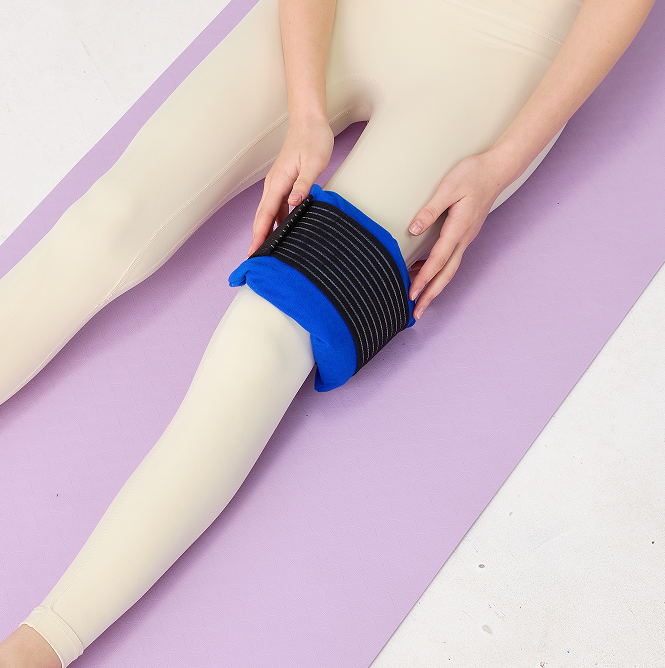
موزع جل التبريد في الصين: إطار عملي من العينة إلى العرض
عند فشل طرد سلسلة التبريد, حزمة الجل هي المشتبه به السهل. في الممارسة العملية, كثيرا ما تنشأ حالات الفشل في الواجهات: التحميل الدافئ, تكييف غير مكتمل, مساحة فارغة, عمليات التسليم الطويلة, الأختام التالفة, أو قواعد الاستلام غير واضحة. للمشتري الذي يبحث عن موزع صيني لبلوك التبريد الهلامي, القرار المركزي هو ما إذا كان الموزع يمكنه التحكم في المصنع, الوثائق, الأدوات, تغيير الإخطارات, وتنفيذ التصدير. يجمع قرار المصادر الذي يمكن الدفاع عنه بين حدود المنتج, الأدلة المادية, اختبار الحزمة, ضوابط الموردين, وخطة واقعية للاستخدام اليومي.
القرار النهائي يعود للمستوردين, العلامات التجارية برودة, موردي الخدمات الغذائية, وفرق المشتريات الصناعية, غالبًا عبر تطبيقات مثل المبردات ذات الجوانب الصلبة, صناديق الطعام القابلة للإرجاع, صناديق نقل المختبرات, وإكسسوارات التخزين البارد بالتجزئة. مراجعة متكاملة تربط المستخدم'حاجة, المنتج النهائي, مراقبة الموردين, أدلة الحزمة, والتنفيذ اليومي. فهو يبقي الافتراضات مرئية بحيث لا تتم الموافقة على نفس العنصر لاستخدام أوسع مما تدعمه الأدلة.
قم ببناء ملف القرار قبل اختيار الحزمة
يجب أن تحتوي خريطة الموافقة الخاصة بموزع كتلة التبريد الهلامية في الصين على خمسة قرارات مرتبطة: ما هو العنصر النهائي, حيث سيتم استخدامه, ما هي المخاطر المهمة, ما هي الأدلة التي تغلق تلك المخاطر, وكيف سيظل الإنتاج مساويا للعينة المعتمدة. يمنع هذا التسلسل الفريق من البدء بعنصر جذاب في الكتالوج واختراع استخدام له لاحقًا. كما أنه يمنح الموردين طريقة واضحة للكشف عن القيود دون التعرض للعقوبات بسبب رفض ضمان غير واقعي.
اكتب بيان الاستخدام المقصود باللغة التشغيلية. قم بتسمية الحمولة, الشرط المطلوب, حاوية, طريق, ترتيب الاتصال, طريقة التكييف, والقرار في الاستلام. ثم حدد أي من الاستخدامات الممكنة, بما في ذلك مبردات ذات جوانب صلبة, صناديق الطعام القابلة للإرجاع, صناديق نقل المختبرات, وإكسسوارات التخزين البارد بالتجزئة, الموجودة داخل الموافقة الأولى والتي تبقى خارجها. يعد التحكم في النطاق مهمًا بشكل خاص عندما يشير اسم تجاري واحد إلى توزيع الأغذية, الرعاية الصحية, العناية الشخصية, أو التعامل الصناعي.
اجعل حدود المنتج واضحة: يمكن للموزع تبسيط المصادر, ولكنها قد لا تمتلك عملية التشكيل أو التعبئة. يحتاج المشترون إلى سلسلة شفافة بدءًا من تركيبة الراتنج والمبرد وحتى الفحص النهائي وتعبئة الصادرات. يجب أن يظهر البيان في الموجز الفني والتدريب, ليس فقط في مذكرة قانونية. يحتاج المشغلون وفرق المبيعات إلى فهم مكون الجل, حاوية معزولة, حزمة مؤهلة, ويؤدي المسار الخاضع للمراقبة وظائف مختلفة. اطلب من الفريق المسؤول في توريد الصادرات الصينية تأكيد التفسير الخاص بالسوق.
إسناد كل قرار إلى المالك. يحدد فريق المنتج الشروط المقبولة; تحدد العبوة افتراضات الملاءمة ونقل الحرارة; مراجعات الجودة والأدلة والتغييرات; العمليات تؤكد القدرة على التحضير; ضوابط الشراء على المواصفات التجارية; تلقي نتائج السجلات. عندما تكون الملكية غير واضحة, غالبًا ما يتم ملء الفجوات باللغة التسويقية للموردين بدلاً من قرار المشتري الموثق. استخدم النتيجة عند التحقق من الحجم المذكور بدون سياق المساحة القابلة للاستخدام في هذا البرنامج.
ترجمة الحزمة النهائية إلى سمات يمكن التحكم فيها
يجب أن تصف المواصفات كتل التبريد الهلامية الصلبة التي يتم الحصول عليها من خلال موزع مقره الصين كمنتج نهائي. تشمل الأبعاد غير المشروطة والمشروطة, ملء أو كتلة, مظهر, بناء الفيلم أو القشرة, التماس أو الإغلاق, مطبعة, ملصق, التعبئة الفردية, كرتون, تخزين, وطريقة التفتيش. تفاوتات الدولة وفئات العيوب. إذا كانت الخاصية مهمة فقط بعد التجميد, تورم, التدفئة, الثناء, أو التنظيف, تحديد التحضير قبل قياسه.
يجب أن تكون معلومات التركيبة كافية للمخاطر الفعلية ومراجعة التعرض. الاسم التجاري للمكثف أو البوليمر لا يصف نوعية المياه, إضافات, المواد الحافظة, تلوينات, بقايا, أو التوافق مع الحاوية. يمكن لـ SDS دعم الإبلاغ عن المخاطر, ومع ذلك، قد تكون هناك حاجة إلى أدلة منفصلة لملامسة الغذاء, ملامسة الجلد, المطالبات الطبية, تصرف, أو الأداء الحراري. اطرح السؤال الدقيق قبل طلب المستند. قم بتطبيق هذا الفحص على صناديق الطعام القابلة للإرجاع وتعيين مالكها قبل الموافقة على العينة.
ويجب تمثيل ظروف الفشل المتوقعة. في هذا البرنامج يتم تضمين تشقق الجدران أو الغطاء بعد الاصطدام, استبدال المصنع الخفي, تم ذكر الحجم بدون سياق المساحة القابلة للاستخدام, وعدم تطابق الطباعة أو الكرتون عند الإنتاج الضخم. يجب أن يوضح التقييم كيفية منع الفشل, مُكتَشَف, الواردة, التحقيق, وربطها مرة أخرى إلى الكثير. This turns broad requirements such as 'تسرب' أو 'آمن' into testable controls and response rules. اربط الأدلة برمز المنتج المعتمد ومجموعة الموردين الخاصة بكتل التبريد الهلامية الصلبة التي يتم الحصول عليها من خلال موزع مقره الصين.
لسجل الإصدار, حدد حدود التعرض بنفس الكلمات المستخدمة في العمليات. إذا كانت الكتلة قد تتصل بالطعام, تأكيد المادة النهائية وشروط الاستخدام. لا يشمل بيان الراتنج العام الملونات, الإغلاق, الأحبار, أو حشوة الجل. وينبغي أن يشمل الاستنتاج المعتمد التسرب المتوقع, تنظيف, والتعامل مع المستخدم وكذلك الفصل الطبيعي. اطلب من الفريق المسؤول في توريد الصادرات الصينية تأكيد التفسير الخاص بالسوق.
| بوابة الموافقة | أدلة القرار | شرط الافراج |
|---|---|---|
| استخدام التعريف | حمولة, طريق, العزل, اتصال, وبيان القبول | جميع الافتراضات الهامة مملوكة ومسجلة |
| عينة تمثيلية | المواد النهائية, صيغة, عملية, عمل فني, والتعبئة | يتم إغلاق الاختلافات عن الإنتاج أو تقييمها رسميًا |
| الأدلة الوظيفية | الاحتواء, تكييف, التعامل, والبيانات الحرارية ذات الصلة بالاستخدام | طُرق, عينات, والقيود مرئية |
| مراقبة الموردين | أدوار الموقع, سجلات الكثير, خطة التفتيش, وعملية التغيير | تصل المساءلة إلى عملية الإنتاج الفعلية |
| الاستعداد التشغيلي | تعليمات العمل, تمرين, تلقي, وانحراف سير العمل | يمكن للمشتري إعادة إنتاج ومراقبة الحالة المعتمدة |
تقوم هذه البوابات بإنشاء تسلسل بدلاً من كومة المستندات. لا ينبغي أن يتقدم البرنامج لأن إحدى الشهادات تبدو قوية بينما العينة, طريق, أو تظل تعليمات التشغيل مؤقتة. يصبح الدفاع عن قرار الإصدار أسهل عندما تشير كل بوابة إلى نفس رمز المنتج وتكوينه. قم بتضمين القرار في تعليمات المشغل الخاصة بصناديق نقل المختبر.
المؤهل يربط شروط الاختبار بالطريق
يكون بيان الأداء مفيدًا فقط عندما تكون شروطه معروفة. سجل الحاوية المعزولة, حمولة, كمية المبرد وموقعه, درجات حرارة البداية, عملية التكييف, ملف تعريف المحيط, مدة, موقع الاستشعار, معيار النجاح, وأي فتحات أبواب أو التعامل مع الأحداث. يجب أن يحدد التقرير الحزمة التي تم اختبارها بدقة. بدون تلك الحقول, لا يمكن مقارنة قيمة الساعة بشكل عادل أو نقلها بأمان إلى مسار آخر. قم بتطبيق هذا الفحص على ملحقات غرف التبريد بالتجزئة وقم بتعيين مالكها قبل الموافقة على العينة.
العمل المخبري ومراقبة الممرات يجيبان على أسئلة مختلفة. تساعد ملفات التعريف التي يتم التحكم فيها على مقارنة التصميمات وإنشاء تكوين مؤهل. تظهر بيانات الطريق كيف شركات النقل, عمليات التسليم, التدريج, طقس, ويتفاعل تباين التشغيل مع هذا التصميم. استخدم الانحرافات لتحسين نموذج المخاطر, لا نفترض أن المزيد من المبرد هو الحل دائمًا. يمكن أن يستهلك سائل التبريد الإضافي الحمولة, إضافة الشحن, وإنشاء أسطح أكثر برودة. اربط الأدلة برمز المنتج المعتمد ومجموعة الموردين الخاصة بكتل التبريد الهلامية الصلبة التي يتم الحصول عليها من خلال موزع مقره الصين.
ويجب اختبار خطة التشغيل في الموقع الذي سيستخدمها. تحتاج الكتل الصلبة إلى خطة لإزالة التجميد والتكديس. يجب أن يعرف المشغلون كيفية فحص الأغطية, زوايا, اللحامات, ووحدات منتفخة أو مشوهة قبل تحميلها في المبرد. يجب أن يؤكد التحول التمثيلي القدرة على الإعداد, الانضباط التدريج, تقتيش, والتصعيد قبل الالتزام بالحجم. اطلب من الفريق المسؤول في توريد الصادرات الصينية تأكيد التفسير الخاص بالسوق.
تحديد محفزات إعادة التأهيل عند الموافقة. حمولة جديدة, الناقل, موسم, العزل, حجم العبوة, صياغة, موقع الإنتاج, أو طريقة التكييف يمكن أن تبطل الافتراض حتى عندما لا يتغير وصف الشراء. يجب مراجعة بيانات الاتجاه من الاستلام والشكاوى من أجل التحولات الأصغر التي قد تبرر الاختبار المستهدف قبل حدوث فشل واضح. استخدم النتيجة عند التحقق من الحجم المذكور بدون سياق المساحة القابلة للاستخدام في هذا البرنامج.
حدد المورد وراء عرض الأسعار
لموزع الصين كتلة التبريد هلام, تحديد ما إذا كان كل مقدم عرض هو البائع القانوني, مصنع, محول, حشو, موزع, المستورد, أو مالك العلامة الخاصة. خريطة من يشتري المواد الهامة, يوافق على تغييرات الصيغة, يحدد معلمات الختم, يطلق الكثير, يخزن السجلات, ويتعامل مع الشكاوى. يمكن للموزع أن يكون شريكًا فعالاً عندما يكون لديه سيطرة موثقة على المصنع; من الممكن أن يظل المصنع ضعيفًا إذا كانت المسؤوليات مجزأة.
استخدام العينات المرحلية. تستكشف العينات المبكرة الأبعاد والتعامل. تؤكد العينات الهندسية البناء المقصود. عينات تمثيلية للإنتاج تتحقق من الخط المقترح, الأدوات, مواد, صيغة, عمل فني, والتعبئة. قم بتسمية كل عينة مع حالتها ونصيبها. ويجب ألا تعتمد الموافقة النهائية على وحدة معدة بطريقة مخبرية خاصة لا يمكن إعادة إنتاجها للخط العادي. قم بتطبيق هذا الفحص على صناديق الطعام القابلة للإرجاع وتعيين مالكها قبل الموافقة على العينة.
يجب أن تحافظ المصطلحات التجارية على الرقابة الفنية. اربط الطلب بمراجعة المواصفات والأعمال الفنية, تعريف التعبئة والتغليف والتفتيش, وثيقة الدولة وتسجيل التوقعات, وتتطلب إشعارًا بالتغييرات الحاسمة. مناقشة نمط الطلب, قمم, التعرض للمواد الخام, قيود القدرات, الطوارئ, توقيت الشكوى, والتصرف في المخزون غير المطابقة. سعر الوحدة المنخفض لا يكتمل إذا انتقل الفحص, إعادة التعبئة, أو تكلفة الفشل على المشتري. اربط الأدلة برمز المنتج المعتمد ومجموعة الموردين الخاصة بكتل التبريد الهلامية الصلبة التي يتم الحصول عليها من خلال موزع مقره الصين.
يضيف التخطيط الإقليمي لإمدادات التصدير الصينية أدوار المستورد, لغة, المطالبات, تعليمات التخلص, والتوزيع المحلي. متطلبات الاستيراد تنتمي إلى السوق الوجهة, not merely the supplier's location. اطلب من الموزع تحديد المستندات التي تأتي من المصنع, معمل, مزود الشحن, والبائع القانوني. تأكد من أن هوية النموذج تظل متسقة عبر التقارير, وثائق الحزب الديمقراطي الصربي, فواتير, تسميات, والكرتون, مع إسناد ترافقي متحكم فيه حيث تختلف رموز العلامات التجارية والمصنع.
اختبار عملي للإطار
استخدم هذا السيناريو للطعن في منطق الموافقة. يوافق المستورد على العينة الزرقاء, ثم يتلقى الإنتاج بغطاء وجدار مختلفين قليلاً. بدون عينة ذهبية موقعة, فاتورة المواد الخاضعة للرقابة, وشرط الإخطار بالتغيير, قد ينظر الموزع إلى البدائل على أنها مستحضرات تجميل بينما يرى المشتري خطر التسرب. إنها حالة شراء افتراضية, ليست نتيجة العميل المطالب بها, والغرض منه هو كشف المتغيرات التي تحتاج إلى مالك. قم بتضمين القرار في تعليمات المشغل الخاصة بصناديق نقل المختبر.
يجب على الفريق تجميد الافتراضات الحالية قبل تعديل التصميم. التقاط هندسة الحمولة وحالة البداية, العزل, تحضير سائل التبريد, الموضع, التعرض المحيطي, عمليات التسليم, خطة الاستشعار, وقاعدة القبول. ثم اختر أصغر تغيير يعالج المخاطر الملحوظة. تغيير كتلة المبرد, العزل, الموضع, ووقت التحميل معًا قد ينتج عنه تمريرة ولكنه لا يعلم سوى القليل عن التحكم المهم. قم بتسجيل الاستنتاج في سجل الإصدار الخاضع للرقابة الخاص بالموزع الصيني لكتلة التبريد الهلامية.
يتلقى مقدم العرض نفس نمط الحقيقة ويعيد التكوين المقترح مع قيود صريحة. المشتري يقارن ليس فقط السعر, ولكن أيضًا مدى وضوح ربط الاقتراح للحزمة بالمسار, مدى تمثيل العينة, البيانات المتوفرة, وكيف سيتم التحكم في التغييرات. Once the configuration passes the buyer's review, يتم إصدار تعليمات العمل ومعايير الاستلام بنفس المراجعة. قم بتطبيق هذا الفحص على ملحقات غرف التبريد بالتجزئة وقم بتعيين مالكها قبل الموافقة على العينة.
تقليل النفايات عن طريق تحسين النظام
على نطاق واسع, يجب أن تظل المسألة البيئية مرتبطة بالعمليات. يمكن للكتلة طويلة العمر أن تقلل من استخدام العبوات التي تستخدم لمرة واحدة على الطرق المغلقة, ولكن معدل العودة, عبء التنظيف, قبعات بديلة, ويجب تضمين الشحن العكسي في المقارنة. توثيق الافتراضات وراء المقارنة بحيث يحدث تغيير في المسار, معدل العودة, تنظيف, أو أن التصرف لا يترك مطالبة قديمة مرتبطة بنظام مختلف. اطلب من الفريق المسؤول في توريد الصادرات الصينية تأكيد التفسير الخاص بالسوق.
تقييم المواد, طاقة التجميد, وزن الطرود, العزل, فقدان المنتج, تنظيف, استعادة, النقل العكسي, والتخلص منها ضمن حدود واحدة. تعد إعادة الاستخدام أمرًا جذابًا على طريق مغلق ومستقر مع عائد مرتفع وفحص خاضع للرقابة. قد يكون غير فعال في شبكة مفتوحة. بصورة مماثلة, تكون المطالبة بالتخلص مفيدة فقط عندما يتلقى المستخدمون تعليمات دقيقة ويمكن للبنية التحتية المحلية تنفيذ النتيجة المعلنة. استخدم النتيجة عند التحقق من الحجم المذكور بدون سياق المساحة القابلة للاستخدام في هذا البرنامج.
قد يكون أفضل مشروع تخفيض هو حزمة موسمية أصغر, التبريد المسبق أفضل, انطلاق أقصر, تحسين التحكم في الفراغ, أو تجزئة الطريق. يمكن أن تؤدي هذه التغييرات إلى خفض سائل التبريد والشحن مع زيادة الموثوقية. يجب أن يصف التسويق البيئي التحسن الذي تم إثباته بشكل ضيق وأن يتجنب الإشارة ضمنًا إلى أن خاصية مادية واحدة تجعل الشحنة بأكملها مستدامة. قم بتضمين القرار في تعليمات المشغل الخاصة بالمبردات ذات الجوانب الصلبة.
الأسئلة النهائية قبل الإصدار
ما هي العينة التي يجب أن يوافق عليها فريق الجودة؟?
اعتماد عينة تمثيلية للإنتاج مربوطة بالمواصفات النهائية, مواد, صيغة, الأدوات, مطبعة, ملصق, والكرتون. يمكن للنموذج الأولي المملوء يدويًا أن يدعم أعمال التصميم المبكرة ولكن لا ينبغي أن يطلق إنتاجًا ضخمًا. احتفظ بالعينة الموقعة كمرجع مرئي أثناء استخدام حدود الفحص الموضوعي للأبعاد, يملأ, ختم, مظهر, والفحوصات الوظيفية. اربط الأدلة برمز المنتج المعتمد ومجموعة الموردين الخاصة بكتل التبريد الهلامية الصلبة التي يتم الحصول عليها من خلال موزع مقره الصين.
متى يكون الاختبار الحراري ضروريا؟?
يعد الاختبار ضروريًا عندما يعتمد المشتري على العبوة للحفاظ على حالة المنتج من خلال مسار محدد. يجب أن تحدد الدراسة شروط البداية, ملف تعريف المحيط, حمولة, العزل, تكوين المبرد, مواقع الاستشعار, وقاعدة القبول. مخاطرة, حساسية المنتج, تقلب المسار, وتحدد التوقعات التنظيمية ما إذا كانت هناك حاجة إلى مؤهلات إضافية ومراقبة مستمرة. استخدم النتيجة عند التحقق من تشقق الجدار أو الغطاء بعد الاصطدام في هذا البرنامج.
يمكن أن تغطي مواصفات عبوة هلامية واحدة العديد من المنتجات?
ربما, ولكن فقط بعد إنشاء مساحة التصميم المشتركة. قد تختلف المنتجات في الحساسية, هندسة, حالة البداية, مسار الاتصال, ومعايير القبول. للاستخدامات مثل المبردات ذات الجوانب الصلبة, صناديق الطعام القابلة للإرجاع, صناديق نقل المختبرات, وإكسسوارات التخزين البارد بالتجزئة, الوثيقة التي تم تقييم المجموعات والتي تتطلب حزمة منفصلة. يجب ألا يخفي رمز الشراء الشائع التعليمات الخاصة بالتطبيق.
ما الذي يجب أن يؤدي إلى إعادة التقييم بعد الإطلاق?
إعادة التقييم عند وجود مادة حرجة, صيغة, موقع التصنيع, أداة, عملية الختم, حجم العبوة, العزل, حمولة, طريق, طريقة التكييف, الناقل, أو تغييرات معايير القبول. يمكن أيضًا أن تؤدي اتجاهات الشكوى والانجراف الموسمي غير المبرر إلى إجراء المراجعة. يجب أن تنص اتفاقية الجودة على من يقوم بإخطار من وما هي الأدلة المطلوبة قبل إصدار التكوين المنقح. اربط الأدلة برمز المنتج المعتمد ومجموعة الموردين الخاصة بكتل التبريد الهلامية الصلبة التي يتم الحصول عليها من خلال موزع مقره الصين.
الافراج عن النظام, ثم مشاهدته
ينتهي قرار الموزع الصيني لكتلة التبريد الهلامية القوية بمنتج واحد خاضع للرقابة, استخدام واحد محدد, أدلة مع قيود واضحة, عملية تغيير المورد, وتعليمات العمل التي يمكن للمشتري إعادة إنتاجها. ويبدأ أيضًا في تشغيل حلقة ردود الفعل. مراجعة عيوب الكمية, استثناءات التكييف, بيانات الطريق, الشكاوى, وتغييره بحيث لا ينحرف التصميم المعتمد عن الشروط التي بررته.
حول Tempk
Tempk supplies flexible gel ice packs, الطوب الجليدي الصلب, عبوات حقن الماء, and insulated cold-chain packaging components. بالنسبة لكتل التبريد الهلامية الصلبة التي يتم الحصول عليها من خلال موزع مقره الصين, يمكننا مراجعة التنسيق المطلوب, أبعاد, التخصيص, التعبئة, ومدخلات العرض التجاري مع فريقك. The final choice should be evaluated in the buyer's complete packout and market context, لذا فإن الاستفسار الأكثر فائدة يشمل الحمولة, الشرط المطلوب, طريق, العزل, مسار الاتصال, ونمط الطلب المتوقع.
أرسل إلى Tempk الملخص الخاضع للرقابة لمشروع الموزع الصيني لكتل التبريد الهلامية الخاص بك عندما تكون مستعدًا لمقارنة عينة تمثيلية للإنتاج مع مسارك ومتطلبات الموافقة.
تاجر جملة للمواد الكيميائية لطوب التبريد: دليل العينة إلى العرض
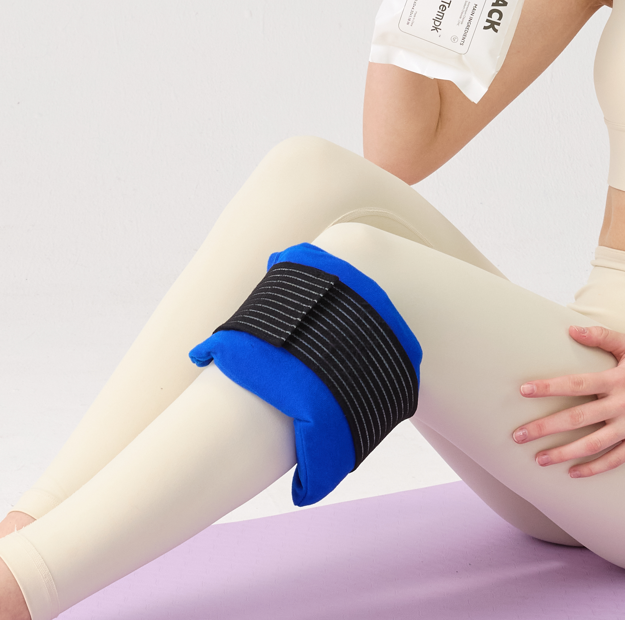
تاجر جملة للمواد الكيميائية لطوب التبريد: إطار عملي من العينة إلى العرض
غالبًا ما يقوم المشترون بمقارنة عبوات الجل حسب الأبعاد وسعر الوحدة. هذه المجالات مهمة, لكنهم يقولون القليل عن سلوك الفقمة, تكييف, مساحة حمولة قابلة للاستخدام, الوثائق, أو الأداء في النظام المعزول النهائي. للمشتري الذي يبحث عن تاجر جملة للمواد الكيميائية لطوب التبريد الهلامي, القرار المركزي هو ما إذا كان المبرد والشاحن متوافقين مع منتج SDS, تصنيف المخاطر, نطاق درجة الحرارة المطلوبة, ووضع النقل. يجمع قرار المصادر الذي يمكن الدفاع عنه بين حدود المنتج, الأدلة المادية, اختبار الحزمة, ضوابط الموردين, وخطة واقعية للاستخدام اليومي.
القرار النهائي يعود إلى تجار الجملة للمواد الكيميائية, موردي المختبرات, فرق الجودة, وموزعي المواد الحساسة للحرارة, في كثير من الأحيان عبر تطبيقات مثل شحنات الكواشف, العينات الصناعية, أطقم المختبرات, والمنتجات الكيميائية الحساسة للحرارة. مراجعة متكاملة تربط المستخدم'حاجة, المنتج النهائي, مراقبة الموردين, أدلة الحزمة, والتنفيذ اليومي. فهو يبقي الافتراضات مرئية بحيث لا تتم الموافقة على نفس العنصر لاستخدام أوسع مما تدعمه الأدلة.
حدد ما يجب أن تثبته عملية الشراء الناجحة
يجب أن تحتوي خريطة الموافقة الخاصة بتاجر الجملة للمواد الكيميائية لطوب التبريد على خمسة قرارات مرتبطة: ما هو العنصر النهائي, حيث سيتم استخدامه, ما هي المخاطر المهمة, ما هي الأدلة التي تغلق تلك المخاطر, وكيف سيظل الإنتاج مساويا للعينة المعتمدة. يمنع هذا التسلسل الفريق من البدء بعنصر جذاب في الكتالوج واختراع استخدام له لاحقًا. كما أنه يمنح الموردين طريقة واضحة للكشف عن القيود دون التعرض للعقوبات بسبب رفض ضمان غير واقعي.
اكتب بيان الاستخدام المقصود باللغة التشغيلية. قم بتسمية الحمولة, الشرط المطلوب, حاوية, طريق, ترتيب الاتصال, طريقة التكييف, والقرار في الاستلام. ثم حدد أي من الاستخدامات الممكنة, بما في ذلك شحنات الكواشف, العينات الصناعية, أطقم المختبرات, والمنتجات الكيميائية الحساسة للحرارة, الموجودة داخل الموافقة الأولى والتي تبقى خارجها. يعد التحكم في النطاق مهمًا بشكل خاص عندما يشير اسم تجاري واحد إلى توزيع الأغذية, الرعاية الصحية, العناية الشخصية, أو التعامل الصناعي.
اجعل حدود المنتج واضحة: يتحكم الطوب المبرد في تدفق الحرارة; لا يجعل المادة الخطرة غير خطرة, استبدال عبوات البضائع الخطرة, or define the chemical's storage limits. يجب أن يظهر البيان في الموجز الفني والتدريب, ليس فقط في مذكرة قانونية. يحتاج المشغلون وفرق المبيعات إلى فهم مكون الجل, حاوية معزولة, حزمة مؤهلة, ويؤدي المسار الخاضع للمراقبة وظائف مختلفة. اطلب من الفريق المسؤول عن التوزيع الكيميائي والمختبري العالمي تأكيد التفسير الخاص بالسوق.
إسناد كل قرار إلى المالك. يحدد فريق المنتج الشروط المقبولة; تحدد العبوة افتراضات الملاءمة ونقل الحرارة; مراجعات الجودة والأدلة والتغييرات; العمليات تؤكد القدرة على التحضير; ضوابط الشراء على المواصفات التجارية; تلقي نتائج السجلات. عندما تكون الملكية غير واضحة, غالبًا ما يتم ملء الفجوات باللغة التسويقية للموردين بدلاً من قرار المشتري الموثق. استخدم النتيجة عند فحص الحاويات الداخلية التي تلحق الضرر بالطوب الصلب في هذا البرنامج.
يجب أن تصل المواصفات إلى خط الإنتاج
يجب أن تصف المواصفات طوب التبريد الهلامي الصلب المستخدم حول المواد الكيميائية, الكواشف, المواد المختبرية, والعينات الصناعية كمادة نهائية. تشمل الأبعاد غير المشروطة والمشروطة, ملء أو كتلة, مظهر, بناء الفيلم أو القشرة, التماس أو الإغلاق, مطبعة, ملصق, التعبئة الفردية, كرتون, تخزين, وطريقة التفتيش. تفاوتات الدولة وفئات العيوب. إذا كانت الخاصية مهمة فقط بعد التجميد, تورم, التدفئة, الثناء, أو التنظيف, تحديد التحضير قبل قياسه.
يجب أن تكون معلومات التركيبة كافية للمخاطر الفعلية ومراجعة التعرض. الاسم التجاري للمكثف أو البوليمر لا يصف نوعية المياه, إضافات, المواد الحافظة, تلوينات, بقايا, أو التوافق مع الحاوية. يمكن لـ SDS دعم الإبلاغ عن المخاطر, ومع ذلك، قد تكون هناك حاجة إلى أدلة منفصلة لملامسة الغذاء, ملامسة الجلد, المطالبات الطبية, تصرف, أو الأداء الحراري. اطرح السؤال الدقيق قبل طلب المستند. تطبيق هذا الفحص على العينات الصناعية وتعيين صاحبه قبل اعتماد العينة.
ويجب تمثيل ظروف الفشل المتوقعة. يتضمن هذا البرنامج عدم التوافق الكيميائي بعد التسرب, المبرد مخطئ للمنتج, الطوب الصلب يضر بالحاويات الداخلية, ونسخ مطالبات درجة الحرارة عبر الكواشف المختلفة. يجب أن يوضح التقييم كيفية منع الفشل, مُكتَشَف, الواردة, التحقيق, وربطها مرة أخرى إلى الكثير. This turns broad requirements such as 'تسرب' أو 'آمن' into testable controls and response rules. اربط الأدلة برمز المنتج المعتمد ومجموعة الموردين الخاصة بطوب التبريد الهلامي الصلب المستخدم حول المواد الكيميائية, الكواشف, المواد المختبرية, والعينات الصناعية.
لسجل الإصدار, حدد حدود التعرض بنفس الكلمات المستخدمة في العمليات. لا تفترض أن الطوب الخارجي غير ضار في كل تعرض. قم بمراجعة تركيبة سائل التبريد, غلاف, سيناريو التسرب, والتوافق مع كل من الحمولة الكيميائية والاحتواء الثانوي. وينبغي أن يشمل الاستنتاج المعتمد التسرب المتوقع, تنظيف, والتعامل مع المستخدم وكذلك الفصل الطبيعي. اطلب من الفريق المسؤول عن التوزيع الكيميائي والمختبري العالمي تأكيد التفسير الخاص بالسوق.
| بوابة الموافقة | أدلة القرار | شرط الافراج |
|---|---|---|
| استخدام التعريف | حمولة, طريق, العزل, اتصال, وبيان القبول | جميع الافتراضات الهامة مملوكة ومسجلة |
| عينة تمثيلية | المواد النهائية, صيغة, عملية, عمل فني, والتعبئة | يتم إغلاق الاختلافات عن الإنتاج أو تقييمها رسميًا |
| الأدلة الوظيفية | الاحتواء, تكييف, التعامل, والبيانات الحرارية ذات الصلة بالاستخدام | طُرق, عينات, والقيود مرئية |
| مراقبة الموردين | أدوار الموقع, سجلات الكثير, خطة التفتيش, وعملية التغيير | تصل المساءلة إلى عملية الإنتاج الفعلية |
| الاستعداد التشغيلي | تعليمات العمل, تمرين, تلقي, وانحراف سير العمل | يمكن للمشتري إعادة إنتاج ومراقبة الحالة المعتمدة |
تقوم هذه البوابات بإنشاء تسلسل بدلاً من كومة المستندات. لا ينبغي أن يتقدم البرنامج لأن إحدى الشهادات تبدو قوية بينما العينة, طريق, أو تظل تعليمات التشغيل مؤقتة. يصبح الدفاع عن قرار الإصدار أسهل عندما تشير كل بوابة إلى نفس رمز المنتج وتكوينه. قم بتضمين القرار في تعليمات المشغل الخاصة بأدوات المختبر.
استخدام الأدلة الحرارية مع حدودها واضحة
يكون بيان الأداء مفيدًا فقط عندما تكون شروطه معروفة. سجل الحاوية المعزولة, حمولة, كمية المبرد وموقعه, درجات حرارة البداية, عملية التكييف, ملف تعريف المحيط, مدة, موقع الاستشعار, معيار النجاح, وأي فتحات أبواب أو التعامل مع الأحداث. يجب أن يحدد التقرير الحزمة التي تم اختبارها بدقة. بدون تلك الحقول, لا يمكن مقارنة قيمة الساعة بشكل عادل أو نقلها بأمان إلى مسار آخر. يتم تطبيق هذا الفحص على المنتجات الكيميائية الحساسة للحرارة وتعيين صاحبها قبل الموافقة على العينة.
العمل المخبري ومراقبة الممرات يجيبان على أسئلة مختلفة. تساعد ملفات التعريف التي يتم التحكم فيها على مقارنة التصميمات وإنشاء تكوين مؤهل. تظهر بيانات الطريق كيف شركات النقل, عمليات التسليم, التدريج, طقس, ويتفاعل تباين التشغيل مع هذا التصميم. استخدم الانحرافات لتحسين نموذج المخاطر, لا نفترض أن المزيد من المبرد هو الحل دائمًا. يمكن أن يستهلك سائل التبريد الإضافي الحمولة, إضافة الشحن, وإنشاء أسطح أكثر برودة. اربط الأدلة برمز المنتج المعتمد ومجموعة الموردين الخاصة بطوب التبريد الهلامي الصلب المستخدم حول المواد الكيميائية, الكواشف, المواد المختبرية, والعينات الصناعية.
ويجب اختبار خطة التشغيل في الموقع الذي سيستخدمها. استخدم ألوانًا أو تسميات مميزة حيث يكون الارتباك ممكنًا, منع الطوب من سحق الحاويات الأولية, وحجر أي شحنة بها تسرب لسائل التبريد حتى يتم تقييم التوافق وسلامة المنتج. يجب أن يؤكد التحول التمثيلي القدرة على الإعداد, الانضباط التدريج, تقتيش, والتصعيد قبل الالتزام بالحجم. اطلب من الفريق المسؤول عن التوزيع الكيميائي والمختبري العالمي تأكيد التفسير الخاص بالسوق.
تحديد محفزات إعادة التأهيل عند الموافقة. حمولة جديدة, الناقل, موسم, العزل, حجم العبوة, صياغة, موقع الإنتاج, أو طريقة التكييف يمكن أن تبطل الافتراض حتى عندما لا يتغير وصف الشراء. يجب مراجعة بيانات الاتجاه من الاستلام والشكاوى من أجل التحولات الأصغر التي قد تبرر الاختبار المستهدف قبل حدوث فشل واضح. استخدم النتيجة عند فحص الحاويات الداخلية التي تلحق الضرر بالطوب الصلب في هذا البرنامج.
من مقارنة العطاءات إلى علاقة التوريد الخاضعة للرقابة
لتاجر جملة للمواد الكيميائية لطوب التبريد, تحديد ما إذا كان كل مقدم عرض هو البائع القانوني, مصنع, محول, حشو, موزع, المستورد, أو مالك العلامة الخاصة. خريطة من يشتري المواد الهامة, يوافق على تغييرات الصيغة, يحدد معلمات الختم, يطلق الكثير, يخزن السجلات, ويتعامل مع الشكاوى. يمكن للموزع أن يكون شريكًا فعالاً عندما يكون لديه سيطرة موثقة على المصنع; من الممكن أن يظل المصنع ضعيفًا إذا كانت المسؤوليات مجزأة.
استخدام العينات المرحلية. تستكشف العينات المبكرة الأبعاد والتعامل. تؤكد العينات الهندسية البناء المقصود. عينات تمثيلية للإنتاج تتحقق من الخط المقترح, الأدوات, مواد, صيغة, عمل فني, والتعبئة. قم بتسمية كل عينة مع حالتها ونصيبها. ويجب ألا تعتمد الموافقة النهائية على وحدة معدة بطريقة مخبرية خاصة لا يمكن إعادة إنتاجها للخط العادي. تطبيق هذا الفحص على العينات الصناعية وتعيين صاحبه قبل اعتماد العينة.
يجب أن تحافظ المصطلحات التجارية على الرقابة الفنية. اربط الطلب بمراجعة المواصفات والأعمال الفنية, تعريف التعبئة والتغليف والتفتيش, وثيقة الدولة وتسجيل التوقعات, وتتطلب إشعارًا بالتغييرات الحاسمة. مناقشة نمط الطلب, قمم, التعرض للمواد الخام, قيود القدرات, الطوارئ, توقيت الشكوى, والتصرف في المخزون غير المطابقة. سعر الوحدة المنخفض لا يكتمل إذا انتقل الفحص, إعادة التعبئة, أو تكلفة الفشل على المشتري. اربط الأدلة برمز المنتج المعتمد ومجموعة الموردين الخاصة بطوب التبريد الهلامي الصلب المستخدم حول المواد الكيميائية, الكواشف, المواد المختبرية, والعينات الصناعية.
يضيف التخطيط الإقليمي لتوزيع المواد الكيميائية والمختبرات العالمية أدوار المستورد, لغة, المطالبات, تعليمات التخلص, والتوزيع المحلي. The shipped chemical's classification, SDS, تعليمات التعبئة والتغليف, وقواعد الناقل لها الأولوية. يجب أن يطلب المشترون من متخصصي البضائع الخطرة والجودة مراجعة الحزمة الكاملة التي تتعلق بالمواد الخاضعة للتنظيم. تأكد من أن هوية النموذج تظل متسقة عبر التقارير, وثائق الحزب الديمقراطي الصربي, فواتير, تسميات, والكرتون, مع إسناد ترافقي متحكم فيه حيث تختلف رموز العلامات التجارية والمصنع.
كيف يبدو مسار العينة إلى العرض
استخدم هذا السيناريو للطعن في منطق الموافقة. يقوم تاجر الجملة بشحن كاشفين يشتركان في نفس نطاق التخزين الاسمي ولكن لهما حساسية تجميد مختلفة وتصنيفات مختلفة للسلع الخطرة. لا ينبغي الموافقة على تكوين الطوب الواحد حتى تتم مراجعة المتطلبات الحرارية ومتطلبات سلامة النقل بشكل منفصل. إنها حالة شراء افتراضية, ليست نتيجة العميل المطالب بها, والغرض منه هو كشف المتغيرات التي تحتاج إلى مالك. قم بتضمين القرار في تعليمات المشغل الخاصة بأدوات المختبر.
يجب على الفريق تجميد الافتراضات الحالية قبل تعديل التصميم. التقاط هندسة الحمولة وحالة البداية, العزل, تحضير سائل التبريد, الموضع, التعرض المحيطي, عمليات التسليم, خطة الاستشعار, وقاعدة القبول. ثم اختر أصغر تغيير يعالج المخاطر الملحوظة. تغيير كتلة المبرد, العزل, الموضع, ووقت التحميل معًا قد ينتج عنه تمريرة ولكنه لا يعلم سوى القليل عن التحكم المهم. قم بتسجيل الاستنتاج في سجل الإطلاق الخاضع للرقابة الخاص بتاجر الجملة للمواد الكيميائية الخاصة بطوب التبريد.
يتلقى مقدم العرض نفس نمط الحقيقة ويعيد التكوين المقترح مع قيود صريحة. المشتري يقارن ليس فقط السعر, ولكن أيضًا مدى وضوح ربط الاقتراح للحزمة بالمسار, مدى تمثيل العينة, البيانات المتوفرة, وكيف سيتم التحكم في التغييرات. Once the configuration passes the buyer's review, يتم إصدار تعليمات العمل ومعايير الاستلام بنفس المراجعة. يتم تطبيق هذا الفحص على المنتجات الكيميائية الحساسة للحرارة وتعيين صاحبها قبل الموافقة على العينة.
الحجم الصحيح قبل تقديم المطالبة الخضراء
على نطاق واسع, يجب أن تظل المسألة البيئية مرتبطة بالعمليات. يمكن أن يتناسب الطوب الصلب القابل لإعادة الاستخدام مع طرق المختبرات المغلقة, ولكن التطهير, ملكية, تصنيف العودة, والخسارة يمكن أن تجعل إعادة الاستخدام غير مناسبة لبعض المواد الكيميائية. توثيق الافتراضات وراء المقارنة بحيث يحدث تغيير في المسار, معدل العودة, تنظيف, أو أن التصرف لا يترك مطالبة قديمة مرتبطة بنظام مختلف. اطلب من الفريق المسؤول عن التوزيع الكيميائي والمختبري العالمي تأكيد التفسير الخاص بالسوق.
تقييم المواد, طاقة التجميد, وزن الطرود, العزل, فقدان المنتج, تنظيف, استعادة, النقل العكسي, والتخلص منها ضمن حدود واحدة. تعد إعادة الاستخدام أمرًا جذابًا على طريق مغلق ومستقر مع عائد مرتفع وفحص خاضع للرقابة. قد يكون غير فعال في شبكة مفتوحة. بصورة مماثلة, تكون المطالبة بالتخلص مفيدة فقط عندما يتلقى المستخدمون تعليمات دقيقة ويمكن للبنية التحتية المحلية تنفيذ النتيجة المعلنة. استخدم النتيجة عند فحص الحاويات الداخلية التي تلحق الضرر بالطوب الصلب في هذا البرنامج.
قد يكون أفضل مشروع تخفيض هو حزمة موسمية أصغر, التبريد المسبق أفضل, انطلاق أقصر, تحسين التحكم في الفراغ, أو تجزئة الطريق. يمكن أن تؤدي هذه التغييرات إلى خفض سائل التبريد والشحن مع زيادة الموثوقية. يجب أن يصف التسويق البيئي التحسن الذي تم إثباته بشكل ضيق وأن يتجنب الإشارة ضمنًا إلى أن خاصية مادية واحدة تجعل الشحنة بأكملها مستدامة. قم بتضمين القرار في تعليمات المشغل الخاصة بشحنات الكواشف.
الأسئلة النهائية قبل الإصدار
ما الذي يجب أن يؤدي إلى إعادة التقييم بعد الإطلاق?
إعادة التقييم عند وجود مادة حرجة, صيغة, موقع التصنيع, أداة, عملية الختم, حجم العبوة, العزل, حمولة, طريق, طريقة التكييف, الناقل, أو تغييرات معايير القبول. يمكن أيضًا أن تؤدي اتجاهات الشكوى والانجراف الموسمي غير المبرر إلى إجراء المراجعة. يجب أن تنص اتفاقية الجودة على من يقوم بإخطار من وما هي الأدلة المطلوبة قبل إصدار التكوين المنقح. اربط الأدلة برمز المنتج المعتمد ومجموعة الموردين الخاصة بطوب التبريد الهلامي الصلب المستخدم حول المواد الكيميائية, الكواشف, المواد المختبرية, والعينات الصناعية.
كيف أقوم بإنشاء قائمة مختصرة لبائع جملة للمواد الكيميائية لطوب التبريد الهلامي?
أعط كل مقدم عرض نفس الموجز الخاضع للرقابة: الاستخدام المقصود, حمولة, الشرط المطلوب, العزل, طريق, تكييف, مسار الاتصال, نمط الطلب, والسوق المستهدف. سجل الردود على شفافية التصنيع, شهادة, تمثيل العينة, السيطرة على التغيير, ومناسبة التشغيل. لا تقم بتصنيف مطالبة غير مدعومة بالساعة أعلى من الاقتراح الذي ينص بوضوح على حدود الاختبار الخاصة به. استخدم النتيجة عند التحقق من عدم التوافق الكيميائي بعد التسرب في هذا البرنامج.
ما هي العينة التي يجب أن يوافق عليها فريق الجودة؟?
اعتماد عينة تمثيلية للإنتاج مربوطة بالمواصفات النهائية, مواد, صيغة, الأدوات, مطبعة, ملصق, والكرتون. يمكن للنموذج الأولي المملوء يدويًا أن يدعم أعمال التصميم المبكرة ولكن لا ينبغي أن يطلق إنتاجًا ضخمًا. احتفظ بالعينة الموقعة كمرجع مرئي أثناء استخدام حدود الفحص الموضوعي للأبعاد, يملأ, ختم, مظهر, والفحوصات الوظيفية. قم بتسجيل الاستنتاج في سجل الإطلاق الخاضع للرقابة الخاص بتاجر الجملة للمواد الكيميائية الخاصة بطوب التبريد.
متى يكون الاختبار الحراري ضروريا؟?
يعد الاختبار ضروريًا عندما يعتمد المشتري على العبوة للحفاظ على حالة المنتج من خلال مسار محدد. يجب أن تحدد الدراسة شروط البداية, ملف تعريف المحيط, حمولة, العزل, تكوين المبرد, مواقع الاستشعار, وقاعدة القبول. مخاطرة, حساسية المنتج, تقلب المسار, وتحدد التوقعات التنظيمية ما إذا كانت هناك حاجة إلى مؤهلات إضافية ومراقبة مستمرة. اربط الأدلة برمز المنتج المعتمد ومجموعة الموردين الخاصة بطوب التبريد الهلامي الصلب المستخدم حول المواد الكيميائية, الكواشف, المواد المختبرية, والعينات الصناعية.
قرار شراء يمكن الدفاع عنه
ينتهي قرار تاجر الجملة للمواد الكيميائية لطوب التبريد القوي بمنتج واحد خاضع للرقابة, استخدام واحد محدد, أدلة مع قيود واضحة, عملية تغيير المورد, وتعليمات العمل التي يمكن للمشتري إعادة إنتاجها. ويبدأ أيضًا في تشغيل حلقة ردود الفعل. مراجعة عيوب الكمية, استثناءات التكييف, بيانات الطريق, الشكاوى, وتغييره بحيث لا ينحرف التصميم المعتمد عن الشروط التي بررته.
حول Tempk
Tempk supplies flexible gel ice packs, الطوب الجليدي الصلب, عبوات حقن الماء, and insulated cold-chain packaging components. لطوب التبريد الهلامي الصلب المستخدم حول المواد الكيميائية, الكواشف, المواد المختبرية, والعينات الصناعية, يمكننا مراجعة التنسيق المطلوب, أبعاد, التخصيص, التعبئة, ومدخلات العرض التجاري مع فريقك. The final choice should be evaluated in the buyer's complete packout and market context, لذا فإن الاستفسار الأكثر فائدة يشمل الحمولة, الشرط المطلوب, طريق, العزل, مسار الاتصال, ونمط الطلب المتوقع.
أرسل إلى Tempk الموجز الخاضع للرقابة لمشروع تاجر الجملة للمواد الكيميائية لطوب التبريد الهلامي الخاص بك عندما تكون مستعدًا لمقارنة عينة تمثيلية للإنتاج مع مسارك ومتطلبات الموافقة.
مورد جل باك ألمانيا: من الموافقة على العينة إلى التوريد الموثوق
مورد جل باك ألمانيا: إطار عملي من العينة إلى العرض
عند فشل طرد سلسلة التبريد, حزمة الجل هي المشتبه به السهل. في الممارسة العملية, كثيرا ما تنشأ حالات الفشل في الواجهات: التحميل الدافئ, تكييف غير مكتمل, مساحة فارغة, عمليات التسليم الطويلة, الأختام التالفة, أو قواعد الاستلام غير واضحة. For a buyer searching for a gel pack Germany supplier, the central decision is whether the pack and its documentation can be placed into the buyer's actual German supply chain without unsupported safety or environmental claims. يجمع قرار المصادر الذي يمكن الدفاع عنه بين حدود المنتج, الأدلة المادية, اختبار الحزمة, ضوابط الموردين, وخطة واقعية للاستخدام اليومي.
The final decision belongs to German importers, food and healthcare distributors, مهندسي التعبئة والتغليف, وفرق المشتريات, often across applications such as food delivery, pharmaceutical secondary packaging, laboratory shipments, and reusable urban distribution. مراجعة متكاملة تربط المستخدم'حاجة, المنتج النهائي, مراقبة الموردين, أدلة الحزمة, والتنفيذ اليومي. فهو يبقي الافتراضات مرئية بحيث لا تتم الموافقة على نفس العنصر لاستخدام أوسع مما تدعمه الأدلة.
ابدأ بخريطة الموافقة
The approval map for a gel pack Germany supplier should contain five linked decisions: ما هو العنصر النهائي, حيث سيتم استخدامه, ما هي المخاطر المهمة, ما هي الأدلة التي تغلق تلك المخاطر, وكيف سيظل الإنتاج مساويا للعينة المعتمدة. يمنع هذا التسلسل الفريق من البدء بعنصر جذاب في الكتالوج واختراع استخدام له لاحقًا. كما أنه يمنح الموردين طريقة واضحة للكشف عن القيود دون التعرض للعقوبات بسبب رفض ضمان غير واقعي.
اكتب بيان الاستخدام المقصود باللغة التشغيلية. قم بتسمية الحمولة, الشرط المطلوب, حاوية, طريق, ترتيب الاتصال, طريقة التكييف, والقرار في الاستلام. ثم حدد أي من الاستخدامات الممكنة, بما في ذلك توصيل الطعام, pharmaceutical secondary packaging, laboratory shipments, and reusable urban distribution, الموجودة داخل الموافقة الأولى والتي تبقى خارجها. يعد التحكم في النطاق مهمًا بشكل خاص عندما يشير اسم تجاري واحد إلى توزيع الأغذية, الرعاية الصحية, العناية الشخصية, أو التعامل الصناعي.
اجعل حدود المنتج واضحة: A gel pack is a coolant component. It does not make an insulated box a qualified thermal shipping system and it is not automatically a food-contact article merely because it travels near food. يجب أن يظهر البيان في الموجز الفني والتدريب, ليس فقط في مذكرة قانونية. يحتاج المشغلون وفرق المبيعات إلى فهم مكون الجل, حاوية معزولة, حزمة مؤهلة, ويؤدي المسار الخاضع للمراقبة وظائف مختلفة. Have the responsible team in Germany and the European Union confirm the market-specific interpretation.
إسناد كل قرار إلى المالك. يحدد فريق المنتج الشروط المقبولة; تحدد العبوة افتراضات الملاءمة ونقل الحرارة; مراجعات الجودة والأدلة والتغييرات; العمليات تؤكد القدرة على التحضير; ضوابط الشراء على المواصفات التجارية; تلقي نتائج السجلات. عندما تكون الملكية غير واضحة, غالبًا ما يتم ملء الفجوات باللغة التسويقية للموردين بدلاً من قرار المشتري الموثق. Use the result when investigating unverified recyclability claims in this program.
الموافقة على المنتج, ليست مادة عامة
The specification should describe sealed gel packs for German and wider European cold-chain programs as a finished article. تشمل الأبعاد غير المشروطة والمشروطة, ملء أو كتلة, مظهر, بناء الفيلم أو القشرة, التماس أو الإغلاق, مطبعة, ملصق, التعبئة الفردية, كرتون, تخزين, وطريقة التفتيش. تفاوتات الدولة وفئات العيوب. إذا كانت الخاصية مهمة فقط بعد التجميد, تورم, التدفئة, الثناء, أو التنظيف, تحديد التحضير قبل قياسه.
يجب أن تكون معلومات التركيبة كافية للمخاطر الفعلية ومراجعة التعرض. الاسم التجاري للمكثف أو البوليمر لا يصف نوعية المياه, إضافات, المواد الحافظة, تلوينات, بقايا, أو التوافق مع الحاوية. يمكن لـ SDS دعم الإبلاغ عن المخاطر, ومع ذلك، قد تكون هناك حاجة إلى أدلة منفصلة لملامسة الغذاء, ملامسة الجلد, المطالبات الطبية, تصرف, أو الأداء الحراري. اطرح السؤال الدقيق قبل طلب المستند. Apply this check to pharmaceutical secondary packaging and assign its owner before sample approval.
ويجب تمثيل ظروف الفشل المتوقعة. In this program they include incomplete formulation or safety documentation, ambiguous food-contact language, unverified recyclability claims, and poor condensation and seal control. يجب أن يوضح التقييم كيفية منع الفشل, مُكتَشَف, الواردة, التحقيق, وربطها مرة أخرى إلى الكثير. This turns broad requirements such as 'تسرب' أو 'آمن' into testable controls and response rules. Tie the evidence to the approved item code and supplier lot for sealed gel packs for German and wider European cold-chain programs.
لسجل الإصدار, حدد حدود التعرض بنفس الكلمات المستخدمة في العمليات. If the gel pack can touch unpackaged food, the contact materials and intended conditions of use need specific review. If it remains separated by primary packaging, document that configuration instead of claiming universal food-contact approval. وينبغي أن يشمل الاستنتاج المعتمد التسرب المتوقع, تنظيف, والتعامل مع المستخدم وكذلك الفصل الطبيعي. Have the responsible team in Germany and the European Union confirm the market-specific interpretation.
| بوابة الموافقة | أدلة القرار | شرط الافراج |
|---|---|---|
| استخدام التعريف | حمولة, طريق, العزل, اتصال, وبيان القبول | جميع الافتراضات الهامة مملوكة ومسجلة |
| عينة تمثيلية | المواد النهائية, صيغة, عملية, عمل فني, والتعبئة | يتم إغلاق الاختلافات عن الإنتاج أو تقييمها رسميًا |
| الأدلة الوظيفية | الاحتواء, تكييف, التعامل, والبيانات الحرارية ذات الصلة بالاستخدام | طُرق, عينات, والقيود مرئية |
| مراقبة الموردين | أدوار الموقع, سجلات الكثير, خطة التفتيش, وعملية التغيير | تصل المساءلة إلى عملية الإنتاج الفعلية |
| الاستعداد التشغيلي | تعليمات العمل, تمرين, تلقي, وانحراف سير العمل | يمكن للمشتري إعادة إنتاج ومراقبة الحالة المعتمدة |
تقوم هذه البوابات بإنشاء تسلسل بدلاً من كومة المستندات. لا ينبغي أن يتقدم البرنامج لأن إحدى الشهادات تبدو قوية بينما العينة, طريق, أو تظل تعليمات التشغيل مؤقتة. يصبح الدفاع عن قرار الإصدار أسهل عندما تشير كل بوابة إلى نفس رمز المنتج وتكوينه. Include the decision in the operator instruction for laboratory shipments.
جعل مطالبات الأداء قابلة للتتبع
يكون بيان الأداء مفيدًا فقط عندما تكون شروطه معروفة. سجل الحاوية المعزولة, حمولة, كمية المبرد وموقعه, درجات حرارة البداية, عملية التكييف, ملف تعريف المحيط, مدة, موقع الاستشعار, معيار النجاح, وأي فتحات أبواب أو التعامل مع الأحداث. يجب أن يحدد التقرير الحزمة التي تم اختبارها بدقة. بدون تلك الحقول, لا يمكن مقارنة قيمة الساعة بشكل عادل أو نقلها بأمان إلى مسار آخر. Apply this check to reusable urban distribution and assign its owner before sample approval.
العمل المخبري ومراقبة الممرات يجيبان على أسئلة مختلفة. تساعد ملفات التعريف التي يتم التحكم فيها على مقارنة التصميمات وإنشاء تكوين مؤهل. تظهر بيانات الطريق كيف شركات النقل, عمليات التسليم, التدريج, طقس, ويتفاعل تباين التشغيل مع هذا التصميم. استخدم الانحرافات لتحسين نموذج المخاطر, لا نفترض أن المزيد من المبرد هو الحل دائمًا. يمكن أن يستهلك سائل التبريد الإضافي الحمولة, إضافة الشحن, وإنشاء أسطح أكثر برودة. Tie the evidence to the approved item code and supplier lot for sealed gel packs for German and wider European cold-chain programs.
ويجب اختبار خطة التشغيل في الموقع الذي سيستخدمها. Plan German-language handling information where the sales channel or workplace process needs it, and align waste instructions with the actual local collection route rather than a generic recycling symbol. يجب أن يؤكد التحول التمثيلي القدرة على الإعداد, الانضباط التدريج, تقتيش, والتصعيد قبل الالتزام بالحجم. Have the responsible team in Germany and the European Union confirm the market-specific interpretation.
تحديد محفزات إعادة التأهيل عند الموافقة. حمولة جديدة, الناقل, موسم, العزل, حجم العبوة, صياغة, موقع الإنتاج, أو طريقة التكييف يمكن أن تبطل الافتراض حتى عندما لا يتغير وصف الشراء. يجب مراجعة بيانات الاتجاه من الاستلام والشكاوى من أجل التحولات الأصغر التي قد تبرر الاختبار المستهدف قبل حدوث فشل واضح. Use the result when investigating unverified recyclability claims in this program.
المساءلة مطلب تجاري
For a gel pack Germany supplier, تحديد ما إذا كان كل مقدم عرض هو البائع القانوني, مصنع, محول, حشو, موزع, المستورد, أو مالك العلامة الخاصة. خريطة من يشتري المواد الهامة, يوافق على تغييرات الصيغة, يحدد معلمات الختم, يطلق الكثير, يخزن السجلات, ويتعامل مع الشكاوى. يمكن للموزع أن يكون شريكًا فعالاً عندما يكون لديه سيطرة موثقة على المصنع; من الممكن أن يظل المصنع ضعيفًا إذا كانت المسؤوليات مجزأة.
استخدام العينات المرحلية. تستكشف العينات المبكرة الأبعاد والتعامل. تؤكد العينات الهندسية البناء المقصود. عينات تمثيلية للإنتاج تتحقق من الخط المقترح, الأدوات, مواد, صيغة, عمل فني, والتعبئة. قم بتسمية كل عينة مع حالتها ونصيبها. ويجب ألا تعتمد الموافقة النهائية على وحدة معدة بطريقة مخبرية خاصة لا يمكن إعادة إنتاجها للخط العادي. Apply this check to pharmaceutical secondary packaging and assign its owner before sample approval.
يجب أن تحافظ المصطلحات التجارية على الرقابة الفنية. اربط الطلب بمراجعة المواصفات والأعمال الفنية, تعريف التعبئة والتغليف والتفتيش, وثيقة الدولة وتسجيل التوقعات, وتتطلب إشعارًا بالتغييرات الحاسمة. مناقشة نمط الطلب, قمم, التعرض للمواد الخام, قيود القدرات, الطوارئ, توقيت الشكوى, والتصرف في المخزون غير المطابقة. سعر الوحدة المنخفض لا يكتمل إذا انتقل الفحص, إعادة التعبئة, أو تكلفة الفشل على المشتري. Tie the evidence to the approved item code and supplier lot for sealed gel packs for German and wider European cold-chain programs.
Regional planning for Germany and the European Union adds importer roles, لغة, المطالبات, تعليمات التخلص, والتوزيع المحلي. German buyers should assess the intended contact scenario, applicable chemicals documentation, medicinal-product distribution duties where relevant, and the EU packaging framework. أنظمة (الاتحاد الأوروبي) 2025/40 ينطبق من 12 أغسطس 2026, so packaging claims and design choices deserve current legal review. تأكد من أن هوية النموذج تظل متسقة عبر التقارير, وثائق الحزب الديمقراطي الصربي, فواتير, تسميات, والكرتون, مع إسناد ترافقي متحكم فيه حيث تختلف رموز العلامات التجارية والمصنع.
استخدم سيناريو واحدًا لكشف الافتراضات الخفية
استخدم هذا السيناريو للطعن في منطق الموافقة. A German meal-kit distributor is comparing a flexible pack with a rigid brick. The right choice depends on carton geometry, التحكم في التكثيف, العودة اللوجستية, and the evidence behind disposal claims, not on country of manufacture alone. إنها حالة شراء افتراضية, ليست نتيجة العميل المطالب بها, والغرض منه هو كشف المتغيرات التي تحتاج إلى مالك. Include the decision in the operator instruction for laboratory shipments.
يجب على الفريق تجميد الافتراضات الحالية قبل تعديل التصميم. التقاط هندسة الحمولة وحالة البداية, العزل, تحضير سائل التبريد, الموضع, التعرض المحيطي, عمليات التسليم, خطة الاستشعار, وقاعدة القبول. ثم اختر أصغر تغيير يعالج المخاطر الملحوظة. تغيير كتلة المبرد, العزل, الموضع, ووقت التحميل معًا قد ينتج عنه تمريرة ولكنه لا يعلم سوى القليل عن التحكم المهم. Record the conclusion in the controlled release record for the gel pack Germany supplier.
يتلقى مقدم العرض نفس نمط الحقيقة ويعيد التكوين المقترح مع قيود صريحة. المشتري يقارن ليس فقط السعر, ولكن أيضًا مدى وضوح ربط الاقتراح للحزمة بالمسار, مدى تمثيل العينة, البيانات المتوفرة, وكيف سيتم التحكم في التغييرات. Once the configuration passes the buyer's review, يتم إصدار تعليمات العمل ومعايير الاستلام بنفس المراجعة. Apply this check to reusable urban distribution and assign its owner before sample approval.
يجب أن تظل القيمة البيئية قائمة على العمليات
على نطاق واسع, يجب أن تظل المسألة البيئية مرتبطة بالعمليات. The strongest sustainability case is usually a measured reduction in total packaging and failed shipments, supported by a realistic reuse or recovery system rather than a broad green label. توثيق الافتراضات وراء المقارنة بحيث يحدث تغيير في المسار, معدل العودة, تنظيف, أو أن التصرف لا يترك مطالبة قديمة مرتبطة بنظام مختلف. Have the responsible team in Germany and the European Union confirm the market-specific interpretation.
تقييم المواد, طاقة التجميد, وزن الطرود, العزل, فقدان المنتج, تنظيف, استعادة, النقل العكسي, والتخلص منها ضمن حدود واحدة. تعد إعادة الاستخدام أمرًا جذابًا على طريق مغلق ومستقر مع عائد مرتفع وفحص خاضع للرقابة. قد يكون غير فعال في شبكة مفتوحة. بصورة مماثلة, تكون المطالبة بالتخلص مفيدة فقط عندما يتلقى المستخدمون تعليمات دقيقة ويمكن للبنية التحتية المحلية تنفيذ النتيجة المعلنة. Use the result when investigating unverified recyclability claims in this program.
قد يكون أفضل مشروع تخفيض هو حزمة موسمية أصغر, التبريد المسبق أفضل, انطلاق أقصر, تحسين التحكم في الفراغ, أو تجزئة الطريق. يمكن أن تؤدي هذه التغييرات إلى خفض سائل التبريد والشحن مع زيادة الموثوقية. يجب أن يصف التسويق البيئي التحسن الذي تم إثباته بشكل ضيق وأن يتجنب الإشارة ضمنًا إلى أن خاصية مادية واحدة تجعل الشحنة بأكملها مستدامة. Include the decision in the operator instruction for food delivery.
الأسئلة النهائية قبل الإصدار
ما هي العينة التي يجب أن يوافق عليها فريق الجودة؟?
اعتماد عينة تمثيلية للإنتاج مربوطة بالمواصفات النهائية, مواد, صيغة, الأدوات, مطبعة, ملصق, والكرتون. يمكن للنموذج الأولي المملوء يدويًا أن يدعم أعمال التصميم المبكرة ولكن لا ينبغي أن يطلق إنتاجًا ضخمًا. احتفظ بالعينة الموقعة كمرجع مرئي أثناء استخدام حدود الفحص الموضوعي للأبعاد, يملأ, ختم, مظهر, والفحوصات الوظيفية. Tie the evidence to the approved item code and supplier lot for sealed gel packs for German and wider European cold-chain programs.
متى يكون الاختبار الحراري ضروريا؟?
يعد الاختبار ضروريًا عندما يعتمد المشتري على العبوة للحفاظ على حالة المنتج من خلال مسار محدد. يجب أن تحدد الدراسة شروط البداية, ملف تعريف المحيط, حمولة, العزل, تكوين المبرد, مواقع الاستشعار, وقاعدة القبول. مخاطرة, حساسية المنتج, تقلب المسار, وتحدد التوقعات التنظيمية ما إذا كانت هناك حاجة إلى مؤهلات إضافية ومراقبة مستمرة. Use the result when investigating incomplete formulation or safety documentation in this program.
يمكن أن تغطي مواصفات عبوة هلامية واحدة العديد من المنتجات?
ربما, ولكن فقط بعد إنشاء مساحة التصميم المشتركة. قد تختلف المنتجات في الحساسية, هندسة, حالة البداية, مسار الاتصال, ومعايير القبول. For uses such as food delivery, pharmaceutical secondary packaging, laboratory shipments, and reusable urban distribution, الوثيقة التي تم تقييم المجموعات والتي تتطلب حزمة منفصلة. يجب ألا يخفي رمز الشراء الشائع التعليمات الخاصة بالتطبيق.
ما الذي يجب أن يؤدي إلى إعادة التقييم بعد الإطلاق?
إعادة التقييم عند وجود مادة حرجة, صيغة, موقع التصنيع, أداة, عملية الختم, حجم العبوة, العزل, حمولة, طريق, طريقة التكييف, الناقل, أو تغييرات معايير القبول. يمكن أيضًا أن تؤدي اتجاهات الشكوى والانجراف الموسمي غير المبرر إلى إجراء المراجعة. يجب أن تنص اتفاقية الجودة على من يقوم بإخطار من وما هي الأدلة المطلوبة قبل إصدار التكوين المنقح. Tie the evidence to the approved item code and supplier lot for sealed gel packs for German and wider European cold-chain programs.
الموافقة النهائية هي نقطة بداية مُدارة
A strong gel pack Germany supplier decision ends with one controlled product, استخدام واحد محدد, أدلة مع قيود واضحة, عملية تغيير المورد, وتعليمات العمل التي يمكن للمشتري إعادة إنتاجها. ويبدأ أيضًا في تشغيل حلقة ردود الفعل. مراجعة عيوب الكمية, استثناءات التكييف, بيانات الطريق, الشكاوى, وتغييره بحيث لا ينحرف التصميم المعتمد عن الشروط التي بررته.
حول Tempk
Tempk supplies flexible gel ice packs, الطوب الجليدي الصلب, عبوات حقن الماء, and insulated cold-chain packaging components. For sealed gel packs for German and wider European cold-chain programs, يمكننا مراجعة التنسيق المطلوب, أبعاد, التخصيص, التعبئة, ومدخلات العرض التجاري مع فريقك. The final choice should be evaluated in the buyer's complete packout and market context, لذا فإن الاستفسار الأكثر فائدة يشمل الحمولة, الشرط المطلوب, طريق, العزل, مسار الاتصال, ونمط الطلب المتوقع.
Send Tempk the controlled brief for your gel pack Germany supplier project when you are ready to compare a production-representative sample with your route and approval requirements.
جل باك الشوكولاتة السائبة: من الموافقة على العينة إلى التوريد الموثوق
جل باك الشوكولاتة السائبة: إطار عملي من العينة إلى العرض
غالبًا ما يقوم المشترون بمقارنة عبوات الجل حسب الأبعاد وسعر الوحدة. هذه المجالات مهمة, لكنهم يقولون القليل عن سلوك الفقمة, تكييف, مساحة حمولة قابلة للاستخدام, الوثائق, أو الأداء في النظام المعزول النهائي. للمشتري الذي يبحث عن علبة جل الشوكولاتة السائبة, القرار المركزي هو ما إذا كانت العبوة تمنع الحرارة الضارة دون تعريض الشوكولاتة للبرد الزائد, التكثيف, أو الاتصال المباشر. يجمع قرار المصادر الذي يمكن الدفاع عنه بين حدود المنتج, الأدلة المادية, اختبار الحزمة, ضوابط الموردين, وخطة واقعية للاستخدام اليومي.
القرار النهائي يعود لمصنعي الشوكولاتة, ماركات علب الهدايا, مراكز الوفاء, والموزعين بالجملة, غالبًا عبر تطبيقات مثل طرود الشوكولاتة الفاخرة, برامج الهدايا الموسمية, عينات المكونات, وتجديد التجزئة. مراجعة متكاملة تربط المستخدم'حاجة, المنتج النهائي, مراقبة الموردين, أدلة الحزمة, والتنفيذ اليومي. فهو يبقي الافتراضات مرئية بحيث لا تتم الموافقة على نفس العنصر لاستخدام أوسع مما تدعمه الأدلة.
ابدأ بخريطة الموافقة
يجب أن تحتوي خريطة الموافقة على عبوة الشوكولاتة السائبة على خمسة قرارات مرتبطة: ما هو العنصر النهائي, حيث سيتم استخدامه, ما هي المخاطر المهمة, ما هي الأدلة التي تغلق تلك المخاطر, وكيف سيظل الإنتاج مساويا للعينة المعتمدة. يمنع هذا التسلسل الفريق من البدء بعنصر جذاب في الكتالوج واختراع استخدام له لاحقًا. كما أنه يمنح الموردين طريقة واضحة للكشف عن القيود دون التعرض للعقوبات بسبب رفض ضمان غير واقعي.
اكتب بيان الاستخدام المقصود باللغة التشغيلية. قم بتسمية الحمولة, الشرط المطلوب, حاوية, طريق, ترتيب الاتصال, طريقة التكييف, والقرار في الاستلام. ثم حدد أي من الاستخدامات الممكنة, بما في ذلك طرود الشوكولاتة الفاخرة, برامج الهدايا الموسمية, عينات المكونات, وتجديد التجزئة, الموجودة داخل الموافقة الأولى والتي تبقى خارجها. يعد التحكم في النطاق مهمًا بشكل خاص عندما يشير اسم تجاري واحد إلى توزيع الأغذية, الرعاية الصحية, العناية الشخصية, أو التعامل الصناعي.
اجعل حدود المنتج واضحة: يعد شحن الشوكولاتة مشكلة تتعلق باعتدال درجة الحرارة, ليس مجرد طلب لأبرد حزمة متاحة. صياغة المنتج, التغليف, وقت العبور, والتعافي من الظروف الباردة كلها تؤثر على المظهر والملمس. يجب أن يظهر البيان في الموجز الفني والتدريب, ليس فقط في مذكرة قانونية. يحتاج المشغلون وفرق المبيعات إلى فهم مكون الجل, حاوية معزولة, حزمة مؤهلة, ويؤدي المسار الخاضع للمراقبة وظائف مختلفة. اطلب من الفريق المسؤول في مجال التجارة الإلكترونية العالمية والحلويات بالجملة تأكيد التفسير الخاص بالسوق.
إسناد كل قرار إلى المالك. يحدد فريق المنتج الشروط المقبولة; تحدد العبوة افتراضات الملاءمة ونقل الحرارة; مراجعات الجودة والأدلة والتغييرات; العمليات تؤكد القدرة على التحضير; ضوابط الشراء على المواصفات التجارية; تلقي نتائج السجلات. عندما تكون الملكية غير واضحة, غالبًا ما يتم ملء الفجوات باللغة التسويقية للموردين بدلاً من قرار المشتري الموثق. استخدم النتيجة عند التحقق من فجوات العزل حول علب الهدايا في هذا البرنامج.
الموافقة على المنتج, ليست مادة عامة
يجب أن تصف المواصفات عبوات الجل السائبة المستخدمة لتلطيف درجة الحرارة حول شحنات الشوكولاتة والحلويات باعتبارها مادة نهائية. تشمل الأبعاد غير المشروطة والمشروطة, ملء أو كتلة, مظهر, بناء الفيلم أو القشرة, التماس أو الإغلاق, مطبعة, ملصق, التعبئة الفردية, كرتون, تخزين, وطريقة التفتيش. تفاوتات الدولة وفئات العيوب. إذا كانت الخاصية مهمة فقط بعد التجميد, تورم, التدفئة, الثناء, أو التنظيف, تحديد التحضير قبل قياسه.
يجب أن تكون معلومات التركيبة كافية للمخاطر الفعلية ومراجعة التعرض. الاسم التجاري للمكثف أو البوليمر لا يصف نوعية المياه, إضافات, المواد الحافظة, تلوينات, بقايا, أو التوافق مع الحاوية. يمكن لـ SDS دعم الإبلاغ عن المخاطر, ومع ذلك، قد تكون هناك حاجة إلى أدلة منفصلة لملامسة الغذاء, ملامسة الجلد, المطالبات الطبية, تصرف, أو الأداء الحراري. اطرح السؤال الدقيق قبل طلب المستند. قم بتطبيق هذا الفحص على برامج الهدايا الموسمية وتعيين مالكها قبل الموافقة على العينة.
ويجب تمثيل ظروف الفشل المتوقعة. في هذا البرنامج يتم تضمين التكثيف عند فتح الطرد البارد, التبريد الزائد الموضعي بجانب العبوة, فجوات العزل حول علب الهدايا, والحزم السائبة التي تشغل الكثير من الحجم القابل للبيع. يجب أن يوضح التقييم كيفية منع الفشل, مُكتَشَف, الواردة, التحقيق, وربطها مرة أخرى إلى الكثير. This turns broad requirements such as 'تسرب' أو 'آمن' into testable controls and response rules. اربط الأدلة برمز الصنف المعتمد ومجموعة الموردين الخاصة بعبوات الجل السائبة المستخدمة لتلطيف درجة الحرارة حول شحنات الشوكولاتة والحلويات.
لسجل الإصدار, حدد حدود التعرض بنفس الكلمات المستخدمة في العمليات. يجب عادةً فصل عبوة الجل عن الحلويات غير المعبأة. مراجعة مسار الاتصال الكامل, بما في ذلك التسريبات, التكثيف, والنقل من المواد المطبوعة أو الثانوية. وينبغي أن يشمل الاستنتاج المعتمد التسرب المتوقع, تنظيف, والتعامل مع المستخدم وكذلك الفصل الطبيعي. اطلب من الفريق المسؤول في مجال التجارة الإلكترونية العالمية والحلويات بالجملة تأكيد التفسير الخاص بالسوق.
| بوابة الموافقة | أدلة القرار | شرط الافراج |
|---|---|---|
| استخدام التعريف | حمولة, طريق, العزل, اتصال, وبيان القبول | جميع الافتراضات الهامة مملوكة ومسجلة |
| عينة تمثيلية | المواد النهائية, صيغة, عملية, عمل فني, والتعبئة | يتم إغلاق الاختلافات عن الإنتاج أو تقييمها رسميًا |
| الأدلة الوظيفية | الاحتواء, تكييف, التعامل, والبيانات الحرارية ذات الصلة بالاستخدام | طُرق, عينات, والقيود مرئية |
| مراقبة الموردين | أدوار الموقع, سجلات الكثير, خطة التفتيش, وعملية التغيير | تصل المساءلة إلى عملية الإنتاج الفعلية |
| الاستعداد التشغيلي | تعليمات العمل, تمرين, تلقي, وانحراف سير العمل | يمكن للمشتري إعادة إنتاج ومراقبة الحالة المعتمدة |
تقوم هذه البوابات بإنشاء تسلسل بدلاً من كومة المستندات. لا ينبغي أن يتقدم البرنامج لأن إحدى الشهادات تبدو قوية بينما العينة, طريق, أو تظل تعليمات التشغيل مؤقتة. يصبح الدفاع عن قرار الإصدار أسهل عندما تشير كل بوابة إلى نفس رمز المنتج وتكوينه. قم بتضمين القرار في تعليمات المشغل لعينات المكونات.
جعل مطالبات الأداء قابلة للتتبع
يكون بيان الأداء مفيدًا فقط عندما تكون شروطه معروفة. سجل الحاوية المعزولة, حمولة, كمية المبرد وموقعه, درجات حرارة البداية, عملية التكييف, ملف تعريف المحيط, مدة, موقع الاستشعار, معيار النجاح, وأي فتحات أبواب أو التعامل مع الأحداث. يجب أن يحدد التقرير الحزمة التي تم اختبارها بدقة. بدون تلك الحقول, لا يمكن مقارنة قيمة الساعة بشكل عادل أو نقلها بأمان إلى مسار آخر. قم بتطبيق هذا الفحص على تجديد التجزئة وتعيين مالكه قبل الموافقة على العينة.
العمل المخبري ومراقبة الممرات يجيبان على أسئلة مختلفة. تساعد ملفات التعريف التي يتم التحكم فيها على مقارنة التصميمات وإنشاء تكوين مؤهل. تظهر بيانات الطريق كيف شركات النقل, عمليات التسليم, التدريج, طقس, ويتفاعل تباين التشغيل مع هذا التصميم. استخدم الانحرافات لتحسين نموذج المخاطر, لا نفترض أن المزيد من المبرد هو الحل دائمًا. يمكن أن يستهلك سائل التبريد الإضافي الحمولة, إضافة الشحن, وإنشاء أسطح أكثر برودة. اربط الأدلة برمز الصنف المعتمد ومجموعة الموردين الخاصة بعبوات الجل السائبة المستخدمة لتلطيف درجة الحرارة حول شحنات الشوكولاتة والحلويات.
ويجب اختبار خطة التشغيل في الموقع الذي سيستخدمها. استخدم عملية التدريج المكتوبة حتى يعرف المشغلون متى تغادر عبوات الجل الثلاجة أو منطقة التكييف, حيث يجلسون في الكرتون, وكيفية منع الضغط المباشر على تغليف العرض التقديمي. يجب أن يؤكد التحول التمثيلي القدرة على الإعداد, الانضباط التدريج, تقتيش, والتصعيد قبل الالتزام بالحجم. اطلب من الفريق المسؤول في مجال التجارة الإلكترونية العالمية والحلويات بالجملة تأكيد التفسير الخاص بالسوق.
تحديد محفزات إعادة التأهيل عند الموافقة. حمولة جديدة, الناقل, موسم, العزل, حجم العبوة, صياغة, موقع الإنتاج, أو طريقة التكييف يمكن أن تبطل الافتراض حتى عندما لا يتغير وصف الشراء. يجب مراجعة بيانات الاتجاه من الاستلام والشكاوى من أجل التحولات الأصغر التي قد تبرر الاختبار المستهدف قبل حدوث فشل واضح. استخدم النتيجة عند التحقق من فجوات العزل حول علب الهدايا في هذا البرنامج.
المساءلة مطلب تجاري
للحصول على علبة هلام الشوكولاتة السائبة, تحديد ما إذا كان كل مقدم عرض هو البائع القانوني, مصنع, محول, حشو, موزع, المستورد, أو مالك العلامة الخاصة. خريطة من يشتري المواد الهامة, يوافق على تغييرات الصيغة, يحدد معلمات الختم, يطلق الكثير, يخزن السجلات, ويتعامل مع الشكاوى. يمكن للموزع أن يكون شريكًا فعالاً عندما يكون لديه سيطرة موثقة على المصنع; من الممكن أن يظل المصنع ضعيفًا إذا كانت المسؤوليات مجزأة.
استخدام العينات المرحلية. تستكشف العينات المبكرة الأبعاد والتعامل. تؤكد العينات الهندسية البناء المقصود. عينات تمثيلية للإنتاج تتحقق من الخط المقترح, الأدوات, مواد, صيغة, عمل فني, والتعبئة. قم بتسمية كل عينة مع حالتها ونصيبها. ويجب ألا تعتمد الموافقة النهائية على وحدة معدة بطريقة مخبرية خاصة لا يمكن إعادة إنتاجها للخط العادي. قم بتطبيق هذا الفحص على برامج الهدايا الموسمية وتعيين مالكها قبل الموافقة على العينة.
يجب أن تحافظ المصطلحات التجارية على الرقابة الفنية. اربط الطلب بمراجعة المواصفات والأعمال الفنية, تعريف التعبئة والتغليف والتفتيش, وثيقة الدولة وتسجيل التوقعات, وتتطلب إشعارًا بالتغييرات الحاسمة. مناقشة نمط الطلب, قمم, التعرض للمواد الخام, قيود القدرات, الطوارئ, توقيت الشكوى, والتصرف في المخزون غير المطابقة. سعر الوحدة المنخفض لا يكتمل إذا انتقل الفحص, إعادة التعبئة, أو تكلفة الفشل على المشتري. اربط الأدلة برمز الصنف المعتمد ومجموعة الموردين الخاصة بعبوات الجل السائبة المستخدمة لتلطيف درجة الحرارة حول شحنات الشوكولاتة والحلويات.
يضيف التخطيط الإقليمي للتجارة الإلكترونية العالمية والحلويات بالجملة أدوار المستورد, لغة, المطالبات, تعليمات التخلص, والتوزيع المحلي. لا توجد درجة حرارة شحن عالمية واحدة لجميع أنواع الشوكولاتة. يجب على المشترين تأكيد الحدود مع مالك المنتج والتحقق من صحة العبوة مقابل المسارات الموسمية بدلاً من نسخ تكوين الأطعمة المجمدة. تأكد من أن هوية النموذج تظل متسقة عبر التقارير, وثائق الحزب الديمقراطي الصربي, فواتير, تسميات, والكرتون, مع إسناد ترافقي متحكم فيه حيث تختلف رموز العلامات التجارية والمصنع.
استخدم سيناريو واحدًا لكشف الافتراضات الخفية
استخدم هذا السيناريو للطعن في منطق الموافقة. تقوم شركة علب الهدايا بشحن نفس التشكيلة من مركزين لتلبية الطلبات. يتم تعبئة موقع واحد مباشرة من الثلاجة ويتم تبريد المراحل الأخرى قبل الاستخدام. يمكن أن تنتج العملية المختلفة نتائج مختلفة للشوكولاتة حتى عندما يشتري كلا الموقعين نفس عبوة الجل. إنها حالة شراء افتراضية, ليست نتيجة العميل المطالب بها, والغرض منه هو كشف المتغيرات التي تحتاج إلى مالك. قم بتضمين القرار في تعليمات المشغل لعينات المكونات.
يجب على الفريق تجميد الافتراضات الحالية قبل تعديل التصميم. التقاط هندسة الحمولة وحالة البداية, العزل, تحضير سائل التبريد, الموضع, التعرض المحيطي, عمليات التسليم, خطة الاستشعار, وقاعدة القبول. ثم اختر أصغر تغيير يعالج المخاطر الملحوظة. تغيير كتلة المبرد, العزل, الموضع, ووقت التحميل معًا قد ينتج عنه تمريرة ولكنه لا يعلم سوى القليل عن التحكم المهم. قم بتسجيل الاستنتاج في سجل الإصدار الخاضع للرقابة الخاص بكمية الشوكولاتة الكبيرة.
يتلقى مقدم العرض نفس نمط الحقيقة ويعيد التكوين المقترح مع قيود صريحة. المشتري يقارن ليس فقط السعر, ولكن أيضًا مدى وضوح ربط الاقتراح للحزمة بالمسار, مدى تمثيل العينة, البيانات المتوفرة, وكيف سيتم التحكم في التغييرات. Once the configuration passes the buyer's review, يتم إصدار تعليمات العمل ومعايير الاستلام بنفس المراجعة. قم بتطبيق هذا الفحص على تجديد التجزئة وتعيين مالكه قبل الموافقة على العينة.
يجب أن تظل القيمة البيئية قائمة على العمليات
على نطاق واسع, يجب أن تظل المسألة البيئية مرتبطة بالعمليات. غالبًا ما ينتج عن الحجم الصحيح نتيجة بيئية أفضل من مجرد اختيار عبوة قابلة لإعادة الاستخدام: يضيف المبرد غير الضروري طاقة التجميد, وزن الطرود, والشحن مع تقليل كفاءة الحمولة. توثيق الافتراضات وراء المقارنة بحيث يحدث تغيير في المسار, معدل العودة, تنظيف, أو أن التصرف لا يترك مطالبة قديمة مرتبطة بنظام مختلف. اطلب من الفريق المسؤول في مجال التجارة الإلكترونية العالمية والحلويات بالجملة تأكيد التفسير الخاص بالسوق.
تقييم المواد, طاقة التجميد, وزن الطرود, العزل, فقدان المنتج, تنظيف, استعادة, النقل العكسي, والتخلص منها ضمن حدود واحدة. تعد إعادة الاستخدام أمرًا جذابًا على طريق مغلق ومستقر مع عائد مرتفع وفحص خاضع للرقابة. قد يكون غير فعال في شبكة مفتوحة. بصورة مماثلة, تكون المطالبة بالتخلص مفيدة فقط عندما يتلقى المستخدمون تعليمات دقيقة ويمكن للبنية التحتية المحلية تنفيذ النتيجة المعلنة. استخدم النتيجة عند التحقق من فجوات العزل حول علب الهدايا في هذا البرنامج.
قد يكون أفضل مشروع تخفيض هو حزمة موسمية أصغر, التبريد المسبق أفضل, انطلاق أقصر, تحسين التحكم في الفراغ, أو تجزئة الطريق. يمكن أن تؤدي هذه التغييرات إلى خفض سائل التبريد والشحن مع زيادة الموثوقية. يجب أن يصف التسويق البيئي التحسن الذي تم إثباته بشكل ضيق وأن يتجنب الإشارة ضمنًا إلى أن خاصية مادية واحدة تجعل الشحنة بأكملها مستدامة. قم بتضمين القرار في تعليمات المشغل الخاصة بطرود الشوكولاتة الفاخرة.
الأسئلة النهائية قبل الإصدار
ما الذي يجب أن يؤدي إلى إعادة التقييم بعد الإطلاق?
إعادة التقييم عند وجود مادة حرجة, صيغة, موقع التصنيع, أداة, عملية الختم, حجم العبوة, العزل, حمولة, طريق, طريقة التكييف, الناقل, أو تغييرات معايير القبول. يمكن أيضًا أن تؤدي اتجاهات الشكوى والانجراف الموسمي غير المبرر إلى إجراء المراجعة. يجب أن تنص اتفاقية الجودة على من يقوم بإخطار من وما هي الأدلة المطلوبة قبل إصدار التكوين المنقح. اربط الأدلة برمز الصنف المعتمد ومجموعة الموردين الخاصة بعبوات الجل السائبة المستخدمة لتلطيف درجة الحرارة حول شحنات الشوكولاتة والحلويات.
كيف أقوم بإنشاء قائمة مختصرة لكمية كبيرة من الشوكولاتة?
أعط كل مقدم عرض نفس الموجز الخاضع للرقابة: الاستخدام المقصود, حمولة, الشرط المطلوب, العزل, طريق, تكييف, مسار الاتصال, نمط الطلب, والسوق المستهدف. سجل الردود على شفافية التصنيع, شهادة, تمثيل العينة, السيطرة على التغيير, ومناسبة التشغيل. لا تقم بتصنيف مطالبة غير مدعومة بالساعة أعلى من الاقتراح الذي ينص بوضوح على حدود الاختبار الخاصة به. استخدم النتيجة عند فحص التكثيف عند فتح طرد بارد في هذا البرنامج.
ما هي العينة التي يجب أن يوافق عليها فريق الجودة؟?
اعتماد عينة تمثيلية للإنتاج مربوطة بالمواصفات النهائية, مواد, صيغة, الأدوات, مطبعة, ملصق, والكرتون. يمكن للنموذج الأولي المملوء يدويًا أن يدعم أعمال التصميم المبكرة ولكن لا ينبغي أن يطلق إنتاجًا ضخمًا. احتفظ بالعينة الموقعة كمرجع مرئي أثناء استخدام حدود الفحص الموضوعي للأبعاد, يملأ, ختم, مظهر, والفحوصات الوظيفية. قم بتسجيل الاستنتاج في سجل الإصدار الخاضع للرقابة الخاص بكمية الشوكولاتة الكبيرة.
متى يكون الاختبار الحراري ضروريا؟?
يعد الاختبار ضروريًا عندما يعتمد المشتري على العبوة للحفاظ على حالة المنتج من خلال مسار محدد. يجب أن تحدد الدراسة شروط البداية, ملف تعريف المحيط, حمولة, العزل, تكوين المبرد, مواقع الاستشعار, وقاعدة القبول. مخاطرة, حساسية المنتج, تقلب المسار, وتحدد التوقعات التنظيمية ما إذا كانت هناك حاجة إلى مؤهلات إضافية ومراقبة مستمرة. اربط الأدلة برمز الصنف المعتمد ومجموعة الموردين الخاصة بعبوات الجل السائبة المستخدمة لتلطيف درجة الحرارة حول شحنات الشوكولاتة والحلويات.
الموافقة النهائية هي نقطة بداية مُدارة
ينتهي القرار السائب لتعبئة الشوكولاتة القوية بمنتج واحد خاضع للرقابة, استخدام واحد محدد, أدلة مع قيود واضحة, عملية تغيير المورد, وتعليمات العمل التي يمكن للمشتري إعادة إنتاجها. ويبدأ أيضًا في تشغيل حلقة ردود الفعل. مراجعة عيوب الكمية, استثناءات التكييف, بيانات الطريق, الشكاوى, وتغييره بحيث لا ينحرف التصميم المعتمد عن الشروط التي بررته.
حول Tempk
Tempk supplies flexible gel ice packs, الطوب الجليدي الصلب, عبوات حقن الماء, and insulated cold-chain packaging components. بالنسبة لعبوات الجل السائبة المستخدمة في درجة حرارة معتدلة حول شحنات الشوكولاتة والحلويات, يمكننا مراجعة التنسيق المطلوب, أبعاد, التخصيص, التعبئة, ومدخلات العرض التجاري مع فريقك. The final choice should be evaluated in the buyer's complete packout and market context, لذا فإن الاستفسار الأكثر فائدة يشمل الحمولة, الشرط المطلوب, طريق, العزل, مسار الاتصال, ونمط الطلب المتوقع.
أرسل إلى Tempk الملخص الخاضع للتحكم لمشروع الشوكولاتة السائب الخاص بك عندما تكون مستعدًا لمقارنة عينة تمثيلية للإنتاج مع مسارك ومتطلبات الموافقة.
مورد وسادة التبريد الطبية: من الموافقة على العينة إلى التوريد الموثوق

مورد وسادة التبريد الطبية: إطار عملي من العينة إلى العرض
العبارة الموجودة في عرض أسعار المورد قد تصف منتجًا, موقع مصادر, أو موقف التسويق. قبل مقارنة العروض, يحتاج المشتري إلى تحديد ما يجب أن تعنيه العبارة داخل العملية الفعلية. للمشتري الذي يبحث عن مورد طبي لوسادة تبريد هلامية, القرار المركزي هو ما إذا كانت اللوحة النهائية أم لا, تعليماتها, والمورد's documentation fit the intended medical or wellness claim. يجمع قرار المصادر الذي يمكن الدفاع عنه بين حدود المنتج, الأدلة المادية, اختبار الحزمة, ضوابط الموردين, وخطة واقعية للاستخدام اليومي.
القرار النهائي يعود للموزعين الطبيين, فرق المشتريات العيادية, العلامات التجارية لإعادة التأهيل, ومديري البرامج ذات العلامات التجارية الخاصة, في كثير من الأحيان عبر تطبيقات مثل مجموعات العلاج البارد, منتجات الراحة بعد العملية, خطوط التعافي الرياضية, ومخزون العيادة والصيدلية. مراجعة متكاملة تربط المستخدم'حاجة, المنتج النهائي, مراقبة الموردين, أدلة الحزمة, والتنفيذ اليومي. فهو يبقي الافتراضات مرئية بحيث لا تتم الموافقة على نفس العنصر لاستخدام أوسع مما تدعمه الأدلة.
قم ببناء ملف القرار قبل اختيار الحزمة
يجب أن تحتوي خريطة الموافقة الخاصة بالمورد الطبي لوسائد التبريد الهلامية على خمسة قرارات مرتبطة: ما هو العنصر النهائي, حيث سيتم استخدامه, ما هي المخاطر المهمة, ما هي الأدلة التي تغلق تلك المخاطر, وكيف سيظل الإنتاج مساويا للعينة المعتمدة. يمنع هذا التسلسل الفريق من البدء بعنصر جذاب في الكتالوج واختراع استخدام له لاحقًا. كما أنه يمنح الموردين طريقة واضحة للكشف عن القيود دون التعرض للعقوبات بسبب رفض ضمان غير واقعي.
اكتب بيان الاستخدام المقصود باللغة التشغيلية. قم بتسمية الحمولة, الشرط المطلوب, حاوية, طريق, ترتيب الاتصال, طريقة التكييف, والقرار في الاستلام. ثم حدد أي من الاستخدامات الممكنة, بما في ذلك مجموعات العلاج البارد, منتجات الراحة بعد العملية, خطوط التعافي الرياضية, ومخزون العيادة والصيدلية, الموجودة داخل الموافقة الأولى والتي تبقى خارجها. يعد التحكم في النطاق مهمًا بشكل خاص عندما يشير اسم تجاري واحد إلى توزيع الأغذية, الرعاية الصحية, العناية الشخصية, أو التعامل الصناعي.
اجعل حدود المنتج واضحة: تعتبر وسادة التبريد الهلامية منتجًا مريحًا حراريًا, ليس دليلا على الأداء السريري. الاستخدام المقصود, وضع العلامات, مدة تعرض الجلد, ويحدد السوق المستهدف الضوابط التنظيمية وضوابط الجودة التي قد يتم تطبيقها. يجب أن يظهر البيان في الموجز الفني والتدريب, ليس فقط في مذكرة قانونية. يحتاج المشغلون وفرق المبيعات إلى فهم مكون الجل, حاوية معزولة, حزمة مؤهلة, ويؤدي المسار الخاضع للمراقبة وظائف مختلفة. اطلب من الفريق المسؤول في الولايات المتحدة وقنوات الرعاية الصحية العالمية تأكيد التفسير الخاص بالسوق.
إسناد كل قرار إلى المالك. يحدد فريق المنتج الشروط المقبولة; تحدد العبوة افتراضات الملاءمة ونقل الحرارة; مراجعات الجودة والأدلة والتغييرات; العمليات تؤكد القدرة على التحضير; ضوابط الشراء على المواصفات التجارية; تلقي نتائج السجلات. عندما تكون الملكية غير واضحة, غالبًا ما يتم ملء الفجوات باللغة التسويقية للموردين بدلاً من قرار المشتري الموثق. استخدم النتيجة عند التحقيق في المطالبات الطبية غير المدعومة في هذا البرنامج.
ترجمة الحزمة النهائية إلى سمات يمكن التحكم فيها
The specification should describe gel cooling pads intended for healthcare, مُعَالَجَة, وبرامج العافية كمقال نهائي. تشمل الأبعاد غير المشروطة والمشروطة, ملء أو كتلة, مظهر, بناء الفيلم أو القشرة, التماس أو الإغلاق, مطبعة, ملصق, التعبئة الفردية, كرتون, تخزين, وطريقة التفتيش. تفاوتات الدولة وفئات العيوب. إذا كانت الخاصية مهمة فقط بعد التجميد, تورم, التدفئة, الثناء, أو التنظيف, تحديد التحضير قبل قياسه.
يجب أن تكون معلومات التركيبة كافية للمخاطر الفعلية ومراجعة التعرض. الاسم التجاري للمكثف أو البوليمر لا يصف نوعية المياه, إضافات, المواد الحافظة, تلوينات, بقايا, أو التوافق مع الحاوية. يمكن لـ SDS دعم الإبلاغ عن المخاطر, ومع ذلك، قد تكون هناك حاجة إلى أدلة منفصلة لملامسة الغذاء, ملامسة الجلد, المطالبات الطبية, تصرف, أو الأداء الحراري. اطرح السؤال الدقيق قبل طلب المستند. قم بتطبيق هذا الفحص على منتجات الراحة بعد العملية وقم بتعيين مالكها قبل الموافقة على العينة.
ويجب تمثيل ظروف الفشل المتوقعة. في هذا البرنامج يتم تضمين تسرب التماس أثناء الثني المتكرر, تعليمات التدفئة أو التبريد غير واضحة, ادعاءات طبية غير مدعومة, والشعور بالهلام غير المتناسق بين كميات الإنتاج. يجب أن يوضح التقييم كيفية منع الفشل, مُكتَشَف, الواردة, التحقيق, وربطها مرة أخرى إلى الكثير. This turns broad requirements such as 'تسرب' أو 'آمن' into testable controls and response rules. اربط الدليل برمز المنتج المعتمد ومجموعة الموردين الخاصة بمنصات التبريد الهلامية المخصصة للرعاية الصحية, مُعَالَجَة, وبرامج العافية.
لسجل الإصدار, حدد حدود التعرض بنفس الكلمات المستخدمة في العمليات. تثير الوسادة المستخدمة ضد الجلد أسئلة مختلفة عن المبرد المغلق خارج حقيبة الدواء. قم بتأكيد مادة الغلاف, كم الحاجز, تحذيرات, وسوء الاستخدام المتوقع لترتيب الاتصال بالجسم المقصود. وينبغي أن يشمل الاستنتاج المعتمد التسرب المتوقع, تنظيف, والتعامل مع المستخدم وكذلك الفصل الطبيعي. اطلب من الفريق المسؤول في الولايات المتحدة وقنوات الرعاية الصحية العالمية تأكيد التفسير الخاص بالسوق.
| بوابة الموافقة | أدلة القرار | شرط الافراج |
|---|---|---|
| استخدام التعريف | حمولة, طريق, العزل, اتصال, وبيان القبول | جميع الافتراضات الهامة مملوكة ومسجلة |
| عينة تمثيلية | المواد النهائية, صيغة, عملية, عمل فني, والتعبئة | يتم إغلاق الاختلافات عن الإنتاج أو تقييمها رسميًا |
| الأدلة الوظيفية | الاحتواء, تكييف, التعامل, والبيانات الحرارية ذات الصلة بالاستخدام | طُرق, عينات, والقيود مرئية |
| مراقبة الموردين | أدوار الموقع, سجلات الكثير, خطة التفتيش, وعملية التغيير | تصل المساءلة إلى عملية الإنتاج الفعلية |
| الاستعداد التشغيلي | تعليمات العمل, تمرين, تلقي, وانحراف سير العمل | يمكن للمشتري إعادة إنتاج ومراقبة الحالة المعتمدة |
تقوم هذه البوابات بإنشاء تسلسل بدلاً من كومة المستندات. لا ينبغي أن يتقدم البرنامج لأن إحدى الشهادات تبدو قوية بينما العينة, طريق, أو تظل تعليمات التشغيل مؤقتة. يصبح الدفاع عن قرار الإصدار أسهل عندما تشير كل بوابة إلى نفس رمز المنتج وتكوينه. قم بتضمين القرار في تعليمات المشغل لخطوط الاسترداد الرياضية.
المؤهل يربط شروط الاختبار بالطريق
يكون بيان الأداء مفيدًا فقط عندما تكون شروطه معروفة. سجل الحاوية المعزولة, حمولة, كمية المبرد وموقعه, درجات حرارة البداية, عملية التكييف, ملف تعريف المحيط, مدة, موقع الاستشعار, معيار النجاح, وأي فتحات أبواب أو التعامل مع الأحداث. يجب أن يحدد التقرير الحزمة التي تم اختبارها بدقة. بدون تلك الحقول, لا يمكن مقارنة قيمة الساعة بشكل عادل أو نقلها بأمان إلى مسار آخر. قم بتطبيق هذا الفحص على مخزون العيادة والصيدلية وتعيين صاحبه قبل الموافقة على العينة.
العمل المخبري ومراقبة الممرات يجيبان على أسئلة مختلفة. تساعد ملفات التعريف التي يتم التحكم فيها على مقارنة التصميمات وإنشاء تكوين مؤهل. تظهر بيانات الطريق كيف شركات النقل, عمليات التسليم, التدريج, طقس, ويتفاعل تباين التشغيل مع هذا التصميم. استخدم الانحرافات لتحسين نموذج المخاطر, لا نفترض أن المزيد من المبرد هو الحل دائمًا. يمكن أن يستهلك سائل التبريد الإضافي الحمولة, إضافة الشحن, وإنشاء أسطح أكثر برودة. اربط الدليل برمز المنتج المعتمد ومجموعة الموردين الخاصة بمنصات التبريد الهلامية المخصصة للرعاية الصحية, مُعَالَجَة, وبرامج العافية.
ويجب اختبار خطة التشغيل في الموقع الذي سيستخدمها. يجب أن تحدد برامج الرعاية الصحية التنظيف, تقتيش, تخزين, ومعايير التقاعد قبل أن تدخل الوسادة القابلة لإعادة الاستخدام إلى التداول الروتيني. يجب أن يؤكد التحول التمثيلي القدرة على الإعداد, الانضباط التدريج, تقتيش, والتصعيد قبل الالتزام بالحجم. اطلب من الفريق المسؤول في الولايات المتحدة وقنوات الرعاية الصحية العالمية تأكيد التفسير الخاص بالسوق.
تحديد محفزات إعادة التأهيل عند الموافقة. حمولة جديدة, الناقل, موسم, العزل, حجم العبوة, صياغة, موقع الإنتاج, أو طريقة التكييف يمكن أن تبطل الافتراض حتى عندما لا يتغير وصف الشراء. يجب مراجعة بيانات الاتجاه من الاستلام والشكاوى من أجل التحولات الأصغر التي قد تبرر الاختبار المستهدف قبل حدوث فشل واضح. استخدم النتيجة عند التحقيق في المطالبات الطبية غير المدعومة في هذا البرنامج.
حدد المورد وراء عرض الأسعار
لمورد طبي لوسادة تبريد هلامية, تحديد ما إذا كان كل مقدم عرض هو البائع القانوني, مصنع, محول, حشو, موزع, المستورد, أو مالك العلامة الخاصة. خريطة من يشتري المواد الهامة, يوافق على تغييرات الصيغة, يحدد معلمات الختم, يطلق الكثير, يخزن السجلات, ويتعامل مع الشكاوى. يمكن للموزع أن يكون شريكًا فعالاً عندما يكون لديه سيطرة موثقة على المصنع; من الممكن أن يظل المصنع ضعيفًا إذا كانت المسؤوليات مجزأة.
استخدام العينات المرحلية. تستكشف العينات المبكرة الأبعاد والتعامل. تؤكد العينات الهندسية البناء المقصود. عينات تمثيلية للإنتاج تتحقق من الخط المقترح, الأدوات, مواد, صيغة, عمل فني, والتعبئة. قم بتسمية كل عينة مع حالتها ونصيبها. ويجب ألا تعتمد الموافقة النهائية على وحدة معدة بطريقة مخبرية خاصة لا يمكن إعادة إنتاجها للخط العادي. قم بتطبيق هذا الفحص على منتجات الراحة بعد العملية وقم بتعيين مالكها قبل الموافقة على العينة.
يجب أن تحافظ المصطلحات التجارية على الرقابة الفنية. اربط الطلب بمراجعة المواصفات والأعمال الفنية, تعريف التعبئة والتغليف والتفتيش, وثيقة الدولة وتسجيل التوقعات, وتتطلب إشعارًا بالتغييرات الحاسمة. مناقشة نمط الطلب, قمم, التعرض للمواد الخام, قيود القدرات, الطوارئ, توقيت الشكوى, والتصرف في المخزون غير المطابقة. سعر الوحدة المنخفض لا يكتمل إذا انتقل الفحص, إعادة التعبئة, أو تكلفة الفشل على المشتري. اربط الدليل برمز المنتج المعتمد ومجموعة الموردين الخاصة بمنصات التبريد الهلامية المخصصة للرعاية الصحية, مُعَالَجَة, وبرامج العافية.
يضيف التخطيط الإقليمي للولايات المتحدة وقنوات الرعاية الصحية العالمية أدوار المستورد, لغة, المطالبات, تعليمات التخلص, والتوزيع المحلي. نحن. regulations identify reusable and disposable hot or cold packs in Class I device categories, ولكن يجب على المشتري تأكيد التصنيف الدقيق, الإعفاءات, واجبات التأسيس, وضع العلامات, وقيود الاستخدام المقصود للمنتج النهائي. تأكد من أن هوية النموذج تظل متسقة عبر التقارير, وثائق الحزب الديمقراطي الصربي, فواتير, تسميات, والكرتون, مع إسناد ترافقي متحكم فيه حيث تختلف رموز العلامات التجارية والمصنع.
اختبار عملي للإطار
استخدم هذا السيناريو للطعن في منطق الموافقة. تريد إحدى مجموعات العيادات وسادة واحدة ذات علامة خاصة لمجموعات الخروج وغرف إعادة التأهيل. يجب على فريق المشتريات فصل وظيفة الراحة عن أي مطالبة طبية, اختبار التعليمات النهائية مع المستخدمين, والموافقة على عينة إنتاج تتضمن الفيلم الفعلي, هلام, مطبعة, وتكوين الكرتون. إنها حالة شراء افتراضية, ليست نتيجة العميل المطالب بها, والغرض منه هو كشف المتغيرات التي تحتاج إلى مالك. قم بتضمين القرار في تعليمات المشغل لخطوط الاسترداد الرياضية.
يجب على الفريق تجميد الافتراضات الحالية قبل تعديل التصميم. التقاط هندسة الحمولة وحالة البداية, العزل, تحضير سائل التبريد, الموضع, التعرض المحيطي, عمليات التسليم, خطة الاستشعار, وقاعدة القبول. ثم اختر أصغر تغيير يعالج المخاطر الملحوظة. تغيير كتلة المبرد, العزل, الموضع, ووقت التحميل معًا قد ينتج عنه تمريرة ولكنه لا يعلم سوى القليل عن التحكم المهم. قم بتسجيل الاستنتاج في سجل الإصدار الخاضع للرقابة الخاص بالمورد الطبي لوسادة التبريد الهلامية.
يتلقى مقدم العرض نفس نمط الحقيقة ويعيد التكوين المقترح مع قيود صريحة. المشتري يقارن ليس فقط السعر, ولكن أيضًا مدى وضوح ربط الاقتراح للحزمة بالمسار, مدى تمثيل العينة, البيانات المتوفرة, وكيف سيتم التحكم في التغييرات. Once the configuration passes the buyer's review, يتم إصدار تعليمات العمل ومعايير الاستلام بنفس المراجعة. قم بتطبيق هذا الفحص على مخزون العيادة والصيدلية وتعيين صاحبه قبل الموافقة على العينة.
تقليل النفايات عن طريق تحسين النظام
على نطاق واسع, يجب أن تظل المسألة البيئية مرتبطة بالعمليات. يمكن أن تؤدي إعادة الاستخدام إلى تقليل حجم الاستبدال فقط عندما تستمر الوسادة في التنظيف والفحص ويعيدها المستخدمون فعليًا أو يحتفظون بها للعدد المقصود من الدورات. توثيق الافتراضات وراء المقارنة بحيث يحدث تغيير في المسار, معدل العودة, تنظيف, أو أن التصرف لا يترك مطالبة قديمة مرتبطة بنظام مختلف. اطلب من الفريق المسؤول في الولايات المتحدة وقنوات الرعاية الصحية العالمية تأكيد التفسير الخاص بالسوق.
تقييم المواد, طاقة التجميد, وزن الطرود, العزل, فقدان المنتج, تنظيف, استعادة, النقل العكسي, والتخلص منها ضمن حدود واحدة. تعد إعادة الاستخدام أمرًا جذابًا على طريق مغلق ومستقر مع عائد مرتفع وفحص خاضع للرقابة. قد يكون غير فعال في شبكة مفتوحة. بصورة مماثلة, تكون المطالبة بالتخلص مفيدة فقط عندما يتلقى المستخدمون تعليمات دقيقة ويمكن للبنية التحتية المحلية تنفيذ النتيجة المعلنة. استخدم النتيجة عند التحقيق في المطالبات الطبية غير المدعومة في هذا البرنامج.
قد يكون أفضل مشروع تخفيض هو حزمة موسمية أصغر, التبريد المسبق أفضل, انطلاق أقصر, تحسين التحكم في الفراغ, أو تجزئة الطريق. يمكن أن تؤدي هذه التغييرات إلى خفض سائل التبريد والشحن مع زيادة الموثوقية. يجب أن يصف التسويق البيئي التحسن الذي تم إثباته بشكل ضيق وأن يتجنب الإشارة ضمنًا إلى أن خاصية مادية واحدة تجعل الشحنة بأكملها مستدامة. قم بتضمين القرار في تعليمات المشغل الخاصة بمجموعات العلاج البارد.
الأسئلة النهائية قبل الإصدار
كيف أقوم بإنشاء قائمة مختصرة لمورد طبي لوسادات التبريد الهلامية?
أعط كل مقدم عرض نفس الموجز الخاضع للرقابة: الاستخدام المقصود, حمولة, الشرط المطلوب, العزل, طريق, تكييف, مسار الاتصال, نمط الطلب, والسوق المستهدف. سجل الردود على شفافية التصنيع, شهادة, تمثيل العينة, السيطرة على التغيير, ومناسبة التشغيل. لا تقم بتصنيف مطالبة غير مدعومة بالساعة أعلى من الاقتراح الذي ينص بوضوح على حدود الاختبار الخاصة به. اربط الدليل برمز المنتج المعتمد ومجموعة الموردين الخاصة بمنصات التبريد الهلامية المخصصة للرعاية الصحية, مُعَالَجَة, وبرامج العافية.
ما هي العينة التي يجب أن يوافق عليها فريق الجودة؟?
اعتماد عينة تمثيلية للإنتاج مربوطة بالمواصفات النهائية, مواد, صيغة, الأدوات, مطبعة, ملصق, والكرتون. يمكن للنموذج الأولي المملوء يدويًا أن يدعم أعمال التصميم المبكرة ولكن لا ينبغي أن يطلق إنتاجًا ضخمًا. احتفظ بالعينة الموقعة كمرجع مرئي أثناء استخدام حدود الفحص الموضوعي للأبعاد, يملأ, ختم, مظهر, والفحوصات الوظيفية. استخدم النتيجة عند التحقق من تسرب التماس أثناء الثني المتكرر في هذا البرنامج.
متى يكون الاختبار الحراري ضروريا؟?
يعد الاختبار ضروريًا عندما يعتمد المشتري على العبوة للحفاظ على حالة المنتج من خلال مسار محدد. يجب أن تحدد الدراسة شروط البداية, ملف تعريف المحيط, حمولة, العزل, تكوين المبرد, مواقع الاستشعار, وقاعدة القبول. مخاطرة, حساسية المنتج, تقلب المسار, وتحدد التوقعات التنظيمية ما إذا كانت هناك حاجة إلى مؤهلات إضافية ومراقبة مستمرة. قم بتسجيل الاستنتاج في سجل الإصدار الخاضع للرقابة الخاص بالمورد الطبي لوسادة التبريد الهلامية.
يمكن أن تغطي مواصفات عبوة هلامية واحدة العديد من المنتجات?
ربما, ولكن فقط بعد إنشاء مساحة التصميم المشتركة. قد تختلف المنتجات في الحساسية, هندسة, حالة البداية, مسار الاتصال, ومعايير القبول. لاستخدامات مثل مجموعات العلاج البارد, منتجات الراحة بعد العملية, خطوط التعافي الرياضية, ومخزون العيادة والصيدلية, الوثيقة التي تم تقييم المجموعات والتي تتطلب حزمة منفصلة. يجب ألا يخفي رمز الشراء الشائع التعليمات الخاصة بالتطبيق.
الافراج عن النظام, ثم مشاهدته
ينتهي قرار المورد الطبي لوسادة التبريد الهلامية القوية بمنتج واحد خاضع للرقابة, استخدام واحد محدد, أدلة مع قيود واضحة, عملية تغيير المورد, وتعليمات العمل التي يمكن للمشتري إعادة إنتاجها. ويبدأ أيضًا في تشغيل حلقة ردود الفعل. مراجعة عيوب الكمية, استثناءات التكييف, بيانات الطريق, الشكاوى, وتغييره بحيث لا ينحرف التصميم المعتمد عن الشروط التي بررته.
حول Tempk
Tempk supplies flexible gel ice packs, الطوب الجليدي الصلب, عبوات حقن الماء, and insulated cold-chain packaging components. لمنصات التبريد الهلامية المخصصة للرعاية الصحية, مُعَالَجَة, وبرامج العافية, يمكننا مراجعة التنسيق المطلوب, أبعاد, التخصيص, التعبئة, ومدخلات العرض التجاري مع فريقك. The final choice should be evaluated in the buyer's complete packout and market context, لذا فإن الاستفسار الأكثر فائدة يشمل الحمولة, الشرط المطلوب, طريق, العزل, مسار الاتصال, ونمط الطلب المتوقع.
أرسل إلى Tempk الملخص الخاضع للتحكم لمشروع المورد الطبي لوسادة التبريد الهلامية عندما تكون مستعدًا لمقارنة عينة تمثيلية للإنتاج مع مسارك ومتطلبات الموافقة.
مُصنع مُراكم التبريد الهلامي في الولايات المتحدة الأمريكية: دليل العينة إلى العرض
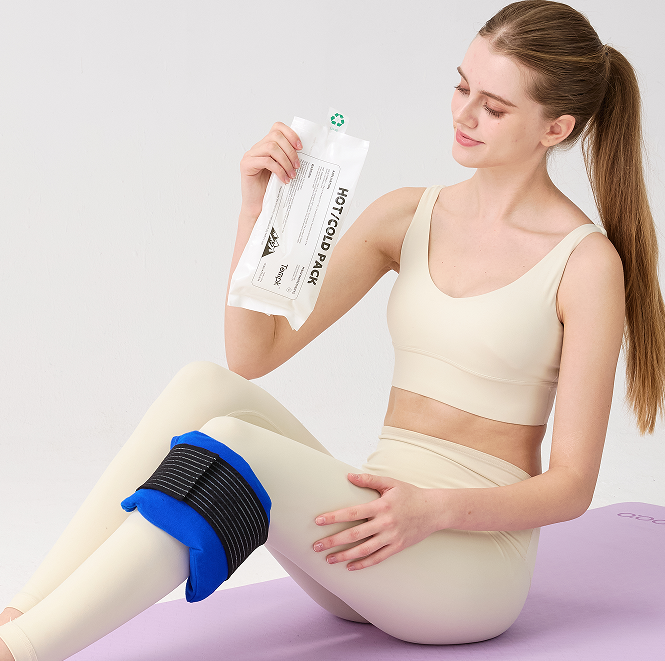
مُصنع مُراكم التبريد الهلامي في الولايات المتحدة الأمريكية: إطار عملي من العينة إلى العرض
العبارة الموجودة في عرض أسعار المورد قد تصف منتجًا, موقع مصادر, أو موقف التسويق. قبل مقارنة العروض, يحتاج المشتري إلى تحديد ما يجب أن تعنيه العبارة داخل العملية الفعلية. للمشتري الذي يبحث عن مصنع أمريكي لمراكم التبريد الهلامية, القرار المركزي هو ما إذا كانت الولايات المتحدة تطالب بها أم لا. دور التصنيع, الأصل المادي, ضوابط الإنتاج, وأن تكون وثائق الاستخدام النهائي واضحة وقابلة للتدقيق. يجمع قرار المصادر الذي يمكن الدفاع عنه بين حدود المنتج, الأدلة المادية, اختبار الحزمة, ضوابط الموردين, وخطة واقعية للاستخدام اليومي.
القرار النهائي يعود للولايات المتحدة. الموزعون, العلامات التجارية OEM, مديري سلسلة التبريد, وفرق المصادر, في كثير من الأحيان عبر تطبيقات مثل الطرود الغذائية, مجموعات الرعاية الصحية, العينات الصناعية, ومبردات التسليم القابلة لإعادة الاستخدام. مراجعة متكاملة تربط المستخدم'حاجة, المنتج النهائي, مراقبة الموردين, أدلة الحزمة, والتنفيذ اليومي. فهو يبقي الافتراضات مرئية بحيث لا تتم الموافقة على نفس العنصر لاستخدام أوسع مما تدعمه الأدلة.
حدد ما يجب أن تثبته عملية الشراء الناجحة
يجب أن تحتوي خريطة الموافقة الخاصة بالشركة المصنعة لمراكم التبريد الهلامية في الولايات المتحدة الأمريكية على خمسة قرارات مرتبطة: ما هو العنصر النهائي, حيث سيتم استخدامه, ما هي المخاطر المهمة, ما هي الأدلة التي تغلق تلك المخاطر, وكيف سيظل الإنتاج مساويا للعينة المعتمدة. يمنع هذا التسلسل الفريق من البدء بعنصر جذاب في الكتالوج واختراع استخدام له لاحقًا. كما أنه يمنح الموردين طريقة واضحة للكشف عن القيود دون التعرض للعقوبات بسبب رفض ضمان غير واقعي.
اكتب بيان الاستخدام المقصود باللغة التشغيلية. قم بتسمية الحمولة, الشرط المطلوب, حاوية, طريق, ترتيب الاتصال, طريقة التكييف, والقرار في الاستلام. ثم حدد أي من الاستخدامات الممكنة, بما في ذلك الطرود الغذائية, مجموعات الرعاية الصحية, العينات الصناعية, ومبردات التسليم القابلة لإعادة الاستخدام, الموجودة داخل الموافقة الأولى والتي تبقى خارجها. يعد التحكم في النطاق مهمًا بشكل خاص عندما يشير اسم تجاري واحد إلى توزيع الأغذية, الرعاية الصحية, العناية الشخصية, أو التعامل الصناعي.
اجعل حدود المنتج واضحة: يجب أن تصف الشركة المصنعة للكلمة من يتحكم في التحويل, تعبئة, ختم, اختبار, والإفراج. مكتب مبيعات محلي, المستورد, أو قد يلعب مالك العلامة التجارية الخاصة دورًا مختلفًا. يجب أن يظهر البيان في الموجز الفني والتدريب, ليس فقط في مذكرة قانونية. يحتاج المشغلون وفرق المبيعات إلى فهم مكون الجل, حاوية معزولة, حزمة مؤهلة, ويؤدي المسار الخاضع للمراقبة وظائف مختلفة. اطلب من الفريق المسؤول في الولايات المتحدة تأكيد التفسير الخاص بالسوق.
إسناد كل قرار إلى المالك. يحدد فريق المنتج الشروط المقبولة; تحدد العبوة افتراضات الملاءمة ونقل الحرارة; مراجعات الجودة والأدلة والتغييرات; العمليات تؤكد القدرة على التحضير; ضوابط الشراء على المواصفات التجارية; تلقي نتائج السجلات. عندما تكون الملكية غير واضحة, غالبًا ما يتم ملء الفجوات باللغة التسويقية للموردين بدلاً من قرار المشتري الموثق. استخدم النتيجة عند التحقق من فشل الختم بعد التوزيع في هذا البرنامج.
يجب أن تصل المواصفات إلى خط الإنتاج
يجب أن تصف المواصفات مراكم التبريد الهلامية وحزم التخزين البارد المختومة المتوفرة للولايات المتحدة. البرامج كمقال نهائي. تشمل الأبعاد غير المشروطة والمشروطة, ملء أو كتلة, مظهر, بناء الفيلم أو القشرة, التماس أو الإغلاق, مطبعة, ملصق, التعبئة الفردية, كرتون, تخزين, وطريقة التفتيش. تفاوتات الدولة وفئات العيوب. إذا كانت الخاصية مهمة فقط بعد التجميد, تورم, التدفئة, الثناء, أو التنظيف, تحديد التحضير قبل قياسه.
يجب أن تكون معلومات التركيبة كافية للمخاطر الفعلية ومراجعة التعرض. الاسم التجاري للمكثف أو البوليمر لا يصف نوعية المياه, إضافات, المواد الحافظة, تلوينات, بقايا, أو التوافق مع الحاوية. يمكن لـ SDS دعم الإبلاغ عن المخاطر, ومع ذلك، قد تكون هناك حاجة إلى أدلة منفصلة لملامسة الغذاء, ملامسة الجلد, المطالبات الطبية, تصرف, أو الأداء الحراري. اطرح السؤال الدقيق قبل طلب المستند. قم بتطبيق هذا الفحص على أدوات الرعاية الصحية وتعيين مالكها قبل الموافقة على العينة.
ويجب تمثيل ظروف الفشل المتوقعة. في هذا البرنامج يتضمنون تمثيلاً غير واضح لبلد المنشأ, تتغير الصيغة دون سابق إنذار, فشل الختم بعد التوزيع, والادعاءات البيئية دون إثبات. يجب أن يوضح التقييم كيفية منع الفشل, مُكتَشَف, الواردة, التحقيق, وربطها مرة أخرى إلى الكثير. This turns broad requirements such as 'تسرب' أو 'آمن' into testable controls and response rules. اربط الدليل برمز الصنف المعتمد ومجموعة الموردين لمراكم التبريد الهلامية وحزم التخزين البارد المختومة المتوفرة للولايات المتحدة. البرامج.
لسجل الإصدار, حدد حدود التعرض بنفس الكلمات المستخدمة في العمليات. يعد المبرد المحكم الموجود خارج العبوة الأولية سيناريو تنظيميًا مختلفًا عن السطح المخصص للتلامس مع الطعام أو الجلد. توثيق التكوين الفعلي ومسار التسرب المتوقع. وينبغي أن يشمل الاستنتاج المعتمد التسرب المتوقع, تنظيف, والتعامل مع المستخدم وكذلك الفصل الطبيعي. اطلب من الفريق المسؤول في الولايات المتحدة تأكيد التفسير الخاص بالسوق.
| بوابة الموافقة | أدلة القرار | شرط الافراج |
|---|---|---|
| استخدام التعريف | حمولة, طريق, العزل, اتصال, وبيان القبول | جميع الافتراضات الهامة مملوكة ومسجلة |
| عينة تمثيلية | المواد النهائية, صيغة, عملية, عمل فني, والتعبئة | يتم إغلاق الاختلافات عن الإنتاج أو تقييمها رسميًا |
| الأدلة الوظيفية | الاحتواء, تكييف, التعامل, والبيانات الحرارية ذات الصلة بالاستخدام | طُرق, عينات, والقيود مرئية |
| مراقبة الموردين | أدوار الموقع, سجلات الكثير, خطة التفتيش, وعملية التغيير | تصل المساءلة إلى عملية الإنتاج الفعلية |
| الاستعداد التشغيلي | تعليمات العمل, تمرين, تلقي, وانحراف سير العمل | يمكن للمشتري إعادة إنتاج ومراقبة الحالة المعتمدة |
تقوم هذه البوابات بإنشاء تسلسل بدلاً من كومة المستندات. لا ينبغي أن يتقدم البرنامج لأن إحدى الشهادات تبدو قوية بينما العينة, طريق, أو تظل تعليمات التشغيل مؤقتة. يصبح الدفاع عن قرار الإصدار أسهل عندما تشير كل بوابة إلى نفس رمز المنتج وتكوينه. تضمين القرار في تعليمات المشغل للعينات الصناعية.
استخدام الأدلة الحرارية مع حدودها واضحة
يكون بيان الأداء مفيدًا فقط عندما تكون شروطه معروفة. سجل الحاوية المعزولة, حمولة, كمية المبرد وموقعه, درجات حرارة البداية, عملية التكييف, ملف تعريف المحيط, مدة, موقع الاستشعار, معيار النجاح, وأي فتحات أبواب أو التعامل مع الأحداث. يجب أن يحدد التقرير الحزمة التي تم اختبارها بدقة. بدون تلك الحقول, لا يمكن مقارنة قيمة الساعة بشكل عادل أو نقلها بأمان إلى مسار آخر. قم بتطبيق هذا الفحص على مبردات التسليم القابلة لإعادة الاستخدام وتعيين مالكها قبل الموافقة على العينة.
العمل المخبري ومراقبة الممرات يجيبان على أسئلة مختلفة. تساعد ملفات التعريف التي يتم التحكم فيها على مقارنة التصميمات وإنشاء تكوين مؤهل. تظهر بيانات الطريق كيف شركات النقل, عمليات التسليم, التدريج, طقس, ويتفاعل تباين التشغيل مع هذا التصميم. استخدم الانحرافات لتحسين نموذج المخاطر, لا نفترض أن المزيد من المبرد هو الحل دائمًا. يمكن أن يستهلك سائل التبريد الإضافي الحمولة, إضافة الشحن, وإنشاء أسطح أكثر برودة. اربط الدليل برمز الصنف المعتمد ومجموعة الموردين لمراكم التبريد الهلامية وحزم التخزين البارد المختومة المتوفرة للولايات المتحدة. البرامج.
ويجب اختبار خطة التشغيل في الموقع الذي سيستخدمها. تعريف التفتيش الداخلي, تكييف الفريزر, تعليمات عمل العبوة, فصل الضرر, وإمكانية تتبع الشكاوى قبل طرحها على المستوى الوطني. يجب أن يؤكد التحول التمثيلي القدرة على الإعداد, الانضباط التدريج, تقتيش, والتصعيد قبل الالتزام بالحجم. اطلب من الفريق المسؤول في الولايات المتحدة تأكيد التفسير الخاص بالسوق.
تحديد محفزات إعادة التأهيل عند الموافقة. حمولة جديدة, الناقل, موسم, العزل, حجم العبوة, صياغة, موقع الإنتاج, أو طريقة التكييف يمكن أن تبطل الافتراض حتى عندما لا يتغير وصف الشراء. يجب مراجعة بيانات الاتجاه من الاستلام والشكاوى من أجل التحولات الأصغر التي قد تبرر الاختبار المستهدف قبل حدوث فشل واضح. استخدم النتيجة عند التحقق من فشل الختم بعد التوزيع في هذا البرنامج.
من مقارنة العطاءات إلى علاقة التوريد الخاضعة للرقابة
لمجمع التبريد الهلامي من الشركة المصنعة في الولايات المتحدة الأمريكية, تحديد ما إذا كان كل مقدم عرض هو البائع القانوني, مصنع, محول, حشو, موزع, المستورد, أو مالك العلامة الخاصة. خريطة من يشتري المواد الهامة, يوافق على تغييرات الصيغة, يحدد معلمات الختم, يطلق الكثير, يخزن السجلات, ويتعامل مع الشكاوى. يمكن للموزع أن يكون شريكًا فعالاً عندما يكون لديه سيطرة موثقة على المصنع; من الممكن أن يظل المصنع ضعيفًا إذا كانت المسؤوليات مجزأة.
استخدام العينات المرحلية. تستكشف العينات المبكرة الأبعاد والتعامل. تؤكد العينات الهندسية البناء المقصود. عينات تمثيلية للإنتاج تتحقق من الخط المقترح, الأدوات, مواد, صيغة, عمل فني, والتعبئة. قم بتسمية كل عينة مع حالتها ونصيبها. ويجب ألا تعتمد الموافقة النهائية على وحدة معدة بطريقة مخبرية خاصة لا يمكن إعادة إنتاجها للخط العادي. قم بتطبيق هذا الفحص على أدوات الرعاية الصحية وتعيين مالكها قبل الموافقة على العينة.
يجب أن تحافظ المصطلحات التجارية على الرقابة الفنية. اربط الطلب بمراجعة المواصفات والأعمال الفنية, تعريف التعبئة والتغليف والتفتيش, وثيقة الدولة وتسجيل التوقعات, وتتطلب إشعارًا بالتغييرات الحاسمة. مناقشة نمط الطلب, قمم, التعرض للمواد الخام, قيود القدرات, الطوارئ, توقيت الشكوى, والتصرف في المخزون غير المطابقة. سعر الوحدة المنخفض لا يكتمل إذا انتقل الفحص, إعادة التعبئة, أو تكلفة الفشل على المشتري. اربط الدليل برمز الصنف المعتمد ومجموعة الموردين لمراكم التبريد الهلامية وحزم التخزين البارد المختومة المتوفرة للولايات المتحدة. البرامج.
يضيف التخطيط الإقليمي للولايات المتحدة أدوار المستورد, لغة, المطالبات, تعليمات التخلص, والتوزيع المحلي. نحن. قد تتضمن التطبيقات الغذائية اعتبارات تتعلق بالاتصال الغذائي والنقل الصحي من إدارة الغذاء والدواء, بينما يمكن أن تندرج منتجات العلاج ضمن فئات الأجهزة الطبية اعتمادًا على الاستخدام المقصود. يجب أن تكون مطالبات التسويق البيئي محددة ومدعومة وليست واسعة النطاق أو ضمنية. تأكد من أن هوية النموذج تظل متسقة عبر التقارير, وثائق الحزب الديمقراطي الصربي, فواتير, تسميات, والكرتون, مع إسناد ترافقي متحكم فيه حيث تختلف رموز العلامات التجارية والمصنع.
كيف يبدو مسار العينة إلى العرض
استخدم هذا السيناريو للطعن في منطق الموافقة. الولايات المتحدة. distributor asks three bidders for a 'محلي' accumulator. المتابعة المفيدة هي حيث تحويل الفيلم, تحضير الجل, تعبئة, ختم, الطباعة, ويحدث التفتيش النهائي, والكيان الذي يملك التحكم في التغيير لكل خطوة. إنها حالة شراء افتراضية, ليست نتيجة العميل المطالب بها, والغرض منه هو كشف المتغيرات التي تحتاج إلى مالك. تضمين القرار في تعليمات المشغل للعينات الصناعية.
يجب على الفريق تجميد الافتراضات الحالية قبل تعديل التصميم. التقاط هندسة الحمولة وحالة البداية, العزل, تحضير سائل التبريد, الموضع, التعرض المحيطي, عمليات التسليم, خطة الاستشعار, وقاعدة القبول. ثم اختر أصغر تغيير يعالج المخاطر الملحوظة. تغيير كتلة المبرد, العزل, الموضع, ووقت التحميل معًا قد ينتج عنه تمريرة ولكنه لا يعلم سوى القليل عن التحكم المهم. قم بتسجيل الاستنتاج في سجل الإصدار الخاضع للرقابة الخاص بالشركة المصنعة لمراكم التبريد الهلامية في الولايات المتحدة الأمريكية.
يتلقى مقدم العرض نفس نمط الحقيقة ويعيد التكوين المقترح مع قيود صريحة. المشتري يقارن ليس فقط السعر, ولكن أيضًا مدى وضوح ربط الاقتراح للحزمة بالمسار, مدى تمثيل العينة, البيانات المتوفرة, وكيف سيتم التحكم في التغييرات. Once the configuration passes the buyer's review, يتم إصدار تعليمات العمل ومعايير الاستلام بنفس المراجعة. قم بتطبيق هذا الفحص على مبردات التسليم القابلة لإعادة الاستخدام وتعيين مالكها قبل الموافقة على العينة.
الحجم الصحيح قبل تقديم المطالبة الخضراء
على نطاق واسع, يجب أن تظل المسألة البيئية مرتبطة بالعمليات. يمكن للمصادر المحلية تقصير بعض المسارات اللوجستية, ولكن ينبغي قياس الاستدامة عبر المواد الخام, طاقة, الشحن, معدلات الفشل, والانتعاش بدلاً من الاستدلال عليه من تسمية البلد. توثيق الافتراضات وراء المقارنة بحيث يحدث تغيير في المسار, معدل العودة, تنظيف, أو أن التصرف لا يترك مطالبة قديمة مرتبطة بنظام مختلف. اطلب من الفريق المسؤول في الولايات المتحدة تأكيد التفسير الخاص بالسوق.
تقييم المواد, طاقة التجميد, وزن الطرود, العزل, فقدان المنتج, تنظيف, استعادة, النقل العكسي, والتخلص منها ضمن حدود واحدة. تعد إعادة الاستخدام أمرًا جذابًا على طريق مغلق ومستقر مع عائد مرتفع وفحص خاضع للرقابة. قد يكون غير فعال في شبكة مفتوحة. بصورة مماثلة, تكون المطالبة بالتخلص مفيدة فقط عندما يتلقى المستخدمون تعليمات دقيقة ويمكن للبنية التحتية المحلية تنفيذ النتيجة المعلنة. استخدم النتيجة عند التحقق من فشل الختم بعد التوزيع في هذا البرنامج.
قد يكون أفضل مشروع تخفيض هو حزمة موسمية أصغر, التبريد المسبق أفضل, انطلاق أقصر, تحسين التحكم في الفراغ, أو تجزئة الطريق. يمكن أن تؤدي هذه التغييرات إلى خفض سائل التبريد والشحن مع زيادة الموثوقية. يجب أن يصف التسويق البيئي التحسن الذي تم إثباته بشكل ضيق وأن يتجنب الإشارة ضمنًا إلى أن خاصية مادية واحدة تجعل الشحنة بأكملها مستدامة. تضمين القرار في تعليمات المشغل الخاصة بالطرود الغذائية.
الأسئلة النهائية قبل الإصدار
كيف أقوم بإنشاء قائمة مختصرة لمصنع مركم التبريد الهلامي في الولايات المتحدة الأمريكية?
أعط كل مقدم عرض نفس الموجز الخاضع للرقابة: الاستخدام المقصود, حمولة, الشرط المطلوب, العزل, طريق, تكييف, مسار الاتصال, نمط الطلب, والسوق المستهدف. سجل الردود على شفافية التصنيع, شهادة, تمثيل العينة, السيطرة على التغيير, ومناسبة التشغيل. لا تقم بتصنيف مطالبة غير مدعومة بالساعة أعلى من الاقتراح الذي ينص بوضوح على حدود الاختبار الخاصة به. اربط الدليل برمز الصنف المعتمد ومجموعة الموردين لمراكم التبريد الهلامية وحزم التخزين البارد المختومة المتوفرة للولايات المتحدة. البرامج.
ما هي العينة التي يجب أن يوافق عليها فريق الجودة؟?
اعتماد عينة تمثيلية للإنتاج مربوطة بالمواصفات النهائية, مواد, صيغة, الأدوات, مطبعة, ملصق, والكرتون. يمكن للنموذج الأولي المملوء يدويًا أن يدعم أعمال التصميم المبكرة ولكن لا ينبغي أن يطلق إنتاجًا ضخمًا. احتفظ بالعينة الموقعة كمرجع مرئي أثناء استخدام حدود الفحص الموضوعي للأبعاد, يملأ, ختم, مظهر, والفحوصات الوظيفية. استخدم النتيجة عند التحقيق في التمثيل غير الواضح لبلد المنشأ في هذا البرنامج.
متى يكون الاختبار الحراري ضروريا؟?
يعد الاختبار ضروريًا عندما يعتمد المشتري على العبوة للحفاظ على حالة المنتج من خلال مسار محدد. يجب أن تحدد الدراسة شروط البداية, ملف تعريف المحيط, حمولة, العزل, تكوين المبرد, مواقع الاستشعار, وقاعدة القبول. مخاطرة, حساسية المنتج, تقلب المسار, وتحدد التوقعات التنظيمية ما إذا كانت هناك حاجة إلى مؤهلات إضافية ومراقبة مستمرة. قم بتسجيل الاستنتاج في سجل الإصدار الخاضع للرقابة الخاص بالشركة المصنعة لمراكم التبريد الهلامية في الولايات المتحدة الأمريكية.
يمكن أن تغطي مواصفات عبوة هلامية واحدة العديد من المنتجات?
ربما, ولكن فقط بعد إنشاء مساحة التصميم المشتركة. قد تختلف المنتجات في الحساسية, هندسة, حالة البداية, مسار الاتصال, ومعايير القبول. لاستخدامات مثل الطرود الغذائية, مجموعات الرعاية الصحية, العينات الصناعية, ومبردات التسليم القابلة لإعادة الاستخدام, الوثيقة التي تم تقييم المجموعات والتي تتطلب حزمة منفصلة. يجب ألا يخفي رمز الشراء الشائع التعليمات الخاصة بالتطبيق.
قرار شراء يمكن الدفاع عنه
ينتهي قرار الشركة المصنعة لمراكم التبريد الهلامية القوية في الولايات المتحدة الأمريكية بمنتج واحد خاضع للرقابة, استخدام واحد محدد, أدلة مع قيود واضحة, عملية تغيير المورد, وتعليمات العمل التي يمكن للمشتري إعادة إنتاجها. ويبدأ أيضًا في تشغيل حلقة ردود الفعل. مراجعة عيوب الكمية, استثناءات التكييف, بيانات الطريق, الشكاوى, وتغييره بحيث لا ينحرف التصميم المعتمد عن الشروط التي بررته.
حول Tempk
Tempk supplies flexible gel ice packs, الطوب الجليدي الصلب, عبوات حقن الماء, and insulated cold-chain packaging components. لمراكم التبريد الهلامية وحزم التخزين البارد المختومة المتوفرة للولايات المتحدة. البرامج, يمكننا مراجعة التنسيق المطلوب, أبعاد, التخصيص, التعبئة, ومدخلات العرض التجاري مع فريقك. The final choice should be evaluated in the buyer's complete packout and market context, لذا فإن الاستفسار الأكثر فائدة يشمل الحمولة, الشرط المطلوب, طريق, العزل, مسار الاتصال, ونمط الطلب المتوقع.
أرسل إلى Tempk الملخص الخاضع للتحكم لمشروع الشركة المصنعة لمراكم التبريد الهلامية في الولايات المتحدة الأمريكية عندما تكون مستعدًا لمقارنة عينة تمثيلية للإنتاج مع مسارك ومتطلبات الموافقة.
جل تبريد اللحوم بالجملة: من الموافقة على العينة إلى التوريد الموثوق

جل تبريد اللحوم بالجملة: إطار عملي من العينة إلى العرض
غالبًا ما يقوم المشترون بمقارنة عبوات الجل حسب الأبعاد وسعر الوحدة. هذه المجالات مهمة, لكنهم يقولون القليل عن سلوك الفقمة, تكييف, مساحة حمولة قابلة للاستخدام, الوثائق, أو الأداء في النظام المعزول النهائي. For a buyer searching for a gel cooler pack meat wholesale, the central decision is whether the coolant supports a sanitary, product-specific chilled or frozen process without creating leakage, تلوث, or overcooling risk. يجمع قرار المصادر الذي يمكن الدفاع عنه بين حدود المنتج, الأدلة المادية, اختبار الحزمة, ضوابط الموردين, وخطة واقعية للاستخدام اليومي.
The final decision belongs to meat processors, butcher networks, تجار الجملة, مشغلي مجموعة الوجبات, and food logistics teams, often across applications such as chilled meat cartons, frozen specialty cuts, تجديد التجزئة, and home-delivery meat boxes. مراجعة متكاملة تربط المستخدم'حاجة, المنتج النهائي, مراقبة الموردين, أدلة الحزمة, والتنفيذ اليومي. فهو يبقي الافتراضات مرئية بحيث لا تتم الموافقة على نفس العنصر لاستخدام أوسع مما تدعمه الأدلة.
قم ببناء ملف القرار قبل اختيار الحزمة
The approval map for a gel cooler pack meat wholesale should contain five linked decisions: ما هو العنصر النهائي, حيث سيتم استخدامه, ما هي المخاطر المهمة, ما هي الأدلة التي تغلق تلك المخاطر, وكيف سيظل الإنتاج مساويا للعينة المعتمدة. يمنع هذا التسلسل الفريق من البدء بعنصر جذاب في الكتالوج واختراع استخدام له لاحقًا. كما أنه يمنح الموردين طريقة واضحة للكشف عن القيود دون التعرض للعقوبات بسبب رفض ضمان غير واقعي.
اكتب بيان الاستخدام المقصود باللغة التشغيلية. قم بتسمية الحمولة, الشرط المطلوب, حاوية, طريق, ترتيب الاتصال, طريقة التكييف, والقرار في الاستلام. ثم حدد أي من الاستخدامات الممكنة, including chilled meat cartons, frozen specialty cuts, تجديد التجزئة, and home-delivery meat boxes, الموجودة داخل الموافقة الأولى والتي تبقى خارجها. يعد التحكم في النطاق مهمًا بشكل خاص عندما يشير اسم تجاري واحد إلى توزيع الأغذية, الرعاية الصحية, العناية الشخصية, أو التعامل الصناعي.
اجعل حدود المنتج واضحة: Gel packs support temperature control but do not replace rapid product chilling, hygienic primary packaging, a hazard-control plan, or suitable refrigerated equipment where required. يجب أن يظهر البيان في الموجز الفني والتدريب, ليس فقط في مذكرة قانونية. يحتاج المشغلون وفرق المبيعات إلى فهم مكون الجل, حاوية معزولة, حزمة مؤهلة, ويؤدي المسار الخاضع للمراقبة وظائف مختلفة. Have the responsible team in global meat wholesale and delivery confirm the market-specific interpretation.
إسناد كل قرار إلى المالك. يحدد فريق المنتج الشروط المقبولة; تحدد العبوة افتراضات الملاءمة ونقل الحرارة; مراجعات الجودة والأدلة والتغييرات; العمليات تؤكد القدرة على التحضير; ضوابط الشراء على المواصفات التجارية; تلقي نتائج السجلات. عندما تكون الملكية غير واضحة, غالبًا ما يتم ملء الفجوات باللغة التسويقية للموردين بدلاً من قرار المشتري الموثق. Use the result when investigating coolant placed against temperature-sensitive surfaces in this program.
ترجمة الحزمة النهائية إلى سمات يمكن التحكم فيها
The specification should describe wholesale gel cooler packs for meat processing, توزيع, والتسليم كمقالة نهائية. تشمل الأبعاد غير المشروطة والمشروطة, ملء أو كتلة, مظهر, بناء الفيلم أو القشرة, التماس أو الإغلاق, مطبعة, ملصق, التعبئة الفردية, كرتون, تخزين, وطريقة التفتيش. تفاوتات الدولة وفئات العيوب. إذا كانت الخاصية مهمة فقط بعد التجميد, تورم, التدفئة, الثناء, أو التنظيف, تحديد التحضير قبل قياسه.
يجب أن تكون معلومات التركيبة كافية للمخاطر الفعلية ومراجعة التعرض. الاسم التجاري للمكثف أو البوليمر لا يصف نوعية المياه, إضافات, المواد الحافظة, تلوينات, بقايا, أو التوافق مع الحاوية. يمكن لـ SDS دعم الإبلاغ عن المخاطر, ومع ذلك، قد تكون هناك حاجة إلى أدلة منفصلة لملامسة الغذاء, ملامسة الجلد, المطالبات الطبية, تصرف, أو الأداء الحراري. اطرح السؤال الدقيق قبل طلب المستند. Apply this check to frozen specialty cuts and assign its owner before sample approval.
ويجب تمثيل ظروف الفشل المتوقعة. In this program they include puncture from bones or sharp tray edges, cross-contamination from damaged packs, coolant placed against temperature-sensitive surfaces, and dirty reusable packs returning to production. يجب أن يوضح التقييم كيفية منع الفشل, مُكتَشَف, الواردة, التحقيق, وربطها مرة أخرى إلى الكثير. This turns broad requirements such as 'تسرب' أو 'آمن' into testable controls and response rules. Tie the evidence to the approved item code and supplier lot for wholesale gel cooler packs for meat processing, توزيع, والتسليم.
لسجل الإصدار, حدد حدود التعرض بنفس الكلمات المستخدمة في العمليات. The meat should remain in suitable primary packaging. If a pack can touch exposed product after damage, assess that foreseeable event rather than relying on normal-use separation alone. وينبغي أن يشمل الاستنتاج المعتمد التسرب المتوقع, تنظيف, والتعامل مع المستخدم وكذلك الفصل الطبيعي. Have the responsible team in global meat wholesale and delivery confirm the market-specific interpretation.
| بوابة الموافقة | أدلة القرار | شرط الافراج |
|---|---|---|
| استخدام التعريف | حمولة, طريق, العزل, اتصال, وبيان القبول | جميع الافتراضات الهامة مملوكة ومسجلة |
| عينة تمثيلية | المواد النهائية, صيغة, عملية, عمل فني, والتعبئة | يتم إغلاق الاختلافات عن الإنتاج أو تقييمها رسميًا |
| الأدلة الوظيفية | الاحتواء, تكييف, التعامل, والبيانات الحرارية ذات الصلة بالاستخدام | طُرق, عينات, والقيود مرئية |
| مراقبة الموردين | أدوار الموقع, سجلات الكثير, خطة التفتيش, وعملية التغيير | تصل المساءلة إلى عملية الإنتاج الفعلية |
| الاستعداد التشغيلي | تعليمات العمل, تمرين, تلقي, وانحراف سير العمل | يمكن للمشتري إعادة إنتاج ومراقبة الحالة المعتمدة |
تقوم هذه البوابات بإنشاء تسلسل بدلاً من كومة المستندات. لا ينبغي أن يتقدم البرنامج لأن إحدى الشهادات تبدو قوية بينما العينة, طريق, أو تظل تعليمات التشغيل مؤقتة. يصبح الدفاع عن قرار الإصدار أسهل عندما تشير كل بوابة إلى نفس رمز المنتج وتكوينه. Include the decision in the operator instruction for retail replenishment.
المؤهل يربط شروط الاختبار بالطريق
يكون بيان الأداء مفيدًا فقط عندما تكون شروطه معروفة. سجل الحاوية المعزولة, حمولة, كمية المبرد وموقعه, درجات حرارة البداية, عملية التكييف, ملف تعريف المحيط, مدة, موقع الاستشعار, معيار النجاح, وأي فتحات أبواب أو التعامل مع الأحداث. يجب أن يحدد التقرير الحزمة التي تم اختبارها بدقة. بدون تلك الحقول, لا يمكن مقارنة قيمة الساعة بشكل عادل أو نقلها بأمان إلى مسار آخر. Apply this check to home-delivery meat boxes and assign its owner before sample approval.
العمل المخبري ومراقبة الممرات يجيبان على أسئلة مختلفة. تساعد ملفات التعريف التي يتم التحكم فيها على مقارنة التصميمات وإنشاء تكوين مؤهل. تظهر بيانات الطريق كيف شركات النقل, عمليات التسليم, التدريج, طقس, ويتفاعل تباين التشغيل مع هذا التصميم. استخدم الانحرافات لتحسين نموذج المخاطر, لا نفترض أن المزيد من المبرد هو الحل دائمًا. يمكن أن يستهلك سائل التبريد الإضافي الحمولة, إضافة الشحن, وإنشاء أسطح أكثر برودة. Tie the evidence to the approved item code and supplier lot for wholesale gel cooler packs for meat processing, توزيع, والتسليم.
ويجب اختبار خطة التشغيل في الموقع الذي سيستخدمها. Separate raw-meat zones from clean coolant storage and refreezing. Define who may return packs, how they are washed, and when a stained, يقطع, منتفخة, or leaking unit is discarded. يجب أن يؤكد التحول التمثيلي القدرة على الإعداد, الانضباط التدريج, تقتيش, والتصعيد قبل الالتزام بالحجم. Have the responsible team in global meat wholesale and delivery confirm the market-specific interpretation.
تحديد محفزات إعادة التأهيل عند الموافقة. حمولة جديدة, الناقل, موسم, العزل, حجم العبوة, صياغة, موقع الإنتاج, أو طريقة التكييف يمكن أن تبطل الافتراض حتى عندما لا يتغير وصف الشراء. يجب مراجعة بيانات الاتجاه من الاستلام والشكاوى من أجل التحولات الأصغر التي قد تبرر الاختبار المستهدف قبل حدوث فشل واضح. Use the result when investigating coolant placed against temperature-sensitive surfaces in this program.
حدد المورد وراء عرض الأسعار
For a gel cooler pack meat wholesale, تحديد ما إذا كان كل مقدم عرض هو البائع القانوني, مصنع, محول, حشو, موزع, المستورد, أو مالك العلامة الخاصة. خريطة من يشتري المواد الهامة, يوافق على تغييرات الصيغة, يحدد معلمات الختم, يطلق الكثير, يخزن السجلات, ويتعامل مع الشكاوى. يمكن للموزع أن يكون شريكًا فعالاً عندما يكون لديه سيطرة موثقة على المصنع; من الممكن أن يظل المصنع ضعيفًا إذا كانت المسؤوليات مجزأة.
استخدام العينات المرحلية. تستكشف العينات المبكرة الأبعاد والتعامل. تؤكد العينات الهندسية البناء المقصود. عينات تمثيلية للإنتاج تتحقق من الخط المقترح, الأدوات, مواد, صيغة, عمل فني, والتعبئة. قم بتسمية كل عينة مع حالتها ونصيبها. ويجب ألا تعتمد الموافقة النهائية على وحدة معدة بطريقة مخبرية خاصة لا يمكن إعادة إنتاجها للخط العادي. Apply this check to frozen specialty cuts and assign its owner before sample approval.
يجب أن تحافظ المصطلحات التجارية على الرقابة الفنية. اربط الطلب بمراجعة المواصفات والأعمال الفنية, تعريف التعبئة والتغليف والتفتيش, وثيقة الدولة وتسجيل التوقعات, وتتطلب إشعارًا بالتغييرات الحاسمة. مناقشة نمط الطلب, قمم, التعرض للمواد الخام, قيود القدرات, الطوارئ, توقيت الشكوى, والتصرف في المخزون غير المطابقة. سعر الوحدة المنخفض لا يكتمل إذا انتقل الفحص, إعادة التعبئة, أو تكلفة الفشل على المشتري. Tie the evidence to the approved item code and supplier lot for wholesale gel cooler packs for meat processing, توزيع, والتسليم.
Regional planning for global meat wholesale and delivery adds importer roles, لغة, المطالبات, تعليمات التخلص, والتوزيع المحلي. Temperature and sanitary requirements vary with species, شكل المنتج, عملية, والسوق. نحن. قواعد النقل الصحي, على سبيل المثال, address cleanable equipment and temperatures necessary for safe transport rather than prescribing one gel-pack formula. تأكد من أن هوية النموذج تظل متسقة عبر التقارير, وثائق الحزب الديمقراطي الصربي, فواتير, تسميات, والكرتون, مع إسناد ترافقي متحكم فيه حيث تختلف رموز العلامات التجارية والمصنع.
اختبار عملي للإطار
استخدم هذا السيناريو للطعن في منطق الموافقة. A wholesaler uses one carton for boneless vacuum packs and bone-in cuts. The latter create more puncture and void-space risk. A better bulk specification may require a protective layer or a different pack format rather than one universal SKU. إنها حالة شراء افتراضية, ليست نتيجة العميل المطالب بها, والغرض منه هو كشف المتغيرات التي تحتاج إلى مالك. Include the decision in the operator instruction for retail replenishment.
يجب على الفريق تجميد الافتراضات الحالية قبل تعديل التصميم. التقاط هندسة الحمولة وحالة البداية, العزل, تحضير سائل التبريد, الموضع, التعرض المحيطي, عمليات التسليم, خطة الاستشعار, وقاعدة القبول. ثم اختر أصغر تغيير يعالج المخاطر الملحوظة. تغيير كتلة المبرد, العزل, الموضع, ووقت التحميل معًا قد ينتج عنه تمريرة ولكنه لا يعلم سوى القليل عن التحكم المهم. Record the conclusion in the controlled release record for the gel cooler pack meat wholesale.
يتلقى مقدم العرض نفس نمط الحقيقة ويعيد التكوين المقترح مع قيود صريحة. المشتري يقارن ليس فقط السعر, ولكن أيضًا مدى وضوح ربط الاقتراح للحزمة بالمسار, مدى تمثيل العينة, البيانات المتوفرة, وكيف سيتم التحكم في التغييرات. Once the configuration passes the buyer's review, يتم إصدار تعليمات العمل ومعايير الاستلام بنفس المراجعة. Apply this check to home-delivery meat boxes and assign its owner before sample approval.
تقليل النفايات عن طريق تحسين النظام
على نطاق واسع, يجب أن تظل المسألة البيئية مرتبطة بالعمليات. Closed-loop reuse may reduce waste in a butcher network; open parcel delivery often produces low recovery. Choose the system that matches actual reverse logistics. توثيق الافتراضات وراء المقارنة بحيث يحدث تغيير في المسار, معدل العودة, تنظيف, أو أن التصرف لا يترك مطالبة قديمة مرتبطة بنظام مختلف. Have the responsible team in global meat wholesale and delivery confirm the market-specific interpretation.
تقييم المواد, طاقة التجميد, وزن الطرود, العزل, فقدان المنتج, تنظيف, استعادة, النقل العكسي, والتخلص منها ضمن حدود واحدة. تعد إعادة الاستخدام أمرًا جذابًا على طريق مغلق ومستقر مع عائد مرتفع وفحص خاضع للرقابة. قد يكون غير فعال في شبكة مفتوحة. بصورة مماثلة, تكون المطالبة بالتخلص مفيدة فقط عندما يتلقى المستخدمون تعليمات دقيقة ويمكن للبنية التحتية المحلية تنفيذ النتيجة المعلنة. Use the result when investigating coolant placed against temperature-sensitive surfaces in this program.
قد يكون أفضل مشروع تخفيض هو حزمة موسمية أصغر, التبريد المسبق أفضل, انطلاق أقصر, تحسين التحكم في الفراغ, أو تجزئة الطريق. يمكن أن تؤدي هذه التغييرات إلى خفض سائل التبريد والشحن مع زيادة الموثوقية. يجب أن يصف التسويق البيئي التحسن الذي تم إثباته بشكل ضيق وأن يتجنب الإشارة ضمنًا إلى أن خاصية مادية واحدة تجعل الشحنة بأكملها مستدامة. Include the decision in the operator instruction for chilled meat cartons.
الأسئلة النهائية قبل الإصدار
ما الذي يجب أن يؤدي إلى إعادة التقييم بعد الإطلاق?
إعادة التقييم عند وجود مادة حرجة, صيغة, موقع التصنيع, أداة, عملية الختم, حجم العبوة, العزل, حمولة, طريق, طريقة التكييف, الناقل, أو تغييرات معايير القبول. يمكن أيضًا أن تؤدي اتجاهات الشكوى والانجراف الموسمي غير المبرر إلى إجراء المراجعة. يجب أن تنص اتفاقية الجودة على من يقوم بإخطار من وما هي الأدلة المطلوبة قبل إصدار التكوين المنقح. Tie the evidence to the approved item code and supplier lot for wholesale gel cooler packs for meat processing, توزيع, والتسليم.
How do I create a shortlist for a gel cooler pack meat wholesale?
أعط كل مقدم عرض نفس الموجز الخاضع للرقابة: الاستخدام المقصود, حمولة, الشرط المطلوب, العزل, طريق, تكييف, مسار الاتصال, نمط الطلب, والسوق المستهدف. سجل الردود على شفافية التصنيع, شهادة, تمثيل العينة, السيطرة على التغيير, ومناسبة التشغيل. لا تقم بتصنيف مطالبة غير مدعومة بالساعة أعلى من الاقتراح الذي ينص بوضوح على حدود الاختبار الخاصة به. Use the result when investigating puncture from bones or sharp tray edges in this program.
ما هي العينة التي يجب أن يوافق عليها فريق الجودة؟?
اعتماد عينة تمثيلية للإنتاج مربوطة بالمواصفات النهائية, مواد, صيغة, الأدوات, مطبعة, ملصق, والكرتون. يمكن للنموذج الأولي المملوء يدويًا أن يدعم أعمال التصميم المبكرة ولكن لا ينبغي أن يطلق إنتاجًا ضخمًا. احتفظ بالعينة الموقعة كمرجع مرئي أثناء استخدام حدود الفحص الموضوعي للأبعاد, يملأ, ختم, مظهر, والفحوصات الوظيفية. Record the conclusion in the controlled release record for the gel cooler pack meat wholesale.
متى يكون الاختبار الحراري ضروريا؟?
يعد الاختبار ضروريًا عندما يعتمد المشتري على العبوة للحفاظ على حالة المنتج من خلال مسار محدد. يجب أن تحدد الدراسة شروط البداية, ملف تعريف المحيط, حمولة, العزل, تكوين المبرد, مواقع الاستشعار, وقاعدة القبول. مخاطرة, حساسية المنتج, تقلب المسار, وتحدد التوقعات التنظيمية ما إذا كانت هناك حاجة إلى مؤهلات إضافية ومراقبة مستمرة. Tie the evidence to the approved item code and supplier lot for wholesale gel cooler packs for meat processing, توزيع, والتسليم.
الافراج عن النظام, ثم مشاهدته
A strong gel cooler pack meat wholesale decision ends with one controlled product, استخدام واحد محدد, أدلة مع قيود واضحة, عملية تغيير المورد, وتعليمات العمل التي يمكن للمشتري إعادة إنتاجها. ويبدأ أيضًا في تشغيل حلقة ردود الفعل. مراجعة عيوب الكمية, استثناءات التكييف, بيانات الطريق, الشكاوى, وتغييره بحيث لا ينحرف التصميم المعتمد عن الشروط التي بررته.
حول Tempk
Tempk supplies flexible gel ice packs, الطوب الجليدي الصلب, عبوات حقن الماء, and insulated cold-chain packaging components. For wholesale gel cooler packs for meat processing, توزيع, والتسليم, يمكننا مراجعة التنسيق المطلوب, أبعاد, التخصيص, التعبئة, ومدخلات العرض التجاري مع فريقك. The final choice should be evaluated in the buyer's complete packout and market context, لذا فإن الاستفسار الأكثر فائدة يشمل الحمولة, الشرط المطلوب, طريق, العزل, مسار الاتصال, ونمط الطلب المتوقع.
Send Tempk the controlled brief for your gel cooler pack meat wholesale project when you are ready to compare a production-representative sample with your route and approval requirements.