


موزع جل التبريد في الهند: دليل العينة إلى العرض
موزع جل التبريد في الهند: دليل العينة إلى العرض
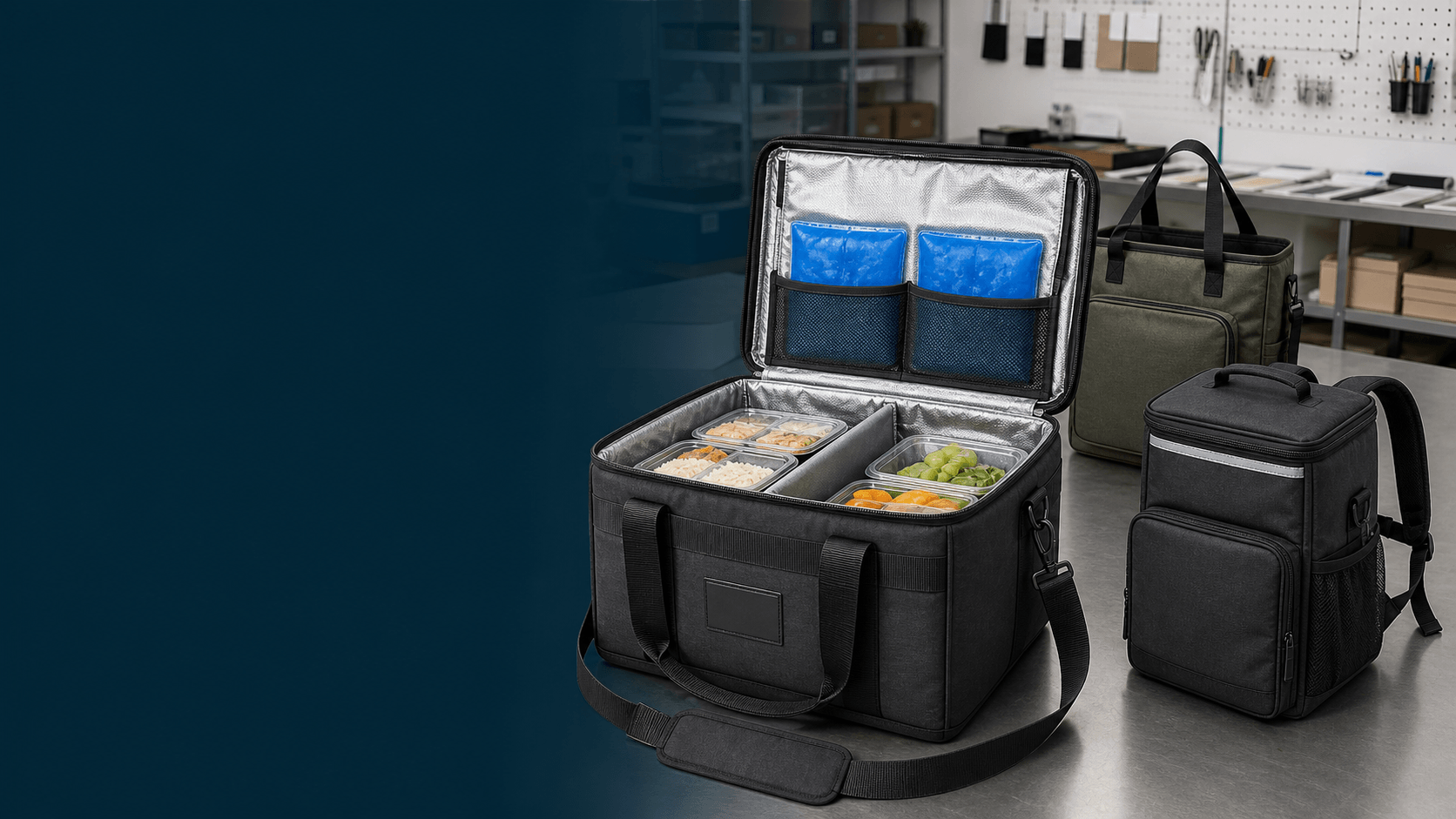
موزع جل التبريد في الهند: إطار عملي من العينة إلى العرض
يمكن أن تتجمد العينة بشكل صلب, أشعر بالمتانة, ويظل الاختيار التجاري الخاطئ. تبدأ عملية الشراء عندما تتم ترجمة العينة إلى مواصفات خاضعة للرقابة لذلك الإنتاج, جودة, ويمكن تكرار العمليات. لمشتري يبحث عن موزع للهلام المبرد في الهند, القرار المركزي هو ما إذا كان الموزع يمكنه توفير إرشادات تكييف متسقة واستمرارية العرض عبر الحرارة العالية, رطوبة عالية, وطرق التسليم المتعددة. يجمع قرار المصادر الذي يمكن الدفاع عنه بين حدود المنتج, الأدلة المادية, اختبار الحزمة, ضوابط الموردين, وخطة واقعية للاستخدام اليومي.
القرار النهائي يعود للموزعين الهنود, معالجات الطعام, موردي التشخيص, البقالون عبر الإنترنت, ومديري المشتريات, في كثير من الأحيان عبر تطبيقات مثل نقل المواد الغذائية المبردة, دعم عينة التشخيص, تسليم البقالة, وتجديد الصندوق المعزول. مراجعة متكاملة تربط المستخدم'حاجة, المنتج النهائي, مراقبة الموردين, أدلة الحزمة, والتنفيذ اليومي. فهو يبقي الافتراضات مرئية بحيث لا تتم الموافقة على نفس العنصر لاستخدام أوسع مما تدعمه الأدلة.
حدد ما يجب أن تثبته عملية الشراء الناجحة
يجب أن تحتوي خريطة الموافقة الخاصة بموزع عبوات التبريد الهلامية في الهند على خمسة قرارات مرتبطة: ما هو العنصر النهائي, حيث سيتم استخدامه, ما هي المخاطر المهمة, ما هي الأدلة التي تغلق تلك المخاطر, وكيف سيظل الإنتاج مساويا للعينة المعتمدة. يمنع هذا التسلسل الفريق من البدء بعنصر جذاب في الكتالوج واختراع استخدام له لاحقًا. كما أنه يمنح الموردين طريقة واضحة للكشف عن القيود دون التعرض للعقوبات بسبب رفض ضمان غير واقعي.
اكتب بيان الاستخدام المقصود باللغة التشغيلية. قم بتسمية الحمولة, الشرط المطلوب, حاوية, طريق, ترتيب الاتصال, طريقة التكييف, والقرار في الاستلام. ثم حدد أي من الاستخدامات الممكنة, بما في ذلك نقل المواد الغذائية المبردة, دعم عينة التشخيص, تسليم البقالة, وتجديد الصندوق المعزول, الموجودة داخل الموافقة الأولى والتي تبقى خارجها. يعد التحكم في النطاق مهمًا بشكل خاص عندما يشير اسم تجاري واحد إلى توزيع الأغذية, الرعاية الصحية, العناية الشخصية, أو التعامل الصناعي.
اجعل حدود المنتج واضحة: تعتبر عبوة سائل التبريد الهلامية جزءًا واحدًا فقط من سلسلة التبريد. لا يمكن تعويض التحميل الدافئ, عزل ضعيف, وقت السكن غير المنضبط, أو حد منتج غير محدد. يجب أن يظهر البيان في الموجز الفني والتدريب, ليس فقط في مذكرة قانونية. يحتاج المشغلون وفرق المبيعات إلى فهم مكون الجل, حاوية معزولة, حزمة مؤهلة, ويؤدي المسار الخاضع للمراقبة وظائف مختلفة. اطلب من الفريق المسؤول في الهند تأكيد التفسير الخاص بالسوق.
إسناد كل قرار إلى المالك. يحدد فريق المنتج الشروط المقبولة; تحدد العبوة افتراضات الملاءمة ونقل الحرارة; مراجعات الجودة والأدلة والتغييرات; العمليات تؤكد القدرة على التحضير; ضوابط الشراء على المواصفات التجارية; تلقي نتائج السجلات. عندما تكون الملكية غير واضحة, غالبًا ما يتم ملء الفجوات باللغة التسويقية للموردين بدلاً من قرار المشتري الموثق. استخدم النتيجة عند التحقق من تلف الفيلم في الصناديق المزدحمة في هذا البرنامج.
يجب أن تصل المواصفات إلى خط الإنتاج
The specification should describe gel coolant packs distributed for Indian food, الرعاية الصحية, وبرامج التحكم في درجة الحرارة التجارية كمقال نهائي. تشمل الأبعاد غير المشروطة والمشروطة, ملء أو كتلة, مظهر, بناء الفيلم أو القشرة, التماس أو الإغلاق, مطبعة, ملصق, التعبئة الفردية, كرتون, تخزين, وطريقة التفتيش. تفاوتات الدولة وفئات العيوب. إذا كانت الخاصية مهمة فقط بعد التجميد, تورم, التدفئة, الثناء, أو التنظيف, تحديد التحضير قبل قياسه.
يجب أن تكون معلومات التركيبة كافية للمخاطر الفعلية ومراجعة التعرض. الاسم التجاري للمكثف أو البوليمر لا يصف نوعية المياه, إضافات, المواد الحافظة, تلوينات, بقايا, أو التوافق مع الحاوية. يمكن لـ SDS دعم الإبلاغ عن المخاطر, ومع ذلك، قد تكون هناك حاجة إلى أدلة منفصلة لملامسة الغذاء, ملامسة الجلد, المطالبات الطبية, تصرف, أو الأداء الحراري. اطرح السؤال الدقيق قبل طلب المستند. قم بتطبيق هذا الفحص على دعم العينة التشخيصية وتعيين مالكها قبل الموافقة على العينة.
ويجب تمثيل ظروف الفشل المتوقعة. يتضمن هذا البرنامج التجميد الجزئي الناتج عن التحميل الزائد على المجمدات, عمليات التسليم الطويلة غير المخطط لها, تلف الفيلم في الصناديق المزدحمة, ومواصفة واحدة تستخدم للبضائع المبردة والمجمدة. يجب أن يوضح التقييم كيفية منع الفشل, مُكتَشَف, الواردة, التحقيق, وربطها مرة أخرى إلى الكثير. This turns broad requirements such as 'تسرب' أو 'آمن' into testable controls and response rules. اربط الدليل برمز المنتج المعتمد ومجموعة الموردين الخاصة بعبوات المبرد الهلامية الموزعة على الأطعمة الهندية, الرعاية الصحية, وبرامج التحكم في درجة الحرارة التجارية.
لسجل الإصدار, حدد حدود التعرض بنفس الكلمات المستخدمة في العمليات. طعام, التشخيص, واستخدامات العلاج لها مسارات تعرض مختلفة. تأكد من الفصل الدقيق عن المنتج والوثائق المناسبة للاستخدام. وينبغي أن يشمل الاستنتاج المعتمد التسرب المتوقع, تنظيف, والتعامل مع المستخدم وكذلك الفصل الطبيعي. اطلب من الفريق المسؤول في الهند تأكيد التفسير الخاص بالسوق.
| بوابة الموافقة | أدلة القرار | شرط الافراج |
|---|---|---|
| استخدام التعريف | حمولة, طريق, العزل, اتصال, وبيان القبول | جميع الافتراضات الهامة مملوكة ومسجلة |
| عينة تمثيلية | المواد النهائية, صيغة, عملية, عمل فني, والتعبئة | يتم إغلاق الاختلافات عن الإنتاج أو تقييمها رسميًا |
| الأدلة الوظيفية | الاحتواء, تكييف, التعامل, والبيانات الحرارية ذات الصلة بالاستخدام | طُرق, عينات, والقيود مرئية |
| مراقبة الموردين | أدوار الموقع, سجلات الكثير, خطة التفتيش, وعملية التغيير | تصل المساءلة إلى عملية الإنتاج الفعلية |
| الاستعداد التشغيلي | تعليمات العمل, تمرين, تلقي, وانحراف سير العمل | يمكن للمشتري إعادة إنتاج ومراقبة الحالة المعتمدة |
تقوم هذه البوابات بإنشاء تسلسل بدلاً من كومة المستندات. لا ينبغي أن يتقدم البرنامج لأن إحدى الشهادات تبدو قوية بينما العينة, طريق, أو تظل تعليمات التشغيل مؤقتة. يصبح الدفاع عن قرار الإصدار أسهل عندما تشير كل بوابة إلى نفس رمز المنتج وتكوينه. قم بتضمين القرار في تعليمات المشغل لتوصيل البقالة.
استخدام الأدلة الحرارية مع حدودها واضحة
يكون بيان الأداء مفيدًا فقط عندما تكون شروطه معروفة. سجل الحاوية المعزولة, حمولة, كمية المبرد وموقعه, درجات حرارة البداية, عملية التكييف, ملف تعريف المحيط, مدة, موقع الاستشعار, معيار النجاح, وأي فتحات أبواب أو التعامل مع الأحداث. يجب أن يحدد التقرير الحزمة التي تم اختبارها بدقة. بدون تلك الحقول, لا يمكن مقارنة قيمة الساعة بشكل عادل أو نقلها بأمان إلى مسار آخر. قم بتطبيق هذا الفحص على تجديد الصندوق المعزول وتعيين مالكه قبل الموافقة على العينة.
العمل المخبري ومراقبة الممرات يجيبان على أسئلة مختلفة. تساعد ملفات التعريف التي يتم التحكم فيها على مقارنة التصميمات وإنشاء تكوين مؤهل. تظهر بيانات الطريق كيف شركات النقل, عمليات التسليم, التدريج, طقس, ويتفاعل تباين التشغيل مع هذا التصميم. استخدم الانحرافات لتحسين نموذج المخاطر, لا نفترض أن المزيد من المبرد هو الحل دائمًا. يمكن أن يستهلك سائل التبريد الإضافي الحمولة, إضافة الشحن, وإنشاء أسطح أكثر برودة. اربط الدليل برمز المنتج المعتمد ومجموعة الموردين الخاصة بعبوات المبرد الهلامية الموزعة على الأطعمة الهندية, الرعاية الصحية, وبرامج التحكم في درجة الحرارة التجارية.
ويجب اختبار خطة التشغيل في الموقع الذي سيستخدمها. غالبًا ما تكون قدرة التكييف هي القيد الخفي. تحقق من تحميل الفريزر, دوران الهواء, وقت التعافي, طوارئ الطاقة, والوقت بين الإزالة وإغلاق الكرتون النهائي. يجب أن يؤكد التحول التمثيلي القدرة على الإعداد, الانضباط التدريج, تقتيش, والتصعيد قبل الالتزام بالحجم. اطلب من الفريق المسؤول في الهند تأكيد التفسير الخاص بالسوق.
تحديد محفزات إعادة التأهيل عند الموافقة. حمولة جديدة, الناقل, موسم, العزل, حجم العبوة, صياغة, موقع الإنتاج, أو طريقة التكييف يمكن أن تبطل الافتراض حتى عندما لا يتغير وصف الشراء. يجب مراجعة بيانات الاتجاه من الاستلام والشكاوى من أجل التحولات الأصغر التي قد تبرر الاختبار المستهدف قبل حدوث فشل واضح. استخدم النتيجة عند التحقق من تلف الفيلم في الصناديق المزدحمة في هذا البرنامج.
من مقارنة العطاءات إلى علاقة التوريد الخاضعة للرقابة
لموزع الهند لحزمة سائل التبريد, تحديد ما إذا كان كل مقدم عرض هو البائع القانوني, مصنع, محول, حشو, موزع, المستورد, أو مالك العلامة الخاصة. خريطة من يشتري المواد الهامة, يوافق على تغييرات الصيغة, يحدد معلمات الختم, يطلق الكثير, يخزن السجلات, ويتعامل مع الشكاوى. يمكن للموزع أن يكون شريكًا فعالاً عندما يكون لديه سيطرة موثقة على المصنع; من الممكن أن يظل المصنع ضعيفًا إذا كانت المسؤوليات مجزأة.
استخدام العينات المرحلية. تستكشف العينات المبكرة الأبعاد والتعامل. تؤكد العينات الهندسية البناء المقصود. عينات تمثيلية للإنتاج تتحقق من الخط المقترح, الأدوات, مواد, صيغة, عمل فني, والتعبئة. قم بتسمية كل عينة مع حالتها ونصيبها. ويجب ألا تعتمد الموافقة النهائية على وحدة معدة بطريقة مخبرية خاصة لا يمكن إعادة إنتاجها للخط العادي. قم بتطبيق هذا الفحص على دعم العينة التشخيصية وتعيين مالكها قبل الموافقة على العينة.
يجب أن تحافظ المصطلحات التجارية على الرقابة الفنية. اربط الطلب بمراجعة المواصفات والأعمال الفنية, تعريف التعبئة والتغليف والتفتيش, وثيقة الدولة وتسجيل التوقعات, وتتطلب إشعارًا بالتغييرات الحاسمة. مناقشة نمط الطلب, قمم, التعرض للمواد الخام, قيود القدرات, الطوارئ, توقيت الشكوى, والتصرف في المخزون غير المطابقة. سعر الوحدة المنخفض لا يكتمل إذا انتقل الفحص, إعادة التعبئة, أو تكلفة الفشل على المشتري. اربط الدليل برمز المنتج المعتمد ومجموعة الموردين الخاصة بعبوات المبرد الهلامية الموزعة على الأطعمة الهندية, الرعاية الصحية, وبرامج التحكم في درجة الحرارة التجارية.
يضيف التخطيط الإقليمي للهند أدوار المستورد, لغة, المطالبات, تعليمات التخلص, والتوزيع المحلي. تؤكد إرشادات FSSAI لقطاعات الأغذية ذات الصلة على الحفاظ على درجات الحرارة المطلوبة والنقل الصحي. بعض استخدامات التوجيه القطاعي 4 درجة مئوية أو أقل للمنتجات المبردة وناقص 18 درجة مئوية أو أقل للمنتجات المجمدة, ولكن يجب على الشركات اتباع القاعدة والإرشادات المطبقة على فئة الأغذية الخاصة بها. تأكد من أن هوية النموذج تظل متسقة عبر التقارير, وثائق الحزب الديمقراطي الصربي, فواتير, تسميات, والكرتون, مع إسناد ترافقي متحكم فيه حيث تختلف رموز العلامات التجارية والمصنع.
كيف يبدو مسار العينة إلى العرض
استخدم هذا السيناريو للطعن في منطق الموافقة. يضيف أحد البقالين عبر الإنترنت سائل التبريد خلال فصل الصيف، لكنه لا يزال يرى درجات حرارة تسليم غير متناسقة. وجد التحقيق أن العبوات مكدسة بإحكام في الثلاجة, تمت إزالتها مبكرًا جدًا, وعقد على طاولة الإرسال. لا يمكن لاختيار الموزع وحده إصلاح هذه الفجوات في العملية. إنها حالة شراء افتراضية, ليست نتيجة العميل المطالب بها, والغرض منه هو كشف المتغيرات التي تحتاج إلى مالك. قم بتضمين القرار في تعليمات المشغل لتوصيل البقالة.
يجب على الفريق تجميد الافتراضات الحالية قبل تعديل التصميم. التقاط هندسة الحمولة وحالة البداية, العزل, تحضير سائل التبريد, الموضع, التعرض المحيطي, عمليات التسليم, خطة الاستشعار, وقاعدة القبول. ثم اختر أصغر تغيير يعالج المخاطر الملحوظة. تغيير كتلة المبرد, العزل, الموضع, ووقت التحميل معًا قد ينتج عنه تمريرة ولكنه لا يعلم سوى القليل عن التحكم المهم. قم بتسجيل الاستنتاج في سجل الإصدار الخاضع للمراقبة لموزع عبوات التبريد الهلامية في الهند.
يتلقى مقدم العرض نفس نمط الحقيقة ويعيد التكوين المقترح مع قيود صريحة. المشتري يقارن ليس فقط السعر, ولكن أيضًا مدى وضوح ربط الاقتراح للحزمة بالمسار, مدى تمثيل العينة, البيانات المتوفرة, وكيف سيتم التحكم في التغييرات. Once the configuration passes the buyer's review, يتم إصدار تعليمات العمل ومعايير الاستلام بنفس المراجعة. قم بتطبيق هذا الفحص على تجديد الصندوق المعزول وتعيين مالكه قبل الموافقة على العينة.
الحجم الصحيح قبل تقديم المطالبة الخضراء
على نطاق واسع, يجب أن تظل المسألة البيئية مرتبطة بالعمليات. قد تؤدي العبوة القابلة لإعادة الاستخدام المخزنة محليًا إلى تقليل مسافة التجديد, لكن الماء, غسل, فصل الضرر, ولوجستيات الاسترداد تنتمي إلى التقييم البيئي. توثيق الافتراضات وراء المقارنة بحيث يحدث تغيير في المسار, معدل العودة, تنظيف, أو أن التصرف لا يترك مطالبة قديمة مرتبطة بنظام مختلف. اطلب من الفريق المسؤول في الهند تأكيد التفسير الخاص بالسوق.
تقييم المواد, طاقة التجميد, وزن الطرود, العزل, فقدان المنتج, تنظيف, استعادة, النقل العكسي, والتخلص منها ضمن حدود واحدة. تعد إعادة الاستخدام أمرًا جذابًا على طريق مغلق ومستقر مع عائد مرتفع وفحص خاضع للرقابة. قد يكون غير فعال في شبكة مفتوحة. بصورة مماثلة, تكون المطالبة بالتخلص مفيدة فقط عندما يتلقى المستخدمون تعليمات دقيقة ويمكن للبنية التحتية المحلية تنفيذ النتيجة المعلنة. استخدم النتيجة عند التحقق من تلف الفيلم في الصناديق المزدحمة في هذا البرنامج.
قد يكون أفضل مشروع تخفيض هو حزمة موسمية أصغر, التبريد المسبق أفضل, انطلاق أقصر, تحسين التحكم في الفراغ, أو تجزئة الطريق. يمكن أن تؤدي هذه التغييرات إلى خفض سائل التبريد والشحن مع زيادة الموثوقية. يجب أن يصف التسويق البيئي التحسن الذي تم إثباته بشكل ضيق وأن يتجنب الإشارة ضمنًا إلى أن خاصية مادية واحدة تجعل الشحنة بأكملها مستدامة. قم بتضمين القرار في تعليمات المشغل الخاصة بنقل الأغذية المبردة.
الأسئلة النهائية قبل الإصدار
يمكن أن تغطي مواصفات عبوة هلامية واحدة العديد من المنتجات?
ربما, ولكن فقط بعد إنشاء مساحة التصميم المشتركة. قد تختلف المنتجات في الحساسية, هندسة, حالة البداية, مسار الاتصال, ومعايير القبول. لاستخدامات مثل نقل المواد الغذائية المبردة, دعم عينة التشخيص, تسليم البقالة, وتجديد الصندوق المعزول, الوثيقة التي تم تقييم المجموعات والتي تتطلب حزمة منفصلة. يجب ألا يخفي رمز الشراء الشائع التعليمات الخاصة بالتطبيق.
ما الذي يجب أن يؤدي إلى إعادة التقييم بعد الإطلاق?
إعادة التقييم عند وجود مادة حرجة, صيغة, موقع التصنيع, أداة, عملية الختم, حجم العبوة, العزل, حمولة, طريق, طريقة التكييف, الناقل, أو تغييرات معايير القبول. يمكن أيضًا أن تؤدي اتجاهات الشكوى والانجراف الموسمي غير المبرر إلى إجراء المراجعة. يجب أن تنص اتفاقية الجودة على من يقوم بإخطار من وما هي الأدلة المطلوبة قبل إصدار التكوين المنقح. استخدم النتيجة عند التحقق من التجميد الجزئي الناتج عن التحميل الزائد على المجمدات في هذا البرنامج.
كيف أقوم بإنشاء قائمة مختصرة لموزع عبوات جل التبريد في الهند?
أعط كل مقدم عرض نفس الموجز الخاضع للرقابة: الاستخدام المقصود, حمولة, الشرط المطلوب, العزل, طريق, تكييف, مسار الاتصال, نمط الطلب, والسوق المستهدف. سجل الردود على شفافية التصنيع, شهادة, تمثيل العينة, السيطرة على التغيير, ومناسبة التشغيل. لا تقم بتصنيف مطالبة غير مدعومة بالساعة أعلى من الاقتراح الذي ينص بوضوح على حدود الاختبار الخاصة به. قم بتسجيل الاستنتاج في سجل الإصدار الخاضع للمراقبة لموزع عبوات التبريد الهلامية في الهند.
ما هي العينة التي يجب أن يوافق عليها فريق الجودة؟?
اعتماد عينة تمثيلية للإنتاج مربوطة بالمواصفات النهائية, مواد, صيغة, الأدوات, مطبعة, ملصق, والكرتون. يمكن للنموذج الأولي المملوء يدويًا أن يدعم أعمال التصميم المبكرة ولكن لا ينبغي أن يطلق إنتاجًا ضخمًا. احتفظ بالعينة الموقعة كمرجع مرئي أثناء استخدام حدود الفحص الموضوعي للأبعاد, يملأ, ختم, مظهر, والفحوصات الوظيفية. اربط الدليل برمز المنتج المعتمد ومجموعة الموردين الخاصة بعبوات المبرد الهلامية الموزعة على الأطعمة الهندية, الرعاية الصحية, وبرامج التحكم في درجة الحرارة التجارية.
قرار شراء يمكن الدفاع عنه
ينتهي قرار الموزع الهندي لحزمة التبريد الهلامية القوية بمنتج واحد خاضع للرقابة, استخدام واحد محدد, أدلة مع قيود واضحة, عملية تغيير المورد, وتعليمات العمل التي يمكن للمشتري إعادة إنتاجها. ويبدأ أيضًا في تشغيل حلقة ردود الفعل. مراجعة عيوب الكمية, استثناءات التكييف, بيانات الطريق, الشكاوى, وتغييره بحيث لا ينحرف التصميم المعتمد عن الشروط التي بررته.
حول Tempk
Tempk supplies flexible gel ice packs, الطوب الجليدي الصلب, عبوات حقن الماء, and insulated cold-chain packaging components. بالنسبة لعبوات التبريد الهلامية الموزعة على الأطعمة الهندية, الرعاية الصحية, وبرامج التحكم في درجة الحرارة التجارية, يمكننا مراجعة التنسيق المطلوب, أبعاد, التخصيص, التعبئة, ومدخلات العرض التجاري مع فريقك. The final choice should be evaluated in the buyer's complete packout and market context, لذا فإن الاستفسار الأكثر فائدة يشمل الحمولة, الشرط المطلوب, طريق, العزل, مسار الاتصال, ونمط الطلب المتوقع.
أرسل إلى Tempk الملخص المتحكم فيه لمشروع الموزع الهندي لحزمة التبريد الهلامية عندما تكون مستعدًا لمقارنة عينة تمثيلية للإنتاج مع مسارك ومتطلبات الموافقة.
مورد الألبان المتراكمة الباردة: دليل العينة إلى العرض
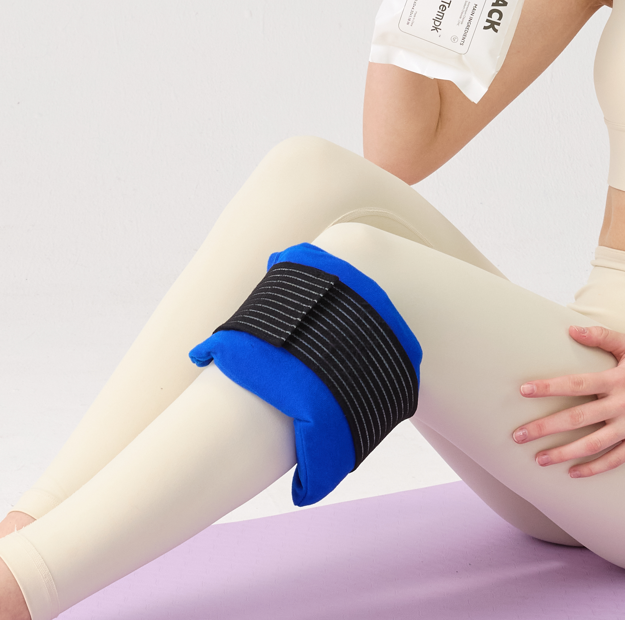
مورد الألبان المتراكمة الباردة: إطار عملي من العينة إلى العرض
نادرًا ما يكون الخطأ الأكثر تكلفة في عملية الشراء هذه هو اختيار حزمة تبدو بسيطة للغاية. تتم الموافقة على المبرد قبل أن يحدد الفريق الحد الأقصى للمنتج, طريق, مسار الاتصال, والأدلة اللازمة عند الاستلام. للمشتري الذي يبحث عن مورد منتجات الألبان لمراكم الجل الباردة, القرار المركزي هو ما إذا كان ترتيب المبرد يناسب منتج الألبان المحدد, الحزمة الأساسية, ضوابط العمر الافتراضي, والطريق. يجمع قرار المصادر الذي يمكن الدفاع عنه بين حدود المنتج, الأدلة المادية, اختبار الحزمة, ضوابط الموردين, وخطة واقعية للاستخدام اليومي.
القرار النهائي يعود إلى مصنعي الألبان, ماركات الجبن والزبادي, المختبرات, تجار الجملة, وفرق سلسلة التبريد, في كثير من الأحيان عبر تطبيقات مثل توزيع الحليب والزبادي, شحنات الجبن, نقل عينات الألبان, وحقائب البيع بالتجزئة والتوصيل إلى المنازل. مراجعة متكاملة تربط المستخدم'حاجة, المنتج النهائي, مراقبة الموردين, أدلة الحزمة, والتنفيذ اليومي. فهو يبقي الافتراضات مرئية بحيث لا تتم الموافقة على نفس العنصر لاستخدام أوسع مما تدعمه الأدلة.
قم ببناء ملف القرار قبل اختيار الحزمة
يجب أن تحتوي خريطة الموافقة لمورد منتجات الألبان على مركمات الهلام البارد على خمسة قرارات مرتبطة: ما هو العنصر النهائي, حيث سيتم استخدامه, ما هي المخاطر المهمة, ما هي الأدلة التي تغلق تلك المخاطر, وكيف سيظل الإنتاج مساويا للعينة المعتمدة. يمنع هذا التسلسل الفريق من البدء بعنصر جذاب في الكتالوج واختراع استخدام له لاحقًا. كما أنه يمنح الموردين طريقة واضحة للكشف عن القيود دون التعرض للعقوبات بسبب رفض ضمان غير واقعي.
اكتب بيان الاستخدام المقصود باللغة التشغيلية. قم بتسمية الحمولة, الشرط المطلوب, حاوية, طريق, ترتيب الاتصال, طريقة التكييف, والقرار في الاستلام. ثم حدد أي من الاستخدامات الممكنة, بما في ذلك توزيع الحليب والزبادي, شحنات الجبن, نقل عينات الألبان, وحقائب البيع بالتجزئة والتوصيل إلى المنازل, الموجودة داخل الموافقة الأولى والتي تبقى خارجها. يعد التحكم في النطاق مهمًا بشكل خاص عندما يشير اسم تجاري واحد إلى توزيع الأغذية, الرعاية الصحية, العناية الشخصية, أو التعامل الصناعي.
اجعل حدود المنتج واضحة: الألبان ليست فئة حرارية واحدة. حليب سائل, المنتجات المثقفة, جبن, سمنة, الحلويات المجمدة, ويمكن أن يكون للعينات المختبرية حدود واحتياجات معالجة مختلفة. يجب أن يظهر البيان في الموجز الفني والتدريب, ليس فقط في مذكرة قانونية. يحتاج المشغلون وفرق المبيعات إلى فهم مكون الجل, حاوية معزولة, حزمة مؤهلة, ويؤدي المسار الخاضع للمراقبة وظائف مختلفة. اطلب من الفريق المسؤول في سلاسل تبريد منتجات الألبان العالمية تأكيد التفسير الخاص بالسوق.
إسناد كل قرار إلى المالك. يحدد فريق المنتج الشروط المقبولة; تحدد العبوة افتراضات الملاءمة ونقل الحرارة; مراجعات الجودة والأدلة والتغييرات; العمليات تؤكد القدرة على التحضير; ضوابط الشراء على المواصفات التجارية; تلقي نتائج السجلات. عندما تكون الملكية غير واضحة, غالبًا ما يتم ملء الفجوات باللغة التسويقية للموردين بدلاً من قرار المشتري الموثق. استخدم النتيجة عند التحقق من جهة اتصال الحزمة التي تمنع تدفق الهواء في هذا البرنامج.
ترجمة الحزمة النهائية إلى سمات يمكن التحكم فيها
ينبغي أن تصف المواصفات المراكم الهلامية الباردة المستخدمة في تصنيع الألبان, توزيع, أخذ العينات, والتسليم كمقالة نهائية. تشمل الأبعاد غير المشروطة والمشروطة, ملء أو كتلة, مظهر, بناء الفيلم أو القشرة, التماس أو الإغلاق, مطبعة, ملصق, التعبئة الفردية, كرتون, تخزين, وطريقة التفتيش. تفاوتات الدولة وفئات العيوب. إذا كانت الخاصية مهمة فقط بعد التجميد, تورم, التدفئة, الثناء, أو التنظيف, تحديد التحضير قبل قياسه.
يجب أن تكون معلومات التركيبة كافية للمخاطر الفعلية ومراجعة التعرض. الاسم التجاري للمكثف أو البوليمر لا يصف نوعية المياه, إضافات, المواد الحافظة, تلوينات, بقايا, أو التوافق مع الحاوية. يمكن لـ SDS دعم الإبلاغ عن المخاطر, ومع ذلك، قد تكون هناك حاجة إلى أدلة منفصلة لملامسة الغذاء, ملامسة الجلد, المطالبات الطبية, تصرف, أو الأداء الحراري. اطرح السؤال الدقيق قبل طلب المستند. تطبيق هذا الفحص على شحنات الجبن وتعيين صاحبه قبل الموافقة على العينة.
ويجب تمثيل ظروف الفشل المتوقعة. يتضمن هذا البرنامج افتراض درجة حرارة واحدة لكل SKU من منتجات الألبان, التكثيف علب الكرتون الضارة, حزمة الاتصال عرقلة تدفق الهواء, وإعادة استخدامها دون الصرف الصحي الذي تم التحقق منه. يجب أن يوضح التقييم كيفية منع الفشل, مُكتَشَف, الواردة, التحقيق, وربطها مرة أخرى إلى الكثير. This turns broad requirements such as 'تسرب' أو 'آمن' into testable controls and response rules. اربط الأدلة برمز الصنف المعتمد ومجموعة الموردين الخاصة بمراكم الهلام الباردة لمعالجة الألبان, توزيع, أخذ العينات, والتسليم.
لسجل الإصدار, حدد حدود التعرض بنفس الكلمات المستخدمة في العمليات. احتفظ بالمراكم منفصلة عن منتجات الألبان غير المعبأة. مراجعة مسارات التسرب والتكثيف عند الأكواب الورقية, تسميات, أو يتم استخدام الكراتين الخارجية المسامية. وينبغي أن يشمل الاستنتاج المعتمد التسرب المتوقع, تنظيف, والتعامل مع المستخدم وكذلك الفصل الطبيعي. اطلب من الفريق المسؤول في سلاسل تبريد منتجات الألبان العالمية تأكيد التفسير الخاص بالسوق.
| بوابة الموافقة | أدلة القرار | شرط الافراج |
|---|---|---|
| استخدام التعريف | حمولة, طريق, العزل, اتصال, وبيان القبول | جميع الافتراضات الهامة مملوكة ومسجلة |
| عينة تمثيلية | المواد النهائية, صيغة, عملية, عمل فني, والتعبئة | يتم إغلاق الاختلافات عن الإنتاج أو تقييمها رسميًا |
| الأدلة الوظيفية | الاحتواء, تكييف, التعامل, والبيانات الحرارية ذات الصلة بالاستخدام | طُرق, عينات, والقيود مرئية |
| مراقبة الموردين | أدوار الموقع, سجلات الكثير, خطة التفتيش, وعملية التغيير | تصل المساءلة إلى عملية الإنتاج الفعلية |
| الاستعداد التشغيلي | تعليمات العمل, تمرين, تلقي, وانحراف سير العمل | يمكن للمشتري إعادة إنتاج ومراقبة الحالة المعتمدة |
تقوم هذه البوابات بإنشاء تسلسل بدلاً من كومة المستندات. لا ينبغي أن يتقدم البرنامج لأن إحدى الشهادات تبدو قوية بينما العينة, طريق, أو تظل تعليمات التشغيل مؤقتة. يصبح الدفاع عن قرار الإصدار أسهل عندما تشير كل بوابة إلى نفس رمز المنتج وتكوينه. قم بتضمين القرار في تعليمات المشغل لنقل عينات الألبان.
المؤهل يربط شروط الاختبار بالطريق
يكون بيان الأداء مفيدًا فقط عندما تكون شروطه معروفة. سجل الحاوية المعزولة, حمولة, كمية المبرد وموقعه, درجات حرارة البداية, عملية التكييف, ملف تعريف المحيط, مدة, موقع الاستشعار, معيار النجاح, وأي فتحات أبواب أو التعامل مع الأحداث. يجب أن يحدد التقرير الحزمة التي تم اختبارها بدقة. بدون تلك الحقول, لا يمكن مقارنة قيمة الساعة بشكل عادل أو نقلها بأمان إلى مسار آخر. قم بتطبيق هذا الفحص على حقائب البيع بالتجزئة والتوصيل إلى المنازل وتعيين مالكها قبل الموافقة على العينة.
العمل المخبري ومراقبة الممرات يجيبان على أسئلة مختلفة. تساعد ملفات التعريف التي يتم التحكم فيها على مقارنة التصميمات وإنشاء تكوين مؤهل. تظهر بيانات الطريق كيف شركات النقل, عمليات التسليم, التدريج, طقس, ويتفاعل تباين التشغيل مع هذا التصميم. استخدم الانحرافات لتحسين نموذج المخاطر, لا نفترض أن المزيد من المبرد هو الحل دائمًا. يمكن أن يستهلك سائل التبريد الإضافي الحمولة, إضافة الشحن, وإنشاء أسطح أكثر برودة. اربط الأدلة برمز الصنف المعتمد ومجموعة الموردين الخاصة بمراكم الهلام الباردة لمعالجة الألبان, توزيع, أخذ العينات, والتسليم.
ويجب اختبار خطة التشغيل في الموقع الذي سيستخدمها. تنسيق التدريج في الغرفة الباردة, تكييف المجمع, تسلسل التحميل, واستلام الفحص. Warm product cannot be reliably corrected by adding a cold pack late in the process. يجب أن يؤكد التحول التمثيلي القدرة على الإعداد, الانضباط التدريج, تقتيش, والتصعيد قبل الالتزام بالحجم. اطلب من الفريق المسؤول في سلاسل تبريد منتجات الألبان العالمية تأكيد التفسير الخاص بالسوق.
تحديد محفزات إعادة التأهيل عند الموافقة. حمولة جديدة, الناقل, موسم, العزل, حجم العبوة, صياغة, موقع الإنتاج, أو طريقة التكييف يمكن أن تبطل الافتراض حتى عندما لا يتغير وصف الشراء. يجب مراجعة بيانات الاتجاه من الاستلام والشكاوى من أجل التحولات الأصغر التي قد تبرر الاختبار المستهدف قبل حدوث فشل واضح. استخدم النتيجة عند التحقق من جهة اتصال الحزمة التي تمنع تدفق الهواء في هذا البرنامج.
حدد المورد وراء عرض الأسعار
لمورد منتجات الألبان المبردة الهلامية, تحديد ما إذا كان كل مقدم عرض هو البائع القانوني, مصنع, محول, حشو, موزع, المستورد, أو مالك العلامة الخاصة. خريطة من يشتري المواد الهامة, يوافق على تغييرات الصيغة, يحدد معلمات الختم, يطلق الكثير, يخزن السجلات, ويتعامل مع الشكاوى. يمكن للموزع أن يكون شريكًا فعالاً عندما يكون لديه سيطرة موثقة على المصنع; من الممكن أن يظل المصنع ضعيفًا إذا كانت المسؤوليات مجزأة.
استخدام العينات المرحلية. تستكشف العينات المبكرة الأبعاد والتعامل. تؤكد العينات الهندسية البناء المقصود. عينات تمثيلية للإنتاج تتحقق من الخط المقترح, الأدوات, مواد, صيغة, عمل فني, والتعبئة. قم بتسمية كل عينة مع حالتها ونصيبها. ويجب ألا تعتمد الموافقة النهائية على وحدة معدة بطريقة مخبرية خاصة لا يمكن إعادة إنتاجها للخط العادي. تطبيق هذا الفحص على شحنات الجبن وتعيين صاحبه قبل الموافقة على العينة.
يجب أن تحافظ المصطلحات التجارية على الرقابة الفنية. اربط الطلب بمراجعة المواصفات والأعمال الفنية, تعريف التعبئة والتغليف والتفتيش, وثيقة الدولة وتسجيل التوقعات, وتتطلب إشعارًا بالتغييرات الحاسمة. مناقشة نمط الطلب, قمم, التعرض للمواد الخام, قيود القدرات, الطوارئ, توقيت الشكوى, والتصرف في المخزون غير المطابقة. سعر الوحدة المنخفض لا يكتمل إذا انتقل الفحص, إعادة التعبئة, أو تكلفة الفشل على المشتري. اربط الأدلة برمز الصنف المعتمد ومجموعة الموردين الخاصة بمراكم الهلام الباردة لمعالجة الألبان, توزيع, أخذ العينات, والتسليم.
يضيف التخطيط الإقليمي لسلاسل تبريد الألبان العالمية أدوار المستورد, لغة, المطالبات, تعليمات التخلص, والتوزيع المحلي. يجب على شركات الأغذية استخدام المتطلبات القانونية والجودة الخاصة بالمنتج. القواعد الكندية, على سبيل المثال, تحديد الأغذية المبردة في سياق SFCR, لكن هذا التعريف ليس مواصفة عالمية لكل منتج ألبان أو لكل بلد. تأكد من أن هوية النموذج تظل متسقة عبر التقارير, وثائق الحزب الديمقراطي الصربي, فواتير, تسميات, والكرتون, مع إسناد ترافقي متحكم فيه حيث تختلف رموز العلامات التجارية والمصنع.
اختبار عملي للإطار
استخدم هذا السيناريو للطعن في منطق الموافقة. يجمع موزع الألبان بين أكواب الزبادي والجبن القديم في حقيبة واحدة. قد يؤدي الحد الأقصى للمنتج تقييدًا إلى دفع العملية, ولكن يجب أيضًا أن يمنع التنسيب والعزل البقع الباردة المحلية والتعبئة الاستهلاكية المسحوقة. إنها حالة شراء افتراضية, ليست نتيجة العميل المطالب بها, والغرض منه هو كشف المتغيرات التي تحتاج إلى مالك. قم بتضمين القرار في تعليمات المشغل لنقل عينات الألبان.
يجب على الفريق تجميد الافتراضات الحالية قبل تعديل التصميم. التقاط هندسة الحمولة وحالة البداية, العزل, تحضير سائل التبريد, الموضع, التعرض المحيطي, عمليات التسليم, خطة الاستشعار, وقاعدة القبول. ثم اختر أصغر تغيير يعالج المخاطر الملحوظة. تغيير كتلة المبرد, العزل, الموضع, ووقت التحميل معًا قد ينتج عنه تمريرة ولكنه لا يعلم سوى القليل عن التحكم المهم. قم بتسجيل الاستنتاج في سجل الإطلاق الخاضع للرقابة الخاص بمورد منتجات الألبان ذات المجمع البارد.
يتلقى مقدم العرض نفس نمط الحقيقة ويعيد التكوين المقترح مع قيود صريحة. المشتري يقارن ليس فقط السعر, ولكن أيضًا مدى وضوح ربط الاقتراح للحزمة بالمسار, مدى تمثيل العينة, البيانات المتوفرة, وكيف سيتم التحكم في التغييرات. Once the configuration passes the buyer's review, يتم إصدار تعليمات العمل ومعايير الاستلام بنفس المراجعة. قم بتطبيق هذا الفحص على حقائب البيع بالتجزئة والتوصيل إلى المنازل وتعيين مالكها قبل الموافقة على العينة.
تقليل النفايات عن طريق تحسين النظام
على نطاق واسع, يجب أن تظل المسألة البيئية مرتبطة بالعمليات. يمكن لصناديق الألبان القابلة للإرجاع أن تدعم عملية استرداد العبوات, بعد غسل التحقق من صحة, التحكم في الرائحة, خسارة, ويحدد النقل العكسي ما إذا كانت إعادة الاستخدام ناجحة في الممارسة العملية. توثيق الافتراضات وراء المقارنة بحيث يحدث تغيير في المسار, معدل العودة, تنظيف, أو أن التصرف لا يترك مطالبة قديمة مرتبطة بنظام مختلف. اطلب من الفريق المسؤول في سلاسل تبريد منتجات الألبان العالمية تأكيد التفسير الخاص بالسوق.
تقييم المواد, طاقة التجميد, وزن الطرود, العزل, فقدان المنتج, تنظيف, استعادة, النقل العكسي, والتخلص منها ضمن حدود واحدة. تعد إعادة الاستخدام أمرًا جذابًا على طريق مغلق ومستقر مع عائد مرتفع وفحص خاضع للرقابة. قد يكون غير فعال في شبكة مفتوحة. بصورة مماثلة, تكون المطالبة بالتخلص مفيدة فقط عندما يتلقى المستخدمون تعليمات دقيقة ويمكن للبنية التحتية المحلية تنفيذ النتيجة المعلنة. استخدم النتيجة عند التحقق من جهة اتصال الحزمة التي تمنع تدفق الهواء في هذا البرنامج.
قد يكون أفضل مشروع تخفيض هو حزمة موسمية أصغر, التبريد المسبق أفضل, انطلاق أقصر, تحسين التحكم في الفراغ, أو تجزئة الطريق. يمكن أن تؤدي هذه التغييرات إلى خفض سائل التبريد والشحن مع زيادة الموثوقية. يجب أن يصف التسويق البيئي التحسن الذي تم إثباته بشكل ضيق وأن يتجنب الإشارة ضمنًا إلى أن خاصية مادية واحدة تجعل الشحنة بأكملها مستدامة. قم بتضمين القرار في تعليمات المشغل الخاصة بتوزيع الحليب والزبادي.
الأسئلة النهائية قبل الإصدار
متى يكون الاختبار الحراري ضروريا؟?
يعد الاختبار ضروريًا عندما يعتمد المشتري على العبوة للحفاظ على حالة المنتج من خلال مسار محدد. يجب أن تحدد الدراسة شروط البداية, ملف تعريف المحيط, حمولة, العزل, تكوين المبرد, مواقع الاستشعار, وقاعدة القبول. مخاطرة, حساسية المنتج, تقلب المسار, وتحدد التوقعات التنظيمية ما إذا كانت هناك حاجة إلى مؤهلات إضافية ومراقبة مستمرة. اربط الأدلة برمز الصنف المعتمد ومجموعة الموردين الخاصة بمراكم الهلام الباردة لمعالجة الألبان, توزيع, أخذ العينات, والتسليم.
يمكن أن تغطي مواصفات عبوة هلامية واحدة العديد من المنتجات?
ربما, ولكن فقط بعد إنشاء مساحة التصميم المشتركة. قد تختلف المنتجات في الحساسية, هندسة, حالة البداية, مسار الاتصال, ومعايير القبول. لاستخدامات مثل توزيع الحليب والزبادي, شحنات الجبن, نقل عينات الألبان, وحقائب البيع بالتجزئة والتوصيل إلى المنازل, الوثيقة التي تم تقييم المجموعات والتي تتطلب حزمة منفصلة. يجب ألا يخفي رمز الشراء الشائع التعليمات الخاصة بالتطبيق.
ما الذي يجب أن يؤدي إلى إعادة التقييم بعد الإطلاق?
إعادة التقييم عند وجود مادة حرجة, صيغة, موقع التصنيع, أداة, عملية الختم, حجم العبوة, العزل, حمولة, طريق, طريقة التكييف, الناقل, أو تغييرات معايير القبول. يمكن أيضًا أن تؤدي اتجاهات الشكوى والانجراف الموسمي غير المبرر إلى إجراء المراجعة. يجب أن تنص اتفاقية الجودة على من يقوم بإخطار من وما هي الأدلة المطلوبة قبل إصدار التكوين المنقح. قم بتسجيل الاستنتاج في سجل الإطلاق الخاضع للرقابة الخاص بمورد منتجات الألبان ذات المجمع البارد.
كيف أقوم بإنشاء قائمة مختصرة لموردي منتجات الألبان ذات مراكم الجل البارد?
أعط كل مقدم عرض نفس الموجز الخاضع للرقابة: الاستخدام المقصود, حمولة, الشرط المطلوب, العزل, طريق, تكييف, مسار الاتصال, نمط الطلب, والسوق المستهدف. سجل الردود على شفافية التصنيع, شهادة, تمثيل العينة, السيطرة على التغيير, ومناسبة التشغيل. لا تقم بتصنيف مطالبة غير مدعومة بالساعة أعلى من الاقتراح الذي ينص بوضوح على حدود الاختبار الخاصة به. اربط الأدلة برمز الصنف المعتمد ومجموعة الموردين الخاصة بمراكم الهلام الباردة لمعالجة الألبان, توزيع, أخذ العينات, والتسليم.
الافراج عن النظام, ثم مشاهدته
ينتهي قرار مورد الألبان لمراكم الجل البارد القوي بمنتج واحد خاضع للرقابة, استخدام واحد محدد, أدلة مع قيود واضحة, عملية تغيير المورد, وتعليمات العمل التي يمكن للمشتري إعادة إنتاجها. ويبدأ أيضًا في تشغيل حلقة ردود الفعل. مراجعة عيوب الكمية, استثناءات التكييف, بيانات الطريق, الشكاوى, وتغييره بحيث لا ينحرف التصميم المعتمد عن الشروط التي بررته.
حول Tempk
Tempk supplies flexible gel ice packs, الطوب الجليدي الصلب, عبوات حقن الماء, and insulated cold-chain packaging components. لمراكم الهلام الباردة لمعالجة الألبان, توزيع, أخذ العينات, والتسليم, يمكننا مراجعة التنسيق المطلوب, أبعاد, التخصيص, التعبئة, ومدخلات العرض التجاري مع فريقك. The final choice should be evaluated in the buyer's complete packout and market context, لذا فإن الاستفسار الأكثر فائدة يشمل الحمولة, الشرط المطلوب, طريق, العزل, مسار الاتصال, ونمط الطلب المتوقع.
أرسل إلى Tempk الموجز الخاضع للرقابة لمشروع مورد الألبان الخاص بمراكم الجل البارد عندما تكون مستعدًا لمقارنة عينة تمثيلية للإنتاج مع مسارك ومتطلبات الموافقة.
تاجر جملة للعناية الشخصية بحزمة هلامية مرنة: دليل العينة إلى العرض

تاجر جملة للعناية الشخصية بحزمة هلامية مرنة: إطار عملي من العينة إلى العرض
عند فشل طرد سلسلة التبريد, حزمة الجل هي المشتبه به السهل. في الممارسة العملية, كثيرا ما تنشأ حالات الفشل في الواجهات: التحميل الدافئ, تكييف غير مكتمل, مساحة فارغة, عمليات التسليم الطويلة, الأختام التالفة, أو قواعد الاستلام غير واضحة. للمشتري الذي يبحث عن تاجر جملة مرن للعناية الشخصية, القرار المركزي هو ما إذا كانت العبوة ستظل مريحة, ينظف, ومتسقة مع طريقة التكييف المقصودة بينما تظل مطالباتها ضمن فئة المنتج الصحيحة. يجمع قرار المصادر الذي يمكن الدفاع عنه بين حدود المنتج, الأدلة المادية, اختبار الحزمة, ضوابط الموردين, وخطة واقعية للاستخدام اليومي.
القرار النهائي يعود إلى تجار الجملة للعناية الشخصية, العلامات التجارية سبا, مجمعات أدوات التجميل, الصيدليات, والمشترين من العلامات التجارية الخاصة, غالبًا عبر تطبيقات مثل أقنعة العين والوجه, مجموعات راحة السبا, مجموعات البيع بالتجزئة الجمال, وإكسسوارات الرياضة والعافية. مراجعة متكاملة تربط المستخدم'حاجة, المنتج النهائي, مراقبة الموردين, أدلة الحزمة, والتنفيذ اليومي. فهو يبقي الافتراضات مرئية بحيث لا تتم الموافقة على نفس العنصر لاستخدام أوسع مما تدعمه الأدلة.
حدد ما يجب أن تثبته عملية الشراء الناجحة
The approval map for a flexible gel pack personal care wholesaler should contain five linked decisions: ما هو العنصر النهائي, حيث سيتم استخدامه, ما هي المخاطر المهمة, ما هي الأدلة التي تغلق تلك المخاطر, وكيف سيظل الإنتاج مساويا للعينة المعتمدة. يمنع هذا التسلسل الفريق من البدء بعنصر جذاب في الكتالوج واختراع استخدام له لاحقًا. كما أنه يمنح الموردين طريقة واضحة للكشف عن القيود دون التعرض للعقوبات بسبب رفض ضمان غير واقعي.
اكتب بيان الاستخدام المقصود باللغة التشغيلية. قم بتسمية الحمولة, الشرط المطلوب, حاوية, طريق, ترتيب الاتصال, طريقة التكييف, والقرار في الاستلام. ثم حدد أي من الاستخدامات الممكنة, including eye and face masks, مجموعات راحة السبا, مجموعات البيع بالتجزئة الجمال, وإكسسوارات الرياضة والعافية, الموجودة داخل الموافقة الأولى والتي تبقى خارجها. يعد التحكم في النطاق مهمًا بشكل خاص عندما يشير اسم تجاري واحد إلى توزيع الأغذية, الرعاية الصحية, العناية الشخصية, أو التعامل الصناعي.
اجعل حدود المنتج واضحة: Flexibility is not a single material property. It depends on gel formulation, بناء الفيلم, درجة حرارة, مستوى التعبئة, pad geometry, and how the pack is folded or loaded. يجب أن يظهر البيان في الموجز الفني والتدريب, ليس فقط في مذكرة قانونية. يحتاج المشغلون وفرق المبيعات إلى فهم مكون الجل, حاوية معزولة, حزمة مؤهلة, ويؤدي المسار الخاضع للمراقبة وظائف مختلفة. Have the responsible team in global personal-care wholesale confirm the market-specific interpretation.
إسناد كل قرار إلى المالك. يحدد فريق المنتج الشروط المقبولة; تحدد العبوة افتراضات الملاءمة ونقل الحرارة; مراجعات الجودة والأدلة والتغييرات; العمليات تؤكد القدرة على التحضير; ضوابط الشراء على المواصفات التجارية; تلقي نتائج السجلات. عندما تكون الملكية غير واضحة, غالبًا ما يتم ملء الفجوات باللغة التسويقية للموردين بدلاً من قرار المشتري الموثق. Use the result when investigating seam irritation in this program.
يجب أن تصل المواصفات إلى خط الإنتاج
The specification should describe flexible gel packs for personal-care, سبا, جمال, and wellness products as a finished article. تشمل الأبعاد غير المشروطة والمشروطة, ملء أو كتلة, مظهر, بناء الفيلم أو القشرة, التماس أو الإغلاق, مطبعة, ملصق, التعبئة الفردية, كرتون, تخزين, وطريقة التفتيش. تفاوتات الدولة وفئات العيوب. إذا كانت الخاصية مهمة فقط بعد التجميد, تورم, التدفئة, الثناء, أو التنظيف, تحديد التحضير قبل قياسه.
يجب أن تكون معلومات التركيبة كافية للمخاطر الفعلية ومراجعة التعرض. الاسم التجاري للمكثف أو البوليمر لا يصف نوعية المياه, إضافات, المواد الحافظة, تلوينات, بقايا, أو التوافق مع الحاوية. يمكن لـ SDS دعم الإبلاغ عن المخاطر, ومع ذلك، قد تكون هناك حاجة إلى أدلة منفصلة لملامسة الغذاء, ملامسة الجلد, المطالبات الطبية, تصرف, أو الأداء الحراري. اطرح السؤال الدقيق قبل طلب المستند. Apply this check to spa comfort kits and assign its owner before sample approval.
ويجب تمثيل ظروف الفشل المتوقعة. In this program they include hard edges after cooling, film print transfer, seam irritation, and wellness copy that becomes an unsupported medical claim. يجب أن يوضح التقييم كيفية منع الفشل, مُكتَشَف, الواردة, التحقيق, وربطها مرة أخرى إلى الكثير. This turns broad requirements such as 'تسرب' أو 'آمن' into testable controls and response rules. Tie the evidence to the approved item code and supplier lot for flexible gel packs for personal-care, سبا, جمال, and wellness products.
لسجل الإصدار, حدد حدود التعرض بنفس الكلمات المستخدمة في العمليات. For skin use, assess the intended barrier and contact time. 'Non-toxic gel' does not establish suitability for damaged skin, eye contact, ingestion, or every user group. وينبغي أن يشمل الاستنتاج المعتمد التسرب المتوقع, تنظيف, والتعامل مع المستخدم وكذلك الفصل الطبيعي. Have the responsible team in global personal-care wholesale confirm the market-specific interpretation.
| بوابة الموافقة | أدلة القرار | شرط الافراج |
|---|---|---|
| استخدام التعريف | حمولة, طريق, العزل, اتصال, وبيان القبول | جميع الافتراضات الهامة مملوكة ومسجلة |
| عينة تمثيلية | المواد النهائية, صيغة, عملية, عمل فني, والتعبئة | يتم إغلاق الاختلافات عن الإنتاج أو تقييمها رسميًا |
| الأدلة الوظيفية | الاحتواء, تكييف, التعامل, والبيانات الحرارية ذات الصلة بالاستخدام | طُرق, عينات, والقيود مرئية |
| مراقبة الموردين | أدوار الموقع, سجلات الكثير, خطة التفتيش, وعملية التغيير | تصل المساءلة إلى عملية الإنتاج الفعلية |
| الاستعداد التشغيلي | تعليمات العمل, تمرين, تلقي, وانحراف سير العمل | يمكن للمشتري إعادة إنتاج ومراقبة الحالة المعتمدة |
تقوم هذه البوابات بإنشاء تسلسل بدلاً من كومة المستندات. لا ينبغي أن يتقدم البرنامج لأن إحدى الشهادات تبدو قوية بينما العينة, طريق, أو تظل تعليمات التشغيل مؤقتة. يصبح الدفاع عن قرار الإصدار أسهل عندما تشير كل بوابة إلى نفس رمز المنتج وتكوينه. Include the decision in the operator instruction for beauty retail sets.
استخدام الأدلة الحرارية مع حدودها واضحة
يكون بيان الأداء مفيدًا فقط عندما تكون شروطه معروفة. سجل الحاوية المعزولة, حمولة, كمية المبرد وموقعه, درجات حرارة البداية, عملية التكييف, ملف تعريف المحيط, مدة, موقع الاستشعار, معيار النجاح, وأي فتحات أبواب أو التعامل مع الأحداث. يجب أن يحدد التقرير الحزمة التي تم اختبارها بدقة. بدون تلك الحقول, لا يمكن مقارنة قيمة الساعة بشكل عادل أو نقلها بأمان إلى مسار آخر. Apply this check to sports and wellness accessories and assign its owner before sample approval.
العمل المخبري ومراقبة الممرات يجيبان على أسئلة مختلفة. تساعد ملفات التعريف التي يتم التحكم فيها على مقارنة التصميمات وإنشاء تكوين مؤهل. تظهر بيانات الطريق كيف شركات النقل, عمليات التسليم, التدريج, طقس, ويتفاعل تباين التشغيل مع هذا التصميم. استخدم الانحرافات لتحسين نموذج المخاطر, لا نفترض أن المزيد من المبرد هو الحل دائمًا. يمكن أن يستهلك سائل التبريد الإضافي الحمولة, إضافة الشحن, وإنشاء أسطح أكثر برودة. Tie the evidence to the approved item code and supplier lot for flexible gel packs for personal-care, سبا, جمال, and wellness products.
ويجب اختبار خطة التشغيل في الموقع الذي سيستخدمها. Test the pad with the actual sleeve, mask, حزام, or pouch. A comfortable loose sample may behave differently after sewing, ضغط, repeated wiping, and retail storage. يجب أن يؤكد التحول التمثيلي القدرة على الإعداد, الانضباط التدريج, تقتيش, والتصعيد قبل الالتزام بالحجم. Have the responsible team in global personal-care wholesale confirm the market-specific interpretation.
تحديد محفزات إعادة التأهيل عند الموافقة. حمولة جديدة, الناقل, موسم, العزل, حجم العبوة, صياغة, موقع الإنتاج, أو طريقة التكييف يمكن أن تبطل الافتراض حتى عندما لا يتغير وصف الشراء. يجب مراجعة بيانات الاتجاه من الاستلام والشكاوى من أجل التحولات الأصغر التي قد تبرر الاختبار المستهدف قبل حدوث فشل واضح. Use the result when investigating seam irritation in this program.
من مقارنة العطاءات إلى علاقة التوريد الخاضعة للرقابة
For a flexible gel pack personal care wholesaler, تحديد ما إذا كان كل مقدم عرض هو البائع القانوني, مصنع, محول, حشو, موزع, المستورد, أو مالك العلامة الخاصة. خريطة من يشتري المواد الهامة, يوافق على تغييرات الصيغة, يحدد معلمات الختم, يطلق الكثير, يخزن السجلات, ويتعامل مع الشكاوى. يمكن للموزع أن يكون شريكًا فعالاً عندما يكون لديه سيطرة موثقة على المصنع; من الممكن أن يظل المصنع ضعيفًا إذا كانت المسؤوليات مجزأة.
استخدام العينات المرحلية. تستكشف العينات المبكرة الأبعاد والتعامل. تؤكد العينات الهندسية البناء المقصود. عينات تمثيلية للإنتاج تتحقق من الخط المقترح, الأدوات, مواد, صيغة, عمل فني, والتعبئة. قم بتسمية كل عينة مع حالتها ونصيبها. ويجب ألا تعتمد الموافقة النهائية على وحدة معدة بطريقة مخبرية خاصة لا يمكن إعادة إنتاجها للخط العادي. Apply this check to spa comfort kits and assign its owner before sample approval.
يجب أن تحافظ المصطلحات التجارية على الرقابة الفنية. اربط الطلب بمراجعة المواصفات والأعمال الفنية, تعريف التعبئة والتغليف والتفتيش, وثيقة الدولة وتسجيل التوقعات, وتتطلب إشعارًا بالتغييرات الحاسمة. مناقشة نمط الطلب, قمم, التعرض للمواد الخام, قيود القدرات, الطوارئ, توقيت الشكوى, والتصرف في المخزون غير المطابقة. سعر الوحدة المنخفض لا يكتمل إذا انتقل الفحص, إعادة التعبئة, أو تكلفة الفشل على المشتري. Tie the evidence to the approved item code and supplier lot for flexible gel packs for personal-care, سبا, جمال, and wellness products.
Regional planning for global personal-care wholesale adds importer roles, لغة, المطالبات, تعليمات التخلص, والتوزيع المحلي. Personal-care, صحة, and medical claims can lead to different obligations. Buyers should have the finished intended use, ملصق, تحذيرات, and sales channel reviewed for each market rather than relying on a generic gel-pack certificate. تأكد من أن هوية النموذج تظل متسقة عبر التقارير, وثائق الحزب الديمقراطي الصربي, فواتير, تسميات, والكرتون, مع إسناد ترافقي متحكم فيه حيث تختلف رموز العلامات التجارية والمصنع.
كيف يبدو مسار العينة إلى العرض
استخدم هذا السيناريو للطعن في منطق الموافقة. A beauty brand approves a flexible sample at room temperature, then consumers find it stiff after freezer storage. The supplier and buyer must agree on the actual conditioning method and test the complete mask, not only an unconditioned pouch. إنها حالة شراء افتراضية, ليست نتيجة العميل المطالب بها, والغرض منه هو كشف المتغيرات التي تحتاج إلى مالك. Include the decision in the operator instruction for beauty retail sets.
يجب على الفريق تجميد الافتراضات الحالية قبل تعديل التصميم. التقاط هندسة الحمولة وحالة البداية, العزل, تحضير سائل التبريد, الموضع, التعرض المحيطي, عمليات التسليم, خطة الاستشعار, وقاعدة القبول. ثم اختر أصغر تغيير يعالج المخاطر الملحوظة. تغيير كتلة المبرد, العزل, الموضع, ووقت التحميل معًا قد ينتج عنه تمريرة ولكنه لا يعلم سوى القليل عن التحكم المهم. Record the conclusion in the controlled release record for the flexible gel pack personal care wholesaler.
يتلقى مقدم العرض نفس نمط الحقيقة ويعيد التكوين المقترح مع قيود صريحة. المشتري يقارن ليس فقط السعر, ولكن أيضًا مدى وضوح ربط الاقتراح للحزمة بالمسار, مدى تمثيل العينة, البيانات المتوفرة, وكيف سيتم التحكم في التغييرات. Once the configuration passes the buyer's review, يتم إصدار تعليمات العمل ومعايير الاستلام بنفس المراجعة. Apply this check to sports and wellness accessories and assign its owner before sample approval.
الحجم الصحيح قبل تقديم المطالبة الخضراء
على نطاق واسع, يجب أن تظل المسألة البيئية مرتبطة بالعمليات. Durability can reduce replacement, but excessive material or a non-recoverable laminate may complicate end of life. Compare real use cycles, تنظيف, يعود, and packaging weight. توثيق الافتراضات وراء المقارنة بحيث يحدث تغيير في المسار, معدل العودة, تنظيف, أو أن التصرف لا يترك مطالبة قديمة مرتبطة بنظام مختلف. Have the responsible team in global personal-care wholesale confirm the market-specific interpretation.
تقييم المواد, طاقة التجميد, وزن الطرود, العزل, فقدان المنتج, تنظيف, استعادة, النقل العكسي, والتخلص منها ضمن حدود واحدة. تعد إعادة الاستخدام أمرًا جذابًا على طريق مغلق ومستقر مع عائد مرتفع وفحص خاضع للرقابة. قد يكون غير فعال في شبكة مفتوحة. بصورة مماثلة, تكون المطالبة بالتخلص مفيدة فقط عندما يتلقى المستخدمون تعليمات دقيقة ويمكن للبنية التحتية المحلية تنفيذ النتيجة المعلنة. Use the result when investigating seam irritation in this program.
قد يكون أفضل مشروع تخفيض هو حزمة موسمية أصغر, التبريد المسبق أفضل, انطلاق أقصر, تحسين التحكم في الفراغ, أو تجزئة الطريق. يمكن أن تؤدي هذه التغييرات إلى خفض سائل التبريد والشحن مع زيادة الموثوقية. يجب أن يصف التسويق البيئي التحسن الذي تم إثباته بشكل ضيق وأن يتجنب الإشارة ضمنًا إلى أن خاصية مادية واحدة تجعل الشحنة بأكملها مستدامة. Include the decision in the operator instruction for eye and face masks.
الأسئلة النهائية قبل الإصدار
ما هي العينة التي يجب أن يوافق عليها فريق الجودة؟?
اعتماد عينة تمثيلية للإنتاج مربوطة بالمواصفات النهائية, مواد, صيغة, الأدوات, مطبعة, ملصق, والكرتون. يمكن للنموذج الأولي المملوء يدويًا أن يدعم أعمال التصميم المبكرة ولكن لا ينبغي أن يطلق إنتاجًا ضخمًا. احتفظ بالعينة الموقعة كمرجع مرئي أثناء استخدام حدود الفحص الموضوعي للأبعاد, يملأ, ختم, مظهر, والفحوصات الوظيفية. Tie the evidence to the approved item code and supplier lot for flexible gel packs for personal-care, سبا, جمال, and wellness products.
متى يكون الاختبار الحراري ضروريا؟?
يعد الاختبار ضروريًا عندما يعتمد المشتري على العبوة للحفاظ على حالة المنتج من خلال مسار محدد. يجب أن تحدد الدراسة شروط البداية, ملف تعريف المحيط, حمولة, العزل, تكوين المبرد, مواقع الاستشعار, وقاعدة القبول. مخاطرة, حساسية المنتج, تقلب المسار, وتحدد التوقعات التنظيمية ما إذا كانت هناك حاجة إلى مؤهلات إضافية ومراقبة مستمرة. Use the result when investigating hard edges after cooling in this program.
يمكن أن تغطي مواصفات عبوة هلامية واحدة العديد من المنتجات?
ربما, ولكن فقط بعد إنشاء مساحة التصميم المشتركة. قد تختلف المنتجات في الحساسية, هندسة, حالة البداية, مسار الاتصال, ومعايير القبول. For uses such as eye and face masks, مجموعات راحة السبا, مجموعات البيع بالتجزئة الجمال, وإكسسوارات الرياضة والعافية, الوثيقة التي تم تقييم المجموعات والتي تتطلب حزمة منفصلة. يجب ألا يخفي رمز الشراء الشائع التعليمات الخاصة بالتطبيق.
ما الذي يجب أن يؤدي إلى إعادة التقييم بعد الإطلاق?
إعادة التقييم عند وجود مادة حرجة, صيغة, موقع التصنيع, أداة, عملية الختم, حجم العبوة, العزل, حمولة, طريق, طريقة التكييف, الناقل, أو تغييرات معايير القبول. يمكن أيضًا أن تؤدي اتجاهات الشكوى والانجراف الموسمي غير المبرر إلى إجراء المراجعة. يجب أن تنص اتفاقية الجودة على من يقوم بإخطار من وما هي الأدلة المطلوبة قبل إصدار التكوين المنقح. Tie the evidence to the approved item code and supplier lot for flexible gel packs for personal-care, سبا, جمال, and wellness products.
قرار شراء يمكن الدفاع عنه
A strong flexible gel pack personal care wholesaler decision ends with one controlled product, استخدام واحد محدد, أدلة مع قيود واضحة, عملية تغيير المورد, وتعليمات العمل التي يمكن للمشتري إعادة إنتاجها. ويبدأ أيضًا في تشغيل حلقة ردود الفعل. مراجعة عيوب الكمية, استثناءات التكييف, بيانات الطريق, الشكاوى, وتغييره بحيث لا ينحرف التصميم المعتمد عن الشروط التي بررته.
حول Tempk
Tempk supplies flexible gel ice packs, الطوب الجليدي الصلب, عبوات حقن الماء, and insulated cold-chain packaging components. For flexible gel packs for personal-care, سبا, جمال, and wellness products, يمكننا مراجعة التنسيق المطلوب, أبعاد, التخصيص, التعبئة, ومدخلات العرض التجاري مع فريقك. The final choice should be evaluated in the buyer's complete packout and market context, لذا فإن الاستفسار الأكثر فائدة يشمل الحمولة, الشرط المطلوب, طريق, العزل, مسار الاتصال, ونمط الطلب المتوقع.
Send Tempk the controlled brief for your flexible gel pack personal care wholesaler project when you are ready to compare a production-representative sample with your route and approval requirements.
تاجر الجملة لبقالة مجموعة الجل الصديقة للتصريف: دليل العينة إلى العرض

تاجر الجملة لبقالة مجموعة الجل الصديقة للتصريف: إطار عملي من العينة إلى العرض
العبارة الموجودة في عرض أسعار المورد قد تصف منتجًا, موقع مصادر, أو موقف التسويق. قبل مقارنة العروض, يحتاج المشتري إلى تحديد ما يجب أن تعنيه العبارة داخل العملية الفعلية. For a buyer searching for a drain friendly gel pack grocery wholesaler, القرار المركزي هو ما إذا كانت المطالبة الصديقة للاستنزاف محددة بدقة, مدعم, ومتوافقة مع تعليمات مياه الصرف الصحي المحلية والنفايات الصلبة. يجمع قرار المصادر الذي يمكن الدفاع عنه بين حدود المنتج, الأدلة المادية, اختبار الحزمة, ضوابط الموردين, وخطة واقعية للاستخدام اليومي.
القرار النهائي يعود إلى البقالين عبر الإنترنت, شركات الوجبات الغذائية, تجار الجملة للبقالة, فرق الاستدامة, ومشتري التعبئة والتغليف, غالبًا عبر تطبيقات مثل توصيل البقالة إلى المنزل, مجموعات الوجبات, الطلبات المبردة من المتجر إلى الباب, وصناديق المواد الغذائية الاشتراك. مراجعة متكاملة تربط المستخدم'حاجة, المنتج النهائي, مراقبة الموردين, أدلة الحزمة, والتنفيذ اليومي. فهو يبقي الافتراضات مرئية بحيث لا تتم الموافقة على نفس العنصر لاستخدام أوسع مما تدعمه الأدلة.
ابدأ بخريطة الموافقة
يجب أن تحتوي خريطة الموافقة الخاصة بتاجر البقالة بالجملة على عبوات الجل الصديقة للصرف على خمسة قرارات مرتبطة: ما هو العنصر النهائي, حيث سيتم استخدامه, ما هي المخاطر المهمة, ما هي الأدلة التي تغلق تلك المخاطر, وكيف سيظل الإنتاج مساويا للعينة المعتمدة. يمنع هذا التسلسل الفريق من البدء بعنصر جذاب في الكتالوج واختراع استخدام له لاحقًا. كما أنه يمنح الموردين طريقة واضحة للكشف عن القيود دون التعرض للعقوبات بسبب رفض ضمان غير واقعي.
اكتب بيان الاستخدام المقصود باللغة التشغيلية. قم بتسمية الحمولة, الشرط المطلوب, حاوية, طريق, ترتيب الاتصال, طريقة التكييف, والقرار في الاستلام. ثم حدد أي من الاستخدامات الممكنة, بما في ذلك توصيل البقالة إلى المنزل, مجموعات الوجبات, الطلبات المبردة من المتجر إلى الباب, وصناديق المواد الغذائية الاشتراك, الموجودة داخل الموافقة الأولى والتي تبقى خارجها. يعد التحكم في النطاق مهمًا بشكل خاص عندما يشير اسم تجاري واحد إلى توزيع الأغذية, الرعاية الصحية, العناية الشخصية, أو التعامل الصناعي.
اجعل حدود المنتج واضحة: يجب ألا يتم التعامل مع سهولة التصريف على أنها إذن لطرد العبوة السليمة أو تفريغ أي كمية في أي مكان. يمتلك الفيلم والهلام مسارات منفصلة لنهاية العمر, ويمكن أن تختلف قواعد الصرف الصحي المحلية. يجب أن يظهر البيان في الموجز الفني والتدريب, ليس فقط في مذكرة قانونية. يحتاج المشغلون وفرق المبيعات إلى فهم مكون الجل, حاوية معزولة, حزمة مؤهلة, ويؤدي المسار الخاضع للمراقبة وظائف مختلفة. اطلب من الفريق المسؤول في برامج البقالة في الولايات المتحدة والأسواق المنظمة الأخرى تأكيد التفسير الخاص بالسوق.
إسناد كل قرار إلى المالك. يحدد فريق المنتج الشروط المقبولة; تحدد العبوة افتراضات الملاءمة ونقل الحرارة; مراجعات الجودة والأدلة والتغييرات; العمليات تؤكد القدرة على التحضير; ضوابط الشراء على المواصفات التجارية; تلقي نتائج السجلات. عندما تكون الملكية غير واضحة, غالبًا ما يتم ملء الفجوات باللغة التسويقية للموردين بدلاً من قرار المشتري الموثق. استخدم النتيجة عند التحقيق في الادعاءات الخضراء الغامضة في هذا البرنامج.
الموافقة على المنتج, ليست مادة عامة
يجب أن تصف المواصفات عبوات الجل التي يتم تسويقها لتسهيل التعامل مع نهاية العمر في توصيل البقالة كمقالة نهائية. تشمل الأبعاد غير المشروطة والمشروطة, ملء أو كتلة, مظهر, بناء الفيلم أو القشرة, التماس أو الإغلاق, مطبعة, ملصق, التعبئة الفردية, كرتون, تخزين, وطريقة التفتيش. تفاوتات الدولة وفئات العيوب. إذا كانت الخاصية مهمة فقط بعد التجميد, تورم, التدفئة, الثناء, أو التنظيف, تحديد التحضير قبل قياسه.
يجب أن تكون معلومات التركيبة كافية للمخاطر الفعلية ومراجعة التعرض. الاسم التجاري للمكثف أو البوليمر لا يصف نوعية المياه, إضافات, المواد الحافظة, تلوينات, بقايا, أو التوافق مع الحاوية. يمكن لـ SDS دعم الإبلاغ عن المخاطر, ومع ذلك، قد تكون هناك حاجة إلى أدلة منفصلة لملامسة الغذاء, ملامسة الجلد, المطالبات الطبية, تصرف, أو الأداء الحراري. اطرح السؤال الدقيق قبل طلب المستند. قم بتطبيق هذا الفحص على أطقم الوجبات وتعيين مالكها قبل الموافقة على العينة.
ويجب تمثيل ظروف الفشل المتوقعة. في هذا البرنامج يقومون بتضمين العملاء الذين يقومون بصب الجل في المصارف غير المناسبة, تم الخلط بين الفيلم والمواد القابلة للتحلل, ادعاءات خضراء غامضة, وتعليمات التخلص التي تتجاهل الحدود المحلية. يجب أن يوضح التقييم كيفية منع الفشل, مُكتَشَف, الواردة, التحقيق, وربطها مرة أخرى إلى الكثير. This turns broad requirements such as 'تسرب' أو 'آمن' into testable controls and response rules. اربط الأدلة برمز الصنف المعتمد ومجموعة الموردين الخاصة بعبوات الجل التي يتم تسويقها لتسهيل التعامل مع نهاية العمر في توصيل البقالة.
لسجل الإصدار, حدد حدود التعرض بنفس الكلمات المستخدمة في العمليات. حتى عندما يتم تسويق الجل لتسهيل التخلص منه, يجب أن تظل العبوة المغلقة منفصلة عن الأطعمة غير المعبأة ويجب أن تحتوي على سائل التبريد أثناء المناولة العادية. وينبغي أن يشمل الاستنتاج المعتمد التسرب المتوقع, تنظيف, والتعامل مع المستخدم وكذلك الفصل الطبيعي. اطلب من الفريق المسؤول في برامج البقالة في الولايات المتحدة والأسواق المنظمة الأخرى تأكيد التفسير الخاص بالسوق.
| بوابة الموافقة | أدلة القرار | شرط الافراج |
|---|---|---|
| استخدام التعريف | حمولة, طريق, العزل, اتصال, وبيان القبول | جميع الافتراضات الهامة مملوكة ومسجلة |
| عينة تمثيلية | المواد النهائية, صيغة, عملية, عمل فني, والتعبئة | يتم إغلاق الاختلافات عن الإنتاج أو تقييمها رسميًا |
| الأدلة الوظيفية | الاحتواء, تكييف, التعامل, والبيانات الحرارية ذات الصلة بالاستخدام | طُرق, عينات, والقيود مرئية |
| مراقبة الموردين | أدوار الموقع, سجلات الكثير, خطة التفتيش, وعملية التغيير | تصل المساءلة إلى عملية الإنتاج الفعلية |
| الاستعداد التشغيلي | تعليمات العمل, تمرين, تلقي, وانحراف سير العمل | يمكن للمشتري إعادة إنتاج ومراقبة الحالة المعتمدة |
تقوم هذه البوابات بإنشاء تسلسل بدلاً من كومة المستندات. لا ينبغي أن يتقدم البرنامج لأن إحدى الشهادات تبدو قوية بينما العينة, طريق, أو تظل تعليمات التشغيل مؤقتة. يصبح الدفاع عن قرار الإصدار أسهل عندما تشير كل بوابة إلى نفس رمز المنتج وتكوينه. قم بتضمين القرار في تعليمات المشغل للطلبات المبردة من المتجر إلى الباب.
جعل مطالبات الأداء قابلة للتتبع
يكون بيان الأداء مفيدًا فقط عندما تكون شروطه معروفة. سجل الحاوية المعزولة, حمولة, كمية المبرد وموقعه, درجات حرارة البداية, عملية التكييف, ملف تعريف المحيط, مدة, موقع الاستشعار, معيار النجاح, وأي فتحات أبواب أو التعامل مع الأحداث. يجب أن يحدد التقرير الحزمة التي تم اختبارها بدقة. بدون تلك الحقول, لا يمكن مقارنة قيمة الساعة بشكل عادل أو نقلها بأمان إلى مسار آخر. تطبيق هذا الفحص على علب المواد الغذائية الاشتراكية وتعيين مالكها قبل الموافقة على العينة.
العمل المخبري ومراقبة الممرات يجيبان على أسئلة مختلفة. تساعد ملفات التعريف التي يتم التحكم فيها على مقارنة التصميمات وإنشاء تكوين مؤهل. تظهر بيانات الطريق كيف شركات النقل, عمليات التسليم, التدريج, طقس, ويتفاعل تباين التشغيل مع هذا التصميم. استخدم الانحرافات لتحسين نموذج المخاطر, لا نفترض أن المزيد من المبرد هو الحل دائمًا. يمكن أن يستهلك سائل التبريد الإضافي الحمولة, إضافة الشحن, وإنشاء أسطح أكثر برودة. اربط الأدلة برمز الصنف المعتمد ومجموعة الموردين الخاصة بعبوات الجل التي يتم تسويقها لتسهيل التعامل مع نهاية العمر في توصيل البقالة.
ويجب اختبار خطة التشغيل في الموقع الذي سيستخدمها. يجب أن توضح التعليمات بالضبط ما يفعله المستخدم بالجل, فيلم, وأي تسمية. تجنب الرموز أو العبارات التي تشير إلى التنظيف, التسميد, إعادة التدوير, أو عدم الضرر بما يتجاوز الأدلة. يجب أن يؤكد التحول التمثيلي القدرة على الإعداد, الانضباط التدريج, تقتيش, والتصعيد قبل الالتزام بالحجم. اطلب من الفريق المسؤول في برامج البقالة في الولايات المتحدة والأسواق المنظمة الأخرى تأكيد التفسير الخاص بالسوق.
تحديد محفزات إعادة التأهيل عند الموافقة. حمولة جديدة, الناقل, موسم, العزل, حجم العبوة, صياغة, موقع الإنتاج, أو طريقة التكييف يمكن أن تبطل الافتراض حتى عندما لا يتغير وصف الشراء. يجب مراجعة بيانات الاتجاه من الاستلام والشكاوى من أجل التحولات الأصغر التي قد تبرر الاختبار المستهدف قبل حدوث فشل واضح. استخدم النتيجة عند التحقيق في الادعاءات الخضراء الغامضة في هذا البرنامج.
المساءلة مطلب تجاري
من أجل تاجر بقالة بالجملة لحزمة هلامية صديقة للصرف, تحديد ما إذا كان كل مقدم عرض هو البائع القانوني, مصنع, محول, حشو, موزع, المستورد, أو مالك العلامة الخاصة. خريطة من يشتري المواد الهامة, يوافق على تغييرات الصيغة, يحدد معلمات الختم, يطلق الكثير, يخزن السجلات, ويتعامل مع الشكاوى. يمكن للموزع أن يكون شريكًا فعالاً عندما يكون لديه سيطرة موثقة على المصنع; من الممكن أن يظل المصنع ضعيفًا إذا كانت المسؤوليات مجزأة.
استخدام العينات المرحلية. تستكشف العينات المبكرة الأبعاد والتعامل. تؤكد العينات الهندسية البناء المقصود. عينات تمثيلية للإنتاج تتحقق من الخط المقترح, الأدوات, مواد, صيغة, عمل فني, والتعبئة. قم بتسمية كل عينة مع حالتها ونصيبها. ويجب ألا تعتمد الموافقة النهائية على وحدة معدة بطريقة مخبرية خاصة لا يمكن إعادة إنتاجها للخط العادي. قم بتطبيق هذا الفحص على أطقم الوجبات وتعيين مالكها قبل الموافقة على العينة.
يجب أن تحافظ المصطلحات التجارية على الرقابة الفنية. اربط الطلب بمراجعة المواصفات والأعمال الفنية, تعريف التعبئة والتغليف والتفتيش, وثيقة الدولة وتسجيل التوقعات, وتتطلب إشعارًا بالتغييرات الحاسمة. مناقشة نمط الطلب, قمم, التعرض للمواد الخام, قيود القدرات, الطوارئ, توقيت الشكوى, والتصرف في المخزون غير المطابقة. سعر الوحدة المنخفض لا يكتمل إذا انتقل الفحص, إعادة التعبئة, أو تكلفة الفشل على المشتري. اربط الأدلة برمز الصنف المعتمد ومجموعة الموردين الخاصة بعبوات الجل التي يتم تسويقها لتسهيل التعامل مع نهاية العمر في توصيل البقالة.
يضيف التخطيط الإقليمي لبرامج البقالة في الولايات المتحدة والأسواق المنظمة الأخرى أدوار المستورد, لغة, المطالبات, تعليمات التخلص, والتوزيع المحلي. الولايات المتحدة. تؤكد أدلة FTC الخضراء على الصدق, التسويق البيئي المثبت. أنها لا تجعل استنزاف المنتج آمنًا; لا يزال المشترون بحاجة إلى أدلة خاصة بالمنتج وتوجيهات محلية بشأن مياه الصرف الصحي. تأكد من أن هوية النموذج تظل متسقة عبر التقارير, وثائق الحزب الديمقراطي الصربي, فواتير, تسميات, والكرتون, مع إسناد ترافقي متحكم فيه حيث تختلف رموز العلامات التجارية والمصنع.
استخدم سيناريو واحدًا لكشف الافتراضات الخفية
استخدم هذا السيناريو للطعن في منطق الموافقة. تتلقى إحدى العلامات التجارية للبقالة عددًا أقل من الشكاوى بعد إضافة رمز جريء صديق للصرف, لكن فريق خدمة العملاء الخاص به يرى بعد ذلك أسئلة من مستخدمي نظام الصرف الصحي. والدرس المستفاد هو أن المطالبة القصيرة تحتاج إلى تعليمات دقيقة, الاستثناءات, والأدلة, ليس نوع أكبر. إنها حالة شراء افتراضية, ليست نتيجة العميل المطالب بها, والغرض منه هو كشف المتغيرات التي تحتاج إلى مالك. قم بتضمين القرار في تعليمات المشغل للطلبات المبردة من المتجر إلى الباب.
يجب على الفريق تجميد الافتراضات الحالية قبل تعديل التصميم. التقاط هندسة الحمولة وحالة البداية, العزل, تحضير سائل التبريد, الموضع, التعرض المحيطي, عمليات التسليم, خطة الاستشعار, وقاعدة القبول. ثم اختر أصغر تغيير يعالج المخاطر الملحوظة. تغيير كتلة المبرد, العزل, الموضع, ووقت التحميل معًا قد ينتج عنه تمريرة ولكنه لا يعلم سوى القليل عن التحكم المهم. قم بتسجيل الاستنتاج في سجل الإصدار الخاضع للرقابة الخاص بتاجر الجملة للبقالة الذي يحتوي على عبوات هلامية صديقة للصرف.
يتلقى مقدم العرض نفس نمط الحقيقة ويعيد التكوين المقترح مع قيود صريحة. المشتري يقارن ليس فقط السعر, ولكن أيضًا مدى وضوح ربط الاقتراح للحزمة بالمسار, مدى تمثيل العينة, البيانات المتوفرة, وكيف سيتم التحكم في التغييرات. Once the configuration passes the buyer's review, يتم إصدار تعليمات العمل ومعايير الاستلام بنفس المراجعة. تطبيق هذا الفحص على علب المواد الغذائية الاشتراكية وتعيين مالكها قبل الموافقة على العينة.
يجب أن تظل القيمة البيئية قائمة على العمليات
على نطاق واسع, يجب أن تظل المسألة البيئية مرتبطة بالعمليات. يمكن أن تعمل العبوة الأخف أو الأسهل إفراغًا على تحسين مشاركة العملاء, ولكن ينبغي تقييم الفوائد البيئية عبر المواد, أداء التبريد, فقدان الطعام, ينقل, والتخلص منها. توثيق الافتراضات وراء المقارنة بحيث يحدث تغيير في المسار, معدل العودة, تنظيف, أو أن التصرف لا يترك مطالبة قديمة مرتبطة بنظام مختلف. اطلب من الفريق المسؤول في برامج البقالة في الولايات المتحدة والأسواق المنظمة الأخرى تأكيد التفسير الخاص بالسوق.
تقييم المواد, طاقة التجميد, وزن الطرود, العزل, فقدان المنتج, تنظيف, استعادة, النقل العكسي, والتخلص منها ضمن حدود واحدة. تعد إعادة الاستخدام أمرًا جذابًا على طريق مغلق ومستقر مع عائد مرتفع وفحص خاضع للرقابة. قد يكون غير فعال في شبكة مفتوحة. بصورة مماثلة, تكون المطالبة بالتخلص مفيدة فقط عندما يتلقى المستخدمون تعليمات دقيقة ويمكن للبنية التحتية المحلية تنفيذ النتيجة المعلنة. استخدم النتيجة عند التحقيق في الادعاءات الخضراء الغامضة في هذا البرنامج.
قد يكون أفضل مشروع تخفيض هو حزمة موسمية أصغر, التبريد المسبق أفضل, انطلاق أقصر, تحسين التحكم في الفراغ, أو تجزئة الطريق. يمكن أن تؤدي هذه التغييرات إلى خفض سائل التبريد والشحن مع زيادة الموثوقية. يجب أن يصف التسويق البيئي التحسن الذي تم إثباته بشكل ضيق وأن يتجنب الإشارة ضمنًا إلى أن خاصية مادية واحدة تجعل الشحنة بأكملها مستدامة. قم بتضمين القرار في تعليمات المشغل لتوصيل البقالة إلى المنزل.
الأسئلة النهائية قبل الإصدار
كيف أقوم بإنشاء قائمة مختصرة لبائع جملة للبقالة التي تحتوي على عبوات هلامية صديقة للاستنزاف?
أعط كل مقدم عرض نفس الموجز الخاضع للرقابة: الاستخدام المقصود, حمولة, الشرط المطلوب, العزل, طريق, تكييف, مسار الاتصال, نمط الطلب, والسوق المستهدف. سجل الردود على شفافية التصنيع, شهادة, تمثيل العينة, السيطرة على التغيير, ومناسبة التشغيل. لا تقم بتصنيف مطالبة غير مدعومة بالساعة أعلى من الاقتراح الذي ينص بوضوح على حدود الاختبار الخاصة به. اربط الأدلة برمز الصنف المعتمد ومجموعة الموردين الخاصة بعبوات الجل التي يتم تسويقها لتسهيل التعامل مع نهاية العمر في توصيل البقالة.
ما هي العينة التي يجب أن يوافق عليها فريق الجودة؟?
اعتماد عينة تمثيلية للإنتاج مربوطة بالمواصفات النهائية, مواد, صيغة, الأدوات, مطبعة, ملصق, والكرتون. يمكن للنموذج الأولي المملوء يدويًا أن يدعم أعمال التصميم المبكرة ولكن لا ينبغي أن يطلق إنتاجًا ضخمًا. احتفظ بالعينة الموقعة كمرجع مرئي أثناء استخدام حدود الفحص الموضوعي للأبعاد, يملأ, ختم, مظهر, والفحوصات الوظيفية. استخدم النتيجة عند التحقق من قيام العملاء بصب الجل في المصارف غير المناسبة في هذا البرنامج.
متى يكون الاختبار الحراري ضروريا؟?
يعد الاختبار ضروريًا عندما يعتمد المشتري على العبوة للحفاظ على حالة المنتج من خلال مسار محدد. يجب أن تحدد الدراسة شروط البداية, ملف تعريف المحيط, حمولة, العزل, تكوين المبرد, مواقع الاستشعار, وقاعدة القبول. مخاطرة, حساسية المنتج, تقلب المسار, وتحدد التوقعات التنظيمية ما إذا كانت هناك حاجة إلى مؤهلات إضافية ومراقبة مستمرة. قم بتسجيل الاستنتاج في سجل الإصدار الخاضع للرقابة الخاص بتاجر الجملة للبقالة الذي يحتوي على عبوات هلامية صديقة للصرف.
يمكن أن تغطي مواصفات عبوة هلامية واحدة العديد من المنتجات?
ربما, ولكن فقط بعد إنشاء مساحة التصميم المشتركة. قد تختلف المنتجات في الحساسية, هندسة, حالة البداية, مسار الاتصال, ومعايير القبول. لاستخدامات مثل توصيل البقالة إلى المنزل, مجموعات الوجبات, الطلبات المبردة من المتجر إلى الباب, وصناديق المواد الغذائية الاشتراك, الوثيقة التي تم تقييم المجموعات والتي تتطلب حزمة منفصلة. يجب ألا يخفي رمز الشراء الشائع التعليمات الخاصة بالتطبيق.
الموافقة النهائية هي نقطة بداية مُدارة
ينتهي قرار تاجر جملة البقالة القوي الذي يتسم بالاستنزاف القوي بمنتج واحد يتم التحكم فيه, استخدام واحد محدد, أدلة مع قيود واضحة, عملية تغيير المورد, وتعليمات العمل التي يمكن للمشتري إعادة إنتاجها. ويبدأ أيضًا في تشغيل حلقة ردود الفعل. مراجعة عيوب الكمية, استثناءات التكييف, بيانات الطريق, الشكاوى, وتغييره بحيث لا ينحرف التصميم المعتمد عن الشروط التي بررته.
حول Tempk
Tempk supplies flexible gel ice packs, الطوب الجليدي الصلب, عبوات حقن الماء, and insulated cold-chain packaging components. لحزم الجل التي يتم تسويقها لتسهيل التعامل مع نهاية العمر أثناء توصيل البقالة, يمكننا مراجعة التنسيق المطلوب, أبعاد, التخصيص, التعبئة, ومدخلات العرض التجاري مع فريقك. The final choice should be evaluated in the buyer's complete packout and market context, لذا فإن الاستفسار الأكثر فائدة يشمل الحمولة, الشرط المطلوب, طريق, العزل, مسار الاتصال, ونمط الطلب المتوقع.
أرسل إلى Tempk الموجز المتحكم فيه لمشروع تاجر الجملة للبقالة الذي يحتوي على عبوات هلامية صديقة للاستنزاف عندما تكون مستعدًا لمقارنة عينة تمثيلية للإنتاج مع مسارك ومتطلبات الموافقة.
حزمة جل سلسلة باردة من المشروبات السائبة: من الموافقة على العينة إلى التوريد الموثوق

حزمة جل سلسلة باردة من المشروبات السائبة: إطار عملي من العينة إلى العرض
يمكن أن تتجمد العينة بشكل صلب, أشعر بالمتانة, ويظل الاختيار التجاري الخاطئ. تبدأ عملية الشراء عندما تتم ترجمة العينة إلى مواصفات خاضعة للرقابة لذلك الإنتاج, جودة, ويمكن تكرار العمليات. For a buyer searching for a cold chain gel pack beverage bulk, القرار المركزي هو ما إذا كان المبرد ضروريًا لسلامة المنتج, جودة, أو العرض التقديمي ومقدار التبريد الذي يتطلبه المسار الكامل فعليًا. يجمع قرار المصادر الذي يمكن الدفاع عنه بين حدود المنتج, الأدلة المادية, اختبار الحزمة, ضوابط الموردين, وخطة واقعية للاستخدام اليومي.
القرار النهائي يعود إلى العلامات التجارية للمشروبات, مشغلي الحدث, أعمال الاشتراك, الموزعون, ومشتري التعبئة والتغليف, في كثير من الأحيان عبر تطبيقات مثل طرود المشروبات المبردة, عينات المشروبات الوظيفية, مبردات الأحداث والمطاعم, وصناديق المشروبات الاشتراك. مراجعة متكاملة تربط المستخدم'حاجة, المنتج النهائي, مراقبة الموردين, أدلة الحزمة, والتنفيذ اليومي. فهو يبقي الافتراضات مرئية بحيث لا تتم الموافقة على نفس العنصر لاستخدام أوسع مما تدعمه الأدلة.
ابدأ بخريطة الموافقة
يجب أن تحتوي خريطة الموافقة الخاصة بكمية المشروبات ذات السلسلة الباردة على خمسة قرارات مرتبطة: ما هو العنصر النهائي, حيث سيتم استخدامه, ما هي المخاطر المهمة, ما هي الأدلة التي تغلق تلك المخاطر, وكيف سيظل الإنتاج مساويا للعينة المعتمدة. يمنع هذا التسلسل الفريق من البدء بعنصر جذاب في الكتالوج واختراع استخدام له لاحقًا. كما أنه يمنح الموردين طريقة واضحة للكشف عن القيود دون التعرض للعقوبات بسبب رفض ضمان غير واقعي.
اكتب بيان الاستخدام المقصود باللغة التشغيلية. قم بتسمية الحمولة, الشرط المطلوب, حاوية, طريق, ترتيب الاتصال, طريقة التكييف, والقرار في الاستلام. ثم حدد أي من الاستخدامات الممكنة, بما في ذلك طرود المشروبات المبردة, عينات المشروبات الوظيفية, مبردات الأحداث والمطاعم, وصناديق المشروبات الاشتراك, الموجودة داخل الموافقة الأولى والتي تبقى خارجها. يعد التحكم في النطاق مهمًا بشكل خاص عندما يشير اسم تجاري واحد إلى توزيع الأغذية, الرعاية الصحية, العناية الشخصية, أو التعامل الصناعي.
اجعل حدود المنتج واضحة: ليس كل مشروب يحتاج إلى سلسلة تبريد. تتطلب بعض المنتجات شروطًا خاضعة للرقابة للسلامة أو الجودة, بينما يتم تبريد البعض الآخر بشكل أساسي لتجربة المستهلك. يجب أن تبدأ المواصفات بالحد الأقصى لمالك المنتج. يجب أن يظهر البيان في الموجز الفني والتدريب, ليس فقط في مذكرة قانونية. يحتاج المشغلون وفرق المبيعات إلى فهم مكون الجل, حاوية معزولة, حزمة مؤهلة, ويؤدي المسار الخاضع للمراقبة وظائف مختلفة. اطلب من الفريق المسؤول في توزيع المشروبات العالمية تأكيد التفسير الخاص بالسوق.
إسناد كل قرار إلى المالك. يحدد فريق المنتج الشروط المقبولة; تحدد العبوة افتراضات الملاءمة ونقل الحرارة; مراجعات الجودة والأدلة والتغييرات; العمليات تؤكد القدرة على التحضير; ضوابط الشراء على المواصفات التجارية; تلقي نتائج السجلات. عندما تكون الملكية غير واضحة, غالبًا ما يتم ملء الفجوات باللغة التسويقية للموردين بدلاً من قرار المشتري الموثق. استخدم النتيجة عند التحقق من كسر الزجاج بجانب العبوات الصلبة في هذا البرنامج.
الموافقة على المنتج, ليست مادة عامة
يجب أن تصف المواصفات عبوات الجل السائبة لتوزيع المشروبات, أخذ العينات, ترقية, والتسليم المباشر إلى المستهلك كمقالة نهائية. تشمل الأبعاد غير المشروطة والمشروطة, ملء أو كتلة, مظهر, بناء الفيلم أو القشرة, التماس أو الإغلاق, مطبعة, ملصق, التعبئة الفردية, كرتون, تخزين, وطريقة التفتيش. تفاوتات الدولة وفئات العيوب. إذا كانت الخاصية مهمة فقط بعد التجميد, تورم, التدفئة, الثناء, أو التنظيف, تحديد التحضير قبل قياسه.
يجب أن تكون معلومات التركيبة كافية للمخاطر الفعلية ومراجعة التعرض. الاسم التجاري للمكثف أو البوليمر لا يصف نوعية المياه, إضافات, المواد الحافظة, تلوينات, بقايا, أو التوافق مع الحاوية. يمكن لـ SDS دعم الإبلاغ عن المخاطر, ومع ذلك، قد تكون هناك حاجة إلى أدلة منفصلة لملامسة الغذاء, ملامسة الجلد, المطالبات الطبية, تصرف, أو الأداء الحراري. اطرح السؤال الدقيق قبل طلب المستند. قم بتطبيق هذا الفحص على عينات المشروبات الوظيفية وتعيين مالكها قبل الموافقة على العينة.
ويجب تمثيل ظروف الفشل المتوقعة. في هذا البرنامج يتم إضافة وزن سائل التبريد دون حاجة محددة, كرتونة إضعاف التكثيف, كسر الزجاج بجانب العبوات الصلبة, ويتم وضع المبرد في مكان يمنع تركيب الزجاجة. يجب أن يوضح التقييم كيفية منع الفشل, مُكتَشَف, الواردة, التحقيق, وربطها مرة أخرى إلى الكثير. This turns broad requirements such as 'تسرب' أو 'آمن' into testable controls and response rules. اربط الأدلة برمز الصنف المعتمد ومجموعة الموردين الخاصة بعبوات الجل السائبة لتوزيع المشروبات, أخذ العينات, ترقية, والتسليم المباشر للمستهلك.
لسجل الإصدار, حدد حدود التعرض بنفس الكلمات المستخدمة في العمليات. يجب ألا تلامس العبوة مباشرة مشروبًا مفتوحًا أو سطحًا للشرب. تقييم التسريبات, التكثيف, قبعات الزجاجة, يمكن أن ينتهي, واستخدام أي صندوق ثلج بشكل منفصل. وينبغي أن يشمل الاستنتاج المعتمد التسرب المتوقع, تنظيف, والتعامل مع المستخدم وكذلك الفصل الطبيعي. اطلب من الفريق المسؤول في توزيع المشروبات العالمية تأكيد التفسير الخاص بالسوق.
| بوابة الموافقة | أدلة القرار | شرط الافراج |
|---|---|---|
| استخدام التعريف | حمولة, طريق, العزل, اتصال, وبيان القبول | جميع الافتراضات الهامة مملوكة ومسجلة |
| عينة تمثيلية | المواد النهائية, صيغة, عملية, عمل فني, والتعبئة | يتم إغلاق الاختلافات عن الإنتاج أو تقييمها رسميًا |
| الأدلة الوظيفية | الاحتواء, تكييف, التعامل, والبيانات الحرارية ذات الصلة بالاستخدام | طُرق, عينات, والقيود مرئية |
| مراقبة الموردين | أدوار الموقع, سجلات الكثير, خطة التفتيش, وعملية التغيير | تصل المساءلة إلى عملية الإنتاج الفعلية |
| الاستعداد التشغيلي | تعليمات العمل, تمرين, تلقي, وانحراف سير العمل | يمكن للمشتري إعادة إنتاج ومراقبة الحالة المعتمدة |
تقوم هذه البوابات بإنشاء تسلسل بدلاً من كومة المستندات. لا ينبغي أن يتقدم البرنامج لأن إحدى الشهادات تبدو قوية بينما العينة, طريق, أو تظل تعليمات التشغيل مؤقتة. يصبح الدفاع عن قرار الإصدار أسهل عندما تشير كل بوابة إلى نفس رمز المنتج وتكوينه. قم بتضمين القرار في تعليمات المشغل الخاصة بمبردات الفعاليات وتقديم الطعام.
جعل مطالبات الأداء قابلة للتتبع
يكون بيان الأداء مفيدًا فقط عندما تكون شروطه معروفة. سجل الحاوية المعزولة, حمولة, كمية المبرد وموقعه, درجات حرارة البداية, عملية التكييف, ملف تعريف المحيط, مدة, موقع الاستشعار, معيار النجاح, وأي فتحات أبواب أو التعامل مع الأحداث. يجب أن يحدد التقرير الحزمة التي تم اختبارها بدقة. بدون تلك الحقول, لا يمكن مقارنة قيمة الساعة بشكل عادل أو نقلها بأمان إلى مسار آخر. قم بتطبيق هذا الفحص على صناديق المشروبات الخاصة بالاشتراك وتعيين مالكها قبل الموافقة على العينة.
العمل المخبري ومراقبة الممرات يجيبان على أسئلة مختلفة. تساعد ملفات التعريف التي يتم التحكم فيها على مقارنة التصميمات وإنشاء تكوين مؤهل. تظهر بيانات الطريق كيف شركات النقل, عمليات التسليم, التدريج, طقس, ويتفاعل تباين التشغيل مع هذا التصميم. استخدم الانحرافات لتحسين نموذج المخاطر, لا نفترض أن المزيد من المبرد هو الحل دائمًا. يمكن أن يستهلك سائل التبريد الإضافي الحمولة, إضافة الشحن, وإنشاء أسطح أكثر برودة. اربط الأدلة برمز الصنف المعتمد ومجموعة الموردين الخاصة بعبوات الجل السائبة لتوزيع المشروبات, أخذ العينات, ترقية, والتسليم المباشر للمستهلك.
ويجب اختبار خطة التشغيل في الموقع الذي سيستخدمها. قم بوضع نموذج لسير العمل الكامل بدءًا من التبريد المسبق للمشروبات وحتى التحميل, التدريج, تسليم الناقل, توصيل, والتفريغ. يجب أن تحافظ عبوات الجل على حالة معدة, عدم إجراء كافة عمليات التبريد الأولية داخل الكرتون. يجب أن يؤكد التحول التمثيلي القدرة على الإعداد, الانضباط التدريج, تقتيش, والتصعيد قبل الالتزام بالحجم. اطلب من الفريق المسؤول في توزيع المشروبات العالمية تأكيد التفسير الخاص بالسوق.
تحديد محفزات إعادة التأهيل عند الموافقة. حمولة جديدة, الناقل, موسم, العزل, حجم العبوة, صياغة, موقع الإنتاج, أو طريقة التكييف يمكن أن تبطل الافتراض حتى عندما لا يتغير وصف الشراء. يجب مراجعة بيانات الاتجاه من الاستلام والشكاوى من أجل التحولات الأصغر التي قد تبرر الاختبار المستهدف قبل حدوث فشل واضح. استخدم النتيجة عند التحقق من كسر الزجاج بجانب العبوات الصلبة في هذا البرنامج.
المساءلة مطلب تجاري
للحصول على مجموعة مشروبات هلامية ذات سلسلة باردة, تحديد ما إذا كان كل مقدم عرض هو البائع القانوني, مصنع, محول, حشو, موزع, المستورد, أو مالك العلامة الخاصة. خريطة من يشتري المواد الهامة, يوافق على تغييرات الصيغة, يحدد معلمات الختم, يطلق الكثير, يخزن السجلات, ويتعامل مع الشكاوى. يمكن للموزع أن يكون شريكًا فعالاً عندما يكون لديه سيطرة موثقة على المصنع; من الممكن أن يظل المصنع ضعيفًا إذا كانت المسؤوليات مجزأة.
استخدام العينات المرحلية. تستكشف العينات المبكرة الأبعاد والتعامل. تؤكد العينات الهندسية البناء المقصود. عينات تمثيلية للإنتاج تتحقق من الخط المقترح, الأدوات, مواد, صيغة, عمل فني, والتعبئة. قم بتسمية كل عينة مع حالتها ونصيبها. ويجب ألا تعتمد الموافقة النهائية على وحدة معدة بطريقة مخبرية خاصة لا يمكن إعادة إنتاجها للخط العادي. قم بتطبيق هذا الفحص على عينات المشروبات الوظيفية وتعيين مالكها قبل الموافقة على العينة.
يجب أن تحافظ المصطلحات التجارية على الرقابة الفنية. اربط الطلب بمراجعة المواصفات والأعمال الفنية, تعريف التعبئة والتغليف والتفتيش, وثيقة الدولة وتسجيل التوقعات, وتتطلب إشعارًا بالتغييرات الحاسمة. مناقشة نمط الطلب, قمم, التعرض للمواد الخام, قيود القدرات, الطوارئ, توقيت الشكوى, والتصرف في المخزون غير المطابقة. سعر الوحدة المنخفض لا يكتمل إذا انتقل الفحص, إعادة التعبئة, أو تكلفة الفشل على المشتري. اربط الأدلة برمز الصنف المعتمد ومجموعة الموردين الخاصة بعبوات الجل السائبة لتوزيع المشروبات, أخذ العينات, ترقية, والتسليم المباشر للمستهلك.
يضيف التخطيط الإقليمي لتوزيع المشروبات العالمية أدوار المستورد, لغة, المطالبات, تعليمات التخلص, والتوزيع المحلي. تركز قواعد نقل الأغذية على منع الظروف غير الآمنة والحفاظ على درجات الحرارة عند الضرورة. يجب على المشترين التمييز بين الرقابة التنظيمية والتفضيل التجاري للمشروبات الباردة. تأكد من أن هوية النموذج تظل متسقة عبر التقارير, وثائق الحزب الديمقراطي الصربي, فواتير, تسميات, والكرتون, مع إسناد ترافقي متحكم فيه حيث تختلف رموز العلامات التجارية والمصنع.
استخدم سيناريو واحدًا لكشف الافتراضات الخفية
استخدم هذا السيناريو للطعن في منطق الموافقة. تقوم إحدى العلامات التجارية للمشروبات بشحن علب ثابتة على الرفوف في عرض ترويجي صيفي وإضافة عبوات مجمدة لإخراجها من العلبة على البارد. قد يؤدي التبريد الإضافي إلى حدوث تكثيف, ضرر التسمية, وتكلفة الشحن دون حماية سلامة المنتج, لذلك يجب اختبار هدف التجربة بشكل صريح. إنها حالة شراء افتراضية, ليست نتيجة العميل المطالب بها, والغرض منه هو كشف المتغيرات التي تحتاج إلى مالك. قم بتضمين القرار في تعليمات المشغل الخاصة بمبردات الفعاليات وتقديم الطعام.
يجب على الفريق تجميد الافتراضات الحالية قبل تعديل التصميم. التقاط هندسة الحمولة وحالة البداية, العزل, تحضير سائل التبريد, الموضع, التعرض المحيطي, عمليات التسليم, خطة الاستشعار, وقاعدة القبول. ثم اختر أصغر تغيير يعالج المخاطر الملحوظة. تغيير كتلة المبرد, العزل, الموضع, ووقت التحميل معًا قد ينتج عنه تمريرة ولكنه لا يعلم سوى القليل عن التحكم المهم. قم بتسجيل الاستنتاج في سجل الإطلاق الخاضع للرقابة الخاص بكمية المشروبات ذات السلسلة الباردة.
يتلقى مقدم العرض نفس نمط الحقيقة ويعيد التكوين المقترح مع قيود صريحة. المشتري يقارن ليس فقط السعر, ولكن أيضًا مدى وضوح ربط الاقتراح للحزمة بالمسار, مدى تمثيل العينة, البيانات المتوفرة, وكيف سيتم التحكم في التغييرات. Once the configuration passes the buyer's review, يتم إصدار تعليمات العمل ومعايير الاستلام بنفس المراجعة. قم بتطبيق هذا الفحص على صناديق المشروبات الخاصة بالاشتراك وتعيين مالكها قبل الموافقة على العينة.
يجب أن تظل القيمة البيئية قائمة على العمليات
على نطاق واسع, يجب أن تظل المسألة البيئية مرتبطة بالعمليات. يمكن أن يكون التخلص من سائل التبريد غير الضروري أكثر استدامة من تبديل المواد. حيث التبريد مطلوب, قارن الخيارات ذات الحجم المناسب القابلة لإعادة الاستخدام والاستخدام الفردي مع مخاطر الاسترداد والفشل. توثيق الافتراضات وراء المقارنة بحيث يحدث تغيير في المسار, معدل العودة, تنظيف, أو أن التصرف لا يترك مطالبة قديمة مرتبطة بنظام مختلف. اطلب من الفريق المسؤول في توزيع المشروبات العالمية تأكيد التفسير الخاص بالسوق.
تقييم المواد, طاقة التجميد, وزن الطرود, العزل, فقدان المنتج, تنظيف, استعادة, النقل العكسي, والتخلص منها ضمن حدود واحدة. تعد إعادة الاستخدام أمرًا جذابًا على طريق مغلق ومستقر مع عائد مرتفع وفحص خاضع للرقابة. قد يكون غير فعال في شبكة مفتوحة. بصورة مماثلة, تكون المطالبة بالتخلص مفيدة فقط عندما يتلقى المستخدمون تعليمات دقيقة ويمكن للبنية التحتية المحلية تنفيذ النتيجة المعلنة. استخدم النتيجة عند التحقق من كسر الزجاج بجانب العبوات الصلبة في هذا البرنامج.
قد يكون أفضل مشروع تخفيض هو حزمة موسمية أصغر, التبريد المسبق أفضل, انطلاق أقصر, تحسين التحكم في الفراغ, أو تجزئة الطريق. يمكن أن تؤدي هذه التغييرات إلى خفض سائل التبريد والشحن مع زيادة الموثوقية. يجب أن يصف التسويق البيئي التحسن الذي تم إثباته بشكل ضيق وأن يتجنب الإشارة ضمنًا إلى أن خاصية مادية واحدة تجعل الشحنة بأكملها مستدامة. قم بتضمين القرار في تعليمات المشغل الخاصة بطرود المشروبات المبردة.
الأسئلة النهائية قبل الإصدار
يمكن أن تغطي مواصفات عبوة هلامية واحدة العديد من المنتجات?
ربما, ولكن فقط بعد إنشاء مساحة التصميم المشتركة. قد تختلف المنتجات في الحساسية, هندسة, حالة البداية, مسار الاتصال, ومعايير القبول. لاستخدامات مثل طرود المشروبات المبردة, عينات المشروبات الوظيفية, مبردات الأحداث والمطاعم, وصناديق المشروبات الاشتراك, الوثيقة التي تم تقييم المجموعات والتي تتطلب حزمة منفصلة. يجب ألا يخفي رمز الشراء الشائع التعليمات الخاصة بالتطبيق.
ما الذي يجب أن يؤدي إلى إعادة التقييم بعد الإطلاق?
إعادة التقييم عند وجود مادة حرجة, صيغة, موقع التصنيع, أداة, عملية الختم, حجم العبوة, العزل, حمولة, طريق, طريقة التكييف, الناقل, أو تغييرات معايير القبول. يمكن أيضًا أن تؤدي اتجاهات الشكوى والانجراف الموسمي غير المبرر إلى إجراء المراجعة. يجب أن تنص اتفاقية الجودة على من يقوم بإخطار من وما هي الأدلة المطلوبة قبل إصدار التكوين المنقح. استخدم النتيجة عند التحقق من وزن سائل التبريد المضاف دون حاجة محددة في هذا البرنامج.
كيف أقوم بإنشاء قائمة مختصرة لسلسلة المشروبات الغازية ذات السلسلة الباردة?
أعط كل مقدم عرض نفس الموجز الخاضع للرقابة: الاستخدام المقصود, حمولة, الشرط المطلوب, العزل, طريق, تكييف, مسار الاتصال, نمط الطلب, والسوق المستهدف. سجل الردود على شفافية التصنيع, شهادة, تمثيل العينة, السيطرة على التغيير, ومناسبة التشغيل. لا تقم بتصنيف مطالبة غير مدعومة بالساعة أعلى من الاقتراح الذي ينص بوضوح على حدود الاختبار الخاصة به. قم بتسجيل الاستنتاج في سجل الإطلاق الخاضع للرقابة الخاص بكمية المشروبات ذات السلسلة الباردة.
ما هي العينة التي يجب أن يوافق عليها فريق الجودة؟?
اعتماد عينة تمثيلية للإنتاج مربوطة بالمواصفات النهائية, مواد, صيغة, الأدوات, مطبعة, ملصق, والكرتون. يمكن للنموذج الأولي المملوء يدويًا أن يدعم أعمال التصميم المبكرة ولكن لا ينبغي أن يطلق إنتاجًا ضخمًا. احتفظ بالعينة الموقعة كمرجع مرئي أثناء استخدام حدود الفحص الموضوعي للأبعاد, يملأ, ختم, مظهر, والفحوصات الوظيفية. اربط الأدلة برمز الصنف المعتمد ومجموعة الموردين الخاصة بعبوات الجل السائبة لتوزيع المشروبات, أخذ العينات, ترقية, والتسليم المباشر للمستهلك.
الموافقة النهائية هي نقطة بداية مُدارة
ينتهي القرار السائب للمشروبات ذات السلسلة الباردة القوية بمنتج واحد يتم التحكم فيه, استخدام واحد محدد, أدلة مع قيود واضحة, عملية تغيير المورد, وتعليمات العمل التي يمكن للمشتري إعادة إنتاجها. ويبدأ أيضًا في تشغيل حلقة ردود الفعل. مراجعة عيوب الكمية, استثناءات التكييف, بيانات الطريق, الشكاوى, وتغييره بحيث لا ينحرف التصميم المعتمد عن الشروط التي بررته.
حول Tempk
Tempk supplies flexible gel ice packs, الطوب الجليدي الصلب, عبوات حقن الماء, and insulated cold-chain packaging components. لحزم الجل السائبة لتوزيع المشروبات, أخذ العينات, ترقية, والتسليم المباشر للمستهلك, يمكننا مراجعة التنسيق المطلوب, أبعاد, التخصيص, التعبئة, ومدخلات العرض التجاري مع فريقك. The final choice should be evaluated in the buyer's complete packout and market context, لذا فإن الاستفسار الأكثر فائدة يشمل الحمولة, الشرط المطلوب, طريق, العزل, مسار الاتصال, ونمط الطلب المتوقع.
أرسل إلى Tempk الملخص الخاضع للتحكم لمشروع تعبئة المشروبات الغازية ذات السلسلة الباردة عندما تكون مستعدًا لمقارنة عينة تمثيلية للإنتاج مع مسارك ومتطلبات الموافقة.
كيفية تقييم عبوة الجل العلاجية في المكسيك بالجملة للاستخدام في العالم الحقيقي
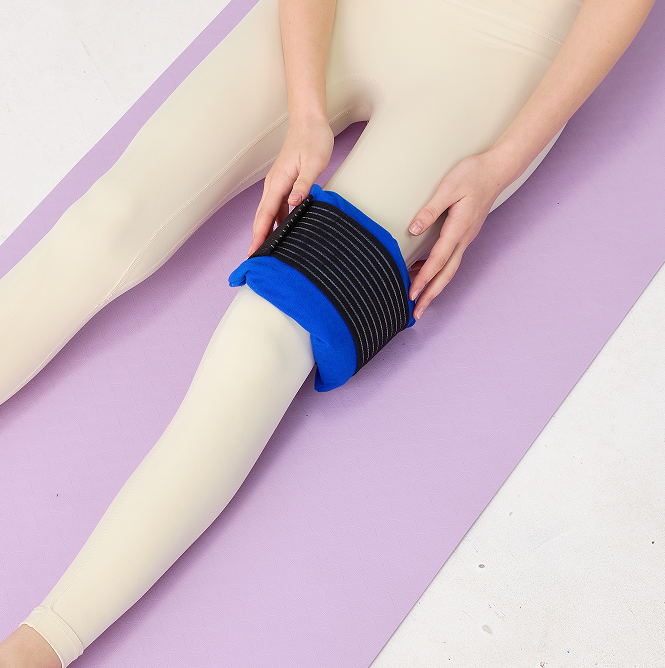
كيفية تقييم عبوة الجل العلاجية في المكسيك بالجملة للاستخدام في العالم الحقيقي
The best sourcing decision for therapeutic gel pack Mexico wholesale begins with a boundary: تعتبر حزمة الجل العلاجية أحد مكونات النظام الحراري أو العلاجي. ولا يمكنه إثبات الملاءمة من تلقاء نفسه. يربط الشراء الذي يمكن الدفاع عنه الحمولة أو الاستخدام المقصود, طريقة التكييف, العبوة المحيطة, الطريق, سلوك المشغل, أدلة الجودة, والمورد's ability to hold the approved specification.
الفشل الذي يستحق المنع غالبًا لا يكون سعر الوحدة مرتفعًا. الاستخدام المقصود يحدد المواصفات. فهي تقوم بشراء كيس مبرد صناعي وتسويقه للاستخدام العلاجي المباشر دون تقييم حواجز ملامسة الجلد, طريقة التدفئة, توحيد درجة الحرارة, تحذيرات, وتصنيف المنتجات المحلية. إن العبوة المخصصة لشحن سلسلة التبريد ليست مناسبة تلقائيًا للتطبيق المباشر على الجسم. يوضح هذا الدليل كيفية ترجمة هذه القيود إلى مواصفات العينة, أسئلة الموردين, محاكمات الحزمة, استلام الشيكات, ومسار متحكم فيه من الأمر التجريبي إلى الإمداد الروتيني.
قاعدة القرار التي تمنع معظم الأخطاء
عبوة جل علاجية مناسبة للبيع بالتجزئة, عيادة, صيدلية, الرياضة, ويجب أن يتناسب توزيع الرعاية المنزلية مع الحزمة المادية, أدخل العملية في حالة محددة, تبقى سليمة أثناء المناولة المتوقعة, وتكون مدعومة بالمواصفات التي يمكن للإنتاج إعادة إنتاجها. لا يثبت توفر الجملة والملصق الخاص أن العبوة مرخصة أو آمنة لمطالبة طبية محددة. وينبغي أيضًا أن تكون مصحوبة بمعلومات كافية للفريق متعدد الوظائف للحكم على التنظيف, إعادة الاستخدام, تصرف, التتبع, وتغير المخاطر.
حدد أولاً أربعة أسئلة. كم من الوقت وخلال أي تعرضات يجب أن يعمل النظام? ما هو الشرط الذي يجب أن تتجنبه الحمولة أو تجربة المستخدم? أين يمكن وضع المبرد دون التسبب في تلف التلامس أو بقعة باردة? ما هو الدليل الذي سيسمح لفرق الجودة والعمليات بالموافقة على نفس المنتج الذي يتم تسعيره عند الشراء? إذا كان أحد هذه الأسئلة ليس له مالك, يؤدي عرض الأسعار الأقل إلى نقل التكلفة إلى الاختبار فقط, إعادة صياغة, المطالبات, أو استبدال الطوارئ.
الاستخدام العلاجي المباشر يغير متطلبات المنتج
الاستخدام المقصود يحدد المواصفات. إن العبوة المخصصة لشحن سلسلة التبريد ليست مناسبة تلقائيًا للتطبيق المباشر على الجسم.
لا يثبت توفر الجملة والملصق الخاص أن العبوة مرخصة أو آمنة لمطالبة طبية محددة.
لهذا التطبيق, يجب أن يتم كتابة قرار القبول قبل وصول العينات. ثم اختبر التعامل العادي والموثوق مع أسوأ الحالات. تحديد ما الذي يجعل المنتج غير صالح للاستخدام, ما هي الأدلة المطلوبة, ومن يمكنه الموافقة على الانحراف. وهذا يمنع مراجعة العينة من أن تصبح مناقشة ذاتية حول ما إذا كانت العبوة تبدو قوية أو باردة.
نفس الانضباط يحسن التواصل مع الموردين. غالبًا ما يكون المورد المدرج في القائمة المختصرة والذي يطرح أسئلة دقيقة أكثر فائدة من المورد الذي يعد على الفور بمدة محددة دون رؤية الحمولة أو الحاوية. بدلا من السؤال عن أفضل حزمة, أرسل ملخص طلب موجز واطلب من المورد تحديد الافتراضات, القيود, وفجوات المعلومات.
ابدأ بحدود الحمولة والفشل
لمنتجات العلاج الساخنة والباردة, يجب كتابة المتطلبات كملخص للنظام. ويجب أن يذكر أيضًا ما إذا كان الهدف هو سلامة المنتج, الحفاظ على الجودة, تجربة التسليم المفضلة, الراحة العلاجية, أو شرط تنظيمي موثق. يجب أن يصف حالة البداية للحمولة, حدود مقبولة, كتلة الحمولة وترتيبها, مساحة داخلية قابلة للاستخدام, العزل, مدة الطريق, التأخير المتوقع, التعرض المحيطي, وعملية الاستلام. وترتبط هذه الأهداف, لكنها ليست قابلة للتبديل.
تمتص الكمادات الباردة الحرارة لأن الطاقة تنتقل من المناطق الأكثر دفئًا إلى المناطق الباردة. هذا هو سبب أهمية سلوك المرحلة. بينما تتغير مرحلة الصياغة, يمكنه امتصاص كمية كبيرة من الطاقة مع تغير في درجة الحرارة أصغر مما يمكن أن يحدث من خلال التسخين المعقول وحده. ومع ذلك فإن نقطة الطور هي خاصية واحدة فقط. الكتلة الكلية, الحرارة الكامنة والمعقولة, درجة حرارة البداية, منطقة الاتصال, تسرب الحرارة العزل, والفجوات الهوائية كلها تؤثر على النتيجة. لا ينبغي للمورد المدرج في القائمة المختصرة أن يقلل من هذه العلاقة إلى ادعاء غير مبرر بشأن ساعات التبريد.
الهندسة تحول خصائص المواد إلى سلوك التعبئة والتغليف. قد تؤدي قابلية المطابقة إلى تحسين الاتصال ولكنها يمكن أن تؤدي أيضًا إلى ضغط وسماكة غير متساوية. يمكن أن تتوافق الحقيبة المرنة مع منتجات العلاج الساخنة والباردة, في حين أن الطوب الصلب يمكن أن يخلق مسافات متكررة ويسهل التحكم في المخزون. قد تحمي الصلابة سائل التبريد ولكنها تستهلك مساحة قابلة للاستخدام أو تنشئ جسرًا باردًا مركَّزًا. يجب أن تتحمل العبوات العلاجية الانحناء, التعامل المتكرر, تعليمات التبريد أو التدفئة, والضغوط التي يسببها المستخدمون والتي قد تزيد من سخونتهم أو تزيد من سخونتهم.
للاختيار النهائي, وبالتالي فإن المقارنة الخاضعة للرقابة ليست الحقيبة مقابل الطوب بشكل منفصل. تكشف هذه المقارنة ما إذا كانت الميزة المادية الظاهرة تنجو من الهندسة الحقيقية وتعليمات العمل الحقيقية. إنها الحزمة المرشحة A مقابل الحزمة المرشحة B تحت نفس الحمولة, العزل, الشروط المسبقة, طريقة التحميل, ملف تعريف المحيط, ومعايير القبول.
بناء الحزمة حول المتغيرات المتحكم فيها
المبرد, حاوية معزولة, حمولة, ملء باطلة, فواصل, وتسلسل التحميل يشكل نظامًا حراريًا واحدًا. يعد عدد العبوات المستعارة من كرتونة أخرى دليلاً ضعيفًا بسبب سمك العزل, مساحة السطح الخارجي, مساحة الرأس, حمولة الكتلة الحرارية, ويمكن أن تكون درجة حرارة البداية مختلفة. لا يثبت توفر الجملة والملصق الخاص أن العبوة مرخصة أو آمنة لمطالبة طبية محددة. حتى الاتجاه مهم عندما يستقر الهواء البارد, يدخل الهواء الدافئ عند الغطاء, أو تتحرك العبوات أثناء النقل.
تكييف يستحق تعليمات العمل الخاصة به. يمكن للحزمة التي تحمل نفس SKU اسميًا أن تتصرف بشكل مختلف إذا كانت إحدى الوحدات مكيفة بالكامل, آخر لديه جوهر دافئ, وجلس ثالث على مقاعد البدلاء أثناء تغيير المناوبة. يجب أن تحدد حالة الفريزر أو الثلاجة, الترتيب أثناء التكييف, الحد الأدنى من توقعات التعافي بعد فتح الأبواب, نقل الوقت إلى محطة التعبئة, وما يفعله المشغلون بوحدات التكييف أو وحدات الذوبان جزئيًا.
تبدأ عملية الموافقة بتكوين موثق وحمولة تمثيلية. درجة حرارة الهواء بجانب المبرد ليست بالضرورة نفس درجة حرارة المنتج. أجهزة الاستشعار أو المؤشرات, عند استخدامها, يجب اختياره ووضعه للإجابة على سؤال القبول. يجب أن يلتقط الاختبار المواقع الدافئة والباردة المحتملة, ويجب أن يمثل التعرضات المحيطة الموثوقة والتعامل مع الأحداث بدلاً من حالة الغرفة الثابتة السهلة.
ينبغي تسجيل النتائج مع مجموعة العبوة الدقيقة, حالة تكييف, حمولة, العزل, مخطط التحميل, مواقع الاستشعار, ملف تعريف المحيط, وأي انحرافات. يمكن أن تؤدي إضافة سائل التبريد بشكل أعمى إلى تقليل الحجم القابل للاستخدام, رفع كتلة الشحن, أو إنشاء تبريد زائد مع ترك فجوة الهواء الأصلية أو تسرب الغطاء دون حل. إذا فشل الأداء, قم بتغيير متغير واحد متحكم فيه في الوقت الذي يكون فيه ذلك عمليًا.
أسئلة الموردين التي تغير القرار
| منطقة القرار | كيف تبدو جيدة | عمل المشتري |
|---|---|---|
| تناسب الحرارية | صياغة المباراة, كتلة, هندسة, وتكييف الحمولة والنظام. | اطلب البيانات, ثم اختبر الحزمة الكاملة ضمن ملف تعريف تمثيلي. |
| اللياقة البدنية | تأكيد المساحة القابلة للاستخدام, الأبعاد المجمدة, نقاط الاتصال, والحركة. | بناء عينات باستخدام الحاوية الفعلية, حمولة, فواصل, والإغلاق. |
| نزاهة | السيطرة على الأفلام أو القذائف, طبقات, قبعات, زوايا, وكتلة مملوءة. | مراجعة عمليات التحقق من الإصدار, التسامح, معالجة الشكوى, والعينات المحتفظ بها. |
| العمليات | جعل تكييف, تحميل, تقتيش, والتقاعد قابل للتكرار. | قم بإجراء تجربة لخط التعبئة مع مشغلين عاديين وضغط زمني واقعي. |
| التوثيق | ربط كل دفعة مقدمة بالمواصفات المعتمدة. | تأكيد ترميز الكمية, السجلات, معلومات السلامة, وتغيير الإخطار. |
| نهاية الحياة | التمييز بين إعادة الاستخدام, التخلص من المحتويات, والتخلص من العبوة الخارجية. | التحقق من المطالبات ضد أدلة الصياغة والقواعد المحلية. |
تحافظ مصفوفة القرار على تركيز المناقشة على الأدلة بدلاً من الصفات. إنه الشخص الذي يمكنه تحديد SKU المعروض, شرح حدوده, إعادة إنتاجها, and cooperate with the cross-functional team's qualification and receiving process. عند مقارنة عبوة الجل العلاجية للبيع بالتجزئة, عيادة, صيدلية, الرياضة, وتوزيع الرعاية المنزلية, فالمورد الحاصل على أعلى الدرجات ليس بالضرورة هو الذي يقدم معظم الخيارات.
استخدم الجدول مرتين: أول من فحص الموردين, ثم مقارنة العينة المعتمدة مع مقترح الإنتاج. ويجب إغلاق هذه الاختلافات قبل أن يصبح أمر الشراء هو المواصفات الوحيدة في العلاقة. قد يقدم المورد المدرج في القائمة المختصرة نموذجًا أوليًا ممتازًا ولكنه يقتبس بناء الإنتاج, طريقة الطباعة, حزمة القضية, أو موقع يختلف عن الوحدة التي تم تقييمها.
خطة الطرح الخاضعة للرقابة
تبدأ مع صغيرة, مجموعة عينات موثقة. تشمل المشغلين العاديين أثناء المحاكمة. وحدات التصوير والقياس, تحديد السجل, فحص الأختام والأسطح, حالتهم باستخدام الطريقة المقترحة, وبناء الحزمة الحقيقية. العبوة التي تنجح فقط عندما يتم تجميعها بواسطة المهندس الذي صممها ليست جاهزة للتوزيع الروتيني.
بعد المراجعة الحرارية والمناولة, تحديد العينة الذهبية أو المرجع المعتمد وتحويل النتائج إلى مواصفات الشراء وتعليمات العمل. Sampling plans should reflect risk and the cross-functional team'نظام الجودة. يمكن أن يركز تلقي الفحص بعد ذلك على الخصائص المهمة: هوية, عدد الحالات, ضرر واضح, أبعاد, كتلة مملوءة عند الاقتضاء, وضوح الطباعة أو التسمية, ترميز الكثير, وفحص الختم أو الإغلاق المحدد.
القدرة التشغيلية هي جزء من ملاءمة المنتج. ينبغي لفريقك متعدد الوظائف أن يصمم مساحة للفريزر أو الثلاجة, دورة التكييف, وقت التدريج, تَعَب, مخزون احتياطي, القمم الموسمية, وماذا يحدث بعد فشل التسليم أو إرجاع المنتج. يجب أن تتحمل العبوات العلاجية الانحناء, التعامل المتكرر, تعليمات التبريد أو التدفئة, والضغوط التي يسببها المستخدمون والتي قد تزيد من سخونتهم أو تزيد من سخونتهم. يمكن أن تتجاوز هذه التكاليف الفروق الصغيرة في سعر الوحدة.
بمجرد بدء الإنتاج, مراقبة الشكاوى حسب وضع الفشل وليس كمعدل عيب واحد. يوضح هذا التمييز ما إذا كان الإجراء التصحيحي يخص مورد المبرد, تصميم الحزمة, عملية المستودع, الناقل, أو موقع الاستقبال. تسربات منفصلة, الثقوب, انشقاقات الختم, مشاكل الأبعاد, تلف الطباعة, تكييف غير كاف, أخطاء التعبئة, الرحلات الحرارية, وتلقي الضرر.
الموافقة على النظام, ثم السيطرة على التغيير
Mexican buyers should verify the product's classification, وضع العلامات باللغة الاسبانية, المطالبات, مسؤوليات المستورد, وأي متطلبات تنطبق على القناة المقصودة. مثل التصريحات المناسبة لجميع الشحنات الطبية, يحافظ على برودة المنتجات لعدد محدد من الساعات, or environmentally safe everywhere are too broad unless the underlying evidence truly covers the cross-functional team's configuration and market. إن لغة الادعاء الأكثر قابلية للدفاع عنها محددة فيما يتعلق بما تم اختباره, تحت أي ظروف, ومن قبل من.
قد يتضمن ملف المورد المدرج في القائمة المختصرة مواصفات خاضعة للرقابة, رسم, معلومات السلامة, إعلان مادي, ملخصات الاختبار, شهادات الجودة ذات الصلة بنظام التصنيع, تنسيق سجل الدفعة أو الدفعة, عملية الشكوى, والالتزام بضبط التغيير. شهادة نظام الإدارة العامة, على سبيل المثال, لا يثبت الأداء الحراري, وتقرير الهجرة أو المادة لا يؤهل ممر الشحن. هذه الوثائق تجيب على أسئلة مختلفة.
تحتاج لغة مسار التخلص النهائي أو إعادة الاستخدام إلى نفس الانضباط. إذا تم اقتراح إعادة الاستخدام, حساب ما إذا كانت الوحدات قد تم إرجاعها بالفعل, تنظيفها, تفتيشها, مجدد, وإعادته إلى الخدمة. لا ينبغي إفراغ العبوات المتسربة أو الملوثة دون الرجوع إلى معلومات سلامة التركيبة وإرشادات النفايات المحلية. قد تستهلك العبوة المتينة التي لا يتم إرجاعها أبدًا المزيد من المواد دون تقديم فائدة إعادة الاستخدام المتوقعة. على العكس من ذلك, قد يؤدي تنسيق الاستخدام الفردي إلى تقليل النقل العكسي ولكنه يخلق عبئًا أكبر للتخلص.
تعمل مراقبة التغيير بعد الموافقة على حماية العمل المستثمر في الموافقة. البديل الذي يبدو متطابقًا يمكن أن يتمتع بمرونة مختلفة, سلوك التجميد, الكتلة الحرارية, أو وضع الفشل. يجب على فريقك متعدد الوظائف تحديد التغييرات التي تتطلب إشعارًا أو إعادة تقييم, مثل صياغة هلام, درجة البوليمر, طبقة الفيلم, نمط الختم, ملء الكتلة, أبعاد, موقع التصنيع, طريقة الطباعة, أو حالة التعبئة.
ما الذي يتغير عندما يتوسع البرنامج في المكسيك؟
يضيف المقياس التباين قبل أن يضيف الحجم. وينبغي لأي برنامج وطني أو برنامج عبر الحدود أن يحدد العناصر الثابتة والعناصر التي يمكن تكييفها محلياً. المزيد من المواقع تعني مجمدات مختلفة, أنماط التحول, كثافة التخزين, قطع الناقل, معدلات العودة, طرق التنظيف, وتفسيرات لنفس التعليمات. SKU المبرد, حالة تكييف, عدد الحزمة, مخطط التحميل, ومعايير التقاعد عادة ما تكون مرشحة ضعيفة للاستبدال غير الرسمي.
جغرافية التوزيع تغير أيضًا المخاطر التجارية. يجب على فرق الموافقة أن تحدد المسار من قطعة التصنيع إلى محطة التعبئة, بما في ذلك من يملك المخزون أثناء التأخير وكيفية عزل الحالات المتضررة. استيراد المهلة, التخليص الجمركي, المخزون المحلي, احتياجات اللغة, وضع العلامات على الحالة, مخزون بديل, ويمكن أن تحدد الاستجابة للشكوى ما إذا كان المنتج الجيد تقنيًا قابلاً للاستخدام من الناحية التشغيلية.
يمكن للموزع المحلي إضافة قيمة من خلال الاحتفاظ بالمخزون, ترجمة التعليمات, توحيد الطلب, والمحاكمات الداعمة. إذا كان الموزع يعيد حزم, relabels, أو تخزين المنتج, مسؤوليات التتبع, ظروف التخزين, فحص الضرر, ويجب أن يكون التواصل التغييري واضحًا. يجب أن تكون هذه القيمة مرئية في تعريفات الخدمة وسجلاتها.
أسئلة يجب وضعها في مراجعة الموردين
- هل تم تصميم وتوثيق SKU للاستخدام العلاجي المباشر?
- ما هي طرق التدفئة والتبريد المسموح بها؟, وما هي تحذيرات سوء الاستخدام المطلوبة?
- هل يمكن تطبيق التعليمات الإسبانية وتحديد الكمية بشكل متسق?
- What evidence supports the film's skin-contact and repeated-flex performance?
يجب أن تكون الإجابات محددة للبناء المقتبس. قم بتسجيل الافتراضات التي لم يتم حلها في الخطة التجريبية بدلاً من السماح لها بأن تصبح معايير قبول صامتة. إذا كان الرد يشير فقط إلى عائلة المنتج, اسأل ما إذا كان كل حجم يستخدم نفس الصيغة, فيلم, طريقة الختم, تعليمات تكييف, والتحكم في الافراج.
يجب أن تستخدم مقارنات الأسعار نفس شروط التسليم, كمية القضية, نطاق وضع العلامات, مستوى التفتيش, حزمة الوثائق, وسياسة الاستبدال. للتوريد الدولي, قم أيضًا بالتمييز بين مهلة التصنيع ووقت التجديد الإجمالي وتحديد كيفية التعامل مع عمليات الاستبدال العاجلة. خلاف ذلك, قد يؤدي أدنى سعر للعنصر إلى استبعاد العمل الذي أدرجه مورد آخر.
الأسئلة المتداولة
هل يمكن أن تضمن عبوة الجل العلاجية عددًا محددًا من ساعات التبريد?
ليس في حد ذاته. تعامل مع مطالبة المدة على أنها ذات معنى فقط عندما يكون تكوين الاختبار قابلاً للمقارنة مع تكوينك. المدة تعتمد على الصيغة الدقيقة والكتلة, حالة البداية, العزل, حمولة, عدد الحزمة, الموضع, ملف تعريف المحيط, وفتح الأحداث أو التعامل معها. يعد التقييم التمثيلي للحزمة الكاملة أقوى من المطالبة بالحزمة المستقلة.
في حالة ملامسة الكمادة الباردة للمنتج مباشرة?
يعتمد ذلك على حساسية المنتج وتصميم العبوة. الاستخدام المقصود يحدد المواصفات. الاتصال المباشر يمكن أن يحسن نقل الحرارة المحلية, ولكن يمكن أيضًا أن يؤدي إلى التجميد, ضغط, التكثيف, كشط, أو تلف العرض. إن العبوة المخصصة لشحن سلسلة التبريد ليست مناسبة تلقائيًا للتطبيق المباشر على الجسم. استخدم الفواصل أو التباعد المتحكم فيه عند الحاجة وقم بتضمين موضعها في مخطط التحميل المعتمد.
ما الذي يجب على المشتري فحصه عند وصول الوحدات السائبة?
تأكيد الهوية, رمز الكثير, عدد الحالات, ضرر عبور واضح, تسرب, حالة الختم أو الإغلاق, أبعاد, كتلة مملوءة عند الاقتضاء, ووضوح الطباعة أو التسمية. عزل التغييرات غير المبررة بدلاً من إرسالها مباشرة إلى منطقة التكييف. مقارنة الوحدات المختارة بالمرجع المعتمد.
هل تعني إمكانية إعادة الاستخدام تلقائيًا المزيد من الاستدامة؟?
لا. إذا كانت معدلات الإرجاع منخفضة أو كان التنظيف والنقل مكثفين, وقد لا تظهر الفائدة المتوقعة. يمكن أن تؤدي إعادة الاستخدام إلى تقليل الطلب على المواد عند إرجاع العبوات, تنظيفها, تفتيشها, مجدد, واستخدمت مرات كافية لتبرير الخدمات اللوجستية العكسية. مقارنة سيناريوهات البرنامج الواقعية وتوثيق الافتراضات.
قرار الشراء النهائي
يجب أن ينجو الاختيار النهائي لحزمة الجل العلاجية من أربع مراجعات: الحرارية أو مناسبة لحالة الاستخدام, اللياقة البدنية والتشغيلية, أدلة الجودة, والاستمرارية التجارية. تعمل حزمة التجارب والموافقة المنضبطة على تحويل عملية شراء السلعة إلى مكون نظام يمكن التحكم فيه. إذا اجتازت الوحدة المقترحة مراجعة عرض الأسعار فقط, عملية تحديد المصادر غير مكتملة.
حول Tempk
Tempk, العلامة التجارية لشركة Shanghai Tempk Industrial Co., المحدود., supplies gel ice packs and related cold-chain packaging for food, الرعاية الصحية, عينة, بيع بالتجزئة, وتطبيقات التوزيع. Final suitability should be confirmed against the cross-functional team's payload, طريق, عملية التكييف, ظروف التعامل, والأدلة المطلوبة. للبيع بالتجزئة, عيادة, صيدلية, الرياضة, وتوزيع الرعاية المنزلية, يمكننا مناقشة أبعاد العبوة, الوزن المملوء, تنسيق الفيلم أو القشرة, الطباعة, تعبئة الكرتون, وكيف يمكن أن يتناسب المبرد المرشح مع العبوة المعزولة.
الخطوة التالية
قبل طلب تسعير الإنتاج, توفير متطلبات المنتج, مساحة حزمة قابلة للاستخدام, الطريق المحيط, قيود المشغل, وأدلة الموافقة التي تحتاجها. يمكن لـ Tempk استخدام هذا الموجز لتحديد عينات عبوات الجل العلاجية لإجراء مراجعة متعددة الوظائف.
كيفية تقييم مورد عينات الأنسجة المبردة للاستخدام في العالم الحقيقي

كيفية تقييم مورد عينات الأنسجة المبردة للاستخدام في العالم الحقيقي
The best sourcing decision for refrigerated gel pouch tissue sample supplier begins with a boundary: تعتبر الحقيبة الهلامية المبردة أحد مكونات النظام الحراري أو العلاجي. ولا يمكنه إثبات الملاءمة من تلقاء نفسه. يربط الشراء الذي يمكن الدفاع عنه الحمولة أو الاستخدام المقصود, طريقة التكييف, العبوة المحيطة, الطريق, سلوك المشغل, أدلة الجودة, والمورد's ability to hold the approved specification.
الفشل الذي يستحق المنع غالبًا لا يكون سعر الوحدة مرتفعًا. تختلف متطلبات الأنسجة حسب نوع العينة, مادة حافظة, طريقة الاختبار, بروتوكول, والمختبر. إنها تسمح لحقيبة هلامية بلمس حاويات العينات الأولية أو معالجة التبريد كبديل للاحتواء الثلاثي, مادة ماصة, ضوابط التوجه, وتغليف البضائع الخطرة المعمول بها. يجب أن يحدد المختبر المتلقي الحالة المقبولة وفترة العبور. يوضح هذا الدليل كيفية ترجمة هذه القيود إلى مواصفات العينة, أسئلة الموردين, محاكمات الحزمة, استلام الشيكات, ومسار متحكم فيه من الأمر التجريبي إلى الإمداد الروتيني.
قاعدة القرار التي تمنع معظم الأخطاء
يجب أن تتناسب الحقيبة الهلامية المبردة المناسبة لنقل العينات المبردة داخل العبوة الثانوية والخارجية المتوافقة مع العبوة المادية, أدخل العملية في حالة محددة, تبقى سليمة أثناء المناولة المتوقعة, وتكون مدعومة بالمواصفات التي يمكن للإنتاج إعادة إنتاجها. كيس الجل المبرد هو مكون حراري; إنه ليس احتواءًا أوليًا, مادة ماصة, حزمة خارجية متوافقة, أو مراقبة درجة الحرارة. وينبغي أيضًا أن تكون مصحوبة بمعلومات كافية للفريق متعدد الوظائف للحكم على التنظيف, إعادة الاستخدام, تصرف, التتبع, وتغير المخاطر.
حدد أولاً أربعة أسئلة. كم من الوقت وخلال أي تعرضات يجب أن يعمل النظام? ما هو الشرط الذي يجب أن تتجنبه الحمولة أو تجربة المستخدم? أين يمكن وضع المبرد دون التسبب في تلف التلامس أو بقعة باردة? ما هو الدليل الذي سيسمح لفرق الجودة والعمليات بالموافقة على نفس المنتج الذي يتم تسعيره عند الشراء? إذا كان أحد هذه الأسئلة ليس له مالك, يؤدي عرض الأسعار الأقل إلى نقل التكلفة إلى الاختبار فقط, إعادة صياغة, المطالبات, أو استبدال الطوارئ.
التبريد لا يحل محل احتواء العينات
تختلف متطلبات الأنسجة حسب نوع العينة, مادة حافظة, طريقة الاختبار, بروتوكول, والمختبر. يجب أن يحدد المختبر المتلقي الحالة المقبولة وفترة العبور.
كيس الجل المبرد هو مكون حراري; إنه ليس احتواءًا أوليًا, مادة ماصة, حزمة خارجية متوافقة, أو مراقبة درجة الحرارة.
لهذا التطبيق, يجب أن يتم كتابة قرار القبول قبل وصول العينات. ثم اختبر التعامل العادي والموثوق مع أسوأ الحالات. تحديد ما الذي يجعل المنتج غير صالح للاستخدام, ما هي الأدلة المطلوبة, ومن يمكنه الموافقة على الانحراف. وهذا يمنع مراجعة العينة من أن تصبح مناقشة ذاتية حول ما إذا كانت العبوة تبدو قوية أو باردة.
نفس الانضباط يحسن التواصل مع الموردين. غالبًا ما يكون المورد المدرج في القائمة المختصرة والذي يطرح أسئلة دقيقة أكثر فائدة من المورد الذي يعد على الفور بمدة محددة دون رؤية الحمولة أو الحاوية. بدلا من السؤال عن أفضل حزمة, أرسل ملخص طلب موجز واطلب من المورد تحديد الافتراضات, القيود, وفجوات المعلومات.
ابدأ بحدود الحمولة والفشل
لعينات الأنسجة والمواد التشخيصية المرتبطة بها, يجب كتابة المتطلبات كملخص للنظام. ويجب أن يذكر أيضًا ما إذا كان الهدف هو سلامة المنتج, الحفاظ على الجودة, تجربة التسليم المفضلة, الراحة العلاجية, أو شرط تنظيمي موثق. يجب أن يصف حالة البداية للحمولة, حدود مقبولة, كتلة الحمولة وترتيبها, مساحة داخلية قابلة للاستخدام, العزل, مدة الطريق, التأخير المتوقع, التعرض المحيطي, وعملية الاستلام. وترتبط هذه الأهداف, لكنها ليست قابلة للتبديل.
تمتص الكمادات الباردة الحرارة لأن الطاقة تنتقل من المناطق الأكثر دفئًا إلى المناطق الباردة. هذا هو سبب أهمية سلوك المرحلة. بينما تتغير مرحلة الصياغة, يمكنه امتصاص كمية كبيرة من الطاقة مع تغير في درجة الحرارة أصغر مما يمكن أن يحدث من خلال التسخين المعقول وحده. ومع ذلك فإن نقطة الطور هي خاصية واحدة فقط. الكتلة الكلية, الحرارة الكامنة والمعقولة, درجة حرارة البداية, منطقة الاتصال, تسرب الحرارة العزل, والفجوات الهوائية كلها تؤثر على النتيجة. لا ينبغي للمورد المدرج في القائمة المختصرة أن يقلل من هذه العلاقة إلى ادعاء غير مبرر بشأن ساعات التبريد.
الهندسة تحول خصائص المواد إلى سلوك التعبئة والتغليف. قد تؤدي قابلية المطابقة إلى تحسين الاتصال ولكنها يمكن أن تؤدي أيضًا إلى ضغط وسماكة غير متساوية. يمكن للحقيبة المرنة أن تلتف حول عينات الأنسجة والمواد التشخيصية المرتبطة بها, في حين أن الطوب الصلب يمكن أن يخلق مسافات متكررة ويسهل التحكم في المخزون. قد تحمي الصلابة سائل التبريد ولكنها تستهلك مساحة قابلة للاستخدام أو تنشئ جسرًا باردًا مركَّزًا. يجب فصل سائل التبريد فعليًا عن الأوعية الأولية حتى يتم تجميده, سحق, التكثيف, أو أن التسرب لا يضر بالعينة أو تحديد هويتها.
للاختيار النهائي, وبالتالي فإن المقارنة الخاضعة للرقابة ليست الحقيبة مقابل الطوب بشكل منفصل. تكشف هذه المقارنة ما إذا كانت الميزة المادية الظاهرة تنجو من الهندسة الحقيقية وتعليمات العمل الحقيقية. إنها الحزمة المرشحة A مقابل الحزمة المرشحة B تحت نفس الحمولة, العزل, الشروط المسبقة, طريقة التحميل, ملف تعريف المحيط, ومعايير القبول.
بناء الحزمة حول المتغيرات المتحكم فيها
المبرد, حاوية معزولة, حمولة, ملء باطلة, فواصل, وتسلسل التحميل يشكل نظامًا حراريًا واحدًا. يعد عدد العبوات المستعارة من كرتونة أخرى دليلاً ضعيفًا بسبب سمك العزل, مساحة السطح الخارجي, مساحة الرأس, حمولة الكتلة الحرارية, ويمكن أن تكون درجة حرارة البداية مختلفة. كيس الجل المبرد هو مكون حراري; إنه ليس احتواءًا أوليًا, مادة ماصة, حزمة خارجية متوافقة, أو مراقبة درجة الحرارة. حتى الاتجاه مهم عندما يستقر الهواء البارد, يدخل الهواء الدافئ عند الغطاء, أو تتحرك العبوات أثناء النقل.
تكييف يستحق تعليمات العمل الخاصة به. يمكن للحزمة التي تحمل نفس SKU اسميًا أن تتصرف بشكل مختلف إذا كانت إحدى الوحدات مكيفة بالكامل, آخر لديه جوهر دافئ, وجلس ثالث على مقاعد البدلاء أثناء تغيير المناوبة. يجب أن تحدد حالة الفريزر أو الثلاجة, الترتيب أثناء التكييف, الحد الأدنى من توقعات التعافي بعد فتح الأبواب, نقل الوقت إلى محطة التعبئة, وما يفعله المشغلون بوحدات التكييف أو وحدات الذوبان جزئيًا.
تبدأ عملية الموافقة بتكوين موثق وحمولة تمثيلية. درجة حرارة الهواء بجانب المبرد ليست بالضرورة نفس درجة حرارة المنتج. أجهزة الاستشعار أو المؤشرات, عند استخدامها, يجب اختياره ووضعه للإجابة على سؤال القبول. يجب أن يلتقط الاختبار المواقع الدافئة والباردة المحتملة, ويجب أن يمثل التعرضات المحيطة الموثوقة والتعامل مع الأحداث بدلاً من حالة الغرفة الثابتة السهلة.
ينبغي تسجيل النتائج مع مجموعة العبوة الدقيقة, حالة تكييف, حمولة, العزل, مخطط التحميل, مواقع الاستشعار, ملف تعريف المحيط, وأي انحرافات. يمكن أن تؤدي إضافة سائل التبريد بشكل أعمى إلى تقليل الحجم القابل للاستخدام, رفع كتلة الشحن, أو إنشاء تبريد زائد مع ترك فجوة الهواء الأصلية أو تسرب الغطاء دون حل. إذا فشل الأداء, قم بتغيير متغير واحد متحكم فيه في الوقت الذي يكون فيه ذلك عمليًا.
أسئلة الموردين التي تغير القرار
| منطقة القرار | كيف تبدو جيدة | عمل المشتري |
|---|---|---|
| تناسب الحرارية | صياغة المباراة, كتلة, هندسة, وتكييف الحمولة والنظام. | اطلب البيانات, ثم اختبر الحزمة الكاملة ضمن ملف تعريف تمثيلي. |
| اللياقة البدنية | تأكيد المساحة القابلة للاستخدام, الأبعاد المجمدة, نقاط الاتصال, والحركة. | بناء عينات باستخدام الحاوية الفعلية, حمولة, فواصل, والإغلاق. |
| نزاهة | السيطرة على الأفلام أو القذائف, طبقات, قبعات, زوايا, وكتلة مملوءة. | مراجعة عمليات التحقق من الإصدار, التسامح, معالجة الشكوى, والعينات المحتفظ بها. |
| العمليات | جعل تكييف, تحميل, تقتيش, والتقاعد قابل للتكرار. | قم بإجراء تجربة لخط التعبئة مع مشغلين عاديين وضغط زمني واقعي. |
| التوثيق | ربط كل دفعة مقدمة بالمواصفات المعتمدة. | تأكيد ترميز الكمية, السجلات, معلومات السلامة, وتغيير الإخطار. |
| نهاية الحياة | التمييز بين إعادة الاستخدام, التخلص من المحتويات, والتخلص من العبوة الخارجية. | التحقق من المطالبات ضد أدلة الصياغة والقواعد المحلية. |
تحافظ مصفوفة القرار على تركيز المناقشة على الأدلة بدلاً من الصفات. إنه الشخص الذي يمكنه تحديد SKU المعروض, شرح حدوده, إعادة إنتاجها, and cooperate with the cross-functional team's qualification and receiving process. عند مقارنة كيس هلام مبرد لنقل العينات المبردة داخل عبوات ثانوية وخارجية متوافقة, فالمورد الحاصل على أعلى الدرجات ليس بالضرورة هو الذي يقدم معظم الخيارات.
استخدم الجدول مرتين: أول من فحص الموردين, ثم مقارنة العينة المعتمدة مع مقترح الإنتاج. ويجب إغلاق هذه الاختلافات قبل أن يصبح أمر الشراء هو المواصفات الوحيدة في العلاقة. قد يقدم المورد المدرج في القائمة المختصرة نموذجًا أوليًا ممتازًا ولكنه يقتبس بناء الإنتاج, طريقة الطباعة, حزمة القضية, أو موقع يختلف عن الوحدة التي تم تقييمها.
خطة الطرح الخاضعة للرقابة
تبدأ مع صغيرة, مجموعة عينات موثقة. تشمل المشغلين العاديين أثناء المحاكمة. وحدات التصوير والقياس, تحديد السجل, فحص الأختام والأسطح, حالتهم باستخدام الطريقة المقترحة, وبناء الحزمة الحقيقية. العبوة التي تنجح فقط عندما يتم تجميعها بواسطة المهندس الذي صممها ليست جاهزة للتوزيع الروتيني.
بعد المراجعة الحرارية والمناولة, تحديد العينة الذهبية أو المرجع المعتمد وتحويل النتائج إلى مواصفات الشراء وتعليمات العمل. Sampling plans should reflect risk and the cross-functional team'نظام الجودة. يمكن أن يركز تلقي الفحص بعد ذلك على الخصائص المهمة: هوية, عدد الحالات, ضرر واضح, أبعاد, كتلة مملوءة عند الاقتضاء, وضوح الطباعة أو التسمية, ترميز الكثير, وفحص الختم أو الإغلاق المحدد.
القدرة التشغيلية هي جزء من ملاءمة المنتج. ينبغي لفريقك متعدد الوظائف أن يصمم مساحة للفريزر أو الثلاجة, دورة التكييف, وقت التدريج, تَعَب, مخزون احتياطي, القمم الموسمية, وماذا يحدث بعد فشل التسليم أو إرجاع المنتج. يجب فصل سائل التبريد فعليًا عن الأوعية الأولية حتى يتم تجميده, سحق, التكثيف, أو أن التسرب لا يضر بالعينة أو تحديد هويتها. يمكن أن تتجاوز هذه التكاليف الفروق الصغيرة في سعر الوحدة.
بمجرد بدء الإنتاج, مراقبة الشكاوى حسب وضع الفشل وليس كمعدل عيب واحد. يوضح هذا التمييز ما إذا كان الإجراء التصحيحي يخص مورد المبرد, تصميم الحزمة, عملية المستودع, الناقل, أو موقع الاستقبال. تسربات منفصلة, الثقوب, انشقاقات الختم, مشاكل الأبعاد, تلف الطباعة, تكييف غير كاف, أخطاء التعبئة, الرحلات الحرارية, وتلقي الضرر.
الموافقة على النظام, ثم السيطرة على التغيير
اعتمادا على التصنيف, قد تتطلب العينات البيولوجية عبوات محددة, وضع العلامات, الوثائق, وإجراءات الناقل. إن لغة الادعاء الأكثر قابلية للدفاع عنها محددة فيما يتعلق بما تم اختباره, تحت أي ظروف, ومن قبل من. ويكون الشاحن مسؤولاً عن تحديد ما ينطبق. مثل التصريحات المناسبة لجميع الشحنات الطبية, يحافظ على برودة المنتجات لعدد محدد من الساعات, or environmentally safe everywhere are too broad unless the underlying evidence truly covers the cross-functional team's configuration and market.
قد يتضمن ملف المورد المدرج في القائمة المختصرة مواصفات خاضعة للرقابة, رسم, معلومات السلامة, إعلان مادي, ملخصات الاختبار, شهادات الجودة ذات الصلة بنظام التصنيع, تنسيق سجل الدفعة أو الدفعة, عملية الشكوى, والالتزام بضبط التغيير. شهادة نظام الإدارة العامة, على سبيل المثال, لا يثبت الأداء الحراري, وتقرير الهجرة أو المادة لا يؤهل ممر الشحن. هذه الوثائق تجيب على أسئلة مختلفة.
تحتاج لغة مسار التخلص النهائي أو إعادة الاستخدام إلى نفس الانضباط. إذا تم اقتراح إعادة الاستخدام, حساب ما إذا كانت الوحدات قد تم إرجاعها بالفعل, تنظيفها, تفتيشها, مجدد, وإعادته إلى الخدمة. A pouch exposed to specimen leakage should be handled under the organization's biosafety and waste procedure rather than ordinary gel-pack instructions. قد تستهلك العبوة المتينة التي لا يتم إرجاعها أبدًا المزيد من المواد دون تقديم فائدة إعادة الاستخدام المتوقعة. على العكس من ذلك, قد يؤدي تنسيق الاستخدام الفردي إلى تقليل النقل العكسي ولكنه يخلق عبئًا أكبر للتخلص.
تعمل مراقبة التغيير بعد الموافقة على حماية العمل المستثمر في الموافقة. البديل الذي يبدو متطابقًا يمكن أن يتمتع بمرونة مختلفة, سلوك التجميد, الكتلة الحرارية, أو وضع الفشل. يجب على فريقك متعدد الوظائف تحديد التغييرات التي تتطلب إشعارًا أو إعادة تقييم, مثل صياغة هلام, درجة البوليمر, طبقة الفيلم, نمط الختم, ملء الكتلة, أبعاد, موقع التصنيع, طريقة الطباعة, أو حالة التعبئة.
ما الذي يتغير عندما يتوسع البرنامج في أسواق المختبرات والرعاية الصحية؟
يضيف المقياس التباين قبل أن يضيف الحجم. وينبغي لأي برنامج وطني أو برنامج عبر الحدود أن يحدد العناصر الثابتة والعناصر التي يمكن تكييفها محلياً. المزيد من المواقع تعني مجمدات مختلفة, أنماط التحول, كثافة التخزين, قطع الناقل, معدلات العودة, طرق التنظيف, وتفسيرات لنفس التعليمات. SKU المبرد, حالة تكييف, عدد الحزمة, مخطط التحميل, ومعايير التقاعد عادة ما تكون مرشحة ضعيفة للاستبدال غير الرسمي.
جغرافية التوزيع تغير أيضًا المخاطر التجارية. يجب على فرق الموافقة أن تحدد المسار من قطعة التصنيع إلى محطة التعبئة, بما في ذلك من يملك المخزون أثناء التأخير وكيفية عزل الحالات المتضررة. استيراد المهلة, التخليص الجمركي, المخزون المحلي, احتياجات اللغة, وضع العلامات على الحالة, مخزون بديل, ويمكن أن تحدد الاستجابة للشكوى ما إذا كان المنتج الجيد تقنيًا قابلاً للاستخدام من الناحية التشغيلية.
يمكن للموزع المحلي إضافة قيمة من خلال الاحتفاظ بالمخزون, ترجمة التعليمات, توحيد الطلب, والمحاكمات الداعمة. إذا كان الموزع يعيد حزم, relabels, أو تخزين المنتج, مسؤوليات التتبع, ظروف التخزين, فحص الضرر, ويجب أن يكون التواصل التغييري واضحًا. يجب أن تكون هذه القيمة مرئية في تعريفات الخدمة وسجلاتها.
أسئلة يجب وضعها في مراجعة الموردين
- هل يمكن وضع الكيس خارج الاحتواء الثانوي دون ضغط العينات?
- ما هي الأدلة التي تدعم سلامة الختم في درجات حرارة التكييف التي نخطط لاستخدامها?
- كيف يتم التعرف على الكثير إذا أصبحت الملصقات مبللة?
- هل يمكن للمورد دعم حصص التأهيل الصغيرة واتساق الإنتاج لاحقًا?
يجب أن تكون الإجابات محددة للبناء المقتبس. قم بتسجيل الافتراضات التي لم يتم حلها في الخطة التجريبية بدلاً من السماح لها بأن تصبح معايير قبول صامتة. إذا كان الرد يشير فقط إلى عائلة المنتج, اسأل ما إذا كان كل حجم يستخدم نفس الصيغة, فيلم, طريقة الختم, تعليمات تكييف, والتحكم في الافراج.
يجب أن تستخدم مقارنات الأسعار نفس شروط التسليم, كمية القضية, نطاق وضع العلامات, مستوى التفتيش, حزمة الوثائق, وسياسة الاستبدال. للتوريد الدولي, قم أيضًا بالتمييز بين مهلة التصنيع ووقت التجديد الإجمالي وتحديد كيفية التعامل مع عمليات الاستبدال العاجلة. خلاف ذلك, قد يؤدي أدنى سعر للعنصر إلى استبعاد العمل الذي أدرجه مورد آخر.
الأسئلة المتداولة
هل يمكن لحقيبة الجل المبردة أن تضمن عددًا محددًا من ساعات التبريد?
ليس في حد ذاته. تعامل مع مطالبة المدة على أنها ذات معنى فقط عندما يكون تكوين الاختبار قابلاً للمقارنة مع تكوينك. المدة تعتمد على الصيغة الدقيقة والكتلة, حالة البداية, العزل, حمولة, عدد الحزمة, الموضع, ملف تعريف المحيط, وفتح الأحداث أو التعامل معها. يعد التقييم التمثيلي للحزمة الكاملة أقوى من المطالبة بالحزمة المستقلة.
في حالة ملامسة الكمادة الباردة للمنتج مباشرة?
يعتمد ذلك على حساسية المنتج وتصميم العبوة. تختلف متطلبات الأنسجة حسب نوع العينة, مادة حافظة, طريقة الاختبار, بروتوكول, والمختبر. الاتصال المباشر يمكن أن يحسن نقل الحرارة المحلية, ولكن يمكن أيضًا أن يؤدي إلى التجميد, ضغط, التكثيف, كشط, أو تلف العرض. يجب أن يحدد المختبر المتلقي الحالة المقبولة وفترة العبور. استخدم الفواصل أو التباعد المتحكم فيه عند الحاجة وقم بتضمين موضعها في مخطط التحميل المعتمد.
ما الذي يجب على المشتري فحصه عند وصول الوحدات السائبة?
تأكيد الهوية, رمز الكثير, عدد الحالات, ضرر عبور واضح, تسرب, حالة الختم أو الإغلاق, أبعاد, كتلة مملوءة عند الاقتضاء, ووضوح الطباعة أو التسمية. عزل التغييرات غير المبررة بدلاً من إرسالها مباشرة إلى منطقة التكييف. مقارنة الوحدات المختارة بالمرجع المعتمد.
هل تعني إمكانية إعادة الاستخدام تلقائيًا المزيد من الاستدامة؟?
لا. إذا كانت معدلات الإرجاع منخفضة أو كان التنظيف والنقل مكثفين, وقد لا تظهر الفائدة المتوقعة. يمكن أن تؤدي إعادة الاستخدام إلى تقليل الطلب على المواد عند إرجاع العبوات, تنظيفها, تفتيشها, مجدد, واستخدمت مرات كافية لتبرير الخدمات اللوجستية العكسية. مقارنة سيناريوهات البرنامج الواقعية وتوثيق الافتراضات.
قرار الشراء النهائي
يجب أن يجتاز الاختيار النهائي لحقيبة الجل المبردة أربع مراجعات: الحرارية أو مناسبة لحالة الاستخدام, اللياقة البدنية والتشغيلية, أدلة الجودة, والاستمرارية التجارية. تعمل حزمة التجارب والموافقة المنضبطة على تحويل عملية شراء السلعة إلى مكون نظام يمكن التحكم فيه. إذا اجتازت الوحدة المقترحة مراجعة عرض الأسعار فقط, عملية تحديد المصادر غير مكتملة.
حول Tempk
Tempk, العلامة التجارية لشركة Shanghai Tempk Industrial Co., المحدود., supplies gel ice packs and related cold-chain packaging for food, الرعاية الصحية, عينة, بيع بالتجزئة, وتطبيقات التوزيع. Final suitability should be confirmed against the cross-functional team's payload, طريق, عملية التكييف, ظروف التعامل, والأدلة المطلوبة. لنقل العينات المبردة داخل عبوات ثانوية وخارجية متوافقة, يمكننا مناقشة أبعاد العبوة, الوزن المملوء, تنسيق الفيلم أو القشرة, الطباعة, تعبئة الكرتون, وكيف يمكن أن يتناسب المبرد المرشح مع العبوة المعزولة.
الخطوة التالية
قبل طلب تسعير الإنتاج, توفير متطلبات المنتج, مساحة حزمة قابلة للاستخدام, الطريق المحيط, قيود المشغل, وأدلة الموافقة التي تحتاجها. يمكن لـ Tempk استخدام هذا الموجز لتحديد عينات أكياس الجل المبردة لإجراء مراجعة متعددة الوظائف.
كيفية تقييم PCM Gel Pack Ice Cream بالجملة للاستخدام في العالم الحقيقي
كيفية تقييم PCM Gel Pack Ice Cream بالجملة للاستخدام في العالم الحقيقي
The best sourcing decision for PCM gel pack ice cream wholesale begins with a boundary: تعد حزمة هلام PCM أحد مكونات النظام الحراري أو العلاجي. ولا يمكنه إثبات الملاءمة من تلقاء نفسه. يربط الشراء الذي يمكن الدفاع عنه الحمولة أو الاستخدام المقصود, طريقة التكييف, العبوة المحيطة, الطريق, سلوك المشغل, أدلة الجودة, والمورد's ability to hold the approved specification.
الفشل الذي يستحق المنع غالبًا لا يكون سعر الوحدة مرتفعًا. جودة الآيس كريم حساسة لتقلبات درجات الحرارة والذوبان الجزئي. من المفترض أن عبوة هلامية قياسية ذات أساس مائي مخصصة للسلع المبردة ستحافظ على تجميد الآيس كريم ببساطة لأنها تترك الفريزر قاسيًا. يجب على مالك المنتج تحديد النطاق المسموح به وحدود الجودة. يوضح هذا الدليل كيفية ترجمة هذه القيود إلى مواصفات العينة, أسئلة الموردين, محاكمات الحزمة, استلام الشيكات, ومسار متحكم فيه من الأمر التجريبي إلى الإمداد الروتيني.
قاعدة القرار التي تمنع معظم الأخطاء
حزمة جل PCM مناسبة لتسليم الطرود المجمدة, تجديد التجزئة, ويجب أن يتناسب التوزيع بالجملة المعزول مع العبوة المادية, أدخل العملية في حالة محددة, تبقى سليمة أثناء المناولة المتوقعة, وتكون مدعومة بالمواصفات التي يمكن للإنتاج إعادة إنتاجها. يمكن لحزمة PCM ذات نطاق انتقال خاطئ أن تمتص الحرارة عند نقطة خاطئة; قد يكون مفيدًا للبضائع المبردة ولكنه غير مناسب للآيس كريم. وينبغي أيضًا أن تكون مصحوبة بمعلومات كافية للفريق متعدد الوظائف للحكم على التنظيف, إعادة الاستخدام, تصرف, التتبع, وتغير المخاطر.
حدد أولاً أربعة أسئلة. كم من الوقت وخلال أي تعرضات يجب أن يعمل النظام? ما هو الشرط الذي يجب أن تتجنبه الحمولة أو تجربة المستخدم? أين يمكن وضع المبرد دون التسبب في تلف التلامس أو بقعة باردة? ما هو الدليل الذي سيسمح لفرق الجودة والعمليات بالموافقة على نفس المنتج الذي يتم تسعيره عند الشراء? إذا كان أحد هذه الأسئلة ليس له مالك, يؤدي عرض الأسعار الأقل إلى نقل التكلفة إلى الاختبار فقط, إعادة صياغة, المطالبات, أو استبدال الطوارئ.
لماذا تعتبر الحلوى المجمدة حالة حرارية خاصة؟
جودة الآيس كريم حساسة لتقلبات درجات الحرارة والذوبان الجزئي. يجب على مالك المنتج تحديد النطاق المسموح به وحدود الجودة.
يمكن لحزمة PCM ذات نطاق انتقال خاطئ أن تمتص الحرارة عند نقطة خاطئة; قد يكون مفيدًا للبضائع المبردة ولكنه غير مناسب للآيس كريم.
لهذا التطبيق, يجب أن يتم كتابة قرار القبول قبل وصول العينات. ثم اختبر التعامل العادي والموثوق مع أسوأ الحالات. تحديد ما الذي يجعل المنتج غير صالح للاستخدام, ما هي الأدلة المطلوبة, ومن يمكنه الموافقة على الانحراف. وهذا يمنع مراجعة العينة من أن تصبح مناقشة ذاتية حول ما إذا كانت العبوة تبدو قوية أو باردة.
نفس الانضباط يحسن التواصل مع الموردين. غالبًا ما يكون المورد المدرج في القائمة المختصرة والذي يطرح أسئلة دقيقة أكثر فائدة من المورد الذي يعد على الفور بمدة محددة دون رؤية الحمولة أو الحاوية. بدلا من السؤال عن أفضل حزمة, أرسل ملخص طلب موجز واطلب من المورد تحديد الافتراضات, القيود, وفجوات المعلومات.
ابدأ بحدود الحمولة والفشل
للآيس كريم والحلويات المجمدة الأخرى, يجب كتابة المتطلبات كملخص للنظام. ويجب أن يذكر أيضًا ما إذا كان الهدف هو سلامة المنتج, الحفاظ على الجودة, تجربة التسليم المفضلة, الراحة العلاجية, أو شرط تنظيمي موثق. يجب أن يصف حالة البداية للحمولة, حدود مقبولة, كتلة الحمولة وترتيبها, مساحة داخلية قابلة للاستخدام, العزل, مدة الطريق, التأخير المتوقع, التعرض المحيطي, وعملية الاستلام. وترتبط هذه الأهداف, لكنها ليست قابلة للتبديل.
تمتص الكمادات الباردة الحرارة لأن الطاقة تنتقل من المناطق الأكثر دفئًا إلى المناطق الباردة. هذا هو سبب أهمية سلوك المرحلة. بينما تتغير مرحلة الصياغة, يمكنه امتصاص كمية كبيرة من الطاقة مع تغير في درجة الحرارة أصغر مما يمكن أن يحدث من خلال التسخين المعقول وحده. ومع ذلك فإن نقطة الطور هي خاصية واحدة فقط. الكتلة الكلية, الحرارة الكامنة والمعقولة, درجة حرارة البداية, منطقة الاتصال, تسرب الحرارة العزل, والفجوات الهوائية كلها تؤثر على النتيجة. لا ينبغي للمورد المدرج في القائمة المختصرة أن يقلل من هذه العلاقة إلى ادعاء غير مبرر بشأن ساعات التبريد.
الهندسة تحول خصائص المواد إلى سلوك التعبئة والتغليف. قد تؤدي قابلية المطابقة إلى تحسين الاتصال ولكنها يمكن أن تؤدي أيضًا إلى ضغط وسماكة غير متساوية. يمكن وضع كيس مرن حول الآيس كريم والحلويات المجمدة الأخرى, في حين أن الطوب الصلب يمكن أن يخلق مسافات متكررة ويسهل التحكم في المخزون. قد تحمي الصلابة سائل التبريد ولكنها تستهلك مساحة قابلة للاستخدام أو تنشئ جسرًا باردًا مركَّزًا. العبوات المجمدة يمكن أن تكون صلبة وثقيلة; قد يؤدي الوضع السيئ إلى سحق الكراتين, أحواض كشط, أو اترك فجوات دافئة بالقرب من الغطاء والزوايا.
للاختيار النهائي, وبالتالي فإن المقارنة الخاضعة للرقابة ليست الحقيبة مقابل الطوب بشكل منفصل. تكشف هذه المقارنة ما إذا كانت الميزة المادية الظاهرة تنجو من الهندسة الحقيقية وتعليمات العمل الحقيقية. إنها الحزمة المرشحة A مقابل الحزمة المرشحة B تحت نفس الحمولة, العزل, الشروط المسبقة, طريقة التحميل, ملف تعريف المحيط, ومعايير القبول.
بناء الحزمة حول المتغيرات المتحكم فيها
المبرد, حاوية معزولة, حمولة, ملء باطلة, فواصل, وتسلسل التحميل يشكل نظامًا حراريًا واحدًا. يعد عدد العبوات المستعارة من كرتونة أخرى دليلاً ضعيفًا بسبب سمك العزل, مساحة السطح الخارجي, مساحة الرأس, حمولة الكتلة الحرارية, ويمكن أن تكون درجة حرارة البداية مختلفة. يمكن لحزمة PCM ذات نطاق انتقال خاطئ أن تمتص الحرارة عند نقطة خاطئة; قد يكون مفيدًا للبضائع المبردة ولكنه غير مناسب للآيس كريم. حتى الاتجاه مهم عندما يستقر الهواء البارد, يدخل الهواء الدافئ عند الغطاء, أو تتحرك العبوات أثناء النقل.
تكييف يستحق تعليمات العمل الخاصة به. يمكن للحزمة التي تحمل نفس SKU اسميًا أن تتصرف بشكل مختلف إذا كانت إحدى الوحدات مكيفة بالكامل, آخر لديه جوهر دافئ, وجلس ثالث على مقاعد البدلاء أثناء تغيير المناوبة. يجب أن تحدد حالة الفريزر أو الثلاجة, الترتيب أثناء التكييف, الحد الأدنى من توقعات التعافي بعد فتح الأبواب, نقل الوقت إلى محطة التعبئة, وما يفعله المشغلون بوحدات التكييف أو وحدات الذوبان جزئيًا.
تبدأ عملية الموافقة بتكوين موثق وحمولة تمثيلية. درجة حرارة الهواء بجانب المبرد ليست بالضرورة نفس درجة حرارة المنتج. أجهزة الاستشعار أو المؤشرات, عند استخدامها, يجب اختياره ووضعه للإجابة على سؤال القبول. يجب أن يلتقط الاختبار المواقع الدافئة والباردة المحتملة, ويجب أن يمثل التعرضات المحيطة الموثوقة والتعامل مع الأحداث بدلاً من حالة الغرفة الثابتة السهلة.
ينبغي تسجيل النتائج مع مجموعة العبوة الدقيقة, حالة تكييف, حمولة, العزل, مخطط التحميل, مواقع الاستشعار, ملف تعريف المحيط, وأي انحرافات. يمكن أن تؤدي إضافة سائل التبريد بشكل أعمى إلى تقليل الحجم القابل للاستخدام, رفع كتلة الشحن, أو إنشاء تبريد زائد مع ترك فجوة الهواء الأصلية أو تسرب الغطاء دون حل. إذا فشل الأداء, قم بتغيير متغير واحد متحكم فيه في الوقت الذي يكون فيه ذلك عمليًا.
أسئلة الموردين التي تغير القرار
| منطقة القرار | كيف تبدو جيدة | عمل المشتري |
|---|---|---|
| تناسب الحرارية | صياغة المباراة, كتلة, هندسة, وتكييف الحمولة والنظام. | اطلب البيانات, ثم اختبر الحزمة الكاملة ضمن ملف تعريف تمثيلي. |
| اللياقة البدنية | تأكيد المساحة القابلة للاستخدام, الأبعاد المجمدة, نقاط الاتصال, والحركة. | بناء عينات باستخدام الحاوية الفعلية, حمولة, فواصل, والإغلاق. |
| نزاهة | السيطرة على الأفلام أو القذائف, طبقات, قبعات, زوايا, وكتلة مملوءة. | مراجعة عمليات التحقق من الإصدار, التسامح, معالجة الشكوى, والعينات المحتفظ بها. |
| العمليات | جعل تكييف, تحميل, تقتيش, والتقاعد قابل للتكرار. | قم بإجراء تجربة لخط التعبئة مع مشغلين عاديين وضغط زمني واقعي. |
| التوثيق | ربط كل دفعة مقدمة بالمواصفات المعتمدة. | تأكيد ترميز الكمية, السجلات, معلومات السلامة, وتغيير الإخطار. |
| نهاية الحياة | التمييز بين إعادة الاستخدام, التخلص من المحتويات, والتخلص من العبوة الخارجية. | التحقق من المطالبات ضد أدلة الصياغة والقواعد المحلية. |
تحافظ مصفوفة القرار على تركيز المناقشة على الأدلة بدلاً من الصفات. إنه الشخص الذي يمكنه تحديد SKU المعروض, شرح حدوده, إعادة إنتاجها, and cooperate with the cross-functional team's qualification and receiving process. عند مقارنة حزمة هلام PCM لتسليم الطرود المجمدة, تجديد التجزئة, وتوزيع الجملة المعزولة, فالمورد الحاصل على أعلى الدرجات ليس بالضرورة هو الذي يقدم معظم الخيارات.
استخدم الجدول مرتين: أول من فحص الموردين, ثم مقارنة العينة المعتمدة مع مقترح الإنتاج. ويجب إغلاق هذه الاختلافات قبل أن يصبح أمر الشراء هو المواصفات الوحيدة في العلاقة. قد يقدم المورد المدرج في القائمة المختصرة نموذجًا أوليًا ممتازًا ولكنه يقتبس بناء الإنتاج, طريقة الطباعة, حزمة القضية, أو موقع يختلف عن الوحدة التي تم تقييمها.
خطة الطرح الخاضعة للرقابة
تبدأ مع صغيرة, مجموعة عينات موثقة. تشمل المشغلين العاديين أثناء المحاكمة. وحدات التصوير والقياس, تحديد السجل, فحص الأختام والأسطح, حالتهم باستخدام الطريقة المقترحة, وبناء الحزمة الحقيقية. العبوة التي تنجح فقط عندما يتم تجميعها بواسطة المهندس الذي صممها ليست جاهزة للتوزيع الروتيني.
بعد المراجعة الحرارية والمناولة, تحديد العينة الذهبية أو المرجع المعتمد وتحويل النتائج إلى مواصفات الشراء وتعليمات العمل. Sampling plans should reflect risk and the cross-functional team'نظام الجودة. يمكن أن يركز تلقي الفحص بعد ذلك على الخصائص المهمة: هوية, عدد الحالات, ضرر واضح, أبعاد, كتلة مملوءة عند الاقتضاء, وضوح الطباعة أو التسمية, ترميز الكثير, وفحص الختم أو الإغلاق المحدد.
القدرة التشغيلية هي جزء من ملاءمة المنتج. ينبغي لفريقك متعدد الوظائف أن يصمم مساحة للفريزر أو الثلاجة, دورة التكييف, وقت التدريج, تَعَب, مخزون احتياطي, القمم الموسمية, وماذا يحدث بعد فشل التسليم أو إرجاع المنتج. العبوات المجمدة يمكن أن تكون صلبة وثقيلة; قد يؤدي الوضع السيئ إلى سحق الكراتين, أحواض كشط, أو اترك فجوات دافئة بالقرب من الغطاء والزوايا. يمكن أن تتجاوز هذه التكاليف الفروق الصغيرة في سعر الوحدة.
بمجرد بدء الإنتاج, مراقبة الشكاوى حسب وضع الفشل وليس كمعدل عيب واحد. يوضح هذا التمييز ما إذا كان الإجراء التصحيحي يخص مورد المبرد, تصميم الحزمة, عملية المستودع, الناقل, أو موقع الاستقبال. تسربات منفصلة, الثقوب, انشقاقات الختم, مشاكل الأبعاد, تلف الطباعة, تكييف غير كاف, أخطاء التعبئة, الرحلات الحرارية, وتلقي الضرر.
الموافقة على النظام, ثم السيطرة على التغيير
تعترف إرشادات سلامة الأغذية بأن عبوات الهلام المجمدة هي مصادر باردة, لكن الطريق التجاري للأغذية المجمدة لا يزال يتطلب منتجًا- والتصميم الخاص بالمسار بدلاً من المطالبة العامة. مثل التصريحات المناسبة لجميع الشحنات الطبية, يحافظ على برودة المنتجات لعدد محدد من الساعات, or environmentally safe everywhere are too broad unless the underlying evidence truly covers the cross-functional team's configuration and market. إن لغة الادعاء الأكثر قابلية للدفاع عنها محددة فيما يتعلق بما تم اختباره, تحت أي ظروف, ومن قبل من.
قد يتضمن ملف المورد المدرج في القائمة المختصرة مواصفات خاضعة للرقابة, رسم, معلومات السلامة, إعلان مادي, ملخصات الاختبار, شهادات الجودة ذات الصلة بنظام التصنيع, تنسيق سجل الدفعة أو الدفعة, عملية الشكوى, والالتزام بضبط التغيير. شهادة نظام الإدارة العامة, على سبيل المثال, لا يثبت الأداء الحراري, وتقرير الهجرة أو المادة لا يؤهل ممر الشحن. هذه الوثائق تجيب على أسئلة مختلفة.
تحتاج لغة مسار التخلص النهائي أو إعادة الاستخدام إلى نفس الانضباط. إعادة الاستخدام قد تقلل من النفايات فقط عند العودة, تنظيف, تقتيش, وإعادة التجميد صالحة من الناحية التشغيلية. ويجب أن تكون تعليمات مسار التخلص النهائي أو إعادة الاستخدام مدعومة ببيانات التركيبة. إذا تم اقتراح إعادة الاستخدام, حساب ما إذا كانت الوحدات قد تم إرجاعها بالفعل, تنظيفها, تفتيشها, مجدد, وإعادته إلى الخدمة. قد تستهلك العبوة المتينة التي لا يتم إرجاعها أبدًا المزيد من المواد دون تقديم فائدة إعادة الاستخدام المتوقعة. على العكس من ذلك, قد يؤدي تنسيق الاستخدام الفردي إلى تقليل النقل العكسي ولكنه يخلق عبئًا أكبر للتخلص.
تعمل مراقبة التغيير بعد الموافقة على حماية العمل المستثمر في الموافقة. البديل الذي يبدو متطابقًا يمكن أن يتمتع بمرونة مختلفة, سلوك التجميد, الكتلة الحرارية, أو وضع الفشل. يجب على فريقك متعدد الوظائف تحديد التغييرات التي تتطلب إشعارًا أو إعادة تقييم, مثل صياغة هلام, درجة البوليمر, طبقة الفيلم, نمط الختم, ملء الكتلة, أبعاد, موقع التصنيع, طريقة الطباعة, أو حالة التعبئة.
ما الذي يتغير عندما يتوسع البرنامج في أسواق الأغذية المجمدة؟
يضيف المقياس التباين قبل أن يضيف الحجم. وينبغي لأي برنامج وطني أو برنامج عبر الحدود أن يحدد العناصر الثابتة والعناصر التي يمكن تكييفها محلياً. المزيد من المواقع تعني مجمدات مختلفة, أنماط التحول, كثافة التخزين, قطع الناقل, معدلات العودة, طرق التنظيف, وتفسيرات لنفس التعليمات. SKU المبرد, حالة تكييف, عدد الحزمة, مخطط التحميل, ومعايير التقاعد عادة ما تكون مرشحة ضعيفة للاستبدال غير الرسمي.
جغرافية التوزيع تغير أيضًا المخاطر التجارية. يجب على فرق الموافقة أن تحدد المسار من قطعة التصنيع إلى محطة التعبئة, بما في ذلك من يملك المخزون أثناء التأخير وكيفية عزل الحالات المتضررة. استيراد المهلة, التخليص الجمركي, المخزون المحلي, احتياجات اللغة, وضع العلامات على الحالة, مخزون بديل, ويمكن أن تحدد الاستجابة للشكوى ما إذا كان المنتج الجيد تقنيًا قابلاً للاستخدام من الناحية التشغيلية.
يمكن للموزع المحلي إضافة قيمة من خلال الاحتفاظ بالمخزون, ترجمة التعليمات, توحيد الطلب, والمحاكمات الداعمة. إذا كان الموزع يعيد حزم, relabels, أو تخزين المنتج, مسؤوليات التتبع, ظروف التخزين, فحص الضرر, ويجب أن يكون التواصل التغييري واضحًا. يجب أن تكون هذه القيمة مرئية في تعريفات الخدمة وسجلاتها.
أسئلة يجب وضعها في مراجعة الموردين
- ما هو سلوك تغيير الطور الذي تم توثيقه من أجل الصياغة الدقيقة?
- أي ملف اختبار, كتلة الحمولة, العزل, ويدعم عدد الحزم أي مطالبة بالأداء?
- كيف يتم منع ملامسة المنتج ومعالجة التسرب?
- هل يمكن أن تظل العبوة متسقة الأبعاد بعد التجميد المتكرر?
يجب أن تكون الإجابات محددة للبناء المقتبس. قم بتسجيل الافتراضات التي لم يتم حلها في الخطة التجريبية بدلاً من السماح لها بأن تصبح معايير قبول صامتة. إذا كان الرد يشير فقط إلى عائلة المنتج, اسأل ما إذا كان كل حجم يستخدم نفس الصيغة, فيلم, طريقة الختم, تعليمات تكييف, والتحكم في الافراج.
يجب أن تستخدم مقارنات الأسعار نفس شروط التسليم, كمية القضية, نطاق وضع العلامات, مستوى التفتيش, حزمة الوثائق, وسياسة الاستبدال. للتوريد الدولي, قم أيضًا بالتمييز بين مهلة التصنيع ووقت التجديد الإجمالي وتحديد كيفية التعامل مع عمليات الاستبدال العاجلة. خلاف ذلك, قد يؤدي أدنى سعر للعنصر إلى استبعاد العمل الذي أدرجه مورد آخر.
الأسئلة المتداولة
هل يمكن لحزمة هلام PCM أن تضمن عددًا ثابتًا من ساعات التبريد?
ليس في حد ذاته. تعامل مع مطالبة المدة على أنها ذات معنى فقط عندما يكون تكوين الاختبار قابلاً للمقارنة مع تكوينك. المدة تعتمد على الصيغة الدقيقة والكتلة, حالة البداية, العزل, حمولة, عدد الحزمة, الموضع, ملف تعريف المحيط, وفتح الأحداث أو التعامل معها. يعد التقييم التمثيلي للحزمة الكاملة أقوى من المطالبة بالحزمة المستقلة.
في حالة ملامسة الكمادة الباردة للمنتج مباشرة?
يعتمد ذلك على حساسية المنتج وتصميم العبوة. جودة الآيس كريم حساسة لتقلبات درجات الحرارة والذوبان الجزئي. الاتصال المباشر يمكن أن يحسن نقل الحرارة المحلية, ولكن يمكن أيضًا أن يؤدي إلى التجميد, ضغط, التكثيف, كشط, أو تلف العرض. يجب على مالك المنتج تحديد النطاق المسموح به وحدود الجودة. استخدم الفواصل أو التباعد المتحكم فيه عند الحاجة وقم بتضمين موضعها في مخطط التحميل المعتمد.
ما الذي يجب على المشتري فحصه عند وصول الوحدات السائبة?
تأكيد الهوية, رمز الكثير, عدد الحالات, ضرر عبور واضح, تسرب, حالة الختم أو الإغلاق, أبعاد, كتلة مملوءة عند الاقتضاء, ووضوح الطباعة أو التسمية. عزل التغييرات غير المبررة بدلاً من إرسالها مباشرة إلى منطقة التكييف. مقارنة الوحدات المختارة بالمرجع المعتمد.
هل تعني إمكانية إعادة الاستخدام تلقائيًا المزيد من الاستدامة؟?
لا. إذا كانت معدلات الإرجاع منخفضة أو كان التنظيف والنقل مكثفين, وقد لا تظهر الفائدة المتوقعة. يمكن أن تؤدي إعادة الاستخدام إلى تقليل الطلب على المواد عند إرجاع العبوات, تنظيفها, تفتيشها, مجدد, واستخدمت مرات كافية لتبرير الخدمات اللوجستية العكسية. مقارنة سيناريوهات البرنامج الواقعية وتوثيق الافتراضات.
قرار الشراء النهائي
يجب أن ينجو الاختيار النهائي لحزمة جل PCM من أربع مراجعات: الحرارية أو مناسبة لحالة الاستخدام, اللياقة البدنية والتشغيلية, أدلة الجودة, والاستمرارية التجارية. تعمل حزمة التجارب والموافقة المنضبطة على تحويل عملية شراء السلعة إلى مكون نظام يمكن التحكم فيه. إذا اجتازت الوحدة المقترحة مراجعة عرض الأسعار فقط, عملية تحديد المصادر غير مكتملة.
حول Tempk
Tempk, العلامة التجارية لشركة Shanghai Tempk Industrial Co., المحدود., supplies gel ice packs and related cold-chain packaging for food, الرعاية الصحية, عينة, بيع بالتجزئة, وتطبيقات التوزيع. Final suitability should be confirmed against the cross-functional team's payload, طريق, عملية التكييف, ظروف التعامل, والأدلة المطلوبة. لتسليم الطرود المجمدة, تجديد التجزئة, وتوزيع الجملة المعزولة, يمكننا مناقشة أبعاد العبوة, الوزن المملوء, تنسيق الفيلم أو القشرة, الطباعة, تعبئة الكرتون, وكيف يمكن أن يتناسب المبرد المرشح مع العبوة المعزولة.
الخطوة التالية
قبل طلب تسعير الإنتاج, توفير متطلبات المنتج, مساحة حزمة قابلة للاستخدام, الطريق المحيط, قيود المشغل, وأدلة الموافقة التي تحتاجها. يمكن لـ Tempk استخدام هذا الموجز لتحديد عينات حزمة هلام PCM لإجراء مراجعة متعددة الوظائف.
كيفية تقييم موزع Ice Gel Pack India للاستخدام في العالم الحقيقي
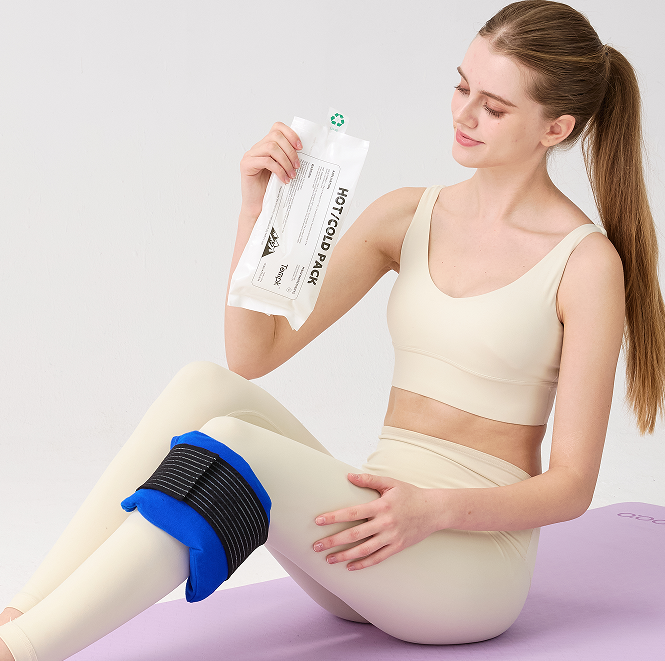
كيفية تقييم موزع Ice Gel Pack India للاستخدام في العالم الحقيقي
أفضل قرار بشأن مصادر موزع الآيس جل في الهند يبدأ بالحدود: تعتبر حزمة هلام الثلج أحد مكونات النظام الحراري أو العلاجي. ولا يمكنه إثبات الملاءمة من تلقاء نفسه. يربط الشراء الذي يمكن الدفاع عنه الحمولة أو الاستخدام المقصود, طريقة التكييف, العبوة المحيطة, الطريق, سلوك المشغل, أدلة الجودة, والمورد's ability to hold the approved specification.
الفشل الذي يستحق المنع غالبًا لا يكون سعر الوحدة مرتفعًا. الشروط المطلوبة تعتمد على الحمولة. إنها تتعامل مع عينة تؤدي عروضها في مدينة أو موسم واحد كدليل على كل طريق هندي, مستودع, عربة, وتسليم التسليم. التعرض المحيطي العالي, يسكن الوقت, ويجب تمثيل معالجة الميل الأخير في ملف تعريف المسار المستخدم للتقييم. يوضح هذا الدليل كيفية ترجمة هذه القيود إلى مواصفات العينة, أسئلة الموردين, محاكمات الحزمة, استلام الشيكات, ومسار متحكم فيه من الأمر التجريبي إلى الإمداد الروتيني.
قاعدة القرار التي تمنع معظم الأخطاء
عبوة جل ثلج مناسبة للمخزون المحلي, تجديد الميل الأخير, ويجب أن تتناسب برامج التبريد المستوردة أو المعبأة محليًا مع الحزمة المادية, أدخل العملية في حالة محددة, تبقى سليمة أثناء المناولة المتوقعة, وتكون مدعومة بالمواصفات التي يمكن للإنتاج إعادة إنتاجها. موزع's local stock position does not establish thermal performance; لا تزال الحزمة المعزولة بالكامل بحاجة إلى تقييم للمسار والحمولة. وينبغي أيضًا أن تكون مصحوبة بمعلومات كافية للفريق متعدد الوظائف للحكم على التنظيف, إعادة الاستخدام, تصرف, التتبع, وتغير المخاطر.
حدد أولاً أربعة أسئلة. كم من الوقت وخلال أي تعرضات يجب أن يعمل النظام? ما هو الشرط الذي يجب أن تتجنبه الحمولة أو تجربة المستخدم? أين يمكن وضع المبرد دون التسبب في تلف التلامس أو بقعة باردة? ما هو الدليل الذي سيسمح لفرق الجودة والعمليات بالموافقة على نفس المنتج الذي يتم تسعيره عند الشراء? إذا كان أحد هذه الأسئلة ليس له مالك, يؤدي عرض الأسعار الأقل إلى نقل التكلفة إلى الاختبار فقط, إعادة صياغة, المطالبات, أو استبدال الطوارئ.
يجب أن يظل التوفر المحلي متصلاً بالتحكم الفني
الشروط المطلوبة تعتمد على الحمولة. التعرض المحيطي العالي, يسكن الوقت, ويجب تمثيل معالجة الميل الأخير في ملف تعريف المسار المستخدم للتقييم.
موزع's local stock position does not establish thermal performance; لا تزال الحزمة المعزولة بالكامل بحاجة إلى تقييم للمسار والحمولة.
لهذا التطبيق, يجب أن يتم كتابة قرار القبول قبل وصول العينات. ثم اختبر التعامل العادي والموثوق مع أسوأ الحالات. تحديد ما الذي يجعل المنتج غير صالح للاستخدام, ما هي الأدلة المطلوبة, ومن يمكنه الموافقة على الانحراف. وهذا يمنع مراجعة العينة من أن تصبح مناقشة ذاتية حول ما إذا كانت العبوة تبدو قوية أو باردة.
نفس الانضباط يحسن التواصل مع الموردين. غالبًا ما يكون المورد المدرج في القائمة المختصرة والذي يطرح أسئلة دقيقة أكثر فائدة من المورد الذي يعد على الفور بمدة محددة دون رؤية الحمولة أو الحاوية. بدلا من السؤال عن أفضل حزمة, أرسل ملخص طلب موجز واطلب من المورد تحديد الافتراضات, القيود, وفجوات المعلومات.
ابدأ بحدود الحمولة والفشل
للطعام, الرعاية الصحية, معمل, والطرود الباردة بالتجزئة, يجب كتابة المتطلبات كملخص للنظام. ويجب أن يذكر أيضًا ما إذا كان الهدف هو سلامة المنتج, الحفاظ على الجودة, تجربة التسليم المفضلة, الراحة العلاجية, أو شرط تنظيمي موثق. يجب أن يصف حالة البداية للحمولة, حدود مقبولة, كتلة الحمولة وترتيبها, مساحة داخلية قابلة للاستخدام, العزل, مدة الطريق, التأخير المتوقع, التعرض المحيطي, وعملية الاستلام. وترتبط هذه الأهداف, لكنها ليست قابلة للتبديل.
تمتص الكمادات الباردة الحرارة لأن الطاقة تنتقل من المناطق الأكثر دفئًا إلى المناطق الباردة. هذا هو سبب أهمية سلوك المرحلة. بينما تتغير مرحلة الصياغة, يمكنه امتصاص كمية كبيرة من الطاقة مع تغير في درجة الحرارة أصغر مما يمكن أن يحدث من خلال التسخين المعقول وحده. ومع ذلك فإن نقطة الطور هي خاصية واحدة فقط. الكتلة الكلية, الحرارة الكامنة والمعقولة, درجة حرارة البداية, منطقة الاتصال, تسرب الحرارة العزل, والفجوات الهوائية كلها تؤثر على النتيجة. لا ينبغي للمورد المدرج في القائمة المختصرة أن يقلل من هذه العلاقة إلى ادعاء غير مبرر بشأن ساعات التبريد.
الهندسة تحول خصائص المواد إلى سلوك التعبئة والتغليف. قد تؤدي قابلية المطابقة إلى تحسين الاتصال ولكنها يمكن أن تؤدي أيضًا إلى ضغط وسماكة غير متساوية. الحقيبة المرنة يمكن أن تلتف حول الطعام, الرعاية الصحية, معمل, والطرود الباردة بالتجزئة, في حين أن الطوب الصلب يمكن أن يخلق مسافات متكررة ويسهل التحكم في المخزون. قد تحمي الصلابة سائل التبريد ولكنها تستهلك مساحة قابلة للاستخدام أو تنشئ جسرًا باردًا مركَّزًا. تحتاج العمليات المحلية إلى مساحة تجميد كافية, تدفق الهواء, وقت التعافي, وانضباط التناوب لحالة العبوات بشكل ثابت قبل الإرسال.
للاختيار النهائي, وبالتالي فإن المقارنة الخاضعة للرقابة ليست الحقيبة مقابل الطوب بشكل منفصل. تكشف هذه المقارنة ما إذا كانت الميزة المادية الظاهرة تنجو من الهندسة الحقيقية وتعليمات العمل الحقيقية. إنها الحزمة المرشحة A مقابل الحزمة المرشحة B تحت نفس الحمولة, العزل, الشروط المسبقة, طريقة التحميل, ملف تعريف المحيط, ومعايير القبول.
بناء الحزمة حول المتغيرات المتحكم فيها
المبرد, حاوية معزولة, حمولة, ملء باطلة, فواصل, وتسلسل التحميل يشكل نظامًا حراريًا واحدًا. يعد عدد العبوات المستعارة من كرتونة أخرى دليلاً ضعيفًا بسبب سمك العزل, مساحة السطح الخارجي, مساحة الرأس, حمولة الكتلة الحرارية, ويمكن أن تكون درجة حرارة البداية مختلفة. موزع's local stock position does not establish thermal performance; لا تزال الحزمة المعزولة بالكامل بحاجة إلى تقييم للمسار والحمولة. حتى الاتجاه مهم عندما يستقر الهواء البارد, يدخل الهواء الدافئ عند الغطاء, أو تتحرك العبوات أثناء النقل.
تكييف يستحق تعليمات العمل الخاصة به. يمكن للحزمة التي تحمل نفس SKU اسميًا أن تتصرف بشكل مختلف إذا كانت إحدى الوحدات مكيفة بالكامل, آخر لديه جوهر دافئ, وجلس ثالث على مقاعد البدلاء أثناء تغيير المناوبة. يجب أن تحدد حالة الفريزر أو الثلاجة, الترتيب أثناء التكييف, الحد الأدنى من توقعات التعافي بعد فتح الأبواب, نقل الوقت إلى محطة التعبئة, وما يفعله المشغلون بوحدات التكييف أو وحدات الذوبان جزئيًا.
تبدأ عملية الموافقة بتكوين موثق وحمولة تمثيلية. درجة حرارة الهواء بجانب المبرد ليست بالضرورة نفس درجة حرارة المنتج. أجهزة الاستشعار أو المؤشرات, عند استخدامها, يجب اختياره ووضعه للإجابة على سؤال القبول. يجب أن يلتقط الاختبار المواقع الدافئة والباردة المحتملة, ويجب أن يمثل التعرضات المحيطة الموثوقة والتعامل مع الأحداث بدلاً من حالة الغرفة الثابتة السهلة.
ينبغي تسجيل النتائج مع مجموعة العبوة الدقيقة, حالة تكييف, حمولة, العزل, مخطط التحميل, مواقع الاستشعار, ملف تعريف المحيط, وأي انحرافات. يمكن أن تؤدي إضافة سائل التبريد بشكل أعمى إلى تقليل الحجم القابل للاستخدام, رفع كتلة الشحن, أو إنشاء تبريد زائد مع ترك فجوة الهواء الأصلية أو تسرب الغطاء دون حل. إذا فشل الأداء, قم بتغيير متغير واحد متحكم فيه في الوقت الذي يكون فيه ذلك عمليًا.
أسئلة الموردين التي تغير القرار
| منطقة القرار | كيف تبدو جيدة | عمل المشتري |
|---|---|---|
| تناسب الحرارية | صياغة المباراة, كتلة, هندسة, وتكييف الحمولة والنظام. | اطلب البيانات, ثم اختبر الحزمة الكاملة ضمن ملف تعريف تمثيلي. |
| اللياقة البدنية | تأكيد المساحة القابلة للاستخدام, الأبعاد المجمدة, نقاط الاتصال, والحركة. | بناء عينات باستخدام الحاوية الفعلية, حمولة, فواصل, والإغلاق. |
| نزاهة | السيطرة على الأفلام أو القذائف, طبقات, قبعات, زوايا, وكتلة مملوءة. | مراجعة عمليات التحقق من الإصدار, التسامح, معالجة الشكوى, والعينات المحتفظ بها. |
| العمليات | جعل تكييف, تحميل, تقتيش, والتقاعد قابل للتكرار. | قم بإجراء تجربة لخط التعبئة مع مشغلين عاديين وضغط زمني واقعي. |
| التوثيق | ربط كل دفعة مقدمة بالمواصفات المعتمدة. | تأكيد ترميز الكمية, السجلات, معلومات السلامة, وتغيير الإخطار. |
| نهاية الحياة | التمييز بين إعادة الاستخدام, التخلص من المحتويات, والتخلص من العبوة الخارجية. | التحقق من المطالبات ضد أدلة الصياغة والقواعد المحلية. |
تحافظ مصفوفة القرار على تركيز المناقشة على الأدلة بدلاً من الصفات. إنه الشخص الذي يمكنه تحديد SKU المعروض, شرح حدوده, إعادة إنتاجها, and cooperate with the cross-functional team's qualification and receiving process. عند مقارنة عبوة الآيس كريم بالمخزون المحلي, تجديد الميل الأخير, وبرامج التبريد المستوردة أو المعبأة محليا, فالمورد الحاصل على أعلى الدرجات ليس بالضرورة هو الذي يقدم معظم الخيارات.
استخدم الجدول مرتين: أول من فحص الموردين, ثم مقارنة العينة المعتمدة مع مقترح الإنتاج. ويجب إغلاق هذه الاختلافات قبل أن يصبح أمر الشراء هو المواصفات الوحيدة في العلاقة. قد يقدم المورد المدرج في القائمة المختصرة نموذجًا أوليًا ممتازًا ولكنه يقتبس بناء الإنتاج, طريقة الطباعة, حزمة القضية, أو موقع يختلف عن الوحدة التي تم تقييمها.
خطة الطرح الخاضعة للرقابة
تبدأ مع صغيرة, مجموعة عينات موثقة. تشمل المشغلين العاديين أثناء المحاكمة. وحدات التصوير والقياس, تحديد السجل, فحص الأختام والأسطح, حالتهم باستخدام الطريقة المقترحة, وبناء الحزمة الحقيقية. العبوة التي تنجح فقط عندما يتم تجميعها بواسطة المهندس الذي صممها ليست جاهزة للتوزيع الروتيني.
بعد المراجعة الحرارية والمناولة, تحديد العينة الذهبية أو المرجع المعتمد وتحويل النتائج إلى مواصفات الشراء وتعليمات العمل. Sampling plans should reflect risk and the cross-functional team'نظام الجودة. يمكن أن يركز تلقي الفحص بعد ذلك على الخصائص المهمة: هوية, عدد الحالات, ضرر واضح, أبعاد, كتلة مملوءة عند الاقتضاء, وضوح الطباعة أو التسمية, ترميز الكثير, وفحص الختم أو الإغلاق المحدد.
القدرة التشغيلية هي جزء من ملاءمة المنتج. ينبغي لفريقك متعدد الوظائف أن يصمم مساحة للفريزر أو الثلاجة, دورة التكييف, وقت التدريج, تَعَب, مخزون احتياطي, القمم الموسمية, وماذا يحدث بعد فشل التسليم أو إرجاع المنتج. تحتاج العمليات المحلية إلى مساحة تجميد كافية, تدفق الهواء, وقت التعافي, وانضباط التناوب لحالة العبوات بشكل ثابت قبل الإرسال. يمكن أن تتجاوز هذه التكاليف الفروق الصغيرة في سعر الوحدة.
بمجرد بدء الإنتاج, مراقبة الشكاوى حسب وضع الفشل وليس كمعدل عيب واحد. يوضح هذا التمييز ما إذا كان الإجراء التصحيحي يخص مورد المبرد, تصميم الحزمة, عملية المستودع, الناقل, أو موقع الاستقبال. تسربات منفصلة, الثقوب, انشقاقات الختم, مشاكل الأبعاد, تلف الطباعة, تكييف غير كاف, أخطاء التعبئة, الرحلات الحرارية, وتلقي الضرر.
الموافقة على النظام, ثم السيطرة على التغيير
قد تخضع تطبيقات الرعاية الصحية والغذاء لمتطلبات هندية مختلفة, مواصفات العملاء, ومراقبة الجودة; ولا ينبغي للموزع أن يدمجها في مطالبة عامة واحدة. مثل التصريحات المناسبة لجميع الشحنات الطبية, يحافظ على برودة المنتجات لعدد محدد من الساعات, or environmentally safe everywhere are too broad unless the underlying evidence truly covers the cross-functional team's configuration and market. إن لغة الادعاء الأكثر قابلية للدفاع عنها محددة فيما يتعلق بما تم اختباره, تحت أي ظروف, ومن قبل من.
قد يتضمن ملف المورد المدرج في القائمة المختصرة مواصفات خاضعة للرقابة, رسم, معلومات السلامة, إعلان مادي, ملخصات الاختبار, شهادات الجودة ذات الصلة بنظام التصنيع, تنسيق سجل الدفعة أو الدفعة, عملية الشكوى, والالتزام بضبط التغيير. شهادة نظام الإدارة العامة, على سبيل المثال, لا يثبت الأداء الحراري, وتقرير الهجرة أو المادة لا يؤهل ممر الشحن. هذه الوثائق تجيب على أسئلة مختلفة.
تحتاج لغة مسار التخلص النهائي أو إعادة الاستخدام إلى نفس الانضباط. إذا تم اقتراح إعادة الاستخدام, حساب ما إذا كانت الوحدات قد تم إرجاعها بالفعل, تنظيفها, تفتيشها, مجدد, وإعادته إلى الخدمة. يجب أن تعكس تعليمات التخلص صياغة وقواعد الدولة أو البلدية الوجهة; المطالبات واسعة النطاق الآمنة للصرف غير كافية. قد تستهلك العبوة المتينة التي لا يتم إرجاعها أبدًا المزيد من المواد دون تقديم فائدة إعادة الاستخدام المتوقعة. على العكس من ذلك, قد يؤدي تنسيق الاستخدام الفردي إلى تقليل النقل العكسي ولكنه يخلق عبئًا أكبر للتخلص.
تعمل مراقبة التغيير بعد الموافقة على حماية العمل المستثمر في الموافقة. البديل الذي يبدو متطابقًا يمكن أن يتمتع بمرونة مختلفة, سلوك التجميد, الكتلة الحرارية, أو وضع الفشل. يجب على فريقك متعدد الوظائف تحديد التغييرات التي تتطلب إشعارًا أو إعادة تقييم, مثل صياغة هلام, درجة البوليمر, طبقة الفيلم, نمط الختم, ملء الكتلة, أبعاد, موقع التصنيع, طريقة الطباعة, أو حالة التعبئة.
ما الذي يتغير عندما يتوسع البرنامج في الهند؟
يضيف المقياس التباين قبل أن يضيف الحجم. وينبغي لأي برنامج وطني أو برنامج عبر الحدود أن يحدد العناصر الثابتة والعناصر التي يمكن تكييفها محلياً. المزيد من المواقع تعني مجمدات مختلفة, أنماط التحول, كثافة التخزين, قطع الناقل, معدلات العودة, طرق التنظيف, وتفسيرات لنفس التعليمات. SKU المبرد, حالة تكييف, عدد الحزمة, مخطط التحميل, ومعايير التقاعد عادة ما تكون مرشحة ضعيفة للاستبدال غير الرسمي.
جغرافية التوزيع تغير أيضًا المخاطر التجارية. يجب على فرق الموافقة أن تحدد المسار من قطعة التصنيع إلى محطة التعبئة, بما في ذلك من يملك المخزون أثناء التأخير وكيفية عزل الحالات المتضررة. استيراد المهلة, التخليص الجمركي, المخزون المحلي, احتياجات اللغة, وضع العلامات على الحالة, مخزون بديل, ويمكن أن تحدد الاستجابة للشكوى ما إذا كان المنتج الجيد تقنيًا قابلاً للاستخدام من الناحية التشغيلية.
يمكن للموزع المحلي إضافة قيمة من خلال الاحتفاظ بالمخزون, ترجمة التعليمات, توحيد الطلب, والمحاكمات الداعمة. إذا كان الموزع يعيد حزم, relabels, أو تخزين المنتج, مسؤوليات التتبع, ظروف التخزين, فحص الضرر, ويجب أن يكون التواصل التغييري واضحًا. يجب أن تكون هذه القيمة مرئية في تعريفات الخدمة وسجلاتها.
أسئلة يجب وضعها في مراجعة الموردين
- ما هي المدينة التي تحتفظ بالمخزون وكيف يتم تدوير الكميات?
- Can documents and labels support the cross-functional team's language and traceability needs?
- كيف يتحكم الموزع في حرارة التخزين, ضغط البليت, وأضرار النقل?
- هل يمكن تشغيل الحزم التجريبية لظروف المسار الساخن التمثيلية?
يجب أن تكون الإجابات محددة للبناء المقتبس. قم بتسجيل الافتراضات التي لم يتم حلها في الخطة التجريبية بدلاً من السماح لها بأن تصبح معايير قبول صامتة. إذا كان الرد يشير فقط إلى عائلة المنتج, اسأل ما إذا كان كل حجم يستخدم نفس الصيغة, فيلم, طريقة الختم, تعليمات تكييف, والتحكم في الافراج.
يجب أن تستخدم مقارنات الأسعار نفس شروط التسليم, كمية القضية, نطاق وضع العلامات, مستوى التفتيش, حزمة الوثائق, وسياسة الاستبدال. للتوريد الدولي, قم أيضًا بالتمييز بين مهلة التصنيع ووقت التجديد الإجمالي وتحديد كيفية التعامل مع عمليات الاستبدال العاجلة. خلاف ذلك, قد يؤدي أدنى سعر للعنصر إلى استبعاد العمل الذي أدرجه مورد آخر.
الأسئلة المتداولة
هل يمكن أن تضمن عبوة هلام الثلج عددًا ثابتًا من ساعات التبريد?
ليس في حد ذاته. تعامل مع مطالبة المدة على أنها ذات معنى فقط عندما يكون تكوين الاختبار قابلاً للمقارنة مع تكوينك. المدة تعتمد على الصيغة الدقيقة والكتلة, حالة البداية, العزل, حمولة, عدد الحزمة, الموضع, ملف تعريف المحيط, وفتح الأحداث أو التعامل معها. يعد التقييم التمثيلي للحزمة الكاملة أقوى من المطالبة بالحزمة المستقلة.
في حالة ملامسة الكمادة الباردة للمنتج مباشرة?
يعتمد ذلك على حساسية المنتج وتصميم العبوة. الشروط المطلوبة تعتمد على الحمولة. الاتصال المباشر يمكن أن يحسن نقل الحرارة المحلية, ولكن يمكن أيضًا أن يؤدي إلى التجميد, ضغط, التكثيف, كشط, أو تلف العرض. التعرض المحيطي العالي, يسكن الوقت, ويجب تمثيل معالجة الميل الأخير في ملف تعريف المسار المستخدم للتقييم. استخدم الفواصل أو التباعد المتحكم فيه عند الحاجة وقم بتضمين موضعها في مخطط التحميل المعتمد.
ما الذي يجب على المشتري فحصه عند وصول الوحدات السائبة?
تأكيد الهوية, رمز الكثير, عدد الحالات, ضرر عبور واضح, تسرب, حالة الختم أو الإغلاق, أبعاد, كتلة مملوءة عند الاقتضاء, ووضوح الطباعة أو التسمية. عزل التغييرات غير المبررة بدلاً من إرسالها مباشرة إلى منطقة التكييف. مقارنة الوحدات المختارة بالمرجع المعتمد.
هل تعني إمكانية إعادة الاستخدام تلقائيًا المزيد من الاستدامة؟?
لا. إذا كانت معدلات الإرجاع منخفضة أو كان التنظيف والنقل مكثفين, وقد لا تظهر الفائدة المتوقعة. يمكن أن تؤدي إعادة الاستخدام إلى تقليل الطلب على المواد عند إرجاع العبوات, تنظيفها, تفتيشها, مجدد, واستخدمت مرات كافية لتبرير الخدمات اللوجستية العكسية. مقارنة سيناريوهات البرنامج الواقعية وتوثيق الافتراضات.
قرار الشراء النهائي
يجب أن يخضع الاختيار النهائي لحزمة الآيس كريم لأربعة مراجعات: الحرارية أو مناسبة لحالة الاستخدام, اللياقة البدنية والتشغيلية, أدلة الجودة, والاستمرارية التجارية. تعمل حزمة التجارب والموافقة المنضبطة على تحويل عملية شراء السلعة إلى مكون نظام يمكن التحكم فيه. إذا اجتازت الوحدة المقترحة مراجعة عرض الأسعار فقط, عملية تحديد المصادر غير مكتملة.
حول Tempk
Tempk, العلامة التجارية لشركة Shanghai Tempk Industrial Co., المحدود., supplies gel ice packs and related cold-chain packaging for food, الرعاية الصحية, عينة, بيع بالتجزئة, وتطبيقات التوزيع. Final suitability should be confirmed against the cross-functional team's payload, طريق, عملية التكييف, ظروف التعامل, والأدلة المطلوبة. للمخزون المحلي, تجديد الميل الأخير, وبرامج التبريد المستوردة أو المعبأة محليا, يمكننا مناقشة أبعاد العبوة, الوزن المملوء, تنسيق الفيلم أو القشرة, الطباعة, تعبئة الكرتون, وكيف يمكن أن يتناسب المبرد المرشح مع العبوة المعزولة.
الخطوة التالية
قبل طلب تسعير الإنتاج, توفير متطلبات المنتج, مساحة حزمة قابلة للاستخدام, الطريق المحيط, قيود المشغل, وأدلة الموافقة التي تحتاجها. يمكن لـ Tempk استخدام هذا الموجز لتحديد عينات عبوات هلام الثلج لإجراء مراجعة متعددة الوظائف.
كيفية تقييم كتلة وسادة الثلج الهلامي للاستخدام في العالم الحقيقي
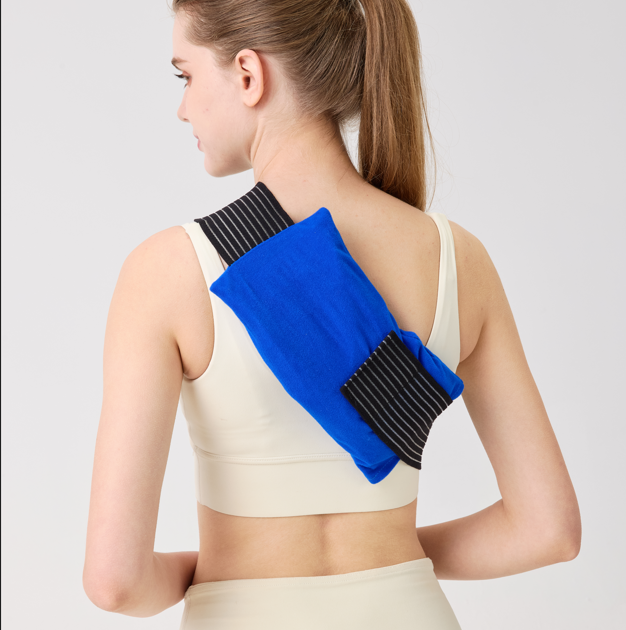
كيفية تقييم كتلة وسادة الثلج الهلامي للاستخدام في العالم الحقيقي
The best sourcing decision for gel ice pillow bulk begins with a boundary: تعتبر وسادة الثلج الهلامية أحد مكونات النظام الحراري أو العلاجي. ولا يمكنه إثبات الملاءمة من تلقاء نفسه. يربط الشراء الذي يمكن الدفاع عنه الحمولة أو الاستخدام المقصود, طريقة التكييف, العبوة المحيطة, الطريق, سلوك المشغل, أدلة الجودة, والمورد's ability to hold the approved specification.
الفشل الذي يستحق المنع غالبًا لا يكون سعر الوحدة مرتفعًا. يجب على مالك الحمولة تحديد ظروف درجة الحرارة المطلوبة ويجب على مهندس التعبئة والتغليف تقييم المساحة الفعلية القابلة للاستخدام بعد تجميد الوسادة. يتم الاختيار فقط من خلال الوزن الاسمي ويتجاهل الأبعاد المملوءة, توزيع سمك, منطقة الختم, سلوك التجميد, وكيف يتغير شكل الوسادة تحت الحمل. يوضح هذا الدليل كيفية ترجمة هذه القيود إلى مواصفات العينة, أسئلة الموردين, محاكمات الحزمة, استلام الشيكات, ومسار متحكم فيه من الأمر التجريبي إلى الإمداد الروتيني.
قاعدة القرار التي تمنع معظم الأخطاء
وسادة ثلج مناسبة للتغليف المرن, التحميل العلوي, and void-filling inside insulated packaging should fit the physical packout, أدخل العملية في حالة محددة, تبقى سليمة أثناء المناولة المتوقعة, وتكون مدعومة بالمواصفات التي يمكن للإنتاج إعادة إنتاجها. المزيد من الاتصال ليس دائمًا أفضل; يمكن أن يؤدي الاتصال المباشر إلى انخفاض درجة حرارة الجسم أو إتلاف العبوات الهشة. وينبغي أيضًا أن تكون مصحوبة بمعلومات كافية للفريق متعدد الوظائف للحكم على التنظيف, إعادة الاستخدام, تصرف, التتبع, وتغير المخاطر.
حدد أولاً أربعة أسئلة. كم من الوقت وخلال أي تعرضات يجب أن يعمل النظام? ما هو الشرط الذي يجب أن تتجنبه الحمولة أو تجربة المستخدم? أين يمكن وضع المبرد دون التسبب في تلف التلامس أو بقعة باردة? ما هو الدليل الذي سيسمح لفرق الجودة والعمليات بالموافقة على نفس المنتج الذي يتم تسعيره عند الشراء? إذا كان أحد هذه الأسئلة ليس له مالك, يؤدي عرض الأسعار الأقل إلى نقل التكلفة إلى الاختبار فقط, إعادة صياغة, المطالبات, أو استبدال الطوارئ.
الاتصال المرن له فوائد وحدود
يجب على مالك الحمولة تحديد ظروف درجة الحرارة المطلوبة ويجب على مهندس التعبئة والتغليف تقييم المساحة الفعلية القابلة للاستخدام بعد تجميد الوسادة.
المزيد من الاتصال ليس دائمًا أفضل; يمكن أن يؤدي الاتصال المباشر إلى انخفاض درجة حرارة الجسم أو إتلاف العبوات الهشة.
لهذا التطبيق, يجب أن يتم كتابة قرار القبول قبل وصول العينات. ثم اختبر التعامل العادي والموثوق مع أسوأ الحالات. تحديد ما الذي يجعل المنتج غير صالح للاستخدام, ما هي الأدلة المطلوبة, ومن يمكنه الموافقة على الانحراف. وهذا يمنع مراجعة العينة من أن تصبح مناقشة ذاتية حول ما إذا كانت العبوة تبدو قوية أو باردة.
نفس الانضباط يحسن التواصل مع الموردين. غالبًا ما يكون المورد المدرج في القائمة المختصرة والذي يطرح أسئلة دقيقة أكثر فائدة من المورد الذي يعد على الفور بمدة محددة دون رؤية الحمولة أو الحاوية. بدلا من السؤال عن أفضل حزمة, أرسل ملخص طلب موجز واطلب من المورد تحديد الافتراضات, القيود, وفجوات المعلومات.
ابدأ بحدود الحمولة والفشل
بالنسبة للسلع المبردة وبرامج التبريد القابلة لإعادة الاستخدام, يجب كتابة المتطلبات كملخص للنظام. ويجب أن يذكر أيضًا ما إذا كان الهدف هو سلامة المنتج, الحفاظ على الجودة, تجربة التسليم المفضلة, الراحة العلاجية, أو شرط تنظيمي موثق. يجب أن يصف حالة البداية للحمولة, حدود مقبولة, كتلة الحمولة وترتيبها, مساحة داخلية قابلة للاستخدام, العزل, مدة الطريق, التأخير المتوقع, التعرض المحيطي, وعملية الاستلام. وترتبط هذه الأهداف, لكنها ليست قابلة للتبديل.
تمتص الكمادات الباردة الحرارة لأن الطاقة تنتقل من المناطق الأكثر دفئًا إلى المناطق الباردة. هذا هو سبب أهمية سلوك المرحلة. بينما تتغير مرحلة الصياغة, يمكنه امتصاص كمية كبيرة من الطاقة مع تغير في درجة الحرارة أصغر مما يمكن أن يحدث من خلال التسخين المعقول وحده. ومع ذلك فإن نقطة الطور هي خاصية واحدة فقط. الكتلة الكلية, الحرارة الكامنة والمعقولة, درجة حرارة البداية, منطقة الاتصال, تسرب الحرارة العزل, والفجوات الهوائية كلها تؤثر على النتيجة. لا ينبغي للمورد المدرج في القائمة المختصرة أن يقلل من هذه العلاقة إلى ادعاء غير مبرر بشأن ساعات التبريد.
الهندسة تحول خصائص المواد إلى سلوك التعبئة والتغليف. قد تؤدي قابلية المطابقة إلى تحسين الاتصال ولكنها يمكن أن تؤدي أيضًا إلى ضغط وسماكة غير متساوية. يمكن أن تتوافق الحقيبة المرنة مع البضائع المبردة وبرامج التبريد القابلة لإعادة الاستخدام, في حين أن الطوب الصلب يمكن أن يخلق مسافات متكررة ويسهل التحكم في المخزون. قد تحمي الصلابة سائل التبريد ولكنها تستهلك مساحة قابلة للاستخدام أو تنشئ جسرًا باردًا مركَّزًا. الوسائد المرنة تتوافق مع المنتجات, لكن زوايا حادة, العلاقات الأسلاك, المواد الغذائية, ويمكن للكرتون المعبأ أن يركز الضغط على الفيلم.
للاختيار النهائي, وبالتالي فإن المقارنة الخاضعة للرقابة ليست الحقيبة مقابل الطوب بشكل منفصل. تكشف هذه المقارنة ما إذا كانت الميزة المادية الظاهرة تنجو من الهندسة الحقيقية وتعليمات العمل الحقيقية. إنها الحزمة المرشحة A مقابل الحزمة المرشحة B تحت نفس الحمولة, العزل, الشروط المسبقة, طريقة التحميل, ملف تعريف المحيط, ومعايير القبول.
بناء الحزمة حول المتغيرات المتحكم فيها
المبرد, حاوية معزولة, حمولة, ملء باطلة, فواصل, وتسلسل التحميل يشكل نظامًا حراريًا واحدًا. يعد عدد العبوات المستعارة من كرتونة أخرى دليلاً ضعيفًا بسبب سمك العزل, مساحة السطح الخارجي, مساحة الرأس, حمولة الكتلة الحرارية, ويمكن أن تكون درجة حرارة البداية مختلفة. المزيد من الاتصال ليس دائمًا أفضل; يمكن أن يؤدي الاتصال المباشر إلى انخفاض درجة حرارة الجسم أو إتلاف العبوات الهشة. حتى الاتجاه مهم عندما يستقر الهواء البارد, يدخل الهواء الدافئ عند الغطاء, أو تتحرك العبوات أثناء النقل.
تكييف يستحق تعليمات العمل الخاصة به. يمكن للحزمة التي تحمل نفس SKU اسميًا أن تتصرف بشكل مختلف إذا كانت إحدى الوحدات مكيفة بالكامل, آخر لديه جوهر دافئ, وجلس ثالث على مقاعد البدلاء أثناء تغيير المناوبة. يجب أن تحدد حالة الفريزر أو الثلاجة, الترتيب أثناء التكييف, الحد الأدنى من توقعات التعافي بعد فتح الأبواب, نقل الوقت إلى محطة التعبئة, وما يفعله المشغلون بوحدات التكييف أو وحدات الذوبان جزئيًا.
تبدأ عملية الموافقة بتكوين موثق وحمولة تمثيلية. درجة حرارة الهواء بجانب المبرد ليست بالضرورة نفس درجة حرارة المنتج. أجهزة الاستشعار أو المؤشرات, عند استخدامها, يجب اختياره ووضعه للإجابة على سؤال القبول. يجب أن يلتقط الاختبار المواقع الدافئة والباردة المحتملة, ويجب أن يمثل التعرضات المحيطة الموثوقة والتعامل مع الأحداث بدلاً من حالة الغرفة الثابتة السهلة.
ينبغي تسجيل النتائج مع مجموعة العبوة الدقيقة, حالة تكييف, حمولة, العزل, مخطط التحميل, مواقع الاستشعار, ملف تعريف المحيط, وأي انحرافات. يمكن أن تؤدي إضافة سائل التبريد بشكل أعمى إلى تقليل الحجم القابل للاستخدام, رفع كتلة الشحن, أو إنشاء تبريد زائد مع ترك فجوة الهواء الأصلية أو تسرب الغطاء دون حل. إذا فشل الأداء, قم بتغيير متغير واحد متحكم فيه في الوقت الذي يكون فيه ذلك عمليًا.
أسئلة الموردين التي تغير القرار
| منطقة القرار | كيف تبدو جيدة | عمل المشتري |
|---|---|---|
| تناسب الحرارية | صياغة المباراة, كتلة, هندسة, وتكييف الحمولة والنظام. | اطلب البيانات, ثم اختبر الحزمة الكاملة ضمن ملف تعريف تمثيلي. |
| اللياقة البدنية | تأكيد المساحة القابلة للاستخدام, الأبعاد المجمدة, نقاط الاتصال, والحركة. | بناء عينات باستخدام الحاوية الفعلية, حمولة, فواصل, والإغلاق. |
| نزاهة | السيطرة على الأفلام أو القذائف, طبقات, قبعات, زوايا, وكتلة مملوءة. | مراجعة عمليات التحقق من الإصدار, التسامح, معالجة الشكوى, والعينات المحتفظ بها. |
| العمليات | جعل تكييف, تحميل, تقتيش, والتقاعد قابل للتكرار. | قم بإجراء تجربة لخط التعبئة مع مشغلين عاديين وضغط زمني واقعي. |
| التوثيق | ربط كل دفعة مقدمة بالمواصفات المعتمدة. | تأكيد ترميز الكمية, السجلات, معلومات السلامة, وتغيير الإخطار. |
| نهاية الحياة | التمييز بين إعادة الاستخدام, التخلص من المحتويات, والتخلص من العبوة الخارجية. | التحقق من المطالبات ضد أدلة الصياغة والقواعد المحلية. |
تحافظ مصفوفة القرار على تركيز المناقشة على الأدلة بدلاً من الصفات. إنه الشخص الذي يمكنه تحديد SKU المعروض, شرح حدوده, إعادة إنتاجها, and cooperate with the cross-functional team's qualification and receiving process. عند مقارنة وسادة جل الثلج للتغليف المرن, التحميل العلوي, وملء الفراغ داخل العبوة المعزولة, فالمورد الحاصل على أعلى الدرجات ليس بالضرورة هو الذي يقدم معظم الخيارات.
استخدم الجدول مرتين: أول من فحص الموردين, ثم مقارنة العينة المعتمدة مع مقترح الإنتاج. ويجب إغلاق هذه الاختلافات قبل أن يصبح أمر الشراء هو المواصفات الوحيدة في العلاقة. قد يقدم المورد المدرج في القائمة المختصرة نموذجًا أوليًا ممتازًا ولكنه يقتبس بناء الإنتاج, طريقة الطباعة, حزمة القضية, أو موقع يختلف عن الوحدة التي تم تقييمها.
خطة الطرح الخاضعة للرقابة
تبدأ مع صغيرة, مجموعة عينات موثقة. تشمل المشغلين العاديين أثناء المحاكمة. وحدات التصوير والقياس, تحديد السجل, فحص الأختام والأسطح, حالتهم باستخدام الطريقة المقترحة, وبناء الحزمة الحقيقية. العبوة التي تنجح فقط عندما يتم تجميعها بواسطة المهندس الذي صممها ليست جاهزة للتوزيع الروتيني.
بعد المراجعة الحرارية والمناولة, تحديد العينة الذهبية أو المرجع المعتمد وتحويل النتائج إلى مواصفات الشراء وتعليمات العمل. Sampling plans should reflect risk and the cross-functional team'نظام الجودة. يمكن أن يركز تلقي الفحص بعد ذلك على الخصائص المهمة: هوية, عدد الحالات, ضرر واضح, أبعاد, كتلة مملوءة عند الاقتضاء, وضوح الطباعة أو التسمية, ترميز الكثير, وفحص الختم أو الإغلاق المحدد.
القدرة التشغيلية هي جزء من ملاءمة المنتج. ينبغي لفريقك متعدد الوظائف أن يصمم مساحة للفريزر أو الثلاجة, دورة التكييف, وقت التدريج, تَعَب, مخزون احتياطي, القمم الموسمية, وماذا يحدث بعد فشل التسليم أو إرجاع المنتج. الوسائد المرنة تتوافق مع المنتجات, لكن زوايا حادة, العلاقات الأسلاك, المواد الغذائية, ويمكن للكرتون المعبأ أن يركز الضغط على الفيلم. يمكن أن تتجاوز هذه التكاليف الفروق الصغيرة في سعر الوحدة.
بمجرد بدء الإنتاج, مراقبة الشكاوى حسب وضع الفشل وليس كمعدل عيب واحد. يوضح هذا التمييز ما إذا كان الإجراء التصحيحي يخص مورد المبرد, تصميم الحزمة, عملية المستودع, الناقل, أو موقع الاستقبال. تسربات منفصلة, الثقوب, انشقاقات الختم, مشاكل الأبعاد, تلف الطباعة, تكييف غير كاف, أخطاء التعبئة, الرحلات الحرارية, وتلقي الضرر.
الموافقة على النظام, ثم السيطرة على التغيير
حيث يتم تنظيم البضائع, قد تكون هناك حاجة لتأهيل العبوة وتعليمات العمل الخاضعة للرقابة حتى لو كانت الوسادة نفسها مادة بسيطة. مثل التصريحات المناسبة لجميع الشحنات الطبية, يحافظ على برودة المنتجات لعدد محدد من الساعات, or environmentally safe everywhere are too broad unless the underlying evidence truly covers the cross-functional team's configuration and market. إن لغة الادعاء الأكثر قابلية للدفاع عنها محددة فيما يتعلق بما تم اختباره, تحت أي ظروف, ومن قبل من.
قد يتضمن ملف المورد المدرج في القائمة المختصرة مواصفات خاضعة للرقابة, رسم, معلومات السلامة, إعلان مادي, ملخصات الاختبار, شهادات الجودة ذات الصلة بنظام التصنيع, تنسيق سجل الدفعة أو الدفعة, عملية الشكوى, والالتزام بضبط التغيير. شهادة نظام الإدارة العامة, على سبيل المثال, لا يثبت الأداء الحراري, وتقرير الهجرة أو المادة لا يؤهل ممر الشحن. هذه الوثائق تجيب على أسئلة مختلفة.
تحتاج لغة مسار التخلص النهائي أو إعادة الاستخدام إلى نفس الانضباط. إذا تم اقتراح إعادة الاستخدام, حساب ما إذا كانت الوحدات قد تم إرجاعها بالفعل, تنظيفها, تفتيشها, مجدد, وإعادته إلى الخدمة. وينبغي للمشترين بالجملة الحصول على إرشادات التركيب والتخلص، ويجب عليهم فصل التفضيل البيئي عن خيارات نهاية العمر التي تم التحقق منها. قد تستهلك العبوة المتينة التي لا يتم إرجاعها أبدًا المزيد من المواد دون تقديم فائدة إعادة الاستخدام المتوقعة. على العكس من ذلك, قد يؤدي تنسيق الاستخدام الفردي إلى تقليل النقل العكسي ولكنه يخلق عبئًا أكبر للتخلص.
تعمل مراقبة التغيير بعد الموافقة على حماية العمل المستثمر في الموافقة. البديل الذي يبدو متطابقًا يمكن أن يتمتع بمرونة مختلفة, سلوك التجميد, الكتلة الحرارية, أو وضع الفشل. يجب على فريقك متعدد الوظائف تحديد التغييرات التي تتطلب إشعارًا أو إعادة تقييم, مثل صياغة هلام, درجة البوليمر, طبقة الفيلم, نمط الختم, ملء الكتلة, أبعاد, موقع التصنيع, طريقة الطباعة, أو حالة التعبئة.
ما الذي يتغير عندما يتوسع البرنامج في أسواق الجملة العالمية؟
يضيف المقياس التباين قبل أن يضيف الحجم. وينبغي لأي برنامج وطني أو برنامج عبر الحدود أن يحدد العناصر الثابتة والعناصر التي يمكن تكييفها محلياً. المزيد من المواقع تعني مجمدات مختلفة, أنماط التحول, كثافة التخزين, قطع الناقل, معدلات العودة, طرق التنظيف, وتفسيرات لنفس التعليمات. SKU المبرد, حالة تكييف, عدد الحزمة, مخطط التحميل, ومعايير التقاعد عادة ما تكون مرشحة ضعيفة للاستبدال غير الرسمي.
جغرافية التوزيع تغير أيضًا المخاطر التجارية. يجب على فرق الموافقة أن تحدد المسار من قطعة التصنيع إلى محطة التعبئة, بما في ذلك من يملك المخزون أثناء التأخير وكيفية عزل الحالات المتضررة. استيراد المهلة, التخليص الجمركي, المخزون المحلي, احتياجات اللغة, وضع العلامات على الحالة, مخزون بديل, ويمكن أن تحدد الاستجابة للشكوى ما إذا كان المنتج الجيد تقنيًا قابلاً للاستخدام من الناحية التشغيلية.
يمكن للموزع المحلي إضافة قيمة من خلال الاحتفاظ بالمخزون, ترجمة التعليمات, توحيد الطلب, والمحاكمات الداعمة. إذا كان الموزع يعيد حزم, relabels, أو تخزين المنتج, مسؤوليات التتبع, ظروف التخزين, فحص الضرر, ويجب أن يكون التواصل التغييري واضحًا. يجب أن تكون هذه القيمة مرئية في تعريفات الخدمة وسجلاتها.
أسئلة يجب وضعها في مراجعة الموردين
- هي الأبعاد المحددة في الحالات المجمدة وغير المجمدة?
- ما هو التسامح مع وزن التعبئة والتسامح مع عرض الختم الذي يتم التحكم فيه?
- هل يمكن للفيلم والزوايا أن تتحمل تركيبات التعبئة لدينا?
- كيف يتم تعبئة الوسائد بحيث لا يؤدي تكديسها على المدى الطويل إلى تشويه الأختام أو إتلافها?
يجب أن تكون الإجابات محددة للبناء المقتبس. قم بتسجيل الافتراضات التي لم يتم حلها في الخطة التجريبية بدلاً من السماح لها بأن تصبح معايير قبول صامتة. إذا كان الرد يشير فقط إلى عائلة المنتج, اسأل ما إذا كان كل حجم يستخدم نفس الصيغة, فيلم, طريقة الختم, تعليمات تكييف, والتحكم في الافراج.
يجب أن تستخدم مقارنات الأسعار نفس شروط التسليم, كمية القضية, نطاق وضع العلامات, مستوى التفتيش, حزمة الوثائق, وسياسة الاستبدال. للتوريد الدولي, قم أيضًا بالتمييز بين مهلة التصنيع ووقت التجديد الإجمالي وتحديد كيفية التعامل مع عمليات الاستبدال العاجلة. خلاف ذلك, قد يؤدي أدنى سعر للعنصر إلى استبعاد العمل الذي أدرجه مورد آخر.
الأسئلة المتداولة
هل يمكن أن تضمن وسادة الثلج الهلامية عددًا ثابتًا من ساعات التبريد?
ليس في حد ذاته. تعامل مع مطالبة المدة على أنها ذات معنى فقط عندما يكون تكوين الاختبار قابلاً للمقارنة مع تكوينك. المدة تعتمد على الصيغة الدقيقة والكتلة, حالة البداية, العزل, حمولة, عدد الحزمة, الموضع, ملف تعريف المحيط, وفتح الأحداث أو التعامل معها. يعد التقييم التمثيلي للحزمة الكاملة أقوى من المطالبة بالحزمة المستقلة.
في حالة ملامسة الكمادة الباردة للمنتج مباشرة?
يعتمد ذلك على حساسية المنتج وتصميم العبوة. يجب على مالك الحمولة تحديد ظروف درجة الحرارة المطلوبة ويجب على مهندس التعبئة والتغليف تقييم المساحة الفعلية القابلة للاستخدام بعد تجميد الوسادة. الاتصال المباشر يمكن أن يحسن نقل الحرارة المحلية, ولكن يمكن أيضًا أن يؤدي إلى التجميد, ضغط, التكثيف, كشط, أو تلف العرض. استخدم الفواصل أو التباعد المتحكم فيه عند الحاجة وقم بتضمين موضعها في مخطط التحميل المعتمد.
ما الذي يجب على المشتري فحصه عند وصول الوحدات السائبة?
تأكيد الهوية, رمز الكثير, عدد الحالات, ضرر عبور واضح, تسرب, حالة الختم أو الإغلاق, أبعاد, كتلة مملوءة عند الاقتضاء, ووضوح الطباعة أو التسمية. عزل التغييرات غير المبررة بدلاً من إرسالها مباشرة إلى منطقة التكييف. مقارنة الوحدات المختارة بالمرجع المعتمد.
هل تعني إمكانية إعادة الاستخدام تلقائيًا المزيد من الاستدامة؟?
لا. إذا كانت معدلات الإرجاع منخفضة أو كان التنظيف والنقل مكثفين, وقد لا تظهر الفائدة المتوقعة. يمكن أن تؤدي إعادة الاستخدام إلى تقليل الطلب على المواد عند إرجاع العبوات, تنظيفها, تفتيشها, مجدد, واستخدمت مرات كافية لتبرير الخدمات اللوجستية العكسية. مقارنة سيناريوهات البرنامج الواقعية وتوثيق الافتراضات.
قرار الشراء النهائي
يجب أن يخضع الاختيار النهائي لوسادة الثلج الهلامي لأربعة مراجعات: الحرارية أو مناسبة لحالة الاستخدام, اللياقة البدنية والتشغيلية, أدلة الجودة, والاستمرارية التجارية. تعمل حزمة التجارب والموافقة المنضبطة على تحويل عملية شراء السلعة إلى مكون نظام يمكن التحكم فيه. إذا اجتازت الوحدة المقترحة مراجعة عرض الأسعار فقط, عملية تحديد المصادر غير مكتملة.
حول Tempk
Tempk, العلامة التجارية لشركة Shanghai Tempk Industrial Co., المحدود., supplies gel ice packs and related cold-chain packaging for food, الرعاية الصحية, عينة, بيع بالتجزئة, وتطبيقات التوزيع. Final suitability should be confirmed against the cross-functional team's payload, طريق, عملية التكييف, ظروف التعامل, والأدلة المطلوبة. للتغليف المرن, التحميل العلوي, وملء الفراغ داخل العبوة المعزولة, يمكننا مناقشة أبعاد العبوة, الوزن المملوء, تنسيق الفيلم أو القشرة, الطباعة, تعبئة الكرتون, وكيف يمكن أن يتناسب المبرد المرشح مع العبوة المعزولة.
الخطوة التالية
قبل طلب تسعير الإنتاج, توفير متطلبات المنتج, مساحة حزمة قابلة للاستخدام, الطريق المحيط, قيود المشغل, وأدلة الموافقة التي تحتاجها. يمكن لـ Tempk استخدام هذا الموجز لتحديد عينات وسائد الثلج لإجراء مراجعة متعددة الوظائف.