


الشركة المصنعة لصندوق الثلج الطبي من المواد الغذائية: إطار المشتري الكامل
الشركة المصنعة لصندوق الثلج الطبي من المواد الغذائية: إطار المشتري الكامل
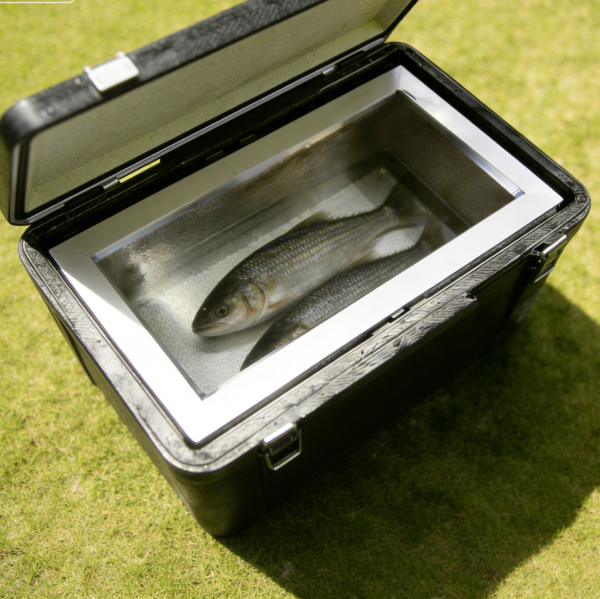
الشركة المصنعة لصندوق الثلج الطبي من المواد الغذائية: المواصفات العملية وإطار المشتريات
A good medical ice box using food-contact-suitable materials is one whose claims can be traced to a defined configuration. يجب أن يكون المشترون قادرين على تحديد ما تم إثباته على المستوى المادي, ما يتم اختباره على مستوى الصندوق النهائي, ما ينتمي إلى حزمة كاملة, وما لا يزال يتطلب تأكيدًا خاصًا بالمسار. This scope difference prevents the most common procurement failures: قدرة غير واضحة, مدة لم يتم التحقق منها, مطالبات الامتثال في غير محلها, والعينات التي لا تمثل الإنتاج الضخم.
The practical objective is how to separate material safety, تصميم صحي, التأهيل الحراري, medical logistics procedures, and product-specific compliance instead of treating one certificate as proof of everything. يجمع إطار القرار التالي المنتج الأكثر فائدة, اِصطِلاحِيّ, امتثال, التشغيلية, واعتبارات الشراء مع إبقاء جميع بيانات الأداء مرتبطة بالشروط التي تدعمها فعليًا.
اكتب متطلبات التشغيل بلغة بسيطة
يجب أن تصف المواصفات الأولى مهمة التشغيل: use materials suitable for intended contact conditions while meeting the separate operational controls required for medical or healthcare logistics. يجب أن تحدد المستخدمين, موقع التحميل, مكان الاستلام, عمليات التسليم المتوقعة, واللحظة التي تتغير فيها مسؤولية درجة الحرارة. وهذا يمنع المورد من ملء المجهول بالافتراضات. كما يسمح بالعمليات, جودة, وفرق المشتريات لمراجعة نفس المتطلبات بدلاً من الاحتفاظ بنسخ منفصلة غير رسمية. في القرار النهائي, state the applicable conditions for the food-contact and medical-use review in the supplier response.
يحتاج تعريف الحمولة إلى تفاصيل أكثر من الوزن أو الحجم الاسمي. قد يشمل الحمل المخطط أدوية, اللقاحات, عينات, nutrition products, وجبات مختومة, or mixed institutional supplies that may have different contamination and temperature risks. قم بتسجيل أبعاد العبوة الأساسية, حدود التوجه, عدد الوحدات, الحالة الحرارية عند التعبئة, مساحة الرأس, المناطق الهشة, وما إذا كان يجب أن يظل الحمل منفصلاً عن سائل التبريد. يمكن للتجويف الذي يبدو كبيرًا بدرجة كافية أن يصبح غير صالح للاستخدام إذا كانت الفتحة ضيقة, الزوايا مشعة بشكل كبير, أو سلة ومقسم تستهلك الأبعاد الحرجة. قبل الإصدار النهائي, review this point for the food-contact and medical-use review with operations and quality.
رسم خرائط الطريق لا يقل أهمية. For hospital campuses, سعاة المختبرات, توزيع الصيدلية, المواقع السريرية, الرعاية الصحية المنزلية, and institutional foodservice, لاحظ وقت العبور المخطط له, التأخير المحتمل, درجة حرارة التدريج, الشمس المباشرة, دوران الهواء في السيارة, الفتح المتكرر, النقل بين الناقلات, واستلام الفحص. لا تنتج هذه المدخلات وقت انتظار مضمونًا من تلقاء نفسها, ولكنها تحدد الشروط التي يجب على المورد أو مختبر الاختبار إعادة إنتاجها. بدونهم, يمكن أن يغطي عرض الأسعار صندوقًا عامًا فقط, ليست عملية توزيع موثوقة. عند إطلاق الإنتاج, record this point for the food-contact and medical-use review as a controlled requirement.
Material Selection Should Follow the Failure Mode
A typical insulated box can combine polymers, الرغاوي, الحشيات, أصباغ, مواد لاصقة, بطانات, and labels assessed for their intended contact conditions and cleaning environment. يحمي الهيكل الخارجي من الصدمات ويوفر نقاط ربط. العزل يبطئ التوصيل والحمل الحراري. مفصل الغطاء, بالُوعَة, التعامل مع الزعماء, السحابات, ويمكن لحواف الألواح إنشاء جسور حرارية أو مسارات تسرب. لهذا السبب, اسم المادة وحده لا يتنبأ بالأداء. قد يتصرف الصندوقان المصنوعان من نفس البوليمر الاسمي بشكل مختلف بسبب سمك الجدار, جودة الرغوة, هندسة, والتجمع. للحصول على موافقة المورد, protect the decision for the food-contact and medical-use review through change control.
الخيارات المشتركة تحمل مقايضات مختلفة. يمكن أن تكون أغلفة البوليمر الصلبة قابلة للتنظيف ومتينة, لكنها تضيف وزنًا وتتطلب صبًا متحكمًا فيه. يمكن أن يوفر EPP وزنًا خفيفًا, هيكل مرن للتعامل المتكرر, بينما قد تحتاج الأسطح الرغوية المكشوفة إلى نظافة دقيقة ومراجعة الأضرار. يمكن أن يكون EPS فعالاً من حيث التكلفة للاستخدام المحمي في اتجاه واحد ولكنه قد يتشقق تحت المعالجة القاسية المتكررة. يمكن أن توفر رغوة PU عزلًا صلبًا داخل الغلاف. يمكن للألواح المعزولة بالفراغ أن تقلل من انتقال الحرارة عبر الأسطح العريضة, لكن تأثيرات الحافة, حماية ثقب, وتصبح مراقبة التصنيع حاسمة. قبل الإصدار النهائي, record this point for the food-contact and medical-use review as a controlled requirement.
يجب أن تحدد مواصفات المواد المخاطر المقصودة: إمكانية تتبع المواد, الانتهاء من السطح, رائحة, gasket and drain design, التوافق التنظيف, التحكم في الأبعاد, configuration records, وتغيير الإخطار. يجب أن تتحكم في الراتنج الأساسي أو درجة الرغوة, أصباغ, إضافات, مادة طوقا, مواد لاصقة, الأجهزة, وأي طلاء داخلي أو تسمية. عندما يسمح بالبدائل, تحديد أدلة الموافقة. خلاف ذلك, إن تغيير الإنتاج الذي يبدو بسيطًا تجاريًا يمكن أن يغير حالة ملامسة الطعام, رائحة, المرونة, الموصلية الحرارية, ملائم, أو المتانة على المدى الطويل. قبل الإصدار النهائي, assign an owner and acceptance method for the food-contact and medical-use review.
حيث ينتهي المنتج ويبدأ النظام الحراري
The medical ice box using food-contact-suitable materials provides a barrier to heat flow and a protective enclosure. لا يولد درجة حرارة يمكن التحكم فيها من تلقاء نفسه. الأداء السلبي يعتمد على العزل, نوع المبرد والتكييف, كتلة المبرد, كتلة الحمولة, درجة حرارة بدء المنتج, الترتيب الداخلي, ملف تعريف المحيط, السلوك الافتتاحي, ومعايير القبول. يمكن أن يؤدي التغيير في أي من هذه العناصر إلى تغيير النتائج حتى عندما لا يتغير الصندوق الخارجي.
هذا التمييز مهم بشكل خاص بالنسبة للطعام, الأدوية, مصل, واستخدامات التجارب السريرية. قد يوضح إعلان المادة أن المكون مناسب لحالة الاتصال المقصودة. قد يُظهر الاختبار الهيكلي أن المقبض أو الفتحة تتحمل حملًا محددًا. قد يُظهر التقرير الحراري كيفية تصرف حزمة واحدة ضمن ملف تعريف واحد. قد يقوم مؤهل المسار بعد ذلك بتقييم حارة التشغيل. تجيب هذه المستندات على أسئلة مختلفة ولا ينبغي استبدال بعضها البعض. في القرار النهائي, assign an owner and acceptance method for the food-contact and medical-use review.
اطلب من المورد أن يذكر كل مطالبة بالأداء مع تكوينه. يجب أن يحدد البيان حجم الصندوق والمراجعة, حمولة, سائل التبريد, تكييف, مخطط التحميل, موقف المراقبة, ملف تعريف المحيط, مدة, ومدى القبول. إذا لم يتمكن المورد من توفير هذا السياق, التعامل مع المطالبة كمؤشر فحص فقط. والنتيجة المفيدة هي عدم المطالبة بتقرير مختبري عن كل محادثة مبكرة, ولكن لمنع العنوان غير المدعوم من أن يصبح مواصفات شراء. في القرار النهائي, protect the decision for the food-contact and medical-use review through change control.
”الغذاء الصف,""الصف الطبي," و"مؤهل" غير قابلين للتبادل
The relevant evidence depends on food-contact rules for materials where applicable, plus GDP, Google Cloud Platform, وضع العلامات على المنتج, السلامة البيولوجية, or healthcare procedures as applicable to the medical use; these evidence streams are not interchangeable. في الولايات المتحدة, ترتبط حالة ملامسة الغذاء بالمواد المصرح بها وشروط الاستخدام المقصودة, بما في ذلك نوع الطعام ودرجة الحرارة. في الاتحاد الأوروبي, تندرج المواد الملامسة للأغذية المطروحة في السوق ضمن الإطار التنظيمي ومتطلبات ممارسات التصنيع الجيدة, مع قواعد إضافية لمجموعات مادية معينة. A generic declaration that a plastic is 'درجة الغذاء' is therefore only a starting point. للحصول على موافقة المورد, confirm that production controls preserve this point for the food-contact and medical-use review.
تضيف الاستخدامات الطبية والصيدلانية طبقة مختلفة. تحدد علامات المنتج وإجراءات الراعي أو الجودة الحالة المطلوبة. الناتج المحلي الإجمالي, Google Cloud Platform, توجيهات التحصين, قواعد الشحن الجوي, أو قد يتم تطبيق مواصفات البرنامج الوطني اعتمادًا على الشحنة. لا يصبح الصندوق متوافقًا لمجرد أن البوليمر الخاص به مقبول لملامسة الطعام أو لأنه قابل لإعادة الاستخدام. قد تحتاج العملية الكاملة إلى تعليمات التعبئة المؤهلة, مراقبة معايرة, معالجة الانحراف, تمرين, وسلسلة الحضانة الموثقة. في القرار النهائي, review this point for the food-contact and medical-use review with operations and quality.
أنشئ خريطة أدلة بأربعة أعمدة: مطالبة, هدف, حالة, والوثيقة. على سبيل المثال, تنتمي المطالبة المادية إلى راتينج مسمى والاستخدام المقصود; تنتمي المطالبة الهيكلية إلى التصميم النهائي وطريقة التحميل; تنتمي المطالبة الحرارية إلى التكوين الكامل والملف الشخصي; تنتمي مطالبة الطريق إلى حارة التشغيل. تكشف هذه الخريطة عن الثغرات وتمنع شهادة واحدة من التوسع خارج نطاقها. عند إطلاق الإنتاج, confirm the evidence scope for the food-contact and medical-use review before purchase.
قائمة مراجعة الإصدار للتكوين المحدد
| بوابة | سؤال | الافراج عن الأدلة |
|---|---|---|
| بوابة حالة الاستخدام | هي الحمولة, طريق, حالة, وعملية التعامل محددة? | متطلبات المستخدم المعتمدة |
| بوابة صالح | هل تتناسب العبوة النهائية مع الرفع والإغلاق الآمن؟? | رسم العبوة والعينة المقاسة |
| بوابة الأدلة | هل المطالبات مرتبطة بالمواد الصحيحة, صندوق, عبوة, أو حارة? | خريطة الأدلة وتقارير الاختبار |
| بوابة الجودة | هل يمكن للإنتاج إعادة إنتاج التكوين المعتمد? | خطة مراجعة وفحص القطعة التجريبية |
| بوابة التكلفة | هل تم تطبيع عروض الأسعار لنفس النطاق وأساس التسليم? | نموذج تكلفة الهبوط ودورة الحياة |
| بوابة العمليات | يمكن للمستخدمين حزمة, يستلم, ينظف, فحص, وإعادته بشكل صحيح? | تعليمات مدروسة وخطة تدريبية |
| تغيير البوابة | هل ستتطلب البدائل المراجعة؟? | فاتورة المواد واتفاقية التحكم في التغيير |
| بوابة التطبيق | How to separate material safety, تصميم صحي, التأهيل الحراري, medical logistics procedures, and product-specific compliance instead of treating one certificate as proof of everything | المتطلبات الموقعة وقائمة الافتراضات التي لم يتم حلها |
استخدم هذا الجدول كمراجعة مشتركة بين المشتريات, العمليات, هندسة, والجودة. إنه يحول التفضيلات العامة إلى أدلة قابلة للمراجعة ويكشف الافتراضات المفقودة قبل التفاوض على السعر. ليس كل مشروع يحتاج إلى نفس العمق, ولكن كل مطالبة حاسمة يجب أن يكون لها مالك وطريقة محددة للتحقق منها. في القرار النهائي, confirm the evidence scope for the food-contact and medical-use review before purchase.
من عينة الكتالوج إلى الإنتاج الخاضع للرقابة
The central supplier question is how to separate material safety, تصميم صحي, التأهيل الحراري, medical logistics procedures, and product-specific compliance instead of treating one certificate as proof of everything. يجب أن تنتقل المحادثة من المطالبات العامة إلى التفاصيل الخاضعة للرقابة. يجب أن تكون الشركة المصنعة ذات المصداقية قادرة على ترجمة هذا المتطلب إلى رسومات, تعريفات المواد, نقاط التفتيش, وخطة الاختبار. اسأل من يملك القالب, ما هي العمليات التي يتم تنفيذها داخليا, كيف تتم الموافقة على موردي المكونات الهامة, وكيفية الحفاظ على فاتورة المواد. يمكن أن يكون الكتالوج الواسع مفيدًا, ولكنها ليست دليلا على التحكم في العملية. في القرار النهائي, resolve this point for the food-contact and medical-use review before thermal qualification.
بناء عملية الموافقة حول نضج العينة التدريجي. تؤكد العينة الأولى الأبعاد الأساسية وبيئة العمل. تؤكد العينة الهندسية المنقحة المواد, التجهيزات, تسميات, وتناسب الحزمة. تقوم المجموعة التجريبية بفحص أدوات الإنتاج, حَشد, تقتيش, التغليف, والتنوع عبر وحدات متعددة. يجب أن تكون العينة الذهبية المعتمدة مرتبطة بالرسومات ومعايير القبول القابلة للقياس. تعد الموافقة على عينة واحدة معدة خصيصًا بدون هذا الجسر مصدرًا شائعًا لمفاجآت الإنتاج الضخم. عند إطلاق الإنتاج, document the limitation for the food-contact and medical-use review rather than implying universal suitability.
Quality review should focus on material traceability, الانتهاء من السطح, رائحة, gasket and drain design, التوافق التنظيف, التحكم في الأبعاد, configuration records, وتغيير الإخطار. اسأل عن كيفية تحديد الوحدات غير المطابقة, سواء تم تسجيل القياسات, كيف يتم التحقيق في الشكاوى, وكيفية توصيل التغييرات الهندسية. لبرامج التحكم العالية, تتطلب موافقة مسبقة قبل الاستبدالات. للاستخدام الاستهلاكي الأقل خطورة, يمكن أن يكون النظام أبسط, ولكن أبعادا حرجة, مواد, ولا تزال ميزات السلامة بحاجة إلى معايير قبول موضوعية. للحصول على موافقة المورد, link this decision for the food-contact and medical-use review to the approved drawing and packout.
من أين تأتي تكلفة صندوق التبريد فعليًا
The cost structure includes controlled materials, الوثائق, cleanable design, تصديق, عمالة التنظيف, الفصل, يراقب, ومراجعة الجودة. قد تأتي الاختلافات من سمك العزل, الصف المادي, عملية, الأجهزة, تقتيش, التغليف, أو ببساطة من العناصر المستبعدة. يمكن للموردين تقديم أسعار مختلفة تمامًا بينما يبدو أن الجميع يقدمون نفس الحجم. تتطلب المقارنة العادلة ورقة تكوين واحدة وجدول مقارنة تجاري واحد.
فصل التكاليف لمرة واحدة عن التكاليف المتكررة. بناء الوحدة, مُكَمِّلات, تقتيش, كرتون, ويتكرر الشحن. الأدوات, قوالب, عمل فني, هندسة, وبعض الاختبارات قد تكون لمرة واحدة أو مطفأة. ثم افصل تكلفة الاقتناء عن تكلفة التشغيل: تبريد التكييف, غسل, تجفيف, تخزين, تتبع الأصول, نقل العودة, ضرر, بصلح, والاستبدال. قد يكون المقياس الأفضل هو التكلفة لكل مسار ناجح بدلاً من سعر الشراء لكل صندوق. للحصول على موافقة المورد, confirm the evidence scope for the food-contact and medical-use review before purchase.
يستحق الشحن الاهتمام المبكر لأن الصناديق المعزولة يمكن أن تكون ضخمة الحجم. الأبعاد الخارجية, التعشيش, قابلية الانهيار, كمية الكرتون, نمط البليت, وقد يؤدي تحميل الحاويات إلى تغيير تكلفة الهبوط بأكثر من فرق بسيط في سعر المصنع. اطلب من الموردين أن يذكروا نفس مدة التسليم وتكوين التعبئة. عندما تعود الصناديق القابلة لإعادة الاستخدام فارغة, يجب أيضًا أن يدخل المكعب العكسي وعمالة المناولة إلى النموذج. قبل الإصدار النهائي, record this point for the food-contact and medical-use review as a controlled requirement.
صمم العملية اليومية بجانب الصندوق
يتحرك الصندوق عبر الأشخاص والأماكن, ليس فقط من خلال الغرفة الحرارية. يجب أن تغطي خطة التشغيل الشروط المسبقة, التعبئة, إنهاء, وضع العلامات, مراقبة التنشيط, تسليم, تلقي, التفريغ, تنظيف, تجفيف, تقتيش, تخزين, والعودة. For hospital campuses, سعاة المختبرات, توزيع الصيدلية, المواقع السريرية, الرعاية الصحية المنزلية, and institutional foodservice, قد يكون الخطر الأكبر هو رصيف التحميل أو فشل التسليم بدلاً من الوقت المخطط للمركبة.
يجب أن تكون التعليمات مرئية وتكوينًا محددًا. إظهار موقف المبرد, اتجاه المنتج, وضع المقسم, مراقبة الموقع, تسلسل الإغلاق, ومعايير الرفض. استخدم الملصقات التي تصمد أمام بيئة التنظيف والتوجيه. إذا كان الصندوق به مصارف, الأشرطة, عجلات, جوانات قابلة للاستبدال, أو مقابض الحبل, وتشمل نقاط التفتيش لتلك المكونات. يجب تقليل التعقيد حيثما أمكن ذلك لأن المستخدمين العرضيين لا يتذكرون الإجراءات الطويلة. قبل الإصدار النهائي, assign an owner and acceptance method for the food-contact and medical-use review.
تحتاج فرق الاستقبال إلى مسار اتخاذ القرار. يجب أن يعرفوا كيفية فحص الختم, قراءة الشاشة, تحديد الضرر, سجل رحلة, عزل الحمولة, واتصل بشخص الجودة المسؤول. يجب ألا تعود الصناديق المرتجعة تلقائيًا إلى الأسطول النظيف. خطوة الحجر والفحص البسيطة تمنع تشقق القذائف, المقابس المفقودة, مقابض ملوثة, أو تم تغيير سائل التبريد بسبب إضعاف النظام بصمت. للحصول على موافقة المورد, check the point for the food-contact and medical-use review against the actual payload.
إعادة الاستخدام تعمل فقط عندما يعود الصندوق
The relevant sustainability question is reuse only when decontamination, تقتيش, التتبع, and return controls prevent cross-contamination and preserve the qualified configuration. يمكن للصندوق القابل لإعادة الاستخدام أن يقلل من استهلاك التغليف على حلقة مغلقة مستقرة, ولكنه يتطلب أيضًا المزيد من المواد, تنظيف, تخزين, ونقل العودة. قد يكون من الأفضل استخدام نظام خفيف الوزن أحادي الاتجاه على حارة متفرقة حيث تكون معدلات العودة منخفضة. يجب أن يتم الاختيار من خلال شبكة التشغيل وليس من خلال سمة تسويقية واحدة. في القرار النهائي, protect the decision for the food-contact and medical-use review through change control.
غالبًا ما يكون الحجم الصحيح هو التحسين الأسرع. الحجم الزائد يزيد من مساحة العزل, الطلب المبرد, مكعب الشحن, ومساحة المستودع. الأجهزة المفرطة في البناء تضيف كتلة. تفشل المنتجات غير المبنية مبكرًا وتؤدي إلى نفايات بديلة. التصميم الجيد يستخدم ما يكفي من المواد في الأماكن الصحيحة, يحمي أجزاء التآكل القابلة للاستبدال, ويسمح بالفحص قبل عودة الوحدة التالفة إلى الخدمة. قبل الإصدار النهائي, review this point for the food-contact and medical-use review with operations and quality.
تتبع مجموعة صغيرة من المؤشرات العملية: معدل العودة, الرحلات لكل أصل, سبب الضرر, وقت الغسيل, وقت التجفيف, المكونات المفقودة, مكعب العودة فارغة, وطريق التقاعد. تظهر هذه البيانات ما إذا كان النظام يتحسن. يجب تحديث مطالبات الاستدامة عندما يتغير المسار. الصندوق المستخدم لخمسين رحلة محلية خاضعة للرقابة له بصمة مختلفة عن نفس الصندوق الذي تم شحنه مرة واحدة عبر ممر دولي ولم يتم إعادته أبدًا. في القرار النهائي, confirm that production controls preserve this point for the food-contact and medical-use review.
مراجعة طريق نموذجية
النظر في هذا الوضع النموذجي: a supplier provides a food-contact statement for the inner shell, but the buyer also needs a medical packout qualification, إجراء التنظيف, return quarantine, and traceable change control. لا ينبغي أن تكون الاستجابة الأولى هي تحديد حجم الكتالوج. يجب على الفريق قياس الحمولة, بناء الحزمة المقترحة, خريطة الطريق, ولاحظ كيف يرفع المستخدمون, يؤمن, يفتح, ينظف, وإرجاع الصندوق. يؤدي هذا إلى إنشاء سجل مشترك للقيود الحقيقية. للحصول على موافقة المورد, place this requirement for the food-contact and medical-use review in the receiving checklist.
بعد ذلك, يجب على المشتري أن يطلب بديلين أو ثلاثة بدائل خاضعة للرقابة بدلاً من كتالوج طويل. قد يعطي أحد الخيارات الأولوية للوزن الأقل, متانة متكررة أخرى, ومقاومة حرارية أعلى أخرى أو حجم أكثر قابلية للاستخدام. يجب أن يسرد كل خيار ما تم تضمينه, ما هي الأدلة الموجودة, ما لا يزال يحتاج إلى اختبار, وما هي تغييرات التشغيل التي يتطلبها. يستطيع الفريق بعد ذلك مقارنة المفاضلات بدلًا من الجدال حول ميزات معزولة. في القرار النهائي, confirm the evidence scope for the food-contact and medical-use review before purchase.
أكمل التسلسل من خلال عينة هندسية, محاكمة الحزمة, الإنتاج التجريبي, والإفراج الرسمي. للاستخدامات الحساسة لدرجة الحرارة, قم بتأكيد الحزمة الكاملة ضمن ملف تعريف مناسب وحدد كيفية التعامل مع الرحلات. تسجيل قياسات الأبعاد والتعامل مع الملاحظات, ليس فقط الصور الفوتوغرافية. والنتيجة هي قرار شراء مرتبط بالأدلة وسير العمل, وليس إلى وعد لا يمكن إعادة إنتاجه لاحقًا. قبل الإصدار النهائي, state the applicable conditions for the food-contact and medical-use review in the supplier response.
خمسة أخطاء تؤدي إلى إعادة صياغة مكلفة
النقاط أدناه تستحق التدقيق قبل الأدوات أو الإنتاج الضخم. يمكن لكل واحد إنشاء إعادة صياغة يمكن تجنبها عندما تظل دون حل أثناء اختيار المورد. قبل الإصدار النهائي, resolve this point for the food-contact and medical-use review before thermal qualification.
- الافراج عن مانع: equating food-contact suitability with medical compliance.
- الافراج عن مانع: reusing boxes across incompatible payloads without segregation.
- الافراج عن مانع: ignoring labels, مواد لاصقة, الحشيات, and internal accessories.
- الافراج عن مانع: qualifying a packout and then changing the material grade.
- الافراج عن مانع: using a difficult-to-clean design in a high-control environment.
One warning sign does not necessarily remove a vendor from consideration. يجب أن يؤدي إلى توضيح محدد, فحص العينة, أو طلب الأدلة. والهدف هو حل حالة عدم اليقين في حين أن التغييرات لا تزال غير مكلفة. المورد الذي يستجيب بالرسومات, شروط, والإجراءات التصحيحية أكثر فائدة من تلك التي تكرر مطالبة واسعة النطاق.
ما ينبغي أن تغطيه إجابة المورد المفيدة
For this medical ice box using food-contact-suitable materials, الأسئلة التالية تخلق قيمة أكبر من السؤال عما إذا كان المورد موثوقًا به. إنهم يجبرون المناقشة على الاستخدام المقصود, مواصفات قابلة للقياس, والأدلة. في القرار النهائي, test this assumption for the food-contact and medical-use review against the intended route.
- الافراج عن السؤال: Which surfaces can contact food, medicine packaging, عينات, or cleaning liquids?
- الافراج عن السؤال: What intended conditions are covered by the material documentation?
- الافراج عن السؤال: Which medical or clinical procedures apply to the route and payload?
- الافراج عن السؤال: How are clean, مستخدم, and quarantined boxes segregated?
- الافراج عن السؤال: Can gaskets, المصارف, and dividers be inspected and replaced?
- الافراج عن السؤال: Which evidence belongs to the material and which belongs to the complete packout?
قد تكون الإجابة الكاملة رسمًا, طاولة, عينة, خطة الاختبار, أو القيد الموثق. The factory under review does not need to have every final report before early development, ولكن ينبغي أن يكون قادرا على ذكر ما هو معروف, ما يفترض, ما يمكن تخصيصه, وما يجب اختباره. تعد هذه الشفافية إشارة خطر أفضل من القائمة الطويلة من الشهادات غير المدعومة. قبل الإصدار النهائي, review this point for the food-contact and medical-use review with operations and quality.
كيفية توثيق الافتراضات والقيود
لا تطلق دفعة جديدة على المظهر وحده. حدد وحدات متعددة من كرتونة مختلفة. تأكيد الأبعاد الداخلية الهامة, إغلاق الغطاء, الأجهزة, تسميات, مُكَمِّلات, والتعبئة والتغليف وفقا للمواصفات المعتمدة. قم بتسجيل النتائج بحيث يمكن مقارنة الشكاوى اللاحقة بالدفعة الأصلية بدلاً من الذاكرة أو عينة واحدة. عند إطلاق الإنتاج, document the limitation for the food-contact and medical-use review rather than implying universal suitability.
Agree on damage criteria before boxes enter operation. الشقوق, الأختام المشوهة, المقابس المفقودة, مقابض متوترة, المراسي فضفاضة, الأسطح الملوثة, لوحات مثقوبة, أو يجب أن يؤدي المبرد غير المعتمد إلى الحجر الصحي. يمكن إصلاح بعض العناصر بأجزاء خاضعة للرقابة; يجب أن يتقاعد الآخرون. تمنع القاعدة الواضحة المستخدمين من الاحتفاظ بالصندوق الذي يبدو تالفًا بشكل واضح في الخدمة لمجرد أنه لا يزال مغلقًا. للحصول على موافقة المورد, state the applicable conditions for the food-contact and medical-use review in the supplier response.
استخدم سجل تغيير بسيط للمواد, مزود, قالب, عملية, أبعاد, تسميات, التغليف, والحزم. راجع ما إذا كان كل تغيير يؤثر على حالة جهة الاتصال, الأدلة الحرارية, الاختبارات الهيكلية, الشحن, تنظيف, أو تعليمات المستخدم. لا يقتصر هذا الانضباط على البرامج المنظمة. إنه يحمي أي مشتري من الانجراف التدريجي للتكوين عبر الطلبات المتكررة. عند إطلاق الإنتاج, check the point for the food-contact and medical-use review against the actual payload.
الأسئلة التي يطرحها المشترون في كثير من الأحيان
Is a medical ice box using food-contact-suitable materials enough to control temperature?
لا. الصندوق يبطئ نقل الحرارة, لكن النتيجة الكاملة تعتمد على سائل التبريد, حمولة, درجة حرارة البداية, نمط التحميل, التعرض المحيطي, التعامل, والرصد. يجب أن تحدد أي مدة محددة التكوين الذي تم اختباره ومعايير القبول. للمنتجات الخاضعة للتنظيم أو ذات القيمة العالية, قد تكون هناك حاجة إلى حزمة إضافية أو تأهيل حارة. عند إطلاق الإنتاج, include this limit in the operating instruction for the food-contact and medical-use review.
ماذا تعني درجة الغذاء لصندوق الثلج?
والسؤال المفيد هو ما إذا كان كل مكون مناسبًا لنوع الطعام المقصود, حالة الاتصال, درجة حرارة, and duration under the target market's rules. لا تغطي شهادة الراتنج الأساسي أو بيان الخلو من مادة BPA الأصباغ تلقائيًا, الحشيات, مواد لاصقة, تسميات, أو المادة النهائية. عند إطلاق الإنتاج, document the limitation for the food-contact and medical-use review rather than implying universal suitability.
هل يمكن استخدام نتيجة مختبرية واحدة لوقت الانتظار لكل مسار?
لا, وليس كقاعدة عالمية. تنطبق النتيجة المختبرية على ملف التعريف المحيط الذي تم اختباره, حمولة, سائل التبريد, مراقبة المواقف, ومدى القبول. يمكن أن يدعم تخطيط الطريق, ولكن هناك اختلافات كبيرة في التأخير, الشمس المباشرة, تردد الافتتاح, ظروف السيارة, أو قد تتطلب الحمولة مزيدًا من التقييم أو التأهيل. عند إطلاق الإنتاج, link this decision for the food-contact and medical-use review to the approved drawing and packout.
ما هو أفضل اختبار العينة الأولى?
أقرب فحص عملي هو حزمة كاملة الأبعاد. تحقق من الإغلاق, رفع, وصول, تنظيف, ووقت التعبئة. تحميل الحمولة الفعلية, سائل التبريد, مقسم, شاشة, تسميات, والاكسسوارات. بمجرد أن يكون التكوين المادي مستقرًا, يصبح الاختبار الحراري والهيكلي أكثر أهمية وأقل احتمالا للتكرار بعد تغيير التصميم. للحصول على موافقة المورد, check the point for the food-contact and medical-use review against the actual payload.
خاتمة
The final selection for food grade material medical ice box manufacturer should pass six tests: تناسب حالة الاستخدام, القدرة القابلة للاستخدام, شهادة, اتساق الإنتاج, بساطة التشغيل, والتكلفة الإجمالية. المورد الذي ينص على الافتراضات, قيود الوثائق, ويدعم التحقق التجريبي أكثر قيمة من الذي يقدم مطالبات عالمية. قم بتحرير الأمر فقط عندما يكون التكوين والمسؤوليات واضحة بما يكفي للتكرار.
حول Tempk
Tempk, العلامة التجارية لشركة Shanghai Tempk Industrial Co., المحدود., works across passive cold-chain packaging categories such as coolant packs, الطوب PCM جامدة, أكياس معزولة, حاويات إي بي بي, صناديق تبريد طبية, بطانات, والأغطية الحرارية. يتمثل دورها في مشروع الصندوق في المساعدة في ترجمة متطلبات المسار والحمولة إلى منتج عملي واتجاه الحزمة. الأبعاد النهائية, مواد, مُكَمِّلات, شروط الاختبار, وينبغي الاتفاق على الوثائق في مواصفات خاضعة للرقابة قبل الإنتاج. عند إطلاق الإنتاج, review this point for the food-contact and medical-use review with operations and quality.
الخطوة التالية
قبل الاختيار النهائي للموردين, مشاركة الحمولة, أسطح الاتصال, طريقة التنظيف, medical quality requirements, طريق, and target market so Tempk can separate the material and system evidence correctly.
مورد صندوق الثلج من المواد الغذائية: إطار المشتري الكامل
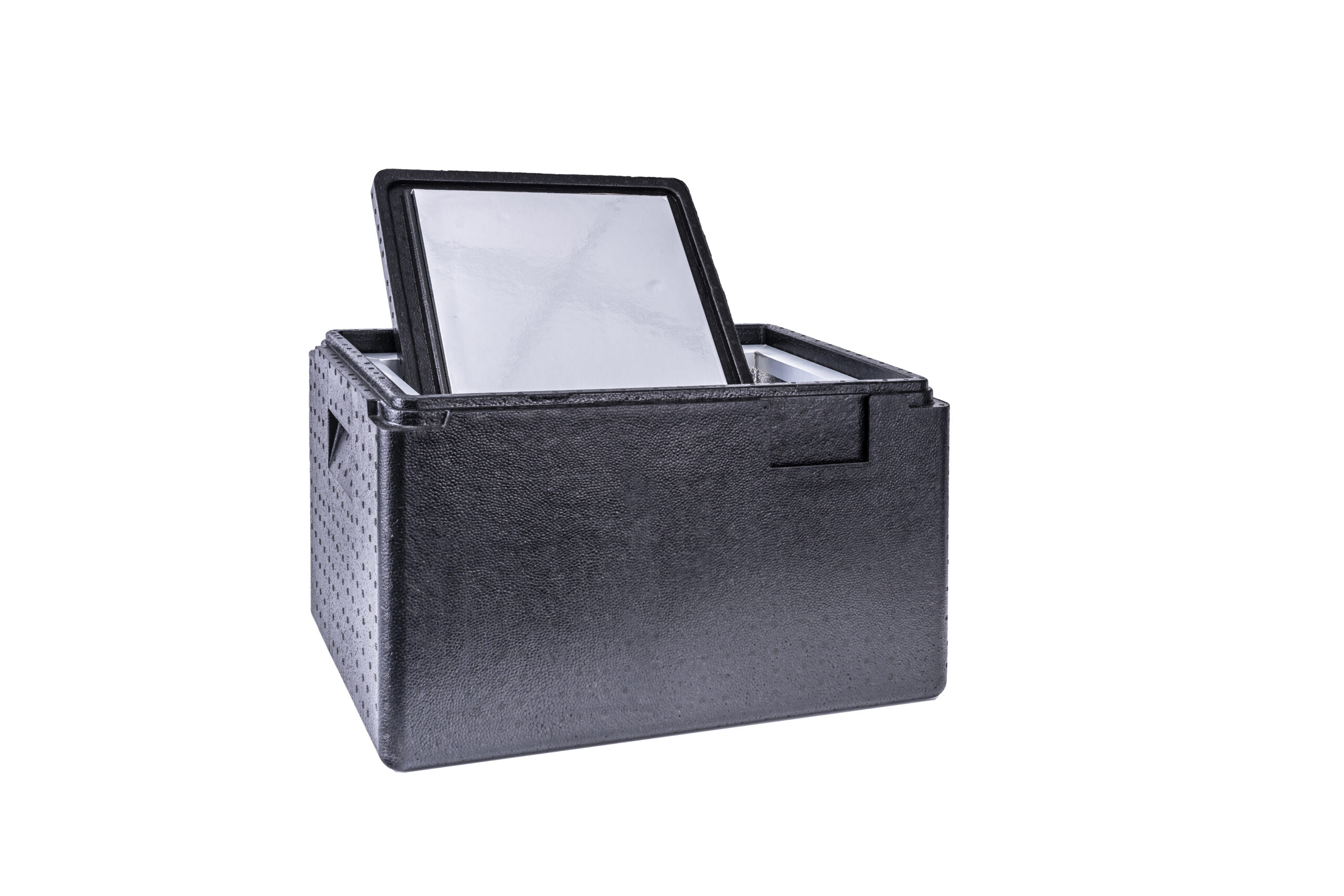
مورد صندوق الثلج من المواد الغذائية: المواصفات العملية وإطار المشتريات
A good ice box made with food-contact-suitable materials is one whose claims can be traced to a defined configuration. يجب أن يكون المشترون قادرين على تحديد ما تم إثباته على المستوى المادي, ما يتم اختباره على مستوى الصندوق النهائي, ما ينتمي إلى حزمة كاملة, وما لا يزال يتطلب تأكيدًا خاصًا بالمسار. يمنع هذا التمييز حالات فشل المشتريات الأكثر شيوعًا: قدرة غير واضحة, مدة لم يتم التحقق منها, مطالبات الامتثال في غير محلها, والعينات التي لا تمثل الإنتاج الضخم.
الهدف العملي هو ما إذا كان المورد يستطيع إثبات حالة المادة الكاملة الملامسة للأغذية بدلاً من الاعتماد على بيان عام "درجة الغذاء". يجمع إطار القرار التالي المنتج الأكثر فائدة, اِصطِلاحِيّ, امتثال, التشغيلية, واعتبارات الشراء مع إبقاء جميع بيانات الأداء مرتبطة بالشروط التي تدعمها فعليًا.
تحويل طلب غامض إلى مواصفات قابلة للاختبار
النظر في هذا الوضع النموذجي: يتلقى مشتري الأطعمة المجمدة إعلانًا عن راتينج القشرة ولكن لا توجد معلومات حول الصبغة الرئيسية الملونة, حشية التصريف, التسمية المطبوعة, أو مادة لاصقة تستخدم داخل منطقة الاتصال. لا ينبغي أن تكون الاستجابة الأولى هي تحديد حجم الكتالوج. يجب على الفريق قياس الحمولة, بناء الحزمة المقترحة, خريطة الطريق, ولاحظ كيف يرفع المستخدمون, يؤمن, يفتح, ينظف, وإرجاع الصندوق. يؤدي هذا إلى إنشاء سجل مشترك للقيود الحقيقية. في القرار النهائي, اذكر الشروط المطبقة لمراجعة المواد الملامسة للأغذية في رد المورد.
من هناك, يجب على المشتري أن يطلب بديلين أو ثلاثة بدائل خاضعة للرقابة بدلاً من كتالوج طويل. قد يعطي أحد الخيارات الأولوية للوزن الأقل, متانة متكررة أخرى, ومقاومة حرارية أعلى أخرى أو حجم أكثر قابلية للاستخدام. يجب أن يسرد كل خيار ما تم تضمينه, ما هي الأدلة الموجودة, ما لا يزال يحتاج إلى اختبار, وما هي تغييرات التشغيل التي يتطلبها. يستطيع الفريق بعد ذلك مقارنة المفاضلات بدلًا من الجدال حول ميزات معزولة. في القرار النهائي, قم بحل هذه النقطة لمراجعة المواد الملامسة للأغذية قبل التأهيل الحراري.
أكمل التسلسل من خلال عينة هندسية, محاكمة الحزمة, الإنتاج التجريبي, والإفراج الرسمي. تسجيل قياسات الأبعاد والتعامل مع الملاحظات, ليس فقط الصور الفوتوغرافية. للاستخدامات الحساسة لدرجة الحرارة, قم بتأكيد الحزمة الكاملة ضمن ملف تعريف مناسب وحدد كيفية التعامل مع الرحلات. والنتيجة هي قرار شراء مرتبط بالأدلة وسير العمل, وليس إلى وعد لا يمكن إعادة إنتاجه لاحقًا. قبل الإصدار النهائي, اذكر الشروط المطبقة لمراجعة المواد الملامسة للأغذية في رد المورد.
ابدأ بالحمل, طريق, ونقاط التسليم
يجب أن تصف المواصفات الأولى مهمة التشغيل: تخزين أو نقل المواد الغذائية المعبأة أو غير المعبأة في حاوية موادها مناسبة للاتصال المقصود, وقت, درجة حرارة, نوع الطعام, وشروط التنظيف. يجب أن تحدد المستخدمين, موقع التحميل, مكان الاستلام, عمليات التسليم المتوقعة, واللحظة التي تتغير فيها مسؤولية درجة الحرارة. وهذا يمنع البائع من ملء العناصر المجهولة بالافتراضات. كما يسمح بالعمليات, جودة, وفرق المشتريات لمراجعة نفس المتطلبات بدلاً من الاحتفاظ بنسخ منفصلة غير رسمية.
يحتاج تعريف الحمولة إلى تفاصيل أكثر من الوزن أو الحجم الاسمي. قد يشمل الحمل المخطط له الأطعمة الجافة, الأطعمة الدهنية, الأطعمة الحمضية, منتجات الألبان, المأكولات البحرية, المشروبات, وجبات جاهزة, أو العبوات المختومة, ولكل منها ظروف اتصال محتملة مختلفة. قم بتسجيل أبعاد العبوة الأساسية, حدود التوجه, عدد الوحدات, الحالة الحرارية عند التعبئة, مساحة الرأس, المناطق الهشة, وما إذا كان يجب أن يظل الحمل منفصلاً عن سائل التبريد. يمكن للتجويف الذي يبدو كبيرًا بدرجة كافية أن يصبح غير صالح للاستخدام إذا كانت الفتحة ضيقة, الزوايا مشعة بشكل كبير, أو سلة ومقسم تستهلك الأبعاد الحرجة. عند إطلاق الإنتاج, تأكد من نطاق الأدلة لمراجعة المواد الملامسة للأغذية قبل الشراء.
رسم خرائط الطريق لا يقل أهمية. للتعامل مع المصنع, غرف باردة, المركبات المبردة, طرق تقديم الطعام, استخدام مصايد الأسماك, والغسيل المتكرر حيث يختلف التعرض الكيميائي والجسدي, لاحظ وقت العبور المخطط له, التأخير المحتمل, درجة حرارة التدريج, الشمس المباشرة, دوران الهواء في السيارة, الفتح المتكرر, النقل بين الناقلات, واستلام الفحص. لا تنتج هذه المدخلات وقت انتظار مضمونًا من تلقاء نفسها, ولكنها تحدد الشروط التي يجب على المورد أو مختبر الاختبار إعادة إنتاجها. بدونهم, يمكن أن يغطي عرض الأسعار صندوقًا عامًا فقط, ليست عملية توزيع موثوقة. في القرار النهائي, تأكد من أن ضوابط الإنتاج تحافظ على هذه النقطة لمراجعة المواد الملامسة للأغذية.
لا تقم بتحويل أحد المكونات إلى وعد أداء عالمي
يوفر صندوق الثلج المصنوع من مواد مناسبة لملامسة الطعام حاجزًا أمام تدفق الحرارة وغلافًا واقيًا. لا يولد درجة حرارة يمكن التحكم فيها من تلقاء نفسه. الأداء السلبي يعتمد على العزل, نوع المبرد والتكييف, كتلة المبرد, كتلة الحمولة, درجة حرارة بدء المنتج, الترتيب الداخلي, ملف تعريف المحيط, السلوك الافتتاحي, ومعايير القبول. يمكن أن يؤدي التغيير في أي من هذه العناصر إلى تغيير النتائج حتى عندما لا يتغير الصندوق الخارجي. في القرار النهائي, ضع هذا المطلب الخاص بمراجعة المواد الملامسة للأغذية في القائمة المرجعية للاستلام.
هذا التمييز مهم بشكل خاص بالنسبة للطعام, الأدوية, مصل, واستخدامات التجارب السريرية. قد يوضح إعلان المادة أن المكون مناسب لحالة الاتصال المقصودة. قد يُظهر الاختبار الهيكلي أن المقبض أو الفتحة تتحمل حملًا محددًا. قد يُظهر التقرير الحراري كيفية تصرف حزمة واحدة ضمن ملف تعريف واحد. قد يقوم مؤهل المسار بعد ذلك بتقييم حارة التشغيل. تجيب هذه المستندات على أسئلة مختلفة ولا ينبغي استبدال بعضها البعض. في القرار النهائي, اذكر الشروط المطبقة لمراجعة المواد الملامسة للأغذية في رد المورد.
اطلب من المورد أن يذكر كل مطالبة بالأداء مع تكوينه. إذا لم يتمكن المورد من توفير هذا السياق, التعامل مع المطالبة كمؤشر فحص فقط. يجب أن يحدد البيان حجم الصندوق والمراجعة, حمولة, سائل التبريد, تكييف, مخطط التحميل, موقف المراقبة, ملف تعريف المحيط, مدة, ومدى القبول. والنتيجة المفيدة هي عدم المطالبة بتقرير مختبري عن كل محادثة مبكرة, ولكن لمنع العنوان غير المدعوم من أن يصبح مواصفات شراء. قبل الإصدار النهائي, ضع هذا المطلب الخاص بمراجعة المواد الملامسة للأغذية في القائمة المرجعية للاستلام.
من درجة البوليمر إلى التجميع المعزول النهائي
يمكن للصندوق المعزول النموذجي أن يجمع بين HDPE, ص, البوليمرات الرغوية, اللدائن, الطلاءات, مواد لاصقة, تلوينات, والتجمعات المعزولة يتم تقييمها على أنها بناء كامل للاستخدام المقصود. يحمي الهيكل الخارجي من الصدمات ويوفر نقاط ربط. العزل يبطئ التوصيل والحمل الحراري. مفصل الغطاء, بالُوعَة, التعامل مع الزعماء, السحابات, ويمكن لحواف الألواح إنشاء جسور حرارية أو مسارات تسرب. لهذا السبب, اسم المادة وحده لا يتنبأ بالأداء. قد يتصرف الصندوقان المصنوعان من نفس البوليمر الاسمي بشكل مختلف بسبب سمك الجدار, جودة الرغوة, هندسة, والتجمع. قبل الإصدار النهائي, تعيين المالك وطريقة القبول لمراجعة المواد الملامسة للأغذية.
الخيارات المشتركة تحمل مقايضات مختلفة. يمكن أن تكون أغلفة البوليمر الصلبة قابلة للتنظيف ومتينة, لكنها تضيف وزنًا وتتطلب صبًا متحكمًا فيه. يمكن أن يوفر EPP وزنًا خفيفًا, هيكل مرن للتعامل المتكرر, بينما قد تحتاج الأسطح الرغوية المكشوفة إلى نظافة دقيقة ومراجعة الأضرار. يمكن أن يكون EPS فعالاً من حيث التكلفة للاستخدام المحمي في اتجاه واحد ولكنه قد يتشقق تحت المعالجة القاسية المتكررة. يمكن أن توفر رغوة PU عزلًا صلبًا داخل الغلاف. يمكن للألواح المعزولة بالفراغ أن تقلل من انتقال الحرارة عبر الأسطح العريضة, لكن تأثيرات الحافة, حماية ثقب, وتصبح مراقبة التصنيع حاسمة. في القرار النهائي, تحقق من هذه النقطة على الوحدات التمثيلية المستخدمة لمراجعة المواد الملامسة للأغذية.
يجب أن تحدد مواصفات المواد المخاطر المقصودة: الهوية المادية, إمكانية تتبع الدفعة, السيطرة على الصباغ, الرائحة والمظهر, الانتهاء من السطح, عيوب اللحام أو القالب, تكوين طوقا, والبدائل الخاضعة للرقابة. يجب أن تتحكم في الراتنج الأساسي أو درجة الرغوة, أصباغ, إضافات, مادة طوقا, مواد لاصقة, الأجهزة, وأي طلاء داخلي أو تسمية. عندما يسمح بالبدائل, تحديد أدلة الموافقة. خلاف ذلك, إن تغيير الإنتاج الذي يبدو بسيطًا تجاريًا يمكن أن يغير حالة ملامسة الطعام, رائحة, المرونة, الموصلية الحرارية, ملائم, أو المتانة على المدى الطويل. في القرار النهائي, قم بتضمين هذا الحد في تعليمات التشغيل الخاصة بمراجعة المواد الملامسة للأغذية.
أنشئ خريطة أدلة بدلاً من جمع الشارات
تعتمد الأدلة ذات الصلة على المواد الملامسة للأغذية المصرح بها من قبل إدارة الأغذية والعقاقير (FDA) وشروط الاستخدام في الولايات المتحدة, أو إطار الاتحاد الأوروبي للمواد الملامسة للأغذية وGMP حيث يتم طرح المنتجات في السوق الأوروبية. في الاتحاد الأوروبي, تندرج المواد الملامسة للأغذية المطروحة في السوق ضمن الإطار التنظيمي ومتطلبات ممارسات التصنيع الجيدة, مع قواعد إضافية لمجموعات مادية معينة. في الولايات المتحدة, ترتبط حالة ملامسة الغذاء بالمواد المصرح بها وشروط الاستخدام المقصودة, بما في ذلك نوع الطعام ودرجة الحرارة. A generic declaration that a plastic is 'درجة الغذاء' is therefore only a starting point. للحصول على موافقة المورد, قم بتضمين هذا الحد في تعليمات التشغيل الخاصة بمراجعة المواد الملامسة للأغذية.
تضيف الاستخدامات الطبية والصيدلانية طبقة مختلفة. تحدد علامات المنتج وإجراءات الراعي أو الجودة الحالة المطلوبة. الناتج المحلي الإجمالي, Google Cloud Platform, توجيهات التحصين, قواعد الشحن الجوي, أو قد يتم تطبيق مواصفات البرنامج الوطني اعتمادًا على الشحنة. لا يصبح الصندوق متوافقًا لمجرد أن البوليمر الخاص به مقبول لملامسة الطعام أو لأنه قابل لإعادة الاستخدام. قد تحتاج العملية الكاملة إلى تعليمات التعبئة المؤهلة, مراقبة معايرة, معالجة الانحراف, تمرين, وسلسلة الحضانة الموثقة. للحصول على موافقة المورد, قم بحل هذه النقطة لمراجعة المواد الملامسة للأغذية قبل التأهيل الحراري.
أنشئ خريطة أدلة بأربعة أعمدة: مطالبة, هدف, حالة, والوثيقة. على سبيل المثال, تنتمي المطالبة المادية إلى راتينج مسمى والاستخدام المقصود; تنتمي المطالبة الهيكلية إلى التصميم النهائي وطريقة التحميل; تنتمي المطالبة الحرارية إلى التكوين الكامل والملف الشخصي; تنتمي مطالبة الطريق إلى حارة التشغيل. تكشف هذه الخريطة عن الثغرات وتمنع شهادة واحدة من التوسع خارج نطاقها. للحصول على موافقة المورد, تأكد من نطاق الأدلة لمراجعة المواد الملامسة للأغذية قبل الشراء.
الاستلام, تنظيف, تقتيش, والعودة هي متطلبات المنتج
يتحرك الصندوق عبر الأشخاص والأماكن, ليس فقط من خلال الغرفة الحرارية. يجب أن تغطي خطة التشغيل الشروط المسبقة, التعبئة, إنهاء, وضع العلامات, مراقبة التنشيط, تسليم, تلقي, التفريغ, تنظيف, تجفيف, تقتيش, تخزين, والعودة. للتعامل مع المصنع, غرف باردة, المركبات المبردة, طرق تقديم الطعام, استخدام مصايد الأسماك, والغسيل المتكرر حيث يختلف التعرض الكيميائي والجسدي, قد يكون الخطر الأكبر هو رصيف التحميل أو فشل التسليم بدلاً من وقت السيارة المخطط له. في القرار النهائي, ضع هذا المطلب الخاص بمراجعة المواد الملامسة للأغذية في القائمة المرجعية للاستلام.
يجب أن تكون التعليمات مرئية وتكوينًا محددًا. إظهار موقف المبرد, اتجاه المنتج, وضع المقسم, مراقبة الموقع, تسلسل الإغلاق, ومعايير الرفض. استخدم الملصقات التي تصمد أمام بيئة التنظيف والتوجيه. إذا كان الصندوق به مصارف, الأشرطة, عجلات, جوانات قابلة للاستبدال, أو مقابض الحبل, وتشمل نقاط التفتيش لتلك المكونات. يجب تقليل التعقيد حيثما أمكن ذلك لأن المستخدمين العرضيين لا يتذكرون الإجراءات الطويلة. قبل الإصدار النهائي, اختبر هذا الافتراض لمراجعة المواد الملامسة للأغذية مقابل المسار المقصود.
تحتاج فرق الاستقبال إلى مسار اتخاذ القرار. يجب أن يعرفوا كيفية فحص الختم, قراءة الشاشة, تحديد الضرر, سجل رحلة, عزل الحمولة, واتصل بشخص الجودة المسؤول. يجب ألا تعود الصناديق المرتجعة تلقائيًا إلى الأسطول النظيف. خطوة الحجر والفحص البسيطة تمنع تشقق القذائف, المقابس المفقودة, مقابض ملوثة, أو تم تغيير سائل التبريد بسبب إضعاف النظام بصمت. عند إطلاق الإنتاج, تعيين المالك وطريقة القبول لمراجعة المواد الملامسة للأغذية.
قائمة مراجعة الإصدار للتكوين المحدد
| بوابة | سؤال | الافراج عن الأدلة |
|---|---|---|
| بوابة حالة الاستخدام | هي الحمولة, طريق, حالة, وعملية التعامل محددة? | متطلبات المستخدم المعتمدة |
| بوابة صالح | هل تتناسب العبوة النهائية مع الرفع والإغلاق الآمن؟? | رسم العبوة والعينة المقاسة |
| بوابة الأدلة | هل المطالبات مرتبطة بالمواد الصحيحة, صندوق, عبوة, أو حارة? | خريطة الأدلة وتقارير الاختبار |
| بوابة الجودة | هل يمكن للإنتاج إعادة إنتاج التكوين المعتمد? | خطة مراجعة وفحص القطعة التجريبية |
| بوابة التكلفة | هل تم تطبيع عروض الأسعار لنفس النطاق وأساس التسليم? | نموذج تكلفة الهبوط ودورة الحياة |
| بوابة العمليات | يمكن للمستخدمين حزمة, يستلم, ينظف, فحص, وإعادته بشكل صحيح? | تعليمات مدروسة وخطة تدريبية |
| تغيير البوابة | هل ستتطلب البدائل المراجعة؟? | فاتورة المواد واتفاقية التحكم في التغيير |
| بوابة التطبيق | ما إذا كان بإمكان المورد إثبات حالة المادة الكاملة الخاصة بملامسة الأغذية بدلاً من الاعتماد على بيان "درجة الغذاء" العام | المتطلبات الموقعة وقائمة الافتراضات التي لم يتم حلها |
استخدم هذا الجدول كمراجعة مشتركة بين المشتريات, العمليات, هندسة, والجودة. إنه يحول التفضيلات العامة إلى أدلة قابلة للمراجعة ويكشف الافتراضات المفقودة قبل التفاوض على السعر. ليس كل مشروع يحتاج إلى نفس العمق, ولكن كل مطالبة حاسمة يجب أن يكون لها مالك وطريقة محددة للتحقق منها. عند إطلاق الإنتاج, قم بتضمين هذا الحد في تعليمات التشغيل الخاصة بمراجعة المواد الملامسة للأغذية.
تطبيع الاقتباسات قبل التفاوض
يتضمن هيكل التكلفة الراتينج الموثق والتحكم في المواد المضافة, إمكانية تتبع المورد, الهجرة أو الاختبارات الأخرى عند الاقتضاء, بناء قابل للتنظيف, وفصل الإنتاج. يمكن للموردين تقديم أسعار مختلفة تمامًا بينما يبدو أن الجميع يقدمون نفس الحجم. قد تأتي الاختلافات من سمك العزل, الصف المادي, عملية, الأجهزة, تقتيش, التغليف, أو ببساطة من العناصر المستبعدة. تتطلب المقارنة العادلة ورقة تكوين واحدة وجدول مقارنة تجاري واحد.
فصل التكاليف لمرة واحدة عن التكاليف المتكررة. الأدوات, قوالب, عمل فني, هندسة, وبعض الاختبارات قد تكون لمرة واحدة أو مطفأة. بناء الوحدة, مُكَمِّلات, تقتيش, كرتون, ويتكرر الشحن. ثم افصل تكلفة الاقتناء عن تكلفة التشغيل: تبريد التكييف, غسل, تجفيف, تخزين, تتبع الأصول, نقل العودة, ضرر, بصلح, والاستبدال. قد يكون المقياس الأفضل هو التكلفة لكل مسار ناجح بدلاً من سعر الشراء لكل صندوق. في القرار النهائي, تأكد من نطاق الأدلة لمراجعة المواد الملامسة للأغذية قبل الشراء.
يستحق الشحن الاهتمام المبكر لأن الصناديق المعزولة يمكن أن تكون ضخمة الحجم. الأبعاد الخارجية, التعشيش, قابلية الانهيار, كمية الكرتون, نمط البليت, وقد يؤدي تحميل الحاويات إلى تغيير تكلفة الهبوط بأكثر من فرق بسيط في سعر المصنع. اطلب من الموردين أن يذكروا نفس مدة التسليم وتكوين التعبئة. عندما تعود الصناديق القابلة لإعادة الاستخدام فارغة, يجب أيضًا أن يدخل المكعب العكسي وعمالة المناولة إلى النموذج. قبل الإصدار النهائي, قم بتسجيل هذه النقطة لمراجعة المواد الملامسة للأغذية كمتطلب خاضع للرقابة.
كيفية وضع قائمة مختصرة للشركة المصنعة دون التخمين
السؤال الرئيسي الذي يطرحه المورد هو ما إذا كان بإمكانه إثبات حالة المادة الكاملة الملامسة للأغذية بدلاً من الاعتماد على بيان عام "درجة الغذاء". يجب أن تكون الشركة المصنعة ذات المصداقية قادرة على ترجمة هذا المتطلب إلى رسومات, تعريفات المواد, نقاط التفتيش, وخطة الاختبار. يجب أن تنتقل المحادثة من المطالبات العامة إلى التفاصيل الخاضعة للرقابة. اسأل من يملك القالب, ما هي العمليات التي يتم تنفيذها داخليا, كيف تتم الموافقة على موردي المكونات الهامة, وكيفية الحفاظ على فاتورة المواد. يمكن أن يضيف الكتالوج الواسع قيمة, ولكنها ليست دليلا على التحكم في العملية.
التحرك من خلال العينات في مراحل خاضعة للرقابة. تؤكد العينة الأولى الأبعاد الأساسية وبيئة العمل. تؤكد العينة الهندسية المنقحة المواد, التجهيزات, تسميات, وتناسب الحزمة. تقوم المجموعة التجريبية بفحص أدوات الإنتاج, حَشد, تقتيش, التغليف, والتنوع عبر وحدات متعددة. يجب أن تكون العينة الذهبية المعتمدة مرتبطة بالرسومات ومعايير القبول القابلة للقياس. تعد الموافقة على عينة واحدة معدة خصيصًا بدون هذا الجسر مصدرًا شائعًا لمفاجآت الإنتاج الضخم. في القرار النهائي, قم بحل هذه النقطة لمراجعة المواد الملامسة للأغذية قبل التأهيل الحراري.
يجب أن تركز مراجعة الجودة على الهوية المادية, إمكانية تتبع الدفعة, السيطرة على الصباغ, الرائحة والمظهر, الانتهاء من السطح, عيوب اللحام أو القالب, تكوين طوقا, والبدائل الخاضعة للرقابة. اسأل عن كيفية تحديد الوحدات غير المطابقة, سواء تم تسجيل القياسات, كيف يتم التحقيق في الشكاوى, وكيفية توصيل التغييرات الهندسية. لبرامج التحكم العالية, تتطلب موافقة مسبقة قبل الاستبدالات. للاستخدام الاستهلاكي الأقل خطورة, يمكن أن يكون النظام أبسط, ولكن أبعادا حرجة, مواد, ولا تزال ميزات السلامة بحاجة إلى معايير قبول موضوعية. في القرار النهائي, ربط هذا القرار الخاص بمراجعة المواد الملامسة للأغذية بالرسمة والتغليف المعتمدين.
ملاحظات المشتريات للمراجعة النهائية
بالنسبة لصندوق الثلج هذا مصنوع من مواد مناسبة لملامسة الطعام, الأسئلة التالية تخلق قيمة أكبر من السؤال عما إذا كان المورد موثوقًا به. إنهم يجبرون المناقشة على الاستخدام المقصود, مواصفات قابلة للقياس, والأدلة. في القرار النهائي, ضع هذا المطلب الخاص بمراجعة المواد الملامسة للأغذية في القائمة المرجعية للاستلام.
- الافراج عن السؤال: هل سيتصل الطعام بالصندوق مباشرة؟, من خلال بطانة, أو فقط من خلال العبوة الأولية المختومة?
- الافراج عن السؤال: ما هي أنواع الأطعمة ودرجات حرارة الاستخدام التي تغطيها وثائق المورد?
- الافراج عن السؤال: هي أصباغ, الحشيات, مواد لاصقة, والتسميات الداخلية المدرجة في تقييم الامتثال?
- الافراج عن السؤال: كيف يمنع المورد الراتنجات غير المعتمدة أو البدائل المضافة?
- الافراج عن السؤال: هل يمكن فحص الصندوق بصريًا وتجفيفه بالكامل بعد التنظيف?
- الافراج عن السؤال: ما هي السجلات التي تربط دفعات الإنتاج بشهادات المواد?
قد تكون الإجابة الكاملة رسمًا, طاولة, عينة, خطة الاختبار, أو القيد الموثق. لا يحتاج البائع المحتمل إلى الحصول على كل تقرير نهائي قبل التطوير المبكر, ولكن ينبغي أن يكون قادرا على ذكر ما هو معروف, ما يفترض, ما يمكن تخصيصه, وما يجب اختباره. تعد هذه الشفافية إشارة خطر أفضل من القائمة الطويلة من الشهادات غير المدعومة. قبل الإصدار النهائي, توثيق القيود المفروضة على مراجعة المواد الملامسة للأغذية بدلاً من الإشارة إلى الملاءمة الشاملة.
قياس المواد, الشحن, تنظيف, وخدمة الحياة معًا
إن مسألة الاستدامة ذات الصلة دائمة, قابل للإصلاح, تصميم قابل للتنظيف يتجنب التخلص المبكر مع الحفاظ على سلامة الأسطح الملامسة من خلال الاستخدام المتكرر. يمكن للصندوق القابل لإعادة الاستخدام أن يقلل من استهلاك التغليف على حلقة مغلقة مستقرة, ولكنه يتطلب أيضًا المزيد من المواد, تنظيف, تخزين, ونقل العودة. قد يكون من الأفضل استخدام نظام خفيف الوزن أحادي الاتجاه على حارة متفرقة حيث تكون معدلات العودة منخفضة. يجب أن يتم الاختيار من خلال شبكة التشغيل وليس من خلال سمة تسويقية واحدة.
غالبًا ما يكون الحجم الصحيح هو التحسين الأسرع. الحجم الزائد يزيد من مساحة العزل, الطلب المبرد, مكعب الشحن, ومساحة المستودع. الأجهزة المفرطة في البناء تضيف كتلة. تفشل المنتجات غير المبنية مبكرًا وتؤدي إلى نفايات بديلة. التصميم الجيد يستخدم ما يكفي من المواد في الأماكن الصحيحة, يحمي أجزاء التآكل القابلة للاستبدال, ويسمح بالفحص قبل عودة الوحدة التالفة إلى الخدمة. للحصول على موافقة المورد, قم بتسجيل هذه النقطة لمراجعة المواد الملامسة للأغذية كمتطلب خاضع للرقابة.
تتبع مجموعة صغيرة من المؤشرات العملية: معدل العودة, الرحلات لكل أصل, سبب الضرر, وقت الغسيل, وقت التجفيف, المكونات المفقودة, مكعب العودة فارغة, وطريق التقاعد. تظهر هذه البيانات ما إذا كان النظام يتحسن. يجب تحديث مطالبات الاستدامة عندما يتغير المسار. الصندوق المستخدم لخمسين رحلة محلية خاضعة للرقابة له بصمة مختلفة عن نفس الصندوق الذي تم شحنه مرة واحدة عبر ممر دولي ولم يتم إعادته أبدًا. عند إطلاق الإنتاج, قم بتسجيل هذه النقطة لمراجعة المواد الملامسة للأغذية كمتطلب خاضع للرقابة.
أعلام حمراء للقبض عليها قبل الشراء
النقاط أدناه تستحق التدقيق قبل الأدوات أو الإنتاج الضخم. يمكن لكل واحد إنشاء إعادة صياغة يمكن تجنبها عندما تظل دون حل أثناء اختيار المورد. عند إطلاق الإنتاج, قم بربط هذا العنصر الخاص بمراجعة المواد الملامسة للأغذية بمعيار قبول قابل للقياس.
- الافراج عن مانع: التعامل مع عبارة "خالية من مادة BPA" كدليل كامل على ملامسة الطعام.
- الافراج عن مانع: التحقق فقط من البوليمر الأساسي.
- الافراج عن مانع: تجاهل الدهنية, حمضية, المجمدة, أو ظروف الاستخدام المتكرر.
- الافراج عن مانع: بافتراض أن شهادة الراتنج الخام تغطي تلقائيًا المادة النهائية.
- الافراج عن مانع: باستخدام تجاويف خشنة يصعب تنظيفها على الرغم من كيمياء المواد المقبولة.
العلم الأحمر ليس رفضًا تلقائيًا للمورد. يجب أن يؤدي إلى توضيح محدد, فحص العينة, أو طلب الأدلة. والهدف العملي هو حل حالة عدم اليقين في حين أن التغييرات لا تزال غير مكلفة. الشركة المصنعة المدرجة في القائمة المختصرة والتي تستجيب بالرسومات, شروط, والإجراءات التصحيحية أكثر فائدة من تلك التي تكرر مطالبة واسعة النطاق.
سير عمل بسيط للموافقة الداخلية
عند استلام الدفعة, التحقق من المواصفات الخاضعة للرقابة وكذلك المظهر. تأكيد الأبعاد الداخلية الهامة, إغلاق الغطاء, الأجهزة, تسميات, مُكَمِّلات, والتعبئة والتغليف وفقا للمواصفات المعتمدة. حدد وحدات متعددة من كرتونة مختلفة. قم بتسجيل النتائج بحيث يمكن مقارنة الشكاوى اللاحقة بالدفعة الأصلية بدلاً من الذاكرة أو عينة واحدة. عند إطلاق الإنتاج, ضع هذا المطلب الخاص بمراجعة المواد الملامسة للأغذية في القائمة المرجعية للاستلام.
ضع حدود إمكانية الخدمة مقدمًا. الشقوق, الأختام المشوهة, المقابس المفقودة, مقابض متوترة, المراسي فضفاضة, الأسطح الملوثة, لوحات مثقوبة, أو يجب أن يؤدي المبرد غير المعتمد إلى الحجر الصحي. يمكن إصلاح بعض العناصر بأجزاء خاضعة للرقابة; يجب أن يتقاعد الآخرون. تمنع القاعدة الواضحة المستخدمين من الاحتفاظ بالصندوق الذي يبدو تالفًا بشكل واضح في الخدمة لمجرد أنه لا يزال مغلقًا. في القرار النهائي, اختبر هذا الافتراض لمراجعة المواد الملامسة للأغذية مقابل المسار المقصود.
سجل التغييرات المعتمدة على المواد, مزود, قالب, عملية, أبعاد, تسميات, التغليف, والحزم. راجع ما إذا كان كل تغيير يؤثر على حالة جهة الاتصال, الأدلة الحرارية, الاختبارات الهيكلية, الشحن, تنظيف, أو تعليمات المستخدم. لا يقتصر هذا الانضباط على البرامج المنظمة. إنه يحمي أي مشتري من الانجراف التدريجي للتكوين عبر الطلبات المتكررة. قبل الإصدار النهائي, اذكر الشروط المطبقة لمراجعة المواد الملامسة للأغذية في رد المورد.
الأسئلة التي يطرحها المشترون في كثير من الأحيان
هو صندوق ثلج مصنوع من مواد مناسبة لملامسة الطعام بدرجة كافية للتحكم في درجة الحرارة?
لا. الصندوق يبطئ نقل الحرارة, لكن النتيجة الكاملة تعتمد على سائل التبريد, حمولة, درجة حرارة البداية, نمط التحميل, التعرض المحيطي, التعامل, والرصد. تحتاج أي مدة محددة إلى تحديد التكوين الذي تم اختباره ومعايير القبول. للمنتجات الخاضعة للتنظيم أو ذات القيمة العالية, قد تكون هناك حاجة إلى حزمة إضافية أو تأهيل حارة. عند إطلاق الإنتاج, تأكد من نطاق الأدلة لمراجعة المواد الملامسة للأغذية قبل الشراء.
ماذا تعني درجة الغذاء لصندوق الثلج?
والسؤال المفيد هو ما إذا كان كل مكون مناسبًا لنوع الطعام المقصود, حالة الاتصال, درجة حرارة, and duration under the target market's rules. لا تغطي شهادة الراتنج الأساسي أو بيان الخلو من مادة BPA الأصباغ تلقائيًا, الحشيات, مواد لاصقة, تسميات, أو المادة النهائية. في القرار النهائي, تحقق من نقطة مراجعة المواد الملامسة للأغذية مقابل الحمولة الفعلية.
هل يمكن استخدام نتيجة مختبرية واحدة لوقت الانتظار لكل مسار?
لا, وليس كقاعدة عالمية. تنطبق النتيجة المختبرية على ملف التعريف المحيط الذي تم اختباره, حمولة, سائل التبريد, مراقبة المواقف, ومدى القبول. يمكن أن يدعم تخطيط الطريق, ولكن هناك اختلافات كبيرة في التأخير, الشمس المباشرة, تردد الافتتاح, ظروف السيارة, أو قد تتطلب الحمولة مزيدًا من التقييم أو التأهيل. في القرار النهائي, اذكر الشروط المطبقة لمراجعة المواد الملامسة للأغذية في رد المورد.
ما هو أفضل اختبار العينة الأولى?
استخدم اللياقة البدنية كبوابة العينة الأولى. تحميل الحمولة الفعلية, سائل التبريد, مقسم, شاشة, تسميات, والاكسسوارات. تحقق من الإغلاق, رفع, وصول, تنظيف, ووقت التعبئة. بمجرد أن يكون التكوين المادي مستقرًا, يصبح الاختبار الحراري والهيكلي أكثر أهمية وأقل احتمالا للتكرار بعد تغيير التصميم. عند إطلاق الإنتاج, ضع هذا المطلب الخاص بمراجعة المواد الملامسة للأغذية في القائمة المرجعية للاستلام.
كيف ينبغي للمشترين إدارة تغييرات الإنتاج?
يجب أن تحدد فاتورة المواد المعتمدة كل المواد الهامة, البعد, والمكون. مطالبة الشركة المصنعة بإخطار التغييرات قبل التنفيذ وتقديم الأدلة للمراجعة. التغييرات في العزل, سائل التبريد, الحشيات, أصباغ, تسميات, مقابض, أو يمكن أن تؤثر عملية التصنيع على الملاءمة, حالة الاتصال, متانة, أو الأداء المؤهل. للحصول على موافقة المورد, تحقق من هذه النقطة على الوحدات التمثيلية المستخدمة لمراجعة المواد الملامسة للأغذية.
منظور الشراء النهائي
The final selection for food grade material ice box supplier should pass six tests: تناسب حالة الاستخدام, القدرة القابلة للاستخدام, شهادة, اتساق الإنتاج, بساطة التشغيل, والتكلفة الإجمالية. المورد الذي ينص على الافتراضات, قيود الوثائق, ويدعم التحقق التجريبي أكثر قيمة من الذي يقدم مطالبات عالمية. قم بتحرير الأمر فقط عندما يكون التكوين والمسؤوليات واضحة بما يكفي للتكرار.
حول Tempk
Tempk, العلامة التجارية لشركة Shanghai Tempk Industrial Co., المحدود., works across passive cold-chain packaging categories such as coolant packs, الطوب PCM جامدة, أكياس معزولة, حاويات إي بي بي, صناديق تبريد طبية, بطانات, والأغطية الحرارية. يتمثل دورها في مشروع الصندوق في المساعدة في ترجمة متطلبات المسار والحمولة إلى منتج عملي واتجاه الحزمة. الأبعاد النهائية, مواد, مُكَمِّلات, شروط الاختبار, وينبغي الاتفاق على الوثائق في مواصفات خاضعة للرقابة قبل الإنتاج. في القرار النهائي, اختبر هذا الافتراض لمراجعة المواد الملامسة للأغذية مقابل المسار المقصود.
الخطوة التالية
قبل الاختيار النهائي للموردين, مشاركة نوع الطعام, حالة الاتصال المباشر, درجة حرارة, عملية التنظيف, والسوق المستهدفة حتى تتمكن Tempk من مناقشة حزمة المواد والمستندات المناسبة.
مورد صندوق الثلج بسلسلة التبريد بسدادة التصريف: إطار المشتري الكامل
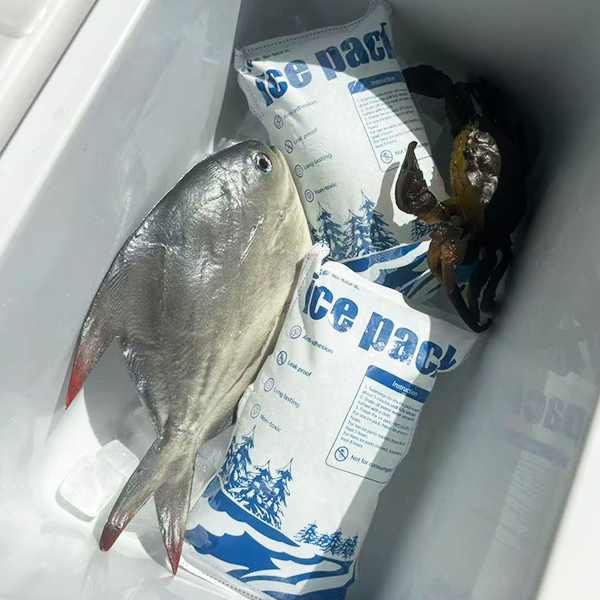
مورد صندوق الثلج بسلسلة التبريد بسدادة التصريف: كيفية الاختيار, يؤكد, وتوسيع نطاق النظام الصحيح
بالنسبة لمعظم المشترين, the search term drain plug cold chain ice box supplier hides four separate decisions: تناسب المنتج, شهادة, مراقبة الموردين, والاقتصاد. إن معالجة هذه القرارات بشكل منفصل يؤدي إلى طلب أكثر وضوحًا لعرض الأسعار وإطلاق إنتاج أكثر أمانًا. عادةً ما يؤدي التعامل معها كسؤال واحد إلى مقارنات غامضة وإعادة تصميم متأخرة.
الهدف العملي هو ما إذا كان التصريف ميزة تشغيلية مفيدة للحزمة الفعلية أو اختراقًا غير ضروري يؤدي إلى حدوث تسرب, تنظيف, ومخاطر الصيانة. يجمع إطار القرار التالي المنتج الأكثر فائدة, اِصطِلاحِيّ, امتثال, التشغيلية, واعتبارات الشراء مع إبقاء جميع بيانات الأداء مرتبطة بالشروط التي تدعمها فعليًا.
الصندوق المعزول هو جزء واحد فقط من التحكم في درجة الحرارة
يوفر صندوق الثلج ذو السلسلة الباردة مع سدادة التصريف حاجزًا أمام تدفق الحرارة وغلافًا واقيًا. لا يولد درجة حرارة يمكن التحكم فيها من تلقاء نفسه. الأداء السلبي يعتمد على العزل, نوع المبرد والتكييف, كتلة المبرد, كتلة الحمولة, درجة حرارة بدء المنتج, الترتيب الداخلي, ملف تعريف المحيط, السلوك الافتتاحي, ومعايير القبول. يمكن أن يؤدي التغيير في أي من هذه العناصر إلى تغيير النتائج حتى عندما لا يتغير الصندوق الخارجي.
هذا التمييز مهم بشكل خاص بالنسبة للطعام, الأدوية, مصل, واستخدامات التجارب السريرية. قد يوضح إعلان المادة أن المكون مناسب لحالة الاتصال المقصودة. قد يُظهر الاختبار الهيكلي أن المقبض أو الفتحة تتحمل حملًا محددًا. قد يُظهر التقرير الحراري كيفية تصرف حزمة واحدة ضمن ملف تعريف واحد. قد يقوم مؤهل المسار بعد ذلك بتقييم حارة التشغيل. تجيب هذه المستندات على أسئلة مختلفة ولا ينبغي استبدال بعضها البعض. قبل الإصدار النهائي, قم بمراجعة هذه النقطة لتصميم سلسلة التبريد المجهزة بالتصريف مع العمليات والجودة.
اطلب من المورد أن يذكر كل مطالبة بالأداء مع تكوينه. إذا لم يتمكن المورد من توفير هذا السياق, التعامل مع المطالبة كمؤشر فحص فقط. يجب أن يحدد البيان حجم الصندوق والمراجعة, حمولة, سائل التبريد, تكييف, مخطط التحميل, موقف المراقبة, ملف تعريف المحيط, مدة, ومدى القبول. والنتيجة المفيدة هي عدم المطالبة بتقرير مختبري عن كل محادثة مبكرة, ولكن لمنع العنوان غير المدعوم من أن يصبح مواصفات شراء. للحصول على موافقة المورد, حماية القرار الخاص بتصميم سلسلة التبريد المجهزة بالصرف من خلال التحكم في التغيير.
يبدأ النطاق التنظيمي بشروط الاتصال والمنتج
تعتمد الأدلة ذات الصلة على أدلة ملامسة الغذاء والنظافة لكل مكون قد يلامس الطعام أو المياه الذائبة, ليس مجرد إعلان عن راتنج القشرة الرئيسية. في الولايات المتحدة, ترتبط حالة ملامسة الغذاء بالمواد المصرح بها وشروط الاستخدام المقصودة, بما في ذلك نوع الطعام ودرجة الحرارة. في الاتحاد الأوروبي, تندرج المواد الملامسة للأغذية المطروحة في السوق ضمن الإطار التنظيمي ومتطلبات ممارسات التصنيع الجيدة, مع قواعد إضافية لمجموعات مادية معينة. A generic declaration that a plastic is 'درجة الغذاء' is therefore only a starting point.
تضيف الاستخدامات الطبية والصيدلانية طبقة مختلفة. تحدد علامات المنتج وإجراءات الراعي أو الجودة الحالة المطلوبة. الناتج المحلي الإجمالي, Google Cloud Platform, توجيهات التحصين, قواعد الشحن الجوي, أو قد يتم تطبيق مواصفات البرنامج الوطني اعتمادًا على الشحنة. لا يصبح الصندوق متوافقًا لمجرد أن البوليمر الخاص به مقبول لملامسة الطعام أو لأنه قابل لإعادة الاستخدام. قد تحتاج العملية الكاملة إلى تعليمات التعبئة المؤهلة, مراقبة معايرة, معالجة الانحراف, تمرين, وسلسلة الحضانة الموثقة. في القرار النهائي, ضع هذا المتطلب الخاص بتصميم سلسلة التبريد المجهزة بالتصريف في قائمة مراجعة الاستلام.
أنشئ خريطة أدلة بأربعة أعمدة: مطالبة, هدف, حالة, والوثيقة. على سبيل المثال, تنتمي المطالبة المادية إلى راتينج مسمى والاستخدام المقصود; تنتمي المطالبة الهيكلية إلى التصميم النهائي وطريقة التحميل; تنتمي المطالبة الحرارية إلى التكوين الكامل والملف الشخصي; تنتمي مطالبة الطريق إلى حارة التشغيل. تكشف هذه الخريطة عن الثغرات وتمنع شهادة واحدة من التوسع خارج نطاقها. في القرار النهائي, قم بتسجيل هذه النقطة لتصميم سلسلة التبريد المجهزة بالتصريف كمتطلب خاضع للرقابة.
تبدأ مواصفات الصندوق خارج الصندوق
يجب أن تصف المواصفات الأولى مهمة التشغيل: السماح بإزالة الماء أو سائل التنظيف بشكل متحكم دون قلب الصندوق المحمل أو المستخدم مؤخرًا, مع الحفاظ على النظافة, السلامة الهيكلية, وأداء العزل. يجب أن تحدد المستخدمين, موقع التحميل, مكان الاستلام, عمليات التسليم المتوقعة, واللحظة التي تتغير فيها مسؤولية درجة الحرارة. وهذا يمنع المورد من ملء المجهول بالافتراضات. كما يسمح بالعمليات, جودة, وفرق المشتريات لمراجعة نفس المتطلبات بدلاً من الاحتفاظ بنسخ منفصلة غير رسمية.
يحتاج تعريف الحمولة إلى تفاصيل أكثر من الوزن أو الحجم الاسمي. قد تشتمل الحمولة المخططة على عبوات طعام محكمة الغلق, تطبيقات الجليد السائب, حاويات المأكولات البحرية, كميات المشروبات, reusable coolant packs, أو المعدات التي قد تولد التكثيف ومياه الغسيل. قم بتسجيل أبعاد العبوة الأساسية, حدود التوجه, عدد الوحدات, الحالة الحرارية عند التعبئة, مساحة الرأس, المناطق الهشة, وما إذا كان يجب أن يظل الحمل منفصلاً عن سائل التبريد. يمكن للتجويف الذي يبدو كبيرًا بدرجة كافية أن يصبح غير صالح للاستخدام إذا كانت الفتحة ضيقة, الزوايا مشعة بشكل كبير, أو سلة ومقسم تستهلك الأبعاد الحرجة. عند إطلاق الإنتاج, قم بحل هذه النقطة لتصميم سلسلة التبريد المجهزة بالتصريف قبل التأهيل الحراري.
رسم خرائط الطريق لا يقل أهمية. للتعامل الرطب, التنظيف المتكرر, طرق الصيد والخدمات الغذائية, التوزيع الميداني, وإعادة الاستخدام المتكرر حيث يمكن للصرف أن يوفر العمالة, لاحظ وقت العبور المخطط له, التأخير المحتمل, درجة حرارة التدريج, الشمس المباشرة, دوران الهواء في السيارة, الفتح المتكرر, النقل بين الناقلات, واستلام الفحص. لا تنتج هذه المدخلات وقت انتظار مضمونًا من تلقاء نفسها, ولكنها تحدد الشروط التي يجب على المورد أو مختبر الاختبار إعادة إنتاجها. بدونهم, يمكن أن يغطي عرض الأسعار صندوقًا عامًا فقط, ليست عملية توزيع موثوقة. عند إطلاق الإنتاج, قم بمراجعة هذه النقطة لتصميم سلسلة التبريد المجهزة بالتصريف مع العمليات والجودة.
هندسة الصرف هي أكثر من مجرد ثقب وغطاء
يكون التصريف مفيدًا عندما يكون من المتوقع وجود سائل ويكون قلب الصندوق صعبًا أو غير آمن. الجليد السائب, استخدام مصايد الأسماك, التكثيف, والغسل يمكن أن يبرر ذلك. قد ينتج الصندوق الذي يستخدم طوب PCM المحكم القليل من الماء المجاني, مما يجعل الاختراق غير ضروري. وبالتالي فإن سؤال التصميم الأول هو مصدر السائل, ليس نمط المكونات. في القرار النهائي, قم بحل هذه النقطة لتصميم سلسلة التبريد المجهزة بالتصريف قبل التأهيل الحراري.
يتطلب الصرف الجيد منحدرًا أو حوضًا مستمرًا, افتتاح يمكن الوصول إليه, والمكونات التي يمكن تفتيشها. يجب أن يظل القابس متصلاً أو يكون من السهل استبداله, ويجب أن تتحمل الحشية مواد التنظيف الكيميائية الفعلية ودورات درجة الحرارة. يمكن للتجويفات العميقة والقنوات الضيقة أن تحتفظ بالتربة حتى بعد مغادرة الماء للتجويف. يجب أن تترك الهندسة الخارجية مساحة خالية عندما توضع الحاوية على منصة نقالة, أرضية السيارة, أو الرف.
يعد رئيس الصرف أيضًا ميزة هيكلية وحرارية محلية. تتم إزالة المواد من الجدار, قد ينقطع العزل, ويمكن أن يتركز التأثير حول الفتحة. ولذلك ينبغي أن تشمل مراجعة التصميم التسرب بعد الاصطدام والتدوير البارد, ليس فقط اختبار الماء في درجة حرارة الغرفة على عينة جديدة. يجب على المشترين أيضًا تحديد ما إذا كان يجب أن يكون القابس واضحًا للتلاعب, تعمل الأداة, أو محمية من الفتح العرضي. في القرار النهائي, تعيين المالك وطريقة القبول لتصميم سلسلة التبريد المجهزة بالصرف.
ما يجب أن يكون واضحا قبل أمر الشراء
| بوابة | سؤال | الافراج عن الأدلة |
|---|---|---|
| بوابة حالة الاستخدام | هي الحمولة, طريق, حالة, وعملية التعامل محددة? | متطلبات المستخدم المعتمدة |
| بوابة صالح | هل تتناسب العبوة النهائية مع الرفع والإغلاق الآمن؟? | رسم العبوة والعينة المقاسة |
| بوابة الأدلة | هل المطالبات مرتبطة بالمواد الصحيحة, صندوق, عبوة, أو حارة? | خريطة الأدلة وتقارير الاختبار |
| بوابة الجودة | هل يمكن للإنتاج إعادة إنتاج التكوين المعتمد? | خطة مراجعة وفحص القطعة التجريبية |
| بوابة التكلفة | هل تم تطبيع عروض الأسعار لنفس النطاق وأساس التسليم? | نموذج تكلفة الهبوط ودورة الحياة |
| بوابة العمليات | يمكن للمستخدمين حزمة, يستلم, ينظف, فحص, وإعادته بشكل صحيح? | تعليمات مدروسة وخطة تدريبية |
| تغيير البوابة | هل ستتطلب البدائل المراجعة؟? | فاتورة المواد واتفاقية التحكم في التغيير |
| بوابة التطبيق | ما إذا كان التصريف ميزة تشغيل مفيدة للحزمة الفعلية أو اختراقًا غير ضروري يؤدي إلى حدوث تسرب, تنظيف, ومخاطر الصيانة | المتطلبات الموقعة وقائمة الافتراضات التي لم يتم حلها |
يكون للجدول أكبر قيمة عندما يجمع المشتريات, العمليات, هندسة, والجودة. إنه يحول التفضيلات العامة إلى أدلة قابلة للمراجعة ويكشف الافتراضات المفقودة قبل التفاوض على السعر. ليس كل مشروع يحتاج إلى نفس العمق, ولكن كل مطالبة حاسمة يجب أن يكون لها مالك وطريقة محددة للتحقق منها. للحصول على موافقة المورد, قم بتوصيل هذا العنصر لتصميم سلسلة التبريد المجهزة بالتصريف بمعيار قبول قابل للقياس.
السعر هو مخرجات التكوين
يتضمن هيكل التكلفة أدوات إضافية, إدراجات مصبوبة, أجزاء المكونات والحشية, فحص التجميع, مكونات احتياطية, اختبار التسرب, والتغييرات المحتملة على أبعاد الكرتون. يمكن للموردين تقديم أسعار مختلفة تمامًا بينما يبدو أن الجميع يقدمون نفس الحجم. قد تأتي الاختلافات من سمك العزل, الصف المادي, عملية, الأجهزة, تقتيش, التغليف, أو ببساطة من العناصر المستبعدة. تتطلب المقارنة العادلة ورقة تكوين واحدة وجدول مقارنة تجاري واحد. عند إطلاق الإنتاج, قم بربط هذا القرار الخاص بتصميم سلسلة التبريد المجهزة بالتصريف بالرسمة والتغليف المعتمدين.
فصل التكاليف لمرة واحدة عن التكاليف المتكررة. الأدوات, قوالب, عمل فني, هندسة, وبعض الاختبارات قد تكون لمرة واحدة أو مطفأة. بناء الوحدة, مُكَمِّلات, تقتيش, كرتون, ويتكرر الشحن. ثم افصل تكلفة الاقتناء عن تكلفة التشغيل: تبريد التكييف, غسل, تجفيف, تخزين, تتبع الأصول, نقل العودة, ضرر, بصلح, والاستبدال. قد يكون المقياس الأفضل هو التكلفة لكل مسار ناجح بدلاً من سعر الشراء لكل صندوق. في القرار النهائي, قم بتسجيل هذه النقطة لتصميم سلسلة التبريد المجهزة بالتصريف كمتطلب خاضع للرقابة.
يستحق الشحن الاهتمام المبكر لأن الصناديق المعزولة يمكن أن تكون ضخمة الحجم. الأبعاد الخارجية, التعشيش, قابلية الانهيار, كمية الكرتون, نمط البليت, وقد يؤدي تحميل الحاويات إلى تغيير تكلفة الهبوط بأكثر من فرق بسيط في سعر المصنع. اطلب من الموردين أن يذكروا نفس مدة التسليم وتكوين التعبئة. عندما تعود الصناديق القابلة لإعادة الاستخدام فارغة, يجب أيضًا أن يدخل المكعب العكسي وعمالة المناولة إلى النموذج. في القرار النهائي, قم بربط هذا القرار الخاص بتصميم سلسلة التبريد المجهزة بالتصريف بالرسمة والتغليف المعتمدين.
سيناريو الشراء العملي
النظر في هذا الوضع النموذجي: يقوم موزع المأكولات البحرية بغسل الصناديق بعد كل طريق ويريد تصريفًا أسرع, لكن السدادة المقترحة تقع في فجوة خارجية عميقة تحبس التربة ويصعب فحصها. لا ينبغي أن تكون الاستجابة الأولى هي تحديد حجم الكتالوج. يجب على الفريق قياس الحمولة, بناء الحزمة المقترحة, خريطة الطريق, ولاحظ كيف يرفع المستخدمون, يؤمن, يفتح, ينظف, وإرجاع الحاوية. يؤدي هذا إلى إنشاء سجل مشترك للقيود الحقيقية. قبل الإصدار النهائي, اذكر الشروط المطبقة لتصميم سلسلة التبريد المجهزة بالتصريف في رد المورد.
التالي, يجب على المشتري أن يطلب بديلين أو ثلاثة بدائل خاضعة للرقابة بدلاً من الكتالوج الطويل. قد يعطي أحد الخيارات الأولوية للوزن الأقل, متانة متكررة أخرى, ومقاومة حرارية أعلى أخرى أو حجم أكثر قابلية للاستخدام. يجب أن يسرد كل خيار ما تم تضمينه, ما هي الأدلة الموجودة, ما لا يزال يحتاج إلى اختبار, وما هي تغييرات التشغيل التي يتطلبها. يستطيع الفريق بعد ذلك مقارنة المفاضلات بدلًا من الجدال حول ميزات معزولة. في القرار النهائي, قم بتسجيل هذه النقطة لتصميم سلسلة التبريد المجهزة بالتصريف كمتطلب خاضع للرقابة.
أكمل التسلسل من خلال عينة هندسية, محاكمة الحزمة, الإنتاج التجريبي, والإفراج الرسمي. تسجيل قياسات الأبعاد والتعامل مع الملاحظات, ليس فقط الصور الفوتوغرافية. للاستخدامات الحساسة لدرجة الحرارة, قم بتأكيد الحزمة الكاملة ضمن ملف تعريف مناسب وحدد كيفية التعامل مع الرحلات. والنتيجة هي قرار شراء مرتبط بالأدلة وسير العمل, وليس إلى وعد لا يمكن إعادة إنتاجه لاحقًا. للحصول على موافقة المورد, قم بحل هذه النقطة لتصميم سلسلة التبريد المجهزة بالتصريف قبل التأهيل الحراري.
الانضباط التشغيلي يحمي التكوين المؤهل
يتحرك الصندوق عبر الأشخاص والأماكن, ليس فقط من خلال الغرفة الحرارية. يجب أن تغطي خطة التشغيل الشروط المسبقة, التعبئة, إنهاء, وضع العلامات, مراقبة التنشيط, تسليم, تلقي, التفريغ, تنظيف, تجفيف, تقتيش, تخزين, والعودة. للتعامل الرطب, التنظيف المتكرر, طرق الصيد والخدمات الغذائية, التوزيع الميداني, وإعادة الاستخدام المتكرر حيث يمكن للصرف أن يوفر العمالة, قد يكون الخطر الأكبر هو رصيف التحميل أو فشل التسليم بدلاً من الوقت المخطط للمركبة.
يجب أن تكون التعليمات مرئية وتكوينًا محددًا. استخدم الملصقات التي تصمد أمام بيئة التنظيف والتوجيه. إظهار موقف المبرد, اتجاه المنتج, وضع المقسم, مراقبة الموقع, تسلسل الإغلاق, ومعايير الرفض. إذا كان الصندوق به مصارف, الأشرطة, عجلات, جوانات قابلة للاستبدال, أو مقابض الحبل, وتشمل نقاط التفتيش لتلك المكونات. يجب تقليل التعقيد حيثما أمكن ذلك لأن المستخدمين العرضيين لا يتذكرون الإجراءات الطويلة. في القرار النهائي, قم بحل هذه النقطة لتصميم سلسلة التبريد المجهزة بالتصريف قبل التأهيل الحراري.
تحتاج فرق الاستقبال إلى مسار اتخاذ القرار. يجب أن يعرفوا كيفية فحص الختم, قراءة الشاشة, تحديد الضرر, سجل رحلة, عزل الحمولة, واتصل بشخص الجودة المسؤول. يجب ألا تعود الصناديق المرتجعة تلقائيًا إلى الأسطول النظيف. خطوة الحجر والفحص البسيطة تمنع تشقق القذائف, المقابس المفقودة, مقابض ملوثة, أو تم تغيير سائل التبريد بسبب إضعاف النظام بصمت. قبل الإصدار النهائي, قم بتسجيل هذه النقطة لتصميم سلسلة التبريد المجهزة بالتصريف كمتطلب خاضع للرقابة.
يجب أن تتبع مراجعة المصنع المخاطر الحاسمة
السؤال المركزي الذي يطرحه المورد هو ما إذا كان التصريف ميزة تشغيل مفيدة للحزمة الفعلية أم أنه اختراق غير ضروري يؤدي إلى حدوث تسرب, تنظيف, ومخاطر الصيانة. يجب أن تكون الشركة المصنعة ذات المصداقية قادرة على ترجمة هذا المتطلب إلى رسومات, تعريفات المواد, نقاط التفتيش, وخطة الاختبار. يجب أن تنتقل المحادثة من المطالبات العامة إلى التفاصيل الخاضعة للرقابة. اسأل من يملك القالب, ما هي العمليات التي يتم تنفيذها داخليا, كيف تتم الموافقة على موردي المكونات الهامة, وكيفية الحفاظ على فاتورة المواد. يمكن أن يكون الكتالوج الواسع مفيدًا, ولكنها ليست دليلا على التحكم في العملية. في القرار النهائي, قم بربط هذا القرار الخاص بتصميم سلسلة التبريد المجهزة بالتصريف بالرسمة والتغليف المعتمدين.
استخدام أكثر من بوابة عينة واحدة. تؤكد العينة الهندسية المنقحة المواد, التجهيزات, تسميات, وتناسب الحزمة. تؤكد العينة الأولى الأبعاد الأساسية وبيئة العمل. تقوم المجموعة التجريبية بفحص أدوات الإنتاج, حَشد, تقتيش, التغليف, والتنوع عبر وحدات متعددة. من الأفضل ربط العينة الذهبية المعتمدة بالرسومات ومعايير القبول القابلة للقياس. تعد الموافقة على عينة واحدة معدة خصيصًا بدون هذا الجسر مصدرًا شائعًا لمفاجآت الإنتاج الضخم. للحصول على موافقة المورد, توثيق القيود المفروضة على تصميم سلسلة التبريد المجهزة بالصرف بدلاً من الإشارة إلى الملاءمة العالمية.
يجب أن تركز مراجعة الجودة على الاحتفاظ بالسدادات, تسرب تحت الميل والاهتزاز, دورات الافتتاح المتكررة, ضغط الحشية, التعرض للتجميد, تأثير بالقرب من رئيس الصرف, وقابلية تنظيف فترات الاستراحة. اسأل عن كيفية تحديد الوحدات غير المطابقة, سواء تم تسجيل القياسات, كيف يتم التحقيق في الشكاوى, وكيفية توصيل التغييرات الهندسية. لبرامج التحكم العالية, تتطلب موافقة مسبقة قبل الاستبدالات. للاستخدام الاستهلاكي الأقل خطورة, يمكن أن يكون النظام أبسط, ولكن أبعادا حرجة, مواد, ولا تزال ميزات السلامة بحاجة إلى معايير قبول موضوعية. في القرار النهائي, قم بتوصيل هذا العنصر لتصميم سلسلة التبريد المجهزة بالتصريف بمعيار قبول قابل للقياس.
الراتنج القابل لإعادة التدوير لا يكمل قصة دورة الحياة
سؤال الاستدامة ذو الصلة هو ما إذا كانت المقابس والحشيات القابلة للاستبدال تعمل على إطالة عمر الخدمة, وما إذا كان التصميم يقلل من استخدام المياه واليد العاملة دون زيادة الخسارة من الأجزاء المفقودة. قد يكون من الأفضل استخدام نظام خفيف الوزن أحادي الاتجاه على حارة متفرقة حيث تكون معدلات العودة منخفضة. يمكن للصندوق القابل لإعادة الاستخدام أن يقلل من استهلاك التغليف على حلقة مغلقة مستقرة, ولكنه يتطلب أيضًا المزيد من المواد, تنظيف, تخزين, ونقل العودة. يجب أن يتم الاختيار من خلال شبكة التشغيل وليس من خلال سمة تسويقية واحدة.
غالبًا ما يكون الحجم الصحيح هو التحسين الأسرع. الأجهزة المفرطة في البناء تضيف كتلة. الحجم الزائد يزيد من مساحة العزل, الطلب المبرد, مكعب الشحن, ومساحة المستودع. تفشل المنتجات غير المبنية مبكرًا وتؤدي إلى نفايات بديلة. التصميم الجيد يستخدم ما يكفي من المواد في الأماكن الصحيحة, يحمي أجزاء التآكل القابلة للاستبدال, ويسمح بالفحص قبل عودة الوحدة التالفة إلى الخدمة. عند إطلاق الإنتاج, توثيق القيود المفروضة على تصميم سلسلة التبريد المجهزة بالصرف بدلاً من الإشارة إلى الملاءمة العالمية.
تتبع مجموعة صغيرة من المؤشرات العملية: معدل العودة, الرحلات لكل أصل, سبب الضرر, وقت الغسيل, وقت التجفيف, المكونات المفقودة, مكعب العودة فارغة, وطريق التقاعد. تظهر هذه البيانات ما إذا كان النظام يتحسن. يجب تحديث مطالبات الاستدامة عندما يتغير المسار. الصندوق المستخدم لخمسين رحلة محلية خاضعة للرقابة له بصمة مختلفة عن نفس الصندوق الذي تم شحنه مرة واحدة عبر ممر دولي ولم يتم إعادته أبدًا. للحصول على موافقة المورد, قم بمراجعة هذه النقطة لتصميم سلسلة التبريد المجهزة بالتصريف مع العمليات والجودة.
تلقي التفتيش والإفراج عن الأسطول
يجب أن يتجاوز فحص الاستلام المظهر البصري. تأكيد الأبعاد الداخلية الهامة, إغلاق الغطاء, الأجهزة, تسميات, مُكَمِّلات, والتعبئة والتغليف وفقا للمواصفات المعتمدة. حدد وحدات متعددة من كرتونة مختلفة. قم بتسجيل النتائج بحيث يمكن مقارنة الشكاوى اللاحقة بالدفعة الأصلية بدلاً من الذاكرة أو عينة واحدة. عند إطلاق الإنتاج, حماية القرار الخاص بتصميم سلسلة التبريد المجهزة بالصرف من خلال التحكم في التغيير.
ضع حدود إمكانية الخدمة مقدمًا. الشقوق, الأختام المشوهة, المقابس المفقودة, مقابض متوترة, المراسي فضفاضة, الأسطح الملوثة, لوحات مثقوبة, أو يجب أن يؤدي المبرد غير المعتمد إلى الحجر الصحي. يمكن إصلاح بعض العناصر بأجزاء خاضعة للرقابة; يجب أن يتقاعد الآخرون. تمنع القاعدة الواضحة المستخدمين من الاحتفاظ بالصندوق الذي يبدو تالفًا بشكل واضح في الخدمة لمجرد أنه لا يزال مغلقًا. قبل الإصدار النهائي, قم بمراجعة هذه النقطة لتصميم سلسلة التبريد المجهزة بالتصريف مع العمليات والجودة.
استخدم سجل تغيير بسيط للمواد, مزود, قالب, عملية, أبعاد, تسميات, التغليف, والحزم. راجع ما إذا كان كل تغيير يؤثر على حالة جهة الاتصال, الأدلة الحرارية, الاختبارات الهيكلية, الشحن, تنظيف, أو تعليمات المستخدم. لا يقتصر هذا الانضباط على البرامج المنظمة. إنه يحمي أي مشتري من الانجراف التدريجي للتكوين عبر الطلبات المتكررة. للحصول على موافقة المورد, تأكد من أن ضوابط الإنتاج تحافظ على هذه النقطة لتصميم سلسلة التبريد المجهزة بالصرف.
أسئلة يجب طرحها قبل الطلب
لصندوق الثلج ذو السلسلة الباردة هذا المزود بسدادة تصريف, الأسئلة التالية تخلق قيمة أكبر من السؤال عما إذا كان المورد موثوقًا به. إنهم يجبرون المناقشة على الاستخدام المقصود, مواصفات قابلة للقياس, والأدلة. في القرار النهائي, تأكد من نطاق الأدلة لتصميم سلسلة التبريد المجهزة بالصرف قبل الشراء.
- الافراج عن السؤال: هل يحتوي الصندوق على ثلج سائب؟, عبوات تبريد مختومة, أو التكثيف فقط?
- الافراج عن السؤال: يمكن أن يصل السائل إلى المصرف دون ترك جيب راكد داخل الصندوق?
- الافراج عن السؤال: هل القابس أسير أو مفقود بسهولة, وهل البدائل متاحة?
- الافراج عن السؤال: ما هي المواد المستخدمة في المكونات والحشية, وكيف يستجيبون لعملية التنظيف?
- الافراج عن السؤال: كيف يتم اختبار التسرب بعد دورة درجة الحرارة والتأثير?
- الافراج عن السؤال: هل يؤدي اختراق الصرف إلى إنشاء جسر حراري أو تقليل قوة الجدار?
قد تكون الإجابة الكاملة رسمًا, طاولة, عينة, خطة الاختبار, أو القيد الموثق. لا يحتاج المورد إلى الحصول على كل تقرير نهائي قبل التطوير المبكر, ولكن ينبغي أن يكون قادرا على ذكر ما هو معروف, ما يفترض, ما يمكن تخصيصه, وما يجب اختباره. تعد هذه الشفافية إشارة خطر أفضل من القائمة الطويلة من الشهادات غير المدعومة. قبل الإصدار النهائي, قم بمراجعة هذه النقطة لتصميم سلسلة التبريد المجهزة بالتصريف مع العمليات والجودة.
حيث تسوء المشاريع الجيدة
النقاط أدناه تستحق التدقيق قبل الأدوات أو الإنتاج الضخم. يمكن لكل واحد إنشاء إعادة صياغة يمكن تجنبها عندما تظل دون حل أثناء اختيار المورد. في القرار النهائي, قم بمراجعة هذه النقطة لتصميم سلسلة التبريد المجهزة بالتصريف مع العمليات والجودة.
- الافراج عن مانع: إضافة استنزاف لأن المنافسين لديهم واحد.
- الافراج عن مانع: وضع الصرف حيث تمنع المنصات أو أرضيات الشاحنة الوصول.
- الافراج عن مانع: باستخدام تجويف ضيق لا يمكن تنظيفه بالفرشاة أو فحصه بصريًا.
- الافراج عن مانع: قبول قابس يُغلق عندما يكون جديدًا ولكنه ينحل بعد ركوب الدراجات الباردة.
- الافراج عن مانع: معالجة الصرف كبديل لإجراءات التنظيف الموثقة.
يمكن للمورد حل علامة التحذير بوضوح, استجابة قابلة للاختبار. يجب أن يؤدي إلى توضيح محدد, فحص العينة, أو طلب الأدلة. والهدف هو حل حالة عدم اليقين في حين أن التغييرات لا تزال غير مكلفة. المورد الذي يستجيب بالرسومات, شروط, والإجراءات التصحيحية أكثر فائدة من تلك التي تكرر مطالبة واسعة النطاق. في القرار النهائي, قم بتضمين هذا الحد في تعليمات التشغيل الخاصة بتصميم سلسلة التبريد المجهزة بالتصريف.
إجابات عملية للمشتريات والعمليات
عبارة عن صندوق ثلج ذو سلسلة باردة مزود بسدادة تصريف كافية للتحكم في درجة الحرارة?
لا. الوحدة المعزولة تبطئ نقل الحرارة, لكن النتيجة الكاملة تعتمد على سائل التبريد, حمولة, درجة حرارة البداية, نمط التحميل, التعرض المحيطي, التعامل, والرصد. يجب أن تحدد أي مدة محددة التكوين الذي تم اختباره ومعايير القبول. للمنتجات الخاضعة للتنظيم أو ذات القيمة العالية, قد تكون هناك حاجة إلى حزمة إضافية أو تأهيل حارة. للحصول على موافقة المورد, اختبر هذا الافتراض لتصميم سلسلة التبريد المجهزة بالصرف مقابل المسار المقصود.
هل يجب أن يحتوي كل صندوق سلسلة تبريد على سدادة تصريف؟?
لا. يكون الصرف مفيدًا عندما يكون الثلج سائبًا, التكثيف, أو يجب إزالة ماء الغسيل دون قلب الصندوق. قد يكون ذلك غير ضروري مع عبوات سائل التبريد محكمة الغلق ويمكن أن يؤدي إلى حدوث تسرب, تنظيف, ومخاطر الجسر الحراري. يجب أن يتبع القرار مصدر السائل وسير عمل التنظيف. قبل الإصدار النهائي, اختبر هذا الافتراض لتصميم سلسلة التبريد المجهزة بالصرف مقابل المسار المقصود.
هل يمكن استخدام نتيجة مختبرية واحدة لوقت الانتظار لكل مسار?
لا توجد نتيجة واحدة تغطي كل حارة. تنطبق النتيجة المختبرية على ملف التعريف المحيط الذي تم اختباره, حمولة, سائل التبريد, مراقبة المواقف, ومدى القبول. يمكن أن يدعم تخطيط الطريق, ولكن هناك اختلافات كبيرة في التأخير, الشمس المباشرة, تردد الافتتاح, ظروف السيارة, أو قد تتطلب الحمولة مزيدًا من التقييم أو التأهيل. في القرار النهائي, تحقق من نقطة تصميم سلسلة التبريد المجهزة بالتصريف مقابل الحمولة الفعلية.
ما هو أفضل اختبار العينة الأولى?
يجب أن تركز مراجعة العينة الأولى على الملاءمة وسير عمل المستخدم. تحميل الحمولة الفعلية, سائل التبريد, مقسم, شاشة, تسميات, والاكسسوارات. تحقق من الإغلاق, رفع, وصول, تنظيف, ووقت التعبئة. بمجرد أن يكون التكوين المادي مستقرًا, يصبح الاختبار الحراري والهيكلي أكثر أهمية وأقل احتمالا للتكرار بعد تغيير التصميم. في القرار النهائي, تحقق من هذه النقطة على الوحدات التمثيلية المستخدمة لتصميم سلسلة التبريد المجهزة بالتصريف.
الوجبات الجاهزة العملية
The final selection for drain plug cold chain ice box supplier should pass six tests: تناسب حالة الاستخدام, القدرة القابلة للاستخدام, شهادة, اتساق الإنتاج, بساطة التشغيل, والتكلفة الإجمالية. المورد الذي ينص على الافتراضات, قيود الوثائق, ويدعم التحقق التجريبي أكثر قيمة من الذي يقدم مطالبات عالمية. قم بتحرير الأمر فقط عندما يكون التكوين والمسؤوليات واضحة بما يكفي للتكرار.
حول Tempk
شركة شنغهاي تيمبك الصناعية, المحدودة. supplies cold-chain packaging under the Tempk brand. تشتمل المحفظة على عبوات هلامية ومائية, طوب الجليد, أكياس معزولة, صناديق معزولة EPP, تنسيقات المبردات الطبية, بطانات, وأغطية البليت. لبرامج صناديق الثلج المخصصة أو السائبة, يمكن لـ Tempk مراجعة المنتج المقصود, حالة درجة الحرارة, طريق, التعامل, تنظيف, والحجم التجاري. لا يزال يتعين على المشترين تأهيل التكوين النهائي للتطبيقات الخاصة بهم ومتطلبات السوق. عند إطلاق الإنتاج, قم بحل هذه النقطة لتصميم سلسلة التبريد المجهزة بالتصريف قبل التأهيل الحراري.
الخطوة التالية
قبل الاختيار النهائي للموردين, وصف مصدر السائل, طريقة التنظيف, توجيه المربع, ودورة إعادة الاستخدام حتى يتمكن Tempk من مراجعة ما إذا كان يجب تضمين قابس التصريف وكيفية تحديده.
سعر مورد صندوق التبريد: إطار المشتري الكامل
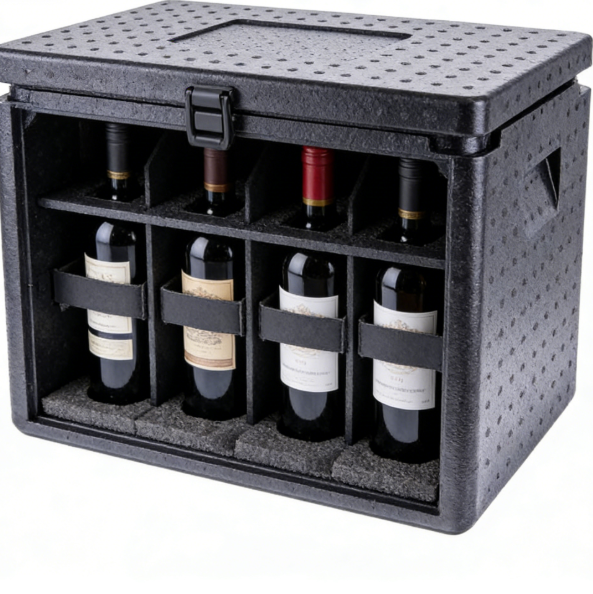
سعر مورد صندوق التبريد: إطار اختيار الموردين القائم على الأدلة
The right answer to cooler box supplier price begins with a controlled use case, ليس نموذج الكتالوج. تحديد الحمولة, الشرط المطلوب, طريق, التعرض المحيطي, عبوة, التعامل, تنظيف, شهادة, والحجم التجاري قبل اختيار الصندوق. وينبغي الحكم على المنتج النهائي على أساس القدرة القابلة للاستخدام, بناء, تناسب التشغيلية, اتساق الإنتاج, وإجمالي تكلفة التسليم.
The practical objective is whether quoted prices are comparable and whether the supplier has priced the risks that matter to production consistency and landed cost. يجمع إطار القرار التالي المنتج الأكثر فائدة, اِصطِلاحِيّ, امتثال, التشغيلية, واعتبارات الشراء مع إبقاء جميع بيانات الأداء مرتبطة بالشروط التي تدعمها فعليًا.
اكتب متطلبات التشغيل بلغة بسيطة
يجب أن تصف المواصفات الأولى مهمة التشغيل: obtain a quotation that reflects the exact product configuration, مستوى الجودة, التغليف, الوثائق, and delivery terms required. يجب أن تحدد المستخدمين, موقع التحميل, مكان الاستلام, عمليات التسليم المتوقعة, واللحظة التي تتغير فيها مسؤولية درجة الحرارة. وهذا يمنع البائع من ملء العناصر المجهولة بالافتراضات. كما يسمح بالعمليات, جودة, وفرق المشتريات لمراجعة نفس المتطلبات بدلاً من الاحتفاظ بنسخ منفصلة غير رسمية.
يحتاج تعريف الحمولة إلى تفاصيل أكثر من الوزن أو الحجم الاسمي. قد يشمل الحمل المخطط له الطعام, مشروب, طبي, بيع بالتجزئة, or industrial loads that drive different construction and accessory requirements. قم بتسجيل أبعاد العبوة الأساسية, حدود التوجه, عدد الوحدات, الحالة الحرارية عند التعبئة, مساحة الرأس, المناطق الهشة, وما إذا كان يجب أن يظل الحمل منفصلاً عن سائل التبريد. يمكن للتجويف الذي يبدو كبيرًا بدرجة كافية أن يصبح غير صالح للاستخدام إذا كانت الفتحة ضيقة, الزوايا مشعة بشكل كبير, أو سلة ومقسم تستهلك الأبعاد الحرجة. للحصول على موافقة المورد, assign an owner and acceptance method for the supplier-price comparison.
رسم خرائط الطريق لا يقل أهمية. For domestic sourcing, overseas import, برامج التوزيع, retail launches, and repeated B2B replenishment, لاحظ وقت العبور المخطط له, التأخير المحتمل, درجة حرارة التدريج, الشمس المباشرة, دوران الهواء في السيارة, الفتح المتكرر, النقل بين الناقلات, واستلام الفحص. لا تنتج هذه المدخلات وقت انتظار مضمونًا من تلقاء نفسها, ولكنها تحدد الشروط التي يجب على المورد أو مختبر الاختبار إعادة إنتاجها. بدونهم, يمكن أن يغطي عرض الأسعار صندوقًا عامًا فقط, ليست عملية توزيع موثوقة. قبل الإصدار النهائي, confirm the evidence scope for the supplier-price comparison before purchase.
Material Selection Should Follow the Failure Mode
A typical insulated box can combine specified resin, رغوة, لوحة, elastomer, معدن, and packaging components whose grade and source affect price and consistency. يحمي الهيكل الخارجي من الصدمات ويوفر نقاط ربط. العزل يبطئ التوصيل والحمل الحراري. مفصل الغطاء, بالُوعَة, التعامل مع الزعماء, السحابات, ويمكن لحواف الألواح إنشاء جسور حرارية أو مسارات تسرب. لهذا السبب, اسم المادة وحده لا يتنبأ بالأداء. قد يتصرف الصندوقان المصنوعان من نفس البوليمر الاسمي بشكل مختلف بسبب سمك الجدار, جودة الرغوة, هندسة, والتجمع. في القرار النهائي, verify this point on representative units used for the supplier-price comparison.
الخيارات المشتركة تحمل مقايضات مختلفة. يمكن أن تكون أغلفة البوليمر الصلبة قابلة للتنظيف ومتينة, لكنها تضيف وزنًا وتتطلب صبًا متحكمًا فيه. يمكن أن يوفر EPP وزنًا خفيفًا, هيكل مرن للتعامل المتكرر, بينما قد تحتاج الأسطح الرغوية المكشوفة إلى نظافة دقيقة ومراجعة الأضرار. يمكن أن يكون EPS فعالاً من حيث التكلفة للاستخدام المحمي في اتجاه واحد ولكنه قد يتشقق تحت المعالجة القاسية المتكررة. يمكن أن توفر رغوة PU عزلًا صلبًا داخل الغلاف. يمكن للألواح المعزولة بالفراغ أن تقلل من انتقال الحرارة عبر الأسطح العريضة, لكن تأثيرات الحافة, حماية ثقب, وتصبح مراقبة التصنيع حاسمة. عند إطلاق الإنتاج, state the applicable conditions for the supplier-price comparison in the supplier response.
يجب أن تحدد مواصفات المواد المخاطر المقصودة: quote revision control, approved specification, التسامح, خطة التفتيش, تعريفات الخلل, السيطرة على التغيير, and dispute handling. يجب أن تتحكم في الراتنج الأساسي أو درجة الرغوة, أصباغ, إضافات, مادة طوقا, مواد لاصقة, الأجهزة, وأي طلاء داخلي أو تسمية. عندما يسمح بالبدائل, تحديد أدلة الموافقة. خلاف ذلك, a production change that looks minor commercially may change food-contact status, رائحة, المرونة, الموصلية الحرارية, ملائم, أو المتانة على المدى الطويل. قبل الإصدار النهائي, place this requirement for the supplier-price comparison in the receiving checklist.
حيث ينتهي المنتج ويبدأ النظام الحراري
The cooler box from a supplier provides a barrier to heat flow and a protective enclosure. لا يولد درجة حرارة يمكن التحكم فيها من تلقاء نفسه. الأداء السلبي يعتمد على العزل, نوع المبرد والتكييف, كتلة المبرد, كتلة الحمولة, درجة حرارة بدء المنتج, الترتيب الداخلي, ملف تعريف المحيط, السلوك الافتتاحي, ومعايير القبول. يمكن أن يؤدي التغيير في أي من هذه العناصر إلى تغيير النتائج حتى عندما لا يتغير الصندوق الخارجي.
هذا التمييز مهم بشكل خاص بالنسبة للطعام, الأدوية, مصل, واستخدامات التجارب السريرية. قد يوضح إعلان المادة أن المكون مناسب لحالة الاتصال المقصودة. قد يُظهر الاختبار الهيكلي أن المقبض أو الفتحة تتحمل حملًا محددًا. قد يُظهر التقرير الحراري كيفية تصرف حزمة واحدة ضمن ملف تعريف واحد. قد يقوم مؤهل المسار بعد ذلك بتقييم حارة التشغيل. تجيب هذه المستندات على أسئلة مختلفة ولا ينبغي استبدال بعضها البعض. في القرار النهائي, record this point for the supplier-price comparison as a controlled requirement.
اطلب من المورد أن يذكر كل مطالبة الأداء مع تكوينه. يجب أن يحدد البيان حجم الصندوق والمراجعة, حمولة, سائل التبريد, تكييف, مخطط التحميل, موقف المراقبة, ملف تعريف المحيط, مدة, ومدى القبول. إذا لم يتمكن المورد من توفير هذا السياق, التعامل مع المطالبة كمؤشر فحص فقط. الهدف ليس المطالبة بتقرير مختبري لكل محادثة مبكرة, ولكن لمنع العنوان غير المدعوم من أن يصبح مواصفات شراء. قبل الإصدار النهائي, protect the decision for the supplier-price comparison through change control.
”الغذاء الصف,""الصف الطبي," و"مؤهل" غير قابلين للتبادل
The relevant evidence depends on requested declarations, اختبار, تقتيش, and documentation included or excluded from the commercial offer. في الولايات المتحدة, ترتبط حالة ملامسة الغذاء بالمواد المصرح بها وشروط الاستخدام المقصودة, بما في ذلك نوع الطعام ودرجة الحرارة. في الاتحاد الأوروبي, تندرج المواد الملامسة للأغذية المطروحة في السوق ضمن الإطار التنظيمي ومتطلبات ممارسات التصنيع الجيدة, مع قواعد إضافية لمجموعات مادية معينة. A generic declaration that a plastic is 'درجة الغذاء' is therefore only a starting point. عند إطلاق الإنتاج, protect the decision for the supplier-price comparison through change control.
تضيف الاستخدامات الطبية والصيدلانية طبقة مختلفة. تحدد علامات المنتج وإجراءات الراعي أو الجودة الحالة المطلوبة. الناتج المحلي الإجمالي, Google Cloud Platform, توجيهات التحصين, قواعد الشحن الجوي, أو قد يتم تطبيق مواصفات البرنامج الوطني اعتمادًا على الشحنة. لا تصبح الوحدة المعزولة متوافقة لمجرد أن البوليمر الخاص بها مقبول لملامسة الطعام أو لأنه قابل لإعادة الاستخدام. قد تحتاج العملية الكاملة إلى تعليمات التعبئة المؤهلة, مراقبة معايرة, معالجة الانحراف, تمرين, وسلسلة الحضانة الموثقة. عند إطلاق الإنتاج, include this limit in the operating instruction for the supplier-price comparison.
أنشئ خريطة أدلة بأربعة أعمدة: مطالبة, هدف, حالة, والوثيقة. على سبيل المثال, تنتمي المطالبة المادية إلى راتينج مسمى والاستخدام المقصود; تنتمي المطالبة الهيكلية إلى التصميم النهائي وطريقة التحميل; تنتمي المطالبة الحرارية إلى التكوين الكامل والملف الشخصي; تنتمي مطالبة الطريق إلى حارة التشغيل. تكشف هذه الخريطة عن الثغرات وتمنع شهادة واحدة من التوسع خارج نطاقها. في القرار النهائي, assign an owner and acceptance method for the supplier-price comparison.
إطار القرار النهائي
| بوابة | سؤال | الافراج عن الأدلة |
|---|---|---|
| بوابة حالة الاستخدام | هي الحمولة, طريق, حالة, وعملية التعامل محددة? | متطلبات المستخدم المعتمدة |
| بوابة صالح | هل تتناسب العبوة النهائية مع الرفع والإغلاق الآمن؟? | رسم العبوة والعينة المقاسة |
| بوابة الأدلة | هل المطالبات مرتبطة بالمواد الصحيحة, صندوق, عبوة, أو حارة? | خريطة الأدلة وتقارير الاختبار |
| بوابة الجودة | هل يمكن للإنتاج إعادة إنتاج التكوين المعتمد? | خطة مراجعة وفحص القطعة التجريبية |
| بوابة التكلفة | هل تم تطبيع عروض الأسعار لنفس النطاق وأساس التسليم? | نموذج تكلفة الهبوط ودورة الحياة |
| بوابة العمليات | يمكن للمستخدمين حزمة, يستلم, ينظف, فحص, وإعادته بشكل صحيح? | تعليمات مدروسة وخطة تدريبية |
| تغيير البوابة | هل ستتطلب البدائل المراجعة؟? | فاتورة المواد واتفاقية التحكم في التغيير |
| بوابة التطبيق | Whether quoted prices are comparable and whether the supplier has priced the risks that matter to production consistency and landed cost | المتطلبات الموقعة وقائمة الافتراضات التي لم يتم حلها |
تعمل هذه المصفوفة بشكل أفضل عندما يتم استكمالها بشكل مشترك عن طريق المشتريات, العمليات, هندسة, والجودة. إنه يحول التفضيلات العامة إلى أدلة قابلة للمراجعة ويكشف الافتراضات المفقودة قبل التفاوض على السعر. ليس كل مشروع يحتاج إلى نفس العمق, ولكن كل مطالبة حاسمة يجب أن يكون لها مالك وطريقة محددة للتحقق منها. في القرار النهائي, confirm that production controls preserve this point for the supplier-price comparison.
من عينة الكتالوج إلى الإنتاج الخاضع للرقابة
The central supplier question is whether quoted prices are comparable and whether the factory has priced the risks that matter to production consistency and landed cost. يجب أن تنتقل المحادثة من المطالبات العامة إلى التفاصيل الخاضعة للرقابة. يجب أن تكون الشركة المصنعة ذات المصداقية قادرة على ترجمة هذا المتطلب إلى رسومات, تعريفات المواد, نقاط التفتيش, وخطة الاختبار. اسأل من يملك القالب, ما هي العمليات التي يتم تنفيذها داخليا, كيف تتم الموافقة على موردي المكونات الهامة, وكيفية الحفاظ على فاتورة المواد. يمكن أن يكون الكتالوج الواسع مفيدًا, ولكنها ليست دليلا على التحكم في العملية.
Separate concept, هندسة, and pilot samples. تؤكد العينة الأولى الأبعاد الأساسية وبيئة العمل. تؤكد العينة الهندسية المنقحة المواد, التجهيزات, تسميات, وتناسب الحزمة. تقوم المجموعة التجريبية بفحص أدوات الإنتاج, حَشد, تقتيش, التغليف, والتنوع عبر وحدات متعددة. من الأفضل ربط العينة الذهبية المعتمدة بالرسومات ومعايير القبول القابلة للقياس. تعد الموافقة على عينة واحدة معدة خصيصًا بدون هذا الجسر مصدرًا شائعًا لمفاجآت الإنتاج الضخم. للحصول على موافقة المورد, link this decision for the supplier-price comparison to the approved drawing and packout.
Quality review should focus on quote revision control, approved specification, التسامح, خطة التفتيش, تعريفات الخلل, السيطرة على التغيير, and dispute handling. اسأل عن كيفية تحديد الوحدات غير المطابقة, سواء تم تسجيل القياسات, كيف يتم التحقيق في الشكاوى, وكيفية توصيل التغييرات الهندسية. لبرامج التحكم العالية, تتطلب موافقة مسبقة قبل الاستبدالات. للاستخدام الاستهلاكي الأقل خطورة, يمكن أن يكون النظام أبسط, ولكن أبعادا حرجة, مواد, ولا تزال ميزات السلامة بحاجة إلى معايير قبول موضوعية. قبل الإصدار النهائي, resolve this point for the supplier-price comparison before thermal qualification.
من أين تأتي تكلفة صندوق التبريد فعليًا
The cost structure includes base product, الأدوات, عينات, عمل فني, اختبار, تقتيش, كرتون, المنصات, الشحن, الواجبات, التخزين, العيوب, and replenishment risk. يمكن للموردين تقديم أسعار مختلفة تمامًا بينما يبدو أن الجميع يقدمون نفس الحجم. قد تأتي الاختلافات من سمك العزل, الصف المادي, عملية, الأجهزة, تقتيش, التغليف, أو ببساطة من العناصر المستبعدة. تتطلب المقارنة العادلة ورقة تكوين واحدة وجدول مقارنة تجاري واحد. في القرار النهائي, resolve this point for the supplier-price comparison before thermal qualification.
فصل التكاليف لمرة واحدة عن التكاليف المتكررة. بناء الوحدة, مُكَمِّلات, تقتيش, كرتون, ويتكرر الشحن. الأدوات, قوالب, عمل فني, هندسة, وبعض الاختبارات قد تكون لمرة واحدة أو مطفأة. ثم افصل تكلفة الاقتناء عن تكلفة التشغيل: تبريد التكييف, غسل, تجفيف, تخزين, تتبع الأصول, نقل العودة, ضرر, بصلح, والاستبدال. قد يكون أفضل مقياس هو التكلفة لكل مسار ناجح بدلاً من سعر الشراء لكل صندوق.
يستحق الشحن الاهتمام المبكر لأن الصناديق المعزولة يمكن أن تكون ضخمة الحجم. اطلب من الموردين أن يذكروا نفس مدة التسليم وتكوين التعبئة. الأبعاد الخارجية, التعشيش, قابلية الانهيار, كمية الكرتون, نمط البليت, وقد يؤدي تحميل الحاويات إلى تغيير تكلفة الهبوط بأكثر من فرق بسيط في سعر المصنع. عندما تعود الصناديق القابلة لإعادة الاستخدام فارغة, يجب أيضًا أن يدخل المكعب العكسي وعمالة المناولة إلى النموذج. عند إطلاق الإنتاج, place this requirement for the supplier-price comparison in the receiving checklist.
صمم العملية اليومية بجانب الصندوق
يتحرك الصندوق عبر الأشخاص والأماكن, ليس فقط من خلال الغرفة الحرارية. يجب أن تغطي خطة التشغيل الشروط المسبقة, التعبئة, إنهاء, وضع العلامات, مراقبة التنشيط, تسليم, تلقي, التفريغ, تنظيف, تجفيف, تقتيش, تخزين, والعودة. For domestic sourcing, overseas import, برامج التوزيع, retail launches, and repeated B2B replenishment, قد يكون الخطر الأكبر هو رصيف التحميل أو فشل التسليم بدلاً من وقت السيارة المخطط له. في القرار النهائي, assign an owner and acceptance method for the supplier-price comparison.
يجب أن تكون التعليمات مرئية وتكوينًا محددًا. إظهار موقف المبرد, اتجاه المنتج, وضع المقسم, مراقبة الموقع, تسلسل الإغلاق, ومعايير الرفض. استخدم الملصقات التي تصمد أمام بيئة التنظيف والتوجيه. إذا كانت الحاوية بها مصارف, الأشرطة, عجلات, جوانات قابلة للاستبدال, أو مقابض الحبل, وتشمل نقاط التفتيش لتلك المكونات. يجب تقليل التعقيد حيثما أمكن ذلك لأن المستخدمين العرضيين لا يتذكرون الإجراءات الطويلة. قبل الإصدار النهائي, confirm that production controls preserve this point for the supplier-price comparison.
تحتاج فرق الاستقبال إلى مسار اتخاذ القرار. يجب أن يعرفوا كيفية فحص الختم, قراءة الشاشة, تحديد الضرر, سجل رحلة, عزل الحمولة, واتصل بشخص الجودة المسؤول. يجب ألا تعود الصناديق المرتجعة تلقائيًا إلى الأسطول النظيف. خطوة الحجر والفحص البسيطة تمنع تشقق القذائف, المقابس المفقودة, مقابض ملوثة, أو تم تغيير سائل التبريد بسبب إضعاف النظام بصمت. للحصول على موافقة المورد, check the point for the supplier-price comparison against the actual payload.
إعادة الاستخدام تعمل فقط عندما يعود الصندوق
The relevant sustainability question is price stability and lifecycle support, including spare parts, repairable fittings, اتساق المواد, وكفاءة التعبئة والتغليف. يمكن للصندوق القابل لإعادة الاستخدام أن يقلل من استهلاك التغليف على حلقة مغلقة مستقرة, ولكنه يتطلب أيضًا المزيد من المواد, تنظيف, تخزين, ونقل العودة. قد يكون من الأفضل استخدام نظام خفيف الوزن أحادي الاتجاه على حارة متفرقة حيث تكون معدلات العودة منخفضة. يجب أن يتم الاختيار من خلال شبكة التشغيل وليس من خلال سمة تسويقية واحدة.
غالبًا ما يكون الحجم الصحيح هو التحسين الأسرع. الحجم الزائد يزيد من مساحة العزل, الطلب المبرد, مكعب الشحن, ومساحة المستودع. الأجهزة المفرطة في البناء تضيف كتلة. تفشل المنتجات غير المبنية مبكرًا وتؤدي إلى نفايات بديلة. التصميم الجيد يستخدم ما يكفي من المواد في الأماكن الصحيحة, يحمي أجزاء التآكل القابلة للاستبدال, ويسمح بالفحص قبل عودة الوحدة التالفة إلى الخدمة. قبل الإصدار النهائي, record this point for the supplier-price comparison as a controlled requirement.
تتبع مجموعة صغيرة من المؤشرات العملية: معدل العودة, الرحلات لكل أصل, سبب الضرر, وقت الغسيل, وقت التجفيف, المكونات المفقودة, مكعب العودة فارغة, وطريق التقاعد. تظهر هذه البيانات ما إذا كان النظام يتحسن. يجب تحديث مطالبات الاستدامة عندما يتغير المسار. الصندوق المستخدم لخمسين رحلة محلية خاضعة للرقابة له بصمة مختلفة عن نفس الصندوق الذي تم شحنه مرة واحدة عبر ممر دولي ولم يتم إعادته أبدًا. للحصول على موافقة المورد, resolve this point for the supplier-price comparison before thermal qualification.
مراجعة طريق نموذجية
النظر في هذا الوضع النموذجي: three suppliers quote a 30-liter cooler, but their internal dimensions, سمك العزل, latch type, كمية الكرتون, and document package are all different. لا ينبغي أن تكون الاستجابة الأولى هي تحديد حجم الكتالوج. يجب على الفريق قياس الحمولة, بناء الحزمة المقترحة, خريطة الطريق, ولاحظ كيف يرفع المستخدمون, يؤمن, يفتح, ينظف, وإرجاع الصندوق. يؤدي هذا إلى إنشاء سجل مشترك للقيود الحقيقية. قبل الإصدار النهائي, confirm the evidence scope for the supplier-price comparison before purchase.
التالي, يجب على المشتري أن يطلب بديلين أو ثلاثة بدائل خاضعة للرقابة بدلاً من كتالوج طويل. قد يعطي أحد الخيارات الأولوية للوزن الأقل, متانة متكررة أخرى, ومقاومة حرارية أعلى أخرى أو حجم أكثر قابلية للاستخدام. يجب أن يسرد كل خيار ما تم تضمينه, ما هي الأدلة الموجودة, ما لا يزال يحتاج إلى اختبار, وما هي تغييرات التشغيل التي يتطلبها. يستطيع الفريق بعد ذلك مقارنة المفاضلات بدلًا من الجدال حول ميزات معزولة. في القرار النهائي, record this point for the supplier-price comparison as a controlled requirement.
أكمل التسلسل من خلال عينة هندسية, محاكمة الحزمة, الإنتاج التجريبي, والإفراج الرسمي. تسجيل قياسات الأبعاد والتعامل مع الملاحظات, ليس فقط الصور الفوتوغرافية. للاستخدامات الحساسة لدرجة الحرارة, قم بتأكيد الحزمة الكاملة ضمن ملف تعريف مناسب وحدد كيفية التعامل مع الرحلات. والنتيجة هي قرار شراء مرتبط بالأدلة وسير العمل, وليس إلى وعد لا يمكن إعادة إنتاجه لاحقًا. قبل الإصدار النهائي, review this point for the supplier-price comparison with operations and quality.
خمسة أخطاء تؤدي إلى إعادة صياغة مكلفة
النقاط أدناه تستحق التدقيق قبل الأدوات أو الإنتاج الضخم. يمكن لكل واحد إنشاء إعادة صياغة يمكن تجنبها عندما تظل دون حل أثناء اختيار المورد. قبل الإصدار النهائي, record this point for the supplier-price comparison as a controlled requirement.
- الافراج عن مانع: using a verbal configuration for price comparison.
- الافراج عن مانع: ignoring carton quantity and freight cube.
- الافراج عن مانع: assuming included accessories are identical.
- الافراج عن مانع: accepting a price without quality acceptance criteria.
- الافراج عن مانع: comparing payment terms as though they were product cost.
تصبح المخاوف المتعلقة بالمشتريات قابلة للإدارة عندما يتمكن المورد من توثيق الإجابة. يجب أن يؤدي إلى توضيح محدد, فحص العينة, أو طلب الأدلة. والهدف هو حل حالة عدم اليقين في حين أن التغييرات لا تزال غير مكلفة. المورد الذي يستجيب بالرسومات, شروط, والإجراءات التصحيحية أكثر فائدة من تلك التي تكرر مطالبة واسعة النطاق. عند إطلاق الإنتاج, confirm the evidence scope for the supplier-price comparison before purchase.
ما ينبغي أن تغطيه إجابة المورد المفيدة
For this cooler box from a supplier, الأسئلة التالية تخلق قيمة أكبر من السؤال عما إذا كان المورد موثوقًا به. إنهم يجبرون المناقشة على الاستخدام المقصود, مواصفات قابلة للقياس, والأدلة. عند إطلاق الإنتاج, test this assumption for the supplier-price comparison against the intended route.
- الافراج عن السؤال: Which drawing and specification revision does the price cover?
- الافراج عن السؤال: Are internal dimensions and insulation construction equivalent?
- الافراج عن السؤال: What accessories, التغليف, الاختبارات, and documents are included?
- الافراج عن السؤال: Which quantity and forecast assumptions support the price?
- الافراج عن السؤال: What are the mold, عينة, عمل فني, and inspection charges?
- الافراج عن السؤال: How will price changes be handled if resin, الشحن, or design changes?
قد تكون الإجابة الكاملة رسمًا, طاولة, عينة, خطة الاختبار, أو القيد الموثق. لا يحتاج المورد إلى الحصول على كل تقرير نهائي قبل التطوير المبكر, ولكن ينبغي أن يكون قادرا على ذكر ما هو معروف, ما يفترض, ما يمكن تخصيصه, وما يجب اختباره. تعد هذه الشفافية إشارة خطر أفضل من القائمة الطويلة من الشهادات غير المدعومة. للحصول على موافقة المورد, include this limit in the operating instruction for the supplier-price comparison.
الصيانة وتخطيط قطع الغيار
تحتاج وحدات الإنتاج الجديدة إلى شيك استلام موثق, ليس فقط نظرة بصرية. حدد وحدات متعددة من كرتونة مختلفة. تأكيد الأبعاد الداخلية الهامة, إغلاق الغطاء, الأجهزة, تسميات, مُكَمِّلات, والتعبئة والتغليف وفقا للمواصفات المعتمدة. قم بتسجيل النتائج بحيث يمكن مقارنة الشكاوى اللاحقة بالدفعة الأصلية بدلاً من الذاكرة أو عينة واحدة. قبل الإصدار النهائي, include this limit in the operating instruction for the supplier-price comparison.
تحتاج فرق الخدمة إلى حدود الضرر المحددة مسبقًا. الشقوق, الأختام المشوهة, المقابس المفقودة, مقابض متوترة, المراسي فضفاضة, الأسطح الملوثة, لوحات مثقوبة, أو يجب أن يؤدي المبرد غير المعتمد إلى الحجر الصحي. يمكن إصلاح بعض العناصر بأجزاء خاضعة للرقابة; يجب أن يتقاعد الآخرون. تمنع القاعدة الواضحة المستخدمين من الاحتفاظ بالصندوق الذي يبدو تالفًا بشكل واضح في الخدمة لمجرد أنه لا يزال مغلقًا. قبل الإصدار النهائي, review this point for the supplier-price comparison with operations and quality.
استخدم سجل تغيير بسيط للمواد, مزود, قالب, عملية, أبعاد, تسميات, التغليف, والحزم. راجع ما إذا كان كل تغيير يؤثر على حالة جهة الاتصال, الأدلة الحرارية, الاختبارات الهيكلية, الشحن, تنظيف, أو تعليمات المستخدم. لا يقتصر هذا الانضباط على البرامج المنظمة. إنه يحمي أي مشتري من الانجراف التدريجي للتكوين عبر الطلبات المتكررة. عند إطلاق الإنتاج, confirm the evidence scope for the supplier-price comparison before purchase.
الأسئلة المتداولة
Is a cooler box from a supplier enough to control temperature?
لا. الصندوق يبطئ نقل الحرارة, لكن النتيجة الكاملة تعتمد على سائل التبريد, حمولة, درجة حرارة البداية, نمط التحميل, التعرض المحيطي, التعامل, والرصد. يجب أن تحدد أي مدة محددة التكوين الذي تم اختباره ومعايير القبول. للمنتجات الخاضعة للتنظيم أو ذات القيمة العالية, قد تكون هناك حاجة إلى حزمة إضافية أو تأهيل حارة. عند إطلاق الإنتاج, test this assumption for the supplier-price comparison against the intended route.
لماذا تختلف عروض أسعار صناديق التبريد المماثلة كثيرًا؟?
قد لا تكون المنتجات متكافئة. درجة المادة, العزل, الأبعاد الداخلية, الأجهزة, الأدوات, تقتيش, التخصيص, وثائق, تغليف الصادرات, والمصطلحات التجارية يمكن أن تختلف جميعها. قم بتطبيع التكوين الفني وأساس التسليم قبل مقارنة أسعار الوحدات. قبل الإصدار النهائي, state the applicable conditions for the supplier-price comparison in the supplier response.
هل يمكن استخدام نتيجة مختبرية واحدة لوقت الانتظار لكل مسار?
لا توجد نتيجة واحدة تغطي كل حارة. تنطبق النتيجة المختبرية على ملف التعريف المحيط الذي تم اختباره, حمولة, سائل التبريد, مراقبة المواقف, ومدى القبول. يمكن أن يدعم تخطيط الطريق, ولكن هناك اختلافات كبيرة في التأخير, الشمس المباشرة, تردد الافتتاح, ظروف السيارة, أو قد تتطلب الحمولة مزيدًا من التقييم أو التأهيل. قبل الإصدار النهائي, review this point for the supplier-price comparison with operations and quality.
ما هو أفضل اختبار العينة الأولى?
Confirm the payload and operating sequence before deeper testing. تحميل الحمولة الفعلية, سائل التبريد, مقسم, شاشة, تسميات, والاكسسوارات. تحقق من الإغلاق, رفع, وصول, تنظيف, ووقت التعبئة. بمجرد أن يكون التكوين المادي مستقرًا, يصبح الاختبار الحراري والهيكلي أكثر أهمية وأقل احتمالا للتكرار بعد تغيير التصميم. في القرار النهائي, include this limit in the operating instruction for the supplier-price comparison.
خاتمة
The final selection for cooler box supplier price should pass six tests: تناسب حالة الاستخدام, القدرة القابلة للاستخدام, شهادة, اتساق الإنتاج, بساطة التشغيل, والتكلفة الإجمالية. البائع المحتمل الذي ينص على الافتراضات, قيود الوثائق, ويدعم التحقق التجريبي أكثر قيمة من الذي يقدم مطالبات عالمية. قم بتحرير الأمر فقط عندما يكون التكوين والمسؤوليات واضحة بما يكفي للتكرار.
حول Tempk
Tempk هي العلامة التجارية لسلسلة التغليف البارد التابعة لشركة Shanghai Tempk Industrial Co., المحدودة. The company develops and supplies products including gel packs, الطوب الجليدي الصلب, أكياس معزولة, صناديق إي بي بي, صناديق تبريد طبية, بطانات معزولة, وأغطية البليت. للمشاريع التي تنطوي على صناديق معزولة, يمكن لـ Tempk مناقشة القدرات, هيكل العزل, توافق المبرد, الميزات المخصصة, ومتطلبات الحزمة. يجب التأكد من ملاءمة المنتج وأدائه مقابل الحمولة المحددة, طريق, حالة درجة الحرارة, والأدلة التي يطلبها المشتري. قبل الإصدار النهائي, place this requirement for the supplier-price comparison in the receiving checklist.
الخطوة التالية
قبل الاختيار النهائي للموردين, send the controlled drawing, كمية, وجهة, قائمة الملحقات, packaging requirement, and document needs so Tempk can provide a transparent supplier price basis.
الشركة المصنعة لصندوق التبريد: إطار المشتري الكامل
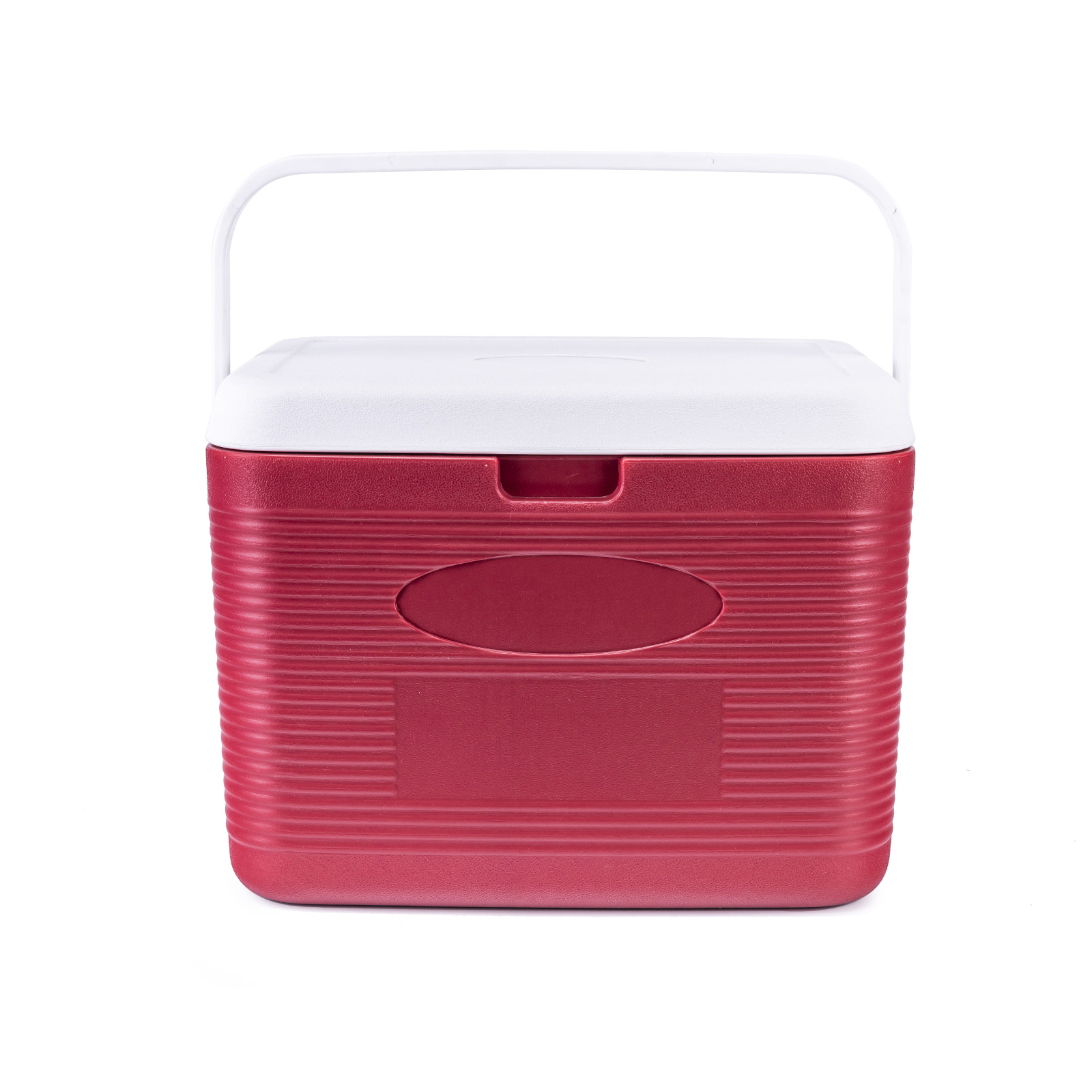
الشركة المصنعة لصندوق التبريد: إطار اختيار الموردين القائم على الأدلة
تبدأ الإجابة الصحيحة على الشركة المصنعة لصندوق التبريد بحالة استخدام خاضعة للرقابة, ليس نموذج الكتالوج. تحديد الحمولة, الشرط المطلوب, طريق, التعرض المحيطي, عبوة, التعامل, تنظيف, شهادة, والحجم التجاري قبل اختيار الصندوق. وينبغي الحكم على المنتج النهائي على أساس القدرة القابلة للاستخدام, بناء, تناسب التشغيلية, اتساق الإنتاج, وإجمالي تكلفة التسليم.
الهدف العملي هو ما إذا كان بإمكان الشركة المصنعة ترجمة حالة الاستخدام إلى مواصفات خاضعة للرقابة والحفاظ على هذا التكوين مع زيادة الحجم. يجمع إطار القرار التالي المنتج الأكثر فائدة, اِصطِلاحِيّ, امتثال, التشغيلية, واعتبارات الشراء مع إبقاء جميع بيانات الأداء مرتبطة بالشروط التي تدعمها فعليًا.
القشرة, العزل, المفاصل, والتجهيزات تعمل معًا
يمكن للصندوق المعزول النموذجي أن يجمع بين أغلفة البوليمر, رغاوي مقولبة, عزل البولي يوريثان, إي بي بي, EPS, ألواح معزولة بالفراغ, الحشيات, الأجهزة, والاكسسوارات مختارة حسب الاستخدام. يحمي الهيكل الخارجي من الصدمات ويوفر نقاط ربط. العزل يبطئ التوصيل والحمل الحراري. مفصل الغطاء, بالُوعَة, التعامل مع الزعماء, السحابات, ويمكن لحواف الألواح إنشاء جسور حرارية أو مسارات تسرب. لهذا السبب, اسم المادة وحده لا يتنبأ بالأداء. قد يتصرف الصندوقان المصنوعان من نفس البوليمر الاسمي بشكل مختلف بسبب سمك الجدار, جودة الرغوة, هندسة, والتجمع. في القرار النهائي, اختبر هذا الافتراض لبرنامج تصنيع صناديق التبريد مقابل المسار المقصود.
الخيارات المشتركة تحمل مقايضات مختلفة. يمكن أن تكون أغلفة البوليمر الصلبة قابلة للتنظيف ومتينة, لكنها تضيف وزنًا وتتطلب صبًا متحكمًا فيه. يمكن أن يوفر EPP وزنًا خفيفًا, هيكل مرن للتعامل المتكرر, بينما قد تحتاج الأسطح الرغوية المكشوفة إلى نظافة دقيقة ومراجعة الأضرار. يمكن أن يكون EPS فعالاً من حيث التكلفة للاستخدام المحمي في اتجاه واحد ولكنه قد يتشقق تحت المعالجة القاسية المتكررة. يمكن أن توفر رغوة PU عزلًا صلبًا داخل الغلاف. يمكن للألواح المعزولة بالفراغ أن تقلل من انتقال الحرارة عبر الأسطح العريضة, لكن تأثيرات الحافة, حماية ثقب, وتصبح مراقبة التصنيع حاسمة. قبل الإصدار النهائي, تحقق من هذه النقطة على الوحدات التمثيلية المستخدمة في برنامج تصنيع صناديق التبريد.
يجب أن تحدد مواصفات المواد المخاطر المقصودة: مراجعة التصميم, رسومات, فاتورة المواد, العينات المعتمدة, ضوابط المواد الواردة, الشيكات العملية, التفتيش النهائي, إمكانية تتبع الدفعة, والتحكم في التغيير الهندسي. يجب أن تتحكم في الراتنج الأساسي أو درجة الرغوة, أصباغ, إضافات, مادة طوقا, مواد لاصقة, الأجهزة, وأي طلاء داخلي أو تسمية. عندما يسمح بالبدائل, تحديد أدلة الموافقة. خلاف ذلك, إن تغيير الإنتاج الذي يبدو بسيطًا تجاريًا يمكن أن يغير حالة ملامسة الطعام, رائحة, المرونة, الموصلية الحرارية, ملائم, أو المتانة على المدى الطويل. في القرار النهائي, قم بحل هذه النقطة لبرنامج تصنيع صندوق التبريد قبل التأهيل الحراري.
حدد مهمة التوزيع قبل المنتج
يجب أن تصف المواصفات الأولى مهمة التشغيل: develop and supply insulated boxes with repeatable materials, أبعاد, صنعة, الوثائق, والخدمة عبر العينات والإنتاج الضخم. يجب أن تحدد المستخدمين, موقع التحميل, مكان الاستلام, عمليات التسليم المتوقعة, واللحظة التي تتغير فيها مسؤولية درجة الحرارة. وهذا يمنع المورد من ملء المجهول بالافتراضات. كما يسمح بالعمليات, جودة, وفرق المشتريات لمراجعة نفس المتطلبات بدلاً من الاحتفاظ بنسخ منفصلة غير رسمية. عند إطلاق الإنتاج, تأكد من نطاق الأدلة لبرنامج تصنيع صناديق التبريد قبل الشراء.
يحتاج تعريف الحمولة إلى تفاصيل أكثر من الوزن أو الحجم الاسمي. قد يشمل الحمل المخطط له الطعام, المشروبات, الأدوية, اللقاحات, عينات, السلع الاستهلاكية, أو محتويات صناعية ذات درجات حرارة مختلفة, صحة, واحتياجات التعامل. قم بتسجيل أبعاد العبوة الأساسية, حدود التوجه, عدد الوحدات, الحالة الحرارية عند التعبئة, مساحة الرأس, المناطق الهشة, وما إذا كان يجب أن يظل الحمل منفصلاً عن سائل التبريد. يمكن للتجويف الذي يبدو كبيرًا بدرجة كافية أن يصبح غير صالح للاستخدام إذا كانت الفتحة ضيقة, الزوايا مشعة بشكل كبير, أو سلة ومقسم تستهلك الأبعاد الحرجة. في القرار النهائي, حماية القرار الخاص ببرنامج تصنيع صناديق التبريد من خلال التحكم في التغيير.
رسم خرائط الطريق لا يقل أهمية. للبيع بالتجزئة, تسليم الطريق, يصدّر, التوزيع الطبي, الاستخدام الميداني, والخدمات اللوجستية ذات الحلقة المغلقة القابلة لإعادة الاستخدام, لاحظ وقت العبور المخطط له, التأخير المحتمل, درجة حرارة التدريج, الشمس المباشرة, دوران الهواء في السيارة, الفتح المتكرر, النقل بين الناقلات, واستلام الفحص. لا تنتج هذه المدخلات وقت انتظار مضمونًا من تلقاء نفسها, ولكنها تحدد الشروط التي يجب على المورد أو مختبر الاختبار إعادة إنتاجها. بدونهم, يمكن أن يغطي عرض الأسعار صندوقًا عامًا فقط, ليست عملية توزيع موثوقة. عند إطلاق الإنتاج, اختبر هذا الافتراض لبرنامج تصنيع صناديق التبريد مقابل المسار المقصود.
اجعل الحزمة الصحيحة سهلة التكرار
يتحرك الصندوق عبر الأشخاص والأماكن, ليس فقط من خلال الغرفة الحرارية. يجب أن تغطي خطة التشغيل الشروط المسبقة, التعبئة, إنهاء, وضع العلامات, مراقبة التنشيط, تسليم, تلقي, التفريغ, تنظيف, تجفيف, تقتيش, تخزين, والعودة. للبيع بالتجزئة, تسليم الطريق, يصدّر, التوزيع الطبي, الاستخدام الميداني, والخدمات اللوجستية ذات الحلقة المغلقة القابلة لإعادة الاستخدام, قد يكون الخطر الأكبر هو رصيف التحميل أو فشل التسليم بدلاً من الوقت المخطط للمركبة.
يجب أن تكون التعليمات مرئية وتكوينًا محددًا. إظهار موقف المبرد, اتجاه المنتج, وضع المقسم, مراقبة الموقع, تسلسل الإغلاق, ومعايير الرفض. استخدم الملصقات التي تصمد أمام بيئة التنظيف والتوجيه. إذا كان الصندوق به مصارف, الأشرطة, عجلات, جوانات قابلة للاستبدال, أو مقابض الحبل, وتشمل نقاط التفتيش لتلك المكونات. يجب تقليل التعقيد حيثما أمكن ذلك لأن المستخدمين العرضيين لا يتذكرون الإجراءات الطويلة. في القرار النهائي, اختبر هذا الافتراض لبرنامج تصنيع صناديق التبريد مقابل المسار المقصود.
تحتاج فرق الاستقبال إلى مسار اتخاذ القرار. يجب أن يعرفوا كيفية فحص الختم, قراءة الشاشة, تحديد الضرر, سجل رحلة, عزل الحمولة, واتصل بشخص الجودة المسؤول. يجب ألا تعود الصناديق المرتجعة تلقائيًا إلى الأسطول النظيف. خطوة الحجر والفحص البسيطة تمنع تشقق القذائف, المقابس المفقودة, مقابض ملوثة, أو تم تغيير سائل التبريد بسبب إضعاف النظام بصمت. في القرار النهائي, حماية القرار الخاص ببرنامج تصنيع صناديق التبريد من خلال التحكم في التغيير.
كيف يبدو القرار في الممارسة العملية
النظر في هذا الوضع النموذجي: يوافق المشتري على عينة جذابة, لكن الإنتاج الضخم يغير كثافة الرغوة, مزلاج المورد, وأبعاد الجدار لأنه لم يتم تجميد أي من هذه التفاصيل في المواصفات. يجب على الفريق قياس الحمولة, بناء الحزمة المقترحة, خريطة الطريق, ولاحظ كيف يرفع المستخدمون, يؤمن, يفتح, ينظف, وإرجاع الصندوق. لا ينبغي أن تكون الاستجابة الأولى هي تحديد حجم الكتالوج. يؤدي هذا إلى إنشاء سجل مشترك للقيود الحقيقية.
بعد ذلك, يجب على المشتري أن يطلب بديلين أو ثلاثة بدائل خاضعة للرقابة بدلاً من كتالوج طويل. يجب أن يسرد كل خيار ما تم تضمينه, ما هي الأدلة الموجودة, ما لا يزال يحتاج إلى اختبار, وما هي تغييرات التشغيل التي يتطلبها. قد يعطي أحد الخيارات الأولوية للوزن الأقل, متانة متكررة أخرى, ومقاومة حرارية أعلى أخرى أو حجم أكثر قابلية للاستخدام. يستطيع الفريق بعد ذلك مقارنة المفاضلات بدلًا من الجدال حول ميزات معزولة.
أكمل التسلسل من خلال عينة هندسية, محاكمة الحزمة, الإنتاج التجريبي, والإفراج الرسمي. تسجيل قياسات الأبعاد والتعامل مع الملاحظات, ليس فقط الصور الفوتوغرافية. للاستخدامات الحساسة لدرجة الحرارة, قم بتأكيد الحزمة الكاملة ضمن ملف تعريف مناسب وحدد كيفية التعامل مع الرحلات. والنتيجة هي قرار شراء مرتبط بالأدلة وسير العمل, وليس إلى وعد لا يمكن إعادة إنتاجه لاحقًا. قبل الإصدار النهائي, قم بتوصيل هذا العنصر لبرنامج تصنيع صندوق التبريد بمعيار قبول قابل للقياس.
مطالبات الحاويات المنفصلة عن مطالبات الحزم
توفر الشركة المصنعة لصندوق التبريد حاجزًا أمام تدفق الحرارة وغلافًا واقيًا. لا يولد درجة حرارة يمكن التحكم فيها من تلقاء نفسه. الأداء السلبي يعتمد على العزل, نوع المبرد والتكييف, كتلة المبرد, كتلة الحمولة, درجة حرارة بدء المنتج, الترتيب الداخلي, ملف تعريف المحيط, السلوك الافتتاحي, ومعايير القبول. يمكن أن يؤدي التغيير في أي من هذه العناصر إلى تغيير النتائج حتى عندما لا يتغير الصندوق الخارجي. قبل الإصدار النهائي, قم بحل هذه النقطة لبرنامج تصنيع صندوق التبريد قبل التأهيل الحراري.
هذا التمييز مهم بشكل خاص بالنسبة للطعام, الأدوية, مصل, واستخدامات التجارب السريرية. قد يوضح إعلان المادة أن المكون مناسب لحالة الاتصال المقصودة. قد يُظهر الاختبار الهيكلي أن المقبض أو الفتحة تتحمل حملًا محددًا. قد يُظهر التقرير الحراري كيفية تصرف حزمة واحدة ضمن ملف تعريف واحد. قد يقوم مؤهل المسار بعد ذلك بتقييم حارة التشغيل. تجيب هذه المستندات على أسئلة مختلفة ولا ينبغي استبدال بعضها البعض. قبل الإصدار النهائي, تحقق من نقطة برنامج تصنيع صندوق التبريد مقابل الحمولة الفعلية.
اطلب من المورد أن يذكر كل مطالبة الأداء مع تكوينه. إذا لم يتمكن المورد من توفير هذا السياق, التعامل مع المطالبة كمؤشر فحص فقط. يجب أن يحدد البيان حجم الصندوق والمراجعة, حمولة, سائل التبريد, تكييف, مخطط التحميل, موقف المراقبة, ملف تعريف المحيط, مدة, ومدى القبول. الهدف ليس المطالبة بتقرير مختبري لكل محادثة مبكرة, ولكن لمنع العنوان غير المدعوم من أن يصبح مواصفات شراء. للحصول على موافقة المورد, تحقق من نقطة برنامج تصنيع صندوق التبريد مقابل الحمولة الفعلية.
يجب أن تتطابق أدلة الامتثال مع الاستخدام المقصود
تعتمد الأدلة ذات الصلة على ملامسة الطعام, الرعاية الصحية, ينقل, أو أدلة الأداء التي يحددها السوق والتطبيق; يجب أن تكون مطالبات الشركة المصنعة منتجًا- والتكوين الخاص. في الولايات المتحدة, ترتبط حالة ملامسة الغذاء بالمواد المصرح بها وشروط الاستخدام المقصودة, بما في ذلك نوع الطعام ودرجة الحرارة. في الاتحاد الأوروبي, تندرج المواد الملامسة للأغذية المطروحة في السوق ضمن الإطار التنظيمي ومتطلبات ممارسات التصنيع الجيدة, مع قواعد إضافية لمجموعات مادية معينة. A generic declaration that a plastic is 'درجة الغذاء' is therefore only a starting point. في القرار النهائي, تحقق من هذه النقطة على الوحدات التمثيلية المستخدمة في برنامج تصنيع صناديق التبريد.
تضيف الاستخدامات الطبية والصيدلانية طبقة مختلفة. الناتج المحلي الإجمالي, Google Cloud Platform, توجيهات التحصين, قواعد الشحن الجوي, أو قد يتم تطبيق مواصفات البرنامج الوطني اعتمادًا على الشحنة. تحدد علامات المنتج وإجراءات الراعي أو الجودة الحالة المطلوبة. لا يصبح الصندوق متوافقًا لمجرد أن البوليمر الخاص به مقبول لملامسة الطعام أو لأنه قابل لإعادة الاستخدام. قد تحتاج العملية الكاملة إلى تعليمات التعبئة المؤهلة, مراقبة معايرة, معالجة الانحراف, تمرين, وسلسلة الحضانة الموثقة. عند إطلاق الإنتاج, قم بتسجيل هذه النقطة لبرنامج تصنيع صناديق التبريد كمتطلب خاضع للرقابة.
أنشئ خريطة أدلة بأربعة أعمدة: مطالبة, هدف, حالة, والوثيقة. كمثال واحد, تنتمي المطالبة المادية إلى راتينج مسمى والاستخدام المقصود; تنتمي المطالبة الهيكلية إلى التصميم النهائي وطريقة التحميل; تنتمي المطالبة الحرارية إلى التكوين الكامل والملف الشخصي; تنتمي مطالبة الطريق إلى حارة التشغيل. تكشف هذه الخريطة عن الثغرات وتمنع شهادة واحدة من التوسع خارج نطاقها. في القرار النهائي, قم بحل هذه النقطة لبرنامج تصنيع صندوق التبريد قبل التأهيل الحراري.
أسئلة الموردين التي تكشف عن القدرة الحقيقية
السؤال المركزي للمورد هو ما إذا كان بإمكان الشركة المصنعة ترجمة حالة الاستخدام إلى مواصفات خاضعة للرقابة والحفاظ على هذا التكوين مع زيادة الحجم. يجب أن تكون الشركة المصنعة ذات المصداقية قادرة على ترجمة هذا المتطلب إلى رسومات, تعريفات المواد, نقاط التفتيش, وخطة الاختبار. يجب أن تنتقل المحادثة من المطالبات العامة إلى التفاصيل الخاضعة للرقابة. اسأل من يملك القالب, ما هي العمليات التي يتم تنفيذها داخليا, كيف تتم الموافقة على موردي المكونات الهامة, وكيفية الحفاظ على فاتورة المواد. قد يكون من المفيد وجود كتالوج واسع, ولكنها ليست دليلا على التحكم في العملية. عند إطلاق الإنتاج, ضع هذا المتطلب الخاص ببرنامج تصنيع صندوق التبريد في قائمة الاستلام.
التحرك من خلال العينات في مراحل خاضعة للرقابة. تؤكد العينة الأولى الأبعاد الأساسية وبيئة العمل. تؤكد العينة الهندسية المنقحة المواد, التجهيزات, تسميات, وتناسب الحزمة. تقوم المجموعة التجريبية بفحص أدوات الإنتاج, حَشد, تقتيش, التغليف, والتنوع عبر وحدات متعددة. يجب أن تكون العينة الذهبية المعتمدة مرتبطة بالرسومات ومعايير القبول القابلة للقياس. تعد الموافقة على عينة واحدة معدة خصيصًا بدون هذا الجسر مصدرًا شائعًا لمفاجآت الإنتاج الضخم. للحصول على موافقة المورد, اختبر هذا الافتراض لبرنامج تصنيع صناديق التبريد مقابل المسار المقصود.
يجب أن تركز مراجعة الجودة على مراجعة التصميم, رسومات, فاتورة المواد, العينات المعتمدة, ضوابط المواد الواردة, الشيكات العملية, التفتيش النهائي, إمكانية تتبع الدفعة, والتحكم في التغيير الهندسي. اسأل عن كيفية تحديد الوحدات غير المطابقة, سواء تم تسجيل القياسات, كيف يتم التحقيق في الشكاوى, وكيفية توصيل التغييرات الهندسية. لبرامج التحكم العالية, تتطلب موافقة مسبقة قبل الاستبدالات. للاستخدام الاستهلاكي الأقل خطورة, يمكن أن يكون النظام أبسط, ولكن أبعادا حرجة, مواد, ولا تزال ميزات السلامة بحاجة إلى معايير قبول موضوعية. في القرار النهائي, اذكر الشروط المطبقة لبرنامج تصنيع صناديق التبريد في رد المورد.
إطار القرار النهائي
| بوابة | سؤال | الافراج عن الأدلة |
|---|---|---|
| بوابة حالة الاستخدام | هي الحمولة, طريق, حالة, وعملية التعامل محددة? | متطلبات المستخدم المعتمدة |
| بوابة صالح | هل تتناسب العبوة النهائية مع الرفع والإغلاق الآمن؟? | رسم العبوة والعينة المقاسة |
| بوابة الأدلة | هل المطالبات مرتبطة بالمواد الصحيحة, صندوق, عبوة, أو حارة? | خريطة الأدلة وتقارير الاختبار |
| بوابة الجودة | هل يمكن للإنتاج إعادة إنتاج التكوين المعتمد? | خطة مراجعة وفحص القطعة التجريبية |
| بوابة التكلفة | هل تم تطبيع عروض الأسعار لنفس النطاق وأساس التسليم? | نموذج تكلفة الهبوط ودورة الحياة |
| بوابة العمليات | يمكن للمستخدمين حزمة, يستلم, ينظف, فحص, وإعادته بشكل صحيح? | تعليمات مدروسة وخطة تدريبية |
| تغيير البوابة | هل ستتطلب البدائل المراجعة؟? | فاتورة المواد واتفاقية التحكم في التغيير |
| بوابة التطبيق | ما إذا كان بإمكان الشركة المصنعة ترجمة حالة الاستخدام إلى مواصفات خاضعة للرقابة والحفاظ على هذا التكوين مع زيادة الحجم | المتطلبات الموقعة وقائمة الافتراضات التي لم يتم حلها |
تعامل مع الجدول باعتباره مراجعة متعددة الوظائف للمشتريات, العمليات, هندسة, والجودة. إنه يحول التفضيلات العامة إلى أدلة قابلة للمراجعة ويكشف الافتراضات المفقودة قبل التفاوض على السعر. ليس كل مشروع يحتاج إلى نفس العمق, ولكن كل مطالبة حاسمة يجب أن يكون لها مالك وطريقة محددة للتحقق منها. قبل الإصدار النهائي, قم بتضمين هذا الحد في تعليمات التشغيل الخاصة ببرنامج تصنيع صندوق التبريد.
تعتمد الاستدامة على حلقة التشغيل
إن مسألة الاستدامة ذات الصلة هي البناء بالحجم المناسب, مكونات متينة, خيارات الإصلاح, التعبئة الفعالة, العودة اللوجستية, والتحكم في خيارات نهاية الحياة. يمكن للصندوق القابل لإعادة الاستخدام أن يقلل من استهلاك التغليف على حلقة مغلقة مستقرة, ولكنه يتطلب أيضًا المزيد من المواد, تنظيف, تخزين, ونقل العودة. قد يكون من الأفضل استخدام نظام خفيف الوزن أحادي الاتجاه على حارة متفرقة حيث تكون معدلات العودة منخفضة. يجب أن يتم الاختيار من خلال شبكة التشغيل وليس من خلال سمة تسويقية واحدة.
غالبًا ما يكون الحجم الصحيح هو التحسين الأسرع. الأجهزة المفرطة في البناء تضيف كتلة. الحجم الزائد يزيد من مساحة العزل, الطلب المبرد, مكعب الشحن, ومساحة المستودع. تفشل المنتجات غير المبنية مبكرًا وتؤدي إلى نفايات بديلة. التصميم الجيد يستخدم ما يكفي من المواد في الأماكن الصحيحة, يحمي أجزاء التآكل القابلة للاستبدال, ويسمح بالفحص قبل عودة الوحدة التالفة إلى الخدمة. عند إطلاق الإنتاج, تحقق من نقطة برنامج تصنيع صندوق التبريد مقابل الحمولة الفعلية.
تتبع مجموعة صغيرة من المؤشرات العملية: معدل العودة, الرحلات لكل أصل, سبب الضرر, وقت الغسيل, وقت التجفيف, المكونات المفقودة, مكعب العودة فارغة, وطريق التقاعد. تظهر هذه البيانات ما إذا كان النظام يتحسن. يجب تحديث مطالبات الاستدامة عندما يتغير المسار. الصندوق المستخدم لخمسين رحلة محلية خاضعة للرقابة له بصمة مختلفة عن نفس الصندوق الذي تم شحنه مرة واحدة عبر ممر دولي ولم يتم إعادته أبدًا. في القرار النهائي, تعيين المالك وطريقة القبول لبرنامج تصنيع صناديق التبريد.
قارن تكلفة الهبوط وتكلفة دورة الحياة, ليس اقتباس وحدة معزولة
يتضمن هيكل التكلفة أعمال التصميم, الأدوات, مادة, عملية, حَشد, ضوابط الجودة, التخصيص, اختبار, الوثائق, التعبئة, الشحن, ودعم دورة الحياة. يمكن للموردين تقديم أسعار مختلفة تمامًا بينما يبدو أن الجميع يقدمون نفس الحجم. قد تأتي الاختلافات من سمك العزل, الصف المادي, عملية, الأجهزة, تقتيش, التغليف, أو ببساطة من العناصر المستبعدة. تتطلب المقارنة العادلة ورقة تكوين واحدة وجدول مقارنة تجاري واحد. في القرار النهائي, قم بتسجيل هذه النقطة لبرنامج تصنيع صناديق التبريد كمتطلب خاضع للرقابة.
فصل التكاليف لمرة واحدة عن التكاليف المتكررة. الأدوات, قوالب, عمل فني, هندسة, وبعض الاختبارات قد تكون لمرة واحدة أو مطفأة. بناء الوحدة, مُكَمِّلات, تقتيش, كرتون, ويتكرر الشحن. ثم افصل تكلفة الاقتناء عن تكلفة التشغيل: تبريد التكييف, غسل, تجفيف, تخزين, تتبع الأصول, نقل العودة, ضرر, بصلح, والاستبدال. قد يكون المقياس الأفضل هو التكلفة لكل مسار ناجح بدلاً من سعر الشراء لكل صندوق. في القرار النهائي, قم بتسجيل هذه النقطة لبرنامج تصنيع صناديق التبريد كمتطلب خاضع للرقابة.
يستحق الشحن الاهتمام المبكر لأن الصناديق المعزولة يمكن أن تكون ضخمة الحجم. الأبعاد الخارجية, التعشيش, قابلية الانهيار, كمية الكرتون, نمط البليت, وقد يؤدي تحميل الحاويات إلى تغيير تكلفة الهبوط بأكثر من فرق بسيط في سعر المصنع. اطلب من الموردين أن يذكروا نفس مدة التسليم وتكوين التعبئة. عندما تعود الصناديق القابلة لإعادة الاستخدام فارغة, يجب أيضًا أن يدخل المكعب العكسي وعمالة المناولة إلى النموذج. قبل الإصدار النهائي, تحقق من هذه النقطة على الوحدات التمثيلية المستخدمة في برنامج تصنيع صناديق التبريد.
اختصارات المشتريات التي تزيد من المخاطر
النقاط أدناه تستحق التدقيق قبل الأدوات أو الإنتاج الضخم. يمكن لكل واحد إنشاء إعادة صياغة يمكن تجنبها عندما تظل دون حل أثناء اختيار المورد. للحصول على موافقة المورد, حماية القرار الخاص ببرنامج تصنيع صناديق التبريد من خلال التحكم في التغيير.
- الافراج عن مانع: اختيار الشركة المصنعة من اتساع الكتالوج وحده.
- الافراج عن مانع: الموافقة على المظهر دون ضوابط داخلية للأبعاد والمادية.
- الافراج عن مانع: المطالبة بمطالبات وقت الانتظار العالمية.
- الافراج عن مانع: ترك الملحقات وتغليف التصدير خارج المواصفات.
- الافراج عن مانع: التوسع قبل مراجعة الإنتاج التجريبي.
ليس كل قلق هو عدم الأهلية, ولكن كل واحد يحتاج إلى الإغلاق. يجب أن يؤدي إلى توضيح محدد, فحص العينة, أو طلب الأدلة. والنتيجة المقصودة هي حل حالة عدم اليقين في حين أن التغييرات لا تزال غير مكلفة. المورد الذي يستجيب بالرسومات, شروط, والإجراءات التصحيحية أكثر فائدة من تلك التي تكرر مطالبة واسعة النطاق. عند إطلاق الإنتاج, تعيين المالك وطريقة القبول لبرنامج تصنيع صناديق التبريد.
مقابلة القائمة المختصرة
لهذه الشركة المصنعة لصندوق التبريد, الأسئلة التالية تخلق قيمة أكبر من السؤال عما إذا كان المورد موثوقًا به. إنهم يجبرون المناقشة على الاستخدام المقصود, مواصفات قابلة للقياس, والأدلة. في القرار النهائي, قم بتضمين هذا الحد في تعليمات التشغيل الخاصة ببرنامج تصنيع صندوق التبريد.
- الافراج عن السؤال: هل يمكن للشركة المصنعة شرح مقايضات التصميم للمسار الفعلي والحمولة?
- الافراج عن السؤال: ما هي العمليات والأجزاء المهمة التي يتم تصنيعها داخليًا أو يتم التحكم فيها من خلال الموردين المعتمدين?
- الافراج عن السؤال: كيف هي الرسومات, فاتورة المواد, التسامح, والحفاظ على العينات الذهبية?
- الافراج عن السؤال: التي الحرارية, الهيكلية, صحة, أو يمكن دعم اختبارات الامتثال?
- الافراج عن السؤال: كيف تتم مراجعة القطع التجريبية قبل الإنتاج الضخم?
- الافراج عن السؤال: ما هي عملية إشعار التغيير والإجراءات التصحيحية المستخدمة؟?
قد تكون الإجابة الكاملة رسمًا, طاولة, عينة, خطة الاختبار, أو القيد الموثق. لا يحتاج البائع المحتمل إلى الحصول على كل تقرير نهائي قبل التطوير المبكر, ولكن ينبغي أن يكون قادرا على ذكر ما هو معروف, ما يفترض, ما يمكن تخصيصه, وما يجب اختباره. تعد هذه الشفافية إشارة خطر أفضل من القائمة الطويلة من الشهادات غير المدعومة. عند إطلاق الإنتاج, اختبر هذا الافتراض لبرنامج تصنيع صناديق التبريد مقابل المسار المقصود.
تغيير التحكم بعد الأمر الأول
لا تطلق دفعة جديدة على المظهر وحده. تأكيد الأبعاد الداخلية الهامة, إغلاق الغطاء, الأجهزة, تسميات, مُكَمِّلات, والتعبئة والتغليف وفقا للمواصفات المعتمدة. حدد وحدات متعددة من كرتونة مختلفة. قم بتسجيل النتائج بحيث يمكن مقارنة الشكاوى اللاحقة بالدفعة الأصلية بدلاً من الذاكرة أو عينة واحدة. عند إطلاق الإنتاج, اذكر الشروط المطبقة لبرنامج تصنيع صناديق التبريد في رد المورد.
تحتاج فرق الخدمة إلى حدود الضرر المحددة مسبقًا. الشقوق, الأختام المشوهة, المقابس المفقودة, مقابض متوترة, المراسي فضفاضة, الأسطح الملوثة, لوحات مثقوبة, أو يجب أن يؤدي المبرد غير المعتمد إلى الحجر الصحي. يمكن إصلاح بعض العناصر بأجزاء خاضعة للرقابة; يجب أن يتقاعد الآخرون. تمنع القاعدة الواضحة المستخدمين من الاحتفاظ بالصندوق الذي يبدو تالفًا بشكل واضح في الخدمة لمجرد أنه لا يزال مغلقًا. قبل الإصدار النهائي, حماية القرار الخاص ببرنامج تصنيع صناديق التبريد من خلال التحكم في التغيير.
تتبع التغييرات الخاضعة للرقابة على المواد, مزود, قالب, عملية, أبعاد, تسميات, التغليف, والحزم. راجع ما إذا كان كل تغيير يؤثر على حالة جهة الاتصال, الأدلة الحرارية, الاختبارات الهيكلية, الشحن, تنظيف, أو تعليمات المستخدم. لا يقتصر هذا الانضباط على البرامج المنظمة. إنه يحمي أي مشتري من الانجراف التدريجي للتكوين عبر الطلبات المتكررة. عند إطلاق الإنتاج, قم بتوصيل هذا العنصر لبرنامج تصنيع صندوق التبريد بمعيار قبول قابل للقياس.
الأسئلة المتداولة
هي الشركة المصنعة لصندوق التبريد بدرجة كافية للتحكم في درجة الحرارة?
لا. الحاوية تبطئ نقل الحرارة, لكن النتيجة الكاملة تعتمد على سائل التبريد, حمولة, درجة حرارة البداية, نمط التحميل, التعرض المحيطي, التعامل, والرصد. يجب أن تحدد أي مدة محددة التكوين الذي تم اختباره ومعايير القبول. للمنتجات الخاضعة للتنظيم أو ذات القيمة العالية, قد تكون هناك حاجة إلى حزمة إضافية أو تأهيل حارة. عند إطلاق الإنتاج, تأكد من أن ضوابط الإنتاج تحافظ على هذه النقطة لبرنامج تصنيع صناديق التبريد.
ما الذي يجب الموافقة عليه قبل الإنتاج الضخم?
الموافقة على الرسم, مواد, فاتورة المواد, الأبعاد الحرجة, مُكَمِّلات, وضع العلامات, التغليف, معايير القبول, وعينة تمثيلية ذهبية. يجب أن تؤكد الدفعة التجريبية أن وحدات الإنتاج تتوافق مع الهدف الهندسي قبل إصدار طلب كبير. عند إطلاق الإنتاج, قم بحل هذه النقطة لبرنامج تصنيع صندوق التبريد قبل التأهيل الحراري.
هل يمكن استخدام نتيجة مختبرية واحدة لوقت الانتظار لكل مسار?
سيكون ذلك غير آمن دون مقارنة الشروط. تنطبق النتيجة المختبرية على ملف التعريف المحيط الذي تم اختباره, حمولة, سائل التبريد, مراقبة المواقف, ومدى القبول. يمكن أن يدعم تخطيط الطريق, ولكن هناك اختلافات كبيرة في التأخير, الشمس المباشرة, تردد الافتتاح, ظروف السيارة, أو قد تتطلب الحمولة مزيدًا من التقييم أو التأهيل. في القرار النهائي, ضع هذا المتطلب الخاص ببرنامج تصنيع صندوق التبريد في قائمة الاستلام.
ما هو أفضل اختبار العينة الأولى?
استخدم اللياقة البدنية كبوابة العينة الأولى. تحقق من الإغلاق, رفع, وصول, تنظيف, ووقت التعبئة. تحميل الحمولة الفعلية, سائل التبريد, مقسم, شاشة, تسميات, والاكسسوارات. بمجرد أن يكون التكوين المادي مستقرًا, يصبح الاختبار الحراري والهيكلي أكثر أهمية وأقل احتمالا للتكرار بعد تغيير التصميم. في القرار النهائي, تحقق من هذه النقطة على الوحدات التمثيلية المستخدمة في برنامج تصنيع صناديق التبريد.
كيف ينبغي للمشترين إدارة تغييرات الإنتاج?
السيطرة على المواد الهامة, أبعاد, والمكونات من خلال فاتورة المواد. مطالبة المصنع بإخطار التغييرات قبل التنفيذ وتقديم الأدلة للمراجعة. التغييرات في العزل, سائل التبريد, الحشيات, أصباغ, تسميات, مقابض, أو يمكن أن تؤثر عملية التصنيع على الملاءمة, حالة الاتصال, متانة, أو الأداء المؤهل. في القرار النهائي, حماية القرار الخاص ببرنامج تصنيع صناديق التبريد من خلال التحكم في التغيير.
قبل أن تقوم بتحرير الأمر
يجب أن يجتاز الاختيار النهائي للشركة المصنعة لصندوق التبريد ستة اختبارات: تناسب حالة الاستخدام, القدرة القابلة للاستخدام, شهادة, اتساق الإنتاج, بساطة التشغيل, والتكلفة الإجمالية. المورد الذي ينص على الافتراضات, قيود الوثائق, ويدعم التحقق التجريبي أكثر قيمة من الذي يقدم مطالبات عالمية. قم بتحرير الأمر فقط عندما يكون التكوين والمسؤوليات واضحة بما يكفي للتكرار.
حول Tempk
Tempk هي العلامة التجارية لسلسلة التغليف البارد التابعة لشركة Shanghai Tempk Industrial Co., المحدودة. The company develops and supplies products including gel packs, الطوب الجليدي الصلب, أكياس معزولة, صناديق إي بي بي, صناديق تبريد طبية, بطانات معزولة, وأغطية البليت. للمشاريع التي تنطوي على صناديق معزولة, يمكن لـ Tempk مناقشة القدرات, هيكل العزل, توافق المبرد, الميزات المخصصة, ومتطلبات الحزمة. يجب التأكد من ملاءمة المنتج وأدائه مقابل الحمولة المحددة, طريق, حالة درجة الحرارة, والأدلة التي يطلبها المشتري. في القرار النهائي, حماية القرار الخاص ببرنامج تصنيع صناديق التبريد من خلال التحكم في التغيير.
الخطوة التالية
قبل الاختيار النهائي للموردين, مشاركة الحمولة, طريق, حالة درجة الحرارة, سعة, قائمة الميزات, السوق المستهدف, والتنبؤ حتى يتمكن Tempk من مناقشة خطة التطوير والتصنيع الخاضعة للرقابة.
تكلفة صندوق التبريد: إطار المشتري الكامل
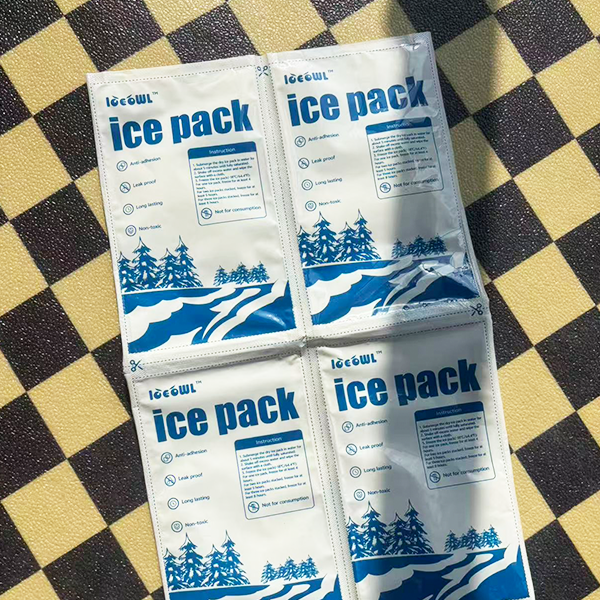
تكلفة صندوق التبريد: كيفية الاختيار, يؤكد, وتوسيع نطاق النظام الصحيح
بالنسبة لمعظم المشترين, the search term cooler box cost hides four separate decisions: تناسب المنتج, شهادة, مراقبة الموردين, والاقتصاد. إن معالجة هذه القرارات بشكل منفصل يؤدي إلى طلب أكثر وضوحًا لعرض الأسعار وإطلاق إنتاج أكثر أمانًا. عادةً ما يؤدي التعامل معها كسؤال واحد إلى مقارنات غامضة وإعادة تصميم متأخرة.
الهدف العملي هو تحديد نموذج التكلفة المهم: شراء لمرة واحدة, تكلفة وحدة الأرض, التكلفة لكل طريق, التكلفة لكل شحنة ناجحة, أو تكلفة دورة الحياة لأسطول قابل لإعادة الاستخدام. يجمع إطار القرار التالي المنتج الأكثر فائدة, اِصطِلاحِيّ, امتثال, التشغيلية, واعتبارات الشراء مع إبقاء جميع بيانات الأداء مرتبطة بالشروط التي تدعمها فعليًا.
الصندوق المعزول هو جزء واحد فقط من التحكم في درجة الحرارة
يوفر صندوق التبريد حاجزًا أمام تدفق الحرارة وغلافًا واقيًا. لا يولد درجة حرارة يمكن التحكم فيها من تلقاء نفسه. الأداء السلبي يعتمد على العزل, نوع المبرد والتكييف, كتلة المبرد, كتلة الحمولة, درجة حرارة بدء المنتج, الترتيب الداخلي, ملف تعريف المحيط, السلوك الافتتاحي, ومعايير القبول. يمكن أن يؤدي التغيير في أي من هذه العناصر إلى تغيير النتائج حتى عندما لا يتغير الصندوق الخارجي. عند إطلاق الإنتاج, حماية القرار الخاص بنموذج تكلفة صندوق التبريد من خلال التحكم في التغيير.
هذا التمييز مهم بشكل خاص بالنسبة للطعام, الأدوية, مصل, واستخدامات التجارب السريرية. قد يوضح إعلان المادة أن المكون مناسب لحالة الاتصال المقصودة. قد يُظهر الاختبار الهيكلي أن المقبض أو الفتحة تتحمل حملًا محددًا. قد يُظهر التقرير الحراري كيفية تصرف حزمة واحدة ضمن ملف تعريف واحد. قد يقوم مؤهل المسار بعد ذلك بتقييم حارة التشغيل. تجيب هذه المستندات على أسئلة مختلفة ولا ينبغي استبدال بعضها البعض. في القرار النهائي, ضع هذا المتطلب الخاص بنموذج تكلفة صندوق التبريد في قائمة مراجعة الاستلام.
اطلب من المورد أن يذكر كل مطالبة بالأداء مع تكوينه. يجب أن يحدد البيان حجم الصندوق والمراجعة, حمولة, سائل التبريد, تكييف, مخطط التحميل, موقف المراقبة, ملف تعريف المحيط, مدة, ومدى القبول. إذا لم يتمكن المورد من توفير هذا السياق, التعامل مع المطالبة كمؤشر فحص فقط. والنتيجة المقصودة ليست المطالبة بتقرير مختبري عن كل محادثة مبكرة, ولكن لمنع العنوان غير المدعوم من أن يصبح مواصفات شراء.
يبدأ النطاق التنظيمي بشروط الاتصال والمنتج
تعتمد الأدلة ذات الصلة على ملامسة الطعام, الرعاية الصحية, ينقل, أو أدلة التأهيل التي يمكن أن تضيف تكلفة ولكنها قد تكون ضرورية للسوق المقصود. في الولايات المتحدة, ترتبط حالة ملامسة الغذاء بالمواد المصرح بها وشروط الاستخدام المقصودة, بما في ذلك نوع الطعام ودرجة الحرارة. في الاتحاد الأوروبي, تندرج المواد الملامسة للأغذية المطروحة في السوق ضمن الإطار التنظيمي ومتطلبات ممارسات التصنيع الجيدة, مع قواعد إضافية لمجموعات مادية معينة. A generic declaration that a plastic is 'درجة الغذاء' is therefore only a starting point. قبل الإصدار النهائي, تعيين المالك وطريقة القبول لنموذج تكلفة صندوق التبريد.
تضيف الاستخدامات الطبية والصيدلانية طبقة مختلفة. الناتج المحلي الإجمالي, Google Cloud Platform, توجيهات التحصين, قواعد الشحن الجوي, أو قد يتم تطبيق مواصفات البرنامج الوطني اعتمادًا على الشحنة. تحدد علامات المنتج وإجراءات الراعي أو الجودة الحالة المطلوبة. لا يصبح الصندوق متوافقًا لمجرد أن البوليمر الخاص به مقبول لملامسة الطعام أو لأنه قابل لإعادة الاستخدام. قد تحتاج العملية الكاملة إلى تعليمات التعبئة المؤهلة, مراقبة معايرة, معالجة الانحراف, تمرين, وسلسلة الحضانة الموثقة. عند إطلاق الإنتاج, توثيق القيود المفروضة على نموذج تكلفة صندوق التبريد بدلاً من الإشارة إلى الملاءمة العالمية.
أنشئ خريطة أدلة بأربعة أعمدة: مطالبة, هدف, حالة, والوثيقة. على سبيل المثال, تنتمي المطالبة المادية إلى راتينج مسمى والاستخدام المقصود; تنتمي المطالبة الهيكلية إلى التصميم النهائي وطريقة التحميل; تنتمي المطالبة الحرارية إلى التكوين الكامل والملف الشخصي; تنتمي مطالبة الطريق إلى حارة التشغيل. تكشف هذه الخريطة عن الثغرات وتمنع شهادة واحدة من التوسع خارج نطاقها. قبل الإصدار النهائي, قم بتضمين هذا الحد في تعليمات التشغيل الخاصة بنموذج تكلفة صندوق التبريد.
تبدأ مواصفات الصندوق خارج الصندوق
يجب أن تصف المواصفات الأولى مهمة التشغيل: حدد مربعًا تتطابق تكلفة اقتنائه وتشغيله مع حالة الاستخدام دون دفع تكاليف الإنشاءات غير الضرورية أو تقليل شراء الأداء الحرج. يجب أن تحدد المستخدمين, موقع التحميل, مكان الاستلام, عمليات التسليم المتوقعة, واللحظة التي تتغير فيها مسؤولية درجة الحرارة. وهذا يمنع المورد من ملء المجهول بالافتراضات. كما يسمح بالعمليات, جودة, وفرق المشتريات لمراجعة نفس المتطلبات بدلاً من الاحتفاظ بنسخ منفصلة غير رسمية.
يحتاج تعريف الحمولة إلى تفاصيل أكثر من الوزن أو الحجم الاسمي. قد يشمل الحمل المخطط سلعًا استهلاكية, حزم المواد الغذائية, الدواء, عينات, المشروبات, أو المواد الصناعية ذات درجات الحرارة المختلفة, صحة, ومخاطر التأثير. قم بتسجيل أبعاد العبوة الأساسية, حدود التوجه, عدد الوحدات, الحالة الحرارية عند التعبئة, مساحة الرأس, المناطق الهشة, وما إذا كان يجب أن يظل الحمل منفصلاً عن سائل التبريد. يمكن للتجويف الذي يبدو كبيرًا بدرجة كافية أن يصبح غير صالح للاستخدام إذا كانت الفتحة ضيقة, الزوايا مشعة بشكل كبير, أو سلة ومقسم تستهلك الأبعاد الحرجة. عند إطلاق الإنتاج, تحقق من نقطة نموذج تكلفة صندوق التبريد مقابل الحمولة الفعلية.
رسم خرائط الطريق لا يقل أهمية. للاستخدام الشخصي, تسليم الطريق, إعادة البيع بالجملة, يصدّر, اللوجستية الطبية, وإعادة استخدام الحلقة المغلقة بهياكل تكلفة مختلفة جدًا, لاحظ وقت العبور المخطط له, التأخير المحتمل, درجة حرارة التدريج, الشمس المباشرة, دوران الهواء في السيارة, الفتح المتكرر, النقل بين الناقلات, واستلام الفحص. لا تنتج هذه المدخلات وقت انتظار مضمونًا من تلقاء نفسها, ولكنها تحدد الشروط التي يجب على المورد أو مختبر الاختبار إعادة إنتاجها. بدونهم, يمكن أن يغطي عرض الأسعار صندوقًا عامًا فقط, ليست عملية توزيع موثوقة. عند إطلاق الإنتاج, تأكد من نطاق الأدلة لنموذج تكلفة صندوق التبريد قبل الشراء.
هندسة المواد ومقايضات التدفق الحراري
A typical insulated box can combine soft insulated bags, molded foam boxes, مبردات البوليمر ذات القشرة الصلبة, حاويات إي بي بي, PU-insulated boxes, أو لوحات عالية الأداء تم اختيارها لتناسب الوظيفة. يحمي الهيكل الخارجي من الصدمات ويوفر نقاط ربط. العزل يبطئ التوصيل والحمل الحراري. مفصل الغطاء, بالُوعَة, التعامل مع الزعماء, السحابات, ويمكن لحواف الألواح إنشاء جسور حرارية أو مسارات تسرب. لهذا السبب, اسم المادة وحده لا يتنبأ بالأداء. قد يتصرف الصندوقان المصنوعان من نفس البوليمر الاسمي بشكل مختلف بسبب سمك الجدار, جودة الرغوة, هندسة, والتجمع. عند إطلاق الإنتاج, ضع هذا المتطلب الخاص بنموذج تكلفة صندوق التبريد في قائمة مراجعة الاستلام.
الخيارات المشتركة تحمل مقايضات مختلفة. يمكن أن تكون أغلفة البوليمر الصلبة قابلة للتنظيف ومتينة, لكنها تضيف وزنًا وتتطلب صبًا متحكمًا فيه. يمكن أن يوفر EPP وزنًا خفيفًا, هيكل مرن للتعامل المتكرر, بينما قد تحتاج الأسطح الرغوية المكشوفة إلى نظافة دقيقة ومراجعة الأضرار. يمكن أن يكون EPS فعالاً من حيث التكلفة للاستخدام المحمي في اتجاه واحد ولكنه قد يتشقق تحت المعالجة القاسية المتكررة. يمكن أن توفر رغوة PU عزلًا صلبًا داخل الغلاف. يمكن للألواح المعزولة بالفراغ أن تقلل من انتقال الحرارة عبر الأسطح العريضة, لكن تأثيرات الحافة, حماية ثقب, وتصبح مراقبة التصنيع حاسمة. للحصول على موافقة المورد, اربط هذا القرار الخاص بنموذج تكلفة صندوق التبريد بالرسمة والتغليف المعتمدين.
يجب أن تحدد مواصفات المواد المخاطر المقصودة: وضوح المواصفات, موافقة العينة, اتساق الإنتاج, التفتيش الوارد, معايير الضرر, شروط الضمان, وتوافر قطع الغيار. يجب أن تتحكم في الراتنج الأساسي أو درجة الرغوة, أصباغ, إضافات, مادة طوقا, مواد لاصقة, الأجهزة, وأي طلاء داخلي أو تسمية. عندما يسمح بالبدائل, تحديد أدلة الموافقة. خلاف ذلك, إن تغيير الإنتاج الذي يبدو بسيطًا تجاريًا يمكن أن يغير حالة ملامسة الطعام, رائحة, المرونة, الموصلية الحرارية, ملائم, أو المتانة على المدى الطويل. قبل الإصدار النهائي, تأكد من نطاق الأدلة لنموذج تكلفة صندوق التبريد قبل الشراء.
ما يجب أن يكون واضحا قبل أمر الشراء
| بوابة | سؤال | الافراج عن الأدلة |
|---|---|---|
| بوابة حالة الاستخدام | هي الحمولة, طريق, حالة, وعملية التعامل محددة? | متطلبات المستخدم المعتمدة |
| بوابة صالح | هل تتناسب العبوة النهائية مع الرفع والإغلاق الآمن؟? | رسم العبوة والعينة المقاسة |
| بوابة الأدلة | هل المطالبات مرتبطة بالمواد الصحيحة, صندوق, عبوة, أو حارة? | خريطة الأدلة وتقارير الاختبار |
| بوابة الجودة | هل يمكن للإنتاج إعادة إنتاج التكوين المعتمد? | خطة مراجعة وفحص القطعة التجريبية |
| بوابة التكلفة | هل تم تطبيع عروض الأسعار لنفس النطاق وأساس التسليم? | نموذج تكلفة الهبوط ودورة الحياة |
| بوابة العمليات | يمكن للمستخدمين حزمة, يستلم, ينظف, فحص, وإعادته بشكل صحيح? | تعليمات مدروسة وخطة تدريبية |
| تغيير البوابة | هل ستتطلب البدائل المراجعة؟? | فاتورة المواد واتفاقية التحكم في التغيير |
| بوابة التطبيق | ما هو نموذج التكلفة المهم؟: شراء لمرة واحدة, تكلفة وحدة الأرض, التكلفة لكل طريق, التكلفة لكل شحنة ناجحة, أو تكلفة دورة الحياة لأسطول قابل لإعادة الاستخدام | المتطلبات الموقعة وقائمة الافتراضات التي لم يتم حلها |
استخدم هذا الجدول كمراجعة مشتركة بين المشتريات, العمليات, هندسة, والجودة. إنه يحول التفضيلات العامة إلى أدلة قابلة للمراجعة ويكشف الافتراضات المفقودة قبل التفاوض على السعر. ليس كل مشروع يحتاج إلى نفس العمق, ولكن كل مطالبة حاسمة يجب أن يكون لها مالك وطريقة محددة للتحقق منها. قبل الإصدار النهائي, سجل هذه النقطة لنموذج تكلفة صندوق التبريد كمتطلب خاضع للرقابة.
السعر هو مخرجات التكوين
يشمل هيكل التكلفة الكتلة المادية, عملية, قالب, حَشد, الأجهزة, التخصيص, اختبار, كمية الطلب, ضبط الجودة, تعبئة الصادرات, الشحن, واجب, تخزين, تنظيف, بصلح, والاستبدال. يمكن للموردين تقديم أسعار مختلفة تمامًا بينما يبدو أن الجميع يقدمون نفس الحجم. قد تأتي الاختلافات من سمك العزل, الصف المادي, عملية, الأجهزة, تقتيش, التغليف, أو ببساطة من العناصر المستبعدة. تتطلب المقارنة العادلة ورقة تكوين واحدة وجدول مقارنة تجاري واحد. قبل الإصدار النهائي, حماية القرار الخاص بنموذج تكلفة صندوق التبريد من خلال التحكم في التغيير.
فصل التكاليف لمرة واحدة عن التكاليف المتكررة. الأدوات, قوالب, عمل فني, هندسة, وبعض الاختبارات قد تكون لمرة واحدة أو مطفأة. بناء الوحدة, مُكَمِّلات, تقتيش, كرتون, ويتكرر الشحن. ثم افصل تكلفة الاقتناء عن تكلفة التشغيل: تبريد التكييف, غسل, تجفيف, تخزين, تتبع الأصول, نقل العودة, ضرر, بصلح, والاستبدال. قد يكون المقياس الأفضل هو التكلفة لكل مسار ناجح بدلاً من سعر الشراء لكل صندوق. للحصول على موافقة المورد, تحقق من نقطة نموذج تكلفة صندوق التبريد مقابل الحمولة الفعلية.
يستحق الشحن الاهتمام المبكر لأن الصناديق المعزولة يمكن أن تكون ضخمة الحجم. اطلب من الموردين أن يذكروا نفس مدة التسليم وتكوين التعبئة. الأبعاد الخارجية, التعشيش, قابلية الانهيار, كمية الكرتون, نمط البليت, وقد يؤدي تحميل الحاويات إلى تغيير تكلفة الهبوط بأكثر من فرق بسيط في سعر المصنع. عندما تعود الصناديق القابلة لإعادة الاستخدام فارغة, يجب أيضًا أن يدخل المكعب العكسي وعمالة المناولة إلى النموذج. في القرار النهائي, ضع هذا المتطلب الخاص بنموذج تكلفة صندوق التبريد في قائمة مراجعة الاستلام.
سيناريو الشراء العملي
النظر في هذا الوضع النموذجي: يختار المشتري صندوقًا كبيرًا رخيصًا لطريق قصير, ثم يدفع أكثر لشحن الحجم الفارغ, استخدام المبرد الزائد, تخزين عوائد ضخمة, واستبدال المزالج المتشققة. لا ينبغي أن تكون الاستجابة الأولى هي تحديد حجم الكتالوج. يجب على الفريق قياس الحمولة, بناء الحزمة المقترحة, خريطة الطريق, ولاحظ كيف يرفع المستخدمون, يؤمن, يفتح, ينظف, وإرجاع الصندوق. يؤدي هذا إلى إنشاء سجل مشترك للقيود الحقيقية. عند إطلاق الإنتاج, قم بتوصيل هذا العنصر لنموذج تكلفة صندوق التبريد بمعيار قبول قابل للقياس.
في المرحلة القادمة, يجب على المشتري أن يطلب بديلين أو ثلاثة بدائل خاضعة للرقابة بدلاً من كتالوج طويل. قد يعطي أحد الخيارات الأولوية للوزن الأقل, متانة متكررة أخرى, ومقاومة حرارية أعلى أخرى أو حجم أكثر قابلية للاستخدام. يجب أن يسرد كل خيار ما تم تضمينه, ما هي الأدلة الموجودة, ما لا يزال يحتاج إلى اختبار, وما هي تغييرات التشغيل التي يتطلبها. يستطيع الفريق بعد ذلك مقارنة المفاضلات بدلًا من الجدال حول ميزات معزولة. في القرار النهائي, قم بتضمين هذا الحد في تعليمات التشغيل الخاصة بنموذج تكلفة صندوق التبريد.
أكمل التسلسل من خلال عينة هندسية, محاكمة الحزمة, الإنتاج التجريبي, والإفراج الرسمي. تسجيل قياسات الأبعاد والتعامل مع الملاحظات, ليس فقط الصور الفوتوغرافية. للاستخدامات الحساسة لدرجة الحرارة, قم بتأكيد الحزمة الكاملة ضمن ملف تعريف مناسب وحدد كيفية التعامل مع الرحلات. والنتيجة هي قرار شراء مرتبط بالأدلة وسير العمل, وليس إلى وعد لا يمكن إعادة إنتاجه لاحقًا. قبل الإصدار النهائي, ضع هذا المتطلب الخاص بنموذج تكلفة صندوق التبريد في قائمة مراجعة الاستلام.
الانضباط التشغيلي يحمي التكوين المؤهل
يتحرك الصندوق عبر الأشخاص والأماكن, ليس فقط من خلال الغرفة الحرارية. يجب أن تغطي خطة التشغيل الشروط المسبقة, التعبئة, إنهاء, وضع العلامات, مراقبة التنشيط, تسليم, تلقي, التفريغ, تنظيف, تجفيف, تقتيش, تخزين, والعودة. للاستخدام الشخصي, تسليم الطريق, إعادة البيع بالجملة, يصدّر, اللوجستية الطبية, وإعادة استخدام الحلقة المغلقة بهياكل تكلفة مختلفة جدًا, قد يكون الخطر الأكبر هو رصيف التحميل أو فشل التسليم بدلاً من وقت السيارة المخطط له. عند إطلاق الإنتاج, سجل هذه النقطة لنموذج تكلفة صندوق التبريد كمتطلب خاضع للرقابة.
يجب أن تكون التعليمات مرئية وتكوينًا محددًا. إظهار موقف المبرد, اتجاه المنتج, وضع المقسم, مراقبة الموقع, تسلسل الإغلاق, ومعايير الرفض. استخدم الملصقات التي تصمد أمام بيئة التنظيف والتوجيه. إذا كانت الحاوية بها مصارف, الأشرطة, عجلات, جوانات قابلة للاستبدال, أو مقابض الحبل, وتشمل نقاط التفتيش لتلك المكونات. يجب تقليل التعقيد حيثما أمكن ذلك لأن المستخدمين العرضيين لا يتذكرون الإجراءات الطويلة. في القرار النهائي, تحقق من هذه النقطة على الوحدات التمثيلية المستخدمة لنموذج تكلفة صندوق التبريد.
تحتاج فرق الاستقبال إلى مسار اتخاذ القرار. يجب أن يعرفوا كيفية فحص الختم, قراءة الشاشة, تحديد الضرر, سجل رحلة, عزل الحمولة, واتصل بشخص الجودة المسؤول. يجب ألا تعود الصناديق المرتجعة تلقائيًا إلى الأسطول النظيف. خطوة الحجر والفحص البسيطة تمنع تشقق القذائف, المقابس المفقودة, مقابض ملوثة, أو تم تغيير سائل التبريد بسبب إضعاف النظام بصمت. عند إطلاق الإنتاج, تأكد من نطاق الأدلة لنموذج تكلفة صندوق التبريد قبل الشراء.
يجب أن تتبع مراجعة المصنع المخاطر الحاسمة
السؤال المركزي للمورد هو ما هو نموذج التكلفة المهم؟: شراء لمرة واحدة, تكلفة وحدة الأرض, التكلفة لكل طريق, التكلفة لكل شحنة ناجحة, أو تكلفة دورة الحياة لأسطول قابل لإعادة الاستخدام. يجب أن تنتقل المحادثة من المطالبات العامة إلى التفاصيل الخاضعة للرقابة. يجب أن تكون الشركة المصنعة ذات المصداقية قادرة على ترجمة هذا المتطلب إلى رسومات, تعريفات المواد, نقاط التفتيش, وخطة الاختبار. اسأل من يملك القالب, ما هي العمليات التي يتم تنفيذها داخليا, كيف تتم الموافقة على موردي المكونات الهامة, وكيفية الحفاظ على فاتورة المواد. يمكن أن يضيف الكتالوج الواسع قيمة, ولكنها ليست دليلا على التحكم في العملية.
بناء عملية الموافقة حول نضج العينة التدريجي. تؤكد العينة الأولى الأبعاد الأساسية وبيئة العمل. تؤكد العينة الهندسية المنقحة المواد, التجهيزات, تسميات, وتناسب الحزمة. تقوم المجموعة التجريبية بفحص أدوات الإنتاج, حَشد, تقتيش, التغليف, والتنوع عبر وحدات متعددة. يجب أن تكون العينة الذهبية المعتمدة مرتبطة بالرسومات ومعايير القبول القابلة للقياس. تعد الموافقة على عينة واحدة معدة خصيصًا بدون هذا الجسر مصدرًا شائعًا لمفاجآت الإنتاج الضخم. في القرار النهائي, تحقق من هذه النقطة على الوحدات التمثيلية المستخدمة لنموذج تكلفة صندوق التبريد.
يجب أن تركز مراجعة الجودة على وضوح المواصفات, موافقة العينة, اتساق الإنتاج, التفتيش الوارد, معايير الضرر, شروط الضمان, وتوافر قطع الغيار. لبرامج التحكم العالية, تتطلب موافقة مسبقة قبل الاستبدالات. اسأل عن كيفية تحديد الوحدات غير المطابقة, سواء تم تسجيل القياسات, كيف يتم التحقيق في الشكاوى, وكيفية توصيل التغييرات الهندسية. للاستخدام الاستهلاكي الأقل خطورة, يمكن أن يكون النظام أبسط, ولكن أبعادا حرجة, مواد, ولا تزال ميزات السلامة بحاجة إلى معايير قبول موضوعية. في القرار النهائي, توثيق القيود المفروضة على نموذج تكلفة صندوق التبريد بدلاً من الإشارة إلى الملاءمة العالمية.
الراتنج القابل لإعادة التدوير لا يكمل قصة دورة الحياة
إن مسألة الاستدامة ذات الصلة هي التكلفة لكل استخدام وتجنب الهدر فقط عندما يبقى الصندوق على قيد الحياة, يعود, وتبقى صحية; يمكن أن يكون الصندوق الثقيل القابل لإعادة الاستخدام غير فعال في الممرات ذات الاتجاه الواحد. يمكن للصندوق القابل لإعادة الاستخدام أن يقلل من استهلاك التغليف على حلقة مغلقة مستقرة, ولكنه يتطلب أيضًا المزيد من المواد, تنظيف, تخزين, ونقل العودة. قد يكون من الأفضل استخدام نظام خفيف الوزن أحادي الاتجاه على حارة متفرقة حيث تكون معدلات العودة منخفضة. يجب أن يتم الاختيار من خلال شبكة التشغيل وليس من خلال سمة تسويقية واحدة. للحصول على موافقة المورد, تعيين المالك وطريقة القبول لنموذج تكلفة صندوق التبريد.
غالبًا ما يكون الحجم الصحيح هو التحسين الأسرع. الحجم الزائد يزيد من مساحة العزل, الطلب المبرد, مكعب الشحن, ومساحة المستودع. الأجهزة المفرطة في البناء تضيف كتلة. تفشل المنتجات غير المبنية مبكرًا وتؤدي إلى نفايات بديلة. التصميم الجيد يستخدم ما يكفي من المواد في الأماكن الصحيحة, يحمي أجزاء التآكل القابلة للاستبدال, ويسمح بالفحص قبل عودة الوحدة التالفة إلى الخدمة. للحصول على موافقة المورد, قم بتوصيل هذا العنصر لنموذج تكلفة صندوق التبريد بمعيار قبول قابل للقياس.
تتبع مجموعة صغيرة من المؤشرات العملية: معدل العودة, الرحلات لكل أصل, سبب الضرر, وقت الغسيل, وقت التجفيف, المكونات المفقودة, مكعب العودة فارغة, وطريق التقاعد. تظهر هذه البيانات ما إذا كان النظام يتحسن. يجب تحديث مطالبات الاستدامة عندما يتغير المسار. الصندوق المستخدم لخمسين رحلة محلية خاضعة للرقابة له بصمة مختلفة عن نفس الصندوق الذي تم شحنه مرة واحدة عبر ممر دولي ولم يتم إعادته أبدًا. عند إطلاق الإنتاج, اختبر هذا الافتراض لنموذج تكلفة صندوق التبريد مقابل المسار المقصود.
تلقي التفتيش والإفراج عن الأسطول
يجب أن يبدأ إصدار الدفعة بإجراء فحوصات موضوعية بدلاً من المظهر وحده. تأكيد الأبعاد الداخلية الهامة, إغلاق الغطاء, الأجهزة, تسميات, مُكَمِّلات, والتعبئة والتغليف وفقا للمواصفات المعتمدة. حدد وحدات متعددة من كرتونة مختلفة. قم بتسجيل النتائج بحيث يمكن مقارنة الشكاوى اللاحقة بالدفعة الأصلية بدلاً من الذاكرة أو عينة واحدة.
إنشاء إصلاح واضح, الحجر الصحي, وقاعدة التقاعد. يمكن إصلاح بعض العناصر بأجزاء خاضعة للرقابة; يجب أن يتقاعد الآخرون. الشقوق, الأختام المشوهة, المقابس المفقودة, مقابض متوترة, المراسي فضفاضة, الأسطح الملوثة, لوحات مثقوبة, أو يجب أن يؤدي المبرد غير المعتمد إلى الحجر الصحي. تمنع القاعدة الواضحة المستخدمين من الاحتفاظ بالصندوق الذي يبدو تالفًا بشكل واضح في الخدمة لمجرد أنه لا يزال مغلقًا. عند إطلاق الإنتاج, قم بتوصيل هذا العنصر لنموذج تكلفة صندوق التبريد بمعيار قبول قابل للقياس.
الاحتفاظ بسجل تغيير موجز للمواد, مزود, قالب, عملية, أبعاد, تسميات, التغليف, والحزم. راجع ما إذا كان كل تغيير يؤثر على حالة جهة الاتصال, الأدلة الحرارية, الاختبارات الهيكلية, الشحن, تنظيف, أو تعليمات المستخدم. لا يقتصر هذا الانضباط على البرامج المنظمة. إنه يحمي أي مشتري من الانجراف التدريجي للتكوين عبر الطلبات المتكررة. في القرار النهائي, قم بتوصيل هذا العنصر لنموذج تكلفة صندوق التبريد بمعيار قبول قابل للقياس.
أسئلة يجب طرحها قبل الطلب
لهذا المربع برودة, الأسئلة التالية تخلق قيمة أكبر من السؤال عما إذا كان المصنع موثوقًا به. إنهم يجبرون المناقشة على الاستخدام المقصود, مواصفات قابلة للقياس, والأدلة.
- الافراج عن السؤال: ما هو تعريف التكلفة الذي سيتم استخدامه لاتخاذ القرار?
- الافراج عن السؤال: ما هي عناصر الأداء والامتثال الإلزامية?
- الافراج عن السؤال: كم عدد الرحلات التي سيكملها الصندوق القابل لإعادة الاستخدام بشكل واقعي?
- الافراج عن السؤال: ما هو مدرج في عرض أسعار المورد وما هو مستثنى?
- الافراج عن السؤال: كيف يؤثر مكعب التغليف على تكلفة الشحن والمستودعات?
- الافراج عن السؤال: ما الفشل, تنظيف, بصلح, وينبغي إدراج تكاليف الاستبدال في الميزانية?
قد تكون الإجابة الكاملة رسمًا, طاولة, عينة, خطة الاختبار, أو القيد الموثق. لا يحتاج المورد إلى الحصول على كل تقرير نهائي قبل التطوير المبكر, ولكن ينبغي أن يكون قادرا على ذكر ما هو معروف, ما يفترض, ما يمكن تخصيصه, وما يجب اختباره. تعد هذه الشفافية إشارة خطر أفضل من القائمة الطويلة من الشهادات غير المدعومة. قبل الإصدار النهائي, اذكر الشروط المطبقة لنموذج تكلفة صندوق التبريد في رد المورد.
حيث تسوء المشاريع الجيدة
النقاط أدناه تستحق التدقيق قبل الأدوات أو الإنتاج الضخم. يمكن لكل واحد إنشاء إعادة صياغة يمكن تجنبها عندما تظل دون حل أثناء اختيار المورد. عند إطلاق الإنتاج, اختبر هذا الافتراض لنموذج تكلفة صندوق التبريد مقابل المسار المقصود.
- الافراج عن مانع: يسأل عن السعر قبل تحديد التكوين.
- الافراج عن مانع: مقارنة الصندوق العاري مع الحزمة الكاملة.
- الافراج عن مانع: تجاهل مكعب الشحن والوزن الأبعاد.
- الافراج عن مانع: إن افتراض أعلى مستوى من العزل يكون دائمًا اقتصاديًا.
- الافراج عن مانع: قسمة سعر الشراء على عدد غير واقعي من دورات إعادة الاستخدام.
يمكن للمورد حل علامة التحذير بوضوح, استجابة قابلة للاختبار. يجب أن يؤدي إلى توضيح محدد, فحص العينة, أو طلب الأدلة. والهدف هو حل حالة عدم اليقين في حين أن التغييرات لا تزال غير مكلفة. المورد الذي يستجيب بالرسومات, شروط, والإجراءات التصحيحية أكثر فائدة من تلك التي تكرر مطالبة واسعة النطاق. قبل الإصدار النهائي, تأكد من نطاق الأدلة لنموذج تكلفة صندوق التبريد قبل الشراء.
إجابات عملية للمشتريات والعمليات
هو صندوق تبريد كافي للتحكم في درجة الحرارة?
لا. الصندوق يبطئ نقل الحرارة, لكن النتيجة الكاملة تعتمد على سائل التبريد, حمولة, درجة حرارة البداية, نمط التحميل, التعرض المحيطي, التعامل, والرصد. يجب أن تحدد أي مدة محددة التكوين الذي تم اختباره ومعايير القبول. للمنتجات الخاضعة للتنظيم أو ذات القيمة العالية, قد تكون هناك حاجة إلى حزمة إضافية أو تأهيل حارة. عند إطلاق الإنتاج, تعيين المالك وطريقة القبول لنموذج تكلفة صندوق التبريد.
لماذا تختلف عروض أسعار صناديق التبريد المماثلة كثيرًا؟?
قد لا تكون المنتجات متكافئة. درجة المادة, العزل, الأبعاد الداخلية, الأجهزة, الأدوات, تقتيش, التخصيص, وثائق, تغليف الصادرات, والمصطلحات التجارية يمكن أن تختلف جميعها. قم بتطبيع التكوين الفني وأساس التسليم قبل مقارنة أسعار الوحدات. قبل الإصدار النهائي, تأكد من نطاق الأدلة لنموذج تكلفة صندوق التبريد قبل الشراء.
هل يمكن استخدام نتيجة مختبرية واحدة لوقت الانتظار لكل مسار?
لا توجد نتيجة واحدة تغطي كل حارة. تنطبق النتيجة المختبرية على ملف التعريف المحيط الذي تم اختباره, حمولة, سائل التبريد, مراقبة المواقف, ومدى القبول. يمكن أن يدعم تخطيط الطريق, ولكن هناك اختلافات كبيرة في التأخير, الشمس المباشرة, تردد الافتتاح, ظروف السيارة, أو قد تتطلب الحمولة مزيدًا من التقييم أو التأهيل. في القرار النهائي, تعيين المالك وطريقة القبول لنموذج تكلفة صندوق التبريد.
ما هو أفضل اختبار العينة الأولى?
استخدم اللياقة البدنية كبوابة العينة الأولى. تحميل الحمولة الفعلية, سائل التبريد, مقسم, شاشة, تسميات, والاكسسوارات. تحقق من الإغلاق, رفع, وصول, تنظيف, ووقت التعبئة. بمجرد أن يكون التكوين المادي مستقرًا, يصبح الاختبار الحراري والهيكلي أكثر أهمية وأقل احتمالا للتكرار بعد تغيير التصميم. للحصول على موافقة المورد, قم بحل هذه النقطة بالنسبة لنموذج تكلفة صندوق التبريد قبل التأهيل الحراري.
الوجبات الجاهزة العملية
يجب أن يجتاز الاختيار النهائي لتكلفة صندوق التبريد ستة اختبارات: تناسب حالة الاستخدام, القدرة القابلة للاستخدام, شهادة, اتساق الإنتاج, بساطة التشغيل, والتكلفة الإجمالية. البائع المحتمل الذي ينص على الافتراضات, قيود الوثائق, ويدعم التحقق التجريبي أكثر قيمة من الذي يقدم مطالبات عالمية. قم بتحرير الأمر فقط عندما يكون التكوين والمسؤوليات واضحة بما يكفي للتكرار.
حول Tempk
شركة شنغهاي تيمبك الصناعية, المحدودة. تشتمل المحفظة على عبوات هلامية ومائية, طوب الجليد, أكياس معزولة, صناديق معزولة EPP, تنسيقات المبردات الطبية, بطانات, وأغطية البليت. supplies cold-chain packaging under the Tempk brand. لبرامج صناديق الثلج المخصصة أو السائبة, يمكن لـ Tempk مراجعة المنتج المقصود, حالة درجة الحرارة, طريق, التعامل, تنظيف, والحجم التجاري. لا يزال يتعين على المشترين تأهيل التكوين النهائي للتطبيقات الخاصة بهم ومتطلبات السوق. في القرار النهائي, تحقق من هذه النقطة على الوحدات التمثيلية المستخدمة لنموذج تكلفة صندوق التبريد.
الخطوة التالية
قبل الاختيار النهائي للموردين, مشاركة حالة الاستخدام, الميزات المطلوبة, وجهة, كمية, ونموذج إعادة الاستخدام المتوقع لبناء مقارنة أكثر وضوحًا لتكلفة صندوق التبريد.
تكلفة مورد صندوق التبريد: إطار المشتري الكامل
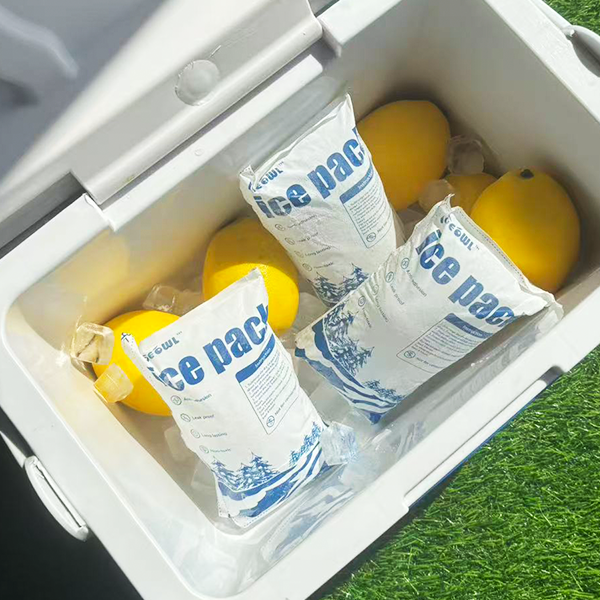
تكلفة مورد صندوق التبريد: كيفية الاختيار, يؤكد, وتوسيع نطاق النظام الصحيح
بالنسبة لمعظم فرق المصادر, the search term cool box supplier cost hides four separate decisions: تناسب المنتج, شهادة, مراقبة الموردين, والاقتصاد. إن معالجة هذه القرارات بشكل منفصل يؤدي إلى طلب أكثر وضوحًا لعرض الأسعار وإطلاق إنتاج أكثر أمانًا. عادةً ما يؤدي التعامل معها كسؤال واحد إلى مقارنات غامضة وإعادة تصميم متأخرة.
الهدف العملي هو ما إذا كان السعر الأدنى يعكس الكفاءة الحقيقية, مواصفات مختلفة, وثائق غير كاملة, ضوابط أضعف, أو التكاليف المستبعدة. يجمع إطار القرار التالي المنتج الأكثر فائدة, اِصطِلاحِيّ, امتثال, التشغيلية, واعتبارات الشراء مع إبقاء جميع بيانات الأداء مرتبطة بالشروط التي تدعمها فعليًا.
تحويل طلب غامض إلى مواصفات قابلة للاختبار
النظر في هذا الوضع النموذجي: تنتقل العلامة التجارية الخاصة إلى مصنع أرخص, لكن الانجراف ذو الأبعاد الصغيرة يغير تحميل الكرتون وضغط الغطاء, خلق شحن أعلى والمزيد من العوائد. لا ينبغي أن تكون الاستجابة الأولى هي تحديد حجم الكتالوج. يجب على الفريق قياس الحمولة, بناء الحزمة المقترحة, خريطة الطريق, ولاحظ كيف يرفع المستخدمون, يؤمن, يفتح, ينظف, وإرجاع الصندوق. يؤدي هذا إلى إنشاء سجل مشترك للقيود الحقيقية. عند إطلاق الإنتاج, تأكد من أن ضوابط الإنتاج تحافظ على هذه النقطة لمقارنة تكلفة المورد.
في المرحلة القادمة, يجب على المشتري أن يطلب بديلين أو ثلاثة بدائل خاضعة للرقابة بدلاً من كتالوج طويل. قد يعطي أحد الخيارات الأولوية للوزن الأقل, متانة متكررة أخرى, ومقاومة حرارية أعلى أخرى أو حجم أكثر قابلية للاستخدام. يجب أن يسرد كل خيار ما تم تضمينه, ما هي الأدلة الموجودة, ما لا يزال يحتاج إلى اختبار, وما هي تغييرات التشغيل التي يتطلبها. يستطيع الفريق بعد ذلك مقارنة المفاضلات بدلًا من الجدال حول ميزات معزولة. للحصول على موافقة المورد, تحقق من نقطة مقارنة تكلفة المورد مقابل الحمولة الفعلية.
أكمل التسلسل من خلال عينة هندسية, محاكمة الحزمة, الإنتاج التجريبي, والإفراج الرسمي. للاستخدامات الحساسة لدرجة الحرارة, قم بتأكيد الحزمة الكاملة ضمن ملف تعريف مناسب وحدد كيفية التعامل مع الرحلات. تسجيل قياسات الأبعاد والتعامل مع الملاحظات, ليس فقط الصور الفوتوغرافية. والنتيجة هي قرار شراء مرتبط بالأدلة وسير العمل, وليس إلى وعد لا يمكن إعادة إنتاجه لاحقًا. عند إطلاق الإنتاج, قم بتضمين هذا الحد في تعليمات التشغيل لمقارنة تكلفة المورد.
ابدأ بالحمل, طريق, ونقاط التسليم
يجب أن تصف المواصفات الأولى مهمة التشغيل: فهم كيفية قدرة المورد, طريقة الإنتاج, ضوابط الجودة, والمصطلحات التجارية تؤثر على التكلفة الحقيقية لبرنامج Cool Box. يجب أن تحدد المستخدمين, موقع التحميل, مكان الاستلام, عمليات التسليم المتوقعة, واللحظة التي تتغير فيها مسؤولية درجة الحرارة. وهذا يمنع المصنع من ملء المجهولات بالافتراضات. كما يسمح بالعمليات, جودة, وفرق المشتريات لمراجعة نفس المتطلبات بدلاً من الاحتفاظ بنسخ منفصلة غير رسمية.
يحتاج تعريف الحمولة إلى تفاصيل أكثر من الوزن أو الحجم الاسمي. قد يشمل الحمل المخطط له الطعام, طبي, مستهلك, أو المحتويات الصناعية التي تحدد العزل, مادة, مُكَمِّلات, ومتطلبات الأدلة. قم بتسجيل أبعاد العبوة الأساسية, حدود التوجه, عدد الوحدات, الحالة الحرارية عند التعبئة, مساحة الرأس, المناطق الهشة, وما إذا كان يجب أن يظل الحمل منفصلاً عن سائل التبريد. يمكن للتجويف الذي يبدو كبيرًا بدرجة كافية أن يصبح غير صالح للاستخدام إذا كانت الفتحة ضيقة, الزوايا مشعة بشكل كبير, أو سلة ومقسم تستهلك الأبعاد الحرجة. للحصول على موافقة المورد, ضع هذا المطلب الخاص بمقارنة تكلفة المورد في القائمة المرجعية للاستلام.
رسم خرائط الطريق لا يقل أهمية. لاستلام المصنع, شحن التصدير, مخزون الموزع, برامج البيع بالتجزئة, والعمليات اللوجستية القابلة لإعادة الاستخدام, لاحظ وقت العبور المخطط له, التأخير المحتمل, درجة حرارة التدريج, الشمس المباشرة, دوران الهواء في السيارة, الفتح المتكرر, النقل بين الناقلات, واستلام الفحص. لا تنتج هذه المدخلات وقت انتظار مضمونًا من تلقاء نفسها, ولكنها تحدد الشروط التي يجب على المورد أو مختبر الاختبار إعادة إنتاجها. بدونهم, يمكن أن يغطي عرض الأسعار صندوقًا عامًا فقط, ليست عملية توزيع موثوقة. للحصول على موافقة المورد, اذكر الشروط المطبقة لمقارنة تكلفة المورد في رد المورد.
لا تقم بتحويل أحد المكونات إلى وعد أداء عالمي
يوفر صندوق التبريد المقدم من المورد حاجزًا أمام تدفق الحرارة وغلافًا واقيًا. لا يولد درجة حرارة يمكن التحكم فيها من تلقاء نفسه. الأداء السلبي يعتمد على العزل, نوع المبرد والتكييف, كتلة المبرد, كتلة الحمولة, درجة حرارة بدء المنتج, الترتيب الداخلي, ملف تعريف المحيط, السلوك الافتتاحي, ومعايير القبول. يمكن أن يؤثر التغيير في أي من هذه العناصر على النتائج حتى في حالة عدم تغيير الصندوق الخارجي.
هذا التمييز مهم بشكل خاص بالنسبة للطعام, الأدوية, مصل, واستخدامات التجارب السريرية. قد يوضح إعلان المادة أن المكون مناسب لحالة الاتصال المقصودة. قد يُظهر الاختبار الهيكلي أن المقبض أو الفتحة تتحمل حملًا محددًا. قد يُظهر التقرير الحراري كيفية تصرف حزمة واحدة ضمن ملف تعريف واحد. قد يقوم مؤهل المسار بعد ذلك بتقييم حارة التشغيل. تجيب هذه المستندات على أسئلة مختلفة ولا ينبغي استبدال بعضها البعض. في القرار النهائي, حماية قرار مقارنة تكلفة المورد من خلال التحكم في التغيير.
اطلب من المورد أن يذكر كل مطالبة الأداء مع تكوينه. يجب أن يحدد البيان حجم الصندوق والمراجعة, حمولة, سائل التبريد, تكييف, مخطط التحميل, موقف المراقبة, ملف تعريف المحيط, مدة, ومدى القبول. إذا لم يتمكن المورد من توفير هذا السياق, التعامل مع المطالبة كمؤشر فحص فقط. الهدف ليس المطالبة بتقرير مختبري لكل محادثة مبكرة, ولكن لمنع العنوان غير المدعوم من أن يصبح مواصفات شراء. عند إطلاق الإنتاج, قم بتوصيل هذا العنصر لمقارنة تكلفة المورد بمعيار قبول قابل للقياس.
من درجة البوليمر إلى التجميع المعزول النهائي
يمكن للصندوق المعزول النموذجي أن يجمع بين درجات الراتنج والرغوة, إضافات, أصباغ, الأجهزة, الحشيات, مواد لاصقة, and packaging materials whose specifications should be controlled. يحمي الهيكل الخارجي من الصدمات ويوفر نقاط ربط. العزل يبطئ التوصيل والحمل الحراري. مفصل الغطاء, بالُوعَة, التعامل مع الزعماء, السحابات, ويمكن لحواف الألواح إنشاء جسور حرارية أو مسارات تسرب. لهذا السبب, اسم المادة وحده لا يتنبأ بالأداء. قد يتصرف الصندوقان المصنوعان من نفس البوليمر الاسمي بشكل مختلف بسبب سمك الجدار, جودة الرغوة, هندسة, والتجمع. عند إطلاق الإنتاج, تأكد من أن ضوابط الإنتاج تحافظ على هذه النقطة لمقارنة تكلفة المورد.
الخيارات المشتركة تحمل مقايضات مختلفة. يمكن أن تكون أغلفة البوليمر الصلبة قابلة للتنظيف ومتينة, لكنها تضيف وزنًا وتتطلب صبًا متحكمًا فيه. يمكن أن يوفر EPP وزنًا خفيفًا, هيكل مرن للتعامل المتكرر, بينما قد تحتاج الأسطح الرغوية المكشوفة إلى نظافة دقيقة ومراجعة الأضرار. يمكن أن يكون EPS فعالاً من حيث التكلفة للاستخدام المحمي في اتجاه واحد ولكنه قد يتشقق تحت المعالجة القاسية المتكررة. يمكن أن توفر رغوة PU عزلًا صلبًا داخل الغلاف. يمكن للألواح المعزولة بالفراغ أن تقلل من انتقال الحرارة عبر الأسطح العريضة, لكن تأثيرات الحافة, حماية ثقب, وتصبح مراقبة التصنيع حاسمة. قبل الإصدار النهائي, قم بمراجعة هذه النقطة لمقارنة تكلفة المورد مع العمليات والجودة.
يجب أن تحدد مواصفات المواد المخاطر المقصودة: التحكم في الرسم, الموردين المعتمدين, التفتيش الوارد, معلمات العملية, الشيكات النهائية, العينات الذهبية, سجلات دفعة, والإخطار بالتغييرات. يجب أن تتحكم في الراتنج الأساسي أو درجة الرغوة, أصباغ, إضافات, مادة طوقا, مواد لاصقة, الأجهزة, وأي طلاء داخلي أو تسمية. عندما يسمح بالبدائل, تحديد أدلة الموافقة. خلاف ذلك, قد يؤدي تغيير الإنتاج الذي يبدو بسيطًا تجاريًا إلى تغيير حالة ملامسة الطعام, رائحة, المرونة, الموصلية الحرارية, ملائم, أو المتانة على المدى الطويل.
أنشئ خريطة أدلة بدلاً من جمع الشارات
الأدلة ذات الصلة تعتمد على التصريحات, تقارير الاختبار, وثائق نظام الجودة, متطلبات السوق, ودعم التأهيل الخاص بالمنتج المطلوب في حزمة المصادر. في الولايات المتحدة, ترتبط حالة ملامسة الغذاء بالمواد المصرح بها وشروط الاستخدام المقصودة, بما في ذلك نوع الطعام ودرجة الحرارة. في الاتحاد الأوروبي, تندرج المواد الملامسة للأغذية المطروحة في السوق ضمن الإطار التنظيمي ومتطلبات ممارسات التصنيع الجيدة, مع قواعد إضافية لمجموعات مادية معينة. A generic declaration that a plastic is 'درجة الغذاء' is therefore only a starting point. قبل الإصدار النهائي, ضع هذا المطلب الخاص بمقارنة تكلفة المورد في القائمة المرجعية للاستلام.
تضيف الاستخدامات الطبية والصيدلانية طبقة مختلفة. تحدد علامات المنتج وإجراءات الراعي أو الجودة الحالة المطلوبة. الناتج المحلي الإجمالي, Google Cloud Platform, توجيهات التحصين, قواعد الشحن الجوي, أو قد يتم تطبيق مواصفات البرنامج الوطني اعتمادًا على الشحنة. لا يصبح الصندوق متوافقًا لمجرد أن البوليمر الخاص به مقبول لملامسة الطعام أو لأنه قابل لإعادة الاستخدام. قد تحتاج العملية الكاملة إلى تعليمات التعبئة المؤهلة, مراقبة معايرة, معالجة الانحراف, تمرين, وسلسلة الحضانة الموثقة. قبل الإصدار النهائي, ضع هذا المطلب الخاص بمقارنة تكلفة المورد في القائمة المرجعية للاستلام.
أنشئ خريطة أدلة بأربعة أعمدة: مطالبة, هدف, حالة, والوثيقة. النظر في هذه الحالة: تنتمي المطالبة المادية إلى راتينج مسمى والاستخدام المقصود; تنتمي المطالبة الهيكلية إلى التصميم النهائي وطريقة التحميل; تنتمي المطالبة الحرارية إلى التكوين الكامل والملف الشخصي; تنتمي مطالبة الطريق إلى حارة التشغيل. تكشف هذه الخريطة عن الثغرات وتمنع شهادة واحدة من التوسع خارج نطاقها. للحصول على موافقة المورد, سجل هذه النقطة لمقارنة تكلفة المورد كمتطلب خاضع للرقابة.
الاستلام, تنظيف, تقتيش, والعودة هي متطلبات المنتج
يتحرك الصندوق عبر الأشخاص والأماكن, ليس فقط من خلال الغرفة الحرارية. يجب أن تغطي خطة التشغيل الشروط المسبقة, التعبئة, إنهاء, وضع العلامات, مراقبة التنشيط, تسليم, تلقي, التفريغ, تنظيف, تجفيف, تقتيش, تخزين, والعودة. لاستلام المصنع, شحن التصدير, مخزون الموزع, برامج البيع بالتجزئة, والعمليات اللوجستية القابلة لإعادة الاستخدام, قد يكون الخطر الأكبر هو رصيف التحميل أو فشل التسليم بدلاً من وقت السيارة المخطط له. في القرار النهائي, تحقق من نقطة مقارنة تكلفة المورد مقابل الحمولة الفعلية.
يجب أن تكون التعليمات مرئية وتكوينًا محددًا. إظهار موقف المبرد, اتجاه المنتج, وضع المقسم, مراقبة الموقع, تسلسل الإغلاق, ومعايير الرفض. استخدم الملصقات التي تصمد أمام بيئة التنظيف والتوجيه. إذا كان الصندوق به مصارف, الأشرطة, عجلات, جوانات قابلة للاستبدال, أو مقابض الحبل, وتشمل نقاط التفتيش لتلك المكونات. يجب تقليل التعقيد حيثما أمكن ذلك لأن المستخدمين العرضيين لا يتذكرون الإجراءات الطويلة. قبل الإصدار النهائي, تحقق من هذه النقطة على الوحدات التمثيلية المستخدمة لمقارنة تكلفة المورد.
تحتاج فرق الاستقبال إلى مسار اتخاذ القرار. يجب أن يعرفوا كيفية فحص الختم, قراءة الشاشة, تحديد الضرر, سجل رحلة, عزل الحمولة, واتصل بشخص الجودة المسؤول. يجب ألا تعود الصناديق المرتجعة تلقائيًا إلى الأسطول النظيف. خطوة الحجر والفحص البسيطة تمنع تشقق القذائف, المقابس المفقودة, مقابض ملوثة, أو تم تغيير سائل التبريد بسبب إضعاف النظام بصمت. للحصول على موافقة المورد, تأكد من أن ضوابط الإنتاج تحافظ على هذه النقطة لمقارنة تكلفة المورد.
ما يجب أن يكون واضحا قبل أمر الشراء
| بوابة | سؤال | الافراج عن الأدلة |
|---|---|---|
| بوابة حالة الاستخدام | هي الحمولة, طريق, حالة, وعملية التعامل محددة? | متطلبات المستخدم المعتمدة |
| بوابة صالح | هل تتناسب العبوة النهائية مع الرفع والإغلاق الآمن؟? | رسم العبوة والعينة المقاسة |
| بوابة الأدلة | هل المطالبات مرتبطة بالمواد الصحيحة, صندوق, عبوة, أو حارة? | خريطة الأدلة وتقارير الاختبار |
| بوابة الجودة | هل يمكن للإنتاج إعادة إنتاج التكوين المعتمد? | خطة مراجعة وفحص القطعة التجريبية |
| بوابة التكلفة | هل تم تطبيع عروض الأسعار لنفس النطاق وأساس التسليم? | نموذج تكلفة الهبوط ودورة الحياة |
| بوابة العمليات | يمكن للمستخدمين حزمة, يستلم, ينظف, فحص, وإعادته بشكل صحيح? | تعليمات مدروسة وخطة تدريبية |
| تغيير البوابة | هل ستتطلب البدائل المراجعة؟? | فاتورة المواد واتفاقية التحكم في التغيير |
| بوابة التطبيق | ما إذا كان السعر الأقل يعكس الكفاءة الحقيقية, مواصفات مختلفة, وثائق غير كاملة, ضوابط أضعف, أو التكاليف المستبعدة | المتطلبات الموقعة وقائمة الافتراضات التي لم يتم حلها |
وتصبح المقارنة أكثر فائدة عندما يتم مراجعتها معًا عن طريق المشتريات, العمليات, هندسة, والجودة. إنه يحول التفضيلات العامة إلى أدلة قابلة للمراجعة ويكشف الافتراضات المفقودة قبل التفاوض على السعر. ليس كل مشروع يحتاج إلى نفس العمق, ولكن كل مطالبة حاسمة يجب أن يكون لها مالك وطريقة محددة للتحقق منها. للحصول على موافقة المورد, تعيين المالك وطريقة القبول لمقارنة تكلفة المورد.
تطبيع الاقتباسات قبل التفاوض
يتضمن هيكل التكلفة النفقات العامة للمصنع, الأدوات, العائد المادي, وقت الدورة, تَعَب, حَشد, خردة, تقتيش, كمية الطلب, التخصيص, التعبئة, قسط, والشحن. يمكن للموردين تقديم أسعار مختلفة تمامًا بينما يبدو أن الجميع يقدمون نفس الحجم. قد تأتي الاختلافات من سمك العزل, الصف المادي, عملية, الأجهزة, تقتيش, التغليف, أو ببساطة من العناصر المستبعدة. تتطلب المقارنة العادلة ورقة تكوين واحدة وجدول مقارنة تجاري واحد. للحصول على موافقة المورد, تأكد من أن ضوابط الإنتاج تحافظ على هذه النقطة لمقارنة تكلفة المورد.
فصل التكاليف لمرة واحدة عن التكاليف المتكررة. بناء الوحدة, مُكَمِّلات, تقتيش, كرتون, ويتكرر الشحن. الأدوات, قوالب, عمل فني, هندسة, وبعض الاختبارات قد تكون لمرة واحدة أو مطفأة. ثم افصل تكلفة الاقتناء عن تكلفة التشغيل: تبريد التكييف, غسل, تجفيف, تخزين, تتبع الأصول, نقل العودة, ضرر, بصلح, والاستبدال. قد يكون المقياس الأفضل هو التكلفة لكل مسار ناجح بدلاً من سعر الشراء لكل صندوق.
يستحق الشحن الاهتمام المبكر لأن الصناديق المعزولة يمكن أن تكون ضخمة الحجم. الأبعاد الخارجية, التعشيش, قابلية الانهيار, كمية الكرتون, نمط البليت, وقد يؤدي تحميل الحاويات إلى تغيير تكلفة الهبوط بأكثر من فرق بسيط في سعر المصنع. اطلب من الموردين أن يذكروا نفس مدة التسليم وتكوين التعبئة. عندما تعود الصناديق القابلة لإعادة الاستخدام فارغة, يجب أيضًا أن يدخل المكعب العكسي وعمالة المناولة إلى النموذج. للحصول على موافقة المورد, اذكر الشروط المطبقة لمقارنة تكلفة المورد في رد المورد.
كيفية وضع قائمة مختصرة للشركة المصنعة دون التخمين
والسؤال المركزي الذي يطرحه المورد هو ما إذا كان عرض الأسعار الأقل يعكس الكفاءة الحقيقية, مواصفات مختلفة, وثائق غير كاملة, ضوابط أضعف, أو التكاليف المستبعدة. يجب أن تكون الشركة المصنعة ذات المصداقية قادرة على ترجمة هذا المتطلب إلى رسومات, تعريفات المواد, نقاط التفتيش, وخطة الاختبار. يجب أن تنتقل المحادثة من المطالبات العامة إلى التفاصيل الخاضعة للرقابة. اسأل من يملك القالب, ما هي العمليات التي يتم تنفيذها داخليا, كيف تتم الموافقة على موردي المكونات الهامة, وكيفية الحفاظ على فاتورة المواد. يمكن أن يكون الكتالوج الواسع مفيدًا, ولكنها ليست دليلا على التحكم في العملية. في القرار النهائي, قم بحل هذه النقطة لمقارنة تكلفة المورد قبل التأهيل الحراري.
استخدام أكثر من بوابة عينة واحدة. تؤكد العينة الهندسية المنقحة المواد, التجهيزات, تسميات, وتناسب الحزمة. تؤكد العينة الأولى الأبعاد الأساسية وبيئة العمل. تقوم المجموعة التجريبية بفحص أدوات الإنتاج, حَشد, تقتيش, التغليف, والتنوع عبر وحدات متعددة. من الأفضل ربط العينة الذهبية المعتمدة بالرسومات ومعايير القبول القابلة للقياس. تعد الموافقة على عينة واحدة معدة خصيصًا بدون هذا الجسر مصدرًا شائعًا لمفاجآت الإنتاج الضخم. للحصول على موافقة المورد, ربط هذا القرار الخاص بمقارنة تكلفة المورد بالرسمة والتغليف المعتمدين.
يجب أن تركز مراجعة الجودة على التحكم في الرسم, الموردين المعتمدين, التفتيش الوارد, معلمات العملية, الشيكات النهائية, العينات الذهبية, سجلات دفعة, والإخطار بالتغييرات. اسأل عن كيفية تحديد الوحدات غير المطابقة, سواء تم تسجيل القياسات, كيف يتم التحقيق في الشكاوى, وكيفية توصيل التغييرات الهندسية. لبرامج التحكم العالية, تتطلب موافقة مسبقة قبل الاستبدالات. للاستخدام الاستهلاكي الأقل خطورة, يمكن أن يكون النظام أبسط, ولكن أبعادا حرجة, مواد, ولا تزال ميزات السلامة بحاجة إلى معايير قبول موضوعية. في القرار النهائي, ضع هذا المطلب الخاص بمقارنة تكلفة المورد في القائمة المرجعية للاستلام.
ملاحظات المشتريات للمراجعة النهائية
لهذا الصندوق البارد المقدم من المورد, الأسئلة التالية تخلق قيمة أكبر من السؤال عما إذا كان المورد موثوقًا به. إنهم يجبرون المناقشة على الاستخدام المقصود, مواصفات قابلة للقياس, والأدلة.
- الافراج عن السؤال: ما هي عملية الإنتاج ونموذج ملكية القالب الذي يفترضه عرض الأسعار؟?
- الافراج عن السؤال: هل تم إصلاح درجات المواد وموردي المكونات المهمة؟?
- الافراج عن السؤال: ما هي عناصر التفتيش ومستوى أخذ العينات المضمنة?
- الافراج عن السؤال: كيف هي الألوان, شعار, التغليف, وتغييرات التسمية بأسعار?
- الافراج عن السؤال: ما الوثائق, اختبار, ويتم تضمين مراجعات العينة?
- الافراج عن السؤال: كيف سيقوم المورد بإخطار التغييرات في المواد أو العمليات والموافقة عليها?
قد تكون الإجابة الكاملة رسمًا, طاولة, عينة, خطة الاختبار, أو القيد الموثق. لا يحتاج المورد إلى الحصول على كل تقرير نهائي قبل التطوير المبكر, ولكن ينبغي أن يكون قادرا على ذكر ما هو معروف, ما يفترض, ما يمكن تخصيصه, وما يجب اختباره. تعد هذه الشفافية إشارة خطر أفضل من القائمة الطويلة من الشهادات غير المدعومة. قبل الإصدار النهائي, ربط هذا القرار الخاص بمقارنة تكلفة المورد بالرسمة والتغليف المعتمدين.
قياس المواد, الشحن, تنظيف, وخدمة الحياة معًا
ومسألة الاستدامة ذات الصلة هي قدرة المورد على توفير قطع الغيار, مواد مستقرة, توجيه الإصلاح, ووحدات بديلة متسقة على مدى عمر البرنامج. قد يكون من الأفضل استخدام نظام خفيف الوزن أحادي الاتجاه على حارة متفرقة حيث تكون معدلات العودة منخفضة. يمكن للصندوق القابل لإعادة الاستخدام أن يقلل من استهلاك التغليف على حلقة مغلقة مستقرة, ولكنه يتطلب أيضًا المزيد من المواد, تنظيف, تخزين, ونقل العودة. يجب أن يتم الاختيار من شبكة التشغيل بدلاً من سمة تسويقية واحدة.
غالبًا ما يكون الحجم الصحيح هو التحسين الأسرع. الحجم الزائد يزيد من مساحة العزل, الطلب المبرد, مكعب الشحن, ومساحة المستودع. الأجهزة المفرطة في البناء تضيف كتلة. تفشل المنتجات غير المبنية مبكرًا وتؤدي إلى نفايات بديلة. التصميم الجيد يستخدم ما يكفي من المواد في الأماكن الصحيحة, يحمي أجزاء التآكل القابلة للاستبدال, ويسمح بالفحص قبل عودة الوحدة التالفة إلى الخدمة. في القرار النهائي, اختبر هذا الافتراض لمقارنة تكلفة المورد مع المسار المقصود.
تتبع مجموعة صغيرة من المؤشرات العملية: معدل العودة, الرحلات لكل أصل, سبب الضرر, وقت الغسيل, وقت التجفيف, المكونات المفقودة, مكعب العودة فارغة, وطريق التقاعد. تظهر هذه البيانات ما إذا كان النظام يتحسن. يجب تحديث مطالبات الاستدامة عندما يتغير المسار. الصندوق المستخدم لخمسين رحلة محلية خاضعة للرقابة له بصمة مختلفة عن نفس الصندوق الذي تم شحنه مرة واحدة عبر ممر دولي ولم يتم إعادته أبدًا. قبل الإصدار النهائي, تأكد من أن ضوابط الإنتاج تحافظ على هذه النقطة لمقارنة تكلفة المورد.
أعلام حمراء للقبض عليها قبل الشراء
النقاط أدناه تستحق التدقيق قبل الأدوات أو الإنتاج الضخم. يمكن لكل واحد إنشاء إعادة صياغة يمكن تجنبها عندما تظل دون حل أثناء اختيار المورد. قبل الإصدار النهائي, تأكد من نطاق الأدلة لمقارنة تكلفة المورد قبل الشراء.
- الافراج عن مانع: باستخدام عرض أسعار الوحدة دون رقم مراجعة المواصفات.
- الافراج عن مانع: بافتراض أن جميع المصانع تقتبس نفس درجة المادة.
- الافراج عن مانع: تطل على العينة, الأدوات, اختبار, التغليف, والرسوم المصرفية.
- الافراج عن مانع: التعامل مع موك أقل كمرونة مجانية.
- الافراج عن مانع: الفشل في تدقيق التحكم في التغيير والقدرة على التتبع.
ليس كل قلق هو عدم الأهلية, ولكن كل واحد يحتاج إلى الإغلاق. يجب أن يؤدي إلى توضيح محدد, فحص العينة, أو طلب الأدلة. والهدف هو حل حالة عدم اليقين في حين أن التغييرات لا تزال غير مكلفة. المورد الذي يستجيب بالرسومات, شروط, والإجراءات التصحيحية أكثر فائدة من تلك التي تكرر مطالبة واسعة النطاق.
الصيانة وتخطيط قطع الغيار
تحتاج وحدات الإنتاج الجديدة إلى شيك استلام موثق, ليس فقط نظرة بصرية. تأكيد الأبعاد الداخلية الهامة, إغلاق الغطاء, الأجهزة, تسميات, مُكَمِّلات, والتعبئة والتغليف وفقا للمواصفات المعتمدة. حدد وحدات متعددة من كرتونة مختلفة. قم بتسجيل النتائج بحيث يمكن مقارنة الشكاوى اللاحقة بالدفعة الأصلية بدلاً من الذاكرة أو عينة واحدة. للحصول على موافقة المورد, قم بتضمين هذا الحد في تعليمات التشغيل لمقارنة تكلفة المورد.
قم بتعيين معايير الضرر والحجر الصحي قبل الاستخدام. يمكن إصلاح بعض العناصر بأجزاء خاضعة للرقابة; يجب أن يتقاعد الآخرون. الشقوق, الأختام المشوهة, المقابس المفقودة, مقابض متوترة, المراسي فضفاضة, الأسطح الملوثة, لوحات مثقوبة, أو يجب أن يؤدي المبرد غير المعتمد إلى الحجر الصحي. تمنع القاعدة الواضحة المستخدمين من الاحتفاظ بالصندوق الذي يبدو تالفًا بشكل واضح في الخدمة لمجرد أنه لا يزال مغلقًا.
احتفظ بمواد تغطية تاريخ التغيير, مزود, قالب, عملية, أبعاد, تسميات, التغليف, والحزم. راجع ما إذا كان كل تغيير يؤثر على حالة جهة الاتصال, الأدلة الحرارية, الاختبارات الهيكلية, الشحن, تنظيف, أو تعليمات المستخدم. لا يقتصر هذا الانضباط على البرامج المنظمة. إنه يحمي أي مشتري من الانجراف التدريجي للتكوين عبر الطلبات المتكررة. في القرار النهائي, تأكد من أن ضوابط الإنتاج تحافظ على هذه النقطة لمقارنة تكلفة المورد.
إجابات عملية للمشتريات والعمليات
هو صندوق تبريد يوفره المورد بدرجة كافية للتحكم في درجة الحرارة?
لا. الوحدة المعزولة تبطئ نقل الحرارة, لكن النتيجة الكاملة تعتمد على سائل التبريد, حمولة, درجة حرارة البداية, نمط التحميل, التعرض المحيطي, التعامل, والرصد. يجب أن تحدد أي مدة محددة التكوين الذي تم اختباره ومعايير القبول. للمنتجات الخاضعة للتنظيم أو ذات القيمة العالية, قد تكون هناك حاجة إلى حزمة إضافية أو تأهيل حارة. عند إطلاق الإنتاج, تأكد من أن ضوابط الإنتاج تحافظ على هذه النقطة لمقارنة تكلفة المورد.
لماذا تختلف عروض أسعار صناديق التبريد المماثلة كثيرًا؟?
قد لا تكون المنتجات متكافئة. درجة المادة, العزل, الأبعاد الداخلية, الأجهزة, الأدوات, تقتيش, التخصيص, وثائق, تغليف الصادرات, والمصطلحات التجارية يمكن أن تختلف جميعها. قم بتطبيع التكوين الفني وأساس التسليم قبل مقارنة أسعار الوحدات. عند إطلاق الإنتاج, ضع هذا المطلب الخاص بمقارنة تكلفة المورد في القائمة المرجعية للاستلام.
هل يمكن استخدام نتيجة مختبرية واحدة لوقت الانتظار لكل مسار?
ليس بدون مراجعة كل حالة على حدة. تنطبق النتيجة المختبرية على ملف التعريف المحيط الذي تم اختباره, حمولة, سائل التبريد, مراقبة المواقف, ومدى القبول. يمكن أن يدعم تخطيط الطريق, ولكن هناك اختلافات كبيرة في التأخير, الشمس المباشرة, تردد الافتتاح, ظروف السيارة, أو قد تتطلب الحمولة مزيدًا من التقييم أو التأهيل. قبل الإصدار النهائي, ضع هذا المطلب الخاص بمقارنة تكلفة المورد في القائمة المرجعية للاستلام.
ما هو أفضل اختبار العينة الأولى?
أثبت أولاً أنه يمكن تعبئة التكوين ومعالجته بشكل صحيح. تحميل الحمولة الفعلية, سائل التبريد, مقسم, شاشة, تسميات, والاكسسوارات. تحقق من الإغلاق, رفع, وصول, تنظيف, ووقت التعبئة. بمجرد أن يكون التكوين المادي مستقرًا, يصبح الاختبار الحراري والهيكلي أكثر أهمية وأقل احتمالا للتكرار بعد تغيير التصميم. في القرار النهائي, تحقق من هذه النقطة على الوحدات التمثيلية المستخدمة لمقارنة تكلفة المورد.
كيف ينبغي للمشترين إدارة تغييرات الإنتاج?
استخدم فاتورة المواد المعتمدة لقفل المواد الهامة, أبعاد, وأجزاء. اطلب من المورد إخطار التغييرات قبل التنفيذ وتقديم الأدلة للمراجعة. التغييرات في العزل, سائل التبريد, الحشيات, أصباغ, تسميات, مقابض, أو يمكن أن تؤثر عملية التصنيع على الملاءمة, حالة الاتصال, متانة, أو الأداء المؤهل. للحصول على موافقة المورد, اختبر هذا الافتراض لمقارنة تكلفة المورد مع المسار المقصود.
منظور الشراء النهائي
يجب أن يجتاز الاختيار النهائي لتكلفة مورد صندوق التبريد ستة اختبارات: تناسب حالة الاستخدام, القدرة القابلة للاستخدام, شهادة, اتساق الإنتاج, بساطة التشغيل, والتكلفة الإجمالية. المورد الذي ينص على الافتراضات, قيود الوثائق, ويدعم التحقق التجريبي أكثر قيمة من الذي يقدم مطالبات عالمية. قم بتحرير الأمر فقط عندما يكون التكوين والمسؤوليات واضحة بما يكفي للتكرار.
حول Tempk
شركة شنغهاي تيمبك الصناعية, المحدودة. supplies cold-chain packaging under the Tempk brand. تشتمل المحفظة على عبوات هلامية ومائية, طوب الجليد, أكياس معزولة, صناديق معزولة EPP, تنسيقات المبردات الطبية, بطانات, وأغطية البليت. لبرامج صناديق الثلج المخصصة أو السائبة, يمكن لـ Tempk مراجعة المنتج المقصود, حالة درجة الحرارة, طريق, التعامل, تنظيف, والحجم التجاري. لا يزال يتعين على المشترين تأهيل التكوين النهائي للتطبيقات الخاصة بهم ومتطلبات السوق. في القرار النهائي, تحقق من هذه النقطة على الوحدات التمثيلية المستخدمة لمقارنة تكلفة المورد.
الخطوة التالية
قبل الاختيار النهائي للموردين, توفير مواصفات تسيطر عليها, تنبؤ بالمناخ, وجهة, قائمة التخصيص, والمستندات المطلوبة حتى تتمكن Tempk من شرح هيكل التكلفة وراء عرض أسعار المورد.
سعر الجملة لصندوق الثلج ذو السلسلة الباردة: إطار المشتري الكامل

سعر الجملة لصندوق الثلج ذو السلسلة الباردة: كيفية الاختيار, يؤكد, وتوسيع نطاق النظام الصحيح
بالنسبة لمعظم المشترين, the search term cold chain ice box wholesale price hides four separate decisions: تناسب المنتج, شهادة, مراقبة الموردين, والاقتصاد. إن معالجة هذه القرارات بشكل منفصل يؤدي إلى طلب أكثر وضوحًا لعرض الأسعار وإطلاق إنتاج أكثر أمانًا. عادةً ما يؤدي التعامل معها كسؤال واحد إلى مقارنات غامضة وإعادة تصميم متأخرة.
The practical objective is how to compare quotations on an equal technical and commercial basis rather than treating the lowest unit price as the lowest operating cost. يجمع إطار القرار التالي المنتج الأكثر فائدة, اِصطِلاحِيّ, امتثال, التشغيلية, واعتبارات الشراء مع إبقاء جميع بيانات الأداء مرتبطة بالشروط التي تدعمها فعليًا.
تحويل طلب غامض إلى مواصفات قابلة للاختبار
النظر في هذا الوضع النموذجي: two suppliers quote the same nominal size, but one includes a thicker insulated wall, fitted divider, tested packout support, and denser export packaging while the other quotes a bare box. يجب على الفريق قياس الحمولة, بناء الحزمة المقترحة, خريطة الطريق, ولاحظ كيف يرفع المستخدمون, يؤمن, يفتح, ينظف, وإرجاع الصندوق. لا ينبغي أن تكون الاستجابة الأولى هي تحديد حجم الكتالوج. يؤدي هذا إلى إنشاء سجل مشترك للقيود الحقيقية.
التالي, يجب على المشتري أن يطلب بديلين أو ثلاثة بدائل خاضعة للرقابة بدلاً من كتالوج طويل. قد يعطي أحد الخيارات الأولوية للوزن الأقل, متانة متكررة أخرى, ومقاومة حرارية أعلى أخرى أو حجم أكثر قابلية للاستخدام. يجب أن يسرد كل خيار ما تم تضمينه, ما هي الأدلة الموجودة, ما لا يزال يحتاج إلى اختبار, وما هي تغييرات التشغيل التي يتطلبها. يستطيع الفريق بعد ذلك مقارنة المفاضلات بدلًا من الجدال حول ميزات معزولة. عند إطلاق الإنتاج, resolve this point for the wholesale ice-box quotation before thermal qualification.
أكمل التسلسل من خلال عينة هندسية, محاكمة الحزمة, الإنتاج التجريبي, والإفراج الرسمي. تسجيل قياسات الأبعاد والتعامل مع الملاحظات, ليس فقط الصور الفوتوغرافية. للاستخدامات الحساسة لدرجة الحرارة, قم بتأكيد الحزمة الكاملة ضمن ملف تعريف مناسب وحدد كيفية التعامل مع الرحلات. والنتيجة هي قرار شراء مرتبط بالأدلة وسير العمل, وليس إلى وعد لا يمكن إعادة إنتاجه لاحقًا. عند إطلاق الإنتاج, state the applicable conditions for the wholesale ice-box quotation in the supplier response.
ابدأ بالحمل, طريق, ونقاط التسليم
يجب أن تصف المواصفات الأولى مهمة التشغيل: buy a repeatable insulated container configuration at a commercially workable landed cost without stripping out the features or evidence needed for the route. يجب أن تحدد المستخدمين, موقع التحميل, مكان الاستلام, عمليات التسليم المتوقعة, واللحظة التي تتغير فيها مسؤولية درجة الحرارة. وهذا يمنع المورد من ملء المجهول بالافتراضات. كما يسمح بالعمليات, جودة, وفرق المشتريات لمراجعة نفس المتطلبات بدلاً من الاحتفاظ بنسخ منفصلة غير رسمية.
يحتاج تعريف الحمولة إلى تفاصيل أكثر من الوزن أو الحجم الاسمي. قد يشمل الحمل المخطط له الطعام, الأدوية, الرعاية الصحية, معمل, or general temperature-sensitive loads whose packout requirements change material and accessory choices. قم بتسجيل أبعاد العبوة الأساسية, حدود التوجه, عدد الوحدات, الحالة الحرارية عند التعبئة, مساحة الرأس, المناطق الهشة, وما إذا كان يجب أن يظل الحمل منفصلاً عن سائل التبريد. يمكن للتجويف الذي يبدو كبيرًا بدرجة كافية أن يصبح غير صالح للاستخدام إذا كانت الفتحة ضيقة, الزوايا مشعة بشكل كبير, أو سلة ومقسم تستهلك الأبعاد الحرجة. قبل الإصدار النهائي, assign an owner and acceptance method for the wholesale ice-box quotation.
رسم خرائط الطريق لا يقل أهمية. للتوزيع المحلي, export programs, إعادة بيع الموزع, private-label projects, and reusable fleets where reverse logistics affects economics, لاحظ وقت العبور المخطط له, التأخير المحتمل, درجة حرارة التدريج, الشمس المباشرة, دوران الهواء في السيارة, الفتح المتكرر, النقل بين الناقلات, واستلام الفحص. لا تنتج هذه المدخلات وقت انتظار مضمونًا من تلقاء نفسها, ولكنها تحدد الشروط التي يجب على المورد أو مختبر الاختبار إعادة إنتاجها. بدونهم, يمكن أن يغطي عرض الأسعار صندوقًا عامًا فقط, ليست عملية توزيع موثوقة. عند إطلاق الإنتاج, assign an owner and acceptance method for the wholesale ice-box quotation.
لا تقم بتحويل أحد المكونات إلى وعد أداء عالمي
The wholesale cold-chain ice box provides a barrier to heat flow and a protective enclosure. لا يولد درجة حرارة يمكن التحكم فيها من تلقاء نفسه. الأداء السلبي يعتمد على العزل, نوع المبرد والتكييف, كتلة المبرد, كتلة الحمولة, درجة حرارة بدء المنتج, الترتيب الداخلي, ملف تعريف المحيط, السلوك الافتتاحي, ومعايير القبول. يمكن أن يؤثر التغيير في أي من هذه العناصر على النتائج حتى في حالة عدم تغيير الصندوق الخارجي. في القرار النهائي, link this decision for the wholesale ice-box quotation to the approved drawing and packout.
هذا الاختلاف في النطاق مهم بشكل خاص بالنسبة للطعام, الأدوية, مصل, واستخدامات التجارب السريرية. قد يوضح إعلان المادة أن المكون مناسب لحالة الاتصال المقصودة. قد يُظهر الاختبار الهيكلي أن المقبض أو الفتحة تتحمل حملًا محددًا. قد يُظهر التقرير الحراري كيفية تصرف حزمة واحدة ضمن ملف تعريف واحد. قد يقوم مؤهل المسار بعد ذلك بتقييم حارة التشغيل. تجيب هذه المستندات على أسئلة مختلفة ولا ينبغي استبدال بعضها البعض. في القرار النهائي, include this limit in the operating instruction for the wholesale ice-box quotation.
اطلب من المصنع ذكر كل مطالبة بالأداء مع تكوينه. إذا لم يتمكن المورد من توفير هذا السياق, التعامل مع المطالبة كمؤشر فحص فقط. يجب أن يحدد البيان حجم الصندوق والمراجعة, حمولة, سائل التبريد, تكييف, مخطط التحميل, موقف المراقبة, ملف تعريف المحيط, مدة, ومدى القبول. هدف القرار ليس المطالبة بتقرير مختبري لكل محادثة مبكرة, ولكن لمنع العنوان غير المدعوم من أن يصبح مواصفات شراء.
من درجة البوليمر إلى التجميع المعزول النهائي
A typical insulated box can combine different shell, رغوة, لوحة, and hardware combinations that affect tooling, تَعَب, متانة, وزن, والأداء الحراري. يحمي الهيكل الخارجي من الصدمات ويوفر نقاط ربط. العزل يبطئ التوصيل والحمل الحراري. مفصل الغطاء, بالُوعَة, التعامل مع الزعماء, السحابات, ويمكن لحواف الألواح إنشاء جسور حرارية أو مسارات تسرب. لهذا السبب, اسم المادة وحده لا يتنبأ بالأداء. قد يتصرف الصندوقان المصنوعان من نفس البوليمر الاسمي بشكل مختلف بسبب سمك الجدار, جودة الرغوة, هندسة, والتجمع. قبل الإصدار النهائي, protect the decision for the wholesale ice-box quotation through change control.
الخيارات المشتركة تحمل مقايضات مختلفة. يمكن أن تكون أغلفة البوليمر الصلبة قابلة للتنظيف ومتينة, لكنها تضيف وزنًا وتتطلب صبًا متحكمًا فيه. يمكن أن يوفر EPP وزنًا خفيفًا, هيكل مرن للتعامل المتكرر, بينما قد تحتاج الأسطح الرغوية المكشوفة إلى نظافة دقيقة ومراجعة الأضرار. يمكن أن يكون EPS فعالاً من حيث التكلفة للاستخدام المحمي في اتجاه واحد ولكنه قد يتشقق تحت المعالجة القاسية المتكررة. يمكن أن توفر رغوة PU عزلًا صلبًا داخل الغلاف. يمكن للألواح المعزولة بالفراغ أن تقلل من انتقال الحرارة عبر الأسطح العريضة, لكن تأثيرات الحافة, حماية ثقب, وتصبح مراقبة التصنيع حاسمة. عند إطلاق الإنتاج, place this requirement for the wholesale ice-box quotation in the receiving checklist.
The material specification needs to specify the intended risks: approved specifications, العينات الذهبية, ضوابط المواد الواردة, الشيكات في العملية, التفتيش النهائي, السيطرة على التغيير, and traceability of production batches. يجب أن تتحكم في الراتنج الأساسي أو درجة الرغوة, أصباغ, إضافات, مادة طوقا, مواد لاصقة, الأجهزة, وأي طلاء داخلي أو تسمية. عندما يسمح بالبدائل, تحديد أدلة الموافقة. خلاف ذلك, إن تغيير الإنتاج الذي يبدو بسيطًا تجاريًا يمكن أن يغير حالة ملامسة الطعام, رائحة, المرونة, الموصلية الحرارية, ملائم, أو المتانة على المدى الطويل.
أنشئ خريطة أدلة بدلاً من جمع الشارات
The relevant evidence depends on document scope, طريقة الاختبار, الاستخدام المقصود, and market-specific food or medical requirements included in the quotation. في الولايات المتحدة, ترتبط حالة ملامسة الغذاء بالمواد المصرح بها وشروط الاستخدام المقصودة, بما في ذلك نوع الطعام ودرجة الحرارة. في الاتحاد الأوروبي, تندرج المواد الملامسة للأغذية المطروحة في السوق ضمن الإطار التنظيمي ومتطلبات ممارسات التصنيع الجيدة, مع قواعد إضافية لمجموعات مادية معينة. A generic declaration that a plastic is 'درجة الغذاء' is therefore only a starting point.
تضيف الاستخدامات الطبية والصيدلانية طبقة مختلفة. الناتج المحلي الإجمالي, Google Cloud Platform, توجيهات التحصين, قواعد الشحن الجوي, أو قد يتم تطبيق مواصفات البرنامج الوطني اعتمادًا على الشحنة. تحدد علامات المنتج وإجراءات الراعي أو الجودة الحالة المطلوبة. لا يصبح الصندوق متوافقًا لمجرد أن البوليمر الخاص به مقبول لملامسة الطعام أو لأنه قابل لإعادة الاستخدام. قد تحتاج العملية الكاملة إلى تعليمات التعبئة المؤهلة, مراقبة معايرة, معالجة الانحراف, تمرين, وسلسلة الحضانة الموثقة. قبل الإصدار النهائي, state the applicable conditions for the wholesale ice-box quotation in the supplier response.
أنشئ خريطة أدلة بأربعة أعمدة: مطالبة, هدف, حالة, والوثيقة. كمثال واحد, تنتمي المطالبة المادية إلى راتينج مسمى والاستخدام المقصود; تنتمي المطالبة الهيكلية إلى التصميم النهائي وطريقة التحميل; تنتمي المطالبة الحرارية إلى التكوين الكامل والملف الشخصي; تنتمي مطالبة الطريق إلى حارة التشغيل. تكشف هذه الخريطة عن الثغرات وتمنع شهادة واحدة من التوسع خارج نطاقها. قبل الإصدار النهائي, record this point for the wholesale ice-box quotation as a controlled requirement.
الاستلام, تنظيف, تقتيش, والعودة هي متطلبات المنتج
يتحرك الصندوق عبر الأشخاص والأماكن, ليس فقط من خلال الغرفة الحرارية. يجب أن تغطي خطة التشغيل الشروط المسبقة, التعبئة, إنهاء, وضع العلامات, مراقبة التنشيط, تسليم, تلقي, التفريغ, تنظيف, تجفيف, تقتيش, تخزين, والعودة. للتوزيع المحلي, export programs, إعادة بيع الموزع, private-label projects, and reusable fleets where reverse logistics affects economics, قد يكون الخطر الأكبر هو رصيف التحميل أو فشل التسليم بدلاً من وقت السيارة المخطط له. في القرار النهائي, include this limit in the operating instruction for the wholesale ice-box quotation.
يجب أن تكون التعليمات مرئية وتكوينًا محددًا. استخدم الملصقات التي تصمد أمام بيئة التنظيف والتوجيه. إظهار موقف المبرد, اتجاه المنتج, وضع المقسم, مراقبة الموقع, تسلسل الإغلاق, ومعايير الرفض. إذا كان الصندوق به مصارف, الأشرطة, عجلات, جوانات قابلة للاستبدال, أو مقابض الحبل, وتشمل نقاط التفتيش لتلك المكونات. يجب تقليل التعقيد حيثما أمكن ذلك لأن المستخدمين العرضيين لا يتذكرون الإجراءات الطويلة. للحصول على موافقة المورد, check the point for the wholesale ice-box quotation against the actual payload.
تحتاج فرق الاستقبال إلى مسار اتخاذ القرار. يجب أن يعرفوا كيفية فحص الختم, قراءة الشاشة, تحديد الضرر, سجل رحلة, عزل الحمولة, واتصل بشخص الجودة المسؤول. يجب ألا تعود الصناديق المرتجعة تلقائيًا إلى الأسطول النظيف. خطوة الحجر والفحص البسيطة تمنع تشقق القذائف, المقابس المفقودة, مقابض ملوثة, أو تم تغيير سائل التبريد بسبب إضعاف النظام بصمت. في القرار النهائي, record this point for the wholesale ice-box quotation as a controlled requirement.
ما يجب أن يكون واضحا قبل أمر الشراء
| بوابة | سؤال | الافراج عن الأدلة |
|---|---|---|
| بوابة حالة الاستخدام | هي الحمولة, طريق, حالة, وعملية التعامل محددة? | متطلبات المستخدم المعتمدة |
| بوابة صالح | هل تتناسب العبوة النهائية مع الرفع والإغلاق الآمن؟? | رسم العبوة والعينة المقاسة |
| بوابة الأدلة | هل المطالبات مرتبطة بالمواد الصحيحة, صندوق, عبوة, أو حارة? | خريطة الأدلة وتقارير الاختبار |
| بوابة الجودة | هل يمكن للإنتاج إعادة إنتاج التكوين المعتمد? | خطة مراجعة وفحص القطعة التجريبية |
| بوابة التكلفة | هل تم تطبيع عروض الأسعار لنفس النطاق وأساس التسليم? | نموذج تكلفة الهبوط ودورة الحياة |
| بوابة العمليات | يمكن للمستخدمين حزمة, يستلم, ينظف, فحص, وإعادته بشكل صحيح? | تعليمات مدروسة وخطة تدريبية |
| تغيير البوابة | هل ستتطلب البدائل المراجعة؟? | فاتورة المواد واتفاقية التحكم في التغيير |
| بوابة التطبيق | How to compare quotations on an equal technical and commercial basis rather than treating the lowest unit price as the lowest operating cost | المتطلبات الموقعة وقائمة الافتراضات التي لم يتم حلها |
استخدم هذا الجدول كمراجعة مشتركة بين المشتريات, العمليات, هندسة, والجودة. إنه يحول التفضيلات العامة إلى أدلة قابلة للمراجعة ويكشف الافتراضات المفقودة قبل التفاوض على السعر. ليس كل مشروع يحتاج إلى نفس العمق, ولكن كل مطالبة حاسمة يجب أن يكون لها مالك وطريقة محددة للتحقق منها. قبل الإصدار النهائي, link this decision for the wholesale ice-box quotation to the approved drawing and packout.
تطبيع الاقتباسات قبل التفاوض
The cost structure includes unit construction, tooling or mold amortization, مو, التخصيص, اختبار, قطع غيار, تقتيش, كرتونة التصدير, استخدام البليت, الشحن, الواجبات, وشروط الدفع. قد تأتي الاختلافات من سمك العزل, الصف المادي, عملية, الأجهزة, تقتيش, التغليف, أو ببساطة من العناصر المستبعدة. يمكن للموردين تقديم أسعار مختلفة تمامًا بينما يبدو أن الجميع يقدمون نفس الحجم. تتطلب المقارنة العادلة ورقة تكوين واحدة وجدول مقارنة تجاري واحد. قبل الإصدار النهائي, protect the decision for the wholesale ice-box quotation through change control.
فصل التكاليف لمرة واحدة عن التكاليف المتكررة. الأدوات, قوالب, عمل فني, هندسة, وبعض الاختبارات قد تكون لمرة واحدة أو مطفأة. بناء الوحدة, مُكَمِّلات, تقتيش, كرتون, ويتكرر الشحن. ثم افصل تكلفة الاقتناء عن تكلفة التشغيل: تبريد التكييف, غسل, تجفيف, تخزين, تتبع الأصول, نقل العودة, ضرر, بصلح, والاستبدال. قد يكون المقياس الأفضل هو التكلفة لكل مسار ناجح بدلاً من سعر الشراء لكل صندوق. عند إطلاق الإنتاج, place this requirement for the wholesale ice-box quotation in the receiving checklist.
يستحق الشحن الاهتمام المبكر لأن الصناديق المعزولة يمكن أن تكون ضخمة الحجم. الأبعاد الخارجية, التعشيش, قابلية الانهيار, كمية الكرتون, نمط البليت, وقد يؤدي تحميل الحاويات إلى تغيير تكلفة الهبوط بأكثر من فرق بسيط في سعر المصنع. اطلب من الموردين أن يذكروا نفس مدة التسليم وتكوين التعبئة. عندما تعود الصناديق القابلة لإعادة الاستخدام فارغة, يجب أيضًا أن يدخل المكعب العكسي وعمالة المناولة إلى النموذج. قبل الإصدار النهائي, connect this item for the wholesale ice-box quotation to a measurable acceptance criterion.
كيفية وضع قائمة مختصرة للشركة المصنعة دون التخمين
The central supplier question is how to compare quotations on an equal technical and commercial basis rather than treating the lowest unit price as the lowest operating cost. يجب أن تكون الشركة المصنعة ذات المصداقية قادرة على ترجمة هذا المتطلب إلى رسومات, تعريفات المواد, نقاط التفتيش, وخطة الاختبار. يجب أن تنتقل المحادثة من المطالبات العامة إلى التفاصيل الخاضعة للرقابة. اسأل من يملك القالب, ما هي العمليات التي يتم تنفيذها داخليا, كيف تتم الموافقة على موردي المكونات الهامة, وكيفية الحفاظ على فاتورة المواد. يمكن أن يضيف الكتالوج الواسع قيمة, ولكنها ليست دليلا على التحكم في العملية.
Do not treat the first sample as the production standard. تؤكد العينة الهندسية المنقحة المواد, التجهيزات, تسميات, وتناسب الحزمة. تؤكد العينة الأولى الأبعاد الأساسية وبيئة العمل. تقوم المجموعة التجريبية بفحص أدوات الإنتاج, حَشد, تقتيش, التغليف, والتنوع عبر وحدات متعددة. The approved golden sample should remain tied to drawings and measurable acceptance criteria. تعد الموافقة على عينة واحدة معدة خصيصًا بدون هذا الجسر مصدرًا شائعًا لمفاجآت الإنتاج الضخم. في القرار النهائي, assign an owner and acceptance method for the wholesale ice-box quotation.
Quality review should focus on approved specifications, العينات الذهبية, ضوابط المواد الواردة, الشيكات في العملية, التفتيش النهائي, السيطرة على التغيير, and traceability of production batches. اسأل عن كيفية تحديد الوحدات غير المطابقة, سواء تم تسجيل القياسات, كيف يتم التحقيق في الشكاوى, وكيفية توصيل التغييرات الهندسية. لبرامج التحكم العالية, تتطلب موافقة مسبقة قبل الاستبدالات. للاستخدام الاستهلاكي الأقل خطورة, يمكن أن يكون النظام أبسط, ولكن أبعادا حرجة, مواد, ولا تزال ميزات السلامة بحاجة إلى معايير قبول موضوعية. للحصول على موافقة المورد, assign an owner and acceptance method for the wholesale ice-box quotation.
ملاحظات المشتريات للمراجعة النهائية
For this wholesale cold-chain ice box, الأسئلة التالية تخلق قيمة أكبر من السؤال عما إذا كان المورد موثوقًا به. إنهم يجبرون المناقشة على الاستخدام المقصود, مواصفات قابلة للقياس, والأدلة. عند إطلاق الإنتاج, check the point for the wholesale ice-box quotation against the actual payload.
- الافراج عن السؤال: Does the quote cover the same internal dimensions, العزل, الأجهزة, والاكسسوارات?
- الافراج عن السؤال: Which costs are one-time and which recur with every order?
- الافراج عن السؤال: What quantity breaks apply, and do they change the production method or material grade?
- الافراج عن السؤال: How are export cartons, المنصات, and container loading calculated?
- الافراج عن السؤال: Which test reports, تصريحات, رسومات, and samples are included?
- الافراج عن السؤال: What happens commercially if production units differ from the approved sample?
قد تكون الإجابة الكاملة رسمًا, طاولة, عينة, خطة الاختبار, أو القيد الموثق. لا يحتاج المورد إلى الحصول على كل تقرير نهائي قبل التطوير المبكر, ولكن ينبغي أن يكون قادرا على ذكر ما هو معروف, ما يفترض, ما يمكن تخصيصه, وما يجب اختباره. تعد هذه الشفافية إشارة خطر أفضل من القائمة الطويلة من الشهادات غير المدعومة. للحصول على موافقة المورد, document the limitation for the wholesale ice-box quotation rather than implying universal suitability.
قياس المواد, الشحن, تنظيف, وخدمة الحياة معًا
The relevant sustainability question is total cost per successful trip, including loss, ضرر, تنظيف, يعود, بصلح, and end-of-life instead of a simple reusable label. يمكن للصندوق القابل لإعادة الاستخدام أن يقلل من استهلاك التغليف على حلقة مغلقة مستقرة, ولكنه يتطلب أيضًا المزيد من المواد, تنظيف, تخزين, ونقل العودة. قد يكون من الأفضل استخدام نظام خفيف الوزن أحادي الاتجاه على حارة متفرقة حيث تكون معدلات العودة منخفضة. يجب أن يتم الاختيار من خلال شبكة التشغيل وليس من خلال سمة تسويقية واحدة.
غالبًا ما يكون الحجم الصحيح هو التحسين الأسرع. الأجهزة المفرطة في البناء تضيف كتلة. الحجم الزائد يزيد من مساحة العزل, الطلب المبرد, مكعب الشحن, ومساحة المستودع. تفشل المنتجات غير المبنية مبكرًا وتؤدي إلى نفايات بديلة. التصميم الجيد يستخدم ما يكفي من المواد في الأماكن الصحيحة, يحمي أجزاء التآكل القابلة للاستبدال, ويسمح بالفحص قبل عودة الوحدة التالفة إلى الخدمة. في القرار النهائي, connect this item for the wholesale ice-box quotation to a measurable acceptance criterion.
تتبع مجموعة صغيرة من المؤشرات العملية: معدل العودة, الرحلات لكل أصل, سبب الضرر, وقت الغسيل, وقت التجفيف, المكونات المفقودة, مكعب العودة فارغة, وطريق التقاعد. تظهر هذه البيانات ما إذا كان النظام يتحسن. يجب تحديث مطالبات الاستدامة عندما يتغير المسار. الصندوق المستخدم لخمسين رحلة محلية خاضعة للرقابة له بصمة مختلفة عن نفس الصندوق الذي تم شحنه مرة واحدة عبر ممر دولي ولم يتم إعادته أبدًا. عند إطلاق الإنتاج, test this assumption for the wholesale ice-box quotation against the intended route.
أعلام حمراء للقبض عليها قبل الشراء
النقاط أدناه تستحق التدقيق قبل الأدوات أو الإنتاج الضخم. يمكن لكل واحد إنشاء إعادة صياغة يمكن تجنبها عندما تظل دون حل أثناء اختيار المورد. عند إطلاق الإنتاج, link this decision for the wholesale ice-box quotation to the approved drawing and packout.
- الافراج عن مانع: comparing ex-factory unit prices with landed prices.
- الافراج عن مانع: accepting a vague liter capacity without internal dimensions.
- الافراج عن مانع: forgetting tooling, printing plates, عينات, اختبار, والمكونات الاحتياطية.
- الافراج عن مانع: assuming a reusable claim guarantees a lower cost per trip.
- الافراج عن مانع: locking price before freezing the technical specification.
تصبح المخاوف المتعلقة بالمشتريات قابلة للإدارة عندما يتمكن المورد من توثيق الإجابة. يجب أن يؤدي إلى توضيح محدد, فحص العينة, أو طلب الأدلة. والهدف هو حل حالة عدم اليقين في حين أن التغييرات لا تزال غير مكلفة. المورد الذي يستجيب بالرسومات, شروط, والإجراءات التصحيحية أكثر فائدة من تلك التي تكرر مطالبة واسعة النطاق. في القرار النهائي, connect this item for the wholesale ice-box quotation to a measurable acceptance criterion.
الصيانة وتخطيط قطع الغيار
لا تطلق دفعة جديدة على المظهر وحده. تأكيد الأبعاد الداخلية الهامة, إغلاق الغطاء, الأجهزة, تسميات, مُكَمِّلات, والتعبئة والتغليف وفقا للمواصفات المعتمدة. حدد وحدات متعددة من كرتونة مختلفة. قم بتسجيل النتائج بحيث يمكن مقارنة الشكاوى اللاحقة بالدفعة الأصلية بدلاً من الذاكرة أو عينة واحدة. عند إطلاق الإنتاج, connect this item for the wholesale ice-box quotation to a measurable acceptance criterion.
تحتاج فرق الخدمة إلى حدود الضرر المحددة مسبقًا. الشقوق, الأختام المشوهة, المقابس المفقودة, مقابض متوترة, المراسي فضفاضة, الأسطح الملوثة, لوحات مثقوبة, أو يجب أن يؤدي المبرد غير المعتمد إلى الحجر الصحي. يمكن إصلاح بعض العناصر بأجزاء خاضعة للرقابة; يجب أن يتقاعد الآخرون. تمنع القاعدة الواضحة المستخدمين من الاحتفاظ بالصندوق الذي يبدو تالفًا بشكل واضح في الخدمة لمجرد أنه لا يزال مغلقًا. في القرار النهائي, assign an owner and acceptance method for the wholesale ice-box quotation.
احتفظ بمواد تغطية تاريخ التغيير, مزود, قالب, عملية, أبعاد, تسميات, التغليف, والحزم. راجع ما إذا كان كل تغيير يؤثر على حالة جهة الاتصال, الأدلة الحرارية, الاختبارات الهيكلية, الشحن, تنظيف, أو تعليمات المستخدم. لا يقتصر هذا الانضباط على البرامج المنظمة. إنه يحمي أي مشتري من الانجراف التدريجي للتكوين عبر الطلبات المتكررة. للحصول على موافقة المورد, connect this item for the wholesale ice-box quotation to a measurable acceptance criterion.
إجابات عملية للمشتريات والعمليات
Is a wholesale cold-chain ice box enough to control temperature?
لا. الصندوق يبطئ نقل الحرارة, لكن النتيجة الكاملة تعتمد على سائل التبريد, حمولة, درجة حرارة البداية, نمط التحميل, التعرض المحيطي, التعامل, والرصد. يجب أن تحدد أي مدة محددة التكوين الذي تم اختباره ومعايير القبول. للمنتجات الخاضعة للتنظيم أو ذات القيمة العالية, قد تكون هناك حاجة إلى حزمة إضافية أو تأهيل حارة. عند إطلاق الإنتاج, connect this item for the wholesale ice-box quotation to a measurable acceptance criterion.
لماذا تختلف عروض أسعار صناديق التبريد المماثلة كثيرًا؟?
قد لا تكون المنتجات متكافئة. درجة المادة, العزل, الأبعاد الداخلية, الأجهزة, الأدوات, تقتيش, التخصيص, وثائق, تغليف الصادرات, والمصطلحات التجارية يمكن أن تختلف جميعها. قم بتطبيع التكوين الفني وأساس التسليم قبل مقارنة أسعار الوحدات. في القرار النهائي, include this limit in the operating instruction for the wholesale ice-box quotation.
هل يمكن استخدام نتيجة مختبرية واحدة لوقت الانتظار لكل مسار?
لا ينبغي تعميم النتيجة المخبرية تلقائيًا; فإنه ينطبق على الملف الشخصي المحيط الذي تم اختباره, حمولة, سائل التبريد, مراقبة المواقف, ومدى القبول. يمكن أن يدعم تخطيط الطريق, ولكن هناك اختلافات كبيرة في التأخير, الشمس المباشرة, تردد الافتتاح, ظروف السيارة, أو قد تتطلب الحمولة مزيدًا من التقييم أو التأهيل. عند إطلاق الإنتاج, confirm that production controls preserve this point for the wholesale ice-box quotation.
ما هو أفضل اختبار العينة الأولى?
أقرب فحص عملي هو حزمة كاملة الأبعاد. تحقق من الإغلاق, رفع, وصول, تنظيف, ووقت التعبئة. تحميل الحمولة الفعلية, سائل التبريد, مقسم, شاشة, تسميات, والاكسسوارات. بمجرد أن يكون التكوين المادي مستقرًا, يصبح الاختبار الحراري والهيكلي أكثر أهمية وأقل احتمالا للتكرار بعد تغيير التصميم. في القرار النهائي, include this limit in the operating instruction for the wholesale ice-box quotation.
كيف ينبغي للمشترين إدارة تغييرات الإنتاج?
السيطرة على المواد الهامة, أبعاد, والمكونات من خلال فاتورة المواد. مطالبة المصنع بإخطار التغييرات قبل التنفيذ وتقديم الأدلة للمراجعة. التغييرات في العزل, سائل التبريد, الحشيات, أصباغ, تسميات, مقابض, أو يمكن أن تؤثر عملية التصنيع على الملاءمة, حالة الاتصال, متانة, أو الأداء المؤهل. قبل الإصدار النهائي, check the point for the wholesale ice-box quotation against the actual payload.
منظور الشراء النهائي
The final selection for cold chain ice box wholesale price should pass six tests: تناسب حالة الاستخدام, القدرة القابلة للاستخدام, شهادة, اتساق الإنتاج, بساطة التشغيل, والتكلفة الإجمالية. الشركة المصنعة في القائمة المختصرة التي تنص على الافتراضات, قيود الوثائق, ويدعم التحقق التجريبي أكثر قيمة من الذي يقدم مطالبات عالمية. قم بتحرير الأمر فقط عندما يكون التكوين والمسؤوليات واضحة بما يكفي للتكرار.
حول Tempk
شركة شنغهاي تيمبك الصناعية, المحدودة. supplies cold-chain packaging under the Tempk brand. تشتمل المحفظة على عبوات هلامية ومائية, طوب الجليد, أكياس معزولة, صناديق معزولة EPP, تنسيقات المبردات الطبية, بطانات, وأغطية البليت. لبرامج صناديق الثلج المخصصة أو السائبة, يمكن لـ Tempk مراجعة المنتج المقصود, حالة درجة الحرارة, طريق, التعامل, تنظيف, والحجم التجاري. لا يزال يتعين على المشترين تأهيل التكوين النهائي للتطبيقات الخاصة بهم ومتطلبات السوق. قبل الإصدار النهائي, confirm the evidence scope for the wholesale ice-box quotation before purchase.
الخطوة التالية
قبل الاختيار النهائي للموردين, send a configuration sheet, وجهة, كمية الطلب, packing requirement, and qualification needs so Tempk can prepare a quote that is technically comparable.
30 الشركة المصنعة لصندوق ثلج اللقاحات: إطار المشتري الكامل
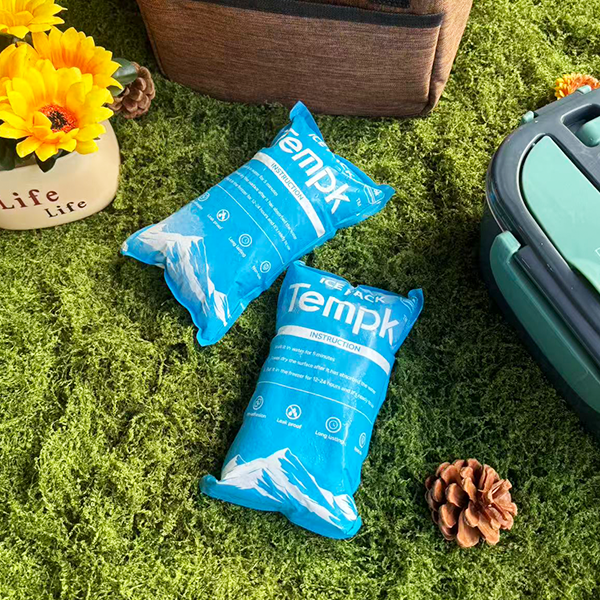
30 الشركة المصنعة لصندوق ثلج اللقاحات: إطار اختيار الموردين القائم على الأدلة
الجواب الصحيح ل 30 liter vaccine ice box manufacturer begins with a controlled use case, ليس نموذج الكتالوج. تحديد الحمولة, الشرط المطلوب, طريق, التعرض المحيطي, عبوة, التعامل, تنظيف, شهادة, والحجم التجاري قبل اختيار الصندوق. وينبغي الحكم على المنتج النهائي على أساس القدرة القابلة للاستخدام, بناء, تناسب التشغيلية, اتساق الإنتاج, وإجمالي تكلفة التسليم.
The practical objective is whether the nominal 30-liter format provides the required vaccine storage capacity after coolant, الفواصل, سلال, المراقبين, and freeze-prevention measures are installed. يجمع إطار القرار التالي المنتج الأكثر فائدة, اِصطِلاحِيّ, امتثال, التشغيلية, واعتبارات الشراء مع إبقاء جميع بيانات الأداء مرتبطة بالشروط التي تدعمها فعليًا.
Coolant and Freeze Protection Change the Capacity
عادةً ما يتم حساب الحجم الاسمي من خلال اتفاقية تجويف أو تسويق, but buyers operate with usable volume. The final packout must accommodate vaccine cartons, المخففات حيثما ينطبق ذلك, conditioned coolant packs, فواصل, and a temperature monitoring device arranged according to a controlled packout. سمك العزل, نصف قطر الزاوية, تدخل الغطاء, سلال, المقسمات, سائل التبريد, حواجز التجميد, ومراقبة المساحة كلها تقلل ما يمكن تحميله. غالبًا ما تكون الأبعاد الداخلية الدنيا والأبعاد الافتتاحية أكثر فائدة من قيمة لتر واحد. في القرار النهائي, review this point for the 30-liter vaccine configuration with operations and quality.
قم بقياس الحمولة الحقيقية في تكوين الشحن الخاص بها. قم ببناء كتلة ذات أبعاد أو استخدم كرتونًا حقيقيًا. ضع المبرد المقترح والملحقات حوله, ثم التحقق من الإغلاق, رفع, رؤية التسمية, ومسارات الهواء أو الاتصال. يكشف هذا التمرين عن التعارضات قبل الاختبار الحراري. كما أنه يمنع المورد من زيادة السعة المعلن عنها من خلال البعد الذي لا يساعد الحمولة. قبل الإصدار النهائي, assign an owner and acceptance method for the 30-liter vaccine configuration.
الوزن المعبأ يستحق مراجعة منفصلة. يمكن أن يمثل سائل التبريد جزءًا كبيرًا من الكتلة المرفوعة, ويمكن للمستخدمين الميدانيين حمل الصندوق عبر السلالم, العيادات, المستودعات, أو أرض خشنة. حدد ما إذا كان التعامل مع شخص واحد أو شخصين مقبولاً, حيث يقع مركز الثقل, وما إذا كان نظام المقبض يظل مريحًا بالقفازات أو الأيدي المبتلة. من الممكن أن يظل التجويف المناسب تقنيًا خاطئًا من الناحية التشغيلية إذا كانت الوحدة المحملة غير آمنة أو بطيئة في التعامل معها. قبل الإصدار النهائي, record this point for the 30-liter vaccine configuration as a controlled requirement.
حدد مهمة التوزيع قبل المنتج
يجب أن تصف المواصفات الأولى مهمة التشغيل: carry vaccine cartons and coolant in a medium-size passive container while maintaining product-specific conditions and protecting freeze-sensitive products. يجب أن تحدد المستخدمين, موقع التحميل, مكان الاستلام, عمليات التسليم المتوقعة, واللحظة التي تتغير فيها مسؤولية درجة الحرارة. وهذا يمنع المورد من ملء المجهول بالافتراضات. كما يسمح بالعمليات, جودة, وفرق المشتريات لمراجعة نفس المتطلبات بدلاً من الاحتفاظ بنسخ منفصلة غير رسمية.
يحتاج تعريف الحمولة إلى تفاصيل أكثر من الوزن أو الحجم الاسمي. قد تتضمن الحمولة المخططة علب اللقاحات, المخففات حيثما ينطبق ذلك, conditioned coolant packs, فواصل, and a temperature monitoring device arranged according to a controlled packout. قم بتسجيل أبعاد العبوة الأساسية, حدود التوجه, عدد الوحدات, الحالة الحرارية عند التعبئة, مساحة الرأس, المناطق الهشة, وما إذا كان يجب أن يظل الحمل منفصلاً عن سائل التبريد. يمكن للتجويف الذي يبدو كبيرًا بدرجة كافية أن يصبح غير صالح للاستخدام إذا كانت الفتحة ضيقة, الزوايا مشعة بشكل كبير, أو سلة ومقسم تستهلك الأبعاد الحرجة. قبل الإصدار النهائي, verify this point on representative units used for the 30-liter vaccine configuration.
رسم خرائط الطريق لا يقل أهمية. For regional distribution, تجديد العيادة, جلسات التوعية, نقل الطوارئ, and mobile immunization programs with varied ambient exposure, لاحظ وقت العبور المخطط له, التأخير المحتمل, درجة حرارة التدريج, الشمس المباشرة, دوران الهواء في السيارة, الفتح المتكرر, النقل بين الناقلات, واستلام الفحص. لا تنتج هذه المدخلات وقت انتظار مضمونًا من تلقاء نفسها, ولكنها تحدد الشروط التي يجب على المورد أو مختبر الاختبار إعادة إنتاجها. بدونهم, يمكن أن يغطي عرض الأسعار صندوقًا عامًا فقط, ليست عملية توزيع موثوقة. في القرار النهائي, include this limit in the operating instruction for the 30-liter vaccine configuration.
اجعل الحزمة الصحيحة سهلة التكرار
يتحرك الصندوق عبر الأشخاص والأماكن, ليس فقط من خلال الغرفة الحرارية. يجب أن تغطي خطة التشغيل الشروط المسبقة, التعبئة, إنهاء, وضع العلامات, مراقبة التنشيط, تسليم, تلقي, التفريغ, تنظيف, تجفيف, تقتيش, تخزين, والعودة. For regional distribution, تجديد العيادة, جلسات التوعية, نقل الطوارئ, and mobile immunization programs with varied ambient exposure, قد يكون الخطر الأكبر هو رصيف التحميل أو فشل التسليم بدلاً من الوقت المخطط للمركبة.
يجب أن تكون التعليمات مرئية وتكوينًا محددًا. إظهار موقف المبرد, اتجاه المنتج, وضع المقسم, مراقبة الموقع, تسلسل الإغلاق, ومعايير الرفض. استخدم الملصقات التي تصمد أمام بيئة التنظيف والتوجيه. إذا كان الصندوق به مصارف, الأشرطة, عجلات, جوانات قابلة للاستبدال, أو مقابض الحبل, وتشمل نقاط التفتيش لتلك المكونات. يجب تقليل التعقيد حيثما أمكن ذلك لأن المستخدمين العرضيين لا يتذكرون الإجراءات الطويلة. قبل الإصدار النهائي, resolve this point for the 30-liter vaccine configuration before thermal qualification.
تحتاج فرق الاستقبال إلى مسار اتخاذ القرار. يجب أن يعرفوا كيفية فحص الختم, قراءة الشاشة, تحديد الضرر, سجل رحلة, عزل الحمولة, واتصل بشخص الجودة المسؤول. يجب ألا تعود الصناديق المرتجعة تلقائيًا إلى الأسطول النظيف. خطوة الحجر والفحص البسيطة تمنع تشقق القذائف, المقابس المفقودة, مقابض ملوثة, أو تم تغيير سائل التبريد بسبب إضعاف النظام بصمت. في القرار النهائي, state the applicable conditions for the 30-liter vaccine configuration in the supplier response.
كيف يبدو القرار في الممارسة العملية
النظر في هذا الوضع النموذجي: an outreach team expects 30 liters of vaccine space, but the required coolant array and freeze barrier reduce the usable vaccine compartment and make the packed box too heavy for one person. لا ينبغي أن تكون الاستجابة الأولى هي تحديد حجم الكتالوج. يجب على الفريق قياس الحمولة, بناء الحزمة المقترحة, خريطة الطريق, ولاحظ كيف يرفع المستخدمون, يؤمن, يفتح, ينظف, وإرجاع الصندوق. يؤدي هذا إلى إنشاء سجل مشترك للقيود الحقيقية. للحصول على موافقة المورد, test this assumption for the 30-liter vaccine configuration against the intended route.
من هناك, the buyer should request two or three controlled alternatives instead of a long catalog. قد يعطي أحد الخيارات الأولوية للوزن الأقل, متانة متكررة أخرى, ومقاومة حرارية أعلى أخرى أو حجم أكثر قابلية للاستخدام. يجب أن يسرد كل خيار ما تم تضمينه, ما هي الأدلة الموجودة, ما لا يزال يحتاج إلى اختبار, وما هي تغييرات التشغيل التي يتطلبها. يستطيع الفريق بعد ذلك مقارنة المفاضلات بدلًا من الجدال حول ميزات معزولة.
أكمل التسلسل من خلال عينة هندسية, محاكمة الحزمة, الإنتاج التجريبي, والإفراج الرسمي. تسجيل قياسات الأبعاد والتعامل مع الملاحظات, ليس فقط الصور الفوتوغرافية. للاستخدامات الحساسة لدرجة الحرارة, قم بتأكيد الحزمة الكاملة ضمن ملف تعريف مناسب وحدد كيفية التعامل مع الرحلات. والنتيجة هي قرار شراء مرتبط بالأدلة وسير العمل, وليس إلى وعد لا يمكن إعادة إنتاجه لاحقًا. في القرار النهائي, verify this point on representative units used for the 30-liter vaccine configuration.
مطالبات الحاويات المنفصلة عن مطالبات الحزم
The 30-liter vaccine ice box provides a barrier to heat flow and a protective enclosure. لا يولد درجة حرارة يمكن التحكم فيها من تلقاء نفسه. الأداء السلبي يعتمد على العزل, نوع المبرد والتكييف, كتلة المبرد, كتلة الحمولة, درجة حرارة بدء المنتج, الترتيب الداخلي, ملف تعريف المحيط, السلوك الافتتاحي, ومعايير القبول. يمكن أن يؤثر التغيير في أي من هذه العناصر على النتائج حتى في حالة عدم تغيير الصندوق الخارجي.
هذا التمييز مهم بشكل خاص بالنسبة للطعام, الأدوية, مصل, واستخدامات التجارب السريرية. قد يُظهر الاختبار الهيكلي أن المقبض أو الفتحة تتحمل حملًا محددًا. قد يوضح إعلان المادة أن المكون مناسب لحالة الاتصال المقصودة. قد يُظهر التقرير الحراري كيفية تصرف حزمة واحدة ضمن ملف تعريف واحد. قد يقوم مؤهل المسار بعد ذلك بتقييم حارة التشغيل. تجيب هذه المستندات على أسئلة مختلفة ولا ينبغي استبدال بعضها البعض. عند إطلاق الإنتاج, test this assumption for the 30-liter vaccine configuration against the intended route.
اطلب من المورد أن يذكر كل مطالبة بالأداء مع تكوينه. يجب أن يحدد البيان حجم الصندوق والمراجعة, حمولة, سائل التبريد, تكييف, مخطط التحميل, موقف المراقبة, ملف تعريف المحيط, مدة, ومدى القبول. إذا لم يتمكن المورد من توفير هذا السياق, التعامل مع المطالبة كمؤشر فحص فقط. والنتيجة المفيدة هي عدم المطالبة بتقرير مختبري عن كل محادثة مبكرة, ولكن لمنع العنوان غير المدعوم من أن يصبح مواصفات شراء. في القرار النهائي, confirm the evidence scope for the 30-liter vaccine configuration before purchase.
Vaccine Logistics Requires Product-Specific Temperature Control
يتم تخزين العديد من اللقاحات المبردة وتوزيعها في درجة حرارة تتراوح من 2 إلى 8 درجات مئوية, ولكن لا ينبغي أبدًا افتراض هذا النطاق لكل لقاح أو كل مرحلة. يظل وضع العلامات على المنتجات هو المصدر الرسمي, وبعض المنتجات تتطلب شروطًا مجمدة أو غيرها. قد يؤدي التعرض للتجميد إلى إتلاف بعض اللقاحات المبردة بشكل دائم, لذا فإن سائل التبريد البارد ليس أكثر أمانًا تلقائيًا. يجب أن تحمي العبوة من اكتساب الحرارة والتجميد غير المقصود. عند إطلاق الإنتاج, link this decision for the 30-liter vaccine configuration to the approved drawing and packout.
تحتفظ منظمة الصحة العالمية PQS بمواصفات أداء منفصلة وبروتوكولات التحقق الخاصة بصناديق تبريد اللقاحات وحاملات اللقاحات, بما في ذلك الفئات المزودة بتقنية منع التجميد. هذا التصنيف مهم. قد يكون المبرد للأغراض العامة مفيدًا للمهام غير المتعلقة بالبرنامج, ولكن لا ينبغي أن يتم تمثيله كصندوق بارد للقاحات مؤهل مسبقًا من قبل منظمة الصحة العالمية ما لم يكن المنتج المحدد مدرجًا ومدعومًا بالوثائق المعمول بها. يجب على المشترين التحقق من النموذج, فئة المواصفات, بروتوكول الاختبار, وحالة القائمة الحالية. قبل الإصدار النهائي, protect the decision for the 30-liter vaccine configuration through change control.
التحكم التشغيلي لا يقل أهمية عن المعدات. Coolant packs need the correct type and conditioning. تحتاج علب اللقاحات إلى مسافات محكومة. يجب وضع الشاشة وقراءتها وفقًا للإجراء. يحتاج المستخدمون إلى مخططات تعبئة بسيطة, الشيكات الضرر, تعليمات التنظيف, والتوجيه للرحلات. تؤكد إرشادات مراكز مكافحة الأمراض والوقاية منها ومنظمة الصحة العالمية على أن جودة سلسلة التبريد هي عملية مشتركة بدءًا من التخزين والنقل وحتى الاستلام والاستخدام; لا يمكن للصندوق الباهظ الثمن أن يعوض عن سير العمل غير المنضبط. قبل الإصدار النهائي, connect this item for the 30-liter vaccine configuration to a measurable acceptance criterion.
أسئلة الموردين التي تكشف عن القدرة الحقيقية
The central supplier question is whether the nominal 30-liter format provides the required vaccine storage capacity after coolant, الفواصل, سلال, المراقبين, and freeze-prevention measures are installed. يجب أن تكون الشركة المصنعة ذات المصداقية قادرة على ترجمة هذا المتطلب إلى رسومات, تعريفات المواد, نقاط التفتيش, وخطة الاختبار. يجب أن تنتقل المحادثة من المطالبات العامة إلى التفاصيل الخاضعة للرقابة. اسأل من يملك القالب, ما هي العمليات التي يتم تنفيذها داخليا, كيف تتم الموافقة على موردي المكونات الهامة, وكيفية الحفاظ على فاتورة المواد. قد يكون من المفيد وجود كتالوج واسع, ولكنها ليست دليلا على التحكم في العملية. في القرار النهائي, assign an owner and acceptance method for the 30-liter vaccine configuration.
تقلل خطة أخذ العينات المرحلية من مفاجآت الإنتاج. تؤكد العينة الهندسية المنقحة المواد, التجهيزات, تسميات, وتناسب الحزمة. تؤكد العينة الأولى الأبعاد الأساسية وبيئة العمل. تقوم المجموعة التجريبية بفحص أدوات الإنتاج, حَشد, تقتيش, التغليف, والتنوع عبر وحدات متعددة. يجب أن تكون العينة الذهبية المعتمدة مرتبطة بالرسومات ومعايير القبول القابلة للقياس. تعد الموافقة على عينة واحدة معدة خصيصًا بدون هذا الجسر مصدرًا شائعًا لمفاجآت الإنتاج الضخم. للحصول على موافقة المورد, test this assumption for the 30-liter vaccine configuration against the intended route.
Quality review should focus on internal dimensional control, ختم الغطاء, استمرارية العزل, توافق المبرد, التعامل مع القوة, field damage inspection, and traceable production changes. اسأل عن كيفية تحديد الوحدات غير المطابقة, سواء تم تسجيل القياسات, كيف يتم التحقيق في الشكاوى, وكيفية توصيل التغييرات الهندسية. لبرامج التحكم العالية, تتطلب موافقة مسبقة قبل الاستبدالات. للاستخدام الاستهلاكي الأقل خطورة, يمكن أن يكون النظام أبسط, ولكن أبعادا حرجة, مواد, ولا تزال ميزات السلامة بحاجة إلى معايير قبول موضوعية. للحصول على موافقة المورد, record this point for the 30-liter vaccine configuration as a controlled requirement.
إطار القرار النهائي
| بوابة | سؤال | الافراج عن الأدلة |
|---|---|---|
| بوابة حالة الاستخدام | هي الحمولة, طريق, حالة, وعملية التعامل محددة? | متطلبات المستخدم المعتمدة |
| بوابة صالح | هل تتناسب العبوة النهائية مع الرفع والإغلاق الآمن؟? | رسم العبوة والعينة المقاسة |
| بوابة الأدلة | هل المطالبات مرتبطة بالمواد الصحيحة, صندوق, عبوة, أو حارة? | خريطة الأدلة وتقارير الاختبار |
| بوابة الجودة | هل يمكن للإنتاج إعادة إنتاج التكوين المعتمد? | خطة مراجعة وفحص القطعة التجريبية |
| بوابة التكلفة | هل تم تطبيع عروض الأسعار لنفس النطاق وأساس التسليم? | نموذج تكلفة الهبوط ودورة الحياة |
| بوابة العمليات | يمكن للمستخدمين حزمة, يستلم, ينظف, فحص, وإعادته بشكل صحيح? | تعليمات مدروسة وخطة تدريبية |
| تغيير البوابة | هل ستتطلب البدائل المراجعة؟? | فاتورة المواد واتفاقية التحكم في التغيير |
| بوابة التطبيق | Whether the nominal 30-liter format provides the required vaccine storage capacity after coolant, الفواصل, سلال, المراقبين, and freeze-prevention measures are installed | المتطلبات الموقعة وقائمة الافتراضات التي لم يتم حلها |
تعامل مع الجدول باعتباره مراجعة متعددة الوظائف للمشتريات, العمليات, هندسة, والجودة. إنه يحول التفضيلات العامة إلى أدلة قابلة للمراجعة ويكشف الافتراضات المفقودة قبل التفاوض على السعر. ليس كل مشروع يحتاج إلى نفس العمق, ولكن كل مطالبة حاسمة يجب أن يكون لها مالك وطريقة محددة للتحقق منها. في القرار النهائي, protect the decision for the 30-liter vaccine configuration through change control.
تعتمد الاستدامة على حلقة التشغيل
The relevant sustainability question is durable equipment, مكونات قابلة للاستبدال, التكييف الصحيح, الصيانة الوقائية, and a return system that keeps boxes and coolant packs available for repeated campaigns. يمكن للصندوق القابل لإعادة الاستخدام أن يقلل من استهلاك التغليف على حلقة مغلقة مستقرة, ولكنه يتطلب أيضًا المزيد من المواد, تنظيف, تخزين, ونقل العودة. قد يكون من الأفضل استخدام نظام خفيف الوزن أحادي الاتجاه على حارة متفرقة حيث تكون معدلات العودة منخفضة. يجب أن يتم الاختيار من خلال شبكة التشغيل وليس من خلال سمة تسويقية واحدة. للحصول على موافقة المورد, confirm that production controls preserve this point for the 30-liter vaccine configuration.
غالبًا ما يكون الحجم الصحيح هو التحسين الأسرع. الحجم الزائد يزيد من مساحة العزل, الطلب المبرد, مكعب الشحن, ومساحة المستودع. الأجهزة المفرطة في البناء تضيف كتلة. تفشل المنتجات غير المبنية مبكرًا وتؤدي إلى نفايات بديلة. التصميم الجيد يستخدم ما يكفي من المواد في الأماكن الصحيحة, يحمي أجزاء التآكل القابلة للاستبدال, ويسمح بالفحص قبل عودة الوحدة التالفة إلى الخدمة. قبل الإصدار النهائي, state the applicable conditions for the 30-liter vaccine configuration in the supplier response.
تتبع مجموعة صغيرة من المؤشرات العملية: معدل العودة, الرحلات لكل أصل, سبب الضرر, وقت الغسيل, وقت التجفيف, المكونات المفقودة, مكعب العودة فارغة, وطريق التقاعد. تظهر هذه البيانات ما إذا كان النظام يتحسن. يجب تحديث مطالبات الاستدامة عندما يتغير المسار. الصندوق المستخدم لخمسين رحلة محلية خاضعة للرقابة له بصمة مختلفة عن نفس الصندوق الذي تم شحنه مرة واحدة عبر ممر دولي ولم يتم إعادته أبدًا. عند إطلاق الإنتاج, document the limitation for the 30-liter vaccine configuration rather than implying universal suitability.
قارن تكلفة الهبوط وتكلفة دورة الحياة, ليس اقتباس وحدة معزولة
The cost structure includes cold-box construction, مجموعة المبرد, شاشة, المقسمات, تسميات, قطع غيار, اختبار, تمرين, distribution packaging, and field maintenance. يمكن للموردين تقديم أسعار مختلفة تمامًا بينما يبدو أن الجميع يقدمون نفس الحجم. قد تأتي الاختلافات من سمك العزل, الصف المادي, عملية, الأجهزة, تقتيش, التغليف, أو ببساطة من العناصر المستبعدة. تتطلب المقارنة العادلة ورقة تكوين واحدة وجدول مقارنة تجاري واحد. للحصول على موافقة المورد, verify this point on representative units used for the 30-liter vaccine configuration.
فصل التكاليف لمرة واحدة عن التكاليف المتكررة. الأدوات, قوالب, عمل فني, هندسة, وبعض الاختبارات قد تكون لمرة واحدة أو مطفأة. بناء الوحدة, مُكَمِّلات, تقتيش, كرتون, ويتكرر الشحن. ثم افصل تكلفة الاقتناء عن تكلفة التشغيل: تبريد التكييف, غسل, تجفيف, تخزين, تتبع الأصول, نقل العودة, ضرر, بصلح, والاستبدال. قد يكون المقياس الأفضل هو التكلفة لكل مسار ناجح بدلاً من سعر الشراء لكل صندوق. في القرار النهائي, include this limit in the operating instruction for the 30-liter vaccine configuration.
يستحق الشحن الاهتمام المبكر لأن الصناديق المعزولة يمكن أن تكون ضخمة الحجم. الأبعاد الخارجية, التعشيش, قابلية الانهيار, كمية الكرتون, نمط البليت, وقد يؤدي تحميل الحاويات إلى تغيير تكلفة الهبوط بأكثر من فرق بسيط في سعر المصنع. اطلب من الموردين أن يذكروا نفس مدة التسليم وتكوين التعبئة. عندما تعود الصناديق القابلة لإعادة الاستخدام فارغة, يجب أيضًا أن يدخل المكعب العكسي وعمالة المناولة إلى النموذج. للحصول على موافقة المورد, test this assumption for the 30-liter vaccine configuration against the intended route.
اختصارات المشتريات التي تزيد من المخاطر
النقاط أدناه تستحق التدقيق قبل الأدوات أو الإنتاج الضخم. يمكن لكل واحد إنشاء إعادة صياغة يمكن تجنبها عندما تظل دون حل أثناء اختيار المورد. في القرار النهائي, check the point for the 30-liter vaccine configuration against the actual payload.
- الافراج عن مانع: assuming all vaccines share one temperature requirement.
- الافراج عن مانع: using fully frozen packs against freeze-sensitive cartons.
- الافراج عن مانع: treating nominal capacity as vaccine storage capacity.
- الافراج عن مانع: ignoring the weight of coolant and accessories.
- الافراج عن مانع: calling a general cooler WHO-prequalified without product-specific evidence.
One warning sign does not necessarily remove a vendor from consideration. يجب أن يؤدي إلى توضيح محدد, فحص العينة, أو طلب الأدلة. The decision objective is to resolve uncertainty while changes are still inexpensive. The factory under review that responds with drawings, شروط, والإجراءات التصحيحية أكثر فائدة من تلك التي تكرر مطالبة واسعة النطاق. قبل الإصدار النهائي, protect the decision for the 30-liter vaccine configuration through change control.
مقابلة القائمة المختصرة
For this 30-liter vaccine ice box, الأسئلة التالية تخلق قيمة أكبر من السؤال عما إذا كان المورد موثوقًا به. إنهم يجبرون المناقشة على الاستخدام المقصود, مواصفات قابلة للقياس, والأدلة. في القرار النهائي, confirm that production controls preserve this point for the 30-liter vaccine configuration.
- الافراج عن السؤال: Is the 30-liter figure gross internal volume or usable vaccine storage capacity?
- الافراج عن السؤال: Which vaccines, المخففات, أحجام الكرتون, and required storage conditions are involved?
- الافراج عن السؤال: How are coolant packs conditioned and separated from freeze-sensitive products?
- الافراج عن السؤال: Which performance specification or test protocol applies to the intended program?
- الافراج عن السؤال: What is the fully packed carry weight and handling method?
- الافراج عن السؤال: How will temperature monitoring, تنظيف, صيانة, and field inspection be managed?
قد تكون الإجابة الكاملة رسمًا, طاولة, عينة, خطة الاختبار, أو القيد الموثق. لا يحتاج المورد إلى الحصول على كل تقرير نهائي قبل التطوير المبكر, ولكن ينبغي أن يكون قادرا على ذكر ما هو معروف, ما يفترض, ما يمكن تخصيصه, وما يجب اختباره. تعد هذه الشفافية إشارة خطر أفضل من القائمة الطويلة من الشهادات غير المدعومة. في القرار النهائي, link this decision for the 30-liter vaccine configuration to the approved drawing and packout.
تغيير التحكم بعد الأمر الأول
لا تطلق دفعة جديدة على المظهر وحده. حدد وحدات متعددة من كرتونة مختلفة. تأكيد الأبعاد الداخلية الهامة, إغلاق الغطاء, الأجهزة, تسميات, مُكَمِّلات, والتعبئة والتغليف وفقا للمواصفات المعتمدة. قم بتسجيل النتائج بحيث يمكن مقارنة الشكاوى اللاحقة بالدفعة الأصلية بدلاً من الذاكرة أو عينة واحدة. قبل الإصدار النهائي, assign an owner and acceptance method for the 30-liter vaccine configuration.
إنشاء إصلاح واضح, الحجر الصحي, وقاعدة التقاعد. الشقوق, الأختام المشوهة, المقابس المفقودة, مقابض متوترة, المراسي فضفاضة, الأسطح الملوثة, لوحات مثقوبة, أو يجب أن يؤدي المبرد غير المعتمد إلى الحجر الصحي. يمكن إصلاح بعض العناصر بأجزاء خاضعة للرقابة; يجب أن يتقاعد الآخرون. تمنع القاعدة الواضحة المستخدمين من الاحتفاظ بالصندوق الذي يبدو تالفًا بشكل واضح في الخدمة لمجرد أنه لا يزال مغلقًا. للحصول على موافقة المورد, review this point for the 30-liter vaccine configuration with operations and quality.
سجل التغييرات المعتمدة على المواد, مزود, قالب, عملية, أبعاد, تسميات, التغليف, والحزم. راجع ما إذا كان كل تغيير يؤثر على حالة جهة الاتصال, الأدلة الحرارية, الاختبارات الهيكلية, الشحن, تنظيف, أو تعليمات المستخدم. لا يقتصر هذا الانضباط على البرامج المنظمة. إنه يحمي أي مشتري من الانجراف التدريجي للتكوين عبر الطلبات المتكررة. للحصول على موافقة المورد, confirm that production controls preserve this point for the 30-liter vaccine configuration.
الأسئلة المتداولة
Is a 30-liter vaccine ice box enough to control temperature?
لا. الوحدة المعزولة تبطئ نقل الحرارة, لكن النتيجة الكاملة تعتمد على سائل التبريد, حمولة, درجة حرارة البداية, نمط التحميل, التعرض المحيطي, التعامل, والرصد. يجب أن تحدد أي مدة محددة التكوين الذي تم اختباره ومعايير القبول. للمنتجات الخاضعة للتنظيم أو ذات القيمة العالية, قد تكون هناك حاجة إلى حزمة إضافية أو تأهيل حارة. عند إطلاق الإنتاج, place this requirement for the 30-liter vaccine configuration in the receiving checklist.
هل سعة اللتر المعلنة تساوي حجم الحمولة القابلة للاستخدام?
عادة لا. قد تصف السعة الاسمية التجويف الإجمالي. يتم تقليل المساحة القابلة للاستخدام عن طريق هندسة العزل, تدخل الغطاء, سائل التبريد, المقسمات, سلال, حواجز التجميد, ومراقبة التنسيب. يجب على المشترين طلب الحد الأدنى من الأبعاد الداخلية والتأكد من ملاءمتها مع العبوة النهائية بدلاً من الاعتماد على اللترات وحدها. عند إطلاق الإنتاج, state the applicable conditions for the 30-liter vaccine configuration in the supplier response.
هل يمكن استخدام نتيجة مختبرية واحدة لوقت الانتظار لكل مسار?
لا, وليس كقاعدة عالمية. تنطبق النتيجة المختبرية على ملف التعريف المحيط الذي تم اختباره, حمولة, سائل التبريد, مراقبة المواقف, ومدى القبول. يمكن أن يدعم تخطيط الطريق, ولكن هناك اختلافات كبيرة في التأخير, الشمس المباشرة, تردد الافتتاح, ظروف السيارة, أو قد تتطلب الحمولة مزيدًا من التقييم أو التأهيل. في القرار النهائي, review this point for the 30-liter vaccine configuration with operations and quality.
ما هو أفضل اختبار العينة الأولى?
يجب أن تركز مراجعة العينة الأولى على الملاءمة وسير عمل المستخدم. تحميل الحمولة الفعلية, سائل التبريد, مقسم, شاشة, تسميات, والاكسسوارات. تحقق من الإغلاق, رفع, وصول, تنظيف, ووقت التعبئة. بمجرد أن يكون التكوين المادي مستقرًا, يصبح الاختبار الحراري والهيكلي أكثر أهمية وأقل احتمالا للتكرار بعد تغيير التصميم. عند إطلاق الإنتاج, assign an owner and acceptance method for the 30-liter vaccine configuration.
كيف ينبغي للمشترين إدارة تغييرات الإنتاج?
السيطرة على المواد الهامة, أبعاد, والمكونات من خلال فاتورة المواد. اطلب من المورد إخطار التغييرات قبل التنفيذ وتقديم الأدلة للمراجعة. التغييرات في العزل, سائل التبريد, الحشيات, أصباغ, تسميات, مقابض, أو يمكن أن تؤثر عملية التصنيع على الملاءمة, حالة الاتصال, متانة, أو الأداء المؤهل. في القرار النهائي, verify this point on representative units used for the 30-liter vaccine configuration.
قبل أن تقوم بتحرير الأمر
الاختيار النهائي ل 30 liter vaccine ice box manufacturer should pass six tests: تناسب حالة الاستخدام, القدرة القابلة للاستخدام, شهادة, اتساق الإنتاج, بساطة التشغيل, والتكلفة الإجمالية. المورد الذي ينص على الافتراضات, قيود الوثائق, ويدعم التحقق التجريبي أكثر قيمة من الذي يقدم مطالبات عالمية. قم بتحرير الأمر فقط عندما يكون التكوين والمسؤوليات واضحة بما يكفي للتكرار.
حول Tempk
Tempk هي العلامة التجارية لسلسلة التغليف البارد التابعة لشركة Shanghai Tempk Industrial Co., المحدودة. The company develops and supplies products including gel packs, الطوب الجليدي الصلب, أكياس معزولة, صناديق إي بي بي, صناديق تبريد طبية, بطانات معزولة, وأغطية البليت. للمشاريع التي تنطوي على صناديق معزولة, يمكن لـ Tempk مناقشة القدرات, هيكل العزل, توافق المبرد, الميزات المخصصة, ومتطلبات الحزمة. يجب التأكد من ملاءمة المنتج وأدائه مقابل الحمولة المحددة, طريق, حالة درجة الحرارة, والأدلة التي يطلبها المشتري. للحصول على موافقة المورد, protect the decision for the 30-liter vaccine configuration through change control.
الخطوة التالية
قبل الاختيار النهائي للموردين, provide the vaccine carton sizes, الشروط المطلوبة, مدة الطريق, ملف تعريف المحيط, طريقة التبريد, and field handling constraints to review a 30-liter-class design.
20 مورد صندوق الثلج بسلسلة تبريد لتر: إطار المشتري الكامل
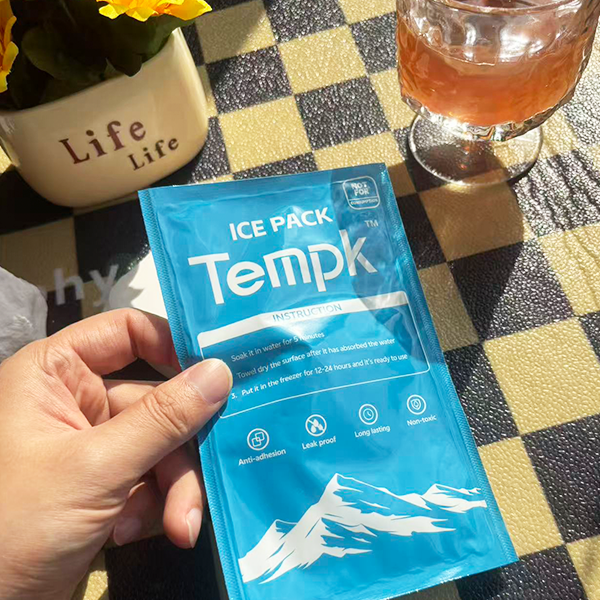
20 مورد صندوق الثلج بسلسلة تبريد لتر: إطار اختيار الموردين القائم على الأدلة
الجواب الصحيح ل 20 liter cold chain ice box supplier begins with a controlled use case, ليس نموذج الكتالوج. تحديد الحمولة, الشرط المطلوب, طريق, التعرض المحيطي, عبوة, التعامل, تنظيف, شهادة, والحجم التجاري قبل اختيار الصندوق. وينبغي الحكم على المنتج النهائي على أساس القدرة القابلة للاستخدام, بناء, تناسب التشغيلية, اتساق الإنتاج, وإجمالي تكلفة التسليم.
الهدف العملي هو ما إذا كانت "20 لترًا" تصف الحجم الإجمالي للتجويف, القدرة الاسمية المسوقة, أو مساحة الحمولة القابلة للاستخدام المتوفرة في الحزمة المقصودة. يجمع إطار القرار التالي المنتج الأكثر فائدة, اِصطِلاحِيّ, امتثال, التشغيلية, واعتبارات الشراء مع إبقاء جميع بيانات الأداء مرتبطة بالشروط التي تدعمها فعليًا.
الصندوق المعزول هو جزء واحد فقط من التحكم في درجة الحرارة
يوفر صندوق الثلج ذو السلسلة الباردة سعة 20 لترًا حاجزًا أمام تدفق الحرارة وغلافًا واقيًا. لا يولد درجة حرارة يمكن التحكم فيها من تلقاء نفسه. الأداء السلبي يعتمد على العزل, نوع المبرد والتكييف, كتلة المبرد, كتلة الحمولة, درجة حرارة بدء المنتج, الترتيب الداخلي, ملف تعريف المحيط, السلوك الافتتاحي, ومعايير القبول. يمكن أن يؤثر التغيير في أي من هذه العناصر على النتائج حتى في حالة عدم تغيير الصندوق الخارجي.
هذا الاختلاف في النطاق مهم بشكل خاص بالنسبة للطعام, الأدوية, مصل, واستخدامات التجارب السريرية. قد يُظهر الاختبار الهيكلي أن المقبض أو الفتحة تتحمل حملًا محددًا. قد يوضح إعلان المادة أن المكون مناسب لحالة الاتصال المقصودة. قد يُظهر التقرير الحراري كيفية تصرف حزمة واحدة ضمن ملف تعريف واحد. قد يقوم مؤهل المسار بعد ذلك بتقييم حارة التشغيل. تجيب هذه المستندات على أسئلة مختلفة ولا ينبغي استبدال بعضها البعض. للحصول على موافقة المورد, قم بتضمين هذا الحد في تعليمات التشغيل الخاصة بالعبوة سعة 20 لترًا.
اطلب من المصنع ذكر كل مطالبة بالأداء مع تكوينه. يجب أن يحدد البيان حجم الصندوق والمراجعة, حمولة, سائل التبريد, تكييف, مخطط التحميل, موقف المراقبة, ملف تعريف المحيط, مدة, ومدى القبول. إذا لم يتمكن المورد من توفير هذا السياق, التعامل مع المطالبة كمؤشر فحص فقط. هدف القرار ليس المطالبة بتقرير مختبري لكل محادثة مبكرة, ولكن لمنع العنوان غير المدعوم من أن يصبح مواصفات شراء. في القرار النهائي, اذكر الشروط المطبقة للعبوة سعة 20 لترًا في رد المورد.
يبدأ النطاق التنظيمي بشروط الاتصال والمنتج
تعتمد الأدلة ذات الصلة على متطلبات النقل الخاصة بالمنتج, أدلة ملامسة الغذاء عند الاقتضاء, ووثائق تأهيل الرعاية الصحية عندما تصبح الحاوية جزءًا من نظام شحن خاضع للرقابة. في الولايات المتحدة, ترتبط حالة ملامسة الغذاء بالمواد المصرح بها وشروط الاستخدام المقصودة, بما في ذلك نوع الطعام ودرجة الحرارة. في الاتحاد الأوروبي, تندرج المواد الملامسة للأغذية المطروحة في السوق ضمن الإطار التنظيمي ومتطلبات ممارسات التصنيع الجيدة, مع قواعد إضافية لمجموعات مادية معينة. A generic declaration that a plastic is 'درجة الغذاء' is therefore only a starting point.
تضيف الاستخدامات الطبية والصيدلانية طبقة مختلفة. تحدد علامات المنتج وإجراءات الراعي أو الجودة الحالة المطلوبة. الناتج المحلي الإجمالي, Google Cloud Platform, توجيهات التحصين, قواعد الشحن الجوي, أو قد يتم تطبيق مواصفات البرنامج الوطني اعتمادًا على الشحنة. لا تصبح الوحدة المعزولة متوافقة لمجرد أن البوليمر الخاص بها مقبول لملامسة الطعام أو لأنه قابل لإعادة الاستخدام. قد تحتاج العملية الكاملة إلى تعليمات التعبئة المؤهلة, مراقبة معايرة, معالجة الانحراف, تمرين, وسلسلة الحضانة الموثقة. قبل الإصدار النهائي, اذكر الشروط المطبقة للعبوة سعة 20 لترًا في رد المورد.
أنشئ خريطة أدلة بأربعة أعمدة: مطالبة, هدف, حالة, والوثيقة. على سبيل المثال, تنتمي المطالبة المادية إلى راتينج مسمى والاستخدام المقصود; تنتمي المطالبة الهيكلية إلى التصميم النهائي وطريقة التحميل; تنتمي المطالبة الحرارية إلى التكوين الكامل والملف الشخصي; تنتمي مطالبة الطريق إلى حارة التشغيل. تكشف هذه الخريطة عن الثغرات وتمنع شهادة واحدة من التوسع خارج نطاقها. للحصول على موافقة المورد, قم بتوثيق القيود المفروضة على العبوة سعة 20 لترًا بدلاً من الإشارة إلى الملاءمة العالمية.
تبدأ مواصفات الصندوق خارج الصندوق
يجب أن تصف المواصفات الأولى مهمة التشغيل: حمل حمولة معتدلة بتنسيق محمول مع ترك مساحة كافية للعزل, سائل التبريد, الانفصال, والتعامل الآمن. يجب أن تحدد المستخدمين, موقع التحميل, مكان الاستلام, عمليات التسليم المتوقعة, واللحظة التي تتغير فيها مسؤولية درجة الحرارة. وهذا يمنع المورد من ملء المجهول بالافتراضات. كما يسمح بالعمليات, جودة, وفرق المشتريات لمراجعة نفس المتطلبات بدلاً من الاحتفاظ بنسخ منفصلة غير رسمية.
يحتاج تعريف الحمولة إلى تفاصيل أكثر من الوزن أو الحجم الاسمي. قد تتضمن الحمولة المخططة علب الأدوية, حزم اللقاح, رفوف عينات المختبر, حاويات الوجبات, حزم المأكولات البحرية, أو وحدات المشروبات ذات الأحمال الأبعادية والحرارية المختلفة. قم بتسجيل أبعاد العبوة الأساسية, حدود التوجه, عدد الوحدات, الحالة الحرارية عند التعبئة, مساحة الرأس, المناطق الهشة, وما إذا كان يجب أن يظل الحمل منفصلاً عن سائل التبريد. يمكن للتجويف الذي يبدو كبيرًا بدرجة كافية أن يصبح غير صالح للاستخدام إذا كانت الفتحة ضيقة, الزوايا مشعة بشكل كبير, أو سلة ومقسم تستهلك الأبعاد الحرجة. للحصول على موافقة المورد, تأكد من نطاق الدليل الخاص بالعبوة سعة 20 لترًا قبل الشراء.
رسم خرائط الطريق لا يقل أهمية. لتشغيل البريد السريع قصيرة, تجديد العيادة, طرق الطعام الحضرية, حمل يدوي يمكن التحكم فيه, والتوزيع متعدد التوقفات حيث يمكن أن يساعد الحجم الصغير في التعامل, لاحظ وقت العبور المخطط له, التأخير المحتمل, درجة حرارة التدريج, الشمس المباشرة, دوران الهواء في السيارة, الفتح المتكرر, النقل بين الناقلات, واستلام الفحص. لا تنتج هذه المدخلات وقت انتظار مضمونًا من تلقاء نفسها, ولكنها تحدد الشروط التي يجب على المورد أو مختبر الاختبار إعادة إنتاجها. بدونهم, يمكن أن يغطي عرض الأسعار صندوقًا عامًا فقط, ليست عملية توزيع موثوقة. للحصول على موافقة المورد, قم بتسجيل هذه النقطة لحزمة سعة 20 لترًا كمتطلب خاضع للرقابة.
يجب قياس السعة في العبوة النهائية
عادةً ما يتم حساب الحجم الاسمي من خلال اتفاقية تجويف أو تسويق, لكن فرق المشروع تعمل بحجم قابل للاستخدام. سمك العزل, نصف قطر الزاوية, تدخل الغطاء, سلال, المقسمات, سائل التبريد, حواجز التجميد, ومراقبة المساحة كلها تقلل ما يمكن تحميله. يجب أن تحتوي العبوة النهائية على علب الأدوية, حزم اللقاح, رفوف عينات المختبر, حاويات الوجبات, حزم المأكولات البحرية, أو وحدات المشروبات ذات الأحمال الأبعادية والحرارية المختلفة. غالبًا ما تكون الأبعاد الداخلية الدنيا والأبعاد الافتتاحية أكثر فائدة من قيمة لتر واحد.
قم بقياس الحمولة الحقيقية في تكوين الشحن الخاص بها. قم ببناء كتلة ذات أبعاد أو استخدم كرتونًا حقيقيًا. ضع المبرد المقترح والملحقات حوله, ثم التحقق من الإغلاق, رفع, رؤية التسمية, ومسارات الهواء أو الاتصال. يكشف هذا التمرين عن التعارضات قبل الاختبار الحراري. كما أنه يمنع المورد من زيادة السعة المعلن عنها من خلال البعد الذي لا يساعد الحمولة. في القرار النهائي, ضع هذا المتطلب الخاص بالحزمة سعة 20 لترًا في قائمة مراجعة الاستلام.
الوزن المعبأ يستحق مراجعة منفصلة. يمكن أن يمثل سائل التبريد جزءًا كبيرًا من الكتلة المرفوعة, ويمكن للمستخدمين الميدانيين حمل الصندوق عبر السلالم, العيادات, المستودعات, أو أرض خشنة. حدد ما إذا كان التعامل مع شخص واحد أو شخصين مقبولاً, حيث يقع مركز الثقل, وما إذا كان نظام المقبض يظل مريحًا بالقفازات أو الأيدي المبتلة. من الممكن أن يظل التجويف المناسب تقنيًا خاطئًا من الناحية التشغيلية إذا كانت الوحدة المحملة غير آمنة أو بطيئة في التعامل معها. عند إطلاق الإنتاج, ضع هذا المتطلب الخاص بالحزمة سعة 20 لترًا في قائمة مراجعة الاستلام.
إطار القرار النهائي
| بوابة | سؤال | الافراج عن الأدلة |
|---|---|---|
| بوابة حالة الاستخدام | هي الحمولة, طريق, حالة, وعملية التعامل محددة? | متطلبات المستخدم المعتمدة |
| بوابة صالح | هل تتناسب العبوة النهائية مع الرفع والإغلاق الآمن؟? | رسم العبوة والعينة المقاسة |
| بوابة الأدلة | هل المطالبات مرتبطة بالمواد الصحيحة, صندوق, عبوة, أو حارة? | خريطة الأدلة وتقارير الاختبار |
| بوابة الجودة | هل يمكن للإنتاج إعادة إنتاج التكوين المعتمد? | خطة مراجعة وفحص القطعة التجريبية |
| بوابة التكلفة | هل تم تطبيع عروض الأسعار لنفس النطاق وأساس التسليم? | نموذج تكلفة الهبوط ودورة الحياة |
| بوابة العمليات | يمكن للمستخدمين حزمة, يستلم, ينظف, فحص, وإعادته بشكل صحيح? | تعليمات مدروسة وخطة تدريبية |
| تغيير البوابة | هل ستتطلب البدائل المراجعة؟? | فاتورة المواد واتفاقية التحكم في التغيير |
| بوابة التطبيق | ما إذا كان "20 لترًا" يصف الحجم الإجمالي للتجويف, القدرة الاسمية المسوقة, أو مساحة الحمولة القابلة للاستخدام المتوفرة في الحزمة المقصودة | المتطلبات الموقعة وقائمة الافتراضات التي لم يتم حلها |
تعمل هذه المصفوفة بشكل أفضل عندما يتم استكمالها بشكل مشترك عن طريق المشتريات, العمليات, هندسة, والجودة. إنه يحول التفضيلات العامة إلى أدلة قابلة للمراجعة ويكشف الافتراضات المفقودة قبل التفاوض على السعر. ليس كل مشروع يحتاج إلى نفس العمق, ولكن كل مطالبة حاسمة يجب أن يكون لها مالك وطريقة محددة للتحقق منها. قبل الإصدار النهائي, ضع هذا المتطلب الخاص بالحزمة سعة 20 لترًا في قائمة مراجعة الاستلام.
السعر هو مخرجات التكوين
يتضمن هيكل التكلفة القدرة, مادة, نوع العزل, طريق العفن, الأجهزة, لون مخصص أو الطباعة, مُكَمِّلات, دعم الاختبار, كثافة التعبئة, وحجم الطلب. يمكن للموردين تقديم أسعار مختلفة تمامًا بينما يبدو أن الجميع يقدمون نفس الحجم. قد تأتي الاختلافات من سمك العزل, الصف المادي, عملية, الأجهزة, تقتيش, التغليف, أو ببساطة من العناصر المستبعدة. تتطلب المقارنة العادلة ورقة تكوين واحدة وجدول مقارنة تجاري واحد. قبل الإصدار النهائي, حماية القرار الخاص بالعبوة سعة 20 لترًا من خلال التحكم في التغيير.
فصل التكاليف لمرة واحدة عن التكاليف المتكررة. بناء الوحدة, مُكَمِّلات, تقتيش, كرتون, ويتكرر الشحن. الأدوات, قوالب, عمل فني, هندسة, وبعض الاختبارات قد تكون لمرة واحدة أو مطفأة. ثم افصل تكلفة الاقتناء عن تكلفة التشغيل: تبريد التكييف, غسل, تجفيف, تخزين, تتبع الأصول, نقل العودة, ضرر, بصلح, والاستبدال. قد يكون المقياس الأفضل هو التكلفة لكل مسار ناجح بدلاً من سعر الشراء لكل صندوق. عند إطلاق الإنتاج, قم بحل هذه النقطة لحزمة سعة 20 لترًا قبل التأهيل الحراري.
يستحق الشحن الاهتمام المبكر لأن الصناديق المعزولة يمكن أن تكون ضخمة الحجم. الأبعاد الخارجية, التعشيش, قابلية الانهيار, كمية الكرتون, نمط البليت, وقد يؤدي تحميل الحاويات إلى تغيير تكلفة الهبوط بأكثر من فرق بسيط في سعر المصنع. اطلب من الموردين أن يذكروا نفس مدة التسليم وتكوين التعبئة. عندما تعود الصناديق القابلة لإعادة الاستخدام فارغة, يجب أيضًا أن يدخل المكعب العكسي وعمالة المناولة إلى النموذج. عند إطلاق الإنتاج, تأكد من نطاق الدليل الخاص بالعبوة سعة 20 لترًا قبل الشراء.
سيناريو الشراء العملي
النظر في هذا الوضع النموذجي: تريد شبكة العيادات نقل الكراتين ومسجل البيانات في صندوق مضغوط, لكن التجويف الاسمي سعة 20 لترًا يفقد مساحة كبيرة قابلة للاستخدام بمجرد تركيب سائل التبريد المكيف والمقسم الواقي. لا ينبغي أن تكون الاستجابة الأولى هي تحديد حجم الكتالوج. يجب على الفريق قياس الحمولة, بناء الحزمة المقترحة, خريطة الطريق, ولاحظ كيف يرفع المستخدمون, يؤمن, يفتح, ينظف, وإرجاع الصندوق. يؤدي هذا إلى إنشاء سجل مشترك للقيود الحقيقية. للحصول على موافقة المورد, قم بتسجيل هذه النقطة لحزمة سعة 20 لترًا كمتطلب خاضع للرقابة.
التالي, يجب على المشتري أن يطلب بديلين أو ثلاثة بدائل خاضعة للرقابة بدلاً من كتالوج طويل. يجب أن يسرد كل خيار ما تم تضمينه, ما هي الأدلة الموجودة, ما لا يزال يحتاج إلى اختبار, وما هي تغييرات التشغيل التي يتطلبها. قد يعطي أحد الخيارات الأولوية للوزن الأقل, متانة متكررة أخرى, ومقاومة حرارية أعلى أخرى أو حجم أكثر قابلية للاستخدام. يستطيع الفريق بعد ذلك مقارنة المفاضلات بدلًا من الجدال حول ميزات معزولة. في القرار النهائي, تأكد من نطاق الدليل الخاص بالعبوة سعة 20 لترًا قبل الشراء.
أكمل التسلسل من خلال عينة هندسية, محاكمة الحزمة, الإنتاج التجريبي, والإفراج الرسمي. تسجيل قياسات الأبعاد والتعامل مع الملاحظات, ليس فقط الصور الفوتوغرافية. للاستخدامات الحساسة لدرجة الحرارة, قم بتأكيد الحزمة الكاملة ضمن ملف تعريف مناسب وحدد كيفية التعامل مع الرحلات. والنتيجة هي قرار شراء مرتبط بالأدلة وسير العمل, وليس إلى وعد لا يمكن إعادة إنتاجه لاحقًا. عند إطلاق الإنتاج, ربط هذا القرار للعبوة سعة 20 لترًا بالرسمة والعبوة المعتمدة.
الانضباط التشغيلي يحمي التكوين المؤهل
يتحرك الصندوق عبر الأشخاص والأماكن, ليس فقط من خلال الغرفة الحرارية. يجب أن تغطي خطة التشغيل الشروط المسبقة, التعبئة, إنهاء, وضع العلامات, مراقبة التنشيط, تسليم, تلقي, التفريغ, تنظيف, تجفيف, تقتيش, تخزين, والعودة. لتشغيل البريد السريع قصيرة, تجديد العيادة, طرق الطعام الحضرية, حمل يدوي يمكن التحكم فيه, والتوزيع متعدد التوقفات حيث يمكن أن يساعد الحجم الصغير في التعامل, قد يكون الخطر الأكبر هو رصيف التحميل أو فشل التسليم بدلاً من وقت السيارة المخطط له.
يجب أن تكون التعليمات مرئية وتكوينًا محددًا. استخدم الملصقات التي تصمد أمام بيئة التنظيف والتوجيه. إظهار موقف المبرد, اتجاه المنتج, وضع المقسم, مراقبة الموقع, تسلسل الإغلاق, ومعايير الرفض. إذا كان الصندوق به مصارف, الأشرطة, عجلات, جوانات قابلة للاستبدال, أو مقابض الحبل, وتشمل نقاط التفتيش لتلك المكونات. يجب تقليل التعقيد حيثما أمكن ذلك لأن المستخدمين العرضيين لا يتذكرون الإجراءات الطويلة. للحصول على موافقة المورد, قم بتضمين هذا الحد في تعليمات التشغيل الخاصة بالعبوة سعة 20 لترًا.
تحتاج فرق الاستقبال إلى مسار اتخاذ القرار. يجب أن يعرفوا كيفية فحص الختم, قراءة الشاشة, تحديد الضرر, سجل رحلة, عزل الحمولة, واتصل بشخص الجودة المسؤول. يجب ألا تعود الصناديق المرتجعة تلقائيًا إلى الأسطول النظيف. خطوة الحجر والفحص البسيطة تمنع تشقق القذائف, المقابس المفقودة, مقابض ملوثة, أو تم تغيير سائل التبريد بسبب إضعاف النظام بصمت. في القرار النهائي, تأكد من نطاق الدليل الخاص بالعبوة سعة 20 لترًا قبل الشراء.
يجب أن تتبع مراجعة المصنع المخاطر الحاسمة
السؤال الرئيسي للمورد هو ما إذا كان "20 لترًا" يصف الحجم الإجمالي للتجويف, القدرة الاسمية المسوقة, أو مساحة الحمولة القابلة للاستخدام المتوفرة في الحزمة المقصودة. يجب أن تكون الشركة المصنعة ذات المصداقية قادرة على ترجمة هذا المتطلب إلى رسومات, تعريفات المواد, نقاط التفتيش, وخطة الاختبار. يجب أن تنتقل المحادثة من المطالبات العامة إلى التفاصيل الخاضعة للرقابة. اسأل من يملك القالب, ما هي العمليات التي يتم تنفيذها داخليا, كيف تتم الموافقة على موردي المكونات الهامة, وكيفية الحفاظ على فاتورة المواد. يمكن أن يكون الكتالوج الواسع مفيدًا, ولكنها ليست دليلا على التحكم في العملية.
التحرك من خلال العينات في مراحل خاضعة للرقابة. تؤكد العينة الأولى الأبعاد الأساسية وبيئة العمل. تؤكد العينة الهندسية المنقحة المواد, التجهيزات, تسميات, وتناسب الحزمة. تقوم المجموعة التجريبية بفحص أدوات الإنتاج, حَشد, تقتيش, التغليف, والتنوع عبر وحدات متعددة. يجب أن تكون العينة الذهبية المعتمدة مرتبطة بالرسومات ومعايير القبول القابلة للقياس. تعد الموافقة على عينة واحدة معدة خصيصًا بدون هذا الجسر مصدرًا شائعًا لمفاجآت الإنتاج الضخم. عند إطلاق الإنتاج, حماية القرار الخاص بالعبوة سعة 20 لترًا من خلال التحكم في التغيير.
يجب أن تركز مراجعة الجودة على تحمل القدرات, تكرار الأبعاد الداخلية, توحيد الجدار, ضغط الغطاء, التعامل مع المرفق, سلامة الرغوة, وفحص التسرب أو الكراك. اسأل عن كيفية تحديد الوحدات غير المطابقة, سواء تم تسجيل القياسات, كيف يتم التحقيق في الشكاوى, وكيفية توصيل التغييرات الهندسية. لبرامج التحكم العالية, تتطلب موافقة مسبقة قبل الاستبدالات. للاستخدام الاستهلاكي الأقل خطورة, يمكن أن يكون النظام أبسط, ولكن أبعادا حرجة, مواد, ولا تزال ميزات السلامة بحاجة إلى معايير قبول موضوعية. في القرار النهائي, تأكد من أن ضوابط الإنتاج تحافظ على هذه النقطة للعبوة سعة 20 لترًا.
الراتنج القابل لإعادة التدوير لا يكمل قصة دورة الحياة
إن مسألة الاستدامة ذات الصلة هي تحديد حجم الحاوية بشكل صحيح بحيث لا يقوم المشترون بنقل الهواء غير الضروري, سائل التبريد, والتعبئة والتغليف مع السماح بترتيب آمن للحمولة إلى المبرد. يمكن للصندوق القابل لإعادة الاستخدام أن يقلل من استهلاك التغليف على حلقة مغلقة مستقرة, ولكنه يتطلب أيضًا المزيد من المواد, تنظيف, تخزين, ونقل العودة. قد يكون من الأفضل استخدام نظام خفيف الوزن أحادي الاتجاه على حارة متفرقة حيث تكون معدلات العودة منخفضة. يجب أن يتم الاختيار من خلال شبكة التشغيل وليس من خلال سمة تسويقية واحدة.
غالبًا ما يكون الحجم الصحيح هو التحسين الأسرع. الحجم الزائد يزيد من مساحة العزل, الطلب المبرد, مكعب الشحن, ومساحة المستودع. الأجهزة المفرطة في البناء تضيف كتلة. تفشل المنتجات غير المبنية مبكرًا وتؤدي إلى نفايات بديلة. التصميم الجيد يستخدم ما يكفي من المواد في الأماكن الصحيحة, يحمي أجزاء التآكل القابلة للاستبدال, ويسمح بالفحص قبل عودة الوحدة التالفة إلى الخدمة. للحصول على موافقة المورد, قم بحل هذه النقطة لحزمة سعة 20 لترًا قبل التأهيل الحراري.
تتبع مجموعة صغيرة من المؤشرات العملية: معدل العودة, الرحلات لكل أصل, سبب الضرر, وقت الغسيل, وقت التجفيف, المكونات المفقودة, مكعب العودة فارغة, وطريق التقاعد. تظهر هذه البيانات ما إذا كان النظام يتحسن. يجب تحديث مطالبات الاستدامة عندما يتغير المسار. الصندوق المستخدم لخمسين رحلة محلية خاضعة للرقابة له بصمة مختلفة عن نفس الصندوق الذي تم شحنه مرة واحدة عبر ممر دولي ولم يتم إعادته أبدًا. في القرار النهائي, اذكر الشروط المطبقة للعبوة سعة 20 لترًا في رد المورد.
سير عمل بسيط للموافقة الداخلية
يجب أن يبدأ إصدار الدفعة بعمليات فحص موضوعية بدلاً من المظهر وحده. تأكيد الأبعاد الداخلية الهامة, إغلاق الغطاء, الأجهزة, تسميات, مُكَمِّلات, والتعبئة والتغليف وفقا للمواصفات المعتمدة. حدد وحدات متعددة من كرتونة مختلفة. قم بتسجيل النتائج بحيث يمكن مقارنة الشكاوى اللاحقة بالدفعة الأصلية بدلاً من الذاكرة أو عينة واحدة. قبل الإصدار النهائي, قم بتوثيق القيود المفروضة على العبوة سعة 20 لترًا بدلاً من الإشارة إلى الملاءمة العالمية.
تحتاج فرق الخدمة إلى حدود الضرر المحددة مسبقًا. الشقوق, الأختام المشوهة, المقابس المفقودة, مقابض متوترة, المراسي فضفاضة, الأسطح الملوثة, لوحات مثقوبة, أو يجب أن يؤدي المبرد غير المعتمد إلى الحجر الصحي. يمكن إصلاح بعض العناصر بأجزاء خاضعة للرقابة; يجب أن يتقاعد الآخرون. تمنع القاعدة الواضحة المستخدمين من الاحتفاظ بالصندوق الذي يبدو تالفًا بشكل واضح في الخدمة لمجرد أنه لا يزال مغلقًا. في القرار النهائي, قم بحل هذه النقطة لحزمة سعة 20 لترًا قبل التأهيل الحراري.
مراجعات الوثيقة التي تنطوي على المواد, مزود, قالب, عملية, أبعاد, تسميات, التغليف, والحزم. راجع ما إذا كان كل تغيير يؤثر على حالة جهة الاتصال, الأدلة الحرارية, الاختبارات الهيكلية, الشحن, تنظيف, أو تعليمات المستخدم. لا يقتصر هذا الانضباط على البرامج المنظمة. إنه يحمي أي مشتري من الانجراف التدريجي للتكوين عبر الطلبات المتكررة. قبل الإصدار النهائي, قم بتسجيل هذه النقطة لحزمة سعة 20 لترًا كمتطلب خاضع للرقابة.
أسئلة يجب طرحها قبل الطلب
لصندوق الثلج ذو السلسلة الباردة سعة 20 لترًا, الأسئلة التالية تخلق قيمة أكبر من السؤال عما إذا كان المورد موثوقًا به. إنهم يجبرون المناقشة على الاستخدام المقصود, مواصفات قابلة للقياس, والأدلة. قبل الإصدار النهائي, قم بتوثيق القيود المفروضة على العبوة سعة 20 لترًا بدلاً من الإشارة إلى الملاءمة العالمية.
- الافراج عن السؤال: يكون 20 لتر حجم إجمالي اسمي أو حجم داخلي قابل للاستخدام تم التحقق منه?
- الافراج عن السؤال: ما هو الحد الأدنى للطول الداخلي, عرض, ارتفاع, وأبعاد الفتح?
- الافراج عن السؤال: ما مقدار مساحة الحمولة المتبقية مع تكوين المبرد والمقسم المقترح?
- الافراج عن السؤال: ما هو وزن الرفع ومسافة الحمل التي يجب أن يدعمها نظام المقبض?
- الافراج عن السؤال: أي ملف اختبار حراري, حمولة, ومعايير القبول تدعم أي مدة محددة?
- الافراج عن السؤال: هل يمكن قياس العينات مقابل رسومات الإنتاج قبل الإنتاج الضخم?
قد تكون الإجابة الكاملة رسمًا, طاولة, عينة, خطة الاختبار, أو القيد الموثق. لا يحتاج المورد إلى الحصول على كل تقرير نهائي قبل التطوير المبكر, ولكن ينبغي أن يكون قادرا على ذكر ما هو معروف, ما يفترض, ما يمكن تخصيصه, وما يجب اختباره. تعد هذه الشفافية إشارة خطر أفضل من القائمة الطويلة من الشهادات غير المدعومة. في القرار النهائي, تحقق من هذه النقطة على الوحدات التمثيلية المستخدمة في العبوة سعة 20 لترًا.
حيث تسوء المشاريع الجيدة
النقاط أدناه تستحق التدقيق قبل الأدوات أو الإنتاج الضخم. يمكن لكل واحد إنشاء إعادة صياغة يمكن تجنبها عندما تظل دون حل أثناء اختيار المورد. للحصول على موافقة المورد, قم بمراجعة هذه النقطة للحصول على العبوة سعة 20 لترًا مع العمليات والجودة.
- الافراج عن مانع: مقارنة فقط عدد لتر.
- الافراج عن مانع: بافتراض أن الصندوق المدمج مناسب تلقائيًا للحمل اليدوي أو النقل الجوي.
- الافراج عن مانع: وضع سائل التبريد المجمد مباشرة على المنتجات الحساسة للتجميد.
- الافراج عن مانع: تجاهل البعد الافتتاحي حتى عندما يبدو حجم التجويف مناسبًا.
- الافراج عن مانع: طلب ضمان وقت الانتظار دون تحديد الحمولة والتعرض المحيطي.
تعامل مع العلم الأحمر كطلب للحصول على أدلة, وليس الرفض التلقائي. يجب أن يؤدي إلى توضيح محدد, فحص العينة, أو طلب الأدلة. والنتيجة المفيدة هي حل حالة عدم اليقين في حين أن التغييرات لا تزال غير مكلفة. المورد الذي يستجيب بالرسومات, شروط, والإجراءات التصحيحية أكثر فائدة من تلك التي تكرر مطالبة واسعة النطاق. عند إطلاق الإنتاج, قم بتوثيق القيود المفروضة على العبوة سعة 20 لترًا بدلاً من الإشارة إلى الملاءمة العالمية.
الأسئلة المتداولة
عبارة عن صندوق ثلج من سلسلة التبريد سعة 20 لترًا يكفي للتحكم في درجة الحرارة?
لا. الصندوق يبطئ نقل الحرارة, لكن النتيجة الكاملة تعتمد على سائل التبريد, حمولة, درجة حرارة البداية, نمط التحميل, التعرض المحيطي, التعامل, والرصد. تحتاج أي مدة محددة إلى تحديد التكوين الذي تم اختباره ومعايير القبول. للمنتجات الخاضعة للتنظيم أو ذات القيمة العالية, قد تكون هناك حاجة إلى حزمة إضافية أو تأهيل حارة. في القرار النهائي, ضع هذا المتطلب الخاص بالحزمة سعة 20 لترًا في قائمة مراجعة الاستلام.
هل سعة اللتر المعلنة تساوي حجم الحمولة القابلة للاستخدام?
عادة لا. قد تصف السعة الاسمية التجويف الإجمالي. يتم تقليل المساحة القابلة للاستخدام عن طريق هندسة العزل, تدخل الغطاء, سائل التبريد, المقسمات, سلال, حواجز التجميد, ومراقبة التنسيب. يجب على المشترين طلب الحد الأدنى من الأبعاد الداخلية والتأكد من ملاءمتها مع العبوة النهائية بدلاً من الاعتماد على اللترات وحدها. قبل الإصدار النهائي, قم بتوثيق القيود المفروضة على العبوة سعة 20 لترًا بدلاً من الإشارة إلى الملاءمة العالمية.
هل يمكن استخدام نتيجة مختبرية واحدة لوقت الانتظار لكل مسار?
لا ينبغي تعميم النتيجة المخبرية تلقائيًا; فإنه ينطبق على الملف الشخصي المحيط الذي تم اختباره, حمولة, سائل التبريد, مراقبة المواقف, ومدى القبول. يمكن أن يدعم تخطيط الطريق, ولكن هناك اختلافات كبيرة في التأخير, الشمس المباشرة, تردد الافتتاح, ظروف السيارة, أو قد تتطلب الحمولة مزيدًا من التقييم أو التأهيل. قبل الإصدار النهائي, تعيين المالك وطريقة القبول للعبوة سعة 20 لترًا.
ما هو أفضل اختبار العينة الأولى?
أثبت أولاً أنه يمكن تعبئة التكوين ومعالجته بشكل صحيح. تحقق من الإغلاق, رفع, وصول, تنظيف, ووقت التعبئة. تحميل الحمولة الفعلية, سائل التبريد, مقسم, شاشة, تسميات, والاكسسوارات. بمجرد أن يكون التكوين المادي مستقرًا, يصبح الاختبار الحراري والهيكلي أكثر أهمية وأقل احتمالا للتكرار بعد تغيير التصميم.
الوجبات الجاهزة العملية
الاختيار النهائي ل 20 liter cold chain ice box supplier should pass six tests: تناسب حالة الاستخدام, القدرة القابلة للاستخدام, شهادة, اتساق الإنتاج, بساطة التشغيل, والتكلفة الإجمالية. المصنع قيد المراجعة الذي ينص على الافتراضات, قيود الوثائق, ويدعم التحقق التجريبي أكثر قيمة من الذي يقدم مطالبات عالمية. قم بتحرير الأمر فقط عندما يكون التكوين والمسؤوليات واضحة بما يكفي للتكرار.
حول Tempk
Tempk هي العلامة التجارية لسلسلة التغليف البارد التابعة لشركة Shanghai Tempk Industrial Co., المحدودة. The company develops and supplies products including gel packs, الطوب الجليدي الصلب, أكياس معزولة, صناديق إي بي بي, صناديق تبريد طبية, بطانات معزولة, وأغطية البليت. للمشاريع التي تنطوي على صناديق معزولة, يمكن لـ Tempk مناقشة القدرات, هيكل العزل, توافق المبرد, الميزات المخصصة, ومتطلبات الحزمة. يجب التأكد من ملاءمة المنتج وأدائه مقابل الحمولة المحددة, طريق, حالة درجة الحرارة, والأدلة التي يطلبها المشتري. قبل الإصدار النهائي, قم بتوثيق القيود المفروضة على العبوة سعة 20 لترًا بدلاً من الإشارة إلى الملاءمة العالمية.
الخطوة التالية
قبل الاختيار النهائي للموردين, توفير أبعاد الحمولة, النطاق المستهدف, طريق, تفضيل المبرد, ويتطلب مساحة قابلة للاستخدام لمقارنة التكوين الواقعي لفئة 20 لترًا.