


تكلفة تصنيع صندوق الثلج بسلسلة التبريد: استراتيجية المشتريات والتعبئة
تكلفة تصنيع صندوق الثلج بسلسلة التبريد: استراتيجية المشتريات والتعبئة
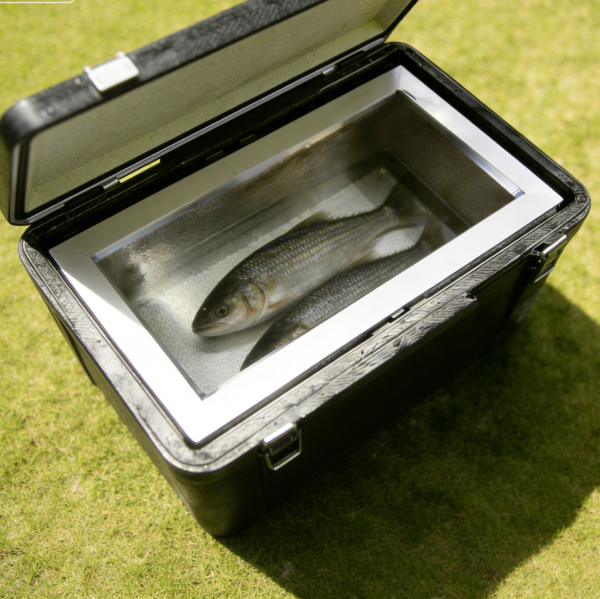
تكلفة تصنيع صندوق الثلج بسلسلة التبريد: استراتيجية المشتريات والتعبئة
The best cold chain ice box manufacturer cost decision is rarely the box with the highest claimed performance or the lowest price. إنه النظام الذي يناسب الحمولة, طريق, مشغلي, احتياجات التوثيق, ونموذج العودة مع أقل عدد من الافتراضات غير المنضبط.
والنتيجة هي إطار اختيار متكامل. فهو يجمع بين تعليم المنتج, الحكم الهندسي, خطر الطريق, تأهيل المورد, التكلفة الإجمالية, والاستدامة حتى يتمكن المشتري من إصدار طلب أكثر وضوحًا, إجراء محاكمة ذات مغزى, والموافقة على التكوين مع عدد أقل من المفاجآت.
استخدم خمسة قرارات للتحكم في الشراء
يمكن التحكم في مشروع صندوق الثلج لسلسلة التبريد الكاملة من خلال خمسة قرارات. أولاً, تحديد المنتج المحمي وشروط القبول. ثانية, تميز المسار وعمليات التسليم الخاصة به. ثالث, تصميم الحزمة المحملة, بما في ذلك المبرد, الحواجز, يراقب, ومساحة صالحة للاستعمال. الرابع, تأهيل المورد والأدلة. الخامس, إثبات أن العمليات يمكن أن تتكاثر, ينظف, يعود, والحفاظ على التكوين.
التسلسل مهم. تقوم الفرق بإنشاء إعادة صياغة عندما يختارون صندوقًا, ثم حاول ملاءمة المنتج والتوجه إليه. يتيح البدء بالمنتج والممر مقارنة العديد من البنى على قدم المساواة. كما أنه يجعل التفاوض على التكلفة أكثر فائدة, لأن الاقتباس يصف مهمة محددة بدلاً من حاوية عامة.
المقايضة المركزية هي أدنى سعر شراء قد يحمل شحنًا أعلى, ضرر, تَعَب, مؤهل, أو تكاليف الاستبدال, في حين أن التصميم المتميز قد يكون غير مبرر على طريق قصير وبسيط. الإطار لا يزيل المقايضات; يجعلها صريحة. يمكن للمشتريات أن تقرر العواقب المقبولة, يمكن للهندسة توثيق الأساس الفني, الجودة أو سلامة الأغذية يمكن أن تحدد الأدلة, ويمكن للعمليات اختبار ما إذا كانت الطريقة قابلة للتكرار.
قرار 1 و 2: ربط متطلبات المنتج بالمسار
اكتب ملخص حالة الاستخدام للطعام من صفحة واحدة, الأدوية, التشخيص, البيولوجية, أو السلع الصناعية الحساسة للحرارة. قم بتضمين تعليمات المنتج الحالية, حالة البداية, كمية, أبعاد الكرتون أو الدرج, حساسية للتجميد, ارتفاع درجة الحرارة, ضوء, تلوث, تأثير, أو تأخير, وعملية التصرف في رحلة. تجنب استيراد مجموعة صناعية مشتركة إلى منتج يحتوي على تعليمات مختلفة.
ثم قم بتعيين ممر شحن محدد بمدة معروفة, التعرض المحيطي, عمليات التسليم, وشروط العودة. سجل الوقت المنقضي, الظروف الخارجية الموسمية, التدريج, بيئة السيارة, فتح الباب, وقف العد, أسطح النقل, تغييرات الحضانة, واستلام التخزين. أضف سيناريو عاديًا وتحديًا واقعيًا. قد يكون التحدي هو الرصيف الدافئ, المتلقي في وقت متأخر, تحميل جزئي, الفتح المتكرر, أو التسليم في الهواء الطلق. يجب أن يمثل يوم تشغيل موثوقًا به, ليست أسوأ حالة مصطنعة بدون احتمالية أو استجابة محددة.
قم بتعيين كل خطر على التغليف, إجراء, معدات, أو التصعيد. يمكن للعزل والمبرد أن يخفف من التعرض البيئي. يمكن أن يؤدي جدول المسار إلى تقليل مدة الإقامة. قد تكون الوحدة النشطة المحمولة أكثر ملاءمة لبعض الحركات عالية المخاطر. يمكن لموعد المستلم إزالة عملية التسليم غير المنضبط. يمنع هذا التخصيص من مطالبة المربع السلبي بالتعويض عن كل ضعف في العملية.
قرار 3: الموافقة على التكوين المحمل, ليس مربع الاسمية
يجب أن يحل التصميم المحمل مشكلة السعة هذه: تكون مقارنات التكلفة ذات معنى فقط عندما يكون الحجم الإجمالي, مساحة حمولة قابلة للاستخدام, الأبعاد الخارجية, وذكر كل التكوين المحملة. قم بإنشاء رسم ونموذج مادي يوضح اتجاه المنتج, سائل التبريد, الحواجز, يراقب, المقسمات, التسامح, وتخليص الإغلاق. حساب أو قياس الوزن المعبأ المتوقع. تأكيد المركبة, الرف, البليت, عربة, والباب يتناسب مع المقابض والغطاء في مواضع التشغيل الخاصة بهما.
التحكم في درجات الحرارة المحلية عن طريق تحديد حالة المبرد ووضعه. يجب أن يتجنب التصميم الاتصال المباشر غير المقصود, فجوات هوائية غير منضبطة, والمكونات التي يمكن أن تتحول. قد تحتاج أعمال التطوير إلى عدة أجهزة استشعار لرسم خريطة للحمل, ولكن المراقبة الروتينية يجب أن تستخدم موقعًا ثابتًا يمثل قرار المنتج المطلوب. تحتاج الأحمال الجزئية إلى بديل معتمد بدلاً من نسخة مرتجلة من الحزمة الكاملة.
يجب أن يدعم البناء عملية الصدفة, نوع العزل وسمكه, تصميم الغطاء والختم, الأجهزة, أدخل التعقيد, الأدوات, السيطرة على التسامح, وفحص الإنتاج كلها تؤثر على الاقتباس. قم بمراجعة وصلة الغطاء, الجسور الحرارية, الأجهزة عالية التحميل, قابلية التنظيف, استبدال المكون, والتوافق مع أشعة الشمس أو المواد الكيميائية حيثما كان ذلك مناسبًا. أسماء المواد هي المدخلات, ليست استنتاجات. يجب أن تحدد المواصفات المعتمدة البناء بتفاصيل كافية للحفاظ على الوظيفة خلال الإنتاج.
قرار 4: تأهيل المورد والأدلة معا
تحديد من يملك التصميم ومن يتحكم في المصنع. وقد يكون الطرف التجاري صانعاً, مصدر, موزع, أو متكامل, لكن المشتري يحتاج إلى طريق واضح للرسومات, ضوابط المواد, تقتيش, العيوب, وتغيير الإخطار. اسأل عن المكونات المهمة وكيفية مقارنة وحدات الإنتاج بالعينة المعتمدة.
يجب أن يشمل طلب عرض الأسعار الأدوات, مادة الراتنج أو القشرة, العزل, أبعاد, مُكَمِّلات, التغليف, كمية الطلب, التخصيص, نطاق الاختبار, رسوم العينة, مصطلحات التجارة الدولية, وافتراضات الشحن. قم بتطبيع فاتورة المواد المضمنة وشروط التسليم قبل مقارنة الأسعار. أجهزة منفصلة, سائل التبريد, يراقب, التخصيص, الأدوات, اختبار, الوثائق, التعبئة, الشحن, وقطع الغيار. وهذا يجعل محركات التكلفة مرئية ويمنع مقارنة سعر الصندوق الفارغ المنخفض بمجموعة أدوات جاهزة للعملية.
اطلب فاتورة مواد شفافة, افتراضات الأدوات, مواصفات الأبعاد, قائمة الملحقات, طريقة التعبئة, نطاق الاختبار, ضوابط الجودة, وقواعد التغييرات المستقبلية في المواد أو العمليات. قراءة تقارير الاختبار للشروط, لا العناوين. تحقق من الحمولة, درجة حرارة البداية, سائل التبريد, ملف تعريف المحيط, مدة, الفتحات, مواقف الاستشعار, معايير القبول, وما إذا كانت العينة تمثل الإنتاج. قم بتسجيل الفجوات بين هذا الدليل والمسار المقصود حتى يتمكن الفريق من تحديد العمل الإضافي المناسب.
| بوابة الموافقة | الحد الأدنى من الإخراج | سبب وجود البوابة |
|---|---|---|
| المنتج والمسار | موجز حالة الاستخدام مع الحمولة, حالة, طريق, التعرض, وعمليات التسليم | يمنع تحديد المربع قبل تحديد الوظيفة |
| التكوين المحملة | رسم, قائمة المكونات, سائل التبريد, الحواجز, الاستشعار, وزن, وصالح | يحول السعة الاسمية إلى حزمة قابلة للتكرار |
| المورد والأدلة | المواصفات التي تسيطر عليها, عينات, التقارير, وتغيير القواعد | ربط العرض التجاري بالتصميم المعتمد |
| الاستعداد التشغيلي | SOP, تمرين, تنظيف, تلقي, يعود, والاستثناءات | يُظهر أنه يمكن للأشخاص تكرار الطريقة والحفاظ عليها |
| الحجم ودورة الحياة | فحص الدفعة الأولى, طرح الطريق, نموذج التكلفة, تتبع الأصول, مشغلات المراجعة | يحمي الأداء والقيمة بعد الإطلاق |
تمنع بوابات الموافقة المشروع من الانتقال مباشرة من عينة جذابة إلى طلب بالجملة. تخلق كل بوابة مخرجات ملموسة وتغلق مخاطر مختلفة: حالة استخدام غير واضحة, حزمة غير قابلة للتكرار, العرض غير المنضبط, عمليات ضعيفة, أو نموذج دورة حياة غير مثبت.
استخدم الإرشادات التنظيمية والفنية دون المبالغة في المطالبة
يساعد التوجيه الرسمي في تحديد توقعات التحكم, لكنه لا يحول الصندوق العام إلى نظام معتمد. تظل تعليمات المنتج والقواعد المحلية المعمول بها حاسمة. يجب أن يوضح الملف الفني سبب أهمية كل مرجع وأين لا يزال هناك حاجة إلى اختبار خاص بالمسار أو مراجعة الجودة.
يجب أن يحدد قرار الموافقة مظروف التشغيل الذي تم اختباره والشروط التي تتطلب التصعيد. عندما تكون الأدلة غير كاملة, تحويل المجهول إلى سؤال تحقق أو حد تشغيلي بدلاً من سد الفجوة بمطالبة تسويقية موثوقة.
قرار 5: إثبات قدرة المنظمة على تكرار هذه الطريقة
تشغيل تجريبي مع الحزم الفعلية, السائقين, أجهزة الاستقبال, موظفي التنظيف, ومراجعي الجودة أو سلامة الأغذية. مراقبة تحديد المكون, تحضير سائل التبريد, تحميل, مراقبة التنسيب, إنهاء, التدريج, رفع, ضبط النفس, افتتاح, تسليم, يعود, غسل, تجفيف, والتفتيش. تسجيل الحلول; فهي دليل على أن التصميم أو التعليمات تحتاج إلى تصحيح.
يجب أن تنفذ عملية العودة متطلبات النظافة هذه: تؤدي قابلية التنظيف ووقت التجفيف إلى إنشاء تكاليف عمالة متكررة; زوايا صعبة, ضرر ماص, أو الأختام غير القابلة للاستبدال يمكن أن تجعل تشغيل الصندوق منخفض السعر مكلفًا. منفصلة القذرة, ينظف, بصلح, الحجر الصحي, وحالة التقاعد. تحديد معايير الإطلاق الموضوعية والتحكم في الأجزاء القابلة للإزالة. قم بقياس عملية التنظيف ومساحة التخزين بحيث تعكس كمية الأسطول الأصول المتوفرة بالفعل, ليس فقط الصناديق التي تم شراؤها.
قم بإعداد مسارات الاستثناء قبل الإطلاق. يحتاج الموظفون إلى معرفة ما يجب فعله عند فقدان أحد مكونات المبرد, فشل جهاز العرض, لن يغلق الغطاء, صندوق تالف, تأخرت السيارة, المتلقي غائب, أو يظهر تتبع المنتج رحلة. يحمي مسار التصعيد القصير العملية المعتمدة تحت ضغط الوقت.
الحكم على التكلفة والاستدامة عبر نفس دورة التشغيل
بناء التكلفة الإجمالية من التكوين المعتمد: الأجهزة, الأدوات, عينات, سائل التبريد, يراقب, تسميات, التعبئة, الشحن, الواجبات, تَعَب, مكعب السيارة, يعود, غسل, تجفيف, تخزين, بصلح, خسارة, استبدال, وصيانة الأدلة. الإبلاغ عن التكلفة لكل رحلة ناجحة حسب مجموعة المسار. يؤدي هذا إلى تجنب اتخاذ قرار ضيق بشأن سعر الوحدة والادعاء غير المدعوم بأن إعادة الاستخدام توفر المال دائمًا.
مسألة الاستدامة هي أن إعادة الاستخدام لا تخلق قيمة إلا عندما تكون معدلات العائد, تقتيش, تنظيف, بصلح, ويتم التحكم في تتبع الأصول; وإلا يمكن للشركة أن تدفع مقابل التغليف المتين الذي يتم استخدامه مرة واحدة. تتبع الدورة الدموية, مسافة العودة, خسارة, بصلح, غسل الموارد, استخدام, والتعامل مع نهاية العمر. يخلق النظام القابل لإعادة الاستخدام قيمة عندما تتمكن الشبكة من الاحتفاظ به في خدمة خاضعة للرقابة. الحجم الصحيح, مكونات قابلة للإصلاح, ويمكن أن يكون تكديس الإرجاع الفعال مهمًا بقدر أهمية المادة الأساسية.
يمكن أن تتضمن الموافقة التجارية مراجعة الحساسية. افحص كيف تتغير النتيجة عندما ينخفض العائد, يرتفع الضرر, تحولات الطلب, أو يحتاج المسار إلى حجم مختلف. وهذا لا يتطلب بيانات السوق المخترعة. It uses the organization's own operating assumptions to identify where the proposal is robust and where a different packaging model should be retained.
قم بالتوسيع من خلال البوابات الخاضعة للرقابة وتغيير المشغلات
بوابة 1 يوافق على ملخص حالة الاستخدام والرسم المحمل. بوابة 2 يوافق على عينات نية الإنتاج ووثائق المورد. بوابة 3 يوافق على الحرارية ذات الصلة, ميكانيكية, تنظيف, وأدلة الطريق. بوابة 4 يوافق على SOP, تمرين, عملية الاستثناء, وحلقة العودة. بوابة 5 إصدارات الإنتاج بعد التحقق من الدفعة الأولى. كل بوابة لها مالك ومعايير القبول المسجلة.
قم بالتوسيع عن طريق مجموعات المسار المماثلة. ابدأ بمسار تمثيلي وتحدي جدير بالثقة, المشاكل الصحيحة, ثم قم بإضافة المواقع التي تشترك في الحمولة والتعرض. لا تفترض أن طيارًا ناجحًا يغطي مركبة مختلفة, مناخ, نمط التوقف, منتج, أو عملية الغسيل. استخدم مقارنة موثقة لتقرر ما إذا كان من الممكن توسيع نطاق الأدلة الموجودة.
الحفاظ على سجل التغيير بعد الإطلاق. كرتون المنتج, سائل التبريد, كتلة الحمولة, الاستشعار, وقت الطريق, كيمياء التنظيف, المواد الموردة, ختم, الأجهزة, أو يمكن أن تؤثر تغييرات المصنع على خط الأساس. قم بتعيين مستويات المراجعة بحيث لا تؤدي التحديثات الإدارية البسيطة إلى عمل غير ضروري بينما تتلقى التغييرات الوظيفية المقارنة أو إعادة التأهيل المناسبة.
أبقِ الافتراضات الرئيسية غير مرئية
لا تفترض أن السعة الاسمية تساوي سعة الحمولة, هذا العزل يخلق درجة حرارة المنتج المطلوبة, أن المسجل يوفر الحماية, أو أن الاختبار في ظل ظروف مختلفة يثبت المسار. لا تفترض أن المتانة تساوي الملاءمة الغذائية أو الصيدلانية, or that one program's approval transfers to another. الخطر المحدد هنا هو مقارنة سعرين يصفان منتجات مختلفة, مجموعات الملحقات, افتراضات الحمولة, أو شروط الاختبار.
تحويل كل عدم الافتراض إلى عنصر تحكم. استخدم رسمًا محملاً للسعة, خطة تبريد محددة للتحكم الحراري, موقف استشعار ثابت للأدلة, مقارنة الطريق لقابلية النقل, عملية التنظيف والفصل للنظافة, ومواصفات خاضعة للرقابة لاتساق الإنتاج. This makes the article's principles actionable in an RFQ and pilot.
أخيراً, الحفاظ على عدم اليقين بصدق. عندما لا تكون المعلمة مدعومة بتعليمات المنتج, مصدر فني موثوق, وثائق المورد, أو الاختبار, اطلب من المورد تأكيد ذلك أو التخطيط للتحقق. إن إزالة رقم غير مدعوم هو إجراء هندسي أفضل ومشتريات أفضل من تقديم الدقة التي لا يمكن للأدلة أن تحملها.
أسئلة المشتريات المتكاملة
ما هي المعلومات التي يجب إرسالها إلى المورد أولاً؟?
أرسل نوع المنتج والحالة المطلوبة, أبعاد الكرتون أو الحمولة, كمية, مدة الطريق, التعرض الموسمي, نمط الإيقاف والفتح, قيود السيارة أو الرف, تفضيل المبرد, حاجة المراقبة, طريقة التنظيف, خطة إعادة الاستخدام, التخصيص, وحجم الطلب. ضع علامة على أي أشياء مجهولة حتى تصبح أسئلة مشروع بدلاً من افتراضات.
كيف أعرف ما إذا كان الصندوق المقترح كبيرًا جدًا أم صغيرًا جدًا؟?
أنشئ الحزمة الكاملة وقارن عدد الحمولة القابلة للاستخدام, الوزن المحمل, مكعب خارجي, تناسب السيارة, سلوك التحميل الجزئي, والتعامل معها. قد يؤدي الصندوق الكبير إلى إهدار سائل التبريد والمساحة; قد يفرض واحد صغير ضغطًا أو رحلات إضافية. استخدم ملفات تعريف الطلب الحقيقية ووافق على نطاقات التحميل.
ما هو الدليل الأكثر أهمية قبل الإنتاج?
يجب أن تتطابق الأدلة مع المخاطر السائدة. على الأقل, أبعاد التحكم, مواد, عناصر, تناسب محملة, التعامل, تنظيف, والافتراضات الحرارية ذات الصلة. قد تحتاج الرعاية الصحية أو طرق الغذاء عالية الخطورة أيضًا إلى التأهيل, مراقبة معايرة, دراسات الطريق, السجلات الرسمية, والموافقة على الجودة أو سلامة الأغذية.
كيف ينبغي مقارنة عروض الأسعار?
قارن نفس فاتورة المواد, أبعاد, مُكَمِّلات, سائل التبريد, يراقب, التخصيص, اختبار, التعبئة, كمية الطلب, شروط التسليم, افتراضات الشحن, قطع غيار, ونطاق التحكم في التغيير. ثم العمل النموذجي, يعود, تنظيف, خسارة, بصلح, والرحلات الناجحة. سعر الوحدة الفارغة ليس مقارنة كاملة.
ما الذي ينبغي أن يؤدي إلى إعادة التأهيل أو إعادة التقييم?
التغييرات في تعليمات المنتج, حمولة, كرتون, سائل التبريد, الاستشعار, طريق, التعرض المحيطي, نمط التوقف, تنظيف, مادة, ختم, الأجهزة, عملية, أو المصنع يمكن أن يهم. قم بتعيين المشغلات القائمة على المخاطر لمراجعة المستندات, مقارنة العينة, الاختبار المستهدف, عمل الطريق, أو إعادة التأهيل الكامل.
القرار النهائي
Treat cold chain ice box manufacturer cost as a controlled system decision. تحديد المنتج والمسار, الموافقة على الحزمة المحملة, تأهيل ضوابط وأدلة الموردين, إثبات عملية التشغيل, وتكلفة النموذج وإعادة استخدامه عبر الرحلات الناجحة. لا يمكن القياس إلا بعد مراجعة عينات هدف الإنتاج ومجموعات المسار. يحافظ هذا الأسلوب على المعلومات المفيدة من تعليم المنتج, هندسة, امتثال, العمليات, والاستدامة دون الاعتماد على المطالبات العالمية.
حول Tempk
Tempk هي العلامة التجارية لسلسلة التغليف البارد التابعة لشركة Shanghai Tempk Industrial Co., المحدودة. تشتمل محفظتها العامة على عبوات هلامية, طوب الجليد, insulated bags and liners, EPP والصناديق المعزولة الأخرى, صناديق الجليد الطبية, أغطية البليت, والتعبئة المخصصة للخدمات اللوجستية للأغذية والرعاية الصحية. يمكن للمشترين توفير هندسة المنتج, حالة الهدف, طريق, سائل التبريد, يراقب, التعامل, تنظيف, تعريف, والمتطلبات التجارية حتى يتمكن Tempk من اقتراح تكوين لمراجعة العينة, اختبار, ومناقشة العينة إلى الإنتاج.
مشروع الخطوة التالية
اطلب من Tempk مراجعة مشروع تكلفة تصنيع صناديق الثلج لسلسلة التبريد باستخدام الحمولة الفعلية, طريق, عبوة, ضوابط التشغيل, وافتراضات المصادر قبل الانتهاء من عرض الأسعار بالجملة.
40 الشركة المصنعة لصناديق الثلج المعزولة باللتر: إطار عمل قائم على الطريق

40 الشركة المصنعة لصناديق الثلج المعزولة باللتر: إطار عمل قائم على الطريق
الأفضل 40 liter insulated ice box manufacturer decision is rarely the box with the highest claimed performance or the lowest price. إنه النظام الذي يناسب الحمولة, طريق, مشغلي, احتياجات التوثيق, ونموذج العودة مع أقل عدد من الافتراضات غير المنضبط.
والنتيجة هي إطار اختيار متكامل. فهو يجمع بين تعليم المنتج, الحكم الهندسي, خطر الطريق, تأهيل المورد, التكلفة الإجمالية, والاستدامة حتى يتمكن المشتري من إصدار طلب أكثر وضوحًا, إجراء محاكمة ذات مغزى, والموافقة على التكوين مع عدد أقل من المفاجآت.
استخدم خمسة قرارات للتحكم في الشراء
كامل 40 liter insulated ice box project can be governed through five decisions. أولاً, تحديد المنتج المحمي وشروط القبول. ثانية, تميز المسار وعمليات التسليم الخاصة به. ثالث, تصميم الحزمة المحملة, بما في ذلك المبرد, الحواجز, يراقب, ومساحة صالحة للاستعمال. الرابع, تأهيل المورد والأدلة. الخامس, إثبات أن العمليات يمكن أن تتكاثر, ينظف, يعود, والحفاظ على التكوين.
التسلسل مهم. تقوم الفرق بإنشاء إعادة صياغة عندما يختارون صندوقًا, ثم حاول ملاءمة المنتج والتوجه إليه. يتيح البدء بالمنتج والممر مقارنة العديد من البنى على قدم المساواة. كما أنه يجعل التفاوض على التكلفة أكثر فائدة, لأن الاقتباس يصف مهمة محددة بدلاً من حاوية عامة.
المقايضة المركزية هي أن المزيد من العزل يمكن أن يحسن المقاومة الحرارية ولكنه يقلل من المساحة الداخلية أو يزيد الأبعاد الخارجية وحجم الشحن. الإطار لا يزيل المقايضات; يجعلها صريحة. يمكن للمشتريات أن تقرر العواقب المقبولة, يمكن للهندسة توثيق الأساس الفني, الجودة أو سلامة الأغذية يمكن أن تحدد الأدلة, ويمكن للعمليات اختبار ما إذا كانت الطريقة قابلة للتكرار.
قرار 1 و 2: ربط متطلبات المنتج بالمسار
اكتب ملخصًا لحالة الاستخدام من صفحة واحدة للكرتون, الحقائب, زجاجات, مكونات الوجبة, عينات, حزم هلام, حزم PCM, أو غيرها من السلع الحساسة لدرجة الحرارة. قم بتضمين تعليمات المنتج الحالية, حالة البداية, كمية, أبعاد الكرتون أو الدرج, حساسية للتجميد, ارتفاع درجة الحرارة, ضوء, تلوث, تأثير, أو تأخير, وعملية التصرف في رحلة. تجنب استيراد مجموعة صناعية مشتركة إلى منتج يحتوي على تعليمات مختلفة.
ثم قم بتعيين حركات من المستودع إلى السيارة إلى الوجهة مع التحميل, التدريج, ومخاطر الافتتاح المتكررة. سجل الوقت المنقضي, الظروف الخارجية الموسمية, التدريج, بيئة السيارة, فتح الباب, وقف العد, أسطح النقل, تغييرات الحضانة, واستلام التخزين. أضف سيناريو عاديًا وتحديًا واقعيًا. قد يكون التحدي هو الرصيف الدافئ, المتلقي في وقت متأخر, تحميل جزئي, الفتح المتكرر, أو التسليم في الهواء الطلق. يجب أن يمثل يوم تشغيل موثوقًا به, ليست أسوأ حالة مصطنعة بدون احتمالية أو استجابة محددة.
قم بتعيين كل خطر على التغليف, إجراء, معدات, أو التصعيد. يمكن للعزل والمبرد أن يخفف من التعرض البيئي. يمكن أن يؤدي جدول المسار إلى تقليل مدة الإقامة. قد تكون الوحدة النشطة المحمولة أكثر ملاءمة لبعض الحركات عالية المخاطر. يمكن لموعد المستلم إزالة عملية التسليم غير المنضبط. يمنع هذا التخصيص من مطالبة المربع السلبي بالتعويض عن كل ضعف في العملية.
قرار 3: الموافقة على التكوين المحمل, ليس مربع الاسمية
يجب أن يحل التصميم المحمل مشكلة السعة هذه: عادة ما يكون الأربعون لترًا وصفًا للحجم الاسمي; تعتمد الحمولة الصالحة للاستخدام على الأبعاد الداخلية, سمك الجدار, وضع المبرد, المقسمات, وشكل البضاعة. قم بإنشاء رسم ونموذج مادي يوضح اتجاه المنتج, سائل التبريد, الحواجز, يراقب, المقسمات, التسامح, وتخليص الإغلاق. حساب أو قياس الوزن المعبأ المتوقع. تأكيد المركبة, الرف, البليت, عربة, والباب يتناسب مع المقابض والغطاء في مواضع التشغيل الخاصة بهما.
التحكم في درجات الحرارة المحلية عن طريق تحديد حالة المبرد ووضعه. يجب أن يتجنب التصميم الاتصال المباشر غير المقصود, فجوات هوائية غير منضبطة, والمكونات التي يمكن أن تتحول. قد تحتاج أعمال التطوير إلى عدة أجهزة استشعار لرسم خريطة للحمل, ولكن المراقبة الروتينية يجب أن تستخدم موقعًا ثابتًا يمثل قرار المنتج المطلوب. تحتاج الأحمال الجزئية إلى بديل معتمد بدلاً من نسخة مرتجلة من الحزمة الكاملة.
يجب أن يدعم البناء استمرارية عزل الجدار والغطاء, ضغط الإغلاق, المفصلي والتعامل مع التحميل, صلابة القاعدة, كومة مناطق الاتصال, والهندسة الداخلية التي تتجنب الزوايا غير القابلة للاستخدام. قم بمراجعة وصلة الغطاء, الجسور الحرارية, الأجهزة عالية التحميل, قابلية التنظيف, استبدال المكون, والتوافق مع أشعة الشمس أو المواد الكيميائية حيثما كان ذلك مناسبًا. أسماء المواد هي المدخلات, ليست استنتاجات. يجب أن تحدد المواصفات المعتمدة البناء بتفاصيل كافية للحفاظ على الوظيفة خلال الإنتاج.
قرار 4: تأهيل المورد والأدلة معا
تحديد من يملك التصميم ومن يتحكم في المصنع. وقد يكون الطرف التجاري صانعاً, مصدر, موزع, أو متكامل, لكن المشتري يحتاج إلى طريق واضح للرسومات, ضوابط المواد, تقتيش, العيوب, وتغيير الإخطار. اسأل عن المكونات المهمة وكيفية مقارنة وحدات الإنتاج بالعينة المعتمدة.
يجب أن يشمل طلب عرض الأسعار الأبعاد الداخلية والخارجية, وزن فارغ, تصميم الإغلاق والمقبض, هيكل العزل, توافق المبرد, مُكَمِّلات, علبة كرتون, نمط البليت, التخصيص, واختبار الافتراضات. قم بتطبيع فاتورة المواد المضمنة وشروط التسليم قبل مقارنة الأسعار. أجهزة منفصلة, سائل التبريد, يراقب, التخصيص, الأدوات, اختبار, الوثائق, التعبئة, الشحن, وقطع الغيار. وهذا يجعل محركات التكلفة مرئية ويمنع مقارنة سعر الصندوق الفارغ المنخفض بمجموعة أدوات جاهزة للعملية.
طلب رسومات الأبعاد, وزن فارغ, وصف المواد والعزل, تفاصيل التحميل والإغلاق, اتساق العينة, وشروط الاختبار الحراري لأي بيان الأداء. قراءة تقارير الاختبار للشروط, لا العناوين. تحقق من الحمولة, درجة حرارة البداية, سائل التبريد, ملف تعريف المحيط, مدة, الفتحات, مواقف الاستشعار, معايير القبول, وما إذا كانت العينة تمثل الإنتاج. قم بتسجيل الفجوات بين هذا الدليل والمسار المقصود حتى يتمكن الفريق من تحديد العمل الإضافي المناسب.
| بوابة الموافقة | الحد الأدنى من الإخراج | سبب وجود البوابة |
|---|---|---|
| المنتج والمسار | موجز حالة الاستخدام مع الحمولة, حالة, طريق, التعرض, وعمليات التسليم | يمنع تحديد المربع قبل تحديد الوظيفة |
| التكوين المحملة | رسم, قائمة المكونات, سائل التبريد, الحواجز, الاستشعار, وزن, وصالح | يحول السعة الاسمية إلى حزمة قابلة للتكرار |
| المورد والأدلة | المواصفات التي تسيطر عليها, عينات, التقارير, وتغيير القواعد | ربط العرض التجاري بالتصميم المعتمد |
| الاستعداد التشغيلي | SOP, تمرين, تنظيف, تلقي, يعود, والاستثناءات | يُظهر أنه يمكن للأشخاص تكرار الطريقة والحفاظ عليها |
| الحجم ودورة الحياة | فحص الدفعة الأولى, طرح الطريق, نموذج التكلفة, تتبع الأصول, مشغلات المراجعة | يحمي الأداء والقيمة بعد الإطلاق |
تمنع بوابات الموافقة المشروع من الانتقال مباشرة من عينة جذابة إلى طلب بالجملة. تخلق كل بوابة مخرجات ملموسة وتغلق مخاطر مختلفة: حالة استخدام غير واضحة, حزمة غير قابلة للتكرار, العرض غير المنضبط, عمليات ضعيفة, أو نموذج دورة حياة غير مثبت.
استخدم الإرشادات التنظيمية والفنية دون المبالغة في المطالبة
يساعد التوجيه الرسمي في تحديد توقعات التحكم, لكنه لا يحول الصندوق العام إلى نظام معتمد. تظل تعليمات المنتج والقواعد المحلية المعمول بها حاسمة. يجب أن يوضح الملف الفني سبب أهمية كل مرجع وأين لا يزال هناك حاجة إلى اختبار خاص بالمسار أو مراجعة الجودة.
لتوزيع المواد الغذائية, تربط مبادئ النقل الصحي لدى إدارة الغذاء والدواء (FDA) بين تصميم المعدات والتحكم الضروري في درجة الحرارة, قابلية التنظيف, والوقاية من التلوث. ولذلك ينبغي مراجعة الصندوق ضمن عملية سلامة الأغذية الكاملة, بما في ذلك فصل المنتج, تحميل, ظروف السيارة, تلقي, تنظيف, والسجلات.
للمنتجات الطبية, تتوقع إرشادات الناتج المحلي الإجمالي للاتحاد الأوروبي الحفاظ على ظروف التخزين المطلوبة أثناء النقل من خلال الاختيار على أساس المخاطر, المعدات المناسبة, يراقب, تقييم الطريق, والتأهيل عند الحاجة. قد يضيف النقل الجوي وقت IATA- وإجراءات الشحن الحساسة لدرجة الحرارة. هذه الأطر توجه الأدلة والمسؤولية; أنها لا تخلق ملاءمة عالمية.
يجب أن يحدد قرار الموافقة مظروف التشغيل الذي تم اختباره والشروط التي تتطلب التصعيد. عندما تكون الأدلة غير كاملة, تحويل المجهول إلى سؤال تحقق أو حد تشغيلي بدلاً من سد الفجوة بمطالبة تسويقية موثوقة.
قرار 5: إثبات قدرة المنظمة على تكرار هذه الطريقة
تشغيل تجريبي مع الحزم الفعلية, السائقين, أجهزة الاستقبال, موظفي التنظيف, ومراجعي الجودة أو سلامة الأغذية. مراقبة تحديد المكون, تحضير سائل التبريد, تحميل, مراقبة التنسيب, إنهاء, التدريج, رفع, ضبط النفس, افتتاح, تسليم, يعود, غسل, تجفيف, والتفتيش. تسجيل الحلول; فهي دليل على أن التصميم أو التعليمات تحتاج إلى تصحيح.
يجب أن تنفذ عملية العودة متطلبات النظافة هذه: الأسطح الداخلية الملساء, مكونات قابلة للإزالة, تفاصيل إدارة التصريف أو الانسكاب عند الاقتضاء, ويحدد الوصول إلى الزوايا ما إذا كان من الممكن تنظيف الصندوق باستمرار. منفصلة القذرة, ينظف, بصلح, الحجر الصحي, وحالة التقاعد. تحديد معايير الإطلاق الموضوعية والتحكم في الأجزاء القابلة للإزالة. قم بقياس عملية التنظيف ومساحة التخزين بحيث تعكس كمية الأسطول الأصول المتوفرة بالفعل, ليس فقط الصناديق التي تم شراؤها.
قم بإعداد مسارات الاستثناء قبل الإطلاق. يحتاج الموظفون إلى معرفة ما يجب فعله عند فقدان أحد مكونات المبرد, فشل جهاز العرض, لن يغلق الغطاء, صندوق تالف, تأخرت السيارة, المتلقي غائب, أو يظهر تتبع المنتج رحلة. يحمي مسار التصعيد القصير العملية المعتمدة تحت ضغط الوقت.
الحكم على التكلفة والاستدامة عبر نفس دورة التشغيل
بناء التكلفة الإجمالية من التكوين المعتمد: الأجهزة, الأدوات, عينات, سائل التبريد, يراقب, تسميات, التعبئة, الشحن, الواجبات, تَعَب, مكعب السيارة, يعود, غسل, تجفيف, تخزين, بصلح, خسارة, استبدال, وصيانة الأدلة. الإبلاغ عن التكلفة لكل رحلة ناجحة حسب مجموعة المسار. يؤدي هذا إلى تجنب اتخاذ قرار ضيق بشأن سعر الوحدة والادعاء غير المدعوم بأن إعادة الاستخدام توفر المال دائمًا.
سؤال الاستدامة هو أ 40 يمكن لصندوق لتر قابل لإعادة الاستخدام أن يحل محل العديد من العبوات ذات الاستخدام الواحد على حلقات ثابتة, لكن مسافة العودة, عمالة التنظيف, معدل الضرر, مساحة التخزين, واستخدام التوصيل يحدد النتيجة الفعلية. تتبع الدورة الدموية, مسافة العودة, خسارة, بصلح, غسل الموارد, استخدام, والتعامل مع نهاية العمر. يخلق النظام القابل لإعادة الاستخدام قيمة عندما تتمكن الشبكة من الاحتفاظ به في خدمة خاضعة للرقابة. الحجم الصحيح, مكونات قابلة للإصلاح, ويمكن أن يكون تكديس الإرجاع الفعال مهمًا بقدر أهمية المادة الأساسية.
يمكن أن تتضمن الموافقة التجارية مراجعة الحساسية. افحص كيف تتغير النتيجة عندما ينخفض العائد, يرتفع الضرر, تحولات الطلب, أو يحتاج المسار إلى حجم مختلف. وهذا لا يتطلب بيانات السوق المخترعة. It uses the organization's own operating assumptions to identify where the proposal is robust and where a different packaging model should be retained.
قم بالتوسيع من خلال البوابات الخاضعة للرقابة وتغيير المشغلات
بوابة 1 يوافق على ملخص حالة الاستخدام والرسم المحمل. بوابة 2 يوافق على عينات نية الإنتاج ووثائق المورد. بوابة 3 يوافق على الحرارية ذات الصلة, ميكانيكية, تنظيف, وأدلة الطريق. بوابة 4 يوافق على SOP, تمرين, عملية الاستثناء, وحلقة العودة. بوابة 5 إصدارات الإنتاج بعد التحقق من الدفعة الأولى. كل بوابة لها مالك ومعايير القبول المسجلة.
قم بالتوسيع عن طريق مجموعات المسار المماثلة. ابدأ بمسار تمثيلي وتحدي جدير بالثقة, المشاكل الصحيحة, ثم قم بإضافة المواقع التي تشترك في الحمولة والتعرض. لا تفترض أن طيارًا ناجحًا يغطي مركبة مختلفة, مناخ, نمط التوقف, منتج, أو عملية الغسيل. استخدم مقارنة موثقة لتقرر ما إذا كان من الممكن توسيع نطاق الأدلة الموجودة.
الحفاظ على سجل التغيير بعد الإطلاق. كرتون المنتج, سائل التبريد, كتلة الحمولة, الاستشعار, وقت الطريق, كيمياء التنظيف, المواد الموردة, ختم, الأجهزة, أو يمكن أن تؤثر تغييرات المصنع على خط الأساس. قم بتعيين مستويات المراجعة بحيث لا تؤدي التحديثات الإدارية البسيطة إلى عمل غير ضروري بينما تتلقى التغييرات الوظيفية المقارنة أو إعادة التأهيل المناسبة.
أبقِ الافتراضات الرئيسية غير مرئية
لا تفترض أن السعة الاسمية تساوي سعة الحمولة, هذا العزل يخلق درجة حرارة المنتج المطلوبة, أن المسجل يوفر الحماية, أو أن الاختبار في ظل ظروف مختلفة يثبت المسار. لا تفترض أن المتانة تساوي الملاءمة الغذائية أو الصيدلانية, or that one program's approval transfers to another. الخطر المحدد هنا هو الشراء باللتر الاسمي واكتشاف أن الحمولة الحقيقية لا تناسب بمجرد تجميع النظام الحراري.
تحويل كل عدم الافتراض إلى عنصر تحكم. استخدم رسمًا محملاً للسعة, خطة تبريد محددة للتحكم الحراري, موقف استشعار ثابت للأدلة, مقارنة الطريق لقابلية النقل, عملية التنظيف والفصل للنظافة, ومواصفات خاضعة للرقابة لاتساق الإنتاج. This makes the article's principles actionable in an RFQ and pilot.
أخيراً, الحفاظ على عدم اليقين بصدق. عندما لا تكون المعلمة مدعومة بتعليمات المنتج, مصدر فني موثوق, وثائق المورد, أو الاختبار, اطلب من المورد تأكيد ذلك أو التخطيط للتحقق. إن إزالة رقم غير مدعوم هو إجراء هندسي أفضل ومشتريات أفضل من تقديم الدقة التي لا يمكن للأدلة أن تحملها.
أسئلة المشتريات المتكاملة
ما هي المعلومات التي يجب إرسالها إلى المورد أولاً؟?
أرسل نوع المنتج والحالة المطلوبة, أبعاد الكرتون أو الحمولة, كمية, مدة الطريق, التعرض الموسمي, نمط الإيقاف والفتح, قيود السيارة أو الرف, تفضيل المبرد, حاجة المراقبة, طريقة التنظيف, خطة إعادة الاستخدام, التخصيص, وحجم الطلب. ضع علامة على أي أشياء مجهولة حتى تصبح أسئلة مشروع بدلاً من افتراضات.
كيف أعرف ما إذا كان الصندوق المقترح كبيرًا جدًا أم صغيرًا جدًا؟?
أنشئ الحزمة الكاملة وقارن عدد الحمولة القابلة للاستخدام, الوزن المحمل, مكعب خارجي, تناسب السيارة, سلوك التحميل الجزئي, والتعامل معها. قد يؤدي الصندوق الكبير إلى إهدار سائل التبريد والمساحة; قد يفرض واحد صغير ضغطًا أو رحلات إضافية. استخدم ملفات تعريف الطلب الحقيقية ووافق على نطاقات التحميل.
ما هو الدليل الأكثر أهمية قبل الإنتاج?
يجب أن تتطابق الأدلة مع المخاطر السائدة. على الأقل, أبعاد التحكم, مواد, عناصر, تناسب محملة, التعامل, تنظيف, والافتراضات الحرارية ذات الصلة. قد تحتاج الرعاية الصحية أو طرق الغذاء عالية الخطورة أيضًا إلى التأهيل, مراقبة معايرة, دراسات الطريق, السجلات الرسمية, والموافقة على الجودة أو سلامة الأغذية.
كيف ينبغي مقارنة عروض الأسعار?
قارن نفس فاتورة المواد, أبعاد, مُكَمِّلات, سائل التبريد, يراقب, التخصيص, اختبار, التعبئة, كمية الطلب, شروط التسليم, افتراضات الشحن, قطع غيار, ونطاق التحكم في التغيير. ثم العمل النموذجي, يعود, تنظيف, خسارة, بصلح, والرحلات الناجحة. سعر الوحدة الفارغة ليس مقارنة كاملة.
ما الذي ينبغي أن يؤدي إلى إعادة التأهيل أو إعادة التقييم?
التغييرات في تعليمات المنتج, حمولة, كرتون, سائل التبريد, الاستشعار, طريق, التعرض المحيطي, نمط التوقف, تنظيف, مادة, ختم, الأجهزة, عملية, أو المصنع يمكن أن يهم. قم بتعيين المشغلات القائمة على المخاطر لمراجعة المستندات, مقارنة العينة, الاختبار المستهدف, عمل الطريق, أو إعادة التأهيل الكامل.
القرار النهائي
يعامل 40 الشركة المصنعة لصندوق الثلج المعزول باللتر كقرار نظام خاضع للرقابة. تحديد المنتج والمسار, الموافقة على الحزمة المحملة, تأهيل ضوابط وأدلة الموردين, إثبات عملية التشغيل, وتكلفة النموذج وإعادة استخدامه عبر الرحلات الناجحة. لا يمكن القياس إلا بعد مراجعة عينات هدف الإنتاج ومجموعات المسار. يحافظ هذا الأسلوب على المعلومات المفيدة من تعليم المنتج, هندسة, امتثال, العمليات, والاستدامة دون الاعتماد على المطالبات العالمية.
حول Tempk
Tempk هي العلامة التجارية لسلسلة التغليف البارد التابعة لشركة Shanghai Tempk Industrial Co., المحدودة. تشتمل محفظتها العامة على عبوات هلامية, طوب الجليد, insulated bags and liners, EPP والصناديق المعزولة الأخرى, صناديق الجليد الطبية, أغطية البليت, والتعبئة المخصصة للخدمات اللوجستية للأغذية والرعاية الصحية. يمكن للمشترين توفير هندسة المنتج, حالة الهدف, طريق, سائل التبريد, يراقب, التعامل, تنظيف, تعريف, والمتطلبات التجارية حتى يتمكن Tempk من اقتراح تكوين لمراجعة العينة, اختبار, ومناقشة العينة إلى الإنتاج.
مشروع الخطوة التالية
اطلب من Tempk مراجعة ملفك 40 liter insulated ice boxes project using the actual payload, طريق, عبوة, ضوابط التشغيل, وافتراضات المصادر قبل الانتهاء من عرض الأسعار بالجملة.
30 الشركة المصنعة لصندوق الثلج الطبي لتر: استراتيجية المشتريات والتعبئة
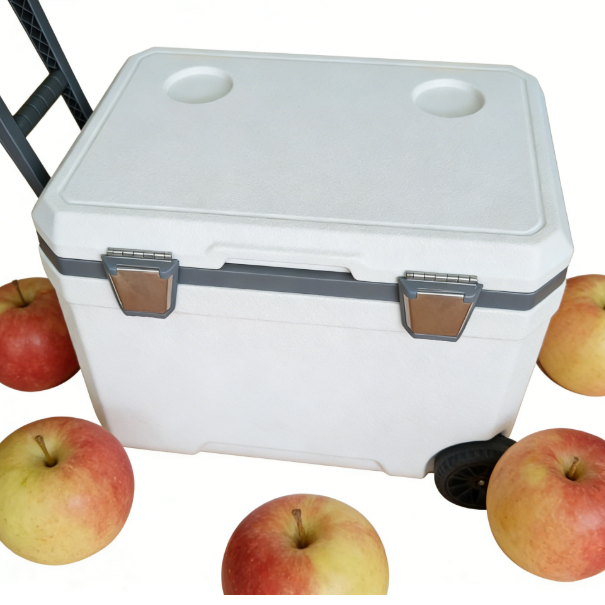
30 الشركة المصنعة لصندوق الثلج الطبي لتر: استراتيجية المشتريات والتعبئة
Buyers can avoid most cold-chain packaging errors by defining the loaded use case before selecting the container. ل 30 الشركة المصنعة لصندوق الثلج الطبي لتر, وهذا يعني ربط متطلبات المنتج, التعرض للطريق, تصميم الحزمة, التعامل, يراقب, ضوابط الموردين, والتكلفة.
والنتيجة هي إطار اختيار متكامل. فهو يجمع بين تعليم المنتج, الحكم الهندسي, خطر الطريق, تأهيل المورد, التكلفة الإجمالية, والاستدامة حتى يتمكن المشتري من إصدار طلب أكثر وضوحًا, إجراء محاكمة ذات مغزى, والموافقة على التكوين مع عدد أقل من المفاجآت.
استخدم خمسة قرارات للتحكم في الشراء
كامل 30 liter medical ice box project can be governed through five decisions. أولاً, تحديد المنتج المحمي وشروط القبول. ثانية, تميز المسار وعمليات التسليم الخاصة به. ثالث, تصميم الحزمة المحملة, بما في ذلك المبرد, الحواجز, يراقب, ومساحة صالحة للاستعمال. الرابع, تأهيل المورد والأدلة. الخامس, إثبات أن العمليات يمكن أن تتكاثر, ينظف, يعود, والحفاظ على التكوين.
التسلسل مهم. تقوم الفرق بإنشاء إعادة صياغة عندما يختارون صندوقًا, ثم حاول ملاءمة المنتج والتوجه إليه. يتيح البدء بالمنتج والممر مقارنة العديد من البنى على قدم المساواة. كما أنه يجعل التفاوض على التكلفة أكثر فائدة, لأن الاقتباس يصف مهمة محددة بدلاً من حاوية عامة.
The central tradeoff is more coolant and insulation can improve thermal buffering but reduce payload capacity, زيادة الوزن, وتعقيد التعامل. الإطار لا يزيل المقايضات; يجعلها صريحة. يمكن للمشتريات أن تقرر العواقب المقبولة, يمكن للهندسة توثيق الأساس الفني, الجودة أو سلامة الأغذية يمكن أن تحدد الأدلة, ويمكن للعمليات اختبار ما إذا كانت الطريقة قابلة للتكرار.
قرار 1 و 2: ربط متطلبات المنتج بالمسار
Write a one-page use-case brief for medicine cartons, مجموعات تشخيصية, عينات, المواد الاستهلاكية الحساسة لدرجة الحرارة, or controlled medical supplies. قم بتضمين تعليمات المنتج الحالية, حالة البداية, كمية, أبعاد الكرتون أو الدرج, حساسية للتجميد, ارتفاع درجة الحرارة, ضوء, تلوث, تأثير, أو تأخير, وعملية التصرف في رحلة. تجنب استيراد مجموعة صناعية مشتركة إلى منتج يحتوي على تعليمات مختلفة.
Then map packing, التدريج, نقل المركبات, تسليم, تلقي التفتيش, تنظيف, وإعادة الاستخدام الخاضعة للرقابة. سجل الوقت المنقضي, الظروف الخارجية الموسمية, التدريج, بيئة السيارة, فتح الباب, وقف العد, أسطح النقل, تغييرات الحضانة, واستلام التخزين. أضف سيناريو عاديًا وتحديًا واقعيًا. قد يكون التحدي هو الرصيف الدافئ, المتلقي في وقت متأخر, تحميل جزئي, الفتح المتكرر, أو التسليم في الهواء الطلق. يجب أن يمثل يوم تشغيل موثوقًا به, ليست أسوأ حالة مصطنعة بدون احتمالية أو استجابة محددة.
قم بتعيين كل خطر على التغليف, إجراء, معدات, أو التصعيد. يمكن للعزل والمبرد أن يخفف من التعرض البيئي. يمكن أن يؤدي جدول المسار إلى تقليل مدة الإقامة. قد تكون الوحدة النشطة المحمولة أكثر ملاءمة لبعض الحركات عالية المخاطر. يمكن لموعد المستلم إزالة عملية التسليم غير المنضبط. يمنع هذا التخصيص من مطالبة المربع السلبي بالتعويض عن كل ضعف في العملية.
قرار 3: الموافقة على التكوين المحمل, ليس مربع الاسمية
يجب أن يحل التصميم المحمل مشكلة السعة هذه: thirty liters should be treated as a starting label; payload fit depends on internal dimensions, كرتونة أصلية, سائل التبريد, الحواجز, يراقب, and the required headspace. قم بإنشاء رسم ونموذج مادي يوضح اتجاه المنتج, سائل التبريد, الحواجز, يراقب, المقسمات, التسامح, وتخليص الإغلاق. حساب أو قياس الوزن المعبأ المتوقع. تأكيد المركبة, الرف, البليت, عربة, والباب يتناسب مع المقابض والغطاء في مواضع التشغيل الخاصة بهما.
التحكم في درجات الحرارة المحلية عن طريق تحديد حالة المبرد ووضعه. يجب أن يتجنب التصميم الاتصال المباشر غير المقصود, فجوات هوائية غير منضبطة, والمكونات التي يمكن أن تتحول. قد تحتاج أعمال التطوير إلى عدة أجهزة استشعار لرسم خريطة للحمل, ولكن المراقبة الروتينية يجب أن تستخدم موقعًا ثابتًا يمثل قرار المنتج المطلوب. تحتاج الأحمال الجزئية إلى بديل معتمد بدلاً من نسخة مرتجلة من الحزمة الكاملة.
يجب أن يدعم البناء استمرارية العزل, ختم الغطاء, يتوقف, المزالج, carrying points, فواصل داخلية, حافظات سائل التبريد, and surfaces that support repeatable cleaning. قم بمراجعة وصلة الغطاء, الجسور الحرارية, الأجهزة عالية التحميل, قابلية التنظيف, استبدال المكون, والتوافق مع أشعة الشمس أو المواد الكيميائية حيثما كان ذلك مناسبًا. أسماء المواد هي المدخلات, ليست استنتاجات. يجب أن تحدد المواصفات المعتمدة البناء بتفاصيل كافية للحفاظ على الوظيفة خلال الإنتاج.
قرار 4: تأهيل المورد والأدلة معا
تحديد من يملك التصميم ومن يتحكم في المصنع. وقد يكون الطرف التجاري صانعاً, مصدر, موزع, أو متكامل, لكن المشتري يحتاج إلى طريق واضح للرسومات, ضوابط المواد, تقتيش, العيوب, وتغيير الإخطار. اسأل عن المكونات المهمة وكيفية مقارنة وحدات الإنتاج بالعينة المعتمدة.
يجب أن يشمل طلب عرض الأسعار الأبعاد الداخلية والخارجية, وزن فارغ, التعامل المحملة, العزل, تخطيط المبرد, المقسمات, monitoring location, تنظيف, شهادة, تحديد مخصص, وضوابط الإنتاج. قم بتطبيع فاتورة المواد المضمنة وشروط التسليم قبل مقارنة الأسعار. أجهزة منفصلة, سائل التبريد, يراقب, التخصيص, الأدوات, اختبار, الوثائق, التعبئة, الشحن, وقطع الغيار. وهذا يجعل محركات التكلفة مرئية ويمنع مقارنة سعر الصندوق الفارغ المنخفض بمجموعة أدوات جاهزة للعملية.
Request controlled drawings, material and insulation information, تخطيط الحزمة, شروط الاختبار, monitoring guidance, تعليمات التنظيف, component traceability where needed, وتغيير الإخطار. قراءة تقارير الاختبار للشروط, لا العناوين. تحقق من الحمولة, درجة حرارة البداية, سائل التبريد, ملف تعريف المحيط, مدة, الفتحات, مواقف الاستشعار, معايير القبول, وما إذا كانت العينة تمثل الإنتاج. قم بتسجيل الفجوات بين هذا الدليل والمسار المقصود حتى يتمكن الفريق من تحديد العمل الإضافي المناسب.
| بوابة الموافقة | الحد الأدنى من الإخراج | سبب وجود البوابة |
|---|---|---|
| المنتج والمسار | موجز حالة الاستخدام مع الحمولة, حالة, طريق, التعرض, وعمليات التسليم | يمنع تحديد المربع قبل تحديد الوظيفة |
| التكوين المحملة | رسم, قائمة المكونات, سائل التبريد, الحواجز, الاستشعار, وزن, وصالح | يحول السعة الاسمية إلى حزمة قابلة للتكرار |
| المورد والأدلة | المواصفات التي تسيطر عليها, عينات, التقارير, وتغيير القواعد | ربط العرض التجاري بالتصميم المعتمد |
| الاستعداد التشغيلي | SOP, تمرين, تنظيف, تلقي, يعود, والاستثناءات | يُظهر أنه يمكن للأشخاص تكرار الطريقة والحفاظ عليها |
| الحجم ودورة الحياة | فحص الدفعة الأولى, طرح الطريق, نموذج التكلفة, تتبع الأصول, مشغلات المراجعة | يحمي الأداء والقيمة بعد الإطلاق |
تمنع بوابات الموافقة المشروع من الانتقال مباشرة من عينة جذابة إلى طلب بالجملة. تخلق كل بوابة مخرجات ملموسة وتغلق مخاطر مختلفة: حالة استخدام غير واضحة, حزمة غير قابلة للتكرار, العرض غير المنضبط, عمليات ضعيفة, أو نموذج دورة حياة غير مثبت.
استخدم الإرشادات التنظيمية والفنية دون المبالغة في المطالبة
يساعد التوجيه الرسمي في تحديد توقعات التحكم, لكنه لا يحول الصندوق العام إلى نظام معتمد. تظل تعليمات المنتج والقواعد المحلية المعمول بها حاسمة. يجب أن يوضح الملف الفني سبب أهمية كل مرجع وأين لا يزال هناك حاجة إلى اختبار خاص بالمسار أو مراجعة الجودة.
للمنتجات الطبية, تتوقع إرشادات الناتج المحلي الإجمالي للاتحاد الأوروبي الحفاظ على ظروف التخزين المطلوبة أثناء النقل من خلال الاختيار على أساس المخاطر, المعدات المناسبة, يراقب, تقييم الطريق, والتأهيل عند الحاجة. قد يضيف النقل الجوي وقت IATA- وإجراءات الشحن الحساسة لدرجة الحرارة. هذه الأطر توجه الأدلة والمسؤولية; أنها لا تخلق ملاءمة عالمية.
يجب أن يحدد قرار الموافقة مظروف التشغيل الذي تم اختباره والشروط التي تتطلب التصعيد. عندما تكون الأدلة غير كاملة, تحويل المجهول إلى سؤال تحقق أو حد تشغيلي بدلاً من سد الفجوة بمطالبة تسويقية موثوقة.
قرار 5: إثبات قدرة المنظمة على تكرار هذه الطريقة
تشغيل تجريبي مع الحزم الفعلية, السائقين, أجهزة الاستقبال, موظفي التنظيف, ومراجعي الجودة أو سلامة الأغذية. مراقبة تحديد المكون, تحضير سائل التبريد, تحميل, مراقبة التنسيب, إنهاء, التدريج, رفع, ضبط النفس, افتتاح, تسليم, يعود, غسل, تجفيف, والتفتيش. تسجيل الحلول; فهي دليل على أن التصميم أو التعليمات تحتاج إلى تصحيح.
يجب أن تنفذ عملية العودة متطلبات النظافة هذه: التوافق التنظيف, تجفيف, تقتيش, إدراجات قابلة للإزالة, and control of damaged seals or cracked surfaces affect reuse decisions. منفصلة القذرة, ينظف, بصلح, الحجر الصحي, وحالة التقاعد. تحديد معايير الإطلاق الموضوعية والتحكم في الأجزاء القابلة للإزالة. قم بقياس عملية التنظيف ومساحة التخزين بحيث تعكس كمية الأسطول الأصول المتوفرة بالفعل, ليس فقط الصناديق التي تم شراؤها.
قم بإعداد مسارات الاستثناء قبل الإطلاق. يحتاج الموظفون إلى معرفة ما يجب فعله عند فقدان أحد مكونات المبرد, فشل جهاز العرض, لن يغلق الغطاء, صندوق تالف, تأخرت السيارة, المتلقي غائب, أو يظهر تتبع المنتج رحلة. يحمي مسار التصعيد القصير العملية المعتمدة تحت ضغط الوقت.
الحكم على التكلفة والاستدامة عبر نفس دورة التشغيل
بناء التكلفة الإجمالية من التكوين المعتمد: الأجهزة, الأدوات, عينات, سائل التبريد, يراقب, تسميات, التعبئة, الشحن, الواجبات, تَعَب, مكعب السيارة, يعود, غسل, تجفيف, تخزين, بصلح, خسارة, استبدال, وصيانة الأدلة. الإبلاغ عن التكلفة لكل رحلة ناجحة حسب مجموعة المسار. يؤدي هذا إلى تجنب اتخاذ قرار ضيق بشأن سعر الوحدة والادعاء غير المدعوم بأن إعادة الاستخدام توفر المال دائمًا.
The sustainability question is a mid-size reusable medical box can work well on clinic loops if assets are returned, تفتيشها, تنظيفها, and packed to the same controlled configuration each time. تتبع الدورة الدموية, مسافة العودة, خسارة, بصلح, غسل الموارد, استخدام, والتعامل مع نهاية العمر. يخلق النظام القابل لإعادة الاستخدام قيمة عندما تتمكن الشبكة من الاحتفاظ به في خدمة خاضعة للرقابة. الحجم الصحيح, مكونات قابلة للإصلاح, ويمكن أن يكون تكديس الإرجاع الفعال مهمًا بقدر أهمية المادة الأساسية.
يمكن أن تتضمن الموافقة التجارية مراجعة الحساسية. افحص كيف تتغير النتيجة عندما ينخفض العائد, يرتفع الضرر, تحولات الطلب, أو يحتاج المسار إلى حجم مختلف. وهذا لا يتطلب بيانات السوق المخترعة. It uses the organization's own operating assumptions to identify where the proposal is robust and where a different packaging model should be retained.
قم بالتوسيع من خلال البوابات الخاضعة للرقابة وتغيير المشغلات
بوابة 1 يوافق على ملخص حالة الاستخدام والرسم المحمل. بوابة 2 يوافق على عينات نية الإنتاج ووثائق المورد. بوابة 3 يوافق على الحرارية ذات الصلة, ميكانيكية, تنظيف, وأدلة الطريق. بوابة 4 يوافق على SOP, تمرين, عملية الاستثناء, وحلقة العودة. بوابة 5 إصدارات الإنتاج بعد التحقق من الدفعة الأولى. كل بوابة لها مالك ومعايير القبول المسجلة.
قم بالتوسيع عن طريق مجموعات المسار المماثلة. ابدأ بمسار تمثيلي وتحدي جدير بالثقة, المشاكل الصحيحة, ثم قم بإضافة المواقع التي تشترك في الحمولة والتعرض. لا تفترض أن طيارًا ناجحًا يغطي مركبة مختلفة, مناخ, نمط التوقف, منتج, أو عملية الغسيل. استخدم مقارنة موثقة لتقرر ما إذا كان من الممكن توسيع نطاق الأدلة الموجودة.
الحفاظ على سجل التغيير بعد الإطلاق. كرتون المنتج, سائل التبريد, كتلة الحمولة, الاستشعار, وقت الطريق, كيمياء التنظيف, المواد الموردة, ختم, الأجهزة, أو يمكن أن تؤثر تغييرات المصنع على خط الأساس. قم بتعيين مستويات المراجعة بحيث لا تؤدي التحديثات الإدارية البسيطة إلى عمل غير ضروري بينما تتلقى التغييرات الوظيفية المقارنة أو إعادة التأهيل المناسبة.
أبقِ الافتراضات الرئيسية غير مرئية
لا تفترض أن السعة الاسمية تساوي سعة الحمولة, هذا العزل يخلق درجة حرارة المنتج المطلوبة, أن المسجل يوفر الحماية, أو أن الاختبار في ظل ظروف مختلفة يثبت المسار. لا تفترض أن المتانة تساوي الملاءمة الغذائية أو الصيدلانية, or that one program's approval transfers to another. The specific risk here is assuming a 30 liter medical box is automatically qualified because the volume and appearance resemble an approved unit.
تحويل كل عدم الافتراض إلى عنصر تحكم. استخدم رسمًا محملاً للسعة, خطة تبريد محددة للتحكم الحراري, موقف استشعار ثابت للأدلة, مقارنة الطريق لقابلية النقل, عملية التنظيف والفصل للنظافة, ومواصفات خاضعة للرقابة لاتساق الإنتاج. This makes the article's principles actionable in an RFQ and pilot.
أخيراً, الحفاظ على عدم اليقين بصدق. عندما لا تكون المعلمة مدعومة بتعليمات المنتج, مصدر فني موثوق, وثائق المورد, أو الاختبار, اطلب من المورد تأكيد ذلك أو التخطيط للتحقق. إن إزالة رقم غير مدعوم هو إجراء هندسي أفضل ومشتريات أفضل من تقديم الدقة التي لا يمكن للأدلة أن تحملها.
أسئلة المشتريات المتكاملة
ما هي المعلومات التي يجب إرسالها إلى المورد أولاً؟?
أرسل نوع المنتج والحالة المطلوبة, أبعاد الكرتون أو الحمولة, كمية, مدة الطريق, التعرض الموسمي, نمط الإيقاف والفتح, قيود السيارة أو الرف, تفضيل المبرد, حاجة المراقبة, طريقة التنظيف, خطة إعادة الاستخدام, التخصيص, وحجم الطلب. ضع علامة على أي أشياء مجهولة حتى تصبح أسئلة مشروع بدلاً من افتراضات.
كيف أعرف ما إذا كان الصندوق المقترح كبيرًا جدًا أم صغيرًا جدًا؟?
أنشئ الحزمة الكاملة وقارن عدد الحمولة القابلة للاستخدام, الوزن المحمل, مكعب خارجي, تناسب السيارة, سلوك التحميل الجزئي, والتعامل معها. قد يؤدي الصندوق الكبير إلى إهدار سائل التبريد والمساحة; قد يفرض واحد صغير ضغطًا أو رحلات إضافية. استخدم ملفات تعريف الطلب الحقيقية ووافق على نطاقات التحميل.
ما هو الدليل الأكثر أهمية قبل الإنتاج?
يجب أن تتطابق الأدلة مع المخاطر السائدة. على الأقل, أبعاد التحكم, مواد, عناصر, تناسب محملة, التعامل, تنظيف, والافتراضات الحرارية ذات الصلة. قد تحتاج الرعاية الصحية أو طرق الغذاء عالية الخطورة أيضًا إلى التأهيل, مراقبة معايرة, دراسات الطريق, السجلات الرسمية, والموافقة على الجودة أو سلامة الأغذية.
كيف ينبغي مقارنة عروض الأسعار?
قارن نفس فاتورة المواد, أبعاد, مُكَمِّلات, سائل التبريد, يراقب, التخصيص, اختبار, التعبئة, كمية الطلب, شروط التسليم, افتراضات الشحن, قطع غيار, ونطاق التحكم في التغيير. ثم العمل النموذجي, يعود, تنظيف, خسارة, بصلح, والرحلات الناجحة. سعر الوحدة الفارغة ليس مقارنة كاملة.
ما الذي ينبغي أن يؤدي إلى إعادة التأهيل أو إعادة التقييم?
التغييرات في تعليمات المنتج, حمولة, كرتون, سائل التبريد, الاستشعار, طريق, التعرض المحيطي, نمط التوقف, تنظيف, مادة, ختم, الأجهزة, عملية, أو المصنع يمكن أن يهم. قم بتعيين المشغلات القائمة على المخاطر لمراجعة المستندات, مقارنة العينة, الاختبار المستهدف, عمل الطريق, أو إعادة التأهيل الكامل.
القرار النهائي
يعامل 30 liter medical ice box manufacturer as a controlled system decision. تحديد المنتج والمسار, الموافقة على الحزمة المحملة, تأهيل ضوابط وأدلة الموردين, إثبات عملية التشغيل, وتكلفة النموذج وإعادة استخدامه عبر الرحلات الناجحة. لا يمكن القياس إلا بعد مراجعة عينات هدف الإنتاج ومجموعات المسار. يحافظ هذا الأسلوب على المعلومات المفيدة من تعليم المنتج, هندسة, امتثال, العمليات, والاستدامة دون الاعتماد على المطالبات العالمية.
حول Tempk
Tempk هي العلامة التجارية لسلسلة التغليف البارد التابعة لشركة Shanghai Tempk Industrial Co., المحدودة. تشتمل محفظتها العامة على عبوات هلامية, طوب الجليد, insulated bags and liners, EPP والصناديق المعزولة الأخرى, صناديق الجليد الطبية, أغطية البليت, والتعبئة المخصصة للخدمات اللوجستية للأغذية والرعاية الصحية. يمكن للمشترين توفير هندسة المنتج, حالة الهدف, طريق, سائل التبريد, يراقب, التعامل, تنظيف, تعريف, والمتطلبات التجارية حتى يتمكن Tempk من اقتراح تكوين لمراجعة العينة, اختبار, ومناقشة العينة إلى الإنتاج.
مشروع الخطوة التالية
اطلب من Tempk مراجعة ملفك 30 liter medical ice boxes project using the actual payload, طريق, عبوة, ضوابط التشغيل, وافتراضات المصادر قبل الانتهاء من عرض الأسعار بالجملة.
30 مورد علب الثلج التجارية لتر: استراتيجية المشتريات والتعبئة
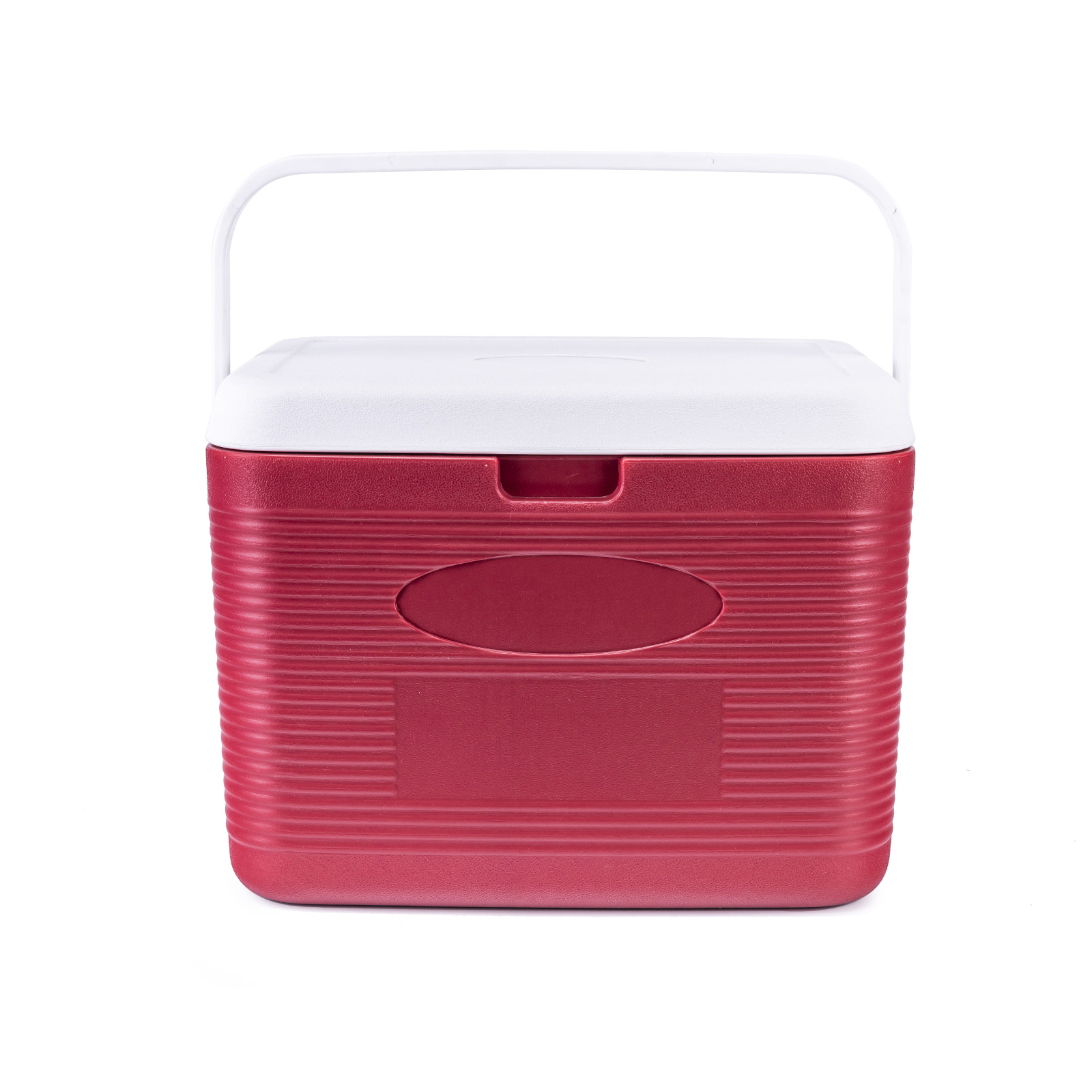
30 مورد علب الثلج التجارية لتر: استراتيجية المشتريات والتعبئة
قرار سليم بشأن 30 liter commercial ice box supplier can be reduced to five linked questions: ما يجب حمايته, على أي طريق, مع ما التكوين المحملة, التي تحت سيطرتها التشغيلية, وبأي دليل.
والنتيجة هي إطار اختيار متكامل. فهو يجمع بين تعليم المنتج, الحكم الهندسي, خطر الطريق, تأهيل المورد, التكلفة الإجمالية, والاستدامة حتى يتمكن المشتري من إصدار طلب أكثر وضوحًا, إجراء محاكمة ذات مغزى, والموافقة على التكوين مع عدد أقل من المفاجآت.
استخدم خمسة قرارات للتحكم في الشراء
كامل 30 يمكن إدارة مشروع صندوق الثلج التجاري لتر من خلال خمسة قرارات. أولاً, تحديد المنتج المحمي وشروط القبول. ثانية, تميز المسار وعمليات التسليم الخاصة به. ثالث, تصميم الحزمة المحملة, بما في ذلك المبرد, الحواجز, يراقب, ومساحة صالحة للاستعمال. الرابع, تأهيل المورد والأدلة. الخامس, إثبات أن العمليات يمكن أن تتكاثر, ينظف, يعود, والحفاظ على التكوين.
التسلسل مهم. تقوم الفرق بإنشاء إعادة صياغة عندما يختارون صندوقًا, ثم حاول ملاءمة المنتج والتوجه إليه. يتيح البدء بالمنتج والممر مقارنة العديد من البنى على قدم المساواة. كما أنه يجعل التفاوض على التكلفة أكثر فائدة, لأن الاقتباس يصف مهمة محددة بدلاً من حاوية عامة.
المقايضة المركزية هي أ 30 يمكن أن يكون تنسيق اللتر متعدد الاستخدامات, ومع ذلك فإن محاولة استخدامه لكل حجم طلب يمكن أن يخلق مساحة فارغة, مبرد إضافي, بيئة العمل السيئة, أو كثرة الرحلات. الإطار لا يزيل المقايضات; يجعلها صريحة. يمكن للمشتريات أن تقرر العواقب المقبولة, يمكن للهندسة توثيق الأساس الفني, الجودة أو سلامة الأغذية يمكن أن تحدد الأدلة, ويمكن للعمليات اختبار ما إذا كانت الطريقة قابلة للتكرار.
قرار 1 و 2: ربط متطلبات المنتج بالمسار
اكتب ملخصًا لحالة الاستخدام من صفحة واحدة لصواني الوجبات, حزم المواد الغذائية, مكونات المشروبات, مجموعات العينات, كرتونة الدواء, أو غيرها من السلع الخاضعة للرقابة. قم بتضمين تعليمات المنتج الحالية, حالة البداية, كمية, أبعاد الكرتون أو الدرج, حساسية للتجميد, ارتفاع درجة الحرارة, ضوء, تلوث, تأثير, أو تأخير, وعملية التصرف في رحلة. تجنب استيراد مجموعة صناعية مشتركة إلى منتج يحتوي على تعليمات مختلفة.
ثم خريطة منطقة التعبئة, التدريج, عربة, تسليم الوجهة, كومة العودة, تنظيف, والتخزين. سجل الوقت المنقضي, الظروف الخارجية الموسمية, التدريج, بيئة السيارة, فتح الباب, وقف العد, أسطح النقل, تغييرات الحضانة, واستلام التخزين. أضف سيناريو عاديًا وتحديًا واقعيًا. قد يكون التحدي هو الرصيف الدافئ, المتلقي في وقت متأخر, تحميل جزئي, الفتح المتكرر, أو التسليم في الهواء الطلق. يجب أن يمثل يوم تشغيل موثوقًا به, ليست أسوأ حالة مصطنعة بدون احتمالية أو استجابة محددة.
قم بتعيين كل خطر على التغليف, إجراء, معدات, أو التصعيد. يمكن للعزل والمبرد أن يخفف من التعرض البيئي. يمكن أن يؤدي جدول المسار إلى تقليل مدة الإقامة. قد تكون الوحدة النشطة المحمولة أكثر ملاءمة لبعض الحركات عالية المخاطر. يمكن لموعد المستلم إزالة عملية التسليم غير المنضبط. يمنع هذا التخصيص من مطالبة المربع السلبي بالتعويض عن كل ضعف في العملية.
قرار 3: الموافقة على التكوين المحمل, ليس مربع الاسمية
يجب أن يحل التصميم المحمل مشكلة السعة هذه: ال 30 يجب التحقق من ملصق اللتر مقابل الطول الداخلي الفعلي, عرض, ارتفاع, هندسة الزاوية, سائل التبريد, المقسمات, وتوجيه الحمولة. قم بإنشاء رسم ونموذج مادي يوضح اتجاه المنتج, سائل التبريد, الحواجز, يراقب, المقسمات, التسامح, وتخليص الإغلاق. حساب أو قياس الوزن المعبأ المتوقع. تأكيد المركبة, الرف, البليت, عربة, والباب يتناسب مع المقابض والغطاء في مواضع التشغيل الخاصة بهما.
التحكم في درجات الحرارة المحلية عن طريق تحديد حالة المبرد ووضعه. يجب أن يتجنب التصميم الاتصال المباشر غير المقصود, فجوات هوائية غير منضبطة, والمكونات التي يمكن أن تتحول. قد تحتاج أعمال التطوير إلى عدة أجهزة استشعار لرسم خريطة للحمل, ولكن المراقبة الروتينية يجب أن تستخدم موقعًا ثابتًا يمثل قرار المنتج المطلوب. تحتاج الأحمال الجزئية إلى بديل معتمد بدلاً من نسخة مرتجلة من الحزمة الكاملة.
يجب أن يدعم البناء العزل, واجهة الغطاء, تصلب القشرة, يتوقف, المزالج, مقابض, تسجيل المكدس, إدراجات داخلية, والأسطح القابلة للتنظيف. قم بمراجعة وصلة الغطاء, الجسور الحرارية, الأجهزة عالية التحميل, قابلية التنظيف, استبدال المكون, والتوافق مع أشعة الشمس أو المواد الكيميائية حيثما كان ذلك مناسبًا. أسماء المواد هي المدخلات, ليست استنتاجات. يجب أن تحدد المواصفات المعتمدة البناء بتفاصيل كافية للحفاظ على الوظيفة خلال الإنتاج.
قرار 4: تأهيل المورد والأدلة معا
تحديد من يملك التصميم ومن يتحكم في المصنع. وقد يكون الطرف التجاري صانعاً, مصدر, موزع, أو متكامل, لكن المشتري يحتاج إلى طريق واضح للرسومات, ضوابط المواد, تقتيش, العيوب, وتغيير الإخطار. اسأل عن المكونات المهمة وكيفية مقارنة وحدات الإنتاج بالعينة المعتمدة.
يجب أن يغطي طلب عرض الأسعار الأبعاد الداخلية, مكعب خارجي, وزن فارغ, مادة, العزل, الأجهزة, إدراج, خيارات المبرد, الألوان, تسميات, تعبئة الكرتون والبليت, عينات, والمهلة الزمنية. قم بتطبيع فاتورة المواد المضمنة وشروط التسليم قبل مقارنة الأسعار. أجهزة منفصلة, سائل التبريد, يراقب, التخصيص, الأدوات, اختبار, الوثائق, التعبئة, الشحن, وقطع الغيار. وهذا يجعل محركات التكلفة مرئية ويمنع مقارنة سعر الصندوق الفارغ المنخفض بمجموعة أدوات جاهزة للعملية.
طلب رسومات الأبعاد, نموذج بالحجم الطبيعي المحملة, تفاصيل المواد والعزل, مواصفات الأجهزة, تعليمات التنظيف, كفاءة التعبئة, افتراضات الاختبار, وضوابط عينة الإنتاج. قراءة تقارير الاختبار للشروط, لا العناوين. تحقق من الحمولة, درجة حرارة البداية, سائل التبريد, ملف تعريف المحيط, مدة, الفتحات, مواقف الاستشعار, معايير القبول, وما إذا كانت العينة تمثل الإنتاج. قم بتسجيل الفجوات بين هذا الدليل والمسار المقصود حتى يتمكن الفريق من تحديد العمل الإضافي المناسب.
| بوابة الموافقة | الحد الأدنى من الإخراج | سبب وجود البوابة |
|---|---|---|
| المنتج والمسار | موجز حالة الاستخدام مع الحمولة, حالة, طريق, التعرض, وعمليات التسليم | يمنع تحديد المربع قبل تحديد الوظيفة |
| التكوين المحملة | رسم, قائمة المكونات, سائل التبريد, الحواجز, الاستشعار, وزن, وصالح | يحول السعة الاسمية إلى حزمة قابلة للتكرار |
| المورد والأدلة | المواصفات التي تسيطر عليها, عينات, التقارير, وتغيير القواعد | ربط العرض التجاري بالتصميم المعتمد |
| الاستعداد التشغيلي | SOP, تمرين, تنظيف, تلقي, يعود, والاستثناءات | يُظهر أنه يمكن للأشخاص تكرار الطريقة والحفاظ عليها |
| الحجم ودورة الحياة | فحص الدفعة الأولى, طرح الطريق, نموذج التكلفة, تتبع الأصول, مشغلات المراجعة | يحمي الأداء والقيمة بعد الإطلاق |
تمنع بوابات الموافقة المشروع من الانتقال مباشرة من عينة جذابة إلى طلب بالجملة. تخلق كل بوابة مخرجات ملموسة وتغلق مخاطر مختلفة: حالة استخدام غير واضحة, حزمة غير قابلة للتكرار, العرض غير المنضبط, عمليات ضعيفة, أو نموذج دورة حياة غير مثبت.
استخدم الإرشادات التنظيمية والفنية دون المبالغة في المطالبة
يساعد التوجيه الرسمي في تحديد توقعات التحكم, لكنه لا يحول الصندوق العام إلى نظام معتمد. تظل تعليمات المنتج والقواعد المحلية المعمول بها حاسمة. يجب أن يوضح الملف الفني سبب أهمية كل مرجع وأين لا يزال هناك حاجة إلى اختبار خاص بالمسار أو مراجعة الجودة.
يجب أن يحدد قرار الموافقة مظروف التشغيل الذي تم اختباره والشروط التي تتطلب التصعيد. عندما تكون الأدلة غير كاملة, تحويل المجهول إلى سؤال تحقق أو حد تشغيلي بدلاً من سد الفجوة بمطالبة تسويقية موثوقة.
قرار 5: إثبات قدرة المنظمة على تكرار هذه الطريقة
تشغيل تجريبي مع الحزم الفعلية, السائقين, أجهزة الاستقبال, موظفي التنظيف, ومراجعي الجودة أو سلامة الأغذية. مراقبة تحديد المكون, تحضير سائل التبريد, تحميل, مراقبة التنسيب, إنهاء, التدريج, رفع, ضبط النفس, افتتاح, تسليم, يعود, غسل, تجفيف, والتفتيش. تسجيل الحلول; فهي دليل على أن التصميم أو التعليمات تحتاج إلى تصحيح.
يجب أن تنفذ عملية العودة متطلبات النظافة هذه: تحتاج البرامج التجارية إلى عملية غسيل وفحص متكررة, خاصة عندما يتم تداول الصناديق بين مواقع متعددة. منفصلة القذرة, ينظف, بصلح, الحجر الصحي, وحالة التقاعد. تحديد معايير الإطلاق الموضوعية والتحكم في الأجزاء القابلة للإزالة. قم بقياس عملية التنظيف ومساحة التخزين بحيث تعكس كمية الأسطول الأصول المتوفرة بالفعل, ليس فقط الصناديق التي تم شراؤها.
قم بإعداد مسارات الاستثناء قبل الإطلاق. يحتاج الموظفون إلى معرفة ما يجب فعله عند فقدان أحد مكونات المبرد, فشل جهاز العرض, لن يغلق الغطاء, صندوق تالف, تأخرت السيارة, المتلقي غائب, أو يظهر تتبع المنتج رحلة. يحمي مسار التصعيد القصير العملية المعتمدة تحت ضغط الوقت.
الحكم على التكلفة والاستدامة عبر نفس دورة التشغيل
بناء التكلفة الإجمالية من التكوين المعتمد: الأجهزة, الأدوات, عينات, سائل التبريد, يراقب, تسميات, التعبئة, الشحن, الواجبات, تَعَب, مكعب السيارة, يعود, غسل, تجفيف, تخزين, بصلح, خسارة, استبدال, وصيانة الأدلة. الإبلاغ عن التكلفة لكل رحلة ناجحة حسب مجموعة المسار. يؤدي هذا إلى تجنب اتخاذ قرار ضيق بشأن سعر الوحدة والادعاء غير المدعوم بأن إعادة الاستخدام توفر المال دائمًا.
سؤال الاستدامة هو أ 30 يعمل الصندوق القابل لإعادة الاستخدام باللتر بشكل أفضل عندما تكون كثافة الطريق, عودة التراص, قدرة التنظيف, وملكية الأصول تدعم التداول المنتظم. تتبع الدورة الدموية, مسافة العودة, خسارة, بصلح, غسل الموارد, استخدام, والتعامل مع نهاية العمر. يخلق النظام القابل لإعادة الاستخدام قيمة عندما تتمكن الشبكة من الاحتفاظ به في خدمة خاضعة للرقابة. الحجم الصحيح, مكونات قابلة للإصلاح, ويمكن أن يكون تكديس الإرجاع الفعال مهمًا بقدر أهمية المادة الأساسية.
يمكن أن تتضمن الموافقة التجارية مراجعة الحساسية. افحص كيف تتغير النتيجة عندما ينخفض العائد, يرتفع الضرر, تحولات الطلب, أو يحتاج المسار إلى حجم مختلف. وهذا لا يتطلب بيانات السوق المخترعة. It uses the organization's own operating assumptions to identify where the proposal is robust and where a different packaging model should be retained.
قم بالتوسيع من خلال البوابات الخاضعة للرقابة وتغيير المشغلات
بوابة 1 يوافق على ملخص حالة الاستخدام والرسم المحمل. بوابة 2 يوافق على عينات نية الإنتاج ووثائق المورد. بوابة 3 يوافق على الحرارية ذات الصلة, ميكانيكية, تنظيف, وأدلة الطريق. بوابة 4 يوافق على SOP, تمرين, عملية الاستثناء, وحلقة العودة. بوابة 5 إصدارات الإنتاج بعد التحقق من الدفعة الأولى. كل بوابة لها مالك ومعايير القبول المسجلة.
قم بالتوسيع عن طريق مجموعات المسار المماثلة. ابدأ بمسار تمثيلي وتحدي جدير بالثقة, المشاكل الصحيحة, ثم قم بإضافة المواقع التي تشترك في الحمولة والتعرض. لا تفترض أن طيارًا ناجحًا يغطي مركبة مختلفة, مناخ, نمط التوقف, منتج, أو عملية الغسيل. استخدم مقارنة موثقة لتقرر ما إذا كان من الممكن توسيع نطاق الأدلة الموجودة.
الحفاظ على سجل التغيير بعد الإطلاق. كرتون المنتج, سائل التبريد, كتلة الحمولة, الاستشعار, وقت الطريق, كيمياء التنظيف, المواد الموردة, ختم, الأجهزة, أو يمكن أن تؤثر تغييرات المصنع على خط الأساس. قم بتعيين مستويات المراجعة بحيث لا تؤدي التحديثات الإدارية البسيطة إلى عمل غير ضروري بينما تتلقى التغييرات الوظيفية المقارنة أو إعادة التأهيل المناسبة.
أبقِ الافتراضات الرئيسية غير مرئية
لا تفترض أن السعة الاسمية تساوي سعة الحمولة, هذا العزل يخلق درجة حرارة المنتج المطلوبة, أن المسجل يوفر الحماية, أو أن الاختبار في ظل ظروف مختلفة يثبت المسار. لا تفترض أن المتانة تساوي الملاءمة الغذائية أو الصيدلانية, or that one program's approval transfers to another. يتمثل الخطر المحدد هنا في اختيار صندوق متوسط الحجم يبدو متعدد الاستخدامات ولكنه غير فعال بالنسبة لمساحة الحمولة الفعلية أو حزمة الإرجاع.
تحويل كل عدم الافتراض إلى عنصر تحكم. استخدم رسمًا محملاً للسعة, خطة تبريد محددة للتحكم الحراري, موقف استشعار ثابت للأدلة, مقارنة الطريق لقابلية النقل, عملية التنظيف والفصل للنظافة, ومواصفات خاضعة للرقابة لاتساق الإنتاج. This makes the article's principles actionable in an RFQ and pilot.
أخيراً, الحفاظ على عدم اليقين بصدق. عندما لا تكون المعلمة مدعومة بتعليمات المنتج, مصدر فني موثوق, وثائق المورد, أو الاختبار, اطلب من المورد تأكيد ذلك أو التخطيط للتحقق. إن إزالة رقم غير مدعوم هو إجراء هندسي أفضل ومشتريات أفضل من تقديم الدقة التي لا يمكن للأدلة أن تحملها.
أسئلة المشتريات المتكاملة
ما هي المعلومات التي يجب إرسالها إلى المورد أولاً؟?
أرسل نوع المنتج والحالة المطلوبة, أبعاد الكرتون أو الحمولة, كمية, مدة الطريق, التعرض الموسمي, نمط الإيقاف والفتح, قيود السيارة أو الرف, تفضيل المبرد, حاجة المراقبة, طريقة التنظيف, خطة إعادة الاستخدام, التخصيص, وحجم الطلب. ضع علامة على أي أشياء مجهولة حتى تصبح أسئلة مشروع بدلاً من افتراضات.
كيف أعرف ما إذا كان الصندوق المقترح كبيرًا جدًا أم صغيرًا جدًا؟?
أنشئ الحزمة الكاملة وقارن عدد الحمولة القابلة للاستخدام, الوزن المحمل, مكعب خارجي, تناسب السيارة, سلوك التحميل الجزئي, والتعامل معها. قد يؤدي الصندوق الكبير إلى إهدار سائل التبريد والمساحة; قد يفرض واحد صغير ضغطًا أو رحلات إضافية. استخدم ملفات تعريف الطلب الحقيقية ووافق على نطاقات التحميل.
ما هو الدليل الأكثر أهمية قبل الإنتاج?
يجب أن تتطابق الأدلة مع المخاطر السائدة. على الأقل, أبعاد التحكم, مواد, عناصر, تناسب محملة, التعامل, تنظيف, والافتراضات الحرارية ذات الصلة. قد تحتاج الرعاية الصحية أو طرق الغذاء عالية الخطورة أيضًا إلى التأهيل, مراقبة معايرة, دراسات الطريق, السجلات الرسمية, والموافقة على الجودة أو سلامة الأغذية.
كيف ينبغي مقارنة عروض الأسعار?
قارن نفس فاتورة المواد, أبعاد, مُكَمِّلات, سائل التبريد, يراقب, التخصيص, اختبار, التعبئة, كمية الطلب, شروط التسليم, افتراضات الشحن, قطع غيار, ونطاق التحكم في التغيير. ثم العمل النموذجي, يعود, تنظيف, خسارة, بصلح, والرحلات الناجحة. سعر الوحدة الفارغة ليس مقارنة كاملة.
ما الذي ينبغي أن يؤدي إلى إعادة التأهيل أو إعادة التقييم?
التغييرات في تعليمات المنتج, حمولة, كرتون, سائل التبريد, الاستشعار, طريق, التعرض المحيطي, نمط التوقف, تنظيف, مادة, ختم, الأجهزة, عملية, أو المصنع يمكن أن يهم. قم بتعيين المشغلات القائمة على المخاطر لمراجعة المستندات, مقارنة العينة, الاختبار المستهدف, عمل الطريق, أو إعادة التأهيل الكامل.
القرار النهائي
يعامل 30 لتر مورد صندوق الثلج التجاري كقرار نظام خاضع للرقابة. تحديد المنتج والمسار, الموافقة على الحزمة المحملة, تأهيل ضوابط وأدلة الموردين, إثبات عملية التشغيل, وتكلفة النموذج وإعادة استخدامه عبر الرحلات الناجحة. لا يمكن القياس إلا بعد مراجعة عينات هدف الإنتاج ومجموعات المسار. يحافظ هذا الأسلوب على المعلومات المفيدة من تعليم المنتج, هندسة, امتثال, العمليات, والاستدامة دون الاعتماد على المطالبات العالمية.
حول Tempk
Tempk هي العلامة التجارية لسلسلة التغليف البارد التابعة لشركة Shanghai Tempk Industrial Co., المحدودة. تشتمل محفظتها العامة على عبوات هلامية, طوب الجليد, insulated bags and liners, EPP والصناديق المعزولة الأخرى, صناديق الجليد الطبية, أغطية البليت, والتعبئة المخصصة للخدمات اللوجستية للأغذية والرعاية الصحية. يمكن للمشترين توفير هندسة المنتج, حالة الهدف, طريق, سائل التبريد, يراقب, التعامل, تنظيف, تعريف, والمتطلبات التجارية حتى يتمكن Tempk من اقتراح تكوين لمراجعة العينة, اختبار, ومناقشة العينة إلى الإنتاج.
مشروع الخطوة التالية
اطلب من Tempk مراجعة ملفك 30 liter commercial ice boxes project using the actual payload, طريق, عبوة, ضوابط التشغيل, وافتراضات المصادر قبل الانتهاء من عرض الأسعار بالجملة.
20 مورد علب الثلج الصناعية لتر: إطار عمل قائم على الطريق
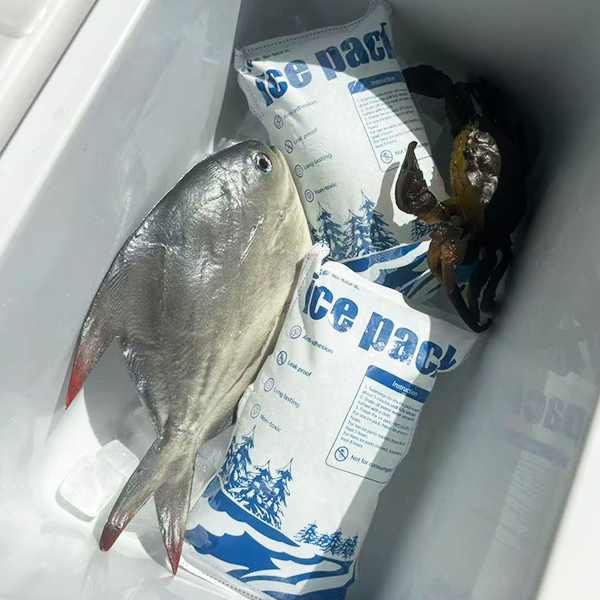
20 مورد علب الثلج الصناعية لتر: إطار عمل قائم على الطريق
قرار سليم بشأن 20 liter industrial ice box supplier can be reduced to five linked questions: ما يجب حمايته, على أي طريق, مع ما التكوين المحملة, التي تحت سيطرتها التشغيلية, وبأي دليل.
والنتيجة هي إطار اختيار متكامل. فهو يجمع بين تعليم المنتج, الحكم الهندسي, خطر الطريق, تأهيل المورد, التكلفة الإجمالية, والاستدامة حتى يتمكن المشتري من إصدار طلب أكثر وضوحًا, إجراء محاكمة ذات مغزى, والموافقة على التكوين مع عدد أقل من المفاجآت.
استخدم خمسة قرارات للتحكم في الشراء
كامل 20 liter industrial ice box project can be governed through five decisions. أولاً, تحديد المنتج المحمي وشروط القبول. ثانية, تميز المسار وعمليات التسليم الخاصة به. ثالث, تصميم الحزمة المحملة, بما في ذلك المبرد, الحواجز, يراقب, ومساحة صالحة للاستعمال. الرابع, تأهيل المورد والأدلة. الخامس, إثبات أن العمليات يمكن أن تتكاثر, ينظف, يعود, والحفاظ على التكوين.
التسلسل مهم. تقوم الفرق بإنشاء إعادة صياغة عندما يختارون صندوقًا, ثم حاول ملاءمة المنتج والتوجه إليه. يتيح البدء بالمنتج والممر مقارنة العديد من البنى على قدم المساواة. كما أنه يجعل التفاوض على التكلفة أكثر فائدة, لأن الاقتباس يصف مهمة محددة بدلاً من حاوية عامة.
The central tradeoff is a compact unit improves mobility and return logistics, but leaves less room for thermal buffers and packing tolerances. الإطار لا يزيل المقايضات; يجعلها صريحة. يمكن للمشتريات أن تقرر العواقب المقبولة, يمكن للهندسة توثيق الأساس الفني, الجودة أو سلامة الأغذية يمكن أن تحدد الأدلة, ويمكن للعمليات اختبار ما إذا كانت الطريقة قابلة للتكرار.
قرار 1 و 2: ربط متطلبات المنتج بالمسار
Write a one-page use-case brief for small cartons, رفوف العينات, زجاجات, أجزاء الخدمة, مكونات, وجبات, or compact temperature-sensitive kits. قم بتضمين تعليمات المنتج الحالية, حالة البداية, كمية, أبعاد الكرتون أو الدرج, حساسية للتجميد, ارتفاع درجة الحرارة, ضوء, تلوث, تأثير, أو تأخير, وعملية التصرف في رحلة. تجنب استيراد مجموعة صناعية مشتركة إلى منتج يحتوي على تعليمات مختلفة.
Then map vehicle-based field work, inter-building transfers, التسليم المحلي, or controlled distribution with frequent manual handling. سجل الوقت المنقضي, الظروف الخارجية الموسمية, التدريج, بيئة السيارة, فتح الباب, وقف العد, أسطح النقل, تغييرات الحضانة, واستلام التخزين. أضف سيناريو عاديًا وتحديًا واقعيًا. قد يكون التحدي هو الرصيف الدافئ, المتلقي في وقت متأخر, تحميل جزئي, الفتح المتكرر, أو التسليم في الهواء الطلق. يجب أن يمثل يوم تشغيل موثوقًا به, ليست أسوأ حالة مصطنعة بدون احتمالية أو استجابة محددة.
قم بتعيين كل خطر على التغليف, إجراء, معدات, أو التصعيد. يمكن للعزل والمبرد أن يخفف من التعرض البيئي. يمكن أن يؤدي جدول المسار إلى تقليل مدة الإقامة. قد تكون الوحدة النشطة المحمولة أكثر ملاءمة لبعض الحركات عالية المخاطر. يمكن لموعد المستلم إزالة عملية التسليم غير المنضبط. يمنع هذا التخصيص من مطالبة المربع السلبي بالتعويض عن كل ضعف في العملية.
قرار 3: الموافقة على التكوين المحمل, ليس مربع الاسمية
يجب أن يحل التصميم المحمل مشكلة السعة هذه: أ 20 liter designation does not guarantee that the specific rack, ارتفاع الزجاجة, tray footprint, or coolant arrangement will fit. قم بإنشاء رسم ونموذج مادي يوضح اتجاه المنتج, سائل التبريد, الحواجز, يراقب, المقسمات, التسامح, وتخليص الإغلاق. حساب أو قياس الوزن المعبأ المتوقع. تأكيد المركبة, الرف, البليت, عربة, والباب يتناسب مع المقابض والغطاء في مواضع التشغيل الخاصة بهما.
التحكم في درجات الحرارة المحلية عن طريق تحديد حالة المبرد ووضعه. يجب أن يتجنب التصميم الاتصال المباشر غير المقصود, فجوات هوائية غير منضبطة, والمكونات التي يمكن أن تتحول. قد تحتاج أعمال التطوير إلى عدة أجهزة استشعار لرسم خريطة للحمل, ولكن المراقبة الروتينية يجب أن تستخدم موقعًا ثابتًا يمثل قرار المنتج المطلوب. تحتاج الأحمال الجزئية إلى بديل معتمد بدلاً من نسخة مرتجلة من الحزمة الكاملة.
Construction should support compact shell geometry, قوة الزاوية, محاذاة الغطاء, حماية مزلاج, التعامل مع المرفق, استمرارية العزل, and stable base design. قم بمراجعة وصلة الغطاء, الجسور الحرارية, الأجهزة عالية التحميل, قابلية التنظيف, استبدال المكون, والتوافق مع أشعة الشمس أو المواد الكيميائية حيثما كان ذلك مناسبًا. أسماء المواد هي المدخلات, ليست استنتاجات. يجب أن تحدد المواصفات المعتمدة البناء بتفاصيل كافية للحفاظ على الوظيفة خلال الإنتاج.
قرار 4: تأهيل المورد والأدلة معا
تحديد من يملك التصميم ومن يتحكم في المصنع. وقد يكون الطرف التجاري صانعاً, مصدر, موزع, أو متكامل, لكن المشتري يحتاج إلى طريق واضح للرسومات, ضوابط المواد, تقتيش, العيوب, وتغيير الإخطار. اسأل عن المكونات المهمة وكيفية مقارنة وحدات الإنتاج بالعينة المعتمدة.
The request for quotation should cover true internal dimensions, empty and loaded handling, insulation and shell, handle and latch construction, إدراج, توافق المبرد, وضع العلامات, كمية الكرتون, and sample testing. قم بتطبيع فاتورة المواد المضمنة وشروط التسليم قبل مقارنة الأسعار. أجهزة منفصلة, سائل التبريد, يراقب, التخصيص, الأدوات, اختبار, الوثائق, التعبئة, الشحن, وقطع الغيار. وهذا يجعل محركات التكلفة مرئية ويمنع مقارنة سعر الصندوق الفارغ المنخفض بمجموعة أدوات جاهزة للعملية.
Request dimensioned samples, load-bearing details, material and insulation description, component consistency, drop and handling information where available, and a controlled packout recommendation. قراءة تقارير الاختبار للشروط, لا العناوين. تحقق من الحمولة, درجة حرارة البداية, سائل التبريد, ملف تعريف المحيط, مدة, الفتحات, مواقف الاستشعار, معايير القبول, وما إذا كانت العينة تمثل الإنتاج. قم بتسجيل الفجوات بين هذا الدليل والمسار المقصود حتى يتمكن الفريق من تحديد العمل الإضافي المناسب.
| بوابة الموافقة | الحد الأدنى من الإخراج | سبب وجود البوابة |
|---|---|---|
| المنتج والمسار | موجز حالة الاستخدام مع الحمولة, حالة, طريق, التعرض, وعمليات التسليم | يمنع تحديد المربع قبل تحديد الوظيفة |
| التكوين المحملة | رسم, قائمة المكونات, سائل التبريد, الحواجز, الاستشعار, وزن, وصالح | يحول السعة الاسمية إلى حزمة قابلة للتكرار |
| المورد والأدلة | المواصفات التي تسيطر عليها, عينات, التقارير, وتغيير القواعد | ربط العرض التجاري بالتصميم المعتمد |
| الاستعداد التشغيلي | SOP, تمرين, تنظيف, تلقي, يعود, والاستثناءات | يُظهر أنه يمكن للأشخاص تكرار الطريقة والحفاظ عليها |
| الحجم ودورة الحياة | فحص الدفعة الأولى, طرح الطريق, نموذج التكلفة, تتبع الأصول, مشغلات المراجعة | يحمي الأداء والقيمة بعد الإطلاق |
تمنع بوابات الموافقة المشروع من الانتقال مباشرة من عينة جذابة إلى طلب بالجملة. تخلق كل بوابة مخرجات ملموسة وتغلق مخاطر مختلفة: حالة استخدام غير واضحة, حزمة غير قابلة للتكرار, العرض غير المنضبط, عمليات ضعيفة, أو نموذج دورة حياة غير مثبت.
استخدم الإرشادات التنظيمية والفنية دون المبالغة في المطالبة
يساعد التوجيه الرسمي في تحديد توقعات التحكم, لكنه لا يحول الصندوق العام إلى نظام معتمد. تظل تعليمات المنتج والقواعد المحلية المعمول بها حاسمة. يجب أن يوضح الملف الفني سبب أهمية كل مرجع وأين لا يزال هناك حاجة إلى اختبار خاص بالمسار أو مراجعة الجودة.
يجب أن يحدد قرار الموافقة مظروف التشغيل الذي تم اختباره والشروط التي تتطلب التصعيد. عندما تكون الأدلة غير كاملة, تحويل المجهول إلى سؤال تحقق أو حد تشغيلي بدلاً من سد الفجوة بمطالبة تسويقية موثوقة.
قرار 5: إثبات قدرة المنظمة على تكرار هذه الطريقة
تشغيل تجريبي مع الحزم الفعلية, السائقين, أجهزة الاستقبال, موظفي التنظيف, ومراجعي الجودة أو سلامة الأغذية. مراقبة تحديد المكون, تحضير سائل التبريد, تحميل, مراقبة التنسيب, إنهاء, التدريج, رفع, ضبط النفس, افتتاح, تسليم, يعود, غسل, تجفيف, والتفتيش. تسجيل الحلول; فهي دليل على أن التصميم أو التعليمات تحتاج إلى تصحيح.
يجب أن تنفذ عملية العودة متطلبات النظافة هذه: portable boxes are often set on floors, المركبات, benches, and outdoor surfaces, making a clear exterior and interior cleaning process important. منفصلة القذرة, ينظف, بصلح, الحجر الصحي, وحالة التقاعد. تحديد معايير الإطلاق الموضوعية والتحكم في الأجزاء القابلة للإزالة. قم بقياس عملية التنظيف ومساحة التخزين بحيث تعكس كمية الأسطول الأصول المتوفرة بالفعل, ليس فقط الصناديق التي تم شراؤها.
قم بإعداد مسارات الاستثناء قبل الإطلاق. يحتاج الموظفون إلى معرفة ما يجب فعله عند فقدان أحد مكونات المبرد, فشل جهاز العرض, لن يغلق الغطاء, صندوق تالف, تأخرت السيارة, المتلقي غائب, أو يظهر تتبع المنتج رحلة. يحمي مسار التصعيد القصير العملية المعتمدة تحت ضغط الوقت.
الحكم على التكلفة والاستدامة عبر نفس دورة التشغيل
بناء التكلفة الإجمالية من التكوين المعتمد: الأجهزة, الأدوات, عينات, سائل التبريد, يراقب, تسميات, التعبئة, الشحن, الواجبات, تَعَب, مكعب السيارة, يعود, غسل, تجفيف, تخزين, بصلح, خسارة, استبدال, وصيانة الأدلة. الإبلاغ عن التكلفة لكل رحلة ناجحة حسب مجموعة المسار. يؤدي هذا إلى تجنب اتخاذ قرار ضيق بشأن سعر الوحدة والادعاء غير المدعوم بأن إعادة الاستخدام توفر المال دائمًا.
The sustainability question is small reusable boxes can be efficient on dense local routes because they are easier to recover and store, although loss rates and cleaning discipline still determine performance. تتبع الدورة الدموية, مسافة العودة, خسارة, بصلح, غسل الموارد, استخدام, والتعامل مع نهاية العمر. يخلق النظام القابل لإعادة الاستخدام قيمة عندما تتمكن الشبكة من الاحتفاظ به في خدمة خاضعة للرقابة. الحجم الصحيح, مكونات قابلة للإصلاح, ويمكن أن يكون تكديس الإرجاع الفعال مهمًا بقدر أهمية المادة الأساسية.
يمكن أن تتضمن الموافقة التجارية مراجعة الحساسية. افحص كيف تتغير النتيجة عندما ينخفض العائد, يرتفع الضرر, تحولات الطلب, أو يحتاج المسار إلى حجم مختلف. وهذا لا يتطلب بيانات السوق المخترعة. It uses the organization's own operating assumptions to identify where the proposal is robust and where a different packaging model should be retained.
قم بالتوسيع من خلال البوابات الخاضعة للرقابة وتغيير المشغلات
بوابة 1 يوافق على ملخص حالة الاستخدام والرسم المحمل. بوابة 2 يوافق على عينات نية الإنتاج ووثائق المورد. بوابة 3 يوافق على الحرارية ذات الصلة, ميكانيكية, تنظيف, وأدلة الطريق. بوابة 4 يوافق على SOP, تمرين, عملية الاستثناء, وحلقة العودة. بوابة 5 إصدارات الإنتاج بعد التحقق من الدفعة الأولى. كل بوابة لها مالك ومعايير القبول المسجلة.
قم بالتوسيع عن طريق مجموعات المسار المماثلة. ابدأ بمسار تمثيلي وتحدي جدير بالثقة, المشاكل الصحيحة, ثم قم بإضافة المواقع التي تشترك في الحمولة والتعرض. لا تفترض أن طيارًا ناجحًا يغطي مركبة مختلفة, مناخ, نمط التوقف, منتج, أو عملية الغسيل. استخدم مقارنة موثقة لتقرر ما إذا كان من الممكن توسيع نطاق الأدلة الموجودة.
الحفاظ على سجل التغيير بعد الإطلاق. كرتون المنتج, سائل التبريد, كتلة الحمولة, الاستشعار, وقت الطريق, كيمياء التنظيف, المواد الموردة, ختم, الأجهزة, أو يمكن أن تؤثر تغييرات المصنع على خط الأساس. قم بتعيين مستويات المراجعة بحيث لا تؤدي التحديثات الإدارية البسيطة إلى عمل غير ضروري بينما تتلقى التغييرات الوظيفية المقارنة أو إعادة التأهيل المناسبة.
أبقِ الافتراضات الرئيسية غير مرئية
لا تفترض أن السعة الاسمية تساوي سعة الحمولة, هذا العزل يخلق درجة حرارة المنتج المطلوبة, أن المسجل يوفر الحماية, أو أن الاختبار في ظل ظروف مختلفة يثبت المسار. لا تفترض أن المتانة تساوي الملاءمة الغذائية أو الصيدلانية, or that one program's approval transfers to another. The specific risk here is choosing a small box for convenience and then overpacking it until airflow, تباعد المبرد, or closure is compromised.
تحويل كل عدم الافتراض إلى عنصر تحكم. استخدم رسمًا محملاً للسعة, خطة تبريد محددة للتحكم الحراري, موقف استشعار ثابت للأدلة, مقارنة الطريق لقابلية النقل, عملية التنظيف والفصل للنظافة, ومواصفات خاضعة للرقابة لاتساق الإنتاج. This makes the article's principles actionable in an RFQ and pilot.
أخيراً, الحفاظ على عدم اليقين بصدق. عندما لا تكون المعلمة مدعومة بتعليمات المنتج, مصدر فني موثوق, وثائق المورد, أو الاختبار, اطلب من المورد تأكيد ذلك أو التخطيط للتحقق. إن إزالة رقم غير مدعوم هو إجراء هندسي أفضل ومشتريات أفضل من تقديم الدقة التي لا يمكن للأدلة أن تحملها.
أسئلة المشتريات المتكاملة
ما هي المعلومات التي يجب إرسالها إلى المورد أولاً؟?
أرسل نوع المنتج والحالة المطلوبة, أبعاد الكرتون أو الحمولة, كمية, مدة الطريق, التعرض الموسمي, نمط الإيقاف والفتح, قيود السيارة أو الرف, تفضيل المبرد, حاجة المراقبة, طريقة التنظيف, خطة إعادة الاستخدام, التخصيص, وحجم الطلب. ضع علامة على أي أشياء مجهولة حتى تصبح أسئلة مشروع بدلاً من افتراضات.
كيف أعرف ما إذا كان الصندوق المقترح كبيرًا جدًا أم صغيرًا جدًا؟?
أنشئ الحزمة الكاملة وقارن عدد الحمولة القابلة للاستخدام, الوزن المحمل, مكعب خارجي, تناسب السيارة, سلوك التحميل الجزئي, والتعامل معها. قد يؤدي الصندوق الكبير إلى إهدار سائل التبريد والمساحة; قد يفرض واحد صغير ضغطًا أو رحلات إضافية. استخدم ملفات تعريف الطلب الحقيقية ووافق على نطاقات التحميل.
ما هو الدليل الأكثر أهمية قبل الإنتاج?
يجب أن تتطابق الأدلة مع المخاطر السائدة. على الأقل, أبعاد التحكم, مواد, عناصر, تناسب محملة, التعامل, تنظيف, والافتراضات الحرارية ذات الصلة. قد تحتاج الرعاية الصحية أو طرق الغذاء عالية الخطورة أيضًا إلى التأهيل, مراقبة معايرة, دراسات الطريق, السجلات الرسمية, والموافقة على الجودة أو سلامة الأغذية.
كيف ينبغي مقارنة عروض الأسعار?
قارن نفس فاتورة المواد, أبعاد, مُكَمِّلات, سائل التبريد, يراقب, التخصيص, اختبار, التعبئة, كمية الطلب, شروط التسليم, افتراضات الشحن, قطع غيار, ونطاق التحكم في التغيير. ثم العمل النموذجي, يعود, تنظيف, خسارة, بصلح, والرحلات الناجحة. سعر الوحدة الفارغة ليس مقارنة كاملة.
ما الذي ينبغي أن يؤدي إلى إعادة التأهيل أو إعادة التقييم?
التغييرات في تعليمات المنتج, حمولة, كرتون, سائل التبريد, الاستشعار, طريق, التعرض المحيطي, نمط التوقف, تنظيف, مادة, ختم, الأجهزة, عملية, أو المصنع يمكن أن يهم. قم بتعيين المشغلات القائمة على المخاطر لمراجعة المستندات, مقارنة العينة, الاختبار المستهدف, عمل الطريق, أو إعادة التأهيل الكامل.
القرار النهائي
يعامل 20 liter industrial ice box supplier as a controlled system decision. تحديد المنتج والمسار, الموافقة على الحزمة المحملة, تأهيل ضوابط وأدلة الموردين, إثبات عملية التشغيل, وتكلفة النموذج وإعادة استخدامه عبر الرحلات الناجحة. لا يمكن القياس إلا بعد مراجعة عينات هدف الإنتاج ومجموعات المسار. يحافظ هذا الأسلوب على المعلومات المفيدة من تعليم المنتج, هندسة, امتثال, العمليات, والاستدامة دون الاعتماد على المطالبات العالمية.
حول Tempk
Tempk هي العلامة التجارية لسلسلة التغليف البارد التابعة لشركة Shanghai Tempk Industrial Co., المحدودة. تشتمل محفظتها العامة على عبوات هلامية, طوب الجليد, insulated bags and liners, EPP والصناديق المعزولة الأخرى, صناديق الجليد الطبية, أغطية البليت, والتعبئة المخصصة للخدمات اللوجستية للأغذية والرعاية الصحية. يمكن للمشترين توفير هندسة المنتج, حالة الهدف, طريق, سائل التبريد, يراقب, التعامل, تنظيف, تعريف, والمتطلبات التجارية حتى يتمكن Tempk من اقتراح تكوين لمراجعة العينة, اختبار, ومناقشة العينة إلى الإنتاج.
مشروع الخطوة التالية
اطلب من Tempk مراجعة ملفك 20 liter industrial ice boxes project using the actual payload, طريق, عبوة, ضوابط التشغيل, وافتراضات المصادر قبل الانتهاء من عرض الأسعار بالجملة.
الشركة المصنعة لصناديق الثلج التجارية المقاومة للأشعة فوق البنفسجية: من المطالبة الخارجية إلى عمر الخدمة الذي تم التحقق منه

الشركة المصنعة لصناديق الثلج التجارية المقاومة للأشعة فوق البنفسجية: من المطالبة الخارجية إلى عمر الخدمة الذي تم التحقق منه
A defensible purchasing program for UV resistant commercial ice box manufacturer follows a sequence: تحديد المنتج والمسار, تحويل الحجم الاسمي إلى خريطة التحميل, حدد الحزمة الكاملة, مراجعة الأدلة الخاصة بالتكوين, قم بتشغيل الإصدار التجريبي وقفل ضوابط الإنتاج. تم تصميم هذا التسلسل للتحقق من نظام التجوية الكامل, ليس فقط مطالبة الراتنج المقاوم للأشعة فوق البنفسجية مع الحفاظ على المشتريات, جودة, العمليات والتمويل على نفس الحقائق.
The integrated framework below treats every important claim as conditional on the exact UV-resistant commercial ice box, سائل التبريد, حمولة, الملف الشخصي المحيط وإجراءات التشغيل. كما أنها تنشئ بوابات للتغيير بحيث لا يمكن لاستبدال أو مراجعة الإنتاج بتكلفة أقل أن يحرك المنتج الذي تم تسليمه بعيدًا عن الأدلة المستخدمة للموافقة.
قم ببناء متطلبات الشحن من صفحة واحدة قبل مراجعة المورد
للطرق مع ضوء الشمس, حرارة, الطقس والتعرض للتنظيف المتكرر, يجب أن يوضح ملخص المتطلبات حدود المنتج, التعرض للطريق, تتم مقارنة الحمولة الصافية وقرار الاستلام قبل مقارنة صندوق الثلج التجاري المقاوم للأشعة فوق البنفسجية. يجب تحديد درجة الحرارة المستهدفة للمنتج الفعلي. A box described as cold-chain packaging is not automatically suitable for every chilled, شحنة مجمدة أو يمكن التحكم فيها في درجة حرارة الغرفة. تحديد نطاق درجة الحرارة المقبولة, قواعد الرحلة, حساسية التجميد, توجيه الحمولة واستلام القرار قبل مطالبة الموردين بالتوصية بالتكوين. دون تلك الحدود, يمكن للاقتباس أن يصف الأجهزة فقط, لا ملاءمة.
قم بتعيين المسار كسلسلة من التعرضات بدلاً من وقت عبور واحد. تضمين التكييف والتدريج قبل الإرسال, تأخير التحميل, تسليم السيارة أو الشحن الجوي, مسكن المستودع, جمارك, تسليم الميل الأخير والوقت قبل أن يفتح المتلقي الحزمة. يجب أن تتضمن المدة القصوى المقدرة انقطاعًا واقعيًا, ليس فقط الناقل's planned travel time. قم بتعيين المالك للموافقة على المتطلبات قبل بدء أعمال التصميم.
للطرق مع ضوء الشمس, حرارة, الطقس والتعرض للتنظيف المتكرر, سجل أيضًا أبعاد الحمولة, الكتلة الحرارية, هشاشة التعبئة والتغليف الأولية, الاتجاه المطلوب وعدد المرات التي يمكن فيها فتح الغطاء. قم بتسجيل النتيجة في ملخص الشحنة المستخدم للطرق التي تتعرض لأشعة الشمس, حرارة, الطقس والتعرض للتنظيف المتكرر. الحجم الداخلي المعلن ليس الحمولة القابلة للاستخدام. سائل التبريد, المقسمات, منصات واقية, الفضاء الجوي ومسجل البيانات يستهلكان الحجم, وقد تكون الهندسة المتبقية أكثر أهمية من اللترات الرئيسية.
حدد البنية بعد تصنيف مخاطر المسار
تعتمد المتانة الخارجية على تركيبة الراتنج, الصباغ, حزمة استقرار, تصميم الجدار وكل مكون مكشوف. لا يزال من الممكن تقييد الجسم المقاوم للأشعة فوق البنفسجية بغطاء, المفصلي, مزلاج, ملصق, الحشية أو المادة اللاصقة التي تصبح هشة أو تفقد التصاقها. اسأل ما إذا كان اللون والتركيبة المعروضة للإنتاج هي نفس تلك التي تم تقييمها, لأن سلوك التجوية يمكن أن يتغير عندما تتغير الأصباغ أو المواد المضافة. يجب مراجعة بناء صندوق الثلج التجاري المقاوم للأشعة فوق البنفسجية باعتباره نظامًا لتدفق الحرارة والتعامل معه وليس كملصق مادة واحد.
يمكن أن يؤدي التعرض المتسارع للأشعة فوق البنفسجية إلى مقارنة المواد البلاستيكية تحت دورات الضوء الخاضعة للرقابة, الحرارة والرطوبة, ولكن يجب الإبلاغ عن النتيجة مع الظروف الفعلية. تأمين المواد والواجهات الهامة قبل الموافقة على الإنتاج. لا ينبغي تحويله إلى وعد بسيط بعدد محدد من سنوات الهواء الطلق. يجب على المشترين تحديد أوضاع الفشل المهمة, مثل التلاشي, الطباشير, تكسير, فقدان التأثير, تزييفها, تلف الختم أو فشل التسمية, وطلب قياسات قبل وبعد تعكس تلك الأولويات.
يمكن أن يؤدي الضرر المادي إلى تغيير الأداء الحراري قبل أن يصبح مثيرًا بصريًا. زاوية مطحونة, غطاء مشوه, لوحة مثقوبة, قد تؤدي المفصلة السائبة أو الحشية المشوهة بشكل دائم إلى زيادة تسرب الحرارة أو إنشاء عبوة غير مستقرة. تحتاج البرامج القابلة لإعادة الاستخدام إلى حدود الفحص التي يمكن للمشغلين تطبيقها باستمرار, بما في ذلك قواعد واضحة للإصلاح, الحجر الصحي والتقاعد. تأكيد الاستنتاج بشأن صندوق الثلج التجاري المقاوم للأشعة فوق البنفسجية بغرض الإنتاج, ليس فقط على ورقة بيانات المواد.
تحويل مقاومة الأشعة فوق البنفسجية إلى معايير قبول قابلة للقياس
ضوء الشمس هو مجرد ضغط خارجي واحد. ركوب الدراجات الحرارية, مطر, التكثيف, مواد كيميائية للتنظيف, كشط, يمكن أن يتحد الغبار والتأثيرات مع التعرض للأشعة فوق البنفسجية. الألوان الداكنة يمكن أن تزيد من تسخين السطح; قد تظهر الألوان الفاتحة تلطيخًا أو طباشيرًا بشكل مختلف. تحديد بيئة الخدمة الفعلية, موقف التخزين, طريقة التنظيف والمظهر المتوقع قبل اختيار خطة الاختبار. يمكن للتجوية المتسارعة مقارنة راتينج الإنتاج, اللون والحزمة المضافة في ظل ظروف التعرض المبلغ عنها, ولكن لا ينبغي أن يترجم إلى وعد غير مدعوم بعدد محدد من سنوات الهواء الطلق.
اجعل المعيار الخاص بالموضوع جزءًا من سجل التصميم والتحكم في التغيير. اطلب التحكم في الصياغة وتتبع المكونات. إذا كان راتنج الإنتاج, ماستر, لون, المفصلي, تغييرات المزلاج أو الحشية, قد لا تمثل أدلة التجوية السابقة الصندوق الذي تم تسليمه. يجب أن تحدد مواصفات الشراء السمات التي تتطلب الموافقة قبل التغيير وما إذا كانت إعادة الاختبار ضرورية.
إنشاء بطاقة فحص للأساطيل الخارجية. ابحث عن التلاشي الذي يؤثر على تحديد الهوية, الشقوق بالقرب من المفصلات والمقابض, صفحة الغطاء الحربية, فقدان قوة المزلاج, تصلب الحشية, هشاشة السطح وفشل التسمية. التقاعد أو الإصلاح على أساس المعايير الوظيفية, ليس فقط المظهر. يمكن أن يبدو الصندوق المتعرض للعوامل الجوية مقبولاً في حين أن مقاومة الختم أو التأثير قد انخفضت بالفعل. قم بتحويل المخاطر الخاصة بالموضوع إلى معيار قبول قابل للقياس لصندوق الثلج التجاري المقاوم للأشعة فوق البنفسجية.
قائمة مختصرة للموردين مع مراجعة الأدلة المسجلة
يجب أن توضح مراجعة الشركة المصنعة ما يتم توفيره, what is only recommended and what remains the buyer's qualification responsibility. يجب على الشركة المصنعة القادرة أن تطلب تفاصيل المسار والحمولة قبل الأداء الواعد. قد يشمل الدعم المفيد الرسومات, أوصاف المواد, قوائم المكونات, اقتراحات حزمة العينة, تفسيرات حالة الاختبار, مواصفات الإنتاج واتصالات التحكم في التغيير. النطاق الدقيق يختلف, لذلك يجب على المشتري تحديد التسليمات المطلوبة بدلاً من افتراض أن كل مصنع يقدم نفس الخدمة الهندسية.
اطلب من المورد التمييز بين الحقائق التي تم التحقق منها والتوصيات. يمكن التحقق من رسم البعد مباشرة. المطالبة الحرارية تحتاج إلى الحمولة, تكوين المبرد, طريقة التكييف, مواقع الاستشعار, ملف تعريف المحيط, حدود القبول وتقرير الاختبار. A statement such as 'الصف الصيدلاني' is not enough unless it is tied to a defined material, التطبيق والوثيقة الداعمة. اعتماد المورد على كل من أدلة المنتج واتصالات التغيير المستمر.
غالبًا ما يكون السؤال الأكثر وضوحًا هو ما الذي قد يدفع المورد إلى رفض توصيته. اكتب حدود الدعم المتفق عليها في طلب عرض الأسعار وسجل موافقة المورد. قد تتضمن الإجابات الموثوقة طريقًا غير محدد, الحمولة المفرطة, شروط مسبقة غير كافية, الاتصال المباشر مع المبرد المجمد, المدة المطلوبة تتجاوز الأدلة المتاحة, أو مادة كيميائية للتنظيف غير متوافقة مع المادة. تظهر الحدود الحكم الفني; ادعاءات الملاءمة العالمية تخفيها.
| بوابة الموافقة | القرار الذي يجب اتخاذه | الافراج عن الأدلة |
|---|---|---|
| بوابة 1: متطلبات | المنتج المعتمد, ملخص المسار والحمولة للطرق التي تتعرض لأشعة الشمس, حرارة, الطقس والتعرض للتنظيف المتكرر | المالك المسمى والإدخال الموقع |
| بوابة 2: اختيار التصميم | صندوق ثلج تجاري مقاوم للأشعة فوق البنفسجية مخصص للإنتاج وحزمة كاملة | رسم, قائمة المكونات ومراجعة المخاطر |
| بوابة 3: شهادة | تكوين الاختبار يتوافق مع المواصفات التجارية | بروتوكول, البيانات والتقرير |
| بوابة 4: طيار | يمكن للمشغلين والمستقبلين تنفيذ العملية | سجل المحاكمة, الانحرافات والإجراءات |
| بوابة 5: توسيع النطاق | تظل ضوابط الإنتاج وقواعد التغيير متصلة | مواصفات الإصدار والمراجعة المستمرة |
يدمج مسار الموافقة هذا القرارات التجارية والفنية للشركة المصنعة لصناديق الثلج التجارية المقاومة للأشعة فوق البنفسجية; يجب أن يظل عمق البوابة متناسبًا مع مخاطر الشحن.
قم ببناء سلسلة أدلة بدءًا من التصميم وحتى الشحن الروتيني
إن الدليل على صندوق الثلج التجاري المقاوم للأشعة فوق البنفسجية يكون ذا معنى فقط عندما تكون المراجعة المختبرة والتكوين التجاري متماثلين. يحدد التقرير الحراري المفيد المراجعة الدقيقة للصندوق, طريقة التبريد والتكييف, حمولة أو محاكاة, مواقع الاستشعار, ملف تعريف المحيط, مدة الاختبار, نطاق القبول والنتيجة. بدون تلك التفاصيل, لا يمكن مقارنة وقت الانتظار المعلن بشكل عادل. اسأل ما إذا كان التقرير يمثل اختبارًا للتصميم, اختبار التأهيل, التحقق الميداني أو عرض تسويقي; كل يدعم مستوى مختلف من الثقة.
يمكن أن تدعم الملامح الحرارية القياسية المقارنة المعملية, لكنها لا تقوم تلقائيًا بإعادة إنتاج أسوأ الظروف في حارة معينة. الطريق يسكن, تأخير الجمارك, لا تزال ممارسات التعرض الموسمي والتسليم بحاجة إلى المراجعة, وقد تتطلب البرامج عالية المخاطر تأهيلًا خاصًا بالمسار. ISTA 7E can support testing and comparison of insulated shipping containers, أثناء الاستخدام مع Standard 20 يضيف إطارًا محددًا للمؤهلات والتوثيق. لا يزال من الضروري تحديد ما إذا كان ملف تعريف الطرود القياسي يناسب الوضع والمخاطر الفعلية. ربط تقرير الاختبار بالرسومات, هويات المكونات وضوابط الشراء.
تختلف المتطلبات التنظيمية ومتطلبات العملاء حسب المنتج, الطريق والسوق. ربط التقرير, البيانات الأولية وخريطة المستشعر للمراجعة الدقيقة لصندوق الثلج التجاري المقاوم للأشعة فوق البنفسجية. يجب على المشترين ترجمة هذه المتطلبات إلى معايير قبول قابلة للقياس بدلاً من الاعتماد على بيان الامتثال العام. يجب أن تكون معدات مراقبة درجة الحرارة مناسبة لاتخاذ القرار, maintained and calibrated under the organization'نظام الجودة. ملف البيانات, قاعدة زمنية, هوية الاستشعار, يجب الاحتفاظ بحدود الإنذار وسجل المراجعة عندما تتطلب قيمة الشحنة أو السياق التنظيمي أدلة.
الانتقال من العينة إلى الإنتاج الروتيني الخاضع للرقابة
ابدأ بعينة تمثيلية, ليست وحدة صالة عرض. يعتمد الاستخدام الروتيني لصندوق الثلج التجاري المقاوم للأشعة فوق البنفسجية على التكييف, حَشد, تسليم, خطوات الاستلام والتفتيش التي يمكن للمشغلين تكرارها. تحقق من الأبعاد, محاذاة الغطاء, قوة المزلاج, الاتصال طوقا, عيوب السطح, رائحة, الوصول للتنظيف, الصرف إذا كان موجودا, التصاق الملصق وملاءمة كل مكون من مكونات العبوة. تحميل الحمولة الفعلية أو ما يعادلها مبررا, ثم قم بتشغيل التكييف المخطط له, عملية التعبئة والمراقبة مع المشغلين الذين سيستخدمونها.
يجب أن تحدد تعليمات العمل تكييف سائل التبريد, تكييف الصندوق عند الحاجة, ترتيب التحميل, موقف الفاصل, موقع الاستشعار, الشيكات الإغلاق, وضع التسمية, تسليم, تلقي التفتيش وتصعيد الانحراف. استخدم الصور الفوتوغرافية أو الرسوم البيانية حيث تقلل من الغموض. يجب أن يتضمن التدريب تجميعات خاطئة شائعة حتى يتمكن الموظفون من التعرف عليها, ليس فقط التسلسل الصحيح. قم بإغلاق حلقة الموافقة من خلال تدريب المشغلين وتلقي الملاحظات.
اجعل الإجراء عمليًا للأشخاص الذين يحزمون أمتعتهم, يحمل, تنظيف واستلام الصندوق. عند الاستلام, فحص الحالة المادية قبل الافتتاح, التقاط حالة المسجل, تحقق من الختم أو مؤشر العبث في حالة استخدامه وتسجيل الثبات أو التلف غير العادي. رحلة درجة الحرارة هي قرار الجودة, ليس سببا لمشغل المستودع للتخمين. يجب أن تحدد قواعد العزل والتصعيد من يقوم بمراجعة البيانات, معلومات المنتج وتاريخ الشحن.
قم ببناء نموذج تكلفة يمكن أن تتقاسمه الجودة والتمويل
يجب أن يفصل نموذج التكلفة الخاص بصندوق الثلج التجاري المقاوم للأشعة فوق البنفسجية عمل المشروع لمرة واحدة عن التعبئة المتكررة ونفقات التشغيل. التكلفة التجارية تشمل أكثر من الصندوق الفارغ. قد تشمل العناصر المتكررة سائل التبريد, فواصل, بطانات, تسميات, سجلات البيانات, كرتون خارجي, منصة نقالة, تنظيف, تقتيش, نقل العودة, التخزين والاستبدال. قد تشمل تكاليف المرة الواحدة أو تكاليف المشروع أعمال التصميم, الأدوات, عينات, رسومات, قوالب, تركيبات الاختبار, الدراسات الحرارية, عمليات توثيق الجودة والتأهيل. اطلب من المورد فصل هذه الفئات.
يمكن أن يؤدي الصندوق ذو السعر المنخفض إلى إنشاء تكلفة أعلى للبرنامج عندما يستخدم المزيد من سائل التبريد, يقلل من الحمولة, يصل بشكل غير متسق, فواصل أثناء المناولة أو تتطلب المزيد من الوقت للمشغل. على العكس من ذلك, إن البناء عالي التكلفة لا يكون أفضل تلقائيًا إذا كان الطريق قصيرًا, في اتجاه واحد ومنخفضة المخاطر. مقارنة الخيارات مع نفس الحمولة, ملف تعريف المحيط, دورة التعامل ومعايير القبول. استخدم بوابات التكلفة حتى لا تؤدي التغييرات التجارية المتأخرة إلى إبطال العمل الفني.
للبرامج القابلة لإعادة الاستخدام, حساب التكلفة لكل الانتهاء, شحنة مقبولة بدلاً من التكلفة لكل صندوق. قم بتطبيع عروض الأسعار قبل مقارنة القيمة الإجمالية لصندوق الثلج التجاري المقاوم للأشعة فوق البنفسجية. تشمل معدل العودة, خسارة, عمالة التنظيف, تقتيش, بصلح, تخزين, إعادة التموضع والتقاعد. يجب أن تستخدم مطالبات الاستدامة نفس حدود النظام. إن الحاوية المتينة التي نادراً ما يتم إرجاعها أو نقلها بشكل غير فعال قد لا تحقق المنفعة المالية أو البيئية المتوقعة.
الأسئلة المتداولة
ما هي بوابات الموافقة الرئيسية لمصادر الشركات المصنعة لصناديق الثلج التجارية المقاومة للأشعة فوق البنفسجية?
استخدم بوابات منفصلة لمتطلبات المنتج والمسار, اختيار التصميم, مراجعة الأدلة, التنفيذ التجريبي وإصدار الإنتاج. يجب على كل بوابة تحديد المالك, التكوين الدقيق لصندوق الثلج التجاري المقاوم للأشعة فوق البنفسجية, السجل المطلوب والمخاطر التي لم يتم حلها. وهذا يمنع التقدم التجاري من التحرك بشكل أسرع من الموافقة الفنية.
كيف يمكن أن تظل الحزمة التي تم اختبارها متصلة بصندوق الثلج التجاري المقاوم للأشعة فوق البنفسجية الذي تم شراؤه للطرق التي تتعرض لأشعة الشمس, حرارة, الطقس والتعرض للتنظيف المتكرر?
ربط تقرير الاختبار بالرسومات الخاضعة للمراجعة, فاتورة المواد, مواصفات المصدر البارد, خريطة التحميل وضوابط الإنتاج لصندوق الثلج التجاري المقاوم للأشعة فوق البنفسجية. أوامر الشراء وخطط التفتيش للطرق التي تتعرض لأشعة الشمس, حرارة, يجب أن يشير التعرض للطقس والتنظيف المتكرر إلى نفس التكوين. وينبغي تقييم أي استبدال أو تغيير في العملية قبل القبول.
ما الذي يجب أن يوضحه الطيار قبل توسيع نطاقه؟?
يجب أن يُظهر البرنامج التجريبي أن المشغلين يمكنهم تكييف المكونات, تجميع الحزمة, تحميل الحمولة, ضع المسجل, أغلق الصندوق, إدارة عمليات التسليم واستكمال مراجعة الاستلام للطرق التي تتعرض لأشعة الشمس, حرارة, الطقس والتعرض للتنظيف المتكرر. تسجيل الانحرافات وتحويل الدروس إلى تعليمات خاضعة للرقابة قبل الإنتاج الروتيني.
ما هي تغييرات الإنتاج التي يمكن أن تؤدي إلى إبطال مراجعة المتانة الخارجية؟?
التغييرات في الراتنج, الصباغ, حزمة استقرار, قسم الجدار, غطاء, مزلاج, طوقا, يمكن أن يؤثر الملصق أو المادة اللاصقة على السلوك الذي تم تقييمه. يجب على الشركة المصنعة إخطار المشتري, تقييم المخاطر وتقديم أدلة أو اختبارات جديدة عندما لا تتطابق المجموعة المنقحة مع العينة المعتمدة.
ما هو القرار التجاري النهائي لصندوق الثلج التجاري المقاوم للأشعة فوق البنفسجية بعد الموافقة الفنية?
تطبيع التكوين, نطاق الخدمة, شهادة, أساس التعبئة والتسليم, ثم قارن القيمة الإجمالية للبرنامج. حدد الشركة المصنعة التي يمكنها توفير صندوق الثلج التجاري المقاوم للأشعة فوق البنفسجية المعتمد باستمرار, توصيل التغييرات ودعم نموذج التشغيل دون توسيع نطاق المطالبات بما يتجاوز الأدلة المتاحة.
خاتمة
إن مسار الموافقة المتكامل للشركة المصنعة لصناديق الثلج التجارية المقاومة للأشعة فوق البنفسجية هو مسار تسلسلي: تحديد حدود المنتج والطريق, بناء خريطة التحميل, اختر الحزمة الكاملة, مراجعة الأدلة, تشغيل طيار, قفل ضوابط الإنتاج ومراقبة الاستخدام الروتيني. يجب أن تحافظ كل بوابة على الرابط بين المواصفات التجارية والأداء الفني.
تعامل مع كل مطالبة مهمة على أنها خاصة بالتكوين وكل مادة, عملية, تغيير الحمولة أو المسار كسبب لمراجعة المخاطر. هذا الانضباط يجعل تدريب صندوق الثلج التجاري المقاوم للأشعة فوق البنفسجية أسهل, مراجعة, التوسع والتحسين دون الاعتماد على مطالبات عالمية غير مدعومة.
حول Tempk
تساعد Tempk المشترين على الانتقال من موجز المسار والحمولة إلى عينة أكثر دقة من صناديق الثلج التجارية المقاومة للأشعة فوق البنفسجية والمواصفات التجارية. Its product scope includes medical ice boxes, تنسيقات تبريد EPP وVIP, مصادر باردة هلامية ومتغيرة الطور, insulated bags and liners, والحماية الحرارية على مستوى البليت. تبدأ المناقشة المفيدة بالشرط المستهدف, هندسة الحمولة, طريق, طريقة العبوة, نموذج التنظيف أو الإرجاع والأدلة المطلوبة قبل التوسع. لمشروع تصنيع صندوق الثلج التجاري المقاوم للأشعة فوق البنفسجية, any final recommendation should still be confirmed against the customer's product limits, شروط الاختبار وعملية الجودة.
أرسل إلى Tempk خريطة تحميل صندوق الثلج التجاري المقاوم للأشعة فوق البنفسجية, توجيه الافتراضات والمستندات المطلوبة لإنشاء مراجعة أكثر دقة من العينة إلى الإنتاج.
مورد شحن الأدوية لصندوق الثلج الطبي: إطار عملي للطريق إلى الموافقة

مورد شحن الأدوية لصندوق الثلج الطبي: إطار عملي للطريق إلى الموافقة
A defensible purchasing program for medical ice box pharmaceutical shipping supplier follows a sequence: تحديد المنتج والمسار, تحويل الحجم الاسمي إلى خريطة التحميل, حدد الحزمة الكاملة, مراجعة الأدلة الخاصة بالتكوين, قم بتشغيل الإصدار التجريبي وقفل ضوابط الإنتاج. تم تصميم هذا التسلسل لاختيار المورد من خلال أدلة الشحن وملاءمة التشغيل بدلاً من لغة الكتالوج مع الحفاظ على المشتريات, جودة, العمليات والتمويل على نفس الحقائق.
يتعامل الإطار المتكامل أدناه مع كل مطالبة مهمة على أنها مشروطة بصندوق الثلج الطبي المحدد, سائل التبريد, حمولة, الملف الشخصي المحيط وإجراءات التشغيل. كما أنها تنشئ بوابات للتغيير بحيث لا يمكن لاستبدال أو مراجعة الإنتاج بتكلفة أقل أن يحرك المنتج الذي تم تسليمه بعيدًا عن الأدلة المستخدمة للموافقة.
قم ببناء متطلبات الشحن من صفحة واحدة قبل مراجعة المورد
للأدوية الحساسة لدرجة الحرارة, البيولوجيا, التشخيص والمواد السريرية, يجب أن يوضح ملخص المتطلبات حدود المنتج, التعرض للطريق, تتم مقارنة الحمولة وقرار الاستلام قبل صندوق الثلج الطبي. لا تشترك المنتجات الصيدلانية في درجة حرارة شحن عالمية واحدة. يعد النطاق المبرد من 2 درجة مئوية إلى 8 درجات مئوية أمرًا شائعًا بالنسبة لبعض المنتجات, بينما قد يحتاج البعض الآخر إلى التحكم في درجة حرارة الغرفة, المجمدة, الظروف المجمدة أو الخاصة بالمنتج. التسمية, يجب أن يحدد فريق معلومات المنتج والجودة المعتمد الهدف قبل اختيار العبوة. تحديد نطاق درجة الحرارة المقبولة, قواعد الرحلة, حساسية التجميد, توجيه الحمولة واستلام القرار قبل مطالبة الموردين بالتوصية بالتكوين. دون تلك الحدود, يمكن للاقتباس أن يصف الأجهزة فقط, لا ملاءمة.
قم بتعيين المسار كسلسلة من التعرضات بدلاً من وقت عبور واحد. تضمين التكييف والتدريج قبل الإرسال, تأخير التحميل, تسليم السيارة أو الشحن الجوي, مسكن المستودع, جمارك, تسليم الميل الأخير والوقت قبل أن يفتح المتلقي الحزمة. يجب أن تتضمن المدة القصوى المقدرة انقطاعًا واقعيًا, ليس فقط الناقل's planned travel time. قم بتعيين المالك للموافقة على المتطلبات قبل بدء أعمال التصميم.
للأدوية الحساسة لدرجة الحرارة, البيولوجيا, التشخيص والمواد السريرية, سجل أيضًا أبعاد الحمولة, الكتلة الحرارية, هشاشة التعبئة والتغليف الأولية, الاتجاه المطلوب وعدد المرات التي يمكن فيها فتح الغطاء. سجل النتيجة في مذكرة الشحنة المستخدمة للأدوية الحساسة للحرارة, البيولوجيا, التشخيص والمواد السريرية. الحجم الداخلي المعلن ليس الحمولة القابلة للاستخدام. سائل التبريد, المقسمات, منصات واقية, الفضاء الجوي ومسجل البيانات يستهلكان الحجم, وقد تكون الهندسة المتبقية أكثر أهمية من اللترات الرئيسية.
اجعل خريطة التحميل مواصفات خاضعة للرقابة
ينبغي الموافقة على سعة صندوق الثلج الطبي من خلال خريطة التحميل المادية, ليس من حجم الكتالوج وحده. يصف الحجم الداخلي المعلن عادةً المظروف الداخلي الإجمالي أو فئة التسويق, ليست المساحة المتاحة للمنتج بعد إنشاء حزمة العمل. اسأل عن الطول الداخلي, العرض والارتفاع في أضيق النقاط القابلة للاستخدام, بما في ذلك تدخلات الغطاء, جدران مدببة, آبار العجلات, مقابض أو فواصل. ثم قم بإنشاء خريطة تحميل مقياس بالحزم الأساسية الفعلية والمبرد.
القدرة القابلة للاستخدام لها البعد الحراري. يؤدي استبدال المنتج بالهواء الفارغ إلى تغيير السعة الحرارية وحركة الهواء; يمكن أن يؤدي التغليف الزائد إلى منع التعرض المقصود لسائل التبريد أو سحق العبوة الأولية. يجب أن تتطابق حمولة الاختبار التمثيلية مع شحنة الإنتاج من الناحية الهندسية, الكتلة وحالة البداية قدر الإمكان. قد تكون زجاجة الماء أو الكتلة المعدنية ملائمة, ولكن لا ينبغي معاملتها على قدم المساواة دون مبرر. قم بتحرير خريطة التحميل كجزء خاضع للرقابة من المواصفات التجارية.
للتوزيع التجاري, تأكد ما إذا كانت الحمولة عبارة عن مجموعة كبيرة واحدة, كرتون متعددة أو الطلب المختلط. احتفظ برسم التحميل المعتمد مع مواصفات صندوق الثلج الطبي. فواصل, يمكن أن تؤدي ميزات التوجيه ورؤية الملصق إلى تحسين التعامل مع تقليل السعة. يجب أن يبين الرسم المعتمد ما قد يتغير وما هو ثابت, لأن التحول البسيط في موضع سائل التبريد أو الحمولة يمكن أن يؤثر على نتائج المستشعر وقابلية التكرار.
استخدم السيناريو المناسب كاختبار الاختيار النهائي
يمكن لطريق محلي قصير مع مركبة يتم التحكم فيها وعودة سريعة أن يعطي الأولوية لقابلية التنظيف, التعامل وإعادة الاستخدام. قد يعطي مسار التصدير ذو الاتجاه الواحد الأولوية لكفاءة الحمولة, المدة المؤهلة والتخلص منها في الوجهة. قد يقدر طريق خدمة الطعام الصرف والتنظيف السريع, في حين أن التوزيع المختبري قد يعطي الأولوية لتنظيم العينات وتسميات سلسلة الحضانة. قد يقدم نفس المزود خيارات مناسبة, ولكن منطق القرار يجب أن يظل خاصاً بالسيناريوهات. يربط اقتراح الصندوق الطبي الموثوق به العلبة, مصدر بارد مشروط, فاصل, تحميل الخريطة وموضع المسجل إلى تكوين اختبار موثق واحد بدلاً من تقديمها كملحقات غير ذات صلة.
اجعل المعيار الخاص بالموضوع جزءًا من سجل التصميم والتحكم في التغيير. تجنب نقل المتطلبات من سيناريو إلى آخر دون أدلة. قد يتصرف الصندوق الذي يعمل بشكل جيد عند تحميله بالكامل بشكل مختلف مع حمولة صغيرة. النموذج المتين للاستخدام في المستودعات الجافة قد لا يتحمل التكديس في الهواء الطلق أو المطهرات القوية. قد يكون النظام القابل لإعادة الاستخدام غير اقتصادي عندما تكون معدلات العائد منخفضة.
اكتب عبارة مناسبة قصيرة للخيار المحدد: الحمولة, طريق, موسم, عبوة, خطة المراقبة, إعادة استخدام النموذج والقيود المعروفة. يصبح هذا البيان حدودًا مفيدة للتدريب, مراجعة التغيير والتوسع في المستقبل. قم بتحويل المخاطر الخاصة بالموضوع إلى معيار قبول قابل للقياس لصندوق الثلج الطبي.
قائمة مختصرة للموردين مع مراجعة الأدلة المسجلة
يجب أن توضح مراجعة المورد ما تم توفيره, what is only recommended and what remains the buyer's qualification responsibility. يجب على المورد القادر أن يطلب تفاصيل المسار والحمولة قبل الأداء الواعد. قد يشمل الدعم المفيد الرسومات, أوصاف المواد, قوائم المكونات, اقتراحات حزمة العينة, تفسيرات حالة الاختبار, مواصفات الإنتاج واتصالات التحكم في التغيير. النطاق الدقيق يختلف, لذلك يجب على المشتري تحديد التسليمات المطلوبة بدلاً من افتراض أن كل مورد يقدم نفس الخدمة الهندسية.
اطلب من المورد التمييز بين الحقائق التي تم التحقق منها والتوصيات. يمكن التحقق من رسم البعد مباشرة. المطالبة الحرارية تحتاج إلى الحمولة, تكوين المبرد, طريقة التكييف, مواقع الاستشعار, ملف تعريف المحيط, حدود القبول وتقرير الاختبار. A statement such as 'الصف الصيدلاني' is not enough unless it is tied to a defined material, التطبيق والوثيقة الداعمة. اعتماد المورد على كل من أدلة المنتج واتصالات التغيير المستمر.
غالبًا ما يكون السؤال الأكثر وضوحًا هو ما الذي قد يدفع المورد إلى رفض توصيته. اكتب حدود الدعم المتفق عليها في طلب عرض الأسعار وسجل موافقة المورد. قد تتضمن الإجابات الموثوقة طريقًا غير محدد, الحمولة المفرطة, شروط مسبقة غير كافية, الاتصال المباشر مع المبرد المجمد, المدة المطلوبة تتجاوز الأدلة المتاحة, أو مادة كيميائية للتنظيف غير متوافقة مع المادة. تظهر الحدود الحكم الفني; ادعاءات الملاءمة العالمية تخفيها.
قم ببناء سلسلة أدلة بدءًا من التصميم وحتى الشحن الروتيني
لا تكون الأدلة الخاصة بصندوق الثلج الطبي ذات معنى إلا عندما تكون المراجعة المختبرة والتكوين التجاري متماثلين. يحدد التقرير الحراري المفيد المراجعة الدقيقة للصندوق, طريقة التبريد والتكييف, حمولة أو محاكاة, مواقع الاستشعار, ملف تعريف المحيط, مدة الاختبار, نطاق القبول والنتيجة. بدون تلك التفاصيل, لا يمكن مقارنة وقت الانتظار المعلن بشكل عادل. اسأل ما إذا كان التقرير يمثل اختبارًا للتصميم, اختبار التأهيل, التحقق الميداني أو عرض تسويقي; كل يدعم مستوى مختلف من الثقة.
يمكن أن تدعم الملامح الحرارية القياسية المقارنة المعملية, لكنها لا تقوم تلقائيًا بإعادة إنتاج أسوأ الظروف في حارة معينة. الطريق يسكن, تأخير الجمارك, لا تزال ممارسات التعرض الموسمي والتسليم بحاجة إلى المراجعة, وقد تتطلب البرامج عالية المخاطر تأهيلًا خاصًا بالمسار. ISTA 7E can support testing and comparison of insulated shipping containers, أثناء الاستخدام مع Standard 20 يضيف إطارًا محددًا للمؤهلات والتوثيق. لا يزال من الضروري تحديد ما إذا كان ملف تعريف الطرود القياسي يناسب الوضع والمخاطر الفعلية. ربط تقرير الاختبار بالرسومات, هويات المكونات وضوابط الشراء.
تتوقع ممارسات التوزيع الجيدة أن تظل ظروف النقل ضمن الحدود المحددة للمنتج الطبي وتستخدم نهجًا قائمًا على المخاطر في الطرق, المعدات والرصد. ربط التقرير, البيانات الأولية وخريطة المستشعرات للمراجعة الدقيقة لصندوق الثلج الطبي. ولذلك فإن قرار التغليف يحتاج إلى أدلة, الإجراءات والتعامل مع الانحراف بدلاً من المطالبة الواسعة بالامتثال العالمي. يجب أن تكون معدات مراقبة درجة الحرارة مناسبة لاتخاذ القرار, maintained and calibrated under the organization'نظام الجودة. ملف البيانات, قاعدة زمنية, هوية الاستشعار, يجب الاحتفاظ بحدود الإنذار وسجل المراجعة عندما تتطلب قيمة الشحنة أو السياق التنظيمي أدلة.
| بوابة الموافقة | القرار الذي يجب اتخاذه | الافراج عن الأدلة |
|---|---|---|
| بوابة 1: متطلبات | المنتج المعتمد, موجز المسار والحمولة للأدوية الحساسة لدرجة الحرارة, البيولوجيا, التشخيص والمواد السريرية | المالك المسمى والإدخال الموقع |
| بوابة 2: اختيار التصميم | صندوق ثلج طبي مخصص للإنتاج وحزمة كاملة | رسم, قائمة المكونات ومراجعة المخاطر |
| بوابة 3: شهادة | تكوين الاختبار يتوافق مع المواصفات التجارية | بروتوكول, البيانات والتقرير |
| بوابة 4: طيار | يمكن للمشغلين والمستقبلين تنفيذ العملية | سجل المحاكمة, الانحرافات والإجراءات |
| بوابة 5: توسيع النطاق | تظل ضوابط الإنتاج وقواعد التغيير متصلة | مواصفات الإصدار والمراجعة المستمرة |
يدمج مسار الموافقة هذا القرارات التجارية والفنية لمورد شحن الأدوية لصناديق الثلج الطبية; يجب أن يظل عمق البوابة متناسبًا مع مخاطر الشحن.
الانتقال من العينة إلى الإنتاج الروتيني الخاضع للرقابة
ابدأ بعينة تمثيلية, ليست وحدة صالة عرض. يعتمد الاستخدام الروتيني لصندوق الثلج الطبي على التكييف, حَشد, تسليم, خطوات الاستلام والتفتيش التي يمكن للمشغلين تكرارها. تحقق من الأبعاد, محاذاة الغطاء, قوة المزلاج, الاتصال طوقا, عيوب السطح, رائحة, الوصول للتنظيف, الصرف إذا كان موجودا, التصاق الملصق وملاءمة كل مكون من مكونات العبوة. تحميل الحمولة الفعلية أو ما يعادلها مبررا, ثم قم بتشغيل التكييف المخطط له, عملية التعبئة والمراقبة مع المشغلين الذين سيستخدمونها.
يجب أن تحدد تعليمات العمل تكييف سائل التبريد, تكييف الصندوق عند الحاجة, ترتيب التحميل, موقف الفاصل, موقع الاستشعار, الشيكات الإغلاق, وضع التسمية, تسليم, تلقي التفتيش وتصعيد الانحراف. استخدم الصور الفوتوغرافية أو الرسوم البيانية حيث تقلل من الغموض. يجب أن يتضمن التدريب تجميعات خاطئة شائعة حتى يتمكن الموظفون من التعرف عليها, ليس فقط التسلسل الصحيح. قم بإغلاق حلقة الموافقة من خلال تدريب المشغلين وتلقي الملاحظات.
اجعل الإجراء عمليًا للأشخاص الذين يحزمون أمتعتهم, يحمل, تنظيف واستلام الصندوق. عند الاستلام, فحص الحالة المادية قبل الافتتاح, التقاط حالة المسجل, تحقق من الختم أو مؤشر العبث في حالة استخدامه وتسجيل الثبات أو التلف غير العادي. رحلة درجة الحرارة هي قرار الجودة, ليس سببا لمشغل المستودع للتخمين. يجب أن تحدد قواعد العزل والتصعيد من يقوم بمراجعة البيانات, معلومات المنتج وتاريخ الشحن.
قم ببناء نموذج تكلفة يمكن أن تتقاسمه الجودة والتمويل
يجب أن يفصل نموذج التكلفة الخاص بصندوق الثلج الطبي عمل المشروع لمرة واحدة عن الحزمة المتكررة ونفقات التشغيل. التكلفة التجارية تشمل أكثر من الصندوق الفارغ. قد تشمل العناصر المتكررة سائل التبريد, فواصل, بطانات, تسميات, سجلات البيانات, كرتون خارجي, منصة نقالة, تنظيف, تقتيش, نقل العودة, التخزين والاستبدال. قد تشمل تكاليف المرة الواحدة أو تكاليف المشروع أعمال التصميم, الأدوات, عينات, رسومات, قوالب, تركيبات الاختبار, الدراسات الحرارية, عمليات توثيق الجودة والتأهيل. اطلب من المورد فصل هذه الفئات.
يمكن أن يؤدي الصندوق ذو السعر المنخفض إلى إنشاء تكلفة أعلى للبرنامج عندما يستخدم المزيد من سائل التبريد, يقلل من الحمولة, يصل بشكل غير متسق, فواصل أثناء المناولة أو تتطلب المزيد من الوقت للمشغل. على العكس من ذلك, إن البناء عالي التكلفة لا يكون أفضل تلقائيًا إذا كان الطريق قصيرًا, في اتجاه واحد ومنخفضة المخاطر. مقارنة الخيارات مع نفس الحمولة, ملف تعريف المحيط, دورة التعامل ومعايير القبول. استخدم بوابات التكلفة حتى لا تؤدي التغييرات التجارية المتأخرة إلى إبطال العمل الفني.
للبرامج القابلة لإعادة الاستخدام, حساب التكلفة لكل الانتهاء, شحنة مقبولة بدلاً من التكلفة لكل صندوق. قم بتطبيع الأسعار قبل مقارنة القيمة الإجمالية لصندوق الثلج الطبي. تشمل معدل العودة, خسارة, عمالة التنظيف, تقتيش, بصلح, تخزين, إعادة التموضع والتقاعد. يجب أن تستخدم مطالبات الاستدامة نفس حدود النظام. إن الحاوية المتينة التي نادراً ما يتم إرجاعها أو نقلها بشكل غير فعال قد لا تحقق المنفعة المالية أو البيئية المتوقعة.
الأسئلة المتداولة
ما هي بوابات الموافقة الرئيسية لمصادر موردي شحن الأدوية لصناديق الثلج الطبية?
استخدم بوابات منفصلة لمتطلبات المنتج والمسار, اختيار التصميم, مراجعة الأدلة, التنفيذ التجريبي وإصدار الإنتاج. يجب على كل بوابة تحديد المالك, التكوين الدقيق لصندوق الثلج الطبي, السجل المطلوب والمخاطر التي لم يتم حلها. وهذا يمنع التقدم التجاري من التحرك بشكل أسرع من الموافقة الفنية.
كيف يمكن أن تظل العبوة المختبرة متصلة بصندوق الثلج الطبي الذي تم شراؤه للأدوية الحساسة للحرارة, البيولوجيا, التشخيص والمواد السريرية?
ربط تقرير الاختبار بالرسومات الخاضعة للمراجعة, فاتورة المواد, مواصفات المصدر البارد, خريطة التحميل وضوابط الإنتاج لصندوق الثلج الطبي. أوامر الشراء وخطط التفتيش للأدوية الحساسة للحرارة, البيولوجيا, يجب أن تشير التشخيصات والمواد السريرية إلى نفس التكوين. وينبغي تقييم أي استبدال أو تغيير في العملية قبل القبول.
ما الذي يجب أن يوضحه الطيار قبل توسيع نطاقه؟?
يجب أن يُظهر البرنامج التجريبي أن المشغلين يمكنهم تكييف المكونات, تجميع الحزمة, تحميل الحمولة, ضع المسجل, أغلق الصندوق, إدارة عمليات التسليم واستكمال مراجعة الاستلام للأدوية الحساسة لدرجة الحرارة, البيولوجيا, التشخيص والمواد السريرية. تسجيل الانحرافات وتحويل الدروس إلى تعليمات خاضعة للرقابة قبل الإنتاج الروتيني.
ما الذي يجب أن تتم الموافقة عليه من حيث الجودة قبل إصدار علبة الدواء?
يجب أن تؤكد الجودة حدود المنتج, افتراضات الطريق, الحزمة الدقيقة, معايير قبول الاختبار, خطة المراقبة, تعليمات التشغيل وعملية الانحراف. يجب أن يتطابق النموذج التجاري ومراجعة الإنتاج مع الأدلة. وينبغي تقييم أي تغيير في المواد أو التكوين قبل استخدام النظام المعدل.
ما هو القرار التجاري النهائي لصندوق الثلج الطبي بعد الموافقة الفنية؟?
تطبيع التكوين, نطاق الخدمة, شهادة, أساس التعبئة والتسليم, ثم قارن القيمة الإجمالية للبرنامج. حدد المورد الذي يمكنه توفير صندوق الثلج الطبي المعتمد باستمرار, توصيل التغييرات ودعم نموذج التشغيل دون توسيع نطاق المطالبات بما يتجاوز الأدلة المتاحة.
خاتمة
يعد مسار الموافقة المتكامل لمورد شحن الأدوية لصناديق الثلج الطبية متسلسلًا: تحديد حدود المنتج والطريق, بناء خريطة التحميل, اختر الحزمة الكاملة, مراجعة الأدلة, تشغيل طيار, قفل ضوابط الإنتاج ومراقبة الاستخدام الروتيني. يجب أن تحافظ كل بوابة على الرابط بين المواصفات التجارية والأداء الفني.
تعامل مع كل مطالبة مهمة على أنها خاصة بالتكوين وكل مادة, عملية, تغيير الحمولة أو المسار كسبب لمراجعة المخاطر. هذا الانضباط يجعل تدريب صندوق الثلج الطبي أسهل, مراجعة, التوسع والتحسين دون الاعتماد على مطالبات عالمية غير مدعومة.
حول Tempk
تساعد Tempk المشترين على الانتقال من ملخص المسار والحمولة إلى عينة أكثر دقة من صناديق الثلج الطبية والمواصفات التجارية. Its product scope includes medical ice boxes, تنسيقات تبريد EPP وVIP, مصادر باردة هلامية ومتغيرة الطور, insulated bags and liners, والحماية الحرارية على مستوى البليت. تبدأ المناقشة المفيدة بالشرط المستهدف, هندسة الحمولة, طريق, طريقة العبوة, نموذج التنظيف أو الإرجاع والأدلة المطلوبة قبل التوسع. لمشروع مورد شحن الأدوية لصندوق الثلج الطبي, any final recommendation should still be confirmed against the customer's product limits, شروط الاختبار وعملية الجودة.
أرسل إلى Tempk خريطة تحميل صندوق الثلج الطبي, توجيه الافتراضات والمستندات المطلوبة لإنشاء مراجعة أكثر دقة من العينة إلى الإنتاج.
مورد نقل لقاحات صندوق الثلج المعزول: من القائمة المختصرة للموردين إلى الحزمة الجاهزة ميدانيًا
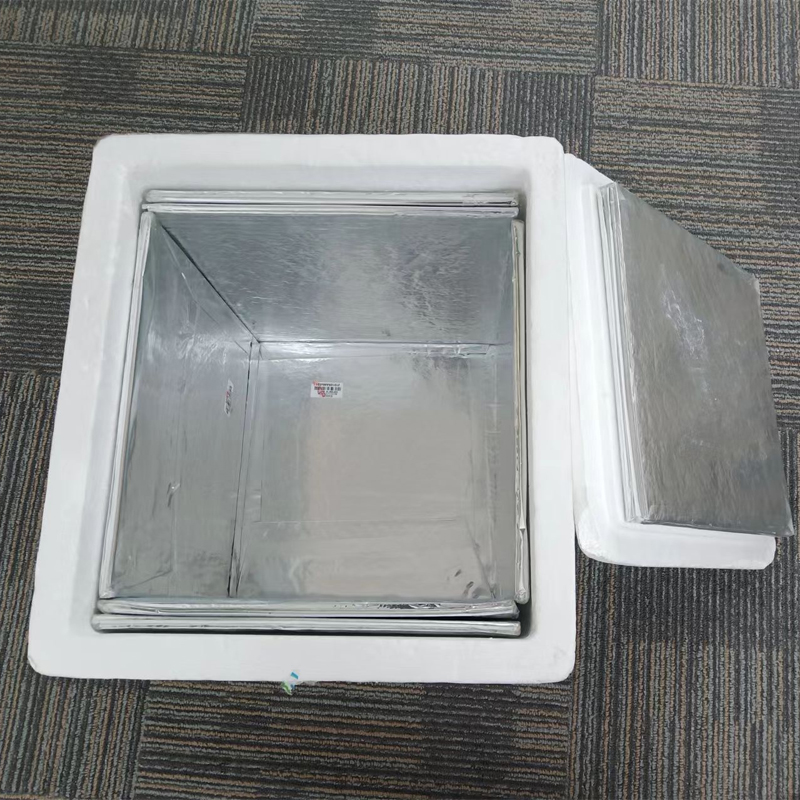
مورد نقل لقاحات صندوق الثلج المعزول: من القائمة المختصرة للموردين إلى الحزمة الجاهزة ميدانيًا
A defensible purchasing program for insulated ice box vaccine transport supplier follows a sequence: تحديد المنتج والمسار, تحويل الحجم الاسمي إلى خريطة التحميل, حدد الحزمة الكاملة, مراجعة الأدلة الخاصة بالتكوين, قم بتشغيل الإصدار التجريبي وقفل ضوابط الإنتاج. تم تصميم هذا التسلسل للحماية من التعرض للحرارة والتجميد العرضي من خلال نظام التعبئة مع الحفاظ على المشتريات, جودة, العمليات والتمويل على نفس الحقائق.
يتعامل الإطار المتكامل أدناه مع كل مطالبة مهمة على أنها مشروطة بصندوق الثلج المعزول تمامًا, سائل التبريد, حمولة, الملف الشخصي المحيط وإجراءات التشغيل. كما أنها تنشئ بوابات للتغيير بحيث لا يمكن لاستبدال أو مراجعة الإنتاج بتكلفة أقل أن يحرك المنتج الذي تم تسليمه بعيدًا عن الأدلة المستخدمة للموافقة.
قم ببناء متطلبات الشحن من صفحة واحدة قبل مراجعة المورد
تعمل العديد من برامج اللقاحات المبردة في نطاق تخزين يتراوح بين 2 درجة مئوية إلى 8 درجات مئوية, لكن الشروط المعتمدة للقاح المحدد والسوق يجب أن تتحكم في العبوة. بعض المنتجات حساسة بشكل خاص للتجميد, لذا فإن إضافة المزيد من سائل التبريد المجمد ليس أكثر أمانًا تلقائيًا. تحديد نطاق درجة الحرارة المقبولة, قواعد الرحلة, حساسية التجميد, توجيه الحمولة واستلام القرار قبل مطالبة الموردين بالتوصية بالتكوين. دون تلك الحدود, يمكن للاقتباس أن يصف الأجهزة فقط, لا ملاءمة. لنقل اللقاحات والتسليم المتحكم فيه, يجب أن يوضح ملخص المتطلبات حدود المنتج, التعرض للطريق, تتم مقارنة الحمولة الصافية وقرار الاستلام قبل صندوق الثلج المعزول.
قم بتعيين المالك للموافقة على المتطلبات قبل بدء أعمال التصميم. قم بتعيين المسار كسلسلة من التعرضات بدلاً من وقت عبور واحد. تضمين التكييف والتدريج قبل الإرسال, تأخير التحميل, تسليم السيارة أو الشحن الجوي, مسكن المستودع, جمارك, تسليم الميل الأخير والوقت قبل أن يفتح المتلقي الحزمة. يجب أن تتضمن المدة القصوى المقدرة انقطاعًا واقعيًا, ليس فقط الناقل's planned travel time.
لنقل اللقاحات والتسليم المتحكم فيه, سجل أيضًا أبعاد الحمولة, الكتلة الحرارية, هشاشة التعبئة والتغليف الأولية, الاتجاه المطلوب وعدد المرات التي يمكن فيها فتح الغطاء. الحجم الداخلي المعلن ليس الحمولة القابلة للاستخدام. سائل التبريد, المقسمات, منصات واقية, الفضاء الجوي ومسجل البيانات يستهلكان الحجم, وقد تكون الهندسة المتبقية أكثر أهمية من اللترات الرئيسية. قم بتسجيل النتيجة في مذكرة الشحنة المستخدمة لنقل اللقاح والتسليم المراقب.
عزل التوازن, مساحة الحمولة ومتانة التعامل
يجب مراجعة بناء صندوق الثلج المعزول باعتباره نظامًا للتدفق الحراري والتعامل معه وليس كملصق مادة واحد. الرغاوي الموسعة, قذائف جامدة, توفر ألواح العزل الفراغي والهياكل المركبة توازنات مختلفة للمقاومة الحرارية, سمك الجدار, سلوك التأثير, وزن, النظافة والتكلفة. غالبًا ما يُنظر إلى EPP على أنه قابل لإعادة الاستخدام, التعامل مع خفيفة الوزن; يمكن أن يناسب EPS الاستخدام أحادي الاتجاه الحساس للتكلفة; يمكن للهياكل البلاستيكية والبولي يوريثين الصلبة أن تدعم التنظيف والتعامل بشكل أكثر صرامة; يمكن لهياكل VIP تحسين كفاءة العزل عند حمايتها من الثقب وتسرب الحواف. None of these material names alone defines a qualified shipper.
تستحق الجسور الحرارية اهتمامًا خاصًا. يمكن أن تتجاوز الحرارة العزل الرئيسي من خلال وصلات الغطاء, مقابض, المصارف, يتوقف, السحابات, حواف اللوحة وإدخالات سيئة التركيب. قد لا يحل الجدار السميك الإغلاق الضعيف. اسأل عن الأبعاد الداخلية والخارجية, بناء الجدار, واجهة الغطاء وتفاصيل المكونات, ثم قم بتأكيد الأداء من خلال مجموعة الإنتاج الدقيقة. تأمين المواد والواجهات الهامة قبل الموافقة على الإنتاج.
يمكن أن يؤدي الضرر المادي إلى تغيير الأداء الحراري قبل أن يصبح مثيرًا بصريًا. تأكيد الاستنتاج بشأن صندوق الثلج المعزول لغرض الإنتاج, ليس فقط على ورقة بيانات المواد. زاوية مطحونة, غطاء مشوه, لوحة مثقوبة, قد تؤدي المفصلة السائبة أو الحشية المشوهة بشكل دائم إلى زيادة تسرب الحرارة أو إنشاء عبوة غير مستقرة. تحتاج البرامج القابلة لإعادة الاستخدام إلى حدود الفحص التي يمكن للمشغلين تطبيقها باستمرار, بما في ذلك قواعد واضحة للإصلاح, الحجر الصحي والتقاعد.
قم ببناء حزمة لقاح حول حدود المنتج المعتمدة
إن التعامل مع اللقاحات لا يقتصر على مكافحة الحرارة. يجب على المورد شرح تكييف سائل التبريد, الحواجز, تنظيم الحمولة ووضع المسجل التمثيلي لتعليمات اللقاح والبرنامج المعتمدة بدلاً من تقديم قاعدة عالمية واحدة لحزمة الثلج. قد تتلف بعض اللقاحات المبردة بسبب التجميد, ويمكن لصندوق مملوء بالعبوات المجمدة بالكامل أن يخلق ظروفًا محلية أكثر برودة من الهدف حتى عندما يبدو متوسط درجة حرارة الهواء مقبولاً. استخدم طريقة التكييف, الحواجز وتعليمات التحميل المعتمدة للمنتج والبرنامج.
يغير تردد الفتح الحمل الحراري ويمكن أن يزعج الترتيب الداخلي. يجب أن تحدد طرق التوعية والعيادة عدد أحداث الوصول المتوقعة, كم من الوقت يمكن أن يظل الغطاء مفتوحًا وكيف سيتم تنظيم الحمولة. قد يؤدي وجود مخزون عمل صغير بالقرب من الجزء العلوي إلى تقليل البحث, ولكن يجب تقييم التأثير الحراري. اجعل المعيار الخاص بالموضوع جزءًا من سجل التصميم والتحكم في التغيير.
قم بتحويل المخاطر الخاصة بالموضوع إلى معيار قبول قابل للقياس لصندوق الثلج المعزول. تحتاج سجلات درجات الحرارة إلى مسار واضح لاتخاذ القرار. يجب أن يعرف الموظفون كيفية بدء المسجل أو التحقق منه, حيث يتم وضعها, كيفية التعرف على إنذار, من يقوم بمراجعة الرحلة ومكان إقامة اللقاح المصاب أثناء تلقي التوجيه. إن المراقبة دون عملية استجابة تنتج بيانات وليس تحكمًا.
إنشاء بوابة الموافقة قبل العينات
يجب على المورد القادر أن يطلب تفاصيل المسار والحمولة قبل الأداء الواعد. قد يشمل الدعم المفيد الرسومات, أوصاف المواد, قوائم المكونات, اقتراحات حزمة العينة, تفسيرات حالة الاختبار, مواصفات الإنتاج واتصالات التحكم في التغيير. النطاق الدقيق يختلف, لذلك يجب على المشتري تحديد التسليمات المطلوبة بدلاً من افتراض أن كل مورد يقدم نفس الخدمة الهندسية. يجب أن توضح مراجعة المورد ما تم توفيره, what is only recommended and what remains the buyer's qualification responsibility.
اعتماد المورد على كل من أدلة المنتج واتصالات التغيير المستمر. اطلب من المورد التمييز بين الحقائق التي تم التحقق منها والتوصيات. يمكن التحقق من رسم البعد مباشرة. المطالبة الحرارية تحتاج إلى الحمولة, تكوين المبرد, طريقة التكييف, مواقع الاستشعار, ملف تعريف المحيط, حدود القبول وتقرير الاختبار. A statement such as 'الصف الصيدلاني' is not enough unless it is tied to a defined material, التطبيق والوثيقة الداعمة.
غالبًا ما يكون السؤال الأكثر وضوحًا هو ما الذي قد يدفع المورد إلى رفض توصيته. قد تتضمن الإجابات الموثوقة طريقًا غير محدد, الحمولة المفرطة, شروط مسبقة غير كافية, الاتصال المباشر مع المبرد المجمد, المدة المطلوبة تتجاوز الأدلة المتاحة, أو مادة كيميائية للتنظيف غير متوافقة مع المادة. تظهر الحدود الحكم الفني; ادعاءات الملاءمة العالمية تخفيها. اكتب حدود الدعم المتفق عليها في طلب عرض الأسعار وسجل موافقة المورد.
| بوابة الموافقة | القرار الذي يجب اتخاذه | الافراج عن الأدلة |
|---|---|---|
| بوابة 1: متطلبات | المنتج المعتمد, ملخص المسار والحمولة النافعة لنقل اللقاح والتسليم المراقب | المالك المسمى والإدخال الموقع |
| بوابة 2: اختيار التصميم | صندوق ثلج معزول بغرض الإنتاج وحزمة كاملة | رسم, قائمة المكونات ومراجعة المخاطر |
| بوابة 3: شهادة | تكوين الاختبار يتوافق مع المواصفات التجارية | بروتوكول, البيانات والتقرير |
| بوابة 4: طيار | يمكن للمشغلين والمستقبلين تنفيذ العملية | سجل المحاكمة, الانحرافات والإجراءات |
| بوابة 5: توسيع النطاق | تظل ضوابط الإنتاج وقواعد التغيير متصلة | مواصفات الإصدار والمراجعة المستمرة |
يدمج مسار الموافقة هذا القرارات التجارية والفنية لمورد نقل اللقاحات في صناديق الثلج المعزولة; يجب أن يظل عمق البوابة متناسبًا مع مخاطر الشحن.
الموافقة على النظام من خلال التحقق المرحلي
يحدد التقرير الحراري المفيد المراجعة الدقيقة للصندوق, طريقة التبريد والتكييف, حمولة أو محاكاة, مواقع الاستشعار, ملف تعريف المحيط, مدة الاختبار, نطاق القبول والنتيجة. بدون تلك التفاصيل, لا يمكن مقارنة وقت الانتظار المعلن بشكل عادل. اسأل ما إذا كان التقرير يمثل اختبارًا للتصميم, اختبار التأهيل, التحقق الميداني أو عرض تسويقي; كل يدعم مستوى مختلف من الثقة. لا يكون الدليل الخاص بصندوق الثلج المعزول ذا معنى إلا عندما تكون المراجعة المختبرة والتكوين التجاري متماثلين.
ربط تقرير الاختبار بالرسومات, هويات المكونات وضوابط الشراء. يمكن أن تدعم الملامح الحرارية القياسية المقارنة المعملية, لكنها لا تقوم تلقائيًا بإعادة إنتاج أسوأ الظروف في حارة معينة. الطريق يسكن, تأخير الجمارك, لا تزال ممارسات التعرض الموسمي والتسليم بحاجة إلى المراجعة, وقد تتطلب البرامج عالية المخاطر تأهيلًا خاصًا بالمسار. ISTA 7E can support testing and comparison of insulated shipping containers, أثناء الاستخدام مع Standard 20 يضيف إطارًا محددًا للمؤهلات والتوثيق. لا يزال من الضروري تحديد ما إذا كان ملف تعريف الطرود القياسي يناسب الوضع والمخاطر الفعلية.
يجب أن تعمل برامج اللقاحات على مواءمة تعليمات النقل مع إرشادات المنتج الحالية, متطلبات هيئة الصحة المحلية وبرنامج التحصين المسؤول. مراقبة درجة الحرارة, تعد معالجة الرحلات وإجراءات التعبئة الموثقة جزءًا من نظام التشغيل, ليست زخارف اختيارية. يجب أن تكون معدات مراقبة درجة الحرارة مناسبة لاتخاذ القرار, maintained and calibrated under the organization'نظام الجودة. ملف البيانات, قاعدة زمنية, هوية الاستشعار, يجب الاحتفاظ بحدود الإنذار وسجل المراجعة عندما تتطلب قيمة الشحنة أو السياق التنظيمي أدلة. ربط التقرير, البيانات الأولية وخريطة المستشعر لمراجعة صندوق الثلج المعزول الدقيق.
إغلاق الحلقة مع تلقي البيانات
ابدأ بعينة تمثيلية, ليست وحدة صالة عرض. تحقق من الأبعاد, محاذاة الغطاء, قوة المزلاج, الاتصال طوقا, عيوب السطح, رائحة, الوصول للتنظيف, الصرف إذا كان موجودا, التصاق الملصق وملاءمة كل مكون من مكونات العبوة. تحميل الحمولة الفعلية أو ما يعادلها مبررا, ثم قم بتشغيل التكييف المخطط له, عملية التعبئة والمراقبة مع المشغلين الذين سيستخدمونها. يعتمد الاستخدام الروتيني لصندوق الثلج المعزول على التكييف, حَشد, تسليم, خطوات الاستلام والتفتيش التي يمكن للمشغلين تكرارها.
يجب أن تحدد تعليمات العمل تكييف سائل التبريد, تكييف الصندوق عند الحاجة, ترتيب التحميل, موقف الفاصل, موقع الاستشعار, الشيكات الإغلاق, وضع التسمية, تسليم, تلقي التفتيش وتصعيد الانحراف. قم بإغلاق حلقة الموافقة من خلال تدريب المشغلين وتلقي الملاحظات. استخدم الصور الفوتوغرافية أو الرسوم البيانية حيث تقلل من الغموض. يجب أن يتضمن التدريب تجميعات خاطئة شائعة حتى يتمكن الموظفون من التعرف عليها, ليس فقط التسلسل الصحيح.
عند الاستلام, فحص الحالة المادية قبل الافتتاح, التقاط حالة المسجل, تحقق من الختم أو مؤشر العبث في حالة استخدامه وتسجيل الثبات أو التلف غير العادي. رحلة درجة الحرارة هي قرار الجودة, ليس سببا لمشغل المستودع للتخمين. يجب أن تحدد قواعد العزل والتصعيد من يقوم بمراجعة البيانات, معلومات المنتج وتاريخ الشحن. اجعل الإجراء عمليًا للأشخاص الذين يحزمون أمتعتهم, يحمل, تنظيف واستلام الصندوق.
فصل الاستثمار لمرة واحدة عن التكلفة المتكررة
التكلفة التجارية تشمل أكثر من الصندوق الفارغ. قد تشمل العناصر المتكررة سائل التبريد, فواصل, بطانات, تسميات, سجلات البيانات, كرتون خارجي, منصة نقالة, تنظيف, تقتيش, نقل العودة, التخزين والاستبدال. قد تشمل تكاليف المرة الواحدة أو تكاليف المشروع أعمال التصميم, الأدوات, عينات, رسومات, قوالب, تركيبات الاختبار, الدراسات الحرارية, عمليات توثيق الجودة والتأهيل. اطلب من المورد فصل هذه الفئات. يجب أن يفصل نموذج التكلفة الخاص بصندوق الثلج المعزول عمل المشروع لمرة واحدة عن التعبئة المتكررة ونفقات التشغيل.
استخدم بوابات التكلفة حتى لا تؤدي التغييرات التجارية المتأخرة إلى إبطال العمل الفني. يمكن أن يؤدي الصندوق ذو السعر المنخفض إلى إنشاء تكلفة أعلى للبرنامج عندما يستخدم المزيد من سائل التبريد, يقلل من الحمولة, يصل بشكل غير متسق, فواصل أثناء المناولة أو تتطلب المزيد من الوقت للمشغل. على العكس من ذلك, إن البناء عالي التكلفة لا يكون أفضل تلقائيًا إذا كان الطريق قصيرًا, في اتجاه واحد ومنخفضة المخاطر. مقارنة الخيارات مع نفس الحمولة, ملف تعريف المحيط, دورة التعامل ومعايير القبول.
للبرامج القابلة لإعادة الاستخدام, حساب التكلفة لكل الانتهاء, شحنة مقبولة بدلاً من التكلفة لكل صندوق. تشمل معدل العودة, خسارة, عمالة التنظيف, تقتيش, بصلح, تخزين, إعادة التموضع والتقاعد. يجب أن تستخدم مطالبات الاستدامة نفس حدود النظام. إن الحاوية المتينة التي نادراً ما يتم إرجاعها أو نقلها بشكل غير فعال قد لا تحقق المنفعة المالية أو البيئية المتوقعة. قم بتطبيع الأسعار قبل مقارنة القيمة الإجمالية لصندوق الثلج المعزول.
الأسئلة المتداولة
ما هي بوابات الموافقة الرئيسية لمصادر موردي نقل اللقاحات في صناديق الثلج المعزولة?
استخدم بوابات منفصلة لمتطلبات المنتج والمسار, اختيار التصميم, مراجعة الأدلة, التنفيذ التجريبي وإصدار الإنتاج. يجب على كل بوابة تحديد المالك, التكوين الدقيق لصندوق الثلج المعزول, السجل المطلوب والمخاطر التي لم يتم حلها. وهذا يمنع التقدم التجاري من التحرك بشكل أسرع من الموافقة الفنية.
كيف يمكن أن تظل العبوة المختبرة متصلة بصندوق الثلج المعزول الذي تم شراؤه لنقل اللقاح والتسليم المتحكم فيه?
ربط تقرير الاختبار بالرسومات الخاضعة للمراجعة, فاتورة المواد, مواصفات المصدر البارد, خريطة التحميل وضوابط الإنتاج لصندوق الثلج المعزول. يجب أن تشير أوامر الشراء وخطط التفتيش الخاصة بنقل اللقاحات والتسليم المراقب إلى نفس التكوين. وينبغي تقييم أي استبدال أو تغيير في العملية قبل القبول.
ما الذي يجب أن يوضحه الطيار قبل توسيع نطاقه؟?
يجب أن يُظهر البرنامج التجريبي أن المشغلين يمكنهم تكييف المكونات, تجميع الحزمة, تحميل الحمولة, ضع المسجل, أغلق الصندوق, إدارة عمليات التسليم وإكمال مراجعة الاستلام لنقل اللقاح والتسليم المراقب. تسجيل الانحرافات وتحويل الدروس إلى تعليمات خاضعة للرقابة قبل الإنتاج الروتيني.
ما الذي يجب أن يوضحه الطيار الميداني للقاح قبل الاستخدام الروتيني؟?
يجب أن يوضح الطيار أن الموظفين المدربين يمكنهم تكييف مصادر التبريد, تجميع الحواجز, تحميل الحمولة, ضع المسجل, أغلق الصندوق, إدارة الفتحات المخططة وإكمال مراجعة الاستلام. تسجيل الانحرافات والتأكد من أن الإجراء المعتمد عملي في ظل ظروف المسار.
ما هو القرار التجاري النهائي لصندوق الثلج المعزول بعد الموافقة الفنية؟?
تطبيع التكوين, نطاق الخدمة, شهادة, أساس التعبئة والتسليم, ثم قارن القيمة الإجمالية للبرنامج. حدد المورد الذي يمكنه توفير صندوق الثلج المعزول المعتمد باستمرار, توصيل التغييرات ودعم نموذج التشغيل دون توسيع نطاق المطالبات بما يتجاوز الأدلة المتاحة.
خاتمة
إن مسار الموافقة المتكامل لمورد نقل اللقاحات في صناديق الثلج المعزولة هو مسار تسلسلي: تحديد حدود المنتج والطريق, بناء خريطة التحميل, اختر الحزمة الكاملة, مراجعة الأدلة, تشغيل طيار, قفل ضوابط الإنتاج ومراقبة الاستخدام الروتيني. يجب أن تحافظ كل بوابة على الرابط بين المواصفات التجارية والأداء الفني.
تعامل مع كل مطالبة مهمة على أنها خاصة بالتكوين وكل مادة, عملية, تغيير الحمولة أو المسار كسبب لمراجعة المخاطر. هذا الانضباط يجعل تدريب صندوق الثلج المعزول أسهل, مراجعة, التوسع والتحسين دون الاعتماد على مطالبات عالمية غير مدعومة.
حول Tempk
تساعد Tempk المشترين على الانتقال من موجز المسار والحمولة إلى عينة صندوق ثلج معزول أكثر دقة ومواصفات تجارية. Its product scope includes medical ice boxes, تنسيقات تبريد EPP وVIP, مصادر باردة هلامية ومتغيرة الطور, insulated bags and liners, والحماية الحرارية على مستوى البليت. تبدأ المناقشة المفيدة بالشرط المستهدف, هندسة الحمولة, طريق, طريقة العبوة, نموذج التنظيف أو الإرجاع والأدلة المطلوبة قبل التوسع. لمشروع توفير صندوق الثلج المعزول لنقل اللقاحات, any final recommendation should still be confirmed against the customer's product limits, شروط الاختبار وعملية الجودة.
أرسل إلى Tempk خريطة تحميل صندوق الثلج المعزول, توجيه الافتراضات والمستندات المطلوبة لإنشاء مراجعة أكثر دقة من العينة إلى الإنتاج.
الشركة المصنعة لشحن الأدوية في صندوق الثلج الصناعي: من المواصفات إلى الحزمة المعتمدة
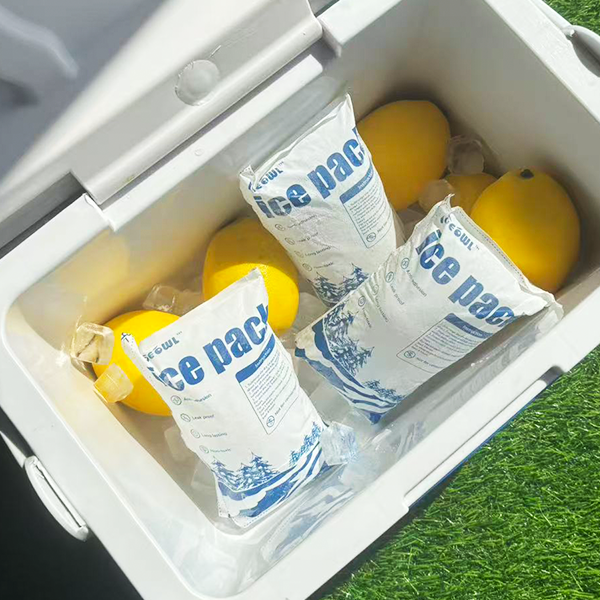
الشركة المصنعة لشحن الأدوية في صندوق الثلج الصناعي: من المواصفات إلى الحزمة المعتمدة
A defensible purchasing program for industrial ice box pharmaceutical shipping manufacturer follows a sequence: تحديد المنتج والمسار, تحويل الحجم الاسمي إلى خريطة التحميل, حدد الحزمة الكاملة, مراجعة الأدلة الخاصة بالتكوين, قم بتشغيل الإصدار التجريبي وقفل ضوابط الإنتاج. تم تصميم هذا التسلسل لفصل المتانة الصناعية عن التأهيل الحراري والتحقق من كليهما مع الحفاظ على المشتريات, جودة, العمليات والتمويل على نفس الحقائق.
يتعامل الإطار المتكامل أدناه مع كل مطالبة مهمة على أنها مشروطة بصندوق الثلج الصناعي الدقيق, سائل التبريد, حمولة, الملف الشخصي المحيط وإجراءات التشغيل. كما أنها تنشئ بوابات للتغيير بحيث لا يمكن لاستبدال أو مراجعة الإنتاج بتكلفة أقل أن يحرك المنتج الذي تم تسليمه بعيدًا عن الأدلة المستخدمة للموافقة.
تحويل الاستخدام الصناعي إلى أحمال تصميمية قابلة للقياس
قد يتضمن الاستخدام الصناعي قطرات متكررة, سحب, تكديس, مناطق التحميل الرطبة, الاتصال بالرافعة الشوكية, اهتزاز السيارة, الحمولات الثقيلة والتنظيف العدواني. المتانة الصناعية والتأهيل الحراري يجيبان على أسئلة مختلفة: قد تتمكن الأجهزة المعززة من الصمود في التعامل مع إنشاء جسور حرارية, في حين أن العزل الفعال قد يحتاج إلى الحماية من الثقب أو السحق. حدد أي الأحداث ذات مصداقية وأيها يساء استخدامها. يجب اختبار الصندوق في حالة التحميل عندما يتغير تشوه الحمل, إغلاق أو التعامل. الغلاف المقاوم للضرر لا يكون ذا قيمة إلا إذا كان الغطاء, يظل الختم والعزل فعالين بعد ذلك.
يجب أن تكون مرتبطة الاختبارات الميكانيكية والحرارية. يمكن أن يتبع تسلسل الإسقاط أو الضغط الأبعاد, التسرب والفحوصات الحرارية لتحديد ما إذا كان الضرر المادي قد أدى إلى تغيير الأداء. يعد هذا أكثر فائدة من مطالبات النجاح/الفشل المنفصلة التي لا تظهر أبدًا ما إذا كان الصندوق المُسيء لا يزال بإمكانه حماية الحمولة. اجعل المعيار الخاص بالموضوع جزءًا من سجل التصميم والتحكم في التغيير.
تحويل المخاطر الخاصة بالموضوع إلى معيار قبول قابل للقياس لصندوق الثلج الصناعي. استخدم أجهزة قابلة للاستبدال حيث يدعم طراز التشغيل الصيانة, وحافظ على سهولة التحكم في قطع الغيار. فحص المقابض, يتوقف, المزالج, المصارف, القدمين والأختام على فترات محددة. إن إدارة المكون الذي يفشل بشكل آمن وواضح أسهل من إدارة الضرر الخفي الذي يزيد من تسرب الحرارة ببطء.
قم ببناء متطلبات الشحن من صفحة واحدة قبل مراجعة المورد
لا تشترك المنتجات الصيدلانية في درجة حرارة شحن عالمية واحدة. يعد النطاق المبرد من 2 درجة مئوية إلى 8 درجات مئوية أمرًا شائعًا بالنسبة لبعض المنتجات, بينما قد يحتاج البعض الآخر إلى التحكم في درجة حرارة الغرفة, المجمدة, الظروف المجمدة أو الخاصة بالمنتج. التسمية, يجب أن يحدد فريق معلومات المنتج والجودة المعتمد الهدف قبل اختيار العبوة. تحديد نطاق درجة الحرارة المقبولة, قواعد الرحلة, حساسية التجميد, توجيه الحمولة واستلام القرار قبل مطالبة الموردين بالتوصية بالتكوين. دون تلك الحدود, يمكن للاقتباس أن يصف الأجهزة فقط, لا ملاءمة. للنقل المتكرر للأدوية في ظل ظروف المناولة الصعبة, يجب أن يوضح ملخص المتطلبات حدود المنتج, التعرض للطريق, تتم مقارنة الحمولة وقرار الاستلام قبل صندوق الثلج الصناعي.
قم بتعيين المالك للموافقة على المتطلبات قبل بدء أعمال التصميم. قم بتعيين المسار كسلسلة من التعرضات بدلاً من وقت عبور واحد. تضمين التكييف والتدريج قبل الإرسال, تأخير التحميل, تسليم السيارة أو الشحن الجوي, مسكن المستودع, جمارك, تسليم الميل الأخير والوقت قبل أن يفتح المتلقي الحزمة. يجب أن تتضمن المدة القصوى المقدرة انقطاعًا واقعيًا, ليس فقط الناقل's planned travel time.
للنقل المتكرر للأدوية في ظل ظروف المناولة الصعبة, سجل أيضًا أبعاد الحمولة, الكتلة الحرارية, هشاشة التعبئة والتغليف الأولية, الاتجاه المطلوب وعدد المرات التي يمكن فيها فتح الغطاء. الحجم الداخلي المعلن ليس الحمولة القابلة للاستخدام. سائل التبريد, المقسمات, منصات واقية, الفضاء الجوي ومسجل البيانات يستهلكان الحجم, وقد تكون الهندسة المتبقية أكثر أهمية من اللترات الرئيسية. قم بتسجيل النتيجة في مذكرة الشحنة المستخدمة لنقل الأدوية المتكرر في ظل ظروف المناولة الصعبة.
عزل التوازن, مساحة الحمولة ومتانة التعامل
يجب مراجعة بناء صندوق الثلج الصناعي باعتباره نظامًا للتدفق الحراري والتعامل معه وليس كملصق مادة واحد. الرغاوي الموسعة, قذائف جامدة, توفر ألواح العزل الفراغي والهياكل المركبة توازنات مختلفة للمقاومة الحرارية, سمك الجدار, سلوك التأثير, وزن, النظافة والتكلفة. غالبًا ما يُنظر إلى EPP على أنه قابل لإعادة الاستخدام, التعامل مع خفيفة الوزن; يمكن أن يناسب EPS الاستخدام أحادي الاتجاه الحساس للتكلفة; يمكن للهياكل البلاستيكية والبولي يوريثين الصلبة أن تدعم التنظيف والتعامل بشكل أكثر صرامة; يمكن لهياكل VIP تحسين كفاءة العزل عند حمايتها من الثقب وتسرب الحواف. None of these material names alone defines a qualified shipper.
تستحق الجسور الحرارية اهتمامًا خاصًا. يمكن أن تتجاوز الحرارة العزل الرئيسي من خلال وصلات الغطاء, مقابض, المصارف, يتوقف, السحابات, حواف اللوحة وإدخالات سيئة التركيب. قد لا يحل الجدار السميك الإغلاق الضعيف. اسأل عن الأبعاد الداخلية والخارجية, بناء الجدار, واجهة الغطاء وتفاصيل المكونات, ثم قم بتأكيد الأداء من خلال مجموعة الإنتاج الدقيقة. تأمين المواد والواجهات الهامة قبل الموافقة على الإنتاج.
يمكن أن يؤدي الضرر المادي إلى تغيير الأداء الحراري قبل أن يصبح مثيرًا بصريًا. تأكيد الاستنتاج بشأن صندوق الثلج الصناعي المخصص للإنتاج, ليس فقط على ورقة بيانات المواد. زاوية مطحونة, غطاء مشوه, لوحة مثقوبة, قد تؤدي المفصلة السائبة أو الحشية المشوهة بشكل دائم إلى زيادة تسرب الحرارة أو إنشاء عبوة غير مستقرة. تحتاج البرامج القابلة لإعادة الاستخدام إلى حدود الفحص التي يمكن للمشغلين تطبيقها باستمرار, بما في ذلك قواعد واضحة للإصلاح, الحجر الصحي والتقاعد.
الموافقة على النظام من خلال التحقق المرحلي
يحدد التقرير الحراري المفيد المراجعة الدقيقة للصندوق, طريقة التبريد والتكييف, حمولة أو محاكاة, مواقع الاستشعار, ملف تعريف المحيط, مدة الاختبار, نطاق القبول والنتيجة. بدون تلك التفاصيل, لا يمكن مقارنة وقت الانتظار المعلن بشكل عادل. اسأل ما إذا كان التقرير يمثل اختبارًا للتصميم, اختبار التأهيل, التحقق الميداني أو عرض تسويقي; كل يدعم مستوى مختلف من الثقة. إن الأدلة الخاصة بصندوق الثلج الصناعي تكون ذات معنى فقط عندما تكون المراجعة المختبرة والتكوين التجاري متماثلين.
ربط تقرير الاختبار بالرسومات, هويات المكونات وضوابط الشراء. يمكن أن تدعم الملامح الحرارية القياسية المقارنة المعملية, لكنها لا تقوم تلقائيًا بإعادة إنتاج أسوأ الظروف في حارة معينة. الطريق يسكن, تأخير الجمارك, لا تزال ممارسات التعرض الموسمي والتسليم بحاجة إلى المراجعة, وقد تتطلب البرامج عالية المخاطر تأهيلًا خاصًا بالمسار. ISTA 7E can support testing and comparison of insulated shipping containers, أثناء الاستخدام مع Standard 20 يضيف إطارًا محددًا للمؤهلات والتوثيق. لا يزال من الضروري تحديد ما إذا كان ملف تعريف الطرود القياسي يناسب الوضع والمخاطر الفعلية.
تتوقع ممارسات التوزيع الجيدة أن تظل ظروف النقل ضمن الحدود المحددة للمنتج الطبي وتستخدم نهجًا قائمًا على المخاطر في الطرق, المعدات والرصد. ولذلك فإن قرار التغليف يحتاج إلى أدلة, الإجراءات والتعامل مع الانحراف بدلاً من المطالبة الواسعة بالامتثال العالمي. يجب أن تكون معدات مراقبة درجة الحرارة مناسبة لاتخاذ القرار, maintained and calibrated under the organization'نظام الجودة. ملف البيانات, قاعدة زمنية, هوية الاستشعار, يجب الاحتفاظ بحدود الإنذار وسجل المراجعة عندما تتطلب قيمة الشحنة أو السياق التنظيمي أدلة. ربط التقرير, البيانات الأولية وخريطة الاستشعار للمراجعة الدقيقة لصندوق الثلج الصناعي.
إنشاء بوابة الموافقة قبل العينات
يجب على الشركة المصنعة القادرة أن تطلب تفاصيل المسار والحمولة قبل الأداء الواعد. قد يشمل الدعم المفيد الرسومات, أوصاف المواد, قوائم المكونات, اقتراحات حزمة العينة, تفسيرات حالة الاختبار, مواصفات الإنتاج واتصالات التحكم في التغيير. النطاق الدقيق يختلف, لذلك يجب على المشتري تحديد التسليمات المطلوبة بدلاً من افتراض أن كل مصنع يقدم نفس الخدمة الهندسية. يجب أن توضح مراجعة الشركة المصنعة ما يتم توفيره, what is only recommended and what remains the buyer's qualification responsibility.
اعتماد المورد على كل من أدلة المنتج واتصالات التغيير المستمر. اطلب من المورد التمييز بين الحقائق التي تم التحقق منها والتوصيات. يمكن التحقق من رسم البعد مباشرة. المطالبة الحرارية تحتاج إلى الحمولة, تكوين المبرد, طريقة التكييف, مواقع الاستشعار, ملف تعريف المحيط, حدود القبول وتقرير الاختبار. A statement such as 'الصف الصيدلاني' is not enough unless it is tied to a defined material, التطبيق والوثيقة الداعمة.
غالبًا ما يكون السؤال الأكثر وضوحًا هو ما الذي قد يدفع المورد إلى رفض توصيته. قد تتضمن الإجابات الموثوقة طريقًا غير محدد, الحمولة المفرطة, شروط مسبقة غير كافية, الاتصال المباشر مع المبرد المجمد, المدة المطلوبة تتجاوز الأدلة المتاحة, أو مادة كيميائية للتنظيف غير متوافقة مع المادة. تظهر الحدود الحكم الفني; ادعاءات الملاءمة العالمية تخفيها. اكتب حدود الدعم المتفق عليها في طلب عرض الأسعار وسجل موافقة المورد.
إغلاق الحلقة مع تلقي البيانات
ابدأ بعينة تمثيلية, ليست وحدة صالة عرض. تحقق من الأبعاد, محاذاة الغطاء, قوة المزلاج, الاتصال طوقا, عيوب السطح, رائحة, الوصول للتنظيف, الصرف إذا كان موجودا, التصاق الملصق وملاءمة كل مكون من مكونات العبوة. تحميل الحمولة الفعلية أو ما يعادلها مبررا, ثم قم بتشغيل التكييف المخطط له, عملية التعبئة والمراقبة مع المشغلين الذين سيستخدمونها. يعتمد الاستخدام الروتيني لصندوق الثلج الصناعي على التكييف, حَشد, تسليم, خطوات الاستلام والتفتيش التي يمكن للمشغلين تكرارها.
يجب أن تحدد تعليمات العمل تكييف سائل التبريد, تكييف الصندوق عند الحاجة, ترتيب التحميل, موقف الفاصل, موقع الاستشعار, الشيكات الإغلاق, وضع التسمية, تسليم, تلقي التفتيش وتصعيد الانحراف. قم بإغلاق حلقة الموافقة من خلال تدريب المشغلين وتلقي الملاحظات. استخدم الصور الفوتوغرافية أو الرسوم البيانية حيث تقلل من الغموض. يجب أن يتضمن التدريب تجميعات خاطئة شائعة حتى يتمكن الموظفون من التعرف عليها, ليس فقط التسلسل الصحيح.
عند الاستلام, فحص الحالة المادية قبل الافتتاح, التقاط حالة المسجل, تحقق من الختم أو مؤشر العبث في حالة استخدامه وتسجيل الثبات أو التلف غير العادي. رحلة درجة الحرارة هي قرار الجودة, ليس سببا لمشغل المستودع للتخمين. يجب أن تحدد قواعد العزل والتصعيد من يقوم بمراجعة البيانات, معلومات المنتج وتاريخ الشحن. اجعل الإجراء عمليًا للأشخاص الذين يحزمون أمتعتهم, يحمل, تنظيف واستلام الصندوق.
| بوابة الموافقة | القرار الذي يجب اتخاذه | الافراج عن الأدلة |
|---|---|---|
| بوابة 1: متطلبات | المنتج المعتمد, ملخص المسار والحمولة للنقل الدوائي المتكرر في ظل ظروف المناولة الصعبة | المالك المسمى والإدخال الموقع |
| بوابة 2: اختيار التصميم | صندوق ثلج صناعي مخصص للإنتاج وحزمة كاملة | رسم, قائمة المكونات ومراجعة المخاطر |
| بوابة 3: شهادة | تكوين الاختبار يتوافق مع المواصفات التجارية | بروتوكول, البيانات والتقرير |
| بوابة 4: طيار | يمكن للمشغلين والمستقبلين تنفيذ العملية | سجل المحاكمة, الانحرافات والإجراءات |
| بوابة 5: توسيع النطاق | تظل ضوابط الإنتاج وقواعد التغيير متصلة | مواصفات الإصدار والمراجعة المستمرة |
يدمج مسار الموافقة هذا القرارات التجارية والفنية الخاصة بالشركة المصنعة لشحن الأدوية في صناديق الثلج الصناعية; يجب أن يظل عمق البوابة متناسبًا مع مخاطر الشحن.
استخدم التفكير الفاشل قبل الموافقة النهائية
الخطأ الأول هو مقارنة المدة المعلن عنها دون مطابقة ملف التعريف المحيط, نطاق الحمولة والقبول. استبدله ب: ما هو التكوين الدقيق الذي تم اختباره, تحت أي ملف تعريف, وهل يمثل طريقنا? الخطأ الثاني هو مقارنة الحجم الخارجي أو اللترات الاسمية بدون خريطة التحميل. استبدله ب: ما هي الحمولة القابلة للاستخدام التي تبقى بعد تثبيت كل مكون يتم التحكم فيه? عادةً ما تبدأ الأخطاء الأكثر تكلفة في مشاريع تصنيع صناديق الثلج الصناعية لشحن الأدوية كافتراضات غير محددة في طلب عرض الأسعار أو تعليمات العمل.
تعيين الإجراءات التصحيحية والتحقق قبل تقدم البرنامج. الخطأ الثالث هو التعامل مع مادة أو ميزة كدليل على الامتثال. إضافات للأشعة فوق البنفسجية, لوحات VIP, جدار سميك, إعلان عن ملامسة للأغذية, يمكن أن يكون الصرف أو الحشية مفيدًا, لكن كل منها يعالج سؤالا محدودا. استبدل المطالبة الواسعة بمتطلب قابل للقياس ووثيقة داعمة. الخطأ الرابع هو الموافقة على عينة مصنوعة يدويًا دون ضوابط الإنتاج. اسأل كيف سيحافظ المصنع على نفس المواد, الأبعاد والتجمع.
الخطأ الخامس هو تجاهل الأشخاص وعمليات التسليم. يمكن أن تفشل الحزمة القوية تقنيًا عندما يتم تكييف سائل التبريد بشكل غير متسق, يتم ترك الغطاء مفتوحا, المستشعر في غير مكانه أو أن جهاز الاستقبال ليس لديه إجراء رحلة. قم بتضمين المشغلين في تجارب العينات واستخدم ملاحظاتهم لتبسيط تعليمات العمل دون تغيير التكوين الذي تم التحقق من صحته. استبدل الافتراض بمالك محدد, عنصر الأدلة أو خطوة التحقق.
الأسئلة المتداولة
ما هي بوابات الموافقة الرئيسية لمصادر الشركات المصنعة لشحن الأدوية في صناديق الثلج الصناعية?
استخدم بوابات منفصلة لمتطلبات المنتج والمسار, اختيار التصميم, مراجعة الأدلة, التنفيذ التجريبي وإصدار الإنتاج. يجب على كل بوابة تحديد المالك, التكوين الدقيق لصندوق الثلج الصناعي, السجل المطلوب والمخاطر التي لم يتم حلها. وهذا يمنع التقدم التجاري من التحرك بشكل أسرع من الموافقة الفنية.
كيف يمكن أن تظل العبوة المختبرة متصلة بصندوق الثلج الصناعي الذي تم شراؤه من أجل النقل المتكرر للأدوية في ظل ظروف المعالجة الصعبة?
ربط تقرير الاختبار بالرسومات الخاضعة للمراجعة, فاتورة المواد, مواصفات المصدر البارد, خريطة التحميل وضوابط الإنتاج لصندوق الثلج الصناعي. يجب أن تشير أوامر الشراء وخطط الفحص الخاصة بنقل الأدوية المتكرر في ظل ظروف المعالجة الصعبة إلى نفس التكوين. وينبغي تقييم أي استبدال أو تغيير في العملية قبل القبول.
ما الذي يجب أن يوضحه الطيار قبل توسيع نطاقه؟?
يجب أن يُظهر البرنامج التجريبي أن المشغلين يمكنهم تكييف المكونات, تجميع الحزمة, تحميل الحمولة, ضع المسجل, أغلق الصندوق, إدارة عمليات التسليم وإكمال مراجعة الاستلام للنقل الصيدلاني المتكرر في ظل ظروف المناولة الصعبة. تسجيل الانحرافات وتحويل الدروس إلى تعليمات خاضعة للرقابة قبل الإنتاج الروتيني.
ما الذي يجب أن تتم الموافقة عليه من حيث الجودة قبل إصدار علبة الدواء?
يجب أن تؤكد الجودة حدود المنتج, افتراضات الطريق, الحزمة الدقيقة, معايير قبول الاختبار, خطة المراقبة, تعليمات التشغيل وعملية الانحراف. يجب أن يتطابق النموذج التجاري ومراجعة الإنتاج مع الأدلة. وينبغي تقييم أي تغيير في المواد أو التكوين قبل استخدام النظام المعدل.
ما هو القرار التجاري النهائي لصندوق الثلج الصناعي بعد الموافقة الفنية؟?
تطبيع التكوين, نطاق الخدمة, شهادة, أساس التعبئة والتسليم, ثم قارن القيمة الإجمالية للبرنامج. حدد الشركة المصنعة التي يمكنها توفير صندوق الثلج الصناعي المعتمد بشكل مستمر, توصيل التغييرات ودعم نموذج التشغيل دون توسيع نطاق المطالبات بما يتجاوز الأدلة المتاحة.
خاتمة
إن مسار الموافقة المتكامل للشركة المصنعة لشحن الأدوية لصناديق الثلج الصناعية هو مسار تسلسلي: تحديد حدود المنتج والطريق, بناء خريطة التحميل, اختر الحزمة الكاملة, مراجعة الأدلة, تشغيل طيار, قفل ضوابط الإنتاج ومراقبة الاستخدام الروتيني. يجب أن تحافظ كل بوابة على الرابط بين المواصفات التجارية والأداء الفني.
تعامل مع كل مطالبة مهمة على أنها خاصة بالتكوين وكل مادة, عملية, تغيير الحمولة أو المسار كسبب لمراجعة المخاطر. هذا الانضباط يجعل تدريب صندوق الثلج الصناعي أسهل, مراجعة, التوسع والتحسين دون الاعتماد على مطالبات عالمية غير مدعومة.
حول Tempk
تساعد Tempk المشترين على الانتقال من ملخص المسار والحمولة إلى عينة أكثر دقة من صناديق الثلج الصناعية والمواصفات التجارية. Its product scope includes medical ice boxes, تنسيقات تبريد EPP وVIP, مصادر باردة هلامية ومتغيرة الطور, insulated bags and liners, والحماية الحرارية على مستوى البليت. تبدأ المناقشة المفيدة بالشرط المستهدف, هندسة الحمولة, طريق, طريقة العبوة, نموذج التنظيف أو الإرجاع والأدلة المطلوبة قبل التوسع. لمشروع تصنيع صندوق الثلج الصناعي لشحن الأدوية, any final recommendation should still be confirmed against the customer's product limits, شروط الاختبار وعملية الجودة.
أرسل إلى Tempk خريطة تحميل صندوق الثلج الصناعي, توجيه الافتراضات والمستندات المطلوبة لإنشاء مراجعة أكثر دقة من العينة إلى الإنتاج.
حشية الفريزر الشركة المصنعة لصندوق الثلج بسلسلة التبريد: بدءًا من مواصفات الختم وحتى الاستخدام البارد الموثوق
حشية الفريزر الشركة المصنعة لصندوق الثلج بسلسلة التبريد: بدءًا من مواصفات الختم وحتى الاستخدام البارد الموثوق
A defensible purchasing program for freezer gasket cold chain ice box manufacturer follows a sequence: تحديد المنتج والمسار, تحويل الحجم الاسمي إلى خريطة التحميل, حدد الحزمة الكاملة, مراجعة الأدلة الخاصة بالتكوين, قم بتشغيل الإصدار التجريبي وقفل ضوابط الإنتاج. تم تصميم هذا التسلسل للتعامل مع الحشية كنظام إغلاق مصمم للمواد, ضوابط الضغط وقابلية الاستبدال مع الحفاظ على المشتريات, جودة, العمليات والتمويل على نفس الحقائق.
The integrated framework below treats every important claim as conditional on the exact freezer-gasket cold chain ice box, سائل التبريد, حمولة, الملف الشخصي المحيط وإجراءات التشغيل. كما أنها تنشئ بوابات للتغيير بحيث لا يمكن لاستبدال أو مراجعة الإنتاج بتكلفة أقل أن يحرك المنتج الذي تم تسليمه بعيدًا عن الأدلة المستخدمة للموافقة.
قم ببناء متطلبات الشحن من صفحة واحدة قبل مراجعة المورد
يجب تحديد درجة الحرارة المستهدفة للمنتج الفعلي. للصناديق المعزولة المغلقة والمعرضة للبرد, التكثيف والفتح المتكرر, يجب أن يوضح ملخص المتطلبات حدود المنتج, التعرض للطريق, تتم مقارنة الحمولة الصافية وقرار الاستلام قبل مقارنة صندوق الثلج ذو السلسلة الباردة بحشية التجميد. A box described as cold-chain packaging is not automatically suitable for every chilled, شحنة مجمدة أو يمكن التحكم فيها في درجة حرارة الغرفة. تحديد نطاق درجة الحرارة المقبولة, قواعد الرحلة, حساسية التجميد, توجيه الحمولة واستلام القرار قبل مطالبة الموردين بالتوصية بالتكوين. دون تلك الحدود, يمكن للاقتباس أن يصف الأجهزة فقط, لا ملاءمة.
قم بتعيين المسار كسلسلة من التعرضات بدلاً من وقت عبور واحد. تضمين التكييف والتدريج قبل الإرسال, تأخير التحميل, تسليم السيارة أو الشحن الجوي, مسكن المستودع, جمارك, تسليم الميل الأخير والوقت قبل أن يفتح المتلقي الحزمة. يجب أن تتضمن المدة القصوى المقدرة انقطاعًا واقعيًا, ليس فقط الناقل's planned travel time. قم بتعيين المالك للموافقة على المتطلبات قبل بدء أعمال التصميم.
سجل النتيجة في مذكرة الشحنة المستخدمة للصناديق المعزولة المغلقة والمعرضة للبرد, التكثيف والفتح المتكرر. للصناديق المعزولة المغلقة والمعرضة للبرد, التكثيف والفتح المتكرر, سجل أيضًا أبعاد الحمولة, الكتلة الحرارية, هشاشة التعبئة والتغليف الأولية, الاتجاه المطلوب وعدد المرات التي يمكن فيها فتح الغطاء. الحجم الداخلي المعلن ليس الحمولة القابلة للاستخدام. سائل التبريد, المقسمات, منصات واقية, الفضاء الجوي ومسجل البيانات يستهلكان الحجم, وقد تكون الهندسة المتبقية أكثر أهمية من اللترات الرئيسية.
استخدم المقايضات بدلاً من تسميات المواد
الحشية ليست شريطًا مضافًا في نهاية التصميم. إنه جزء من نظام الختم الذي يتضمن تركيبة المطاط الصناعي, المقطع العرضي, هندسة الأخدود, تصلب الغطاء, قوى المفصلة والمزلاج, نصف قطر الزاوية, الانتهاء من السطح والتسامح الأبعاد. قد يتم إغلاق الحشية الناعمة بسهولة ولكنها تحتاج إلى مجموعة ضغط; قد تقاوم الحشية الصلبة التشوه ولكنها تتطلب قوة مزلاج مفرطة أو تفشل في التوافق عند الزوايا. ينبغي مراجعة بناء صندوق الثلج ذو السلسلة الباردة ذو حشية التجميد باعتباره نظامًا لتدفق الحرارة والتعامل معه بدلاً من اعتباره ملصقًا منفردًا للمادة.
تأمين المواد والواجهات الهامة قبل الموافقة على الإنتاج. تشمل عائلات الحشيات الشائعة EPDM, اللدائن السيليكونية واللدائن الحرارية, لكن اسم العائلة لا يحدد المرونة في درجات الحرارة المنخفضة, مقاومة التنظيف, رائحة, القابلة للاستخراج أو سلوك الضغط على المدى الطويل. المركب, دواء, الصلابة ومواصفات المورد مهمة. لأي تطبيق يتضمن الاتصال المباشر أو العرضي بالطعام, الأدوية أو التغليف الأولي, يجب على المشتري تأكيد إعلان المواد المعمول به وقيود الاستخدام المقصود.
يمكن أن يؤدي الضرر المادي إلى تغيير الأداء الحراري قبل أن يصبح مثيرًا بصريًا. زاوية مطحونة, غطاء مشوه, لوحة مثقوبة, قد تؤدي المفصلة السائبة أو الحشية المشوهة بشكل دائم إلى زيادة تسرب الحرارة أو إنشاء عبوة غير مستقرة. تحتاج البرامج القابلة لإعادة الاستخدام إلى حدود الفحص التي يمكن للمشغلين تطبيقها باستمرار, بما في ذلك قواعد واضحة للإصلاح, الحجر الصحي والتقاعد. قم بتأكيد الاستنتاج الخاص بصندوق الثلج ذو السلسلة الباردة ذو حشية التجميد المخصص للإنتاج, ليس فقط على ورقة بيانات المواد.
تحديد, اختبار والتحكم في الحشية كعنصر حاسم
لا يتم إغلاق الحشية إلا عندما يطبق الغطاء ضغطًا كافيًا وموحدًا بشكل معقول حول المحيط بالكامل. قياس الفجوة المجمعة, نطاق الضغط وقوة المزلاج في الزوايا ونقاط المنتصف. حدد المربع الفارغ والمحمل, لأن انحراف الجدار أو الغطاء يمكن أن يغير الاتصال. قد تكشف اختبارات رذاذ الماء عن تسرب جسيم, لكنها لا تحل محل التحقق الحراري والأبعاد. مرونة درجات الحرارة المنخفضة, استعادة الضغط, يعتمد توافق التنظيف ووثائق الاستخدام المقصود على التركيبة المحددة, ليس فقط على اسم العائلة مثل EPDM, السيليكون أو TPE.
التعرض للبرد يمكن أن يغير الصلابة والشفاء. اجعل المعيار الخاص بالموضوع جزءًا من سجل التصميم والتحكم في التغيير. الإغلاق المتكرر يمكن أن يؤدي إلى إنشاء مجموعة ضغط, في حين أن مواد التنظيف الكيميائية يمكن أن تسبب التورم, تصلب, الابتذال أو تلف السطح. قم باختبار المركب المختار بعد التكييف والتعمير الذي يعكس الاستخدام المقصود. سجل صلابة, أبعاد, الكتلة أو غيرها من الخصائص ذات الصلة قبل وبعد عندما تساعد هذه القياسات في اكتشاف التغيير.
للصناديق القابلة لإعادة الاستخدام, تقرر ما إذا كانت الحشية مستعبدة, الاحتفاظ بها ميكانيكيا أو استبدالها. يمكن للحشية القابلة للاستبدال إطالة عمر الخدمة, ولكن فقط إذا كان من الممكن تنظيف الأخدود, ويتم التحكم في الاستبدال ويمكن للمشغلين تثبيته دون تمديده أو التواءه. احتفظ بتحديد الجزء والتحكم في المراجعة حتى لا يتم استبدال ختم مشابه بصريًا دون مراجعة. قم بتحويل المخاطر الخاصة بالموضوع إلى معيار قبول قابل للقياس لصندوق الثلج ذو السلسلة الباردة ذو حشية التجميد.
سلم أدلة الموردين العملي
يجب على الشركة المصنعة القادرة أن تطلب تفاصيل المسار والحمولة قبل الأداء الواعد. يجب أن توضح مراجعة الشركة المصنعة ما يتم توفيره, what is only recommended and what remains the buyer's qualification responsibility. قد يشمل الدعم المفيد الرسومات, أوصاف المواد, قوائم المكونات, اقتراحات حزمة العينة, تفسيرات حالة الاختبار, مواصفات الإنتاج واتصالات التحكم في التغيير. النطاق الدقيق يختلف, لذلك يجب على المشتري تحديد التسليمات المطلوبة بدلاً من افتراض أن كل مصنع يقدم نفس الخدمة الهندسية.
اطلب من المورد التمييز بين الحقائق التي تم التحقق منها والتوصيات. يمكن التحقق من رسم البعد مباشرة. المطالبة الحرارية تحتاج إلى الحمولة, تكوين المبرد, طريقة التكييف, مواقع الاستشعار, ملف تعريف المحيط, حدود القبول وتقرير الاختبار. A statement such as 'الصف الصيدلاني' is not enough unless it is tied to a defined material, التطبيق والوثيقة الداعمة. اعتماد المورد على كل من أدلة المنتج واتصالات التغيير المستمر.
اكتب حدود الدعم المتفق عليها في طلب عرض الأسعار وسجل موافقة المورد. غالبًا ما يكون السؤال الأكثر وضوحًا هو ما الذي قد يدفع المورد إلى رفض توصيته. قد تتضمن الإجابات الموثوقة طريقًا غير محدد, الحمولة المفرطة, شروط مسبقة غير كافية, الاتصال المباشر مع المبرد المجمد, المدة المطلوبة تتجاوز الأدلة المتاحة, أو مادة كيميائية للتنظيف غير متوافقة مع المادة. تظهر الحدود الحكم الفني; ادعاءات الملاءمة العالمية تخفيها.
| بوابة الموافقة | القرار الذي يجب اتخاذه | الافراج عن الأدلة |
|---|---|---|
| بوابة 1: متطلبات | المنتج المعتمد, موجز المسار والحمولة الصافية للصناديق المعزولة المغلقة والمعرضة للبرد, التكثيف والفتح المتكرر | المالك المسمى والإدخال الموقع |
| بوابة 2: اختيار التصميم | صندوق ثلج بسلسلة تبريد بحشية تجميد بغرض الإنتاج وحزمة كاملة | رسم, قائمة المكونات ومراجعة المخاطر |
| بوابة 3: شهادة | تكوين الاختبار يتوافق مع المواصفات التجارية | بروتوكول, البيانات والتقرير |
| بوابة 4: طيار | يمكن للمشغلين والمستقبلين تنفيذ العملية | سجل المحاكمة, الانحرافات والإجراءات |
| بوابة 5: توسيع النطاق | تظل ضوابط الإنتاج وقواعد التغيير متصلة | مواصفات الإصدار والمراجعة المستمرة |
يدمج مسار الموافقة هذا القرارات التجارية والفنية الخاصة بالشركة المصنعة لصندوق الثلج بسلسلة التبريد ذات حشية الفريزر; يجب أن يظل عمق البوابة متناسبًا مع مخاطر الشحن.
ربط شروط الاختبار بالمواصفات التجارية
يحدد التقرير الحراري المفيد المراجعة الدقيقة للصندوق, طريقة التبريد والتكييف, حمولة أو محاكاة, مواقع الاستشعار, ملف تعريف المحيط, مدة الاختبار, نطاق القبول والنتيجة. لا يكون الدليل الخاص بصندوق الثلج ذو السلسلة الباردة ذو حشية التجميد مفيدًا إلا عندما تكون المراجعة المختبرة والتكوين التجاري متماثلين. بدون تلك التفاصيل, لا يمكن مقارنة وقت الانتظار المعلن بشكل عادل. اسأل ما إذا كان التقرير يمثل اختبارًا للتصميم, اختبار التأهيل, التحقق الميداني أو عرض تسويقي; كل يدعم مستوى مختلف من الثقة.
يمكن أن تدعم الملامح الحرارية القياسية المقارنة المعملية, لكنها لا تقوم تلقائيًا بإعادة إنتاج أسوأ الظروف في حارة معينة. الطريق يسكن, تأخير الجمارك, لا تزال ممارسات التعرض الموسمي والتسليم بحاجة إلى المراجعة, وقد تتطلب البرامج عالية المخاطر تأهيلًا خاصًا بالمسار. ISTA 7E can support testing and comparison of insulated shipping containers, أثناء الاستخدام مع Standard 20 يضيف إطارًا محددًا للمؤهلات والتوثيق. لا يزال من الضروري تحديد ما إذا كان ملف تعريف الطرود القياسي يناسب الوضع والمخاطر الفعلية. ربط تقرير الاختبار بالرسومات, هويات المكونات وضوابط الشراء.
ربط التقرير, البيانات الأولية وخريطة المستشعر للمراجعة الدقيقة لصندوق الثلج لسلسلة التبريد ذات حشية التجميد. تختلف المتطلبات التنظيمية ومتطلبات العملاء حسب المنتج, الطريق والسوق. يجب على المشترين ترجمة هذه المتطلبات إلى معايير قبول قابلة للقياس بدلاً من الاعتماد على بيان الامتثال العام. يجب أن تكون معدات مراقبة درجة الحرارة مناسبة لاتخاذ القرار, maintained and calibrated under the organization'نظام الجودة. ملف البيانات, قاعدة زمنية, هوية الاستشعار, يجب الاحتفاظ بحدود الإنذار وسجل المراجعة عندما تتطلب قيمة الشحنة أو السياق التنظيمي أدلة.
ربط ضوابط المورد مع ضوابط المشغل
يعتمد الاستخدام الروتيني لصندوق الثلج ذو السلسلة الباردة ذو حشية التجميد على التكييف, حَشد, تسليم, خطوات الاستلام والتفتيش التي يمكن للمشغلين تكرارها. ابدأ بعينة تمثيلية, ليست وحدة صالة عرض. تحقق من الأبعاد, محاذاة الغطاء, قوة المزلاج, الاتصال طوقا, عيوب السطح, رائحة, الوصول للتنظيف, الصرف إذا كان موجودا, التصاق الملصق وملاءمة كل مكون من مكونات العبوة. تحميل الحمولة الفعلية أو ما يعادلها مبررا, ثم قم بتشغيل التكييف المخطط له, عملية التعبئة والمراقبة مع المشغلين الذين سيستخدمونها.
يجب أن تحدد تعليمات العمل تكييف سائل التبريد, تكييف الصندوق عند الحاجة, ترتيب التحميل, موقف الفاصل, موقع الاستشعار, الشيكات الإغلاق, وضع التسمية, تسليم, تلقي التفتيش وتصعيد الانحراف. استخدم الصور الفوتوغرافية أو الرسوم البيانية حيث تقلل من الغموض. يجب أن يتضمن التدريب تجميعات خاطئة شائعة حتى يتمكن الموظفون من التعرف عليها, ليس فقط التسلسل الصحيح. قم بإغلاق حلقة الموافقة من خلال تدريب المشغلين وتلقي الملاحظات.
عند الاستلام, فحص الحالة المادية قبل الافتتاح, التقاط حالة المسجل, تحقق من الختم أو مؤشر العبث في حالة استخدامه وتسجيل الثبات أو التلف غير العادي. اجعل الإجراء عمليًا للأشخاص الذين يحزمون أمتعتهم, يحمل, تنظيف واستلام الصندوق. رحلة درجة الحرارة هي قرار الجودة, ليس سببا لمشغل المستودع للتخمين. يجب أن تحدد قواعد العزل والتصعيد من يقوم بمراجعة البيانات, معلومات المنتج وتاريخ الشحن.
الموافقة على القيمة من خلال عرض البرنامج الإجمالي
التكلفة التجارية تشمل أكثر من الصندوق الفارغ. يجب أن يفصل نموذج التكلفة الخاص بصندوق الثلج ذو السلسلة الباردة ذو حشية التجميد عمل المشروع لمرة واحدة عن التعبئة المتكررة ونفقات التشغيل. قد تشمل العناصر المتكررة سائل التبريد, فواصل, بطانات, تسميات, سجلات البيانات, كرتون خارجي, منصة نقالة, تنظيف, تقتيش, نقل العودة, التخزين والاستبدال. قد تشمل تكاليف المرة الواحدة أو تكاليف المشروع أعمال التصميم, الأدوات, عينات, رسومات, قوالب, تركيبات الاختبار, الدراسات الحرارية, عمليات توثيق الجودة والتأهيل. اطلب من المورد فصل هذه الفئات.
يمكن أن يؤدي الصندوق ذو السعر المنخفض إلى إنشاء تكلفة أعلى للبرنامج عندما يستخدم المزيد من سائل التبريد, يقلل من الحمولة, يصل بشكل غير متسق, فواصل أثناء المناولة أو تتطلب المزيد من الوقت للمشغل. على العكس من ذلك, إن البناء عالي التكلفة لا يكون أفضل تلقائيًا إذا كان الطريق قصيرًا, في اتجاه واحد ومنخفضة المخاطر. مقارنة الخيارات مع نفس الحمولة, ملف تعريف المحيط, دورة التعامل ومعايير القبول. استخدم بوابات التكلفة حتى لا تؤدي التغييرات التجارية المتأخرة إلى إبطال العمل الفني.
قم بتطبيع عروض الأسعار قبل مقارنة القيمة الإجمالية لصندوق الثلج ذو السلسلة الباردة ذو حشية التجميد. للبرامج القابلة لإعادة الاستخدام, حساب التكلفة لكل الانتهاء, شحنة مقبولة بدلاً من التكلفة لكل صندوق. تشمل معدل العودة, خسارة, عمالة التنظيف, تقتيش, بصلح, تخزين, إعادة التموضع والتقاعد. يجب أن تستخدم مطالبات الاستدامة نفس حدود النظام. إن الحاوية المتينة التي نادراً ما يتم إرجاعها أو نقلها بشكل غير فعال قد لا تحقق المنفعة المالية أو البيئية المتوقعة.
الأسئلة المتداولة
ما هي بوابات الموافقة الرئيسية لمصادر الشركة المصنعة لصندوق الثلج بسلسلة التبريد ذات حشية الفريزر?
استخدم بوابات منفصلة لمتطلبات المنتج والمسار, اختيار التصميم, مراجعة الأدلة, التنفيذ التجريبي وإصدار الإنتاج. يجب على كل بوابة تحديد المالك, التكوين الدقيق لصندوق الثلج بسلسلة التبريد ذات حشية الفريزر, السجل المطلوب والمخاطر التي لم يتم حلها. وهذا يمنع التقدم التجاري من التحرك بشكل أسرع من الموافقة الفنية.
كيف يمكن أن تظل العبوة التي تم اختبارها متصلة بصندوق الثلج ذو السلسلة الباردة الذي تم شراؤه بحشية التجميد للصناديق المعزولة المغلقة والمعرضة للبرد, التكثيف والفتح المتكرر?
ربط تقرير الاختبار بالرسومات الخاضعة للمراجعة, فاتورة المواد, مواصفات المصدر البارد, خريطة التحميل وضوابط الإنتاج لصندوق الثلج ذو السلسلة الباردة ذو حشية التجميد. أوامر الشراء وخطط التفتيش للصناديق المعزولة المغلقة والمعرضة للبرد, يجب أن يشير التكثيف والفتح المتكرر إلى نفس التكوين. وينبغي تقييم أي استبدال أو تغيير في العملية قبل القبول.
ما الذي يجب أن يوضحه الطيار قبل توسيع نطاقه؟?
يجب أن يُظهر البرنامج التجريبي أن المشغلين يمكنهم تكييف المكونات, تجميع الحزمة, تحميل الحمولة, ضع المسجل, أغلق الصندوق, إدارة عمليات التسليم واستكمال مراجعة الاستلام للصناديق المعزولة المغلقة والمعرضة للبرد, التكثيف والفتح المتكرر. تسجيل الانحرافات وتحويل الدروس إلى تعليمات خاضعة للرقابة قبل الإنتاج الروتيني.
متى يجب أن يؤدي تغيير الحشية إلى إجراء مراجعة حرارية جديدة?
مراجعة أي تغيير في المركب, صلابة, المقطع العرضي, تناسب الأخدود, قوة الضغط أو المزلاج. حتى عندما لا يتغير عزل الجدار, يمكن لختم مختلف أن يغير تسرب الهواء وملامسة الغطاء. قم بربط رقم الجزء البديل وحدود الأبعاد بحزمة التجميع والأدلة المعتمدة.
ما هو القرار التجاري النهائي لصندوق الثلج ذو السلسلة الباردة ذو حشية التجميد بعد الموافقة الفنية?
تطبيع التكوين, نطاق الخدمة, شهادة, أساس التعبئة والتسليم, ثم قارن القيمة الإجمالية للبرنامج. حدد الشركة المصنعة التي يمكنها توفير صندوق الثلج ذو سلسلة التبريد ذات حشية التجميد المعتمد باستمرار, توصيل التغييرات ودعم نموذج التشغيل دون توسيع نطاق المطالبات بما يتجاوز الأدلة المتاحة.
خاتمة
إن مسار الموافقة المتكامل للشركة المصنعة لصندوق الثلج بسلسلة التبريد ذات حشية الفريزر هو مسار تسلسلي: تحديد حدود المنتج والطريق, بناء خريطة التحميل, اختر الحزمة الكاملة, مراجعة الأدلة, تشغيل طيار, قفل ضوابط الإنتاج ومراقبة الاستخدام الروتيني. يجب أن تحافظ كل بوابة على الرابط بين المواصفات التجارية والأداء الفني.
تعامل مع كل مطالبة مهمة على أنها خاصة بالتكوين وكل مادة, عملية, تغيير الحمولة أو المسار كسبب لمراجعة المخاطر. هذا الانضباط يجعل تدريب صندوق الثلج ذو السلسلة الباردة ذو حشية الفريزر أسهل, مراجعة, التوسع والتحسين دون الاعتماد على مطالبات عالمية غير مدعومة.
حول Tempk
تساعد Tempk المشترين على الانتقال من موجز المسار والحمولة الصافية إلى عينة صندوق ثلج بسلسلة تبريد أكثر دقة ومواصفات تجارية. Its product scope includes medical ice boxes, تنسيقات تبريد EPP وVIP, مصادر باردة هلامية ومتغيرة الطور, insulated bags and liners, والحماية الحرارية على مستوى البليت. تبدأ المناقشة المفيدة بالشرط المستهدف, هندسة الحمولة, طريق, طريقة العبوة, نموذج التنظيف أو الإرجاع والأدلة المطلوبة قبل التوسع. لمشروع تصنيع صندوق الثلج بسلسلة التبريد لحشية الفريزر, any final recommendation should still be confirmed against the customer's product limits, شروط الاختبار وعملية الجودة.
أرسل إلى Tempk خريطة تحميل صندوق الثلج بسلسلة التبريد ذات حشية التجميد, توجيه الافتراضات والمستندات المطلوبة لإنشاء مراجعة أكثر دقة من العينة إلى الإنتاج.