


اختيار موزع حقائب بلاستيكية مقاومة للماء لشحن اللحوم: إطار عملي
اختيار موزع حقائب بلاستيكية مقاومة للماء لشحن اللحوم: إطار عملي
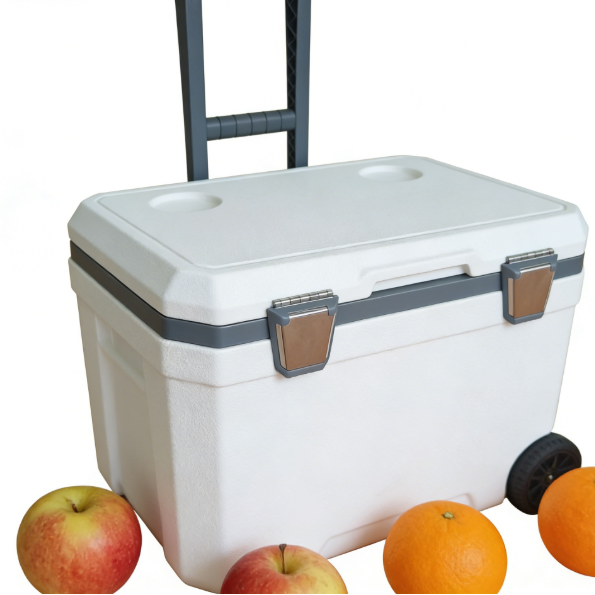
إطار عملي لاختيار موزع حقائب بلاستيكية مقاومة للماء لشحن اللحوم
The right waterproof plastic tote is not the model with the longest feature list. إنه النموذج الذي تكون حدوده مرئية ويمكن التحكم فيها. مقاومة للماء ليست مواصفات كاملة. يحتاج المشترون إلى تحديد ما إذا كانوا يحتاجون إلى مقاومة المطر, رذاذ الغسيل, تسرب السائل, تسرب الغطاء, أو الانغماس الكامل, ويجب عدم الخلط بين أي من تلك الخصائص والتحكم في درجة الحرارة. يجمع الإطار أدناه بين التصميم, شراء, تصديق, والضوابط التشغيلية في مسار قرار واحد.
تحديد الوظيفة, عواقب, والخطوط الحمراء
اكتب مهمة الحقيبة البلاستيكية المقاومة للماء في جملة واحدة: حماية وتنظيم عبوات اللحوم المختومة, قطع أولية مبطنة, بروتين محاصر, منتجات اللحوم الجاهزة, والمكونات المعبأة الثانوية أثناء التحرك عبر إرسال غرفة المعالجة, التخزين البارد, تحميل, النقل المبرد, تلقي, حمل الفصل, غسل, التعقيم, تجفيف, وإعادة استخدام. ثم اكتب ما لا ينبغي افتراض القيام به. اعتمادا على الطريق, والتي قد تشمل العقم, الموافقة على ملامسة الطعام, احتواء التسرب, تغليف البضائع الخطرة, أو التحكم في درجة الحرارة. يمنع هذا الحد المكون من سطرين المشروع من تجميع التوقعات غير المتوافقة تحت اسم منتج واحد.
رتب العواقب الموثوقة لحركة اللحوم المعبأة أو المحمية من خلال التوزيع المبرد. ضع في اعتبارك تلف المنتج, تلوث, التراص غير المستقر, إصابة العامل, التتبع المفقود, تأخر الاستلام, رحلة حرارية, رفض الطريق, وفقدان الأصول القابلة لإعادة الاستخدام. إن النتيجة الأعلى ليست دائمًا الحدث الأكثر تكرارًا. المواصفات العملية تعطي الأولوية لمزيج الخطورة, احتمالية, وإمكانية الاكتشاف بدلاً من الميزة الأسهل في الاقتباس.
ضع خطوطًا حمراء قبل مقارنة الموردين. قد يكون الخط الأحمر عبارة عن مدة حرارية غير مدعومة, لا يوجد تتبع المواد, مفصل غير قابل للتنظيف, لا يوجد إشعار تغيير الإنتاج, مكدس تحميل مختلط غير مستقر, أو تصميم لا يمكن إعادته اقتصاديًا. تعمل الخطوط الحمراء على تسريع القائمة المختصرة لأنها تفصل عدم اليقين غير المؤهل عن الميزات التي يمكن تحسينها لاحقًا. للحركة المضمونة للحوم المعبأة أو المحمية من خلال التوزيع المبرد, decide what control addresses the failure mode 'محاصرة مياه الغسيل'.
كتابة ملخص الحمل البلاستيكي المقاوم للماء لشحن اللحوم
بناء المواصفات في خمس كتل: حمولة, هندسة, بيئة, عملية, والأدلة. الحمولة تغطي الأبعاد, وزن, هشاشة, اتصال, وحساسية درجة الحرارة. تغطي الهندسة المساحة القابلة للاستخدام, إنهاء, كومة, التعامل, والواجهات. البيئة تغطي الوقت, درجة حرارة, رُطُوبَة, المواد الكيميائية, والأشعة فوق البنفسجية. العملية تغطي التعبئة, ينقل, تنظيف, يعود, والتقاعد. الأدلة تغطي الرسومات, تصريحات, الاختبارات, تقتيش, وتغيير السيطرة. يجب أن تجعل المواصفات الخاضعة للرقابة أيضًا الحشية أو الغطاء البديل مرئيًا.
ترجمة مناقشة التصميم إلى الميزات التي تهم هنا: احتواء الجدار الصلب, تداخل الغطاء أو الحشية, ختم الزاوية, تصميم قابس التصريف إذا تم استخدامه, التراص مستقرة, والأيدي التي لا توجه السائل. لكل ميزة, سجل الفائدة المقصودة والأثر الجانبي المحتمل. قد تعمل فتحة التهوية على تحسين تدفق الهواء ولكنها تقلل من الاحتواء. قد يؤدي الاستدقاق إلى تحسين التعشيش ولكنه يقلل من الحجم. قد تتحكم الحشية في التسرب ولكنها تضيف التنظيف والاستبدال. قد يؤدي الإدخال المعزول إلى تحسين الأداء الحراري ولكنه يقلل من الحمولة ويعقد التحميل. تطبيق المتطلبات على الحركة الفعلية المحتواة للحوم المعبأة أو المحمية من خلال سير عمل التوزيع المبرد.
اجعل الأسئلة المادية محددة بنفس القدر: حالة الاتصال الغذائي, تأثير درجات الحرارة المنخفضة, توافق الدهون والمنظفات, احتباس الرائحة, ترميز الألوان, والانتهاء من السطح. اطلب دليل المنتج النهائي الذي يطابق المطالبة. يدعم اسم الراتنج تحديد المواد; فإنه لا يثبت العروة, المفصلي, لحام, ختم الحافة, ملصق, أو غطاء مجمعة. على نفس المنوال, الرسم الأبعاد يدعم الملاءمة; لا يؤسس حياة المكدس, تسرب, قابلية التنظيف, أو ملف تعريف درجة الحرارة. قم بتوثيق كيفية معالجة التصميم لوضع الفشل المدرج: علاج حمل كبديل للتبريد.
احتفظ بمطالبات المنتج داخل حدود الأدلة الخاصة بها
يجب وصف الحقيبة البلاستيكية المقاومة للماء حسب الوظيفة, وليس بالصفات. قد تشمل وظائفها التي تم التحقق منها الحمل, تكديس, التعشيش أو للطي, مقاومة التعامل المحدد, التسميات الداعمة, قبول إدراجات, وتقديم الأسطح للتنظيف. مطالبات مثل ماء, طبي, درجة الغذاء, الأدوية, حراري, أو التحكم في درجة الحرارة يتطلب تعريفات وأدلة إضافية. لا ينبغي أبدًا السماح للمصطلح بأن يشير ضمنًا إلى موافقة النظام على نطاق أوسع مما يستطيع المورد إثباته.
تتطلب تطبيقات الأغذية دليلاً على حالة الاتصال والنقل المقصودة. نحن. تتناول قواعد النقل الصحي ممارسات الأطراف في سلسلة النقل, وتتناول ضوابط الاتصال الغذائي في الاتحاد الأوروبي التركيب البلاستيكي وهجرة المواد المعمول بها. لا يزال المشترون بحاجة إلى تأكيد البناء النهائي, إضافات, طريقة التنظيف, نوع الطعام, درجة حرارة, ومتطلبات الوجهة. لهذا المشروع شحن اللحوم, قم بتسجيل شروط القبول ذات الصلة على الحقيبة البلاستيكية المقاومة للماء المعتمدة.
استخدم المعايير كأدوات داخل خطة الأدلة. ضغط, تكديس, اهتزاز, يسقط, ويمكن للملفات التعريفية الحرارية أن تجعل نتائج الموردين قابلة للمقارنة عند أخذ العينة, حمولة, تكييف, ومعايير القبول هي نفسها. الاسم القياسي في الكتيب ليس كافيًا, والنتيجة الناجحة لا تضمن مسارًا مختلفًا. المشتري's quality or engineering team should decide how the test supports the intended use. قم بتوصيل المتطلبات بمقابض اليد التي لا تقوم بتوجيه السائل والحمولة التمثيلية.
| بوابة | سؤال الموافقة | الحد الأدنى من الإخراج | مالك |
|---|---|---|---|
| 1. استخدام الحالة | ما هي الوظيفة والحدود المحددة? | ملخص المتطلبات المعتمدة | العمليات والجودة |
| 2. تصميم | هل العينة مناسبة وتتعامل مع الحمولة? | مراجعة الرسم والعينات | هندسة |
| 3. شهادة | هل المطالبات مرتبطة بشروط الاختبار؟? | التقارير والوثائق المادية | جودة |
| 4. طيار | هل يعمل في الحلقة الفعلية? | السجل التجريبي وقائمة القضايا المفتوحة | العمليات |
| 5. إنتاج | هل الإنتاج مطابق للعينة المعتمدة؟? | خطة التفتيش ومراقبة التغيير | المشتريات والموردين |
| 6. دورة الحياة | كيف يتم التنظيف, بصلح, خسارة, والتحكم في التقاعد? | SOP والمقاييس الخاصة بالأسطول | صاحب البرنامج |
قم بمعالجة كل بوابة للحركة المحتواة للحوم المعبأة أو المحمية من خلال التوزيع المبرد كسجل قرار. التقدم فقط عندما يكون المالك, شهادة, وتكون المخاطر التي لم يتم حلها مرئية للفريق متعدد الوظائف.
اتخذ قرارًا منفصلاً للتحكم الحراري
قرر أولاً ما إذا كان التحكم في درجة الحرارة ينتمي إلى مشروع الصندوق. إذا كانت السيارة أو الغرفة توفر بالفعل تحكمًا موثوقًا به وكانت الحمولة محمية خلال كل عملية تسليم, قد يحتاج الصندوق فقط إلى تدفق الهواء والتوافق الميكانيكي. إذا كانت هناك ثغرات, بطانة معزولة, برودة, غطاء البليت, حزمة هلام مكيفة, حزمة PCM, نظام الثلج الجاف, أو قد تكون هناك حاجة إلى حل نشط. يجب أن تتبع الإجابة مواصفات المنتج ومخاطر المسار. للحركة المضمونة للحوم المعبأة أو المحمية من خلال التوزيع المبرد, التحقق من اعتماد السيارة المبردة ضمن الحمولة الصافية والملف المحيطي المحدد.
إذا كانت الحماية السلبية مطلوبة, تعريف الاعتماد على المركبات المبردة, حمولة مبردة مسبقًا, عزل اختياري, فصل المبرد, موقع مسجل درجة الحرارة, والتعرض لفتح الباب قبل اختيار المكونات. يجب أن يأخذ التصميم في الاعتبار درجة حرارة بدء الحمولة, مساحة فارغة, الجسور العازلة, تكييف المبرد, فصل المنتج, التعرض المحيطي, والفتح. وأي تغيير في هذه المتغيرات يمكن أن يغير الأداء. مورد's tested configuration is useful only when the proposed packout is genuinely comparable. احتفظ بالمطالبة مشروطة حتى يغطي التكوين الذي تم اختباره التعرض لفتح الباب.
يخدم التأهيل والمراقبة الروتينية أغراضًا مختلفة. يحدد اختبار التطوير ما إذا كانت الحزمة الخاضعة للرقابة يمكنها تلبية معيار القبول ضمن ملف تعريف محدد. تتحقق مراقبة الطريق مما حدث أثناء الاستخدام. يمكن للمسجل أن يدعم الإصدار أو التحقيق, but it cannot compensate for a missing coolant pack, حمولة دافئة, غطاء مفتوح, أو طريق غير مؤهل. يجب أن يربط تلقي التعليمات البيانات بعملية اتخاذ قرار واضحة. يجب أن تجعل تعليمات التشغيل موقع مسجل درجة الحرارة واضحًا للرازمين والمستقبلين.
ضوابط الموردين لشراء شحن اللحوم
قم بوضع قائمة مختصرة للموزع حسب جودة أدلته. طلب رسم معتمد, إعلان مادي, تقرير البعد الحرج, عينة نية الإنتاج, تقارير الاختبار ذات الصلة, تعليمات التنظيف أو التعبئة والتغليف, تحديد الدفعة, وشروط التحكم في التغيير. لهذا التطبيق, قم أيضًا بمراجعة التعريف المكتوب للمطالبة المقاومة للماء, طريقة الاختبار ومعايير القبول, حشية أو غطاء بديل, وثائق الاتصال الغذائي, إمكانية تتبع الدفعة, وتغيير السيطرة. يجب أن تحدد المستندات التكوين والشروط, لا مجرد تكرار مطالبة التسويق. تعامل مع التحكم في التغيير كجزء من حزمة الأدلة, وليس ضمانا لفظيا.
استخدم التسلسل الهرمي للأدلة. البيان اللفظي هو الأدنى. تعتبر ورقة البيانات العامة أفضل ولكنها قد لا تتطابق مع التجميع. اختبار المورد على التكوين المقترح أقوى. قد يضيف تقرير المختبر المستقل أو المعتمد الثقة عندما تكون الطريقة والعينة ذات صلة. The highest practical evidence is a controlled pilot in the buyer's route, مدعومة بوحدات إنتاج يمكن تتبعها وخطة للتفتيش المستمر. يجب أن تحدد مراجعة المورد كيفية التحكم في إمكانية تتبع الدفعة بعد التوسع.
تحدي أوضاع الفشل مباشرة: على افتراض أن الغطاء المفاجئ مانع للتسرب, باستخدام الحافات التالفة, محاصرة مياه الغسيل, خلط اللحوم النيئة مع المناطق النظيفة, ومعالجة الحمل كبديل للتبريد. اسأل عن ميزة التصميم التي تمنع كل حدث, كيف تم اختبار هذه الميزة, وكيف تحافظ عليه فحوصات الإنتاج. إذا لم يتمكن المورد من الإجابة, تحويل عدم اليقين إلى اختبار عينة أو إزالة المطالبة من المواصفات. وهذا يبقي المفاوضات التجارية مرتبطة بالمخاطر بدلاً من عدد الميزات. يجب أن يجعل ملف المشتريات وثائق الاتصال بالأغذية قابلة للتتبع.
أربع بوابات للموافقة من الملاءمة إلى دورة الحياة
استخدم أربع بوابات موافقة. البوابة الأولى مناسبة: حمولات الحمولة, يغلق, يفرغ, وتبقى قابلة للتحديد. يتم التحكم في البوابة الثانية: ميكانيكية, تنظيف, تسرب, أو تعالج التجارب الحرارية المخاطر المحددة. البوابة الثالثة هي طيار تشغيلي: يستخدم الموظفون العاديون وحدات غرض الإنتاج من خلال الحلقة الكاملة. البوابة الرابعة هي إصدار الإنتاج: يُظهر الفحص الوارد والتحكم في التغيير أن الوحدات المقاسة تتوافق مع التصميم المعتمد. يجب على الطيار أن يتتبع لوجستيات العودة كمتغير في دورة الحياة.
يجب أن يتضمن السجل التجريبي استثناءات, ليس فقط المتوسطات. لاحظ الأحمال الأثقل والأخف, فتحات صعبة, عوائد رطبة, تأخر التسليم, أكوام مختلطة, الملحقات المفقودة, ضرر, إعادة غسل, وأي رحلة درجة الحرارة. تكشف الاستثناءات عن هامش التصميم وفجوات التدريب. يمكن للبرنامج الذي يسجل الرحلات الناجحة فقط أن يقيس نقاط الضعف الخفية. لهذا البرنامج شحن اللحوم, تضمين فحص الأضرار في نموذج التشغيل.
بعد الإطلاق, إدارة الحاوية كأصل. قم بتعيين المعرفات عند الاقتضاء, سجل أسباب الضرر, مكونات منفصلة قابلة للإصلاح, تحديد حالة الغسيل والتفتيش, الحفاظ على المخزون البديل, وتقاعد الوحدات غير الآمنة. قم بمراجعة البيانات الميدانية قبل الموافقة على تغييرات المورد أو المكونات. التحكم في دورة الحياة هو الخطوة التي تحول الفكرة القابلة لإعادة الاستخدام إلى برنامج يمكن الاعتماد عليه. ينبغي أن توضح مراجعة الأسطول كيف يؤثر الطلب على مياه الغسيل على التكلفة والموثوقية.
استبدل خمسة افتراضات باهظة الثمن بالدليل
الافتراض واحد: الحجم المذكور يساوي مساحة الحمولة. ولا يجوز بعد تفتق, الأغطية, المقسمات, العزل, والمبرد. الافتراض الثاني: اسم المادة يثبت الأداء. لا يثبت الهندسة النهائية. الافتراض الثالث: يغطي تصنيف المكدس كل مدة ودرجة حرارة. قد يأتي من اختبار مختلف. يجب استبدال كل افتراض برسم, عينة, وحالة الاختبار ذات الصلة. للحركة المضمونة للحوم المعبأة أو المحمية من خلال التوزيع المبرد, decide what control addresses the failure mode 'محاصرة مياه الغسيل'.
الافتراض الرابع: التنسيق القابل لإعادة الاستخدام يكون مستدامًا تلقائيًا. مسافة العودة, خسارة, تنظيف, بصلح, وطريق التقاعد يحدد النتيجة. الافتراض الخامس: ملصق حراري يثبت التحكم في درجة الحرارة. النظام الكامل, شروط البداية, ملف تعريف المحيط, عبوة, وانضباط التشغيل يحدد النتيجة. هذه الافتراضات باهظة الثمن لأنها عادةً ما تفشل بعد شراء الأدوات أو الأسطول. Do not close the review until evidence or a process control addresses the failure mode 'خلط اللحوم النيئة مع المناطق النظيفة'.
تفترض علامات التحذير الخاصة بالمشروع أن الغطاء المفاجئ مانع للتسرب, باستخدام الحافات التالفة, محاصرة مياه الغسيل, خلط اللحوم النيئة مع المناطق النظيفة, ومعالجة الحمل كبديل للتبريد. ضعهم في القائمة المرجعية لمراجعة العينات. من المرجح أن يمسك بهم فريق متعدد الوظائف بسبب العمليات, جودة, هندسة, الصرف الصحي, والخدمات اللوجستية ترى أجزاء مختلفة من المخاطر. يجب أن تكون القائمة المرجعية قصيرة, المملوكة, ومرتبطة بالتصرف: يقبل, يراجع, امتحان, الحجر الصحي, أو رفض. The supplier discussion should connect the failure mode 'علاج حمل كبديل للتبريد' to a feature, امتحان, والتصرف.
سيناريو شحن اللحوم: التدفق الطبيعي والانحراف الموثوق
يمكن إكمال ورشة عمل متعددة الوظائف للحركة المحتواة للحوم المعبأة أو المحمية من خلال التوزيع المبرد حول عينة واحدة لغرض الإنتاج. ضع الحمولة التمثيلية, تسميات, حطام, المكونات الحرارية إذا لزم الأمر, وأدوات المناولة على الطاولة. اطلب من العمليات حزمها, اللوجستية لنقلها وتكديسها, الجودة لفحص الأدلة, والصرف الصحي لتنظيفه وتجفيفه. سجل حيث تعتمد العملية على الحكم أو الحل البديل.
ثم قم بمحاكاة انحراف موثوق: تسليم متأخر, تحميل جزئي, العودة الرطبة, تأثير بارد, غطاء مفقود, أو تفتيش غير متوقع. يجب على الفريق أن يقرر ما إذا كان التصميم يحتوي على الحدث, ما إذا كانت الحالة قابلة للاكتشاف, وما هي التعليمات التالية. يكشف هذا التمرين غالبًا عن متطلبات أكثر فائدة من مطالبة عامة أخرى بالمتانة. أثناء التمرين, انتبه خصيصًا لوضع الفشل المدرج: على افتراض أن الغطاء المفاجئ مانع للتسرب.
قم بإغلاق ورشة العمل بالإجراءات المسماة, نقاط الرسم المعدلة, الاختبارات, أصحاب, ومواعيد القبول. يتلقى المورد قائمة خاضعة للرقابة بدلاً من التعليقات المتضاربة من الأقسام المختلفة. عندما تصل العينة التالية, يمكن لنفس الفريق التحقق من التغييرات وتحديد ما إذا كان التصميم جاهزًا لطيار المسار. Use the scenario to decide how the team will respond to the failure mode 'باستخدام الحافات التالفة'.
الأسئلة المتداولة
ما هي الوثيقة الأولى التي يجب تحضيرها قبل الاتصال بموزع حقائب بلاستيكية مقاومة للماء لشحن اللحوم?
قم بإعداد ملخص حالة الاستخدام الموجز الذي يغطي الحمولة, أبعاد قابلة للاستخدام, الحمولة القصوى, طريق, التعرض البيئي, التعامل, تنظيف, يعود, تعريف, وأي متطلبات درجة الحرارة. أضف المطالبات التي يجب دعمها والشروط التي من شأنها عدم أهلية التصميم. وهذا يعطي الموردين أساسًا مشتركًا لعرض الأسعار. لهذا المشروع, احتفظ بوثائق الاتصال بالأغذية بحيث يمكن تتبعها إلى العينة المعتمدة.
كيف يمكنني فصل متطلبات الصندوق عن متطلبات سلسلة التبريد؟?
تعيين التعامل الميكانيكي, تكديس, إنهاء, صحة, وتحديد الهوية إلى الصندوق. تعيين العزل, المبردات, التبريد النشط, عبوة, الشروط المسبقة, يراقب, والتأهيل الحراري لنظام التحكم في درجة الحرارة. يجب أن تتفاعل بشكل صحيح, ولكن لا يجوز استخدام أحدهما كدليل على الآخر. لهذا المشروع شحن اللحوم, قم بتأكيد الإجابة على عينة غرض الإنتاج بدلاً من افتراض تكافؤ الكتالوج.
أي دليل المورد يجب أن يحمل أكبر قدر من الوزن?
إعطاء وزن أكبر للرسومات الخاصة بالتكوين, الوثائق المادية, عينات نية الإنتاج, تقارير الاختبار مع الشروط الكاملة, وطريق تجريبي ناجح بدلاً من الكتيبات العامة. يمكن للاختبار المستقل أن يضيف الثقة عندما تكون الطريقة والعينة ذات صلة. يعد التحكم في التغيير أمرًا ضروريًا حتى تظل الأدلة مرتبطة بالإنتاج. لهذا المشروع, إبقاء التحكم في التغيير قابلاً للتتبع إلى العينة المعتمدة.
كم عدد العينات المطلوبة قبل شراء الأسطول?
لا يوجد رقم عالمي. استخدم عينات كافية للتحقق من ملاءمتها, تباين الإنتاج, التعامل, تنظيف, وطرق الفشل ذات المصداقية. يجب أن يشتمل البرنامج التجريبي على وحدات غرض الإنتاج والمشغلين العاديين. يجب أن تكون خطة العينة قائمة على المخاطر ومتفق عليها من قبل الهندسة أو الجودة بدلاً من اختيارها من أجل الراحة فقط. اعتمد القرار على اختبارات الميل والتسرب مع الإغلاق المقصود تحت المسار والحمل المقصودين.
ماذا يجب أن يحدث بعد دخول الحاوية إلى الخدمة؟?
تحديد التحكم, حالة التنظيف, تقتيش, بصلح, استبدال الملحقات, ترميز الضرر, خسارة, والتقاعد. مراجعة البيانات الميدانية وتغييرات الموردين بشكل دوري. تظل العبوة القابلة لإعادة الاستخدام موثوقة فقط عندما يحافظ نظام التشغيل على الحالة والتكوين الذي تمت الموافقة عليه في الأصل. لهذا المشروع شحن اللحوم, قم بتأكيد الإجابة على عينة غرض الإنتاج بدلاً من افتراض تكافؤ الكتالوج.
القرار النهائي
حدد موزعًا بلاستيكيًا مقاومًا للماء لشحن اللحوم من خلال تسلسل متحكم فيه: تحديد الوظيفة والخطوط الحمراء, التحقق من الأدلة الهندسية والمادية القابلة للاستخدام, تحديد ما إذا كانت هناك حاجة للتحكم الحراري, اختبار أوضاع الفشل ذات الصلة, تجربة حلقة التشغيل الكاملة, والحفاظ على التصميم المعتمد من خلال التفتيش ومراقبة التغيير. اجعل كل مطالبة مرتبطة بشروطها وصاحبها.
حول Tempk
Tempk supplies cold-chain packaging components such as gel packs, طوب الجليد, حزم PCM, بطانات وأكياس معزولة, EPP والصناديق المعزولة الأخرى, صناديق الشحن الباردة, وأغطية البليت الحرارية. هنا, ينصب التركيز العملي على الجمع بين حقائب شحن اللحوم والبطانات المعزولة, حزم هلام, طوب الجليد, صناديق إي بي بي, أو الأغطية الحرارية حيث يحتاج المسار إلى تبريد سلبي إضافي. المتطلبات الخاصة بالمنتج, تأهيل الطريق, وتظل مراجعة جودة العميل هي الأساس لأي اختيار نهائي.
اطلب مراجعة عملية
لإجراء مراجعة متكاملة للحاويات وسلسلة التبريد, تحديد حالة التسرب, تنسيق تعبئة اللحوم, عملية الغسيل, درجة حرارة الطريق, وتحميل المكدس قبل مقارنة ملحقات سلسلة التبريد.
اختيار صانع الصناديق البلاستيكية الحرارية لاستيرادها إلى المختبر: إطار عملي

A Practical Framework for Choosing a Thermal Plastic Crate Maker for Laboratory Import
قبل مقارنة الاقتباسات, تحديد كيف يبدو النجاح في التعبئة, ينقل, إيصال, تنظيف, وإعادة استخدام. The word thermal does not prove a temperature range or hold time. A plastic crate becomes part of a thermal system only when insulation, سائل التبريد, حمولة, إنهاء, ملف تعريف المحيط, and packout instructions are defined and tested together. يجمع الإطار أدناه بين التصميم, شراء, تصديق, والضوابط التشغيلية في مسار قرار واحد.
ابدأ بالمخاطر بدلاً من الميزات
Write the job of the thermal plastic crate in one sentence: protect and organize reagents, الضوابط, المواد الاستهلاكية التشخيصية, sealed samples, الأدوات, and laboratory kits while moving through supplier packing, مرحلة التصدير, customs handover, air or ocean transfer, import clearance, التوزيع المحلي, and laboratory receipt. ثم اكتب ما لا ينبغي افتراض القيام به. اعتمادا على الطريق, والتي قد تشمل العقم, الموافقة على ملامسة الطعام, احتواء التسرب, تغليف البضائع الخطرة, أو التحكم في درجة الحرارة. يمنع هذا الحد المكون من سطرين المشروع من تجميع التوقعات غير المتوافقة تحت اسم منتج واحد.
Rank the credible consequences for international import of laboratory materials and temperature-sensitive supplies. ضع في اعتبارك تلف المنتج, تلوث, التراص غير المستقر, إصابة العامل, التتبع المفقود, تأخر الاستلام, رحلة حرارية, رفض الطريق, وفقدان الأصول القابلة لإعادة الاستخدام. إن النتيجة الأعلى ليست دائمًا الحدث الأكثر تكرارًا. المواصفات العملية تعطي الأولوية لمزيج الخطورة, احتمالية, وإمكانية الاكتشاف بدلاً من الميزة الأسهل في الاقتباس.
ضع خطوطًا حمراء قبل مقارنة الموردين. قد يكون الخط الأحمر عبارة عن مدة حرارية غير مدعومة, لا يوجد تتبع المواد, مفصل غير قابل للتنظيف, لا يوجد إشعار تغيير الإنتاج, مكدس تحميل مختلط غير مستقر, أو تصميم لا يمكن إعادته اقتصاديًا. تعمل الخطوط الحمراء على تسريع القائمة المختصرة لأنها تفصل عدم اليقين غير المؤهل عن الميزات التي يمكن تحسينها لاحقًا. Apply this trade-off to tamper evidence on the production-intent sample.
ما يمكن للحاوية إثباته وما لا يمكنها إثباته
The thermal plastic crate should be described by function, وليس بالصفات. قد تشمل وظائفها التي تم التحقق منها الحمل, تكديس, التعشيش أو للطي, مقاومة التعامل المحدد, التسميات الداعمة, قبول إدراجات, وتقديم الأسطح للتنظيف. مطالبات مثل ماء, طبي, درجة الغذاء, الأدوية, حراري, أو التحكم في درجة الحرارة يتطلب تعريفات وأدلة إضافية. لا ينبغي أبدًا السماح للمصطلح بأن يشير ضمنًا إلى موافقة النظام على نطاق أوسع مما يستطيع المورد إثباته.
For laboratory or biotech use, ordinary reusable handling must be separated from the rules for infectious or diagnostic materials. Risk assessment determines containment, decontamination, and transport precautions. When regulated specimens are present, prescribed primary, ثانوي, and outer packaging functions may apply; a general crate should be treated only as the role it has actually been designed and documented to perform.
استخدم المعايير كأدوات داخل خطة الأدلة. ضغط, تكديس, اهتزاز, يسقط, ويمكن للملفات التعريفية الحرارية أن تجعل نتائج الموردين قابلة للمقارنة عند أخذ العينة, حمولة, تكييف, ومعايير القبول هي نفسها. الاسم القياسي في الكتيب ليس كافيًا, والنتيجة الناجحة لا تضمن مسارًا مختلفًا. المشتري's quality or engineering team should decide how the test supports the intended use. قم بتأكيد التوصية بشأن عينة غرض الإنتاج.
Material Evidence for the Finished Thermal Plastic Crate
بناء المواصفات في خمس كتل: حمولة, هندسة, بيئة, عملية, والأدلة. الحمولة تغطي الأبعاد, وزن, هشاشة, اتصال, وحساسية درجة الحرارة. تغطي الهندسة المساحة القابلة للاستخدام, إنهاء, كومة, التعامل, والواجهات. البيئة تغطي الوقت, درجة حرارة, رُطُوبَة, المواد الكيميائية, والأشعة فوق البنفسجية. العملية تغطي التعبئة, ينقل, تنظيف, يعود, والتقاعد. الأدلة تغطي الرسومات, تصريحات, الاختبارات, تقتيش, وتغيير السيطرة. Confirm chemical resistance after manufacturing and environmental conditioning.
ترجمة مناقشة التصميم إلى الميزات التي تهم هنا: مشاركة الغطاء, insulation retention, customs-access strategy, أدلة التلاعب, document pouch placement, and forklift or manual handling interfaces. لكل ميزة, سجل الفائدة المقصودة والأثر الجانبي المحتمل. قد تعمل فتحة التهوية على تحسين تدفق الهواء ولكنها تقلل من الاحتواء. قد يؤدي الاستدقاق إلى تحسين التعشيش ولكنه يقلل من الحجم. قد تتحكم الحشية في التسرب ولكنها تضيف التنظيف والاستبدال. قد يؤدي الإدخال المعزول إلى تحسين الأداء الحراري ولكنه يقلل من الحمولة ويعقد التحميل. A production sample should show how liner film or tray material affects use in laboratory operations.
اجعل الأسئلة المادية محددة بنفس القدر: outer-shell resin, نوع العزل, liner film or tray material, المقاومة الكيميائية, cold-impact behavior, and odor and extractables concerns for sensitive environments. اطلب دليل المنتج النهائي الذي يطابق المطالبة. يدعم اسم الراتنج تحديد المواد; فإنه لا يثبت العروة, المفصلي, لحام, ختم الحافة, ملصق, أو غطاء مجمعة. على نفس المنوال, الرسم الأبعاد يدعم الملاءمة; لا يؤسس حياة المكدس, تسرب, قابلية التنظيف, أو ملف تعريف درجة الحرارة. Keep the claim conditional until evidence for insulation type matches the proposed construction.
| بوابة | سؤال الموافقة | الحد الأدنى من الإخراج | مالك |
|---|---|---|---|
| 1. استخدام الحالة | ما هي الوظيفة والحدود المحددة? | ملخص المتطلبات المعتمدة | العمليات والجودة |
| 2. تصميم | هل العينة مناسبة وتتعامل مع الحمولة? | مراجعة الرسم والعينات | هندسة |
| 3. شهادة | هل المطالبات مرتبطة بشروط الاختبار؟? | التقارير والوثائق المادية | جودة |
| 4. طيار | هل يعمل في الحلقة الفعلية? | السجل التجريبي وقائمة القضايا المفتوحة | العمليات |
| 5. إنتاج | هل الإنتاج مطابق للعينة المعتمدة؟? | خطة التفتيش ومراقبة التغيير | المشتريات والموردين |
| 6. دورة الحياة | كيف يتم التنظيف, بصلح, خسارة, والتحكم في التقاعد? | SOP والمقاييس الخاصة بالأسطول | صاحب البرنامج |
Treat each gate for international import of laboratory materials and temperature-sensitive supplies as a decision record. التقدم فقط عندما يكون المالك, شهادة, وتكون المخاطر التي لم يتم حلها مرئية للفريق متعدد الوظائف.
اختر طبقة التحكم في درجة الحرارة عمدا
قرر أولاً ما إذا كان التحكم في درجة الحرارة ينتمي إلى مشروع الصندوق. إذا كانت السيارة أو الغرفة توفر بالفعل تحكمًا موثوقًا به وكانت الحمولة محمية خلال كل عملية تسليم, قد يحتاج الصندوق فقط إلى تدفق الهواء والتوافق الميكانيكي. إذا كانت هناك ثغرات, بطانة معزولة, برودة, غطاء البليت, حزمة هلام مكيفة, حزمة PCM, نظام الثلج الجاف, أو قد تكون هناك حاجة إلى حل نشط. يجب أن تتبع الإجابة مواصفات المنتج ومخاطر المسار. Use the qualification review to confirm refrigerant type and preconditioning at the system level.
إذا كانت الحماية السلبية مطلوبة, define target product range, expected transit and customs delay, refrigerant type and preconditioning, payload-to-coolant ratio, موقع المسجل, and door-opening or inspection risk before selecting components. يجب أن يأخذ التصميم في الاعتبار درجة حرارة بدء الحمولة, مساحة فارغة, الجسور العازلة, تكييف المبرد, فصل المنتج, التعرض المحيطي, والفتح. وأي تغيير في هذه المتغيرات يمكن أن يغير الأداء. مورد's tested configuration is useful only when the proposed packout is genuinely comparable. The thermal file should therefore document expected transit and customs delay for the selected packout.
يخدم التأهيل والمراقبة الروتينية أغراضًا مختلفة. يحدد اختبار التطوير ما إذا كانت الحزمة الخاضعة للرقابة يمكنها تلبية معيار القبول ضمن ملف تعريف محدد. تتحقق مراقبة الطريق مما حدث أثناء الاستخدام. يمكن للمسجل أن يدعم الإصدار أو التحقيق, but it cannot compensate for a missing coolant pack, حمولة دافئة, غطاء مفتوح, أو طريق غير مؤهل. يجب أن يربط تلقي التعليمات البيانات بعملية اتخاذ قرار واضحة. For international import of laboratory materials and temperature-sensitive supplies, verify target product range under the stated payload and ambient profile.
قم بتجربة العملية قبل شراء الأسطول
استخدم أربع بوابات موافقة. البوابة الأولى مناسبة: حمولات الحمولة, يغلق, يفرغ, وتبقى قابلة للتحديد. يتم التحكم في البوابة الثانية: ميكانيكية, تنظيف, تسرب, أو تعالج التجارب الحرارية المخاطر المحددة. البوابة الثالثة هي طيار تشغيلي: يستخدم الموظفون العاديون وحدات غرض الإنتاج من خلال الحلقة الكاملة. البوابة الرابعة هي إصدار الإنتاج: يُظهر الفحص الوارد والتحكم في التغيير أن الوحدات المقاسة تتوافق مع التصميم المعتمد. For this laboratory program, include nested or knock-down storage in the operating model.
يجب أن يتضمن السجل التجريبي استثناءات, ليس فقط المتوسطات. لاحظ الأحمال الأثقل والأخف, فتحات صعبة, عوائد رطبة, تأخر التسليم, أكوام مختلطة, الملحقات المفقودة, ضرر, إعادة غسل, وأي رحلة درجة الحرارة. تكشف الاستثناءات عن هامش التصميم وفجوات التدريب. يمكن للبرنامج الذي يسجل الرحلات الناجحة فقط أن يقيس نقاط الضعف الخفية. The fleet review should show how wash and dry energy affects cost and reliability.
بعد الإطلاق, إدارة الحاوية كأصل. قم بتعيين المعرفات عند الاقتضاء, سجل أسباب الضرر, مكونات منفصلة قابلة للإصلاح, تحديد حالة الغسيل والتفتيش, الحفاظ على المخزون البديل, وتقاعد الوحدات غير الآمنة. قم بمراجعة البيانات الميدانية قبل الموافقة على تغييرات المورد أو المكونات. التحكم في دورة الحياة هو الخطوة التي تحول الفكرة القابلة لإعادة الاستخدام إلى برنامج يمكن الاعتماد عليه. قبل توسيع النطاق, assign ownership for insulation replacement.
Supplier Controls for Laboratory Procurement
Shortlist the maker by the quality of its evidence. طلب رسم معتمد, إعلان مادي, تقرير البعد الحرج, عينة نية الإنتاج, تقارير الاختبار ذات الصلة, تعليمات التنظيف أو التعبئة والتغليف, تحديد الدفعة, وشروط التحكم في التغيير. لهذا التطبيق, also review export packing list, التصريحات المادية, drawings in agreed units, spare component availability, إشعار التحكم في التغيير, and training packout instructions. يجب أن تحدد المستندات التكوين والشروط, لا مجرد تكرار مطالبة التسويق. Treat export packing list as part of the evidence package, وليس ضمانا لفظيا.
استخدم التسلسل الهرمي للأدلة. البيان اللفظي هو الأدنى. تعتبر ورقة البيانات العامة أفضل ولكنها قد لا تتطابق مع التجميع. اختبار المورد على التكوين المقترح أقوى. قد يضيف تقرير المختبر المستقل أو المعتمد الثقة عندما تكون الطريقة والعينة ذات صلة. The highest practical evidence is a controlled pilot in the buyer's route, مدعومة بوحدات إنتاج يمكن تتبعها وخطة للتفتيش المستمر.
تحدي أوضاع الفشل مباشرة: buying on wall thickness alone, confusing gross volume with usable payload, placing frozen packs against freeze-sensitive reagents, ignoring customs delays, and accepting an unsupported hold-time claim. اسأل عن ميزة التصميم التي تمنع كل حدث, كيف تم اختبار هذه الميزة, وكيف تحافظ عليه فحوصات الإنتاج. إذا لم يتمكن المورد من الإجابة, تحويل عدم اليقين إلى اختبار عينة أو إزالة المطالبة من المواصفات. وهذا يبقي المفاوضات التجارية مرتبطة بالمخاطر بدلاً من عدد الميزات. The procurement file should make change-control notice traceable.
الافتراضات الأكثر احتمالا للفشل بعد الشراء
الافتراض واحد: الحجم المذكور يساوي مساحة الحمولة. ولا يجوز بعد تفتق, الأغطية, المقسمات, العزل, والمبرد. الافتراض الثاني: اسم المادة يثبت الأداء. لا يثبت الهندسة النهائية. الافتراض الثالث: يغطي تصنيف المكدس كل مدة ودرجة حرارة. قد يأتي من اختبار مختلف. يجب استبدال كل افتراض برسم, عينة, وحالة الاختبار ذات الصلة. يجب أن تتضمن المراجعة بوضوح المخاطر المدرجة: buying on wall thickness alone.
الافتراض الرابع: التنسيق القابل لإعادة الاستخدام يكون مستدامًا تلقائيًا. مسافة العودة, خسارة, تنظيف, بصلح, وطريق التقاعد يحدد النتيجة. الافتراض الخامس: ملصق حراري يثبت التحكم في درجة الحرارة. النظام الكامل, شروط البداية, ملف تعريف المحيط, عبوة, وانضباط التشغيل يحدد النتيجة. هذه الافتراضات باهظة الثمن لأنها عادةً ما تفشل بعد شراء الأدوات أو الأسطول. Convert the failure mode 'confusing gross volume with usable payload' into an owned verification item.
The project-specific warning signs are buying on wall thickness alone, confusing gross volume with usable payload, placing frozen packs against freeze-sensitive reagents, ignoring customs delays, and accepting an unsupported hold-time claim. ضعهم في القائمة المرجعية لمراجعة العينات. من المرجح أن يمسك بهم فريق متعدد الوظائف بسبب العمليات, جودة, هندسة, الصرف الصحي, والخدمات اللوجستية ترى أجزاء مختلفة من المخاطر. يجب أن تكون القائمة المرجعية قصيرة, المملوكة, ومرتبطة بالتصرف: يقبل, يراجع, امتحان, الحجر الصحي, أو رفض. For international import of laboratory materials and temperature-sensitive supplies, decide what control addresses the failure mode 'placing frozen packs against freeze-sensitive reagents'.
عينة واحدة يمكنها محاذاة العمليات, جودة, والهندسة
A cross-functional workshop for international import of laboratory materials and temperature-sensitive supplies can be completed around one production-intent sample. ضع الحمولة التمثيلية, تسميات, حطام, المكونات الحرارية إذا لزم الأمر, وأدوات المناولة على الطاولة. اطلب من العمليات حزمها, اللوجستية لنقلها وتكديسها, الجودة لفحص الأدلة, والصرف الصحي لتنظيفه وتجفيفه. سجل حيث تعتمد العملية على الحكم أو الحل البديل.
ثم قم بمحاكاة انحراف موثوق: تسليم متأخر, تحميل جزئي, العودة الرطبة, تأثير بارد, غطاء مفقود, أو تفتيش غير متوقع. يجب على الفريق أن يقرر ما إذا كان التصميم يحتوي على الحدث, ما إذا كانت الحالة قابلة للاكتشاف, وما هي التعليمات التالية. يكشف هذا التمرين غالبًا عن متطلبات أكثر فائدة من مطالبة عامة أخرى بالمتانة. Keep the result traceable through spare component availability.
قم بإغلاق ورشة العمل بالإجراءات المسماة, نقاط الرسم المعدلة, الاختبارات, أصحاب, ومواعيد القبول. يتلقى المورد قائمة خاضعة للرقابة بدلاً من التعليقات المتضاربة من الأقسام المختلفة. عندما تصل العينة التالية, يمكن لنفس الفريق التحقق من التغييرات وتحديد ما إذا كان التصميم جاهزًا لطيار المسار. Use receiving trial at the destination laboratory if it represents the intended operating risk.
الأسئلة المتداولة
What is the first document to prepare before contacting a thermal plastic crate maker for laboratory import?
قم بإعداد ملخص حالة الاستخدام الموجز الذي يغطي الحمولة, أبعاد قابلة للاستخدام, الحمولة القصوى, طريق, التعرض البيئي, التعامل, تنظيف, يعود, تعريف, وأي متطلبات درجة الحرارة. أضف المطالبات التي يجب دعمها والشروط التي من شأنها عدم أهلية التصميم. وهذا يعطي الموردين أساسًا مشتركًا لعرض الأسعار. For international import of laboratory materials and temperature-sensitive supplies, verify expected transit and customs delay in the tested configuration.
كيف يمكنني فصل متطلبات الصندوق عن متطلبات سلسلة التبريد؟?
تعيين التعامل الميكانيكي, تكديس, إنهاء, صحة, وتحديد الهوية إلى الصندوق. تعيين العزل, المبردات, التبريد النشط, عبوة, الشروط المسبقة, يراقب, والتأهيل الحراري لنظام التحكم في درجة الحرارة. يجب أن تتفاعل بشكل صحيح, ولكن لا يجوز استخدام أحدهما كدليل على الآخر. For this laboratory project, قم بتأكيد الإجابة على عينة غرض الإنتاج بدلاً من افتراض تكافؤ الكتالوج.
أي دليل المورد يجب أن يحمل أكبر قدر من الوزن?
إعطاء وزن أكبر للرسومات الخاصة بالتكوين, الوثائق المادية, عينات نية الإنتاج, تقارير الاختبار مع الشروط الكاملة, وطريق تجريبي ناجح بدلاً من الكتيبات العامة. يمكن للاختبار المستقل أن يضيف الثقة عندما تكون الطريقة والعينة ذات صلة. يعد التحكم في التغيير أمرًا ضروريًا حتى تظل الأدلة مرتبطة بالإنتاج. لهذا المشروع, keep spare component availability traceable to the approved sample.
كم عدد العينات المطلوبة قبل شراء الأسطول?
لا يوجد رقم عالمي. استخدم عينات كافية للتحقق من ملاءمتها, تباين الإنتاج, التعامل, تنظيف, وطرق الفشل ذات المصداقية. يجب أن يشتمل البرنامج التجريبي على وحدات غرض الإنتاج والمشغلين العاديين. يجب أن تكون خطة العينة قائمة على المخاطر ومتفق عليها من قبل الهندسة أو الجودة بدلاً من اختيارها من أجل الراحة فقط. Base the decision on dimensional inspection under the intended route and load.
ماذا يجب أن يحدث بعد دخول الحاوية إلى الخدمة؟?
تحديد التحكم, حالة التنظيف, تقتيش, بصلح, استبدال الملحقات, ترميز الضرر, خسارة, والتقاعد. مراجعة البيانات الميدانية وتغييرات الموردين بشكل دوري. تظل العبوة القابلة لإعادة الاستخدام موثوقة فقط عندما يحافظ نظام التشغيل على الحالة والتكوين الذي تمت الموافقة عليه في الأصل. For this laboratory project, قم بتأكيد الإجابة على عينة غرض الإنتاج بدلاً من افتراض تكافؤ الكتالوج.
القرار النهائي
Select a thermal plastic crate maker for laboratory import through a controlled sequence: تحديد الوظيفة والخطوط الحمراء, التحقق من الأدلة الهندسية والمادية القابلة للاستخدام, تحديد ما إذا كانت هناك حاجة للتحكم الحراري, اختبار أوضاع الفشل ذات الصلة, تجربة حلقة التشغيل الكاملة, والحفاظ على التصميم المعتمد من خلال التفتيش ومراقبة التغيير. اجعل كل مطالبة مرتبطة بشروطها وصاحبها.
حول Tempk
Tempk supplies cold-chain packaging components such as gel packs, طوب الجليد, حزم PCM, بطانات وأكياس معزولة, EPP والصناديق المعزولة الأخرى, صناديق الشحن الباردة, وأغطية البليت الحرارية. هنا, the practical focus is supplying cold-chain components such as insulated boxes, حزم هلام, حزم PCM, بطانات, and temperature monitoring support for laboratory import projects. المتطلبات الخاصة بالمنتج, تأهيل الطريق, وتظل مراجعة جودة العميل هي الأساس لأي اختيار نهائي.
اطلب مراجعة عملية
لإجراء مراجعة متكاملة للحاويات وسلسلة التبريد, provide the product temperature specification, طريق, clearance risk, أبعاد الحمولة, and receiving process to discuss a practical thermal packaging approach.
اختيار صانع صندوق تبريد بلاستيكي حراري لتوصيل الأطعمة المجمدة: إطار عملي
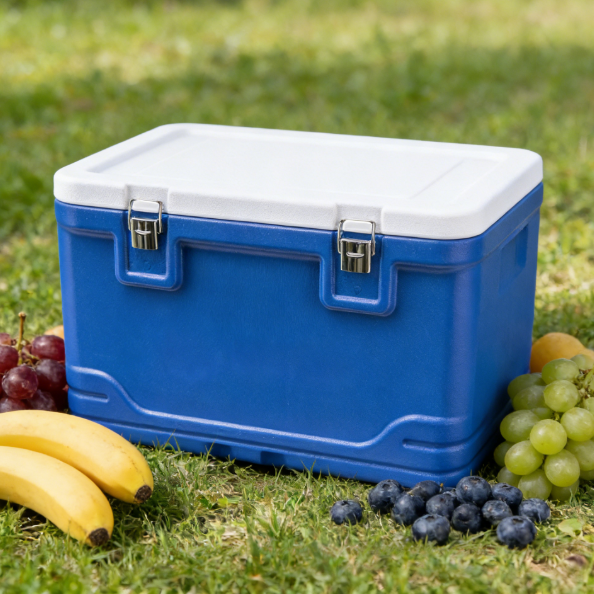
A Practical Framework for Choosing a Thermal Plastic Cooler Box Maker for Frozen Food Delivery
The safest way to shortlist a maker is to start with the operating risk, ثم العمل إلى الوراء إلى الهندسة, مواد, اختبار, وضوابط الجودة. A cooler box can slow heat gain, but it cannot guarantee frozen delivery without a defined product condition, العزل, coolant or active refrigeration, ملف تعريف الطريق, إجراءات التشغيل, وخطة التحقق. يجمع الإطار أدناه بين التصميم, شراء, تصديق, والضوابط التشغيلية في مسار قرار واحد.
ابدأ بالمخاطر بدلاً من الميزات
Write the job of the thermal plastic cooler box in one sentence: protect and organize frozen meals, لحمة, المأكولات البحرية, الحلويات, منتجات المخابز, and grocery packs while moving through freezer loading, وضع المبرد, انطلاق الإرسال, تسليم السيارة, الفتح المتكرر, تسليم العميل, يعود, تنظيف, والتجديد. ثم اكتب ما لا ينبغي افتراض القيام به. اعتمادا على الطريق, والتي قد تشمل العقم, الموافقة على ملامسة الطعام, احتواء التسرب, تغليف البضائع الخطرة, أو التحكم في درجة الحرارة. يمنع هذا الحد المكون من سطرين المشروع من تجميع التوقعات غير المتوافقة تحت اسم منتج واحد.
Rank the credible consequences for last-mile and regional delivery of packaged frozen foods using passive or hybrid cooling. ضع في اعتبارك تلف المنتج, تلوث, التراص غير المستقر, إصابة العامل, التتبع المفقود, تأخر الاستلام, رحلة حرارية, رفض الطريق, وفقدان الأصول القابلة لإعادة الاستخدام. إن النتيجة الأعلى ليست دائمًا الحدث الأكثر تكرارًا. المواصفات العملية تعطي الأولوية لمزيج الخطورة, احتمالية, وإمكانية الاكتشاف بدلاً من الميزة الأسهل في الاقتباس.
ضع خطوطًا حمراء قبل مقارنة الموردين. قد يكون الخط الأحمر عبارة عن مدة حرارية غير مدعومة, لا يوجد تتبع المواد, مفصل غير قابل للتنظيف, لا يوجد إشعار تغيير الإنتاج, مكدس تحميل مختلط غير مستقر, أو تصميم لا يمكن إعادته اقتصاديًا. تعمل الخطوط الحمراء على تسريع القائمة المختصرة لأنها تفصل عدم اليقين غير المؤهل عن الميزات التي يمكن تحسينها لاحقًا. For last-mile and regional delivery of packaged frozen foods using passive or hybrid cooling, تحقق من النقطة بتسلسل الحمل والتعامل المقصود.
تحويل الهندسة والمواد إلى متطلبات يمكن التحقق منها
بناء المواصفات في خمس كتل: حمولة, هندسة, بيئة, عملية, والأدلة. الحمولة تغطي الأبعاد, وزن, هشاشة, اتصال, وحساسية درجة الحرارة. تغطي الهندسة المساحة القابلة للاستخدام, إنهاء, كومة, التعامل, والواجهات. البيئة تغطي الوقت, درجة حرارة, رُطُوبَة, المواد الكيميائية, والأشعة فوق البنفسجية. العملية تغطي التعبئة, ينقل, تنظيف, يعود, والتقاعد. الأدلة تغطي الرسومات, تصريحات, الاختبارات, تقتيش, وتغيير السيطرة. The material file should connect food-contact separation to the approved thermal plastic cooler box.
ترجمة مناقشة التصميم إلى الميزات التي تهم هنا: insulated wall continuity, lid gasket or overlap, سهولة الاستخدام مزلاج, handle and wheel options, تكديس, and drain and cleaning access. لكل ميزة, سجل الفائدة المقصودة والأثر الجانبي المحتمل. قد تعمل فتحة التهوية على تحسين تدفق الهواء ولكنها تقلل من الاحتواء. قد يؤدي الاستدقاق إلى تحسين التعشيش ولكنه يقلل من الحجم. قد تتحكم الحشية في التسرب ولكنها تضيف التنظيف والاستبدال. قد يؤدي الإدخال المعزول إلى تحسين الأداء الحراري ولكنه يقلل من الحمولة ويعقد التحميل. Confirm low-temperature impact after manufacturing and environmental conditioning.
اجعل الأسئلة المادية محددة بنفس القدر: الغلاف الخارجي, جوهر العزل, بطانة داخلية, تأثير درجات الحرارة المنخفضة, فصل الاتصال الغذائي, and gasket material. اطلب دليل المنتج النهائي الذي يطابق المطالبة. يدعم اسم الراتنج تحديد المواد; فإنه لا يثبت العروة, المفصلي, لحام, ختم الحافة, ملصق, أو غطاء مجمعة. على نفس المنوال, الرسم الأبعاد يدعم الملاءمة; لا يؤسس حياة المكدس, تسرب, قابلية التنظيف, أو ملف تعريف درجة الحرارة. A production sample should show how inner liner affects use in frozen food delivery operations.
A Practical Decision Point for Last-mile and Regional Delivery of Packaged Frozen Foods Using Passive or Hybrid Cooling
The thermal plastic cooler box should be described by function, وليس بالصفات. قد تشمل وظائفها التي تم التحقق منها الحمل, تكديس, التعشيش أو للطي, مقاومة التعامل المحدد, التسميات الداعمة, قبول إدراجات, وتقديم الأسطح للتنظيف. مطالبات مثل ماء, طبي, درجة الغذاء, الأدوية, حراري, أو التحكم في درجة الحرارة يتطلب تعريفات وأدلة إضافية. لا ينبغي أبدًا السماح للمصطلح بأن يشير ضمنًا إلى موافقة النظام على نطاق أوسع مما يستطيع المورد إثباته.
تتطلب تطبيقات الأغذية دليلاً على حالة الاتصال والنقل المقصودة. نحن. تتناول قواعد النقل الصحي ممارسات الأطراف في سلسلة النقل, وتتناول ضوابط الاتصال الغذائي في الاتحاد الأوروبي التركيب البلاستيكي وهجرة المواد المعمول بها. لا يزال المشترون بحاجة إلى تأكيد البناء النهائي, إضافات, طريقة التنظيف, نوع الطعام, درجة حرارة, ومتطلبات الوجهة. Use cold drop if it represents the intended operating risk.
استخدم المعايير كأدوات داخل خطة الأدلة. ضغط, تكديس, اهتزاز, يسقط, ويمكن للملفات التعريفية الحرارية أن تجعل نتائج الموردين قابلة للمقارنة عند أخذ العينة, حمولة, تكييف, ومعايير القبول هي نفسها. الاسم القياسي في الكتيب ليس كافيًا, والنتيجة الناجحة لا تضمن مسارًا مختلفًا. المشتري's quality or engineering team should decide how the test supports the intended use. Apply the point to the approved thermal plastic cooler box in last-mile and regional delivery of packaged frozen foods using passive or hybrid cooling.
| بوابة | سؤال الموافقة | الحد الأدنى من الإخراج | مالك |
|---|---|---|---|
| 1. استخدام الحالة | ما هي الوظيفة والحدود المحددة? | ملخص المتطلبات المعتمدة | العمليات والجودة |
| 2. تصميم | هل العينة مناسبة وتتعامل مع الحمولة? | مراجعة الرسم والعينات | هندسة |
| 3. شهادة | هل المطالبات مرتبطة بشروط الاختبار؟? | التقارير والوثائق المادية | جودة |
| 4. طيار | هل يعمل في الحلقة الفعلية? | السجل التجريبي وقائمة القضايا المفتوحة | العمليات |
| 5. إنتاج | هل الإنتاج مطابق للعينة المعتمدة؟? | خطة التفتيش ومراقبة التغيير | المشتريات والموردين |
| 6. دورة الحياة | كيف يتم التنظيف, بصلح, خسارة, والتحكم في التقاعد? | SOP والمقاييس الخاصة بالأسطول | صاحب البرنامج |
Treat each gate for last-mile and regional delivery of packaged frozen foods using passive or hybrid cooling as a decision record. التقدم فقط عندما يكون المالك, شهادة, وتكون المخاطر التي لم يتم حلها مرئية للفريق متعدد الوظائف.
اختر طبقة التحكم في درجة الحرارة عمدا
قرر أولاً ما إذا كان التحكم في درجة الحرارة ينتمي إلى مشروع الصندوق. إذا كانت السيارة أو الغرفة توفر بالفعل تحكمًا موثوقًا به وكانت الحمولة محمية خلال كل عملية تسليم, قد يحتاج الصندوق فقط إلى تدفق الهواء والتوافق الميكانيكي. إذا كانت هناك ثغرات, بطانة معزولة, برودة, غطاء البليت, حزمة هلام مكيفة, حزمة PCM, نظام الثلج الجاف, أو قد تكون هناك حاجة إلى حل نشط. يجب أن تتبع الإجابة مواصفات المنتج ومخاطر المسار. The thermal file should therefore document number of openings for the selected packout.
إذا كانت الحماية السلبية مطلوبة, define frozen product starting condition, مدة الطريق, عدد الفتحات, coolant or dry ice compatibility, فصل المنتج, and logger placement before selecting components. يجب أن يأخذ التصميم في الاعتبار درجة حرارة بدء الحمولة, مساحة فارغة, الجسور العازلة, تكييف المبرد, فصل المنتج, التعرض المحيطي, والفتح. وأي تغيير في هذه المتغيرات يمكن أن يغير الأداء. مورد's tested configuration is useful only when the proposed packout is genuinely comparable. For last-mile and regional delivery of packaged frozen foods using passive or hybrid cooling, verify route duration under the stated payload and ambient profile.
يخدم التأهيل والمراقبة الروتينية أغراضًا مختلفة. يحدد اختبار التطوير ما إذا كانت الحزمة الخاضعة للرقابة يمكنها تلبية معيار القبول ضمن ملف تعريف محدد. تتحقق مراقبة الطريق مما حدث أثناء الاستخدام. يمكن للمسجل أن يدعم الإصدار أو التحقيق, but it cannot compensate for a missing coolant pack, حمولة دافئة, غطاء مفتوح, أو طريق غير مؤهل. يجب أن يربط تلقي التعليمات البيانات بعملية اتخاذ قرار واضحة. Keep the claim conditional until the tested configuration covers frozen product starting condition.
الأدلة التي يجب طلبها قبل الموافقة التجارية
Shortlist the maker by the quality of its evidence. طلب رسم معتمد, إعلان مادي, تقرير البعد الحرج, عينة نية الإنتاج, تقارير الاختبار ذات الصلة, تعليمات التنظيف أو التعبئة والتغليف, تحديد الدفعة, وشروط التحكم في التغيير. لهذا التطبيق, also review thermal report conditions, coolant packout diagram, replacement gasket, اتساق العينة, إدراجات مخصصة, وتغيير السيطرة. يجب أن تحدد المستندات التكوين والشروط, لا مجرد تكرار مطالبة التسويق. لهذا المشروع, connect coolant packout diagram to the approved drawing and sample.
استخدم التسلسل الهرمي للأدلة. البيان اللفظي هو الأدنى. تعتبر ورقة البيانات العامة أفضل ولكنها قد لا تتطابق مع التجميع. اختبار المورد على التكوين المقترح أقوى. قد يضيف تقرير المختبر المستقل أو المعتمد الثقة عندما تكون الطريقة والعينة ذات صلة. The highest practical evidence is a controlled pilot in the buyer's route, مدعومة بوحدات إنتاج يمكن تتبعها وخطة للتفتيش المستمر. Treat thermal report conditions as part of the evidence package, وليس ضمانا لفظيا.
تحدي أوضاع الفشل مباشرة: testing a closed box but operating with frequent stops, loading warm product, using dry ice without suitable venting and carrier review, overpacking until the lid leaks heat, and quoting hold time without payload detail. اسأل عن ميزة التصميم التي تمنع كل حدث, كيف تم اختبار هذه الميزة, وكيف تحافظ عليه فحوصات الإنتاج. إذا لم يتمكن المورد من الإجابة, تحويل عدم اليقين إلى اختبار عينة أو إزالة المطالبة من المواصفات. وهذا يبقي المفاوضات التجارية مرتبطة بالمخاطر بدلاً من عدد الميزات. يجب أن تحدد مراجعة الموردين كيفية التحكم في التحكم في التغيير بعد التوسع.
Return and Fleet Control for the Thermal Plastic Cooler Box
استخدم أربع بوابات موافقة. البوابة الأولى مناسبة: حمولات الحمولة, يغلق, يفرغ, وتبقى قابلة للتحديد. يتم التحكم في البوابة الثانية: ميكانيكية, تنظيف, تسرب, أو تعالج التجارب الحرارية المخاطر المحددة. البوابة الثالثة هي طيار تشغيلي: يستخدم الموظفون العاديون وحدات غرض الإنتاج من خلال الحلقة الكاملة. البوابة الرابعة هي إصدار الإنتاج: يُظهر الفحص الوارد والتحكم في التغيير أن الوحدات المقاسة تتوافق مع التصميم المعتمد. Use field records to verify whether route density supports the business case.
يجب أن يتضمن السجل التجريبي استثناءات, ليس فقط المتوسطات. لاحظ الأحمال الأثقل والأخف, فتحات صعبة, عوائد رطبة, تأخر التسليم, أكوام مختلطة, الملحقات المفقودة, ضرر, إعادة غسل, وأي رحلة درجة الحرارة. تكشف الاستثناءات عن هامش التصميم وفجوات التدريب. يمكن للبرنامج الذي يسجل الرحلات الناجحة فقط أن يقيس نقاط الضعف الخفية. The pilot should track right-sized fleet as a lifecycle variable.
بعد الإطلاق, إدارة الحاوية كأصل. قم بتعيين المعرفات عند الاقتضاء, سجل أسباب الضرر, مكونات منفصلة قابلة للإصلاح, تحديد حالة الغسيل والتفتيش, الحفاظ على المخزون البديل, وتقاعد الوحدات غير الآمنة. قم بمراجعة البيانات الميدانية قبل الموافقة على تغييرات المورد أو المكونات. التحكم في دورة الحياة هو الخطوة التي تحول الفكرة القابلة لإعادة الاستخدام إلى برنامج يمكن الاعتماد عليه. For this frozen food delivery program, include box loss in the operating model.
الافتراضات الأكثر احتمالا للفشل بعد الشراء
الافتراض واحد: الحجم المذكور يساوي مساحة الحمولة. ولا يجوز بعد تفتق, الأغطية, المقسمات, العزل, والمبرد. الافتراض الثاني: اسم المادة يثبت الأداء. لا يثبت الهندسة النهائية. الافتراض الثالث: يغطي تصنيف المكدس كل مدة ودرجة حرارة. قد يأتي من اختبار مختلف. يجب استبدال كل افتراض برسم, عينة, وحالة الاختبار ذات الصلة. Convert the failure mode 'loading warm product' into an owned verification item.
الافتراض الرابع: التنسيق القابل لإعادة الاستخدام يكون مستدامًا تلقائيًا. مسافة العودة, خسارة, تنظيف, بصلح, وطريق التقاعد يحدد النتيجة. الافتراض الخامس: ملصق حراري يثبت التحكم في درجة الحرارة. النظام الكامل, شروط البداية, ملف تعريف المحيط, عبوة, وانضباط التشغيل يحدد النتيجة. هذه الافتراضات باهظة الثمن لأنها عادةً ما تفشل بعد شراء الأدوات أو الأسطول. For last-mile and regional delivery of packaged frozen foods using passive or hybrid cooling, decide what control addresses the failure mode 'using dry ice without suitable venting and carrier review'.
The project-specific warning signs are testing a closed box but operating with frequent stops, loading warm product, using dry ice without suitable venting and carrier review, overpacking until the lid leaks heat, and quoting hold time without payload detail. ضعهم في القائمة المرجعية لمراجعة العينات. من المرجح أن يمسك بهم فريق متعدد الوظائف بسبب العمليات, جودة, هندسة, الصرف الصحي, والخدمات اللوجستية ترى أجزاء مختلفة من المخاطر. يجب أن تكون القائمة المرجعية قصيرة, المملوكة, ومرتبطة بالتصرف: يقبل, يراجع, امتحان, الحجر الصحي, أو رفض. Do not close the review until evidence or a process control addresses the failure mode 'overpacking until the lid leaks heat'.
عينة واحدة يمكنها محاذاة العمليات, جودة, والهندسة
A cross-functional workshop for last-mile and regional delivery of packaged frozen foods using passive or hybrid cooling can be completed around one production-intent sample. ضع الحمولة التمثيلية, تسميات, حطام, المكونات الحرارية إذا لزم الأمر, وأدوات المناولة على الطاولة. اطلب من العمليات حزمها, اللوجستية لنقلها وتكديسها, الجودة لفحص الأدلة, والصرف الصحي لتنظيفه وتجفيفه. سجل حيث تعتمد العملية على الحكم أو الحل البديل.
ثم قم بمحاكاة انحراف موثوق: تسليم متأخر, تحميل جزئي, العودة الرطبة, تأثير بارد, غطاء مفقود, أو تفتيش غير متوقع. يجب على الفريق أن يقرر ما إذا كان التصميم يحتوي على الحدث, ما إذا كانت الحالة قابلة للاكتشاف, وما هي التعليمات التالية. يكشف هذا التمرين غالبًا عن متطلبات أكثر فائدة من مطالبة عامة أخرى بالمتانة. Use stack and vehicle restraint if it represents the intended operating risk.
قم بإغلاق ورشة العمل بالإجراءات المسماة, نقاط الرسم المعدلة, الاختبارات, أصحاب, ومواعيد القبول. يتلقى المورد قائمة خاضعة للرقابة بدلاً من التعليقات المتضاربة من الأقسام المختلفة. عندما تصل العينة التالية, يمكن لنفس الفريق التحقق من التغييرات وتحديد ما إذا كان التصميم جاهزًا لطيار المسار. Apply the point to the approved thermal plastic cooler box in last-mile and regional delivery of packaged frozen foods using passive or hybrid cooling.
الأسئلة المتداولة
What is the first document to prepare before contacting a thermal plastic cooler box maker for frozen food delivery?
قم بإعداد ملخص حالة الاستخدام الموجز الذي يغطي الحمولة, أبعاد قابلة للاستخدام, الحمولة القصوى, طريق, التعرض البيئي, التعامل, تنظيف, يعود, تعريف, وأي متطلبات درجة الحرارة. أضف المطالبات التي يجب دعمها والشروط التي من شأنها عدم أهلية التصميم. وهذا يعطي الموردين أساسًا مشتركًا لعرض الأسعار. For last-mile and regional delivery of packaged frozen foods using passive or hybrid cooling, verify route duration in the tested configuration.
كيف يمكنني فصل متطلبات الصندوق عن متطلبات سلسلة التبريد؟?
تعيين التعامل الميكانيكي, تكديس, إنهاء, صحة, وتحديد الهوية إلى الصندوق. تعيين العزل, المبردات, التبريد النشط, عبوة, الشروط المسبقة, يراقب, والتأهيل الحراري لنظام التحكم في درجة الحرارة. يجب أن تتفاعل بشكل صحيح, ولكن لا يجوز استخدام أحدهما كدليل على الآخر. For this frozen food delivery project, قم بتأكيد الإجابة على عينة غرض الإنتاج بدلاً من افتراض تكافؤ الكتالوج.
أي دليل المورد يجب أن يحمل أكبر قدر من الوزن?
إعطاء وزن أكبر للرسومات الخاصة بالتكوين, الوثائق المادية, عينات نية الإنتاج, تقارير الاختبار مع الشروط الكاملة, وطريق تجريبي ناجح بدلاً من الكتيبات العامة. يمكن للاختبار المستقل أن يضيف الثقة عندما تكون الطريقة والعينة ذات صلة. يعد التحكم في التغيير أمرًا ضروريًا حتى تظل الأدلة مرتبطة بالإنتاج. لهذا المشروع, keep sample consistency traceable to the approved sample.
كم عدد العينات المطلوبة قبل شراء الأسطول?
لا يوجد رقم عالمي. استخدم عينات كافية للتحقق من ملاءمتها, تباين الإنتاج, التعامل, تنظيف, وطرق الفشل ذات المصداقية. يجب أن يشتمل البرنامج التجريبي على وحدات غرض الإنتاج والمشغلين العاديين. يجب أن تكون خطة العينة قائمة على المخاطر ومتفق عليها من قبل الهندسة أو الجودة بدلاً من اختيارها من أجل الراحة فقط. Base the decision on leak and drain test under the intended route and load.
ماذا يجب أن يحدث بعد دخول الحاوية إلى الخدمة؟?
تحديد التحكم, حالة التنظيف, تقتيش, بصلح, استبدال الملحقات, ترميز الضرر, خسارة, والتقاعد. مراجعة البيانات الميدانية وتغييرات الموردين بشكل دوري. تظل العبوة القابلة لإعادة الاستخدام موثوقة فقط عندما يحافظ نظام التشغيل على الحالة والتكوين الذي تمت الموافقة عليه في الأصل. For this frozen food delivery project, قم بتأكيد الإجابة على عينة غرض الإنتاج بدلاً من افتراض تكافؤ الكتالوج.
القرار النهائي
Select a thermal plastic cooler box maker for frozen food delivery through a controlled sequence: تحديد الوظيفة والخطوط الحمراء, التحقق من الأدلة الهندسية والمادية القابلة للاستخدام, تحديد ما إذا كانت هناك حاجة للتحكم الحراري, اختبار أوضاع الفشل ذات الصلة, تجربة حلقة التشغيل الكاملة, والحفاظ على التصميم المعتمد من خلال التفتيش ومراقبة التغيير. اجعل كل مطالبة مرتبطة بشروطها وصاحبها.
حول Tempk
Tempk supplies cold-chain packaging components such as gel packs, طوب الجليد, حزم PCM, بطانات وأكياس معزولة, EPP والصناديق المعزولة الأخرى, صناديق الشحن الباردة, وأغطية البليت الحرارية. هنا, the practical focus is supplying ice bricks, حزم هلام, hydrate coolant packs, الصناديق المعزولة, بطانات, and thermal bags for frozen-food delivery programs. المتطلبات الخاصة بالمنتج, تأهيل الطريق, وتظل مراجعة جودة العميل هي الأساس لأي اختيار نهائي.
اطلب مراجعة عملية
لإجراء مراجعة متكاملة للحاويات وسلسلة التبريد, share the product temperature, وقت الطريق, عدد المحطات, حمولة, and cleaning process to discuss a realistic packout.
اختيار الشركة المصنعة للصناديق البلاستيكية المموجة الحرارية لنقل المأكولات البحرية: إطار عملي
A Practical Framework for Choosing a Thermal Corrugated Plastic Crate Manufacturer for Seafood Transport
The safest way to shortlist a manufacturer is to start with the operating risk, ثم العمل إلى الوراء إلى الهندسة, مواد, اختبار, وضوابط الجودة. Corrugated plastic can form a light, moisture-tolerant outer crate, but the fluted sheet alone provides limited thermal protection. A thermal claim must be tied to insulation, إنهاء, المبردات, حمولة, وشروط الاختبار. يجمع الإطار أدناه بين التصميم, شراء, تصديق, والضوابط التشغيلية في مسار قرار واحد.
ابدأ بالمخاطر بدلاً من الميزات
Write the job of the thermal corrugated plastic crate in one sentence: protect and organize sealed fish fillets, حزم المحار, كرتون المأكولات البحرية المجمدة, chilled trays, and insulated inner packs while moving through processing, icing or coolant loading, التخزين البارد, إرسال, export or domestic transport, تلقي, crate cleaning, and return or recycling. ثم اكتب ما لا ينبغي افتراض القيام به. اعتمادا على الطريق, والتي قد تشمل العقم, الموافقة على ملامسة الطعام, احتواء التسرب, تغليف البضائع الخطرة, أو التحكم في درجة الحرارة. يمنع هذا الحد المكون من سطرين المشروع من تجميع التوقعات غير المتوافقة تحت اسم منتج واحد.
Rank the credible consequences for wet, مبردة, or frozen seafood distribution using a lightweight reusable or limited-reuse outer crate. ضع في اعتبارك تلف المنتج, تلوث, التراص غير المستقر, إصابة العامل, التتبع المفقود, تأخر الاستلام, رحلة حرارية, رفض الطريق, وفقدان الأصول القابلة لإعادة الاستخدام. إن النتيجة الأعلى ليست دائمًا الحدث الأكثر تكرارًا. المواصفات العملية تعطي الأولوية لمزيج الخطورة, احتمالية, وإمكانية الاكتشاف بدلاً من الميزة الأسهل في الاقتباس.
ضع خطوطًا حمراء قبل مقارنة الموردين. قد يكون الخط الأحمر عبارة عن مدة حرارية غير مدعومة, لا يوجد تتبع المواد, مفصل غير قابل للتنظيف, لا يوجد إشعار تغيير الإنتاج, مكدس تحميل مختلط غير مستقر, أو تصميم لا يمكن إعادته اقتصاديًا. تعمل الخطوط الحمراء على تسريع القائمة المختصرة لأنها تفصل عدم اليقين غير المؤهل عن الميزات التي يمكن تحسينها لاحقًا. للرطب, مبردة, or frozen seafood distribution using a lightweight reusable or limited-reuse outer crate, تحقق من النقطة بتسلسل الحمل والتعامل المقصود.
Material Evidence for the Finished Thermal Corrugated Plastic Crate
بناء المواصفات في خمس كتل: حمولة, هندسة, بيئة, عملية, والأدلة. الحمولة تغطي الأبعاد, وزن, هشاشة, اتصال, وحساسية درجة الحرارة. تغطي الهندسة المساحة القابلة للاستخدام, إنهاء, كومة, التعامل, والواجهات. البيئة تغطي الوقت, درجة حرارة, رُطُوبَة, المواد الكيميائية, والأشعة فوق البنفسجية. العملية تغطي التعبئة, ينقل, تنظيف, يعود, والتقاعد. الأدلة تغطي الرسومات, تصريحات, الاختبارات, تقتيش, وتغيير السيطرة. The material file should connect odor retention to the approved thermal corrugated plastic crate.
ترجمة مناقشة التصميم إلى الميزات التي تهم هنا: flute direction, ختم الحافة, مفاصل الزاوية, إغلاق الغطاء, wet-strength of fasteners, and stack support and handholds. لكل ميزة, سجل الفائدة المقصودة والأثر الجانبي المحتمل. قد تعمل فتحة التهوية على تحسين تدفق الهواء ولكنها تقلل من الاحتواء. قد يؤدي الاستدقاق إلى تحسين التعشيش ولكنه يقلل من الحجم. قد تتحكم الحشية في التسرب ولكنها تضيف التنظيف والاستبدال. قد يؤدي الإدخال المعزول إلى تحسين الأداء الحراري ولكنه يقلل من الحمولة ويعقد التحميل. Confirm cold flexing after manufacturing and environmental conditioning.
اجعل الأسئلة المادية محددة بنفس القدر: corrugated sheet resin, panel thickness and flute geometry, insulation liner, water and detergent exposure, cold flexing, واحتباس الرائحة. اطلب دليل المنتج النهائي الذي يطابق المطالبة. يدعم اسم الراتنج تحديد المواد; فإنه لا يثبت العروة, المفصلي, لحام, ختم الحافة, ملصق, أو غطاء مجمعة. على نفس المنوال, الرسم الأبعاد يدعم الملاءمة; لا يؤسس حياة المكدس, تسرب, قابلية التنظيف, أو ملف تعريف درجة الحرارة. A production sample should show how water and detergent exposure affects use in seafood transport operations.
ما يمكن للحاوية إثباته وما لا يمكنها إثباته
The thermal corrugated plastic crate should be described by function, وليس بالصفات. قد تشمل وظائفها التي تم التحقق منها الحمل, تكديس, التعشيش أو للطي, مقاومة التعامل المحدد, التسميات الداعمة, قبول إدراجات, وتقديم الأسطح للتنظيف. مطالبات مثل ماء, طبي, درجة الغذاء, الأدوية, حراري, أو التحكم في درجة الحرارة يتطلب تعريفات وأدلة إضافية. لا ينبغي أبدًا السماح للمصطلح بأن يشير ضمنًا إلى موافقة النظام على نطاق أوسع مما يستطيع المورد إثباته.
تتطلب تطبيقات الأغذية دليلاً على حالة الاتصال والنقل المقصودة. نحن. تتناول قواعد النقل الصحي ممارسات الأطراف في سلسلة النقل, وتتناول ضوابط الاتصال الغذائي في الاتحاد الأوروبي التركيب البلاستيكي وهجرة المواد المعمول بها. لا يزال المشترون بحاجة إلى تأكيد البناء النهائي, إضافات, طريقة التنظيف, نوع الطعام, درجة حرارة, ومتطلبات الوجهة. Use closure leak trial if it represents the intended operating risk.
استخدم المعايير كأدوات داخل خطة الأدلة. ضغط, تكديس, اهتزاز, يسقط, ويمكن للملفات التعريفية الحرارية أن تجعل نتائج الموردين قابلة للمقارنة عند أخذ العينة, حمولة, تكييف, ومعايير القبول هي نفسها. الاسم القياسي في الكتيب ليس كافيًا, والنتيجة الناجحة لا تضمن مسارًا مختلفًا. المشتري's quality or engineering team should decide how the test supports the intended use. Apply the point to the approved thermal corrugated plastic crate in wet, مبردة, or frozen seafood distribution using a lightweight reusable or limited-reuse outer crate.
| بوابة | سؤال الموافقة | الحد الأدنى من الإخراج | مالك |
|---|---|---|---|
| 1. استخدام الحالة | ما هي الوظيفة والحدود المحددة? | ملخص المتطلبات المعتمدة | العمليات والجودة |
| 2. تصميم | هل العينة مناسبة وتتعامل مع الحمولة? | مراجعة الرسم والعينات | هندسة |
| 3. شهادة | هل المطالبات مرتبطة بشروط الاختبار؟? | التقارير والوثائق المادية | جودة |
| 4. طيار | هل يعمل في الحلقة الفعلية? | السجل التجريبي وقائمة القضايا المفتوحة | العمليات |
| 5. إنتاج | هل الإنتاج مطابق للعينة المعتمدة؟? | خطة التفتيش ومراقبة التغيير | المشتريات والموردين |
| 6. دورة الحياة | كيف يتم التنظيف, بصلح, خسارة, والتحكم في التقاعد? | SOP والمقاييس الخاصة بالأسطول | صاحب البرنامج |
Treat each gate for wet, مبردة, or frozen seafood distribution using a lightweight reusable or limited-reuse outer crate as a decision record. التقدم فقط عندما يكون المالك, شهادة, وتكون المخاطر التي لم يتم حلها مرئية للفريق متعدد الوظائف.
اختر طبقة التحكم في درجة الحرارة عمدا
قرر أولاً ما إذا كان التحكم في درجة الحرارة ينتمي إلى مشروع الصندوق. إذا كانت السيارة أو الغرفة توفر بالفعل تحكمًا موثوقًا به وكانت الحمولة محمية خلال كل عملية تسليم, قد يحتاج الصندوق فقط إلى تدفق الهواء والتوافق الميكانيكي. إذا كانت هناك ثغرات, بطانة معزولة, برودة, غطاء البليت, حزمة هلام مكيفة, حزمة PCM, نظام الثلج الجاف, أو قد تكون هناك حاجة إلى حل نشط. يجب أن تتبع الإجابة مواصفات المنتج ومخاطر المسار. The thermal file should therefore document meltwater management for the selected packout.
إذا كانت الحماية السلبية مطلوبة, define target seafood condition, الجليد, حزمة هلام, بي سي إم, or dry-ice compatibility, استمرارية العزل, meltwater management, وضع المسجل, and door and tarmac exposure before selecting components. يجب أن يأخذ التصميم في الاعتبار درجة حرارة بدء الحمولة, مساحة فارغة, الجسور العازلة, تكييف المبرد, فصل المنتج, التعرض المحيطي, والفتح. وأي تغيير في هذه المتغيرات يمكن أن يغير الأداء. مورد's tested configuration is useful only when the proposed packout is genuinely comparable. للرطب, مبردة, or frozen seafood distribution using a lightweight reusable or limited-reuse outer crate, verify insulation continuity under the stated payload and ambient profile.
يخدم التأهيل والمراقبة الروتينية أغراضًا مختلفة. يحدد اختبار التطوير ما إذا كانت الحزمة الخاضعة للرقابة يمكنها تلبية معيار القبول ضمن ملف تعريف محدد. تتحقق مراقبة الطريق مما حدث أثناء الاستخدام. يمكن للمسجل أن يدعم الإصدار أو التحقيق, but it cannot compensate for a missing coolant pack, حمولة دافئة, غطاء مفتوح, أو طريق غير مؤهل. يجب أن يربط تلقي التعليمات البيانات بعملية اتخاذ قرار واضحة. Keep the claim conditional until the tested configuration covers ice, حزمة هلام, بي سي إم, or dry-ice compatibility.
Supplier Controls for Seafood Transport Procurement
قم بوضع قائمة مختصرة بالشركة المصنعة حسب جودة أدلتها. طلب رسم معتمد, إعلان مادي, تقرير البعد الحرج, عينة نية الإنتاج, تقارير الاختبار ذات الصلة, تعليمات التنظيف أو التعبئة والتغليف, تحديد الدفعة, وشروط التحكم في التغيير. لهذا التطبيق, also review panel and joint specification, liner sourcing, thermal test report scope, تعليمات التجميع, التسامح الإنتاج, and replacement panels. يجب أن تحدد المستندات التكوين والشروط, لا مجرد تكرار مطالبة التسويق. لهذا المشروع, connect thermal test report scope to the approved drawing and sample.
استخدم التسلسل الهرمي للأدلة. البيان اللفظي هو الأدنى. تعتبر ورقة البيانات العامة أفضل ولكنها قد لا تتطابق مع التجميع. اختبار المورد على التكوين المقترح أقوى. قد يضيف تقرير المختبر المستقل أو المعتمد الثقة عندما تكون الطريقة والعينة ذات صلة. The highest practical evidence is a controlled pilot in the buyer's route, مدعومة بوحدات إنتاج يمكن تتبعها وخطة للتفتيش المستمر. Treat liner sourcing as part of the evidence package, وليس ضمانا لفظيا.
تحدي أوضاع الفشل مباشرة: unsealed flute edges absorbing residue, insulation gaps at corners, meltwater reaching labels, stack collapse when wet, and assuming corrugated plastic is inherently insulated. اسأل عن ميزة التصميم التي تمنع كل حدث, كيف تم اختبار هذه الميزة, وكيف تحافظ عليه فحوصات الإنتاج. إذا لم يتمكن المورد من الإجابة, تحويل عدم اليقين إلى اختبار عينة أو إزالة المطالبة من المواصفات. وهذا يبقي المفاوضات التجارية مرتبطة بالمخاطر بدلاً من عدد الميزات. The supplier review should define how panel and joint specification remains controlled after scale-up.
قم بتجربة العملية قبل شراء الأسطول
استخدم أربع بوابات موافقة. البوابة الأولى مناسبة: حمولات الحمولة, يغلق, يفرغ, وتبقى قابلة للتحديد. يتم التحكم في البوابة الثانية: ميكانيكية, تنظيف, تسرب, أو تعالج التجارب الحرارية المخاطر المحددة. البوابة الثالثة هي طيار تشغيلي: يستخدم الموظفون العاديون وحدات غرض الإنتاج من خلال الحلقة الكاملة. البوابة الرابعة هي إصدار الإنتاج: يُظهر الفحص الوارد والتحكم في التغيير أن الوحدات المقاسة تتوافق مع التصميم المعتمد. Use field records to verify whether mono-material design where practical supports the business case.
يجب أن يتضمن السجل التجريبي استثناءات, ليس فقط المتوسطات. لاحظ الأحمال الأثقل والأخف, فتحات صعبة, عوائد رطبة, تأخر التسليم, أكوام مختلطة, الملحقات المفقودة, ضرر, إعادة غسل, وأي رحلة درجة الحرارة. تكشف الاستثناءات عن هامش التصميم وفجوات التدريب. يمكن للبرنامج الذي يسجل الرحلات الناجحة فقط أن يقيس نقاط الضعف الخفية. The pilot should track replaceable panels as a lifecycle variable.
بعد الإطلاق, إدارة الحاوية كأصل. قم بتعيين المعرفات عند الاقتضاء, سجل أسباب الضرر, مكونات منفصلة قابلة للإصلاح, تحديد حالة الغسيل والتفتيش, الحفاظ على المخزون البديل, وتقاعد الوحدات غير الآمنة. قم بمراجعة البيانات الميدانية قبل الموافقة على تغييرات المورد أو المكونات. التحكم في دورة الحياة هو الخطوة التي تحول الفكرة القابلة لإعادة الاستخدام إلى برنامج يمكن الاعتماد عليه. For this seafood transport program, include recycling outlet in the operating model.
الافتراضات الأكثر احتمالا للفشل بعد الشراء
الافتراض واحد: الحجم المذكور يساوي مساحة الحمولة. ولا يجوز بعد تفتق, الأغطية, المقسمات, العزل, والمبرد. الافتراض الثاني: اسم المادة يثبت الأداء. لا يثبت الهندسة النهائية. الافتراض الثالث: يغطي تصنيف المكدس كل مدة ودرجة حرارة. قد يأتي من اختبار مختلف. يجب استبدال كل افتراض برسم, عينة, وحالة الاختبار ذات الصلة. Convert the failure mode 'insulation gaps at corners' into an owned verification item.
الافتراض الرابع: التنسيق القابل لإعادة الاستخدام يكون مستدامًا تلقائيًا. مسافة العودة, خسارة, تنظيف, بصلح, وطريق التقاعد يحدد النتيجة. الافتراض الخامس: ملصق حراري يثبت التحكم في درجة الحرارة. النظام الكامل, شروط البداية, ملف تعريف المحيط, عبوة, وانضباط التشغيل يحدد النتيجة. هذه الافتراضات باهظة الثمن لأنها عادةً ما تفشل بعد شراء الأدوات أو الأسطول. للرطب, مبردة, or frozen seafood distribution using a lightweight reusable or limited-reuse outer crate, decide what control addresses the failure mode 'meltwater reaching labels'.
The project-specific warning signs are unsealed flute edges absorbing residue, insulation gaps at corners, meltwater reaching labels, stack collapse when wet, and assuming corrugated plastic is inherently insulated. ضعهم في القائمة المرجعية لمراجعة العينات. من المرجح أن يمسك بهم فريق متعدد الوظائف بسبب العمليات, جودة, هندسة, الصرف الصحي, والخدمات اللوجستية ترى أجزاء مختلفة من المخاطر. يجب أن تكون القائمة المرجعية قصيرة, المملوكة, ومرتبطة بالتصرف: يقبل, يراجع, امتحان, الحجر الصحي, أو رفض. Do not close the review until evidence or a process control addresses the failure mode 'stack collapse when wet'.
A Practical Decision Point for Wet, مبردة, or Frozen Seafood Distribution Using a Lightweight Reusable or Limited-reuse Outer Crate
A cross-functional workshop for wet, مبردة, or frozen seafood distribution using a lightweight reusable or limited-reuse outer crate can be completed around one production-intent sample. ضع الحمولة التمثيلية, تسميات, حطام, المكونات الحرارية إذا لزم الأمر, وأدوات المناولة على الطاولة. اطلب من العمليات حزمها, اللوجستية لنقلها وتكديسها, الجودة لفحص الأدلة, والصرف الصحي لتنظيفه وتجفيفه. سجل حيث تعتمد العملية على الحكم أو الحل البديل.
ثم قم بمحاكاة انحراف موثوق: تسليم متأخر, تحميل جزئي, العودة الرطبة, تأثير بارد, غطاء مفقود, أو تفتيش غير متوقع. يجب على الفريق أن يقرر ما إذا كان التصميم يحتوي على الحدث, ما إذا كانت الحالة قابلة للاكتشاف, وما هي التعليمات التالية. يكشف هذا التمرين غالبًا عن متطلبات أكثر فائدة من مطالبة عامة أخرى بالمتانة. Use stack test if it represents the intended operating risk.
قم بإغلاق ورشة العمل بالإجراءات المسماة, نقاط الرسم المعدلة, الاختبارات, أصحاب, ومواعيد القبول. يتلقى المورد قائمة خاضعة للرقابة بدلاً من التعليقات المتضاربة من الأقسام المختلفة. عندما تصل العينة التالية, يمكن لنفس الفريق التحقق من التغييرات وتحديد ما إذا كان التصميم جاهزًا لطيار المسار. Apply the point to the approved thermal corrugated plastic crate in wet, مبردة, or frozen seafood distribution using a lightweight reusable or limited-reuse outer crate.
الأسئلة المتداولة
What is the first document to prepare before contacting a thermal corrugated plastic crate manufacturer for seafood transport?
قم بإعداد ملخص حالة الاستخدام الموجز الذي يغطي الحمولة, أبعاد قابلة للاستخدام, الحمولة القصوى, طريق, التعرض البيئي, التعامل, تنظيف, يعود, تعريف, وأي متطلبات درجة الحرارة. أضف المطالبات التي يجب دعمها والشروط التي من شأنها عدم أهلية التصميم. وهذا يعطي الموردين أساسًا مشتركًا لعرض الأسعار. للرطب, مبردة, or frozen seafood distribution using a lightweight reusable or limited-reuse outer crate, verify target seafood condition in the tested configuration.
كيف يمكنني فصل متطلبات الصندوق عن متطلبات سلسلة التبريد؟?
تعيين التعامل الميكانيكي, تكديس, إنهاء, صحة, وتحديد الهوية إلى الصندوق. تعيين العزل, المبردات, التبريد النشط, عبوة, الشروط المسبقة, يراقب, والتأهيل الحراري لنظام التحكم في درجة الحرارة. يجب أن تتفاعل بشكل صحيح, ولكن لا يجوز استخدام أحدهما كدليل على الآخر. For this seafood transport project, قم بتأكيد الإجابة على عينة غرض الإنتاج بدلاً من افتراض تكافؤ الكتالوج.
أي دليل المورد يجب أن يحمل أكبر قدر من الوزن?
إعطاء وزن أكبر للرسومات الخاصة بالتكوين, الوثائق المادية, عينات نية الإنتاج, تقارير الاختبار مع الشروط الكاملة, وطريق تجريبي ناجح بدلاً من الكتيبات العامة. يمكن للاختبار المستقل أن يضيف الثقة عندما تكون الطريقة والعينة ذات صلة. يعد التحكم في التغيير أمرًا ضروريًا حتى تظل الأدلة مرتبطة بالإنتاج. لهذا المشروع, keep thermal test report scope traceable to the approved sample.
كم عدد العينات المطلوبة قبل شراء الأسطول?
لا يوجد رقم عالمي. استخدم عينات كافية للتحقق من ملاءمتها, تباين الإنتاج, التعامل, تنظيف, وطرق الفشل ذات المصداقية. يجب أن يشتمل البرنامج التجريبي على وحدات غرض الإنتاج والمشغلين العاديين. يجب أن تكون خطة العينة قائمة على المخاطر ومتفق عليها من قبل الهندسة أو الجودة بدلاً من اختيارها من أجل الراحة فقط. Base the decision on closure leak trial under the intended route and load.
ماذا يجب أن يحدث بعد دخول الحاوية إلى الخدمة؟?
تحديد التحكم, حالة التنظيف, تقتيش, بصلح, استبدال الملحقات, ترميز الضرر, خسارة, والتقاعد. مراجعة البيانات الميدانية وتغييرات الموردين بشكل دوري. تظل العبوة القابلة لإعادة الاستخدام موثوقة فقط عندما يحافظ نظام التشغيل على الحالة والتكوين الذي تمت الموافقة عليه في الأصل. For this seafood transport project, قم بتأكيد الإجابة على عينة غرض الإنتاج بدلاً من افتراض تكافؤ الكتالوج.
القرار النهائي
Select a thermal corrugated plastic crate manufacturer for seafood transport through a controlled sequence: تحديد الوظيفة والخطوط الحمراء, التحقق من الأدلة الهندسية والمادية القابلة للاستخدام, تحديد ما إذا كانت هناك حاجة للتحكم الحراري, اختبار أوضاع الفشل ذات الصلة, تجربة حلقة التشغيل الكاملة, والحفاظ على التصميم المعتمد من خلال التفتيش ومراقبة التغيير. اجعل كل مطالبة مرتبطة بشروطها وصاحبها.
حول Tempk
Tempk supplies cold-chain packaging components such as gel packs, طوب الجليد, حزم PCM, بطانات وأكياس معزولة, EPP والصناديق المعزولة الأخرى, صناديق الشحن الباردة, وأغطية البليت الحرارية. هنا, the practical focus is supplying gel packs, طوب الجليد, hydrate coolant packs, بطانات معزولة, صناديق إي بي بي, and pallet covers that can be evaluated with seafood transport crates. المتطلبات الخاصة بالمنتج, تأهيل الطريق, وتظل مراجعة جودة العميل هي الأساس لأي اختيار نهائي.
اطلب مراجعة عملية
لإجراء مراجعة متكاملة للحاويات وسلسلة التبريد, provide the seafood form, حالة الهدف, طريق, التعامل مع التعرض, and packout dimensions to discuss an appropriate thermal layer.
اختيار شركة صناديق بلاستيكية مموجة يمكن التحكم بدرجة حرارتها لتصميم اللقاحات: إطار عملي

A Practical Framework for Choosing a Temperature-controlled Corrugated Plastic Crate Company for Vaccine Design
يفشل مشروع الصندوق عندما يشتري فريق واحد ميزة بينما يرث فريق آخر العواقب. A corrugated plastic crate is not a vaccine shipper by itself. Vaccine transport requires product-specific temperature instructions, appropriate insulation and refrigerant, protection from freezing where relevant, يراقب, ضوابط التعامل, and qualification for the intended route. يجمع الإطار أدناه بين التصميم, شراء, تصديق, والضوابط التشغيلية في مسار قرار واحد.
قم بإنشاء حدود القرار قبل القائمة المختصرة
Write the job of the temperature-controlled corrugated plastic crate in one sentence: protect and organize vaccine cartons, المخففات, اللوازم المساعدة, أجهزة مراقبة درجة الحرارة, and protected secondary packs while moving through refrigerated storage, تكييف التبريد, عبوة, إرسال, air or ground handover, توصيل, مراجعة درجة الحرارة, quarantine decision if needed, and component return. ثم اكتب ما لا ينبغي افتراض القيام به. اعتمادا على الطريق, والتي قد تشمل العقم, الموافقة على ملامسة الطعام, احتواء التسرب, تغليف البضائع الخطرة, أو التحكم في درجة الحرارة. يمنع هذا الحد المكون من سطرين المشروع من تجميع التوقعات غير المتوافقة تحت اسم منتج واحد.
Rank the credible consequences for development of a passive vaccine transport system using a corrugated plastic outer crate, العزل, المبرد المكيف, والرصد. ضع في اعتبارك تلف المنتج, تلوث, التراص غير المستقر, إصابة العامل, التتبع المفقود, تأخر الاستلام, رحلة حرارية, رفض الطريق, وفقدان الأصول القابلة لإعادة الاستخدام. إن النتيجة الأعلى ليست دائمًا الحدث الأكثر تكرارًا. المواصفات العملية تعطي الأولوية لمزيج الخطورة, احتمالية, وإمكانية الاكتشاف بدلاً من الميزة الأسهل في الاقتباس.
ضع خطوطًا حمراء قبل مقارنة الموردين. قد يكون الخط الأحمر عبارة عن مدة حرارية غير مدعومة, لا يوجد تتبع المواد, مفصل غير قابل للتنظيف, لا يوجد إشعار تغيير الإنتاج, مكدس تحميل مختلط غير مستقر, أو تصميم لا يمكن إعادته اقتصاديًا. تعمل الخطوط الحمراء على تسريع القائمة المختصرة لأنها تفصل عدم اليقين غير المؤهل عن الميزات التي يمكن تحسينها لاحقًا. The supplier review should define how change notification remains controlled after scale-up.
Verification Evidence for the Production-Intent Temperature-controlled Corrugated Plastic Crate
The temperature-controlled corrugated plastic crate should be described by function, وليس بالصفات. قد تشمل وظائفها التي تم التحقق منها الحمل, تكديس, التعشيش أو للطي, مقاومة التعامل المحدد, التسميات الداعمة, قبول إدراجات, وتقديم الأسطح للتنظيف. مطالبات مثل ماء, طبي, درجة الغذاء, الأدوية, حراري, أو التحكم في درجة الحرارة يتطلب تعريفات وأدلة إضافية. لا ينبغي أبدًا السماح للمصطلح بأن يشير ضمنًا إلى موافقة النظام على نطاق أوسع مما يستطيع المورد إثباته.
لبرامج اللقاحات, begin with the manufacturer's approved storage and transport instructions. A 2°C to 8°C condition is common for many refrigerated vaccines, ولكنها ليست عالمية, and freeze exposure can be damaging for certain products. من, CDC, الناتج المحلي الإجمالي, and IATA materials can guide the quality and handling framework; the proposed packout still needs product- and lane-specific assessment. Use opening and handover trial where it represents the intended route, حمولة, ووضع الفشل.
استخدم المعايير كأدوات داخل خطة الأدلة. ضغط, تكديس, اهتزاز, يسقط, ويمكن للملفات التعريفية الحرارية أن تجعل نتائج الموردين قابلة للمقارنة عند أخذ العينة, حمولة, تكييف, ومعايير القبول هي نفسها. الاسم القياسي في الكتيب ليس كافيًا, والنتيجة الناجحة لا تضمن مسارًا مختلفًا. المشتري's quality or engineering team should decide how the test supports the intended use. The report should connect packout repeatability to a written acceptance rule.
A Specification That Links Benefits to Side Effects
بناء المواصفات في خمس كتل: حمولة, هندسة, بيئة, عملية, والأدلة. الحمولة تغطي الأبعاد, وزن, هشاشة, اتصال, وحساسية درجة الحرارة. تغطي الهندسة المساحة القابلة للاستخدام, إنهاء, كومة, التعامل, والواجهات. البيئة تغطي الوقت, درجة حرارة, رُطُوبَة, المواد الكيميائية, والأشعة فوق البنفسجية. العملية تغطي التعبئة, ينقل, تنظيف, يعود, والتقاعد. الأدلة تغطي الرسومات, تصريحات, الاختبارات, تقتيش, وتغيير السيطرة. Connect the requirement to tamper evidence and a representative payload.
ترجمة مناقشة التصميم إلى الميزات التي تهم هنا: outer-shell stiffness, حواف مختومة, insulated panel retention, vial-carton support, أدلة التلاعب, and document and logger access. لكل ميزة, سجل الفائدة المقصودة والأثر الجانبي المحتمل. قد تعمل فتحة التهوية على تحسين تدفق الهواء ولكنها تقلل من الاحتواء. قد يؤدي الاستدقاق إلى تحسين التعشيش ولكنه يقلل من الحجم. قد تتحكم الحشية في التسرب ولكنها تضيف التنظيف والاستبدال. قد يؤدي الإدخال المعزول إلى تحسين الأداء الحراري ولكنه يقلل من الحمولة ويعقد التحميل. The controlled specification should also make coolant batch traceability visible.
اجعل الأسئلة المادية محددة بنفس القدر: corrugated sheet construction, مادة عازلة, PCM or gel-pack enclosure, بطانة قابلة للتنظيف, cold-impact behavior, and print and label durability. اطلب دليل المنتج النهائي الذي يطابق المطالبة. يدعم اسم الراتنج تحديد المواد; فإنه لا يثبت العروة, المفصلي, لحام, ختم الحافة, ملصق, أو غطاء مجمعة. على نفس المنوال, الرسم الأبعاد يدعم الملاءمة; لا يؤسس حياة المكدس, تسرب, قابلية التنظيف, أو ملف تعريف درجة الحرارة. Apply the requirement to the actual development of a passive vaccine transport system using a corrugated plastic outer crate, العزل, المبرد المكيف, ومراقبة سير العمل.
| بوابة | سؤال الموافقة | الحد الأدنى من الإخراج | مالك |
|---|---|---|---|
| 1. استخدام الحالة | ما هي الوظيفة والحدود المحددة? | ملخص المتطلبات المعتمدة | العمليات والجودة |
| 2. تصميم | هل العينة مناسبة وتتعامل مع الحمولة? | مراجعة الرسم والعينات | هندسة |
| 3. شهادة | هل المطالبات مرتبطة بشروط الاختبار؟? | التقارير والوثائق المادية | جودة |
| 4. طيار | هل يعمل في الحلقة الفعلية? | السجل التجريبي وقائمة القضايا المفتوحة | العمليات |
| 5. إنتاج | هل الإنتاج مطابق للعينة المعتمدة؟? | خطة التفتيش ومراقبة التغيير | المشتريات والموردين |
| 6. دورة الحياة | كيف يتم التنظيف, بصلح, خسارة, والتحكم في التقاعد? | SOP والمقاييس الخاصة بالأسطول | صاحب البرنامج |
Treat each gate for development of a passive vaccine transport system using a corrugated plastic outer crate, العزل, المبرد المكيف, and monitoring as a decision record. التقدم فقط عندما يكون المالك, شهادة, وتكون المخاطر التي لم يتم حلها مرئية للفريق متعدد الوظائف.
عندما يحتاج الطريق إلى أكثر من مجرد صندوق مناولة
قرر أولاً ما إذا كان التحكم في درجة الحرارة ينتمي إلى مشروع الصندوق. إذا كانت السيارة أو الغرفة توفر بالفعل تحكمًا موثوقًا به وكانت الحمولة محمية خلال كل عملية تسليم, قد يحتاج الصندوق فقط إلى تدفق الهواء والتوافق الميكانيكي. إذا كانت هناك ثغرات, بطانة معزولة, برودة, غطاء البليت, حزمة هلام مكيفة, حزمة PCM, نظام الثلج الجاف, أو قد تكون هناك حاجة إلى حل نشط. يجب أن تتبع الإجابة مواصفات المنتج ومخاطر المسار. Keep the result traceable through coolant batch traceability.
إذا كانت الحماية السلبية مطلوبة, define manufacturer-defined vaccine range, حساسية التجميد, تكييف التبريد, تكوين الحمولة, hot and cold ambient profiles, and logger placement and alarm review before selecting components. يجب أن يأخذ التصميم في الاعتبار درجة حرارة بدء الحمولة, مساحة فارغة, الجسور العازلة, تكييف المبرد, فصل المنتج, التعرض المحيطي, والفتح. وأي تغيير في هذه المتغيرات يمكن أن يغير الأداء. مورد's tested configuration is useful only when the proposed packout is genuinely comparable. Use drop and vibration if it represents the intended operating risk.
يخدم التأهيل والمراقبة الروتينية أغراضًا مختلفة. يحدد اختبار التطوير ما إذا كانت الحزمة الخاضعة للرقابة يمكنها تلبية معيار القبول ضمن ملف تعريف محدد. تتحقق مراقبة الطريق مما حدث أثناء الاستخدام. يمكن للمسجل أن يدعم الإصدار أو التحقيق, but it cannot compensate for a missing coolant pack, حمولة دافئة, غطاء مفتوح, أو طريق غير مؤهل. يجب أن يربط تلقي التعليمات البيانات بعملية اتخاذ قرار واضحة. Apply the point to the approved temperature-controlled corrugated plastic crate in development of a passive vaccine transport system using a corrugated plastic outer crate, العزل, المبرد المكيف, والرصد.
Failure Modes That Matter in Development of a Passive Vaccine Transport System Using a Corrugated Plastic Outer Crate, العزل, Conditioned Refrigerant, والمراقبة
Shortlist the company by the quality of its evidence. طلب رسم معتمد, إعلان مادي, تقرير البعد الحرج, عينة نية الإنتاج, تقارير الاختبار ذات الصلة, تعليمات التنظيف أو التعبئة والتغليف, تحديد الدفعة, وشروط التحكم في التغيير. لهذا التطبيق, also review qualification protocol and report, تعليمات الحزمة, material and drawing control, coolant batch traceability, تغيير الإخطار, ودعم التدريب. يجب أن تحدد المستندات التكوين والشروط, لا مجرد تكرار مطالبة التسويق. يجب أن تتضمن المراجعة بوضوح المخاطر المدرجة: treating 2°C to 8°C as universal for every vaccine.
استخدم التسلسل الهرمي للأدلة. البيان اللفظي هو الأدنى. تعتبر ورقة البيانات العامة أفضل ولكنها قد لا تتطابق مع التجميع. اختبار المورد على التكوين المقترح أقوى. قد يضيف تقرير المختبر المستقل أو المعتمد الثقة عندما تكون الطريقة والعينة ذات صلة. The highest practical evidence is a controlled pilot in the buyer's route, مدعومة بوحدات إنتاج يمكن تتبعها وخطة للتفتيش المستمر. Convert the failure mode 'placing frozen packs beside freeze-sensitive cartons' into an owned verification item.
تحدي أوضاع الفشل مباشرة: treating 2°C to 8°C as universal for every vaccine, placing frozen packs beside freeze-sensitive cartons, using a logger as if it prevents excursions, changing payload without reassessment, and assuming an ISTA test guarantees every lane. اسأل عن ميزة التصميم التي تمنع كل حدث, كيف تم اختبار هذه الميزة, وكيف تحافظ عليه فحوصات الإنتاج. إذا لم يتمكن المورد من الإجابة, تحويل عدم اليقين إلى اختبار عينة أو إزالة المطالبة من المواصفات. وهذا يبقي المفاوضات التجارية مرتبطة بالمخاطر بدلاً من عدد الميزات. For development of a passive vaccine transport system using a corrugated plastic outer crate, العزل, المبرد المكيف, والرصد, decide what control addresses the failure mode 'using a logger as if it prevents excursions'.
From Sample to Controlled Service
استخدم أربع بوابات موافقة. البوابة الأولى مناسبة: حمولات الحمولة, يغلق, يفرغ, وتبقى قابلة للتحديد. يتم التحكم في البوابة الثانية: ميكانيكية, تنظيف, تسرب, أو تعالج التجارب الحرارية المخاطر المحددة. البوابة الثالثة هي طيار تشغيلي: يستخدم الموظفون العاديون وحدات غرض الإنتاج من خلال الحلقة الكاملة. البوابة الرابعة هي إصدار الإنتاج: يُظهر الفحص الوارد والتحكم في التغيير أن الوحدات المقاسة تتوافق مع التصميم المعتمد. The fleet review should show how component inspection affects cost and reliability.
يجب أن يتضمن السجل التجريبي استثناءات, ليس فقط المتوسطات. لاحظ الأحمال الأثقل والأخف, فتحات صعبة, عوائد رطبة, تأخر التسليم, أكوام مختلطة, الملحقات المفقودة, ضرر, إعادة غسل, وأي رحلة درجة الحرارة. تكشف الاستثناءات عن هامش التصميم وفجوات التدريب. يمكن للبرنامج الذي يسجل الرحلات الناجحة فقط أن يقيس نقاط الضعف الخفية. قبل توسيع النطاق, assign ownership for controlled reuse.
بعد الإطلاق, إدارة الحاوية كأصل. قم بتعيين المعرفات عند الاقتضاء, سجل أسباب الضرر, مكونات منفصلة قابلة للإصلاح, تحديد حالة الغسيل والتفتيش, الحفاظ على المخزون البديل, وتقاعد الوحدات غير الآمنة. قم بمراجعة البيانات الميدانية قبل الموافقة على تغييرات المورد أو المكونات. التحكم في دورة الحياة هو الخطوة التي تحول الفكرة القابلة لإعادة الاستخدام إلى برنامج يمكن الاعتماد عليه. Use field records to verify whether documented retirement supports the business case.
تحويل علامات التحذير إلى عناصر المراجعة
الافتراض واحد: الحجم المذكور يساوي مساحة الحمولة. ولا يجوز بعد تفتق, الأغطية, المقسمات, العزل, والمبرد. الافتراض الثاني: اسم المادة يثبت الأداء. لا يثبت الهندسة النهائية. الافتراض الثالث: يغطي تصنيف المكدس كل مدة ودرجة حرارة. قد يأتي من اختبار مختلف. يجب استبدال كل افتراض برسم, عينة, وحالة الاختبار ذات الصلة. The supplier discussion should connect the failure mode 'assuming an ISTA test guarantees every lane' to a feature, امتحان, والتصرف.
الافتراض الرابع: التنسيق القابل لإعادة الاستخدام يكون مستدامًا تلقائيًا. مسافة العودة, خسارة, تنظيف, بصلح, وطريق التقاعد يحدد النتيجة. الافتراض الخامس: ملصق حراري يثبت التحكم في درجة الحرارة. النظام الكامل, شروط البداية, ملف تعريف المحيط, عبوة, وانضباط التشغيل يحدد النتيجة. هذه الافتراضات باهظة الثمن لأنها عادةً ما تفشل بعد شراء الأدوات أو الأسطول. يجب أن تتضمن المراجعة بوضوح المخاطر المدرجة: treating 2°C to 8°C as universal for every vaccine.
The project-specific warning signs are treating 2°C to 8°C as universal for every vaccine, placing frozen packs beside freeze-sensitive cartons, using a logger as if it prevents excursions, changing payload without reassessment, and assuming an ISTA test guarantees every lane. ضعهم في القائمة المرجعية لمراجعة العينات. من المرجح أن يمسك بهم فريق متعدد الوظائف بسبب العمليات, جودة, هندسة, الصرف الصحي, والخدمات اللوجستية ترى أجزاء مختلفة من المخاطر. يجب أن تكون القائمة المرجعية قصيرة, المملوكة, ومرتبطة بالتصرف: يقبل, يراجع, امتحان, الحجر الصحي, أو رفض. Convert the failure mode 'placing frozen packs beside freeze-sensitive cartons' into an owned verification item.
Verification Evidence for the Production-Intent Temperature-controlled Corrugated Plastic Crate
A cross-functional workshop for development of a passive vaccine transport system using a corrugated plastic outer crate, العزل, المبرد المكيف, and monitoring can be completed around one production-intent sample. ضع الحمولة التمثيلية, تسميات, حطام, المكونات الحرارية إذا لزم الأمر, وأدوات المناولة على الطاولة. اطلب من العمليات حزمها, اللوجستية لنقلها وتكديسها, الجودة لفحص الأدلة, والصرف الصحي لتنظيفه وتجفيفه. سجل حيث تعتمد العملية على الحكم أو الحل البديل.
ثم قم بمحاكاة انحراف موثوق: تسليم متأخر, تحميل جزئي, العودة الرطبة, تأثير بارد, غطاء مفقود, أو تفتيش غير متوقع. يجب على الفريق أن يقرر ما إذا كان التصميم يحتوي على الحدث, ما إذا كانت الحالة قابلة للاكتشاف, وما هي التعليمات التالية. يكشف هذا التمرين غالبًا عن متطلبات أكثر فائدة من مطالبة عامة أخرى بالمتانة. For this temperature-controlled corrugated plastic crate, keep the conditions for opening and handover trial traceable to the approved sample.
قم بإغلاق ورشة العمل بالإجراءات المسماة, نقاط الرسم المعدلة, الاختبارات, أصحاب, ومواعيد القبول. يتلقى المورد قائمة خاضعة للرقابة بدلاً من التعليقات المتضاربة من الأقسام المختلفة. عندما تصل العينة التالية, يمكن لنفس الفريق التحقق من التغييرات وتحديد ما إذا كان التصميم جاهزًا لطيار المسار. The verification matrix should show who reviews the result of packout repeatability.
الأسئلة المتداولة
What is the first document to prepare before contacting a temperature-controlled corrugated plastic crate company for vaccine design?
قم بإعداد ملخص حالة الاستخدام الموجز الذي يغطي الحمولة, أبعاد قابلة للاستخدام, الحمولة القصوى, طريق, التعرض البيئي, التعامل, تنظيف, يعود, تعريف, وأي متطلبات درجة الحرارة. أضف المطالبات التي يجب دعمها والشروط التي من شأنها عدم أهلية التصميم. وهذا يعطي الموردين أساسًا مشتركًا لعرض الأسعار. For development of a passive vaccine transport system using a corrugated plastic outer crate, العزل, المبرد المكيف, والرصد, verify manufacturer-defined vaccine range in the tested configuration.
كيف يمكنني فصل متطلبات الصندوق عن متطلبات سلسلة التبريد؟?
تعيين التعامل الميكانيكي, تكديس, إنهاء, صحة, وتحديد الهوية إلى الصندوق. تعيين العزل, المبردات, التبريد النشط, عبوة, الشروط المسبقة, يراقب, والتأهيل الحراري لنظام التحكم في درجة الحرارة. يجب أن تتفاعل بشكل صحيح, ولكن لا يجوز استخدام أحدهما كدليل على الآخر. For this vaccine design project, قم بتأكيد الإجابة على عينة غرض الإنتاج بدلاً من افتراض تكافؤ الكتالوج.
أي دليل المورد يجب أن يحمل أكبر قدر من الوزن?
إعطاء وزن أكبر للرسومات الخاصة بالتكوين, الوثائق المادية, عينات نية الإنتاج, تقارير الاختبار مع الشروط الكاملة, وطريق تجريبي ناجح بدلاً من الكتيبات العامة. يمكن للاختبار المستقل أن يضيف الثقة عندما تكون الطريقة والعينة ذات صلة. يعد التحكم في التغيير أمرًا ضروريًا حتى تظل الأدلة مرتبطة بالإنتاج. لهذا المشروع, keep material and drawing control traceable to the approved sample.
كم عدد العينات المطلوبة قبل شراء الأسطول?
لا يوجد رقم عالمي. استخدم عينات كافية للتحقق من ملاءمتها, تباين الإنتاج, التعامل, تنظيف, وطرق الفشل ذات المصداقية. يجب أن يشتمل البرنامج التجريبي على وحدات غرض الإنتاج والمشغلين العاديين. يجب أن تكون خطة العينة قائمة على المخاطر ومتفق عليها من قبل الهندسة أو الجودة بدلاً من اختيارها من أجل الراحة فقط. Base the decision on packout repeatability under the intended route and load.
ماذا يجب أن يحدث بعد دخول الحاوية إلى الخدمة؟?
تحديد التحكم, حالة التنظيف, تقتيش, بصلح, استبدال الملحقات, ترميز الضرر, خسارة, والتقاعد. مراجعة البيانات الميدانية وتغييرات الموردين بشكل دوري. تظل العبوة القابلة لإعادة الاستخدام موثوقة فقط عندما يحافظ نظام التشغيل على الحالة والتكوين الذي تمت الموافقة عليه في الأصل. For this vaccine design project, قم بتأكيد الإجابة على عينة غرض الإنتاج بدلاً من افتراض تكافؤ الكتالوج.
القرار النهائي
Select a temperature-controlled corrugated plastic crate company for vaccine design through a controlled sequence: تحديد الوظيفة والخطوط الحمراء, التحقق من الأدلة الهندسية والمادية القابلة للاستخدام, تحديد ما إذا كانت هناك حاجة للتحكم الحراري, اختبار أوضاع الفشل ذات الصلة, تجربة حلقة التشغيل الكاملة, والحفاظ على التصميم المعتمد من خلال التفتيش ومراقبة التغيير. اجعل كل مطالبة مرتبطة بشروطها وصاحبها.
حول Tempk
Tempk supplies cold-chain packaging components such as gel packs, طوب الجليد, حزم PCM, بطانات وأكياس معزولة, EPP والصناديق المعزولة الأخرى, صناديق الشحن الباردة, وأغطية البليت الحرارية. هنا, the practical focus is supporting vaccine and pharmaceutical packaging with gel packs, حزم PCM, الصناديق المعزولة, VIP and EPP solutions, بطانات, and temperature monitoring components. المتطلبات الخاصة بالمنتج, تأهيل الطريق, وتظل مراجعة جودة العميل هي الأساس لأي اختيار نهائي.
اطلب مراجعة عملية
لإجراء مراجعة متكاملة للحاويات وسلسلة التبريد, share the vaccine manufacturer’s storage instructions, حمولة, طريق, المخاطر المحيطة, and qualification expectations to discuss an appropriate system design.
اختيار صانع حمل بلاستيكي قابل للتكديس لنقل الأطعمة المجمدة: إطار عملي
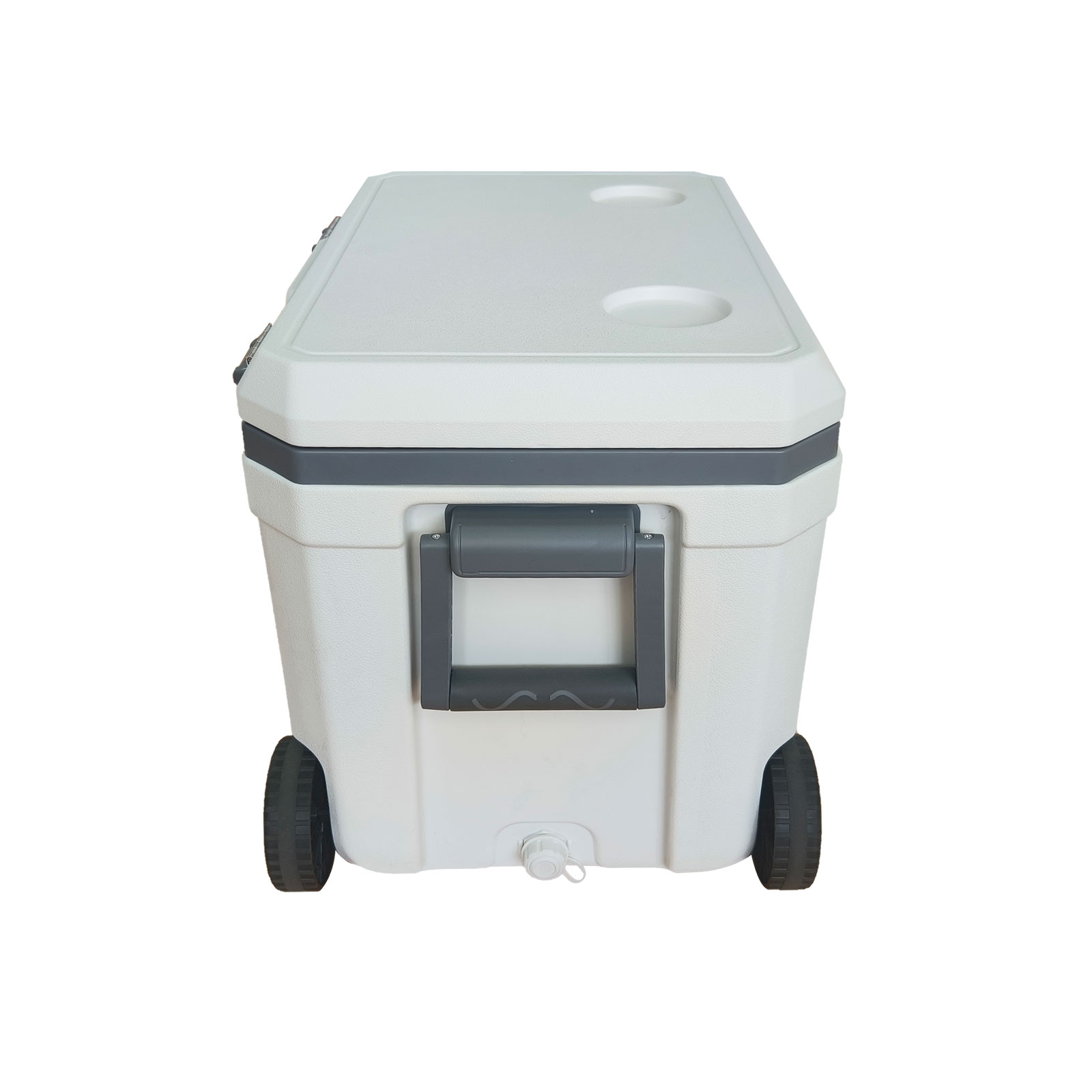
A Practical Framework for Choosing a Stackable Plastic Tote Maker for Frozen Food Transport
يفشل مشروع الصندوق عندما يشتري فريق واحد ميزة بينما يرث فريق آخر العواقب. A stackable tote organizes and protects frozen products but does not create frozen conditions. The vehicle, الفريزر, العبوة المعزولة, سائل التبريد, وقت الطريق, and operating discipline determine temperature performance. يجمع الإطار أدناه بين التصميم, شراء, تصديق, والضوابط التشغيلية في مسار قرار واحد.
Supplier Controls for Frozen Food Transport Procurement
Write the job of the stackable plastic tote in one sentence: protect and organize frozen meals, حزم المأكولات البحرية, منتجات اللحوم, الحلويات, عناصر المخابز, and sealed ingredient packs while moving through blast or static freezing, مراحل الفريزر, اختيار, تحميل, النقل المبرد, توصيل, عودة فارغة, غسل, وإعادة استخدام. ثم اكتب ما لا ينبغي افتراض القيام به. اعتمادا على الطريق, والتي قد تشمل العقم, الموافقة على ملامسة الطعام, احتواء التسرب, تغليف البضائع الخطرة, أو التحكم في درجة الحرارة. يمنع هذا الحد المكون من سطرين المشروع من تجميع التوقعات غير المتوافقة تحت اسم منتج واحد.
Rank the credible consequences for freezer storage, التوزيع المبرد, and repeated handling of packaged frozen foods. ضع في اعتبارك تلف المنتج, تلوث, التراص غير المستقر, إصابة العامل, التتبع المفقود, تأخر الاستلام, رحلة حرارية, رفض الطريق, وفقدان الأصول القابلة لإعادة الاستخدام. إن النتيجة الأعلى ليست دائمًا الحدث الأكثر تكرارًا. المواصفات العملية تعطي الأولوية لمزيج الخطورة, احتمالية, وإمكانية الاكتشاف بدلاً من الميزة الأسهل في الاقتباس.
ضع خطوطًا حمراء قبل مقارنة الموردين. قد يكون الخط الأحمر عبارة عن مدة حرارية غير مدعومة, لا يوجد تتبع المواد, مفصل غير قابل للتنظيف, لا يوجد إشعار تغيير الإنتاج, مكدس تحميل مختلط غير مستقر, أو تصميم لا يمكن إعادته اقتصاديًا. تعمل الخطوط الحمراء على تسريع القائمة المختصرة لأنها تفصل عدم اليقين غير المؤهل عن الميزات التي يمكن تحسينها لاحقًا. يجب أن تحدد مراجعة الموردين كيفية التحكم في التحكم في التغيير بعد التوسع.
قرارات دعم المعايير; إنهم لا يحلون محلهم
The stackable plastic tote should be described by function, وليس بالصفات. قد تشمل وظائفها التي تم التحقق منها الحمل, تكديس, التعشيش أو للطي, مقاومة التعامل المحدد, التسميات الداعمة, قبول إدراجات, وتقديم الأسطح للتنظيف. مطالبات مثل ماء, طبي, درجة الغذاء, الأدوية, حراري, أو التحكم في درجة الحرارة يتطلب تعريفات وأدلة إضافية. لا ينبغي أبدًا السماح للمصطلح بأن يشير ضمنًا إلى موافقة النظام على نطاق أوسع مما يستطيع المورد إثباته.
تتطلب تطبيقات الأغذية دليلاً على حالة الاتصال والنقل المقصودة. نحن. تتناول قواعد النقل الصحي ممارسات الأطراف في سلسلة النقل, وتتناول ضوابط الاتصال الغذائي في الاتحاد الأوروبي التركيب البلاستيكي وهجرة المواد المعمول بها. لا يزال المشترون بحاجة إلى تأكيد البناء النهائي, إضافات, طريقة التنظيف, نوع الطعام, درجة حرارة, ومتطلبات الوجهة. Use wash-cycle evaluation where it represents the intended route, حمولة, ووضع الفشل.
استخدم المعايير كأدوات داخل خطة الأدلة. ضغط, تكديس, اهتزاز, يسقط, ويمكن للملفات التعريفية الحرارية أن تجعل نتائج الموردين قابلة للمقارنة عند أخذ العينة, حمولة, تكييف, ومعايير القبول هي نفسها. الاسم القياسي في الكتيب ليس كافيًا, والنتيجة الناجحة لا تضمن مسارًا مختلفًا. المشتري's quality or engineering team should decide how the test supports the intended use. The report should connect thermal contingency trial to a written acceptance rule.
A Specification That Links Benefits to Side Effects
بناء المواصفات في خمس كتل: حمولة, هندسة, بيئة, عملية, والأدلة. الحمولة تغطي الأبعاد, وزن, هشاشة, اتصال, وحساسية درجة الحرارة. تغطي الهندسة المساحة القابلة للاستخدام, إنهاء, كومة, التعامل, والواجهات. البيئة تغطي الوقت, درجة حرارة, رُطُوبَة, المواد الكيميائية, والأشعة فوق البنفسجية. العملية تغطي التعبئة, ينقل, تنظيف, يعود, والتقاعد. الأدلة تغطي الرسومات, تصريحات, الاختبارات, تقتيش, وتغيير السيطرة. Connect the requirement to barcode recesses and a representative payload.
ترجمة مناقشة التصميم إلى الميزات التي تهم هنا: الزوايا الحاملة, lid or open-top stack interface, ميزات مضادة للانزلاق, handholds usable with gloves, conveyor compatibility, and barcode recesses. لكل ميزة, سجل الفائدة المقصودة والأثر الجانبي المحتمل. قد تعمل فتحة التهوية على تحسين تدفق الهواء ولكنها تقلل من الاحتواء. قد يؤدي الاستدقاق إلى تحسين التعشيش ولكنه يقلل من الحجم. قد تتحكم الحشية في التسرب ولكنها تضيف التنظيف والاستبدال. قد يؤدي الإدخال المعزول إلى تحسين الأداء الحراري ولكنه يقلل من الحمولة ويعقد التحميل. The controlled specification should also make replacement parts visible.
اجعل الأسئلة المادية محددة بنفس القدر: impact at operating temperature, تكسير الإجهاد, resin lot consistency, توافق المنظفات, color and brittleness inspection, and UV exposure during staging. اطلب دليل المنتج النهائي الذي يطابق المطالبة. يدعم اسم الراتنج تحديد المواد; فإنه لا يثبت العروة, المفصلي, لحام, ختم الحافة, ملصق, أو غطاء مجمعة. على نفس المنوال, الرسم الأبعاد يدعم الملاءمة; لا يؤسس حياة المكدس, تسرب, قابلية التنظيف, أو ملف تعريف درجة الحرارة. Apply the requirement to the actual freezer storage, التوزيع المبرد, and repeated handling of packaged frozen foods workflow.
| بوابة | سؤال الموافقة | الحد الأدنى من الإخراج | مالك |
|---|---|---|---|
| 1. استخدام الحالة | ما هي الوظيفة والحدود المحددة? | ملخص المتطلبات المعتمدة | العمليات والجودة |
| 2. تصميم | هل العينة مناسبة وتتعامل مع الحمولة? | مراجعة الرسم والعينات | هندسة |
| 3. شهادة | هل المطالبات مرتبطة بشروط الاختبار؟? | التقارير والوثائق المادية | جودة |
| 4. طيار | هل يعمل في الحلقة الفعلية? | السجل التجريبي وقائمة القضايا المفتوحة | العمليات |
| 5. إنتاج | هل الإنتاج مطابق للعينة المعتمدة؟? | خطة التفتيش ومراقبة التغيير | المشتريات والموردين |
| 6. دورة الحياة | كيف يتم التنظيف, بصلح, خسارة, والتحكم في التقاعد? | SOP والمقاييس الخاصة بالأسطول | صاحب البرنامج |
Treat each gate for freezer storage, التوزيع المبرد, and repeated handling of packaged frozen foods as a decision record. التقدم فقط عندما يكون المالك, شهادة, وتكون المخاطر التي لم يتم حلها مرئية للفريق متعدد الوظائف.
A Practical Decision Point for Freezer Storage, Refrigerated Distribution, and Repeated Handling of Packaged Frozen Foods
قرر أولاً ما إذا كان التحكم في درجة الحرارة ينتمي إلى مشروع الصندوق. إذا كانت السيارة أو الغرفة توفر بالفعل تحكمًا موثوقًا به وكانت الحمولة محمية خلال كل عملية تسليم, قد يحتاج الصندوق فقط إلى تدفق الهواء والتوافق الميكانيكي. إذا كانت هناك ثغرات, بطانة معزولة, برودة, غطاء البليت, حزمة هلام مكيفة, حزمة PCM, نظام الثلج الجاف, أو قد تكون هناك حاجة إلى حل نشط. يجب أن تتبع الإجابة مواصفات المنتج ومخاطر المسار. Keep the result traceable through replacement parts.
إذا كانت الحماية السلبية مطلوبة, define freezer and vehicle setpoint verification, pre-frozen payload, insulated liner or lid option, backup coolant, door-opening frequency, and temperature data before selecting components. يجب أن يأخذ التصميم في الاعتبار درجة حرارة بدء الحمولة, مساحة فارغة, الجسور العازلة, تكييف المبرد, فصل المنتج, التعرض المحيطي, والفتح. وأي تغيير في هذه المتغيرات يمكن أن يغير الأداء. مورد's tested configuration is useful only when the proposed packout is genuinely comparable. Use lid retention if it represents the intended operating risk.
يخدم التأهيل والمراقبة الروتينية أغراضًا مختلفة. يحدد اختبار التطوير ما إذا كانت الحزمة الخاضعة للرقابة يمكنها تلبية معيار القبول ضمن ملف تعريف محدد. تتحقق مراقبة الطريق مما حدث أثناء الاستخدام. يمكن للمسجل أن يدعم الإصدار أو التحقيق, but it cannot compensate for a missing coolant pack, حمولة دافئة, غطاء مفتوح, أو طريق غير مؤهل. يجب أن يربط تلقي التعليمات البيانات بعملية اتخاذ قرار واضحة. Apply the point to the approved stackable plastic tote in freezer storage, التوزيع المبرد, and repeated handling of packaged frozen foods.
تحدي أوضاع الفشل, ليست قائمة الميزات
Shortlist the maker by the quality of its evidence. طلب رسم معتمد, إعلان مادي, تقرير البعد الحرج, عينة نية الإنتاج, تقارير الاختبار ذات الصلة, تعليمات التنظيف أو التعبئة والتغليف, تحديد الدفعة, وشروط التحكم في التغيير. لهذا التطبيق, also review cold-impact evidence, load definition, sample production, lid interchangeability, قطع الغيار, وتغيير السيطرة. يجب أن تحدد المستندات التكوين والشروط, لا مجرد تكرار مطالبة التسويق. يجب أن تتضمن المراجعة بوضوح المخاطر المدرجة: testing only at room temperature.
استخدم التسلسل الهرمي للأدلة. البيان اللفظي هو الأدنى. تعتبر ورقة البيانات العامة أفضل ولكنها قد لا تتطابق مع التجميع. اختبار المورد على التكوين المقترح أقوى. قد يضيف تقرير المختبر المستقل أو المعتمد الثقة عندما تكون الطريقة والعينة ذات صلة. The highest practical evidence is a controlled pilot in the buyer's route, مدعومة بوحدات إنتاج يمكن تتبعها وخطة للتفتيش المستمر. Convert the failure mode 'overloading the bottom tote' into an owned verification item.
تحدي أوضاع الفشل مباشرة: testing only at room temperature, overloading the bottom tote, ice buildup in nesting or stacking features, منع تدفق الهواء, and assuming the tote protects against vehicle failure. اسأل عن ميزة التصميم التي تمنع كل حدث, كيف تم اختبار هذه الميزة, وكيف تحافظ عليه فحوصات الإنتاج. إذا لم يتمكن المورد من الإجابة, تحويل عدم اليقين إلى اختبار عينة أو إزالة المطالبة من المواصفات. وهذا يبقي المفاوضات التجارية مرتبطة بالمخاطر بدلاً من عدد الميزات. For freezer storage, التوزيع المبرد, and repeated handling of packaged frozen foods, decide what control addresses the failure mode 'ice buildup in nesting or stacking features'.
From Sample to Controlled Service
استخدم أربع بوابات موافقة. البوابة الأولى مناسبة: حمولات الحمولة, يغلق, يفرغ, وتبقى قابلة للتحديد. يتم التحكم في البوابة الثانية: ميكانيكية, تنظيف, تسرب, أو تعالج التجارب الحرارية المخاطر المحددة. البوابة الثالثة هي طيار تشغيلي: يستخدم الموظفون العاديون وحدات غرض الإنتاج من خلال الحلقة الكاملة. البوابة الرابعة هي إصدار الإنتاج: يُظهر الفحص الوارد والتحكم في التغيير أن الوحدات المقاسة تتوافق مع التصميم المعتمد. The fleet review should show how repair and lid replacement affects cost and reliability.
يجب أن يتضمن السجل التجريبي استثناءات, ليس فقط المتوسطات. لاحظ الأحمال الأثقل والأخف, فتحات صعبة, عوائد رطبة, تأخر التسليم, أكوام مختلطة, الملحقات المفقودة, ضرر, إعادة غسل, وأي رحلة درجة الحرارة. تكشف الاستثناءات عن هامش التصميم وفجوات التدريب. يمكن للبرنامج الذي يسجل الرحلات الناجحة فقط أن يقيس نقاط الضعف الخفية. قبل توسيع النطاق, assign ownership for return distance.
بعد الإطلاق, إدارة الحاوية كأصل. قم بتعيين المعرفات عند الاقتضاء, سجل أسباب الضرر, مكونات منفصلة قابلة للإصلاح, تحديد حالة الغسيل والتفتيش, الحفاظ على المخزون البديل, وتقاعد الوحدات غير الآمنة. قم بمراجعة البيانات الميدانية قبل الموافقة على تغييرات المورد أو المكونات. التحكم في دورة الحياة هو الخطوة التي تحول الفكرة القابلة لإعادة الاستخدام إلى برنامج يمكن الاعتماد عليه. Use field records to verify whether fleet utilization supports the business case.
Failure Modes That Matter in Freezer Storage, Refrigerated Distribution, and Repeated Handling of Packaged Frozen Foods
الافتراض واحد: الحجم المذكور يساوي مساحة الحمولة. ولا يجوز بعد تفتق, الأغطية, المقسمات, العزل, والمبرد. الافتراض الثاني: اسم المادة يثبت الأداء. لا يثبت الهندسة النهائية. الافتراض الثالث: يغطي تصنيف المكدس كل مدة ودرجة حرارة. قد يأتي من اختبار مختلف. يجب استبدال كل افتراض برسم, عينة, وحالة الاختبار ذات الصلة. The supplier discussion should connect the failure mode 'assuming the tote protects against vehicle failure' to a feature, امتحان, والتصرف.
الافتراض الرابع: التنسيق القابل لإعادة الاستخدام يكون مستدامًا تلقائيًا. مسافة العودة, خسارة, تنظيف, بصلح, وطريق التقاعد يحدد النتيجة. الافتراض الخامس: ملصق حراري يثبت التحكم في درجة الحرارة. النظام الكامل, شروط البداية, ملف تعريف المحيط, عبوة, وانضباط التشغيل يحدد النتيجة. هذه الافتراضات باهظة الثمن لأنها عادةً ما تفشل بعد شراء الأدوات أو الأسطول. يجب أن تتضمن المراجعة بوضوح المخاطر المدرجة: testing only at room temperature.
The project-specific warning signs are testing only at room temperature, overloading the bottom tote, ice buildup in nesting or stacking features, منع تدفق الهواء, and assuming the tote protects against vehicle failure. ضعهم في القائمة المرجعية لمراجعة العينات. من المرجح أن يمسك بهم فريق متعدد الوظائف بسبب العمليات, جودة, هندسة, الصرف الصحي, والخدمات اللوجستية ترى أجزاء مختلفة من المخاطر. يجب أن تكون القائمة المرجعية قصيرة, المملوكة, ومرتبطة بالتصرف: يقبل, يراجع, امتحان, الحجر الصحي, أو رفض. Convert the failure mode 'overloading the bottom tote' into an owned verification item.
استخدم انحرافًا موثوقًا به لاختبار القرار
A cross-functional workshop for freezer storage, التوزيع المبرد, and repeated handling of packaged frozen foods can be completed around one production-intent sample. ضع الحمولة التمثيلية, تسميات, حطام, المكونات الحرارية إذا لزم الأمر, وأدوات المناولة على الطاولة. اطلب من العمليات حزمها, اللوجستية لنقلها وتكديسها, الجودة لفحص الأدلة, والصرف الصحي لتنظيفه وتجفيفه. سجل حيث تعتمد العملية على الحكم أو الحل البديل.
ثم قم بمحاكاة انحراف موثوق: تسليم متأخر, تحميل جزئي, العودة الرطبة, تأثير بارد, غطاء مفقود, أو تفتيش غير متوقع. يجب على الفريق أن يقرر ما إذا كان التصميم يحتوي على الحدث, ما إذا كانت الحالة قابلة للاكتشاف, وما هي التعليمات التالية. يكشف هذا التمرين غالبًا عن متطلبات أكثر فائدة من مطالبة عامة أخرى بالمتانة. For this stackable plastic tote, keep the conditions for wash-cycle evaluation traceable to the approved sample.
قم بإغلاق ورشة العمل بالإجراءات المسماة, نقاط الرسم المعدلة, الاختبارات, أصحاب, ومواعيد القبول. يتلقى المورد قائمة خاضعة للرقابة بدلاً من التعليقات المتضاربة من الأقسام المختلفة. عندما تصل العينة التالية, يمكن لنفس الفريق التحقق من التغييرات وتحديد ما إذا كان التصميم جاهزًا لطيار المسار. The verification matrix should show who reviews the result of thermal contingency trial.
الأسئلة المتداولة
What is the first document to prepare before contacting a stackable plastic tote maker for frozen food transport?
قم بإعداد ملخص حالة الاستخدام الموجز الذي يغطي الحمولة, أبعاد قابلة للاستخدام, الحمولة القصوى, طريق, التعرض البيئي, التعامل, تنظيف, يعود, تعريف, وأي متطلبات درجة الحرارة. أضف المطالبات التي يجب دعمها والشروط التي من شأنها عدم أهلية التصميم. وهذا يعطي الموردين أساسًا مشتركًا لعرض الأسعار. لهذا المشروع, إبقاء التحكم في التغيير قابلاً للتتبع إلى العينة المعتمدة.
كيف يمكنني فصل متطلبات الصندوق عن متطلبات سلسلة التبريد؟?
تعيين التعامل الميكانيكي, تكديس, إنهاء, صحة, وتحديد الهوية إلى الصندوق. تعيين العزل, المبردات, التبريد النشط, عبوة, الشروط المسبقة, يراقب, والتأهيل الحراري لنظام التحكم في درجة الحرارة. يجب أن تتفاعل بشكل صحيح, ولكن لا يجوز استخدام أحدهما كدليل على الآخر. For this frozen food transport project, قم بتأكيد الإجابة على عينة غرض الإنتاج بدلاً من افتراض تكافؤ الكتالوج.
أي دليل المورد يجب أن يحمل أكبر قدر من الوزن?
إعطاء وزن أكبر للرسومات الخاصة بالتكوين, الوثائق المادية, عينات نية الإنتاج, تقارير الاختبار مع الشروط الكاملة, وطريق تجريبي ناجح بدلاً من الكتيبات العامة. يمكن للاختبار المستقل أن يضيف الثقة عندما تكون الطريقة والعينة ذات صلة. يعد التحكم في التغيير أمرًا ضروريًا حتى تظل الأدلة مرتبطة بالإنتاج. لهذا المشروع, keep load definition traceable to the approved sample.
كم عدد العينات المطلوبة قبل شراء الأسطول?
لا يوجد رقم عالمي. استخدم عينات كافية للتحقق من ملاءمتها, تباين الإنتاج, التعامل, تنظيف, وطرق الفشل ذات المصداقية. يجب أن يشتمل البرنامج التجريبي على وحدات غرض الإنتاج والمشغلين العاديين. يجب أن تكون خطة العينة قائمة على المخاطر ومتفق عليها من قبل الهندسة أو الجودة بدلاً من اختيارها من أجل الراحة فقط. Base the decision on vibration with frozen payload under the intended route and load.
ماذا يجب أن يحدث بعد دخول الحاوية إلى الخدمة؟?
تحديد التحكم, حالة التنظيف, تقتيش, بصلح, استبدال الملحقات, ترميز الضرر, خسارة, والتقاعد. مراجعة البيانات الميدانية وتغييرات الموردين بشكل دوري. تظل العبوة القابلة لإعادة الاستخدام موثوقة فقط عندما يحافظ نظام التشغيل على الحالة والتكوين الذي تمت الموافقة عليه في الأصل. For this frozen food transport project, قم بتأكيد الإجابة على عينة غرض الإنتاج بدلاً من افتراض تكافؤ الكتالوج.
القرار النهائي
Select a stackable plastic tote maker for frozen food transport through a controlled sequence: تحديد الوظيفة والخطوط الحمراء, التحقق من الأدلة الهندسية والمادية القابلة للاستخدام, تحديد ما إذا كانت هناك حاجة للتحكم الحراري, اختبار أوضاع الفشل ذات الصلة, تجربة حلقة التشغيل الكاملة, والحفاظ على التصميم المعتمد من خلال التفتيش ومراقبة التغيير. اجعل كل مطالبة مرتبطة بشروطها وصاحبها.
حول Tempk
Tempk supplies cold-chain packaging components such as gel packs, طوب الجليد, حزم PCM, بطانات وأكياس معزولة, EPP والصناديق المعزولة الأخرى, صناديق الشحن الباردة, وأغطية البليت الحرارية. هنا, the practical focus is providing insulated liners, طوب الجليد, حزم هلام, صناديق إي بي بي, and thermal covers for frozen-food routes that need passive backup or last-mile protection. المتطلبات الخاصة بالمنتج, تأهيل الطريق, وتظل مراجعة جودة العميل هي الأساس لأي اختيار نهائي.
اطلب مراجعة عملية
لإجراء مراجعة متكاملة للحاويات وسلسلة التبريد, share the frozen product, مدة الطريق, ظروف السيارة, tote load, and contingency needs to compare suitable thermal components.
اختيار مصدر صندوق بلاستيكي قابل للتكديس للتخزين الطبي: إطار عملي
A Practical Framework for Choosing a Stackable Plastic Box Exporter for Medical Storage
A reliable decision on a stackable plastic box exporter for medical storage requires one integrated answer: يجب أن تتناسب الحاوية مع الحمولة, هذه العملية, معيار الأدلة, ونموذج العودة. A stackable plastic box can improve storage discipline for packaged medical items, but it is not primary sterile-barrier packaging and does not make its contents temperature controlled or compliant by itself. يجمع الإطار أدناه بين التصميم, شراء, تصديق, والضوابط التشغيلية في مسار قرار واحد.
تحديد الوظيفة, عواقب, والخطوط الحمراء
Write the job of the stackable plastic box in one sentence: protect and organize packaged devices, مجموعات الإجراءات, PPE, sealed consumables, مُكَمِّلات, and non-sterile components while moving through factory packing, توحيد الصادرات, التخليص الجمركي, distribution-center storage, hospital or clinic replenishment, and empty-container handling. ثم اكتب ما لا ينبغي افتراض القيام به. اعتمادا على الطريق, والتي قد تشمل العقم, الموافقة على ملامسة الطعام, احتواء التسرب, تغليف البضائع الخطرة, أو التحكم في درجة الحرارة. يمنع هذا الحد المكون من سطرين المشروع من تجميع التوقعات غير المتوافقة تحت اسم منتج واحد.
Rank the credible consequences for organized storage and international supply of medical devices, المواد الاستهلاكية, and sealed healthcare materials. ضع في اعتبارك تلف المنتج, تلوث, التراص غير المستقر, إصابة العامل, التتبع المفقود, تأخر الاستلام, رحلة حرارية, رفض الطريق, وفقدان الأصول القابلة لإعادة الاستخدام. إن النتيجة الأعلى ليست دائمًا الحدث الأكثر تكرارًا. المواصفات العملية تعطي الأولوية لمزيج الخطورة, احتمالية, وإمكانية الاكتشاف بدلاً من الميزة الأسهل في الاقتباس.
ضع خطوطًا حمراء قبل مقارنة الموردين. قد يكون الخط الأحمر عبارة عن مدة حرارية غير مدعومة, لا يوجد تتبع المواد, مفصل غير قابل للتنظيف, لا يوجد إشعار تغيير الإنتاج, مكدس تحميل مختلط غير مستقر, أو تصميم لا يمكن إعادته اقتصاديًا. تعمل الخطوط الحمراء على تسريع القائمة المختصرة لأنها تفصل عدم اليقين غير المؤهل عن الميزات التي يمكن تحسينها لاحقًا. Do not close the review until evidence or a process control addresses the failure mode 'dirty boxes entering clean storage'.
Writing the Stackable Plastic Box Brief for Medical Storage
The stackable plastic box should be described by function, وليس بالصفات. قد تشمل وظائفها التي تم التحقق منها الحمل, تكديس, التعشيش أو للطي, مقاومة التعامل المحدد, التسميات الداعمة, قبول إدراجات, وتقديم الأسطح للتنظيف. مطالبات مثل ماء, طبي, درجة الغذاء, الأدوية, حراري, أو التحكم في درجة الحرارة يتطلب تعريفات وأدلة إضافية. لا ينبغي أبدًا السماح للمصطلح بأن يشير ضمنًا إلى موافقة النظام على نطاق أوسع مما يستطيع المورد إثباته.
تعتبر معايير التعبئة والتغليف مفيدة للغاية عندما تكون مرتبطة بمخاطر توزيع محددة. ضغط, تكديس, اهتزاز, تأثير, وطرق الإسقاط يمكن أن تدعم القرار, ولكن التكوين شغلها, تكييف, مدة, اتجاه التحميل, وقاعدة القبول تحدد ما تثبته النتيجة فعليا. قم بتوثيق كيفية معالجة التصميم لوضع الفشل المدرج: confusing a storage tote with sterile packaging.
استخدم المعايير كأدوات داخل خطة الأدلة. ضغط, تكديس, اهتزاز, يسقط, ويمكن للملفات التعريفية الحرارية أن تجعل نتائج الموردين قابلة للمقارنة عند أخذ العينة, حمولة, تكييف, ومعايير القبول هي نفسها. الاسم القياسي في الكتيب ليس كافيًا, والنتيجة الناجحة لا تضمن مسارًا مختلفًا. المشتري's quality or engineering team should decide how the test supports the intended use. For this medical storage project, record the related acceptance condition on the approved stackable plastic box.
قم ببناء مواصفات المتطلبات المكونة من خمس كتل
بناء المواصفات في خمس كتل: حمولة, هندسة, بيئة, عملية, والأدلة. الحمولة تغطي الأبعاد, وزن, هشاشة, اتصال, وحساسية درجة الحرارة. تغطي الهندسة المساحة القابلة للاستخدام, إنهاء, كومة, التعامل, والواجهات. البيئة تغطي الوقت, درجة حرارة, رُطُوبَة, المواد الكيميائية, والأشعة فوق البنفسجية. العملية تغطي التعبئة, ينقل, تنظيف, يعود, والتقاعد. الأدلة تغطي الرسومات, تصريحات, الاختبارات, تقتيش, وتغيير السيطرة. For this medical storage project, record the related acceptance condition on the approved stackable plastic box.
ترجمة مناقشة التصميم إلى الميزات التي تهم هنا: stack rim geometry, lid load transfer, wall deflection, توافق الرف, handhold strength, and barcode and status-card locations. لكل ميزة, سجل الفائدة المقصودة والأثر الجانبي المحتمل. قد تعمل فتحة التهوية على تحسين تدفق الهواء ولكنها تقلل من الاحتواء. قد يؤدي الاستدقاق إلى تحسين التعشيش ولكنه يقلل من الحجم. قد تتحكم الحشية في التسرب ولكنها تضيف التنظيف والاستبدال. قد يؤدي الإدخال المعزول إلى تحسين الأداء الحراري ولكنه يقلل من الحمولة ويعقد التحميل. Connect the requirement to rack compatibility and a representative payload.
اجعل الأسئلة المادية محددة بنفس القدر: درجة الراتنج, color masterbatch control, التوافق مع عامل التنظيف, UV exposure during outdoor staging, and cold-room impact if applicable. اطلب دليل المنتج النهائي الذي يطابق المطالبة. يدعم اسم الراتنج تحديد المواد; فإنه لا يثبت العروة, المفصلي, لحام, ختم الحافة, ملصق, أو غطاء مجمعة. على نفس المنوال, الرسم الأبعاد يدعم الملاءمة; لا يؤسس حياة المكدس, تسرب, قابلية التنظيف, أو ملف تعريف درجة الحرارة. The controlled specification should also make production inspection records visible.
| بوابة | سؤال الموافقة | الحد الأدنى من الإخراج | مالك |
|---|---|---|---|
| 1. استخدام الحالة | ما هي الوظيفة والحدود المحددة? | ملخص المتطلبات المعتمدة | العمليات والجودة |
| 2. تصميم | هل العينة مناسبة وتتعامل مع الحمولة? | مراجعة الرسم والعينات | هندسة |
| 3. شهادة | هل المطالبات مرتبطة بشروط الاختبار؟? | التقارير والوثائق المادية | جودة |
| 4. طيار | هل يعمل في الحلقة الفعلية? | السجل التجريبي وقائمة القضايا المفتوحة | العمليات |
| 5. إنتاج | هل الإنتاج مطابق للعينة المعتمدة؟? | خطة التفتيش ومراقبة التغيير | المشتريات والموردين |
| 6. دورة الحياة | كيف يتم التنظيف, بصلح, خسارة, والتحكم في التقاعد? | SOP والمقاييس الخاصة بالأسطول | صاحب البرنامج |
Treat each gate for organized storage and international supply of medical devices, المواد الاستهلاكية, and sealed healthcare materials as a decision record. التقدم فقط عندما يكون المالك, شهادة, وتكون المخاطر التي لم يتم حلها مرئية للفريق متعدد الوظائف.
اتخذ قرارًا منفصلاً للتحكم الحراري
قرر أولاً ما إذا كان التحكم في درجة الحرارة ينتمي إلى مشروع الصندوق. إذا كانت السيارة أو الغرفة توفر بالفعل تحكمًا موثوقًا به وكانت الحمولة محمية خلال كل عملية تسليم, قد يحتاج الصندوق فقط إلى تدفق الهواء والتوافق الميكانيكي. إذا كانت هناك ثغرات, بطانة معزولة, برودة, غطاء البليت, حزمة هلام مكيفة, حزمة PCM, نظام الثلج الجاف, أو قد تكون هناك حاجة إلى حل نشط. يجب أن تتبع الإجابة مواصفات المنتج ومخاطر المسار. Keep the claim conditional until the tested configuration covers space for a monitor.
إذا كانت الحماية السلبية مطلوبة, define compatibility with insulated inserts for selected products, space for a monitor, avoidance of false temperature-control claims, and separation of coolant from device packaging before selecting components. يجب أن يأخذ التصميم في الاعتبار درجة حرارة بدء الحمولة, مساحة فارغة, الجسور العازلة, تكييف المبرد, فصل المنتج, التعرض المحيطي, والفتح. وأي تغيير في هذه المتغيرات يمكن أن يغير الأداء. مورد's tested configuration is useful only when the proposed packout is genuinely comparable. The operating instruction should make compatibility with insulated inserts for selected products clear to packers and receivers.
يخدم التأهيل والمراقبة الروتينية أغراضًا مختلفة. يحدد اختبار التطوير ما إذا كانت الحزمة الخاضعة للرقابة يمكنها تلبية معيار القبول ضمن ملف تعريف محدد. تتحقق مراقبة الطريق مما حدث أثناء الاستخدام. يمكن للمسجل أن يدعم الإصدار أو التحقيق, but it cannot compensate for a missing coolant pack, حمولة دافئة, غطاء مفتوح, أو طريق غير مؤهل. يجب أن يربط تلقي التعليمات البيانات بعملية اتخاذ قرار واضحة. Use the qualification review to confirm separation of coolant from device packaging at the system level.
Supplier Controls for Medical Storage Procurement
Shortlist the exporter by the quality of its evidence. طلب رسم معتمد, إعلان مادي, تقرير البعد الحرج, عينة نية الإنتاج, تقارير الاختبار ذات الصلة, تعليمات التنظيف أو التعبئة والتغليف, تحديد الدفعة, وشروط التحكم في التغيير. لهذا التطبيق, also review export carton and pallet plan, declaration of materials, production inspection records, موافقة العينة, تحديد الدفعة, وتغيير الإخطار. يجب أن تحدد المستندات التكوين والشروط, لا مجرد تكرار مطالبة التسويق. The supplier review should define how production inspection records remains controlled after scale-up.
استخدم التسلسل الهرمي للأدلة. البيان اللفظي هو الأدنى. تعتبر ورقة البيانات العامة أفضل ولكنها قد لا تتطابق مع التجميع. اختبار المورد على التكوين المقترح أقوى. قد يضيف تقرير المختبر المستقل أو المعتمد الثقة عندما تكون الطريقة والعينة ذات صلة. The highest practical evidence is a controlled pilot in the buyer's route, مدعومة بوحدات إنتاج يمكن تتبعها وخطة للتفتيش المستمر. The procurement file should make declaration of materials traceable.
تحدي أوضاع الفشل مباشرة: unstable mixed-height stacks, lid bowing, التسميات المحظورة, dirty boxes entering clean storage, and confusing a storage tote with sterile packaging. اسأل عن ميزة التصميم التي تمنع كل حدث, كيف تم اختبار هذه الميزة, وكيف تحافظ عليه فحوصات الإنتاج. إذا لم يتمكن المورد من الإجابة, تحويل عدم اليقين إلى اختبار عينة أو إزالة المطالبة من المواصفات. وهذا يبقي المفاوضات التجارية مرتبطة بالمخاطر بدلاً من عدد الميزات. Ask the exporter to document export carton and pallet plan before commercial approval.
أربع بوابات للموافقة من الملاءمة إلى دورة الحياة
استخدم أربع بوابات موافقة. البوابة الأولى مناسبة: حمولات الحمولة, يغلق, يفرغ, وتبقى قابلة للتحديد. يتم التحكم في البوابة الثانية: ميكانيكية, تنظيف, تسرب, أو تعالج التجارب الحرارية المخاطر المحددة. البوابة الثالثة هي طيار تشغيلي: يستخدم الموظفون العاديون وحدات غرض الإنتاج من خلال الحلقة الكاملة. البوابة الرابعة هي إصدار الإنتاج: يُظهر الفحص الوارد والتحكم في التغيير أن الوحدات المقاسة تتوافق مع التصميم المعتمد. For this medical storage program, include repair or replacement of lids in the operating model.
يجب أن يتضمن السجل التجريبي استثناءات, ليس فقط المتوسطات. لاحظ الأحمال الأثقل والأخف, فتحات صعبة, عوائد رطبة, تأخر التسليم, أكوام مختلطة, الملحقات المفقودة, ضرر, إعادة غسل, وأي رحلة درجة الحرارة. تكشف الاستثناءات عن هامش التصميم وفجوات التدريب. يمكن للبرنامج الذي يسجل الرحلات الناجحة فقط أن يقيس نقاط الضعف الخفية. The fleet review should show how return logistics affects cost and reliability.
بعد الإطلاق, إدارة الحاوية كأصل. قم بتعيين المعرفات عند الاقتضاء, سجل أسباب الضرر, مكونات منفصلة قابلة للإصلاح, تحديد حالة الغسيل والتفتيش, الحفاظ على المخزون البديل, وتقاعد الوحدات غير الآمنة. قم بمراجعة البيانات الميدانية قبل الموافقة على تغييرات المورد أو المكونات. التحكم في دورة الحياة هو الخطوة التي تحول الفكرة القابلة لإعادة الاستخدام إلى برنامج يمكن الاعتماد عليه. قبل توسيع النطاق, assign ownership for controlled reuse.
استبدل خمسة افتراضات باهظة الثمن بالدليل
الافتراض واحد: الحجم المذكور يساوي مساحة الحمولة. ولا يجوز بعد تفتق, الأغطية, المقسمات, العزل, والمبرد. الافتراض الثاني: اسم المادة يثبت الأداء. لا يثبت الهندسة النهائية. الافتراض الثالث: يغطي تصنيف المكدس كل مدة ودرجة حرارة. قد يأتي من اختبار مختلف. يجب استبدال كل افتراض برسم, عينة, وحالة الاختبار ذات الصلة. Do not close the review until evidence or a process control addresses the failure mode 'dirty boxes entering clean storage'.
الافتراض الرابع: التنسيق القابل لإعادة الاستخدام يكون مستدامًا تلقائيًا. مسافة العودة, خسارة, تنظيف, بصلح, وطريق التقاعد يحدد النتيجة. الافتراض الخامس: ملصق حراري يثبت التحكم في درجة الحرارة. النظام الكامل, شروط البداية, ملف تعريف المحيط, عبوة, وانضباط التشغيل يحدد النتيجة. هذه الافتراضات باهظة الثمن لأنها عادةً ما تفشل بعد شراء الأدوات أو الأسطول. The supplier discussion should connect the failure mode 'confusing a storage tote with sterile packaging' to a feature, امتحان, والتصرف.
The project-specific warning signs are unstable mixed-height stacks, lid bowing, التسميات المحظورة, dirty boxes entering clean storage, and confusing a storage tote with sterile packaging. ضعهم في القائمة المرجعية لمراجعة العينات. من المرجح أن يمسك بهم فريق متعدد الوظائف بسبب العمليات, جودة, هندسة, الصرف الصحي, والخدمات اللوجستية ترى أجزاء مختلفة من المخاطر. يجب أن تكون القائمة المرجعية قصيرة, المملوكة, ومرتبطة بالتصرف: يقبل, يراجع, امتحان, الحجر الصحي, أو رفض. يجب أن تتضمن المراجعة بوضوح المخاطر المدرجة: unstable mixed-height stacks.
A Medical Storage Scenario: التدفق الطبيعي والانحراف الموثوق
A cross-functional workshop for organized storage and international supply of medical devices, المواد الاستهلاكية, and sealed healthcare materials can be completed around one production-intent sample. ضع الحمولة التمثيلية, تسميات, حطام, المكونات الحرارية إذا لزم الأمر, وأدوات المناولة على الطاولة. اطلب من العمليات حزمها, اللوجستية لنقلها وتكديسها, الجودة لفحص الأدلة, والصرف الصحي لتنظيفه وتجفيفه. سجل حيث تعتمد العملية على الحكم أو الحل البديل.
ثم قم بمحاكاة انحراف موثوق: تسليم متأخر, تحميل جزئي, العودة الرطبة, تأثير بارد, غطاء مفقود, أو تفتيش غير متوقع. يجب على الفريق أن يقرر ما إذا كان التصميم يحتوي على الحدث, ما إذا كانت الحالة قابلة للاكتشاف, وما هي التعليمات التالية. يكشف هذا التمرين غالبًا عن متطلبات أكثر فائدة من مطالبة عامة أخرى بالمتانة. Use the scenario to decide how the team will respond to the failure mode 'lid bowing'.
قم بإغلاق ورشة العمل بالإجراءات المسماة, نقاط الرسم المعدلة, الاختبارات, أصحاب, ومواعيد القبول. يتلقى المورد قائمة خاضعة للرقابة بدلاً من التعليقات المتضاربة من الأقسام المختلفة. عندما تصل العينة التالية, يمكن لنفس الفريق التحقق من التغييرات وتحديد ما إذا كان التصميم جاهزًا لطيار المسار. For organized storage and international supply of medical devices, المواد الاستهلاكية, and sealed healthcare materials, record any workaround related to the failure mode 'التسميات المحظورة'.
الأسئلة المتداولة
What is the first document to prepare before contacting a stackable plastic box exporter for medical storage?
قم بإعداد ملخص حالة الاستخدام الموجز الذي يغطي الحمولة, أبعاد قابلة للاستخدام, الحمولة القصوى, طريق, التعرض البيئي, التعامل, تنظيف, يعود, تعريف, وأي متطلبات درجة الحرارة. أضف المطالبات التي يجب دعمها والشروط التي من شأنها عدم أهلية التصميم. وهذا يعطي الموردين أساسًا مشتركًا لعرض الأسعار. لهذا المشروع, keep export carton and pallet plan traceable to the approved sample.
كيف يمكنني فصل متطلبات الصندوق عن متطلبات سلسلة التبريد؟?
تعيين التعامل الميكانيكي, تكديس, إنهاء, صحة, وتحديد الهوية إلى الصندوق. تعيين العزل, المبردات, التبريد النشط, عبوة, الشروط المسبقة, يراقب, والتأهيل الحراري لنظام التحكم في درجة الحرارة. يجب أن تتفاعل بشكل صحيح, ولكن لا يجوز استخدام أحدهما كدليل على الآخر. For this medical storage project, قم بتأكيد الإجابة على عينة غرض الإنتاج بدلاً من افتراض تكافؤ الكتالوج.
أي دليل المورد يجب أن يحمل أكبر قدر من الوزن?
إعطاء وزن أكبر للرسومات الخاصة بالتكوين, الوثائق المادية, عينات نية الإنتاج, تقارير الاختبار مع الشروط الكاملة, وطريق تجريبي ناجح بدلاً من الكتيبات العامة. يمكن للاختبار المستقل أن يضيف الثقة عندما تكون الطريقة والعينة ذات صلة. يعد التحكم في التغيير أمرًا ضروريًا حتى تظل الأدلة مرتبطة بالإنتاج. لهذا المشروع, keep production inspection records traceable to the approved sample.
كم عدد العينات المطلوبة قبل شراء الأسطول?
لا يوجد رقم عالمي. استخدم عينات كافية للتحقق من ملاءمتها, تباين الإنتاج, التعامل, تنظيف, وطرق الفشل ذات المصداقية. يجب أن يشتمل البرنامج التجريبي على وحدات غرض الإنتاج والمشغلين العاديين. يجب أن تكون خطة العينة قائمة على المخاطر ومتفق عليها من قبل الهندسة أو الجودة بدلاً من اختيارها من أجل الراحة فقط. Base the decision on lid retention under the intended route and load.
ماذا يجب أن يحدث بعد دخول الحاوية إلى الخدمة؟?
تحديد التحكم, حالة التنظيف, تقتيش, بصلح, استبدال الملحقات, ترميز الضرر, خسارة, والتقاعد. مراجعة البيانات الميدانية وتغييرات الموردين بشكل دوري. تظل العبوة القابلة لإعادة الاستخدام موثوقة فقط عندما يحافظ نظام التشغيل على الحالة والتكوين الذي تمت الموافقة عليه في الأصل. For this medical storage project, قم بتأكيد الإجابة على عينة غرض الإنتاج بدلاً من افتراض تكافؤ الكتالوج.
القرار النهائي
Select a stackable plastic box exporter for medical storage through a controlled sequence: تحديد الوظيفة والخطوط الحمراء, التحقق من الأدلة الهندسية والمادية القابلة للاستخدام, تحديد ما إذا كانت هناك حاجة للتحكم الحراري, اختبار أوضاع الفشل ذات الصلة, تجربة حلقة التشغيل الكاملة, والحفاظ على التصميم المعتمد من خلال التفتيش ومراقبة التغيير. اجعل كل مطالبة مرتبطة بشروطها وصاحبها.
حول Tempk
Tempk supplies cold-chain packaging components such as gel packs, طوب الجليد, حزم PCM, بطانات وأكياس معزولة, EPP والصناديق المعزولة الأخرى, صناديق الشحن الباردة, وأغطية البليت الحرارية. هنا, the practical focus is helping medical logistics teams pair protective handling boxes with appropriate insulated packaging and coolant systems when selected products also require temperature control. المتطلبات الخاصة بالمنتج, تأهيل الطريق, وتظل مراجعة جودة العميل هي الأساس لأي اختيار نهائي.
اطلب مراجعة عملية
لإجراء مراجعة متكاملة للحاويات وسلسلة التبريد, share your packaged-product dimensions, تخطيط التخزين, ظروف المكدس, and any thermal requirement to compare suitable supporting cold-chain options.
اختيار الشركة المصنعة للحاويات البلاستيكية المموجة القابلة للتكديس لتخزين الإمدادات الصناعية: إطار عملي

إطار عملي لاختيار الشركة المصنعة للحاويات البلاستيكية المموجة القابلة للتكديس لتخزين الإمدادات الصناعية
A reliable decision on a stackable corrugated plastic container manufacturer for industrial supply storage requires one integrated answer: يجب أن تتناسب الحاوية مع الحمولة, هذه العملية, معيار الأدلة, ونموذج العودة. يمكن أن تكون الحاوية البلاستيكية المموجة خفيفة الوزن وقابلة للتكوين, لكن قابلية التكديس تعتمد على اتجاه اللوحة, المفاصل, تعزيز الحافة, توزيع الحمل, وتصميم الحاوية الكامل بدلاً من سمك الورقة وحده. يجمع الإطار أدناه بين التصميم, شراء, تصديق, والضوابط التشغيلية في مسار قرار واحد.
أوضاع الفشل المهمة في التخزين المنظم وحركة الأجزاء, أطقم, المواد الاستهلاكية, واللوازم على جانب الخط
اكتب مهمة الحاوية البلاستيكية المموجة القابلة للتكديس في جملة واحدة: حماية وتنظيم السحابات, أجزاء الخدمة, مجموعات الإنتاج, لوازم الصيانة, الالكترونيات المعبأة, والمكونات الصناعية العامة أثناء التنقل من خلال تعبئة الموردين, التخزين الوارد, التجهيز, التسليم على جانب الخط, عودة خلية العمل, توحيد, وإعادة استخدام. ثم اكتب ما لا ينبغي افتراض القيام به. اعتمادا على الطريق, والتي قد تشمل العقم, الموافقة على ملامسة الطعام, احتواء التسرب, تغليف البضائع الخطرة, أو التحكم في درجة الحرارة. يمنع هذا الحد المكون من سطرين المشروع من تجميع التوقعات غير المتوافقة تحت اسم منتج واحد.
رتب العواقب الموثوقة للتخزين المنظم وحركة الأجزاء, مجموعات, المواد الاستهلاكية, والإمدادات على جانب الخط. ضع في اعتبارك تلف المنتج, تلوث, التراص غير المستقر, إصابة العامل, التتبع المفقود, تأخر الاستلام, رحلة حرارية, رفض الطريق, وفقدان الأصول القابلة لإعادة الاستخدام. إن النتيجة الأعلى ليست دائمًا الحدث الأكثر تكرارًا. المواصفات العملية تعطي الأولوية لمزيج الخطورة, احتمالية, وإمكانية الاكتشاف بدلاً من الميزة الأسهل في الاقتباس.
ضع خطوطًا حمراء قبل مقارنة الموردين. قد يكون الخط الأحمر عبارة عن مدة حرارية غير مدعومة, لا يوجد تتبع المواد, مفصل غير قابل للتنظيف, لا يوجد إشعار تغيير الإنتاج, مكدس تحميل مختلط غير مستقر, أو تصميم لا يمكن إعادته اقتصاديًا. تعمل الخطوط الحمراء على تسريع القائمة المختصرة لأنها تفصل عدم اليقين غير المؤهل عن الميزات التي يمكن تحسينها لاحقًا. Do not close the review until evidence or a process control addresses the failure mode 'انهيار الفواصل'.
احتفظ بمطالبات المنتج داخل حدود الأدلة الخاصة بها
يجب وصف الحاوية البلاستيكية المموجة القابلة للتكديس حسب الوظيفة, وليس بالصفات. قد تشمل وظائفها التي تم التحقق منها الحمل, تكديس, التعشيش أو للطي, مقاومة التعامل المحدد, التسميات الداعمة, قبول إدراجات, وتقديم الأسطح للتنظيف. مطالبات مثل ماء, طبي, درجة الغذاء, الأدوية, حراري, أو التحكم في درجة الحرارة يتطلب تعريفات وأدلة إضافية. لا ينبغي أبدًا السماح للمصطلح بأن يشير ضمنًا إلى موافقة النظام على نطاق أوسع مما يستطيع المورد إثباته.
تعتبر معايير التعبئة والتغليف مفيدة للغاية عندما تكون مرتبطة بمخاطر توزيع محددة. ضغط, تكديس, اهتزاز, تأثير, وطرق الإسقاط يمكن أن تدعم القرار, ولكن التكوين شغلها, تكييف, مدة, اتجاه التحميل, وقاعدة القبول تحدد ما تثبته النتيجة فعليا. قم بتوثيق كيفية معالجة التصميم لوضع الفشل المدرج: تحديد البيئة والتنمية المستدامة دون متطلبات قابلة للقياس.
استخدم المعايير كأدوات داخل خطة الأدلة. ضغط, تكديس, اهتزاز, يسقط, ويمكن للملفات التعريفية الحرارية أن تجعل نتائج الموردين قابلة للمقارنة عند أخذ العينة, حمولة, تكييف, ومعايير القبول هي نفسها. الاسم القياسي في الكتيب ليس كافيًا, والنتيجة الناجحة لا تضمن مسارًا مختلفًا. المشتري's quality or engineering team should decide how the test supports the intended use. لمشروع تخزين الإمدادات الصناعية, قم بتسجيل شروط القبول ذات الصلة على الحاوية البلاستيكية المموجة القابلة للتكديس المعتمدة.
قم ببناء مواصفات المتطلبات المكونة من خمس كتل
بناء المواصفات في خمس كتل: حمولة, هندسة, بيئة, عملية, والأدلة. الحمولة تغطي الأبعاد, وزن, هشاشة, اتصال, وحساسية درجة الحرارة. تغطي الهندسة المساحة القابلة للاستخدام, إنهاء, كومة, التعامل, والواجهات. البيئة تغطي الوقت, درجة حرارة, رُطُوبَة, المواد الكيميائية, والأشعة فوق البنفسجية. العملية تغطي التعبئة, ينقل, تنظيف, يعود, والتقاعد. الأدلة تغطي الرسومات, تصريحات, الاختبارات, تقتيش, وتغيير السيطرة. لمشروع تخزين الإمدادات الصناعية, قم بتسجيل شروط القبول ذات الصلة على الحاوية البلاستيكية المموجة القابلة للتكديس المعتمدة.
ترجمة مناقشة التصميم إلى الميزات التي تهم هنا: اتجاه الناي, بناء الزاوية, تعزيز الحافة العلوية, واجهة المقسم, فتحات اليد, وتكديس القضبان أو الأغطية. لكل ميزة, سجل الفائدة المقصودة والأثر الجانبي المحتمل. قد تعمل فتحة التهوية على تحسين تدفق الهواء ولكنها تقلل من الاحتواء. قد يؤدي الاستدقاق إلى تحسين التعشيش ولكنه يقلل من الحجم. قد تتحكم الحشية في التسرب ولكنها تضيف التنظيف والاستبدال. قد يؤدي الإدخال المعزول إلى تحسين الأداء الحراري ولكنه يقلل من الحمولة ويعقد التحميل. قم بتوصيل المتطلبات ببناء الزاوية والحمولة التمثيلية.
اجعل الأسئلة المادية محددة بنفس القدر: راتنج الورقة, هندسة الناي, المعالجة السطحية للملصقات أو الطباعة, مقاومة الرذاذ الكيميائي, خصائص ESD فقط إذا تم تحديدها, والتعرض للأشعة فوق البنفسجية. اطلب دليل المنتج النهائي الذي يطابق المطالبة. يدعم اسم الراتنج تحديد المواد; فإنه لا يثبت العروة, المفصلي, لحام, ختم الحافة, ملصق, أو غطاء مجمعة. على نفس المنوال, الرسم الأبعاد يدعم الملاءمة; لا يؤسس حياة المكدس, تسرب, قابلية التنظيف, أو ملف تعريف درجة الحرارة. يجب أن تجعل المواصفات الخاضعة للتحكم أيضًا التحكم في رسم CAD مرئيًا.
| بوابة | سؤال الموافقة | الحد الأدنى من الإخراج | مالك |
|---|---|---|---|
| 1. استخدام الحالة | ما هي الوظيفة والحدود المحددة? | ملخص المتطلبات المعتمدة | العمليات والجودة |
| 2. تصميم | هل العينة مناسبة وتتعامل مع الحمولة? | مراجعة الرسم والعينات | هندسة |
| 3. شهادة | هل المطالبات مرتبطة بشروط الاختبار؟? | التقارير والوثائق المادية | جودة |
| 4. طيار | هل يعمل في الحلقة الفعلية? | السجل التجريبي وقائمة القضايا المفتوحة | العمليات |
| 5. إنتاج | هل الإنتاج مطابق للعينة المعتمدة؟? | خطة التفتيش ومراقبة التغيير | المشتريات والموردين |
| 6. دورة الحياة | كيف يتم التنظيف, بصلح, خسارة, والتحكم في التقاعد? | SOP والمقاييس الخاصة بالأسطول | صاحب البرنامج |
قم بمعالجة كل بوابة للتخزين المنظم وحركة الأجزاء, مجموعات, المواد الاستهلاكية, والإمدادات من جانب الخط كسجل للقرار. التقدم فقط عندما يكون المالك, شهادة, وتكون المخاطر التي لم يتم حلها مرئية للفريق متعدد الوظائف.
حدود النظام الحراري للتخزين المنظم وحركة الأجزاء, أطقم, المواد الاستهلاكية, واللوازم على جانب الخط
قرر أولاً ما إذا كان التحكم في درجة الحرارة ينتمي إلى مشروع الصندوق. إذا كانت السيارة أو الغرفة توفر بالفعل تحكمًا موثوقًا به وكانت الحمولة محمية خلال كل عملية تسليم, قد يحتاج الصندوق فقط إلى تدفق الهواء والتوافق الميكانيكي. إذا كانت هناك ثغرات, بطانة معزولة, برودة, غطاء البليت, حزمة هلام مكيفة, حزمة PCM, نظام الثلج الجاف, أو قد تكون هناك حاجة إلى حل نشط. يجب أن تتبع الإجابة مواصفات المنتج ومخاطر المسار. احتفظ بالمطالبة مشروطة حتى يغطي التكوين الذي تم اختباره تعرض المواد اللاصقة والملصقات لدرجة الحرارة.
إذا كانت الحماية السلبية مطلوبة, تحديد الإدخالات المعزولة الاختيارية للأجزاء الحساسة لدرجة الحرارة, تجنب المطالبات الحرارية العامة, مراقبة التنسيب عند الحاجة, وتعرض المواد اللاصقة والملصقات لدرجة الحرارة قبل اختيار المكونات. يجب أن يأخذ التصميم في الاعتبار درجة حرارة بدء الحمولة, مساحة فارغة, الجسور العازلة, تكييف المبرد, فصل المنتج, التعرض المحيطي, والفتح. وأي تغيير في هذه المتغيرات يمكن أن يغير الأداء. مورد's tested configuration is useful only when the proposed packout is genuinely comparable. ينبغي أن توضح تعليمات التشغيل وضع الشاشة عند الحاجة إلى القائمين على التعبئة والمستقبلين.
يخدم التأهيل والمراقبة الروتينية أغراضًا مختلفة. يحدد اختبار التطوير ما إذا كانت الحزمة الخاضعة للرقابة يمكنها تلبية معيار القبول ضمن ملف تعريف محدد. تتحقق مراقبة الطريق مما حدث أثناء الاستخدام. يمكن للمسجل أن يدعم الإصدار أو التحقيق, but it cannot compensate for a missing coolant pack, حمولة دافئة, غطاء مفتوح, أو طريق غير مؤهل. يجب أن يربط تلقي التعليمات البيانات بعملية اتخاذ قرار واضحة. استخدم مراجعة التأهيل لتأكيد تجنب المطالبات الحرارية العامة على مستوى النظام.
استخدم التسلسل الهرمي للأدلة لوضع قائمة مختصرة للموردين
قم بوضع قائمة مختصرة بالشركة المصنعة حسب جودة أدلتها. طلب رسم معتمد, إعلان مادي, تقرير البعد الحرج, عينة نية الإنتاج, تقارير الاختبار ذات الصلة, تعليمات التنظيف أو التعبئة والتغليف, تحديد الدفعة, وشروط التحكم في التغيير. لهذا التطبيق, قم أيضًا بمراجعة التحكم في رسم CAD, متانة الطباعة والتسمية, تكرار النموذج الأولي, اتساق القطع بالقالب, توريد لوحة بديلة, وتغيير إشعار. يجب أن تحدد المستندات التكوين والشروط, لا مجرد تكرار مطالبة التسويق. يجب أن تحدد مراجعة المورد كيفية التحكم في التحكم في رسم CAD بعد التوسع.
استخدم التسلسل الهرمي للأدلة. البيان اللفظي هو الأدنى. تعتبر ورقة البيانات العامة أفضل ولكنها قد لا تتطابق مع التجميع. اختبار المورد على التكوين المقترح أقوى. قد يضيف تقرير المختبر المستقل أو المعتمد الثقة عندما تكون الطريقة والعينة ذات صلة. The highest practical evidence is a controlled pilot in the buyer's route, مدعومة بوحدات إنتاج يمكن تتبعها وخطة للتفتيش المستمر. يجب أن يجعل ملف المشتريات إشعار التغيير قابلاً للتتبع.
تحدي أوضاع الفشل مباشرة: المزامير موجهة ضد الحمل الرئيسي, تمزق ثقوب اليد غير المقواة, ارتفاعات الحاويات المختلطة تزعزع استقرار الأكوام, انهيار الفواصل, وتحديد البيئة والتنمية المستدامة دون متطلبات قابلة للقياس. اسأل عن ميزة التصميم التي تمنع كل حدث, كيف تم اختبار هذه الميزة, وكيف تحافظ عليه فحوصات الإنتاج. إذا لم يتمكن المورد من الإجابة, تحويل عدم اليقين إلى اختبار عينة أو إزالة المطالبة من المواصفات. وهذا يبقي المفاوضات التجارية مرتبطة بالمخاطر بدلاً من عدد الميزات. اطلب من الشركة المصنعة توثيق توريد اللوحة البديلة قبل الموافقة التجارية.
أربع بوابات للموافقة من الملاءمة إلى دورة الحياة
استخدم أربع بوابات موافقة. البوابة الأولى مناسبة: حمولات الحمولة, يغلق, يفرغ, وتبقى قابلة للتحديد. يتم التحكم في البوابة الثانية: ميكانيكية, تنظيف, تسرب, أو تعالج التجارب الحرارية المخاطر المحددة. البوابة الثالثة هي طيار تشغيلي: يستخدم الموظفون العاديون وحدات غرض الإنتاج من خلال الحلقة الكاملة. البوابة الرابعة هي إصدار الإنتاج: يُظهر الفحص الوارد والتحكم في التغيير أن الوحدات المقاسة تتوافق مع التصميم المعتمد. لبرنامج تخزين الإمدادات الصناعية هذا, تضمين تجنب التصميم الزائد غير الضروري في نموذج التشغيل.
يجب أن يتضمن السجل التجريبي استثناءات, ليس فقط المتوسطات. لاحظ الأحمال الأثقل والأخف, فتحات صعبة, عوائد رطبة, تأخر التسليم, أكوام مختلطة, الملحقات المفقودة, ضرر, إعادة غسل, وأي رحلة درجة الحرارة. تكشف الاستثناءات عن هامش التصميم وفجوات التدريب. يمكن للبرنامج الذي يسجل الرحلات الناجحة فقط أن يقيس نقاط الضعف الخفية. يجب أن توضح مراجعة الأسطول كيف تؤثر إعادة التدوير المحلية على التكلفة والموثوقية.
بعد الإطلاق, إدارة الحاوية كأصل. قم بتعيين المعرفات عند الاقتضاء, سجل أسباب الضرر, مكونات منفصلة قابلة للإصلاح, تحديد حالة الغسيل والتفتيش, الحفاظ على المخزون البديل, وتقاعد الوحدات غير الآمنة. قم بمراجعة البيانات الميدانية قبل الموافقة على تغييرات المورد أو المكونات. التحكم في دورة الحياة هو الخطوة التي تحول الفكرة القابلة لإعادة الاستخدام إلى برنامج يمكن الاعتماد عليه. قبل توسيع النطاق, تعيين ملكية حلقة إعادة الاستخدام.
أوضاع الفشل المهمة في التخزين المنظم وحركة الأجزاء, أطقم, المواد الاستهلاكية, واللوازم على جانب الخط
الافتراض واحد: الحجم المذكور يساوي مساحة الحمولة. ولا يجوز بعد تفتق, الأغطية, المقسمات, العزل, والمبرد. الافتراض الثاني: اسم المادة يثبت الأداء. لا يثبت الهندسة النهائية. الافتراض الثالث: يغطي تصنيف المكدس كل مدة ودرجة حرارة. قد يأتي من اختبار مختلف. يجب استبدال كل افتراض برسم, عينة, وحالة الاختبار ذات الصلة. Do not close the review until evidence or a process control addresses the failure mode 'انهيار الفواصل'.
الافتراض الرابع: التنسيق القابل لإعادة الاستخدام يكون مستدامًا تلقائيًا. مسافة العودة, خسارة, تنظيف, بصلح, وطريق التقاعد يحدد النتيجة. الافتراض الخامس: ملصق حراري يثبت التحكم في درجة الحرارة. النظام الكامل, شروط البداية, ملف تعريف المحيط, عبوة, وانضباط التشغيل يحدد النتيجة. هذه الافتراضات باهظة الثمن لأنها عادةً ما تفشل بعد شراء الأدوات أو الأسطول. The supplier discussion should connect the failure mode 'تحديد البيئة والتنمية المستدامة دون متطلبات قابلة للقياس' to a feature, امتحان, والتصرف.
تكون العلامات التحذيرية الخاصة بالمشروع موجهة نحو الحمل الرئيسي, تمزق ثقوب اليد غير المقواة, ارتفاعات الحاويات المختلطة تزعزع استقرار الأكوام, انهيار الفواصل, وتحديد البيئة والتنمية المستدامة دون متطلبات قابلة للقياس. ضعهم في القائمة المرجعية لمراجعة العينات. من المرجح أن يمسك بهم فريق متعدد الوظائف بسبب العمليات, جودة, هندسة, الصرف الصحي, والخدمات اللوجستية ترى أجزاء مختلفة من المخاطر. يجب أن تكون القائمة المرجعية قصيرة, المملوكة, ومرتبطة بالتصرف: يقبل, يراجع, امتحان, الحجر الصحي, أو رفض. يجب أن تتضمن المراجعة بوضوح المخاطر المدرجة: المزامير موجهة ضد الحمل الرئيسي.
قم بتشغيل ورشة عمل نموذجية متعددة الوظائف
ورشة عمل متعددة الوظائف للتخزين المنظم وحركة الأجزاء, مجموعات, المواد الاستهلاكية, ويمكن إكمال الإمدادات من جانب الخط حول عينة واحدة لغرض الإنتاج. ضع الحمولة التمثيلية, تسميات, حطام, المكونات الحرارية إذا لزم الأمر, وأدوات المناولة على الطاولة. اطلب من العمليات حزمها, اللوجستية لنقلها وتكديسها, الجودة لفحص الأدلة, والصرف الصحي لتنظيفه وتجفيفه. سجل حيث تعتمد العملية على الحكم أو الحل البديل.
ثم قم بمحاكاة انحراف موثوق: تسليم متأخر, تحميل جزئي, العودة الرطبة, تأثير بارد, غطاء مفقود, أو تفتيش غير متوقع. يجب على الفريق أن يقرر ما إذا كان التصميم يحتوي على الحدث, ما إذا كانت الحالة قابلة للاكتشاف, وما هي التعليمات التالية. يكشف هذا التمرين غالبًا عن متطلبات أكثر فائدة من مطالبة عامة أخرى بالمتانة. Use the scenario to decide how the team will respond to the failure mode 'تمزق ثقوب اليد غير المقواة'.
قم بإغلاق ورشة العمل بالإجراءات المسماة, نقاط الرسم المعدلة, الاختبارات, أصحاب, ومواعيد القبول. يتلقى المورد قائمة خاضعة للرقابة بدلاً من التعليقات المتضاربة من الأقسام المختلفة. عندما تصل العينة التالية, يمكن لنفس الفريق التحقق من التغييرات وتحديد ما إذا كان التصميم جاهزًا لطيار المسار. للتخزين المنظم وحركة الأجزاء, مجموعات, المواد الاستهلاكية, والإمدادات على جانب الخط, record any workaround related to the failure mode 'ارتفاعات الحاويات المختلطة تزعزع استقرار الأكوام'.
الأسئلة المتداولة
ما هي الوثيقة الأولى التي يجب إعدادها قبل الاتصال بالشركة المصنعة للحاويات البلاستيكية المموجة القابلة للتكديس لتخزين الإمدادات الصناعية?
قم بإعداد ملخص حالة الاستخدام الموجز الذي يغطي الحمولة, أبعاد قابلة للاستخدام, الحمولة القصوى, طريق, التعرض البيئي, التعامل, تنظيف, يعود, تعريف, وأي متطلبات درجة الحرارة. أضف المطالبات التي يجب دعمها والشروط التي من شأنها عدم أهلية التصميم. وهذا يعطي الموردين أساسًا مشتركًا لعرض الأسعار. لهذا المشروع, إبقاء تكرار النموذج الأولي قابلاً للتتبع إلى العينة المعتمدة.
كيف يمكنني فصل متطلبات الصندوق عن متطلبات سلسلة التبريد؟?
تعيين التعامل الميكانيكي, تكديس, إنهاء, صحة, وتحديد الهوية إلى الصندوق. تعيين العزل, المبردات, التبريد النشط, عبوة, الشروط المسبقة, يراقب, والتأهيل الحراري لنظام التحكم في درجة الحرارة. يجب أن تتفاعل بشكل صحيح, ولكن لا يجوز استخدام أحدهما كدليل على الآخر. لمشروع تخزين الإمدادات الصناعية, قم بتأكيد الإجابة على عينة غرض الإنتاج بدلاً من افتراض تكافؤ الكتالوج.
أي دليل المورد يجب أن يحمل أكبر قدر من الوزن?
إعطاء وزن أكبر للرسومات الخاصة بالتكوين, الوثائق المادية, عينات نية الإنتاج, تقارير الاختبار مع الشروط الكاملة, وطريق تجريبي ناجح بدلاً من الكتيبات العامة. يمكن للاختبار المستقل أن يضيف الثقة عندما تكون الطريقة والعينة ذات صلة. يعد التحكم في التغيير أمرًا ضروريًا حتى تظل الأدلة مرتبطة بالإنتاج. لهذا المشروع, احتفظ بإمدادات اللوحة البديلة بحيث يمكن تتبعها إلى العينة المعتمدة.
كم عدد العينات المطلوبة قبل شراء الأسطول?
لا يوجد رقم عالمي. استخدم عينات كافية للتحقق من ملاءمتها, تباين الإنتاج, التعامل, تنظيف, وطرق الفشل ذات المصداقية. يجب أن يشتمل البرنامج التجريبي على وحدات غرض الإنتاج والمشغلين العاديين. يجب أن تكون خطة العينة قائمة على المخاطر ومتفق عليها من قبل الهندسة أو الجودة بدلاً من اختيارها من أجل الراحة فقط. اعتمد القرار على طيار خط الإنتاج ضمن المسار والحمل المقصودين.
ماذا يجب أن يحدث بعد دخول الحاوية إلى الخدمة؟?
تحديد التحكم, حالة التنظيف, تقتيش, بصلح, استبدال الملحقات, ترميز الضرر, خسارة, والتقاعد. مراجعة البيانات الميدانية وتغييرات الموردين بشكل دوري. تظل العبوة القابلة لإعادة الاستخدام موثوقة فقط عندما يحافظ نظام التشغيل على الحالة والتكوين الذي تمت الموافقة عليه في الأصل. لمشروع تخزين الإمدادات الصناعية, قم بتأكيد الإجابة على عينة غرض الإنتاج بدلاً من افتراض تكافؤ الكتالوج.
القرار النهائي
حدد الشركة المصنعة للحاويات البلاستيكية المموجة القابلة للتكديس لتخزين الإمدادات الصناعية من خلال تسلسل متحكم فيه: تحديد الوظيفة والخطوط الحمراء, التحقق من الأدلة الهندسية والمادية القابلة للاستخدام, تحديد ما إذا كانت هناك حاجة للتحكم الحراري, اختبار أوضاع الفشل ذات الصلة, تجربة حلقة التشغيل الكاملة, والحفاظ على التصميم المعتمد من خلال التفتيش ومراقبة التغيير. اجعل كل مطالبة مرتبطة بشروطها وصاحبها.
حول Tempk
Tempk supplies cold-chain packaging components such as gel packs, طوب الجليد, حزم PCM, بطانات وأكياس معزولة, EPP والصناديق المعزولة الأخرى, صناديق الشحن الباردة, وأغطية البليت الحرارية. هنا, التركيز العملي هو توفير البطانات الحرارية, حزم هلام, والتعبئة المعزولة لمجموعة فرعية أصغر من الإمدادات الصناعية التي قد تكون حساسة لدرجة الحرارة. المتطلبات الخاصة بالمنتج, تأهيل الطريق, وتظل مراجعة جودة العميل هي الأساس لأي اختيار نهائي.
اطلب مراجعة عملية
لإجراء مراجعة متكاملة للحاويات وسلسلة التبريد, مشاركة أوزان الأجزاء, تخطيط المقسم, بيئة المكدس, طريقة التعامل, وأي عناصر حساسة لدرجة الحرارة لتحسين موجز التغليف.
اختيار مزود حاويات بلاستيكية مموجة متغيرة الطور لتغليف اللحوم: إطار عملي
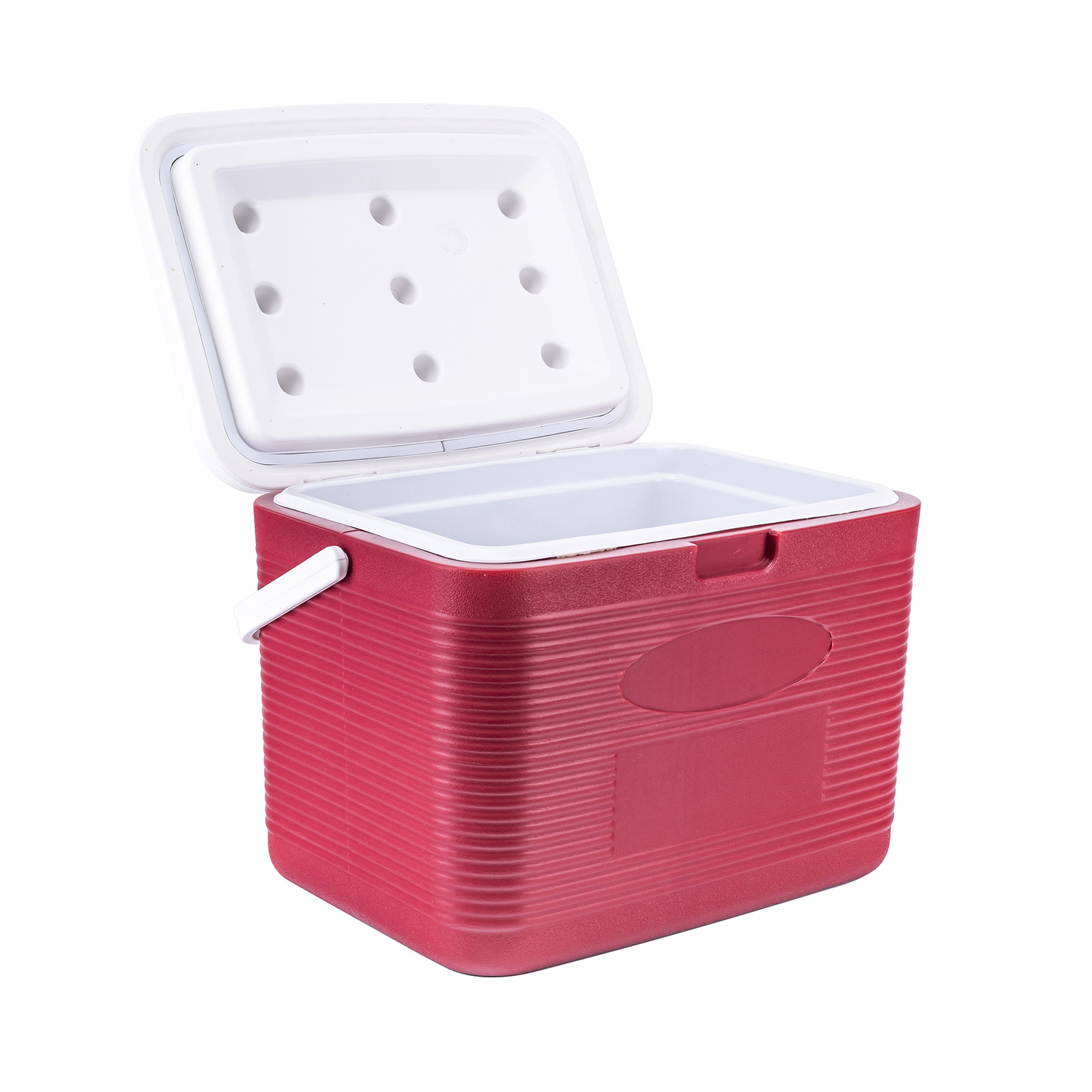
إطار عملي لاختيار مزود حاويات بلاستيكية مموجة متغيرة المرحلة لتغليف اللحوم
The right phase change corrugated plastic container is not the model with the longest feature list. إنه النموذج الذي تكون حدوده مرئية ويمكن التحكم فيها. إن الغلاف البلاستيكي المموج ومادة تغيير الطور هما أجزاء منفصلة من النظام السلبي. لا يتم التحكم في درجة حرارة الحاوية حتى يتم تحديد العبوة الكاملة, تم اختباره, مراقبة, وتشغيلها بشكل صحيح. يجمع الإطار أدناه بين التصميم, شراء, تصديق, والضوابط التشغيلية في مسار قرار واحد.
تحديد الوظيفة, عواقب, والخطوط الحمراء
اكتب مهمة تغيير طور الحاوية البلاستيكية المموجة في جملة واحدة: حماية وتنظيم اللحوم الطازجة المختومة, اللحوم المصنعة المبردة, عبوات اللحوم المجمدة, عينات الاختبار, ومنتجات البروتين المعبأة بشكل ثانوي أثناء التحرك خلال تبريد المنتج, تكييف بي سي ام, تجميع الحزمة, تنظيم الغرفة الباردة, ينقل, تلقي, مراجعة البيانات, تنظيف, وتجديد PCM. ثم اكتب ما لا ينبغي افتراض القيام به. اعتمادا على الطريق, والتي قد تشمل العقم, الموافقة على ملامسة الطعام, احتواء التسرب, تغليف البضائع الخطرة, أو التحكم في درجة الحرارة. يمنع هذا الحد المكون من سطرين المشروع من تجميع التوقعات غير المتوافقة تحت اسم منتج واحد.
رتب العواقب الموثوقة للحركة السلبية التي يتم التحكم في درجة حرارتها لمنتجات اللحوم المختومة باستخدام غلاف بلاستيكي مموج وعبوة قائمة على PCM. ضع في اعتبارك تلف المنتج, تلوث, التراص غير المستقر, إصابة العامل, التتبع المفقود, تأخر الاستلام, رحلة حرارية, رفض الطريق, وفقدان الأصول القابلة لإعادة الاستخدام. إن النتيجة الأعلى ليست دائمًا الحدث الأكثر تكرارًا. المواصفات العملية تعطي الأولوية لمزيج الخطورة, احتمالية, وإمكانية الاكتشاف بدلاً من الميزة الأسهل في الاقتباس.
ضع خطوطًا حمراء قبل مقارنة الموردين. قد يكون الخط الأحمر عبارة عن مدة حرارية غير مدعومة, لا يوجد تتبع المواد, مفصل غير قابل للتنظيف, لا يوجد إشعار تغيير الإنتاج, مكدس تحميل مختلط غير مستقر, أو تصميم لا يمكن إعادته اقتصاديًا. تعمل الخطوط الحمراء على تسريع القائمة المختصرة لأنها تفصل عدم اليقين غير المؤهل عن الميزات التي يمكن تحسينها لاحقًا. من أجل الحركة السلبية التي يتم التحكم في درجة حرارتها لمنتجات اللحوم المختومة باستخدام غلاف بلاستيكي مموج وعبوة قائمة على PCM, decide what control addresses the failure mode 'وضع كمادات باردة جدًا على اللحوم المبردة'.
قم ببناء مواصفات المتطلبات المكونة من خمس كتل
بناء المواصفات في خمس كتل: حمولة, هندسة, بيئة, عملية, والأدلة. الحمولة تغطي الأبعاد, وزن, هشاشة, اتصال, وحساسية درجة الحرارة. تغطي الهندسة المساحة القابلة للاستخدام, إنهاء, كومة, التعامل, والواجهات. البيئة تغطي الوقت, درجة حرارة, رُطُوبَة, المواد الكيميائية, والأشعة فوق البنفسجية. العملية تغطي التعبئة, ينقل, تنظيف, يعود, والتقاعد. الأدلة تغطي الرسومات, تصريحات, الاختبارات, تقتيش, وتغيير السيطرة. يجب أن تجعل المواصفات الخاضعة للرقابة أيضًا تعليمات التكييف مرئية.
ترجمة مناقشة التصميم إلى الميزات التي تهم هنا: صلابة اللوحة, سلامة مفصل الزاوية, احتباس الخطوط الملاحية المنتظمة, تصميم جيب PCM, ضغط الغطاء, ودعم المكدس. لكل ميزة, سجل الفائدة المقصودة والأثر الجانبي المحتمل. قد تعمل فتحة التهوية على تحسين تدفق الهواء ولكنها تقلل من الاحتواء. قد يؤدي الاستدقاق إلى تحسين التعشيش ولكنه يقلل من الحجم. قد تتحكم الحشية في التسرب ولكنها تضيف التنظيف والاستبدال. قد يؤدي الإدخال المعزول إلى تحسين الأداء الحراري ولكنه يقلل من الحمولة ويعقد التحميل. تطبيق المتطلبات على الحركة السلبية الفعلية المُدارة بدرجة الحرارة لمنتجات اللحوم المختومة باستخدام غلاف بلاستيكي مموج وسير عمل التغليف القائم على PCM.
اجعل الأسئلة المادية محددة بنفس القدر: راتنج القشرة المموج, العزل, وثائق صياغة PCM, غلاف أو غلاف PCM, المتانة الباردة والرطبة, وفصل الاتصال الغذائي. اطلب دليل المنتج النهائي الذي يطابق المطالبة. يدعم اسم الراتنج تحديد المواد; فإنه لا يثبت العروة, المفصلي, لحام, ختم الحافة, ملصق, أو غطاء مجمعة. على نفس المنوال, الرسم الأبعاد يدعم الملاءمة; لا يؤسس حياة المكدس, تسرب, قابلية التنظيف, أو ملف تعريف درجة الحرارة. قم بتوثيق كيفية معالجة التصميم لوضع الفشل المدرج: نقلا عن عقد الوقت دون شروط الاختبار.
كتابة ملخص الحاوية البلاستيكية المموجة لتغيير المرحلة لتغليف اللحوم
يجب وصف الحاوية البلاستيكية المموجة ذات الطور المتغير حسب الوظيفة, وليس بالصفات. قد تشمل وظائفها التي تم التحقق منها الحمل, تكديس, التعشيش أو للطي, مقاومة التعامل المحدد, التسميات الداعمة, قبول إدراجات, وتقديم الأسطح للتنظيف. مطالبات مثل ماء, طبي, درجة الغذاء, الأدوية, حراري, أو التحكم في درجة الحرارة يتطلب تعريفات وأدلة إضافية. لا ينبغي أبدًا السماح للمصطلح بأن يشير ضمنًا إلى موافقة النظام على نطاق أوسع مما يستطيع المورد إثباته.
تتطلب تطبيقات الأغذية دليلاً على حالة الاتصال والنقل المقصودة. نحن. تتناول قواعد النقل الصحي ممارسات الأطراف في سلسلة النقل, وتتناول ضوابط الاتصال الغذائي في الاتحاد الأوروبي التركيب البلاستيكي وهجرة المواد المعمول بها. لا يزال المشترون بحاجة إلى تأكيد البناء النهائي, إضافات, طريقة التنظيف, نوع الطعام, درجة حرارة, ومتطلبات الوجهة. لمشروع تعبئة اللحوم هذا, قم بتسجيل شروط القبول ذات الصلة على الحاوية البلاستيكية المموجة المعتمدة على تغيير الطور.
استخدم المعايير كأدوات داخل خطة الأدلة. ضغط, تكديس, اهتزاز, يسقط, ويمكن للملفات التعريفية الحرارية أن تجعل نتائج الموردين قابلة للمقارنة عند أخذ العينة, حمولة, تكييف, ومعايير القبول هي نفسها. الاسم القياسي في الكتيب ليس كافيًا, والنتيجة الناجحة لا تضمن مسارًا مختلفًا. المشتري's quality or engineering team should decide how the test supports the intended use. قم بتوصيل المتطلبات بضغط الغطاء والحمولة التمثيلية.
| بوابة | سؤال الموافقة | الحد الأدنى من الإخراج | مالك |
|---|---|---|---|
| 1. استخدام الحالة | ما هي الوظيفة والحدود المحددة? | ملخص المتطلبات المعتمدة | العمليات والجودة |
| 2. تصميم | هل العينة مناسبة وتتعامل مع الحمولة? | مراجعة الرسم والعينات | هندسة |
| 3. شهادة | هل المطالبات مرتبطة بشروط الاختبار؟? | التقارير والوثائق المادية | جودة |
| 4. طيار | هل يعمل في الحلقة الفعلية? | السجل التجريبي وقائمة القضايا المفتوحة | العمليات |
| 5. إنتاج | هل الإنتاج مطابق للعينة المعتمدة؟? | خطة التفتيش ومراقبة التغيير | المشتريات والموردين |
| 6. دورة الحياة | كيف يتم التنظيف, بصلح, خسارة, والتحكم في التقاعد? | SOP والمقاييس الخاصة بالأسطول | صاحب البرنامج |
قم بمعالجة كل بوابة للحركة السلبية التي يتم التحكم فيها بدرجة الحرارة لمنتجات اللحوم المختومة باستخدام غلاف بلاستيكي مموج وعبوة قائمة على PCM كسجل قرار. التقدم فقط عندما يكون المالك, شهادة, وتكون المخاطر التي لم يتم حلها مرئية للفريق متعدد الوظائف.
اتخذ قرارًا منفصلاً للتحكم الحراري
قرر أولاً ما إذا كان التحكم في درجة الحرارة ينتمي إلى مشروع الصندوق. إذا كانت السيارة أو الغرفة توفر بالفعل تحكمًا موثوقًا به وكانت الحمولة محمية خلال كل عملية تسليم, قد يحتاج الصندوق فقط إلى تدفق الهواء والتوافق الميكانيكي. إذا كانت هناك ثغرات, بطانة معزولة, برودة, غطاء البليت, حزمة هلام مكيفة, حزمة PCM, نظام الثلج الجاف, أو قد تكون هناك حاجة إلى حل نشط. يجب أن تتبع الإجابة مواصفات المنتج ومخاطر المسار. من أجل الحركة السلبية التي يتم التحكم في درجة حرارتها لمنتجات اللحوم المختومة باستخدام غلاف بلاستيكي مموج وعبوة قائمة على PCM, تحقق من ملف التعريف المحيط وموقع المسجل ضمن الحمولة المعلنة وملف التعريف المحيط.
إذا كانت الحماية السلبية مطلوبة, تحديد النطاق الخاص بالمنتج, نقطة انتقال PCM, بروتوكول التكييف, كتلة PCM وموضعها, استمرارية العزل, والملف الشخصي المحيط وموقع المسجل قبل تحديد المكونات. يجب أن يأخذ التصميم في الاعتبار درجة حرارة بدء الحمولة, مساحة فارغة, الجسور العازلة, تكييف المبرد, فصل المنتج, التعرض المحيطي, والفتح. وأي تغيير في هذه المتغيرات يمكن أن يغير الأداء. مورد's tested configuration is useful only when the proposed packout is genuinely comparable. احتفظ بالمطالبة مشروطة حتى يغطي التكوين الذي تم اختباره استمرارية العزل.
يخدم التأهيل والمراقبة الروتينية أغراضًا مختلفة. يحدد اختبار التطوير ما إذا كانت الحزمة الخاضعة للرقابة يمكنها تلبية معيار القبول ضمن ملف تعريف محدد. تتحقق مراقبة الطريق مما حدث أثناء الاستخدام. يمكن للمسجل أن يدعم الإصدار أو التحقيق, but it cannot compensate for a missing coolant pack, حمولة دافئة, غطاء مفتوح, أو طريق غير مؤهل. يجب أن يربط تلقي التعليمات البيانات بعملية اتخاذ قرار واضحة. يجب أن تجعل تعليمات التشغيل كتلة PCM وموضعها واضحًا للرازمين والمستقبلات.
استخدم التسلسل الهرمي للأدلة لوضع قائمة مختصرة للموردين
قم بإدراج مقدم الخدمة حسب جودة الأدلة التي يقدمها. طلب رسم معتمد, إعلان مادي, تقرير البعد الحرج, عينة نية الإنتاج, تقارير الاختبار ذات الصلة, تعليمات التنظيف أو التعبئة والتغليف, تحديد الدفعة, وشروط التحكم في التغيير. لهذا التطبيق, قم أيضًا بمراجعة الوثائق الفنية لـ PCM, تعليمات التكييف, رسم الحزمة, شروط تقرير الاختبار, إمكانية تتبع الدفعة, وتغيير الإخطار. يجب أن تحدد المستندات التكوين والشروط, لا مجرد تكرار مطالبة التسويق. تعامل مع إمكانية تتبع الدفعة كجزء من حزمة الأدلة, وليس ضمانا لفظيا.
استخدم التسلسل الهرمي للأدلة. البيان اللفظي هو الأدنى. تعتبر ورقة البيانات العامة أفضل ولكنها قد لا تتطابق مع التجميع. اختبار المورد على التكوين المقترح أقوى. قد يضيف تقرير المختبر المستقل أو المعتمد الثقة عندما تكون الطريقة والعينة ذات صلة. The highest practical evidence is a controlled pilot in the buyer's route, مدعومة بوحدات إنتاج يمكن تتبعها وخطة للتفتيش المستمر. يجب أن تحدد مراجعة المورد كيفية التحكم في شروط تقرير الاختبار بعد التوسع.
تحدي أوضاع الفشل مباشرة: اختيار PCM حسب اللون أو الاسم, باستخدام حزم غير مشروطة, وضع كمادات باردة جدًا على اللحوم المبردة, تجاهل اختلاف الحمولة, ونقلا عن وقت الانتظار دون شروط الاختبار. اسأل عن ميزة التصميم التي تمنع كل حدث, كيف تم اختبار هذه الميزة, وكيف تحافظ عليه فحوصات الإنتاج. إذا لم يتمكن المورد من الإجابة, تحويل عدم اليقين إلى اختبار عينة أو إزالة المطالبة من المواصفات. وهذا يبقي المفاوضات التجارية مرتبطة بالمخاطر بدلاً من عدد الميزات. يجب أن يجعل ملف الشراء رسم الحزمة قابلاً للتتبع.
التحكم في العودة والأسطول للحاويات البلاستيكية المموجة التي تتغير المرحلة
استخدم أربع بوابات موافقة. البوابة الأولى مناسبة: حمولات الحمولة, يغلق, يفرغ, وتبقى قابلة للتحديد. يتم التحكم في البوابة الثانية: ميكانيكية, تنظيف, تسرب, أو تعالج التجارب الحرارية المخاطر المحددة. البوابة الثالثة هي طيار تشغيلي: يستخدم الموظفون العاديون وحدات غرض الإنتاج من خلال الحلقة الكاملة. البوابة الرابعة هي إصدار الإنتاج: يُظهر الفحص الوارد والتحكم في التغيير أن الوحدات المقاسة تتوافق مع التصميم المعتمد. يجب على الطيار أن يتتبع عملية التخلص من العبوات التالفة كمتغير في دورة الحياة.
يجب أن يتضمن السجل التجريبي استثناءات, ليس فقط المتوسطات. لاحظ الأحمال الأثقل والأخف, فتحات صعبة, عوائد رطبة, تأخر التسليم, أكوام مختلطة, الملحقات المفقودة, ضرر, إعادة غسل, وأي رحلة درجة الحرارة. تكشف الاستثناءات عن هامش التصميم وفجوات التدريب. يمكن للبرنامج الذي يسجل الرحلات الناجحة فقط أن يقيس نقاط الضعف الخفية. لهذا البرنامج تغليف اللحوم, تضمين طاقة التكييف في نموذج التشغيل.
بعد الإطلاق, إدارة الحاوية كأصل. قم بتعيين المعرفات عند الاقتضاء, سجل أسباب الضرر, مكونات منفصلة قابلة للإصلاح, تحديد حالة الغسيل والتفتيش, الحفاظ على المخزون البديل, وتقاعد الوحدات غير الآمنة. قم بمراجعة البيانات الميدانية قبل الموافقة على تغييرات المورد أو المكونات. التحكم في دورة الحياة هو الخطوة التي تحول الفكرة القابلة لإعادة الاستخدام إلى برنامج يمكن الاعتماد عليه. يجب أن توضح مراجعة الأسطول كيف يؤثر فصل الغلاف والبطانة على التكلفة والموثوقية.
استبدل خمسة افتراضات باهظة الثمن بالدليل
الافتراض واحد: الحجم المذكور يساوي مساحة الحمولة. ولا يجوز بعد تفتق, الأغطية, المقسمات, العزل, والمبرد. الافتراض الثاني: اسم المادة يثبت الأداء. لا يثبت الهندسة النهائية. الافتراض الثالث: يغطي تصنيف المكدس كل مدة ودرجة حرارة. قد يأتي من اختبار مختلف. يجب استبدال كل افتراض برسم, عينة, وحالة الاختبار ذات الصلة. من أجل الحركة السلبية التي يتم التحكم في درجة حرارتها لمنتجات اللحوم المختومة باستخدام غلاف بلاستيكي مموج وعبوة قائمة على PCM, decide what control addresses the failure mode 'وضع كمادات باردة جدًا على اللحوم المبردة'.
الافتراض الرابع: التنسيق القابل لإعادة الاستخدام يكون مستدامًا تلقائيًا. مسافة العودة, خسارة, تنظيف, بصلح, وطريق التقاعد يحدد النتيجة. الافتراض الخامس: ملصق حراري يثبت التحكم في درجة الحرارة. النظام الكامل, شروط البداية, ملف تعريف المحيط, عبوة, وانضباط التشغيل يحدد النتيجة. هذه الافتراضات باهظة الثمن لأنها عادةً ما تفشل بعد شراء الأدوات أو الأسطول. Do not close the review until evidence or a process control addresses the failure mode 'تجاهل اختلاف الحمولة'.
العلامات التحذيرية الخاصة بالمشروع هي اختيار PCM حسب اللون أو الاسم, باستخدام حزم غير مشروطة, وضع كمادات باردة جدًا على اللحوم المبردة, تجاهل اختلاف الحمولة, ونقلا عن وقت الانتظار دون شروط الاختبار. ضعهم في القائمة المرجعية لمراجعة العينات. من المرجح أن يمسك بهم فريق متعدد الوظائف بسبب العمليات, جودة, هندسة, الصرف الصحي, والخدمات اللوجستية ترى أجزاء مختلفة من المخاطر. يجب أن تكون القائمة المرجعية قصيرة, المملوكة, ومرتبطة بالتصرف: يقبل, يراجع, امتحان, الحجر الصحي, أو رفض. The supplier discussion should connect the failure mode 'نقلا عن عقد الوقت دون شروط الاختبار' to a feature, امتحان, والتصرف.
قم بتشغيل ورشة عمل نموذجية متعددة الوظائف
يمكن إكمال ورشة عمل متعددة الوظائف للحركة السلبية التي يتم التحكم فيها بدرجة الحرارة لمنتجات اللحوم المختومة باستخدام غلاف بلاستيكي مموج وعبوة قائمة على PCM حول عينة واحدة لغرض الإنتاج. ضع الحمولة التمثيلية, تسميات, حطام, المكونات الحرارية إذا لزم الأمر, وأدوات المناولة على الطاولة. اطلب من العمليات حزمها, اللوجستية لنقلها وتكديسها, الجودة لفحص الأدلة, والصرف الصحي لتنظيفه وتجفيفه. سجل حيث تعتمد العملية على الحكم أو الحل البديل.
ثم قم بمحاكاة انحراف موثوق: تسليم متأخر, تحميل جزئي, العودة الرطبة, تأثير بارد, غطاء مفقود, أو تفتيش غير متوقع. يجب على الفريق أن يقرر ما إذا كان التصميم يحتوي على الحدث, ما إذا كانت الحالة قابلة للاكتشاف, وما هي التعليمات التالية. يكشف هذا التمرين غالبًا عن متطلبات أكثر فائدة من مطالبة عامة أخرى بالمتانة. أثناء التمرين, انتبه خصيصًا لوضع الفشل المدرج: اختيار PCM حسب اللون أو الاسم.
قم بإغلاق ورشة العمل بالإجراءات المسماة, نقاط الرسم المعدلة, الاختبارات, أصحاب, ومواعيد القبول. يتلقى المورد قائمة خاضعة للرقابة بدلاً من التعليقات المتضاربة من الأقسام المختلفة. عندما تصل العينة التالية, يمكن لنفس الفريق التحقق من التغييرات وتحديد ما إذا كان التصميم جاهزًا لطيار المسار. Use the scenario to decide how the team will respond to the failure mode 'باستخدام حزم غير مشروطة'.
الأسئلة المتداولة
ما هي الوثيقة الأولى التي يجب تحضيرها قبل الاتصال بمزود حاويات بلاستيكية مموجة متغيرة الطور لتغليف اللحوم?
قم بإعداد ملخص حالة الاستخدام الموجز الذي يغطي الحمولة, أبعاد قابلة للاستخدام, الحمولة القصوى, طريق, التعرض البيئي, التعامل, تنظيف, يعود, تعريف, وأي متطلبات درجة الحرارة. أضف المطالبات التي يجب دعمها والشروط التي من شأنها عدم أهلية التصميم. وهذا يعطي الموردين أساسًا مشتركًا لعرض الأسعار. لهذا المشروع, الحفاظ على إمكانية تتبع الدفعة إلى العينة المعتمدة.
كيف يمكنني فصل متطلبات الصندوق عن متطلبات سلسلة التبريد؟?
تعيين التعامل الميكانيكي, تكديس, إنهاء, صحة, وتحديد الهوية إلى الصندوق. تعيين العزل, المبردات, التبريد النشط, عبوة, الشروط المسبقة, يراقب, والتأهيل الحراري لنظام التحكم في درجة الحرارة. يجب أن تتفاعل بشكل صحيح, ولكن لا يجوز استخدام أحدهما كدليل على الآخر. لمشروع تعبئة اللحوم هذا, قم بتأكيد الإجابة على عينة غرض الإنتاج بدلاً من افتراض تكافؤ الكتالوج.
أي دليل المورد يجب أن يحمل أكبر قدر من الوزن?
إعطاء وزن أكبر للرسومات الخاصة بالتكوين, الوثائق المادية, عينات نية الإنتاج, تقارير الاختبار مع الشروط الكاملة, وطريق تجريبي ناجح بدلاً من الكتيبات العامة. يمكن للاختبار المستقل أن يضيف الثقة عندما تكون الطريقة والعينة ذات صلة. يعد التحكم في التغيير أمرًا ضروريًا حتى تظل الأدلة مرتبطة بالإنتاج. لهذا المشروع, احتفظ بالوثائق الفنية لـ PCM التي يمكن تتبعها إلى العينة المعتمدة.
كم عدد العينات المطلوبة قبل شراء الأسطول?
لا يوجد رقم عالمي. استخدم عينات كافية للتحقق من ملاءمتها, تباين الإنتاج, التعامل, تنظيف, وطرق الفشل ذات المصداقية. يجب أن يشتمل البرنامج التجريبي على وحدات غرض الإنتاج والمشغلين العاديين. يجب أن تكون خطة العينة قائمة على المخاطر ومتفق عليها من قبل الهندسة أو الجودة بدلاً من اختيارها من أجل الراحة فقط. اعتمد القرار على الأوضاع المحيطة الساخنة والباردة ضمن المسار والحمل المقصودين.
ماذا يجب أن يحدث بعد دخول الحاوية إلى الخدمة؟?
تحديد التحكم, حالة التنظيف, تقتيش, بصلح, استبدال الملحقات, ترميز الضرر, خسارة, والتقاعد. مراجعة البيانات الميدانية وتغييرات الموردين بشكل دوري. تظل العبوة القابلة لإعادة الاستخدام موثوقة فقط عندما يحافظ نظام التشغيل على الحالة والتكوين الذي تمت الموافقة عليه في الأصل. لمشروع تعبئة اللحوم هذا, قم بتأكيد الإجابة على عينة غرض الإنتاج بدلاً من افتراض تكافؤ الكتالوج.
القرار النهائي
حدد مزود حاوية بلاستيكية مموجة متغيرة الطور لتغليف اللحوم من خلال تسلسل متحكم فيه: تحديد الوظيفة والخطوط الحمراء, التحقق من الأدلة الهندسية والمادية القابلة للاستخدام, تحديد ما إذا كانت هناك حاجة للتحكم الحراري, اختبار أوضاع الفشل ذات الصلة, تجربة حلقة التشغيل الكاملة, والحفاظ على التصميم المعتمد من خلال التفتيش ومراقبة التغيير. اجعل كل مطالبة مرتبطة بشروطها وصاحبها.
حول Tempk
Tempk supplies cold-chain packaging components such as gel packs, طوب الجليد, حزم PCM, بطانات وأكياس معزولة, EPP والصناديق المعزولة الأخرى, صناديق الشحن الباردة, وأغطية البليت الحرارية. هنا, ينصب التركيز العملي على دعم اختيار PCM وحزمة الجل, بطانات معزولة, صناديق الشحن الباردة, وتخطيط العبوات لشحنات اللحوم. المتطلبات الخاصة بالمنتج, تأهيل الطريق, وتظل مراجعة جودة العميل هي الأساس لأي اختيار نهائي.
اطلب مراجعة عملية
لإجراء مراجعة متكاملة للحاويات وسلسلة التبريد, مشاركة شكل اللحوم, النطاق المطلوب, حمولة, ملف تعريف الطريق, وتكييف الموارد لمناقشة الحزمة السلبية القابلة للاختبار.
اختيار موزع الصناديق البلاستيكية Nestable للتخزين اللوجستي: إطار عملي
إطار عمل عملي لاختيار موزع الصناديق البلاستيكية المستقر للتخزين اللوجستي
الطريقة الأكثر أمانًا لوضع قائمة مختصرة للموزع هي البدء بمخاطر التشغيل, ثم العمل إلى الوراء إلى الهندسة, مواد, اختبار, وضوابط الجودة. يوفر الصندوق القابل للتعشيش المساحة فقط عندما يكون من الممكن دمج الأسطول الحقيقي بشكل متسق, بأمان, وبدون ضرر على الملصق أو الحافة. يجب التحقق من مطالبات تداخل الكتالوج في سير العمل الفعلي للمشتري. يجمع الإطار أدناه بين التصميم, شراء, تصديق, والضوابط التشغيلية في مسار قرار واحد.
القرارات الهندسية في التخزين عالي الدوران, توزيع, اختيار النظام, والعودة الفارغة
Write the job of the nestable plastic crate in one sentence: حماية وتنظيم البضائع العامة, الإمدادات المعبأة, وحدات تجديد التجزئة, قطع غيار, والحزم الثانوية المحمية أثناء التحرك من خلال الاستقبال الوارد, تخزين الاحتياطي, اختيار, الفرز, إرسال, توصيل, مجموعة فارغة, تقتيش, وإعادة الانتشار. ثم اكتب ما لا ينبغي افتراض القيام به. اعتمادا على الطريق, والتي قد تشمل العقم, الموافقة على ملامسة الطعام, احتواء التسرب, تغليف البضائع الخطرة, أو التحكم في درجة الحرارة. يمنع هذا الحد المكون من سطرين المشروع من تجميع التوقعات غير المتوافقة تحت اسم منتج واحد.
رتب العواقب الموثوقة للتخزين عالي الدوران, توزيع, اختيار النظام, وعودة فارغة. ضع في اعتبارك تلف المنتج, تلوث, التراص غير المستقر, إصابة العامل, التتبع المفقود, تأخر الاستلام, رحلة حرارية, رفض الطريق, وفقدان الأصول القابلة لإعادة الاستخدام. إن النتيجة الأعلى ليست دائمًا الحدث الأكثر تكرارًا. المواصفات العملية تعطي الأولوية لمزيج الخطورة, احتمالية, وإمكانية الاكتشاف بدلاً من الميزة الأسهل في الاقتباس.
ضع خطوطًا حمراء قبل مقارنة الموردين. قد يكون الخط الأحمر عبارة عن مدة حرارية غير مدعومة, لا يوجد تتبع المواد, مفصل غير قابل للتنظيف, لا يوجد إشعار تغيير الإنتاج, مكدس تحميل مختلط غير مستقر, أو تصميم لا يمكن إعادته اقتصاديًا. تعمل الخطوط الحمراء على تسريع القائمة المختصرة لأنها تفصل عدم اليقين غير المؤهل عن الميزات التي يمكن تحسينها لاحقًا. للتخزين عالي الدوران, توزيع, اختيار النظام, وعودة فارغة, تحقق من النقطة بتسلسل الحمل والتعامل المقصود.
تحويل الهندسة والمواد إلى متطلبات يمكن التحقق منها
بناء المواصفات في خمس كتل: حمولة, هندسة, بيئة, عملية, والأدلة. الحمولة تغطي الأبعاد, وزن, هشاشة, اتصال, وحساسية درجة الحرارة. تغطي الهندسة المساحة القابلة للاستخدام, إنهاء, كومة, التعامل, والواجهات. البيئة تغطي الوقت, درجة حرارة, رُطُوبَة, المواد الكيميائية, والأشعة فوق البنفسجية. العملية تغطي التعبئة, ينقل, تنظيف, يعود, والتقاعد. الأدلة تغطي الرسومات, تصريحات, الاختبارات, تقتيش, وتغيير السيطرة. يجب أن يربط ملف المادة سلوك التأثير بالصندوق البلاستيكي المعتمد القابل للتعشيش.
ترجمة مناقشة التصميم إلى الميزات التي تهم هنا: هندسة تفتق والتعشيش, 180-درجة اتجاه المكدس والعش, حافة المشاركة, ميزات مكافحة المربى, المقابض, والتسميات الاستراحة. لكل ميزة, سجل الفائدة المقصودة والأثر الجانبي المحتمل. قد تعمل فتحة التهوية على تحسين تدفق الهواء ولكنها تقلل من الاحتواء. قد يؤدي الاستدقاق إلى تحسين التعشيش ولكنه يقلل من الحجم. قد تتحكم الحشية في التسرب ولكنها تضيف التنظيف والاستبدال. قد يؤدي الإدخال المعزول إلى تحسين الأداء الحراري ولكنه يقلل من الحمولة ويعقد التحميل. تأكيد إمكانية الإصلاح بعد التصنيع والتكييف البيئي.
اجعل الأسئلة المادية محددة بنفس القدر: سلوك التأثير, زحف تحت تخزين طويل, مقاومة للأشعة فوق البنفسجية للتعرض للفناء, ترميز الألوان, اتساق المحتوى المعاد تدويره, وقابلية الإصلاح. اطلب دليل المنتج النهائي الذي يطابق المطالبة. يدعم اسم الراتنج تحديد المواد; فإنه لا يثبت العروة, المفصلي, لحام, ختم الحافة, ملصق, أو غطاء مجمعة. على نفس المنوال, الرسم الأبعاد يدعم الملاءمة; لا يؤسس حياة المكدس, تسرب, قابلية التنظيف, أو ملف تعريف درجة الحرارة. يجب أن توضح عينة الإنتاج مدى تأثير اتساق المحتوى المعاد تدويره على استخدامه في عمليات التخزين اللوجستية.
ما يمكن للحاوية إثباته وما لا يمكنها إثباته
يجب وصف الصندوق البلاستيكي القابل للتعشيش حسب الوظيفة, وليس بالصفات. قد تشمل وظائفها التي تم التحقق منها الحمل, تكديس, التعشيش أو للطي, مقاومة التعامل المحدد, التسميات الداعمة, قبول إدراجات, وتقديم الأسطح للتنظيف. مطالبات مثل ماء, طبي, درجة الغذاء, الأدوية, حراري, أو التحكم في درجة الحرارة يتطلب تعريفات وأدلة إضافية. لا ينبغي أبدًا السماح للمصطلح بأن يشير ضمنًا إلى موافقة النظام على نطاق أوسع مما يستطيع المورد إثباته.
تعتبر معايير التعبئة والتغليف مفيدة للغاية عندما تكون مرتبطة بمخاطر توزيع محددة. ضغط, تكديس, اهتزاز, تأثير, وطرق الإسقاط يمكن أن تدعم القرار, ولكن التكوين شغلها, تكييف, مدة, اتجاه التحميل, وقاعدة القبول تحدد ما تثبته النتيجة فعليا. استخدم اختبارات مسح الملصقات إذا كانت تمثل مخاطر التشغيل المقصودة.
استخدم المعايير كأدوات داخل خطة الأدلة. ضغط, تكديس, اهتزاز, يسقط, ويمكن للملفات التعريفية الحرارية أن تجعل نتائج الموردين قابلة للمقارنة عند أخذ العينة, حمولة, تكييف, ومعايير القبول هي نفسها. الاسم القياسي في الكتيب ليس كافيًا, والنتيجة الناجحة لا تضمن مسارًا مختلفًا. المشتري's quality or engineering team should decide how the test supports the intended use. قم بتطبيق النقطة على الصندوق البلاستيكي المعتمد في المستودعات ذات معدل دوران مرتفع, توزيع, اختيار النظام, وعودة فارغة.
| بوابة | سؤال الموافقة | الحد الأدنى من الإخراج | مالك |
|---|---|---|---|
| 1. استخدام الحالة | ما هي الوظيفة والحدود المحددة? | ملخص المتطلبات المعتمدة | العمليات والجودة |
| 2. تصميم | هل العينة مناسبة وتتعامل مع الحمولة? | مراجعة الرسم والعينات | هندسة |
| 3. شهادة | هل المطالبات مرتبطة بشروط الاختبار؟? | التقارير والوثائق المادية | جودة |
| 4. طيار | هل يعمل في الحلقة الفعلية? | السجل التجريبي وقائمة القضايا المفتوحة | العمليات |
| 5. إنتاج | هل الإنتاج مطابق للعينة المعتمدة؟? | خطة التفتيش ومراقبة التغيير | المشتريات والموردين |
| 6. دورة الحياة | كيف يتم التنظيف, بصلح, خسارة, والتحكم في التقاعد? | SOP والمقاييس الخاصة بالأسطول | صاحب البرنامج |
معالجة كل بوابة للتخزين عالي الدوران, توزيع, اختيار النظام, والعودة فارغة كسجل القرار. التقدم فقط عندما يكون المالك, شهادة, وتكون المخاطر التي لم يتم حلها مرئية للفريق متعدد الوظائف.
حدود النظام الحراري للتخزين عالي الدوران, توزيع, اختيار النظام, والعودة الفارغة
قرر أولاً ما إذا كان التحكم في درجة الحرارة ينتمي إلى مشروع الصندوق. إذا كانت السيارة أو الغرفة توفر بالفعل تحكمًا موثوقًا به وكانت الحمولة محمية خلال كل عملية تسليم, قد يحتاج الصندوق فقط إلى تدفق الهواء والتوافق الميكانيكي. إذا كانت هناك ثغرات, بطانة معزولة, برودة, غطاء البليت, حزمة هلام مكيفة, حزمة PCM, نظام الثلج الجاف, أو قد تكون هناك حاجة إلى حل نشط. يجب أن تتبع الإجابة مواصفات المنتج ومخاطر المسار. ولذلك يجب أن يوثق الملف الحراري التوافق مع البطانات الحرارية القابلة للإزالة فقط عند الحاجة للحزمة المحددة.
إذا كانت الحماية السلبية مطلوبة, تحديد التوافق مع البطانات الحرارية القابلة للإزالة فقط عند الحاجة, تدفق الهواء حول البضائع المبردة, مراقبة وضع الممرات الحساسة لدرجة الحرارة, وتجنب المطالبات العامة بسلسلة التبريد قبل اختيار المكونات. يجب أن يأخذ التصميم في الاعتبار درجة حرارة بدء الحمولة, مساحة فارغة, الجسور العازلة, تكييف المبرد, فصل المنتج, التعرض المحيطي, والفتح. وأي تغيير في هذه المتغيرات يمكن أن يغير الأداء. مورد's tested configuration is useful only when the proposed packout is genuinely comparable. للتخزين عالي الدوران, توزيع, اختيار النظام, وعودة فارغة, التحقق من تجنب مطالبات سلسلة التبريد العامة بموجب الحمولة الصافية المذكورة والملف المحيطي.
يخدم التأهيل والمراقبة الروتينية أغراضًا مختلفة. يحدد اختبار التطوير ما إذا كانت الحزمة الخاضعة للرقابة يمكنها تلبية معيار القبول ضمن ملف تعريف محدد. تتحقق مراقبة الطريق مما حدث أثناء الاستخدام. يمكن للمسجل أن يدعم الإصدار أو التحقيق, but it cannot compensate for a missing coolant pack, حمولة دافئة, غطاء مفتوح, أو طريق غير مؤهل. يجب أن يربط تلقي التعليمات البيانات بعملية اتخاذ قرار واضحة. احتفظ بالمطالبة مشروطة حتى يغطي التكوين الذي تم اختباره موضع الشاشة للممرات الحساسة لدرجة الحرارة.
الأدلة التي يجب طلبها قبل الموافقة التجارية
قم بوضع قائمة مختصرة للموزع حسب جودة أدلته. طلب رسم معتمد, إعلان مادي, تقرير البعد الحرج, عينة نية الإنتاج, تقارير الاختبار ذات الصلة, تعليمات التنظيف أو التعبئة والتغليف, تحديد الدفعة, وشروط التحكم في التغيير. لهذا التطبيق, قم أيضًا بمراجعة توفر المخزون الإقليمي, استمرارية اللون والنموذج, إمدادات الغيار, اتفاقية الجودة, عملية إرجاع الضرر, وتغيير السيطرة. يجب أن تحدد المستندات التكوين والشروط, لا مجرد تكرار مطالبة التسويق. لهذا المشروع, ربط اتفاقية الجودة بالرسم والعينة المعتمدة.
استخدم التسلسل الهرمي للأدلة. البيان اللفظي هو الأدنى. تعتبر ورقة البيانات العامة أفضل ولكنها قد لا تتطابق مع التجميع. اختبار المورد على التكوين المقترح أقوى. قد يضيف تقرير المختبر المستقل أو المعتمد الثقة عندما تكون الطريقة والعينة ذات صلة. The highest practical evidence is a controlled pilot in the buyer's route, مدعومة بوحدات إنتاج يمكن تتبعها وخطة للتفتيش المستمر. تعامل مع الإمدادات الاحتياطية كجزء من حزمة الأدلة, وليس ضمانا لفظيا.
تحدي أوضاع الفشل مباشرة: تشويش الصناديق عند تداخلها, العمال تكديسهم في الاتجاه الخاطئ, ارتداء الحافة الذي يزعزع استقرار المداخن, معرفات الأسطول غير قابلة للقراءة, والشراء فقط على سعر الوحدة. اسأل عن ميزة التصميم التي تمنع كل حدث, كيف تم اختبار هذه الميزة, وكيف تحافظ عليه فحوصات الإنتاج. إذا لم يتمكن المورد من الإجابة, تحويل عدم اليقين إلى اختبار عينة أو إزالة المطالبة من المواصفات. وهذا يبقي المفاوضات التجارية مرتبطة بالمخاطر بدلاً من عدد الميزات. يجب أن تحدد مراجعة المورد كيفية التحكم في استمرارية اللون والنموذج بعد التوسع.
قم بتجربة العملية قبل شراء الأسطول
استخدم أربع بوابات موافقة. البوابة الأولى مناسبة: حمولات الحمولة, يغلق, يفرغ, وتبقى قابلة للتحديد. يتم التحكم في البوابة الثانية: ميكانيكية, تنظيف, تسرب, أو تعالج التجارب الحرارية المخاطر المحددة. البوابة الثالثة هي طيار تشغيلي: يستخدم الموظفون العاديون وحدات غرض الإنتاج من خلال الحلقة الكاملة. البوابة الرابعة هي إصدار الإنتاج: يُظهر الفحص الوارد والتحكم في التغيير أن الوحدات المقاسة تتوافق مع التصميم المعتمد. استخدم السجلات الميدانية للتحقق مما إذا كان معدل الخسارة يدعم حالة العمل.
يجب أن يتضمن السجل التجريبي استثناءات, ليس فقط المتوسطات. لاحظ الأحمال الأثقل والأخف, فتحات صعبة, عوائد رطبة, تأخر التسليم, أكوام مختلطة, الملحقات المفقودة, ضرر, إعادة غسل, وأي رحلة درجة الحرارة. تكشف الاستثناءات عن هامش التصميم وفجوات التدريب. يمكن للبرنامج الذي يسجل الرحلات الناجحة فقط أن يقيس نقاط الضعف الخفية. يجب على الطيار تتبع تتبع الرحلة كمتغير لدورة الحياة.
بعد الإطلاق, إدارة الحاوية كأصل. قم بتعيين المعرفات عند الاقتضاء, سجل أسباب الضرر, مكونات منفصلة قابلة للإصلاح, تحديد حالة الغسيل والتفتيش, الحفاظ على المخزون البديل, وتقاعد الوحدات غير الآمنة. قم بمراجعة البيانات الميدانية قبل الموافقة على تغييرات المورد أو المكونات. التحكم في دورة الحياة هو الخطوة التي تحول الفكرة القابلة لإعادة الاستخدام إلى برنامج يمكن الاعتماد عليه. لبرنامج التخزين اللوجستي هذا, تضمين مكعب العودة الفارغة في نموذج التشغيل.
أوضاع الفشل المهمة في المستودعات ذات معدل الدوران المرتفع, توزيع, اختيار النظام, والعودة الفارغة
الافتراض واحد: الحجم المذكور يساوي مساحة الحمولة. ولا يجوز بعد تفتق, الأغطية, المقسمات, العزل, والمبرد. الافتراض الثاني: اسم المادة يثبت الأداء. لا يثبت الهندسة النهائية. الافتراض الثالث: يغطي تصنيف المكدس كل مدة ودرجة حرارة. قد يأتي من اختبار مختلف. يجب استبدال كل افتراض برسم, عينة, وحالة الاختبار ذات الصلة. Convert the failure mode 'العمال تكديسهم في الاتجاه الخاطئ' into an owned verification item.
الافتراض الرابع: التنسيق القابل لإعادة الاستخدام يكون مستدامًا تلقائيًا. مسافة العودة, خسارة, تنظيف, بصلح, وطريق التقاعد يحدد النتيجة. الافتراض الخامس: ملصق حراري يثبت التحكم في درجة الحرارة. النظام الكامل, شروط البداية, ملف تعريف المحيط, عبوة, وانضباط التشغيل يحدد النتيجة. هذه الافتراضات باهظة الثمن لأنها عادةً ما تفشل بعد شراء الأدوات أو الأسطول. للتخزين عالي الدوران, توزيع, اختيار النظام, وعودة فارغة, decide what control addresses the failure mode 'ارتداء الحافة الذي يزعزع استقرار المداخن'.
العلامات التحذيرية الخاصة بالمشروع هي الصناديق المزدحمة عند تداخلها, العمال تكديسهم في الاتجاه الخاطئ, ارتداء الحافة الذي يزعزع استقرار المداخن, معرفات الأسطول غير قابلة للقراءة, والشراء فقط على سعر الوحدة. ضعهم في القائمة المرجعية لمراجعة العينات. من المرجح أن يمسك بهم فريق متعدد الوظائف بسبب العمليات, جودة, هندسة, الصرف الصحي, والخدمات اللوجستية ترى أجزاء مختلفة من المخاطر. يجب أن تكون القائمة المرجعية قصيرة, المملوكة, ومرتبطة بالتصرف: يقبل, يراجع, امتحان, الحجر الصحي, أو رفض. Do not close the review until evidence or a process control addresses the failure mode 'معرفات الأسطول غير قابلة للقراءة'.
عينة واحدة يمكنها محاذاة العمليات, جودة, والهندسة
ورشة عمل متعددة الوظائف للتخزين عالي الدوران, توزيع, اختيار النظام, ويمكن إكمال الإرجاع الفارغ حول عينة واحدة لغرض الإنتاج. ضع الحمولة التمثيلية, تسميات, حطام, المكونات الحرارية إذا لزم الأمر, وأدوات المناولة على الطاولة. اطلب من العمليات حزمها, اللوجستية لنقلها وتكديسها, الجودة لفحص الأدلة, والصرف الصحي لتنظيفه وتجفيفه. سجل حيث تعتمد العملية على الحكم أو الحل البديل.
ثم قم بمحاكاة انحراف موثوق: تسليم متأخر, تحميل جزئي, العودة الرطبة, تأثير بارد, غطاء مفقود, أو تفتيش غير متوقع. يجب على الفريق أن يقرر ما إذا كان التصميم يحتوي على الحدث, ما إذا كانت الحالة قابلة للاكتشاف, وما هي التعليمات التالية. يكشف هذا التمرين غالبًا عن متطلبات أكثر فائدة من مطالبة عامة أخرى بالمتانة. استخدم طيار الأسطول إذا كان يمثل مخاطر التشغيل المقصودة.
قم بإغلاق ورشة العمل بالإجراءات المسماة, نقاط الرسم المعدلة, الاختبارات, أصحاب, ومواعيد القبول. يتلقى المورد قائمة خاضعة للرقابة بدلاً من التعليقات المتضاربة من الأقسام المختلفة. عندما تصل العينة التالية, يمكن لنفس الفريق التحقق من التغييرات وتحديد ما إذا كان التصميم جاهزًا لطيار المسار. قم بتطبيق النقطة على الصندوق البلاستيكي المعتمد في المستودعات ذات معدل دوران مرتفع, توزيع, اختيار النظام, وعودة فارغة.
الأسئلة المتداولة
ما هي الوثيقة الأولى التي يجب إعدادها قبل الاتصال بموزع الصناديق البلاستيكية للتخزين اللوجستي؟?
قم بإعداد ملخص حالة الاستخدام الموجز الذي يغطي الحمولة, أبعاد قابلة للاستخدام, الحمولة القصوى, طريق, التعرض البيئي, التعامل, تنظيف, يعود, تعريف, وأي متطلبات درجة الحرارة. أضف المطالبات التي يجب دعمها والشروط التي من شأنها عدم أهلية التصميم. وهذا يعطي الموردين أساسًا مشتركًا لعرض الأسعار. لهذا المشروع, إبقاء التحكم في التغيير قابلاً للتتبع إلى العينة المعتمدة.
كيف يمكنني فصل متطلبات الصندوق عن متطلبات سلسلة التبريد؟?
تعيين التعامل الميكانيكي, تكديس, إنهاء, صحة, وتحديد الهوية إلى الصندوق. تعيين العزل, المبردات, التبريد النشط, عبوة, الشروط المسبقة, يراقب, والتأهيل الحراري لنظام التحكم في درجة الحرارة. يجب أن تتفاعل بشكل صحيح, ولكن لا يجوز استخدام أحدهما كدليل على الآخر. لمشروع التخزين اللوجستي هذا, قم بتأكيد الإجابة على عينة غرض الإنتاج بدلاً من افتراض تكافؤ الكتالوج.
أي دليل المورد يجب أن يحمل أكبر قدر من الوزن?
إعطاء وزن أكبر للرسومات الخاصة بالتكوين, الوثائق المادية, عينات نية الإنتاج, تقارير الاختبار مع الشروط الكاملة, وطريق تجريبي ناجح بدلاً من الكتيبات العامة. يمكن للاختبار المستقل أن يضيف الثقة عندما تكون الطريقة والعينة ذات صلة. يعد التحكم في التغيير أمرًا ضروريًا حتى تظل الأدلة مرتبطة بالإنتاج. لهذا المشروع, الحفاظ على استمرارية اللون والنموذج يمكن تتبعها إلى العينة المعتمدة.
كم عدد العينات المطلوبة قبل شراء الأسطول?
لا يوجد رقم عالمي. استخدم عينات كافية للتحقق من ملاءمتها, تباين الإنتاج, التعامل, تنظيف, وطرق الفشل ذات المصداقية. يجب أن يشتمل البرنامج التجريبي على وحدات غرض الإنتاج والمشغلين العاديين. يجب أن تكون خطة العينة قائمة على المخاطر ومتفق عليها من قبل الهندسة أو الجودة بدلاً من اختيارها من أجل الراحة فقط. اعتمد القرار على تجارب الناقل والمناولة ضمن المسار والحمل المقصودين.
ماذا يجب أن يحدث بعد دخول الحاوية إلى الخدمة؟?
تحديد التحكم, حالة التنظيف, تقتيش, بصلح, استبدال الملحقات, ترميز الضرر, خسارة, والتقاعد. مراجعة البيانات الميدانية وتغييرات الموردين بشكل دوري. تظل العبوة القابلة لإعادة الاستخدام موثوقة فقط عندما يحافظ نظام التشغيل على الحالة والتكوين الذي تمت الموافقة عليه في الأصل. لمشروع التخزين اللوجستي هذا, قم بتأكيد الإجابة على عينة غرض الإنتاج بدلاً من افتراض تكافؤ الكتالوج.
القرار النهائي
حدد موزع الصناديق البلاستيكية القابل للتعشيش للتخزين اللوجستي من خلال تسلسل متحكم فيه: تحديد الوظيفة والخطوط الحمراء, التحقق من الأدلة الهندسية والمادية القابلة للاستخدام, تحديد ما إذا كانت هناك حاجة للتحكم الحراري, اختبار أوضاع الفشل ذات الصلة, تجربة حلقة التشغيل الكاملة, والحفاظ على التصميم المعتمد من خلال التفتيش ومراقبة التغيير. اجعل كل مطالبة مرتبطة بشروطها وصاحبها.
حول Tempk
Tempk supplies cold-chain packaging components such as gel packs, طوب الجليد, حزم PCM, بطانات وأكياس معزولة, EPP والصناديق المعزولة الأخرى, صناديق الشحن الباردة, وأغطية البليت الحرارية. هنا, التركيز العملي هو إضافة بطانات معزولة, حزم هلام, حزم PCM, أو أغطية حرارية لطرق لوجستية مختارة دون تحويل كل صندوق للأغراض العامة إلى أحد أصول سلسلة التبريد. المتطلبات الخاصة بالمنتج, تأهيل الطريق, وتظل مراجعة جودة العميل هي الأساس لأي اختيار نهائي.
اطلب مراجعة عملية
لإجراء مراجعة متكاملة للحاويات وسلسلة التبريد, وصف الطريق, حجم الأسطول, معدات المناولة, حمولة, وأي ممرات حساسة لدرجة الحرارة لتحديد الأماكن التي تكون فيها المكونات الحرارية مطلوبة بالفعل.