


ما الذي يجعل أفضل صندوق رغوة EPP خفيف الوزن وقابل للتخصيص?
ما الذي يجعل أفضل صندوق رغوة EPP خفيف الوزن وقابل للتخصيص?
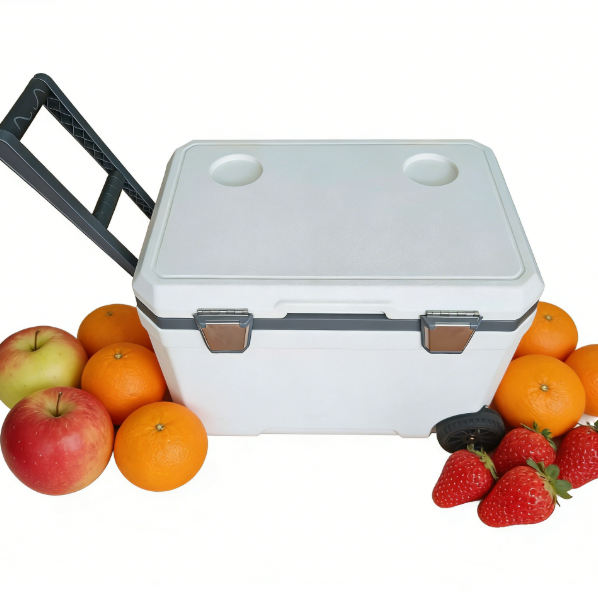
The best customizable lightweight EPP foam box is the one that matches your route, حمولة, التعامل مع المخاطر, روتين التنظيف, وحلقة العودة في نفس الوقت. يمكن لتصميم EPP القوي أن يجمع بين الوزن المنخفض, التعافي متعدد التأثيرات, والعزل العملي, ولكن لم يتم ضبط كل صندوق على نفس المسار. يمزج هذا الدليل بين أسئلة المشتري, المنطق الهندسي, و 2026 توقعات السوق حتى تتمكن من الاختيار بافتراضات أقل وأدلة أفضل.
تم تصميم هذه النسخة المحسنة لصناع القرار الذين يحتاجون إلى مقال واحد يجمع بين الوضوح التجاري, العمق الفني, ومنطق السوق الحالي. بدلا من فصل المشتريات, هندسة, والعمليات, it shows how those viewpoints should shape one coherent decision about the customizable lightweight EPP foam box.
هذه المقالة سوف تساعدك على الإجابة:
- How to judge the best customizable lightweight EPP foam box from both buyer and engineering angles
- ما هي المواصفات التي تؤثر بشكل مباشر على التحكم في درجة الحرارة والحماية من الصدمات
- ما الامتثال, التتبع, وقضايا التحقق من الصحة تستحق الاهتمام فيها 2026
- كيفية خفض التكلفة دون التضحية بالموثوقية أو الاستدامة
الفحص الذاتي السريع
- You run a route where the same customizable lightweight EPP foam box can return and be used again
- فقدان المنتج, انجراف درجة الحرارة, أو التغليف المسحوق يكلف حاليًا أكثر من الصندوق نفسه
- يحتاج فريقك إلى حزمة أسرع مع قدر أقل من التخمين في الأوقات المزدحمة
What makes the best Customizable Lightweight EPP Foam Box in real operations?
The best customizable lightweight EPP foam box is not the one with the biggest claim. هو الذي يناسب طريقك, حمولة, وطريقة العمل بأقل احتكاك. يبدو التغليف الرائع غير مرئي تقريبًا في الاستخدام اليومي لأن الموظفين يعرفون كيفية تحميله, يعرف المتلقي كيفية التعامل معها, ويمكن للمديرين التنبؤ بكيفية أدائها تحت الضغط.
ولهذا السبب يجب أن يبدأ القرار بالواقع. قائمة حجم الحمولة, نافذة درجة الحرارة المستهدفة, وقت الطريق, نقاط الاتصال, النطاق المحيطي الموسمي, وما إذا كان الصندوق يعود. ثم قم بمطابقة التصميم مع تلك الحقائق. يمكن لصندوق EPP القوي أن يدعم العزل, توسيد, وكرر الاستخدام بتنسيق واحد, ولكن فقط عندما يتم اختيار المواصفات لنمط تشغيل حقيقي.
A useful way to think about the customizable lightweight EPP foam box is to treat it as a controlled system. المادة, التصميم, الحزمة, الطريق, وتدفق العودة كلها تؤثر على النتيجة. عندما يتم تجاهل قطعة واحدة, ربما لا يزال الصندوق يعمل, ولكنها نادراً ما تعمل بكفاءة أو كما ينبغي.
Which buyer signals show a strong custom size EPP box design?
ابحث عن اللياقة, ليس زائدا. يستخدم الصندوق المصمم جيدًا المساحة الداخلية بكفاءة, يغلق باستمرار, أكوام بأمان, ويدعم تخطيط سائل التبريد القابل للتكرار. ويجب أن تعكس أيضًا غرضها الرئيسي بوضوح, whether that is right-sized internal geometry and ergonomics and parcel efficiency. غالبًا ما تصبح الصناديق التي تحاول أن تكون كل شيء لكل طريق متوسطة في الوظائف الأكثر أهمية.
في هذه المرحلة, أذكى المشترين يطلبون الأدلة, وليس الشعارات. إنهم يريدون منطق التصميم, اتساق العينة, طريقة الاختبار, ونهج التحكم في التغيير. وهذا يجعل من السهل مقارنة الموردين بشكل عادل ويصعب على المنتجات الضعيفة الاختباء وراء وعود غامضة.
| شراء الإشارة | ما تبدو جيدة مثل | علامة تحذير | ماذا يعني لك |
|---|---|---|---|
| تناسب الحمولة | تخطيط مستقر مع مساحة رأس يمكن التحكم فيها | مقاس فضفاض أو مرتجل | يؤثر على درجة الحرارة وموثوقية التعامل |
| جودة الإغلاق | غطاء ثابت للجلوس وسلوك المكدس | شعور إغلاق غير متناسق | يخلق مخاطر الخدمة التي يمكن تجنبها |
| دعم البرنامج | مسح مراقبة الجودة والانضباط تكرار الطلب | توثيق ضعيف | يجعل التوسع أصعب مما ينبغي |
نصائح عملية لك
- ابدأ كل قرار شراء باستخدام خريطة الطريق ورسم الحمولة.
- استخدم نفس معايير النجاح لكل عينة تقارنها.
- تعامل مع بساطة الحزمة كميزة أداء, وليس كوسيلة راحة ثانوية.
مثال التطبيق: A buyer evaluating a new customizable lightweight EPP foam box found that the winning sample was not the flashiest design. كان هو الذي يناسب المنتج بشكل نظيف, تحميل سريع, وجاء مع أوضح شرح لكيفية إعادة إنتاج نفس المواصفات في الحجم.
How do technical specs change Customizable Lightweight EPP Foam Box performance?
الأداء الفني يأتي من تفاعل المواد, هندسة, والانضباط الحزمة. يعد EPP مفيدًا لأنه عبارة عن رغوة ذات خلايا مغلقة خفيفة الوزن تتمتع بمرونة متعددة الصدمات, والمراجع الفنية عادةً ما تضع EPP المصبوب عبر نطاق كثافة واسع من حوالي 20 ل 250 جم/لتر. يمنح هذا النطاق المهندسين مساحة لتحقيق التوازن في الوزن المنخفض, صلابة, توسيد, والعزل.
ما زال, الكثافة وحدها لا تقرر النتيجة. سمك الجدار, تصميم الزاوية, اندماج حبة, عمق الغطاء, الهندسة الداخلية, ووضع المبرد كلها جزء من الصورة الحرارية والميكانيكية. يمكن للصندوق الرفيع ولكن المصمم جيدًا أن يتفوق على الصندوق الأكبر حجمًا إذا كانت الهندسة أكثر ذكاءً وتم التحكم في العبوة جيدًا.
غالبًا ما يأتي التحسن الأكبر من الجمع بين الانضباط التجاري والانضباط الفني. يحدد المشترون منطق المسار والتكلفة. يحدد المهندسون منطق الأداء. تحدد العمليات طريقة التحميل والإرجاع. عندما تتم محاذاة وجهات النظر الثلاثة هذه مبكرًا, تصبح الموافقة أسهل وتنخفض إعادة العمل بشكل حاد.
What data matters most for right-sized insulated foam box?
يجب أن تُظهر التقارير الحرارية ملف التعريف المحيط, كتلة الحمولة, إعداد المبرد, درجة حرارة البداية, إجمالي وقت التعرض, وتمرير الفرقة. يجب أن توضح تقارير المعالجة ما إذا كان التصميم قد تم تقييمه من خلال محاكاة المسار, اختبار السقوط, أو كليهما. معايير مثل ASTM D3103, أستم D4169, أستم D5276, والإجراءات الحرارية ISTA مفيدة لأنها تجبر المحادثة على الأسلوب بدلاً من التسويق.
إذا كان طلبك أكثر تطلبًا, يجب أن يكشف التصميم عن هذه النية. يمكن أن تدعم المباني ذات الكثافة العالية جدرانًا أقوى والمزيد من إعادة الاستخدام. يمكن للأشكال التي تركز على الصدمات أن تقلل من انتقال التأثير. يمكن للتصميمات المخصصة أو المدمجة تحسين الكفاءة الحرارية عن طريق تقليل حجم الهواء الداخلي المهدر. أفضل المواصفات هي دائمًا تلك التي تحل وضع الفشل الأكثر أهمية أولاً.
| المتغير الفني | لماذا يهم | ما يجب مراجعته | المكافأة التشغيلية |
|---|---|---|---|
| الكثافة وتصميم الجدار | يتحكم في الوزن, صلابة, واستجابة التأثير | هدف الكثافة بالإضافة إلى الأساس المنطقي الهندسي | صندوق أكثر توازناً للمسار الحقيقي |
| التحقق الحراري | يُظهر ما إذا كانت الحزمة يمكنها الاحتفاظ بالنطاق المستهدف | اختبار الملف الشخصي, حمولة, سائل التبريد, تمرير الفرقة | ثقة أفضل قبل التوسع |
| التحقق من صحة التعامل | يؤكد البقاء في التوزيع | طريقة إسقاط أو محاكاة الطريق | شقوق أقل, التشوهات, وفشل الخدمة |
نصائح عملية لك
- لا تقم أبدًا بتقييم وقت الانتظار دون افتراضات الحمولة الصافية والمبرد الدقيقة وراءه.
- تحقق مما إذا كان التصميم لا يزال يعمل عند تحميله جزئيًا أو التعامل معه بشكل متكرر.
- اسأل عن المتغيرات التي يتم التحكم فيها في الإنتاج وما هي الأهداف الاسمية فقط.
مثال التطبيق: أظهرت مراجعة الأداء أن النتيجة الأقوى جاءت من التصميم المتوازن وليس من الكثافة الأعلى وحدها. كان أداء الصندوق أفضل لأن الملاءمة الداخلية قللت من الحركة وتكرر الإغلاق بشكل أكثر اتساقًا أثناء التحميل.
ما هي المعايير, احتياجات الامتثال, والسيناريوهات هي الأكثر أهمية?
المعايير مهمة لأنها تربط مطالبات التعبئة والتغليف بالاستخدام الحقيقي. يعتمد ملف الامتثال الصحيح على التطبيق, لكن المشترين الجادين يبحثون دائمًا عن معلومات مادية يمكن تتبعها, الرسومات التي تسيطر عليها, والتحقق من صحة المسار ذات الصلة. هذه هي الطريقة التي تقلل بها المفاجآت عندما يصبح البرنامج التجريبي برنامجًا موسعًا.
لمعظم الاستخدامات الصناعية وسلسلة التبريد, لا يزال الدليل الأكثر فائدة هو البيانات الحرارية ذات الصلة بالطريق, اختبار السقوط أو الاهتزاز, وضوابط واضحة للجودة الواردة لكل دفعة إنتاج.
وهذا أيضًا هو السبب وراء تقدم برامج التغليف القوية بشكل جيد. من الأسهل إعادة تدريبهم, أسهل لإعادة الطلب, أسهل للتوثيق, وأسهل في التكيف عندما تتغير المسارات أو الأحجام. يقوم صندوق EPP المختار جيدًا بأكثر من مجرد حماية المنتج; فهو يقلل من ضجيج القرار عبر العملية.
How should you connect compliance to real OEM molded EPP transport box use?
ابدأ بتحديد المخاطر الفعلية. تهتم برامج الغذاء بإعلانات الاتصال بالأغذية, إجراءات التنظيف, وانضباط التتبع. يهتم نقل اللقاحات بممارسات سلسلة التبريد السلبية والتحكم في درجة الحرارة. قد يركز المستخدمون الصناعيون بشكل أكبر على إساءة استخدام الطريق, التوافق, والمتانة على المدى الطويل. كلما كان تعريف المخاطر الخاص بك أفضل, أصبح ملخص التغليف الخاص بك أكثر نظافة.
في 2026, ويرتبط الامتثال أيضًا بشكل أوثق بالاستجابة التشغيلية. تريد الفرق الوصول إلى السجلات بسرعة, فهم المراجعات بوضوح, واعلم أن الطلبات المتكررة سوف تتطابق مع التكوين الذي تم التحقق من صحته. يؤدي التوثيق الجيد إلى تقليل وقت الموافقة ويجعل عملية استكشاف الأخطاء وإصلاحها أسرع بكثير عندما يتغير شيء ما في الميدان.
| حاجة التطبيق | النقطة المرجعية الأولية | ما يجب تأكيده | لماذا يساعد |
|---|---|---|---|
| استخدام الغذاء الصف | FDA / إطار الاتصال الغذائي للاتحاد الأوروبي | إعلان المواد والتحكم في نمط GMP | يدعم آمنة, التعامل مع المواد الغذائية القابلة للتدقيق |
| التحقق من صحة السلسلة الباردة | أستم / طرق ISTA | الأدلة الحرارية والتعامل معها | ينقل القرار من الإدعاءات إلى الإثبات |
| توزيع حساس | من / CDC أو إجراءات التشغيل القياسية الخاصة بالمسار | انضباط الحزمة وخطة الاستجابة | يحمي الحمولات عالية المخاطر بشكل أفضل |
نصائح عملية لك
- اربط كل تقرير اختبار وإعلان بمراجعة الرسم الدقيقة.
- احتفظ بملف موافقة واحد يجمع التصميم, تصديق, واستلام الشيكات.
- قم بمراجعة كيفية الإبلاغ عن تغيير المواصفات المستقبلية قبل توسيع نطاق البرنامج.
مثال التطبيق: A quality-driven sourcing team shortened approval time by turning scattered paperwork into one controlled file for the customizable lightweight EPP foam box. كان من الأسهل الموافقة على الحزمة بسبب مراجعة التصميم, منطق التحقق من الصحة, وتمت محاذاة استلام الشيكات من البداية.
كيف يمكنك تقليل التكلفة, يضيع, and delivery risk with a Customizable Lightweight EPP Foam Box?
أفضل المدخرات تأتي عند الأداء, إعادة الاستخدام, والعمل القياسي يتحسن معًا. إن برنامج EPP القابل لإعادة الاستخدام لا يفوز لأن الصندوق رخيص. إنه يفوز لأن الطريق أصبح أكثر استقرارًا, يصبح التعامل أسهل, وتستمر العبوة لفترة كافية لخفض ضوضاء الاستبدال والخدمة.
قم بقياس الصندوق بالدورة, ليس فقط بسعر الشراء. تتبع معدل الاستبدال, معدل العودة, وقت الحزمة, معدل الضرر, واستثناءات الخدمة. توضح هذه الأرقام ما إذا كانت العبوة تعمل بالفعل. كما أنها تكشف أيضًا عندما يكمن الضعف الحقيقي خارج المادة, مثل ضعف الانضباط في الإرجاع أو التحميل غير المتسق.
وهذا أيضًا هو السبب وراء تقدم برامج التغليف القوية بشكل جيد. من الأسهل إعادة تدريبهم, أسهل لإعادة الطلب, أسهل للتوثيق, وأسهل في التكيف عندما تتغير المسارات أو الأحجام. يقوم صندوق EPP المختار جيدًا بأكثر من مجرد حماية المنتج; فهو يقلل من ضجيج القرار عبر العملية.
ماذا يفعل قوي 2026 value model look like for lightweight protective EPP packaging?
يتضمن نموذج القيمة القوية الحجم الصحيح, تعليمات واضحة للعودة, استلام الشيكات, وخطة واقعية لنهاية الحياة. تعتبر EPP جذابة لأنه يمكن إعادة استخدامها وإعادة تدويرها, لكن هذه المزايا تصبح حقيقية فقط عندما تتمكن العملية من الاستيلاء على الصندوق, وحدات منفصلة التالفة, والحفاظ على بركة نظيفة في الدورة الدموية.
يدفع ضغط السوق المشترين نحو التعبئة والتغليف التي يمكن أن تفعل المزيد مع نفايات أقل, عمالة أقل, وأقل عدم اليقين. هذا هو السبب 2026 غالبًا ما تمزج محادثات الشراء بين التكلفة الإجمالية, التتبع, أداء الطريق, والاستدامة في قرار واحد بدلاً من التعامل معها كمشاريع منفصلة.
| رافعة القيمة | ما يجب قياسه | كيفية تحسينه | النتيجة التي تشعر بها |
|---|---|---|---|
| إعادة استخدام الكفاءة | الرحلات لكل صندوق ومعدل العودة | مسح سير عمل العودة | أفضل الاسترداد على كل وحدة |
| البساطة التشغيلية | وقت الحزمة والاستثناءات | تعليمات العمل الموحدة | أخطاء أقل تحت الضغط اليومي |
| الحد من النفايات | معدل الاستبدال والتعامل مع نهاية العمر | تتبع الخسائر وفصل الوحدات المتضررة | نتائج استدامة أكثر مصداقية |
نصائح عملية لك
- مراجعة التكلفة عن طريق الطريق والدورة, ليس فقط من حيث حجم الشراء السنوي.
- قم بتجربة عملية الإرجاع وعملية التنظيف قبل الالتزام بطرح كبير.
- قم بإزالة الأحجام الزائدة حتى يبني الفريق عادات حول أحجام أصغر, عائلة الصندوق الأقوى.
مثال التطبيق: تحسنت عملية طرح العبوات القابلة لإعادة الاستخدام بشكل كبير بعد أن توقف الفريق عن التركيز فقط على سعر الوحدة. بمجرد تتبع معدل العودة, معدل الاستبدال, واتساق الحزمة معًا, أصبح برنامج EPP أسهل في التوسع وأسهل في الدفاع عنه داخليًا.
2026 التطورات والاتجاهات
The best customizable lightweight EPP foam box designs in 2026 يفوزون لأنهم يربطون منطق المشتري بالدليل الهندسي. يتجه الطلب نحو التغليف الذي يسهل التحقق من صحته, أسهل لإعادة الاستخدام, وأسهل لتناسب سير العمل الذي يمكن تتبعه. وهذا يعني أن أقوى الحلول ليست عادةً هي الأكثر تعقيدًا. هم الذين يقللون من عدم اليقين عبر التعبئة, ينقل, تلقي, ويعود.
أحدث التحولات في لمحة
- حزم الناس أولاً: بسيط, أصبحت طرق التحميل القابلة للتكرار ميزة تنافسية لأنها تقلل من الأخطاء اليومية.
- مصادر مدعومة بالدليل: تفاصيل التحقق من الصحة, مراقبة المراجعة, وتؤثر ملفات الامتثال الواضحة الآن على قرارات الشراء بشكل مباشر أكثر.
- الاستدامة مع الانضباط: تعتبر إعادة الاستخدام وقابلية إعادة التدوير أكثر أهمية عندما تكون حلقة العودة ومسار نهاية العمر موثوقين من الناحية التشغيلية.
عبر الطعام, الرعاية الصحية, والخدمات اللوجستية الصناعية, يقوم المشترون بمزج التكلفة الإجمالية, موثوقية الخدمة, والاستدامة في قرار تعبئة واحد. ولهذا السبب تستمر برامج التخطيط للتخطيط للتخطيط (EPP) المحددة جيدًا في الظهور 2026.
الأسئلة المتداولة
How do you choose the right customizable lightweight EPP foam box size?
ابدأ بالحمولة الحقيقية, تخطيط المبرد, ومساحة رأس مقبولة. يحمي الصندوق ذو الحجم المناسب درجة الحرارة والمنتج بشكل أفضل من الصندوق الكبير الذي يبدو ببساطة أكثر قدرة.
Is a customizable lightweight EPP foam box better than single-use foam for every route?
لا. يعمل بشكل أفضل عندما يكون الطريق, نمط التعامل, ويتم تعريف منطق العودة. يصبح EPP القابل لإعادة الاستخدام أكثر إقناعًا عندما يمكنك قياس الضرر الأقل, حزمة أكثر ثباتا, أو اقتصاديات دورة أفضل.
How durable is a customizable lightweight EPP foam box in repeat use?
المتانة تعتمد على الكثافة, هندسة, إساءة استخدام الطريق, ومدى جودة التعامل مع الصندوق بين الرحلات. اسأل عن حالات الاستخدام الحقيقي, معدل الاستبدال, وأي محاكاة للمسار أو أدلة اختبار السقوط.
What test data matters most for a customizable lightweight EPP foam box?
تشرح التقارير الأكثر فائدة ملف تعريف الاختبار, حمولة, إعداد المبرد, درجة حرارة البداية, وتمرير الفرقة. إن المطالبة بوقت الانتظار دون تفاصيل الطريقة ليست قوية بما يكفي لاتخاذ قرار شراء جدي.
How should you compare suppliers for a customizable lightweight EPP foam box?
قارن الاتساق, جودة التوثيق, مراقبة المراجعة, مهلة, والدعم أثناء أخذ العينات وتوسيع نطاقها. أفضل مورد هو الذي يمكنه تكرار التصميم المعتمد, ليس فقط تسليم العينة الأولى.
Is a more expensive customizable lightweight EPP foam box sometimes the cheaper choice?
نعم. إذا كان يقلل من فقدان المنتج, عمالة التعبئة والتغليف, بدائل الطوارئ, أو النفايات, يمكن أن تكون التكلفة الإجمالية أقل حتى عندما يكون سعر الشراء أعلى. قياس حسب الدورة والطريق, ليس فقط من خلال تكلفة الوحدة.
How many sizes of customizable lightweight EPP foam box should a program usually keep?
أقل عادة ما يكون أفضل. من السهل تدريب عائلة الصندوق الأصغر, مخزون, والعودة. أضف الأحجام فقط عندما تكون الحمولة أو فرق المسار كبيرًا بما يكفي لتبرير التعقيد الإضافي.
When should you request a custom customizable lightweight EPP foam box instead of a standard size?
اطلب التخصيص عندما تخلق الأحجام القياسية مساحة فارغة كبيرة جدًا, التراص غير المستقر, أو عمالة إضافية. يكون التصميم المخصص أكثر فائدة عندما يكون الحجم قابلاً للتكرار وتحسن الهندسة الأداء أو الكفاءة بشكل واضح.
ملخص وتوصيات
The strongest customizable lightweight EPP foam box programs succeed because they align route fit, دليل تقني, الانضباط الامتثال, وإعادة استخدام المنطق. أذكى المشترين يبدأون بالمسار الحقيقي, قارن التصميمات بنفس الحمولة الصافية وإعدادات المبرد, واطلب أدلة واضحة قبل القياس. عندما يكون الصندوق, الطريق, وتطابق طريقة التشغيل, يمكن أن يحقق التخطيط الاستراتيجي للتخطيط (EPP) مكاسب عملية من حيث الاتساق, حماية, والحد من النفايات.
أنشئ قائمة مرجعية قصيرة للموافقة قبل الشراء: تحديد الطريق, تحديد الحمولة, تحديد معايير النجاح, وتشغيل عينة محملة حقيقية. سيساعدك هذا التسلسل البسيط على تجنب أخطاء التغليف الأكثر شيوعًا والانتقال إلى برنامج صندوقي يعمل بشكل موثوق في الاستخدام اليومي.
حول Tempk
و Tempk, نحن نركز على عبوات النقل المعزولة لتطبيقات سلسلة التبريد والاستخدام الوقائي. نحن نعمل على أسئلة التصميم العملية مثل الملاءمة, الأداء الحراري, متانة, وكفاءة تكرار الاستخدام, so a customizable lightweight EPP foam box program can be easier to validate and easier to scale. يرتكز نهجنا على واقع الطريق, ليس فقط مواصفات الكتالوج.
الخطوة التالية: تحديد الحمولة الخاصة بك, نطاق درجة الحرارة المستهدفة, ملف تعريف الطريق, وإعادة استخدام الهدف, ثم قم بمراجعة خيارات العينة مقابل تلك المعايير قبل الانتقال إلى أمر تجريبي.
كيفية شراء أفضل صندوق عزل EPP مدمج وقابل للطي

أفضل صندوق عزل EPP قابل للطي وصغير الحجم هو الذي يناسب مسارك, حمولة, التعامل مع المخاطر, روتين التنظيف, وحلقة العودة في نفس الوقت. يمكن لتصميم EPP القوي أن يجمع بين الوزن المنخفض, التعافي متعدد التأثيرات, والعزل العملي, ولكن لم يتم ضبط كل صندوق على نفس المسار. يمزج هذا الدليل بين أسئلة المشتري, المنطق الهندسي, و 2026 توقعات السوق حتى تتمكن من الاختيار بافتراضات أقل وأدلة أفضل.
تم تصميم هذه النسخة المحسنة لصناع القرار الذين يحتاجون إلى مقال واحد يجمع بين الوضوح التجاري, العمق الفني, ومنطق السوق الحالي. بدلا من فصل المشتريات, هندسة, والعمليات, إنه يوضح كيف ينبغي لوجهات النظر هذه أن تشكل قرارًا متماسكًا بشأن صندوق العزل EPP المدمج القابل للطي.
هذه المقالة سوف تساعدك على الإجابة:
- كيفية الحكم على أفضل صندوق عزل EPP مدمج قابل للطي من زوايا المشتري والهندسة
- ما هي المواصفات التي تؤثر بشكل مباشر على التحكم في درجة الحرارة والحماية من الصدمات
- ما الامتثال, التتبع, وقضايا التحقق من الصحة تستحق الاهتمام فيها 2026
- كيفية خفض التكلفة دون التضحية بالموثوقية أو الاستدامة
الفحص الذاتي السريع
- يمكنك تشغيل مسار يمكن من خلاله إرجاع نفس صندوق عزل EPP المضغوط القابل للطي واستخدامه مرة أخرى
- فقدان المنتج, انجراف درجة الحرارة, أو التغليف المسحوق يكلف حاليًا أكثر من الصندوق نفسه
- يحتاج فريقك إلى حزمة أسرع مع قدر أقل من التخمين في الأوقات المزدحمة
ما الذي يجعل أفضل صندوق عزل EPP مدمج وقابل للطي في العمليات الحقيقية?
إن أفضل صندوق عزل EPP مدمج قابل للطي ليس هو الذي يتمتع بأكبر مطالبة. هو الذي يناسب طريقك, حمولة, وطريقة العمل بأقل احتكاك. يبدو التغليف الرائع غير مرئي تقريبًا في الاستخدام اليومي لأن الموظفين يعرفون كيفية تحميله, يعرف المتلقي كيفية التعامل معها, ويمكن للمديرين التنبؤ بكيفية أدائها تحت الضغط.
ولهذا السبب يجب أن يبدأ القرار بالواقع. قائمة حجم الحمولة, نافذة درجة الحرارة المستهدفة, وقت الطريق, نقاط الاتصال, النطاق المحيطي الموسمي, وما إذا كان الصندوق يعود. ثم قم بمطابقة التصميم مع تلك الحقائق. يمكن لصندوق EPP القوي أن يدعم العزل, توسيد, وكرر الاستخدام بتنسيق واحد, ولكن فقط عندما يتم اختيار المواصفات لنمط تشغيل حقيقي.
من الطرق المفيدة للتفكير في صندوق العزل EPP المدمج والقابل للطي هو التعامل معه كنظام متحكم فيه. المادة, التصميم, الحزمة, الطريق, وتدفق العودة كلها تؤثر على النتيجة. عندما يتم تجاهل قطعة واحدة, ربما لا يزال الصندوق يعمل, ولكنها نادراً ما تعمل بكفاءة أو كما ينبغي.
ما هي إشارات المشتري التي توضح تصميم صندوق EPP المعزول القوي والموفر للمساحة?
ابحث عن اللياقة, ليس زائدا. يستخدم الصندوق المصمم جيدًا المساحة الداخلية بكفاءة, يغلق باستمرار, أكوام بأمان, ويدعم تخطيط سائل التبريد القابل للتكرار. ويجب أن تعكس أيضًا غرضها الرئيسي بوضوح, سواء كان ذلك عبارة عن هندسة قابلة للطي وكفاءة مكعب الإرجاع وبيئة العمل وكفاءة الطرود. غالبًا ما تصبح الصناديق التي تحاول أن تكون كل شيء لكل طريق متوسطة في الوظائف الأكثر أهمية.
في هذه المرحلة, أذكى المشترين يطلبون الأدلة, وليس الشعارات. إنهم يريدون منطق التصميم, اتساق العينة, طريقة الاختبار, ونهج التحكم في التغيير. وهذا يجعل من السهل مقارنة الموردين بشكل عادل ويصعب على المنتجات الضعيفة الاختباء وراء وعود غامضة.
| شراء الإشارة | ما تبدو جيدة مثل | علامة تحذير | ماذا يعني لك |
|---|---|---|---|
| تناسب الحمولة | تخطيط مستقر مع مساحة رأس يمكن التحكم فيها | مقاس فضفاض أو مرتجل | يؤثر على درجة الحرارة وموثوقية التعامل |
| جودة الإغلاق | غطاء ثابت للجلوس وسلوك المكدس | شعور إغلاق غير متناسق | يخلق مخاطر الخدمة التي يمكن تجنبها |
| دعم البرنامج | مسح مراقبة الجودة والانضباط تكرار الطلب | توثيق ضعيف | يجعل التوسع أصعب مما ينبغي |
نصائح عملية لك
- ابدأ كل قرار شراء باستخدام خريطة الطريق ورسم الحمولة.
- استخدم نفس معايير النجاح لكل عينة تقارنها.
- تعامل مع بساطة الحزمة كميزة أداء, وليس كوسيلة راحة ثانوية.
مثال التطبيق: وجد أحد المشترين، الذي قام بتقييم صندوق العزل EPP الجديد المدمج والقابل للطي، أن العينة الفائزة لم تكن التصميم الأكثر بهرجة. كان هو الذي يناسب المنتج بشكل نظيف, تحميل سريع, وجاء مع أوضح شرح لكيفية إعادة إنتاج نفس المواصفات في الحجم.
كيف تغير المواصفات الفنية أداء صندوق العزل EPP المدمج القابل للطي?
الأداء الفني يأتي من تفاعل المواد, هندسة, والانضباط الحزمة. يعد EPP مفيدًا لأنه عبارة عن رغوة ذات خلايا مغلقة خفيفة الوزن تتمتع بمرونة متعددة الصدمات, والمراجع الفنية عادةً ما تضع EPP المصبوب عبر نطاق كثافة واسع من حوالي 20 ل 250 جم/لتر. يمنح هذا النطاق المهندسين مساحة لتحقيق التوازن في الوزن المنخفض, صلابة, توسيد, والعزل.
ما زال, الكثافة وحدها لا تقرر النتيجة. سمك الجدار, تصميم الزاوية, اندماج حبة, عمق الغطاء, الهندسة الداخلية, ووضع المبرد كلها جزء من الصورة الحرارية والميكانيكية. يمكن للصندوق الرفيع ولكن المصمم جيدًا أن يتفوق على الصندوق الأكبر حجمًا إذا كانت الهندسة أكثر ذكاءً وتم التحكم في العبوة جيدًا.
غالبًا ما يأتي التحسن الأكبر من الجمع بين الانضباط التجاري والانضباط الفني. يحدد المشترون منطق المسار والتكلفة. يحدد المهندسون منطق الأداء. تحدد العمليات طريقة التحميل والإرجاع. عندما تتم محاذاة وجهات النظر الثلاثة هذه مبكرًا, تصبح الموافقة أسهل وتنخفض إعادة العمل بشكل حاد.
ما هي البيانات الأكثر أهمية بالنسبة لصندوق السلسلة الباردة القابل لإعادة الاستخدام والقابل للطي?
يجب أن تُظهر التقارير الحرارية ملف التعريف المحيط, كتلة الحمولة, إعداد المبرد, درجة حرارة البداية, إجمالي وقت التعرض, وتمرير الفرقة. يجب أن توضح تقارير المعالجة ما إذا كان التصميم قد تم تقييمه من خلال محاكاة المسار, اختبار السقوط, أو كليهما. معايير مثل ASTM D3103, أستم D4169, أستم D5276, والإجراءات الحرارية ISTA مفيدة لأنها تجبر المحادثة على الأسلوب بدلاً من التسويق.
إذا كان طلبك أكثر تطلبًا, يجب أن يكشف التصميم عن هذه النية. يمكن أن تدعم المباني ذات الكثافة العالية جدرانًا أقوى والمزيد من إعادة الاستخدام. يمكن للأشكال التي تركز على الصدمات أن تقلل من انتقال التأثير. يمكن للتصميمات المخصصة أو المدمجة تحسين الكفاءة الحرارية عن طريق تقليل حجم الهواء الداخلي المهدر. أفضل المواصفات هي دائمًا تلك التي تحل وضع الفشل الأكثر أهمية أولاً.
| المتغير الفني | لماذا يهم | ما يجب مراجعته | المكافأة التشغيلية |
|---|---|---|---|
| الكثافة وتصميم الجدار | يتحكم في الوزن, صلابة, واستجابة التأثير | هدف الكثافة بالإضافة إلى الأساس المنطقي الهندسي | صندوق أكثر توازناً للمسار الحقيقي |
| التحقق الحراري | يُظهر ما إذا كانت الحزمة يمكنها الاحتفاظ بالنطاق المستهدف | اختبار الملف الشخصي, حمولة, سائل التبريد, تمرير الفرقة | ثقة أفضل قبل التوسع |
| التحقق من صحة التعامل | يؤكد البقاء في التوزيع | طريقة إسقاط أو محاكاة الطريق | شقوق أقل, التشوهات, وفشل الخدمة |
نصائح عملية لك
- لا تقم أبدًا بتقييم وقت الانتظار دون افتراضات الحمولة الصافية والمبرد الدقيقة وراءه.
- تحقق مما إذا كان التصميم لا يزال يعمل عند تحميله جزئيًا أو التعامل معه بشكل متكرر.
- اسأل عن المتغيرات التي يتم التحكم فيها في الإنتاج وما هي الأهداف الاسمية فقط.
مثال التطبيق: أظهرت مراجعة الأداء أن النتيجة الأقوى جاءت من التصميم المتوازن وليس من الكثافة الأعلى وحدها. كان أداء الصندوق أفضل لأن الملاءمة الداخلية قللت من الحركة وتكرر الإغلاق بشكل أكثر اتساقًا أثناء التحميل.
ما هي المعايير, احتياجات الامتثال, والسيناريوهات هي الأكثر أهمية?
المعايير مهمة لأنها تربط مطالبات التعبئة والتغليف بالاستخدام الحقيقي. يعتمد ملف الامتثال الصحيح على التطبيق, لكن المشترين الجادين يبحثون دائمًا عن معلومات مادية يمكن تتبعها, الرسومات التي تسيطر عليها, والتحقق من صحة المسار ذات الصلة. هذه هي الطريقة التي تقلل بها المفاجآت عندما يصبح البرنامج التجريبي برنامجًا موسعًا.
لمعظم الاستخدامات الصناعية وسلسلة التبريد, لا يزال الدليل الأكثر فائدة هو البيانات الحرارية ذات الصلة بالطريق, اختبار السقوط أو الاهتزاز, وضوابط واضحة للجودة الواردة لكل دفعة إنتاج.
وهذا أيضًا هو السبب وراء تقدم برامج التغليف القوية بشكل جيد. من الأسهل إعادة تدريبهم, أسهل لإعادة الطلب, أسهل للتوثيق, وأسهل في التكيف عندما تتغير المسارات أو الأحجام. يقوم صندوق EPP المختار جيدًا بأكثر من مجرد حماية المنتج; فهو يقلل من ضجيج القرار عبر العملية.
كيف يمكنك ربط الامتثال باستخدام مبرد EPP الحقيقي القابل للتكديس والقابل للإرجاع?
ابدأ بتحديد المخاطر الفعلية. تهتم برامج الغذاء بإعلانات الاتصال بالأغذية, إجراءات التنظيف, وانضباط التتبع. يهتم نقل اللقاحات بممارسات سلسلة التبريد السلبية والتحكم في درجة الحرارة. قد يركز المستخدمون الصناعيون بشكل أكبر على إساءة استخدام الطريق, التوافق, والمتانة على المدى الطويل. كلما كان تعريف المخاطر الخاص بك أفضل, أصبح ملخص التغليف الخاص بك أكثر نظافة.
في 2026, ويرتبط الامتثال أيضًا بشكل أوثق بالاستجابة التشغيلية. تريد الفرق الوصول إلى السجلات بسرعة, فهم المراجعات بوضوح, واعلم أن الطلبات المتكررة سوف تتطابق مع التكوين الذي تم التحقق من صحته. يؤدي التوثيق الجيد إلى تقليل وقت الموافقة ويجعل عملية استكشاف الأخطاء وإصلاحها أسرع بكثير عندما يتغير شيء ما في الميدان.
| حاجة التطبيق | النقطة المرجعية الأولية | ما يجب تأكيده | لماذا يساعد |
|---|---|---|---|
| استخدام الغذاء الصف | FDA / إطار الاتصال الغذائي للاتحاد الأوروبي | إعلان المواد والتحكم في نمط GMP | يدعم آمنة, التعامل مع المواد الغذائية القابلة للتدقيق |
| التحقق من صحة السلسلة الباردة | أستم / طرق ISTA | الأدلة الحرارية والتعامل معها | ينقل القرار من الإدعاءات إلى الإثبات |
| توزيع حساس | من / CDC أو إجراءات التشغيل القياسية الخاصة بالمسار | انضباط الحزمة وخطة الاستجابة | يحمي الحمولات عالية المخاطر بشكل أفضل |
نصائح عملية لك
- اربط كل تقرير اختبار وإعلان بمراجعة الرسم الدقيقة.
- احتفظ بملف موافقة واحد يجمع التصميم, تصديق, واستلام الشيكات.
- قم بمراجعة كيفية الإبلاغ عن تغيير المواصفات المستقبلية قبل توسيع نطاق البرنامج.
مثال التطبيق: قام فريق التوريد القائم على الجودة بتقصير وقت الموافقة عن طريق تحويل الأوراق المتناثرة إلى ملف واحد يمكن التحكم فيه لصندوق العزل EPP المدمج والقابل للطي. كان من الأسهل الموافقة على الحزمة بسبب مراجعة التصميم, منطق التحقق من الصحة, وتمت محاذاة استلام الشيكات من البداية.
كيف يمكنك تقليل التكلفة, يضيع, ومخاطر التسليم مع صندوق عزل EPP مدمج قابل للطي?
أفضل المدخرات تأتي عند الأداء, إعادة الاستخدام, والعمل القياسي يتحسن معًا. إن برنامج EPP القابل لإعادة الاستخدام لا يفوز لأن الصندوق رخيص. إنه يفوز لأن الطريق أصبح أكثر استقرارًا, يصبح التعامل أسهل, وتستمر العبوة لفترة كافية لخفض ضوضاء الاستبدال والخدمة.
قم بقياس الصندوق بالدورة, ليس فقط بسعر الشراء. تتبع معدل الاستبدال, معدل العودة, وقت الحزمة, معدل الضرر, واستثناءات الخدمة. توضح هذه الأرقام ما إذا كانت العبوة تعمل بالفعل. كما أنها تكشف أيضًا عندما يكمن الضعف الحقيقي خارج المادة, مثل ضعف الانضباط في الإرجاع أو التحميل غير المتسق.
وهذا أيضًا هو السبب وراء تقدم برامج التغليف القوية بشكل جيد. من الأسهل إعادة تدريبهم, أسهل لإعادة الطلب, أسهل للتوثيق, وأسهل في التكيف عندما تتغير المسارات أو الأحجام. يقوم صندوق EPP المختار جيدًا بأكثر من مجرد حماية المنتج; فهو يقلل من ضجيج القرار عبر العملية.
ماذا يفعل قوي 2026 يشبه نموذج القيمة صندوق EPP المعزول الموفر للمساحة?
يتضمن نموذج القيمة القوية الحجم الصحيح, تعليمات واضحة للعودة, استلام الشيكات, وخطة واقعية لنهاية الحياة. تعتبر EPP جذابة لأنه يمكن إعادة استخدامها وإعادة تدويرها, لكن هذه المزايا تصبح حقيقية فقط عندما تتمكن العملية من الاستيلاء على الصندوق, وحدات منفصلة التالفة, والحفاظ على بركة نظيفة في الدورة الدموية.
يدفع ضغط السوق المشترين نحو التعبئة والتغليف التي يمكن أن تفعل المزيد مع نفايات أقل, عمالة أقل, وأقل عدم اليقين. هذا هو السبب 2026 غالبًا ما تمزج محادثات الشراء بين التكلفة الإجمالية, التتبع, أداء الطريق, والاستدامة في قرار واحد بدلاً من التعامل معها كمشاريع منفصلة.
| رافعة القيمة | ما يجب قياسه | كيفية تحسينه | النتيجة التي تشعر بها |
|---|---|---|---|
| إعادة استخدام الكفاءة | الرحلات لكل صندوق ومعدل العودة | مسح سير عمل العودة | أفضل الاسترداد على كل وحدة |
| البساطة التشغيلية | وقت الحزمة والاستثناءات | تعليمات العمل الموحدة | أخطاء أقل تحت الضغط اليومي |
| الحد من النفايات | معدل الاستبدال والتعامل مع نهاية العمر | تتبع الخسائر وفصل الوحدات المتضررة | نتائج استدامة أكثر مصداقية |
نصائح عملية لك
- مراجعة التكلفة عن طريق الطريق والدورة, ليس فقط من حيث حجم الشراء السنوي.
- قم بتجربة عملية الإرجاع وعملية التنظيف قبل الالتزام بطرح كبير.
- قم بإزالة الأحجام الزائدة حتى يبني الفريق عادات حول أحجام أصغر, عائلة الصندوق الأقوى.
مثال التطبيق: تحسنت عملية طرح العبوات القابلة لإعادة الاستخدام بشكل كبير بعد أن توقف الفريق عن التركيز فقط على سعر الوحدة. بمجرد تتبع معدل العودة, معدل الاستبدال, واتساق الحزمة معًا, أصبح برنامج EPP أسهل في التوسع وأسهل في الدفاع عنه داخليًا.
2026 التطورات والاتجاهات
أفضل تصميمات صناديق العزل EPP المدمجة القابلة للطي 2026 يفوزون لأنهم يربطون منطق المشتري بالدليل الهندسي. يتجه الطلب نحو التغليف الذي يسهل التحقق من صحته, أسهل لإعادة الاستخدام, وأسهل لتناسب سير العمل الذي يمكن تتبعه. وهذا يعني أن أقوى الحلول ليست عادةً هي الأكثر تعقيدًا. هم الذين يقللون من عدم اليقين عبر التعبئة, ينقل, تلقي, ويعود.
أحدث التحولات في لمحة
- حزم الناس أولاً: بسيط, أصبحت طرق التحميل القابلة للتكرار ميزة تنافسية لأنها تقلل من الأخطاء اليومية.
- مصادر مدعومة بالدليل: تفاصيل التحقق من الصحة, مراقبة المراجعة, وتؤثر ملفات الامتثال الواضحة الآن على قرارات الشراء بشكل مباشر أكثر.
- الاستدامة مع الانضباط: تعتبر إعادة الاستخدام وقابلية إعادة التدوير أكثر أهمية عندما تكون حلقة العودة ومسار نهاية العمر موثوقين من الناحية التشغيلية.
عبر الطعام, الرعاية الصحية, والخدمات اللوجستية الصناعية, يقوم المشترون بمزج التكلفة الإجمالية, موثوقية الخدمة, والاستدامة في قرار تعبئة واحد. ولهذا السبب تستمر برامج التخطيط للتخطيط للتخطيط (EPP) المحددة جيدًا في الظهور 2026.
الأسئلة المتداولة
كيف يمكنك اختيار الحجم المناسب لصندوق العزل EPP المدمج والقابل للطي؟?
ابدأ بالحمولة الحقيقية, تخطيط المبرد, ومساحة رأس مقبولة. يحمي الصندوق ذو الحجم المناسب درجة الحرارة والمنتج بشكل أفضل من الصندوق الكبير الذي يبدو ببساطة أكثر قدرة.
يعتبر صندوق العزل EPP المدمج والقابل للطي أفضل من الرغوة ذات الاستخدام الواحد لكل طريق?
لا. يعمل بشكل أفضل عندما يكون الطريق, نمط التعامل, ويتم تعريف منطق العودة. يصبح EPP القابل لإعادة الاستخدام أكثر إقناعًا عندما يمكنك قياس الضرر الأقل, حزمة أكثر ثباتا, أو اقتصاديات دورة أفضل.
ما مدى متانة صندوق العزل EPP المدمج والقابل للطي عند الاستخدام المتكرر?
المتانة تعتمد على الكثافة, هندسة, إساءة استخدام الطريق, ومدى جودة التعامل مع الصندوق بين الرحلات. اسأل عن حالات الاستخدام الحقيقي, معدل الاستبدال, وأي محاكاة للمسار أو أدلة اختبار السقوط.
ما هي بيانات الاختبار الأكثر أهمية بالنسبة لصندوق العزل EPP المدمج والقابل للطي?
تشرح التقارير الأكثر فائدة ملف تعريف الاختبار, حمولة, إعداد المبرد, درجة حرارة البداية, وتمرير الفرقة. إن المطالبة بوقت الانتظار دون تفاصيل الطريقة ليست قوية بما يكفي لاتخاذ قرار شراء جدي.
كيف يجب أن تقارن بين الموردين لصندوق العزل EPP المدمج والقابل للطي?
قارن الاتساق, جودة التوثيق, مراقبة المراجعة, مهلة, والدعم أثناء أخذ العينات وتوسيع نطاقها. أفضل مورد هو الذي يمكنه تكرار التصميم المعتمد, ليس فقط تسليم العينة الأولى.
في بعض الأحيان يكون صندوق العزل EPP المدمج والقابل للطي الأكثر تكلفة هو الخيار الأرخص?
نعم. إذا كان يقلل من فقدان المنتج, عمالة التعبئة والتغليف, بدائل الطوارئ, أو النفايات, يمكن أن تكون التكلفة الإجمالية أقل حتى عندما يكون سعر الشراء أعلى. قياس حسب الدورة والطريق, ليس فقط من خلال تكلفة الوحدة.
ما هو عدد أحجام صندوق عزل EPP المدمج القابل للطي الذي يجب أن يحتفظ به البرنامج عادةً?
أقل عادة ما يكون أفضل. من السهل تدريب عائلة الصندوق الأصغر, مخزون, والعودة. أضف الأحجام فقط عندما تكون الحمولة أو فرق المسار كبيرًا بما يكفي لتبرير التعقيد الإضافي.
هل يجب عليك تجربة صندوق عزل EPP مدمج وقابل للطي قبل التشغيل الكامل?
نعم. يوضح الدليل القصير ما إذا كان الصندوق مناسبًا للطريق, الناس, وتدفق العودة. إنها أسرع طريقة لاكتشاف أخطاء الحزمة, تلقي القضايا, ومشاكل الاتساق مع الموردين قبل أن يؤدي الحجم إلى التكلفة.
ملخص وتوصيات
تنجح أقوى برامج الصناديق العازلة EPP المدمجة والقابلة للطي لأنها تتوافق مع المسار, دليل تقني, الانضباط الامتثال, وإعادة استخدام المنطق. أذكى المشترين يبدأون بالمسار الحقيقي, قارن التصميمات بنفس الحمولة الصافية وإعدادات المبرد, واطلب أدلة واضحة قبل القياس. عندما يكون الصندوق, الطريق, وتطابق طريقة التشغيل, يمكن أن يحقق التخطيط الاستراتيجي للتخطيط (EPP) مكاسب عملية من حيث الاتساق, حماية, والحد من النفايات.
أنشئ قائمة مرجعية قصيرة للموافقة قبل الشراء: تحديد الطريق, تحديد الحمولة, تحديد معايير النجاح, وتشغيل عينة محملة حقيقية. سيساعدك هذا التسلسل البسيط على تجنب أخطاء التغليف الأكثر شيوعًا والانتقال إلى برنامج صندوقي يعمل بشكل موثوق في الاستخدام اليومي.
حول Tempk
و Tempk, نحن نركز على عبوات النقل المعزولة لتطبيقات سلسلة التبريد والاستخدام الوقائي. نحن نعمل على أسئلة التصميم العملية مثل الملاءمة, الأداء الحراري, متانة, وكفاءة تكرار الاستخدام, لذلك يمكن أن يكون التحقق من صحة برنامج صندوق العزل EPP المدمج والقابل للطي أسهل في التحقق من صحته وتوسيع نطاقه. يرتكز نهجنا على واقع الطريق, ليس فقط مواصفات الكتالوج.
الخطوة التالية: تحديد الحمولة الخاصة بك, نطاق درجة الحرارة المستهدفة, ملف تعريف الطريق, وإعادة استخدام الهدف, ثم قم بمراجعة خيارات العينة مقابل تلك المعايير قبل الانتقال إلى أمر تجريبي.
كيفية شراء أفضل حجم مخصص لصندوق EPP مدمج
The best compact EPP box custom size is the one that matches your route, حمولة, التعامل مع المخاطر, روتين التنظيف, وحلقة العودة في نفس الوقت. يمكن لتصميم EPP القوي أن يجمع بين الوزن المنخفض, التعافي متعدد التأثيرات, والعزل العملي, ولكن لم يتم ضبط كل صندوق على نفس المسار. يمزج هذا الدليل بين أسئلة المشتري, المنطق الهندسي, و 2026 توقعات السوق حتى تتمكن من الاختيار بافتراضات أقل وأدلة أفضل.
تم تصميم هذه النسخة المحسنة لصناع القرار الذين يحتاجون إلى مقال واحد يجمع بين الوضوح التجاري, العمق الفني, ومنطق السوق الحالي. بدلا من فصل المشتريات, هندسة, والعمليات, it shows how those viewpoints should shape one coherent decision about the compact EPP box custom size.
هذه المقالة سوف تساعدك على الإجابة:
- How to judge the best compact EPP box custom size from both buyer and engineering angles
- ما هي المواصفات التي تؤثر بشكل مباشر على التحكم في درجة الحرارة والحماية من الصدمات
- ما الامتثال, التتبع, وقضايا التحقق من الصحة تستحق الاهتمام فيها 2026
- كيفية خفض التكلفة دون التضحية بالموثوقية أو الاستدامة
الفحص الذاتي السريع
- You run a route where the same compact EPP box custom size can return and be used again
- فقدان المنتج, انجراف درجة الحرارة, أو التغليف المسحوق يكلف حاليًا أكثر من الصندوق نفسه
- يحتاج فريقك إلى حزمة أسرع مع قدر أقل من التخمين في الأوقات المزدحمة
What makes the best Compact EPP Box Custom Size in real operations?
The best compact EPP box custom size is not the one with the biggest claim. هو الذي يناسب طريقك, حمولة, وطريقة العمل بأقل احتكاك. يبدو التغليف الرائع غير مرئي تقريبًا في الاستخدام اليومي لأن الموظفين يعرفون كيفية تحميله, يعرف المتلقي كيفية التعامل معها, ويمكن للمديرين التنبؤ بكيفية أدائها تحت الضغط.
ولهذا السبب يجب أن يبدأ القرار بالواقع. قائمة حجم الحمولة, نافذة درجة الحرارة المستهدفة, وقت الطريق, نقاط الاتصال, النطاق المحيطي الموسمي, وما إذا كان الصندوق يعود. ثم قم بمطابقة التصميم مع تلك الحقائق. يمكن لصندوق EPP القوي أن يدعم العزل, توسيد, وكرر الاستخدام بتنسيق واحد, ولكن فقط عندما يتم اختيار المواصفات لنمط تشغيل حقيقي.
A useful way to think about the compact EPP box custom size is to treat it as a controlled system. المادة, التصميم, الحزمة, الطريق, وتدفق العودة كلها تؤثر على النتيجة. عندما يتم تجاهل قطعة واحدة, ربما لا يزال الصندوق يعمل, ولكنها نادراً ما تعمل بكفاءة أو كما ينبغي.
Which buyer signals show a strong custom size EPP box design?
ابحث عن اللياقة, ليس زائدا. يستخدم الصندوق المصمم جيدًا المساحة الداخلية بكفاءة, يغلق باستمرار, أكوام بأمان, ويدعم تخطيط سائل التبريد القابل للتكرار. ويجب أن تعكس أيضًا غرضها الرئيسي بوضوح, whether that is right-sized internal geometry and ergonomics and parcel efficiency. غالبًا ما تصبح الصناديق التي تحاول أن تكون كل شيء لكل طريق متوسطة في الوظائف الأكثر أهمية.
في هذه المرحلة, أذكى المشترين يطلبون الأدلة, وليس الشعارات. إنهم يريدون منطق التصميم, اتساق العينة, طريقة الاختبار, ونهج التحكم في التغيير. وهذا يجعل من السهل مقارنة الموردين بشكل عادل ويصعب على المنتجات الضعيفة الاختباء وراء وعود غامضة.
| شراء الإشارة | ما تبدو جيدة مثل | علامة تحذير | ماذا يعني لك |
|---|---|---|---|
| تناسب الحمولة | تخطيط مستقر مع مساحة رأس يمكن التحكم فيها | مقاس فضفاض أو مرتجل | يؤثر على درجة الحرارة وموثوقية التعامل |
| جودة الإغلاق | غطاء ثابت للجلوس وسلوك المكدس | شعور إغلاق غير متناسق | يخلق مخاطر الخدمة التي يمكن تجنبها |
| دعم البرنامج | مسح مراقبة الجودة والانضباط تكرار الطلب | توثيق ضعيف | يجعل التوسع أصعب مما ينبغي |
نصائح عملية لك
- ابدأ كل قرار شراء باستخدام خريطة الطريق ورسم الحمولة.
- استخدم نفس معايير النجاح لكل عينة تقارنها.
- تعامل مع بساطة الحزمة كميزة أداء, وليس كوسيلة راحة ثانوية.
مثال التطبيق: A buyer evaluating a new compact EPP box custom size found that the winning sample was not the flashiest design. كان هو الذي يناسب المنتج بشكل نظيف, تحميل سريع, وجاء مع أوضح شرح لكيفية إعادة إنتاج نفس المواصفات في الحجم.
How do technical specs change Compact EPP Box Custom Size performance?
الأداء الفني يأتي من تفاعل المواد, هندسة, والانضباط الحزمة. يعد EPP مفيدًا لأنه عبارة عن رغوة ذات خلايا مغلقة خفيفة الوزن تتمتع بمرونة متعددة الصدمات, والمراجع الفنية عادةً ما تضع EPP المصبوب عبر نطاق كثافة واسع من حوالي 20 ل 250 جم/لتر. يمنح هذا النطاق المهندسين مساحة لتحقيق التوازن في الوزن المنخفض, صلابة, توسيد, والعزل.
ما زال, الكثافة وحدها لا تقرر النتيجة. سمك الجدار, تصميم الزاوية, اندماج حبة, عمق الغطاء, الهندسة الداخلية, ووضع المبرد كلها جزء من الصورة الحرارية والميكانيكية. يمكن للصندوق الرفيع ولكن المصمم جيدًا أن يتفوق على الصندوق الأكبر حجمًا إذا كانت الهندسة أكثر ذكاءً وتم التحكم في العبوة جيدًا.
غالبًا ما يأتي التحسن الأكبر من الجمع بين الانضباط التجاري والانضباط الفني. يحدد المشترون منطق المسار والتكلفة. يحدد المهندسون منطق الأداء. تحدد العمليات طريقة التحميل والإرجاع. عندما تتم محاذاة وجهات النظر الثلاثة هذه مبكرًا, تصبح الموافقة أسهل وتنخفض إعادة العمل بشكل حاد.
What data matters most for right-sized insulated foam box?
يجب أن تُظهر التقارير الحرارية ملف التعريف المحيط, كتلة الحمولة, إعداد المبرد, درجة حرارة البداية, إجمالي وقت التعرض, وتمرير الفرقة. يجب أن توضح تقارير المعالجة ما إذا كان التصميم قد تم تقييمه من خلال محاكاة المسار, اختبار السقوط, أو كليهما. معايير مثل ASTM D3103, أستم D4169, أستم D5276, والإجراءات الحرارية ISTA مفيدة لأنها تجبر المحادثة على الأسلوب بدلاً من التسويق.
إذا كان طلبك أكثر تطلبًا, يجب أن يكشف التصميم عن هذه النية. يمكن أن تدعم المباني ذات الكثافة العالية جدرانًا أقوى والمزيد من إعادة الاستخدام. يمكن للأشكال التي تركز على الصدمات أن تقلل من انتقال التأثير. يمكن للتصميمات المخصصة أو المدمجة تحسين الكفاءة الحرارية عن طريق تقليل حجم الهواء الداخلي المهدر. أفضل المواصفات هي دائمًا تلك التي تحل وضع الفشل الأكثر أهمية أولاً.
| المتغير الفني | لماذا يهم | ما يجب مراجعته | المكافأة التشغيلية |
|---|---|---|---|
| الكثافة وتصميم الجدار | يتحكم في الوزن, صلابة, واستجابة التأثير | هدف الكثافة بالإضافة إلى الأساس المنطقي الهندسي | صندوق أكثر توازناً للمسار الحقيقي |
| التحقق الحراري | يُظهر ما إذا كانت الحزمة يمكنها الاحتفاظ بالنطاق المستهدف | اختبار الملف الشخصي, حمولة, سائل التبريد, تمرير الفرقة | ثقة أفضل قبل التوسع |
| التحقق من صحة التعامل | يؤكد البقاء في التوزيع | طريقة إسقاط أو محاكاة الطريق | شقوق أقل, التشوهات, وفشل الخدمة |
نصائح عملية لك
- لا تقم أبدًا بتقييم وقت الانتظار دون افتراضات الحمولة الصافية والمبرد الدقيقة وراءه.
- تحقق مما إذا كان التصميم لا يزال يعمل عند تحميله جزئيًا أو التعامل معه بشكل متكرر.
- اسأل عن المتغيرات التي يتم التحكم فيها في الإنتاج وما هي الأهداف الاسمية فقط.
مثال التطبيق: أظهرت مراجعة الأداء أن النتيجة الأقوى جاءت من التصميم المتوازن وليس من الكثافة الأعلى وحدها. كان أداء الصندوق أفضل لأن الملاءمة الداخلية قللت من الحركة وتكرر الإغلاق بشكل أكثر اتساقًا أثناء التحميل.
ما هي المعايير, احتياجات الامتثال, والسيناريوهات هي الأكثر أهمية?
المعايير مهمة لأنها تربط مطالبات التعبئة والتغليف بالاستخدام الحقيقي. يعتمد ملف الامتثال الصحيح على التطبيق, لكن المشترين الجادين يبحثون دائمًا عن معلومات مادية يمكن تتبعها, الرسومات التي تسيطر عليها, والتحقق من صحة المسار ذات الصلة. هذه هي الطريقة التي تقلل بها المفاجآت عندما يصبح البرنامج التجريبي برنامجًا موسعًا.
لمعظم الاستخدامات الصناعية وسلسلة التبريد, لا يزال الدليل الأكثر فائدة هو البيانات الحرارية ذات الصلة بالطريق, اختبار السقوط أو الاهتزاز, وضوابط واضحة للجودة الواردة لكل دفعة إنتاج.
وهذا أيضًا هو السبب وراء تقدم برامج التغليف القوية بشكل جيد. من الأسهل إعادة تدريبهم, أسهل لإعادة الطلب, أسهل للتوثيق, وأسهل في التكيف عندما تتغير المسارات أو الأحجام. يقوم صندوق EPP المختار جيدًا بأكثر من مجرد حماية المنتج; فهو يقلل من ضجيج القرار عبر العملية.
How should you connect compliance to real OEM molded EPP transport box use?
ابدأ بتحديد المخاطر الفعلية. تهتم برامج الغذاء بإعلانات الاتصال بالأغذية, إجراءات التنظيف, وانضباط التتبع. يهتم نقل اللقاحات بممارسات سلسلة التبريد السلبية والتحكم في درجة الحرارة. قد يركز المستخدمون الصناعيون بشكل أكبر على إساءة استخدام الطريق, التوافق, والمتانة على المدى الطويل. كلما كان تعريف المخاطر الخاص بك أفضل, أصبح ملخص التغليف الخاص بك أكثر نظافة.
في 2026, ويرتبط الامتثال أيضًا بشكل أوثق بالاستجابة التشغيلية. تريد الفرق الوصول إلى السجلات بسرعة, فهم المراجعات بوضوح, واعلم أن الطلبات المتكررة سوف تتطابق مع التكوين الذي تم التحقق من صحته. يؤدي التوثيق الجيد إلى تقليل وقت الموافقة ويجعل عملية استكشاف الأخطاء وإصلاحها أسرع بكثير عندما يتغير شيء ما في الميدان.
| حاجة التطبيق | النقطة المرجعية الأولية | ما يجب تأكيده | لماذا يساعد |
|---|---|---|---|
| استخدام الغذاء الصف | FDA / إطار الاتصال الغذائي للاتحاد الأوروبي | إعلان المواد والتحكم في نمط GMP | يدعم آمنة, التعامل مع المواد الغذائية القابلة للتدقيق |
| التحقق من صحة السلسلة الباردة | أستم / طرق ISTA | الأدلة الحرارية والتعامل معها | ينقل القرار من الإدعاءات إلى الإثبات |
| توزيع حساس | من / CDC أو إجراءات التشغيل القياسية الخاصة بالمسار | انضباط الحزمة وخطة الاستجابة | يحمي الحمولات عالية المخاطر بشكل أفضل |
نصائح عملية لك
- اربط كل تقرير اختبار وإعلان بمراجعة الرسم الدقيقة.
- احتفظ بملف موافقة واحد يجمع التصميم, تصديق, واستلام الشيكات.
- قم بمراجعة كيفية الإبلاغ عن تغيير المواصفات المستقبلية قبل توسيع نطاق البرنامج.
مثال التطبيق: A quality-driven sourcing team shortened approval time by turning scattered paperwork into one controlled file for the compact EPP box custom size. كان من الأسهل الموافقة على الحزمة بسبب مراجعة التصميم, منطق التحقق من الصحة, وتمت محاذاة استلام الشيكات من البداية.
كيف يمكنك تقليل التكلفة, يضيع, and delivery risk with a Compact EPP Box Custom Size?
أفضل المدخرات تأتي عند الأداء, إعادة الاستخدام, والعمل القياسي يتحسن معًا. إن برنامج EPP القابل لإعادة الاستخدام لا يفوز لأن الصندوق رخيص. إنه يفوز لأن الطريق أصبح أكثر استقرارًا, يصبح التعامل أسهل, وتستمر العبوة لفترة كافية لخفض ضوضاء الاستبدال والخدمة.
قم بقياس الصندوق بالدورة, ليس فقط بسعر الشراء. تتبع معدل الاستبدال, معدل العودة, وقت الحزمة, معدل الضرر, واستثناءات الخدمة. توضح هذه الأرقام ما إذا كانت العبوة تعمل بالفعل. كما أنها تكشف أيضًا عندما يكمن الضعف الحقيقي خارج المادة, مثل ضعف الانضباط في الإرجاع أو التحميل غير المتسق.
وهذا أيضًا هو السبب وراء تقدم برامج التغليف القوية بشكل جيد. من الأسهل إعادة تدريبهم, أسهل لإعادة الطلب, أسهل للتوثيق, وأسهل في التكيف عندما تتغير المسارات أو الأحجام. يقوم صندوق EPP المختار جيدًا بأكثر من مجرد حماية المنتج; فهو يقلل من ضجيج القرار عبر العملية.
ماذا يفعل قوي 2026 value model look like for custom size EPP box?
يتضمن نموذج القيمة القوية الحجم الصحيح, تعليمات واضحة للعودة, استلام الشيكات, وخطة واقعية لنهاية الحياة. تعتبر EPP جذابة لأنه يمكن إعادة استخدامها وإعادة تدويرها, لكن هذه المزايا تصبح حقيقية فقط عندما تتمكن العملية من الاستيلاء على الصندوق, وحدات منفصلة التالفة, والحفاظ على بركة نظيفة في الدورة الدموية.
يدفع ضغط السوق المشترين نحو التعبئة والتغليف التي يمكن أن تفعل المزيد مع نفايات أقل, عمالة أقل, وأقل عدم اليقين. هذا هو السبب 2026 غالبًا ما تمزج محادثات الشراء بين التكلفة الإجمالية, التتبع, أداء الطريق, والاستدامة في قرار واحد بدلاً من التعامل معها كمشاريع منفصلة.
| رافعة القيمة | ما يجب قياسه | كيفية تحسينه | النتيجة التي تشعر بها |
|---|---|---|---|
| إعادة استخدام الكفاءة | الرحلات لكل صندوق ومعدل العودة | مسح سير عمل العودة | أفضل الاسترداد على كل وحدة |
| البساطة التشغيلية | وقت الحزمة والاستثناءات | تعليمات العمل الموحدة | أخطاء أقل تحت الضغط اليومي |
| الحد من النفايات | معدل الاستبدال والتعامل مع نهاية العمر | تتبع الخسائر وفصل الوحدات المتضررة | نتائج استدامة أكثر مصداقية |
نصائح عملية لك
- مراجعة التكلفة عن طريق الطريق والدورة, ليس فقط من حيث حجم الشراء السنوي.
- قم بتجربة عملية الإرجاع وعملية التنظيف قبل الالتزام بطرح كبير.
- قم بإزالة الأحجام الزائدة حتى يبني الفريق عادات حول أحجام أصغر, عائلة الصندوق الأقوى.
مثال التطبيق: تحسنت عملية طرح العبوات القابلة لإعادة الاستخدام بشكل كبير بعد أن توقف الفريق عن التركيز فقط على سعر الوحدة. بمجرد تتبع معدل العودة, معدل الاستبدال, واتساق الحزمة معًا, أصبح برنامج EPP أسهل في التوسع وأسهل في الدفاع عنه داخليًا.
2026 التطورات والاتجاهات
The best compact EPP box custom size designs in 2026 يفوزون لأنهم يربطون منطق المشتري بالدليل الهندسي. يتجه الطلب نحو التغليف الذي يسهل التحقق من صحته, أسهل لإعادة الاستخدام, وأسهل لتناسب سير العمل الذي يمكن تتبعه. وهذا يعني أن أقوى الحلول ليست عادةً هي الأكثر تعقيدًا. هم الذين يقللون من عدم اليقين عبر التعبئة, ينقل, تلقي, ويعود.
أحدث التحولات في لمحة
- حزم الناس أولاً: بسيط, أصبحت طرق التحميل القابلة للتكرار ميزة تنافسية لأنها تقلل من الأخطاء اليومية.
- مصادر مدعومة بالدليل: تفاصيل التحقق من الصحة, مراقبة المراجعة, وتؤثر ملفات الامتثال الواضحة الآن على قرارات الشراء بشكل مباشر أكثر.
- الاستدامة مع الانضباط: تعتبر إعادة الاستخدام وقابلية إعادة التدوير أكثر أهمية عندما تكون حلقة العودة ومسار نهاية العمر موثوقين من الناحية التشغيلية.
عبر الطعام, الرعاية الصحية, والخدمات اللوجستية الصناعية, يقوم المشترون بمزج التكلفة الإجمالية, موثوقية الخدمة, والاستدامة في قرار تعبئة واحد. ولهذا السبب تستمر برامج التخطيط للتخطيط للتخطيط (EPP) المحددة جيدًا في الظهور 2026.
الأسئلة المتداولة
How do you choose the right compact EPP box custom size size?
ابدأ بالحمولة الحقيقية, تخطيط المبرد, ومساحة رأس مقبولة. يحمي الصندوق ذو الحجم المناسب درجة الحرارة والمنتج بشكل أفضل من الصندوق الكبير الذي يبدو ببساطة أكثر قدرة.
Is a compact EPP box custom size better than single-use foam for every route?
لا. يعمل بشكل أفضل عندما يكون الطريق, نمط التعامل, ويتم تعريف منطق العودة. يصبح EPP القابل لإعادة الاستخدام أكثر إقناعًا عندما يمكنك قياس الضرر الأقل, حزمة أكثر ثباتا, أو اقتصاديات دورة أفضل.
How durable is a compact EPP box custom size in repeat use?
المتانة تعتمد على الكثافة, هندسة, إساءة استخدام الطريق, ومدى جودة التعامل مع الصندوق بين الرحلات. اسأل عن حالات الاستخدام الحقيقي, معدل الاستبدال, وأي محاكاة للمسار أو أدلة اختبار السقوط.
What test data matters most for a compact EPP box custom size?
تشرح التقارير الأكثر فائدة ملف تعريف الاختبار, حمولة, إعداد المبرد, درجة حرارة البداية, وتمرير الفرقة. إن المطالبة بوقت الانتظار دون تفاصيل الطريقة ليست قوية بما يكفي لاتخاذ قرار شراء جدي.
How should you compare suppliers for a compact EPP box custom size?
قارن الاتساق, جودة التوثيق, مراقبة المراجعة, مهلة, والدعم أثناء أخذ العينات وتوسيع نطاقها. أفضل مورد هو الذي يمكنه تكرار التصميم المعتمد, ليس فقط تسليم العينة الأولى.
Is a more expensive compact EPP box custom size sometimes the cheaper choice?
نعم. إذا كان يقلل من فقدان المنتج, عمالة التعبئة والتغليف, بدائل الطوارئ, أو النفايات, يمكن أن تكون التكلفة الإجمالية أقل حتى عندما يكون سعر الشراء أعلى. قياس حسب الدورة والطريق, ليس فقط من خلال تكلفة الوحدة.
How many sizes of compact EPP box custom size should a program usually keep?
أقل عادة ما يكون أفضل. من السهل تدريب عائلة الصندوق الأصغر, مخزون, والعودة. أضف الأحجام فقط عندما تكون الحمولة أو فرق المسار كبيرًا بما يكفي لتبرير التعقيد الإضافي.
When should you request a custom compact EPP box custom size instead of a standard size?
اطلب التخصيص عندما تخلق الأحجام القياسية مساحة فارغة كبيرة جدًا, التراص غير المستقر, أو عمالة إضافية. يكون التصميم المخصص أكثر فائدة عندما يكون الحجم قابلاً للتكرار وتحسن الهندسة الأداء أو الكفاءة بشكل واضح.
ملخص وتوصيات
The strongest compact EPP box custom size programs succeed because they align route fit, دليل تقني, الانضباط الامتثال, وإعادة استخدام المنطق. أذكى المشترين يبدأون بالمسار الحقيقي, قارن التصميمات بنفس الحمولة الصافية وإعدادات المبرد, واطلب أدلة واضحة قبل القياس. عندما يكون الصندوق, الطريق, وتطابق طريقة التشغيل, يمكن أن يحقق التخطيط الاستراتيجي للتخطيط (EPP) مكاسب عملية من حيث الاتساق, حماية, والحد من النفايات.
أنشئ قائمة مرجعية قصيرة للموافقة قبل الشراء: تحديد الطريق, تحديد الحمولة, تحديد معايير النجاح, وتشغيل عينة محملة حقيقية. سيساعدك هذا التسلسل البسيط على تجنب أخطاء التغليف الأكثر شيوعًا والانتقال إلى برنامج صندوقي يعمل بشكل موثوق في الاستخدام اليومي.
حول Tempk
و Tempk, نحن نركز على عبوات النقل المعزولة لتطبيقات سلسلة التبريد والاستخدام الوقائي. نحن نعمل على أسئلة التصميم العملية مثل الملاءمة, الأداء الحراري, متانة, وكفاءة تكرار الاستخدام, so a compact EPP box custom size program can be easier to validate and easier to scale. يرتكز نهجنا على واقع الطريق, ليس فقط مواصفات الكتالوج.
الخطوة التالية: تحديد الحمولة الخاصة بك, نطاق درجة الحرارة المستهدفة, ملف تعريف الطريق, وإعادة استخدام الهدف, ثم قم بمراجعة خيارات العينة مقابل تلك المعايير قبل الانتقال إلى أمر تجريبي.
ما الذي يجعل أفضل مورد لصناديق العزل EPP القابلة للطي؟?
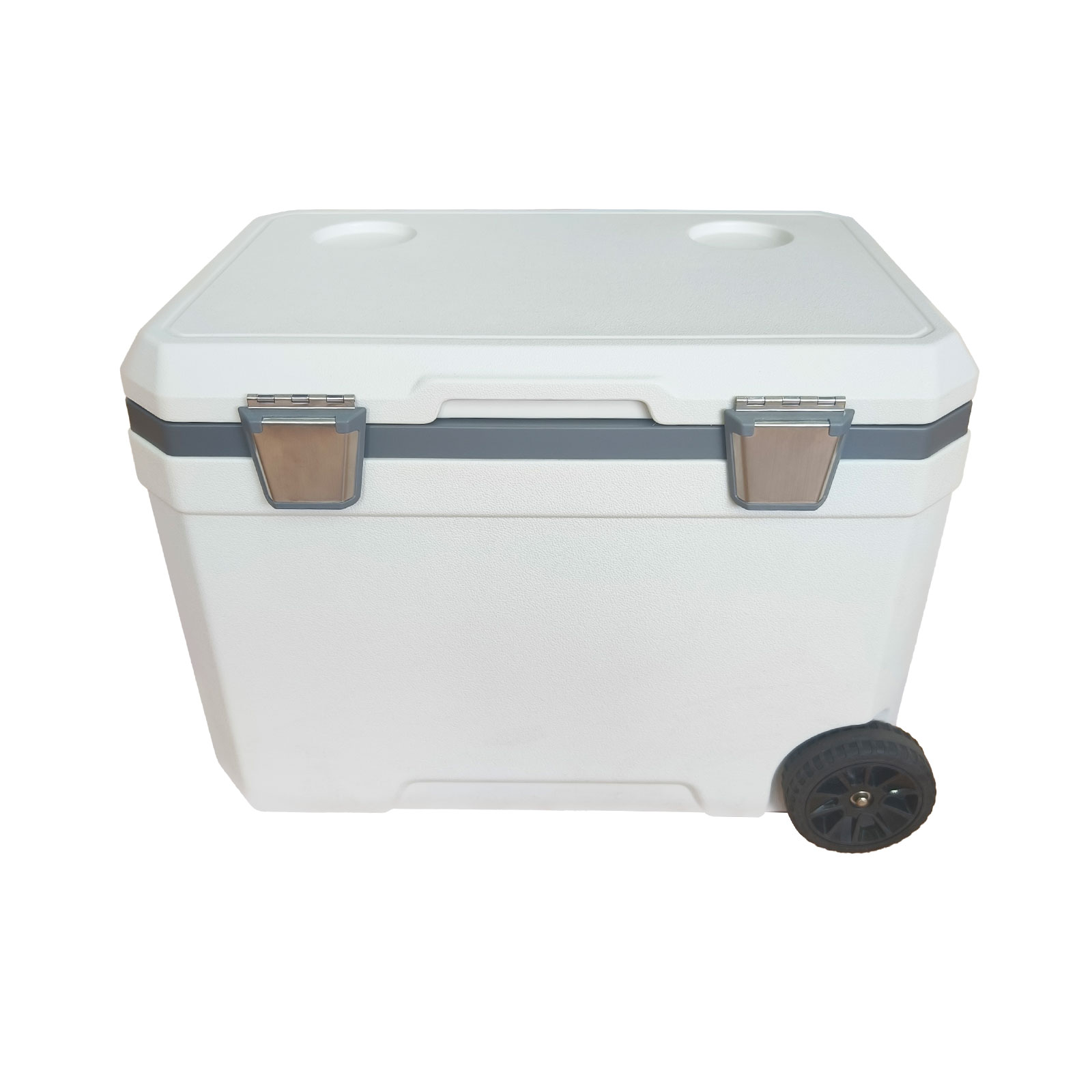
أفضل مورد لصندوق العزل EPP القابل للطي هو الذي يتوافق مع مسارك, حمولة, التعامل مع المخاطر, روتين التنظيف, وحلقة العودة في نفس الوقت. يمكن لتصميم EPP القوي أن يجمع بين الوزن المنخفض, التعافي متعدد التأثيرات, والعزل العملي, ولكن لم يتم ضبط كل صندوق على نفس المسار. يمزج هذا الدليل بين أسئلة المشتري, المنطق الهندسي, و 2026 توقعات السوق حتى تتمكن من الاختيار بافتراضات أقل وأدلة أفضل.
تم تصميم هذه النسخة المحسنة لصناع القرار الذين يحتاجون إلى مقال واحد يجمع بين الوضوح التجاري, العمق الفني, ومنطق السوق الحالي. بدلا من فصل المشتريات, هندسة, والعمليات, إنه يوضح كيف ينبغي لوجهات النظر هذه أن تشكل قرارًا متماسكًا بشأن مورد صندوق العزل EPP القابل للطي.
هذه المقالة سوف تساعدك على الإجابة:
- كيفية الحكم على أفضل مورد لصناديق العزل EPP القابلة للطي من زوايا المشتري والهندسية
- ما هي المواصفات التي تؤثر بشكل مباشر على التحكم في درجة الحرارة والحماية من الصدمات
- ما الامتثال, التتبع, وقضايا التحقق من الصحة تستحق الاهتمام فيها 2026
- كيفية خفض التكلفة دون التضحية بالموثوقية أو الاستدامة
الفحص الذاتي السريع
- يمكنك تشغيل مسار يمكن من خلاله عودة نفس مورد صندوق العزل EPP القابل للطي واستخدامه مرة أخرى
- فقدان المنتج, انجراف درجة الحرارة, أو التغليف المسحوق يكلف حاليًا أكثر من الصندوق نفسه
- يحتاج فريقك إلى حزمة أسرع مع قدر أقل من التخمين في الأوقات المزدحمة
ما الذي يجعل أفضل مورد لصناديق العزل EPP القابلة للطي في العمليات الحقيقية?
إن أفضل مورد لصناديق العزل EPP القابلة للطي ليس هو الذي يتمتع بأكبر مطالبة. هو الذي يناسب طريقك, حمولة, وطريقة العمل بأقل احتكاك. يبدو التغليف الرائع غير مرئي تقريبًا في الاستخدام اليومي لأن الموظفين يعرفون كيفية تحميله, يعرف المتلقي كيفية التعامل معها, ويمكن للمديرين التنبؤ بكيفية أدائها تحت الضغط.
ولهذا السبب يجب أن يبدأ القرار بالواقع. قائمة حجم الحمولة, نافذة درجة الحرارة المستهدفة, وقت الطريق, نقاط الاتصال, النطاق المحيطي الموسمي, وما إذا كان الصندوق يعود. ثم قم بمطابقة التصميم مع تلك الحقائق. يمكن لصندوق EPP القوي أن يدعم العزل, توسيد, وكرر الاستخدام بتنسيق واحد, ولكن فقط عندما يتم اختيار المواصفات لنمط تشغيل حقيقي.
إحدى الطرق المفيدة للتفكير في مورد صندوق العزل EPP القابل للطي هي التعامل معه كنظام متحكم فيه. المادة, التصميم, الحزمة, الطريق, وتدفق العودة كلها تؤثر على النتيجة. عندما يتم تجاهل قطعة واحدة, ربما لا يزال الصندوق يعمل, ولكنها نادراً ما تعمل بكفاءة أو كما ينبغي.
ما هي إشارات المشتري التي توضح تصميم صندوق EPP المعزول القوي والموفر للمساحة?
ابحث عن اللياقة, ليس زائدا. يستخدم الصندوق المصمم جيدًا المساحة الداخلية بكفاءة, يغلق باستمرار, أكوام بأمان, ويدعم تخطيط سائل التبريد القابل للتكرار. ويجب أن تعكس أيضًا غرضها الرئيسي بوضوح, سواء كان ذلك يتعلق بهندسة الطي وكفاءة مكعب الإرجاع واتساق المخزون وسرعة استجابة المورد. غالبًا ما تصبح الصناديق التي تحاول أن تكون كل شيء لكل طريق متوسطة في الوظائف الأكثر أهمية.
في هذه المرحلة, أذكى المشترين يطلبون الأدلة, وليس الشعارات. إنهم يريدون منطق التصميم, اتساق العينة, طريقة الاختبار, ونهج التحكم في التغيير. وهذا يجعل من السهل مقارنة الموردين بشكل عادل ويصعب على المنتجات الضعيفة الاختباء وراء وعود غامضة.
| شراء الإشارة | ما تبدو جيدة مثل | علامة تحذير | ماذا يعني لك |
|---|---|---|---|
| تناسب الحمولة | تخطيط مستقر مع مساحة رأس يمكن التحكم فيها | مقاس فضفاض أو مرتجل | يؤثر على درجة الحرارة وموثوقية التعامل |
| جودة الإغلاق | غطاء ثابت للجلوس وسلوك المكدس | شعور إغلاق غير متناسق | يخلق مخاطر الخدمة التي يمكن تجنبها |
| دعم البرنامج | مسح مراقبة الجودة والانضباط تكرار الطلب | توثيق ضعيف | يجعل التوسع أصعب مما ينبغي |
نصائح عملية لك
- ابدأ كل قرار شراء باستخدام خريطة الطريق ورسم الحمولة.
- استخدم نفس معايير النجاح لكل عينة تقارنها.
- تعامل مع بساطة الحزمة كميزة أداء, وليس كوسيلة راحة ثانوية.
مثال التطبيق: وجد أحد المشترين، الذي قام بتقييم مورد جديد لصندوق العزل EPP القابل للطي، أن العينة الفائزة لم تكن التصميم الأكثر بهرجة. كان هو الذي يناسب المنتج بشكل نظيف, تحميل سريع, وجاء مع أوضح شرح لكيفية إعادة إنتاج نفس المواصفات في الحجم.
كيف تغير المواصفات الفنية أداء موردي صناديق العزل EPP القابلة للطي?
الأداء الفني يأتي من تفاعل المواد, هندسة, والانضباط الحزمة. يعد EPP مفيدًا لأنه عبارة عن رغوة ذات خلايا مغلقة خفيفة الوزن تتمتع بمرونة متعددة الصدمات, والمراجع الفنية عادةً ما تضع EPP المصبوب عبر نطاق كثافة واسع من حوالي 20 ل 250 جم/لتر. يمنح هذا النطاق المهندسين مساحة لتحقيق التوازن في الوزن المنخفض, صلابة, توسيد, والعزل.
ما زال, الكثافة وحدها لا تقرر النتيجة. سمك الجدار, تصميم الزاوية, اندماج حبة, عمق الغطاء, الهندسة الداخلية, ووضع المبرد كلها جزء من الصورة الحرارية والميكانيكية. يمكن للصندوق الرفيع ولكن المصمم جيدًا أن يتفوق على الصندوق الأكبر حجمًا إذا كانت الهندسة أكثر ذكاءً وتم التحكم في العبوة جيدًا.
غالبًا ما يأتي التحسن الأكبر من الجمع بين الانضباط التجاري والانضباط الفني. يحدد المشترون منطق المسار والتكلفة. يحدد المهندسون منطق الأداء. تحدد العمليات طريقة التحميل والإرجاع. عندما تتم محاذاة وجهات النظر الثلاثة هذه مبكرًا, تصبح الموافقة أسهل وتنخفض إعادة العمل بشكل حاد.
ما هي البيانات الأكثر أهمية بالنسبة لصندوق السلسلة الباردة القابل لإعادة الاستخدام والقابل للطي?
يجب أن تُظهر التقارير الحرارية ملف التعريف المحيط, كتلة الحمولة, إعداد المبرد, درجة حرارة البداية, إجمالي وقت التعرض, وتمرير الفرقة. يجب أن توضح تقارير المعالجة ما إذا كان التصميم قد تم تقييمه من خلال محاكاة المسار, اختبار السقوط, أو كليهما. معايير مثل ASTM D3103, أستم D4169, أستم D5276, والإجراءات الحرارية ISTA مفيدة لأنها تجبر المحادثة على الأسلوب بدلاً من التسويق.
إذا كان طلبك أكثر تطلبًا, يجب أن يكشف التصميم عن هذه النية. يمكن أن تدعم المباني ذات الكثافة العالية جدرانًا أقوى والمزيد من إعادة الاستخدام. يمكن للأشكال التي تركز على الصدمات أن تقلل من انتقال التأثير. يمكن للتصميمات المخصصة أو المدمجة تحسين الكفاءة الحرارية عن طريق تقليل حجم الهواء الداخلي المهدر. أفضل المواصفات هي دائمًا تلك التي تحل وضع الفشل الأكثر أهمية أولاً.
| المتغير الفني | لماذا يهم | ما يجب مراجعته | المكافأة التشغيلية |
|---|---|---|---|
| الكثافة وتصميم الجدار | يتحكم في الوزن, صلابة, واستجابة التأثير | هدف الكثافة بالإضافة إلى الأساس المنطقي الهندسي | صندوق أكثر توازناً للمسار الحقيقي |
| التحقق الحراري | يُظهر ما إذا كانت الحزمة يمكنها الاحتفاظ بالنطاق المستهدف | اختبار الملف الشخصي, حمولة, سائل التبريد, تمرير الفرقة | ثقة أفضل قبل التوسع |
| التحقق من صحة التعامل | يؤكد البقاء في التوزيع | طريقة إسقاط أو محاكاة الطريق | شقوق أقل, التشوهات, وفشل الخدمة |
نصائح عملية لك
- لا تقم أبدًا بتقييم وقت الانتظار دون افتراضات الحمولة الصافية والمبرد الدقيقة وراءه.
- تحقق مما إذا كان التصميم لا يزال يعمل عند تحميله جزئيًا أو التعامل معه بشكل متكرر.
- اسأل عن المتغيرات التي يتم التحكم فيها في الإنتاج وما هي الأهداف الاسمية فقط.
مثال التطبيق: أظهرت مراجعة الأداء أن النتيجة الأقوى جاءت من التصميم المتوازن وليس من الكثافة الأعلى وحدها. كان أداء الصندوق أفضل لأن الملاءمة الداخلية قللت من الحركة وتكرر الإغلاق بشكل أكثر اتساقًا أثناء التحميل.
ما هي المعايير, احتياجات الامتثال, والسيناريوهات هي الأكثر أهمية?
المعايير مهمة لأنها تربط مطالبات التعبئة والتغليف بالاستخدام الحقيقي. يعتمد ملف الامتثال الصحيح على التطبيق, لكن المشترين الجادين يبحثون دائمًا عن معلومات مادية يمكن تتبعها, الرسومات التي تسيطر عليها, والتحقق من صحة المسار ذات الصلة. هذه هي الطريقة التي تقلل بها المفاجآت عندما يصبح البرنامج التجريبي برنامجًا موسعًا.
لمعظم الاستخدامات الصناعية وسلسلة التبريد, لا يزال الدليل الأكثر فائدة هو البيانات الحرارية ذات الصلة بالطريق, اختبار السقوط أو الاهتزاز, وضوابط واضحة للجودة الواردة لكل دفعة إنتاج.
وهذا أيضًا هو السبب وراء تقدم برامج التغليف القوية بشكل جيد. من الأسهل إعادة تدريبهم, أسهل لإعادة الطلب, أسهل للتوثيق, وأسهل في التكيف عندما تتغير المسارات أو الأحجام. يقوم صندوق EPP المختار جيدًا بأكثر من مجرد حماية المنتج; فهو يقلل من ضجيج القرار عبر العملية.
كيف يمكنك ربط الامتثال باستخدام مبرد EPP الحقيقي القابل للتكديس والقابل للإرجاع?
ابدأ بتحديد المخاطر الفعلية. تهتم برامج الغذاء بإعلانات الاتصال بالأغذية, إجراءات التنظيف, وانضباط التتبع. يهتم نقل اللقاحات بممارسات سلسلة التبريد السلبية والتحكم في درجة الحرارة. قد يركز المستخدمون الصناعيون بشكل أكبر على إساءة استخدام الطريق, التوافق, والمتانة على المدى الطويل. كلما كان تعريف المخاطر الخاص بك أفضل, أصبح ملخص التغليف الخاص بك أكثر نظافة.
في 2026, ويرتبط الامتثال أيضًا بشكل أوثق بالاستجابة التشغيلية. تريد الفرق الوصول إلى السجلات بسرعة, فهم المراجعات بوضوح, واعلم أن الطلبات المتكررة سوف تتطابق مع التكوين الذي تم التحقق من صحته. يؤدي التوثيق الجيد إلى تقليل وقت الموافقة ويجعل عملية استكشاف الأخطاء وإصلاحها أسرع بكثير عندما يتغير شيء ما في الميدان.
| حاجة التطبيق | النقطة المرجعية الأولية | ما يجب تأكيده | لماذا يساعد |
|---|---|---|---|
| استخدام الغذاء الصف | FDA / إطار الاتصال الغذائي للاتحاد الأوروبي | إعلان المواد والتحكم في نمط GMP | يدعم آمنة, التعامل مع المواد الغذائية القابلة للتدقيق |
| التحقق من صحة السلسلة الباردة | أستم / طرق ISTA | الأدلة الحرارية والتعامل معها | ينقل القرار من الإدعاءات إلى الإثبات |
| توزيع حساس | من / CDC أو إجراءات التشغيل القياسية الخاصة بالمسار | انضباط الحزمة وخطة الاستجابة | يحمي الحمولات عالية المخاطر بشكل أفضل |
نصائح عملية لك
- اربط كل تقرير اختبار وإعلان بمراجعة الرسم الدقيقة.
- احتفظ بملف موافقة واحد يجمع التصميم, تصديق, واستلام الشيكات.
- قم بمراجعة كيفية الإبلاغ عن تغيير المواصفات المستقبلية قبل توسيع نطاق البرنامج.
مثال التطبيق: قام فريق التوريد القائم على الجودة بتقصير وقت الموافقة عن طريق تحويل الأوراق المتناثرة إلى ملف واحد يتم التحكم فيه لمورد صندوق العزل EPP القابل للطي. كان من الأسهل الموافقة على الحزمة بسبب مراجعة التصميم, منطق التحقق من الصحة, وتمت محاذاة استلام الشيكات من البداية.
كيف يمكنك تقليل التكلفة, يضيع, ومخاطر التسليم مع مورد صندوق العزل EPP القابل للطي?
أفضل المدخرات تأتي عند الأداء, إعادة الاستخدام, والعمل القياسي يتحسن معًا. إن برنامج EPP القابل لإعادة الاستخدام لا يفوز لأن الصندوق رخيص. إنه يفوز لأن الطريق أصبح أكثر استقرارًا, يصبح التعامل أسهل, وتستمر العبوة لفترة كافية لخفض ضوضاء الاستبدال والخدمة.
قم بقياس الصندوق بالدورة, ليس فقط بسعر الشراء. تتبع معدل الاستبدال, معدل العودة, وقت الحزمة, معدل الضرر, واستثناءات الخدمة. توضح هذه الأرقام ما إذا كانت العبوة تعمل بالفعل. كما أنها تكشف أيضًا عندما يكمن الضعف الحقيقي خارج المادة, مثل ضعف الانضباط في الإرجاع أو التحميل غير المتسق.
وهذا أيضًا هو السبب وراء تقدم برامج التغليف القوية بشكل جيد. من الأسهل إعادة تدريبهم, أسهل لإعادة الطلب, أسهل للتوثيق, وأسهل في التكيف عندما تتغير المسارات أو الأحجام. يقوم صندوق EPP المختار جيدًا بأكثر من مجرد حماية المنتج; فهو يقلل من ضجيج القرار عبر العملية.
ماذا يفعل قوي 2026 يشبه نموذج القيمة موزع صندوق EPP?
يتضمن نموذج القيمة القوية الحجم الصحيح, تعليمات واضحة للعودة, استلام الشيكات, وخطة واقعية لنهاية الحياة. تعتبر EPP جذابة لأنه يمكن إعادة استخدامها وإعادة تدويرها, لكن هذه المزايا تصبح حقيقية فقط عندما تتمكن العملية من الاستيلاء على الصندوق, وحدات منفصلة التالفة, والحفاظ على بركة نظيفة في الدورة الدموية.
يدفع ضغط السوق المشترين نحو التعبئة والتغليف التي يمكن أن تفعل المزيد مع نفايات أقل, عمالة أقل, وأقل عدم اليقين. هذا هو السبب 2026 غالبًا ما تمزج محادثات الشراء بين التكلفة الإجمالية, التتبع, أداء الطريق, والاستدامة في قرار واحد بدلاً من التعامل معها كمشاريع منفصلة.
| رافعة القيمة | ما يجب قياسه | كيفية تحسينه | النتيجة التي تشعر بها |
|---|---|---|---|
| إعادة استخدام الكفاءة | الرحلات لكل صندوق ومعدل العودة | مسح سير عمل العودة | أفضل الاسترداد على كل وحدة |
| البساطة التشغيلية | وقت الحزمة والاستثناءات | تعليمات العمل الموحدة | أخطاء أقل تحت الضغط اليومي |
| الحد من النفايات | معدل الاستبدال والتعامل مع نهاية العمر | تتبع الخسائر وفصل الوحدات المتضررة | نتائج استدامة أكثر مصداقية |
نصائح عملية لك
- مراجعة التكلفة عن طريق الطريق والدورة, ليس فقط من حيث حجم الشراء السنوي.
- قم بتجربة عملية الإرجاع وعملية التنظيف قبل الالتزام بطرح كبير.
- قم بإزالة الأحجام الزائدة حتى يبني الفريق عادات حول أحجام أصغر, عائلة الصندوق الأقوى.
مثال التطبيق: تحسنت عملية طرح العبوات القابلة لإعادة الاستخدام بشكل كبير بعد أن توقف الفريق عن التركيز فقط على سعر الوحدة. بمجرد تتبع معدل العودة, معدل الاستبدال, واتساق الحزمة معًا, أصبح برنامج EPP أسهل في التوسع وأسهل في الدفاع عنه داخليًا.
2026 التطورات والاتجاهات
أفضل تصميمات موردي صناديق العزل EPP القابلة للطي في 2026 يفوزون لأنهم يربطون منطق المشتري بالدليل الهندسي. يتجه الطلب نحو التغليف الذي يسهل التحقق من صحته, أسهل لإعادة الاستخدام, وأسهل لتناسب سير العمل الذي يمكن تتبعه. وهذا يعني أن أقوى الحلول ليست عادةً هي الأكثر تعقيدًا. هم الذين يقللون من عدم اليقين عبر التعبئة, ينقل, تلقي, ويعود.
أحدث التحولات في لمحة
- حزم الناس أولاً: بسيط, أصبحت طرق التحميل القابلة للتكرار ميزة تنافسية لأنها تقلل من الأخطاء اليومية.
- مصادر مدعومة بالدليل: تفاصيل التحقق من الصحة, مراقبة المراجعة, وتؤثر ملفات الامتثال الواضحة الآن على قرارات الشراء بشكل مباشر أكثر.
- الاستدامة مع الانضباط: تعتبر إعادة الاستخدام وقابلية إعادة التدوير أكثر أهمية عندما تكون حلقة العودة ومسار نهاية العمر موثوقين من الناحية التشغيلية.
عبر الطعام, الرعاية الصحية, والخدمات اللوجستية الصناعية, يقوم المشترون بمزج التكلفة الإجمالية, موثوقية الخدمة, والاستدامة في قرار تعبئة واحد. ولهذا السبب تستمر برامج التخطيط للتخطيط للتخطيط (EPP) المحددة جيدًا في الظهور 2026.
الأسئلة المتداولة
كيف يمكنك اختيار الحجم المناسب لمورد صندوق العزل EPP القابل للطي?
ابدأ بالحمولة الحقيقية, تخطيط المبرد, ومساحة رأس مقبولة. يحمي الصندوق ذو الحجم المناسب درجة الحرارة والمنتج بشكل أفضل من الصندوق الكبير الذي يبدو ببساطة أكثر قدرة.
يعتبر مورد صندوق العزل EPP القابل للطي أفضل من الرغوة ذات الاستخدام الواحد لكل طريق?
لا. يعمل بشكل أفضل عندما يكون الطريق, نمط التعامل, ويتم تعريف منطق العودة. يصبح EPP القابل لإعادة الاستخدام أكثر إقناعًا عندما يمكنك قياس الضرر الأقل, حزمة أكثر ثباتا, أو اقتصاديات دورة أفضل.
ما مدى متانة مورد صندوق العزل EPP القابل للطي في الاستخدام المتكرر?
المتانة تعتمد على الكثافة, هندسة, إساءة استخدام الطريق, ومدى جودة التعامل مع الصندوق بين الرحلات. اسأل عن حالات الاستخدام الحقيقي, معدل الاستبدال, وأي محاكاة للمسار أو أدلة اختبار السقوط.
ما هي بيانات الاختبار الأكثر أهمية بالنسبة لمورد صندوق العزل EPP القابل للطي?
تشرح التقارير الأكثر فائدة ملف تعريف الاختبار, حمولة, إعداد المبرد, درجة حرارة البداية, وتمرير الفرقة. إن المطالبة بوقت الانتظار دون تفاصيل الطريقة ليست قوية بما يكفي لاتخاذ قرار شراء جدي.
كيف يجب أن تقارن بين الموردين لمورد صندوق العزل EPP القابل للطي?
قارن الاتساق, جودة التوثيق, مراقبة المراجعة, مهلة, والدعم أثناء أخذ العينات وتوسيع نطاقها. أفضل مورد هو الذي يمكنه تكرار التصميم المعتمد, ليس فقط تسليم العينة الأولى.
في بعض الأحيان يكون مورد صندوق العزل EPP القابل للطي الأكثر تكلفة هو الخيار الأرخص?
نعم. إذا كان يقلل من فقدان المنتج, عمالة التعبئة والتغليف, بدائل الطوارئ, أو النفايات, يمكن أن تكون التكلفة الإجمالية أقل حتى عندما يكون سعر الشراء أعلى. قياس حسب الدورة والطريق, ليس فقط من خلال تكلفة الوحدة.
ما هو عدد أحجام موردي صناديق العزل EPP القابلة للطي التي يجب أن يحتفظ بها البرنامج عادةً?
أقل عادة ما يكون أفضل. من السهل تدريب عائلة الصندوق الأصغر, مخزون, والعودة. أضف الأحجام فقط عندما تكون الحمولة أو فرق المسار كبيرًا بما يكفي لتبرير التعقيد الإضافي.
متى يجب أن تطلب موردًا مخصصًا لصندوق العزل EPP القابل للطي بدلاً من الحجم القياسي?
اطلب التخصيص عندما تخلق الأحجام القياسية مساحة فارغة كبيرة جدًا, التراص غير المستقر, أو عمالة إضافية. يكون التصميم المخصص أكثر فائدة عندما يكون الحجم قابلاً للتكرار وتحسن الهندسة الأداء أو الكفاءة بشكل واضح.
ملخص وتوصيات
تنجح أقوى برامج توريد الصناديق العازلة EPP القابلة للطي لأنها تتوافق مع المسار, دليل تقني, الانضباط الامتثال, وإعادة استخدام المنطق. أذكى المشترين يبدأون بالمسار الحقيقي, قارن التصميمات بنفس الحمولة الصافية وإعدادات المبرد, واطلب أدلة واضحة قبل القياس. عندما يكون الصندوق, الطريق, وتطابق طريقة التشغيل, يمكن أن يحقق التخطيط الاستراتيجي للتخطيط (EPP) مكاسب عملية من حيث الاتساق, حماية, والحد من النفايات.
أنشئ قائمة مرجعية قصيرة للموافقة قبل الشراء: تحديد الطريق, تحديد الحمولة, تحديد معايير النجاح, وتشغيل عينة محملة حقيقية. سيساعدك هذا التسلسل البسيط على تجنب أخطاء التغليف الأكثر شيوعًا والانتقال إلى برنامج صندوقي يعمل بشكل موثوق في الاستخدام اليومي.
حول Tempk
و Tempk, نحن نركز على عبوات النقل المعزولة لتطبيقات سلسلة التبريد والاستخدام الوقائي. نحن نعمل على أسئلة التصميم العملية مثل الملاءمة, الأداء الحراري, متانة, وكفاءة تكرار الاستخدام, لذلك يمكن أن يكون من الأسهل التحقق من صحة برنامج مورد صندوق العزل EPP القابل للطي وتوسيع نطاقه. يرتكز نهجنا على واقع الطريق, ليس فقط مواصفات الكتالوج.
الخطوة التالية: تحديد الحمولة الخاصة بك, نطاق درجة الحرارة المستهدفة, ملف تعريف الطريق, وإعادة استخدام الهدف, ثم قم بمراجعة خيارات العينة مقابل تلك المعايير قبل الانتقال إلى أمر تجريبي.
ما الذي يجعل أفضل موزع لصناديق التبريد القابلة للطي EPP?
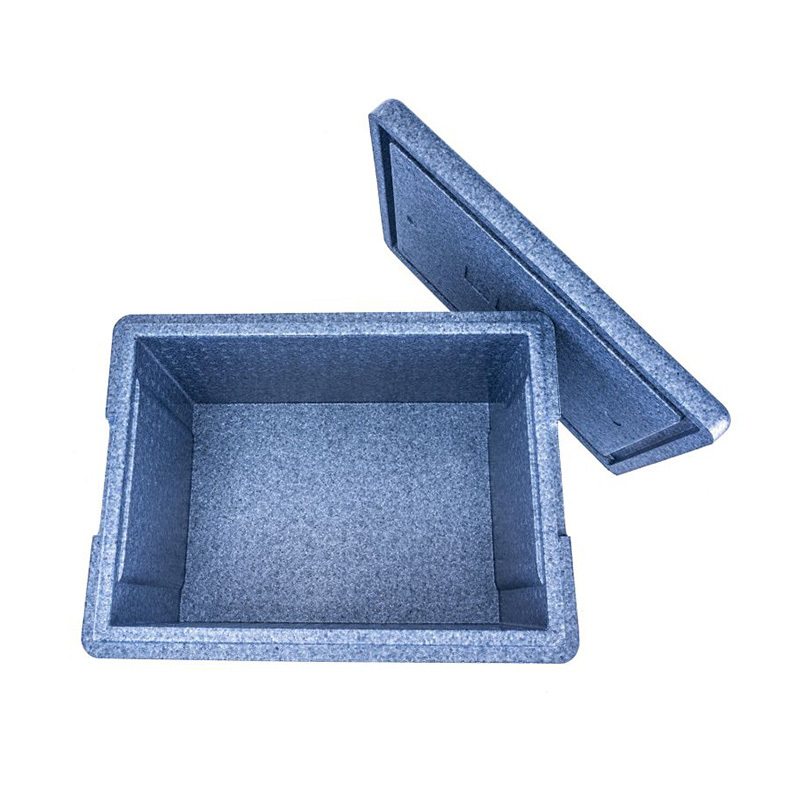
أفضل موزع لصندوق التبريد القابل للطي EPP هو الموزع الذي يتوافق مع مسارك, حمولة, التعامل مع المخاطر, روتين التنظيف, وحلقة العودة في نفس الوقت. يمكن لتصميم EPP القوي أن يجمع بين الوزن المنخفض, التعافي متعدد التأثيرات, والعزل العملي, ولكن لم يتم ضبط كل صندوق على نفس المسار. يمزج هذا الدليل بين أسئلة المشتري, المنطق الهندسي, و 2026 توقعات السوق حتى تتمكن من الاختيار بافتراضات أقل وأدلة أفضل.
تم تصميم هذه النسخة المحسنة لصناع القرار الذين يحتاجون إلى مقال واحد يجمع بين الوضوح التجاري, العمق الفني, ومنطق السوق الحالي. بدلا من فصل المشتريات, هندسة, والعمليات, إنه يوضح كيف ينبغي لوجهات النظر هذه أن تشكل قرارًا متماسكًا بشأن موزع صندوق التبريد EPP القابل للطي.
هذه المقالة سوف تساعدك على الإجابة:
- كيفية الحكم على أفضل موزع لصندوق التبريد EPP القابل للطي من زوايا المشتري والهندسة
- ما هي المواصفات التي تؤثر بشكل مباشر على التحكم في درجة الحرارة والحماية من الصدمات
- ما الامتثال, التتبع, وقضايا التحقق من الصحة تستحق الاهتمام فيها 2026
- كيفية خفض التكلفة دون التضحية بالموثوقية أو الاستدامة
الفحص الذاتي السريع
- يمكنك تشغيل مسار يمكن من خلاله عودة نفس موزع صندوق التبريد EPP القابل للطي واستخدامه مرة أخرى
- فقدان المنتج, انجراف درجة الحرارة, أو التغليف المسحوق يكلف حاليًا أكثر من الصندوق نفسه
- يحتاج فريقك إلى حزمة أسرع مع قدر أقل من التخمين في الأوقات المزدحمة
ما الذي يجعل أفضل موزع لصندوق التبريد EPP القابل للطي في العمليات الحقيقية?
إن أفضل موزع لصندوق التبريد EPP القابل للطي ليس هو الذي يتمتع بأكبر مطالبة. هو الذي يناسب طريقك, حمولة, وطريقة العمل بأقل احتكاك. يبدو التغليف الرائع غير مرئي تقريبًا في الاستخدام اليومي لأن الموظفين يعرفون كيفية تحميله, يعرف المتلقي كيفية التعامل معها, ويمكن للمديرين التنبؤ بكيفية أدائها تحت الضغط.
ولهذا السبب يجب أن يبدأ القرار بالواقع. قائمة حجم الحمولة, نافذة درجة الحرارة المستهدفة, وقت الطريق, نقاط الاتصال, النطاق المحيطي الموسمي, وما إذا كان الصندوق يعود. ثم قم بمطابقة التصميم مع تلك الحقائق. يمكن لصندوق EPP القوي أن يدعم العزل, توسيد, وكرر الاستخدام بتنسيق واحد, ولكن فقط عندما يتم اختيار المواصفات لنمط تشغيل حقيقي.
من الطرق المفيدة للتفكير في موزع صندوق التبريد القابل للطي EPP هو التعامل معه كنظام متحكم فيه. المادة, التصميم, الحزمة, الطريق, وتدفق العودة كلها تؤثر على النتيجة. عندما يتم تجاهل قطعة واحدة, ربما لا يزال الصندوق يعمل, ولكنها نادراً ما تعمل بكفاءة أو كما ينبغي.
ما هي إشارات المشتري التي توضح تصميم صندوق EPP المعزول القوي والموفر للمساحة?
ابحث عن اللياقة, ليس زائدا. يستخدم الصندوق المصمم جيدًا المساحة الداخلية بكفاءة, يغلق باستمرار, أكوام بأمان, ويدعم تخطيط سائل التبريد القابل للتكرار. ويجب أن تعكس أيضًا غرضها الرئيسي بوضوح, سواء كان ذلك يتعلق بهندسة الطي وكفاءة مكعب الإرجاع واتساق المخزون وسرعة استجابة المورد. غالبًا ما تصبح الصناديق التي تحاول أن تكون كل شيء لكل طريق متوسطة في الوظائف الأكثر أهمية.
في هذه المرحلة, أذكى المشترين يطلبون الأدلة, وليس الشعارات. إنهم يريدون منطق التصميم, اتساق العينة, طريقة الاختبار, ونهج التحكم في التغيير. وهذا يجعل من السهل مقارنة الموردين بشكل عادل ويصعب على المنتجات الضعيفة الاختباء وراء وعود غامضة.
| شراء الإشارة | ما تبدو جيدة مثل | علامة تحذير | ماذا يعني لك |
|---|---|---|---|
| تناسب الحمولة | تخطيط مستقر مع مساحة رأس يمكن التحكم فيها | مقاس فضفاض أو مرتجل | يؤثر على درجة الحرارة وموثوقية التعامل |
| جودة الإغلاق | غطاء ثابت للجلوس وسلوك المكدس | شعور إغلاق غير متناسق | يخلق مخاطر الخدمة التي يمكن تجنبها |
| دعم البرنامج | مسح مراقبة الجودة والانضباط تكرار الطلب | توثيق ضعيف | يجعل التوسع أصعب مما ينبغي |
نصائح عملية لك
- ابدأ كل قرار شراء باستخدام خريطة الطريق ورسم الحمولة.
- استخدم نفس معايير النجاح لكل عينة تقارنها.
- تعامل مع بساطة الحزمة كميزة أداء, وليس كوسيلة راحة ثانوية.
مثال التطبيق: وجد أحد المشترين، الذي قام بتقييم موزع صندوق تبريد EPP جديد قابل للطي، أن العينة الفائزة لم تكن التصميم الأكثر بهرجة. كان هو الذي يناسب المنتج بشكل نظيف, تحميل سريع, وجاء مع أوضح شرح لكيفية إعادة إنتاج نفس المواصفات في الحجم.
كيف تغير المواصفات الفنية أداء موزع صندوق التبريد القابل للطي EPP?
الأداء الفني يأتي من تفاعل المواد, هندسة, والانضباط الحزمة. يعد EPP مفيدًا لأنه عبارة عن رغوة ذات خلايا مغلقة خفيفة الوزن تتمتع بمرونة متعددة الصدمات, والمراجع الفنية عادةً ما تضع EPP المصبوب عبر نطاق كثافة واسع من حوالي 20 ل 250 جم/لتر. يمنح هذا النطاق المهندسين مساحة لتحقيق التوازن في الوزن المنخفض, صلابة, توسيد, والعزل.
ما زال, الكثافة وحدها لا تقرر النتيجة. سمك الجدار, تصميم الزاوية, اندماج حبة, عمق الغطاء, الهندسة الداخلية, ووضع المبرد كلها جزء من الصورة الحرارية والميكانيكية. يمكن للصندوق الرفيع ولكن المصمم جيدًا أن يتفوق على الصندوق الأكبر حجمًا إذا كانت الهندسة أكثر ذكاءً وتم التحكم في العبوة جيدًا.
غالبًا ما يأتي التحسن الأكبر من الجمع بين الانضباط التجاري والانضباط الفني. يحدد المشترون منطق المسار والتكلفة. يحدد المهندسون منطق الأداء. تحدد العمليات طريقة التحميل والإرجاع. عندما تتم محاذاة وجهات النظر الثلاثة هذه مبكرًا, تصبح الموافقة أسهل وتنخفض إعادة العمل بشكل حاد.
ما هي البيانات الأكثر أهمية بالنسبة لصندوق السلسلة الباردة القابل لإعادة الاستخدام والقابل للطي?
يجب أن تُظهر التقارير الحرارية ملف التعريف المحيط, كتلة الحمولة, إعداد المبرد, درجة حرارة البداية, إجمالي وقت التعرض, وتمرير الفرقة. يجب أن توضح تقارير المعالجة ما إذا كان التصميم قد تم تقييمه من خلال محاكاة المسار, اختبار السقوط, أو كليهما. معايير مثل ASTM D3103, أستم D4169, أستم D5276, والإجراءات الحرارية ISTA مفيدة لأنها تجبر المحادثة على الأسلوب بدلاً من التسويق.
إذا كان طلبك أكثر تطلبًا, يجب أن يكشف التصميم عن هذه النية. يمكن أن تدعم المباني ذات الكثافة العالية جدرانًا أقوى والمزيد من إعادة الاستخدام. يمكن للأشكال التي تركز على الصدمات أن تقلل من انتقال التأثير. يمكن للتصميمات المخصصة أو المدمجة تحسين الكفاءة الحرارية عن طريق تقليل حجم الهواء الداخلي المهدر. أفضل المواصفات هي دائمًا تلك التي تحل وضع الفشل الأكثر أهمية أولاً.
| المتغير الفني | لماذا يهم | ما يجب مراجعته | المكافأة التشغيلية |
|---|---|---|---|
| الكثافة وتصميم الجدار | يتحكم في الوزن, صلابة, واستجابة التأثير | هدف الكثافة بالإضافة إلى الأساس المنطقي الهندسي | صندوق أكثر توازناً للمسار الحقيقي |
| التحقق الحراري | يُظهر ما إذا كانت الحزمة يمكنها الاحتفاظ بالنطاق المستهدف | اختبار الملف الشخصي, حمولة, سائل التبريد, تمرير الفرقة | ثقة أفضل قبل التوسع |
| التحقق من صحة التعامل | يؤكد البقاء في التوزيع | طريقة إسقاط أو محاكاة الطريق | شقوق أقل, التشوهات, وفشل الخدمة |
نصائح عملية لك
- لا تقم أبدًا بتقييم وقت الانتظار دون افتراضات الحمولة الصافية والمبرد الدقيقة وراءه.
- تحقق مما إذا كان التصميم لا يزال يعمل عند تحميله جزئيًا أو التعامل معه بشكل متكرر.
- اسأل عن المتغيرات التي يتم التحكم فيها في الإنتاج وما هي الأهداف الاسمية فقط.
مثال التطبيق: أظهرت مراجعة الأداء أن النتيجة الأقوى جاءت من التصميم المتوازن وليس من الكثافة الأعلى وحدها. كان أداء الصندوق أفضل لأن الملاءمة الداخلية قللت من الحركة وتكرر الإغلاق بشكل أكثر اتساقًا أثناء التحميل.
ما هي المعايير, احتياجات الامتثال, والسيناريوهات هي الأكثر أهمية?
المعايير مهمة لأنها تربط مطالبات التعبئة والتغليف بالاستخدام الحقيقي. يعتمد ملف الامتثال الصحيح على التطبيق, لكن المشترين الجادين يبحثون دائمًا عن معلومات مادية يمكن تتبعها, الرسومات التي تسيطر عليها, والتحقق من صحة المسار ذات الصلة. هذه هي الطريقة التي تقلل بها المفاجآت عندما يصبح البرنامج التجريبي برنامجًا موسعًا.
لمعظم الاستخدامات الصناعية وسلسلة التبريد, لا يزال الدليل الأكثر فائدة هو البيانات الحرارية ذات الصلة بالطريق, اختبار السقوط أو الاهتزاز, وضوابط واضحة للجودة الواردة لكل دفعة إنتاج.
وهذا أيضًا هو السبب وراء تقدم برامج التغليف القوية بشكل جيد. من الأسهل إعادة تدريبهم, أسهل لإعادة الطلب, أسهل للتوثيق, وأسهل في التكيف عندما تتغير المسارات أو الأحجام. يقوم صندوق EPP المختار جيدًا بأكثر من مجرد حماية المنتج; فهو يقلل من ضجيج القرار عبر العملية.
كيف يمكنك ربط الامتثال باستخدام مبرد EPP الحقيقي القابل للتكديس والقابل للإرجاع?
ابدأ بتحديد المخاطر الفعلية. تهتم برامج الغذاء بإعلانات الاتصال بالأغذية, إجراءات التنظيف, وانضباط التتبع. يهتم نقل اللقاحات بممارسات سلسلة التبريد السلبية والتحكم في درجة الحرارة. قد يركز المستخدمون الصناعيون بشكل أكبر على إساءة استخدام الطريق, التوافق, والمتانة على المدى الطويل. كلما كان تعريف المخاطر الخاص بك أفضل, أصبح ملخص التغليف الخاص بك أكثر نظافة.
في 2026, ويرتبط الامتثال أيضًا بشكل أوثق بالاستجابة التشغيلية. تريد الفرق الوصول إلى السجلات بسرعة, فهم المراجعات بوضوح, واعلم أن الطلبات المتكررة سوف تتطابق مع التكوين الذي تم التحقق من صحته. يؤدي التوثيق الجيد إلى تقليل وقت الموافقة ويجعل عملية استكشاف الأخطاء وإصلاحها أسرع بكثير عندما يتغير شيء ما في الميدان.
| حاجة التطبيق | النقطة المرجعية الأولية | ما يجب تأكيده | لماذا يساعد |
|---|---|---|---|
| استخدام الغذاء الصف | FDA / إطار الاتصال الغذائي للاتحاد الأوروبي | إعلان المواد والتحكم في نمط GMP | يدعم آمنة, التعامل مع المواد الغذائية القابلة للتدقيق |
| التحقق من صحة السلسلة الباردة | أستم / طرق ISTA | الأدلة الحرارية والتعامل معها | ينقل القرار من الإدعاءات إلى الإثبات |
| توزيع حساس | من / CDC أو إجراءات التشغيل القياسية الخاصة بالمسار | انضباط الحزمة وخطة الاستجابة | يحمي الحمولات عالية المخاطر بشكل أفضل |
نصائح عملية لك
- اربط كل تقرير اختبار وإعلان بمراجعة الرسم الدقيقة.
- احتفظ بملف موافقة واحد يجمع التصميم, تصديق, واستلام الشيكات.
- قم بمراجعة كيفية الإبلاغ عن تغيير المواصفات المستقبلية قبل توسيع نطاق البرنامج.
مثال التطبيق: قام فريق التوريد القائم على الجودة بتقصير وقت الموافقة عن طريق تحويل الأوراق المتناثرة إلى ملف واحد يتم التحكم فيه لموزع صندوق التبريد EPP القابل للطي. كان من الأسهل الموافقة على الحزمة بسبب مراجعة التصميم, منطق التحقق من الصحة, وتمت محاذاة استلام الشيكات من البداية.
كيف يمكنك تقليل التكلفة, يضيع, ومخاطر التسليم مع موزع صندوق التبريد القابل للطي EPP?
أفضل المدخرات تأتي عند الأداء, إعادة الاستخدام, والعمل القياسي يتحسن معًا. إن برنامج EPP القابل لإعادة الاستخدام لا يفوز لأن الصندوق رخيص. إنه يفوز لأن الطريق أصبح أكثر استقرارًا, يصبح التعامل أسهل, وتستمر العبوة لفترة كافية لخفض ضوضاء الاستبدال والخدمة.
قم بقياس الصندوق بالدورة, ليس فقط بسعر الشراء. تتبع معدل الاستبدال, معدل العودة, وقت الحزمة, معدل الضرر, واستثناءات الخدمة. توضح هذه الأرقام ما إذا كانت العبوة تعمل بالفعل. كما أنها تكشف أيضًا عندما يكمن الضعف الحقيقي خارج المادة, مثل ضعف الانضباط في الإرجاع أو التحميل غير المتسق.
وهذا أيضًا هو السبب وراء تقدم برامج التغليف القوية بشكل جيد. من الأسهل إعادة تدريبهم, أسهل لإعادة الطلب, أسهل للتوثيق, وأسهل في التكيف عندما تتغير المسارات أو الأحجام. يقوم صندوق EPP المختار جيدًا بأكثر من مجرد حماية المنتج; فهو يقلل من ضجيج القرار عبر العملية.
ماذا يفعل قوي 2026 يشبه نموذج القيمة موزع صندوق EPP?
يتضمن نموذج القيمة القوية الحجم الصحيح, تعليمات واضحة للعودة, استلام الشيكات, وخطة واقعية لنهاية الحياة. تعتبر EPP جذابة لأنه يمكن إعادة استخدامها وإعادة تدويرها, لكن هذه المزايا تصبح حقيقية فقط عندما تتمكن العملية من الاستيلاء على الصندوق, وحدات منفصلة التالفة, والحفاظ على بركة نظيفة في الدورة الدموية.
يدفع ضغط السوق المشترين نحو التعبئة والتغليف التي يمكن أن تفعل المزيد مع نفايات أقل, عمالة أقل, وأقل عدم اليقين. هذا هو السبب 2026 غالبًا ما تمزج محادثات الشراء بين التكلفة الإجمالية, التتبع, أداء الطريق, والاستدامة في قرار واحد بدلاً من التعامل معها كمشاريع منفصلة.
| رافعة القيمة | ما يجب قياسه | كيفية تحسينه | النتيجة التي تشعر بها |
|---|---|---|---|
| إعادة استخدام الكفاءة | الرحلات لكل صندوق ومعدل العودة | مسح سير عمل العودة | أفضل الاسترداد على كل وحدة |
| البساطة التشغيلية | وقت الحزمة والاستثناءات | تعليمات العمل الموحدة | أخطاء أقل تحت الضغط اليومي |
| الحد من النفايات | معدل الاستبدال والتعامل مع نهاية العمر | تتبع الخسائر وفصل الوحدات المتضررة | نتائج استدامة أكثر مصداقية |
نصائح عملية لك
- مراجعة التكلفة عن طريق الطريق والدورة, ليس فقط من حيث حجم الشراء السنوي.
- قم بتجربة عملية الإرجاع وعملية التنظيف قبل الالتزام بطرح كبير.
- قم بإزالة الأحجام الزائدة حتى يبني الفريق عادات حول أحجام أصغر, عائلة الصندوق الأقوى.
مثال التطبيق: تحسنت عملية طرح العبوات القابلة لإعادة الاستخدام بشكل كبير بعد أن توقف الفريق عن التركيز فقط على سعر الوحدة. بمجرد تتبع معدل العودة, معدل الاستبدال, واتساق الحزمة معًا, أصبح برنامج EPP أسهل في التوسع وأسهل في الدفاع عنه داخليًا.
2026 التطورات والاتجاهات
أفضل تصميمات موزع صندوق التبريد EPP القابل للطي في 2026 يفوزون لأنهم يربطون منطق المشتري بالدليل الهندسي. يتجه الطلب نحو التغليف الذي يسهل التحقق من صحته, أسهل لإعادة الاستخدام, وأسهل لتناسب سير العمل الذي يمكن تتبعه. وهذا يعني أن أقوى الحلول ليست عادةً هي الأكثر تعقيدًا. هم الذين يقللون من عدم اليقين عبر التعبئة, ينقل, تلقي, ويعود.
أحدث التحولات في لمحة
- حزم الناس أولاً: بسيط, أصبحت طرق التحميل القابلة للتكرار ميزة تنافسية لأنها تقلل من الأخطاء اليومية.
- مصادر مدعومة بالدليل: تفاصيل التحقق من الصحة, مراقبة المراجعة, وتؤثر ملفات الامتثال الواضحة الآن على قرارات الشراء بشكل مباشر أكثر.
- الاستدامة مع الانضباط: تعتبر إعادة الاستخدام وقابلية إعادة التدوير أكثر أهمية عندما تكون حلقة العودة ومسار نهاية العمر موثوقين من الناحية التشغيلية.
عبر الطعام, الرعاية الصحية, والخدمات اللوجستية الصناعية, يقوم المشترون بمزج التكلفة الإجمالية, موثوقية الخدمة, والاستدامة في قرار تعبئة واحد. ولهذا السبب تستمر برامج التخطيط للتخطيط للتخطيط (EPP) المحددة جيدًا في الظهور 2026.
الأسئلة المتداولة
كيف تختار الحجم المناسب لموزع صندوق التبريد EPP القابل للطي?
ابدأ بالحمولة الحقيقية, تخطيط المبرد, ومساحة رأس مقبولة. يحمي الصندوق ذو الحجم المناسب درجة الحرارة والمنتج بشكل أفضل من الصندوق الكبير الذي يبدو ببساطة أكثر قدرة.
يعتبر موزع صندوق التبريد القابل للطي EPP أفضل من الرغوة ذات الاستخدام الواحد لكل طريق?
لا. يعمل بشكل أفضل عندما يكون الطريق, نمط التعامل, ويتم تعريف منطق العودة. يصبح EPP القابل لإعادة الاستخدام أكثر إقناعًا عندما يمكنك قياس الضرر الأقل, حزمة أكثر ثباتا, أو اقتصاديات دورة أفضل.
ما مدى متانة موزع صندوق التبريد EPP القابل للطي عند الاستخدام المتكرر?
المتانة تعتمد على الكثافة, هندسة, إساءة استخدام الطريق, ومدى جودة التعامل مع الصندوق بين الرحلات. اسأل عن حالات الاستخدام الحقيقي, معدل الاستبدال, وأي محاكاة للمسار أو أدلة اختبار السقوط.
ما هي بيانات الاختبار الأكثر أهمية بالنسبة لموزع صندوق التبريد القابل للطي EPP?
تشرح التقارير الأكثر فائدة ملف تعريف الاختبار, حمولة, إعداد المبرد, درجة حرارة البداية, وتمرير الفرقة. إن المطالبة بوقت الانتظار دون تفاصيل الطريقة ليست قوية بما يكفي لاتخاذ قرار شراء جدي.
كيف يجب أن تقارن بين الموردين لموزع صندوق التبريد القابل للطي EPP?
قارن الاتساق, جودة التوثيق, مراقبة المراجعة, مهلة, والدعم أثناء أخذ العينات وتوسيع نطاقها. أفضل مورد هو الذي يمكنه تكرار التصميم المعتمد, ليس فقط تسليم العينة الأولى.
يعتبر موزع صندوق التبريد EPP القابل للطي الأكثر تكلفة في بعض الأحيان هو الخيار الأرخص?
نعم. إذا كان يقلل من فقدان المنتج, عمالة التعبئة والتغليف, بدائل الطوارئ, أو النفايات, يمكن أن تكون التكلفة الإجمالية أقل حتى عندما يكون سعر الشراء أعلى. قياس حسب الدورة والطريق, ليس فقط من خلال تكلفة الوحدة.
ما هو عدد أحجام موزع صندوق التبريد EPP القابل للطي الذي يجب أن يحتفظ به البرنامج عادةً?
أقل عادة ما يكون أفضل. من السهل تدريب عائلة الصندوق الأصغر, مخزون, والعودة. أضف الأحجام فقط عندما تكون الحمولة أو فرق المسار كبيرًا بما يكفي لتبرير التعقيد الإضافي.
متى يجب عليك طلب موزع صندوق تبريد EPP مخصص قابل للطي بدلاً من الحجم القياسي?
اطلب التخصيص عندما تخلق الأحجام القياسية مساحة فارغة كبيرة جدًا, التراص غير المستقر, أو عمالة إضافية. يكون التصميم المخصص أكثر فائدة عندما يكون الحجم قابلاً للتكرار وتحسن الهندسة الأداء أو الكفاءة بشكل واضح.
ملخص وتوصيات
تنجح أقوى برامج توزيع صناديق التبريد EPP القابلة للطي لأنها تتوافق مع المسار, دليل تقني, الانضباط الامتثال, وإعادة استخدام المنطق. أذكى المشترين يبدأون بالمسار الحقيقي, قارن التصميمات بنفس الحمولة الصافية وإعدادات المبرد, واطلب أدلة واضحة قبل القياس. عندما يكون الصندوق, الطريق, وتطابق طريقة التشغيل, يمكن أن يحقق التخطيط الاستراتيجي للتخطيط (EPP) مكاسب عملية من حيث الاتساق, حماية, والحد من النفايات.
أنشئ قائمة مرجعية قصيرة للموافقة قبل الشراء: تحديد الطريق, تحديد الحمولة, تحديد معايير النجاح, وتشغيل عينة محملة حقيقية. سيساعدك هذا التسلسل البسيط على تجنب أخطاء التغليف الأكثر شيوعًا والانتقال إلى برنامج صندوقي يعمل بشكل موثوق في الاستخدام اليومي.
حول Tempk
و Tempk, نحن نركز على عبوات النقل المعزولة لتطبيقات سلسلة التبريد والاستخدام الوقائي. نحن نعمل على أسئلة التصميم العملية مثل الملاءمة, الأداء الحراري, متانة, وكفاءة تكرار الاستخدام, لذلك يمكن أن يكون من الأسهل التحقق من صحة برنامج موزع صندوق التبريد القابل للطي EPP وتوسيع نطاقه. يرتكز نهجنا على واقع الطريق, ليس فقط مواصفات الكتالوج.
الخطوة التالية: تحديد الحمولة الخاصة بك, نطاق درجة الحرارة المستهدفة, ملف تعريف الطريق, وإعادة استخدام الهدف, ثم قم بمراجعة خيارات العينة مقابل تلك المعايير قبل الانتقال إلى أمر تجريبي.
كيفية اختيار أفضل صندوق تبريد كبير الحجم قابل للتكديس?

آخر تحديث: يمشي 6, 2026
stackable EPP cooler box large is worth choosing when you need reliable insulation, حماية قابلة للتكرار, وقرار الشراء الذي يمكنك الدفاع عنه بالمنطق التشغيلي والفني. أفضل اختيار في 2026 يأتي من مطابقة ظروف الطريق, حساسية المنتج, وثائق المورد, وإعادة استخدام الاقتصاد بدلاً من مطاردة ميزة واحدة بمعزل عن غيرها.
سيجيب هذا المقال:
- How stackable EPP cooler box large supports high internal volume without losing safe stacking, راحة التعامل, or route efficiency.
- Which large stackable EPP cooler box specification matters most for your route or handling flow.
- كيفية مقارنة المتانة, العزل, ودعم الموردين دون التخمين.
- ماذا 2026 الاتجاهات تعني التغليف القابل لإعادة الاستخدام, امتثال, والتكلفة الإجمالية.
- إطار عمل سريع لاتخاذ القرار يمكنك استخدامه قبل طلب العينات أو عروض الأسعار.
What is Stackable EPP Cooler Box Large best used for in 2026?
stackable EPP cooler box large works best when you need high internal volume without losing safe stacking, راحة التعامل, or route efficiency. عادة ما تظهر أقوى حالة شراء عندما تكون هشة, مبردة, أو تنتقل العناصر المميزة من خلال خطوات المعالجة المتكررة. تحصل على حاوية تبدو أخف وزنًا من العديد من البدائل الصعبة, الوسائد الروتينية تقرع بشكل أفضل من حقائب اليد ذات الجدران الرقيقة, ويمكن أن يدعم سير عمل أنظف وقابل لإعادة الاستخدام من الرغوة أحادية الاتجاه.
فكر في العملية الخاصة بك. The box is only useful if it makes daily work simpler for warehouse manager or fleet buyer needing high-capacity insulated handling. In moving bulky chilled products in depots, event sites, or multi-drop delivery rounds, تهتم الفرق عادة بأخطاء معالجة أقل, حالة المنتج أكثر استقرارا, وتحميل أسرع أكثر من مادة الحديث المجردة. يعنيEPP مادة البولي بروبيلين الموسعة, رغوة جزيئات مغلقة الخلية تجمع بين الوزن الخفيف, استعادة التأثير, وعزل حراري مفيد في جسم واحد. من الناحية العملية, يعمل الصندوق إلى حد ما مثل الخوذة والترمس المدمج في غلاف واحد بسيط. يمتص الصدمات اليومية, ثم تساعد في الحفاظ على الظروف الداخلية أكثر ثباتًا من الحقيبة ذات الجدار الرقيق. That is why buyers often discover that a properly specified stackable EPP cooler box large helps both product protection and labor efficiency at the same time.
How does High-capacity EPP Transport Box fit real handling conditions?
One useful way to narrow stackable EPP cooler box large options is to divide needs into three buckets: حماية المنتج, كفاءة المشغل, ومراقبة التعبئة والتغليف بعد الرحلة. إذا كان التصميم يحل واحدة فقط من تلك الدلاء, عادة لا يكون هذا هو الأفضل على المدى الطويل. هذا هو السبب في اختبارات الطريق, تحميل الملاحظات, وغالبًا ما تكشف تجارب التنظيف الأساسية عن أكثر من مجرد ورقة منتج مصقولة.
| منطقة التركيز | ما للمراجعة | علامة جيدة | لماذا يهمك |
|---|---|---|---|
| حالة المنتج | خطر درجة الحرارة والصدمة | منتج مستقر عند الوصول | انخفاض الشكوى وضغط الضرر |
| سرعة التعامل | تحميل, رفع, افتتاح | سهولة الاستخدام اليومي | احتكاك أقل في العمل في الأيام المزدحمة |
| إعادة استخدام التحكم | يعود, ينظف, إعادة إصدار التدفق | حلقة تغليف بسيطة | قيمة تكرار أفضل من كل مربع |
نصائح وإرشادات عملية
- قم بتخطيط رحلة المنتج قبل الشراء. ملاحظة نقاط المعالجة, يسكن الوقت, ومن يفتح الصندوق.
- Use large stackable EPP cooler box when you want one packaging standard across repeated routes.
- تحقق مما إذا كان الصندوق يعمل على تحسين سرعة التحميل, ليس فقط مطالبات العزل.
مثال الحالة: A regional operator tested a first-run stackable EPP cooler box large with its normal route pattern instead of a showroom demo. وجد الفريق أن الفوز الأكبر لم يكن رقم درجة الحرارة الرئيسي. لقد كان التحميل أكثر سلاسة, عدد أقل من العبوات التالفة, وإحباط أقل للسائق أثناء التعامل المتكرر.
How do you choose the best Stackable EPP Cooler Box Large specification?
The right stackable EPP cooler box large specification starts with the real load, ليست صورة الكتالوج. مقاس, سمك الجدار, مشاركة الغطاء, تصميم المقبض, وسلوك المكدس أمر مهم لأنهم يقررون كيفية تصرف الصندوق في اليدين, المركبات, رفوف, ومناطق الغسيل. عادة ما يتجنب المشتري الذي يحدد هذه الأساسيات في وقت مبكر الدفع الزائد أو التقليل من التحديد.
المواصفات الجيدة تبدأ بواقع الطريق: كم تستغرق الرحلة, كم مرة يفتح الغطاء, كم يزن الصندوق كاملا, وكيف يتم تنظيف الصندوق وتكديسه بعد ذلك. يحتاج المشترون أيضًا إلى تحديد ما إذا كانوا يريدون غلافًا للأغراض العامة أو تنسيقًا أكثر تخصيصًا مع إدخالات, المقسمات, تسميات, أو ميزات التعامل الخاصة. عندما يتم اتخاذ تلك الاختيارات في وقت مبكر, the stackable EPP cooler box large becomes a tool built around your workflow instead of a generic container that forces workarounds.
Which high-volume cold chain box details matter most?
يجب اختيار الكثافة وهندسة الجدار معًا. قد يبدو الجدار الرقيق ذو الدرجة الخاطئة خفيفًا ولكنه ضعيف الأداء في التراص أو التأثير. يمكن للجدار الأثقل تحسين المتانة, ومع ذلك فإنه قد يزيد أيضًا من وزن المناولة وتكاليف الشحن. أفضل تصميم هو العثور على النقطة التي يشعر فيها الصندوق بالقوة الكافية دون أن يصبح ضخمًا أو باهظ الثمن بلا داع.
| مواصفة | ما يجب تحديده | مقايضة نموذجية | معنى عملي |
|---|---|---|---|
| الحجم الداخلي | بصمة الحمولة الحقيقية | مساحة كبيرة جدًا من النفايات | كفاءة أفضل للطريق |
| تصميم الجدار والغطاء | ملائم, صلابة, يشعر الختم | أثقل قد يحمل أقوى | معالجة يومية أكثر موثوقية |
| تنسيق التراص | السلوك الكامل والفارغ | الأكوام الطويلة تحتاج إلى السيطرة | تخزين ونقل أكثر أمانًا |
نصائح وإرشادات عملية
- اختر الأبعاد الداخلية من الحمولة الحقيقية, تنسيق الجليد, أو حجم الدرج, ثم العمل إلى الخارج.
- استخدم اختبارات تحميل العينات للتأكد من ملاءمة الغطاء, التعامل مع الراحة, واستقرار المكدس.
- حدد وزن الصندوق الكامل المستهدف حتى يظل التصميم عمليًا للاستخدام اليومي.
مثال الحالة: في طيار واحد, كاد المشتري أن يختار الصندوق الأكبر بشكل افتراضي. بعد تحميل الحمولة الحقيقية, تحول الفريق إلى تصميم أفضل حجمًا بمقعد بغطاء أكثر ثباتًا وفتحات أكثر عملية للمقبض. وكانت النتيجة أسهل في الحمل, التراص الأنظف, ويتحرك هواء فارغ أقل عبر الشبكة.
How does Stackable EPP Cooler Box Large compare on cost, متانة, والاستدامة?
stackable EPP cooler box large often wins against disposable foam or generic plastic boxes when you need a better balance of insulation, متانة, وكرر الاستخدام. نادرًا ما يكون العنصر الأرخص في اليوم الأول, ولكن يمكن أن يكون الخيار التشغيلي الأنظف بمجرد مراعاة الكسر, تردد الاستبدال, سلالة العمل, وتكلفة التغليف غير المتسق عبر المسارات.
يجب أن تتوافق المقارنة مع المشكلة. إذا كنت بحاجة إلى عزل منخفض التكلفة في اتجاه واحد, قد تبدو مادة أخرى جذابة في البداية. ولكن إذا كانت عمليتك تتضمن التحميل المتكرر, اهتزاز الطريق, يعود, تنظيف, أو احتياجات العلامة التجارية, السؤال الأقوى يصبح القيمة الإجمالية على الاستخدام المتكرر. في هذا السياق, stackable EPP cooler box large can reduce the friction that comes from brittle packaging, أنواع الصناديق المختلطة, أو أوامر الاستبدال المتكررة.
How does large EPP boxes vs hard-shell coolers and single-use bulk foam containers compare in practice?
يتغير إجمالي التكلفة عند حساب حلقة التغليف الكاملة. معدل الاستبدال, خسارة العودة, عمالة للتنظيف والفرز, كفاءة التخزين, وتلف المنتج كلها تنتمي إلى المناقشة. هذا هو السبب في أن المشترين الذين يديرون طيارًا صغيرًا غالبًا ما يغيرون افتراضاتهم الأصلية حول الخيار الأرخص أو الأكثر ديمومة.
| خيار | القوة الرئيسية | الحد الرئيسي | أفضل استخدام بالنسبة لك |
|---|---|---|---|
| إي بي بي | إعادة الاستخدام والحماية المتوازنة | يحتاج إلى الانضباط المواصفات | حلقات النقل المتكررة |
| EPS أو رغوة في اتجاه واحد | تكلفة دخول منخفضة | أكثر هشاشة ويمكن التخلص منها | شحنات قصيرة في اتجاه واحد |
| حمل جامدة أو برودة | هيكل عالي | في كثير من الأحيان أثقل أو أقل عزلا | عندما يكون العزل أقل أهمية |
نصائح وإرشادات عملية
- قارن إجمالي الرحلات, خطر الضرر, وتكرار الاستبدال قبل مقارنة السعر الرئيسي.
- استخدم مسارًا تجريبيًا واحدًا لاختبار EPP مقابل عبوتك الحالية في ظل نفس الظروف.
- تتبع ما يفضل المشغلون حمله, ينظف, والمكدس; الاحتكاك العمالي هو تكلفة خفية.
مثال الحالة: أسطول مختلط يستخدم الأكياس الناعمة, رغوة هشة, وقارنت الصناديق البلاستيكية تنسيق EPP موحدًا على مدار عدة أسابيع. لم يكن الإنفاق على التغليف يبدو أرخص في اليوم الأول, ولكن تحسن عرض المنتج, سقطت الصناديق التالفة, وأصبحت العملية أسهل في التدريب والإدارة.
How can you decide on Stackable EPP Cooler Box Large with confidence?
The best final decision on stackable EPP cooler box large comes from a short but disciplined checklist. تحديد نافذة درجة حرارة المنتج الخاص بك, متوسط وقت الرحلة, التعامل مع المخاطر, طريقة التنظيف, معدل العودة, واحتياجات التوثيق. بمجرد أن تكون تلك واضحة, يصبح اكتشاف التصميم الصحيح أسهل بكثير ويصبح رفض الاقتباسات الضعيفة أسهل بكثير.
يساعد إطار اتخاذ القرار القصير لأنه يحافظ على تركيز الفريق على ما يجب أن يفعله الصندوق بالفعل. ابدأ بظروف التشغيل, ثم قم بمراجعة السلوك المادي, قدرة المورد, والمستندات اللازمة للموافقة. عندما يتم تسجيل تلك النقاط معا, the right stackable EPP cooler box large usually stands out quickly and low-quality options lose their appeal.
ما الذي يجب أن تتضمنه بطاقة أداء الطلب المسبق؟?
قبل الموافقة, اطلب من المورد ربط كل مطالبة بنقطة إثبات: اختبار, وثيقة, رسم التصميم, أو استخدام ميداني معروف. تعمل هذه العادة البسيطة على تصفية العديد من العروض الضعيفة. كما أنه يجعل الموافقة متعددة الوظائف أسهل بسبب الجودة, شراء, والعمليات يمكن أن نرى نفس الأدلة.
| نقطة القرار | ما ليسجل | العلم الأحمر | أفضل خطوة تالية |
|---|---|---|---|
| صالح الطريق | وقت الرحلة والتعامل مع الحمل | المواصفات بنيت من التخمين | تشغيل طيار صغير |
| جاهزية الموافقة | الوثائق والاختبارات | بيانات المقالة الدقيقة مفقودة | اطلب الحزمة الكاملة في وقت مبكر |
| قوة المورد | الخدمة والتكرار | السعر الوحيد واضح | قارن عمق الدعم |
نصائح وإرشادات عملية
- خيارات النتيجة على الأداء, الوثائق, خدمة, والتكلفة الإجمالية, ليس على سعر الوحدة وحده.
- استخدم طيارًا صغيرًا لتأكيد درجة الحرارة, التعامل, والتنظيف قبل قفل المواصفات.
- الحصول على العمليات, جودة, والمشتريات في نفس المراجعة مبكرًا حتى يتحرك المشروع بشكل أسرع.
مثال الحالة: استخدم فريق العمليات بطاقة أداء بسيطة مع المسار المناسب, متانة, الوثائق, ودعم الموردين. وأظهرت بطاقة الأداء أن العينة الأكثر جاذبية لم تكن الاختيار العام الأقوى. فاز خيار أكثر تكلفة قليلاً لأنه حل المزيد من المشكلات عبر حلقة التغليف بأكملها.
أحدث 2026 التطورات والاتجاهات
في 2026, stackable EPP cooler box large buying decisions are increasingly shaped by three forces at the same time: الكفاءة التشغيلية, توقعات التعبئة والتغليف القابلة لإعادة الاستخدام, وتحسين انضباط التوثيق. اعتبارا من مارس 2026, يتم تشكيل محادثات تغليف النقل من خلال توقعات أقوى لإعادة الاستخدام وإعادة التدوير, خاصة في أوروبا بعد دخول لائحة نفايات التغليف والتعبئة حيز التنفيذ في فبراير 2025. لذلك ينظر المشترون إلى ما هو أبعد من ادعاءات العزل البسيطة ويتساءلون عن مدى ملاءمة الصندوق لحلقات الإرجاع الحقيقية, أنظمة الجودة, ومراجعة الاستدامة الداخلية.
ما تغير مؤخرا
- توحيد العمليات: تريد الفرق عددًا أقل من أنواع الصناديق وتدريبًا أبسط عبر المسارات, مستودعات, أو مواقع العملاء.
- التوثيق مهم أكثر: وتتوقع فرق المشتريات والجودة بشكل متزايد الإعلانات المتطابقة, منطق الاختبار, ومواصفات يمكن تتبعها.
- يجب أن تكون إعادة الاستخدام عملية: يحكم المشترون الآن على معدل الإرجاع, جهد التنظيف, والسيطرة على الأضرار, وليس فقط لغة إعادة التدوير.
تبدو محادثات السوق أيضًا أكثر نضجًا. لم يعد أقوى الموردين يبيعون فقط على العزل أو السعر; إنهم يبيعون بتصميم مناسب للاستخدام, جاهزية الموافقة, والدعم القابل للتكرار. لك, وهذا يعني عملية شراء أفضل: تحديد الطريق, مراجعة الوثائق, تشغيل طيار, واختر التصميم الذي يستمر في العمل بعد اليوم الأول.
الأسئلة المتداولة
Is stackable EPP cooler box large better than one-way foam for repeated use?
عادة نعم, متى يمكن استرداد عمليتك, ينظف, وأعد استخدام الصندوق باستمرار. القيمة تأتي من الرحلات المتكررة, حماية أكثر ثباتا, وانخفاض ضغط الاستبدال, ليس من سعر الوحدة وحده.
What should you test before buying stackable EPP cooler box large in volume?
اختبار الحمولة الحقيقية, وقت الطريق, نمط التعامل, تحميل التراص, وطريقة التنظيف. يمنحك ذلك إجابة عملية بشكل أسرع من الاعتماد على كتيب عام أو عينة صالة عرض.
How do you choose the right size for stackable EPP cooler box large?
ابدأ من البصمة الحقيقية للمنتج وتنسيق التبريد, ثم قم بمراجعة وزن الصندوق الكامل وثبات المكدس. غالبًا ما يكون أداء الصندوق الأصغر قليلاً أفضل من الصندوق الكبير الحجم المليء بالهواء الفارغ.
Does stackable EPP cooler box large need compliance paperwork?
إذا لامس الصندوق بضائع خاضعة للرقابة أو دخل إلى سلاسل التوريد الخاضعة للرقابة, نعم. اطلب وثائق المقالة الدقيقة مبكرًا حتى تتمكن من الشراء, جودة, ويمكن للعمليات مراجعة نفس مجموعة الملفات.
What is the biggest buying mistake with stackable EPP cooler box large?
أكبر خطأ هو مقارنة الأسعار قبل تحديد الوظيفة. عندما الحجم, حمولة, طريق, تنظيف, وشروط العودة غامضة, العروض الرخيصة يمكن أن تبدو أفضل مما هي عليه بالفعل.
ملخص وتوصيات
stackable EPP cooler box large makes the most sense when you need a reusable box that balances protection, راحة التعامل, والتحكم التشغيلي. أفضل نتيجة تأتي من مطابقة التصميم للطريق الحقيقي, التحقق من صحة مع الحمولة الحقيقية, والتحقق من دعم الموردين قبل التوسع. عند مراجعة العزل, متانة, امتثال, وإعادة استخدام الاقتصاد معًا, يصبح الخيار الصحيح أكثر وضوحًا.
خطوتك التالية بسيطة: تحديد حمولة المنتج, وقت الرحلة, هدف درجة الحرارة, التعامل مع المخاطر, وطريقة التنظيف, ثم اطلب عينة أو تجربة حول تلك الشروط. Check full-load stack rating and manual handling comfort before choosing the biggest box. هذا النهج يمنحك أسرع, طريق أكثر أمانًا لاختيار التغليف الصحيح.
حول Tempk
و Tempk, نحن نركز على التغليف المعزول القابل لإعادة الاستخدام لسلسلة التبريد والخدمات اللوجستية الصناعية. نحن نصمم وفقًا لظروف التعامل الحقيقية, ليس فقط لغة المختبر, حتى يتمكن المشترون من مطابقة المواد, بناء, وسير العمل اليومي مع قدر أقل من التخمين. نحن نعمل على هيكل الصندوق, منطق العزل, والتخصيص معا. ويساعد ذلك في تقليل الفجوة المشتركة بين العينة ذات المظهر الجيد والصندوق الذي يعمل فعليًا بعد التحميل المتكرر, تنظيف, والتكديس.
تحدث مع فريقنا حول حمولتك, طريق, واحتياجات التحقق حتى نتمكن من اقتراح حل عملي لـ EPP.
كيفية اختيار أفضل صندوق نقل EPP للشراء عبر الإنترنت?
آخر تحديث: يمشي 6, 2026
يستحق شراء صندوق النقل EPP عبر الإنترنت الاختيار عندما تحتاج إلى عزل موثوق, حماية قابلة للتكرار, وقرار الشراء الذي يمكنك الدفاع عنه بالمنطق التشغيلي والفني. أفضل اختيار في 2026 يأتي من مطابقة ظروف الطريق, حساسية المنتج, وثائق المورد, وإعادة استخدام الاقتصاد بدلاً من مطاردة ميزة واحدة بمعزل عن غيرها.
سيجيب هذا المقال:
- كيف يدعم شراء صندوق النقل EPP عبر الإنترنت المواصفات الواضحة, إمدادات يمكن الاعتماد عليها, وتوازن واقعي بين السعر والخدمة.
- ما هي مواصفات موزع صندوق EPP الأكثر أهمية لمسارك أو تدفق المناولة.
- كيفية مقارنة المتانة, العزل, ودعم الموردين دون التخمين.
- ماذا 2026 الاتجاهات تعني التغليف القابل لإعادة الاستخدام, امتثال, والتكلفة الإجمالية.
- إطار عمل سريع لاتخاذ القرار يمكنك استخدامه قبل طلب العينات أو عروض الأسعار.
ما هو أفضل استخدام لصندوق النقل EPP عبر الإنترنت في 2026?
يعمل شراء صندوق النقل EPP عبر الإنترنت بشكل أفضل عندما تحتاج إلى مواصفات واضحة, إمدادات يمكن الاعتماد عليها, وتوازن واقعي بين السعر والخدمة. عادة ما تظهر أقوى حالة شراء عندما تكون هشة, مبردة, أو تنتقل العناصر المميزة من خلال خطوات المعالجة المتكررة. تحصل على حاوية تبدو أخف وزنًا من العديد من البدائل الصعبة, الوسائد الروتينية تقرع بشكل أفضل من حقائب اليد ذات الجدران الرقيقة, ويمكن أن يدعم سير عمل أنظف وقابل لإعادة الاستخدام من الرغوة أحادية الاتجاه.
فكر في العملية الخاصة بك. يكون الصندوق مفيدًا فقط إذا كان يجعل العمل اليومي أسهل بالنسبة لمشتري المشتريات مقارنة بالموردين, الموزعون, والعروض عبر الإنترنت. في الحصول على صناديق EPP بسرعة دون إغفال جودة المواصفات أو التكلفة الإجمالية, تهتم الفرق عادة بأخطاء معالجة أقل, حالة المنتج أكثر استقرارا, وتحميل أسرع أكثر من مادة الحديث المجردة. يعنيEPP مادة البولي بروبيلين الموسعة, رغوة جزيئات مغلقة الخلية تجمع بين الوزن الخفيف, استعادة التأثير, وعزل حراري مفيد في جسم واحد. الأداء لا يقتصر أبدًا على كثافة الرغوة. هندسة الغطاء, سمك الجدار, نصف قطر الزاوية, التعامل مع تصميم انقطاع, وكيف تؤثر جميع الأكوام الأساسية تحت التحميل على النتائج الميدانية. ولهذا السبب يكتشف المشترون في كثير من الأحيان أن شراء صندوق النقل EPP المحدد بشكل صحيح عبر الإنترنت يساعد في حماية المنتج وكفاءة العمل في نفس الوقت.
كيف يتناسب صندوق العزل EPP للبيع مع ظروف المناولة الحقيقية?
إحدى الطرق المفيدة لتضييق خيارات شراء صناديق النقل EPP عبر الإنترنت هي تقسيم الاحتياجات إلى ثلاث مجموعات: حماية المنتج, كفاءة المشغل, ومراقبة التعبئة والتغليف بعد الرحلة. إذا كان التصميم يحل واحدة فقط من تلك الدلاء, عادة لا يكون هذا هو الأفضل على المدى الطويل. هذا هو السبب في اختبارات الطريق, تحميل الملاحظات, وغالبًا ما تكشف تجارب التنظيف الأساسية عن أكثر من مجرد ورقة منتج مصقولة.
| منطقة التركيز | ما للمراجعة | علامة جيدة | لماذا يهمك |
|---|---|---|---|
| حالة المنتج | خطر درجة الحرارة والصدمة | منتج مستقر عند الوصول | انخفاض الشكوى وضغط الضرر |
| سرعة التعامل | تحميل, رفع, افتتاح | سهولة الاستخدام اليومي | احتكاك أقل في العمل في الأيام المزدحمة |
| إعادة استخدام التحكم | يعود, ينظف, إعادة إصدار التدفق | حلقة تغليف بسيطة | قيمة تكرار أفضل من كل مربع |
نصائح وإرشادات عملية
- قم بتخطيط رحلة المنتج قبل الشراء. ملاحظة نقاط المعالجة, يسكن الوقت, ومن يفتح الصندوق.
- استخدم موزع صندوق EPP عندما تريد معيار تعبئة واحدًا عبر المسارات المتكررة.
- تحقق مما إذا كان الصندوق يعمل على تحسين سرعة التحميل, ليس فقط مطالبات العزل.
مثال الحالة: قام مشغل إقليمي باختبار صندوق نقل EPP تم تشغيله لأول مرة عبر الإنترنت بنمط مساره العادي بدلاً من العرض التوضيحي في صالة العرض. وجد الفريق أن الفوز الأكبر لم يكن رقم درجة الحرارة الرئيسي. لقد كان التحميل أكثر سلاسة, عدد أقل من العبوات التالفة, وإحباط أقل للسائق أثناء التعامل المتكرر.
كيف تختار أفضل مواصفات EPP Transport Box Buy Online?
تبدأ مواصفات شراء صندوق النقل EPP المناسب عبر الإنترنت بالحمل الحقيقي, ليست صورة الكتالوج. مقاس, سمك الجدار, مشاركة الغطاء, تصميم المقبض, وسلوك المكدس أمر مهم لأنهم يقررون كيفية تصرف الصندوق في اليدين, المركبات, رفوف, ومناطق الغسيل. عادة ما يتجنب المشتري الذي يحدد هذه الأساسيات في وقت مبكر الدفع الزائد أو التقليل من التحديد.
المواصفات الجيدة تبدأ بواقع الطريق: كم تستغرق الرحلة, كم مرة يفتح الغطاء, كم يزن الصندوق كاملا, وكيف يتم تنظيف الصندوق وتكديسه بعد ذلك. يحتاج المشترون أيضًا إلى تحديد ما إذا كانوا يريدون غلافًا للأغراض العامة أو تنسيقًا أكثر تخصيصًا مع إدخالات, المقسمات, تسميات, أو ميزات التعامل الخاصة. عندما يتم اتخاذ تلك الاختيارات في وقت مبكر, يصبح صندوق نقل EPP الذي يتم شراؤه عبر الإنترنت أداة مبنية على سير عملك بدلاً من حاوية عامة تفرض الحلول البديلة.
ما هي تفاصيل مورد صندوق EPP الأكثر أهمية؟?
يجب اختيار الكثافة وهندسة الجدار معًا. قد يبدو الجدار الرقيق ذو الدرجة الخاطئة خفيفًا ولكنه ضعيف الأداء في التراص أو التأثير. يمكن للجدار الأثقل تحسين المتانة, ومع ذلك فإنه قد يزيد أيضًا من وزن المناولة وتكاليف الشحن. أفضل تصميم هو العثور على النقطة التي يشعر فيها الصندوق بالقوة الكافية دون أن يصبح ضخمًا أو باهظ الثمن بلا داع.
| مواصفة | ما يجب تحديده | مقايضة نموذجية | معنى عملي |
|---|---|---|---|
| الحجم الداخلي | بصمة الحمولة الحقيقية | مساحة كبيرة جدًا من النفايات | كفاءة أفضل للطريق |
| تصميم الجدار والغطاء | ملائم, صلابة, يشعر الختم | أثقل قد يحمل أقوى | معالجة يومية أكثر موثوقية |
| تنسيق التراص | السلوك الكامل والفارغ | الأكوام الطويلة تحتاج إلى السيطرة | تخزين ونقل أكثر أمانًا |
نصائح وإرشادات عملية
- اختر الأبعاد الداخلية من الحمولة الحقيقية, تنسيق الجليد, أو حجم الدرج, ثم العمل إلى الخارج.
- استخدم اختبارات تحميل العينات للتأكد من ملاءمة الغطاء, التعامل مع الراحة, واستقرار المكدس.
- حدد وزن الصندوق الكامل المستهدف حتى يظل التصميم عمليًا للاستخدام اليومي.
مثال الحالة: في طيار واحد, كاد المشتري أن يختار الصندوق الأكبر بشكل افتراضي. بعد تحميل الحمولة الحقيقية, تحول الفريق إلى تصميم أفضل حجمًا بمقعد بغطاء أكثر ثباتًا وفتحات أكثر عملية للمقبض. وكانت النتيجة أسهل في الحمل, التراص الأنظف, ويتحرك هواء فارغ أقل عبر الشبكة.
كيف يمكن مقارنة تكلفة شراء صندوق النقل EPP عبر الإنترنت بالتكلفة, متانة, والاستدامة?
غالبًا ما يفوز صندوق النقل EPP الذي يتم شراؤه عبر الإنترنت مقابل الرغوة التي يمكن التخلص منها أو الصناديق البلاستيكية العامة عندما تحتاج إلى توازن أفضل للعزل, متانة, وكرر الاستخدام. نادرًا ما يكون العنصر الأرخص في اليوم الأول, ولكن يمكن أن يكون الخيار التشغيلي الأنظف بمجرد مراعاة الكسر, تردد الاستبدال, سلالة العمل, وتكلفة التغليف غير المتسق عبر المسارات.
يجب أن تتوافق المقارنة مع المشكلة. إذا كنت بحاجة إلى عزل منخفض التكلفة في اتجاه واحد, قد تبدو مادة أخرى جذابة في البداية. ولكن إذا كانت عمليتك تتضمن التحميل المتكرر, اهتزاز الطريق, يعود, تنظيف, أو احتياجات العلامة التجارية, السؤال الأقوى يصبح القيمة الإجمالية على الاستخدام المتكرر. في هذا السياق, يمكن لصندوق النقل EPP الذي يتم شراؤه عبر الإنترنت أن يقلل الاحتكاك الناتج عن التغليف الهش, أنواع الصناديق المختلطة, أو أوامر الاستبدال المتكررة.
كيف يمكن مقارنة القوائم منخفضة السعر مع برامج توريد EPP المحددة بشكل صحيح في الممارسة العملية?
يتغير إجمالي التكلفة عند حساب حلقة التغليف الكاملة. معدل الاستبدال, خسارة العودة, عمالة للتنظيف والفرز, كفاءة التخزين, وتلف المنتج كلها تنتمي إلى المناقشة. هذا هو السبب في أن المشترين الذين يديرون طيارًا صغيرًا غالبًا ما يغيرون افتراضاتهم الأصلية حول الخيار الأرخص أو الأكثر ديمومة.
| خيار | القوة الرئيسية | الحد الرئيسي | أفضل استخدام بالنسبة لك |
|---|---|---|---|
| إي بي بي | إعادة الاستخدام والحماية المتوازنة | يحتاج إلى الانضباط المواصفات | حلقات النقل المتكررة |
| EPS أو رغوة في اتجاه واحد | تكلفة دخول منخفضة | أكثر هشاشة ويمكن التخلص منها | شحنات قصيرة في اتجاه واحد |
| حمل جامدة أو برودة | هيكل عالي | في كثير من الأحيان أثقل أو أقل عزلا | عندما يكون العزل أقل أهمية |
نصائح وإرشادات عملية
- قارن إجمالي الرحلات, خطر الضرر, وتكرار الاستبدال قبل مقارنة السعر الرئيسي.
- استخدم مسارًا تجريبيًا واحدًا لاختبار EPP مقابل عبوتك الحالية في ظل نفس الظروف.
- تتبع ما يفضل المشغلون حمله, ينظف, والمكدس; الاحتكاك العمالي هو تكلفة خفية.
مثال الحالة: أسطول مختلط يستخدم الأكياس الناعمة, رغوة هشة, وقارنت الصناديق البلاستيكية تنسيق EPP موحدًا على مدار عدة أسابيع. لم يكن الإنفاق على التغليف يبدو أرخص في اليوم الأول, ولكن تحسن عرض المنتج, سقطت الصناديق التالفة, وأصبحت العملية أسهل في التدريب والإدارة.
كيف يمكنك اتخاذ قرار بشأن شراء EPP Transport Box عبر الإنترنت بثقة?
أفضل قرار نهائي بشأن شراء صندوق النقل EPP عبر الإنترنت يأتي من قائمة مرجعية قصيرة ولكن منضبطة. تحديد نافذة درجة حرارة المنتج الخاص بك, متوسط وقت الرحلة, التعامل مع المخاطر, طريقة التنظيف, معدل العودة, واحتياجات التوثيق. بمجرد أن تكون تلك واضحة, يصبح اكتشاف التصميم الصحيح أسهل بكثير ويصبح رفض الاقتباسات الضعيفة أسهل بكثير.
يساعد إطار اتخاذ القرار القصير لأنه يحافظ على تركيز الفريق على ما يجب أن يفعله الصندوق بالفعل. ابدأ بظروف التشغيل, ثم قم بمراجعة السلوك المادي, قدرة المورد, والمستندات اللازمة للموافقة. عندما يتم تسجيل تلك النقاط معا, عادة ما يتم شراء صندوق النقل EPP المناسب عبر الإنترنت بسرعة وتفقد الخيارات منخفضة الجودة جاذبيتها.
ما الذي يجب أن تتضمنه بطاقة أداء الطلب المسبق؟?
قبل الموافقة, اطلب من المورد ربط كل مطالبة بنقطة إثبات: اختبار, وثيقة, رسم التصميم, أو استخدام ميداني معروف. تعمل هذه العادة البسيطة على تصفية العديد من العروض الضعيفة. كما أنه يجعل الموافقة متعددة الوظائف أسهل بسبب الجودة, شراء, والعمليات يمكن أن نرى نفس الأدلة.
| نقطة القرار | ما ليسجل | العلم الأحمر | أفضل خطوة تالية |
|---|---|---|---|
| صالح الطريق | وقت الرحلة والتعامل مع الحمل | المواصفات بنيت من التخمين | تشغيل طيار صغير |
| جاهزية الموافقة | الوثائق والاختبارات | بيانات المقالة الدقيقة مفقودة | اطلب الحزمة الكاملة في وقت مبكر |
| قوة المورد | الخدمة والتكرار | السعر الوحيد واضح | قارن عمق الدعم |
نصائح وإرشادات عملية
- خيارات النتيجة على الأداء, الوثائق, خدمة, والتكلفة الإجمالية, ليس على سعر الوحدة وحده.
- استخدم طيارًا صغيرًا لتأكيد درجة الحرارة, التعامل, والتنظيف قبل قفل المواصفات.
- الحصول على العمليات, جودة, والمشتريات في نفس المراجعة مبكرًا حتى يتحرك المشروع بشكل أسرع.
مثال الحالة: استخدم فريق العمليات بطاقة أداء بسيطة مع المسار المناسب, متانة, الوثائق, ودعم الموردين. وأظهرت بطاقة الأداء أن العينة الأكثر جاذبية لم تكن الاختيار العام الأقوى. فاز خيار أكثر تكلفة قليلاً لأنه حل المزيد من المشكلات عبر حلقة التغليف بأكملها.
أحدث 2026 التطورات والاتجاهات
في 2026, تتشكل قرارات الشراء عبر الإنترنت بشكل متزايد من خلال ثلاث قوى في نفس الوقت: الكفاءة التشغيلية, توقعات التعبئة والتغليف القابلة لإعادة الاستخدام, وتحسين انضباط التوثيق. اعتبارا من مارس 2026, يتم تشكيل محادثات تغليف النقل من خلال توقعات أقوى لإعادة الاستخدام وإعادة التدوير, خاصة في أوروبا بعد دخول لائحة نفايات التغليف والتعبئة حيز التنفيذ في فبراير 2025. لذلك ينظر المشترون إلى ما هو أبعد من ادعاءات العزل البسيطة ويتساءلون عن مدى ملاءمة الصندوق لحلقات الإرجاع الحقيقية, أنظمة الجودة, ومراجعة الاستدامة الداخلية.
ما تغير مؤخرا
- توحيد العمليات: تريد الفرق عددًا أقل من أنواع الصناديق وتدريبًا أبسط عبر المسارات, مستودعات, أو مواقع العملاء.
- التوثيق مهم أكثر: وتتوقع فرق المشتريات والجودة بشكل متزايد الإعلانات المتطابقة, منطق الاختبار, ومواصفات يمكن تتبعها.
- يجب أن تكون إعادة الاستخدام عملية: يحكم المشترون الآن على معدل الإرجاع, جهد التنظيف, والسيطرة على الأضرار, وليس فقط لغة إعادة التدوير.
تبدو محادثات السوق أيضًا أكثر نضجًا. لم يعد أقوى الموردين يبيعون فقط على العزل أو السعر; إنهم يبيعون بتصميم مناسب للاستخدام, جاهزية الموافقة, والدعم القابل للتكرار. لك, وهذا يعني عملية شراء أفضل: تحديد الطريق, مراجعة الوثائق, تشغيل طيار, واختر التصميم الذي يستمر في العمل بعد اليوم الأول.
الأسئلة المتداولة
هل شراء صندوق النقل EPP عبر الإنترنت أفضل من الرغوة ذات الاتجاه الواحد للاستخدام المتكرر?
عادة نعم, متى يمكن استرداد عمليتك, ينظف, وأعد استخدام الصندوق باستمرار. القيمة تأتي من الرحلات المتكررة, حماية أكثر ثباتا, وانخفاض ضغط الاستبدال, ليس من سعر الوحدة وحده.
ما الذي يجب عليك اختباره قبل شراء صندوق نقل EPP، قم بالشراء عبر الإنترنت بكميات كبيرة?
اختبار الحمولة الحقيقية, وقت الطريق, نمط التعامل, تحميل التراص, وطريقة التنظيف. يمنحك ذلك إجابة عملية بشكل أسرع من الاعتماد على كتيب عام أو عينة صالة عرض.
كيف تختار الحجم المناسب لشراء صندوق النقل EPP عبر الإنترنت?
ابدأ من البصمة الحقيقية للمنتج وتنسيق التبريد, ثم قم بمراجعة وزن الصندوق الكامل وثبات المكدس. غالبًا ما يكون أداء الصندوق الأصغر قليلاً أفضل من الصندوق الكبير الحجم المليء بالهواء الفارغ.
هل يحتاج صندوق النقل EPP الذي يتم شراؤه عبر الإنترنت إلى أوراق الامتثال?
إذا لامس الصندوق بضائع خاضعة للرقابة أو دخل إلى سلاسل التوريد الخاضعة للرقابة, نعم. اطلب وثائق المقالة الدقيقة مبكرًا حتى تتمكن من الشراء, جودة, ويمكن للعمليات مراجعة نفس مجموعة الملفات.
ما هو أكبر خطأ شراء عند شراء صندوق النقل EPP عبر الإنترنت?
أكبر خطأ هو مقارنة الأسعار قبل تحديد الوظيفة. عندما الحجم, حمولة, طريق, تنظيف, وشروط العودة غامضة, العروض الرخيصة يمكن أن تبدو أفضل مما هي عليه بالفعل.
ملخص وتوصيات
يعد شراء صندوق النقل EPP عبر الإنترنت أمرًا منطقيًا للغاية عندما تحتاج إلى صندوق قابل لإعادة الاستخدام يوازن بين الحماية, راحة التعامل, والتحكم التشغيلي. أفضل نتيجة تأتي من مطابقة التصميم للطريق الحقيقي, التحقق من صحة مع الحمولة الحقيقية, والتحقق من دعم الموردين قبل التوسع. عند مراجعة العزل, متانة, امتثال, وإعادة استخدام الاقتصاد معًا, يصبح الخيار الصحيح أكثر وضوحًا.
خطوتك التالية بسيطة: تحديد حمولة المنتج, وقت الرحلة, هدف درجة الحرارة, التعامل مع المخاطر, وطريقة التنظيف, ثم اطلب عينة أو تجربة حول تلك الشروط. قم دائمًا بمطابقة القائمة عبر الإنترنت مع عينة حقيقية, ورقة المواصفات, واختبار المسار قبل طلب الحجم. هذا النهج يمنحك أسرع, طريق أكثر أمانًا لاختيار التغليف الصحيح.
حول Tempk
و Tempk, نحن نركز على التغليف المعزول القابل لإعادة الاستخدام لسلسلة التبريد والخدمات اللوجستية الصناعية. نحن نصمم وفقًا لظروف التعامل الحقيقية, ليس فقط لغة المختبر, حتى يتمكن المشترون من مطابقة المواد, بناء, وسير العمل اليومي مع قدر أقل من التخمين. نحن نعمل على هيكل الصندوق, منطق العزل, والتخصيص معا. ويساعد ذلك في تقليل الفجوة المشتركة بين العينة ذات المظهر الجيد والصندوق الذي يعمل فعليًا بعد التحميل المتكرر, تنظيف, والتكديس.
تحدث مع فريقنا حول حمولتك, طريق, واحتياجات التحقق حتى نتمكن من اقتراح حل عملي لـ EPP.
كيفية اختيار أفضل صندوق EPP معزول لتوصيل الطعام?
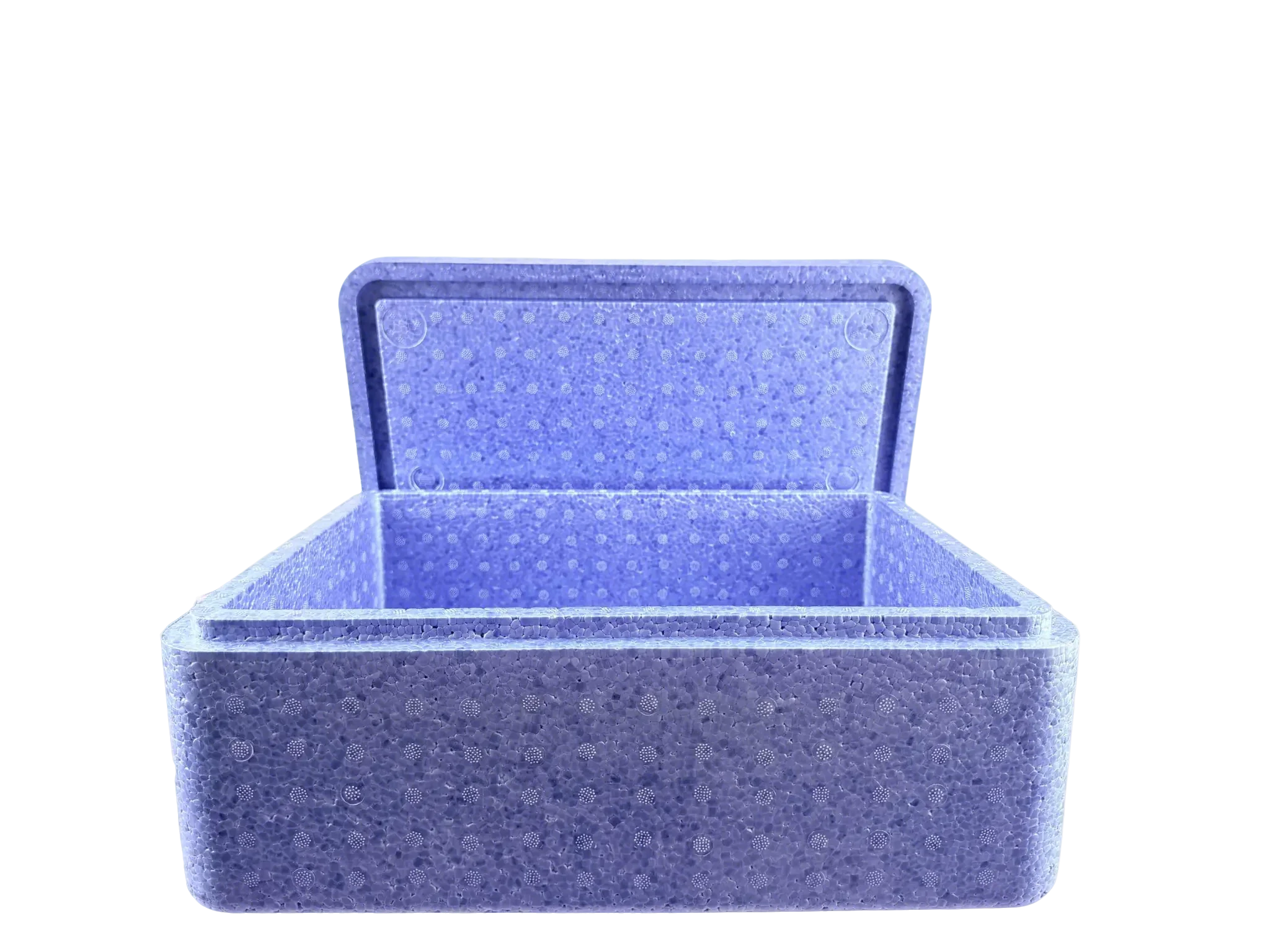
آخر تحديث: يمشي 6, 2026
insulated EPP box food delivery is worth choosing when you need reliable insulation, حماية قابلة للتكرار, وقرار الشراء الذي يمكنك الدفاع عنه بالمنطق التشغيلي والفني. أفضل اختيار في 2026 يأتي من مطابقة ظروف الطريق, حساسية المنتج, وثائق المورد, وإعادة استخدام الاقتصاد بدلاً من مطاردة ميزة واحدة بمعزل عن غيرها.
سيجيب هذا المقال:
- كيف يدعم توصيل الطعام في صندوق EPP المعزول الحفاظ على درجة الحرارة أثناء الطرق الحضرية القصيرة, تنظيف سريع, وسهولة التراص في الشاحنات.
- ما هي مواصفات صندوق تسليم EPP المعزول الأكثر أهمية لمسارك أو تدفق المناولة.
- كيفية مقارنة المتانة, العزل, ودعم الموردين دون التخمين.
- ماذا 2026 الاتجاهات تعني التغليف القابل لإعادة الاستخدام, امتثال, والتكلفة الإجمالية.
- إطار عمل سريع لاتخاذ القرار يمكنك استخدامه قبل طلب العينات أو عروض الأسعار.
ما هو أفضل استخدام لتوصيل الطعام في صندوق EPP المعزول 2026?
insulated EPP box food delivery works best when you need temperature hold during short urban routes, تنظيف سريع, وسهولة التراص في الشاحنات. عادة ما تظهر أقوى حالة شراء عندما تكون هشة, مبردة, أو تنتقل العناصر المميزة من خلال خطوات المعالجة المتكررة. تحصل على حاوية تبدو أخف وزنًا من العديد من البدائل الصعبة, الوسائد الروتينية تقرع بشكل أفضل من حقائب اليد ذات الجدران الرقيقة, ويمكن أن يدعم سير عمل أنظف وقابل لإعادة الاستخدام من الرغوة أحادية الاتجاه.
فكر في العملية الخاصة بك. يكون الصندوق مفيدًا فقط إذا كان يجعل العمل اليومي أسهل لمشغل توصيل الطعام أو مشتري المطبخ المظلم. في تسليم الميل الأخير من الوجبات الساخنة, الحلويات المبردة, أو دفعات النظام المختلط, تهتم الفرق عادة بأخطاء معالجة أقل, حالة المنتج أكثر استقرارا, وتحميل أسرع أكثر من مادة الحديث المجردة. على عكس الرغوة الهشة ذات الاتجاه الواحد, تم تصميم صندوق EPP جيد الصنع للاستخدام المتكرر, لذا فإن قصة القيمة تعتمد على انضباط المسار, تنظيف, ومعدل الإرجاع بدلاً من سعر الملصق وحده. من الناحية العملية, يعمل الصندوق إلى حد ما مثل الخوذة والترمس المدمج في غلاف واحد بسيط. يمتص الصدمات اليومية, ثم تساعد في الحفاظ على الظروف الداخلية أكثر ثباتًا من الحقيبة ذات الجدار الرقيق. ولهذا السبب يكتشف المشترون في كثير من الأحيان أن توصيل الطعام في صندوق EPP المعزول بشكل صحيح يساعد على حماية المنتج وكفاءة العمل في نفس الوقت.
كيف يتناسب الصندوق المعزول لتوصيل الطعام مع ظروف المناولة الحقيقية?
تتمثل إحدى الطرق المفيدة لتضييق نطاق خيارات توصيل الطعام في صناديق EPP المعزولة في تقسيم الاحتياجات إلى ثلاث مجموعات: حماية المنتج, كفاءة المشغل, ومراقبة التعبئة والتغليف بعد الرحلة. إذا كان التصميم يحل واحدة فقط من تلك الدلاء, عادة لا يكون هذا هو الأفضل على المدى الطويل. هذا هو السبب في اختبارات الطريق, تحميل الملاحظات, وغالبًا ما تكشف تجارب التنظيف الأساسية عن أكثر من مجرد ورقة منتج مصقولة.
| منطقة التركيز | ما للمراجعة | علامة جيدة | لماذا يهمك |
|---|---|---|---|
| حالة المنتج | خطر درجة الحرارة والصدمة | منتج مستقر عند الوصول | انخفاض الشكوى وضغط الضرر |
| سرعة التعامل | تحميل, رفع, افتتاح | سهولة الاستخدام اليومي | احتكاك أقل في العمل في الأيام المزدحمة |
| إعادة استخدام التحكم | يعود, ينظف, إعادة إصدار التدفق | حلقة تغليف بسيطة | قيمة تكرار أفضل من كل مربع |
نصائح وإرشادات عملية
- قم بتخطيط رحلة المنتج قبل الشراء. ملاحظة نقاط المعالجة, يسكن الوقت, ومن يفتح الصندوق.
- استخدم صندوق تسليم EPP المعزول عندما تريد معيار تعبئة واحدًا عبر المسارات المتكررة.
- تحقق مما إذا كان الصندوق يعمل على تحسين سرعة التحميل, ليس فقط مطالبات العزل.
مثال الحالة: قام أحد المشغلين الإقليميين باختبار صندوق توصيل الطعام المعزول EPP الذي تم تشغيله لأول مرة بنمط مساره الطبيعي بدلاً من العرض التوضيحي لصالة العرض. وجد الفريق أن الفوز الأكبر لم يكن رقم درجة الحرارة الرئيسي. لقد كان التحميل أكثر سلاسة, عدد أقل من العبوات التالفة, وإحباط أقل للسائق أثناء التعامل المتكرر.
كيف تختار أفضل مواصفات توصيل الطعام لصندوق EPP المعزول?
تبدأ مواصفات توصيل الطعام لصندوق EPP المعزول المناسب بالحمولة الحقيقية, ليست صورة الكتالوج. مقاس, سمك الجدار, مشاركة الغطاء, تصميم المقبض, وسلوك المكدس أمر مهم لأنهم يقررون كيفية تصرف الصندوق في اليدين, المركبات, رفوف, ومناطق الغسيل. عادة ما يتجنب المشتري الذي يحدد هذه الأساسيات في وقت مبكر الدفع الزائد أو التقليل من التحديد.
المواصفات الجيدة تبدأ بواقع الطريق: كم تستغرق الرحلة, كم مرة يفتح الغطاء, كم يزن الصندوق كاملا, وكيف يتم تنظيف الصندوق وتكديسه بعد ذلك. يحتاج المشترون أيضًا إلى تحديد ما إذا كانوا يريدون غلافًا للأغراض العامة أو تنسيقًا أكثر تخصيصًا مع إدخالات, المقسمات, تسميات, أو ميزات التعامل الخاصة. عندما يتم اتخاذ تلك الاختيارات في وقت مبكر, يصبح صندوق توصيل الطعام المعزول EPP أداة مبنية حول سير عملك بدلاً من حاوية عامة تفرض الحلول البديلة.
ما هي تفاصيل نقل الغذاء في الميل الأخير الأكثر أهمية؟?
يجب اختيار الكثافة وهندسة الجدار معًا. قد يبدو الجدار الرقيق ذو الدرجة الخاطئة خفيفًا ولكنه ضعيف الأداء في التراص أو التأثير. يمكن للجدار الأثقل تحسين المتانة, ومع ذلك فإنه قد يزيد أيضًا من وزن المناولة وتكاليف الشحن. أفضل تصميم هو العثور على النقطة التي يشعر فيها الصندوق بالقوة الكافية دون أن يصبح ضخمًا أو باهظ الثمن بلا داع.
| مواصفة | ما يجب تحديده | مقايضة نموذجية | معنى عملي |
|---|---|---|---|
| الحجم الداخلي | بصمة الحمولة الحقيقية | مساحة كبيرة جدًا من النفايات | كفاءة أفضل للطريق |
| تصميم الجدار والغطاء | ملائم, صلابة, يشعر الختم | أثقل قد يحمل أقوى | معالجة يومية أكثر موثوقية |
| تنسيق التراص | السلوك الكامل والفارغ | الأكوام الطويلة تحتاج إلى السيطرة | تخزين ونقل أكثر أمانًا |
نصائح وإرشادات عملية
- اختر الأبعاد الداخلية من الحمولة الحقيقية, تنسيق الجليد, أو حجم الدرج, ثم العمل إلى الخارج.
- استخدم اختبارات تحميل العينات للتأكد من ملاءمة الغطاء, التعامل مع الراحة, واستقرار المكدس.
- حدد وزن الصندوق الكامل المستهدف حتى يظل التصميم عمليًا للاستخدام اليومي.
مثال الحالة: في طيار واحد, كاد المشتري أن يختار الصندوق الأكبر بشكل افتراضي. بعد تحميل الحمولة الحقيقية, تحول الفريق إلى تصميم أفضل حجمًا بمقعد بغطاء أكثر ثباتًا وفتحات أكثر عملية للمقبض. وكانت النتيجة أسهل في الحمل, التراص الأنظف, ويتحرك هواء فارغ أقل عبر الشبكة.
كيف يتم مقارنة توصيل الطعام المعزول EPP Box بالتكلفة, متانة, والاستدامة?
insulated EPP box food delivery often wins against disposable foam or generic plastic boxes when you need a better balance of insulation, متانة, وكرر الاستخدام. نادرًا ما يكون العنصر الأرخص في اليوم الأول, ولكن يمكن أن يكون الخيار التشغيلي الأنظف بمجرد مراعاة الكسر, تردد الاستبدال, سلالة العمل, وتكلفة التغليف غير المتسق عبر المسارات.
يجب أن تتوافق المقارنة مع المشكلة. إذا كنت بحاجة إلى عزل منخفض التكلفة في اتجاه واحد, قد تبدو مادة أخرى جذابة في البداية. ولكن إذا كانت عمليتك تتضمن التحميل المتكرر, اهتزاز الطريق, يعود, تنظيف, أو احتياجات العلامة التجارية, السؤال الأقوى يصبح القيمة الإجمالية على الاستخدام المتكرر. في هذا السياق, يمكن أن يؤدي توصيل الطعام في صندوق EPP المعزول إلى تقليل الاحتكاك الناتج عن التغليف الهش, أنواع الصناديق المختلطة, أو أوامر الاستبدال المتكررة.
كيف يمكن مقارنة EPP بالأكياس الحرارية الناعمة وصناديق EPS الصلبة لأساطيل التوصيل من الناحية العملية?
يتغير إجمالي التكلفة عند حساب حلقة التغليف الكاملة. معدل الاستبدال, خسارة العودة, عمالة للتنظيف والفرز, كفاءة التخزين, وتلف المنتج كلها تنتمي إلى المناقشة. هذا هو السبب في أن المشترين الذين يديرون طيارًا صغيرًا غالبًا ما يغيرون افتراضاتهم الأصلية حول الخيار الأرخص أو الأكثر ديمومة.
| خيار | القوة الرئيسية | الحد الرئيسي | أفضل استخدام بالنسبة لك |
|---|---|---|---|
| إي بي بي | إعادة الاستخدام والحماية المتوازنة | يحتاج إلى الانضباط المواصفات | حلقات النقل المتكررة |
| EPS أو رغوة في اتجاه واحد | تكلفة دخول منخفضة | أكثر هشاشة ويمكن التخلص منها | شحنات قصيرة في اتجاه واحد |
| حمل جامدة أو برودة | هيكل عالي | في كثير من الأحيان أثقل أو أقل عزلا | عندما يكون العزل أقل أهمية |
نصائح وإرشادات عملية
- قارن إجمالي الرحلات, خطر الضرر, وتكرار الاستبدال قبل مقارنة السعر الرئيسي.
- استخدم مسارًا تجريبيًا واحدًا لاختبار EPP مقابل عبوتك الحالية في ظل نفس الظروف.
- تتبع ما يفضل المشغلون حمله, ينظف, والمكدس; الاحتكاك العمالي هو تكلفة خفية.
مثال الحالة: أسطول مختلط يستخدم الأكياس الناعمة, رغوة هشة, وقارنت الصناديق البلاستيكية تنسيق EPP موحدًا على مدار عدة أسابيع. لم يكن الإنفاق على التغليف يبدو أرخص في اليوم الأول, ولكن تحسن عرض المنتج, سقطت الصناديق التالفة, وأصبحت العملية أسهل في التدريب والإدارة.
كيف يمكنك اتخاذ قرار بشأن توصيل الطعام في صندوق EPP المعزول بثقة?
أفضل قرار نهائي بشأن توصيل الطعام في صندوق EPP المعزول يأتي من قائمة مرجعية قصيرة ولكن منضبطة. تحديد نافذة درجة حرارة المنتج الخاص بك, متوسط وقت الرحلة, التعامل مع المخاطر, طريقة التنظيف, معدل العودة, واحتياجات التوثيق. بمجرد أن تكون تلك واضحة, يصبح اكتشاف التصميم الصحيح أسهل بكثير ويصبح رفض الاقتباسات الضعيفة أسهل بكثير.
يساعد إطار اتخاذ القرار القصير لأنه يحافظ على تركيز الفريق على ما يجب أن يفعله الصندوق بالفعل. ابدأ بظروف التشغيل, ثم قم بمراجعة السلوك المادي, قدرة المورد, والمستندات اللازمة للموافقة. عندما يتم تسجيل تلك النقاط معا, عادةً ما تبرز صناديق توصيل الطعام المعزولة EPP بسرعة وتفقد الخيارات منخفضة الجودة جاذبيتها.
ما الذي يجب أن تتضمنه بطاقة أداء الطلب المسبق؟?
قبل الموافقة, اطلب من المورد ربط كل مطالبة بنقطة إثبات: اختبار, وثيقة, رسم التصميم, أو استخدام ميداني معروف. تعمل هذه العادة البسيطة على تصفية العديد من العروض الضعيفة. كما أنه يجعل الموافقة متعددة الوظائف أسهل بسبب الجودة, شراء, والعمليات يمكن أن نرى نفس الأدلة.
| نقطة القرار | ما ليسجل | العلم الأحمر | أفضل خطوة تالية |
|---|---|---|---|
| صالح الطريق | وقت الرحلة والتعامل مع الحمل | المواصفات بنيت من التخمين | تشغيل طيار صغير |
| جاهزية الموافقة | الوثائق والاختبارات | بيانات المقالة الدقيقة مفقودة | اطلب الحزمة الكاملة في وقت مبكر |
| قوة المورد | الخدمة والتكرار | السعر الوحيد واضح | قارن عمق الدعم |
نصائح وإرشادات عملية
- خيارات النتيجة على الأداء, الوثائق, خدمة, والتكلفة الإجمالية, ليس على سعر الوحدة وحده.
- استخدم طيارًا صغيرًا لتأكيد درجة الحرارة, التعامل, والتنظيف قبل قفل المواصفات.
- الحصول على العمليات, جودة, والمشتريات في نفس المراجعة مبكرًا حتى يتحرك المشروع بشكل أسرع.
مثال الحالة: استخدم فريق العمليات بطاقة أداء بسيطة مع المسار المناسب, متانة, الوثائق, ودعم الموردين. وأظهرت بطاقة الأداء أن العينة الأكثر جاذبية لم تكن الاختيار العام الأقوى. فاز خيار أكثر تكلفة قليلاً لأنه حل المزيد من المشكلات عبر حلقة التغليف بأكملها.
أحدث 2026 التطورات والاتجاهات
في 2026, تتشكل قرارات شراء صناديق توصيل الطعام المعزولة EPP بشكل متزايد من خلال ثلاث قوى في نفس الوقت: الكفاءة التشغيلية, توقعات التعبئة والتغليف القابلة لإعادة الاستخدام, وتحسين انضباط التوثيق. اعتبارا من مارس 2026, يتم تشكيل محادثات تغليف النقل من خلال توقعات أقوى لإعادة الاستخدام وإعادة التدوير, خاصة في أوروبا بعد دخول لائحة نفايات التغليف والتعبئة حيز التنفيذ في فبراير 2025. لذلك ينظر المشترون إلى ما هو أبعد من ادعاءات العزل البسيطة ويتساءلون عن مدى ملاءمة الصندوق لحلقات الإرجاع الحقيقية, أنظمة الجودة, ومراجعة الاستدامة الداخلية.
ما تغير مؤخرا
- توحيد العمليات: تريد الفرق عددًا أقل من أنواع الصناديق وتدريبًا أبسط عبر المسارات, مستودعات, أو مواقع العملاء.
- التوثيق مهم أكثر: وتتوقع فرق المشتريات والجودة بشكل متزايد الإعلانات المتطابقة, منطق الاختبار, ومواصفات يمكن تتبعها.
- يجب أن تكون إعادة الاستخدام عملية: يحكم المشترون الآن على معدل الإرجاع, جهد التنظيف, والسيطرة على الأضرار, وليس فقط لغة إعادة التدوير.
تبدو محادثات السوق أيضًا أكثر نضجًا. لم يعد أقوى الموردين يبيعون فقط على العزل أو السعر; إنهم يبيعون بتصميم مناسب للاستخدام, جاهزية الموافقة, والدعم القابل للتكرار. لك, وهذا يعني عملية شراء أفضل: تحديد الطريق, مراجعة الوثائق, تشغيل طيار, واختر التصميم الذي يستمر في العمل بعد اليوم الأول.
الأسئلة المتداولة
هل صندوق EPP المعزول لتوصيل الطعام أفضل من الرغوة ذات الاتجاه الواحد للاستخدام المتكرر?
عادة نعم, متى يمكن استرداد عمليتك, ينظف, وأعد استخدام الصندوق باستمرار. القيمة تأتي من الرحلات المتكررة, حماية أكثر ثباتا, وانخفاض ضغط الاستبدال, ليس من سعر الوحدة وحده.
ما الذي يجب عليك اختباره قبل شراء علبة توصيل الطعام المعزولة EPP من حيث الحجم?
اختبار الحمولة الحقيقية, وقت الطريق, نمط التعامل, تحميل التراص, وطريقة التنظيف. يمنحك ذلك إجابة عملية بشكل أسرع من الاعتماد على كتيب عام أو عينة صالة عرض.
كيف يمكنك اختيار الحجم المناسب لتوصيل الطعام في صندوق EPP المعزول؟?
ابدأ من البصمة الحقيقية للمنتج وتنسيق التبريد, ثم قم بمراجعة وزن الصندوق الكامل وثبات المكدس. غالبًا ما يكون أداء الصندوق الأصغر قليلاً أفضل من الصندوق الكبير الحجم المليء بالهواء الفارغ.
ما هي المستندات التي يجب أن أطلبها عند استخدام صندوق EPP المعزول لتوصيل الطعام مع الخدمات اللوجستية للطعام أو الوجبات?
اطلب دعم الاتصال بالطعام للحصول على المقالة المحددة حيثما كان ذلك مناسبًا, بالإضافة إلى إرشادات التنظيف وأي سجلات تحقق مرتبطة بشروط الاستخدام الخاصة بك. المطالبات العامة ليست كافية لعملية الموافقة الجادة.
ما هو أكبر خطأ في الشراء عند توصيل الطعام بصندوق EPP المعزول?
أكبر خطأ هو مقارنة الأسعار قبل تحديد الوظيفة. عندما الحجم, حمولة, طريق, تنظيف, وشروط العودة غامضة, العروض الرخيصة يمكن أن تبدو أفضل مما هي عليه بالفعل.
ملخص وتوصيات
insulated EPP box food delivery makes the most sense when you need a reusable box that balances protection, راحة التعامل, والتحكم التشغيلي. أفضل نتيجة تأتي من مطابقة التصميم للطريق الحقيقي, التحقق من صحة مع الحمولة الحقيقية, والتحقق من دعم الموردين قبل التوسع. عند مراجعة العزل, متانة, امتثال, وإعادة استخدام الاقتصاد معًا, يصبح الخيار الصحيح أكثر وضوحًا.
خطوتك التالية بسيطة: تحديد حمولة المنتج, وقت الرحلة, هدف درجة الحرارة, التعامل مع المخاطر, وطريقة التنظيف, ثم اطلب عينة أو تجربة حول تلك الشروط. اطلب اختبار الطريق باستخدام مزيج القائمة الحقيقي الخاص بك, تردد الافتتاح, وروتين التنظيف. هذا النهج يمنحك أسرع, طريق أكثر أمانًا لاختيار التغليف الصحيح.
حول Tempk
و Tempk, نحن نركز على التغليف المعزول القابل لإعادة الاستخدام لسلسلة التبريد والخدمات اللوجستية الصناعية. نحن نصمم وفقًا لظروف التعامل الحقيقية, ليس فقط لغة المختبر, حتى يتمكن المشترون من مطابقة المواد, بناء, وسير العمل اليومي مع قدر أقل من التخمين. نحن نعمل على هيكل الصندوق, منطق العزل, والتخصيص معا. ويساعد ذلك في تقليل الفجوة المشتركة بين العينة ذات المظهر الجيد والصندوق الذي يعمل فعليًا بعد التحميل المتكرر, تنظيف, والتكديس.
تحدث مع فريقنا حول حمولتك, طريق, واحتياجات التحقق حتى نتمكن من اقتراح حل عملي لـ EPP.
كيفية اختيار أفضل موزع لصناديق EPP المعزولة?
آخر تحديث: يمشي 6, 2026
يستحق موزع صندوق EPP المعزول الاختيار عندما تحتاج إلى عزل موثوق, حماية قابلة للتكرار, وقرار الشراء الذي يمكنك الدفاع عنه بالمنطق التشغيلي والفني. أفضل اختيار في 2026 يأتي من مطابقة ظروف الطريق, حساسية المنتج, وثائق المورد, وإعادة استخدام الاقتصاد بدلاً من مطاردة ميزة واحدة بمعزل عن غيرها.
سيجيب هذا المقال:
- كيف يدعم موزع صندوق EPP المعزول المواصفات الواضحة, إمدادات يمكن الاعتماد عليها, وتوازن واقعي بين السعر والخدمة.
- ما هي مواصفات موزع صندوق EPP الأكثر أهمية لمسارك أو تدفق المناولة.
- كيفية مقارنة المتانة, العزل, ودعم الموردين دون التخمين.
- ماذا 2026 الاتجاهات تعني التغليف القابل لإعادة الاستخدام, امتثال, والتكلفة الإجمالية.
- إطار عمل سريع لاتخاذ القرار يمكنك استخدامه قبل طلب العينات أو عروض الأسعار.
ما هو أفضل استخدام لموزع صندوق EPP المعزول في 2026?
يعمل موزع صندوق EPP المعزول بشكل أفضل عندما تحتاج إلى مواصفات واضحة, إمدادات يمكن الاعتماد عليها, وتوازن واقعي بين السعر والخدمة. عادة ما تظهر أقوى حالة شراء عندما تكون هشة, مبردة, أو تنتقل العناصر المميزة من خلال خطوات المعالجة المتكررة. تحصل على حاوية تبدو أخف وزنًا من العديد من البدائل الصعبة, الوسائد الروتينية تقرع بشكل أفضل من حقائب اليد ذات الجدران الرقيقة, ويمكن أن يدعم سير عمل أنظف وقابل لإعادة الاستخدام من الرغوة أحادية الاتجاه.
فكر في العملية الخاصة بك. يكون الصندوق مفيدًا فقط إذا كان يجعل العمل اليومي أسهل بالنسبة لمشتري المشتريات مقارنة بالموردين, الموزعون, والعروض عبر الإنترنت. في الحصول على صناديق EPP بسرعة دون إغفال جودة المواصفات أو التكلفة الإجمالية, تهتم الفرق عادة بأخطاء معالجة أقل, حالة المنتج أكثر استقرارا, وتحميل أسرع أكثر من مادة الحديث المجردة. لأن الخرز المصبوب يحبس الهواء, يمكن لـ EPP أن يبطئ نقل الحرارة بينما يظل خفيفًا بدرجة كافية للمعالجة اليدوية المتكررة. الأداء لا يقتصر أبدًا على كثافة الرغوة. هندسة الغطاء, سمك الجدار, نصف قطر الزاوية, التعامل مع تصميم انقطاع, وكيف تؤثر جميع الأكوام الأساسية تحت التحميل على النتائج الميدانية. ولهذا السبب يكتشف المشترون في كثير من الأحيان أن موزع صندوق EPP المعزول المعزول بشكل صحيح يساعد على حماية المنتج وكفاءة العمل في نفس الوقت.
كيف يتناسب صندوق العزل EPP للبيع مع ظروف المناولة الحقيقية?
تتمثل إحدى الطرق المفيدة لتضييق خيارات موزع صناديق EPP المعزولة في تقسيم الاحتياجات إلى ثلاث مجموعات: حماية المنتج, كفاءة المشغل, ومراقبة التعبئة والتغليف بعد الرحلة. إذا كان التصميم يحل واحدة فقط من تلك الدلاء, عادة لا يكون هذا هو الأفضل على المدى الطويل. هذا هو السبب في اختبارات الطريق, تحميل الملاحظات, وغالبًا ما تكشف تجارب التنظيف الأساسية عن أكثر من مجرد ورقة منتج مصقولة.
| منطقة التركيز | ما للمراجعة | علامة جيدة | لماذا يهمك |
|---|---|---|---|
| حالة المنتج | خطر درجة الحرارة والصدمة | منتج مستقر عند الوصول | انخفاض الشكوى وضغط الضرر |
| سرعة التعامل | تحميل, رفع, افتتاح | سهولة الاستخدام اليومي | احتكاك أقل في العمل في الأيام المزدحمة |
| إعادة استخدام التحكم | يعود, ينظف, إعادة إصدار التدفق | حلقة تغليف بسيطة | قيمة تكرار أفضل من كل مربع |
نصائح وإرشادات عملية
- قم بتخطيط رحلة المنتج قبل الشراء. ملاحظة نقاط المعالجة, يسكن الوقت, ومن يفتح الصندوق.
- استخدم موزع صندوق EPP عندما تريد معيار تعبئة واحدًا عبر المسارات المتكررة.
- تحقق مما إذا كان الصندوق يعمل على تحسين سرعة التحميل, ليس فقط مطالبات العزل.
مثال الحالة: قام مشغل إقليمي باختبار موزع صناديق EPP المعزولة لأول مرة بنمط مساره الطبيعي بدلاً من العرض التجريبي في صالة العرض. وجد الفريق أن الفوز الأكبر لم يكن رقم درجة الحرارة الرئيسي. لقد كان التحميل أكثر سلاسة, عدد أقل من العبوات التالفة, وإحباط أقل للسائق أثناء التعامل المتكرر.
كيف تختار أفضل مواصفات موزع صندوق EPP المعزول?
تبدأ المواصفات الصحيحة لموزع صندوق EPP المعزول بالحمل الحقيقي, ليست صورة الكتالوج. مقاس, سمك الجدار, مشاركة الغطاء, تصميم المقبض, وسلوك المكدس أمر مهم لأنهم يقررون كيفية تصرف الصندوق في اليدين, المركبات, رفوف, ومناطق الغسيل. عادة ما يتجنب المشتري الذي يحدد هذه الأساسيات في وقت مبكر الدفع الزائد أو التقليل من التحديد.
المواصفات الجيدة تبدأ بواقع الطريق: كم تستغرق الرحلة, كم مرة يفتح الغطاء, كم يزن الصندوق كاملا, وكيف يتم تنظيف الصندوق وتكديسه بعد ذلك. يحتاج المشترون أيضًا إلى تحديد ما إذا كانوا يريدون غلافًا للأغراض العامة أو تنسيقًا أكثر تخصيصًا مع إدخالات, المقسمات, تسميات, أو ميزات التعامل الخاصة. عندما يتم اتخاذ تلك الاختيارات في وقت مبكر, يصبح موزع صندوق EPP المعزول أداة مبنية حول سير عملك بدلاً من حاوية عامة تفرض الحلول البديلة.
ما هي تفاصيل مورد صندوق EPP الأكثر أهمية؟?
يجب اختيار الكثافة وهندسة الجدار معًا. قد يبدو الجدار الرقيق ذو الدرجة الخاطئة خفيفًا ولكنه ضعيف الأداء في التراص أو التأثير. يمكن للجدار الأثقل تحسين المتانة, ومع ذلك فإنه قد يزيد أيضًا من وزن المناولة وتكاليف الشحن. أفضل تصميم هو العثور على النقطة التي يشعر فيها الصندوق بالقوة الكافية دون أن يصبح ضخمًا أو باهظ الثمن بلا داع.
| مواصفة | ما يجب تحديده | مقايضة نموذجية | معنى عملي |
|---|---|---|---|
| الحجم الداخلي | بصمة الحمولة الحقيقية | مساحة كبيرة جدًا من النفايات | كفاءة أفضل للطريق |
| تصميم الجدار والغطاء | ملائم, صلابة, يشعر الختم | أثقل قد يحمل أقوى | معالجة يومية أكثر موثوقية |
| تنسيق التراص | السلوك الكامل والفارغ | الأكوام الطويلة تحتاج إلى السيطرة | تخزين ونقل أكثر أمانًا |
نصائح وإرشادات عملية
- اختر الأبعاد الداخلية من الحمولة الحقيقية, تنسيق الجليد, أو حجم الدرج, ثم العمل إلى الخارج.
- استخدم اختبارات تحميل العينات للتأكد من ملاءمة الغطاء, التعامل مع الراحة, واستقرار المكدس.
- حدد وزن الصندوق الكامل المستهدف حتى يظل التصميم عمليًا للاستخدام اليومي.
مثال الحالة: في طيار واحد, كاد المشتري أن يختار الصندوق الأكبر بشكل افتراضي. بعد تحميل الحمولة الحقيقية, تحول الفريق إلى تصميم أفضل حجمًا بمقعد بغطاء أكثر ثباتًا وفتحات أكثر عملية للمقبض. وكانت النتيجة أسهل في الحمل, التراص الأنظف, ويتحرك هواء فارغ أقل عبر الشبكة.
كيف يمكن مقارنة موزع صندوق EPP المعزول بالتكلفة, متانة, والاستدامة?
غالبًا ما يفوز موزع صندوق EPP المعزول ضد الرغوة التي يمكن التخلص منها أو الصناديق البلاستيكية العامة عندما تحتاج إلى توازن أفضل للعزل, متانة, وكرر الاستخدام. نادرًا ما يكون العنصر الأرخص في اليوم الأول, ولكن يمكن أن يكون الخيار التشغيلي الأنظف بمجرد مراعاة الكسر, تردد الاستبدال, سلالة العمل, وتكلفة التغليف غير المتسق عبر المسارات.
يجب أن تتوافق المقارنة مع المشكلة. إذا كنت بحاجة إلى عزل منخفض التكلفة في اتجاه واحد, قد تبدو مادة أخرى جذابة في البداية. ولكن إذا كانت عمليتك تتضمن التحميل المتكرر, اهتزاز الطريق, يعود, تنظيف, أو احتياجات العلامة التجارية, السؤال الأقوى يصبح القيمة الإجمالية على الاستخدام المتكرر. في هذا السياق, يمكن لموزع صندوق EPP المعزول أن يقلل الاحتكاك الناتج عن التغليف الهش, أنواع الصناديق المختلطة, أو أوامر الاستبدال المتكررة.
كيف يمكن مقارنة القوائم منخفضة السعر مع برامج توريد EPP المحددة بشكل صحيح في الممارسة العملية?
يتغير إجمالي التكلفة عند حساب حلقة التغليف الكاملة. معدل الاستبدال, خسارة العودة, عمالة للتنظيف والفرز, كفاءة التخزين, وتلف المنتج كلها تنتمي إلى المناقشة. هذا هو السبب في أن المشترين الذين يديرون طيارًا صغيرًا غالبًا ما يغيرون افتراضاتهم الأصلية حول الخيار الأرخص أو الأكثر ديمومة.
| خيار | القوة الرئيسية | الحد الرئيسي | أفضل استخدام بالنسبة لك |
|---|---|---|---|
| إي بي بي | إعادة الاستخدام والحماية المتوازنة | يحتاج إلى الانضباط المواصفات | حلقات النقل المتكررة |
| EPS أو رغوة في اتجاه واحد | تكلفة دخول منخفضة | أكثر هشاشة ويمكن التخلص منها | شحنات قصيرة في اتجاه واحد |
| حمل جامدة أو برودة | هيكل عالي | في كثير من الأحيان أثقل أو أقل عزلا | عندما يكون العزل أقل أهمية |
نصائح وإرشادات عملية
- قارن إجمالي الرحلات, خطر الضرر, وتكرار الاستبدال قبل مقارنة السعر الرئيسي.
- استخدم مسارًا تجريبيًا واحدًا لاختبار EPP مقابل عبوتك الحالية في ظل نفس الظروف.
- تتبع ما يفضل المشغلون حمله, ينظف, والمكدس; الاحتكاك العمالي هو تكلفة خفية.
مثال الحالة: أسطول مختلط يستخدم الأكياس الناعمة, رغوة هشة, وقارنت الصناديق البلاستيكية تنسيق EPP موحدًا على مدار عدة أسابيع. لم يكن الإنفاق على التغليف يبدو أرخص في اليوم الأول, ولكن تحسن عرض المنتج, سقطت الصناديق التالفة, وأصبحت العملية أسهل في التدريب والإدارة.
كيف يمكنك اتخاذ قرار بشأن موزع صندوق EPP المعزول المعزول بثقة?
أفضل قرار نهائي بشأن موزع صناديق EPP المعزولة يأتي من قائمة مرجعية قصيرة ولكن منضبطة. تحديد نافذة درجة حرارة المنتج الخاص بك, متوسط وقت الرحلة, التعامل مع المخاطر, طريقة التنظيف, معدل العودة, واحتياجات التوثيق. بمجرد أن تكون تلك واضحة, يصبح اكتشاف التصميم الصحيح أسهل بكثير ويصبح رفض الاقتباسات الضعيفة أسهل بكثير.
يساعد إطار اتخاذ القرار القصير لأنه يحافظ على تركيز الفريق على ما يجب أن يفعله الصندوق بالفعل. ابدأ بظروف التشغيل, ثم قم بمراجعة السلوك المادي, قدرة المورد, والمستندات اللازمة للموافقة. عندما يتم تسجيل تلك النقاط معا, عادة ما يبرز موزع صندوق EPP المعزول المناسب بسرعة وتفقد الخيارات منخفضة الجودة جاذبيتها.
ما الذي يجب أن تتضمنه بطاقة أداء الطلب المسبق؟?
قبل الموافقة, اطلب من المورد ربط كل مطالبة بنقطة إثبات: اختبار, وثيقة, رسم التصميم, أو استخدام ميداني معروف. تعمل هذه العادة البسيطة على تصفية العديد من العروض الضعيفة. كما أنه يجعل الموافقة متعددة الوظائف أسهل بسبب الجودة, شراء, والعمليات يمكن أن نرى نفس الأدلة.
| نقطة القرار | ما ليسجل | العلم الأحمر | أفضل خطوة تالية |
|---|---|---|---|
| صالح الطريق | وقت الرحلة والتعامل مع الحمل | المواصفات بنيت من التخمين | تشغيل طيار صغير |
| جاهزية الموافقة | الوثائق والاختبارات | بيانات المقالة الدقيقة مفقودة | اطلب الحزمة الكاملة في وقت مبكر |
| قوة المورد | الخدمة والتكرار | السعر الوحيد واضح | قارن عمق الدعم |
نصائح وإرشادات عملية
- خيارات النتيجة على الأداء, الوثائق, خدمة, والتكلفة الإجمالية, ليس على سعر الوحدة وحده.
- استخدم طيارًا صغيرًا لتأكيد درجة الحرارة, التعامل, والتنظيف قبل قفل المواصفات.
- الحصول على العمليات, جودة, والمشتريات في نفس المراجعة مبكرًا حتى يتحرك المشروع بشكل أسرع.
مثال الحالة: استخدم فريق العمليات بطاقة أداء بسيطة مع المسار المناسب, متانة, الوثائق, ودعم الموردين. وأظهرت بطاقة الأداء أن العينة الأكثر جاذبية لم تكن الاختيار العام الأقوى. فاز خيار أكثر تكلفة قليلاً لأنه حل المزيد من المشكلات عبر حلقة التغليف بأكملها.
أحدث 2026 التطورات والاتجاهات
في 2026, تتشكل قرارات شراء موزع صناديق EPP المعزولة بشكل متزايد من خلال ثلاث قوى في نفس الوقت: الكفاءة التشغيلية, توقعات التعبئة والتغليف القابلة لإعادة الاستخدام, وتحسين انضباط التوثيق. اعتبارا من مارس 2026, يتم تشكيل محادثات تغليف النقل من خلال توقعات أقوى لإعادة الاستخدام وإعادة التدوير, خاصة في أوروبا بعد دخول لائحة نفايات التغليف والتعبئة حيز التنفيذ في فبراير 2025. لذلك ينظر المشترون إلى ما هو أبعد من ادعاءات العزل البسيطة ويتساءلون عن مدى ملاءمة الصندوق لحلقات الإرجاع الحقيقية, أنظمة الجودة, ومراجعة الاستدامة الداخلية.
ما تغير مؤخرا
- توحيد العمليات: تريد الفرق عددًا أقل من أنواع الصناديق وتدريبًا أبسط عبر المسارات, مستودعات, أو مواقع العملاء.
- التوثيق مهم أكثر: وتتوقع فرق المشتريات والجودة بشكل متزايد الإعلانات المتطابقة, منطق الاختبار, ومواصفات يمكن تتبعها.
- يجب أن تكون إعادة الاستخدام عملية: يحكم المشترون الآن على معدل الإرجاع, جهد التنظيف, والسيطرة على الأضرار, وليس فقط لغة إعادة التدوير.
تبدو محادثات السوق أيضًا أكثر نضجًا. لم يعد أقوى الموردين يبيعون فقط على العزل أو السعر; إنهم يبيعون بتصميم مناسب للاستخدام, جاهزية الموافقة, والدعم القابل للتكرار. لك, وهذا يعني عملية شراء أفضل: تحديد الطريق, مراجعة الوثائق, تشغيل طيار, واختر التصميم الذي يستمر في العمل بعد اليوم الأول.
الأسئلة المتداولة
يعتبر موزع صندوق EPP المعزول أفضل من الرغوة ذات الاتجاه الواحد للاستخدام المتكرر?
عادة نعم, متى يمكن استرداد عمليتك, ينظف, وأعد استخدام الصندوق باستمرار. القيمة تأتي من الرحلات المتكررة, حماية أكثر ثباتا, وانخفاض ضغط الاستبدال, ليس من سعر الوحدة وحده.
ما الذي يجب عليك اختباره قبل شراء موزع صندوق EPP المعزول من حيث الحجم?
اختبار الحمولة الحقيقية, وقت الطريق, نمط التعامل, تحميل التراص, وطريقة التنظيف. يمنحك ذلك إجابة عملية بشكل أسرع من الاعتماد على كتيب عام أو عينة صالة عرض.
كيف يمكنك اختيار الحجم المناسب لموزع صناديق EPP المعزولة؟?
ابدأ من البصمة الحقيقية للمنتج وتنسيق التبريد, ثم قم بمراجعة وزن الصندوق الكامل وثبات المكدس. غالبًا ما يكون أداء الصندوق الأصغر قليلاً أفضل من الصندوق الكبير الحجم المليء بالهواء الفارغ.
هل يحتاج موزع صندوق EPP المعزول إلى أوراق الامتثال؟?
إذا لامس الصندوق بضائع خاضعة للرقابة أو دخل إلى سلاسل التوريد الخاضعة للرقابة, نعم. اطلب وثائق المقالة الدقيقة مبكرًا حتى تتمكن من الشراء, جودة, ويمكن للعمليات مراجعة نفس مجموعة الملفات.
ما هو أكبر خطأ شراء مع موزع صناديق EPP المعزولة?
أكبر خطأ هو مقارنة الأسعار قبل تحديد الوظيفة. عندما الحجم, حمولة, طريق, تنظيف, وشروط العودة غامضة, العروض الرخيصة يمكن أن تبدو أفضل مما هي عليه بالفعل.
ملخص وتوصيات
يعتبر موزع صندوق EPP المعزول أكثر منطقية عندما تحتاج إلى صندوق قابل لإعادة الاستخدام يوازن بين الحماية, راحة التعامل, والتحكم التشغيلي. أفضل نتيجة تأتي من مطابقة التصميم للطريق الحقيقي, التحقق من صحة مع الحمولة الحقيقية, والتحقق من دعم الموردين قبل التوسع. عند مراجعة العزل, متانة, امتثال, وإعادة استخدام الاقتصاد معًا, يصبح الخيار الصحيح أكثر وضوحًا.
خطوتك التالية بسيطة: تحديد حمولة المنتج, وقت الرحلة, هدف درجة الحرارة, التعامل مع المخاطر, وطريقة التنظيف, ثم اطلب عينة أو تجربة حول تلك الشروط. قم دائمًا بمطابقة القائمة عبر الإنترنت مع عينة حقيقية, ورقة المواصفات, واختبار المسار قبل طلب الحجم. هذا النهج يمنحك أسرع, طريق أكثر أمانًا لاختيار التغليف الصحيح.
حول Tempk
نحن نعمل على هيكل الصندوق, منطق العزل, والتخصيص معا. ويساعد ذلك في تقليل الفجوة المشتركة بين العينة ذات المظهر الجيد والصندوق الذي يعمل فعليًا بعد التحميل المتكرر, تنظيف, والتكديس. و Tempk, نحن نركز على التغليف المعزول القابل لإعادة الاستخدام لسلسلة التبريد والخدمات اللوجستية الصناعية. نحن نصمم وفقًا لظروف التعامل الحقيقية, ليس فقط لغة المختبر, حتى يتمكن المشترون من مطابقة المواد, بناء, وسير العمل اليومي مع قدر أقل من التخمين.
تحدث مع فريقنا حول حمولتك, طريق, واحتياجات التحقق حتى نتمكن من اقتراح حل عملي لـ EPP.
كيفية اختيار أفضل حاوية تخزين EPP مقاومة للرطوبة وقابلة للتخصيص?
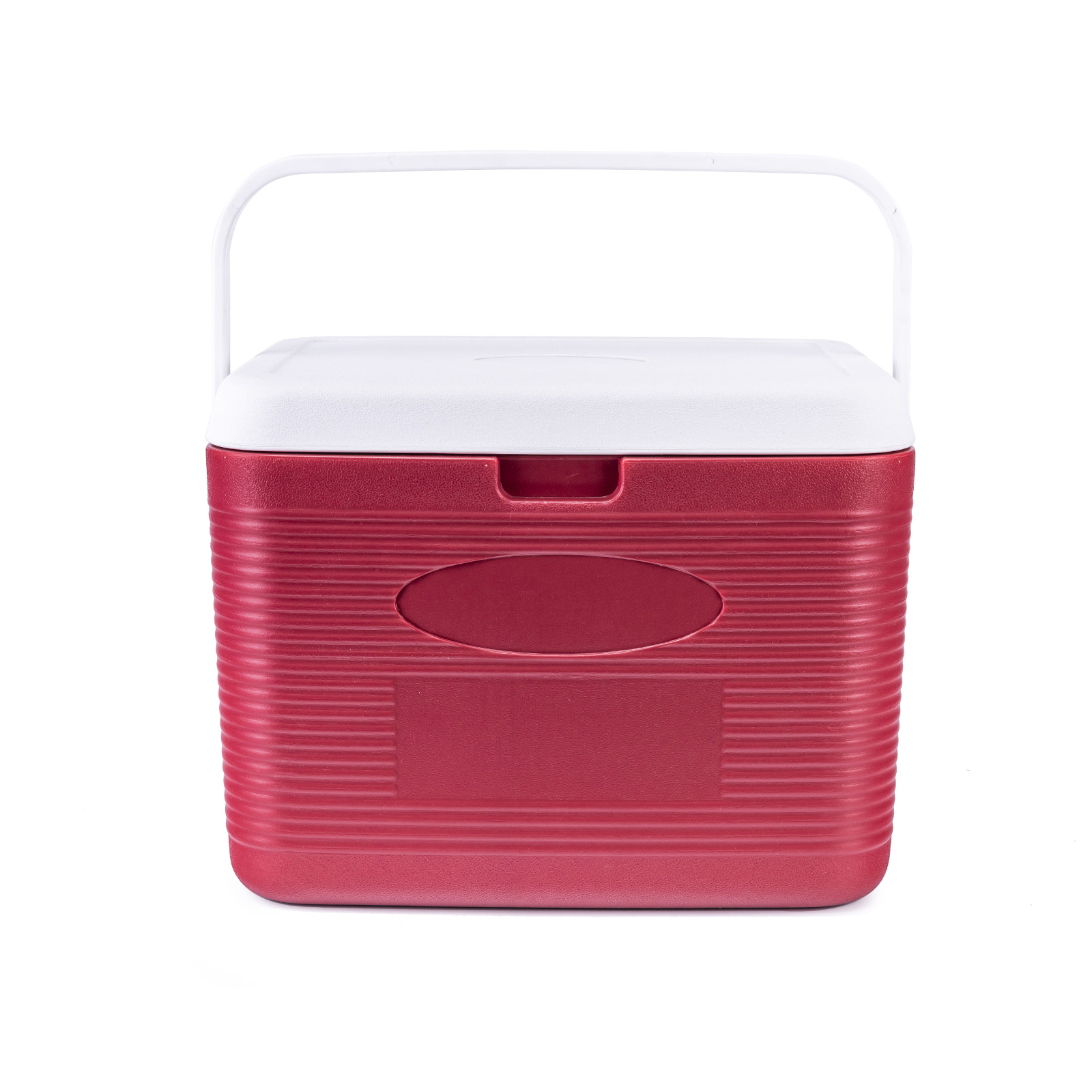
آخر تحديث: يمشي 6, 2026
حاوية تخزين EPP المقاومة للرطوبة والقابلة للتخصيص تستحق الاختيار عندما تحتاج إلى عزل موثوق, حماية قابلة للتكرار, وقرار الشراء الذي يمكنك الدفاع عنه بالمنطق التشغيلي والفني. أفضل اختيار في 2026 يأتي من مطابقة ظروف الطريق, حساسية المنتج, وثائق المورد, وإعادة استخدام الاقتصاد بدلاً من مطاردة ميزة واحدة بمعزل عن غيرها.
سيجيب هذا المقال:
- كيف تدعم حاوية تخزين EPP القابلة للتخصيص والمقاومة للرطوبة الحماية المتكررة باستخدام الإدخالات, ترميز الألوان, وسهولة التعامل مع المخزون.
- ما هي مواصفات حاوية تخزين EPP القابلة للتخصيص الأكثر أهمية لمسارك أو تدفق المناولة.
- كيفية مقارنة المتانة, العزل, ودعم الموردين دون التخمين.
- ماذا 2026 الاتجاهات تعني التغليف القابل لإعادة الاستخدام, امتثال, والتكلفة الإجمالية.
- إطار عمل سريع لاتخاذ القرار يمكنك استخدامه قبل طلب العينات أو عروض الأسعار.
ما هو أفضل استخدام لحاوية تخزين EPP القابلة للتخصيص والمقاومة للرطوبة؟ 2026?
تعمل حاوية تخزين EPP المقاومة للرطوبة والقابلة للتخصيص بشكل أفضل عندما تحتاج إلى حماية متكررة باستخدام الإدخالات, ترميز الألوان, وسهولة التعامل مع المخزون. عادة ما تظهر أقوى حالة شراء عندما تكون هشة, مبردة, أو تنتقل العناصر المميزة من خلال خطوات المعالجة المتكررة. تحصل على حاوية تبدو أخف وزنًا من العديد من البدائل الصعبة, الوسائد الروتينية تقرع بشكل أفضل من حقائب اليد ذات الجدران الرقيقة, ويمكن أن يدعم سير عمل أنظف وقابل لإعادة الاستخدام من الرغوة أحادية الاتجاه.
فكر في العملية الخاصة بك. يكون الصندوق مفيدًا فقط إذا كان يجعل العمل اليومي أسهل بالنسبة للمشتري الذي يبحث عن حاوية مخصصة قابلة للإرجاع. في تنظيم المنتجات التي تحتاج إلى توسيد, مقاومة الرطوبة, والتعامل مع العلامات التجارية أو المخصصة, تهتم الفرق عادة بأخطاء معالجة أقل, حالة المنتج أكثر استقرارا, وتحميل أسرع أكثر من مادة الحديث المجردة. لأن الخرز المصبوب يحبس الهواء, يمكن لـ EPP أن يبطئ نقل الحرارة بينما يظل خفيفًا بدرجة كافية للمعالجة اليدوية المتكررة. الهيكل مهم. تعمل كل خرزة منصهرة مثل زنبرك صغير وجيب هوائي في نفس الوقت. لهذا السبب يحصل المشترون في كثير من الأحيان على التوسيد, العزل, وشكل الاسترداد من منصة مادة واحدة بدلاً من خلط عدة مواد معًا. ولهذا السبب يكتشف المشترون في كثير من الأحيان أن حاوية تخزين EPP المقاومة للرطوبة والقابلة للتخصيص والمحددة بشكل صحيح تساعد على حماية المنتج وكفاءة العمل في نفس الوقت..
كيف يتناسب صندوق EPP المقاوم للرطوبة مع ظروف المعالجة الحقيقية?
تتمثل إحدى الطرق المفيدة لتضييق خيارات حاوية تخزين EPP القابلة للتخصيص والمقاومة للرطوبة في تقسيم الاحتياجات إلى ثلاث مجموعات: حماية المنتج, كفاءة المشغل, ومراقبة التعبئة والتغليف بعد الرحلة. إذا كان التصميم يحل واحدة فقط من تلك الدلاء, عادة لا يكون هذا هو الأفضل على المدى الطويل. هذا هو السبب في اختبارات الطريق, تحميل الملاحظات, وغالبًا ما تكشف تجارب التنظيف الأساسية عن أكثر من مجرد ورقة منتج مصقولة.
| منطقة التركيز | ما للمراجعة | علامة جيدة | لماذا يهمك |
|---|---|---|---|
| حالة المنتج | خطر درجة الحرارة والصدمة | منتج مستقر عند الوصول | انخفاض الشكوى وضغط الضرر |
| سرعة التعامل | تحميل, رفع, افتتاح | سهولة الاستخدام اليومي | احتكاك أقل في العمل في الأيام المزدحمة |
| إعادة استخدام التحكم | يعود, ينظف, إعادة إصدار التدفق | حلقة تغليف بسيطة | قيمة تكرار أفضل من كل مربع |
نصائح وإرشادات عملية
- قم بتخطيط رحلة المنتج قبل الشراء. ملاحظة نقاط المعالجة, يسكن الوقت, ومن يفتح الصندوق.
- استخدم حاوية تخزين EPP قابلة للتخصيص عندما تريد معيار تعبئة واحدًا عبر المسارات المتكررة.
- تحقق مما إذا كان الصندوق يعمل على تحسين سرعة التحميل, ليس فقط مطالبات العزل.
مثال الحالة: قام مشغل إقليمي باختبار حاوية تخزين EPP قابلة للتخصيص ومقاومة للرطوبة لأول مرة بنمط مسارها الطبيعي بدلاً من العرض التجريبي في صالة العرض. وجد الفريق أن الفوز الأكبر لم يكن رقم درجة الحرارة الرئيسي. لقد كان التحميل أكثر سلاسة, عدد أقل من العبوات التالفة, وإحباط أقل للسائق أثناء التعامل المتكرر.
كيف تختار أفضل مواصفات حاوية تخزين EPP المقاومة للرطوبة والقابلة للتخصيص؟?
تبدأ المواصفات المناسبة لحاوية تخزين EPP المقاومة للرطوبة والقابلة للتخصيص بالحمل الحقيقي, ليست صورة الكتالوج. مقاس, سمك الجدار, مشاركة الغطاء, تصميم المقبض, وسلوك المكدس أمر مهم لأنهم يقررون كيفية تصرف الصندوق في اليدين, المركبات, رفوف, ومناطق الغسيل. عادة ما يتجنب المشتري الذي يحدد هذه الأساسيات في وقت مبكر الدفع الزائد أو التقليل من التحديد.
المواصفات الجيدة تبدأ بواقع الطريق: كم تستغرق الرحلة, كم مرة يفتح الغطاء, كم يزن الصندوق كاملا, وكيف يتم تنظيف الصندوق وتكديسه بعد ذلك. يحتاج المشترون أيضًا إلى تحديد ما إذا كانوا يريدون غلافًا للأغراض العامة أو تنسيقًا أكثر تخصيصًا مع إدخالات, المقسمات, تسميات, أو ميزات التعامل الخاصة. عندما يتم اتخاذ تلك الاختيارات في وقت مبكر, تصبح حاوية تخزين EPP القابلة للتخصيص والمقاومة للرطوبة أداة مبنية حول سير عملك بدلاً من حاوية عامة تفرض الحلول البديلة.
ما هي تفاصيل حاوية EPP المخصصة الأكثر أهمية؟?
يجب اختيار الكثافة وهندسة الجدار معًا. قد يبدو الجدار الرقيق ذو الدرجة الخاطئة خفيفًا ولكنه ضعيف الأداء في التراص أو التأثير. يمكن للجدار الأثقل تحسين المتانة, ومع ذلك فإنه قد يزيد أيضًا من وزن المناولة وتكاليف الشحن. أفضل تصميم هو العثور على النقطة التي يشعر فيها الصندوق بالقوة الكافية دون أن يصبح ضخمًا أو باهظ الثمن بلا داع.
| مواصفة | ما يجب تحديده | مقايضة نموذجية | معنى عملي |
|---|---|---|---|
| الحجم الداخلي | بصمة الحمولة الحقيقية | مساحة كبيرة جدًا من النفايات | كفاءة أفضل للطريق |
| تصميم الجدار والغطاء | ملائم, صلابة, يشعر الختم | أثقل قد يحمل أقوى | معالجة يومية أكثر موثوقية |
| تنسيق التراص | السلوك الكامل والفارغ | الأكوام الطويلة تحتاج إلى السيطرة | تخزين ونقل أكثر أمانًا |
نصائح وإرشادات عملية
- اختر الأبعاد الداخلية من الحمولة الحقيقية, تنسيق الجليد, أو حجم الدرج, ثم العمل إلى الخارج.
- استخدم اختبارات تحميل العينات للتأكد من ملاءمة الغطاء, التعامل مع الراحة, واستقرار المكدس.
- حدد وزن الصندوق الكامل المستهدف حتى يظل التصميم عمليًا للاستخدام اليومي.
مثال الحالة: في طيار واحد, كاد المشتري أن يختار الصندوق الأكبر بشكل افتراضي. بعد تحميل الحمولة الحقيقية, تحول الفريق إلى تصميم أفضل حجمًا بمقعد بغطاء أكثر ثباتًا وفتحات أكثر عملية للمقبض. وكانت النتيجة أسهل في الحمل, التراص الأنظف, ويتحرك هواء فارغ أقل عبر الشبكة.
كيف يمكن مقارنة حاوية تخزين EPP المقاومة للرطوبة والقابلة للتخصيص بالتكلفة, متانة, والاستدامة?
غالبًا ما تفوز حاوية تخزين EPP القابلة للتخصيص والمقاومة للرطوبة على الرغوة التي يمكن التخلص منها أو الصناديق البلاستيكية العامة عندما تحتاج إلى توازن أفضل للعزل, متانة, وكرر الاستخدام. نادرًا ما يكون العنصر الأرخص في اليوم الأول, ولكن يمكن أن يكون الخيار التشغيلي الأنظف بمجرد مراعاة الكسر, تردد الاستبدال, سلالة العمل, وتكلفة التغليف غير المتسق عبر المسارات.
يجب أن تتوافق المقارنة مع المشكلة. إذا كنت بحاجة إلى عزل منخفض التكلفة في اتجاه واحد, قد تبدو مادة أخرى جذابة في البداية. ولكن إذا كانت عمليتك تتضمن التحميل المتكرر, اهتزاز الطريق, يعود, تنظيف, أو احتياجات العلامة التجارية, السؤال الأقوى يصبح القيمة الإجمالية على الاستخدام المتكرر. في هذا السياق, يمكن لحاوية تخزين EPP المقاومة للرطوبة والقابلة للتخصيص أن تقلل من الاحتكاك الناتج عن التغليف الهش, أنواع الصناديق المختلطة, أو أوامر الاستبدال المتكررة.
كيف يمكن مقارنة EPP مع الصناديق البلاستيكية العامة ومجموعات الرغوة ذات الاستخدام الواحد للتخزين القابل للتكرار في الممارسة العملية?
يتغير إجمالي التكلفة عند حساب حلقة التغليف الكاملة. معدل الاستبدال, خسارة العودة, عمالة للتنظيف والفرز, كفاءة التخزين, وتلف المنتج كلها تنتمي إلى المناقشة. هذا هو السبب في أن المشترين الذين يديرون طيارًا صغيرًا غالبًا ما يغيرون افتراضاتهم الأصلية حول الخيار الأرخص أو الأكثر ديمومة.
| خيار | القوة الرئيسية | الحد الرئيسي | أفضل استخدام بالنسبة لك |
|---|---|---|---|
| إي بي بي | إعادة الاستخدام والحماية المتوازنة | يحتاج إلى الانضباط المواصفات | حلقات النقل المتكررة |
| EPS أو رغوة في اتجاه واحد | تكلفة دخول منخفضة | أكثر هشاشة ويمكن التخلص منها | شحنات قصيرة في اتجاه واحد |
| حمل جامدة أو برودة | هيكل عالي | في كثير من الأحيان أثقل أو أقل عزلا | عندما يكون العزل أقل أهمية |
نصائح وإرشادات عملية
- قارن إجمالي الرحلات, خطر الضرر, وتكرار الاستبدال قبل مقارنة السعر الرئيسي.
- استخدم مسارًا تجريبيًا واحدًا لاختبار EPP مقابل عبوتك الحالية في ظل نفس الظروف.
- تتبع ما يفضل المشغلون حمله, ينظف, والمكدس; الاحتكاك العمالي هو تكلفة خفية.
مثال الحالة: أسطول مختلط يستخدم الأكياس الناعمة, رغوة هشة, وقارنت الصناديق البلاستيكية تنسيق EPP موحدًا على مدار عدة أسابيع. لم يكن الإنفاق على التغليف يبدو أرخص في اليوم الأول, ولكن تحسن عرض المنتج, سقطت الصناديق التالفة, وأصبحت العملية أسهل في التدريب والإدارة.
كيف يمكنك اتخاذ قرار بشأن حاوية تخزين EPP المقاومة للرطوبة والقابلة للتخصيص بثقة?
أفضل قرار نهائي بشأن حاوية تخزين EPP المقاومة للرطوبة والقابلة للتخصيص يأتي من قائمة مرجعية قصيرة ولكن منضبطة. تحديد نافذة درجة حرارة المنتج الخاص بك, متوسط وقت الرحلة, التعامل مع المخاطر, طريقة التنظيف, معدل العودة, واحتياجات التوثيق. بمجرد أن تكون تلك واضحة, يصبح اكتشاف التصميم الصحيح أسهل بكثير ويصبح رفض الاقتباسات الضعيفة أسهل بكثير.
يساعد إطار اتخاذ القرار القصير لأنه يحافظ على تركيز الفريق على ما يجب أن يفعله الصندوق بالفعل. ابدأ بظروف التشغيل, ثم قم بمراجعة السلوك المادي, قدرة المورد, والمستندات اللازمة للموافقة. عندما يتم تسجيل تلك النقاط معا, عادةً ما تبرز حاوية تخزين EPP المناسبة المقاومة للرطوبة والقابلة للتخصيص بسرعة وتفقد الخيارات منخفضة الجودة جاذبيتها.
ما الذي يجب أن تتضمنه بطاقة أداء الطلب المسبق؟?
قبل الموافقة, اطلب من المورد ربط كل مطالبة بنقطة إثبات: اختبار, وثيقة, رسم التصميم, أو استخدام ميداني معروف. تعمل هذه العادة البسيطة على تصفية العديد من العروض الضعيفة. كما أنه يجعل الموافقة متعددة الوظائف أسهل بسبب الجودة, شراء, والعمليات يمكن أن نرى نفس الأدلة.
| نقطة القرار | ما ليسجل | العلم الأحمر | أفضل خطوة تالية |
|---|---|---|---|
| صالح الطريق | وقت الرحلة والتعامل مع الحمل | المواصفات بنيت من التخمين | تشغيل طيار صغير |
| جاهزية الموافقة | الوثائق والاختبارات | بيانات المقالة الدقيقة مفقودة | اطلب الحزمة الكاملة في وقت مبكر |
| قوة المورد | الخدمة والتكرار | السعر الوحيد واضح | قارن عمق الدعم |
نصائح وإرشادات عملية
- خيارات النتيجة على الأداء, الوثائق, خدمة, والتكلفة الإجمالية, ليس على سعر الوحدة وحده.
- استخدم طيارًا صغيرًا لتأكيد درجة الحرارة, التعامل, والتنظيف قبل قفل المواصفات.
- الحصول على العمليات, جودة, والمشتريات في نفس المراجعة مبكرًا حتى يتحرك المشروع بشكل أسرع.
مثال الحالة: استخدم فريق العمليات بطاقة أداء بسيطة مع المسار المناسب, متانة, الوثائق, ودعم الموردين. وأظهرت بطاقة الأداء أن العينة الأكثر جاذبية لم تكن الاختيار العام الأقوى. فاز خيار أكثر تكلفة قليلاً لأنه حل المزيد من المشكلات عبر حلقة التغليف بأكملها.
أحدث 2026 التطورات والاتجاهات
في 2026, تتشكل قرارات شراء حاويات تخزين EPP المقاومة للرطوبة والقابلة للتخصيص بشكل متزايد من خلال ثلاث قوى في نفس الوقت: الكفاءة التشغيلية, توقعات التعبئة والتغليف القابلة لإعادة الاستخدام, وتحسين انضباط التوثيق. اعتبارا من مارس 2026, يتم تشكيل محادثات تغليف النقل من خلال توقعات أقوى لإعادة الاستخدام وإعادة التدوير, خاصة في أوروبا بعد دخول لائحة نفايات التغليف والتعبئة حيز التنفيذ في فبراير 2025. لذلك ينظر المشترون إلى ما هو أبعد من ادعاءات العزل البسيطة ويتساءلون عن مدى ملاءمة الصندوق لحلقات الإرجاع الحقيقية, أنظمة الجودة, ومراجعة الاستدامة الداخلية.
ما تغير مؤخرا
- توحيد العمليات: تريد الفرق عددًا أقل من أنواع الصناديق وتدريبًا أبسط عبر المسارات, مستودعات, أو مواقع العملاء.
- التوثيق مهم أكثر: وتتوقع فرق المشتريات والجودة بشكل متزايد الإعلانات المتطابقة, منطق الاختبار, ومواصفات يمكن تتبعها.
- يجب أن تكون إعادة الاستخدام عملية: يحكم المشترون الآن على معدل الإرجاع, جهد التنظيف, والسيطرة على الأضرار, وليس فقط لغة إعادة التدوير.
تبدو محادثات السوق أيضًا أكثر نضجًا. لم يعد أقوى الموردين يبيعون فقط على العزل أو السعر; إنهم يبيعون بتصميم مناسب للاستخدام, جاهزية الموافقة, والدعم القابل للتكرار. لك, وهذا يعني عملية شراء أفضل: تحديد الطريق, مراجعة الوثائق, تشغيل طيار, واختر التصميم الذي يستمر في العمل بعد اليوم الأول.
الأسئلة المتداولة
هل حاوية تخزين EPP القابلة للتخصيص والمقاومة للرطوبة أفضل من الرغوة ذات الاتجاه الواحد للاستخدام المتكرر?
عادة نعم, متى يمكن استرداد عمليتك, ينظف, وأعد استخدام الصندوق باستمرار. القيمة تأتي من الرحلات المتكررة, حماية أكثر ثباتا, وانخفاض ضغط الاستبدال, ليس من سعر الوحدة وحده.
ما الذي يجب عليك اختباره قبل شراء حاوية تخزين EPP قابلة للتخصيص ومقاومة للرطوبة من حيث الحجم?
اختبار الحمولة الحقيقية, وقت الطريق, نمط التعامل, تحميل التراص, وطريقة التنظيف. يمنحك ذلك إجابة عملية بشكل أسرع من الاعتماد على كتيب عام أو عينة صالة عرض.
كيف يمكنك اختيار الحجم المناسب لحاوية تخزين EPP القابلة للتخصيص والمقاومة للرطوبة?
ابدأ من البصمة الحقيقية للمنتج وتنسيق التبريد, ثم قم بمراجعة وزن الصندوق الكامل وثبات المكدس. غالبًا ما يكون أداء الصندوق الأصغر قليلاً أفضل من الصندوق الكبير الحجم المليء بالهواء الفارغ.
هل تحتاج حاوية تخزين EPP القابلة للتخصيص والمقاومة للرطوبة إلى أوراق الامتثال؟?
إذا لامس الصندوق بضائع خاضعة للرقابة أو دخل إلى سلاسل التوريد الخاضعة للرقابة, نعم. اطلب وثائق المقالة الدقيقة مبكرًا حتى تتمكن من الشراء, جودة, ويمكن للعمليات مراجعة نفس مجموعة الملفات.
ما هو أكبر خطأ في الشراء مع حاوية تخزين EPP القابلة للتخصيص والمقاومة للرطوبة?
أكبر خطأ هو مقارنة الأسعار قبل تحديد الوظيفة. عندما الحجم, حمولة, طريق, تنظيف, وشروط العودة غامضة, العروض الرخيصة يمكن أن تبدو أفضل مما هي عليه بالفعل.
ملخص وتوصيات
تعتبر حاوية تخزين EPP المقاومة للرطوبة والقابلة للتخصيص منطقية للغاية عندما تحتاج إلى صندوق قابل لإعادة الاستخدام يوازن بين الحماية, راحة التعامل, والتحكم التشغيلي. أفضل نتيجة تأتي من مطابقة التصميم للطريق الحقيقي, التحقق من صحة مع الحمولة الحقيقية, والتحقق من دعم الموردين قبل التوسع. عند مراجعة العزل, متانة, امتثال, وإعادة استخدام الاقتصاد معًا, يصبح الخيار الصحيح أكثر وضوحًا.
خطوتك التالية بسيطة: تحديد حمولة المنتج, وقت الرحلة, هدف درجة الحرارة, التعامل مع المخاطر, وطريقة التنظيف, ثم اطلب عينة أو تجربة حول تلك الشروط. ابدأ بأبعاد المنتج, ارتفاع إسقاط الهدف, وطريقة التنظيف حتى يمكن تصميم الإدخال بشكل صحيح. هذا النهج يمنحك أسرع, طريق أكثر أمانًا لاختيار التغليف الصحيح.
حول Tempk
نحن نعمل على هيكل الصندوق, منطق العزل, والتخصيص معا. ويساعد ذلك في تقليل الفجوة المشتركة بين العينة ذات المظهر الجيد والصندوق الذي يعمل فعليًا بعد التحميل المتكرر, تنظيف, والتكديس. و Tempk, نحن نركز على التغليف المعزول القابل لإعادة الاستخدام لسلسلة التبريد والخدمات اللوجستية الصناعية. نحن نصمم وفقًا لظروف التعامل الحقيقية, ليس فقط لغة المختبر, حتى يتمكن المشترون من مطابقة المواد, بناء, وسير العمل اليومي مع قدر أقل من التخمين.
تحدث مع فريقنا حول حمولتك, طريق, واحتياجات التحقق حتى نتمكن من اقتراح حل عملي لـ EPP.