سلسلة التبريد للتنبؤ بالطلب على الأطعمة المجمدة: كيف تتحول التحليلات التنبؤية 2025
تحديث ديسمبر 10 2025
التحليلات التنبؤية تحدث ثورة في عالم سلسلة التبريد للتنبؤ بالطلب على الأطعمة المجمدة. من خلال تحليل المبيعات التاريخية, أنماط الطقس وبيانات الاستشعار, يمكنك توقع أعطال المعدات وارتفاع الطلب بدلاً من الرد بعد حدوثها. في 2025 كان سوق سلسلة التبريد العالمية بالفعل دولار أمريكي 371 مليار دولار ومن المتوقع أن يصل إلى دولار 1.6 تريليون بواسطة 2033. مع ارتفاع طلب المستهلكين على الوجبات المجمدة المريحة والصحية, يصبح التنبؤ الدقيق هو الفرق بين النمو المربح والهدر المكلف.
سيساعدك هذا الدليل على اكتشاف
ماذا تعني التحليلات التنبؤية في سلسلة تبريد الأطعمة المجمدة, بما في ذلك المكونات والفوائد الأساسية.
كيف يعمل الذكاء الاصطناعي على تحسين التحكم في درجة الحرارة وصيانتها, تقليل رحلات الميل الأخير وخفض التكاليف.
طرق تنفيذ التنبؤ بالطلب القائم على الذكاء الاصطناعي, مع أمثلة من العالم الحقيقي مثل التخطيط القائم على الطقس من شركة يونيليفر.
دور أجهزة الاستشعار, إنترنت الأشياء و blockchain, بالإضافة إلى أهمية توحيد البيانات.
الاستدامة و 2025 الاتجاهات مثل ارتفاع درجات حرارة التخزين, المبردات الخضراء والتعبئة القابلة لإعادة الاستخدام.
التحديات وأفضل الممارسات لتنفيذ الأدوات التنبؤية.
ما هي التحليلات التنبؤية في سلسلة تبريد الأطعمة المجمدة?
تطبق التحليلات التنبؤية النماذج الإحصائية والتعلم الآلي على البيانات الحالية والتاريخية لتوقع الأحداث المستقبلية. بدلا من الرد على إنذارات درجة الحرارة أو نفاد المخزون, أنت تنظر إلى الأمام, يشبه إلى حد كبير توقعات الطقس التي تحذرك من اقتراب العاصفة. في سلسلة تبريد الأطعمة المجمدة، يتضمن ذلك تحليل قراءات درجة الحرارة, مستويات الرطوبة, أوقات العبور, التنبؤات الجوية وطلب المستهلكين للتنبؤ بأعطال المعدات أو ارتفاع الطلب. عندما يتم ذلك بشكل صحيح, التحليلات التنبؤية تقلل من التلف, يمنع نفاذ المخزون ويحسن رضا العملاء.
تتكون العملية من أربعة مكونات رئيسية:
| عنصر | غاية | ماذا يعني لك |
| جمع البيانات | أجهزة الاستشعار, تلتقط أجهزة إنترنت الأشياء وأنظمة المؤسسات درجة الحرارة, بيانات الموقع والمخزون | يمكنك الحصول على رؤية مستمرة لظروف المنتج أثناء النقل والتخزين. |
| تكامل البيانات | تقوم المنصات بتجميع البيانات من الخدمات اللوجستية, طقس, أنظمة المبيعات والصيانة | تحليل المعلومات بشكل متقاطع واكتشاف الأنماط غير المرئية في الأنظمة المنعزلة. |
| تطوير النموذج | تكتشف النماذج الإحصائية ونماذج التعلم الآلي الحالات الشاذة, التنبؤ بالطلب والتنبؤ بأعطال المعدات | اتخاذ قرارات استباقية لتجنب التلف وإدارة المخزون بشكل أكثر فعالية. |
| رؤى قابلة للتنفيذ | لوحات المعلومات, تعمل التنبيهات وتذاكر الصيانة على ترجمة التوقعات إلى أفعال | يمكن لفريقك التدخل بسرعة, منع الحوادث المكلفة وتحسين مستويات الخدمة. |
ومن الناحية العملية، تعمل التحليلات التنبؤية على تحويل سلسلة التبريد السلبية إلى نظام نشط. على سبيل المثال, قد يقوم مركز توزيع البيتزا المجمدة بتجهيز كل منصة نقالة بجهاز استشعار. بدلاً من انتظار فشل الفريزر, تراقب منصة التحليلات أنماطًا في اهتزاز المحرك ودرجة الحرارة. عندما يتجه الضاغط نحو ارتفاع درجة الحرارة, فهو يرفع تذكرة صيانة قبل حدوث العطل. وينطبق نفس المنطق على التنبؤ بالطلب: من خلال تحليل المبيعات السابقة والعوامل الخارجية مثل العطلات أو الطقس, يتنبأ النظام بكمية المخزون التي ستحتاج إليها الشهر المقبل, قطع التكدس ونفاذ المخزون.
نصائح وفوائد عملية
قم بتخطيط مصادر البيانات الخاصة بك: قم بإدراج جميع الأنظمة التي تولد البيانات ذات الصلة - أجهزة استشعار درجة الحرارة, أجهزة تعقب GPS, برامج إدارة المستودعات, تغذيات الطقس وأنظمة نقاط البيع. دمج هذه التدفقات هو أساس التحليلات التنبؤية.
اختر منصات قابلة للتطوير: ابحث عن الأدوات التي تعالج البيانات في الوقت الفعلي وتتكيف مع أنواع المنتجات المختلفة. تعمل الحلول المستندة إلى السحابة على تبسيط التكامل والتوسع في أعمالك.
إشراك فرق متعددة الوظائف: التعاون بين العمليات, تضمن تكنولوجيا المعلومات والمبيعات توافق التوقعات مع قيود العالم الحقيقي.
التركيز على المقاييس القابلة للتنفيذ: بدلا من الغرق في البيانات, تحديد المؤشرات الرئيسية - مثل تباين درجات الحرارة, الوقت المتوقع لفشل التجميد أو دقة التنبؤ المطلوبة - مما يؤثر بشكل مباشر على الجودة والتكلفة.
حالة العالم الحقيقي: استخدم أحد مشغلي سلسلة التبريد الرئيسية مستشعرات إنترنت الأشياء والتعلم الآلي لمراقبة أداء الضاغط. عندما أشارت الاهتزازات إلى تآكل المحمل المبكر, قامت أطقم الصيانة باستبدال الجزء قبل حدوث الفشل, تجنب فقدان المنتج. تكلفة التدخل أقل من دولار أمريكي 800 ولكن أنقذت أكثر من الدولار الأمريكي 50,000 في البضائع الفاسدة.
كيف تعمل التحليلات التنبؤية على تحسين التحكم في درجة الحرارة وصيانتها?
يعد استقرار درجة الحرارة العامل الأكثر أهمية في جودة الأطعمة المجمدة. تسجل أنظمة المراقبة التقليدية البيانات ولكنها لا تفعل الكثير لمنع الرحلات الاستكشافية. تحدث أكثر من ربع رحلات درجة الحرارة أثناء توصيل الميل الأخير, والانحرافات الصغيرة يمكن أن تدمر الشحنة بأكملها. تعمل التحليلات التنبؤية على تحويل هذا النهج التفاعلي إلى إدارة استباقية:
الصيانة التنبؤية: تقوم خوارزميات التعلم الآلي بمراقبة اهتزاز الضاغط, استهلاك الطاقة والظروف المحيطة للتنبؤ بموعد فشل الفريزر. يتلقى الفنيون تنبيهات ويحددون موعدًا للإصلاحات قبل حدوث الأعطال. من المتوقع أن ينمو سوق مراقبة سلسلة التبريد العالمية من دولار أمريكي 6.8 مليار في 2025 إلى USD 13.4 مليار من قبل 2032, مما يعكس التزام الصناعة بالبيانات في الوقت الحقيقي.
المبردات الذكية وأجهزة استشعار إنترنت الأشياء: تقوم الحاويات المبردة الذكية بضبط التبريد تلقائيًا بناءً على احتياجات المنتج وإبلاغ الظروف إلى الأنظمة السحابية. تتيح لك البيانات المستمرة التدخل بسرعة عند حدوث انحرافات في درجات الحرارة.
توقعات درجة الحرارة بالذكاء الاصطناعي: تدرس نماذج الذكاء الاصطناعي ملفات تعريف درجات الحرارة التاريخية للتنبؤ بموعد انحراف الظروف خارج النطاقات المقبولة. يمكن للمرسلين إعادة توجيه الشحنات أو ضبط التبريد قبل ظهور المشاكل.
تقييم مخاطر الطريق: تستخدم التحليلات التنبؤية بيانات حركة المرور والطقس لتحديد الأسرع, الطريق الأكثر أمانا لتسليم الميل الأخير. مع الأخذ في الاعتبار أن قيود البنية التحتية تجعل المراقبة المستمرة صعبة في المناطق الريفية, تساعد درجات مخاطر المسار في تحديد أولويات الشحنات التي تحتاج إلى عزل أو مراقبة إضافية.
الأدوات التنبؤية الرئيسية للتحكم في درجة الحرارة
| أداة تنبؤية | فائدة | ماذا يعني لك |
| درجة احتمال الفشل | تقدير احتمالية تعطل المعدات خلال إطار زمني محدد | تحديد أولويات موارد الصيانة وتقليل الأعطال غير المتوقعة. |
| توقعات رحلة درجة الحرارة | يتنبأ متى قد تتجاوز درجات الحرارة النطاق الآمن | يسمح لك بالتدخل قبل التلف, ضمان سلامة الأغذية والامتثال التنظيمي. |
| مؤشر مخاطر الطريق | يجمع بين حركة المرور, أحوال الطقس والطرق للتنبؤ بتأخير التسليم | يمكّنك من إعادة توجيه الشحنات أو تخصيص المزيد من المركبات المعزولة لحماية سلامة المنتج. |
نصائح عملية للتحكم في درجة الحرارة
تعيين عتبات ديناميكية: بدلاً من حدود الإنذار الثابتة, استخدام عتبات التكيف التي تأخذ في الاعتبار نوع المنتج, الظروف المحيطة والأداء التاريخي. وهذا يقلل من الإنذارات الكاذبة ويضمن التدخلات في الوقت المناسب.
دمج الصيانة التنبؤية: جدولة الإصلاحات بناءً على الفشل المتوقع بدلاً من الفواصل الزمنية. يمكن أن تؤدي الصيانة المبكرة إلى إطالة عمر المعدات وتجنب فترات التوقف الباهظة الثمن.
خطط لاستراتيجيات الميل الأخير: الاستثمار في أجهزة الاستشعار المحمولة, أدوات تخطيط الطريق والتعبئة المعزولة للتخفيف من مخاطر الميل الأخير. فكر في فترات تسليم بديلة لتجنب ذروة حركة المرور أو الطقس القاسي.
مراقبة استخدام الطاقة: استخدام العدادات الذكية لتتبع استهلاك الطاقة في الوقت الحقيقي. ابحث عن الأنماط وحدد الفرص لتحسين الكفاءة.
السيناريو العملي: قام أحد مُصدري المأكولات البحرية بتنفيذ تحليلات تنبؤية عبر أسطوله. من خلال تحليل سحب تيار الضاغط ودرجة الحرارة المحيطة, توقع النظام الفشل قبل يومين, تقليل وقت التوقف غير المخطط له عن طريق 40 % وتحسين التسليم في الوقت المحدد.
كيف يمكن للذكاء الاصطناعي التنبؤ بالطلب وتحسين مخزون الأطعمة المجمدة?
من المعروف أن التنبؤ بالطلب على الأطعمة المجمدة أمر صعب للغاية. طقس, العطل, تؤثر العروض الترويجية وسلوك المستهلك على كمية الآيس كريم أو الخضار المجمدة التي يشتريها الناس. الفائض يؤدي إلى الهدر; يؤدي نقص المخزون إلى خسارة المبيعات. تستفيد التحليلات التنبؤية من البيانات الخارجية والتعلم الآلي لتقديم توقعات أكثر دقة. أدت عمليات الآيس كريم العالمية لشركة Unilever إلى تحسين دقة التنبؤ بنسبة عشرة بالمائة في السويد وزيادة في الولايات المتحدة. المبيعات بنسبة اثني عشر بالمائة باستخدام النماذج القائمة على الطقس, إظهار قوة الذكاء الاصطناعي.
خطوات تنفيذ التنبؤ بالطلب القائم على الذكاء الاصطناعي
جمع البيانات الدقيقة: جمع تاريخ المبيعات التفصيلي حسب المنتج, المنطقة والفترة الزمنية. تضمين المتغيرات الخارجية مثل الطقس, العطلات والحملات التسويقية.
اختيار نماذج التنبؤ: تقييم الأساليب الإحصائية (على سبيل المثال, أريما), خوارزميات التعلم الآلي (على سبيل المثال, غابة عشوائية, XGBoost) أو النهج الهجين. نماذج الاختبار الخلفي لضمان الدقة.
دمج البيانات الخارجية: دمج توقعات الطقس, المعلومات الديموغرافية واتجاهات وسائل التواصل الاجتماعي. للتنبؤ بالآيس كريم, بيانات درجة الحرارة أمر بالغ الأهمية.
صقل بشكل مستمر: مراقبة دقة التنبؤ وضبط النماذج مع تغير تفضيلات المستهلك وظروفه.
فوائد التنبؤ القائم على الذكاء الاصطناعي
تقليل النفايات: التوقعات الدقيقة تعني أنك تنتج وتخزن فقط ما تحتاجه, قطع التخلص من البضائع منتهية الصلاحية.
تحسين مستويات الخدمة: تساعدك التنبؤات الأفضل على تجنب نفاد المخزون وتلبية طلب العملاء, تعزيز الرضا.
كفاءة التكلفة: تعمل الإدارة الدقيقة للمخزون على تقليل تكاليف الاحتفاظ وتحرير رأس المال العامل.
رؤى مفرطة المحلية: تتنبأ نماذج الذكاء الاصطناعي بالطلب على الرمز البريدي أو مستوى المتجر من خلال دمج البيانات المحلية مثل الطقس, التركيبة السكانية والأحداث. على سبيل المثال, تربط شركة يونيليفر أنماط الطقس بمبيعات الآيس كريم, مما أدى إلى تحسن بنسبة عشرة بالمائة في دقة التنبؤ وزيادة المبيعات بنسبة اثني عشر بالمائة.
سيناريوهات عملية
التخطيط للعطلة: لمواسم العطلات مثل عيد الشكر أو السنة القمرية الجديدة, تقوم النماذج التنبؤية بتحليل مبيعات العطلات التاريخية والعروض الترويجية لتخطيط المخزون قبل أشهر.
طفرات مدفوعة بالطقس: عندما يتوقع حدوث موجة حارة, تعمل النماذج على زيادة شحنات الآيس كريم إلى المناطق المتضررة, تجنب المبيعات المفقودة.
الحملات الترويجية: خلال شراء واحدة الحصول على صفقات واحدة, تقوم النماذج بضبط التوقعات بناءً على تقويمات التسويق.
تعديلات محلية مفرطة: يستطيع الذكاء الاصطناعي التنبؤ بالطلب على مستوى الحي, تمكين التسعير الديناميكي وقرارات المخزون.
البصيرة الصناعة: يعمل تحسين المستودعات المعتمد على الذكاء الاصطناعي على تقليل تكاليف التشغيل عن طريق 15-25 % مع تحسين الدقة ل 99.5 %. جنبا إلى جنب مع التنبؤ الدقيق, وهذا يضمن تخزين المنتجات في المواقع الصحيحة واسترجاعها بكفاءة.
ما الدور الذي تقوم به أجهزة الاستشعار, إنترنت الأشياء, تلعب blockchain ومعايير البيانات?
تعتمد التحليلات التنبؤية على البيانات، والكثير منها. أجهزة الاستشعار, توفر أجهزة إنترنت الأشياء وتقنية blockchain المعلومات الأولية وإمكانية التتبع الآمن اللازمة لإجراء تنبؤات دقيقة. بدون بيانات متسقة, حتى النماذج الأكثر تطوراً سوف تفشل.
أجهزة الاستشعار وإنترنت الأشياء
أجهزة الاستشعار قياس درجة الحرارة, رطوبة, الاهتزاز والموقع في كل مرحلة من مراحل سلسلة التبريد. تقوم المبردات الذكية وأجهزة إنترنت الأشياء بنقل البيانات إلى المنصات السحابية حيث يتم تحليلها في الوقت الفعلي. تقدر تقارير الصناعة أن دمج أجهزة استشعار إنترنت الأشياء, تعمل تقنية RFID وGPS على تحسين الرؤية من البداية إلى النهاية. الاتجاه الناشئ هو استخدام التوائم الرقمية – نسخ افتراضية للمستودعات وأنظمة النقل – لمحاكاة العمليات. تمهد التوائم الرقمية جنبًا إلى جنب مع الروبوتات الموجهة بالذكاء الاصطناعي الطريق لعمليات سلسلة التبريد المستقلة.
Blockchain والتتبع
Blockchain هو دفتر أستاذ موزع يسجل المعاملات بشكل ثابت. وفي لوجستيات سلسلة التبريد، فهو يعزز إمكانية التتبع عن طريق تخزين بيانات درجة الحرارة والموقع عبر أصحاب المصلحة. إلى جانب المنصات السحابية, يمكن لـ blockchain تقليل وقت استجابة الاستدعاء من أيام إلى ساعات. قام موزع المنتجات الذي اعتمد تقنية blockchain بالتقاط البيانات الرئيسية عند الحصاد, التعبئة والشحن, تقليل وقت الاستجابة للاستدعاء وإرضاء المراجعين.
توحيد البيانات ومشاركتها
تعيق صوامع البيانات إمكانات التحليلات التنبؤية. ويحذر الخبراء من أن فجوات تبادل البيانات تحد من الإمكانات الكاملة للذكاء الاصطناعي, وخاصة بين أساطيل النقل بالشاحنات المستقلة والأنظمة اليدوية. لكن, التقدم يحدث: تقريبًا 74 % ومن المتوقع أن يتم توحيد البيانات اللوجستية بحلول منتصف العقد. تعمل تنسيقات البيانات الموحدة وواجهات برمجة التطبيقات المفتوحة على تسهيل تكامل الأنظمة, مشاركة الأفكار وبناء نماذج تنبؤية على مستوى الصناعة. عن طريق اختيار أجهزة الاستشعار القابلة للتشغيل البيني, اعتماد منصات API الأولى وتشجيع اتفاقيات مشاركة البيانات, أنت تضع الأساس للتحليلات التنبؤية الموثوقة.
دراسة حالة: قامت إحدى تعاونيات الألبان بدمج أجهزة استشعار إنترنت الأشياء عبر سلسلة التوريد الخاصة بها واعتمدت نظام تسجيل قائم على تقنية blockchain. مع البيانات الموحدة والخوارزميات التنبؤية, خفضت التعاونية درجة حرارة الرحلات الاستكشافية 30 % ويمكنه تتبع كل منصة نقالة إلى مصدرها خلال دقائق أثناء عملية الاستدعاء.
كيف تؤثر اتجاهات الاستدامة على التحليلات التنبؤية في 2025?
تواجه صناعة الأغذية المجمدة ضغوطًا متزايدة لتقليل بصمتها البيئية. يمثل التبريد وحده حصة كبيرة من استخدام الطاقة وتساهم سلسلة تبريد الأغذية بشكل تقريبي 2 % من انبعاثات ثاني أكسيد الكربون العالمية. تساعد التحليلات التنبؤية من خلال تحسين استخدام الموارد وتمكين استراتيجيات أكثر ذكاءً.
كفاءة الطاقة والانتقال إلى -15 درجة مئوية
يقوم ائتلاف من الشركات بالترويج للتحول من درجة حرارة التخزين التقليدية -18 درجة مئوية إلى -18 درجة مئوية -15 درجة مئوية. وتشير الأبحاث إلى أن هذا التغيير يمكن أن يحدث تقليل استهلاك الطاقة بحوالي 10 % ولكن قد يؤدي إلى تقصير مدة الصلاحية بحوالي 30 %. يمكن للتحليلات التنبؤية تقييم متى يكون التغيير قابلاً للتطبيق. من خلال محاكاة تقليل مدة الصلاحية مقابل توفير الطاقة, توصي النماذج بالمنتجات التي يمكن تخزينها بأمان في درجات حرارة أعلى.
المبردات الخضراء والطاقة المتجددة
تعمل اللوائح على التخلص التدريجي من المبردات ذات القدرة العالية على الاحتباس الحراري. تحل المبردات الطبيعية مثل ثاني أكسيد الكربون والأمونيا محل مركبات الكربون الهيدروفلورية, والمستودعات تتكامل الألواح الشمسية وتوربينات الرياح لتعويض الطلب على الطاقة. تراقب النماذج التنبؤية أداء هذه الأنظمة وتتنبأ باحتياجات الصيانة. عندما يقترن برصد الطاقة المتجددة, يمكن لسلسلة التبريد جدولة مهام التبريد عندما تكون الطاقة وفيرة.
التغليف المستدام والحد من النفايات
يعد الابتكار في التعبئة والتغليف بمثابة رافعة أخرى للاستدامة. من المتوقع أن ينمو سوق التغليف بسلسلة التبريد القابلة لإعادة الاستخدام من الدولار الأمريكي 4.97 مليار في 2025 إلى USD 9.13 مليار من قبل 2034. تقوم التحليلات التنبؤية بتقييم التأثيرات البيئية وتأثيرات التكلفة لخيارات التغليف المختلفة من خلال مراعاة إمكانية إعادة الاستخدام, أداء العزل والوزن. كما أن التنبؤ الدقيق بالطلب يقلل من الإفراط في الإنتاج والهدر.
نصائح عملية للاستدامة
مراقبة استخدام الطاقة: استخدام العدادات الذكية ولوحات المعلومات التحليلية لتتبع الاستهلاك وتحديد فرص الكفاءة.
تقييم درجات حرارة التخزين: إجراء عمليات محاكاة لتحديد ما إذا كان من الممكن تخزين منتجات معينة في درجة حرارة -15 درجة مئوية دون المساس بالجودة.
اختر التغليف المستدام: مقارنة تكاليف دورة حياة العبوات القابلة لإعادة الاستخدام مقابل العبوات ذات الاستخدام الواحد, النظر في الغسيل والعودة اللوجستية.
خطة حياد الكربون: الجمع بين التحليلات التنبؤية وأدوات حساب الكربون للتنبؤ بالانبعاثات وتطوير استراتيجيات التعويض.
مثال العالم الحقيقي: قامت إحدى الشركات المصنعة للوجبات المجمدة بتحليل استخدام طاقة التبريد واكتشفت أن تخزين بعض المنتجات في درجة حرارة -16 درجة مئوية بدلاً من -18 درجة مئوية خلال فترات الطلب المنخفض يقلل من استخدام الطاقة بنسبة ثمانية بالمائة. ضمنت النماذج التنبؤية بقاء مدة الصلاحية مقبولة, توفير ما يقرب من دولار أمريكي 500,000 سنويا.
التحديات وأفضل الممارسات التي يجب معرفتها 2025
بينما توفر التحليلات التنبؤية فوائد كبيرة, إن اعتماده في سلسلة تبريد الأطعمة المجمدة يمثل تحديات. إن الوعي بهذه المشكلات - وأفضل الممارسات لمعالجتها - سيساعدك على النجاح.
التحديات الرئيسية
جودة البيانات وتكاملها: يمكن أن تؤدي تنسيقات البيانات غير المتسقة والقيم المفقودة إلى تنبؤات غير دقيقة. يعد الاستثمار في تنظيف البيانات وتوحيدها أمرًا ضروريًا.
الامتثال التنظيمي: اللوائح مثل قانون تحديث سلامة الأغذية (FSMA) تتطلب حفظ سجلات صارمة والتحكم في درجة الحرارة. الضوابط الوقائية القائمة على المخاطر, بما في ذلك الذكاء الاصطناعي وإنترنت الأشياء, تم تكليفهم.
التكلفة وعائد الاستثمار: تنفيذ أجهزة الاستشعار, تتطلب المنصات السحابية والنماذج التنبؤية رأس المال. يمكن أن تكلف حلول المراقبة القائمة على إنترنت الأشياء أكثر من دولار أمريكي 50 000 لكل مركز توزيع, خلق حواجز التبني للمشغلين الصغار.
فجوات المهارات: مهارات علم البيانات نادرة. يجب على المنظمات تدريب الموظفين أو الشراكة مع مقدمي التكنولوجيا.
الأمن السيبراني: تواجه الأنظمة المترابطة تهديدات متزايدة. أفاد قطاع الخدمات اللوجستية للرعاية الصحية أ 45 % تزايد محاولات التسلل عبر الإنترنت 2023.
حدود الميل الأخير: في الأسواق الناشئة, 25 % من الرحلات في درجات الحرارة تحدث أثناء التسليم النهائي لأن الشبكات الخلوية لا يمكن الاعتماد عليها. تؤدي هذه القيود إلى خسائر في المنتج تتجاوز الدولار الأمريكي 15 مليار سنوي.
أفضل الممارسات والتوصيات
ابدأ صغيرًا, مقياس سريع: ابدأ بمشروع تجريبي يركز على نقطة الألم الحرجة، مثل تقليل درجات الحرارة على طريق معين. التحقق من صحة النتائج قبل التوسع عبر شبكتك.
استخدم الذكاء الاصطناعي القابل للتفسير: حدد النماذج التي توفر أسبابًا واضحة وراء التوقعات, وهو أمر مهم للامتثال وثقة المشغل.
التكامل مع الأنظمة الحالية: تأكد من أن حل التحليلات الخاص بك يتصل بإدارة المستودعات (WMS), إدارة النقل (TMS) وتخطيط موارد المؤسسة (تخطيط موارد المؤسسات) المنصات.
تثقيف فريقك: توفير التدريب على لوحات معلومات البيانات والاستجابات للتنبيهات. تعد الثقافة التي تحتضن اتخاذ القرارات المستندة إلى البيانات أمرًا أساسيًا.
خطة للطوارئ: على الرغم من أفضل التوقعات, الاضطرابات – الحوادث السيبرانية, نقص العمالة, الطقس القاسي - سوف يحدث. تطوير خطط الطوارئ التي تشمل الموردين البديلين, الطاقة الاحتياطية وخيارات النقل المتعددة الوسائط.
تشجيع تبادل البيانات: التعاون مع الموردين وشركات النقل لمشاركة بيانات درجة الحرارة والموقع. ستجعل البيانات الموحدة الذكاء الاصطناعي أكثر فعالية في جميع أنحاء الصناعة.
إعطاء الأولوية للأمن السيبراني: الاستثمار في بنيات آمنة وعمليات تدقيق منتظمة لمنع الهجمات الضارة.
دراسة حالة: اعتمد أحد موزعي الأطعمة المجمدة أدوات الذكاء الاصطناعي القابلة للتفسير والتي صنفت العوامل التي تساهم في انحرافات درجات الحرارة. عندما أشارت أجهزة الاستشعار إلى وجود خطر كبير للرحلة, تحول السائقون إلى طرق بديلة أو ضبط إعدادات السيارة. قام البرنامج بتخفيض حوادث عدم الامتثال بمقدار 60 % في غضون ستة أشهر.
2025 أحدث التطورات والاتجاهات في التحليلات التنبؤية لسلسلة تبريد الأطعمة المجمدة
2025 هي نقطة تحول لتكنولوجيا سلسلة التبريد. تعمل العديد من التطورات على تسريع اعتماد التحليلات التنبؤية:
مستودعات مستقلة ومزودة بالذكاء الاصطناعي: أصبحت المعالجات الآلية وأنظمة التخزين الآلية سائدة. تعمل تقنية التوأم الرقمي جنبًا إلى جنب مع الروبوتات الموجهة بالذكاء الاصطناعي على تشكيل مستقبل عمليات سلسلة التبريد.
المراقبة والتوحيد في الوقت الحقيقي: الاستثمار في أجهزة إنترنت الأشياء وتوحيد البيانات يتيح الرؤية الشاملة. عن 74 % ومن المتوقع أن يتم توحيد البيانات اللوجستية بحلول منتصف العقد.
توسيع السوق والاستثمار: ويقدر المحللون أن تقدر قيمة الذكاء الاصطناعي الأمريكي في سوق الخدمات اللوجستية للأغذية ذات سلسلة التبريد بحوالي دولار أمريكي 14 مليار, مما يؤكد ثقة المستثمرين.
التنبؤ بالطلب على أساس الطقس: تستمر النماذج التي تدمج بيانات الطقس في تحقيق مكاسب كبيرة, كما يتضح من الدقة والمبيعات المحسنة لشركة Unilever.
محركات الاستدامة: إن الدفع باتجاه عمليات صديقة للبيئة يحفز الأبحاث في مجال التبريد الموفر للطاقة, التعبئة والتغليف القابلة لإعادة الاستخدام والخدمات اللوجستية المحايدة للكربون.
التركيز التنظيمي والأمني: تفرض FSMA واللوائح المماثلة إمكانية تتبع أكثر صرامة وتشجع على اعتماد تقنية blockchain والتقنيات التنبؤية.
نمو سوق سلسلة التبريد: كان حجم سوق سلسلة التبريد العالمية هو دولار أمريكي 371.08 مليار في 2025 ومن المتوقع أن يصل إلى الدولار الأمريكي 1.611 تريليون بواسطة 2033, معدل نمو سنوي مركب قدره 20.5 %. استحوذت أمريكا الشمالية على أكثر من ثلث حصة الإيرادات، وكان قطاع درجات الحرارة المتجمدة هو المسيطر. ويؤدي ارتفاع التجارة الإلكترونية وتفضيل المستهلك للأطعمة الطازجة والمجمدة إلى دفع هذا النمو.
ارتفاع مبيعات الأغذية المجمدة: سوف يرتفع سوق المواد الغذائية المجمدة في أمريكا الشمالية من دولار أمريكي 103.45 مليار في 2024 إلى USD 145.34 مليار من قبل 2033. تزايد الطلب على الراحة, العمر الافتراضي الممتد والمنتجات المبتكرة تعيد تشكيل الصناعة.
آخر تقدم في لمحة
| تطوير | معنى عملي |
| تحسين المستودعات بواسطة الذكاء الاصطناعي | يخفض تكاليف التشغيل بنسبة 15-25 % ويحسن الدقة ل 99.5 %, ضمان تخزين البضائع المجمدة واسترجاعها بكفاءة. |
| التنبؤ بالطلب على أساس الطقس | يدمج بيانات الطقس للتنبؤ بارتفاع الطلب, تحسين دقة التنبؤ عن طريق 10 % وتعزيز المبيعات. |
| مراقبة درجة الحرارة التنبؤية | يحول المراقبة من رد الفعل إلى الاستباقي من خلال التنبؤ بالرحلات ومنع تلف المنتج. |
| Blockchain والتتبع | يسرع وقت الاستجابة للاستدعاء, يعزز الشفافية ويؤمن بيانات درجة الحرارة والموقع. |
| تخزين بارد موفر للطاقة | يجمع بين الطاقة المتجددة, المبردات الطبيعية ودرجات الحرارة الأمثل (-15 درجة مئوية) لخفض استهلاك الطاقة بحوالي 10 %. |
رؤى السوق
عدم اليقين الاقتصادي, يؤدي الوعي بالاستدامة واتجاهات الطهي المنزلي إلى زيادة مبيعات الأطعمة المجمدة في 2025. ينظر المستهلكون إلى الوجبات المجمدة على أنها مواد أساسية مريحة وليست حلويات عرضية. التقدم في تكنولوجيا التجميد والتسمية النظيفة, تجتذب المنتجات النباتية العملاء المهتمين بالصحة. في أثناء, تعمل اتفاقيات التجارة العالمية والمبادرات الحكومية على تعزيز البنية التحتية لسلسلة التبريد, وخاصة في الاقتصادات النامية. ارتفاع الاستثمار في إنترنت الأشياء, توفر تقنية RFID والأتمتة فرصًا كبيرة للنمو.
الأسئلة المتداولة
س 1: ماذا يعني "التنبؤ بالطلب على سلسلة التبريد للأغذية المجمدة".?
ويشير إلى استخدام التحليلات التنبؤية والتعلم الآلي لتوقع الطلب على الأطعمة المجمدة وإدارة سلسلة التوريد التي يتم التحكم في درجة حرارتها. من خلال تحليل المبيعات التاريخية, أنماط الطقس وبيانات الاستشعار, يمكنك تحسين المخزون, تقليل النفايات وضمان بقاء المنتجات آمنة.
Q2: كيف تساهم أجهزة الاستشعار وأجهزة إنترنت الأشياء في التحليلات التنبؤية?
أجهزة الاستشعار قياس درجة الحرارة, الرطوبة والموقع في الوقت الحقيقي. عند الاتصال بشبكات إنترنت الأشياء ومنصات التحليلات السحابية, يقومون بإدخال البيانات في نماذج تنبؤية تحدد الحالات الشاذة وتتنبأ بالاتجاهات. وهذا يتيح التدخلات الاستباقية, مثل ضبط إعدادات التبريد أو إعادة توجيه الشحنات.
س 3: هل يمكن للشركات الصغيرة الاستفادة من التحليلات التنبؤية؟?
نعم. تعمل الأنظمة الأساسية المستندة إلى السحابة على إتاحة الأدوات التنبؤية للمشغلين الصغار. إن البدء بمشروع تجريبي - مثل مراقبة الثلاجة المهمة أو التنبؤ بالطلب على المنتج الأكثر مبيعًا - يمكن أن يحقق فوائد ملموسة ويبرر الاستثمار.
س 4: ما هي التحديات الرئيسية في تنفيذ التحليلات التنبؤية?
وتشمل العقبات الشائعة قضايا جودة البيانات, تكاليف التنفيذ عالية, نقص الخبرة الفنية, مخاطر الأمن السيبراني والبنية التحتية غير الموثوقة في الميل الأخير. التغلب على هذه يتطلب التخطيط الدقيق, الشراكات والتدريب.
س 5: كيف تساعد التحليلات التنبؤية في الاستدامة?
عن طريق تحسين درجات الحرارة, مستويات التوجيه والمخزون, التحليلات التنبؤية تقلل من استهلاك الطاقة والنفايات. كما أنه يدعم استخدام الطاقة المتجددة والتعبئة المستدامة.
س6: ما هو مستقبل التحليلات التنبؤية في مجال الخدمات اللوجستية لسلسلة التبريد?
يتضمن المستقبل مستودعات مستقلة بالكامل مع توائم رقمية وروبوتات, توحيد البيانات على نطاق أوسع, زيادة استخدام blockchain للتتبع والتركيز القوي على الاستدامة. وسوف تستمر الضغوط التنظيمية وطلب المستهلكين للشفافية في دفع عجلة الابتكار.
ملخص وتوصيات
تعمل التحليلات التنبؤية على تحويل سلسلة التبريد للتنبؤ بالطلب على الأطعمة المجمدة من خلال تحويل المراقبة السلبية إلى إدارة استباقية. وتشمل الفوائد الرئيسية رحلات أقل لدرجة الحرارة, المخزون الأمثل وتحسين الاستدامة. ال ينمو السوق العالمي لمراقبة سلسلة التبريد بسرعة, مما يعكس التزام الصناعة بالبيانات في الوقت الحقيقي. يمكن أن يؤدي التحسين المعتمد على الذكاء الاصطناعي إلى خفض التكاليف بما يصل إلى 25 % وتحسين الدقة ل 99.5 %, في حين أن نماذج التنبؤ بالطلب مثل تلك التي تستخدمها شركة يونيليفر تثبت قيمتها. الاستثمار في أجهزة الاستشعار, سيساعدك تكامل البيانات والتعلم الآلي على الحفاظ على قدرتك التنافسية وتلبية اللوائح المتطورة.
الخطوات التالية:
تقييم مشهد البيانات الخاص بك: تحديد الفجوات والفرص.
تجربة مشروع تنبؤي: ابدأ بمنطقة عالية التأثير مثل التحكم في درجة الحرارة أو التنبؤ بالطلب.
اختر تقنية قابلة للتطوير: تحديد الأنظمة الأساسية التي تتكامل مع الأنظمة الحالية وتوفر نتائج قابلة للتفسير.
تدريب فريقك: بناء ثقافة اتخاذ القرار القائم على البيانات.
قياس وصقل: مراقبة مؤشرات الأداء الرئيسية وضبط النماذج مع تغير الظروف.
من خلال اتباع هذه الخطوات, يمكنك تقليل النفايات, تحسين الجودة وبناء المرونة في عمليات الأطعمة المجمدة لديك.
حول Tempk
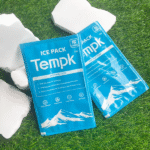
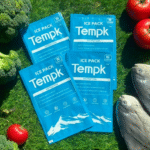
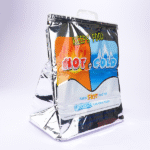
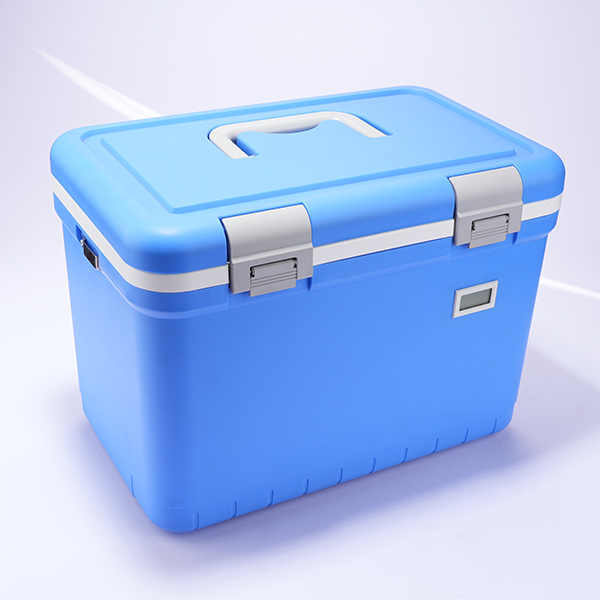
Tempk هي شركة تعتمد على التكنولوجيا ومتخصصة في حلول التعبئة والتغليف والمراقبة لسلسلة التبريد. نقوم بتصميم وتصنيع العبوات المعزولة, عبوات ثلج هلامية وأجهزة ذكية لمراقبة درجة الحرارة التي تساعد الشركات على الحفاظ على جودة المنتج أثناء النقل. لدينا ص&يجمع فريق D بين علوم المواد وخبرة تحليل البيانات لإنشاء حلول مصممة خصيصًا لتلبية احتياجاتك الفريدة. مع وجود عالمي وشهادات مثل Sedex, نحن ملتزمون بالاستدامة والامتثال.
نداء العمل: على استعداد لتحسين سلسلة التبريد الخاصة بك? اتصل بخبرائنا لاستكشاف كيف يمكن للتحليلات التنبؤية وحلول التعبئة والتغليف من Tempk أن تقلل من الهدر, توفير الطاقة وضمان سلامة المنتج.