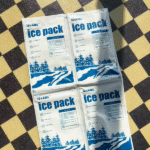
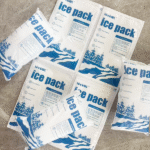
عبوات ثلج جافة للشحن: أ 2025 Guide for Effective Cold Chain Management
Shipping temperature-sensitive products such as seafood, الأدوية, and perishable goods requires precise temperature control to prevent spoilage. في 2025, dry ice packs have emerged as a top choice for ensuring that goods remain at optimal temperatures throughout transit. في هذا الدليل, we will walk you through how to effectively use عبوات ثلج جافة للشحن, بما في ذلك أفضل الممارسات, الامتثال التنظيمي, and cost-saving strategies to optimize your cold chain logistics.

-
What are dry ice packs and how do they work in shipping?
-
How do dry ice packs maintain the right temperature during transit?
-
What are the benefits of dry ice packs over other cooling methods?
-
أفضل الممارسات للتغليف والشحن بالثلج الجاف
-
How to ensure compliance with safety and regulatory requirements
ما هي عبوات الثلج الجاف, and How Do They Work for Shipping?
Dry ice packs are blocks or pellets of solidified carbon dioxide (co₂) used to maintain extremely low temperatures during shipping. على عكس الجليد العادي, الذي يذوب في السائل, الجليد الجاف يسامي (turns from solid directly to gas), making it ideal for preserving the freshness and safety of sensitive items like vaccines, المأكولات البحرية, والمستحضرات الصيدلانية.
At a temperature of -109.3°F (-78.5درجة مئوية), dry ice helps prevent spoilage and degradation of products that need to stay frozen for extended periods. على عكس الجليد التقليدي, which is prone to melting and leaving moisture, dry ice’s sublimation ensures that there is no liquid residue, reducing the risk of water damage to goods.
Key Uses of Dry Ice in Shipping
-
الأدوية: Dry ice is essential for transporting temperature-sensitive medications and vaccines, where maintaining a consistent cold temperature is critical.
-
المنتجات الغذائية: المأكولات البحرية, اللحوم, ألبان, and other perishable foods often require dry ice to ensure freshness during long shipments.
-
السلع المتخصصة: عينات بيولوجية, المواد الكيميائية, and other temperature-sensitive items also rely on dry ice for safe transit.
How Do Dry Ice Packs Maintain Optimal Temperatures During Transit?
Dry ice packs provide superior cooling by absorbing heat as they sublime into gas, keeping the temperature inside the container lower than that of traditional ice or gel packs. Their ability to maintain an ultra-low temperature for extended periods makes them ideal for long-distance shipping and sensitive products.
How Dry Ice Keeps Shipments Frozen:
-
المدة الباردة: الجليد الجاف يمكن أن تبقي الشحنات باردة حتى تصل إلى 48-72 ساعات, depending on the amount used and external conditions. This makes it ideal for long shipping routes.
-
اتساق درجة الحرارة: على عكس الجليد العادي, dry ice sublimates slowly, ensuring a more consistent and reliable cooling effect throughout the journey.
| طريقة التبريد | مدة | Temperature Maintained | الأفضل ل |
|---|---|---|---|
| الجليد الجاف | 48-72 ساعات | -78.5درجة مئوية | شحنات طويلة, الأدوية, المأكولات البحرية |
| حزم هلام | 12-24 ساعات | 0درجة مئوية | شحنات أقصر, less sensitive items |
| الجليد العادي | 6-12 ساعات | 0درجة مئوية | Less sensitive goods |
What Are the Key Benefits of Using Dry Ice Packs Over Other Cooling Methods?
Using dry ice packs offers several distinct advantages when compared to traditional ice or gel packs. Here’s why dry ice is often the preferred choice for temperature-sensitive shipments:
الفوائد الرئيسية لحزم الثلج الجاف
-
مدة تبريد أطول: يستمر الجليد الجاف لفترة أطول بكثير من الجليد العادي, remaining frozen for up to 72 ساعات. This extended cooling duration makes it ideal for long-distance shipments.
-
لا مياه ذوبان: على عكس الجليد العادي, الجليد الجاف يسامي مباشرة في الغاز, eliminating the risk of moisture contamination, which can be problematic for certain products.
-
قوة تبريد متفوقة: Dry ice keeps items at much colder temperatures, often as low as -109.3°F (-78.5درجة مئوية), which is crucial for products like frozen seafood or medical supplies that need to remain deep frozen.
أفضل الممارسات للتعبئة والشحن باستخدام الثلج الجاف
To ensure that your shipments stay cold and compliant with safety regulations, follow these best practices when using dry ice in your packaging:
1. اختر التغليف المناسب
Use insulated packaging materials to help maintain the temperature of the shipment for as long as possible. البوليسترين الموسع (EPS) والبولي يوريثين (بور) are commonly used for 24-72 hour transit times. لشحنات أطول, consider using vacuum-insulated panels (VIP) to reduce dry ice consumption and shipping weight.
2. استخدم الكمية الصحيحة من الثلج الجاف
The quantity of dry ice needed will depend on several factors:
-
مدة الشحن: Longer shipments require more dry ice.
-
جودة العزل: Better insulation reduces sublimation rates and keeps the product cooler for a longer period.
-
درجة الحرارة المحيطة: Hotter environments will cause dry ice to sublimate faster, so additional dry ice may be needed during the summer months.
المبدأ التوجيهي العام هو استخدام 5-10 pounds of dry ice per 24-hour shipment. لكن, always adjust quantities based on specific conditions and requirements.
3. ضمان التهوية المناسبة
لأن الثلج الجاف يتصاعد إلى غاز, it is crucial to ensure that the packaging allows CO₂ to escape to avoid a buildup of pressure, مما قد يؤدي إلى انفجار. Never use airtight containers when shipping with dry ice. Proper ventilation is essential to prevent hazardous situations.
4. مراقبة درجة الحرارة أثناء النقل
For critical shipments such as pharmaceuticals or seafood, use temperature monitoring devices such as data loggers or IoT sensors. These devices help track the temperature of the shipment in real-time, ensuring the products remain within the required temperature range.
Compliance and Safety Regulations for Dry Ice Shipping
Handling and shipping dry ice requires compliance with various regulations. Dry ice is classified as a hazardous material under UN 1845, and shipments must adhere to specific labeling, التغليف, ومتطلبات التوثيق.
Key Regulations to Follow:
-
وضع العلامات: All packages containing dry ice must be marked with the “Dry Ice/Carbon Dioxide, solid” label and include the net weight of the dry ice in kilograms.
-
التغليف: Dry ice must be shipped in vented containers to allow gas to escape. Non-vented containers can create dangerous pressure buildup.
-
التوثيق: Depending on the contents, a Shipper’s Declaration or Air Waybill is required to provide information on the dry ice used in the shipment.
بدائل للثلج الجاف: Gel Packs and Other Cooling Methods
While dry ice is excellent for keeping items frozen, gel packs are an effective alternative for shipments that require chilled, لا تجمد, درجات الحرارة. حزم الهلام قابلة لإعادة الاستخدام, less expensive than dry ice, and generally safer for short-distance shipments. They are particularly beneficial for live shellfish, which must remain chilled but not frozen.
متى تستخدم عبوات الجل:
-
Live Shellfish: Prevents freezing, which could harm shellfish.
-
Short-Distance Shipments: Ideal for local deliveries where freezing is unnecessary.
-
فعالة من حيث التكلفة: Gel packs are generally less expensive than dry ice and can be reused.
Environmental and Safety Considerations
Dry ice is a hazardous material and must be handled with care. Always use gloves and goggles when handling dry ice to prevent frostbite, and ensure that dry ice is stored in well-ventilated areas to avoid dangerous CO₂ buildup.
نصائح التعامل الآمن:
-
Store dry ice in a well-ventilated area to allow the gas to sublimate safely.
-
Never dispose of dry ice in a confined space such as sinks or toilets as the rapid gas release could cause damage.
خاتمة
Dry ice packs remain a cornerstone of temperature-controlled shipping, particularly for sensitive products like seafood, الأدوية, وغيرها من المواد القابلة للتلف. من خلال اتباع أفضل ممارسات التعبئة, ضمان الامتثال التنظيمي, and using the right amount of dry ice, you can improve the efficiency and safety of your cold chain logistics in 2025.
For more information on optimizing your shipping practices or assistance with dry ice logistics, اتصال [Your Company] today for expert guidance.