تحديث: فبراير 25 2026
مقدمة
The global demand for temperature-sensitive logistics is exploding. Thermal pallet protectors—also called thermal pallet covers—serve as passive insulation that maintains stable temperatures for palletised goods. في 2024 the thermal pallet cover market was valued at US $1.2 billion and is projected to reach US $2.5 مليار من قبل 2033. في نفس الوقت, the World Health Organization estimates that over 25 % من اللقاحات تصل بفعالية منخفضة بسبب فشل سلسلة التبريد, while perishable food can lose up to 50 % من قيمته دون التحكم المناسب في درجة الحرارة. A reliable thermal pallet protector helps you avoid these losses. In this comprehensive guide you’ll discover how these protectors work, the materials they use, cost and energy savings, regulatory considerations and the latest innovations shaping the cold chain in 2026.
هذا الدليل سوف يجيب:
What is a thermal pallet protector and how does it control temperature?
Which materials and designs provide the best insulation for your cargo?
How can a pallet protector reduce energy consumption and shipping costs?
What regulations and standards must your packaging meet in 2026?
Which trends—including IoT sensors, phase change materials and reusable shippers—are reshaping the cold chain?
How does a thermal pallet protector control temperature?
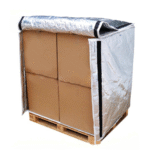
إجابة مباشرة: A thermal pallet protector—also known as an insulated pallet cover—is a flexible cover that encloses a loaded pallet and creates a barrier against heat and cold. It traps a layer of air around your goods, slowing down heat transfer and keeping products within the required temperature range. Thick insulation and reflective foil reduce both conduction and radiation, while breathable materials allow moisture to escape.
مزيد من التفاصيل: Thermal pallet protectors work by combining insulation and reflectivity. The trapped air acts as a buffer, limiting the movement of thermal energy, and the cover’s radiant barrier reflects incoming heat. High-performance covers use multi-layer materials such as polyethylene foam, reflective foil and bubble layers. Some covers, like those from Cold Chain Technologies, reflect more than 90 % of solar energy and are 2.6 times more effective than leading thermal covers. By shielding your goods from temperature spikes, the cover can prevent thawing, spoilage or chemical degradation during cross-dock transfers, tarmac exposure and last-mile delivery.
Thermal mechanisms and user benefits
| المعلمة | وصف | Impact on your cargo |
|---|---|---|
| التوصيل | Heat conduction is slowed by the insulating foam or bubble layers inside the cover. | Your products remain stable even when ambient temperatures fluctuate. |
| إشعاع | Reflective outer layers bounce away solar radiation, blocking more than 90 % من الحرارة المشعة. | Prevents overheating in direct sunlight or hot warehouse environments. |
| الحمل الحراري | By enclosing the pallet and limiting air movement, the protector reduces convective heat transfer. | Keeps warm or cold air from mixing with the environment. |
| Moisture management | Breathable yet water-resistant fabrics allow condensation to escape without letting rain in. | يمنع العفن, maintains product quality and avoids packaging damage. |
| Air gap | The trapped air layer acts as a thermal buffer. | Extends the time your goods remain within safe temperature ranges during transit. |
نصائح وتوصيات عملية
Measure your pallets: Choose a cover that fully encloses the pallet without excessive slack. Too tight and it may tear; too loose and insulation fails.
Use slip sheets: For complete enclosure—including the bottom—use a slip sheet under the pallet and tape it to the cover. This creates a cocoon that minimises temperature change.
Pre-condition your payload: Make sure any gel packs or phase-change materials are properly conditioned before loading. Incorrect conditioning shortens hold time.
Smooth wrinkles: After placing the cover, smooth out wrinkles to eliminate gaps where heat could penetrate.
مراقبة درجة الحرارة: Use a data logger inside the pallet to track temperature excursions in real time. Many modern protectors are compatible with Bluetooth or IoT sensors that send instant alerts.
دراسة حالة: In one cost comparison, شحن 26 pallets from California to Dallas by reefer truck costs US $500 more than using a dry van with single-use thermal covers. At US $15 per cover, total cover cost is US $400, making dry transport with insulated pallet protectors cheaper while maintaining temperature control. This demonstrates how a small investment in covers can offset higher refrigerated freight costs.
What materials and designs deliver optimal insulation?
ملخص: The effectiveness of a thermal pallet protector depends largely on its material composition and design. Most high-performing covers use multi-layer insulation systems that combine reflective foils, رغوة البولي ايثيلين, bubble cushioning and sometimes vacuum panels. Understanding the pros and cons of each material helps you select the right protector.
Expanded detail: Thermal covers are typically available in foil-based, البولي إيثيلين, and multi-layer insulation designs. Foil-based covers reflect heat and provide a lightweight barrier, while polyethylene covers are economical and often disposable. Multi-layer covers offer superior thermal resistance by stacking different materials, and some incorporate vacuum insulated panels (كبار الشخصيات) for ultra-low temperatures.
Materials comparison and what they mean for you
| مادة | الخصائص الرئيسية & نطاق درجة الحرارة | فوائد عملية |
|---|---|---|
| Foil-based covers | Highly reflective, deflecting radiant heat; خفيف الوزن; often used for controlled room temperature shipments. | Ideal for preventing overheating on tarmacs or during summer, especially for pharmaceuticals and electronics. |
| البولي إيثيلين (PE) يغطي | Economical single-use covers; provide basic insulation and water resistance. | Suitable for short-duration shipments or lower-value goods; reduces cost but still protects against sudden temperature swings. |
| عزل متعدد الطبقات | Combines reflective foil, bubble layers and foam, delivering high R-value and puncture resistance. | Offers extended shipping times and durability, making it a good choice for cross-docking and long transit routes. |
| لوحات معزولة فراغ (كبار الشخصيات) | Vacuum-sealed panels with microporous material; extremely low thermal conductivity, enabling –80 °C to 25 °C shipping. | Necessary for deep-frozen biologics like gene therapies; often paired with reusable shippers and phase-change materials. |
| مواد تغيير المرحلة (PCMS) | Materials that absorb/release latent heat at specific temperatures; extend hold times and maintain narrow bands. | Useful for shipments requiring strict 2–8 °C control; PCMs can reduce payload weight and the need for gel packs. |
| Natural fibers & المواد المعاد تدويرها | Corrugated cardboard and wool fibers offer insulation with minimal environmental impact. | Great for eco-conscious brands; may need supplementary gel packs or PCMs for extended durations. |
Real-world advice
Match material to your temperature range: Choose VIPs and PCMs for ultra-cold shipments (-80 درجة مئوية), multi-layer insulation for 0–15 °C, and foil or cardboard for warmer ranges.
موازنة التكلفة والاستدامة: Reusable systems cost more upfront but reduce long-term waste. Single-use covers are cheaper and easier to deploy in complex logistics.
Check recyclability: Many covers are now 100 % recyclable or made from post-consumer materials. Look for covers that align with your sustainability goals.
Custom sizing: Standard pallet covers fit 48″×40″ pallets, but custom sizes are available. Measure your pallets carefully to avoid insulation gaps.
How can a thermal pallet protector reduce energy consumption and shipping costs?
إجابة مباشرة: By insulating cargo effectively, a thermal pallet protector enables you to use non-refrigerated trucks for many shipments. These passive solutions reduce or eliminate the need for energy-intensive reefer trailers, which typically consume 20 % more fuel and carry higher insurance costs.
Further explanation: The natural thermal mass of a fully loaded pallet maintains its temperature. When combined with an insulated cover, the pallet can remain within safe ranges for several hours or days. This passive cooling reduces the reliance on mechanical refrigeration. Cost comparisons illustrate this advantage: a full-truckload reefer from California to Dallas costs US $500 more than a dry van, while purchasing single-use covers at $15 each totals US $400, resulting in immediate savings.
Extended benefits: Using thermal pallet protectors also allows you to ship mixed cargo in the same truck by isolating temperature-sensitive pallets. This reduces the need for dedicated refrigerated vehicles, improves load utilisation and cuts carbon emissions. علاوة على ذلك, covers extend shelf life by maintaining consistent temperature and humidity, reducing spoilage and the associated financial losses.
Financial impact table
| سيناريو | وصف | يكلف & fuel implications | Your advantage |
|---|---|---|---|
| Reefer truck | Refrigerated truck with mechanical cooling. | Higher freight rate; approx US $500–900 more per full truckload compared to dry van on long routes; consumes 20 % more fuel. | Necessary for ultra-cold shipments; energy-intensive and costly. |
| Dry van + أغطية البليت | Standard truck plus single-use thermal covers. | Cover cost ~US $15 لكل البليت; total for 26 pallets ≈ US $400; lower freight and fuel costs. | Ideal for 0–15 °C shipments; huge cost savings; يقلل من البصمة الكربونية. |
| شاحنات البليت القابلة لإعادة الاستخدام | Heavy-duty containers with VIPs and PCMs. | ارتفاع الاستثمار الأولي (US $150–400 per cover) but multi-use reduces long-term cost; can be pooled across supply chain. | Suitable for high-value goods and closed-loop logistics; يقلل من النفايات. |
Energy-saving tips
Minimise empty space: Fill voids within the pallet to reduce air pockets that accelerate heat transfer.
Pre-chill or pre-warm: Condition your products and gel packs to the target temperature before loading. Improper conditioning shortens hold time.
Choose the right route: Shorter or night-time routes expose cargo to fewer temperature extremes. Combine with pallet covers for maximum efficiency.
Track real-time data: Use IoT sensors to monitor temperature and take corrective actions quickly.
مثال حقيقي: A candy manufacturer replaced reefer trucks with dry vans and single-use covers for its cross-dock shipments. The switch reduced transportation costs by US $900 per truckload on certain routes while maintaining temperature control and product quality.
Which regulations and standards do you need to follow in 2026?
ملخص: Regulatory compliance ensures product safety and avoids costly recalls. في 2026 several rules affect cold chain packaging: الولايات المتحدة. قانون تحديث سلامة الأغذية (FSMA) قاعدة 204, قانون أمن سلسلة توريد الأدوية (DSCSA), ممارسة توزيع جيدة (الناتج المحلي الإجمالي) المبادئ التوجيهية, الرابطة الدولية للانتقال الآمن (أي) test protocols and EU Packaging & تنظيم نفايات التغليف (ص).
تفاصيل: قاعدة FSMA 204 expands traceability for high-risk foods; companies must record critical tracking events and provide electronic records within 24 ساعات. DSCSA requires serialized transaction data for pharmaceutical shipments, with compliance deadlines in late 2025. GDP guidelines mandate continuous monitoring, وثائق قوية والموظفين المدربين, while ISTA 7D/7E simulate thermal profiles to validate packaging performance. The EU PPWR demands that all packaging be recyclable or reusable by 2030.
Thermal pallet protectors support compliance by providing surfaces for barcodes or QR codes, accommodating RFID tags and IoT sensors for temperature logging. Look for protectors tested under ISTA protocols and ask suppliers for validation data.
قائمة مراجعة الامتثال
إمكانية التتبع: Use covers that allow placement of RFID or NFC tags for capturing Critical Tracking Events.
التسلسل: Ensure packaging surfaces can hold DSCSA-compliant barcodes or 2D data matrices.
Test reports: Request ISTA 7D/7E reports from suppliers to confirm thermal performance under extreme conditions.
قابلية إعادة التدوير: Choose covers designed for reuse or recycling to comply with EU PPWR and Extended Producer Responsibility policies.
التوثيق: الحفاظ على سجلات درجة الحرارة, calibration certificates and validation records for regulatory audits.
بصيرة: According to a Georgia Tech survey cited by Cold Chain Technologies, 90 % of temperature excursions are due to human error during packing. Automation through pre-assembled kits and smart sensors helps reduce such errors.
How are innovations reshaping thermal pallet protectors in 2026?
ملخص: The cold chain industry is rapidly adopting smart, التقنيات المستدامة. Innovations include IoT sensors, phase-change material pods, لوحات معزولة فراغ, حاويات قابلة لإعادة الاستخدام, مواد مستدامة, الذكاء الاصطناعي والتوائم الرقمية, and blockchain traceability. These advances improve temperature control, تمديد أوقات الانتظار, reduce carbon footprints and provide real-time visibility.
1. مستشعرات إنترنت الأشياء & تسميات ذكية
Tiny sensors embedded in pallet protectors now measure temperature, الرطوبة والموقع, نقل البيانات إلى لوحات المعلومات السحابية. Industry data shows that 76 % من إيرادات تتبع سلسلة التبريد تأتي من أجهزة الاستشعار وقطع الأشجار. Smart labels with RFID or NFC chips store product information and traceability records. لك, this means real-time alerts when temperatures drift, enabling immediate corrective action and reducing spoilage.
2. Phase-change material (بي سي إم) القرون
تمتص أجهزة PCM الحرارة أو تطلقها عند درجات حرارة محددة. تم تقييم سوق PCM في الولايات المتحدة $3.6 مليار في 2024 وينمو في 8.4 % سنويا. Modern designs use plug-and-play pods that slot into covers or shippers, allowing operators to tailor the thermal profile by swapping modules. This extends hold time without adding excessive weight, making PCMs ideal for maintaining 2–8 °C ranges.
3. ألواح معزولة بالفراغ (كبار الشخصيات) والهوائيات الهوائية
VIPs are ultra-thin panels with vacuum-sealed microporous materials that provide extremely low thermal conductivity. Pairing VIPs with aerogels reduces shipping costs by up to 70 % for deep-frozen goods. They enable –80 °C shipments and allow more payload per container, supporting therapies like mRNA vaccines and cell therapies.
4. حاويات قابلة لإعادة الاستخدام وشاحن البليت
Reusable rigid containers integrate VIPs, أجهزة PCM وأجهزة الاستشعار. They reduce waste and lower the total cost of ownership over multiple cycles. The reusable cold chain packaging market is projected to grow from US $4.97 مليار في 2025 لنا $9.13 مليار من قبل 2034. Pooling programs allow you to share containers among partners, spreading costs and reducing capital expenses.
5. مواد مستدامة & packaging kits
Environmental pressure is pushing manufacturers to replace fossil-fuel-based foam with recyclable and renewable materials. Innovations include paper-based insulation, re-pulpable natural fibers, and bio-based foams. Pre-assembled packaging kits that combine boxes, insulation and refrigerants reduce packing errors and speed up operations. Choose materials that align with your sustainability goals and check whether they meet circular economy regulations.
6. الذكاء الاصطناعي & التوائم الرقمية
AI algorithms model heat transfer and predict temperature excursions using data from sensors and external sources like weather forecasts. Digital twins replicate the real shipper in a virtual environment, allowing engineers to test design changes quickly. These tools shorten development cycles and help you choose optimal insulation without extensive physical prototyping.
7. منصات Blockchain والتتبع
Blockchain provides tamper-evident records of a product’s temperature and location history. Some platforms embed blockchain nodes into sensors, ensuring that manufacturers, carriers and regulators can verify compliance. Smart contracts can automatically release payments when shipments meet defined conditions, reducing administrative overhead.
Carbon-reducing innovations
Carbon reduction remains a central theme. Reusable containers require less refrigerant, while smart sensors reduce spoilage. With cold chain logistics consuming 3–4 % من الكهرباء العالمية, adopting passive insulation and smart monitoring can significantly shrink your carbon footprint.
FAQ – Common questions about thermal pallet protectors
سؤال 1: What industries benefit most from thermal pallet protectors?
إجابة: Industries dealing with temperature-sensitive goods—pharmaceuticals, الغذاء والمشروبات, chemicals and electronics—gain the most. Thermal covers help maintain optimum temperatures for fresh produce, اللقاحات, biologics and sensitive electronics. They reduce spoilage and ensure regulatory compliance without investing in expensive refrigerated transport.
سؤال 2: Are thermal pallet covers reusable or disposable?
إجابة: Both options exist. Reusable covers are made from durable materials like PVC or nylon and cost US $150–400 each, making them ideal for closed-loop logistics. Single-use covers cost US $15–25 and are more practical for complex supply chains where retrieval is difficult. Choose based on your recovery logistics and sustainability goals.
سؤال 3: How long can a thermal pallet protector maintain temperature?
إجابة: Hold time depends on insulation quality, ambient conditions and payload mass. Multi-layer covers with reflective foils can maintain 2–8 °C ranges for 24 - 72 hours under moderate conditions, while VIP-equipped systems extend hold times beyond 100 hours for ultra-low temperatures. Using PCMs and pre-conditioning improves duration. Always test your specific configuration under expected conditions.
سؤال 4: Do pallet protectors eliminate the need for refrigeration?
إجابة: Not entirely. For ultra-cold products (على سبيل المثال, –80 °C biologics), mechanical refrigeration or dry ice is still required. لكن, for controlled room temperature and refrigerated ranges, pallet covers can reduce or eliminate the need for reefer trucks, resulting in significant cost and energy savings.
سؤال 5: How can I ensure compliance when using pallet protectors?
إجابة: Select covers that accommodate barcodes, RFID tags and sensors for traceability. Obtain ISTA test reports from suppliers, maintain temperature logs and ensure the cover’s materials meet EU PPWR requirements. Training staff on proper pack-out procedures helps prevent human error—the cause of 90 % رحلات درجة الحرارة.
ملخص & اقتراحات
الوجبات الرئيسية: Thermal pallet protectors create a passive barrier that slows heat transfer by combining insulation and reflective materials. Multi-layer designs—often integrating bubble layers, foams and foils—deliver extended hold times and durability. By using pallet protectors, you can ship many products in standard dry vans, saving on fuel costs and reducing carbon emissions. They also enable mixed cargo shipments and lower spoilage. الامتثال لـ FSMA, DSCSA, الناتج المحلي الإجمالي, ISTA and EU PPWR is critical, and modern covers support these requirements via RFID tags, sensors and recyclable materials.
خطة العمل:
Audit your temperature ranges: Map your product portfolio and identify the correct insulation level (على سبيل المثال, multi-layer, VIP + بي سي إم).
Compare costs: Calculate savings from switching from reefer to dry vans with pallet covers. Factor in the number of cycles if choosing reusable covers.
Select compliant covers: Choose covers tested under ISTA protocols and designed to accommodate traceability devices.
دمج المراقبة: Combine pallet protectors with data loggers or IoT sensors for real-time visibility and to meet FSMA/DSCSA requirements.
تدريب فريقك: Ensure your staff follow pack-out best practices, such as conditioning PCMs and smoothing covers, to avoid human error.
خطة للاستدامة: Evaluate recyclable or reusable covers and participate in pooling programs to reduce waste and comply with upcoming regulations.
حول Tempk
ملف الشركة: Tempk هي الشركة الرائدة في مجال توفير حلول سلسلة التبريد, offering temperature-controlled shippers, مواد تغيير المرحلة, insulated boxes and pallet covers. لدينا ص&D team invests in eco-friendly materials and smart packaging technology, ensuring that our products meet the latest FSMA, DSCSA and EU PPWR requirements. We operate a GDP-compliant facility and maintain an integrated quality management system.
لماذا تختار تيمبك: We combine innovative design with stringent testing and validation to deliver reliable temperature control. Our focus on sustainability includes reusable shippers, recyclable insulation and energy-efficient PCM solutions. من خلال الشراكة مع Tempk, you gain access to customizable packaging, expert advice and ongoing support for your cold chain needs.
دعوة إلى العمل: على استعداد لتعزيز سلسلة التبريد الخاصة بك? Contact our experts to discuss your specific temperature requirements and receive a tailored solution. We’ll help you select the right thermal pallet protector, integrate real-time monitoring and achieve compliance with 2026 أنظمة.