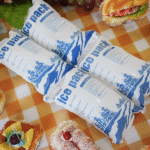
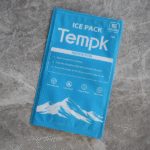
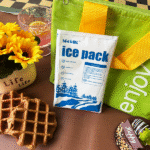
لوحة معزولة بالفراغ (VIP) الحاوية المعزولة أكثر من مجرد مبرد. لقد تم تصميمه للشحنات ذات القيمة العالية التي لا تتحمل التلف - مثل منتجات اللحوم الخاصة بك. موثوق حاوية معزولة VIP يحافظ على درجات الحرارة الداخلية لإبقاء اللحوم تحتها 40 ° f, يستخدم كمية أقل من المبرد, يزن أقل من الصناديق الرغوية ويمكنه حماية الشحنة 72 ساعات أو أكثر. يشرح هذا الدليل كيفية عمل التكنولوجيا, لماذا تتفوق على عبوات الرغوة التقليدية وما تحتاج إلى معرفته لاختيار الحاوية المناسبة لعملك 2025.
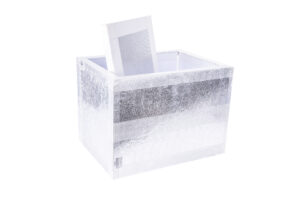
فهم حاويات VIP: تعرف على سبب كون حاويات VIP المعزولة هي الخيار المتميز لشحن اللحوم وكيف تقلل من انتقال الحرارة.
إتقان التكنولوجيا: اكتشف العلم الكامن وراء ألواح العزل الفراغي, كيف يقومون بإزالة كل الهواء تقريبًا لإنشاء حاجز حراري فعال وسبب أهمية ذلك بالنسبة لجودة اللحوم.
تحديد واستخدام الحاويات: احصل على نصائح عملية حول الحجم, خيارات التعبئة والتبريد التي تعمل على زيادة الأداء مع الحفاظ على اللحوم بالأسفل 40 ° f.
قارن المواد: انظر كيف تتكيف حاويات VIP مع الرغوة والعوازل الأخرى من حيث المقاومة الحرارية, وزن, التكلفة والاستدامة.
اتبع الاتجاهات: فهم الابتكارات الناشئة, بدءًا من المبردات الهجينة لكبار الشخصيات والمبردات التي تعمل بالطاقة الشمسية وحتى المواد المستدامة والمحركات التنظيمية التي تشكل الخدمات اللوجستية لسلسلة التبريد في 2025.
ما الذي يجعل حاويات VIP المعزولة مثالية لشحن اللحوم?
تم تصميم حاويات VIP خصيصًا لتحقيق قيمة عالية, شحنات حساسة لدرجة الحرارة. على عكس البوليسترين الموسع (EPS) مبردات أو صناديق رغوة قابلة لإعادة الاستخدام, تجمع الحاويات المعزولة VIP بين طبقة خارجية صلبة وألواح مفرغة مثبتة بإحكام, إنتاج أداء العزل الذي يفوق بكثير المواد التقليدية. لا تحتاج هذه الألواح إلى غلاف خارجي ضخم, لذلك يمكن أن تكون الحاويات أصغر حجمًا وأخف وزنًا, مما يسمح لك بشحن المزيد من اللحوم لكل شحنة مع دفع رسوم شحن أقل. الأداء الحراري الفائق يعني بقاء اللحوم تحتها 40 درجة فهرنهايت لفترات أطول مع عبوات ثلج أو جل أقل, تقليل تكاليف المواد الاستهلاكية والأثر البيئي. التصميم متعدد الطبقات الحاصل على براءة اختراع في بعض الموديلات, مثل نظام DCS الخاص بشركة ThermoSafe, يوفر أربع طبقات من الحماية الحرارية ويتحمل التعامل القاسي.
لماذا يعتبر VIP هو المعيار الذهبي للتحكم في درجة الحرارة
تعمل ألواح العزل الفراغي على إزالة كل الهواء تقريبًا الموجود بين موادها الأساسية, خلق حاجز فعال للغاية ضد التوصيل, الحمل الحراري والإشعاع. الهواء موصل رديء عند احتجازه, ومن خلال إخلائها, توفر الألواح قيمة R أكثر من ضعف قيمة البوليسترين أو رغوة البولي يوريثان. بحسب موقع ثيرمو سيف, تجمع شركات الشحن VIP الخاصة بهم بين فيلم هيكلي قوي ولوحة دقيقة مناسبة للتفوق على صناديق رغوة EPS. والنتيجة أصغر, عبوات أخف تقلل من تكاليف الشحن وتتطلب كمية أقل من سائل التبريد مع توفير أوقات شحن أطول. فضلاً عن ذلك, تتميز حاويات VIP بالمتانة، فهي لا تحتاج إلى غطاء حماية إضافي ويمكنها تحمل اختبارات السقوط في ظل ظروف الجليد الجاف.
عندما تقوم بشحن اللحوم, كل جنيه مهم. انخفاض وزن العبوة يعني انخفاض الوزن الأبعاد (خافت) الرسوم ومساحة أكبر لمنتجك. إن حاوية VIP التي تحافظ على درجة حرارتها لمدة يومين إلى ستة أيام مع الحد الأدنى من الثلج الجاف يمكن أن تسمح لك بالاختيار بشكل أبطأ, طرق شحن أقل تكلفة دون المساس بالسلامة. هذا المزيج من الأداء والكفاءة هو السبب وراء اعتبار الحاويات المعزولة لكبار الشخصيات هي المعيار الذهبي لشحن الأطعمة والأدوية ذات القيمة العالية.
الغوص العميق: أداء VIP مقابل حاويات الرغوة
غالبًا ما تتم مقارنة الحاويات المعزولة بالتفريغ مع EPS والبولي بروبيلين الموسع (إي بي بي) مبردات الرغوة. ويلخص الجدول أدناه الاختلافات الرئيسية:
| ميزة | حاوية VIP | مبرد الرغوة | دلالة |
| المقاومة الحرارية (قيمة R) | عالية - أكثر من ضعف البوليسترين | متوسطة إلى جيدة حسب سمك الجدار | تعني قيمة R الأعلى مدة احتجاز أطول لدرجة الحرارة واستخدام أقل لسائل التبريد. |
| سمك الجدار وحجمه | لوحات رقيقة (~0.5-1.5 بوصة.) السماح بالتصاميم المدمجة | جدران سميكة (1-3 بوصة.) المطلوبة لأداء مماثل | حاويات VIP تناسب المزيد من الحمولة لكل شحنة, تقليل تكاليف الشحن والوزن الحجمي. |
| وزن | خفيف لأنه لا حاجة إلى غلاف واقي | أثقل بسبب الرغوة الضخمة والصندوق الخارجي | انخفاض تكاليف الشحن وسهولة التعامل. |
| متطلبات المبردات | هناك حاجة إلى عبوات ثلج أو جل جاف أقل بفضل العزل الفائق | مطلوب المزيد من المبرد لمدة مماثلة | يخفض تكاليف المواد الاستهلاكية ويقلل من خطر تصنيف العبوة على أنها خطرة. |
| إعادة الاستخدام & متانة | طبقة خارجية متينة وتصميم تم اختباره ضد السقوط; بعضها قابل لإعادة الاستخدام | بعض مبردات الرغوة قابلة لإعادة الاستخدام ولكنها عرضة للتلف | إعادة الاستخدام تقلل من تكلفة دورة الحياة والأثر البيئي. |
| التأثير البيئي | تؤدي العبوات الأصغر حجمًا إلى توليد نفايات أقل واستخدام أقل للطاقة | غالبًا ما تكون نفايات الرغوة غير قابلة لإعادة التدوير; ضخمة, المزيد من انبعاثات الشحن | تتوافق حاويات VIP مع أهداف ولوائح الاستدامة. |
نصائح عملية لاستخدام حاويات VIP
قم بتبريد اللحوم والحاويات الخاصة بك مسبقًا: تحافظ حاويات VIP على درجة الحرارة; لا يخفضونه. تأكد من وصول اللحوم إلى درجة الحرارة المطلوبة بالفعل (أقل 40 درجة فهرنهايت للحوم الطازجة أو المجمدة -20 شحنات درجة مئوية) قبل التعبئة. قم بتبريد الحاوية في غرفة باردة لتجنب ارتفاع درجة الحرارة الأولية.
الحجم الصحيح لغاز التبريد الخاص بك: لأن عزل VIP فعال, يمكنك استخدام كمية أقل من الثلج الجاف أو عبوات الجل. على سبيل المثال, يحتفظ شاحن Duramark VIP الصغير -20 درجة مئوية لمدة يومين فقط 3 رطل من الثلج الجاف, و 10.4 يحافظ على الحجم L -20 درجة مئوية لمدة ستة أيام مع 13 رطل. تجنب التحميل الزائد; يمكن للثلج الجاف الإضافي أن يصنف الحزمة الخاصة بك على أنها خطرة.
ملء المساحة الفارغة: يعمل دوران الهواء على تسريع نقل الحرارة. املأ الفجوات باستخدام وسادات عازلة أو تغليف الفول السوداني لتثبيت درجة الحرارة.
ختم والتسمية بشكل صحيح: الأختام الضيقة تمنع تسرب الهواء. حزم التسمية للتوجيه (هذا الجانب لأعلى) و"قابلة للتلف".: احتفظ بها مبردة / مجمدة لضمان التعامل معها بشكل صحيح.
مثال العالم الحقيقي: تحولت إحدى شركات لحوم البقر المتخصصة من مبردات EPS مقاس 1 بوصة إلى حاويات VIP لشحناتها عبر البلاد. مع صناديق EPS, الشركة بحاجة 10 رطل من الثلج الجاف والشحن طوال الليل للحفاظ على اللحوم مجمدة. بعد اعتماد شركات الشحن الصغيرة VIP, حافظت على ذلك -20 ° C ل 48 ساعات استخدام فقط 3 رطل من الثلج الجاف. أدت العبوة الأخف إلى خفض تكاليف الشحن بنسبة 25 %, وبدأت الشركة في استخدام الشحن البري لمدة يومين دون شكاوى التلف.
كيف تعمل تقنية الألواح المعزولة بالفراغ في شحن اللحوم?
تعمل ألواح العزل الفراغي على إنشاء حاجز شبه مثالي ضد نقل الحرارة عن طريق إزالة الهواء من القلب المسامي وإغلاقه في طبقة حاجز عالية. تنتقل الحرارة من خلال التوصيل, الحمل الحراري والإشعاع. من خلال التخلص من الهواء - الوسيلة الرئيسية للتوصيل والحمل الحراري - تعمل أجهزة VIP على تقليل تدفق الحرارة إلى الصفر تقريبًا. غالبًا ما يكون القلب مصنوعًا من السيليكا أو الألياف الزجاجية, المواد ذات الموصلية الحرارية المنخفضة بطبيعتها, بينما يمنع الغشاء الخارجي تسرب الهواء ودخول الرطوبة. ينتج هذا التصميم 10 أداء عزل أعلى بمرتين من المواد التقليدية.
من مبدأ قارورة الترمس إلى حاوية السلسلة الباردة
تم تطبيق العزل الفراغي في الأصل في قوارير الترمس وتم اعتماده لاحقًا لشركات الشحن الطبية. في حاوية معزولة VIP, لوحات متعددة تصطف على الجدران, الأرضية والغطاء. تعمل اللوحة الضيقة والفيلم الخارجي الصلب على إنشاء حاجز حراري مستمر. غياب الهواء يعني عدم وجود وسط للحمل الحراري; يحدث التوصيل فقط من خلال النواة الصلبة, والتي لديها الموصلية الحرارية المنخفضة جدا. يتم تقليل الإشعاع عن طريق الطبقات العاكسة داخل اللوحة. تدمج بعض الحاويات أيضًا مواد تغيير الطور (PCMS) أو عبوات هلامية لتثبيت درجات الحرارة.
يأتي العلم إلى الحياة في شركات الشحن VIP من ThermoSafe. يوفر الفيلم الهيكلي الخارجي القوي ومجموعة اللوحة الدقيقة أداءً حراريًا فائقًا ويزيل الحاجة إلى غلاف EPS الواقي. في الممارسة العملية, وهذا يعني حجمًا أكثر قابلية للاستخدام ووزنًا أقل. يضيف نظام DCS أربع طبقات من الحماية, مساعدة الحاويات على تحمل التعامل القاسي. تستخدم حاويات TemPak™ VIP من Cryopak تقنية مماثلة وهي مثالية لشحن المواد عالية القيمة التي تتطلب تحكمًا صارمًا في درجة الحرارة.
دور مواد تغيير الطور (بي سي إم) وأجهزة PCM
تقوم المواد المتغيرة الطور بتخزين وإطلاق كميات كبيرة من الطاقة أثناء انتقالها بين الطور الصلب والسائل. عندما يقترن بعزل VIP, يمكن لأجهزة PCM الحفاظ على درجة حرارة ثابتة لعدة أيام. تشير شركة Thermal Custom Packaging إلى أن لوحات الشحن الخاصة بكبار الشخصيات المقترنة بأجهزة PCM تحافظ على الحمولات المجمدة عند درجة الحرارة المطلوبة لأكثر من 72 ساعات. يتم وضع PCMs في أغلفة HDPE قابلة لإعادة التدوير وتحتوي على محاليل غير سامة, مما يجعلها آمنة وصديقة للبيئة. لأن PCMs محددة لدرجة الحرارة, يمكنك اختيار وحدات للتبريد (2-8 درجة مئوية) أو الشحنات المجمدة (-20 درجة مئوية) وتصميم حزم للحفاظ على هذه النطاقات بدون كهرباء.
| عنصر | وصف | وظيفة | فائدة |
| لوحة معزولة بالفراغ | قلب مسامي (السيليكا, الألياف الزجاجية) مختومة في محكم, فيلم متعدد الطبقات | يمنع التوصيل والحمل الحراري عن طريق إزالة الهواء; الطبقات العاكسة تقلل من الإشعاع | يوفر توصيلًا حراريًا منخفضًا للغاية ووقتًا ممتدًا لتحمل درجة الحرارة |
| مواد تغيير المرحلة (بي سي إم) | المواد المصممة لتذوب/تصلب عند درجات حرارة محددة; مغلفة بالبلاستيك القابل لإعادة التدوير | يمتص أو يطلق الحرارة الكامنة للحفاظ على درجة حرارة ثابتة أثناء تغيير الطور | يحافظ على اللحوم في درجة الحرارة المستهدفة لعدة أيام بدون كهرباء; قابلة لإعادة التدوير وغير سامة |
| الفيلم الخارجي & بناء | فيلم عالي القوة وقشرة خارجية صلبة; تم اختبار السقوط تحت ظروف الجليد الجاف | يحمي الألواح والمحتويات من الأضرار المادية; يلغي الحاجة إلى غلاف EPS ضخم | يقلل الوزن ورسوم DIM; يعزز المتانة |
| ميزات متكاملة | تصميمات متعددة الطبقات, مقابض, أجهزة الاستشعار وشاشات إنترنت الأشياء | توفير أربع طبقات من الحماية من الحرارة وإمكانية التتبع للامتثال التنظيمي | تمكين المراقبة في الوقت الحقيقي والامتثال للوائح FSMA والناتج المحلي الإجمالي |
نصائح لتعظيم أداء VIP وPCM
قم بمطابقة PCM مع منتجك: اختر PCMs التي تذوب تحت درجة الحرارة المستهدفة مباشرةً. للحوم الطازجة (2-8 درجة مئوية), حدد PCMs مع تغيير المرحلة حولها 5 درجة مئوية; للحوم المجمدة (-20 درجة مئوية), يستخدم -20 درجة مئوية PCMs.
طبقة بذكاء: ضع أجهزة PCM أعلى وأسفل منتجك. يغرق البرد إلى الأسفل; تضمن الطبقات توزيعًا متساويًا لدرجة الحرارة وتمنع النقاط الساخنة.
فهم الظروف المحيطة: وقت العبور, تحدد درجة الحرارة الخارجية وحجم الصندوق مقدار PCM أو الثلج الجاف الذي تحتاجه. استخدم مسجلات البيانات للتحقق من الأداء وضبط الحزم وفقًا لذلك.
شحنات الاختبار: قم بتشغيل الشحنات التجريبية في ظل الظروف المتوقعة باستخدام مجسات درجة الحرارة للتحقق من صحة العبوة الخاصة بك. تضمن هذه الخطوة الامتثال التنظيمي ورضا العملاء.
دراسة حالة: قام أحد مصدري المأكولات البحرية بدمج لوحات VIP مع PCM للشحنات من ألاسكا إلى اليابان. تحتوي الحمولة على سمك السلمون الذي يتطلب -10 درجة مئوية. مع 5 كجم من PCM لكل صندوق, حافظ المصدر على ثباته -10 درجة مئوية لمدة ثلاثة أيام, حتى عندما تصل درجات الحرارة الخارجية 30 درجة مئوية. وصلت الشحنات ضمن المواصفات, وخفضت الشركة وزن غاز التبريد بمقدار 40 % مقارنة بإعداد EPS/الثلج الجاف السابق.
كيفية اختيار واستخدام الحاويات المعزولة VIP لشحن اللحوم
يعتمد اختيار حاوية VIP المناسبة على حساسية منتجك لدرجة الحرارة, مدة العبور وقيود التكلفة. تأتي حاويات VIP بأحجام وتكوينات مختلفة: الطرود الصغيرة للشحنات المباشرة للمستهلك, حاويات متوسطة للتوزيع الإقليمي, ووحدات منصات نقالة كبيرة للشحن الدولي. تقنية VIP متاحة الآن في ثلاجات بحجم 20 قدمًا و40 قدمًا مع خيارات لمناطق درجة الحرارة المزدوجة. تحافظ هذه التقنية عادةً على درجات حرارة تتراوح بين -30 درجة مئوية و +30 درجة مئوية عبر النقل المتعدد الوسائط.
تقييم متطلبات شحنة اللحوم الخاصة بك
ابدأ بتحديد نطاق درجة الحرارة الآمن لمنتجك. لحم البقر الطازج, يجب أن تبقى الدواجن ولحم الخنزير أدناه 40 درجة فهرنهايت لمنع النمو البكتيري السريع, بينما يجب حفظ اللحوم المجمدة عند -20 درجة مئوية أو أقل. التالي, تحديد مدة العبور النموذجية الخاصة بك. للتسليم بين عشية وضحاها أو يومين, قد تكون شركات الشحن الصغيرة VIP أو البطانات المعزولة كافية. للشحنات التي تستمر من 3 إلى 6 أيام, اختر حاويات ذات ألواح أكثر سمكًا وسعة PCM أكبر. للشحنات الدولية أو السائبة, ضع في اعتبارك المبردات VIP أو حاويات التجميد الفائقة التي تحافظ على -60 درجة مئوية للمواد البيولوجية والأطعمة المتخصصة.
وتشمل العوامل الأخرى:
حجم الحمولة والوزن: يجب أن يتطابق الحجم الداخلي للحاوية مع كمية منتجك. الصناديق كبيرة الحجم تهدر المساحة وتتطلب المزيد من المبردات, في حين أن الحاويات الصغيرة الحجم تحد من تدفق الهواء.
الامتثال التنظيمي: يجب أن تلتزم شحنات اللحوم بقانون تحديث سلامة الأغذية (FSMA) متطلبات, والتي تتطلب مراقبة مستمرة لدرجة الحرارة وإمكانية التتبع. تدمج العديد من حاويات VIP مستشعرات إنترنت الأشياء وتدعم تسجيل البيانات.
العودة اللوجستية: قرر ما إذا كانت حاوياتك ستكون للاستخدام الفردي أم جزءًا من حلقة قابلة للإرجاع. توفر حاويات VIP القابلة لإعادة الاستخدام عمر خدمة طويل ويمكن أن تقلل التكاليف بنسبة 20 % مع مرور الوقت بسبب انخفاض احتياجات المبرد وتقليل النفايات.
أهداف الاستدامة: ابحث عن الحاويات المصنوعة من مواد قابلة لإعادة التدوير أو تلك التي تقلل من انبعاثات الكربون. تعمل الألواح العازلة ذات التقنية العالية على تقليل استهلاك الطاقة وانبعاثات الكربون.
تعبئة حاوية VIP الخاصة بك بشكل صحيح
اتبع هذه الخطوات لضمان بقاء شحنة اللحوم الخاصة بك آمنة:
شرط مسبق جميع المكونات - قم بتجميد اللحوم إلى درجة الحرارة المستهدفة وقم بتبريد الحاوية وأجهزة PCM وفقًا لذلك.
ضع طبقة PCM أو ثلج جاف في الجزء السفلي من الحاوية, ثم أضف طبقة من المادة العازلة (على سبيل المثال, وسادة مموجة).
تحميل حزم اللحوم في واحدة, طبقة مدمجة. تجنب ترك فراغات كبيرة لتقليل حركة الهواء.
أضف طبقات PCM إضافية فوق المنتج وحوله. للحوم المجمدة, تأكد من أن الثلج الجاف مجاور للحوم; القاعدة الأساسية هي أنه طالما بقي بعض الثلج الجاف بالقرب من المنتج, يبقى مجمدا.
ملء الفراغ مع حشو (التفاف الفقاعة, ورق) لمنع التحول والحفاظ على جيوب الهواء البارد.
ختم الحاوية بإحكام باستخدام آلية الإغلاق الخاصة بالشركة المصنعة. قم بتسمية العبوات بتعليمات التعامل ومتطلبات درجة الحرارة.
مراقبة الشحنات باستخدام مسجلات البيانات أو أجهزة الاستشعار. تدمج العديد من حاويات VIP مراقبة إنترنت الأشياء التي تنقل بيانات درجة الحرارة والموقع في الوقت الفعلي لضمان الامتثال للوائح FSMA وGDG.
مثال: شركة لحوم تطلب بالبريد 10 حزم رطل من شريحة لحم. من خلال اختيار أ 3.2 L دورامارك VIP الشاحن, تحتفظ الشركة بالمنتج في -20 درجة مئوية لمدة يومين باستخدام 3 رطل من الثلج الجاف. للطرق الأطول (خمسة أيام), يختار 10.4 طراز L مع PCM إضافي و 13 رطل من الثلج الجاف, الحفاظ على درجة الحرارة لمدة ستة أيام. وتستخدم الشركة أيضًا أجهزة استشعار إنترنت الأشياء لتسجيل بيانات درجة الحرارة لكل شحنة, ضمان الامتثال التنظيمي والحد من المطالبات.
نصائح المستخدم لسيناريوهات مختلفة
التوصيلات المحلية (1-2 أيام): استخدم بطانات معزولة VIP أو صناديق صغيرة تحتوي على عبوات هلامية. قم بتبريد كل شيء مسبقًا وتجنب الإفراط في ملئه بسائل التبريد.
الشحنات الإقليمية (3-4 أيام): حدد حاويات VIP متوسطة الحجم مزودة بوحدات PCM مدمجة. اجمع بين عبوات الجل وكمية صغيرة من الثلج الجاف; حزم الاختبار لتحسين الكمية.
الشحنات الدولية أو بالجملة (>5 أيام): اختر المبردات الكبيرة لكبار الشخصيات أو حاويات التجميد الفائق المزودة بالطاقة الاحتياطية المدمجة. قم بتضمين مناطق درجة الحرارة المزدوجة في حالة شحن حمولات مختلطة مثل شرائح اللحم والنقانق.
قضية: اعتمد موزع اللحوم الذي يشحن إلى آسيا أ 40 ثلاجة VIP مكعبة بارتفاع قدم مع منطقتين لإرسال لحم الخنزير والدواجن في حاوية واحدة. سمح لهم تصميم المنطقة المزدوجة بالحفاظ على -20 درجة مئوية لحم الخنزير المجمد و +4 درجة مئوية للدواجن المبردة في وقت واحد. من خلال توحيد الشحنات, لقد خفضوا تكلفة الشحن للكيلوغرام الواحد بنسبة 30 %, والعزل المحسن يقلل من استخدام الطاقة 25 %.
VIP مقابل الحاويات المعزولة التقليدية: الفوائد والمقايضات
توفر حاويات VIP أداءً حراريًا أفضل بكثير, كفاءة الحجم والاستدامة مقارنة بحاويات الرغوة التقليدية. لكن, أنها تأتي بتكلفة أولية أعلى. إن فهم المقايضات يساعدك على تبرير الاستثمار.
مقارنة أداء العزل والتكلفة
المقاومة الحرارية: توفر ألواح VIP مقاومة حرارية تزيد عن ضعف مقاومة البوليسترين أو رغوة البولي يوريثان. تدعي بعض منتجات va Q tec عزلًا أفضل بعشر مرات من المواد التقليدية. مع ارتفاع قيمة R, تحتاج إلى سمك عزل أقل, مما يعني مساحة أكبر قابلة للاستخدام ومبردات أقل.
حجم الحاوية ووزنها: تتطلب صناديق الرغوة التقليدية جدرانًا سميكة (1-3 بوصة.) لتحقيق العزل المناسب, مما يزيد من الحجم وتكلفة الشحن. يمكن أن يكون سمك جدار حاويات VIP منخفضًا 0.5 في., مما يجعلها مدمجة وخفيفة الوزن.
استخدام المبردات: تحتاج مبردات الرغوة عادةً إلى كميات كبيرة من عبوات الجل أو الثلج الجاف للحفاظ على درجة الحرارة. يمكن صيانة حاويات VIP -20 درجة مئوية لمدة يومين استخدام فقط 3 رطل من الثلج الجاف; ستتطلب نفس المدة المزيد من الثلج الجاف في حاوية الرغوة. يقلل المبرد الأقل من التكلفة وتصنيف المخاطر.
المتانة وإعادة الاستخدام: تحتوي حاويات VIP على أغشية خارجية قوية تتحمل السقوط والتعامل القاسي, والعديد منها مصمم للاستخدام المتكرر. غالبًا ما يتم استخدام مبردات الرغوة لمرة واحدة أو تتحلل بعد عدة دورات. تؤدي إمكانية إعادة الاستخدام إلى خفض التكلفة على المدى الطويل ودعم جهود الاستدامة.
التأثير البيئي: تعمل حاويات VIP على تقليل استهلاك الطاقة وانبعاثات الكربون عن طريق تقليل غازات التبريد وتمكين طرق شحن أبطأ. تيتان في ArcticStore Horizon, على سبيل المثال, يجمع بين ألواح VIP وسقف جاهز للطاقة الشمسية لتقليل استهلاك الطاقة 55 %. تغليف الرغوة, على النقيض من ذلك, ضخمة, في كثير من الأحيان غير قابلة لإعادة التدوير, ويولد المزيد من النفايات.
موازنة التكلفة مع القيمة
تكلف تقنية VIP مبلغًا أكبر مقدمًا. لكن, تظهر الدراسات أن الجمع بين ألواح VIP وعزل البولي يوريثين (بو VIP) يمكن أن تقلل من إجمالي تكاليف النقل لسلسلة التبريد بحوالي 20 % لأن الحاوية تتطلب كمية أقل من سائل التبريد وقابلة لإعادة الاستخدام. إذا قمت بشحنات متكررة أو شحن اللحوم ذات القيمة العالية, انخفاض وزن الشحن, غالبًا ما يفوق وقت الانتظار الممتد والنفايات المنخفضة السعر الأولي الأعلى. بالإضافة إلى ذلك, إن الامتثال التنظيمي ورضا العملاء لهما قيمة غير ملموسة. من المرجح أن يقوم العملاء الذين يتلقون منتجات محمية بشكل جيد بإعادة الطلب وترك تعليقات إيجابية.
سيناريو: شركة ناشئة تبيع لحم خروف ممتاز يتم شحنه في البداية بمبردات رغوية تقليدية والكثير من عبوات الجل. كانت الصناديق كبيرة, كانت تكاليف الشحن مرتفعة, والتأخير العرضي تسبب في التلف. من خلال التحول إلى حاويات VIP القابلة لإعادة الاستخدام المقترنة بأجهزة PCM, قامت الشركة بتخفيض تكاليف المبرد بنسبة 35 %, خفض وزن الشحن بنسبة 20 %, والقضاء على أحداث التلف. على الرغم من أن كل حاوية تكلف أكثر, كانت فترة الاسترداد أقل من ستة أشهر بسبب انخفاض رسوم المواد الاستهلاكية والشحن.
2025 الابتكارات والاتجاهات في شحن اللحوم VIP
نظرة عامة على الاتجاه
تتطور الخدمات اللوجستية لسلسلة التبريد بسرعة, مدفوعة بنمو التجارة الإلكترونية, لوائح أكثر صرامة لسلامة الأغذية وأهداف الاستدامة. بحسب تيمبك 2025 تحديث الصناعة, تجاوزت التجارة العالمية في الأغذية القابلة للتلف 740 مليون طن متري في 2023, وحول 90 % من شحنات اللقاحات تتطلب لوجستيات سلسلة التبريد. تقدر قيمة سوق تغليف سلسلة التبريد العالمية بـ $27.7 مليار في 2025 ومن المتوقع أن يصل $102.1 مليار من قبل 2034, أ 15.6 % معدل النمو السنوي المركب. يتم تقييم سلاسل التبريد الصيدلانية وحدها $65 مليار دولار ومن المتوقع أن يتضاعف خلال العقد المقبل. وتؤكد هذه الأرقام أهمية الكفاءة, التحكم في درجة الحرارة المستدامة.
تستمر تقنية VIP في التحسن. وتشمل الابتكارات العزل الهجين الذي يجمع بين VIP والبولي يوريثين والهلام الهوائي, أجهزة استشعار إنترنت الأشياء المتكاملة للمراقبة في الوقت الحقيقي, والحاويات مع التبريد بالطاقة الشمسية. على سبيل المثال, يستخدم ArcticStore Horizon من Titan ألواح VIP وسقفًا جاهزًا للطاقة الشمسية قابلاً للإمالة لخفض استهلاك الطاقة 55 %. يؤدي التقدم في التصنيع أيضًا إلى تقليل تكاليف اللوحات وتمكين الإنتاج الضخم للتطبيقات على مستوى المستهلك, مثل بطانات مجموعة الوجبات.
أحدث الابتكارات في لمحة
المبردات VIP ذات المنطقة المزدوجة: تسمح الحاويات التي تحافظ على مناطق درجة حرارة منفصلة لشركات الشحن بدمج المنتجات المجمدة والمبردة في حمولة واحدة. توفر هذه المرونة المساحة وتقلل من تكاليف الشحن.
حاويات VIP مدعومة بالطاقة الشمسية: إن دمج الألواح الشمسية مع عزل VIP يقلل من استهلاك الطاقة بأكثر من النصف, خفض الانبعاثات وتكاليف التشغيل.
عزل هجين PU VIP: يؤدي الجمع بين رغوة البولي يوريثان وألواح VIP إلى تقليل التكلفة مع توفير أداء حراري عالي ومتانة. وتشير الدراسات إلى ما يصل إلى 20 % وفورات في تكاليف النقل سلسلة التبريد.
إنترنت الأشياء والتحليلات التنبؤية: تقوم أجهزة الاستشعار المدمجة في حاويات VIP بمراقبة درجة الحرارة والموقع, إدخال البيانات في نماذج تنبؤية تعمل على ضبط الخدمات اللوجستية في الوقت الفعلي. وهذا يدعم الامتثال للوائح FSMA وEPR الأوروبية.
مواد مستدامة: تستخدم شركات مثل va Q tec ألواح العزل الفراغي المصنوعة من مواد قابلة لإعادة التدوير وتنتج PCMs الخاصة بها. توفر هذه المنتجات أداء عزل أكبر بعشر مرات من المواد التقليدية وتقلل من استهلاك الطاقة والبصمة الكربونية.
رؤى السوق
يتوقع المستهلكون بشكل متزايد التغليف المستدام. تطبق العديد من الدول والبلدان مسؤولية المنتجين الموسعة (إي بي آر) اللوائح التي تعاقب التغليف المسرف وتكافئ الأنظمة القابلة لإعادة الاستخدام. تتوافق حاويات VIP مع هذه الاتجاهات لأنها قابلة لإعادة الاستخدام, متينة وتتطلب كمية أقل من المبردات. يمكن للشركات التي تتبنى تقنية VIP في وقت مبكر أن تميز نفسها, تقليل رسوم النفايات وتلبية المتطلبات التنظيمية. مع تزايد تصنيع الألواح وانخفاض التكاليف, ستصبح حلول VIP متاحة لشركات الشحن الصغيرة.
الأسئلة المتداولة
كم من الوقت يمكن لحاوية VIP المعزولة أن تحافظ على اللحوم باردة؟?
يمكن لحاوية VIP المعزولة والمعبأة بشكل صحيح أن تحافظ على درجات الحرارة المجمدة أقل من -20 درجة مئوية لمدة يومين إلى ستة أيام مع الحد الأدنى من الثلج الجاف. مع مواد متغيرة الطور مصممة لدرجات الحرارة المبردة, يمكن للحاويات حفظ اللحوم بالأسفل 40 درجة فهرنهايت لمدة تصل إلى 72 ساعات. المدة الفعلية تعتمد على درجة الحرارة المحيطة, وزن الحمولة وكمية سائل التبريد.
ما الفرق بين حاويات VIP ومبردات الرغوة?
تستخدم حاويات VIP ألواحًا مفرغة من الهواء تعمل على إزالة الهواء, يقلل بشكل كبير من انتقال الحرارة ويوفر أكثر من ضعف المقاومة الحرارية للرغوة. تعتمد المبردات الرغوية على الجيوب الهوائية وتتطلب جدرانًا أكثر سمكًا, مما يجعلها أكبر وأقل كفاءة. حاويات VIP أخف وزنا, استخدام كميات أقل من المبردات ويمكن إعادة استخدامها.
هل حاويات VIP آمنة للطعام؟?
نعم. تستخدم حاويات VIP مواد آمنة للطعام وأغشية خارجية متينة. يتم اختبار النماذج من شركات مثل ThermoSafe وCryopak وتتوافق مع المعايير الدولية لشحن المواد الغذائية والأدوية.
هل تتطلب حاويات VIP الثلج الجاف أو PCMs؟?
يعمل عزل VIP على إبطاء انتقال الحرارة ولكنه لا ينتج عنه برودة. لا تزال بحاجة إلى مصدر بارد. للحوم المجمدة, الثلج الجاف شائع; يمكن لشاحن VIP صغير الحفاظ عليه -20 درجة مئوية لمدة يومين فقط 3 رطل من الثلج الجاف. للشحنات المبردة, قد تكون PCMs أو عبوات الجل كافية. يعتمد الاختيار على متطلبات درجة الحرارة ووقت العبور.
هل حاويات VIP صديقة للبيئة؟?
تولد حاويات VIP نفايات أقل لأنها قابلة لإعادة الاستخدام وتتطلب كمية أقل من المبردات. كما أنها تقلل من استهلاك الطاقة وانبعاثات الكربون لأن العزل المحسن يقلل الحمل على أنظمة التبريد. تستخدم بعض النماذج مواد قابلة لإعادة التدوير ويتم إنتاجها في إطار عمليات مستدامة.
الملخص والخطوات التالية
تعمل الحاويات المعزولة VIP على إحداث تحول في شحن اللحوم. عن طريق إخلاء الهواء واستخدام أفلام ذات حاجز عالي, تحقق هذه الحاويات مقاومة حرارية فائقة, حفظ اللحوم بأمان أدناه 40 درجة فهرنهايت أو -20 درجة مئوية لعدة أيام. وزنهم أقل, تشغل مساحة أقل وتستخدم مبردات أقل من المبردات الرغوية, خفض تكاليف الشحن ودعم أهداف الاستدامة. التكنولوجيا, جنبا إلى جنب مع مواد تغيير الطور ومراقبة إنترنت الأشياء, يوفر تحكمًا موثوقًا في درجة الحرارة والامتثال التنظيمي في 2025 وما وراءها. على الرغم من أن حاويات VIP تكلف أكثر مقدمًا, غالبًا ما تقلل متانتها وكفاءتها من تكاليف الشحن الإجمالية 20 % أو أكثر.
على استعداد لترقية شحن اللحوم الخاصة بك? وإليك خطة خطوة بخطوة:
تقييم الشحنات الخاصة بك: تحديد متطلبات درجة الحرارة وفترات العبور النموذجية. سجل الظروف المحيطة لمساراتك.
حدد حجم الحاوية: اختر شركات الشحن أو المبردات VIP التي تتناسب مع حجم حمولتك وفكر في حاويات المنطقة المزدوجة للأحمال المختلطة.
خطط لسائل التبريد الخاص بك: تحديد ما إذا كان الثلج الجاف, PCMs أو مجموعة مناسبة. قم باختبار الحزم باستخدام مسجلات درجة الحرارة للتحقق من صحة الأداء.
تنفيذ المراقبة: استخدم حاويات VIP مع مستشعرات إنترنت الأشياء المدمجة أو قم بإضافة مسجلات البيانات لتتبع درجة الحرارة والموقع من أجل الامتثال ومراقبة الجودة.
مراجعة الاستدامة والخدمات اللوجستية للعودة: قم بتقييم ما إذا كانت الحاويات القابلة لإعادة الاستخدام تناسب نموذج عملك وقم بإعداد حلقات الإرجاع لزيادة عائد الاستثمار إلى الحد الأقصى.
باتباع هذا الدليل, يمكنك شحن اللحوم بثقة عبر المدينة أو حول العالم, مع العلم أن عملائك سيحصلون على الأمان, منتجات عالية الجودة.
حول Tempk
Tempk هي شركة تكنولوجيا سلسلة تبريد متخصصة في التغليف المعزول بالفراغ ومواد تغيير الطور. تستفيد حاويات VIP الخاصة بنا من ألواح العزل الفراغي من فئة الطيران والتي توفر عشرة أضعاف الأداء الحراري للمواد التقليدية. نقوم بتصميم إدخالات PCM الخاصة بنا للحفاظ على نطاقات درجات الحرارة الصارمة, وتضمن هندستنا الداخلية أن كل منتج يلبي متطلبات الانخفاض الصارمة, اختبارات التأثير والاهتزاز. مع حلول تتراوح من بطانات مجموعة الوجبات الصغيرة إلى المبردات الكبيرة ذات المنطقة المزدوجة, نحن نساعد شركات الأغذية والأدوية على تقليل التلف, خفض استخدام الطاقة وتلبية اللوائح المتطورة.
الخطوة التالية: تحدث إلى خبرائنا لمطابقة الحاوية المعزولة VIP مع احتياجاتك المحددة لشحن اللحوم. سنقوم بتحليل مساراتك, الحمولات والمتطلبات التنظيمية والتوصية بحل مخصص يوازن الأداء, التكلفة والاستدامة.