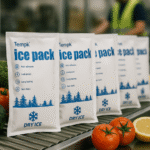
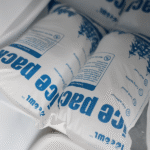
Amazon reusable gel ice packs for pain relief have become an essential tool for anyone seeking quick, drug free relief from injuries or chronic aches. Whether you’re an athlete nursing a sprain or a parent tending to a child’s bump, understanding how these packs work, how to use them correctly, y qué innovaciones están surgiendo en 2025 puede hacer una gran diferencia. Cold therapy reduces swelling and numbs pain by narrowing blood vessels and slowing nerve signals. With the right pack and proper technique, you can accelerate recovery and avoid unnecessary medications.

Why are reusable gel ice packs so effective? Learn why the gel stays flexible, how it conforms to your body, and why non toxic materials matter.
How should you use a gel pack safely? Follow evidence based guidelines on duration, frecuencia, and skin protection to avoid frostbite and vasodilation.
Which gel pack is right for you? Explore sizes, formas, and features like wrap around straps and dual hot/cold functionality.
¿Cuáles son los 2025 tendencias? Descubra el crecimiento del mercado, sensores inteligentes, materiales ecológicos, and how an aging population is driving demand.
Common questions answered: From how long to freeze to whether children can use gel packs, get practical answers backed by research.
Why are reusable gel ice packs ideal for pain relief?
Respuesta directa
Reusable gel packs deliver targeted cold therapy that reduces pain and swelling quickly. The gel mixture inside—often water with safe polymers like silica gel or sodium polyacrylate—remains flexible when frozen, allowing the pack to mold to curves such as knees or shoulders. Esta flexibilidad, combined with a durable outer shell, means the pack can be reused many times without leaks. In contrast to ice cubes that melt into water, gel packs hold cold longer and don’t create messy condensation. Because they can also be heated, many packs offer dual hot/cold therapy for chronic aches as well as acute injuries.
Explicación expandida
From a practical standpoint, a reusable gel ice pack works like a pliable cooling blanket. Inside the vinyl or PVC pouch, non toxic materials such as silica gel, poliacrilato de sodio, or hydroxyethyl cellulose increase the viscosity of the water. This slows the thaw rate, keeping the pack cold longer. It also ensures the pack stays soft even when frozen, so it conforms to your body instead of pressing uncomfortably like a block of ice. When applied to an injured area, the cold triggers vasoconstriction—narrowing of blood vessels—and reduces blood flow and inflammation. Al mismo tiempo, the cold numbs nerve endings, dampening pain signals.
The benefits go beyond comfort: reusable packs are cost effective and environmentally friendly because you aren’t discarding a single use chemical pack after each use. They’re also easy to store—just keep one in the freezer—and can be microwaved for heat therapy when needed. Si se está recuperando de una cirugía, treating a sports injury, or managing chronic pain, these packs provide a versatile tool you can rely on repeatedly.
Non toxic materials and flexibility of gel packs
Reusable gel ice packs stand apart from frozen ice bags thanks to their composition and design. Ice packs combine polymers with water, increasing viscosity so they stay cold longer and remain flexible. Unlike pure ice, the gel mixture does not create condensation or puddles, reducing mess during treatment. The outer material is typically a sealed polyethylene or nylon pouch that prevents leaks. Para garantizar la seguridad, reputable manufacturers use medical grade, BPA free materials and non toxic gels; some older hard shell packs contained dangerous chemicals like diethylene glycol, but modern designs avoid these substances.
| Característica | Paquetes de gel | cubitos de hielo | Lo que significa para ti |
| Material exterior | Durable pouch (polietileno, nylon) with leak proof seams | No outer material; ice is directly exposed | Easier handling and no wet mess |
| Core composition | Water mixed with safe gelling agents (poliacrilato de sodio) | Pure water | Slower thaw and consistent cooling |
| Flexibilidad | Stays pliable when frozen | Becomes rigid, may not conform to body | Better contact with joints and muscles |
| Reutilizabilidad | Diseñado para múltiples usos; durable enough for repeated freeze–thaw cycles | Single use only | Lower long term cost and less waste |
| Impacto ambiental | Menos desperdicio; can be recycled in some cases | More waste; must discard melted ice | More sustainable for regular therapy |
Consejos prácticos y sugerencias.
Lesiones agudas: Use a cold gel pack within the first 48 hours after a sprain or bruise to reduce swelling and numb pain. Keep one in your freezer so you’re prepared.
dolor cronico: Alternate cold and heat therapy. Many gel packs are microwave safe; use heat for stiff muscles and cold for inflammation.
Niños & mascotas: Choose pediatric approved packs and always wrap them in a cloth. Kids and pets have thinner skin, so shorten sessions.
Opción ecológica: Look for packs with plant based gels and recyclable pouches; they’re safer for you and the planet.
Ejemplo del mundo real: After a weekend soccer game, te tuerces el tobillo. Congelas un paquete de gel, wrap it in a towel, and apply it for 10–15 minutes. You repeat every couple of hours while resting with your foot elevated. Within a day, the swelling subsides and you start gentle movement.
How should you use Amazon reusable gel ice packs safely?
Respuesta directa
Safe usage of a gel ice pack involves proper timing, protección, y monitoreo. Crushed ice or a frozen gel pack works best because it can mold to the injured body part. Always place a thin cloth or towel between the pack and your skin to prevent frostbite. Limit each session to 10–20 minutes; longer exposure can cause reactive vasodilation, undoing the benefits. Espere al menos una hora antes de volver a aplicar, and never ice while sleeping.
Explicación expandida
Cold therapy is most effective when applied soon after an injury. A gel pack’s flexibility allows it to contour around joints, providing uniform cooling. By narrowing blood vessels, cold therapy reduces swelling and inflammation. Sin embargo, prolonged exposure can lead to vasodilation, where vessels widen to restore blood flow, potentially increasing swelling. That’s why experts recommend limiting sessions to 10–20 minutes and spacing them at least one to two hours apart. Using a protective barrier like a cloth reduces the risk of frostbite and nerve injury. Avoid icing open wounds, ampollas, or burns.
Individuals with circulatory issues, Raynaud’s syndrome, or nerve damage should consult a healthcare professional before using cold therapy. Children and older adults may need shorter sessions due to thinner skin and reduced circulation. Si tu piel se pone roja, pálido, itchy, or tingly, retire el paquete inmediatamente.
Duration and frequency guidelines
Different body parts require different icing durations. The table below summarizes recommended session lengths and frequencies based on current guidelines:
| Injury or body area | Duración de la sesión | Frecuencia | Significado práctico |
| Esguince de tobillo o muñeca | 10–15 minutos | Cada 1 a 2 horas durante las primeras 24 a 72 horas | Corto, frequent sessions control swelling without tissue damage |
| Rodilla, codo u hombro | 15–20 minutos | Arriba a 3 veces por día, espaciados al menos con una hora de diferencia | Las juntas más grandes necesitan un enfriamiento un poco más largo; spacing prevents vasodilation |
| Área postquirúrgica | 20 mínimo | Siga la orientación médica, a menudo 2 o 3 veces al día | Combinar frío con compresión puede mejorar los resultados.; utilizar una barrera protectora |
| Espalda o cadera | 15 mínimo | Dos o tres veces al día | Los tejidos profundos se enfrían lentamente.; sesiones más cortas evitan el entumecimiento excesivo |
| Articulaciones o dedos pequeños | 5–10 minutos | Según sea necesario con descansos prolongados | Los dedos tienen poco tejido blando.; Limitar el enfriamiento para evitar lesiones nerviosas. |
Consejos y consejos prácticos
Envolver antes de aplicar: Always wrap your gel pack in a thin towel to protect your skin.
Establecer un temporizador: Cíñete a 10 a 20 minutos por sesión; prolonged cooling can cause vasodilation.
Vigila tu piel: Retire el paquete inmediatamente si su piel se pone roja., pálido, itchy, or tingly.
Evite las heridas abiertas: No coloque una bolsa de gel sobre los cortes., ampollas, or burns.
Combine with rest and elevation: Cold therapy works best when paired with rest, compresión, and elevation (the R.I.C.E. método).
Esperar entre sesiones: Allow one to two hours for your skin to warm up before re icing.
Nunca pongas hielo mientras duermes: Falling asleep with a gel pack increases the risk of frostbite.
Caso real: A woman recovering from knee surgery uses a wrap around gel pack three times a day for 20 minutes under her doctor’s guidance. By spacing sessions and combining cold therapy with gentle exercises, she reduces swelling and improves mobility without needing extra medication.
How to choose the best reusable gel pack for your needs
Respuesta directa
Selecting the right gel ice pack depends on the area you’re treating, the type of pain, and your lifestyle. Consider the pack’s size, forma, flexibilidad, y materiales. For knees, espalda, or backs, choose larger or wrap around packs with adjustable straps for hands free use. For migraines or small injuries, smaller packs provide targeted relief. Look for BPA free, medical grade materials to avoid leaks and skin irritation. Packs offering both hot and cold therapy deliver versatility for chronic conditions.
Explicación expandida
Choosing the right gel pack begins with matching its size and shape to the body part. Large rectangular packs cover the back or abdomen; medium packs fit knees and elbows; small round packs suit wrists, ojos, or migraines. Wrap around designs use adjustable straps to secure the pack, allowing you to move freely during therapy. Suave, flexible packs provide better contact than rigid ones, ensuring cold penetrates deep into muscles and joints. Hard shell packs are more durable but may sacrifice comfort.
Material safety is crucial. Select packs made with BPA free plastics and non toxic gels. Multi layer designs and double seams reduce leak risk, while medical grade materials prevent skin irritation. Some packs incorporate eco friendly, plant based gels to reduce environmental impact. Dual function packs can be microwaved for heat therapy, making them ideal for alternating cold and heat treatments for chronic pain. Al comprar, consider user reviews and whether the pack stays cold for 20–30 minutes—the optimal therapeutic window.
Comparison of sizes and use cases
| Gel pack size/shape | Uso típico | Significado práctico |
| Large rectangular (10×12 in) | Back pain, post surgery recovery | Covers broad areas; ideal for lying down or wrapping around torso |
| Medio (6×8 in) | Rodillas, elbows, tobillos | Versatile for sports injuries; fits comfortably under clothing |
| Small round (4–6 in) | Headaches, toothaches, small bruises | Targets localized pain without excess weight |
| Wrap around with strap | Espalda, rodillas, lower back | Hands free use; adjustable compression improves contact |
| Dual hot/cold pack | dolor cronico, rigidez muscular | Can be microwaved for heat therapy; versatile for alternating therapies |
Consejos prácticos y sugerencias.
Assess your injury: For widespread swelling or surgery, choose a large pack; for joint injuries, a medium or wrap around pack works better.
Comprobar durabilidad: Look for double sealed seams and reinforced edges to prevent leaks.
Consider versatility: Dual function packs save money and storage space by offering both hot and cold therapy.
Read reviews: Real user feedback reveals how long the pack stays cold and whether it remains flexible when frozen.
Keep extras: Having multiple packs lets you rotate them for continuous therapy during the first 48 hours of an injury.
Ejemplo: An avid runner selects a wrap around pack with an adjustable strap for her knee. Its flexible gel conforms to her joint, and the strap lets her move around while icing. She also keeps a small round pack in her freezer for headaches.
Innovations and market trends in 2025: smart gel ice packs and sustainability
Descripción general de la tendencia
The gel ice pack market is growing rapidly. Analysts estimate that the global market will reach USD 311.2 million in 2025 y expandirse a USD 572.5 million by 2032, con una tasa de crecimiento anual compuesta de 9.1 %. Reusable packs dominate the market, capturando 55.6 % of sales in 2025. La recuperación postoperatoria es el segmento de aplicación más grande, contabilidad de 32.1 % del mercado. Materiales no tóxicos, such as medical grade gels, sostener 56.8 % cuota de mercado. Norteamérica lidera el mercado con una 36.3 % compartir, mientras que Asia Pacífico es la región de más rápido crecimiento.
Último progreso de un vistazo
Sensores de temperatura inteligentes: New gel packs include built in indicators or Bluetooth sensors that connect to smartphone apps and provide real time temperature data, asegurándose de permanecer dentro del rango terapéutico (0–10 ºC) y recibir alertas cuando sea el momento de retirar el paquete.
Unidades de compresión en frío sin hielo.: Los dispositivos portátiles combinan terapia de frío con compresión utilizando agua fría circulante o materiales de cambio de fase., delivering consistent cooling without melting ice.
Diseños específicos para el cuerpo.: Mochilas ergonómicas para las rodillas, espalda, cuellos, and backs with adjustable straps let you move during therapy and ensure optimal contact.
Integración digital: Rehabilitation platforms now recommend gel pack sessions alongside exercises, helping users adhere to treatment plans and track recovery.
Soluciones IoT de cadena de frío: Gel packs equipped with IoT temperature loggers ensure vaccines and biologics remain within safe ranges during shipment.
Ideas del mercado
The rise in chronic musculoskeletal conditions, affecting around 1.71 mil millones personas en todo el mundo, fuels demand for non invasive, at home pain relief. An aging population—over 1.6 billion people aged 60+ by 2050—also drives the hot and cold therapy market. Consumers increasingly seek natural remedies, so eco friendly and reusable gel packs are gaining popularity. Innovations like smart sensors, formas ergonómicas, and eco friendly gels make these products safer and more sustainable. Manufacturers such as Tempk are introducing customizable, full color branded gel packs using plant based materials, merging health benefits with promotional value.
Preguntas frecuentes
Q1: How long should I freeze a reusable gel ice pack before using it?
Most packs reach therapeutic temperature after two to three hours in the freezer. El gel debe ser firme pero aún flexible..
Q2: How many times can I reuse a gel ice pack?
High quality packs can withstand 500+ freeze–thaw cycles when stored and handled properly. Inspect the pack regularly for leaks or damaged seams.
Q3: Can I use the same pack for heat therapy?
Algunas bolsas de gel están diseñadas para uso tanto en frío como en caliente.. Only heat a pack if it is labeled microwave safe and follow the manufacturer’s instructions.
Q4: ¿Las bolsas de hielo en gel son seguras para niños y adultos mayores??
Sí, pero la piel más delgada y la circulación reducida los hacen más susceptibles a las lesiones por frío. Utilice sesiones más cortas, add extra layers of cloth, and supervise closely.
Q5: ¿Puedo dormir con una bolsa de hielo en gel??
No. Sleeping with a gel pack increases the risk of frostbite or nerve damage. Always monitor your skin and remove the pack if you lose sensation.
Q6: What’s the difference between a gel pack and instant cold pack?
Reusable gel packs are flexible, rentable, and designed for repeated use. Instant cold packs contain chemicals that react to produce cold on demand; they are single use and ideal for emergencies.
Resumen y recomendaciones
Reusable gel ice packs on Amazon offer an effective, eco friendly solution for pain relief and injury recovery. These packs use non toxic polymers that remain flexible when frozen, conforming to your body for targeted cold therapy. Proper use involves wrapping the pack in a cloth and limiting sessions to 10–20 minutes to avoid frostbite and vasodilation. Al elegir un paquete, match the size and shape to the injured area, select BPA free materials, and consider dual hot/cold functionality. En 2025, sensores inteligentes, diseños ergonómicos, and eco friendly materials are transforming the market. With the right pack and technique, you can manage pain naturally, reducir la hinchazón, and accelerate recovery.
Próximos pasos viables:
Seleccione el paquete correcto: Identify the body part you need to treat and choose a pack size that offers full coverage. Wrap around designs are ideal for knees and shoulders.
Preparar y aplicar adecuadamente: Congele el paquete durante al menos dos horas.. Wrap it in a cloth before use and set a timer for 10–20 minutes. Repeat every one to two hours as needed.
Combine with other therapies: Combine la terapia de frío con descanso, compresión, elevation, and gentle movement for optimal recovery.
Monitorear las innovaciones: Look for packs with smart sensors, eco friendly gels, and ergonomic shapes to enhance safety and convenience.
Consultar profesionales: For persistent pain or post surgical recovery, seek guidance from healthcare providers to integrate gel pack therapy into your treatment plan.
Acerca de Tempk
Tempk specializes in cold chain solutions and gel ice pack technology. Diseñamos paquetes de gel reutilizables using plant based, Geles no tóxicos y duraderos., Materiales libres de BPA. Nuestros paquetes siguen siendo flexibles cuando se congelan., feature smart temperature indicators, and come in ergonomic shapes to fit different body parts. Más allá de la terapia personal, we supply advanced cold compression systems and insulated shipping solutions for pharmaceuticals, alimento, and physical therapy products. Con años de experiencia en el sector sanitario., logística, and sports medicine, we combine innovation with sustainability to keep your products safe and your recovery comfortable.
Llamado a la acción: Ready to experience safe, effective pain relief? Explore Tempk’s range of Amazon reusable gel ice packs and consult our experts for personalized recommendations. Invest in your recovery today.