La mejor bolsa de hielo en gel para aliviar el dolor de rodilla en 2025 – Guía completa
Actualizado el 3 de diciembre de 2025
Introducción
Si tiene dolor de rodilla debido a un esguince, cirugía o artritis crónica, La bolsa de hielo en gel adecuada puede cambiar las reglas del juego. La terapia con frío contrae los vasos sanguíneos para reducir la hinchazón y adormece el área para aliviar el dolor.. Los paquetes de gel se mantienen flexibles cuando se congelan y se moldean alrededor de la articulación.. En esta guía te explicaremos por qué deberías usar bolsas de hielo en gel., Cómo elegir el mejor modelo para tu rodilla., y la forma adecuada de utilizarlos para una curación segura.
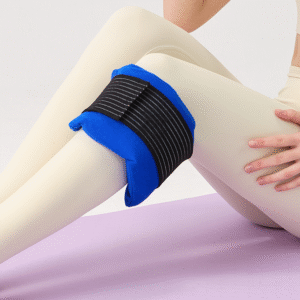
Cómo la terapia de frío ayuda a tu rodilla: Explicación de los efectos fisiológicos y cuándo usar bolsas de hielo en gel..
Características clave del La mejor bolsa de hielo en gel para el dolor de rodilla.: tamaño, flexibilidad, Materiales y extras como correas ajustables..
Pautas de seguridad y mejores prácticas de uso.: duración recomendada, ARROZ. principios y consejos de expertos.
Las mejores selecciones y 2025 tendencias: descripción general de los principales paquetes de gel, innovaciones y conocimientos del mercado.
Preguntas frecuentes: respuestas a inquietudes comunes sobre los paquetes de gel, limpieza y uso a largo plazo.
¿Por qué elegir una bolsa de hielo en gel para aliviar el dolor de rodilla??
Respuesta directa
Las bolsas de hielo en gel ofrecen una terapia de frío dirigida que reduce el dolor, Hinchazón e inflamación en la rodilla.. La terapia en frío funciona restringiendo los vasos sanguíneos (vasoconstricción) y ralentizar las señales nerviosas, que adormece el dolor y limita la acumulación de líquido. Los paquetes de gel son flexibles, reutilizable y económico, haciéndolos ideales para las articulaciones de las rodillas.
Explicación expandida
La terapia con frío se recomienda desde hace mucho tiempo para las lesiones musculoesqueléticas.. Cuando aplicas frío en la rodilla., el cuerpo transfiere calor del tejido al paquete, lo que lleva a una caída de la temperatura y una cascada de efectos fisiológicos. Estos incluyen flujo sanguíneo reducido., menos edema (acumulación de líquido), Tasa metabólica más baja y conducción nerviosa suprimida.. El resultado es menos hinchazón y un mayor umbral de dolor., lo que puede facilitar el movimiento de la articulación.
Las bolsas de gel tienen una ventaja sobre el hielo picado o las bolsas de hielo porque siguen siendo flexibles incluso cuando están congeladas.. Una mochila flexible se envuelve suavemente alrededor de la rodilla., asegurando un enfriamiento uniforme y haciéndolo cómodo de usar. A diferencia de los cubitos de hielo rígidos, un paquete de gel se puede asegurar con una correa, permitiéndole caminar o elevar la pierna mientras funciona la terapia de frío. Los paquetes de gel también tienen un doble propósito: muchos se pueden calentar en el microondas para terapia de calor, que es útil después de que desaparece la hinchazón inicial.
Cómo funciona la terapia de frío
La terapia de frío no es sólo folklore: está basada en la ciencia. Un estudio cruzado aleatorio que comparó paquetes de gel y bolsas de hielo en rodillas sanas encontró que una bolsa de hielo inicialmente enfriaba la piel más rápido, pero tanto las bolsas de gel como las bolsas de hielo fueron igualmente efectivas para reducir la temperatura de la piel y mantenerla durante un período de 4 horas.. El estudio subraya que si bien el hielo puede enfriarse más rápidamente, un paquete de gel proporciona un enfriamiento terapéutico comparable a lo largo del tiempo. Otro punto culminante: El objetivo principal de la crioterapia es eliminar la energía térmica mediante conducción., que disminuye el flujo sanguíneo, Metabolismo celular y actividad enzimática.. Esta respuesta natural reduce el daño tisular y aumenta la tolerancia al dolor..
| Modalidad de enfriamiento | Tasa de enfriamiento | Flexibilidad | Beneficio del mundo real |
| bolsa de hielo | Se enfría un poco más rápido durante la primera aplicación. | Rígido; se ajusta mal | Bueno para enfriamiento de emergencia pero incómodo para envolverlo alrededor de una rodilla. |
| Paquete de hielo en gel | Efectividad de enfriamiento comparable en aplicaciones repetidas | Permanece flexible cuando se congela | Proporciona comodidad, Incluso se enfría y se puede reutilizar. |
| Dispositivo de criocompresión | Proporciona enfriamiento y compresión continuos. | voluminoso y caro | Utilizado en entornos clínicos para cuidados postoperatorios.; No es necesario para lesiones cotidianas. |
Consejos prácticos y sugerencias
Después de un entrenamiento o lesión: Aplique una bolsa de gel envuelta en un paño fino en la rodilla durante 10 a 20 minutos.. Esta breve sesión limita el dolor y la hinchazón.. Espere al menos 20 a 60 minutos antes de volver a aplicar para evitar daños en la piel..
Recuperación postoperatoria: Utilice paquetes de gel como parte del R.I.C.E. (Descansar, Hielo, Compresión, Elevación) método en las primeras 48 a 72 horas. Combínelo con vendas de compresión y elevación para controlar la hinchazón..
Brote de artritis crónica: Alternar la terapia de frío con la terapia de calor una vez que disminuya la hinchazón inicial.. Los paquetes de gel se pueden calentar en el microondas durante ráfagas cortas de 10 a 20 segundos para aliviar la rigidez..
Ejemplo de la vida real: Después de torcerse la rodilla durante un partido de baloncesto, Michael usó una bolsa de hielo de gel flexible.. Siguió la regla de 20 minutos encendido/20 minutos apagado para la primera 48 horas y elevó su pierna. Para el tercer día, la hinchazón había disminuido notablemente, y pasó a terapia de calor con la misma mochila para aliviar la rigidez.. La conveniencia de un paquete de gel reutilizable significó que no necesitaba comprar varios productos..
¿Qué características hacen que la mejor bolsa de hielo en gel para aliviar el dolor de rodilla??
Respuesta directa
La mejor bolsa de hielo en gel para el dolor de rodilla debe ser flexible, tamaño para cubrir la articulación, Hecho de materiales no tóxicos e incluye correas de compresión ajustables para uso con manos libres.. La capacidad dual de frío/calor y la construcción duradera agregan valor, mientras que los materiales ecológicos y la reutilización mejoran la sostenibilidad.
Explicación expandida
Al evaluar los paquetes de gel, empezar con los materiales. Los paquetes de gel terapéutico suelen contener agua combinada con polímeros como el gel de sílice., poliacrilato de sodio o hidroxietilcelulosa. Estas sustancias permanecen flexibles incluso cuando están congeladas y no son tóxicas.. Un fabricante de packs de gel para envíos explica que los packs de gel suelen estar compuestos de agua y poliacrilato de sodio.; Se han eliminado los productos químicos peligrosos que se encuentran en viejos paquetes reutilizables.. Los paquetes de gel terapéutico modernos están diseñados para ser seguros y no contienen sustancias como el etilenglicol..
La flexibilidad es crucial. Una mochila que se amolda a tu rodilla garantiza una refrigeración uniforme y te permite moverte. Busque modelos con diseños segmentados o rellenos de cuentas que se ajusten a la articulación. La capa exterior debe estar hecha de suave, PVC o nailon duradero para resistir pinchazos sin dejar de ser cómodo para la piel.. Una correa ajustable le permite asegurar la mochila sin tener que sujetarla en su lugar; esto es particularmente útil durante las actividades diarias o cuando necesita elevar la pierna.
La capacidad de temperatura dual es otro sello distintivo de las mejores bolsas de hielo en gel.. Muchas compresas se pueden calentar en el microondas en períodos cortos para proporcionar terapia de calor una vez que haya pasado la fase aguda de la lesión.. Esta versatilidad los hace útiles para afecciones crónicas de la rodilla como la osteoartritis..
Elegir tamaño y forma
Seleccionar el tamaño correcto garantiza una cobertura efectiva. Los paquetes vienen en varias formas: rectangulares, en forma de U, estilo envolvente o con mangas. Una mochila envolvente con correas de velcro proporciona cobertura circunferencial y compresión suave., mientras que las mochilas en forma de U se ajustan alrededor de la rótula y le permiten doblar la articulación. Las mochilas rectangulares más grandes son ideales si la hinchazón se extiende por encima o por debajo de la rodilla..
| Tipo de paquete | Dimensiones típicas | Uso ideal | Beneficiarte para ti |
| envoltura pequeña (8″×6″) | Cubre solo la rótula | Esguinces menores, rodilla del corredor | Ligero y rápido de congelar; bueno para aliviar el dolor específico |
| Envoltura mediana (10″× 12″) | Cubre la rodilla y los músculos circundantes. | Lesiones moderadas, artritis | Proporciona una cobertura más amplia y compresión moderada. |
| Manga completa (17″×10″ o envolver) | Encierra la rodilla completamente | Cuidados postoperatorios, hinchazón severa | Ofrece refrigeración de 360 grados y uso manos libres. |
Consejos prácticos y sugerencias
Mide la circunferencia de tu rodilla: Elija una mochila que se ajuste cómodamente pero que permita un poco de hinchazón.. Las correas ajustables ayudan a adaptarse a los cambios..
Comprobar la seguridad de los materiales: Asegúrese de que el gel esté hecho de polímeros no tóxicos y que la capa exterior no contenga látex para pieles sensibles..
Busque uso de temperatura dual: Un paquete que se puede calentar le ofrece dos terapias en una.
Ejemplo de la vida real: sara, un oficinista con dolor femororrotuliano crónico, eligió un paquete de gel envolvente con tres cámaras segmentadas. La correa de velcro ajustable de la mochila le permitió asegurarla mientras trabajaba en su escritorio.. Su gel flexible se adaptaba a su rodilla y la correa proporcionaba una compresión suave.. Usó el mismo paquete para la terapia de calor durante los meses de invierno y descubrió que seguía siendo efectivo después de docenas de ciclos de calor congelado..
Cómo utilizar una bolsa de hielo en gel de forma segura y eficaz
Respuesta directa
El uso adecuado maximiza los beneficios y previene daños en la piel.. Envuelva el paquete de gel en un paño fino., aplíquelo en la rodilla durante 10 a 20 minutos, y repetir cada 1 a 2 horas durante las primeras 48 a 72 horas después de la lesión. Evite la formación de hielo prolongada y utilice siempre una barrera para proteger su piel..
Explicación expandida
Seguir las mejores prácticas garantiza que la terapia de frío ayude en lugar de dañar. La Clínica Guthrie recomienda usar hielo dentro de las primeras 24 horas de dolor de rodilla y cumplir con la regla de 20 minutos encendidos/20 minutos apagados. La Clínica Cleveland se hace eco de esta guía, teniendo en cuenta que se debe evitar la formación de hielo durante más de 20 minutos y siempre debe colocar una barrera de tela entre la bolsa de hielo y su piel.. Las sesiones largas pueden provocar congelación o lesiones inducidas por el frío..
Otros consejos clave incluyen esperar al menos una hora entre las sesiones de aplicación de hielo y no quedarse dormido con una bolsa de hielo química sobre la piel porque las compresas frías comerciales pueden mantener una temperatura muy baja y aumentar el riesgo de daño a la piel.. Si sientes hormigueo en la piel, se pone pálido o rojo, retire el paquete inmediatamente.
La terapia de frío encaja en el R.I.C.E. protocolo—Descanso, Hielo, Compresión, Elevación, que se ha utilizado durante décadas para tratar lesiones de tejidos blandos.. La Clínica Cleveland señala que cada paso de R.I.C.E. reduce la inflamación aguda de diferentes maneras, y juntos controlan la hinchazón y el sangrado. Sin embargo, Los proveedores ahora recomiendan algunas advertencias.. El hielo debe usarse sólo durante las primeras ocho horas después de la lesión., por intervalos cortos de 10 a 20 minutos, para evitar interrumpir el proceso de curación. La compresión y la elevación siguen siendo beneficiosas, pero los médicos enfatizan el movimiento suave después de los primeros días para promover la recuperación..
Pautas para congelar y calentar
La mayoría de los paquetes de gel deben congelarse durante dos a cuatro horas antes de su uso.. Para terapia de calor, Cocine el paquete en el microondas en ráfagas de 10 a 20 segundos hasta que alcance una temperatura agradable.. Amasar siempre el paquete después del microondas para distribuir el calor uniformemente y comprobar que no esté demasiado caliente antes de aplicarlo..
| Preparación | Tiempo | Consideraciones clave |
| Congelación para terapia de frío | 2–4 horas en el congelador | Asegúrese de que el paquete esté plano mientras se congela para mantener la forma.. No congelar por debajo de la temperatura recomendada por el fabricante.. |
| Microondas para terapia de calor. | 10–ráfagas de 20 segundos | Parar una vez caliente; Amasar para distribuir el calor.. El sobrecalentamiento puede provocar estallidos.. |
| Reaplicación | 1–2 horas entre sesiones | Deje que la piel vuelva a su temperatura normal antes de volver a aplicar hielo.. |
Consejos prácticos y sugerencias
Vigila tu piel: Si siente hormigueo o ve decoloración, retire el paquete inmediatamente.
No aplique hielo sobre heridas abiertas o mala circulación.: Evite congelar las áreas con ampollas., quemaduras o roturas en la piel.
Combinar con movimiento: Después de la fase aguda, incorporar ejercicios suaves según la tolerancia para estimular el flujo sanguíneo y prevenir la rigidez.
Ejemplo de la vida real: Después de la artroscopia de rodilla, María usó una bolsa de hielo en gel según las instrucciones de su cirujano.. Congeló el paquete durante la noche y lo aplicó durante 15 minutos cada dos horas el primer día. Los días dos y tres alternó la aplicación de hielo con suaves flexiones de rodillas y contracciones del cuádriceps.. Para el cuarto día, sus dolores habían disminuido y comenzó a realizar caminatas cortas con un bastón. Seguir un régimen equilibrado de formación de hielo y movimiento la ayudó a recuperarse sin rigidez excesiva..
¿Cuáles son las mejores opciones de bolsas de hielo en gel para las rodillas? 2025?
Respuesta directa
Las bolsas de hielo en gel líderes en 2025 combinar flexibilidad, cobertura, Compresión ajustable y uso de temperatura dual.. Si bien las preferencias individuales varían, Los productos destacados comparten rasgos comunes.: diseño ergonómico que envuelve la rodilla, múltiples cámaras de gel para un enfriamiento uniforme, materiales resistentes a fugas, Gel no tóxico y correas para usar con manos libres.. Muchos ahora incluyen bombas de compresión extraíbles o se integran con mangas de enfriamiento para una terapia de nivel profesional..
Explicación expandida
Hay varias categorías de paquetes de gel que vale la pena considerar:
Mangas envolventes hasta las rodillas. – Estas mochilas cubren la rodilla y el muslo con una funda de neopreno o nailon y proporcionan refrigeración de 360 grados.. Suelen tener tres o cuatro inserciones de gel extraíbles., permitiéndole rotar paquetes sin quitar la funda. Algunas versiones incluyen bombas de aire desmontables que ofrecen una suave compresión neumática para imitar las contracciones musculares y acelerar el drenaje linfático..
Paquetes de gel con correas – Más simple que las mangas, Estos paquetes constan de una almohadilla de gel ovalada o rectangular con una correa ajustable con velcro o hebilla.. Son ideales para terapias dirigidas y se adaptan a una variedad de tamaños de piernas.. Busca modelos con correas elásticas dobles que eviten resbalones y te permitan apretar la presión..
Gorros criogénicos y rodilleras – Con forma de gorro para la rodilla., Estas tapas flexibles rodean la rótula y se fijan con broches o cierres de gancho y bucle.. Proporcionan más movilidad porque dejan abierta la parte posterior de la rodilla.. Las gorras son útiles cuando necesitas doblar la rodilla o continuar con una actividad ligera mientras aplicas hielo..
Paquetes híbridos de gel frío y caliente. – Los productos más nuevos integran materiales de cambio de fase para mantener una temperatura constante durante períodos más prolongados.. Algunos utilizan tecnología de gel múltiple con compartimentos que contienen materiales que se congelan a diferentes temperaturas., proporcionando una ráfaga inicial de frío seguida de una más larga, período de enfriamiento moderado. Otros incluyen termómetros integrados que le avisan cuando la mochila se calienta por encima del rango terapéutico..
Envolturas refrescantes inteligentes – La última tendencia en 2025 características envolventes con conectividad Bluetooth y aplicaciones para teléfonos inteligentes. Estos dispositivos monitorean la temperatura de la piel y ajustan automáticamente la intensidad del enfriamiento.. A menudo se combinan con programas de recuperación guiados y recordatorios para evitar el exceso de formación de hielo..
Consejos prácticos y sugerencias
Elija un paquete que coincida con su nivel de actividad: Si quieres moverte mientras glaseas, Elige un modelo ligero de gorra o correa.. Para la recuperación posquirúrgica, una envoltura completa con compresión proporciona un enfriamiento completo.
Considere características adicionales: Bombas desmontables, uso dual frío/calor, Los forros antimicrobianos y las fundas lavables a máquina añaden comodidad..
Lea las opiniones de los usuarios y verifique la garantía.: Una garantía más larga indica una construcción duradera. Busque packs con al menos un año de garantía.
Ejemplo de la vida real: John, un corredor de maratón recuperándose del síndrome de la banda iliotibial, eligió una envoltura refrescante inteligente que monitoreaba la temperatura de la piel a través de una aplicación. La envoltura le avisó cuando la mochila se calentó y recomendó volver a congelarla.. El dispositivo también realizó un seguimiento de sus sesiones de formación de hielo y se integró con su plan de entrenamiento., ayudándolo a controlar la inflamación mientras aumenta gradualmente el kilometraje.
2025 Tendencias e innovaciones en bolsas de hielo en gel y terapia de frío
Descripción general de la tendencia
El mercado de las bolsas de hielo en gel ha crecido de manera constante, alcance 1.100 millones de dólares en 2022 y se prevé que alcance los 1.800 millones de dólares en 2030. Este crecimiento está impulsado por una mayor conciencia sobre el manejo no farmacológico del dolor., Aumento de la participación deportiva y una población que envejece que busca un alivio conjunto.. Las bolsas de gel modernas son más que simples bolsas para el frío: los fabricantes están integrando materiales avanzados, sostenibilidad y funciones inteligentes.
Los últimos avances de un vistazo
Materiales ecológicos: Muchas marcas están avanzando hacia fórmulas en gel biodegradables o reciclables.. Polímeros como el poliacrilato de sodio. (utilizado en paquetes de gel terapéutico) se combinan con gomas naturales y plásticos de origen vegetal para reducir el impacto ambiental..
Tecnología multitemperatura: Los paquetes híbridos contienen geles con diferentes puntos de congelación., proporcionando un enfriamiento intenso inicial seguido de un enfriamiento moderado sostenido. Esto imita la crioterapia de grado clínico en casa..
Sistemas de criocompresión: Los dispositivos portátiles que brindan compresión neumática y fría simultánea ahora están disponibles para uso doméstico. Estos sistemas proporcionan enfriamiento continuo y presión pulsante., que puede mejorar el drenaje linfático y reducir el dolor posoperatorio de manera más efectiva que los paquetes de gel solos.
Sensores inteligentes: Las envolturas habilitadas para Bluetooth monitorean la temperatura de la piel y rastrean las sesiones de glaseado. Las notificaciones de la aplicación ayudan a los usuarios a cumplir con los intervalos de aplicación de hielo recomendados y a prevenir daños en la piel..
Personalización y ajuste: Los diseños modulares ajustables permiten a los usuarios agregar o quitar cámaras de gel para adaptar la cobertura. Los modelos juveniles y específicos de género se adaptan a las diferencias anatómicas.
Ideas del mercado
Los proveedores de atención médica continúan perfeccionando sus recomendaciones. Algunos expertos cuestionan el descanso prolongado y la aplicación de hielo porque la inflamación es parte del proceso de curación.. Yale Medicine señala que se prefiere el retorno gradual a la actividad al descanso sostenido y que es mejor utilizar el hielo para aliviar el dolor en lugar de suprimir continuamente la inflamación.. Los proveedores recomiendan usar hielo solo durante la fase aguda y recomiendan movimientos suaves después para evitar la pérdida de condición física.. Por lo tanto, los fabricantes están posicionando los paquetes de gel como parte de un kit de herramientas de recuperación integral en lugar de la única terapia.
Preguntas frecuentes
Q1: ¿Cuánto tiempo debo ponerme hielo en la rodilla con una bolsa de gel??
Aplique el paquete de gel durante 10 a 20 minutos a la vez y luego retírelo durante al menos 20 a 60 minutos.. Esto ayuda a prevenir daños en la piel y permite que los tejidos se calienten.. Repita hasta cuatro veces al día durante las primeras 48 a 72 horas después de la lesión..
Q2: ¿Puedo usar una bolsa de hielo en gel para afecciones crónicas de la rodilla como la artritis??
Sí. La terapia con frío reduce el dolor y la hinchazón al contraer los vasos sanguíneos.. Para los brotes de artritis, Las sesiones breves de aplicación de hielo seguidas de estiramientos suaves o terapia de calor pueden aliviar la rigidez.. Siempre controle su piel y evite el exceso de hielo..
Q3: ¿Son seguros los paquetes de gel??
Los paquetes de gel terapéutico están hechos de materiales no tóxicos como gel de sílice o poliacrilato de sodio.. Son seguros para uso tópico cuando se usan según las indicaciones.. No ingiera el gel y mantenga los paquetes fuera del alcance de mascotas y niños..
Q4: ¿Cómo limpio mi bolsa de hielo en gel??
Limpia la superficie exterior con un paño húmedo y jabón suave.. Deje que se seque al aire por completo antes de volver a congelarlo.. Evite sumergir mochilas no impermeables, ya que esto puede dañar las costuras.
Q5: ¿Puedo calentar mi paquete de gel en el microondas??
La mayoría de los paquetes de gel se pueden calentar, pero siempre sigue las instrucciones del fabricante.. Caliente en intervalos de 10 a 20 segundos hasta que esté tibio, no caliente. Amasar el paquete para distribuir el calor uniformemente..
Q6: ¿Es necesario un descanso prolongado tras una lesión de rodilla??
Ya no. La evidencia actual sugiere incorporar movimientos ligeros poco después de la lesión para prevenir la debilidad muscular y mejorar la recuperación.. Protege tu rodilla del uso excesivo pero evita la inmovilidad total.
P7: ¿Cuál es la diferencia entre una bolsa de hielo en gel y una máquina de hielo para las rodillas??
Un paquete de gel ofrece terapia de frío localizada y es rentable y portátil. Las máquinas de hielo para rodilla o dispositivos de criocompresión proporcionan frío continuo con compresión neumática y generalmente se usan después de la cirugía.. Pueden ofrecer más fuertes, enfriamiento más prolongado pero cuesta más y requiere energía.
Resumen y recomendaciones
Control de llave
Las bolsas de hielo en gel son efectivas, terapia de frio flexible – Reducen el dolor y la hinchazón al provocar vasoconstricción y adormecimiento de las terminaciones nerviosas., con una eficacia de enfriamiento comparable a la de las bolsas de hielo en aplicaciones repetidas.
El material y el diseño importan – Elige geles no tóxicos y duraderos., materiales flexibles. Busque correas ajustables, Múltiples cámaras de gel y uso dual de frío/calor..
Siga las pautas de uso seguro – Hielo durante 10 a 20 minutos con una barrera de tela, y repetir cada 1-2 horas. Evite la formación de hielo prolongada y comience a realizar movimientos suaves después de la fase inicial..
La innovación se está acelerando – Materiales ecológicos, Los sensores inteligentes y los sistemas de criocompresión están dando forma a la 2025 mercado de paquetes de gel.
Utilice hielo como parte de un plan de recuperación más amplio – Combinar la terapia de frío con el descanso., compresión, elevación y ejercicio gradual. Busque consejo médico si tiene dolor persistente o intenso..
Sugerencias prácticas
Evalúa tus necesidades: Determine si necesita un paquete de gel con correa simple o una funda envolvente con compresión.. Considere sus actividades típicas y si necesita moverse mientras aplica hielo..
Establecer un horario: Por lesiones agudas, Planifique sesiones de formación de hielo de 10 a 20 minutos seguidas de períodos de descanso.. Utilice alarmas telefónicas o paquetes inteligentes para evitar el exceso de formación de hielo.
Combinar terapias: Después de las primeras 48 a 72 horas, introduzca movimientos suaves y alterne entre terapia de frío y calor para aliviar la rigidez y promover el flujo sanguíneo.
Mantente informado: Consulte a su proveedor de atención médica si el dolor persiste o si tiene afecciones subyacentes.. Busque actualizaciones sobre nuevos productos y recomendaciones clínicas..
Acerca de Templ
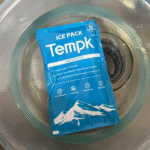
Tempk es una empresa de soluciones de cadena de frío especializada en logística de temperatura controlada y tecnologías de geles terapéuticos.. Nuestros productos están diseñados con materiales no tóxicos., Geles de calidad alimentaria que permanecen flexibles cuando se congelan y están sellados en un material duradero., bolsas resistentes a pinchazos. Priorizamos la sostenibilidad incorporando materiales reciclables y ofreciendo packs reutilizables que reducen los residuos. Con décadas de experiencia en almacenamiento en frío y transporte médico., nosotros garantice un control de temperatura confiable desde el almacén hasta la puerta.
Llamado a la acción: Si busca la mejor bolsa de hielo en gel para la recuperación de la rodilla, explore la gama de paquetes de gel terapéutico de Tempk y consulte con nuestros especialistas para obtener recomendaciones personalizadas.