Guía de chocolate artesanal de cadena de frío: Cómo enviar chocolates sin derretirlos
Actualizado en diciembre 24 2025
El chocolate artesanal es un trabajo de amor., Y nada arruina más rápido ese amor que las barras derretidas o florecidas.. Este guía de chocolate artesanal de cadena de frío le muestra cómo llevar chocolates premium de la cocina al cliente sin sacrificar la calidad. dentro de la primera 50 Palabras que aprenderás por qué controlar la temperatura., La gestión de la humedad y el embalaje inteligente son los ingredientes secretos para una entrega impecable.. Siguiendo las siguientes recomendaciones podrás mantener tus dulces relucientes., delicioso y seguro, incluso durante largos viajes marítimos. Datos recientes de 2025 muestra que la demanda mundial de chocolate superó los 1,11 billones de dólares, subrayando la necesidad de estrategias sólidas para la cadena de frío.
Qué explicará esta guía
Condiciones de envío ideales: Cómo mantener los niveles recomendados de temperatura y humedad utilizando las mejores prácticas de la cadena de frío.
Opciones de embalaje: Que diferentes revestimientos, Los materiales de cambio de fase y los tipos de contenedores afectan la frescura y la sostenibilidad..
Tecnología y tendencias: Cual 2025 Las innovaciones, como sensores de IoT y análisis de IA, lo ayudan a monitorear y ajustar las condiciones en tiempo real..
Selección de socios: Factores clave para elegir un proveedor de logística que comprenda sus necesidades guía de chocolate artesanal de cadena de frío requisitos.
Sostenibilidad y regulación: Cómo influyen la evolución de las regulaciones de embalaje y las preocupaciones ambientales en la selección y el diseño de materiales.
¿Cuáles son las condiciones ideales para el envío de chocolate artesanal en cadena de frío??
Respuesta directa: Para mantener los chocolates brillantes y sabrosos, los envíos deben permanecer dentro 54 °F a 68 °F (12–20 ºC) y humedad relativa por debajo 50 %. El chocolate negro tolera el extremo más frío de este rango., mientras que los chocolates con leche y blancos necesitan un calor más constante. Calor extremo (arriba 86 °F o 30 °C) Suaviza la manteca de cacao y provoca la floración de grasa.. Los picos de humedad disuelven el azúcar, provocando la floración del azúcar cuando la humedad vuelve a cristalizar. Manteniendo condiciones estables, previenes la condensación, Apagado de texturas y pérdida de sabor..
Explicación ampliada: Un exitoso guía de chocolate artesanal de cadena de frío comienza con la comprensión de cómo la temperatura y la humedad afectan el chocolate. El chocolate se compone de manteca de cacao., sólidos de azúcar y leche; cada uno responde de manera diferente al calor y la humedad. La floración de grasa ocurre cuando el chocolate se expone a temperaturas superiores 75 °F y luego enfriado, haciendo que las grasas migren a la superficie. La floración del azúcar ocurre cuando la humedad disuelve el azúcar., formando cristales blancos cuando se seca. Mantener los envíos en el rango de 12 a 20 °C y la humedad por debajo 50 % ayuda a mantener el acabado brillante y “chasquido” del chocolate. Permita el flujo de aire alrededor de las cajas y evite productos que absorban olores.. Proteja los paquetes de la luz para evitar la degradación inducida por los rayos UV.. Antes del envío, Enfríe previamente los chocolates y el embalaje a 18-20 °C para que se estabilicen las temperaturas internas.. Al preparar envíos, pasar las manos por agua fría y utilizar enfriadores de vino (45 °F–67 °F) para evitar el derretimiento prematuro.
Oscuro vs.. Leche vs.. Condiciones de Envío de Chocolate Blanco
Oscuro, Los chocolates con leche y blancos tienen diferentes puntos de fusión y sensibilidades.. Su contenido de manteca de cacao y leche dicta cómo reaccionan al calor y la humedad.. Utilice la siguiente tabla como referencia rápida al planificar envíos para cada tipo..
| Tipo de chocolate | Rango de temperatura (°C) | Humedad (%) | Importancia práctica |
| Chocolate oscuro | 12–20 | ≤50 | Alto contenido de cacao; tolera temperaturas más frías y es menos sensible a fluctuaciones menores. |
| Chocolate con leche | 12–20 | ≤50 | Contiene sólidos lácteos; necesita un calor más constante para evitar la proliferación de grasa y mantener una textura suave. |
| Chocolate blanco | 12–20 | ≤50 | Sólidos bajos en cacao; las grasas se separan rápidamente; requiere un control estricto para evitar el ablandamiento. |
| Chocolates Rellenos/Crema | 12–20 | ≤50 | Susceptible al agrietamiento y a la disolución del relleno.; monitorear de cerca los picos de temperatura. |
Consejos prácticos y sugerencias
Preenfriar sus productos y embalajes: Enfríe los chocolates y los materiales de embalaje a una temperatura de entre 18 y 20 °C antes de envasarlos para evitar la condensación..
Utilice desecantes o revestimientos absorbentes de humedad.: Mantener la humedad bajo 50 % colocando materiales que absorban la humedad dentro de la caja.
Permita el flujo de aire y evite productos sensibles a los olores.: Deje espacio alrededor de las paletas y mantenga el chocolate alejado de elementos aromáticos..
Proteger de la luz: Utilice envases opacos para proteger los chocolates de la exposición a los rayos UV.
Caso del mundo real: Una empresa de logística que envía trufas gourmet experimentó una caída en las tasas de floración del azúcar de 15 % a 2 % después de enfriar previamente los productos y agregar papel absorbente de humedad dentro de cajas aisladas.
Estudio de caso: Un pequeño chocolatero experimentó repetidamente floración durante los envíos de verano. Después de preenfriar cada lote, usando revestimientos aislados y agregando desecantes, las tasas de rechazo cayeron por debajo 3 %, y los clientes notaron una textura más firme y un acabado más brillante..
¿Cómo afectan los materiales de embalaje a la frescura del chocolate en una cadena de frío??
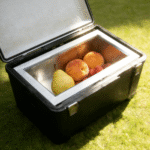
Respuesta directa: El embalaje es la última línea de defensa contra los cambios de temperatura y la humedad.. Elegir el aislamiento y el refrigerante adecuados prolonga el tiempo de envío y mantiene la integridad del chocolate.. Las soluciones modernas incluyen cajas aisladas multicapa., paquetes de gel, Materiales de cambio de fase y contenedores híbridos activos/pasivos.. Para envíos sobre 48 horas, combine revestimientos de alto rendimiento con materiales de cambio de fase que mantengan entre 15 y 20 °C. Las opciones sostenibles, como los revestimientos textiles reciclados y los refrigeradores a base de papel, reducen el impacto ambiental sin sacrificar el rendimiento..
Explicación ampliada: El aislamiento ralentiza la transferencia de calor, mientras que los refrigerantes absorben o liberan energía para estabilizar las temperaturas internas. Los revestimientos aislantes populares incluyen espuma., fibra de algodon, espuma a base de almidón, plástico de burbujas y papel reciclado. Líneas premium como CoolLiner Utilice una lámina reflectante y material de burbujas para una protección de 24 horas., mientras CelluLiner y EcoLiner ofrecer más grueso, aislamiento reciclable para 48+ horas. Los refrigerantes van desde paquetes de gel hasta materiales avanzados de cambio de fase (PCM) que mantienen una temperatura constante durante su transición; Los PCM especializados mantienen entre 15 y 20 °C., ideal para chocolates. Los contenedores activos con refrigeración eléctrica proporcionan un control preciso pero pueden ser costosos. Las soluciones híbridas combinan aislamiento y PCM con una refrigeración activa mínima para distancias medias. El guía de chocolate artesanal de cadena de frío recomienda seleccionar aislamiento y refrigerante según la duración del tránsito, Ruta clima y tipo de chocolate.. Considere materiales de embalaje sostenibles, como textiles reciclados y películas monomateriales., que se alinean con las regulaciones emergentes que fomentan el contenido reciclado y las barreras libres de PFAS.
Revestimiento de caja aislado vs.. Materiales de cambio de fase
Al seleccionar el embalaje, las empresas deben equilibrar el rendimiento, costo y sostenibilidad.
| Solución | Características | Duración (horas) | Significado práctico |
| Cajas aisladas | Materiales multicapa (poliestireno, papel, algodón) transferencia de calor lenta | 24–72 | Ligero y económico; personalizable para adaptarse al tamaño del producto; adecuado para viajes cortos a medianos. |
| Materiales de cambio de fase | Los paquetes de gel o PCM absorben o liberan calor durante el cambio de fase | 24–96 | Mantenga temperaturas estables de 15 a 20 °C; reutilizable; ideal para viajes más largos o chocolates sensibles. |
| Contenedores activos | Unidades de refrigeración motorizadas con control preciso | 72+ | Lo mejor para envíos de alto valor o transporte internacional; mayor costo pero garantiza condiciones consistentes. |
| Soluciones híbridas | Combinación de aislamiento, PCM y refrigeración activa mínima | 48–96 | Equilibra costo y rendimiento; Adecuado para distancias medias y regalos de alta gama.. |
Consejos y sugerencias centrados en el usuario
Elija el aislamiento según la ruta: Se necesitan revestimientos más gruesos o de mayor rendimiento para climas cálidos o tiempos de tránsito prolongados..
Seleccione PCM para el rango deseado: Los paquetes de gel estándar se mantienen cerca 0 °C, mientras que los PCM especializados mantienen entre 15 y 20 °C, ideales para el chocolate.
Embalaje primario seguro: Utilice cajas o latas resistentes combinadas con envoltorios resistentes a la humedad para evitar aplastamientos y condensación..
Ajustar por estacionalidad: Aumentar el refrigerante o el aislamiento en verano y aislar del frío en invierno..
Escenario práctico: Una chocolatera boutique cambió la espuma de poliestireno por forros de fibra de algodón y PCM, Reducir el desperdicio de embalaje y mantener la calidad del envío..
Ejemplo real: Una guía de embalaje señala que la mayor parte del chocolate debe permanecer entre 60 °F y 70 °F para evitar la floración; mediante el uso de revestimientos de fibra de algodón y PCM especializados, una empresa extendió los tiempos de tránsito hasta 72 horas manteniendo la integridad del producto.
¿Qué tecnologías de cadena de frío garantizan la calidad del chocolate? 2025?
Respuesta directa: Tecnologías modernas de cadena de frío, como sensores de IoT, registradores de temperatura en tiempo real, Materiales de cambio de fase y análisis impulsados por IA: brindan visibilidad continua y permiten ajustes rápidos.. Los monitores en tiempo real detectan fluctuaciones de temperatura y picos de humedad., Permitir acciones correctivas antes de que la calidad se vea comprometida.. Los análisis predictivos y los modelos de IA pronostican posibles disrupciones, ayudando a los planificadores a prevenir riesgos. El embalaje inteligente con sensores integrados informa tanto al remitente como al destinatario cuando cambian las condiciones.
Explicación ampliada: El guía de chocolate artesanal de cadena de frío aprovecha cada vez más la tecnología para mantener condiciones consistentes. Los sistemas de gestión de la cadena de frío habilitados por IoT rastrean la temperatura, humedad y ubicación en tiempo real, Permitir que los equipos de logística intervengan cuando las lecturas se desvíen más allá de los rangos seguros.. Estos sistemas a menudo se integran con plataformas en la nube., Proporcionar alertas y datos históricos.. El análisis predictivo utiliza datos históricos y en tiempo real para pronosticar puntos críticos o retrasos.. Los modelos de IA recomiendan ajustes proactivos, como redireccionar los envíos o aumentar la cantidad de PCM, para evitar variaciones de temperatura.. Los materiales de embalaje inteligentes incorporan sensores que cambian de color o envían señales digitales cuando las temperaturas superan los umbrales. Además, La automatización en los almacenes mejora la eficiencia de recogida y embalaje y garantiza que el inventario con temperatura controlada se gestione con precisión.. tecnología de cadena de bloques, aunque todavía está emergiendo, ofrece registro de datos seguro para cumplimiento y trazabilidad. Al adoptar estas innovaciones, puedes reducir el desperdicio, Cumplir con las regulaciones y ofrecer una experiencia de cliente premium..
Embalaje inteligente y sensores IoT en la cadena de frío
| Tecnología | Funcionalidad | Beneficios |
| Monitores de temperatura en tiempo real | Proporcionar visibilidad continua de las fluctuaciones de temperatura en toda la cadena de suministro. | Permitir acciones correctivas rápidas para proteger la calidad y reducir el desperdicio de alimentos.. |
| Sensores IoT con análisis predictivo | Seguimiento de la temperatura y la humedad, enviar datos a plataformas en la nube y pronosticar interrupciones | Ayude a las empresas a ajustar los planes de envío y optimizar las rutas para evitar retrasos. |
| Embalaje inteligente con sensores integrados | Cambie de color o envíe alertas cuando la temperatura interna cruce un umbral | Ofrecer transparencia a los consumidores finales y a los socios de envío. |
| Grabación de datos de cadena de bloques | Registra de forma segura los datos de condición para cada paso del viaje. | Mejora la trazabilidad y el cumplimiento de las normas de seguridad alimentaria.. |
| Automatización y robótica. | Agiliza los procesos de recogida y embalaje en almacenes con temperatura controlada | Mejora la precisión del inventario y reduce el tiempo de manipulación., preservar la calidad del chocolate. |
Consejos prácticos y sugerencias
Integre sensores tempranamente: Coloque registradores de datos de IoT dentro de cajas para monitorear la temperatura y la humedad en tiempo real.
Utilice análisis predictivos: Asóciese con proveedores de logística que emplean herramientas de inteligencia artificial para pronosticar riesgos y ajustar rutas..
Aproveche blockchain para el cumplimiento: Considere plataformas que registren datos de temperatura para cada envío para satisfacer los requisitos normativos y de los clientes..
Probar nuevas tecnologías: Realice pruebas piloto de envases inteligentes para evaluar su fiabilidad y la experiencia del cliente..
Estudio de caso: Después de integrar sensores de IoT en los envíos, un chocolatero redujo las desviaciones de temperatura en 70 %, lo que lleva a menos devoluciones y una mayor satisfacción del cliente.
Ejemplo del mundo real: En la guía Sensitech, El uso de monitores de temperatura en tiempo real permite a los equipos actuar rápidamente cuando las lecturas de temperatura se desvían., mejorar el retorno de la inversión y reducir el desperdicio de alimentos.
Cómo elegir el socio de envío adecuado para su chocolate artesanal?
Respuesta directa: Seleccione un socio logístico con experiencia comprobada en envíos sensibles a la temperatura, capacidades de seguimiento avanzadas, prácticas sostenibles y un sólido servicio al cliente. Busque socios que ofrezcan seguimiento en tiempo real, utilizar contenedores aislados, entender guía de chocolate artesanal de cadena de frío requisitos y mantener un estricto control de calidad. Evaluar sus registros de desempeño., confiabilidad en el cumplimiento de los plazos de entrega y capacidad para manejar regulaciones transfronterizas.
Explicación ampliada: El éxito de tu guía de chocolate artesanal de cadena de frío depende de la competencia de su socio de transporte. Empiece por valorar si tienen experiencia en el manejo de productos perecederos., particularmente chocolates. Pregunte por sus procedimientos de control de temperatura., incluyendo cómo preenfrían los envíos y gestionan la humedad. Comprueba si ofrecen seguimiento en tiempo real, registradores de datos e integraciones de IoT. Evaluar sus tiempos de tránsito y cobertura de red.: El tránsito más corto reduce la necesidad de un aislamiento pesado.. Infórmese sobre sus iniciativas de sostenibilidad: los socios que utilizan revestimientos reciclables y energía renovable contribuyen a los objetivos medioambientales de su marca.. Revisar su cumplimiento de la normativa de embalaje.; en 2025, reglas como la Responsabilidad Ampliada del Productor (EPR) y las restricciones de PFAS significan que las opciones de embalaje pueden influir en los costos de envío y el acceso al mercado.. Finalmente, asegurarse de que brinden un servicio al cliente transparente: comunicación clara, planes de contingencia para retrasos, y soporte para devoluciones o reemplazos.
Factores a considerar al seleccionar un socio de envío
| Factor | Qué buscar | Por que importa |
| Experiencia en control de temperatura | Experiencia contrastada con embalajes isotérmicos., PCM y refrigeración activa | Garantiza que los chocolates permanezcan entre 12 y 20 °C y la humedad sea inferior. 50 %. |
| Monitoreo en tiempo real | Disponibilidad de registradores de temperatura y sensores IoT | Proporciona visibilidad y permite una intervención rápida.. |
| Prácticas de sostenibilidad | Uso de liners reciclables o monomateriales., Barreras libres de PFAS, Cumplimiento de la REP | Se alinea con las regulaciones ambientales y las expectativas de los consumidores.. |
| Alcance de la red & Fiabilidad | Capacidad para realizar entregas dentro de los plazos deseados y gestionar las aduanas. | Minimiza el tiempo de tránsito y evita variaciones de temperatura.. |
| Servicio al cliente & Apoyo | Comunicación receptiva, planes de contingencia claros, manejo de devoluciones | Garantiza que los problemas se resuelvan rápidamente y protege la reputación de la marca.. |
Consejos prácticos y sugerencias
Negociar acuerdos de nivel de servicio.: Definir rangos de temperatura aceptables, límites de humedad y procedimientos de contingencia.
Revisar los datos de rendimiento: Solicite datos sobre envíos anteriores para evaluar la confiabilidad, Especialmente durante las temporadas pico.
Evaluar la sostenibilidad: Pregunta por envases reciclables y programas para reducir la huella de carbono..
Considere el seguro: Asegure envíos de alto valor para cubrir posibles pérdidas debido a desviaciones de temperatura..
Ejemplo de caso: Un chocolatero global se asoció con un proveedor de logística que ofrece seguimiento en tiempo real y soluciones híbridas de aislamiento., Reducir los costos de deterioro mediante 30 % mientras cumple con los requisitos de EPR.
Escenario del mundo real: Según Sensitech, El envío de chocolates por transporte marítimo ofrece ventajas de estabilidad de temperatura y costos., mientras que el transporte aéreo puede provocar cambios rápidos de temperatura. Elegir un socio con las opciones de transporte adecuadas es fundamental.
Por qué son importantes los envases sostenibles para los chocolates artesanales en 2025?
Respuesta directa: Los envases sostenibles ya no son opcionales: afectan los costos, cumplimiento y percepción del consumidor. Nuevas regulaciones en 2025 y más allá requieren diseños monomateriales, Contenido reciclado y barreras libres de PFAS.. Diseñar envases reciclables o compostables en las primeras etapas del proceso de desarrollo del producto reduce la Responsabilidad Ampliada del Productor (EPR) tarifas y garantiza el acceso al mercado. Los consumidores prefieren cada vez más marcas que minimizan el desperdicio y utilizan materiales ecológicos..
Explicación ampliada: El guía de chocolate artesanal de cadena de frío debe tener en cuenta las normas de embalaje emergentes en múltiples regiones. en el reino unido, Los plásticos flexibles representan 27 % de envases de consumo, pero sólo 7 % es reciclado; como resultado, Los reguladores están endureciendo las tarifas y el etiquetado para promover las películas monomateriales y la recolección en la acera.. El manual ganador para el envasado de productos de confitería es sencillo: Utilice materiales mono PE o mono PP siempre que sea posible., incorporar contenido reciclado, cambiar a barreras libres de PFAS y proporcionar instrucciones claras para su eliminación. Los compostables se recomiendan solo para casos de uso específicos, y requieren una certificación y etiquetado adecuados para evitar la contaminación.. En los Estados Unidos, Las leyes de Responsabilidad Extendida del Productor y las prohibiciones de PFAS varían según el estado, por lo que diseñar según los estándares más estrictos garantiza el cumplimiento a nivel nacional. Canadá está desarrollando objetivos unificados de etiquetado y contenido reciclado. Adoptando materiales sostenibles desde el principio, no sólo cumple con las regulaciones sino que también atrae a consumidores conscientes del medio ambiente y reduce su huella de carbono..
Diseño para reciclabilidad y cumplimiento
| Principio | Acción clave | Beneficio |
| Diseños monomateriales. | Empaques flexibles predeterminados para películas mono PE o mono PP para cumplir con las pautas de reciclaje | Simplifica los procesos de reciclaje y reduce las tarifas de EPR. |
| Contenido reciclado | Incluir reciclado posconsumo (PCR) Material donde las regulaciones de contacto con alimentos lo permiten. | Reduce el impuesto a los envases de plástico y demuestra compromiso con la circularidad. |
| Barreras libres de PFAS | Evite los "productos químicos eternos" y adopte revestimientos de barrera más seguros | Cumple con las restricciones en múltiples regiones y mejora la seguridad del consumidor.. |
| Etiquetado de eliminación claro | Usar etiquetas binarias (“Reciclable”/“No reciclable”) vinculado al acceso real al reciclaje | Previene la confusión del consumidor y garantiza el éxito al final de la vida.. |
| Certificación para compostables | Cuando se utilizan envases compostables, certificar (EN 13432 o ASTM D6400) y etiqueta para productos orgánicos | Previene la contaminación de los flujos de reciclaje y cumple con los requisitos reglamentarios.. |
Consejos prácticos y sugerencias
Comience a calificar la reciclabilidad temprano: Evaluar la reciclabilidad a nivel de componentes durante el desarrollo del concepto.; esto evita costosos rediseños posteriores.
Diseño para el mercado más estricto: Si se realiza envío dentro de EE. UU., construir embalajes que cumplan con los estándares de California en materia de PFAS y reciclabilidad.
Utilice refrigerantes sostenibles: Considere PCM reutilizables y revestimientos reciclables para reducir el desperdicio.
Comunicarse con los clientes: Proporcione instrucciones claras de almacenamiento y eliminación dentro de su envío para mayor transparencia..
Visión de la industria: Muchas regiones están introduciendo gradualmente impuestos sobre el embalaje y ampliando las responsabilidades del productor entre 2026 y 2030; invertir en envases que cumplan con las normas ahora protege su negocio de sanciones futuras.
Ejemplo: en el reino unido, el impuesto a los envases de plástico penaliza los materiales con menos de 30 % contenido reciclado. Cambiando a soportes a base de papel reciclado y películas monomateriales, una marca de chocolate redujo sus obligaciones fiscales y mejoró sus credenciales de sostenibilidad.
2025 Tendencias en cadena de frío para chocolate artesanal
Descripción general de la tendencia
La industria de la cadena de frío está evolucionando rápidamente, impulsado por la demanda de los consumidores de productos premium y la responsabilidad ambiental. En 2025, varias tendencias destacan:
Materiales sostenibles: Revestimientos reciclables, Las películas monomateriales y los materiales de cambio de fase están reemplazando a la espuma y al plástico.. Las decisiones sobre envasado que se toman ahora influyen en los costos y el acceso al mercado desde 2026 adelante.
Integración de IoT e IA: Monitoreo en tiempo real, El análisis predictivo y la automatización se están convirtiendo en estándar para la logística del chocolate..
Soluciones de refrigeración híbridas: Combinando aislamiento, Los PCM y la refrigeración activa mínima equilibran el rendimiento y el coste.
Cadenas de suministro más cortas: Más chocolateros están estableciendo centros logísticos regionales para reducir los tiempos de tránsito y la huella de carbono..
Cumplimiento regulatorio: Leyes de Responsabilidad Extendida del Productor, Las prohibiciones de PFAS y las normas de etiquetado de materiales reciclables están influyendo en las opciones de embalaje.
Últimos desarrollos de un vistazo
Innovación en envases inteligentes: Los sensores integrados en los envoltorios proporcionan alertas de temperatura en tiempo real tanto a los transportistas como a los consumidores..
Enrutamiento impulsado por IA: Los proveedores de logística utilizan la IA para analizar las previsiones meteorológicas y los patrones de tráfico para evitar olas de calor y retrasos..
Avances en aislamiento sostenible: La espuma de base biológica y los revestimientos textiles reciclados ofrecen un rendimiento térmico comparable con un menor impacto ambiental..
Avanza material de cambio de fase: Los PCM diseñados específicamente para rangos de 15 a 20 °C prolongan el tiempo de envío y son reutilizables.
Marcos EPR mejorados: Regiones como California, Oregón y la UE están introduciendo progresivamente normas EPR más estrictas entre 2025 y 2030, exigir a las marcas que diseñen envases teniendo en cuenta la reciclabilidad.
Ideas del mercado
La demanda de chocolate premium sigue aumentando; El mercado mundial estaba valorado en alrededor de 1,11 billones de dólares en 2023 y se espera que crezca a través de 2025. Los consumidores valoran cada vez más la frescura y la sostenibilidad, Impulsando a las marcas a invertir en soluciones avanzadas de cadena de frío.. Los proveedores de logística externos están ampliando las capacidades de almacenamiento en frío, y los centros logísticos habilitados para IoT se están convirtiendo en la norma. Las investigaciones muestran que mantener la temperatura constante y utilizar envases sostenibles puede reducir el deterioro en más de 30 %, lo que se traduce en una mayor satisfacción del cliente y menos desperdicio. A medida que la IA y el análisis predictivo maduran, La optimización de rutas y las intervenciones proactivas mejorarán aún más la eficiencia de la cadena de suministro..
Preguntas frecuentes
Pregunta 1: ¿Qué temperatura debe mantener mi guía de chocolate artesanal de cadena de frío durante el envío??
Mantenga los envíos entre 54 °F y 68 °F (12–20 ºC) con humedad relativa inferior 50 %. El chocolate negro tolera condiciones más frías., mientras que el chocolate con leche y el chocolate blanco requieren un calor más constante. Evite picos de temperatura por encima 86 °F (30 °C) para prevenir la floración de grasa.
Pregunta 2: ¿En qué se diferencian los paquetes de gel de los materiales de cambio de fase??
Los paquetes de gel se congelan aproximadamente 0 °C y mantener los envíos fríos, que puede estar demasiado frío para el chocolate. Materiales de cambio de fase (PCM) están diseñados para mantener un rango de temperatura específico (p.ej., 15–20 ºC), haciéndolos ideales para chocolates. Los PCM se pueden reutilizar y proporcionar condiciones más estables durante períodos más largos.
Pregunta 3: ¿Qué causa la floración del chocolate durante el tránsito??
La floración del chocolate se produce cuando las grasas o los azúcares migran a la superficie.. Floración gorda Ocurre cuando el chocolate se expone a altas temperaturas. (arriba 75 °F) y luego enfriado. Floración de azúcar Ocurre cuando la humedad disuelve los azúcares y luego los recristaliza.. Mantener una temperatura y humedad estables previene ambos tipos de floración..
Pregunta 4: ¿Cómo debo enfriar previamente los chocolates antes de enviarlos??
Guarde los chocolates en una vinoteca o refrigerador colocado entre 45 °F y 67 °F para preenfriarlos sin causar floración de azúcar. Enfríe también los materiales de embalaje., para que no haya diferencia de temperatura al empacar.
Pregunta 5: ¿Qué es la responsabilidad ampliada del productor? (EPR) honorarios, y por qué importan?
Las tarifas EPR son cargos que se cobran a los productores para cubrir el costo del reciclaje y la gestión de residuos.. En 2025, Muchas regiones están adoptando marcos EPR que penalizan los envases no reciclables o cargados de PFAS.. El diseño de envases reciclables reduce estas tarifas y garantiza el acceso al mercado.
Resumen y recomendaciones
Para enviar chocolates premium con éxito, siga estas conclusiones clave:
Mantener el punto óptimo: Mantenga los envíos dentro 54 °F–68 °F (12–20 ºC) y humedad bajo 50 %. Productos y embalajes preenfriados para evitar la condensación..
Elija el embalaje adecuado: Utilice revestimientos aislados de alto rendimiento y materiales de cambio de fase para estabilizar la temperatura.. Haga coincidir el espesor del aislamiento con la longitud de la ruta y el clima.
Adopte la tecnología: Implementar sensores de IoT, Monitores en tiempo real y análisis predictivos para ganar visibilidad y responder a los problemas rápidamente..
Seleccionar socios responsables: Trabajar con proveedores de logística con experiencia en envíos sensibles a la temperatura y comprometidos con la sostenibilidad..
Plan para la sostenibilidad: Adoptar material mono, Embalaje libre de PFAS e incluye contenido reciclado para cumplir con los requisitos reglamentarios y las expectativas de los consumidores..
Próximos pasos viables (CTA)
Para empezar a proteger tus chocolates hoy:
Audite sus procesos actuales de embalaje y cadena de frío: Identificar puntos débiles de temperatura y oportunidades para cambiar a materiales sostenibles..
Invierta en registradores de datos y herramientas predictivas: Comience con sensores de IoT simples y escale a análisis de IA a medida que crezca su volumen.
Consulta con proveedores de logística especializados: Compara cotizaciones y servicios, centrándose en el control de la temperatura, Monitoreo en tiempo real y credenciales ambientales..
Educa a tu equipo y a tus clientes: Proporcionar instrucciones claras de almacenamiento y pautas de eliminación para mejorar la experiencia y la sostenibilidad del producto..
Tempk de contacto: Busque soluciones personalizadas que combinen aislamiento de última generación, PCM y herramientas de seguimiento para mantener la calidad de sus chocolates.
Acerca de Tempk
Tempk es líder en soluciones logísticas y de embalaje para cadena de frío. Nos especializamos en sistemas de control de temperatura pasivos y activos. que ayudan a las empresas alimentarias y farmacéuticas a entregar productos sensibles de forma segura. Nuestros revestimientos aislados, Los materiales reutilizables de cambio de fase y las herramientas de monitoreo habilitadas para IoT respaldan los envíos desde 12 °C a 20 °C: perfecto para chocolates artesanales. Con un compromiso con la sostenibilidad, Ofrecemos opciones de embalaje monomaterial y reciclado que cumplen con las regulaciones en evolución.. Nuestro equipo combina experiencia en ingeniería con décadas de experiencia en cadena de frío para diseñar soluciones que mantengan sus productos frescos y a sus clientes contentos..
Llamado a la acción
Listo para proteger la integridad de su chocolate? Contacta con los expertos de Tempk para una consulta personalizada y descubre qué aislamiento, Las soluciones de refrigerante y monitoreo se adaptan mejor a su negocio. Le ayudaremos a implementar esto guía de chocolate artesanal de cadena de frío para que cada envío llegue perfecto, siempre.