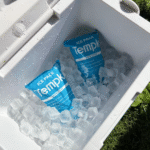
Cold chain bio-vegetables quality assurance is how you keep organic (“bio”) verduras frescas, seguro, y listo para auditoría desde la cosecha hasta el cliente. En la práctica, estás protegiendo tres cosas a la vez: textura, duración, e integridad orgánica. Una simple regla general ayuda: many leafy greens prefer 0–4 ° C con high humidity (a menudo 90-95 % de humedad relativa), mientras que los artículos sensibles al frío necesitan objetivos más cálidos. Cuando controlas los traspasos, Cortas el desperdicio y proteges la confianza..
Este artículo te ayudará a responder.:
-
Cómo cold chain bio-vegetables quality assurance protects freshness without preservatives
-
Where quality losses happen, especially at handoffs and staging
-
Cómo temperature monitoring for organic produce supports fewer disputes
-
Cómo humidity control for leafy greens prevents wilting and “tired” product
-
What an organic vegetable cold chain checklist should include for daily use
-
Cómo bio-vegetable traceability records protect organic integrity and speed investigations
-
Cómo last-mile refrigerated delivery for organic vegetables changes your plan in 2025
¿Qué incluye realmente el aseguramiento de la calidad de los biohortalizas en cadena de frío??
Cold chain bio-vegetables quality assurance means you control conditions y you can prove it later. It is not “keep it cold and hope.” It’s a repeatable system that sets targets, checks the risky moments, and documents exceptions.
Bio-vegetables are less forgiving because you often have fewer post-harvest “fixes.” When quality drops, you can’t reverse it. So your best strategy is prevention.
Why handoffs are the real battlefield for cold chain bio-vegetables quality assurance
Most failures don’t happen in a stable cold room. They happen in-between: muelles de carga, cruces, route stops, and receiving bays. These are short moments that cause long-term damage.
| Handoff risk point | Lo que suele salir mal | What you should check | Lo que significa para ti |
|---|---|---|---|
| Field → packing | Cooling delay | Time-to-pre-cool | More shrink, shorter shelf life |
| Packing → loading | Puesta en escena cálida | Door-open time | Faster wilting, more claims |
| Cross-dock transfer | Mixed setpoints | Zone plan + etiquetas | Calidad desigual, disputas |
| Última milla | Repeated door openings | Stop-order loading | Rincones cálidos, tired greens |
Consejos prácticos que puedes utilizar inmediatamente
-
Set “max warm time” rules: one number people can follow (ejemplo: “greens never sit warm”).
-
Make handoffs measurable: a quick temperature confirmation beats a long report later.
-
Treat mixed loads as high risk: don’t rely on averages.
Caso práctico: A distributor reduced rejections after adding two controls: pre-cooling proof and a receiving check tied to lot IDs. Menos argumentos, faster decisions.
Which temperature targets support cold chain bio-vegetables quality assurance?
Cold chain bio-vegetables quality assurance works best when targets match the vegetable group, not the truck. Many leafy greens do well near 0–4 ° C, but chilling-sensitive vegetables can be damaged by “too cold,” even if they look fine at first.
Your goal is estabilidad, not extreme cold. Vegetables experience the warmest corner of the pallet, not the average air temperature.
Temperature monitoring for organic produce: a simple “setpoint builder”
Use this quick decision tool. Pick the closest match, then apply the monitoring intensity.
-
Your product group
-
Verdes de hoja / hierbas (alto riesgo)
-
Brassicas (medium-high risk)
-
Roots (riesgo medio)
-
Chilling-sensitive (alto riesgo, but warmer target)
-
-
Your route style
-
Local, few stops
-
Regional, múltiples traspasos
-
Last-mile multi-stop
-
-
Your monitoring intensity
-
Local: basic checks
-
Regional: handoff checks + review every shipment
-
Última milla: handoff checks + door-open discipline + faster alerts
-
| Grupo de productos | Typical target range (rule-of-thumb) | ¿Qué puede salir mal? | Lo que significa para ti |
|---|---|---|---|
| Verdes de hoja, many herbs | 0–4 ° C | Warmer spikes → wilting | Fewer sellable days |
| Brassicas | 0–4 ° C | Dehydration in low humidity | Shrink, yellowing |
| hortalizas de raíz | 0–4 ° C | Texture loss with swings | Lower grade, regresa |
| Chilling-sensitive items | Warmer than leafy greens | Too cold → chilling injury | Quejas, desperdiciar |
Consejos prácticos que puedes utilizar inmediatamente
-
Place sensors where risk lives: near doors, top-front pallets, return-air zones.
-
Group by temperature needs: “one load, one temperature strategy” whenever possible.
-
Entrena una frase: “Protect the worst spot, not the average.”
Caso práctico: A retailer moved one sensor from pallet center to the top-front corner. They caught warm spikes during door openings and reduced early-wilt complaints.
How do you prevent wilting with humidity control for leafy greens?
Humidity control for leafy greens is not optional if you care about crispness. You can be cold enough and still lose quality if the air is too dry or airflow is too aggressive.
Think of humidity like skin care for vegetables. Too dry and they wrinkle. Too wet and they rot. Your job is a stable middle: high humidity without surface water.
Cold chain bio-vegetables quality assurance depends on moisture balance
| Condición | Lo que sucede | lo que ves | Lo que significa para ti |
|---|---|---|---|
| Air too dry | Deshidración | Limp leaves | Discounting, shrink |
| Too wet (condensación) | Faster decay risk | Slimy edges | Reclamos, rechaza |
| Humedad equilibrada | Slower moisture loss | Crisp texture | Mayor vida útil |
Packaging choices that support humidity control for leafy greens
Packaging creates a micro-climate. It can protect humidity without trapping liquid water.
| Enfoque de embalaje | Mejor para | Vigilancias | Lo que significa para ti |
|---|---|---|---|
| Liner bags | Leafy greens on longer routes | Too sealed → condensation | Less wilting, menos devoluciones |
| Película microperforada | Herbs and tender leaves | Needs correct spec | Better balance and freshness |
| Vented crates | Rutas cortas, hardy items | Faster drying | Bajo costo, mayor riesgo |
Consejos prácticos que puedes utilizar inmediatamente
-
Avoid “fan blast thinking”: more airflow is not always better for freshness.
-
Watch the first 2 horas: warm product entering cold rooms creates condensation fast.
-
Separate wet-sensitive loads: don’t mix “high moisture” with “dry-sensitive” items.
Caso práctico: A packhouse extended spinach freshness simply by switching to humidity-balanced liners and reducing warm staging time.
What should an organic vegetable cold chain checklist include?
Un organic vegetable cold chain checklist only works if your team uses it daily. That means it must be short, timed to real moments, and easy to complete in under two minutes.
Cold chain bio-vegetables quality assurance improves when the checklist prevents excuses. It tells people what “good” looks like before problems happen.
A 3-minute self-audit scorecard (interactivo)
Date a ti mismo 0–2 points per line, then total your score.
| Check item | 0 agujas | 1 punto | 2 agujas |
|---|---|---|---|
| Pre-cooling proof | Ninguno | Verbal | Logged evidence |
| Warm staging control | No rule | Loose rule | Timed + visible |
| Colocación del sensor | Random | Estándar | Risk-based spots |
| Recibir cheques | Rare | Visual only | Visual + temperatura |
| Lot identity | Desaparecido | Parcial | Lot-to-route complete |
Guía de puntuación
-
0–4: Alto riesgo. Your cold chain bio-vegetables quality assurance will break under stress.
-
5–7: Riesgo medio. Fix handoffs first (cargando + recepción).
-
8–10: Línea de base sólida. Focus on exceptions and consistency.
Consejos prácticos que puedes utilizar inmediatamente
-
Put the checklist where decisions happen: loading bay + receiving station.
-
Add one photo step: load pattern photos prevent repeat mistakes.
-
Time the door: door-open time is a behavior metric teams understand.
Caso práctico: A wholesaler added a two-minute receiving check tied to lot scans. Disputes dropped because “opinions” became “evidence.”
How do bio-vegetable traceability records protect cold chain bio-vegetables quality assurance?
Bio-vegetable traceability records connect “what you shipped” to “what conditions it saw.” This matters for food quality y organic integrity. If a buyer asks, “Was it kept within plan?” you answer with a simple timeline.
Cold chain bio-vegetables quality assurance becomes defensible when traceability is built into labels and workflow. You don’t need perfect paperwork. You need consistent paperwork.
Traceability in plain language: “who, qué, cuando, where”
Start with four fields you can keep clean:
-
ID de lote
-
Pack date
-
Route ID
-
Ship/receive checks
| Record type | Dueño | Frecuencia | Lo que significa para ti |
|---|---|---|---|
| Lote + pack log | Packhouse | Every run | Análisis de causa raíz más rápido |
| Evidencia de temperatura | Logística | Every shipment | Proof during disputes |
| Recibir inspección | Warehouse/store | Every arrival | Stops bad lots early |
| Acciones correctivas | QA lead | Según sea necesario | Muestra control, not chaos |
Consejos prácticos que puedes utilizar inmediatamente
-
Standardize file naming: fecha + ruta + lot range every time.
-
Log exceptions first: out-of-range events matter most for improvement.
-
Keep “one correction rule”: no silent edits, no missing ownership.
Caso práctico: A grower group adopted a single “lot passport” format. Audit prep time dropped because everyone spoke the same data language.
How do you stabilize last-mile refrigerated delivery for organic vegetables?
Last-mile refrigerated delivery for organic vegetables is where perfect plans break. You face many stops, repeated door openings, and traffic variability. Even short trips can be risky if orders sit in warm staging areas.
Cold chain bio-vegetables quality assurance in last mile is mostly about reducing warm exposure time—and proving you managed it.
Simple last-mile rules your team can remember
-
Frío de escenario, not ambient: build orders inside refrigeration when possible.
-
Stop-order loading: first stops closest to the door to reduce rummaging.
-
Fast handoff check: quick confirmation protects you when customers question freshness.
| Riesgo de última milla | Early signal | Quick fix | Lo que significa para ti |
|---|---|---|---|
| Too many door openings | Condensación, soft leaves | Load by stop order | Fewer tired arrivals |
| Warm staging before load | Boxes feel “not cold” | Cold-only staging lane | More sellable days |
| Mixed temperature needs | Uneven defects | Zone separation | Menos disputas |
Consejos prácticos que puedes utilizar inmediatamente
-
Protect leafy greens first: shortest routes, tightest checks.
-
Use two-zone thinking: a “high-risk” zone near the door and a “stable” zone deeper inside.
-
Measure one thing weekly: total door-open time per route.
Caso práctico: An e-grocery operator shortened routes for leafy greens and herbs. Complaints dropped without adding vehicles.
How do you run a simple risk score for cold chain bio-vegetables quality assurance?
A risk score helps you act before quality drops. Cold chain bio-vegetables quality assurance becomes stronger when you treat high-risk lots differently: faster selling, deeper receiving checks, and clearer communication.
You don’t need complex math. You need a shared method teams trust.
Herramienta interactiva: a 12-point risk score
Add points in each category:
-
Excursiones de temperatura
-
None = 0
-
Short/small = 2
-
Repeated/long = 4
-
Traspasos
-
0–1 = 0
-
2–3 = 2
-
4+ = 4
-
Sensibilidad del producto
-
Hardy = 0
-
Medium = 2
-
Very sensitive (leafy greens/herbs) = 4
Comportamiento
-
0–4: Standard flow, normal checks
-
5–8: Prioritize receiving checks + faster turnover
-
9–12: Urgent handling, inspect deeper, “sell first” strategy
Consejos prácticos que puedes utilizar inmediatamente
-
Agree on actions before peak season: consistency beats debate.
-
Pair data with a photo: visual + temperature evidence is powerful.
-
cerrar el ciclo: every out-of-range event needs a corrective action, not a shrug.
Caso práctico: A distributor routed high-risk lots to high-turn stores first. Shrink fell because sensitive product moved faster.
2025 latest cold chain bio-vegetables quality assurance developments and trends
En 2025, the shift is clear: from “after-the-fact reporting” to “in-the-moment prevention.” Teams want fewer surprises at receiving, menos disputas, and faster decisions when exceptions happen.
You’ll see three practical trends:
Última instantánea del progreso
-
More action-ready alerts: menos paneles de control, more “do this now” signals.
-
Lot-passport workflows: one timeline that combines lot IDs, traspaso, and checks.
-
Smaller cold hubs and tighter routes: less warm exposure, better consistency.
Insight del mercado que puede usar
Customers don’t reward “we tried.” They reward consistent freshness. That makes cold chain bio-vegetables quality assurance a commercial advantage, not just a compliance effort.
If you can show clean evidence, you protect margin. If you cannot, you end up discounting product to move it fast.
Preguntas frecuentes
Q1: What temperature is best for cold chain bio-vegetables quality assurance?
Many leafy greens perform best near 0–4 ° C con alta humedad. Use vegetable-group targets to avoid dehydration or chilling damage.
Q2: Why do bio-vegetables spoil faster than conventional ones?
Often you have fewer post-harvest “buffers.” Small temperature swings and dry air show up faster as wilt, shrink, and shorter shelf life.
Q3: Is temperature monitoring for organic produce necessary for small shipments?
Sí. Small loads warm faster at handoffs. A simple ship/receive check prevents disputes and improves consistency.
Q4: What is the most overlooked part of humidity control for leafy greens?
Warm staging time. Even perfect packaging struggles if product sits warm before loading.
Q5: What are the “must-have” bio-vegetable traceability records?
ID de lote, pack date, route ID, and ship/receive checks are the core. Keep the format consistent so it’s easy to retrieve.
Q6: How do I improve last-mile refrigerated delivery for organic vegetables quickly?
Frío de escenario, load by stop order, and measure door-open time. These three changes deliver fast ROI.
Resumen y recomendaciones
Cold chain bio-vegetables quality assurance works when you control the handoffs. Focus on stable temperature targets by vegetable group, humidity protection for leafy greens, and simple monitoring that teams actually use. Add traceability that connects lot IDs to ship/receive checks, and use a risk score to prioritize handling when shipments are vulnerable.
Tus próximos pasos (plan sencillo)
-
Map your top 3 traspaso (where quality drops most).
-
Set a “max warm staging time” rule your team can follow.
-
Add ship/receive checks tied to lot IDs for every load.
-
Upgrade humidity protection where wilting appears.
-
Review exceptions weekly and close corrective actions fast.
Acerca de Tempk
Y tempk, we focus on practical cold chain solutions for sensitive products like bio-vegetables. We help you turn “we think it stayed cold” into clear, usable evidence—so you can reduce waste, mejorar la consistencia, and protect organic integrity without adding unnecessary complexity.
Llamado a la acción: If you want to strengthen cold chain bio-vegetables quality assurance, start by listing your vegetable groups, route types (local/regional/last mile), and your current handoff checks. We’ll help you build a tighter checklist and decision rules your team can roll out quickly.