Cómo perfeccionar el envasado de chocolate amargo con cadena de frío: Proteger la calidad desde el grano hasta la barra
El rico chocolate negro puede parecer atemporal, Sin embargo, las pérdidas de cultivos relacionadas con el clima y el auge de las ventas en línea hacen que su embalaje sea un desafío moderno.. El mercado mundial del chocolate superó a Estados Unidos $1.11 billones en 2023 y las condiciones climáticas extremas redujeron la producción de cacao en 12.9 %. El chocolate negro se ablanda al 34–38 ºC (93–101 °F) y se derrite completamente por 113–120 °F, por lo que incluso breves picos de temperatura o cambios de humedad pueden causar floración de grasa y arruinar el acabado brillante.. Para garantizar que cada barra llegue brillante y sabrosa, necesitas un eficiente Envasado de chocolate negro con cadena de frío. estrategia. Esta guía utiliza datos respaldados por investigaciones y 2025 Información del mercado para ayudarle a elegir materiales., controlar la temperatura y la humedad, y adoptar prácticas sostenibles.
Por qué el chocolate negro necesita logística de cadena de frío: Explore cómo la composición de la manteca de cacao y los puntos de fusión impulsan controles estrictos de temperatura y humedad..
¿Qué temperaturas y niveles de humedad preservan la calidad?: Conozca las gamas “Ricitos de Oro” para la producción., almacenamiento y tránsito.
Cómo seleccionar materiales de embalaje: comparar polipropileno expandido (PPE), paneles de aislamiento al vacío (personaje), opciones a base de espuma y plantas, más materiales de cambio de fase (PCM) y paquetes de gel.
Procedimientos de embalaje paso a paso: ver cómo preacondicionar, aislar, buffer, envolver y amortiguar el chocolate amargo para el envío.
Tendencias que dan forma al packaging en 2025: entender el crecimiento del mercado, Demandas de sostenibilidad y tecnologías de embalaje inteligentes..
Preguntas frecuentes: obtenga respuestas claras sobre las temperaturas de fusión, Mejores prácticas de embalaje y consejos para la cadena de frío..
¿Por qué el chocolate negro requiere un envasado preciso en la cadena de frío??
Respuesta directa
El chocolate negro se derrite más rápido de lo que crees. Por su alto contenido en manteca de cacao, el chocolate negro se ablanda entre 34 °C y 38 °C (93–101 °F) y se derrite completamente 113–120 °F. Incluso los cambios menores de calor o humedad provocan la migración de grasas y la cristalización del azúcar. (floración), brillo y sabor apagados. Mantener una ventana de temperatura estrecha (13–15 ºC / 55–59 °F durante el tránsito) y mantener la humedad relativa por debajo 50 % preservar la textura y prevenir la floración. Para un almacenamiento más prolongado, apuntar 12–20 ºC (54–68 °F) con 45–55 % RH.
Explicación expandida
La estructura del chocolate combina sólidos de cacao dispersos en manteca de cacao.. Cuando las temperaturas superan aproximadamente 20 °C (68 °F) la manteca de cacao comienza a migrar a la superficie. El enfriamiento rápido o la alta humedad disuelven el azúcar de la superficie y lo vuelven a cristalizar en puntos blancos ásperos., conocido como flor de azúcar. Los veganos y las inclusiones altas en grasas añaden complejidad: Las grasas de origen vegetal pueden reaccionar de forma impredecible a los ciclos de temperatura., por lo que las barras veganas a menudo se quedan dentro 16–20 ºC bajo estricto control de la humedad. Un sistema adecuado de envasado de chocolate negro con cadena de frío evita tanto los picos de calor como los golpes de humedad., Mantener la calidad en todas las zonas climáticas y minimizar los retornos..
Entendiendo la floración y el derretimiento
| Causa | Mecanismo | Señales | Impacto para ti |
| Floración de azúcar | La alta humedad disuelve el azúcar de la superficie; El enfriamiento rápido hace que vuelva a cristalizar. | Aparecen cristales blancos ásperos en la superficie. | Textura arenosa y sabor apagado.; los clientes pueden confundirlo con moho |
| Floración gorda | Las fluctuaciones de temperatura hacen que la manteca de cacao se separe de los sólidos del cacao | Rayas blancas grasosas o un brillo suave. | El chocolate pierde su consistencia y se derrite fácilmente.; la estética sufre |
| Fusión | Las temperaturas superan aproximadamente 34 °C (93 °F) para chocolate amargo | Las barras se ablandan o se licúan | Pérdida estructural completa; Problemas regulatorios y pérdidas financieras. |
| Fusión diferencial | El chocolate blanco se derrite en 100–110 °F, chocolate con leche en 104–115 °F, chocolate negro en 113–120 °F | Los surtidos mixtos se degradan de manera inconsistente | El embalaje y el refrigerante deben adaptarse a la tolerancia de cada tipo. |
Consejos y consejos prácticos
Preacondiciona tu carga: Lleve el chocolate amargo a su temperatura de envío objetivo (13–15 ºC) antes de empacar para evitar la condensación.
Aclimatarse gradualmente: Nunca transfiera barras directamente del congelador a una sala de empaque cálida.; Los cambios incrementales de temperatura previenen la floración del azúcar..
Monitor con sensores: Coloque registradores de datos o dispositivos IoT en palés o cajas para realizar un seguimiento de la temperatura y la humedad en tiempo real.
Limitar el tiempo de permanencia: Mantenga los pallets en zonas de temperatura controlada solo el tiempo necesario; La mayoría de las excursiones ocurren durante los traslados..
Proteger contra la luz y los olores.: Utilice envases opacos y mantenga el flujo de aire para evitar sabores desagradables..
Estudio de caso: Un chocolatero premium vio caer sus tasas de retorno de 20 % a 2 % después de agregar sensores y cambiar a contenedores aislados durante la noche durante una ola de calor de verano.
¿Qué temperaturas y niveles de humedad preservan la calidad del chocolate amargo??
Respuesta directa
Cíñete a la "banda genial". Después del templado, Los chocolates deben enfriarse hasta 18–20 ºC (64–68 °F). Durante el almacenamiento, mantener 12–20 ºC (54–68 °F) con humedad relativa inferior 50 %. El chocolate negro tolera el extremo inferior de este rango porque su alto contenido de manteca de cacao se solidifica a temperaturas más altas., mientras que los chocolates con leche y blancos son más sensibles. Durante el transporte, Mantenga los vehículos preenfriados entre 13–18 ºC (55–65 °F). Al realizar envíos a largas distancias o durante el verano, apuntar 13–15 ºC y humedad relativa alrededor 45–55 %.
Explicación expandida
Una investigación de Sensitech señala que los almacenes que almacenan chocolates deben mantener 54–68 °F (12–20 ºC) con humedad bajo 50 % para prevenir la floración del azúcar. El chocolate negro puede tolerar condiciones ligeramente más frías porque la manteca de cacao se solidifica a una temperatura más alta.. El chocolate con leche contiene más grasa láctea y es menos estable.; debe mantenerse dentro 55–65 °F para prevenir la floración. Chocolate blanco, tener el contenido más bajo de manteca de cacao, Es el más sensible y requiere un seguimiento continuo..
El control de la humedad es vital: Los cristales de azúcar se disuelven con alta humedad y vuelven a cristalizarse a medida que el azúcar florece.. Sensitech recomienda monitorizar tanto la temperatura como la humedad en tiempo real y corregir las desviaciones rápidamente. La circulación del aire evita que los chocolates absorban olores., mientras que la protección contra la luz directa evita el daño de los rayos UV y la degradación del embalaje..
Temperatura y humedad por tipo de chocolate.
| tipo chocolate | Temperatura ideal (°C/°F) | Rango de humedad relativa | Significado |
| Chocolate oscuro | 12–20 ºC / 54–68 °F | < 50 % RH | Más estable debido al mayor contenido de manteca de cacao; tolera condiciones más frías y fluctuaciones menores. |
| Chocolate con leche | 13–18 ºC / 55–65 °F | < 50 % RH | Sensible a los cambios de temperatura.; requiere condiciones consistentes para evitar la floración. |
| Chocolate blanco | 13–18 ºC / 55–65 °F | < 50 % RH | Más frágil; el seguimiento continuo es esencial. |
| Bombones/pralinés rellenos | 13–18 ºC / 55–65 °F, evitar la congelación | < 50 % RH | Los rellenos como el turrón o el licor pueden agrietarse si se congelan.; Enfriar previamente el embalaje y evitar oscilaciones extremas.. |
Consejos y consejos prácticos
Utilice monitores de temperatura y humedad en tiempo real.: Los datos continuos le permiten actuar rápidamente para corregir las desviaciones.
Priorizar el flujo de aire: Deje espacio alrededor de las tarimas para evitar la absorción de olores.; Evite cargar el chocolate con productos de olor fuerte..
Escudo de la luz: Utilice envases opacos para bloquear la exposición a los rayos UV..
Evite temperaturas de condensación: Mantenga la humedad lo suficientemente baja para evitar que se condense en la superficie del chocolate..
Estudio de caso: Almacenamiento de chocolate con leche en un establo 65 °F (18 °C) y 45 % RH evitó la floración del azúcar durante una ola de calor de verano y ahorró miles de dólares.
Cómo seleccionar materiales para el envasado de chocolate negro con cadena de frío?
Respuesta directa
Construye una defensa de múltiples capas. Usos efectivos de los envases de chocolate amargo múltiples capas para proporcionar aislamiento, amortiguación de temperatura y barreras contra la humedad sin agregar volumen innecesario. Un paquete típico consta de una caja exterior resistente, un revestimiento aislado (polipropileno expandido, panel de aislamiento al vacío o alternativa ecológica), a material de cambio de fase (PCM) o paquete de gel para regular la temperatura, a bolsa o papel de aluminio barrera de vapor para bloquear la humedad y los olores, y amortiguación para proteger las inclusiones delicadas.
Opciones de materiales y su rendimiento.
| Componente | Materiales (ejemplos) | Por que importa | Beneficio para ti |
| Caja exterior | Cartón ondulado con esquinas reforzadas. | Proporciona resistencia estructural y reduce el espacio vacío. | Reduce el peso dimensional; resiste la compresión durante el tránsito. |
| Aislamiento | Polipropileno expandido (PPE), paneles de aislamiento al vacío (personaje), poliestireno expandido (EPS), o revestimientos Biocooler/Biomailer a base de plantas | Ralentiza la transferencia de calor y mantiene la temperatura deseada. | Mantiene la carga dentro 13–15 ºC a hasta 48 horas; Las opciones ecológicas reducen el desperdicio.. |
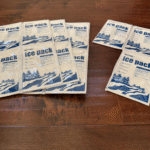
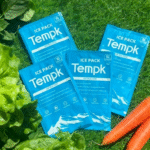
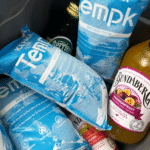
| Tampón de temperatura | Paquetes de gel o materiales de cambio de fase. (PCM) sintonizado con 13–15 ºC | Absorbe los picos de calor y mantiene un rango de temperatura estrecho | Previene la fusión; reduce la necesidad de refrigeración activa. |
| Barrera de vapor | Película a prueba de humedad, bolsas de papel de aluminio, desecantes y barreras contra olores | Bloquea la entrada de humedad y olores al paquete. | Previene la floración del azúcar y los sabores desagradables.. |
| Amortiguación | Inserciones de espuma, papel reciclado o rellenos biodegradables | Protege las inclusiones delicadas (nueces, fruta) de la vibración | Mantiene la estética del producto durante envíos de larga distancia.. |
Comparación de opciones de aislamiento
Sistemas pasivos versus activos: Los sistemas pasivos se basan en cajas aisladas., revestimientos y paquetes de gel para mantener condiciones frescas durante 24 a 48 horas. Son livianos, modular y rentable, haciéndolos ideales para entregas de última milla o envíos de corta distancia. Los sistemas activos utilizan camiones o contenedores refrigerados con control de temperatura preciso para envíos de larga distancia o de alto valor.; sin embargo son más caros y menos flexibles.
Sostenibilidad de materiales: Los paneles de polipropileno expandido y de vacío ofrecen altos valores R pero provienen de fuentes de petróleo.. Opciones basadas en plantas, como Biocooler y Biomailer elaborados con almidones renovables, Emule el rendimiento del EPS y al mismo tiempo sea compostable.. Nature Pack informa que sus cargadores de espuma biodegradable proporcionan un aislamiento igual al de la espuma tradicional y reducen el impacto ambiental. Sus transportistas de Biocooler pueden extender los tiempos de control de temperatura hasta 30 % sobre la espuma tradicional y al mismo tiempo ofrece un ciclo de recuperación integral.
Selección de buffer de temperatura: Los paquetes de gel mantienen 12–20 ºC más largo que el hielo seco, que puede bajar las temperaturas por debajo del punto de congelación y provocar la floración del azúcar. Al enviar chocolate amargo, seleccione paquetes de gel o PCM ajustados para mantener el rango de 13 a 15 °C. Coloque el refrigerante encima y alrededor del chocolate., dejando espacio de aire para la convección natural.
Barrera y amortiguación: Utilice bolsas a prueba de humedad o papel de aluminio para bloquear la humedad y los olores., e incluya desecantes cuando se envíe en climas húmedos. El acolchado con espuma o papel reciclado protege las decoraciones delicadas de las vibraciones..
Consejos y consejos prácticos
Elija el tamaño de caja correcto: Minimizar el espacio vacío reduce el intercambio de aire y evita el movimiento que causa desgastes y marcas de roce..
Equilibrio entre aislamiento y coste.: El exceso de embalaje aumenta el peso y los costos de envío, al tiempo que aumenta el riesgo de condensación.; Debajo del embalaje se corre el riesgo de perder calidad..
Opte por alternativas ecológicas: Los revestimientos compostables y el aislamiento a base de plantas reducen los residuos y atraen a los consumidores preocupados por la sostenibilidad..
Paquetes de prueba: Simule envíos bajo perfiles de verano e invierno para validar combinaciones de aislamiento y refrigerante antes de la temporada alta..
¿Cuáles son las mejores prácticas para envasar chocolate amargo para envío??
Respuesta directa
Siga una secuencia estructurada de empaque. El envasado exitoso de chocolate negro con cadena de frío requiere enfriar previamente el chocolate y los materiales de envasado, construyendo capas correctamente, y minimizando el tiempo de manipulación. Preacondicionar tanto el producto como el refrigerante al rango objetivo. (13–15 ºC). Forre la caja exterior con un revestimiento aislante., Coloque una barrera contra la humedad alrededor del chocolate., Inserte paquetes de gel o PCM encima y alrededor del producto., y llenar los huecos con amortiguación. Selle el paquete rápidamente y etiquételo como sensible a la temperatura..
Explicación expandida
Los chocolateros a menudo enfrían previamente las barras terminadas en una cámara de enfriamiento a 18–20 ºC (64–68 °F) y humedad debajo 50 % antes del embalaje. Colocar productos ya refrigerados en envases preenfriados ayuda a preservar la cadena de frío. Según Go Logística, Los materiales de embalaje preenfriados son igualmente importantes..
Durante el montaje, coloque una capa de refrigerante correctamente. Los paquetes de gel o PCM nunca deben estar en contacto directo con el chocolate.; Las capas de separación, como cartón o plástico de burbujas, evitan la congelación o la sudoración.. El control de la humedad es crucial: Incluye desecantes y revestimientos a prueba de humedad para evitar la condensación.. Una vez empaquetado, limitar el tiempo que la caja permanece abierta, ya que el aire caliente degrada rápidamente el ambiente interno.
Empacar paso a paso
Chocolates preenfriados y embalaje.: Mantenga las barras terminadas a 13-15 °C y menos 50 % HR durante varias horas. Paquetes de gel preacondicionados o PCM a la misma temperatura.
preparar la caja: Seleccione una caja de cartón corrugado que se ajuste perfectamente al revestimiento aislante.. Reforzar las esquinas según sea necesario.
Insertar aislamiento: Doblar el PPE, Revestimientos VIP o compostables en la caja; asegúrese de que no haya espacios.
Agregar barrera contra la humedad: Envuelva las barras de chocolate en papel de aluminio o película a prueba de humedad con desecantes..
colocar chocolate: Coloque las barras envueltas centralmente dentro del revestimiento..
Agregar búfer de temperatura: Coloque paquetes de gel o PCM en la parte superior y alrededor de los lados., separado por cartón o envoltura de burbujas.
Llenar los vacíos: Utilice inserciones de papel o espuma para evitar el movimiento y absorber los golpes..
Sello y etiqueta: Cierra el forro y la caja rápidamente.. Aplique etiquetas que digan “Perecedero: manténgalo fresco” y registre el tiempo de empaque para su trazabilidad..
Consejos y consejos prácticos
Documente su POE: Crear un procedimiento operativo estándar para los pasos de empaque, incluyendo listas de verificación para preenfriamiento, aislamiento y etiquetado.
Capacitar al personal: Asegúrese de que todos los miembros del equipo sigan las mismas pautas de temperatura y humedad para evitar un manejo inconsistente..
Programe el embalaje durante las horas más frescas: Empaque temprano en la mañana o tarde en la noche para minimizar la exposición al calor ambiental..
Seguimiento del tiempo fuera de las áreas controladas: Reblandecimiento, La floración y la sudoración a menudo son causadas por retrasos en el manejo..
Estudio de caso: Una marca de regalos descubrió que la mayoría de las "quejas por derretimiento" eran en realidad desgastes causados por embalaje suelto en rutas de varias paradas.; ajuste de la amortiguación y manejo reducción de quejas.
¿Cómo se comparan los sistemas de cadena de frío pasiva y activa para la logística del chocolate??
Respuesta directa
Elija pasivo para viajes cortos y activo para recorridos largos. Los sistemas pasivos de cadena de frío utilizan embalajes aislados., Paquetes de gel y PCM para mantener la temperatura sin alimentación externa.. Son livianos, modular y rentable, manteniendo 12–20 ºC condiciones de hasta 48 horas. Los sistemas activos utilizan camiones o contenedores refrigerados para regular la temperatura con precisión durante períodos prolongados.; Son esenciales para envíos de larga distancia o de alto valor, pero cuestan más y requieren energía..
Explicación expandida
En entregas de última milla o envíos de comercio electrónico, Los envases pasivos (cajas aisladas con paquetes de gel) pueden proteger el chocolate amargo durante 24 a 48 horas.. Materiales aislantes como poliestireno expandido., Las espumas a base de fibra de algodón y almidón reducen la transferencia de calor., mientras que los paquetes de gel mantienen la temperatura objetivo. Según el IPC, sus revestimientos aislados para cajas pueden proteger los envíos de chocolate durante 24 a 72 horas y supera a los contenedores de poliestireno a la vez que ahorra espacio.
Sistemas activos, como camiones frigoríficos o contenedores frigoríficos, mantener temperaturas constantes (p.ej., 13–18 ºC) a través de largas rutas. Se utilizan para envíos a granel o cuando la carga cruza múltiples zonas climáticas.. Sensitech señala que los monitores de temperatura en tiempo real son cruciales en los sistemas activos para detectar desviaciones y tomar acciones correctivas rápidamente..
Consejos y consejos prácticos
Utilice embalajes pasivos para comercio electrónico y entregas de última milla: Elija paquetes de gel adaptados al rango de 13 a 15 °C y aislamiento compostable para reducir el desperdicio.
Emplear refrigeración activa para envíos de alto valor o de larga distancia: Preenfríe los camiones a 13–18 °C y asegúrese de que los transportistas minimicen los tiempos de transferencia.
Combine sistemas cuando sea necesario: Utilice embalajes pasivos dentro de contenedores activos para proteger contra los picos de temperatura durante la carga y descarga..
Monitorear continuamente: Ya sea pasivo o activo, Utilice sensores para rastrear la temperatura y la humedad en todos los puntos del viaje..
¿Cómo mejora la tecnología el envasado de la cadena de frío del chocolate amargo??
Respuesta directa
Los datos y la automatización impulsan la precisión. Tecnologías de embalaje inteligentes, como sensores de IoT, rastreadores GPS, Códigos QR y blockchain: permiten monitorear la temperatura en tiempo real, humedad y ubicación. Proporcionan alertas cuando los envíos se desvían del rango objetivo y permiten a las empresas intervenir rápidamente., Reducir el desperdicio y mantener la calidad.. Códigos QR y comunicación de campo cercano (NFC) Los chips también ofrecen implicación y trazabilidad para el consumidor., Permitir a los compradores verificar el origen y las credenciales éticas de su chocolate..
Explicación expandida
La logística moderna de la cadena de frío incorpora registradores de datos inalámbricos colocados dentro de los envíos para registrar datos de temperatura y humedad de forma continua.. Algunos sistemas transmiten datos a través de redes celulares o satélite a una plataforma en la nube., permitiendo a los despachadores monitorear múltiples envíos simultáneamente. Sensitech destaca que los monitores de temperatura en tiempo real mejoran el retorno de la inversión y reducen el desperdicio de alimentos al permitir acciones correctivas antes de que ocurran daños.
El embalaje inteligente va más allá de la gestión de la cadena de suministro. El mercado de envases de confitería está adoptando tecnologías interactivas, incluyendo códigos QR, Chips NFC y realidad aumentada (Arkansas). Según Globene Newswire, Las marcas utilizan estas características para proporcionar indicadores de frescura., Historias de productos y programas de fidelización.. El mismo informe señala inversiones en sensores inteligentes como etiquetas RFID sostenibles e indicadores de frescura que muestran si el producto ha experimentado variaciones de temperatura..
Consejos y consejos prácticos
Adopte monitoreo en tiempo real: Coloque registradores de datos en cada envío; integre alertas con su software de gestión logística.
Utilice códigos QR para la trazabilidad: Vincular el embalaje con información sobre el origen del cacao, Impacto de los agricultores y prácticas de sostenibilidad..
Emplear blockchain para la transparencia: Los registros inmutables pueden verificar el cumplimiento de la temperatura y el abastecimiento ético.
Capacite a su equipo sobre el uso de datos: Asegúrese de que los empleados sepan cómo interpretar las lecturas de los sensores y responder a las alertas..
Aprovechar el análisis: Analiza perfiles de temperatura para optimizar rutas, combinaciones de embalaje y procedimientos de preenfriamiento.
cuales son las ultimas 2025 Novedades y tendencias en envases de chocolate negro.?
Descripción general de la tendencia
El mercado de los envases de confitería está en auge. Towards Packaging estima que el mercado global crecerá de Dólar estadounidense 11.44 mil millones en 2025 a USD 15.73 mil millones por 2034, a tasa de crecimiento anual compuesta (Tocón) de 3.6 %. Los factores clave incluyen el aumento de la demanda de los consumidores., conveniencia, Sostenibilidad e innovaciones en materiales y tecnología.. La premiumización también se está acelerando: Los consumidores asocian envases elegantes con mayor calidad., marcas líderes para invertir en cajas rígidas, Estampado de lámina y características resellables..
Último progreso de un vistazo
Los materiales sostenibles no son negociables.: Las marcas están eliminando los plásticos de un solo uso y adoptando reciclable, materiales biodegradables y compostables como envoltorios de papel, Películas a base de plantas y contenido reciclado posconsumo.. Los envases de espuma compostables fabricados con almidones vegetales igualan el rendimiento de aislamiento de las espumas a base de petróleo..
Embalaje inteligente e interactivo: códigos QR, Los chips NFC y las experiencias AR permiten a los consumidores rastrear los orígenes del cacao, verificar prácticas éticas y acceder a programas de fidelización. Los indicadores de frescura y las etiquetas RFID garantizan la integridad del producto y generan confianza.
Diseños premium y amigables con el comercio electrónico: Cajas rígidas con films de alta barrera, acabados mate, Los cierres resellables y las funciones de fácil apertura mejoran la experiencia de desempaquetado y protegen los chocolates durante las entregas en línea..
Personalización y control de porciones.: La impresión digital avanzada permite una personalización rentable para etiquetas personalizadas o de temporada.. El formato mini y el empaque resellable favorecen el consumo consciente de refrigerios y el intercambio social.
Abastecimiento ético & transparencia: Los consumidores exigen pruebas de la producción ética del cacao y quieren que el envase cuente una historia. Las marcas utilizan códigos QR y elementos interactivos para comunicar el impacto, al tiempo que se hace hincapié en la agricultura regenerativa y la neutralidad de carbono.
Posicionamiento funcional y de bienestar.: Chocolates orientados al bienestar con adaptógenos, Los probióticos y la reducción de azúcar son tendencia.. El embalaje debe alinearse con las expectativas de una etiqueta limpia y, a menudo, utiliza tonos tierra y diseños minimalistas..
Ideas del mercado
El mercado global de envases de confitería está influenciado por el crecimiento del comercio electrónico. Frágil, Los productos sensibles a la temperatura, como el chocolate amargo, requieren envases primarios y secundarios duraderos para sobrevivir a la manipulación en varias etapas.. Las tecnologías de impresión avanzadas permiten una personalización masiva, permitiendo a las marcas adaptar rápidamente los envases a las tendencias de los consumidores. Inversiones de los principales proveedores de envases (p.ej., Constantia Flexibles, Innovia Films, Amcor) centrarse en más delgado, Películas más sostenibles y materiales listos para reciclar..
Preguntas frecuentes
- ¿A qué temperatura se derrite el chocolate amargo??
El chocolate negro se ablanda entre 34 °C y 38 °C (93–101 °F)y se derrite completamente entre 113 °F y 120 °F. Evite exponer el chocolate a temperaturas superiores 30 °Cpara evitar la floración y el derretimiento. - ¿Cómo debo almacenar el chocolate amargo durante el envío??
Mantenga una “banda fresca” de 12–20 ºC (54–68 °F)con humedad relativa inferior 50 %. El chocolate negro tolera el extremo inferior de este rango debido a su alto contenido de manteca de cacao.. - ¿Cuál es el mejor envase para chocolate amargo??
Utilice un paquete de varias capas: una caja corrugada resistente, revestimiento aislado (PPE, Alternativa VIP o compostable), paquetes de gel o PCM sintonizados para 13–15 ºC, una barrera a prueba de humedad como papel de aluminio, y amortiguación. El embalaje pasivo protege durante 24 a 48 horas.; Utilice refrigeración activa para rutas más largas.. - ¿Cómo puedo prevenir la proliferación de azúcar y la proliferación de grasa??
Controlar las fluctuaciones de temperatura y humedad.. Mantenga el chocolate dentro 12–20 ºCy debajo 50 % RHPara evitar que el azúcar se disuelva y vuelva a cristalizar.. Evite el enfriamiento o calentamiento rápido; chocolate preacondicionado antes del envasado. - ¿Son eficaces los materiales de embalaje biodegradables para la cadena de frío??
Sí. Los revestimientos compostables como Biocooler y Biomailer, fabricados con almidones vegetales, ofrecen un aislamiento comparable al de la espuma EPS y prolongan los tiempos de control de temperatura hasta hasta 30 %. Reducen el impacto ambiental al mismo tiempo que protegen el chocolate durante el tránsito. - ¿Por qué utilizar el monitoreo en tiempo real??
Los monitores de temperatura y humedad en tiempo real brindan visibilidad continua y permiten acciones correctivas antes de que la calidad del producto se vea afectada.. Ayudan a reducir el desperdicio y mejorar la satisfacción del cliente..
Resumen y recomendaciones
Control de llave
El chocolate negro es sensible al calor.; se suaviza entre 34–38 ºC y se derrite por 113–120 °F, así que mantén un 13–15 ºC rango de tránsito y mantenga la humedad por debajo 50 %.
El rango de almacenamiento óptimo es 12–20 ºC (54–68 °F); el chocolate amargo tolera el extremo inferior, mientras que los chocolates con leche y blancos necesitan temperaturas constantes.
Utilice envases multicapa: caja resistente, revestimiento aislado (PPE, VIP o ecológico), paquetes de gel o PCM, barrera contra la humedad y amortiguación.
Los sistemas pasivos de cadena de frío protegen los envíos durante 24 a 48 horas; Los sistemas activos proporcionan un control preciso para recorridos largos..
Invierta en sensores y análisis de datos en tiempo real para monitorear la temperatura y la humedad y actuar rápidamente para corregir las desviaciones..
Los materiales sostenibles y las tecnologías de embalaje inteligentes son tendencias clave; El aislamiento compostable y los envases interactivos atraen a los consumidores y reducen el impacto ambiental..
Plan de acción
Audite su cadena de frío actual: Mapee todos los puntos de contacto, desde el post tueste hasta la entrega de última milla, para identificar dónde ocurren las variaciones de calor y humedad..
Establecer POE de temperatura/humedad: Definir rangos objetivo (13–15 °C de tránsito; 12–20 °C de almacenamiento) y documentar los procedimientos para el preenfriamiento., embalaje y manipulación.
Seleccione los materiales adecuados: Elija combinaciones de aislamiento y refrigerante que equilibren el rendimiento y la sostenibilidad. Pruebe los paquetes bajo perfiles estacionales para validarlos.
Implementar monitoreo en tiempo real: Equipe los envíos con registradores de datos e integre alertas en su sistema de gestión logística.
Formar y empoderar al personal: Utilice listas de verificación claras para garantizar la coherencia en el embalaje y la manipulación.; enfatizar el control de la humedad y la temperatura.
Comunicar sostenibilidad: Adopte envases biodegradables y agregue funciones interactivas (códigos QR) para compartir sus esfuerzos medioambientales y de abastecimiento ético.
Revisar y optimizar: Analice los datos de los sensores y los comentarios de los clientes para refinar las rutas, Estrategias de embalaje y SOP cada temporada..
Acerca de Tempk
Tempk es un especialista en embalaje de cadena de frío que ofrece bolsas aislantes reutilizables y reciclables., bolsas de hielo, cajas de cartón y bolsas nevera eléctricas. Nuestras soluciones de envasado ayudan a mantener temperaturas óptimas para los chocolates gourmet., productos farmacéuticos y otros productos sensibles. Invertimos en investigación y desarrollo para ofrecer productos ecológicos que reduzcan los residuos y mejoren el rendimiento térmico.. Nuestras alternativas de aislamiento compostables igualan el rendimiento de la espuma tradicional y extienden los tiempos de enfriamiento hasta 30 %. Combinando materiales de alto rendimiento con sensores inteligentes, Le ayudamos a ofrecer experiencias de chocolate premium mientras reducimos su huella ambiental..
Listo para mejorar su logística de chocolate? Consulte a nuestros expertos para diseñar una solución de envasado de chocolate amargo con cadena de frío personalizada que proteja la calidad., Reduce el desperdicio y deleita a tus clientes..