Actualizado para diciembre 2025
Asegurando su Entrega urgente de cadena de frío para productos farmacéuticos. cumplir con los requisitos reglamentarios y mantener los medicamentos seguros es una misión no negociable. En el primero 50 palabras, ya estás viendo cómo la palabra clave principal aparece de forma natural. Se prevé que el mercado mundial de envases con temperatura controlada llegue a EE. UU. $11.50 mil millones por 2034, y plazos de cumplimiento como la Ley de Seguridad de la Cadena de Suministro de Medicamentos (DSCSA) hacer que sea fundamental mantenerse a la vanguardia. Con productos biológicos que representan más 40 % de nuevas drogas, La logística exprés debe ser precisa.. Esta guía le brinda pasos prácticos, Información sobre cumplimiento normativo y tendencias tecnológicas para garantizar que sus envíos lleguen de forma segura y puntual..
Explicación de las bandas de temperatura central para envíos urgentes – incluida la temperatura ambiente, refrigerado, gamas congeladas y ultrafrías.
Requisitos reglamentarios y plazos DSCSA para 2025 – una visión clara de los EE.UU.. y normas de la UE que debes seguir.
Opciones de embalaje y opciones tecnológicas. – desde transportistas VIP pasivos hasta contenedores activos y materiales de cambio de fase.
Seguimiento y trazabilidad – cómo los sensores de IoT, blockchain e IA mantienen los envíos visibles y conformes.
Innovaciones de última milla y tendencias de sostenibilidad – nuevos modelos de entrega como drones y microcentros logísticos y soluciones de embalaje ecológicas.
Pasos prácticos para transportistas y farmacéuticos – listas de verificación, planificación de emergencias y preguntas frecuentes para ayudarle a evitar variaciones de temperatura.
¿Por qué es tan importante el control de la temperatura en los envíos farmacéuticos urgentes??
Las variaciones de temperatura pueden destruir los medicamentos. Ya sean vacunas que deben mantenerse entre 2 °C y 8 °C o terapias de ARNm que requieren de -70 °C a -80 °C, Incluso una exposición breve fuera del rango seguro puede hacer que los productos sean ineficaces o peligrosos.. En 2025 el mercado de la cadena de frío farmacéutica alcanzó aproximadamente A NOSOTROS $10.04 mil millones, mientras que el embalaje de la cadena de frío se valora en A NOSOTROS $6.36 mil millones y se espera que suba a A NOSOTROS $11.50 mil millones por 2034. Dado que los productos biológicos y las terapias celulares o genéticas avanzadas representan más de 40 % de nuevos fármacos en desarrollo, La gestión estricta de la temperatura no es opcional.. Marcos regulatorios como la DSCSA en EE. UU.. y Buenas Prácticas de Distribución (PIB) directrices en la UE exigir pruebas documentadas de que los medicamentos se mantienen dentro del rango correcto.
La ciencia de los rangos de temperatura.
La siguiente tabla resume las categorías de temperatura comunes para productos farmacéuticos.. Estas gamas le ayudan a combinar productos con el medio de refrigeración y el embalaje adecuados:
| Banda de temperatura | rango típico | Productos de ejemplo | Por qué es importante para ti |
| temperatura ambiente | 20 °C–25°C; excursiones cortas 15°C–30°C | Tabletas sólidas, algunos polvos secos | Más estable pero aún necesita aislamiento durante el verano.; Evite la luz solar directa y mantenga los paquetes sellados.. |
| Fresco | 8 ° C - 15 ° C | Gotas para los ojos, ciertos probióticos | Enfriamiento moderado; Los paquetes de gel o PCM a +10°C mantienen la estabilidad.. |
| Refrigerado | 2 °C–8°C | Insulina, la mayoría de las vacunas, anticuerpos monoclonales | Estrictamente controlado; requiere paquetes de gel o PCM preacondicionados. Se deben minimizar los tiempos de envío. |
| Congelado | −20°C ± 5°C | Algunas formulaciones de biológicos o medicamentos reconstituidos. | Hielo seco o PCM a −20°C; El embalaje debe ser resistente a la humedad.. |
| Ultrafrío/criogénico | −70°C a −80°C (hasta −150°C para terapias celulares) | Vacunas de ARNm, terapias celulares y genéticas | Debe usar hielo seco o nitrógeno líquido con transportistas especializados y control activo de temperatura.. |
El envío exprés reduce el riesgo de excursiones
La Asociación Internacional de Transporte Aéreo (IATA) estimaciones 20 % de los envíos sensibles a la temperatura experimentan excursiones, costando a las compañías farmacéuticas alrededor A NOSOTROS $35 mil millones anualmente. Los servicios exprés reducen el tiempo de tránsito, Limitar la exposición a las condiciones ambientales y a los traspasos.. Por ejemplo, Los microcentros logísticos permiten la entrega el mismo día dentro de 90 minutos y reducir el tiempo de exposición eliminando largos procesos de clasificación. Las entregas con drones reducen los tiempos de transporte de sangre entre 79 y 98 minutos y se prevé que sean un éxito en EE. UU. $1.9 mil millones de mercado por 2032. Estas innovaciones subrayan cómo una entrega más rápida es fundamental para preservar la eficacia de los medicamentos..
Cómo preparar tus envíos: mejores prácticas paso a paso
El cumplimiento y la calidad comienzan con la preparación adecuada. Utilice esta lista de verificación para minimizar el riesgo:
Preacondicione sus embalajes y refrigerantes. Trae paquetes de gel, Paneles PCM o hielo seco a la temperatura requerida con antelación. El acondicionamiento garantiza un rendimiento constante durante el tránsito.
Envolver y aislar productos. Utilice envolturas térmicas o aislamiento de burbujas.. Para envíos criogénicos, aislar el contenedor del medicamento del contacto directo con hielo seco para evitar congelar productos que deben permanecer refrigerados.
Sellar y etiquetar los paquetes correctamente.. Utilice cinta a prueba de manipulaciones y marque claramente "Sensible a la temperatura" y "No realizar rayos X".. Incluya hojas de datos de seguridad para materiales peligrosos al enviar hielo seco o nitrógeno líquido..
Programe envíos a principios de semana. Evite retrasos durante los fines de semana o días festivos realizando envíos de lunes a miércoles y eligiendo servicios exprés que entreguen antes 10 SOY. La entrega urgente reduce el riesgo de variaciones de temperatura.
Requerir firmas y seguro.. Insistir en firmas de adultos e invertir en seguros de carga para cubrir productos biológicos de alto valor. Utilice el seguimiento de paquetes para mantener la cadena de custodia.
Incluir documentación y registradores de IoT. Adjuntar listas de embalaje, facturas comerciales y certificados reglamentarios. Coloque registradores de temperatura de IoT dentro del paquete para registrar las condiciones y transmitir alertas.
Elegir entre embalaje pasivo y activo
Seleccionar el contenedor adecuado es crucial para los envíos urgentes. He aquí cómo decidir:
| Tipo de embalaje | Características | Cuando usar |
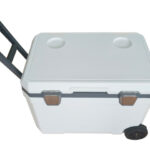
| Transportistas VIP pasivos | Paneles aislados al vacío (VIP) y los materiales de cambio de fase proporcionan entre 7 y 10 días de tiempo de espera. Sin energía externa. | Ideal para entregas de última milla o envíos exprés internacionales de hasta una semana. Sus diseños reutilizables apoyan la sostenibilidad. |
| Contenedores activos | Las unidades alimentadas mantienen una temperatura establecida mediante refrigeración y ventiladores.. Marcas como MedStow, RelEye y Pegasus ofrecen tiempos de espera de 120 horas o más. | Lo mejor para grandes volúmenes o productos extremadamente sensibles que requieren un control estricto. Más costoso y pesado, pero proporciona una regulación precisa de la temperatura.. |
| Transportadores de hielo seco/criogénicos | Utilice CO₂ sólido o nitrógeno líquido; mantener de -70 °C a -80 °C o hasta -150 °C para terapia celular. | Esencial para productos ultrafríos.. Debe cumplir con las regulaciones sobre mercancías peligrosas y los requisitos de ventilación durante el envío.. |
Consejo: En duda, aislar demasiado en lugar de aislar insuficientemente. El embalaje insuficiente es la causa más común de desviaciones de temperatura.
Cómo cumplir con DSCSA, PIB y otras regulaciones en 2025
Las regulaciones dan forma a cada decisión en la cadena de frío farmacéutica. Comprender los próximos plazos y las diferencias regionales le ayudará a evitar sanciones y garantizar la seguridad del paciente..
A NOSOTROS. Ley de seguridad de la cadena de suministro de medicamentos (DSCSA)
La DSCSA exige la serialización y la trazabilidad en toda la cadena de suministro.. Según los últimos plazos:
Puede 27 2025: Los fabricantes y reenvasadores deben compartir identificadores de productos serializados con socios comerciales posteriores..
Agosto 27 2025: Los distribuidores mayoristas deben aceptar y vender únicamente productos serializados..
Noviembre 27 2025: Dispensadores (farmacias y hospitales) con 26 o más empleados de tiempo completo deben estar listos para verificar, rastrear y poner en cuarentena productos dentro 24 horas.
Noviembre 27 2026: Los dispensadores pequeños tienen un año adicional.
DSCSA también requiere que Los registros electrónicos se mantendrán durante seis años. y describe sanciones severas por incumplimiento, incluida la cuarentena del producto, multas y posible revocación de la licencia.
Buena práctica de distribución (PIB) pautas
El PIB fija estándares internacionales para la distribución segura de medicamentos. Los requisitos clave incluyen:
Evaluar y auditar a los proveedores de servicios.. Las empresas farmacéuticas deben verificar que los transportistas tengan los permisos adecuados, certificados (ISO 9001) y estabilidad financiera, y realizar auditorías periódicas.
Acuerdos de calidad separados. Se requiere un acuerdo de garantía de calidad por escrito con el transportista para definir las responsabilidades y garantizar el cumplimiento.. DHL señala que aunque no existe un certificado PIB universal para los proveedores de transporte, las empresas pueden firmar acuerdos para cumplir con el Capítulo 7 requisitos.
Equipo y documentación validados.. Utilice embalajes validados con temperatura controlada y mantenga registros de calibraciones., datos de entrenamiento y temperatura. La calibración debe seguir los estándares NIST o UKAS.
Condiciones de transporte y personal cualificado.. Capacitar al personal en el manejo de productos sensibles al calor., planificar rutas teniendo en cuenta las variaciones estacionales, y realizar “ejecuciones de prueba” para identificar riesgos.
Otras regulaciones y marcos
21 Parte CFR 11 / Anexo GMP de la UE 11: Estas directrices rigen los registros y las firmas electrónicas.. Los sistemas deben producir pistas de auditoría, asegurar el acceso de los usuarios y garantizar la integridad de los datos.
Reglamento de ensayos clínicos de la UE (UE) No 536/2014: Especifica los requisitos de la cadena de frío para productos en investigación en ensayos clínicos..
Directrices nacionales (USP, MHRA): Los países tienen reglas adicionales sobre las temperaturas de almacenamiento, validación y documentación del embalaje.
Tecnología: IoT, IA y blockchain en entrega urgente
Monitoreo en tiempo real
Sensores avanzados integrados en paquetes transmiten temperatura, humedad, Datos de impacto y luz a plataformas en la nube.. La optimización de la batería permite el monitoreo durante ciclos de envío extendidos. Los dispositivos IoT proporcionan:
Visibilidad continua. El seguimiento en tiempo real activa alertas cuando las condiciones se desvían de los límites seguros, permitiendo una acción correctiva inmediata.
Cumplimiento regulatorio. El registro de datos automatizado admite los requisitos de auditoría DSCSA y GDP.
Análisis predictivo. Los algoritmos de IA analizan los datos de los sensores para predecir excursiones y recomendar ajustes de ruta o mejoras en el embalaje..
Blockchain y contratos inteligentes
Blockchain almacena registros a prueba de manipulaciones de datos de temperatura, eventos de cadena de custodia y certificados de cumplimiento. Los contratos inteligentes pueden liberar pagos automáticamente, presentar reclamaciones de seguros o notificar a los socios cuando se cumplan las condiciones. Estas capacidades generan confianza en toda la cadena de suministro y reducen la carga de trabajo administrativa..
Inteligencia artificial (AI)
La IA está transformando el embalaje de la cadena de frío al optimizar el enrutamiento, predecir variaciones de temperatura y automatizar decisiones logísticas. Precedence Research señala que la IA impulsará el mercado de soluciones de envasado con temperatura controlada al permitir la toma de decisiones en tiempo real y el análisis predictivo. Los algoritmos pueden seleccionar la mejor combinación de empaque según la sensibilidad del producto., longitud de ruta, clima y costo, reducir el desperdicio y mejorar las tasas de éxito.
Superar los desafíos de la última milla en la entrega farmacéutica urgente
El último kilómetro suele ser la parte más difícil de la cadena de frío. Retrasos imprevistos, Las temperaturas variables y la logística urbana compleja pueden comprometer los productos.. Así es como los nuevos modelos abordan estos problemas:
Microcentros logísticos y análisis predictivos
Los microcentros logísticos son pequeños centros de distribución ubicados estratégicamente cerca de pacientes o centros de atención médica.. Reducen el tiempo de tránsito y permiten la entrega el mismo día. El análisis predictivo ayuda a pronosticar la demanda, optimizar el inventario y seleccionar el más rápido, rutas de menor riesgo. Por ejemplo, Walmart entregó insulina con éxito en tan solo 9 minutos utilizando microcumplimiento y embalaje aislado.
Entrega con drones y vehículos autónomos
Los drones y los vehículos autónomos reducen los traspasos y los tiempos de viaje. Son especialmente valiosos en zonas rurales o congestionadas donde el tráfico por carretera es un cuello de botella.. Se espera que el mercado de entrega de drones médicos crezca de A NOSOTROS $245.4 millones en 2023 a A NOSOTROS $1.9 mil millones por 2032. Las regulaciones están evolucionando; asegúrese de que sus socios de servicio tengan las aprobaciones de las autoridades de aviación.
4Asociaciones PL/5PL
Proveedores de logística de cuarta y quinta parte (4PL/5PL) integrar múltiples transportistas y almacenes, Uso de datos para coordinar envíos de principio a fin.. Pueden aprovechar las economías de escala para negociar mejores tarifas y brindar visibilidad integral.. Al evaluar a los socios, comprobar que cumplen con las directrices GDP y DSCSA y mantener sistemas de embalaje validados.
Prácticas sostenibles en la entrega de última milla
La presión medioambiental está impulsando a las empresas farmacéuticas a adoptar prácticas más ecológicas. Las soluciones incluyen vehículos de reparto eléctricos., Transportadores aislados reutilizables y materiales de cambio de fase de base biológica.. Nordic Cold Chain utiliza envases biodegradables y paquetes de gel reutilizables para reducir los residuos y mantener el rendimiento.. Los envases reutilizables no solo reducen el impacto ambiental sino que también reducen los costos en múltiples ciclos.
Innovación en embalaje: equilibrio del rendimiento, costo y sostenibilidad
Materiales de cambio de fase (PCM)
Los PCM absorben y liberan energía térmica., mantener temperaturas específicas sin alimentación externa. Los PCM modernos cubren una variedad de puntos de ajuste: +18 °C para productos ambientales, +5 °C para productos farmacéuticos refrigerados y varias temperaturas bajo cero para productos congelados. Los PCM de base biológica derivados de materiales renovables ofrecen ventajas medioambientales, mientras que la microencapsulación evita las fugas.. Cuando se utilizan PCM:
Condicionarlos correctamente. Preenfriar o precalentar a la temperatura de cambio de fase designada.
Calcular masa térmica. Tenga en cuenta el peso del producto, Temperatura externa y duración del tránsito para seleccionar el número correcto de paneles PCM..
Opte por sistemas reutilizables cuando sea posible. La reutilización reduce los costes de embalaje y los residuos con el tiempo.
Paneles aislados de vacío (personaje)
Los VIP proporcionan un aislamiento térmico superior al eliminar la convección y la conducción a través de una barrera de vacío.. Permiten contenedores de paredes delgadas con alto rendimiento térmico.. Los sistemas híbridos combinan VIP con aislamiento tradicional para equilibrar costo y rendimiento. Tenga en cuenta que los VIP son frágiles; manejar con cuidado para evitar pinchazos.
Sensores IoT y embalajes inteligentes
La integración de sensores directamente en los envases convierte los contenedores pasivos en sistemas inteligentes. Los dispositivos rastrean la temperatura, humedad, shock y ubicación, permitiendo visibilidad en tiempo real y alertas automatizadas. La integración de Blockchain garantiza registros a prueba de manipulaciones y puede automatizar acciones a través de contratos inteligentes.
Modelado térmico y validación.
Utilice dinámica de fluidos computacional y otros modelos para simular la transferencia de calor., Flujo de aire y distribución de temperatura dentro del embalaje.. Los protocolos de validación de ISTA y ASTM proporcionan marcos de prueba estandarizados. Las pruebas realizadas en varias estaciones garantizan que el embalaje funcione en el calor del verano, frío invernal y humedad variable.
Modular, diseño escalable y reutilizable
Los sistemas de embalaje modulares utilizan paneles estandarizados, Cartuchos y sensores PCM, permitiéndole configurar contenedores para diferentes tamaños y duraciones de envío. Los diseños reutilizables se centran en la durabilidad, fácil limpieza y seguimiento de activos. Estos sistemas reducen tanto los costes como el impacto medioambiental..
Gestión de riesgos y planificación de contingencias.
Identificar modos de falla potenciales
Realizar un análisis modal de fallas y efectos (AMEF) para cada tipo de envío. Considere los daños en el embalaje, excursiones de temperatura, mal funcionamiento del equipo y retrasos logísticos. Priorizar los riesgos en función de su probabilidad e impacto..
Desarrollar protocolos de contingencia.
Los planes de emergencia deben incluir refrigeración de respaldo., rutas marítimas secundarias, y líneas rápidas de comunicación entre las partes interesadas. Mantener transportistas de reemplazo preacondicionados en centros estratégicos y capacitar al personal para manejar excursiones rápidamente..
Asegurar envíos
Dado el alto valor de los biológicos, invertir en seguros especializados en cadena de frío. Documentar el rendimiento del embalaje y los procedimientos de manipulación para respaldar las reclamaciones..
Mejora continua
Utilice paneles de rendimiento para realizar un seguimiento del cumplimiento de la temperatura, Plazos de entrega y eficacia del embalaje.. Realizar un análisis de la causa raíz después de cualquier excursión para evitar que se repita.. Compartir lecciones aprendidas entre equipos para desarrollar conocimiento institucional.
2025 Perspectivas del mercado y tendencias futuras.
Crecimiento del mercado y dinámica regional.
El mercado mundial de envases farmacéuticos con temperatura controlada se valoró en A NOSOTROS $6.36 mil millones en 2025 y se prevé que alcance A NOSOTROS $11.50 mil millones por 2034, creciendo en un CAGR de 6.8 %. América del Norte tuvo la mayor participación en 32.02 % en 2024, mientras que se espera que Asia Pacífico crezca a un 8.08 % Tocón. La demanda está impulsada por el creciente consumo de productos biológicos, El auge de la medicina personalizada y la expansión de los ensayos clínicos en los mercados emergentes..
Integración tecnológica y digitalización.
AI, IoT y blockchain se están convirtiendo rápidamente en estándares en la logística de la cadena de frío. La IA optimiza la selección de rutas y embalajes, Los dispositivos IoT ofrecen monitoreo en tiempo real, y blockchain garantiza la integridad de los datos. Espere una mayor inversión en análisis predictivo, aprendizaje automático y gemelos digitales para simular escenarios de la cadena de suministro antes de que salgan los envíos.
Evolución regulatoria
Los reguladores están ampliando el alcance de las auditorías y aplicando sanciones más estrictas. La UE seguirá perfeccionando los requisitos del PIB, mientras que EE.UU.. Se espera que la FDA fortalezca la aplicación de la DSCSA, particularmente alrededor de pequeñas farmacias y dispensadores. Manténgase al tanto de las actualizaciones de agencias como la EMA, USP y MHRA.
Sostenibilidad y economía circular
El impulso a la sostenibilidad está cambiando las decisiones sobre embalaje y transporte. Transportadores reutilizables, Los PCM de base biológica y los vehículos de reparto eléctricos reducen la huella de carbono. Se espera que el mercado de embalajes de cadena de frío llegue a EE.UU. $89.84 mil millones por 2034, y una parte importante de este crecimiento provendrá de soluciones sostenibles. Las empresas que adopten modelos circulares ahora obtendrán ventajas en costos y reputación.
Expansión geográfica y nuevos mercados.
Las economías emergentes de Asia y América Latina están invirtiendo fuertemente en infraestructura de cadena de frío. Las regulaciones locales se están alineando con los estándares globales del PIB, pero los desafíos logísticos persisten debido a las brechas de infraestructura y la diversidad climática. Las asociaciones estratégicas con transportistas locales y la inversión en formación y equipamiento serán esenciales.
Preguntas frecuentes
Q1: ¿Cuál es la diferencia entre el cumplimiento de DSCSA y GDP??
DSCSA es una empresa estadounidense. ley que requiere serialización, verificación y trazabilidad de medicamentos recetados. Establece plazos específicos y exige el mantenimiento de registros durante seis años.. El PIB es un conjunto de directrices internacionales que se centran en la calidad de la distribución y cubren el control de la temperatura., documentación, Validación de equipos y capacitación del personal..
Q2: ¿Cómo elijo entre paquetes de gel?, PCM y hielo seco?
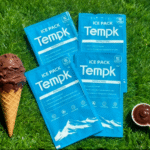
Los paquetes de gel son ideales para envíos de corta duración en el rango de 2°C a 8°C. Los PCM ofrecen un control preciso de la temperatura durante períodos más prolongados y están disponibles en varios puntos de ajuste. El hielo seco es necesario para envíos ultrafríos (−70 °C a −78,5 °C) pero debe usarse en contenedores ventilados y declararse como material peligroso.
Q3: ¿Necesito un seguro especializado para envíos express??
Sí. Es posible que el seguro de carga tradicional no cubra las variaciones de temperatura. Pólizas especializadas en cadena de frío cubren pérdida de producto por desvíos de temperatura, Fallos de equipos y retrasos logísticos..
Q4: ¿Con qué frecuencia debo calibrar mis registradores de temperatura??
Calibre los dispositivos de acuerdo con las recomendaciones del fabricante y los requisitos reglamentarios, generalmente anualmente o antes de envíos críticos.. Utilice estándares trazables NIST o UKAS para documentar la precisión.
Q5: ¿Qué es una ruptura de la cadena de frío?, y que debo hacer si sucede?
Una violación de la cadena de frío ocurre cuando un producto excede su rango de temperatura o duración permitida.. Poner en cuarentena inmediatamente el producto., consultar datos de estabilidad específicos del producto y notificar a las partes interesadas. Documentar la excursión y realizar un análisis de la causa raíz para evitar que se repita..
Sugerencia
La cadena de frío farmacéutica está evolucionando rápidamente. Las conclusiones clave incluyen:
El control estricto de la temperatura es esencial. Incluso las excursiones breves pueden hacer que los productos biológicos sean inútiles o peligrosos..
Las regulaciones se están endureciendo. Los plazos de la DSCSA y las directrices del PIB exigen serialización, trazabilidad y equipos validados.
La tecnología impulsa el éxito. sensores de iot, La IA y la cadena de bloques proporcionan visibilidad en tiempo real e información predictiva.
La sostenibilidad importa. Transportadores reutilizables, Los PCM y los vehículos eléctricos de base biológica reducen el impacto ambiental y pueden reducir los costos..
Gestión de riesgos y formación. son vitales. Realizar AMEF, planificar contingencias e invertir en formación del personal.
Para actuar sobre esta información:
Evalúe su cartera de productos. Determinar los rangos de temperatura., tiempos de espera y perfiles de riesgo de cada producto.
Actualice su embalaje. Invierta en sistemas pasivos reutilizables o contenedores activos cuando sea necesario. Incorpore sensores de IoT y blockchain para una visibilidad total.
Entrena a tu equipo. Proporcionar formación sobre GDP y DSCSA., enfatizar los protocolos de emergencia y garantizar que todos comprendan los requisitos de documentación.
Asóciese estratégicamente. Trabajar con proveedores de logística con experiencia en el cumplimiento del PIB., Serialización de DSCSA y prácticas sostenibles..
Implementar la sostenibilidad. Utilice PCM de base biológica y contenedores reutilizables., adoptar vehículos eléctricos para la entrega de última milla y reciclar envases.
Listo para mejorar su cadena de frío de entrega urgente de productos farmacéuticos? Comience por evaluar sus procesos actuales e identificar brechas. Invertir en la tecnología adecuada, El empaquetado y la capacitación ahora lo ayudarán a cumplir con las normas., proteger la seguridad del paciente y construir un entorno resiliente, cadena de suministro sostenible.
Acerca de Tempk
Tempk es especialista en soluciones de seguimiento y envasado de cadena de frío. Nosotros Diseño y fabricación de cargadores aislados., paquetes de gel y registradores de temperatura de IoT que mantienen sus productos farmacéuticos seguros desde el laboratorio hasta el paciente. Nuestras soluciones cumplen con los requisitos de DSCSA y GDP y están calibradas según los estándares NIST y UKAS.. Con décadas de experiencia, nosotros apoyar a los clientes en productos biológicos, vacunas y terapias celulares, ofreciendo opciones de embalaje reutilizables y 24/7 plataformas de monitoreo. Contacto a nosotros para saber cómo podemos ayudarle a navegar el panorama regulatorio de 2025 y entregar medicamentos con confianza.
Llamado a la acción:
Necesita orientación para mejorar su cadena de frío? Comuníquese con nuestros expertos hoy para una evaluación personalizada y comience a transformar su logística farmacéutica..