Cómo ejecutar soluciones de procesos pesqueros de cadena de frío (2025)
Soluciones de procesos pesqueros de cadena de frío ayudarle a mantener los peces seguros, fresco, y rentable controlando tiempo + temperatura + humedad del muelle a la puerta. Si su producto se calienta incluso 2–3°C, la vida útil puede disminuir y la textura puede suavizarse rápidamente.
En 2025, la “victoria” más simple sigue siendo la misma: mantener pescado fresco cerca de 0-2°C y mantener pescado congelado a -18°C o menos, luego pruébalo con registros.
Este artículo te ayudará a responder.
-
Cómo las soluciones de procesamiento de pescado en cadena de frío reducen el deterioro y la pérdida de calidad
-
¿Qué temperatura ideal para el transporte de pescado refrigerado como se ve en las operaciones diarias
-
como proteger temperatura de almacenamiento de pescado congelado −18°C a través de retrasos del mundo real
-
Cómo prevenir el riesgo de histamina usándola mejor disciplina tiempo-temperatura
-
como elegir embalaje de pescado fresco y soluciones de entrega de última milla que realmente mantienen la temperatura
-
Cómo validar soluciones de procesos pesqueros de cadena de frío por carril, estación, y nivel de servicio
¿Por qué las soluciones de procesos pesqueros de cadena de frío no son negociables para el pescado??
Procesos de pescado en cadena de frío Las soluciones son importantes porque el pescado se deteriora más rápido que la mayoría de los alimentos, y el daño causado por el calentamiento es irreversible.
Solución de procesos de pescado de cadena de frío…
Cuando la temperatura sube, Las bacterias crecen más rápido y las enzimas suavizan la estructura muscular.. Puedes volver a enfriar el pescado más tarde., pero no puedes “deshacer” la frescura perdida.
Piense en la frescura como la batería de un teléfono. El calor lo drena rápidamente. Las soluciones de procesos de pescado de cadena de frío ralentizan el drenaje para que usted llegue con “vida útil de la batería” para vender: más días de vida útil, menos rechazos, y menos reembolsos.
¿Qué sucede cuando el pescado se calienta unos pocos grados??
Una pequeña variación de temperatura a menudo causa el mayor dolor empresarial: textura suave, quejas de olores, y vida útil impredecible. una desviación de 2–3°C Puede acelerar el deterioro y reducir la vida útil en días..
Solución de procesos de pescado de cadena de frío…
| que calienta | ¿Qué cambia primero? | Lo que ves en la entrega | Lo que significa para ti |
|---|---|---|---|
| filetes frescos | La textura se suaviza | Sensación "blanda" | grado inferior, más retornos |
| pescado entero | El olor aumenta | Olor a “pescado” | Más quejas, confianza perdida |
| Producto congelado | deshielo parcial | Pérdida por goteo después de volver a congelar | Reclamaciones de calidad, costos de retrabajo |
Consejos prácticos que puede usar hoy
-
Establecer una regla para “detener la cola”: si el producto alcanza la temperatura de alerta, pausar y volver a congelar o enfriar.
-
Medir el tiempo por encima del objetivo: Los minutos por encima del objetivo predicen las pérdidas mejor que la "temperatura promedio".
-
Tratar la puesta en escena como producción: un muelle cálido sigue siendo parte de tu cadena de frío.
Ejemplo práctico: Una operación mejoró los resultados al reforzar el control de la temperatura en las primeras horas después de la cosecha., reducir notablemente las reclamaciones de calidad.
Solución de procesos de pescado de cadena de frío…
¿Qué objetivos de temperatura deberían alcanzar las soluciones de procesos pesqueros de cadena de frío??
Las soluciones de procesos pesqueros de cadena de frío funcionan mejor cuando se alcanzan dos objetivos de manera consistente: ~ 0 ° C (32°F) para pescado refrigerado y ≤−18°C para pescado congelado.
Solución de procesos de pescado de cadena de frío…
No se trata de “lo más frío posible”. se trata de estable, control repetible que coincida con el estado del producto.
Si solo recuerdas una frase, usa esto: El pescado refrigerado es una carrera contra el tiempo. El pescado congelado es una carrera contra el deshielo.
Temperatura ideal para el transporte de pescado refrigerado: ¿Qué significa "cerca de 0°C"??
Para pescado enfriado, Apuntar a condiciones cercanas al derretimiento del hielo. (alrededor 0°C / 32°F) para retardar el deterioro sin congelar la pulpa.
Solución de procesos de pescado de cadena de frío…
Utilice 0-2°C como objetivo de calidad, y trate los rangos más cálidos como breves excepciones.
| Estado del producto | Objetivo sencillo | Deriva de las “banderas rojas” | Lo que significa para ti |
|---|---|---|---|
| Fresco, pescado enfriado | ~0-2°C | >4°C durante largos períodos | Deterioro más rápido, textura más suave |
| Fresco (carreras locales cortas) | ≤4°C (retroceder) | Picos cálidos repetidos | Más variabilidad, más reclamos |
| Pescado congelado | ≤-18°C | Ciclos de calentamiento | Daños por descongelación/recongelación, pérdida por goteo |
Consejos prácticos que puede usar hoy
-
Escribir objetivos en el SOP, no en la cabeza de alguien.
-
Utilice dos umbrales: a advertencia línea y un riesgo de rechazo línea.
-
No mezclar fresco + congelado sin apretar: luchan entre sí térmicamente.
Nota del mundo real: Su proceso tiene éxito cuando la temperatura es estable y monitoreada de extremo a extremo, no “revisado una vez en el muelle”.
Solución de procesos de pescado de cadena de frío…
¿Cómo ganan las soluciones de procesos pesqueros de cadena de frío la primera hora después de la cosecha??
La primera hora es cuando las soluciones de procesos pesqueros de cadena de frío ganan vida útil o la pierden permanentemente.. Muchas operaciones apuntan al enfriamiento rápido inmediatamente después de la captura y durante la recepción., porque el calentamiento temprano crea daños “invisibles” que medidas posteriores no pueden solucionar.
En términos simples: si te enfrías tarde, estás pagando dos veces: una por el hielo y otra por los residuos.
Contacto con hielo vs.. “solo aire frio”: ¿Qué se enfría más rápido en la práctica??
Las soluciones de procesos pesqueros de cadena de frío generalmente se basan en contacto directo con el hielo + control de drenaje para un enfriamiento rápido, especialmente cuando el producto llega caliente. El enfriamiento por aire puede ser mucho más lento, y el enfriamiento lento reduce la vida útil.
| Método | Comportamiento de enfriamiento | Riesgo oculto | Lo que significa para ti |
|---|---|---|---|
| Contacto directo con el hielo | Rápido, estable cerca de 0°C | Acumulación de agua de deshielo | Necesita drenaje + revestimiento |
| Mezcla de agua helada (fango) | Enfriamiento por contacto muy rápido | control de saneamiento | Ideal para bolsas a granel |
| solo aire frio | Enfriamiento lento | Secado de superficies | se ve peor, vida útil más corta |
Consejos prácticos que puede usar hoy
-
Iniciar el reloj en la cosecha/recepción: seguimiento del tiempo hasta el hielo, no solo el tiempo de envío.
-
Usa capas finas: pilas profundas calientes en el medio primero.
-
Mantenga a los peces fuera del agua de deshielo: El agua de deshielo calienta y daña la textura..
Ejemplo práctico: Un enfriamiento temprano estricto y un manejo disciplinado pueden reducir las quejas por deterioro y estabilizar la calidad..
Solución de procesos de pescado de cadena de frío…
¿Cómo deberían funcionar las soluciones de procesos pesqueros de cadena de frío dentro de las plantas de procesamiento??
El procesamiento es donde las soluciones de procesos pesqueros de cadena de frío a menudo fallan silenciosamente. El pescado puede ingresar correctamente al almacenamiento en frío, luego calentar durante el fileteado, calificando, o tiempo de cola.
Solución de procesos de pescado de cadena de frío…
Tu objetivo es simple: ventanas de corta exposición, lotes pequeños, retornos rápidos al control del frío.
Piense en la línea de corte como en una cocina ocupada. Si la comida permanece en el mostrador por mucho tiempo, se calienta. El pescado es menos indulgente que la mayoría de los alimentos., por lo que su “contratiempo” debe ser breve y obligatorio.
Donde el procesamiento pierde temperatura con mayor frecuencia
| Punto de procesamiento | que sale mal | control rápido | Lo que significa para ti |
|---|---|---|---|
| filetear | Mucho tiempo en el banquillo | cuarto refrigerado + lotes pequeños | Textura más firme |
| Lavado | Exposición al agua tibia | enjuague frio + drenaje rápido | Menor carga bacteriana |
| Clasificación/calificación | esperando en colas | Carril “sin espera” | Menos calentamiento, menos rechazos |
| Embalaje | Empaque lento | Estaciones de preenfriado | Traspaso estable |
Consejos prácticos que puede usar hoy
-
Establecer un “tiempo máximo en banco” (ejemplo: 15 minutos) antes de que el producto vuelva a enfriarse.
-
Lote más pequeño, girar más rápido: menos esperas largas superan la "eficiencia de grandes lotes".
-
Diseñar flujo unidireccional: reducir el retroceso y la exposición de puertas abiertas.
Visión operativa: Reducir el tiempo de espera en las colas ocultas puede reducir las pérdidas sin necesidad de comprar equipos nuevos: simplemente mejorar el flujo y la aplicación de la ley..
¿Qué opciones de embalaje hacen que las soluciones de procesos pesqueros de cadena de frío sean confiables??
El embalaje es el escudo físico de las soluciones de procesos pesqueros de cadena de frío. Retarda la ganancia de calor, gestiona la humedad, y protege el producto durante las transferencias.
Solución de procesos de pescado de cadena de frío…
El embalaje no es mágico, aunque. Es más como un cinturón de seguridad.: Reduce el daño cuando algo sale mal., pero aún necesitas un proceso seguro.
Solución de procesos de pescado de cadena de frío…
Comparación de envases: Haga coincidir el embalaje con su producto y ruta.
| Estilo empaquetado | Mejor para | Riesgo principal | Lo que significa para ti |
|---|---|---|---|
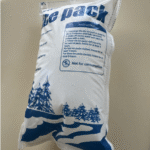
| paquetes de hielo (estilo mojado) | pescado fresco, ciclos cortos | Aguanieve + desorden | La mejor calidad si se gestiona bien
Solución de procesos de pescado de cadena de frío… |
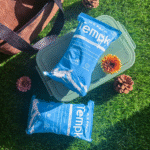
| Gel/pcm + cargador aislado | Parcela + última milla | Tamaño incorrecto = deriva | Limpiador, más repetible
Solución de procesos de pescado de cadena de frío… |
| Congelado (≤-18°C) + paquete de barrera | Larga distancia/exportación | Fluctuación | Fuerte estabilidad congelada
Solución de procesos de pescado de cadena de frío… |
Consejos prácticos que puede usar hoy
-
Escribe una receta para empacar: número de paquetes, colocación, horas objetivo.
Solución de procesos de pescado de cadena de frío…
-
Validar en la peor semana: clima más caluroso o temporada más ocupada.
Solución de procesos de pescado de cadena de frío…
-
Controlar el agua de deshielo: usar drenaje, revestimiento, y separación para que el pescado no se remoje.
-
Si envía especies con riesgo de histamina: Tratar el calentamiento como un “daño invisible” y reforzar los controles..
Solución de procesos de pescado de cadena de frío…
Ejemplo práctico: Cambiar de “más hielo” a PCM medido + El aislamiento puede mejorar la consistencia y reducir las quejas cuando las rutas son variables..
Solución de procesos de pescado de cadena de frío…
¿Cómo se transporta y rompe la última milla en la cadena de frío? Soluciones de procesos de pescado?
El transporte es donde las soluciones de procesos pesqueros de la cadena de frío enfrentan el mayor riesgo debido a los retrasos, aberturas de puertas, y la carga mixta crean inestabilidad de temperatura.
Solución de procesos de pescado de cadena de frío…
Muchos fracasos son logísticos., no técnico: largos tiempos de carga, mala ruta, y la exposición de la última milla deshace las victorias anteriores.
Solución de procesos de pescado de cadena de frío…
Desglose de riesgos de transporte que puede gestionar
| Fase de transporte | Riesgo principal | Estrategia de control | Lo que significa para ti |
|---|---|---|---|
| Cargando | Exposición al calor | Rápido, carga organizada | Temperatura central estable
Solución de procesos de pescado de cadena de frío… |
| Tránsito | Retrasos | Planificación de ruta + buffers | Entrega predecible
Solución de procesos de pescado de cadena de frío… |
| Última milla | Calor ambiental | Normas de manipulación aislada | Mejor frescura
Solución de procesos de pescado de cadena de frío… |
Soluciones de entrega de última milla para productos del mar frescos: tu “final” 2 plan de horas”
| La realidad de la última milla | Paquete básico | control de procesos | Lo que significa para ti |
|---|---|---|---|
| Entrega de cita | Aislamiento estándar + refrigerante medido | ventana estrecha | Menos puntos calientes |
| Riesgo de puerta/lobby | Mayor aislamiento + tiempo de espera adicional | Firma/OTP o retención al momento de la recogida | Menos reembolsos |
| Paradas mixtas | Separación de zonas | Regla de límite de parada | Mejor consistencia |
Consejos prácticos que puede usar hoy
-
Vehículo preenfriado + carga de preenfriamiento + cargar rapido.
-
Zonas separadas: refrigerados y congelados necesitan separación física.
-
Crear reglas de excepción: La entrega fallida es un riesgo conocido: decida de antemano qué sucederá a continuación..
Recordar: El transporte es una “sala fría en movimiento”. Si lo diseñas de esa manera, Dejas de confiar en la suerte..
Solución de procesos de pescado de cadena de frío…
¿Cómo puede el monitoreo mejorar las soluciones de procesos pesqueros de cadena de frío??
Las soluciones de procesos pesqueros de cadena de frío dependen del monitoreo porque no se puede mejorar lo que no se puede ver. Sin datos, Encuentra fallas solo después de que el cliente se queja.. El monitoreo también reduce las disputas entre socios porque reemplaza las opiniones con marcas de tiempo..
Comience simple. No necesita "más datos". Necesitas los datos correctos.
Métodos de seguimiento que añaden valor real
| Método de seguimiento | lo que atrapa | Nivel de esfuerzo | Lo que significa para ti |
|---|---|---|---|
| Cheques de manchas | Grandes fracasos | Bajo | Solo línea de base; pierde picos
Solución de procesos de pescado de cadena de frío… |
| Registradores de datos | Zapatillas con clavos + duración | Medio | Corregir rutas y hábitos de carga.
Solución de procesos de pescado de cadena de frío… |
| Indicadores inteligentes (Papá) | Exposición acumulada | Bajo a escala | “prueba simple,"todavía indirecto
Solución de procesos de pescado de cadena de frío… |
Consejos prácticos que puede usar hoy
-
Realice un seguimiento de dos KPI primero: temperatura máxima y tiempo por encima del objetivo.
-
Coloque sensores donde ocurren los problemas: cerca de puertas y rincones cálidos.
Solución de procesos de pescado de cadena de frío…
-
Revisar las excepciones primero: arregle los peores carriles antes de "optimizar todo".
-
Escriba un SOP de excepción de temperatura: quien decide, que hacer, como documentar.
Solución de procesos de pescado de cadena de frío…
Ejemplo práctico: Muchos equipos descubren que la excursión más importante es "esperar a que los recojan".,” no el transporte por carretera; luego, arregle la programación y la puesta en escena.
¿Cómo se validan las soluciones de procesos pesqueros de cadena de frío por carril??
La validación significa demostrar que sus soluciones de procesos pesqueros de cadena de frío mantienen la temperatura en rutas reales., en temporadas reales, con personal normal. Así se deja de debatir y se empieza a estandarizar.
Un sencillo procedimiento: validación de carril en 7 pasos
-
Elija sus carriles principales por volumen y tasa de quejas.
-
Definir límites de aprobación/rechazo (fresco versus congelado).
-
Empaque usando su SOP estándar (ningún “esfuerzo especial”).
-
Coloque un registrador en el lugar más cálido del cargador..
-
Ejecute suficientes envíos para ver la variabilidad (no solo uno).
-
Revisar la temperatura máxima, tiempo por encima del límite, y puntos de retraso.
-
Cambiar una variable a la vez, luego vuelva a probar.
Solución de procesos de pescado de cadena de frío…
| Elemento de validación | que grabar | pasar señal | Lo que significa para ti |
|---|---|---|---|
| Momento de empaquetado | Minutos desde el enfriamiento hasta el sellado | Coherente | Calidad repetible |
| Uso de refrigerante | Peso/cuenta por caja | Estable | control de costos |
| Tiempo puerta a puerta | Horas | Previsible | Mejor frescura |
| Curva de temperatura | Máximo + duración | En especificaciones | Menos rechazos |
Herramienta de decisión interactiva: elija el nivel de control correcto
Paso 1: Califica tu riesgo (1–4 cada uno)
-
Producto: vivo/ultra fresco (4), filetes enfriados (3), pescado entero (2), congelado (1)
-
Tiempo de tránsito: mismo dia (1), día siguiente (2), 2+ días (4)
-
Ambiente: Frío (1), leve (2), temporada calurosa (4)
-
Última milla: nombramiento/firma (1), medio (2), alto riesgo de porche/vestíbulo (4)
Paso 2: Añade tu puntuación y elige
-
4–7: Aislamiento básico + control estándar de hielo/congelado
-
8–11: Actualizar POE + monitoreo puntual
-
12–16: Embalaje específico para carriles + ventanas más estrechas + manejo de excepciones
-
17+: Considere los puntos de recongelación, enfriamiento activo, o cambiar el nivel de servicio
Por que funciona: usted relaciona las soluciones de procesos pesqueros de cadena de frío con el riesgo real en lugar de adivinar.
¿Sus registros de trazabilidad son parte de las soluciones de procesos de pescado en cadena de frío??
En 2025, Las soluciones de procesos pesqueros de cadena de frío incluyen cada vez más preparación para la trazabilidad. Cuando algo sale mal, la forma más rápida de limitar los daños es poder responder: ¿Qué lote es este?? ¿A dónde fue?? ¿Qué evidencia de temperatura lo respalda??
Autoevaluación: puntuación de preparación de trazabilidad (0–20)
Date a ti mismo +2 por cada “sí”:
-
Puede identificar un código de lote para cada envío saliente.
-
Captas lote proveedor + fecha de recepción + cantidad en un sistema.
-
Registras transformaciones (reempaquetar/reetiquetar/combinar) claramente.
-
Puede producir un informe de envío/lote clasificable rápidamente.
-
Ha escrito POE para variaciones de temperatura y eventos de reetiquetado..
-
Capacita al personal y prueba un retiro simulado al menos una vez al año..
-
Puedes vincular evidencia de temperatura (ID del registrador/indicador) a mucho.
-
Los socios intercambian datos en un formato consistente.
-
Los registros están organizados., recuperable, y propiedad de un rol.
-
Mantienes las reglas de retención claras y consistentes.
0–7: Alto riesgo (arreglar cimientos)
8–14: Mejorando (cerrar brechas, prueba a menudo)
15–20: Fuerte (optimizar + automatizar)
2025 Tendencias en soluciones de procesos pesqueros de cadena de frío que debe tener en cuenta
En 2025, Las soluciones para los procesos pesqueros de cadena de frío están pasando del control básico de la temperatura al gestión predictiva de frescura—prevenir riesgos en lugar de reaccionar ante el deterioro.
Solución de procesos de pescado de cadena de frío…
Ese cambio está impulsado por mejores hábitos de revisión de datos, Más sistemas de embalaje reutilizables., y crecientes expectativas de coherencia de los compradores.
Solución de procesos de pescado de cadena de frío…
Última instantánea del progreso (práctico)
-
Modelado predictivo de temperatura: marcar los puntos de riesgo antes del envío.
Solución de procesos de pescado de cadena de frío…
-
Sistemas de cadena de frío reutilizables: mejorar la estabilidad y reducir el costo a largo plazo.
Solución de procesos de pescado de cadena de frío…
-
Integración de procesos: cosecha, tratamiento, y el transporte funcionan como un solo sistema.
Solución de procesos de pescado de cadena de frío…
Sugerencias de enlaces internos (en tu sitio)
-
Lista de verificación de soluciones de envasado de pescado fresco
-
Soluciones de entrega de última milla para productos del mar
-
Lista de verificación de auditoría de la cadena de frío
Solución de procesos de pescado de cadena de frío…
Preguntas frecuentes
Q1: ¿Cuál es la temperatura ideal para el transporte de pescado refrigerado??
Apuntar casi derritiendo el hielo (~ 0 ° C / 32°F) y mantén la deriva pequeña. Las soluciones de procesos pesqueros de cadena de frío funcionan mejor cuando se minimiza el tiempo por encima del objetivo, no cuando “comprobas una vez” y esperas.
Q2: ¿A qué temperatura de almacenamiento de pescado congelado debo apuntar??
Diseñar soluciones de procesos pesqueros de cadena de frío para mantener ≤-18°C con fluctuación mínima. Evite eventos de deshielo parcial, porque volver a congelar a menudo provoca pérdida por goteo y problemas de textura.
Q3: ¿El hielo por sí solo es suficiente para el transporte de pescado??
El hielo ayuda mucho., pero las soluciones de procesos pesqueros de cadena de frío generalmente también necesitan aislamiento + control de drenaje + escucha. De lo contrario, Las aperturas de puertas y la puesta en escena cálida aún pueden causar picos dañinos..
Q4: ¿Qué tan rápido debe entrar el pescado en la cadena de frío después de la cosecha??
Lo más rápido posible. Muchos equipos presionan para relajarse en la primera hora., porque el calentamiento temprano quema la vida útil que no puedes recuperar.
Solución de procesos de pescado de cadena de frío…
Q5: ¿Qué es el #1 Error de última milla en la entrega de mariscos frescos?
Tiempo de espera incontrolado (porche/vestíbulo/paradas de furgonetas). Arreglarlo con ventanas de entrega, reglas de firma/OTP, y paquetes dimensionados para el peor tiempo de espera.
Q6: ¿Cuál es la actualización más rápida y de bajo costo??
Eliminar "retrasos ocultos": acortar la puesta en escena, reducir las colas de procesamiento, y estandarizar los pasos de embalaje. Las soluciones de procesos pesqueros de cadena de frío mejoran más rápidamente cuando el flujo de trabajo se vuelve predecible.
Resumen y recomendaciones
Las soluciones de procesos pesqueros de cadena de frío protegen la frescura, seguridad, y valor cuando se trata la cadena como un solo sistema, no pasos separados. Estable, El control monitoreado reduce las pérdidas y hace que la calidad sea repetible..
Solución de procesos de pescado de cadena de frío…
Centrarse en dos objetivos de temperatura, eliminar retrasos ocultos, estandarizar los paquetes por carril, y realice un seguimiento del tiempo por encima del objetivo como su principal KPI.
Tus próximos pasos (plan sencillo)
-
Mapea tu cima 5 puntos de exposición a la temperatura.
Solución de procesos de pescado de cadena de frío…
-
Reforzar la disciplina de procesamiento y los límites de tiempo en el banquillo.
Solución de procesos de pescado de cadena de frío…
-
Paquete mejorado para estabilidad térmica específica del carril.
Solución de procesos de pescado de cadena de frío…
-
Agregue monitoreo básico en rutas críticas y revise las excepciones semanalmente.
Solución de procesos de pescado de cadena de frío…
Acerca de Tempk
Tempk respalda las soluciones de procesos pesqueros de cadena de frío con prácticas opciones de aislamiento, flujos de trabajo de visibilidad de temperatura, y diseño de SOP basado en carriles, centrado en la repetibilidad en la logística real de productos del mar, no teoría.
Solución de procesos de pescado de cadena de frío…
Te ayudamos a estabilizar la calidad, reducir las pérdidas, y genere confianza con los clientes al hacer que el control de frío sea más fácil de ejecutar todos los días.
Acción: Si estás actualizando rutas o pack-outs, Solicite una lista de verificación de validación de carril y una revisión del paquete para que se pruebe su próximo cambio., no adivinado.