Cadena de frío para alimentos y productos congelados: 2025 Guía de expertos
Actualizado: Diciembre 3, 2025
Mantener seguros los alimentos congelados y los productos frescos no se trata sólo de ponerlos en el refrigerador, sino de gestionar un consumo cuidadosamente controlado. cadena de frio que se extiende desde la granja hasta la mesa. Con aproximadamente 70 % de alimentos en EE.UU.. manejados a través de logística de temperatura controlada y aproximadamente una cuarta parte de estos productos se pierden debido a violaciones de temperatura, una cadena de frío robusta protege sus productos, tus consumidores y tu negocio. Esta guía explica cómo Cadena de frío para alimentos y productos congelados. obras, Los rangos de temperatura y humedad que cada producto requiere., Tendencias emergentes en tecnología y sostenibilidad., y cómo evolucionan las regulaciones en 2025 afectará sus operaciones.
¿Qué es una cadena de frío para alimentos y hortalizas congeladas y por qué es vital??
¿En qué se diferencian los rangos ideales de temperatura y humedad entre productos frescos y congelados??
¿Qué tecnologías mejoran la visibilidad y previenen el deterioro en la logística de la cadena de frío??
¿Cómo la sostenibilidad y las nuevas regulaciones dan forma a la cadena de frío en 2025?
¿Qué medidas prácticas puedes tomar para fortalecer tu cadena de frío y reducir el desperdicio??
¿Qué es la cadena de frío y por qué es importante??
La cadena de frío se refiere a una cadena de suministro con temperatura controlada Diseñado para preservar la calidad de los alimentos desde la producción hasta el consumo.. Las frutas y verduras frescas siguen respirando y madurando después de la cosecha; Requieren bajas temperaturas. (32 - 55 °F) y alta humedad (80 - 95 %) Para retardar la respiración y la pérdida de agua.. Los alimentos congelados deben permanecer a temperaturas bajo cero para evitar el crecimiento microbiano y preservar la textura.. La cadena de frío incluye preenfriamiento en la cosecha., transporte refrigerado, almacenes frigoríficos y congeladores minoristas o domésticos.
Una logística eficiente de la cadena de frío es esencial porque la refrigeración representa aproximadamente 15 % del consumo mundial de energía, todavía alrededor 25 % de los alimentos transportados en frío se desperdician cuando las temperaturas fluctúan. Con la creciente demanda de productos frescos y comidas congeladas por parte de los consumidores y las cadenas de suministro que se extienden por todos los continentes, Mantener temperaturas frías constantes protege la seguridad alimentaria., reduce el desperdicio y mantiene la reputación de la marca.
¿Qué zonas de temperatura existen en una cadena de frío??
Diferentes productos requieren distintas bandas de temperatura:
| Zona | Rango de temperatura | Productos típicos | Importancia para ti |
| Congelamiento profundo | –25 °C a –30 °C (–13 °F a –22 °F) | Helado, mariscos | Mantiene los alimentos sólidos como una roca; Previene la degradación de la textura y el crecimiento microbiano.. |
| Congelado | –10 °C a –20 °C (14 °F a –4 °F) | Carne congelada, artículos de panadería | Mantiene la calidad del producto y reduce el uso de energía en comparación con el congelador.. |
| Enfriar / Refrigerado | 2 °C a 4 °C (36 °F a 39 °F) | frutas frescas, verduras, lácteos | Retarda la respiración y el crecimiento microbiano sin daños por congelación.. |
| Farmacéutico | 2 °C a 8 °C (36 °F a 46 °F) | Vacunas, medicamentos | Previene la pérdida de potencia.; crítico para el cuidado de la salud. |
| Banana / Tropical | 12 °C a 14 °C (54 °F a 57 °F) | Plátanos, aguacates, tomates | La gama más cálida evita daños por frío y garantiza una maduración adecuada. |
Dentro de estas bandas, humedad relativa (RH) juega un papel crucial. Las verduras de hojas verdes y la mayoría de las frutas necesitan 90 - 95 % RH para evitar que se marchite, mientras que las cebollas y el ajo se conservan mejor en 65 - 70 % RH. Los plátanos y los tomates requieren temperaturas más cálidas (12 - 15 °C) y humedad moderada. Mantener la humedad dentro del rango recomendado ayuda a que los productos se mantengan crujientes y reduce la pérdida de peso durante el almacenamiento..
Por qué es importante la gestión del etileno
Se liberan muchos frutos. etileno, un gas de maduración natural. Artículos que producen etileno como las manzanas., Los plátanos y los aguacates no deben almacenarse cerca de artículos sensibles al etileno, como verduras de hojas verdes o bayas, para evitar la maduración prematura o el deterioro.. Separar estos productos y utilizar envases transpirables reduce la contaminación cruzada. Una simple regla general: almacene los productores de etileno en un compartimento o bolsa separada dentro de su hielera.
Control de llave
Una cadena de frío es una serie de ambientes controlados que Mantenga seguros los productos sensibles a la temperatura. desde la cosecha hasta el consumo.
Diferentes alimentos requieren distintos rangos de temperatura y humedad.; congelador para helado, frío para verduras de hojas verdes, y condiciones tropicales más cálidas para los plátanos.
Gerente humedad y etileno Es tan importante como la temperatura para conservar la textura y el sabor..
Cómo afectan la temperatura y la humedad a los diferentes alimentos
La combinación correcta de temperatura y humedad ralentiza la respiración, Conserva la textura y prolonga la vida útil.. Exploremos cómo estas condiciones difieren entre los alimentos congelados y las distintas categorías de productos..
Alimentos Congelados: Manténgalo por debajo de cero
Productos congelados como la carne., Los mariscos y las comidas preparadas deben permanecer debajo. 0 °F (–18 ºC) para inhibir el crecimiento microbiano. De acuerdo a , alimentos congelados almacenados continuamente a 0 °F se puede mantener de forma segura por períodos indefinidos, aunque la calidad puede disminuir con el tiempo. Mantener el congelador a –18 °C o menos garantiza que las carnes no goteen ni se vuelvan a congelar y mantiene la calidad de los productos de panadería y las comidas preparadas.. Evite abrir puertas con frecuencia para reducir las fluctuaciones de temperatura y la acumulación de humedad..
Productos refrigerados: Una talla no sirve para todos
La mayoría de las frutas y verduras prosperan en el 32 °F a 41 °F (0 - 5 °C) rango. Sin embargo, hay matices importantes:
Verdes de hoja (lechuga, espinaca, col rizada): Tienda en 32 - 36 °F con 90 - 95 % RH para mantener las hojas crujientes. La alta humedad previene el marchitamiento y la pérdida de peso..
bayas (fresas, frambuesas): Requerir 32 - 36 °F con 90 - 95 % RH. Su piel fina los hace sensibles a la deshidratación y al etileno..
manzanas y peras: Prefiero sobre 32 °F con alrededor 90 % RH. Manténgalos separados para evitar daños por etileno a las verduras..
tomates: hacerlo mejor en 50 - 55 °F con 65 - 75 % RH. Almacenándolos a continuación 50 °F puede causar un sabor suave y una textura harinosa.
Cítricos y frutas subtropicales. (naranjas, piñas): Requerir 7 - 10 °C (45 - 50 °F); Las condiciones más frías causan daños por frío..
Plátanos y plátanos: Necesidad 12 - 15 °C (54 - 59 °F) y humedad moderada. La refrigeración puede oscurecer la piel y detener la maduración..
cebollas y ajo: Prefiere el almacenamiento seco en 65 - 70 % RH. Demasiada humedad fomenta el moho..
Control de humedad: No deje que sus productos se deshidraten
La alta humedad ralentiza la transpiración y reduce la pérdida de peso.. Utilice las siguientes tácticas en su hielera o refrigerador:
Humidificadores y sistemas de nebulización.: Agregar humedad al aire mantiene las hojas crujientes.
Ventilaciones y flujo de aire ajustables: Regule la velocidad del aire y la ventilación en relación con la carga de almacenamiento para mantener la humedad..
Barreras y revestimientos contra la humedad.: Utilice materiales de embalaje y paneles aislantes que retengan la humedad..
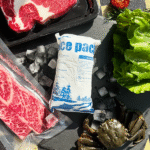
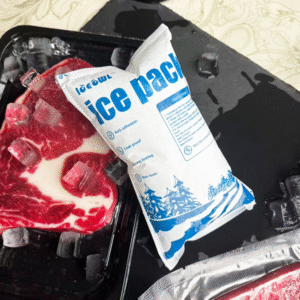
Pisos mojados o bolsas de hielo: En algunos trasteros, mojar el piso o empacar productos con hielo picado puede mantener una humedad alta.
Garantizar la humedad adecuada mantiene sus productos con un aspecto fresco y reduce la contracción que erosiona su margen de beneficio..
Tecnología que mantiene intacta la cadena de frío
Mantener la temperatura y la humedad manualmente no es práctico; Las cadenas de frío modernas dependen de la tecnología para monitorear, controlar y optimizar las condiciones a lo largo de miles de millas. Aquí hay innovaciones clave que transforman la logística de la cadena de frío:
Monitoreo en tiempo real y sensores de IoT
El monitoreo continuo garantiza que los productos permanezcan dentro de límites seguros de temperatura y humedad durante el transporte y el almacenamiento.. Internet de las cosas (IoT) sensores Le permite realizar un seguimiento de las condiciones en el palet., nivel de camión o almacén y reciba alertas cuando las temperaturas cambien. Según guías de la industria., Los dispositivos IoT como Tive Solo 5G proporcionan alertas en tiempo real cuando las condiciones se desvían, permitiendo una acción correctiva rápida. Registradores de datos integrados con sistemas de gestión de almacenes. (WMS) ayudarle a demostrar el cumplimiento de la Ley de Modernización de la Seguridad Alimentaria (FSMA) y Buenas Prácticas de Distribución (PIB), que requieren transferencias de custodia documentadas y mapeo de temperatura validado.
Análisis predictivo e IA
Las nuevas plataformas de software combinan datos de sensores con aprendizaje automático para predecir fallas antes de que ocurran.. Usando mantenimiento predictivo y optimización de ruta, La IA puede ajustar las rutas de tránsito para evitar el tráfico o el clima cálido, coordinar las entregas para reducir el tiempo de permanencia y pronosticar cuándo las unidades de refrigeración necesitan servicio. Algunos sistemas incluso modelan la carga de calor dentro de un remolque o almacén para recomendar patrones de carga que minimicen los puntos calientes..
Automatización y Robótica
La automatización del almacén se está expandiendo más allá de los transportadores para incluir paletizadores robóticos y vehículos autónomos que operan de manera eficiente en entornos de baja temperatura.. Los sistemas automatizados pueden mejorar la precisión de la recolección y reducir la exposición humana a condiciones de frío. La robótica combinada con la IA permiten la optimización dinámica del espacio en almacenes frigoríficos, Asegurar que los artículos de alta rotación se almacenen más cerca de los muelles de carga para minimizar las aperturas de puertas y el uso de energía..
Camiones y contenedores frigoríficos inteligentes
Los contenedores frigoríficos modernos incorporan compresores de velocidad variable, diseños avanzados de flujo de aire y control de humedad para mantener un ambiente estable. Muchas unidades se conectan a la telemática a bordo., Permitir a los administradores de flotas monitorear la ubicación., Estado de la puerta y temperatura de la carga en tiempo real.. Para envíos multizona, común cuando se transportan productos congelados junto con productos refrigerados, los controles digitales crean diferentes zonas de temperatura dentro de un solo remolque..
Blockchain y Trazabilidad
Se está probando la tecnología Blockchain para registrar cada transferencia dentro de la cadena de suministro., Garantizar la transparencia y acelerar las retiradas.. bajo el Regla de trazabilidad de alimentos de la FSMA, las empresas deben documentar Elementos de datos clave para cada uno Evento de seguimiento crítico y proporcionar registros dentro 24 horas durante las investigaciones. El plazo de cumplimiento se ha ampliado a Julio 20, 2028, pero planificar con anticipación es esencial. Blockchain puede simplificar el cumplimiento al vincular los datos de los sensores con los documentos de transferencia, crear registros a prueba de manipulación.
Control de llave
Los sensores y la telemática de IoT permiten Monitoreo continuo y respuesta inmediata..
La IA y el análisis predictivo mejoran la planificación de rutas, mantenimiento y utilización de la capacidad.
Los camiones inteligentes ofrecen control de temperatura y gestión de la humedad en varias zonas.
Blockchain y la trazabilidad digital ayudan a cumplir los requisitos de la FSMA.
Sostenibilidad y regulación dando forma a la cadena de frío en 2025
En 2025, La sostenibilidad no es una opción, es un requisito.. Las cadenas de frío consumen energía y a menudo dependen de refrigerantes con alta potencial de calentamiento global (GWP). Los gobiernos y los consumidores esperan que los proveedores de logística reduzcan las emisiones, adoptar energía renovable y demostrar prácticas éticas.
Logística Verde y Eficiencia Energética
El sector de la cadena de frío representa una parte importante de las emisiones de gases de efecto invernadero debido a la refrigeración que consume mucha energía y a los camiones propulsados por diésel.. Por lo tanto, los proveedores de logística están adoptando logística verde estrategias. Estos incluyen:
Fuentes de energía renovables: Integrar paneles solares y energía eólica en almacenes y centros de distribución para reducir los costos de electricidad y las emisiones..
Equipos energéticamente eficientes: El uso de variadores de frecuencia y aislamiento avanzado reduce el consumo de energía en las instalaciones de almacenamiento en frío.
Pasar a la iniciativa –15 °C: Algunos operadores están experimentando con aumentar las temperaturas estándar de almacenamiento congelado de –18 °C a –15 °C., lo que puede ahorrar energía significativamente manteniendo la seguridad alimentaria.
Prácticas de carga inteligentes: La optimización dinámica del espacio garantiza que los productos que requieren un acceso frecuente se coloquen más cerca de las puertas, reduciendo el tiempo que permanecen abiertos y ahorrando energía.
Cambios regulatorios: Restricciones de FSMA y HFC
Dos regulaciones clave que impactan las operaciones de la cadena de frío en 2025 son los Regla de trazabilidad de alimentos de la FSMA y el Hidrofluorocarbono de la EPA (HFC) reducción gradual.
FSMA 204 Regla de trazabilidad de alimentos: La regla requiere que las empresas mantengan registros detallados de los alimentos incluidos en la Lista de Trazabilidad de Alimentos.. La FDA ha propuesto ampliar la fecha de cumplimiento a partir de enero 20, 2026, a Julio 20, 2028, para permitir más tiempo para la preparación. Sin embargo, las empresas todavía necesitan registrar elementos de datos clave, conectarse con proveedores e invertir en tecnología.
Restricciones de la EPA sobre HFC: Comienzo Enero 1, 2025, Estados Unidos. La Agencia de Protección Ambiental limita la venta, Fabricación y exportación de equipos de refrigeración que contienen hidrofluorocarbonos de alto PCA.. Los frigoríficos domésticos deberán utilizar refrigerantes con PCA menos que 150 por 2025. Los operadores de almacenamiento en frío deben modernizar o reemplazar los sistemas con alternativas de bajo PCA, como el CO₂., amoníaco o hidrofluoroolefinas (HFO). Esta transición requiere planificación financiera pero reduce el impacto ambiental y el riesgo de cumplimiento..
Los alimentos de origen vegetal y especializados impulsan la demanda
La demanda de los consumidores de carnes de origen vegetal, las alternativas lácteas y los platos preparados siguen aumentando. Maersk y otros proveedores de logística señalan que los productos de origen vegetal, se espera que alcance 162 mil millones de dólares por 2030, Requieren nuevos requisitos de la cadena de frío, como una vida útil más corta y un control de temperatura más estricto.. Además, La antigua infraestructura de almacenamiento en frío se está actualizando para manejar una oleada de productos especializados y cumplir con regulaciones energéticas más estrictas..
Resiliencia y diversificación de la cadena de suministro
Los recientes acontecimientos geopolíticos y las condiciones meteorológicas extremas han puesto de relieve las vulnerabilidades de las cadenas de suministro mundiales. Las partes interesadas están avanzando hacia Modelos de distribución regional y centrados en los puertos. para reducir los tiempos de tránsito y la dependencia de unos pocos nodos. Desarrollar la capacidad local, invertir en construido a la medida (BTS) El almacenamiento en frío y la adopción de estrategias de transporte multimodal pueden mejorar la resiliencia.. Porque 2025 Las previsiones climáticas sugieren olas de calor y tormentas más frecuentes, invertir en redundancia y energía de respaldo también protege el inventario.
Control de llave
Prácticas de sostenibilidad como las energías renovables., la mejora del aislamiento y la iniciativa Move to –15 °C reducen el consumo de energía.
Plazos regulatorios—FSMA 204 cumplimiento en 2028 y la reducción gradual de los HFC a partir de 2025: requieren una planificación proactiva.
Los alimentos de origen vegetal y los productos especiales requieren un control más preciso de la temperatura y la humedad..
La resiliencia de la cadena de suministro a través de centros locales y construida para adaptarse a las instalaciones reduce el riesgo.
Pasos prácticos para fortalecer su cadena de frío
Ya sea que administre una granja, empresa de alimentación o servicio de logística, Puede implementar varias mejores prácticas para mantener la calidad y reducir el desperdicio.. Aquí hay una hoja de ruta concisa:
Prácticas de preenfriamiento y cosecha
Cosecha temprano en la mañana: Temperaturas anteriores 70 °F aceleran la respiración y el deterioro. Cosechar durante la mañana fresca preserva la frescura.
Pre-enfriar inmediatamente: Utilice refrigeración de la habitación, refrigeración por aire forzado, hidroenfriamiento o enfriamiento al vacío dependiendo del producto. Por ejemplo, El hidroenfriamiento funciona bien para las verduras de hojas verdes., mientras que la refrigeración por aire forzado es adecuada para las bayas y las judías.
Mantenga los productos a la sombra: La luz solar directa calienta rápidamente. Proporcionar sombra en el campo y durante el transporte a las instalaciones de preenfriamiento..
Consejos de transporte y almacenamiento
Utilice contenedores aislados y embalajes transpirables.: Las cajas aisladas y las cubiertas para palés ayudan a mantener temperaturas estables, mientras que las películas transpirables permiten el intercambio de gases y evitan la condensación.
Mantener el control multizona: En cargas mixtas, Separe los productos congelados de los productos refrigerados con particiones y controles de temperatura independientes..
Monitorear constantemente: Emplear sensores de IoT que miden la temperatura, humedad, estado de choque y puerta. Configure alarmas para desviaciones y registre datos para auditorías..
Gestionar el etileno y la ventilación.: Envuelva los envíos en bolsas de polietileno para controlar la exposición al etileno. Asegure un flujo de aire adecuado alrededor de las paletas y evite empaquetar las cajas demasiado apretadas.
Gestión y mantenimiento de instalaciones
Validar mapeo de temperatura: Realice un mapeo de temperatura para cada zona de almacenamiento y asegúrese de que el equipo cumpla con los requisitos de FSMA y GDP..
Plan de despido: Instalar generadores de respaldo y tener unidades de refrigeración de repuesto listas en caso de falla..
Entrena a tu equipo: Brindar capacitación sobre el manejo de productos congelados y frescos., Leer sensores y responder a alarmas.. El error humano sigue siendo una de las principales causas de las brechas de temperaturaitsallgoodsinc.com.
Herramientas interactivas y evaluaciones
Listas de verificación de autoevaluación: Cree una lista de verificación para cada etapa de su cadena de frío: preenfriamiento, transporte, almacenamiento y venta al por menor. Haga preguntas como "¿Se mantiene el producto a la temperatura correcta?"?” y “¿Están los sensores calibrados??"
Calculadoras de costo beneficio: Utilice calculadoras que comparen el costo de actualizar el equipo con los ahorros potenciales derivados de la reducción del desperdicio y el uso de energía..
Árboles de decisión: Proporcione diagramas de flujo interactivos en su sitio web que ayuden a los productores o minoristas a decidir qué método de enfriamiento o empaque elegir según el tipo de producto y el tiempo de tránsito..
Ejemplo del mundo real: Una cadena de supermercados regional implementó sensores IoT y alertas en tiempo real en sus camiones frigoríficos. Cuando un frigorífico funcionó mal y la temperatura comenzó a subir por encima 5 °C, el conductor recibió una alerta, detenido, y el despacho envió una unidad de reemplazo. Al actuar dentro 15 minutos (el tiempo de respuesta recomendado para excursiones críticas), la empresa evitó un posible $15,000 pérdida de productos en mal estado. Esta simple inversión en tecnología se amortizó en cuestión de semanas.
2025 Últimos desarrollos y tendencias de la cadena de frío
Descripción general de la tendencia
La industria de la cadena de frío está evolucionando rápidamente. Estos son los avances más notables en 2025:
La sostenibilidad se vuelve obligatoria: Los grandes minoristas y los gobiernos exigen a los proveedores de la cadena de frío que adopten energías renovables y reduzcan las emisiones de gases de efecto invernadero.. Los paneles de energía rastrean el consumo en tiempo real.
Logística impulsada por IA: El análisis predictivo optimiza las rutas, pronosticar el mantenimiento y asignar espacio de almacén dinámicamente.
Inversiones en cumplimiento normativo: Las empresas intensifican los sistemas de trazabilidad y planifican la eliminación gradual de los HFC para cumplir con los plazos de la FSMA y la EPA.
Ampliación de instalaciones y modelos centrados en puertos: Los proveedores de logística construyen nuevos almacenes frigoríficos cerca de puertos y centros urbanos para hacer frente al aumento de la demanda y reducir el transporte de larga distancia..
Aumento de los alimentos de origen vegetal: El crecimiento de proteínas de origen vegetal y comidas preparadas requiere nuevos procedimientos de manipulación para evitar sabores desagradables y contaminación cruzada..
Últimos avances de un vistazo
Energías Renovables en Almacenes: Muchas instalaciones de almacenamiento en frío funcionan ahora con una combinación de paneles solares y almacenamiento en baterías., reducir la dependencia de la red y mejorar la resiliencia durante los cortes de energía.
Embalaje inteligente: Los indicadores de tiempo y temperatura y las etiquetas RFID integradas en los envases brindan a los consumidores transparencia sobre la frescura y fomentan la confianza..
Plataformas Logísticas Colaborativas: Proveedores de logística de terceros (3PL) Ofrecemos almacenamiento en frío compartido y almacenes para múltiples inquilinos., permitir a los pequeños productores acceder a instalaciones y tecnología avanzadas.
Refrigerantes de bajo GWP: Los operadores están modernizando o reemplazando sistemas con refrigerantes naturales como CO₂ o amoníaco para cumplir con los límites de GWP de la EPA..
Ideas del mercado
El mercado mundial de la cadena de frío continúa expandiéndose. Los analistas proyectan un tasa de crecimiento anual compuesta (Tocón) de aproximadamente 13 % a través de 2032, impulsado por el comercio electrónico, Crecimiento de la población urbana y cambios en las preferencias de los consumidores.. La demanda de almacenamiento en frío es particularmente fuerte en Asia y América Latina, donde los consumidores de clase media están comprando más alimentos congelados., productos lácteos y frutas importadas. Sin embargo, Las cadenas de suministro en estas regiones a menudo carecen de infraestructura., creando oportunidades de inversión.
Preguntas frecuentes
Q1: ¿Por qué no puedo guardar plátanos y tomates en el frigorífico??
Los plátanos y los tomates son frutas tropicales que sufren lesión por frío cuando se expone a temperaturas inferiores a aproximadamente 12 °C (54 °F). El almacenamiento en frío oscurece las cáscaras de plátano y las vuelve blandas, tomates harinosos. Guárdalos a temperatura ambiente. (alrededor 12 - 15 °C) y lejos de vegetales sensibles al etileno.
Q2: ¿Cuánto tiempo se pueden almacenar de forma segura los alimentos congelados??
Los alimentos congelados se mantienen continuamente a 0 °F (–18 ºC) permanecer a salvo indefinidamente. Sin embargo, la calidad se deteriora con el tiempo. Etiquete los artículos con las fechas de empaque y rote el stock para usar primero los artículos más antiguos..
Q3: ¿Realmente necesito control de humedad para mis productos??
Sí. Alta humedad relativa (90 - 95 % para la mayoría de los productos) previene el marchitamiento, ablandamiento y pérdida de peso. Sin control de humedad, Verás hojas arrugadas y una vida útil más corta..
Q4: ¿Cuáles son las sanciones por incumplimiento de la FSMA? 204?
La FDA puede emitir cartas de advertencia, multas o incautaciones de productos si no mantiene los registros de trazabilidad requeridos para los artículos en la Lista de Trazabilidad de Alimentos. Actualmente se propone el plazo de cumplimiento para Julio 20, 2028, pero comenzar temprano reduce el riesgo de interrupciones.
Q5: ¿Existen refrigerantes ecológicos que pueda utilizar en mi instalación de almacenamiento en frío??
Sí. Refrigerantes naturales como el dióxido de carbono. (Co₂), amoníaco (NH₃) y el propano tienen un PCA muy bajo y se adoptan cada vez más como sustitutos de los HFC. El EPA 2025 restricciones a los refrigerantes con alto PCA alentar a los operadores a hacer la transición a estas alternativas.
Resumen y recomendaciones
Una cadena de frío exitosa para alimentos y productos congelados depende de comprender las características de cada producto. necesidades de temperatura y humedad, usando tecnología para monitorear las condiciones en tiempo real, y adoptando practicas sustentables. Los alimentos ultracongelados deben permanecer por debajo de –18 °C, mientras que las verduras de hojas verdes y las bayas requieren temperaturas cercanas al punto de congelación y alta humedad. Sensores inteligentes, Las herramientas de trazabilidad blockchain y logística impulsadas por IA mejoran la visibilidad y el cumplimiento. En 2025, mandatos de sostenibilidad y plazos regulatorios (FSMA 204 y eliminación de HFC) impulsar la innovación. Invirtiendo en equipos energéticamente eficientes, energías renovables y formación del personal, puedes reducir el desperdicio, Reducir costos y demostrar responsabilidad ambiental..
Próximos pasos viables
Audita tu cadena de frío: Mapear los requisitos de temperatura y humedad para cada producto., evaluar el equipo, e identificar puntos débiles.
Implementar monitoreo en tiempo real: Implemente sensores de IoT en camiones e instalaciones de almacenamiento e integre datos en su WMS.
Plan de cumplimiento normativo: Documentar eventos de seguimiento críticos, Adoptar refrigerantes de bajo PCA y prepararse para la FSMA. 204 y plazos de la EPA.
Invertir en sostenibilidad: Actualizar aislamiento, adoptar fuentes de energía renovables y considerar la posibilidad de pasar a –15 °C cuando corresponda.
Involucra a tu equipo: Capacitar al personal sobre el manejo adecuado., preenfriamiento, y procedimientos de emergencia para reducir el error humano.
Llamado a la acción: Listo para optimizar su cadena de frío? Póngase en contacto con nuestros expertos para una consulta gratuita sobre integración de tecnología y planificación de sostenibilidad. Le ayudaremos a diseñar una solución adaptada a sus productos y presupuesto..
Acerca de Tempk
Tempk es un proveedor líder de soluciones logísticas de temperatura controlada y sistemas de refrigeración energéticamente eficientes.. Nosotros se especializan en el diseño de instalaciones de almacenamiento en frío y redes de transporte que cumplen con estrictos estándares de seguridad alimentaria y al mismo tiempo reducen el consumo de energía.. Con monitoreo de IoT de vanguardia, Optimización de rutas impulsada por IA y experiencia en refrigerantes de bajo PCA, nosotros ayudar a los clientes a lograr el cumplimiento, reducir costos y reducir su huella de carbono.
Siguiente paso: ¿Quiere ver cómo las soluciones de Tempk pueden optimizar su cadena de frío?? Solicite una evaluación personalizada y construyamos juntos una cadena de suministro más sostenible.