Mantener los mariscos frescos desde la captura hasta el plato es un desafío de alto riesgo. El pescado fresco se echa a perder rápidamente, y estudios globales estiman que aproximadamente 35 % de productos del mar se desperdician debido a una mala manipulación poscosecha y a fallos en la cadena de frío. Al mismo tiempo, El mercado mundial de la cadena de frío está en auge: valorado en alrededor de 436 mil millones de dólares en 2025 con proyecciones de superar los 1,3 billones de dólares en 2034. Si eres pescador, procesador, minorista o restaurantero, Las soluciones de seguimiento eficientes son esenciales para proteger la calidad., Cumplir con la normativa y satisfacer a los consumidores más exigentes.. Esta guía muestra cómo Soluciones de seguimiento de productos del mar frescos en cadena de frío trabajar, Por qué importan, y cómo puede aplicarlos para salvaguardar sus productos y su reputación.
Comprender por qué el seguimiento y la trazabilidad eficaces son fundamentales para los productos del mar, incluyendo desafíos como el deterioro, pesca ilegal y etiquetado incorrecto.
Compare las tecnologías de seguimiento modernas, desde registradores de datos y sensores IoT hasta RFID, GPS y cadena de bloques, y comprender sus mejores usos.
Elija los embalajes aislantes y los refrigerantes adecuados (EPS, PPE, personaje) basado en la duración del envío, durabilidad y sostenibilidad.
Implementar una estrategia de trazabilidad de extremo a extremo, incluido el cumplimiento de FSMA 204, Estándares GDST y regulaciones europeas.
Explore las tendencias emergentes para 2025, como análisis impulsados por IA, La refrigeración con energía solar y la cadena de bloques permitieron la transparencia..
¿Por qué es fundamental el seguimiento de los productos del mar frescos en la cadena de frío??
Razones fundamentales
Los mariscos son extremadamente perecederos.. Sin enfriamiento oportuno, El crecimiento microbiano se acelera y la calidad disminuye.. La Organización para la Alimentación y la Agricultura (Fao) advierte que aproximadamente 35 % de productos del mar se desperdician en todo el mundo debido a un manejo postcosecha ineficiente y fallas en la cadena de frío. Las variaciones de temperatura durante el transporte o el almacenamiento a menudo provocan el rechazo de envíos completos., lo que lleva a la pérdida de ventas, reclamaciones de seguros y daños a la reputación de la marca.
Las fallas en la cadena de frío erosionan la confianza y los ingresos. Cuando los envíos se estropean debido a un retraso en la detección, las empresas enfrentan costosas retiradas del mercado, responsabilidades legales y daño reputacional. En una cadena de suministro donde los productos del mar suelen viajar miles de kilómetros y cruzar varias fronteras, mantener un control continuo es esencial.
La trazabilidad previene el fraude y la pesca ilegal. Los estudios muestran que casi Uno de cada tres productos del mar puede estar mal etiquetado, mientras que ilegal, no declarado y no regulado (INDNR) La pesca representa aproximadamente 20 % de peces capturados en el mundo y le cuesta a la economía hasta 36.400 millones de dólares anuales. Un seguimiento sólido disuade el fraude, garantiza la autenticidad del producto y apoya la pesca sostenible.
Las regulaciones exigen transparencia. Estándares globales como Análisis de Peligros y Puntos Críticos de Control (HACCP), la Ley de Modernización de la Seguridad Alimentaria (FSMA) y las regulaciones europeas de control de pesca requieren control de temperatura y trazabilidad documentados.. El monitoreo automatizado simplifica el cumplimiento y reduce el riesgo de sanciones.
Perspectivas más profundas: Desafíos en las cadenas de suministro de productos del mar
Las cadenas de suministro de productos del mar implican varias etapas, desde la captura en los barcos hasta el procesamiento., almacenamiento en frío, distribución y exhibición al por menor. Cada etapa presenta riesgos únicos:
| Escenario | Desafíos clave | Lo que significa para ti |
| Manejo a bordo | El pescado debe enfriarse inmediatamente después de su captura para evitar el crecimiento microbiano.. | Garantizar sistemas rápidos de glaseado o enfriamiento a bordo protege la calidad desde el principio. |
| Aterrizaje & preprocesamiento | Los retrasos en el muelle pueden acelerar el deterioro. | La coordinación con las instalaciones de procesamiento reduce los tiempos de espera y mantiene las temperaturas.. |
| Almacenamiento en frio | El apilamiento o el flujo de aire inadecuados crean “bolsas calientes”. | Los sensores ayudan a identificar el enfriamiento desigual y ajustar la disposición de las paletas. |
| Transporte refrigerado | Los camiones necesitan preenfriamiento, flujo de aire correcto y seguimiento de la temperatura en tiempo real. | Enfríe previamente los vehículos y utilice sensores para evitar arranques en caliente y mantener temperaturas constantes.. |
| Expositor minorista | Los mostradores de exhibición deben mantener condiciones inferiores a 2 °C para garantizar la vida útil y la seguridad.. | El monitoreo continuo garantiza que sus vitrinas se mantengan dentro de límites seguros. |
Estos desafíos subrayan la necesidad de soluciones integradas que combine un embalaje robusto con un seguimiento en tiempo real. Los registros manuales y los sistemas aislados a menudo retrasan la detección de problemas y provocan errores humanos.. La adopción de herramientas de seguimiento digital crea un flujo de datos unificado entre embarcaciones, almacenes, transporte y comercio minorista.
Consejos y consejos prácticos
Mapee su cadena de suministro: Enumere cada etapa – captura, aterrizaje, tratamiento, almacenamiento, transporte, mostrar e identificar puntos potenciales de variación o retraso de temperatura.
Priorizar la formación: Asegurar tripulaciones, Los conductores y el personal del almacén saben cómo manipular los productos del mar., leer datos del sensor y responder a alertas. La resistencia a la adopción digital es común entre las pequeñas operaciones; La capacitación regular genera confianza y responsabilidad..
Utilice identificadores únicos: Asignar números de lote, Códigos QR o etiquetas RFID para cada lote de captura o procesamiento. Esto vincula el pescado con su origen y permite un aislamiento rápido de los lotes problemáticos durante las retiradas..
Ejemplo de caso: A 2024 Un estudio de CJ Logistics America demostró cómo una nueva instalación de almacenamiento en frío cerca de Kansas City integró el monitoreo de IoT y la IA para reducir el consumo de energía y evitar variaciones de temperatura.. Combinando neveras portátiles EPP reutilizables con sensores inteligentes, la instalación mantuvo temperaturas precisas y cumplió con los estándares reglamentarios.
Qué tecnologías impulsan el seguimiento de productos del mar en la cadena de frío?
Descripción general
El seguimiento moderno de la cadena de frío se basa en una combinación de sensores, Redes de comunicación y plataformas de datos.. Cada tecnología juega un papel específico, y comprender sus puntos fuertes le ayudará a crear una solución adaptada a sus necesidades.
Registradores de datos: Registros históricos asequibles
Los registradores de datos son pequeños, Dispositivos alimentados por baterías que registran continuamente la temperatura y la humedad dentro de las unidades de almacenamiento en frío., vehículos o paquetes. Almacenan datos internamente y a menudo requieren una recuperación manual después de la entrega.. Sus principales ventajas son asequibilidad, facilidad de implementación y confiabilidad, haciéndolos adecuados para envíos de corta distancia o auditorías regulatorias. Sin embargo, Carecen de alertas en tiempo real (en el momento en que se lee el registro)., Es posible que ya se haya producido el deterioro..
Sensores inalámbricos basados en IoT: Visibilidad en tiempo real
Internet de las cosas (IoT) Los sensores transmiten datos de temperatura y ubicación a plataformas en la nube a través de Wi Fi., redes celulares o LoRaWAN. Estos sensores proporcionan accesibilidad remota y seguimiento continuo, eliminar la recopilación manual de datos y garantizar alertas inmediatas cuando se superan los umbrales. Los algoritmos predictivos analizan tendencias para pronosticar fallas en los equipos y optimizar rutas. La desventaja es el mayor costo y la dependencia de la conectividad de red..
Sensores de temperatura RFID: Puntos de control automáticos
Identificación por radiofrecuencia (RFID) Los sensores incorporan sensores de temperatura dentro de etiquetas adheridas a paletas o paquetes.. Los lectores RFID escanean automáticamente estas etiquetas cuando los envíos pasan por los puntos de control, agilizar la gestión de inventario y reducir el error humano. Son ideales para almacenes y centros de distribución de gran volumen.. Las limitaciones incluyen un rango de señal limitado y posibles interferencias de superficies metálicas o líquidos..
Rastreadores basados en GPS: Combinando ubicación y temperatura
Los rastreadores GPS integran monitoreo de ubicación y temperatura, proporcionando visibilidad en tiempo real de los envíos en movimiento. Se envían alertas si un vehículo se desvía de su ruta o si la carga experimenta fluctuaciones de temperatura.. Los rastreadores GPS apoyan la optimización de rutas y la seguridad de la carga, pero requieren una fuente de energía estable e incurren en costos de transmisión de datos..
Sensores BLE: De corto alcance, Monitoreo de baja potencia
Bluetooth de baja energía (BLE) oferta de sensores seguimiento de temperatura rentable Para distancias cortas, como almacenes y almacenamiento minorista. Transmiten datos a teléfonos inteligentes o puertas de enlace cercanas y consumen una energía mínima.. Sin embargo, su alcance limitado (30–100 metros) los hace inadecuados para envíos de larga distancia a menos que se combinen con puertas de enlace en la nube.
Contenedores refrigerados inteligentes (frigoríficos): Soluciones autorreguladoras
Los contenedores frigoríficos inteligentes son contenedores de transporte aislados equipados con sistemas de refrigeración y sensores automatizados.. Ellos Autorregula la temperatura interna y proporciona monitoreo en tiempo real.. Los contenedores frigoríficos son ideales para envíos de larga distancia o de gran volumen, pero consumen mucha energía y son caros..
Plataformas en la nube & Analítica
Las plataformas basadas en la nube agregan datos de sensores de IoT, Etiquetas RFID y rastreadores GPS, ofreciendo un Panel centralizado para análisis y cumplimiento.. Inteligencia artificial (AI) herramientas analizan los datos del sensor para predecir fallas de equipos y optimizar rutas. StartUs Insights informa que la industria de la cadena de frío presentó 2,800 patentes y añadido 26,800 empleados recientemente, reflejando una rápida innovación.
cadena de bloques: Registros inmutables para la confianza
Los sistemas tradicionales de trazabilidad en papel son propensos a errores y fraudes. La tecnología blockchain crea libros de contabilidad digitales a prueba de manipulaciones que registran cada cambio de custodia desde la captura hasta el consumo. Descentralizando la información, blockchain garantiza la transparencia y evita la manipulación de datos. Permite el seguimiento del origen., verificación de la cadena de custodia y documentación segura de las certificaciones de sostenibilidad. Blockchain también reduce el desperdicio y disuade la pesca ilegal al dificultar la inserción de productos ilícitos en la cadena de suministro..
Comparación de tecnologías de seguimiento
| Tecnología | Tiempo real? | Costo & Complejidad | Mejor caso de uso | Llevar |
| Registradores de datos | No; datos recuperados después del tránsito | Bajo | Registros históricos y auditorías. | Verificar cumplimiento; no puede evitar el deterioro durante el tránsito. |
| sensores de iot + GPS | Sí | Medio -alto | Viajes largos; envíos de alto valor | Proporcionar alertas continuas, datos de ubicación y optimización de rutas. |
| Sensores RFID | tiempo semi real; escaneado en los puntos de control | Medio | Almacenes y centros de distribución | Automatizar el escaneo y el inventario; requieren infraestructura. |
| sensores BLE | Sí, dentro de corto alcance | Bajo | Entregas minoristas y locales | Low power; limited range; bueno para monitoreo de última milla. |
| Smart reefers | Sí | Alto | Transporte marítimo; grandes volúmenes | Refrigeración autónoma; consume mucha energía pero es necesario para un tránsito prolongado. |
Consejos y consejos prácticos
Combinar tecnologías: Utilice registradores de datos para registros históricos y sensores de IoT o rastreadores GPS para monitoreo en tiempo real. Este enfoque por niveles garantiza tanto el cumplimiento como la intervención proactiva..
Elija sensores según la longitud del envío: Para entregas el mismo día o distribución a corto alcance, Los sensores BLE o RFID combinados con cajas EPP son asequibles y eficaces. Para envíos de varios días a través del país, invertir en sensores IoT con conectividad GSM y vehículos preenfriados.
Plan de conectividad: Garantiza cobertura de red a lo largo de tus rutas. LoRaWAN ofrece largo alcance, Conectividad de baja potencia en zonas rurales.; Es posible que se necesite telefonía celular o satelital para el transporte marítimo..
Ejemplo de caso: Un exportador que envía productos del mar congelados a todo el país utiliza neveras portátiles EPP o VIP., Sensores de hielo seco e IoT con conectividad GSM. Ellos preenfrian los camiones, calcular el peso del refrigerante en función del peso del producto y las condiciones ambientales, y utilice la planificación de rutas habilitada por IA para programar paradas para reabastecimiento de hielo seco. El resultado: Reducción de daños y reclamaciones de seguros..
Cómo elegir soluciones de refrigeración y embalaje aislado
Comprensión de los materiales de embalaje
No todas las neveras portátiles son iguales. El material aislante afecta el rendimiento térmico., durabilidad, costo y sostenibilidad. Las opciones comunes incluyen poliestireno expandido. (EPS), Polipropileno expandido (PPE) y paneles aislados al vacío (personaje). Cada uno tiene fortalezas y compensaciones..
| Material | Rendimiento de aislamiento | Durabilidad & Reutilizar | Beneficio del mundo real |
| Espuma EPS | Bueno para viajes cortos (≤24 h) | Durabilidad moderada; a menudo de un solo uso | Ligero y económico; ideal para entregas locales o envíos de muestras. |
| Espuma EPP | Muy bien; Mantiene el frío entre 48 y 72 h. | Alta durabilidad; reutilizable 100+ veces | Fuerte aislamiento y sostenibilidad.; acerca de 20 % mejor que EPS. |
| Papel/Fibra | Bueno para hasta 48 h | Durabilidad moderada; reutilización única o limitada | Respetuoso con el medio ambiente y reciclable en la acera; bueno para estrategias de embalaje sostenibles. |
| personaje | Excelente; valor R más alto | Durabilidad moderada a alta; reutilizable | Solución premium por mucho tiempo, Envíos de alto valor que requieren un control preciso de la temperatura.. |
| Revestimientos aislados | Aislamiento moderado; Depende del cartón exterior | Uso único o limitado | Flexible y rentable para entregas de última milla. |
Pasivo vs.. Enfriamiento activo
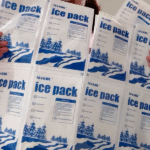
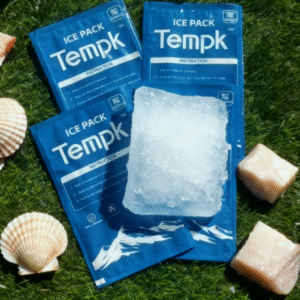
Enfriamiento pasivo Se basa en aislamiento y refrigerantes como paquetes de gel., hielo seco o materiales de cambio de fase. Los paquetes de gel mantienen los productos entre 0 y 10 °C hasta 72 horas, mientras que el hielo seco mantiene los productos congelados a –18 °C hasta 48 horas. Los sistemas pasivos son simples, portátil y no requiere electricidad, pero dependen de una carga adecuada y un cálculo cuidadoso de la cantidad de refrigerante..
Refrigeración activa utiliza unidades de refrigeración motorizadas, desde refrigeradores eléctricos portátiles hasta contenedores frigoríficos inteligentes. Los sistemas activos proporcionan un control de mayor duración y requieren energía. (batería del vehículo, red o solar). Son ideales para viajes largos o envíos grandes pero conllevan mayores costes y mantenimiento..
Características de diseño que importan
Las neveras portátiles de alta calidad incorporan características más allá del aislamiento:
Fácil manejo: La entrada bidireccional para horquillas/palés y las características de apilamiento empotrado facilitan la carga segura y minimizan los daños..
Construcción robusta: Las cubiertas exteriores de polietileno con aislamiento de poliuretano pueden ofrecer hasta Aislamiento R28.
Sellos herméticos: Los pestillos de goma de una pieza minimizan los picos de temperatura durante el transporte.
Componentes reutilizables: Las almohadillas de desgaste reemplazables y las superficies fáciles de limpiar permiten higiene y durabilidad..
Guía práctica de selección
Evaluar la duración del viaje: Utilice EPS para entregas locales cortas (<24 h). Para viajes de travesía o de exportación (48–72 h), invertir en palcos EPP o VIP.
Haga coincidir el refrigerante con el producto: Packs de gel para marisco refrigerado, hielo seco para pescado congelado, y materiales de cambio de fase para rangos de precisión.
Cajas y camiones pre chill: Enfríe siempre su equipo a la temperatura deseada antes de cargarlo..
Elija envases reutilizables: Las cajas EPP reutilizables reducen los residuos, lograr 20 % mejor aislamiento y sobrevivir 100 viajes.
Guión: Un restaurante que recibe entregas el mismo día utiliza hieleras EPP con paquetes de gel y agrega sensores BLE o RFID. Los conductores verifican las condiciones a través de aplicaciones móviles y se aseguran de que los mostradores permanezcan por debajo 2 °C.
Cómo implementar la trazabilidad de extremo a extremo
Marcos regulatorios
La trazabilidad de extremo a extremo requiere el cumplimiento de múltiples regulaciones y estándares:
FSMA 204 (Ley de Modernización de la Seguridad Alimentaria – Norma de Trazabilidad de los Alimentos): Los EE. UU.. Administración de Alimentos y Medicamentos (FDA) La regla final requiere que las empresas mantengan registros con Elementos de datos clave (KDE) para eventos de seguimiento críticos (CTE) y proporcionar información a la FDA dentro de 24 horas. alimentos en el Lista de trazabilidad de alimentos (FTL) – que incluye peces, crustáceos y moluscos – deben cumplir. La fecha de cumplimiento original era enero. 20 2026, pero la FDA ha propuesto extenderlo hasta julio 20 2028.
Diálogo Global sobre Trazabilidad de Productos del Mar (GDST): GDST proporciona estándares de interoperabilidad para que los sistemas de trazabilidad “hablen el mismo idioma” a través de las fronteras. Indonesia se comprometió recientemente a alinear su sistema nacional con GDST, demonstrating the importance of international harmonization.
European Fisheries Control Regulation: Europe’s rules mandate vessel tracking, notificación electrónica de capturas y trazabilidad digital por fases for fresh and frozen seafood. These regulations apply to both domestic and imported products.
HACCP & HACCP based Seafood HACCP: Hazard Analysis and Critical Control Point requirements emphasize identifying hazards and implementing controls along the seafood supply chain.
Building a Traceability System: Key Steps
Start with Accurate Catch Documentation: fecha de registro, tiempo, método de pesca, species and location at the moment of harvest. Delay or estimation opens the door to error or fraud.
Use Unique Identifiers for Each Batch: Asignar números de lote, QR codes or RFID tags to every catch or processing lot. When splitting or merging batches during reprocessing, crear números de sublote y mantener relaciones entre padres e hijos.
Standardize Data Formats: Adopt shared frameworks like GS1 standards for product coding and GS1 Electronic Data Exchange. Use shared digital templates and consistent naming conventions to ensure data flows across supply chain participants.
Implement Real Time Tracking: Deploy GPS, IoT sensors and blockchain to monitor location and temperature, and store immutable records. Blockchain provides tamper proof records and enhances consumer transparency.
Educate & Colaborar: Train fishermen, procesadores, distribuidores y minoristas. Use role based dashboards and SOP checklists. Encourage partnerships with government agencies and NGOs, which often provide tools and funding to support compliance.
Automate Reporting: IoT platforms can generate HACCP, Informes de cumplimiento de FSMA y GFSI automáticamente, eliminando el papeleo manual y reduciendo el error humano.
Beneficios de la trazabilidad de extremo a extremo
Retiros más rápidos y menos enfermedades: El mantenimiento de KDE y CTE permite a las autoridades identificar fuentes de contaminación y eliminar los productos afectados rápidamente..
Mayor confianza en la marca: Los clientes y minoristas ganan confianza cuando pueden verificar dónde se capturaron los productos del mar y cómo se manipuló..
Acceso al mercado & cumplimiento: Reunión FSMA 204, GDST y los requisitos europeos garantizan que sus productos puedan ingresar a mercados de exportación clave.
Disuasión del fraude & INDNR: Los registros rastreables desalientan el etiquetado incorrecto, sustitución fraudulenta y pesca ilegal.
Ejemplo de caso: Un procesador utiliza códigos QR para permitir a los compradores escanear el viaje de un pez. en almacenes, Las etiquetas RFID automatizan el seguimiento de la temperatura y el movimiento. Esta transparencia reduce los retrasos, mejora la precisión y permite retiros específicos.
2025 Tendencias y novedades en la cadena de frío de productos del mar
Crecimiento & Proyecciones de mercado
El sector de la cadena de frío se está expandiendo rápidamente. Investigación de precedencia estima que el mercado crecerá de 436,30 mil millones de dólares en 2025 a US$ 1.359,78 mil millones por 2034 (13.46 % Tocón). Perspectivas de StartUs prevé un crecimiento a partir de 454.480 millones de dólares en 2025 a 776.01 mil millones de dólares en 2029. La dinámica regional muestra que Asia y el Pacífico están a la cabeza con aproximadamente 14.3 % Tocón, mientras América Latina invierte en energías renovables y monitoreo de IoT. Hardware (sensores, cajas, Reefers) aguanta 76 % del mercado de seguimiento de la cadena de frío.
El mercado de software de trazabilidad de productos del mar también está en auge. Llegó 705 millones de dólares en 2024 y se prevé que aumente a 1.840 millones de dólares por 2033. Este crecimiento refleja el aumento de los mandatos digitales en más de 80 Países y presión creciente para demostrar la autenticidad del producto..
Innovaciones Tecnológicas
AI & Análisis predictivo: La IA analiza los datos de los sensores para pronosticar fallas en los equipos, predecir retrasos en el tránsito y optimizar rutas. Esto reduce el deterioro y los costos operativos..
IoT ambiental & Sensores sin batería: Emerging Ambient IoT tags harvest energy from radio waves and provide low cost, battery free monitoring. They enable real time visibility for high volume goods like seafood and reduce maintenance requirements.
Adopción de cadena de bloques: More companies are piloting blockchain systems to create tamper proof records and enable consumer level transparency. Combinado con contratos inteligentes, blockchain can automate compliance and payments.
Solar Powered Cold Chain: Rising electricity prices are driving adoption of solar powered refrigeration and energy efficient warehouses. En los EE.UU., Las tarifas solares comerciales varían desde 3.2–15,5 céntimos por kWh, en comparación con una tasa de servicios públicos promedio de 13.1 centavos por kWh en 2024. Solar power reduces operating costs and carbon footprint.
Cybersecurity Focus: Governments emphasize securing IoT systems to protect data integrity. Companies must invest in secure networks, encryption and compliance with Good Distribution Practices (PIB) y estándares ISO.
Mercado & Actualizaciones regulatorias
Compliance Extensions: The FDA proposes extending the Food Traceability Rule compliance date to Julio 20 2028, giving the industry more time to implement record keeping systems.
European Digital Traceability: Europe mandates vessel tracking, electronic catch reporting and phased digital traceability for seafood. Similar updates are underway in the United States, Chile and Japan.
Innovation Boom: The cold chain industry filed encima 2,800 patentes y añadido 26,800 empleados en el último año, reflecting rapid technological advancement and job growth.
Ideas del mercado
Regional differences influence investments:
Asia-Pacífico: Highest growth rate (~14.3 %), driven by expanding middle class demand and export markets.
América Latina: Growing exports of fresh produce and seafood lead to investments in renewable energy and IoT monitoring.
Europa: Aging cold storage infrastructure spurs modernization and sustainability efforts.
Estados Unidos: Focus on cybersecurity and compliance with FSMA 204 and National Cybersecurity Strategy.
Preguntas frecuentes (Preguntas frecuentes)
- What is IoT cold chain monitoring?It’s a system that uses connected sensors to track temperature, humedad y ubicación en tiempo real. Instant alerts allow quick corrective action before products degrade.
- Why is smart cold chain management important for seafood?Smart systems ensure freshness, reduce waste and maintain food safety during transport, storage and retail display. They also automate compliance and build consumer trust.
- How does IoT reduce seafood spoilage?IoT sends instant alerts when temperatures breach safe limits, enabling swift action. El análisis predictivo puede pronosticar fallas en los equipos y programar el mantenimiento.
- Can IoT help with compliance reporting?Sí. Automated platforms generate HACCP, FSMA and GFSI reports instantly, ensuring audit readiness and reducing manual paperwork.
- ¿Cuál es la diferencia entre las neveras portátiles EPP y EPS??El PPE ofrece aproximadamente 20 % mejor aislamientothan EPS and can be reused more than 100 veces. EPS is cheaper and suitable for short trips but usually single use.
- ¿Qué es FSMA? 204 y ¿cómo se aplica a los mariscos??FSMA 204 requires recordkeeping of Key Data Elements at Critical Tracking Events for foods on the Food Traceability List – including finfish, crustaceans and molluscan shellfish. Information must be provided to the FDA within 24 hours and compliance may be required by July 20 2028.
- ¿Qué tan común es el etiquetado incorrecto de los mariscos??Studies show that up to 20–30 % de los productos del mar están mal etiquetados, with substitution of species or false origins. Robust traceability helps prevent mislabeling and fraud.
- ¿Qué tecnologías ayudan a prevenir la pesca ilegal??Traceability tools (códigos QR, RFID, GPS y cadena de bloques) track seafood from catch to consumer, making it harder to introduce products from illegal, unreported or unregulated (INDNR) pesca.
- How do I choose the right refrigerant?Use gel packs for chilled seafood (0–10 ºC), dry ice for frozen seafood (–18 ºC) and phase change materials for precise temperature ranges. The quantity should match product weight, transit duration and ambient temperatures.
- Can small businesses afford these technologies?Sí. Start with affordable data loggers and EPS/EPP boxes, then scale to IoT sensors and blockchain as your business grows. Many governments and NGOs offer grants and technical assistance to support digital adoption.
Conclusión & Recomendaciones
Control de llave
El control de temperatura no es negociable.: Fish spoils quickly; 35 % of seafood is lost por fallas en la cadena de frío. Continuous monitoring and insulated packaging safeguard quality.
Reusable EPP or VIP boxes matter: EPP foam provides 20 % mejor aislamiento que el EPS y se puede reutilizar 100 veces. VIPs offer the best performance for high value shipments.
Integrate monitoring technologies: Combining IoT sensors, GPS trackers and AI analytics provides real time visibility, predictive maintenance and automated compliance.
Implementar trazabilidad de extremo a extremo: Documentación precisa, unique identifiers, standardized data formats and blockchain protect your products and support compliance with FSMA 204, GDST and European regulations.
Manténgase por delante de 2025 tendencias: Rápido crecimiento del mercado, innovation boom and tightening regulations require proactive investment in technology and sustainability.
Plan de acción
Assess Your Operations: Use a self assessment tool to map your supply chain stages, identify risks and prioritize improvements.
Seleccione el embalaje adecuado: Choose EPS for local deliveries, EPP or VIP for longer or repeat shipments. Pre chill boxes and calculate refrigerant load.
Implementar monitoreo: Start with data loggers for historical records. Add IoT sensors and GPS trackers for real time visibility, linking them to a cloud platform for analytics and compliance.
Digitize Traceability: Adopte los estándares GS1, assign batch identifiers and integrate blockchain or digital platforms to ensure data consistency and consumer transparency.
Train and Collaborate: Provide role based training and dashboards; work with supply chain partners to share data and standardize practices.
Review Regulations Regularly: Supervisar las actualizaciones de FSMA 204, European rules and national cybersecurity strategies. Engage with industry groups and traceability initiatives to remain compliant.
Acerca de Tempk
Tempk is a research driven company specializing in embalajes reutilizables para la cadena de frío y tecnología de monitoreo. We develop durable EPP foam cooler boxes that deliver aislamiento superior and withstand more than 100 viajes. Nuestros productos incluyen packs de gel., paquetes de hielo seco, insulated liners and smart monitoring systems. By combining high performance packaging with IoT enabled sensors and cloud platforms, we help customers maintain temperature integrity, reduce waste and achieve compliance. Con décadas de experiencia en logística de cadena de frío., we are committed to innovative, eco friendly solutions that protect your products and the planet.
Contáctenos: For personalized advice on optimizing your seafood supply chain, speak with Tempk’s specialists. We’ll help you select the right cooler boxes, refrigerants and monitoring technologies to safeguard your perishable goods and build consumer trust.