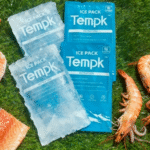
Soluciones de aislamiento de cadena de frío para productos del mar?
necesitas cold chain insulation solutions for seafood products when “mostly cold” is not good enough. If a box warms for even a short window, seafood can lose texture, oler, y confiar en. En 2025, most programs design for fresh seafood near melting ice (~ 0 ° C) o chilled 0–4°C, y frozen seafood at ≤ -18°C, with buffer for delays. This guide shows you how to choose materials, pack consistently, and validate performance with simple data.
Este artículo te ayudará a responder.:
-
Cómo cold chain insulation solutions for seafood products protect fresh vs frozen lanes
-
como elegir EPS vs EPP vs VIP insulation for seafood products without overspending
-
Cómo meltwater drainage seafood shipping packaging prevents leaks and odor
-
Cómo right-size insulated box for fresh seafood delivery to stop shipping air
-
Cómo last-mile cold chain insulation strategy for seafood reduces porch-time failures
-
Cómo validate insulated packaging for seafood cold chain with a repeatable test plan
What are cold chain insulation solutions for seafood products?
Cold chain insulation solutions for seafood products are packaging systems that slow heat gain and stabilize temperature from packout to receipt. Think of insulation like a winter coat: it does not create cold, but it helps you keep the cold you packed. A complete system includes the outer carton, aislamiento, transatlántico, refrigerante, contención, and a consistent closure method.
In real shipping, the weakest link usually wins. A loose lid, big air gaps, or messy meltwater can ruin strong insulation. Es por eso que cold chain insulation solutions for seafood products must work in hubs, furgonetas, and doorsteps—not just in lab specs.
The seafood failure map (temperatura + agua + tiempo)
Seafood is wet and odor-sensitive. So your system has to manage temperatura, humedad, and containment juntos. If you fix only one, todavía pierdes.
| Riesgo de falla | Causa típica | Fix you can standardize | Lo que significa para ti |
|---|---|---|---|
| Temperature spike | Thin insulation, espacios de aire | Tighter fit + mejor cierre | Menos reclamaciones por deterioro |
| Meltwater leakage | Weak bagging, no drainage | doble bolsa + absorbents/drain layer | Cleaner delivery, fewer carrier issues |
| Transferencia de olores | Poor seals, aire atrapado | Tight liner + sealed inner bags | Mejor experiencia de desempaquetado |
| Crush damage | Weak carton, soft structure | Stronger carton + rigid liner | Menos reembolsos y reenvíos |
Consejos prácticos que puedes utilizar esta semana
-
carriles cortos (≤24h): prioritize sealing, ajuste apretado, and moisture control first.
-
Mid lanes (24-48h): mejorar el aislamiento o add balanced coolant coverage (lados + arriba).
-
Carriles largos (48–72h+): redesign the whole system, not just “add more ice.”
Realidad práctica: Many failures come from small gaps—lid not tight, packs placed wrong, or liners too loose.
What temperature targets should cold chain insulation solutions for seafood products hit?
Your cold chain insulation solutions for seafood products must match the product state, not the marketing promise. Fresh seafood often aims for melting-ice conditions (~ 0 ° C) or a controlled 0–4 ° C banda. Frozen seafood typically targets ≤-18°C to avoid thaw-refreeze damage. If you ship histamine-risk fish, tighter time–temperature control is critical.
Don’t guess your “temperature truth.” Define a target band, a max excursion rule, and a time assumption. Then train and audit against that standard.
A simple target table your team can follow
| Seafood type | Objetivo práctico | Refrigerante típico | Key watch-out | Lo que significa para ti |
|---|---|---|---|---|
| Mariscos frescos (con hielo) | ~ 0 ° C (melting ice) | Flake/slurry ice | Contacto con agua de deshielo | Drainage and containment are mandatory |
| Mariscos refrigerados (no wet ice) | 0–4 ° C | paquetes de gel / PCM | Edge-freezing risk | Avoid direct coolant contact on delicate SKUs |
| Mariscos congelados | ≤-18°C | hielo seco / PCM congelado | Thaw-refreeze cycling | Aislamiento + buffer time matter most |
| Histamine-risk fish (ejemplo) | <4.4°C with minimal warm time | Ice/PCM + POE estricto | “small warm-ups” | Monitoring matters more than you think |
| Superchilled (avanzado) | -3 to -1°C (tight control) | PCM sintonizado | Partial freezing risk | Use only with validated SOPs |
Practical tips to avoid common traps
-
Separate fresh and frozen packouts. One “universal” packout causes silent failures.
-
Design for the last 2–6 hours. Doorstep time can be worse than linehaul.
-
If quality complaints persist, log the route. “Arrives cold” can hide mid-route spikes.
Escenario real: One shipper reduced complaints by splitting SOPs: one for fresh-on-ice, one for hard frozen.
Which insulation materials work best for cold chain insulation solutions for seafood products?
The best cold chain insulation solutions for seafood products are the ones that hold temperature y survive wet, pesado, manejo áspero. El espesor ayuda, but fit and closure often matter more. Para mariscos, you also need moisture tolerance and compression strength.
Start with lane difficulty (horas + calor + exposición de última milla), then choose the smallest upgrade that removes your top failure mode.
EPS vs EPP vs VIP insulation for seafood products
| Opción de aislamiento | Fortalezas típicas | Typical trade-offs | Best-fit lanes | Lo que significa para ti |
|---|---|---|---|---|
| Espuma EPS | Bajo costo, solid thermal value | Frágil, disposal varies | One-way lanes | Good starter option, needs waste plan |
| Espuma EPP | Durable, reutilizable, resistente al impacto | Mayor costo inicial | circuito cerrado, repetir carriles | Lower waste over many trips |
| PU foam panels | Strong insulation per thickness | Damage/disposal complexity | Mid–long lanes | Stable performance, higher friction |
| Paneles VIP | Very high insulation in thin walls | Costo, necesita protección | Premium/long lanes | Longer hold time without huge boxes |
| Forros reflectantes | Reduce radiant heat | Not enough alone | Add-on layer | Works best as a “booster,” not a core |
Practical tips for better insulation performance
-
Cerrar espacios de aire. A loose lid can erase thick insulation gains.
-
Right-size before you upgrade materials. Smaller air volume holds longer.
-
Choose ruggedness first in wet programs. A collapsed box fails faster than a thinner box.
ejemplo real: Some teams gain hours of performance by improving closure and liner fit—without changing insulation thickness.
Which coolants pair best with cold chain insulation solutions for seafood products?
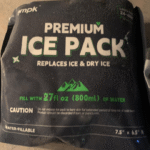
Cold chain insulation solutions for seafood products work when insulation slows heat and coolant absorbs it—together. For fresh seafood, wet ice is naturally stable around melting temperature, but it creates meltwater. Para enfriar (0–4 ° C), gel packs or PCMs often reduce mess. Para congelado, dry ice or frozen-range PCMs usually provide the strongest buffer.
Choose coolant based on the target band, then validate placement. “Top-only” coolant placement commonly creates hot corners.
Coolant selection table (simple y practico)
| refrigerante | Best around | Mejor para | Cuidado | Lo que significa para ti |
|---|---|---|---|---|
| Hielo húmedo | ~ 0 ° C | Fresh-on-ice programs | Meltwater leakage | Requires drainage + containment discipline |
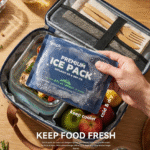
| paquetes de gel | 0–5 ° C (varía) | Short–mid chilled lanes | Enfriamiento desigual | Needs conditioning + balanced placement |
| PCM (sintonizado) | Specific setpoint | Stable chilled control | Mayor costo | Reduces swings and edge-freezing risk |
| hielo seco | ultracongelado | Carriles congelados, larga duración | Venting/label rules | Poderoso, but requires training and SOPs |
meltwater drainage seafood shipping packaging that actually works
Your meltwater plan should be designed, not improvised. Treat moisture like a second product.
| Elemento de embalaje | Mejor práctica | Por que importa | Tu beneficio |
|---|---|---|---|
| Bagging | doble bolsa + sellos herméticos | Prevent leaks and odor | Fewer carrier issues |
| Drain layer | Raised tray or drain channel | Keeps product out of meltwater | Better texture and smell |
| Absorbents | Pads sized for worst-case | Captures leakage | Unboxing más limpio |
| Cierre | Same tape pattern every time | Stops “lid leaks” | Repeatable results |
Consejos prácticos y sugerencias.
-
Use side + top coolant for coverage. Las esquinas fallan primero.
-
Avoid direct coolant contact when partial freezing hurts quality.
-
Si usas hielo seco, document handling rules y mantenlo consistente.
Caso práctico: A shipper improved customer trust by making boxes arrive clean and dry—without changing temperature targets.
How do you right-size cold chain insulation solutions for seafood products to stop shipping air?
Right-sizing is the fastest cost and performance win in cold chain insulation solutions for seafood products. When you ship air, you pay freight for empty space and you pay coolant to control it. Un más pequeño, tighter shipper often holds temperature longer with less refrigerant.
Think “thermos, not suitcase.” Tight fit reduces air movement and hot spots.
The “3 measurements” right-size tool (5 minutos)
-
Medida product footprint (L×An×Al) including inner bags/trays
-
Medida coolant footprint (packs/ice/dry ice space)
-
Agregar buffer space only for crush protection and void control
| Factor | que medir | regla sencilla | Error común | Lo que significa para ti |
|---|---|---|---|---|
| Product footprint | Packed product size | No rattling | Oversized “just in case” | Higher heat gain, mayor costo |
| Coolant footprint | Volumen + colocación | Rodear, don’t float | Top-only placement | Hot corners and warm ends |
| Buffer space | Relleno de vacío + protección | Enough to prevent crush | Too much empty space | You end up “shipping air” |
Consejos prácticos que puede usar hoy
-
Usar un fit gauge (simple template) so packers pick the right size fast.
-
Estandarizar packout layouts by SKU family (photos beat paragraphs).
-
Mantenga un seasonal “hot-day” packout, not year-round overspec.
ejemplo real: Many programs cut freight spend y reduce excursions after shrinking box size one step.
How should you pack seafood using cold chain insulation solutions for seafood products?
Packing is where cold chain insulation solutions for seafood products succeed or fail. Your design must be repeatable at peak volume. If packout varies by person, results vary by day.
Below are two SOP-friendly flows you can train in minutes.
Packing flow for chilled seafood (0–4°C or ~0°C)
-
Pre-chill product to the target range before packing
-
Pre-condition gel packs/PCM to a consistent setpoint
-
Add a bottom absorbent or drain layer
-
Double-bag seafood and seal tightly
-
Coloque refrigerante lados + arriba, then fill voids
-
Close liner fully and seal carton with a consistent tape pattern
Packing flow for frozen seafood (≤-18°C)
-
Confirm product core is fully frozen before packout
-
Use insulation matched to duration + riesgo ambiental
-
Add dry ice/frozen PCM with safe separation and venting approach
-
Reduce void space to limit convection
-
Close and seal consistently, then label per your SOP
Consejos prácticos y sugerencias.
-
Time matters: set a hard “max staging time” between packout and pickup.
-
La ubicación importa: make coolant placement a diagram, no es una suposición.
-
Clean matters: a dry outer carton improves carrier handling and customer trust.
Resultado real: Teams often gain reliability by standardizing closure and placement—before buying premium insulation.
How do you validate and monitor cold chain insulation solutions for seafood products in 2025?
En 2025, cold chain insulation solutions for seafood products should be proven with data, no espero. Empezar poco a poco: a sampling plan with low-cost temperature loggers, colocación consistente, y reglas claras de pasa/falla. Esto reduce las disputas, improves SOPs, and prevents overspending.
Validation also helps you upgrade the right variable. If warming happens late, fix closure or top coverage. If it warms early, upgrade insulation level.
A validation plan you can run this week
| Prueba | What you simulate | que grabar | Idea de pasar/fallar | Lo que significa para ti |
|---|---|---|---|---|
| Average day | Normal route time | Max temp + tiempo por encima del límite | Stays in target band | Confident baseline |
| dia caluroso | High ambient + sun risk | Curva de temperatura | No long warm plateau | Summer readiness |
| Escenario de retraso | +12–24h hold | End temp + tendencia | Still safe at receipt | Fewer surprise failures |
Seafood cold chain monitoring checklist (copiar en SOP)
| Paso | lo que revisas | Example standard | ¿Qué haces a continuación? |
|---|---|---|---|
| Pre-pack | Temperatura del producto | Meets target band | Re-chill or reject |
| Empaquetado | Layout photos | Matches standard | Retrain if drift |
| Tránsito | Logger peak | No spikes above limit | Adjust process/coolant |
| Receipt | Condición | No leak, no softening | Root-cause review |
Autoprueba rápida: are you under-protected?
Date a ti mismo 1 punto por cada “sí”:
-
Do excursions happen mostly near delivery time?
-
Do failures cluster on hot days or Mondays?
-
Do you “add more ice” instead of fixing closure?
-
Does your liner fit loosely inside the carton?
-
Do you lack consistent pre-conditioning steps?
Puntuación 3-5: you likely need a system upgrade.
Score 1–2: process and placement may fix it first.
How do you reduce last-mile risk with cold chain insulation solutions for seafood products?
Cold chain insulation solutions for seafood products often fail in the last mile, not the linehaul. tiempo del porche, entrega perdida, and hot-vehicle dwell can “spend” shelf life quickly. Your best lever is operational: attended delivery rules, alertas, and lane segmentation.
Treat last mile like a relay race. If handoffs break, insulation cannot save the lane.
last-mile cold chain insulation strategy for seafood (reglas simples)
| Riesgo de última milla | lo que parece | Best control | Packaging implication | Lo que significa para ti |
|---|---|---|---|---|
| Exposición a domicilio | Box in sun | Ventanas de entrega + alertas | You can reduce “overkill” | Menor costo, menos reembolsos |
| Entrega perdida | Retry next day | Signature/pickup | Less dwell time | Higher success rate |
| Hot van dwell | Long route delay | Routing rules | Stronger insulation needed | Consistency on peak days |
Practical tips you can implement fast
-
Usar earlier delivery windows for fresh seafood and premium kits.
-
Crear two delivery modes: attended vs unattended (validated only).
-
Upgrade only risky lanes, not every order.
Patrón del mundo real: The final 2–6 hours can be the most dangerous window.
How do you cut total cost and carbon without sacrificing quality?
The lowest-cost cold chain insulation solutions for seafood products are the ones that prevent failures. Reembolsos, reenvíos, and brand damage are the hidden budget killers. Después, right-size, simplify materials, and consider reuse only when returns are real.
The most “eco-friendly” move is often fewer replacement shipments. Waste prevention beats perfect materials.
Cost and sustainability levers (in the right order)
| Palanca | lo que cambias | Por que funciona | Riesgo de mirar | Lo que significa para ti |
|---|---|---|---|---|
| Menos fracasos | Better SOP + last-mile control | Avoids reships and waste | Needs discipline | Biggest impact fast |
| Tamaño correcto | Smaller cartons | Flete más bajo + better hold | SKU complexity | Lower cost per order |
| Material simplification | Fewer mixed parts | Easier disposal | Performance variance | Better customer compliance |
| Programas de reutilización | Reusable EPP systems | Lower waste per trip | Return rates | Best long-term option |
Consejos prácticos
-
Pista tasa de reemplazo like a KPI (it is cost y carbon).
-
Mantenga un summer packout that prevents seasonal claim spikes.
-
Write disposal instructions in plain language customers will follow.
2025 latest developments and trends in seafood cold chain insulation
En 2025, cold chain insulation solutions for seafood products are moving from “thicker is safer” to “validated, del tamaño adecuado, lane-specific.” Teams are adopting two-tier packouts (estándar + hot-risk), improving moisture-tolerant liners, and using lightweight monitoring to reduce disputes. High-performance insulation is also trending where dimensional weight penalties are painful.
Último progreso de un vistazo
-
Lane-based packouts: fewer “one box for everything” policies
-
Moisture-smart designs: better drainage layers and leak-resistant containment
-
Monitoreo más inteligente: sampling loggers and clear pass/fail standards
-
Thinner high-performance builds: stronger hold time without oversized boxes
-
Selective superchilling: only where SOP control is tight and validated
Preguntas frecuentes
Q1: What are cold chain insulation solutions for seafood products in simple terms?
They are packaging and SOP choices that keep seafood in its target temperature range during real shipping delays.
Q2: Do fresh and frozen seafood need different packouts?
Sí. Fresh needs near-ice stability and moisture control, while frozen needs deep cold and minimal thaw-refreeze cycling.
Q3: ¿Es siempre mejor un aislamiento más grueso??
No. Tamaño correcto, cierre hermético, and consistent placement often beat thicker insulation in oversized boxes.
Q4: What is the easiest first improvement to make?
Standardize packout layout (fotos), tighten closure, and add a drain/absorbent plan for wet programs.
Q5: How often should I test packaging?
Al menos estacionalmente, and any time you change lanes, tamaños de caja, refrigerantes, o transportistas.
Resumen y recomendaciones
Cold chain insulation solutions for seafood products work best as a complete system: aislamiento, refrigerante, contención, y pasos de embalaje repetibles. Start by defining targets (fresco versus congelado) and segmenting lanes by difficulty. Then fix the basics: ajuste apretado, strong closure, balanced coolant placement, y control de humedad. Finalmente, validate with a simple hot-day and delay test so you upgrade only what the data proves.
Su plan de acción para el próximo paso (simple y rapido)
-
Define one target band per SKU family (fresco versus congelado).
-
Build two packouts: estándar y hot-risk.
-
Right-size cartons using the “3 measurements” method.
-
Correr 3 pruebas (promedio / caliente / demora) with one logger placement standard.
-
Add last-mile controls for high-risk lanes and seasons.
Acerca de Tempk
Y tempk, we build cold chain insulation solutions for seafood products as practical, sistemas repetibles. We focus on insulation selection, estrategia de refrigerante, control de humedad, and packout SOPs your team can follow at speed. We also help you validate performance with a simple seasonal test plan, so you reduce claims without overspending on packaging.
Siguiente paso: Share your product state (fresh or frozen), duración del carril, and last-mile risk (attended vs unattended). We’ll outline a lane-specific system direction and a validation checklist you can run this week.