Cold chain logistics refers to the temperature controlled transport and storage of perishable products. If you’re in the food, pharmaceutical or biotech industries, ensuring goods remain within a precise temperature range is essential for safety and quality. This guide explains what cold chain logistics means, how it works and why it matters to your business. It includes up to date statistics from 2023–2025 and actionable advice on adopting best practices.
Understanding the term: ¿Qué es el cold chain logistics definition and why is it important for perishable goods transport?
Benefits and industries: How does a reliable cold chain protect food, pharmaceuticals and other sensitive products?
Stages and temperature ranges: What are the key steps in a cold chain and what temperatures do different products require?
Tecnología e innovación: What tools (IoT, AI, cadena de bloques, refrigeración solar) are reshaping cold chain logistics?
Desafíos y soluciones: What obstacles do businesses face and how can you mitigate them?
2025 tendencias: What market growth and regulatory trends should you know in 2025?
Comprender la logística de la cadena de frío: Definition and Fundamentals
Cold chain logistics encompasses every activity required to maintain the quality and safety of perishable goods by keeping them within a specific temperature range durante el manejo, almacenamiento y transporte. Unlike a normal supply chain, the cold chain uses specialized equipment such as refrigerated trucks, warehouses and insulated packaging to prevent temperature fluctuations. Maintaining these conditions ensures that food remains safe, pharmaceutical vaccines stay potent and chemicals retain their efficacy.
Why the Cold Chain Exists
Perishable products degrade quickly when exposed to heat or fluctuations in temperature. Por ejemplo, many fruits and vegetables ripen rapidly when kept above 7 °C; vaccines may lose potency if they are not stored between 2 °C and 8 °C. The cold chain evolved to protect public health and reduce waste. Sin control de temperatura confiable, retailers would face spoiled stock, pharmaceutical companies could deliver ineffective medications and consumers would be at risk of food borne illnesses.
Elementos clave de una cadena de frío
The following table summarizes the essential components of a cold chain and how each element adds value:
| Elemento | Objetivo | Características clave | Beneficiarte para ti |
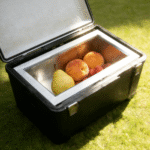
| Embalaje con temperatura controlada | Protects products during transport | Cajas aisladas, paquetes de gel, hielo seco | Maintains correct temperature during transit to reduce spoilage |
| Instalaciones de almacenamiento en frío | Long term holding before distribution | Almacenes frigoríficos, congeladores rápidos | Provide buffer storage and smooth demand fluctuations |
| Transporte refrigerado | Moves goods between facilities or customers | Camiones frigoríficos, Reefers (barcos), cold air cargo containers | Ensures goods remain within the correct temperature range across distances |
| Real time monitoring and tracking | Monitorea la temperatura, humedad y ubicación | sensores de iot, Etiquetas RFID, GPS | Alerts you to temperature deviations so you can act quickly and avoid losses |
| Cumplimiento y documentación | Records conditions for quality assurance | Digital logs, registros de cadena de bloques | Provides proof of compliance with regulations and helps with recalls |
Consejos y consejos prácticos
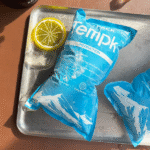
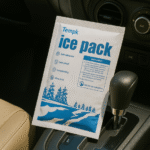
Utilice embalaje calificado: Choose packaging designed for the specific temperature range and transit duration. Por ejemplo, gel packs suit refrigerated goods while dry ice is needed for frozen products.
Priorizar el seguimiento: Invest in IoT sensors or data loggers to track temperature. Real time alerts allow you to intervene before damage occurs.
Capacitar al personal: Properly trained personnel reduce the risk of human error, which is a major challenge in cold chain operations.
Asóciese con expertos: Work with logistics providers experienced in temperature control to ensure compliance and reliability.
Ejemplo del mundo real: A pharmaceutical distributor improved vaccine safety by implementing RFID temperature sensors across its delivery fleet. When a sensor detected a 2 °C deviation, staff were notified via mobile app and rerouted the shipment to an alternative facility, preventing loss of $500,000 worth of product and ensuring patient safety.
Why Cold Chain Logistics Is Essential: Benefits and Use Cases
Preserving product integrity is the primary reason for investing in a cold chain. It ensures compliance with safety regulations and reduces waste. Here are the industries that rely most heavily on temperature controlled logistics:
Alimentos y Bebidas
Alimentos perecederos—such as dairy, carne, seafood and frozen meals—must be kept at safe temperatures to prevent bacterial growth. Por ejemplo, dairy products typically require temperatures between 2 °C and 4 °C, while frozen foods need to be kept at –18 °C or lower. A reliable cold chain ensures consumers receive fresh, productos seguros.
Farmacéutica y Biotecnología
Vacunas, insulin and monoclonal antibodies are sensitive to heat and may lose efficacy if exposed to temperatures outside their specified range. Por ejemplo, many vaccines must be stored at 2 °C–8 °C, while ultra cold biologics may need temperatures as low as –80 °C. Compliance with Good Distribution Practice (PIB) regulations often requires digital monitoring and traceability.
Chemicals and Industrial Products
Ciertos productos químicos, including adhesives and coatings, require stable temperatures to prevent phase changes or degradation. In the oil and gas industry, temperature controlled logistics is essential for transporting specialized lubricants and polymers.
Military and Relief Supplies
In disaster relief and military operations, suministros sensibles a la temperatura (p.ej., productos sanguíneos) must be delivered to remote locations safely. A reliable cold chain can be the difference between life and death in humanitarian missions.
Emerging Use Cases
comestibles de comercio electrónico: Online grocery platforms rely on last mile cold chains to deliver fresh items directly to consumers. Rising demand for meal kit delivery services in urban areas has accelerated investment in micro fulfillment centers.
Specialty beverages: The craft beer and specialty drinks industries are increasingly using cold chain logistics to maintain flavor profiles during cross country shipping.
Biological sample transport: Diagnostic labs and research institutions use cold chains to move blood, tissue and genetic samples between clinics and research facilities.
Benefits to Your Business
Investing in a robust cold chain delivers tangible benefits:
Reduced waste and improved quality: Maintaining proper temperatures reduces spoilage and extends shelf life. This directly translates to higher margins and customer satisfaction.
Cumplimiento regulatorio: Many industries face stringent regulations. A documented cold chain helps you meet legal requirements and avoid penalties.
Ventaja competitiva: A reliable cold chain builds trust with clients, enabling you to expand into global markets.
Reduced recall costs: Accurate monitoring systems provide traceability, making it easier to conduct recalls and protect your brand.
How Cold Chain Logistics Works: Etapas clave y rangos de temperatura
The journey of a temperature sensitive product involves multiple stages. Each stage requires specialized equipment and protocols to ensure that the temperature remains within the desired range. Below is a step by step overview of the cold chain process.
1. Preparation and Packaging
Goods are prepared by pre cooling them to the target temperature. Packaging materials such as insulated containers, gel packs or dry ice are selected based on transit time and temperature requirements. Para productos ultrafríos como vacunas de ARNm, dry ice or phase change materials may be used.
2. Cold Storage and Warehousing
Items are stored in refrigerated warehouses or distribution centers that maintain specific temperature zones. Blast freezers may be used for products requiring rapid cooling.
3. Transporte
The transport stage involves moving goods via refrigerated trucks (Reefers), maritime containers or air freight. Trucks and ships are equipped with refrigeration units and monitoring devices that control temperature and humidity. During air freight, specialized containers are used to handle extremes, including cryogenic conditions.
4. Monitoring and Control
Throughout the journey, IoT sensors and data loggers collect real time information about temperature, humedad y golpes. These devices send alerts if conditions deviate from safe ranges. Predictive analytics can also suggest proactive interventions, such as adjusting routes or replenishing cooling materials.
5. Last Mile Delivery and Handling
The last mile is often the most challenging part of the cold chain. It may involve multiple stops, unpredictable traffic and variable weather. Micro warehouses or local hubs are used to shorten delivery times and maintain temperatures.
Temperature Range Guidelines
Different products have distinct temperature requirements. The following table summarizes recommended ranges and why they matter:
| Categoría de producto | Rango de temperatura ideal | Razón | Beneficiarte para ti |
| Frutas y verduras frescas | 0 °C–10°C | Slows respiration and ripening | Extends shelf life and maintains flavor |
| productos lácteos | 2 °C–4°C | Previene el crecimiento bacteriano. | Ensures safety and quality for consumers |
| Productos farmacéuticos | 2 °C–8°C (estándar); –80 ° C (ultra frio) | Mantiene la potencia y la eficacia. | Meets regulatory standards and protects patients |
| Alimentos congelados | –18 °C or lower | Keeps products fully frozen | Prevents thawing and freezer burn |
| Mariscos | –1 °C–4 °C | Inhibe el crecimiento microbiano y preserva la textura. | Delivers premium quality seafood |
Tips for Managing Each Stage
Preparación: Pre cool your goods before packaging to prevent condensing moisture inside containers.
Almacenamiento: Regularly calibrate refrigeration units and backup generators to avoid downtime.
Transporte: Monitor fuel and equipment performance; plan efficient routes to reduce transit time.
Última milla: Consider using electric or hybrid vans with built in refrigeration for urban deliveries.
Technology and Innovation in Cold Chain Logistics
Recent innovations are transforming how businesses manage cold chains. Estas tecnologías mejoran la eficiencia, reducir costos y mejorar la visibilidad. Here are some of the most important trends:
Real Time Monitoring with IoT and Predictive Analytics
sensores de iot transmit temperature, datos de humedad y ubicación en tiempo real, permitiendo acciones correctivas inmediatas. Predictive analytics uses this data to forecast potential failures, route disruptions and equipment issues. Por ejemplo, AI driven route optimization can reduce fuel consumption and travel time by up to 15 %.
Blockchain for Transparent Record Keeping
Blockchain technology offers immutable records that ensure transparency across the supply chain. It helps prevent fraud, simplifies compliance audits and speeds up recall processes.
Sustainable Refrigeration and Renewable Energy
Reducing the environmental impact of cold chains is a growing priority. Las innovaciones incluyen low global warming potential (GWP) refrigerantes, solar powered and hybrid refrigeration units, y embalaje aislante ecológico. Solar panels integrated into trailers can power refrigeration units during daylight, reducing diesel usage and emissions.
Advanced Packaging and Smart Containers
New packaging designs incorporate lightweight materials and smart sensors that adjust insulation based on external conditions. Contenedores de envío inteligentes combine insulation, active cooling and real time tracking to ensure stable conditions while reducing weight.
Cryogenic and Ultra Cold Logistics
El crecimiento de los biológicos., cell therapies and gene treatments requires shipping at extreme low temperatures (down to –150 °C). Specialized containers and liquid nitrogen systems are used to maintain these conditions. Cumplimiento de Buenas Prácticas de Manufactura (BPF) y Buenas Prácticas de Distribución (PIB) es crucial.
Inteligencia artificial y aprendizaje automático
AI is being applied to predict equipment maintenance, optimize inventory levels, y mejorar la previsión de la demanda. Machine learning models learn from historical data to recommend optimal shipping routes, carriers and storage conditions.
Upcoming Innovations: Table Overview
| Innovación | Descripción | Impacto en sus operaciones |
| Contenedores habilitados para IoT | Los sensores monitorean la temperatura, humedad, shocks and location | Offers full visibility and reduces spoilage by enabling proactive interventions |
| Optimización de rutas impulsada por IA | Los algoritmos analizan el tráfico., Ventanas meteorológicas y de entrega para planificar rutas. | Cuts fuel usage and emissions by up to 15 %, and improves delivery punctuality |
| Trazabilidad de la cadena de bloques | Crea seguridad, immutable records of each step | Enhances consumer trust and simplifies audits |
| Solar refrigeration systems | Uses solar panels to power cooling units | Reduces diesel consumption and supports sustainability goals |
| Smart packaging with phase change materials | Adjusts insulation automatically based on conditions | Extends thermal protection and reduces the need for heavy dry ice |
Consejos y consejos prácticos
Invertir en conectividad: Sin conectividad confiable (p.ej., 4G/5G), your sensors cannot send real time data. Ensure network coverage along transport routes.
Plan for interoperability: Choose technologies that integrate with your warehouse management system (WMS) and transportation management system (TMS).
Manténgase informado sobre las regulaciones: Renewable refrigerants and digital data records must comply with evolving environmental and data privacy laws.
Caso real: A global dairy producer installed solar panels on its refrigerated transport fleet. By switching to hybrid cooling units powered by solar during the day and electric batteries at night, the company reduced diesel consumption by 30 % and achieved a return on investment within 18 meses.
Retos y Soluciones en la Logística de la Cadena de Frío
While the cold chain offers significant benefits, presenta desafíos únicos. Understanding these challenges helps you plan mitigation strategies.
Altos costos operativos
Cold chain logistics require specialized vehicles, refrigeration units and insulated facilities. El high cost of refrigeration and energy consumption can strain budgets. Además, training staff and implementing monitoring technology adds to expenses.
Soluciones:
Optimize utilization: Use data analytics to maximize vehicle load factors and warehouse occupancy.
Adopt energy efficient technology: Modern refrigeration units and hybrid systems reduce fuel and electricity consumption.
Aprovechar los incentivos gubernamentales: Some regions offer grants or tax credits for using low GWP refrigerants and energy efficient equipment.
Limited Visibility and Traceability
En muchas cadenas de suministro, data is siloed across different systems, making it difficult to track shipments and detect temperature excursions.
Soluciones:
Integrar sistemas: Connect your TMS, WMS and monitoring platforms to create a single source of truth.
Use blockchain: Immutable records provide end to end visibility and secure data sharing.
Estandarizar formatos de datos: Adopt industry standards (p.ej., GS1) to ensure compatibility between partners.
Error humano
Mishandling of temperature sensitive goods during loading or unloading is a major risk.
Soluciones:
Implementar SOP: Establish standard operating procedures for packing, loading and receiving goods.
Capacitar al personal: Provide regular training on proper handling and emphasize the importance of adhering to SOPs.
Automate where possible: Automated pallet loading systems reduce the risk of human error.
Cumplimiento normativo
Complex and evolving regulations govern temperature controlled logistics, particularmente para productos farmacéuticos. Failure to comply can lead to legal issues and product recalls.
Soluciones:
Mantente actualizado: Monitor changes in GDP, GMP and other regional regulations.
Documentar todo: Use digital records to prove compliance during audits.
Involucrar a expertos: Work with compliance consultants to navigate local and international regulations.
Infrastructure Limitations in Emerging Markets
Developing regions often lack reliable cold storage facilities and transportation networks. This can hinder the distribution of vaccines and perishable goods.
Soluciones:
Almacenamiento en frío modular: Portable and modular cold rooms can be deployed quickly in underserved areas.
Asociaciones público-privadas: Collaborate with governments and NGOs to expand infrastructure.
Leverage last mile innovations: Electric cargo bikes and micro warehouses can help reach remote areas.
Cold Chain Logistics Market in 2025: Growth and Trends
The cold chain industry is experiencing rapid growth as demand for perishable goods increases worldwide. Según una investigación de mercado, El mercado mundial de logística de cadena de frío se valoró en 293.580 millones de dólares en 2023 y se prevé que alcance US$324.85 billion in 2024, creciendo hasta 862.330 millones de dólares por 2032 a una tasa de crecimiento anual compuesta (Tocón) de alrededor 13 De %. Other reports estimate that the market size will be US$436.30 billion in 2025, ascendido a US$1,359.78 billion by 2034 con un 13.46 % CAGR. These figures underscore the industry’s momentum and reflect increasing investment in cold storage capacity and technology.
Impulsores del crecimiento
Several factors contribute to the rapid expansion of cold chain logistics:
Global food trade and urbanization: Growing populations and urbanization in developing regions boost demand for imported and processed foods.
Comercio electrónico y alimentación online: The rise of online grocery services and meal kit delivery increases the need for last mile cold chains.
Pharmaceutical and biotechnological advances: The development of temperature sensitive biologics, vaccines and personalized medicine drives demand for ultra cold logistics.
Innovaciones tecnológicas: IoT, AI, blockchain and sustainable packaging reduce costs and improve reliability.
Presiones regulatorias: Stricter food safety and pharmaceutical regulations compel companies to invest in compliant cold chain systems.
Recent Market Data Snapshot
| Año | Market Size Estimate | Fuente |
| 2023 | US$293.58 billion | Maersk report |
| 2024 | US$324.85 billion | Maersk report |
| 2025 | US$436.30 billion | Investigación de precedencia |
| 2032 | US$862.33 billion | Maersk report |
| 2034 | US$1,359.78 billion | Investigación de precedencia |
2025 Tendencias e innovaciones
The cold chain sector continues to evolve. Here are some of the major trends shaping 2025:
Geopolitical Impacts: Trade tensions and geopolitical unrest can disrupt supply chains. Companies are diversifying trade routes and building resilience.
Visibility and Transparency: Enhanced visibility tools provide real time tracking, predictive analytics and digital twins. Blockchain adoption increases transparency and traceability.
Nuevas categorías de productos: Crecimiento en alimentos de origen vegetal, gene therapies and specialty chemicals requires niche temperature ranges, driving specialized cold storage needs.
Mejoras de instalaciones: Logistics providers are investing in automation, robotics and multi temperature warehouses to improve efficiency.
Soluciones sostenibles: Refrigerantes ecológicos, renewable energy and recyclable packaging reduce environmental impact.
Innovaciones de última milla: Vehículos eléctricos e híbridos., micro warehouses and drone deliveries improve speed and reduce emissions.
Cambios regulatorios: New food safety and pharmaceutical regulations require more documentation and stricter temperature control.
Perspectivas del mercado y preferencias del consumidor
Changing consumer behaviors influence cold chain logistics. Demand for locally sourced foods and environmentally friendly packaging is rising. Transparency is also critical; consumers want to know where and how their food or medicine was produced and transported. En respuesta, businesses are adopting QR codes and blockchain to provide detailed product provenance. Además, the adoption of renewable energy and sustainable packaging is becoming a differentiating factor for consumers who prioritize eco conscious brands.
Common Questions About Cold Chain Logistics
Q1: What is the cold chain logistics definition?
The cold chain logistics definition refers to the coordinated network of infrastructure, equipment and procedures used to maintain the temperature of perishable goods from origin to destination. It ensures products remain safe and effective by keeping them within specified temperature ranges.
Q2: Why is maintaining temperature control important in a cold chain?
Proper temperature control prevents spoilage, maintains product efficacy and ensures compliance with safety regulations. sin eso, perishable goods can become unsafe or ineffective, leading to waste and potential health risks.
Q3: ¿Qué industrias dependen de la logística de la cadena de frío??
Key industries include food and beverages, productos farmaceuticos, biotecnología, quimicos, cosmetics and military supplies. Each sector requires specific temperature ranges and specialized handling.
Q4: How do IoT and AI improve cold chain logistics?
Los sensores de IoT proporcionan datos en tiempo real sobre la temperatura, humedad y ubicación, while AI analyzes this data to optimize routes and predict equipment failures. Juntos, they reduce waste and improve reliability.
Q5: What are some challenges of cold chain logistics?
Challenges include high operating costs, visibilidad limitada, human error and regulatory complexity. The industry addresses these challenges through advanced technology, training and strict standard operating procedures.
Q6: How can businesses adopt sustainable practices in cold chain logistics?
Businesses can use low GWP refrigerants, invest in solar powered refrigeration, switch to electric vehicles and adopt recyclable packaging. These measures reduce carbon footprints and meet consumer expectations for sustainability.
Resumen y recomendaciones prácticas
Control de llave
Definición e importancia: Cold chain logistics involves maintaining temperature control for perishable products from production to consumption.
Industry reliance: Alimento, pharma and biotech depend on cold chains to ensure product safety and quality.
Process stages: Preparación, almacenamiento, transporte, monitoring and last mile delivery each require specialized equipment and procedures.
Technology advancements: IoT, AI, blockchain and sustainable refrigeration are transforming cold chain operations.
Crecimiento del mercado: The global market is expected to grow from roughly US$324 billion in 2024 a más de 862 mil millones de dólares 2032.
Siguientes pasos
Evalúa tus necesidades: Identify which of your products require temperature control and what specific ranges they need.
Select reliable partners: Choose logistics providers with proven cold chain expertise and technology capabilities.
Invierta en herramientas de seguimiento: Implementar sensores de IoT, data loggers and analytics platforms to gain full visibility into your shipments.
Manténgase actualizado sobre las regulaciones: Monitor evolving food safety and pharmaceutical standards to ensure compliance.
Plan para la sostenibilidad: Evaluate renewable energy options (solar, hybrid vehicles) and eco friendly packaging to reduce your environmental impact.
Tempk de contacto: Our experts can help design and implement a cold chain solution tailored to your needs.
Acerca de Tempk
Tempk es especialista en soluciones logísticas de cadena de frío. We provide temperature controlled storage, transport and monitoring technologies to ensure the integrity of your perishable goods. Our end to end services cover everything from refrigerated warehouses and fleet management to IoT tracking and regulatory compliance. We leverage the latest innovations—such as AI powered route optimization and solar powered refrigeration—to offer reliable, sustainable and cost effective solutions.
If you’re looking to improve your cold chain operations or need guidance on meeting strict regulatory standards, contacto Tempk para una consulta. We’ll help you design a solution tailored to your product requirements and business goals.