Significado de la logística de la cadena de frío: Definición & 2025 Tendencias
Actualizado: Noviembre 18 2025
Significado de la logística de la cadena de frío se refiere a algo más que el envío de mercancías; Abarca la gestión completa de las cadenas de suministro con temperatura controlada desde la producción hasta el consumo.. En términos simples, Se trata de un sistema que mantiene los productos perecederos, como los alimentos frescos., Medicamentos y vacunas, dentro de límites estrictos de temperatura para que sigan siendo seguros y eficaces.. Una investigación de mercado muestra que el mercado mundial de la logística de la cadena de frío está en auge: un informe reciente estimó el mercado en Dólar estadounidense 436.30 mil millones en 2025, con proyecciones que alcanzan Dólar estadounidense 1,359.78 mil millones por 2034. Con un crecimiento tan explosivo, Comprender lo que realmente significa la logística de la cadena de frío y cómo gestionarla es fundamental para el éxito de su negocio..
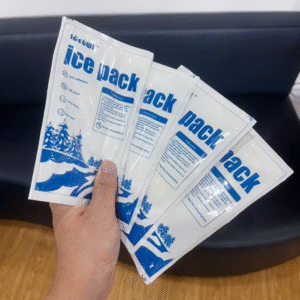
¿Qué significa en la práctica la logística de la cadena de frío?? Desglosaremos la definición., Componentes y conceptos erróneos comunes..
¿Por qué es importante la logística de la cadena de frío para sus productos y clientes?? Hablamos de seguridad, Beneficios de calidad y cumplimiento con ejemplos identificables..
¿Qué desafíos enfrentas y cómo puedes superarlos?? Más información sobre infraestructura, Obstáculos regulatorios y operativos y soluciones viables..
Cual 2025 tendencias que deberías mirar? De gemelos digitales y sensores IoT a refrigerantes sostenibles, exploramos innovaciones y datos de mercado.
Cómo aplicar este conocimiento a tu negocio? Consejos prácticos, Preguntas de autoevaluación y un plan de acción le ayudarán a empezar a mejorar su cadena de frío hoy mismo..
¿Qué significa realmente la logística de la cadena de frío??
La logística de la cadena de frío significa gestionar la temperatura de los productos perecederos a lo largo de toda la cadena de suministro, desde la producción hasta el almacenamiento., Transporte y entrega: para preservar la calidad y la seguridad.. A diferencia de la logística general, que se centra principalmente en mover mercancías de un lugar a otro, La logística de la cadena de frío implica mantener rangos de temperatura precisos en cada paso.. Es un sistema coordinado de equipos., procesos y personas trabajando juntas para que productos como las vacunas, los lácteos o los mariscos llegan a usted en el mismo estado seguro en que salieron del fabricante.
Por qué es importante la definición
Mucha gente equipara la “logística de la cadena de frío” con el simple envío de productos refrigerados., pero el significado es más profundo. El Alianza Global de la Cadena de Frío (AMCC) define la cadena de frío como “la gestión de la temperatura de los productos perecederos para mantener la calidad e inocuidad desde el punto de origen a través de la cadena de distribución hasta el consumidor final”. En otras palabras, se trata de control—controlar el entorno alrededor de sus productos y controlar los procesos y las personas que los manipulan. Cuando se ve la logística de la cadena de frío a través de esta lente, entiendes ese embalaje, instalaciones de almacenamiento, Los modos de transporte y los sistemas de monitoreo desempeñan papeles igualmente importantes en la protección de la integridad del producto..
Cadena de frío vs.. Cadena de suministro regular
| Aspecto | Cadena de suministro regular | Logística de cadena de frío | Lo que significa para ti |
| Sensibilidad del producto | Maneja principalmente productos no perecederos como productos electrónicos o ropa.. | Maneja productos perecederos que se degradan si la temperatura fluctúa. | Sus productos requieren un control más estricto y una manipulación especializada para evitar su deterioro o pérdida de eficacia.. |
| control de temperatura | Poca o ninguna regulación de temperatura. | Requiere monitoreo y control continuo de la temperatura durante el almacenamiento y el tránsito.. | Debe invertir en equipos de refrigeración y dispositivos de monitoreo para cumplir con los requisitos reglamentarios.. |
| Supervisión regulatoria | Menos regulaciones específicas de la industria. | Sujeto a las leyes de seguridad alimentaria., Buenas prácticas farmacéuticas de distribución y directrices de almacenamiento de vacunas.. | El cumplimiento protege su marca y evita costosas retiradas del mercado. |
| Equipo | Almacenes estándar, camiones y embalaje. | Cámaras frigoríficas especializadas, camiones frigoríficos, embalajes aislados y sensores IoT. | Elegir el equipo adecuado garantiza la calidad del producto y reduce el desperdicio. |
Elementos clave de una cadena de frío eficaz
Toda cadena de frío eficaz tiene varios componentes interrelacionados. Comprender cada parte le ayuda a diseñar sistemas que protejan sus productos y minimicen el riesgo..
Embalaje con temperatura controlada
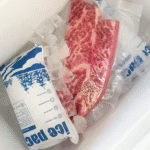
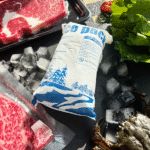
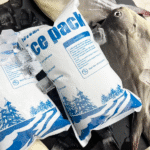
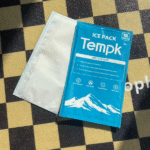
Mantener los productos a la temperatura adecuada comienza con el embalaje. Materiales aislantes especializados como mantas de agua., paquetes de gel, Materiales de cambio de fase y bolsas aisladas. Absorber o liberar calor para mantener condiciones estables durante el tránsito.. Contenedores térmicos, como refrigeradores de poliestireno., Revestimientos aislados para paletas y transportadores basados en plantas: brindan una barrera adicional contra las fluctuaciones de temperatura externas.. El embalaje correcto depende del rango de temperatura de su producto, tamaño del envío y duración del tránsito.
Instalaciones de almacenamiento en frío y almacenes
Las instalaciones de almacenamiento son la columna vertebral de la logística de la cadena de frío porque los productos a menudo permanecen en los almacenes más tiempo del que viajan.. Disponen de modernos almacenes frigoríficos sistemas de refrigeración sofisticados, aislamiento de piso a techo, control de humedad y monitoreo de temperatura en tiempo real. Estas características garantizan un entorno consistente para que sus productos mantengan su integridad.. Por ejemplo, Los almacenes refrigerados mantienen rangos refrigerados de 2 °C a 8 °C para medicamentos y algunos alimentos, mientras que las salas ultracongeladas funcionan debajo –25°C para helados y mariscos.
Transporte en frío
Después del almacenamiento viene el transporte.. Camiones frigoríficos, vagones, barcos frigoríficos y aviones mover productos perecederos preservando la temperatura. Estos vehículos están equipados con unidades de refrigeración a bordo y, a menudo, están conectados a sistemas telemáticos para monitorear la temperatura y la ubicación en tiempo real.. El transporte también incluye procesos de manipulación como el preenfriamiento. (Quitar calor antes de cargar.) y cross-docking (Transferencia de mercancías entre vehículos sin almacenamiento.) para minimizar las fluctuaciones de temperatura.
Monitoreo y control de temperatura
Ninguna cadena de frío puede funcionar sin un control adecuado. El Pautas de la cadena de frío de vacunas de los CDC enfatizar que todas las vacunas deben mantenerse entre 2 °C y 8 °C para seguir siendo potente y seguro; incluso un solo evento de congelación los vuelve inútiles. Para garantizar el cumplimiento, Las instalaciones implementan sensores y registradores de datos dentro de unidades de almacenamiento y contenedores de envío.. Las alertas en tiempo real le permiten responder rápidamente si las temperaturas se salen del rango, prevenir el deterioro del producto y proteger la salud pública.
Control de calidad y cumplimiento
Medidas de control de calidad como Análisis de riesgos y puntos de control críticos (HACCP) y Buenas prácticas de distribución (PIB) Ayudar a identificar riesgos y establecer procedimientos operativos estándar para el manejo de productos perecederos.. Auditorías periódicas, La capacitación y la documentación del personal garantizan que sus procesos se alineen con las normas de seguridad alimentaria. (como los estados unidos. Ley de modernización de la seguridad alimentaria) y normas farmacéuticas. El cumplimiento no sólo evita sanciones sino que también genera confianza en los clientes que dependen de productos seguros..
Software de gestión de la cadena de frío
En los últimos años, Han surgido plataformas de software especializadas para ayudar a gestionar cadenas de frío complejas.. Estas herramientas integran datos de sensores de temperatura., sistemas de inventario y gestión de transporte en un solo panel. ellos apoyan análisis predictivo, optimización de rutas y documentación digital, Reducir errores y mejorar la eficiencia.. Al adoptar una solución de software integral, Obtiene visibilidad total de sus operaciones y toma decisiones basadas en datos..
Por qué la logística de la cadena de frío es tan importante
Preservar la calidad del producto y reducir el desperdicio
No mantener la temperatura correcta puede provocar una degradación de la textura., descoloramiento, Crecimiento microbiano y pérdida de potencia.. Cuando las vacunas se almacenan fuera de su rango permitido, pierden potencia y pueden volverse inútiles. Para productos alimenticios, El abuso de temperatura causa deterioro y aumenta el riesgo de enfermedades transmitidas por los alimentos.. Por lo tanto, mantener una cadena de frío sólida minimiza el desperdicio., extiende la vida útil y preserva el valor de su inventario.
Garantizar el cumplimiento y proteger la salud pública
Los reguladores de todo el mundo imponen directrices estrictas sobre el manejo de productos perecederos. El conjunto de herramientas de almacenamiento y manipulación de vacunas de los CDC requiere un monitoreo continuo de la temperatura y procedimientos detallados para escenarios de rutina y de emergencia.. Regulaciones de alimentos y bebidas., Los requisitos del PIB farmacéutico y las normas de seguridad química exigen el cumplimiento de rangos de temperatura específicos.. Siguiendo estas reglas, usted reduce la responsabilidad, evitar retiradas del mercado y garantizar la seguridad de los consumidores.
Mejorar la confianza del cliente y la lealtad a la marca
Los consumidores esperan productos frescos, productos seguros entregados a tiempo. Cuando inviertes en logística de cadena de frío, le indicas a tus clientes que priorizas su bienestar. Una cadena de frío sólida ayuda a mantener la calidad y le ayuda a evitar titulares negativos sobre productos estropeados., mejorando tu reputación.
Impacto económico y crecimiento del mercado
La industria de la cadena de frío impulsa una actividad económica masiva. Investigación de Investigación de precedencia informa que el tamaño del mercado global de logística de cadena de frío era Dólar estadounidense 436.30 mil millones en 2025 y se espera que alcance Dólar estadounidense 1,359.78 mil millones por 2034. El Transportistas de alimentos de América observa un impulso similar: el mercado estaba valorado en sobre USD 321 mil millones en 2023 y se prevé que supere Dólar estadounidense 1,245 mil millones por 2033, con un 14.5 % Tocón. Tal crecimiento subraya la importancia de mantener una cadena de frío confiable para capitalizar la creciente demanda en todos los sectores alimentarios., sectores farmacéutico y biotecnológico.
Ejemplo de caso: Viabilidad de la vacuna
Considere la distribución de vacunas. NIST La investigación señala que la mayoría de las vacunas deben conservarse entre 2 °C y 8 °C, y cualquier exposición fuera de este rango disminuye su potencia.. De hecho, un metaanálisis estimó que 35 % de las vacunas del mundo se congelan accidentalmente durante el almacenamiento o tránsito, haciéndolos ineficaces. Invirtiendo en refrigeradores especialmente diseñados, sensores calibrados y formación del personal, Los proveedores de atención médica han reducido las dosis desperdiciadas y mejorado la confianza del público.. Este ejemplo resalta cómo la gestión adecuada de la cadena de frío impacta directamente en la salud pública..
Retos y Soluciones en la Logística de la Cadena de Frío
Infraestructura e instalaciones antiguas
Muchas instalaciones de almacenamiento en frío se construyeron hace décadas y carecen de aislamiento moderno., eficiencia energética y automatización. Maersk señala que el envejecimiento de las infraestructuras presiona a los operadores a actualizar los equipos y sustituir los refrigerantes nocivos. Solución: invertir en nueva tecnología de refrigeración y refrigerantes ecológicos, y modernizar los almacenes con un mejor aislamiento y control de la humedad. Explorar incentivos gubernamentales para mejoras sostenibles de las instalaciones.
Brechas de visibilidad y seguimiento
Mantener una visibilidad continua en múltiples puntos de la cadena de suministro es un desafío. Maersk destaca que 2025 Veremos inversiones continuas en software para mejorar la visibilidad en tiempo real para que las interrupciones puedan abordarse rápidamente.. Solución: implementar sensores de IoT y conectarlos a plataformas centralizadas que proporcionen alertas y análisis. Utilice gemelos digitales para simular operaciones y probar cambios antes de implementarlos.
Cumplimiento normativo
El cumplimiento requiere adherirse a diversos estándares, como ISO 9001, HACCP y Buenas prácticas de distribución. Mantenerse al día con las regulaciones en evolución, como la eliminación gradual de los hidrofluorocarbonos (HFC) y requisitos más estrictos de la FSMA, pueden ser abrumadores. Solución: nombrar un coordinador de cumplimiento, documentar procedimientos operativos estándar (Sops) y realizar auditorías periódicas. Utilice herramientas digitales para rastrear cambios en las regulaciones y generar informes de cumplimiento automatizados..
Consumo de energía y sostenibilidad
Los sistemas de refrigeración consumen una cantidad significativa de energía y contribuyen a las emisiones de gases de efecto invernadero.. Nuevas regulaciones fomentan el uso de refrigerantes respetuosos con el medio ambiente y diseños energéticamente eficientes. Solución: Adoptar unidades de refrigeración alimentadas por energía solar., Compresores de velocidad variable y almacenamiento de energía térmica.. Participar en programas como el de GCCA Programa de Reconocimiento a la Excelencia Energética, que ayuda a los almacenes a medir y mejorar la eficiencia energética.
Cadenas de suministro globales complejas
La logística de la cadena de frío suele abarcar varios continentes, involucrando aire, transporte marítimo y por carretera. Disrupciones como las pandemias, Las tensiones geopolíticas o los fenómenos meteorológicos extremos pueden romper eslabones de la cadena.. Solución: diversificar proveedores, adoptar estrategias de near apuntalamiento y mantener planes de contingencia. Invierta en análisis predictivos para anticipar interrupciones y redirigir los envíos en consecuencia.
Brechas de habilidades y capacitación
El manejo de productos perecederos requiere habilidades especializadas. El personal debe entender cómo empaquetar, carga, monitorear y descargar envíos sensibles a la temperatura. Solución: Desarrollar programas de capacitación y certificaciones para todos los empleados involucrados en las operaciones de la cadena de frío.. Proporcione procedimientos operativos estándar fáciles de seguir y asegúrese de que cada miembro del equipo conozca las consecuencias de las variaciones de temperatura..
Elemento interactivo: Autoevaluación de la cadena de frío
Para ayudarle a evaluar la preparación de su cadena de frío, prueba esto rápido Autoevaluación de la cadena de frío:
Revisión de inventario – Enumere todos los productos sensibles a la temperatura que maneja. Tenga en cuenta los rangos de temperatura requeridos.
Auditoría de Equipos – Inspeccionar cada refrigerador., congelador y vehículo frigorífico. ¿Están construidos expresamente o son de uso doméstico?? (Recuerde que los refrigeradores estilo dormitorio no son seguros para las vacunas.)
Control de seguimiento – Confirmar que cada unidad de almacenamiento tenga sensores calibrados y que los datos se registren continuamente. Identifique cualquier brecha en alertas en tiempo real.
Evaluación de la formación – Verifique que todos los empleados que manipulan productos perecederos tengan capacitación actualizada y conozcan sus POE.
Plan de emergencia – Revise su plan para cortes de energía, mal funcionamiento del equipo o interrupciones climáticas. ¿Son generadores de respaldo?, Opciones alternativas de almacenamiento y transporte implementadas.?
Utilice esta evaluación como punto de partida para priorizar las mejoras.. Una lista de verificación descargable o un cuestionario interactivo pueden ayudar a involucrar a su equipo y reducir los errores..
Últimas tendencias en cadena de frío en 2025
La industria de la cadena de frío está evolucionando rápidamente. Esto es lo que dicen los expertos y las investigaciones recientes sobre la configuración de las tendencias 2025:
Gemelos digitales y sensores IoT
Los gemelos digitales (réplicas virtuales de procesos físicos) le permiten simular, monitorear y optimizar las operaciones antes de hacer cambios en la vida real. Combinado con sensores IoT integrados en vehículos, contenedores y palets, Estas tecnologías ofrecen datos en tiempo real sobre la ubicación., temperatura y humedad. Esta visibilidad total reduce el riesgo y permite la toma de decisiones proactiva., especialmente en sectores altamente regulados como el farmacéutico, alimentos y quimicos.
IA y análisis predictivo
La inteligencia artificial no se trata solo de automatizar procesos, sino de predecir comportamientos. Los algoritmos de aprendizaje automático se anticipan a la demanda, optimizar rutas e identificar posibles interrupciones. Por ejemplo, pronosticando el impacto de una huelga portuaria, puede redirigir los envíos antes de que se produzcan retrasos. El análisis predictivo también ayuda a dimensionar correctamente los recursos y reducir el uso de energía..
Mayor visibilidad e inversiones en software
Como Maersk notas, Las empresas están invirtiendo en plataformas de software que proporcionan datos continuos para seguimiento de ubicación y monitoreo de temperatura. Estas herramientas mejoran la comunicación entre socios y ayudan a cumplir con requisitos regulatorios cada vez más estrictos..
Modernización de la infraestructura
Se están modernizando las antiguas instalaciones de almacenamiento en frío. Las nuevas inversiones se centran en automatización, sostenibilidad y mejora de la visibilidad. El alejamiento de los refrigerantes nocivos hacia alternativas naturales como el amoníaco y el CO₂ reduce el impacto ambiental y garantiza el cumplimiento de las nuevas regulaciones..
Productos emergentes y alimentos de origen vegetal
El aumento de alternativas a proteínas vegetales y alimentos especiales está cambiando la dinámica de la cadena de suministro.. Maersk informa que los alimentos de origen vegetal podrían compensar 7.7 % del mercado mundial de proteínas por 2030. Estos productos suelen proceder de empresas más pequeñas y con menos experiencia en logística., por eso buscan socios capaces de mantener controles precisos de temperatura.
Mercado en expansión e inversión
Múltiples fuentes pronostican un fuerte crecimiento. Investigación de precedencia proyecta un 13.46 % CAGR de 2025 a 2034, con un tamaño de mercado aumentando desde Dólar estadounidense 436.30 mil millones en 2025 a USD 1,359.78 mil millones por 2034. El Transportistas de alimentos de América cita una trayectoria similar, señalando que el mercado podría alcanzar Dólar estadounidense 1,245 mil millones por 2033. Se espera que Asia Pacífico crezca a la tasa compuesta anual más alta de alrededor 14.3 %.
Sostenibilidad y Logística Verde
Los proveedores de la cadena de frío están adoptando prácticas ecológicas como refrigeración con energía solar, materiales aislantes reutilizables y diseños de almacenes energéticamente eficientes. Regulaciones como la eliminación gradual de los hidrofluorocarbonos (HFC) e Hidroclorofluorocarbonos (HCFC) impulsar la innovación en refrigerantes. Participar en programas como la iniciativa de excelencia energética de la GCCA ayuda a las empresas a medir y mejorar el uso de la energía..
Adaptabilidad a las disrupciones
Tensiones geopolíticas, Los fenómenos meteorológicos extremos y las pandemias siguen perturbando las cadenas de suministro.. Ambos A través de la logística y Maersk Destacar la necesidad de cadenas de suministro resilientes y regionalizadas que puedan adaptarse rápidamente a las crisis.. El nearshore y las redes de proveedores diversificadas se están convirtiendo en estrategias clave.
Requisitos de temperatura de la cadena de frío & Categorías de productos
Diferentes productos requieren distintos rangos de temperatura. Comprender estas categorías le ayudará a elegir las soluciones de almacenamiento y transporte adecuadas.
| Rango de temperatura | Productos típicos | Lo que significa para ti |
| Enfriado: 2 °C – 8 °C | Vacunas, productos frescos, lácteos, carne. | Debes mantener una estricta refrigeración.; incluso las excursiones breves reducen la potencia de la vacuna. Utilice refrigeradores de calidad farmacéutica y envases aislantes.. |
| Congelado: –18 °C – –25 °C | Alimentos congelados como la carne., mariscos, helado. | Requiere equipos de congelación y vehículos con potentes unidades de refrigeración.. Garantizar que la cadena de suministro permanezca intacta durante la carga y descarga.. |
| Helado: < –25°C | Muestras biológicas, materiales criogénicos, algunos productos farmaceuticos. | Se necesitan congeladores especializados o contenedores de nitrógeno líquido.; monitorear continuamente para evitar la descongelación. |
| Ambiente controlado (8 °C–15 °C o 15 °C-25 °C) | Ciertas frutas, bebidas, quimicos. | Temperatura moderadamente controlada; A menudo se utiliza para productos sensibles al calor intenso en lugar del frío.. |
Consejos prácticos & Consejo
Seleccione el embalaje adecuado: Elija paquetes de gel o materiales de cambio de fase adecuados para el rango de temperatura y el tiempo de tránsito de su producto.. Por ejemplo, Las vacunas nunca deben enviarse con hielo seco porque la congelación las daña..
Invierta en equipos de calidad: Evite los refrigeradores estilo dormitorio para las vacunas y opte por unidades especialmente diseñadas con sensores calibrados..
Monitorear continuamente: Instale sensores de IoT en cada unidad de almacenamiento y contenedor de envío y utilice software para rastrear y alertarle sobre las desviaciones de temperatura en tiempo real..
Entrena a tu equipo: Asegúrese de que todos comprendan las consecuencias de las variaciones de temperatura y estén familiarizados con los POE..
Plan para emergencias: tener fuentes de alimentación de respaldo, opciones alternativas de almacenamiento y transporte, y procedimientos para manejar fallas del equipo.
Caso del mundo real: A raíz del alto desperdicio de vacunas, El NIST estudió las condiciones de almacenamiento de las vacunas y descubrió que Los refrigeradores estilo dormitorio causaron una rápida congelación accidental. Después de que los proveedores cambiaron a refrigeradores especialmente diseñados e instalaron dispositivos de monitoreo calibrados, el desperdicio se redujo significativamente y la confianza del paciente mejoró.
Ideas del mercado & Tendencias regionales
Impulsores de crecimiento
Expansión del comercio mundial de alimentos: La creciente demanda de alimentos perecederos y las cambiantes preferencias de los consumidores están impulsando el rápido crecimiento del mercado de la cadena de frío..
Comercio electrónico y alimentación online: El auge de las compras de comestibles en línea requiere una logística de cadena de frío confiable para entregar productos frescos y congelados..
Avances tecnológicos: trazabilidad basada en blockchain, El monitoreo de temperatura habilitado por IoT y los envases innovadores mejoran la transparencia y reducen el deterioro.
Mercados emergentes y urbanización: El aumento de los ingresos y la urbanización en los mercados emergentes crean demanda de viviendas convenientes., alimentos con temperatura controlada.
Regulaciones más estrictas: Regulaciones más estrictas como la FSMA y las pautas del PIB global empujan a las empresas a actualizar los sistemas y procesos..
Aspectos destacados regionales
Asia Pacífico: región de más rápido crecimiento, Se prevé que alcance la mayor cuota de mercado en 2034 debido al crecimiento demográfico y la expansión de la clase media.
América del norte: Grandes inversiones en la modernización del almacenamiento en frío y la adopción de tecnologías sostenibles.. El mercado crecerá de Dólar estadounidense 116.85 mil millones en 2024 a USD 289.58 mil millones por 2030 (fuente: [informe regional: actualizar cuando esté disponible]).
Europa: invertir en grandes, instalaciones automatizadas y eliminación gradual de refrigerantes nocivos.
América Latina: aumentar las inversiones en infraestructura de almacenamiento en frío y plataformas digitales para respaldar las exportaciones de alimentos en rápido crecimiento.
Preguntas frecuentes
¿Qué significa la logística de la cadena de frío?? La logística de la cadena de frío se refiere al control y monitoreo de la temperatura a lo largo de la cadena de suministro de productos perecederos., manteniéndolos dentro de rangos seguros desde la producción hasta el consumo.
¿Cómo funciona la logística de la cadena de frío?? Combina embalaje especializado, instalaciones de almacenamiento en frío, transporte refrigerado, Monitoreo continuo de la temperatura y estrictas medidas de control de calidad para mantener la calidad y seguridad del producto..
¿Por qué es fundamental el control de la temperatura en la cadena de frío?? Exceder el rango de temperatura permitido puede causar deterioro., Contaminación o pérdida de potencia.. Para vacunas, incluso un solo evento de congelación los vuelve inútiles.
¿Cuáles son los desafíos clave en la logística de la cadena de frío?? Infraestructura envejecida, falta de visibilidad, cumplimiento regulatorio, alto consumo de energía, Las redes globales complejas y las brechas de habilidades son desafíos importantes..
¿Qué tendencias están dando forma a la logística de la cadena de frío en 2025? gemelos digitales, sensores de iot, Análisis predictivo impulsado por IA, inversiones en software, modernización de instalaciones, El aumento de los alimentos de origen vegetal y las iniciativas de sostenibilidad son tendencias clave..
¿Qué rango de temperatura debo utilizar para las vacunas?? Las vacunas deben almacenarse entre 2 °C y 8 °C y nunca debe congelarse. Consulte las pautas del fabricante para vacunas específicas..
¿Cómo puedo mejorar mi cadena de frío rápidamente?? Comience con una autoevaluación: audite su inventario, equipos y sistemas de monitoreo, personal de capacitación, e implementar un plan de emergencia. Priorizar las inversiones en sensores de IoT y refrigeradores especialmente diseñados.
Resumen & Recomendaciones
El significado de la logística de la cadena de frío va más allá del transporte de mercancías refrigeradas. Es un sistema integral para gestionar productos sensibles a la temperatura desde la producción hasta el consumo.. Al comprender los componentes principales: el embalaje, almacenamiento, transporte, Monitoreo y cumplimiento: usted puede proteger la calidad del producto., cumplir con las regulaciones y generar confianza. El mercado está creciendo rápidamente, con pronósticos que muestran miles de millones en crecimiento y nuevas oportunidades. Sin embargo, desafíos como el envejecimiento de la infraestructura, La falta de visibilidad y la complejidad regulatoria requieren inversiones estratégicas y capacitación..
Pasos de acción:
Audite su cadena de frío actual: Utilice la lista de verificación de autoevaluación para identificar deficiencias en el equipo, seguimiento y formación.
Actualizar equipos y tecnología.: Invierta en unidades de refrigeración especialmente diseñadas, Sensores IoT y plataformas de software para visibilidad en tiempo real.
Entrena a tu equipo: Asegúrese de que todo el personal comprenda los POE y la importancia del control de temperatura..
Plan para la sostenibilidad: Modernizar las instalaciones con sistemas energéticamente eficientes y adoptar refrigerantes ecológicos..
Manténgase informado sobre regulaciones y tendencias.: Siga las actualizaciones de la industria e incorpore nuevas mejores prácticas para mantener competitiva su cadena de frío..
Acerca de Tempk
Templ es un proveedor líder de soluciones de cadena de frío. Nos especializamos en diseñar e implementar Sistemas de almacenamiento y transporte con temperatura controlada., integración de sensores de IoT para monitoreo en tiempo real y análisis predictivo. Nuestro equipo combina experiencia en la industria con tecnología innovadora para ayudarlo a mantener la integridad del producto., cumplir con las regulaciones y reducir el desperdicio. Estamos comprometidos con la sostenibilidad y ofrecemos soluciones de refrigeración energéticamente eficientes y envases ecológicos.. Con Tempk como tu socio, Obtiene la tranquilidad de saber que sus productos perecederos permanecen seguros y su cadena de frío funciona sin problemas..
Siguiente paso: Listos para fortalecer tu cadena de frío? Póngase en contacto con nuestros expertos para analizar sus necesidades y comenzar a construir una economía resiliente., cadena de frío compatible y sostenible hoy