Gestión de la cadena de frío para el transporte de alimentos congelados?
Última actualización: Diciembre 12, 2025
Si quieres menos reclamaciones, menos reembolsos, y menos quejas de "llegó suave", Gestión de la cadena de frío para alimentos congelados. transporte tiene un trabajo: mantenga la temperatura del producto estable durante cada transferencia. El objetivo global de “regla empírica” para muchos alimentos congelados rápidamente es -18°C o más frío, y cualquier calentamiento por encima de eso debe minimizarse.
También importa para los residuos.: informes de la fao 13.2% de los alimentos se pierde antes de la venta al por menor, y 19% Se desperdicia más en el comercio minorista/servicio de alimentos/hogares.—El control de temperatura es una de las palancas prácticas que realmente puedes mejorar..
Este artículo responderá por ti.:
-
Cómo Gestión de la cadena de frío para el transporte de alimentos congelados. realmente funciona de muelle a muelle
-
Qué Límites de temperatura para el transporte de alimentos congelados deberías establecer (y por qué siguen apareciendo -12°C)
-
como prevenir excursiones de temperatura durante la carga con un sencillo, rutina repetible
-
como probar Gestión de la cadena de frío para el transporte de alimentos congelados. con seguimiento + archivos (sin ahogarnos en el papeleo)
-
Cual 2025 Los estándares y las reglas son lo más importante., incluyendo el acuerdo ATP y las expectativas de transporte sanitario
¿Qué cubre realmente la gestión de la cadena de frío para el transporte de alimentos congelados??
Gestión de la cadena de frío para el transporte de alimentos congelados. es el conjunto de acciones que mantienen congelados los productos congelados mientras se desplazan entre almacenes, vehículos, y clientes. Piense en ello como “control de temperatura + higiene + prueba." La orientación del Codex para los alimentos congelados rápidamente hace hincapié en el transporte en equipos aislados que idealmente mantiene -18°C o más frío, iniciando el viaje en -18°C o más frío, además de preenfriamiento y descarga cuidadosa. FAOInicio
Si algún enlace falla, no solo te arriesgas a la suavidad. También corre el riesgo de perder calidad más rápidamente, quemadura del congelador, y disputas confusas sobre la responsabilidad.
La comida congelada perdona por un momento, pero no es magia. La congelación frena el deterioro, sin embargo, no “desinfecta” los alimentos, por lo que los controles de higiene y contaminación cruzada siguen siendo importantes.
En términos simples: Gestión de la cadena de frío para el transporte de alimentos congelados. Así es como se mantiene la temperatura estable. y mantener el producto seguro.
¿Gestionas la temperatura del producto?, temperatura del aire, o ambos?
La temperatura del aire es lo que muestra el frigorífico.. Temperatura del producto es lo que comen los clientes. El Codex incluso considera la temperatura del producto durante el transporte como una disposición de calidad y, a veces, como un PCC. (punto crítico de control). FAOInicio
Entonces deberías planificar para ambos, especialmente en carriles largos o cargas de alto valor.
| lo que mides | lo que te dice | lo que extraña | Significado práctico para ti |
|---|---|---|---|
| Punto de ajuste del frigorífico | Su objetivo previsto | Puntos fríos/calientes reales | Ayuda a estandarizar los SOP |
| Aire de retorno | ¿Qué hace el aire en el remolque? | Núcleo de producto que cambia lentamente | Atrapa la deriva del equipo |
| Sonda de producto (controles al azar) | Verdadera condición del producto | Puede ser lento y limitado | Lo mejor para disputas + aceptación |
| Tiempo sin frio (tiempo de transferencia) | Riesgo durante la apertura de puertas | gradientes internos de paletas | A menudo el “asesino silencioso” |
Consejos prácticos que puede usar hoy
-
En el envío: Confirme que el producto ya cumple con las especificaciones antes de cargarlo.; Los frigoríficos mantienen la temperatura., no "bajan" lo suficientemente rápido para un producto caliente. Alianza Global de la Cadena de Frío
-
En los puntos de transferencia: Reduzca el tiempo de apertura de la puerta y utilice una rutina de descarga escrita.; El Codex menciona explícitamente la frecuencia y duración de la apertura de puertas. FAOInicio
-
Después de la entrega: si el producto se calienta, enfriarlo de nuevo a -18°C lo antes posible cuando su proceso lo permita. FAOInicio
Ejemplo del mundo real: Un transportista de bolas de masa congeladas redujo las reclamaciones al cambiar a una “política de puerta para dos personas” (uno carga, uno monitorea el tiempo de apertura de puertas) y hacer cumplir la confirmación de preenfriamiento en el momento del envío.
¿Qué objetivos de temperatura definen la gestión de la cadena de frío para el transporte de alimentos congelados??
En Gestión de la cadena de frío para el transporte de alimentos congelados., necesita un objetivo que sea fácil de entrenar y de auditar. La orientación del Codex para los alimentos congelados rápidamente es clara: el transporte debe idealmente mantener -18°C o más frío, y calentándose arriba -18°C debe ser minimizado. También advierte que el paquete más caliente no debe estar más caliente que -12°C para garantizar la calidad. FAOInicio
Esa cifra de -12 °C es importante porque el cartón más caliente suele ser la “verdad” que experimentan los clientes..
Puedes tratar los límites de temperatura como barandillas:
-
Objetivo: donde quieres vivir (a menudo -18°C)
-
Umbral de alerta: donde investigas (ejemplo: -16°C)
-
Umbral de rechazo: donde te detienes y escalas (ejemplo: -12°C paquete más cálido) FAOInicio
¿Deberías seguir -18°C?, ¿O es -15°C el nuevo estándar??
Durante décadas, -18°C ha sido el punto de ajuste común congelado. En los últimos dos años, un esfuerzo de la industria ha impulsado un “paso a -15°C” por razones energéticas y de emisiones, citando estudios y ensayos en 2024 (incluidas las reducciones de energía informadas) sin impacto notable en la calidad para algunos productos. sitio web de seguridad alimentaria
Aquí está la conclusión práctica: -15°C puede ser una estrategia, pero solo si validas por tipo de producto, duración, y tolerancia del cliente.
| Enfoque objetivo | Uso típico | Nivel de riesgo | Lo que significa para ti |
|---|---|---|---|
| -18°C de referencia | Carriles más congelados | Más bajo | El mejor valor predeterminado para cargas mixtas FAOInicio |
| -15programa °C | SKU validados | Medio | Necesita pruebas + alineación del cliente sitio web de seguridad alimentaria |
| -12límite °C | Sólo excursiones cortas | Alto | Tratar como límite de calidad “no exceder” FAOInicio |
Consejos prácticos que puede usar hoy
-
Si envía productos mixtos: mantener -18°C como tu simple regla, luego valide las excepciones una familia de SKU a la vez. FAOInicio
-
Si su carril es largo o caluroso: reforzar los umbrales de alerta, porque los casos más cálidos aumentan primero.
-
Si pilotas -15°C: realizar una prueba controlada, luego bloquear una regla de aceptación escrita con los clientes. sitio web de seguridad alimentaria
Ejemplo del mundo real: Una panadería regional de congelados adoptó una política de “dos niveles”: -18°C para palets mixtos, -15°C solo para una única familia de SKU validada.
¿Cómo se detiene el aumento de temperatura durante la carga en la gestión de la cadena de frío para el transporte de alimentos congelados??
Si Gestión de la cadena de frío para el transporte de alimentos congelados. falla, a menudo falla en el muelle. El frigorífico puede ser perfecto, sin embargo, el producto se calienta durante la puesta en escena., carga lenta, y repetidas aperturas de puertas. El Codex pide compartimentos preenfriados, Supervisión de la temperatura del producto en la carga., y métodos rápidos de carga/descarga que minimicen el aumento de temperatura. FAOInicio
Las mejores prácticas de la AMCC añaden una verdad simple: si la carga no está a la temperatura adecuada antes de cargarla, Es posible que la unidad de refrigeración no tenga el tiempo o la capacidad para bajarla durante el transporte.. Alianza Global de la Cadena de Frío
Entonces tu mejor herramienta no es un gadget nuevo. Es una rutina de carga estricta.
¿Qué es un “preenfriamiento”? + escenario + rutina de sellado?
Utilice esta mentalidad de tres pasos:
-
Preenfriar: El remolque está en el objetivo y estable antes de que se abran las puertas.
-
Escenario: Los palets están listos en una zona fría. (no sentarse en el aire ambiente)
-
Sello: cerrar puertas, confirmar el punto de ajuste, confirmar alarmas, salir rápidamente FAOInicio+1
| control de carga | Que hacer | Fallo común | Significado práctico para ti |
|---|---|---|---|
| Preenfriamiento del remolque | Verifique la temperatura estable antes de cargar | “Supusimos que hacía frío” | Evita salidas en falso FAOInicio |
| tiempo de puesta en escena | Establecer un máximo de minutos fuera del frío | Palets esperando trámites | Corta cajas de cartón con borde cálido |
| Aberturas de puertas | Limitar la frecuencia + duración | Múltiples controles a mitad de carga | Protege los paquetes más cálidos FAOInicio |
Consejos prácticos que puede usar hoy
-
Para muelles de gran volumen: Utilice una regla de “luz verde”: no se mueve la plataforma hasta que se confirme el preenfriamiento del remolque.. Alianza Global de la Cadena de Frío
-
Para equipos pequeños: asignar una persona al tiempo de apertura de puertas (el temporizador del teléfono es suficiente).
-
Para cruces: Trate cada punto de transferencia como un evento de riesgo.; Codex advierte contra dejar el producto a temperatura ambiente. FAOInicio
Ejemplo del mundo real: Un distribuidor de productos del mar congelados redujo las quejas sobre el “cartón blando” después de establecer un estricto tiempo máximo de preparación fuera del almacenamiento en frío de 12 minutos..
¿Qué opciones de embalaje facilitan la gestión de la cadena de frío para el transporte de alimentos congelados??
No todos los envíos necesitan el mismo método. Gestión de la cadena de frío para el transporte de alimentos congelados. Se ve diferente para un camión frigorífico lleno que para envíos de paquetes.. Tu trabajo es igualar tiempo + temperatura + manejo de riesgos al embalaje más simple que todavía funciona.
Una forma práctica de pensar en el embalaje es:
-
Control dirigido por contenedores frigoríficos (el vehículo hace el trabajo)
-
Control dirigido por paquetes (El embalaje hace el trabajo.)
-
Híbrido (ambos comparten el trabajo)
60-segunda herramienta de decisión: ¿Qué deberías usar??
Califique cada línea del 0 al 2, luego total.
-
Tiempo de tránsito: menos de 12h (0) / 12-48h (1) / 48h+ (2)
-
Traspasos: 0–1 (0) / 2–3 (1) / 4+ (2)
-
Exposición ambiental: principalmente interior (0) / mezclado (1) / rampas calientes (2)
-
Sensibilidad de reclamo: bajo (0) / medio (1) / alto (2)
-
Fragilidad del producto (riesgo de textura/cristal de hielo): bajo (0) / medio (1) / alto (2)
Total 0-3: normalmente es suficiente.
Totales 4 a 7: híbrido (chaquetón + cubiertas de paletas / aislamiento añadido).
Totales 8 a 10: sistema de envío validado o dirigido por paquetes.
Consejo: Si no puede explicar claramente su elección en una frase, su SOP es demasiado complejo.
Tabla comparativa de embalajes (mantenlo simple)
| Opción | Mejor para | Vigilancias | Significado práctico para ti |
|---|---|---|---|
| Chaquetón + buen SOP de carga | Cargas completas | Retrasos en el muelle | Costo unitario más bajo cuando se es disciplinado FAOInicio+1 |
| Cobertores de palets aislados | Carriles mixtos | Mal sellado | Agrega búfer en las transferencias |
| Transportadores aislados validados | Paquetería/flete pequeño | Costo por caja | Convierte los carriles del caos en carriles predecibles |
| Paquetes de PCM / fuentes de frío | Carriles con especificaciones estrictas | Errores de acondicionamiento | Necesita entrenamiento y acondicionamiento previo. |
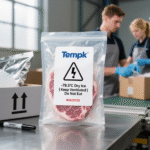
| hielo seco (donde está permitido) | Necesidades de congelados | Reglas de seguridad | Poderoso, pero maneja con cuidado |
Consejos prácticos que puede usar hoy
-
Elija menos paquetes: dos paquetes validados superan a ocho opciones que “funcionan un poco”.
-
Preacondicionamiento del tren: Muchas fallas se deben a que los paquetes no están acondicionados correctamente..
-
Etiquetar el paquete: Haz que “qué va a dónde” sea obvio con un solo vistazo.
Ejemplo del mundo real: Una marca de kits de comida redujo las devoluciones al cambiar de “bolsas de hielo adicionales” a un diseño de envío único validado y un diagrama de embalaje estricto..
¿Cómo monitoreas?, documento, y demostrar la gestión de la cadena de frío para el transporte de alimentos congelados.?
Si no puedes probarlo, terminarás discutiendo sobre eso. Gestión de la cadena de frío para el transporte de alimentos congelados. necesita un seguimiento que sea coherente, legible, y ligado a acciones. El Codex recomienda verificar la temperatura del producto según sea necesario en el momento de la recepción/despacho y conservar los registros durante un período que exceda la vida útil.. FAOInicio
Las mejores prácticas de la GCCA también enfatizan el mantenimiento de registros para la trazabilidad., incluyendo temperaturas del producto, temperaturas del vehículo (punto de ajuste y real), y detalles de envío. Alianza Global de la Cadena de Frío
El seguimiento no se trata de recopilar “gráficos interesantes”. Se trata de prevenir repeticiones.
¿Qué debe incluir tu “pack de prueba”??
Manténgalo pequeño y fácil de auditar:
-
plano de carril: temperatura objetivo y umbrales de alerta
-
Confirmación de preenfriamiento: con marca de tiempo
-
Cargando lista de verificación: saneamiento + control de apertura de puertas Alianza Global de la Cadena de Frío
-
Registro de temperatura: registrador o resumen telemático
-
Acciones correctivas: ¿Qué hiciste cuando sucedieron las alertas?
| Artículo de prueba | Lo que preguntan los auditores | Lo que preguntan los clientes | Significado práctico para ti |
|---|---|---|---|
| Política de punto de ajuste | “¿Cuál es tu especificación??" | “¿Qué corriste??" | Detiene la confusión temprano |
| Nota de calibración | “¿Es confiable el sensor??" | “¿Puedo confiar en estos datos??" | Previene disputas de datos |
| Registro de excepciones | "Qué pasó, y por qué?" | “¿Sucederá de nuevo??" | Genera confianza rápidamente |
Consejos prácticos que puede usar hoy
-
Establecer una regla de alerta: demasiados umbrales crean alarmas ignoradas.
-
Excepciones de registro, no todo: mantener datos de rutina, pero resalta las desviaciones.
-
Utilice un lenguaje sencillo: “Las puertas se abren 14 minutos debido al retraso de la bahía” supera la jerga.
Ejemplo del mundo real: Un transportista de carne congelada acortó el tiempo de disputa de los clientes al adjuntar un “paquete de prueba” de una página a cada carga de alto valor..
Cual 2025 Las regulaciones son más importantes para la gestión de la cadena de frío para el transporte de alimentos congelados.?
Las regulaciones varían según el país., pero los temas son consistentes: prevenir prácticas inseguras, controlar la temperatura, mantener el equipo limpio, y documentar lo que hiciste. En los EE.UU., La regla de transporte sanitario de la FDA tiene como objetivo prevenir prácticas que crean riesgos para la seguridad alimentaria, incluido no refrigerar adecuadamente los alimentos y limpieza inadecuada entre cargas. A NOSOTROS. Administración de Alimentos y Medicamentos
Para transporte internacional en muchos países., el Acuerdo ATP establece las expectativas de aprobación de vehículos/equipos y los requisitos de temperatura de transporte.
El gobierno del Reino Unido señala que el acuerdo ATP cubre el transporte de alimentos ultracongelados y congelados en muchos países., y puede ser ilegal realizar transporte internacional sin la documentación de aprobación adecuada. GOBIERNO REINO UNIDO
USDA AMS explica que ATP rige el transporte interior refrigerado de alimentos congelados principalmente entre países europeos y que AMS puede proporcionar certificación para EE. UU.. equipos exportados a esos mercados. Servicio de Comercialización Agrícola del USDA
¿Cómo se ve el “cumplimiento” en las operaciones diarias??
El cumplimiento no suele ser un gran documento. Son muchos pequeños hábitos.:
-
Limpiar el equipo y prevenir la contaminación cruzada. Alianza Global de la Cadena de Frío
-
Utilice procedimientos de control de temperatura que coincidan con el riesgo de su producto.
-
Mantenga registros que demuestren que su proceso funcionó FAOInicio+1
Realidad importante: La congelación reduce el crecimiento microbiano., pero esto no elimina la necesidad de pensar en higiene y HACCP.. Instituto de Investigación de Productos del Mar
¿Cómo se pueden reducir los costos y las emisiones en la gestión de la cadena de frío para el transporte de alimentos congelados??
Puedes reducir los residuos y las emisiones sin apostar por la descongelación. El PNUMA informa que la cadena de frío de los alimentos es responsable de alrededor 4% del total de emisiones mundiales de gases de efecto invernadero cuando se incluyen tanto las tecnologías de la cadena de frío como la pérdida de alimentos debido a la falta de refrigeración. PNUMA – Programa de las Naciones Unidas para el Medio Ambiente
La FAO también destaca la pérdida y el desperdicio de alimentos como un importante factor de emisiones en general, y reducirlo genera beneficios para todos para la seguridad alimentaria y el clima.. FAOInicio
Un camino práctico es: reducir las excursiones primero, luego optimizar la energía.
Tres movimientos “sin arrepentimientos”
-
Reducir el tiempo de permanencia en el muelle: protege la calidad y ahorra energía evitando ciclos de recuperación. FAOInicio
-
Mejorar los patrones de flujo de aire de carga: el flujo de aire bloqueado crea puntos calientes, lo que impulsa el sobreenfriamiento en otros lugares.
-
Pruebe cuidadosamente los puntos de ajuste inteligentes: tendencias como -15°C pueden ayudar, pero sólo después de la validación por producto. sitio web de seguridad alimentaria
Ejemplo del mundo real: Un operador de cámara frigorífica redujo el uso de energía después de arreglar primero la gestión de puertas, luego probar los cambios en el punto de ajuste de temperatura en un conjunto de SKU limitado.
2025 Tendencias en la gestión de la cadena de frío para el transporte de alimentos congelados.
En 2024-2025, dos fuerzas se están formando Gestión de la cadena de frío para el transporte de alimentos congelados.: presión de sostenibilidad y mejores herramientas de visibilidad. Un movimiento visible es el impulso para cambiar los puntos de ajuste de almacenamiento/transporte de congelados de -18°C a -15°C para algunos productos, Apuntando a la reducción de energía y emisiones.. sitio web de seguridad alimentaria
Al mismo tiempo, Las organizaciones del sistema alimentario están haciendo hincapié en cadenas de frío más inteligentes para reducir las pérdidas y al mismo tiempo mejorar el rendimiento energético.. PNUMA – Programa de las Naciones Unidas para el Medio Ambiente+1
Último progreso de un vistazo
-
Innovación de punto de ajuste: ensayos validados que exploran -15°C donde la tolerancia del producto lo permite. sitio web de seguridad alimentaria
-
en tiempo real + monitoreo basado en excepciones: menos paneles de control, alertas más procesables.
-
Inversión centrada en las pérdidas: La investigación estima que una infraestructura deficiente de la cadena de frío puede generar grandes pérdidas de alimentos y las emisiones asociadas., impulsar actualizaciones más específicas. Instituto Internacional de Refrigeración
Conocimiento del mercado sobre el que puede actuar
Los clientes no sólo compran productos congelados. ellos estan comprando previsibilidad. Si su proceso puede demostrar estabilidad de temperatura y acción correctiva rápida, tu ganas renovaciones.
Preguntas frecuentes
Q1: ¿Cuál es el mejor objetivo para la gestión de la cadena de frío en el transporte de alimentos congelados??
Un objetivo común es -18°C o más frío para alimentos congelados rápidamente, con un calentamiento superior a -18°C minimizado y el paquete más cálido no supere los -12°C para garantizar la calidad. FAOInicio
Q2: ¿Cómo evito las variaciones de temperatura durante la carga??
Preenfriar el remolque, palets de escenario en zonas frías, y minimizar el tiempo de apertura de la puerta. Codex llama directamente al control de preenfriamiento y apertura de puertas. FAOInicio
Q3: ¿Los frigoríficos “vuelven a congelar” el producto si se calienta??
Pueden mantener bien la temperatura., pero el menú desplegable es limitado. Si el producto está caliente al cargar, es posible que no se recupere en tránsito. Alianza Global de la Cadena de Frío
Q4: ¿Qué documentos ayudan a comprobar la gestión de la cadena de frío para el transporte de alimentos congelados??
Utilice un pequeño “paquete de prueba”: confirmación de preenfriamiento, lista de verificación de carga, registro de temperatura, y acciones correctivas. Codex y AMCC tanto registros de estrés como trazabilidad. FAOInicio+1
Q5: ¿A qué norma internacional se hace referencia a menudo para los equipos de transporte de alimentos congelados??
El acuerdo ATP tiene una amplia referencia para el transporte internacional en muchos países e incluye expectativas de aprobación de equipos y documentación.. GOBIERNO REINO UNIDO+1
Q6: ¿Puedo enviar alimentos congelados a -15°C en lugar de -18°C??
Alguno 2024 Los ensayos sugieren beneficios para ciertos productos., pero debes validar por SKU, carril, y aceptación del cliente antes de cambiar los estándares. sitio web de seguridad alimentaria
Resumen y recomendaciones
Gestión de la cadena de frío para el transporte de alimentos congelados. se vuelve simple cuando te concentras en cinco cosas: empezar en frio, cargar rapido, mantener las puertas cerradas, monitorear lo que importa, y excepciones de documentos. Las orientaciones del Codex refuerzan -18°C o más frío como el objetivo ideal y destaca el preenfriamiento, descargando disciplina, y mantenimiento de registros.
Si primero corrige el comportamiento del muelle y prueba la documentación, a menudo reduce las reclamaciones más rápido que cualquier compra de tecnología.
Siguientes pasos (borrar CTA)
-
Escriba una política de temperatura de una página para sus carriles superiores (objetivo + alerta + rechazar).
-
Implementar el “pre-enfriamiento + escenario + rutina de sellado” para cada carga.
-
Comience a utilizar un paquete de prueba de una página para envíos de alto valor.
-
Si quieres reducir energía, validar cambios (como -15°C) primero en SKU limitados