Cold Chain Organic Chocolate Temperature Control
Cold chain organic chocolate temperature control works when you keep chocolate estable, not “as cold as possible.” A short heat spike can soften fine chocolate, and the next cool-down can lock in bloom or texture drift. Many operators aim for a cool-room band y baja humedad, then use packaging and process to prevent sudden warm–cool swings. This guide gives you a simple packout rule, a humidity-safe workflow, and proof-friendly monitoring you can train in one session.
Este artículo te ayudará a responder.:
- How to reduce chocolate bloom prevention during shipping failures at docks and doorsteps
- ¿Qué ideal shipping temperature for organic chocolate looks like in real routes
- como elegir phase change material for chocolate shipping without cold-shocking product
- How to build insulated packaging for organic chocolate delivery that matches your lane
- What “enough” proof looks like using a temperature logger for chocolate cold chain
Why does organic chocolate need tighter temperature control?
Organic chocolate shows problems faster because customers notice small visual changes and judge freshness by appearance. Even if bloom is not a safety issue, it can trigger refunds, low ratings, and “damaged” claims. Organic brands also ship more direct-to-consumer, donde el calor del porche y el momento de la entrega añaden riesgo. Your job is not to make chocolate cold—it is to keep it stable through every handoff.
Organic lines often have less “forgiveness” because:
- Buyers expect premium shine and snap
- Gift and DTC orders amplify cosmetic complaints
- Last-mile exposure is harder to control than warehouse storage
What “damage” are you actually preventing?
You are usually preventing three outcomes:
- Floración: gray haze, streaks, or dusty whitening
- Texture drift: snap becomes soft, waxy, or crumbly
- Shape loss: deformación, manchando, or broken pieces
| que sale mal | lo que ves | What caused it | Lo que significa para ti |
|---|---|---|---|
| Pico de calor corto | soft corners, dull surface | dock or van dwell | higher complaint rate fast |
| Long warm exposure | manchando, misshapen bars | delay or weekend hold | “looks melted” even if safe |
| Cold shock + warm-up | whitening after delivery | over-cooling + condensación | bloom complaints rise |
| Humid exposure + cool-down | sticky “sweating” | wet air meets cool surface | sugar bloom risk increases |
Practical tips you can use this week
- Stage smarter: Keep cartons away from dock doors and direct sun.
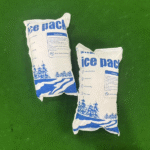
- Stop “seafood thinking”: Near-freezing ice packs can overcool chocolate and create condensation later.
- Agregar una capa de barrera: Never let coolant touch product surfaces. This reduces cold spots and moisture events.
Ejemplo práctico: A boutique brand used standard ice packs in summer. Orders arrived “cold,” but whitening appeared after warm-up. Switching to a higher set-point PCM reduced bloom complaints on the same lanes.
Cold chain organic chocolate temperature control targets: temperatura + humedad
Aim for a stable cool-room band and avoid sharp swings. Many storage and handling guides converge around ~18–20°C for stable storage, while shipping often targets a slightly cooler buffer when weather is hot. Humidity matters as much as temperature, because condensation is a bloom trigger. Treat your target as a banda más transition rule, not a single perfect number.
Un práctico, operations-friendly starting point:
- Almacenamiento / puesta en escena: ~18–20°C when feasible
- Envío (typical buffer): ~15–18°C for warm conditions
- Humedad: keep controlled (often below ~55–60% RH), and avoid condensation events
Dew-point thinking: stop “sweating” without a lab
La condensación ocurre cuando hace calor., humid air hits a cooler surface. That surface can be the chocolate—or the inner film of your pack. Your simplest rule: avoid opening cold product in a hot, humid room.
| Control point | Target behavior | Comprobación rápida | Lo que significa para ti |
|---|---|---|---|
| Storage temp | stable “cool room” | avoid big day/night swings | lower fat bloom risk |
| Humedad | keep it dry | watch RH during rainy weeks | fewer sugar bloom claims |
| Transitions | lento, staged moves | don’t open cold packs in hot rooms | better shine on arrival |
Practical tips for humidity-risk lanes
- Receiving rule: esperar 20–40 minutes in a temperate area before opening cartons in humid climates.
- If you must refrigerate: seal chocolate airtight before cooling to reduce condensation on warm-up.
- Warehouse discipline: keep product off floors and away from walls to reduce moisture risk.
Ejemplo práctico: A small DTC brand reduced “chalky” complaints by adding an acclimation pause before customers opened cartons in warm rooms.
Packaging for cold chain organic chocolate temperature control: gel packs vs PCM
The best packaging is the simplest packout that prevents spikes for your real transit time. Under-packing fails from heat. Over-packing fails from condensation when the box warms. Your packaging should match your lane (tiempo + calor + humedad), not your anxiety.
A practical packaging “ladder”:
- Remitente (base): carriles cortos, mild seasons
- Remitente + paquetes de gel: short-to-medium lanes, but watch over-cooling
- Remitente + PCM: steadier control for longer lanes and variable climates
| Packout option | Mejor para | Riesgo principal | Lo que significa para ti |
|---|---|---|---|
| Transatlántico + paquetes de gel | corto, moderate heat routes | too cold → condensation later | easy upgrade path |
| PCM near “cool” temps | longer routes, hot seasons | Mayor costo unitario | steadier internal temp |
| Reflective outer layer | sunny porches, furgonetas | doesn’t fix long transit | reduces last-mile spikes |
Choosing a phase change material for chocolate shipping
A phase change material for chocolate shipping works best when its “hold point” matches chocolate’s comfort band. That means you hold product cool and steady without freezing hard.
Simple selection logic:
- Mostly hot-lane risk (verano, long last mile): choose a PCM closer to the mid-teens °C
- Mild but variable (day/night swings): choose a PCM closer to the high-teens °C
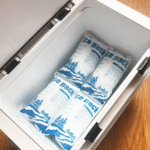
- If you must use gel packs: add separation layers so chocolate never touches a too-cold surface
Practical tips to avoid cold spots
- Separate the refrigerant: add a buffer layer so you avoid cold stripes and condensation risk.
- empacar rápido: open time is hidden heat gain.
- Validate one lane at a time: run a summer and winter test, keep the data, luego estandarizar.
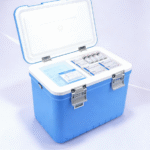
Insulated packaging for organic chocolate delivery: build the 5-layer box
Insulated packaging for organic chocolate delivery works when it slows heat flow and blocks short spikes. You are not trying to refrigerate chocolate like raw seafood. You are trying to keep it steady and protected from the outside world.
Build the system as five layers:
- Remitente: right-sized corrugate to reduce air gaps
- Aislamiento: foam or high-performance panels
- Humidity/odor barrier: clean liner or sealed inner bag
- Refrigerante: PCM matched to your target band
- Stabilization: dividers or trays to prevent crushing

EPS, PPE, VIP: what changes in real shipments?
Choose materials based on lane duration, abuse risk, and reuse goals—not just lab numbers.
| Opción de aislamiento | What it’s usually good at | Durabilidad & reutilizar | Lo que significa para ti |
|---|---|---|---|
| Espuma EPS | strong basic insulation | a menudo de un solo uso | costo más bajo, larger boxes |
| Espuma EPP | difícil + reuse-friendly | high reuse potential | fewer breaks, circular programs |
| VIP-based systems | high insulation in thin walls | needs careful handling | great for long lanes or hot climates |
Practical tips that improve outcomes fast
- Right-size the shipper: empty space behaves like extra heat.
- Proteger las esquinas: corners are weak points; reinforce or design for edges.
- Keep organic clean: use clean, food-appropriate liners and avoid contamination in pack areas.
Ejemplo práctico: A subscription brand moved from oversized single-use boxes to a right-sized reusable shipper. Porch swings dropped and corner damage fell.
Last-mile fixes for chocolate bloom prevention during shipping
Last mile is where chocolate bloom prevention during shipping usually fails. Warehouses can be controlled. Vans and porches are not. The “doorstep oven” effect (sun + dark carton + no airflow) is a predictable failure mode, so treat it like a design input.
Common last-mile problems and fixes:
| Last-mile problem | lo que parece | Arreglar | Lo que significa para ti |
|---|---|---|---|
| Sun exposure | soft corners, dull surface | reflective outer + “deliver to shade” | fewer melted arrivals |
| Van heat soak | warm box on short routes | reduce dwell + aislamiento más fuerte | less quality drift |
| Condensation on opening | whitening later | acclimate before opening | fewer sugar bloom complaints |
Practical dispatch checklist
- Keep cartons out of direct sun during staging.
- Reduce dock dwell time before pickup.
- Avoid peak afternoon drop-offs for chocolate when possible.
- Add clear “do not leave in sun” delivery notes for DTC.

Ejemplo práctico: Teams that couldn’t change carriers still reduced complaints by shifting cutoffs earlier and adding shade-delivery instructions during heat waves.
Monitoring for cold chain organic chocolate temperature control: what is enough?
For cold chain organic chocolate temperature control, “enough monitoring” means you can answer two questions quickly: Did we stay stable? y Where did it fail? Comience simple, then add tools where they change decisions.
A simple monitoring ladder:
- Level 1: packout checklist + delivery feedback tracking
- Level 2: indicators or single-use loggers for high-risk lanes
- Level 3: data loggers for weekly audits or premium shipments
| Monitoring level | El mejor uso | Effort | ¿Qué hace por ti? |
|---|---|---|---|
| Checklist only | same-day or mild lanes | bajo | reduces human-process errors |
| Single-use logger | nuevos carriles, seasonal changes | medio | shows where excursions happen |
| Routine audit program | top lanes by revenue | medium-high | standardizes packouts and training |
“Stoplight rules” that teams actually follow
- Verde: stayed in your target band
- Amarillo: near the edge (review process)
- Rojo: excursion (documento + acción correctiva)
Self-assessment: are you excursion-ready?
Date a ti mismo 1 punto por cada “sí”.
- We define acceptable temperature and humidity targets.
- We have a packout rule by transit time and season.
- We label shipments with packout type and logger ID.
- We have a written response plan for excursions.
- We can explain results to customers using simple proof.
Puntaje:
- 0–2: you are relying on luck
- 3–4: tighten last mile and documentation
- 5: you operate like a premium brand
SOP for cold chain organic chocolate temperature control: 6 pasos
Un SOP sólido es corto, visual, and repeatable. It tells a new hire what to do, no que creer.
The 6-step SOP (copy/paste friendly):
- Pre-condition packaging materials in a controlled cool area.
- Verify product starting condition (not warm from production or sunlight).
- Build the box fast (limit open time).
- Separate coolant from product with a barrier layer.
- Sellar y etiquetar claramente (include basic handling notes).
- Stage in a designated cool zone until pickup.
30-minute training plan:
- 10 minutos: show the packout layers + barrier rule
- 10 minutos: run the decision tool (abajo) con 2 example lanes
- 10 minutos: “stoplight” monitoring and what to do on Red
Organic integrity and records: protect the “organic” claim in transit
Temperature control is only half the job. Organic chocolate also needs clean handling and traceability.
Hazlo práctico:
- Segregate: dedicated zone for organic SKUs
- Sello: keep cases closed; minimize open handling
- Etiqueta: lot ID + packout type + ID de registrador
- Registro: shipment date, transportador, tipo de carril, y cualquier excepción
Minimum records that help audits y claims handling:
| Record type | What to capture | How to keep it simple | ¿Qué hace por ti? |
|---|---|---|---|
| Temperature log | time-stamped performance | logger report name + ID | reduces disputes and refunds |
| Lote & carton ID | batch + empacar | etiqueta + escanear | acelera las investigaciones |
| Clean handling notes | liner use, sellos | lista de verificación | protects organic integrity |
| Exceptions report | demora + acción tomada | one-page form | drives improvement |
herramienta de decisión: choose your packout in under 2 minutos
This decision tool keeps choices consistent across your team. It prevents “random packing” and reduces repeat losses.
Paso 1: Score risk (0–12)
Date puntos:
- Tiempo de tránsito
- 0 = same day
- 2 = 1–2 days
- 4 = 3–5 days
- Weather exposure
- 0 = mild season
- 2 = mixed / uncertain
- 4 = hot season or heat waves
- Last-mile delay risk
- 0 = signature / pickup point
- 2 = typical home delivery
- 4 = frequent porch delays
Puntuación total: ___ / 12
Paso 2: Match the solution
| Puntaje | Recommended approach | Por qué se ajusta |
|---|---|---|
| 0–3 | cargador aislado + strict staging | failures are usually process, no embalaje |
| 4–7 | cargador aislado + paquetes de gel + barrera | adds buffer without overcooling |
| 8–12 | cargador aislado + PCM + basic monitoring | steadier control for long or risky lanes |
2025 developments and trends in cold chain organic chocolate temperature control
En 2025, the direction is clear: Menos sorpresas, steadier setpoints, and simpler proof. Operators are shifting from “more ice” to mejor estabilidad, plus monitoring that supports decisions and customer trust.
Última instantánea del progreso
- Setpoint-focused cooling: more PCM use to reduce swings versus near-freezing packs
- Process wins over packaging hype: staging discipline and transition control reduce defects fast
- Proof-friendly workflows: standardized packout rules + basic monitoring lower disputes
Insight del mercado: premium and organic buyers are less forgiving of cosmetic defects. A small bloom rate can create outsized reputation damage, so stability becomes part of the brand promise.
Preguntas frecuentes
Q1: What is the biggest mistake in cold chain organic chocolate temperature control?
Packing warm chocolate into a cold box. Cool product first, then pack fast with a barrier to reduce moisture and stress.
Q2: Are gel packs always safe for organic chocolate?
No siempre. They can overcool and create condensation during warm-up. Use them with insulation, a barrier, and lane-matched duration.
Q3: What’s the safest ideal shipping temperature for organic chocolate to start with?
Start with a stable cool-room band (often mid-to-high teens °C) and prioritize consistency over extreme cold.
Q4: When should I switch to PCM?
When routes run 2+ días, warm seasons spike, or delays happen. PCM helps hold a steadier internal environment.
Q5: Do I need sensors for every shipment?
No. Start with audits on high-risk lanes, then expand monitoring where it changes decisions or proves performance.
Q6: How do I reduce sugar bloom complaints fastest?
Prevent condensation. Add an acclimation pause before opening cartons in warm, cuartos húmedos.
Resumen y recomendaciones
Cold chain organic chocolate temperature control succeeds when you keep temperature stable, avoid fast warm/cool swings, and stop condensation events before they start. Haga coincidir el embalaje con su carril, use a barrier between coolant and product, and standardize a short SOP your team repeats. Add monitoring where it improves decisions or proves performance, not where it creates busywork.
Plan de acción (simple and measurable):
- Elige tu blusa dos shipping lanes.
- Run the decision tool and assign un paquete por carril.
- Track returns for 30 days and change one variable at a time (aislamiento, tipo de refrigerante, or staging).
- Add one monitoring upgrade on the highest-risk lane.
Acerca de Tempk
Y tempk, we focus on practical cold chain packaging and workflows for temperature-sensitive products like chocolate. We design shippers and cooling strategies aimed at stable internal conditions, clearer packout steps, and easier training—so you can protect quality and cut avoidable losses.
Siguiente paso (CTA): Comparte la duración de tu carril (horas), seasonal peak temperatures, and delivery method (signature vs porch). We’ll recommend a simple, stable packout plan for your cold chain organic chocolate temperature control workflow.