Mantener los mariscos frescos desde la cosecha hasta la mesa es un delicado acto de equilibrio. Cold chain shellfish boxes solutions are the foundation of that journey. Tienes que mantener temperaturas cercanas al punto de congelación., controlar los niveles de oxígeno y elegir materiales que protejan los delicados mejillones, almejas y gambas sin dejar montaña de residuos. La industria pesquera mundial produjo alrededor 179 millones de toneladas de productos del mar en 2020, and the packaging market that supports it was valued at Dólar estadounidense 11.5 mil millones en 2024. A medida que crece la demanda y se endurecen los estándares de sostenibilidad, elegir el contenedor adecuado puede hacer o deshacer su producto y su reputación. esta guía, actualizado 3 Diciembre 2025, desglosa las opciones, compara materiales y ofrece consejos prácticos para ayudarle a diseñar una cadena de frío que mantenga seguros los mariscos, fresco y ecológico.
Understand why cold chain shellfish packaging matters for food safety – including temperature and oxygen control requirements.
Compara diferentes materiales de cajas (EPS, plástico reutilizable, a base de fibra y biodegradable) – ver cómo se desempeña cada uno a través de la distancia, costo y sostenibilidad.
Choose and use the right packaging solution – with criteria for shellfish type, longitud de ruta, regulatory compliance and sustainability goals.
Explorar 2025 innovaciones y tendencias – from recyclable fiber boxes and Ccycled® EPS to bio based foams and smart sensors.
Obtenga respuestas a preguntas comunes – such as oxygen transmission rate requirements, shipping live shellfish and balancing cost and sustainability.
Why Cold Chain Shellfish Boxes Solutions Matter
Frescura, Safety and Regulation
Shellfish are extremely perishable. Enzymes and microbes continue to react after harvest. Exposición a temperaturas anteriores 0 °C – 2 °C accelerates spoilage, while reduced oxygen environments allow harmful bacteria like clostridio botulínico to flourish. When packaging fails to maintain the cold chain, La calidad disminuye y la seguridad está en riesgo.. Por ejemplo, a 2025 study cited in cold chain research found that ineffective temperature control causes arriba a 80 % de pérdidas de productos farmacéuticos y casi 50 % de las vacunas se desperdician; Los productos del mar enfrentan riesgos similares. Regulatory bodies respond accordingly – U.S. Ley de modernización de la seguridad alimentaria (FSMA) Regla 204 requires time temperature indicators (Papá) and traceability for perishable foods, and the EU’s Single Use Plastics Directive bans EPS food containers.
Packaging as a Barrier to Contamination
Proper packaging isn’t just about cooling; it prevents contamination. Según la investigación de la industria, packaging serves four critical roles:
Preserving freshness and extending shelf life – Insulation and refrigerants inhibit microbial growth and enzymatic reactions.
Preventing microbial contamination – Sealed or breathable films block bacteria and moisture; sealed edge boxes reduce bacterial risks.
Enabling efficient cold chain logistics – Containers must survive stacking, vibration and long transit distances without failure.
Communicating product information and branding – Clear labelling and digital tags help traceability and marketing.
Poor packaging directly contributes to marine pollution. Poliestireno expandido (EPS) cajas de espuma, used widely for shellfish transport, are non recyclable and can take más que 500 years to decompose. Discarded packaging is a major source of ocean debris; the United Nations Environment Programme estimates 8 million tonnes of plastic enter the oceans annually. Coastal communities have begun banning EPS boxes because piles of bulky foam containers litter shorelines. That’s why sustainable materials are no longer optional.
Comparing Box Materials: EPS, Reusable Plastics, Fiber and Bio Based Options
Choosing the right shellfish box starts with understanding material differences. Each material has trade offs in thermal performance, environmental impact and operational cost. The table below summarises key attributes using evidence from lifecycle assessments, industry news and product data.
| Material | Térmico & Rendimiento protector | Sostenibilidad & Regulaciones | Lo que significa para ti |
| Poliestireno expandido (EPS) | Proporciona un excelente aislamiento y resistencia a los golpes.; widely used because it keeps fish boxes cold and withstands stacking. In an independent lifecycle assessment (LCA), EPS delivered the lowest total environmental cost for long-distance routes (1250–2800 km) en comparación con el cartón y el plástico reutilizable. | Derivado de combustibles fósiles y no reciclable en muchas regiones.; bans by the EU and U.S. states make long term use risky. Sin embargo, some chemical recycling initiatives like Ccycled® EPS conserve resources by replacing virgin feedstocks with pyrolysis oil and maintain the same hygienic standards. | EPS boxes remain an economical choice for routes exceeding 900 kilómetros, but check local regulations and recycling options. Consider using Ccycled® EPS (p.ej., CELOOPS® boxes) to meet circular economy goals. |
| Reusable Plastic (Polipropileno & PP5) | Flexible y duradero; polypropylene boxes are designed to flex without breaking and avoid foam bead contamination. CoolSeal USA’s corrugated polypropylene boxes are delivered flat, ahorro ~85 % espacio de almacenamiento and allowing 20–30 % más producto por palet, Mejora de la eficiencia del envío. | 100 % reciclable (PP5) y resistente a la humedad; sealed edge technology reduces bacterial contamination. Requires a washing cycle if reused, which increases water and energy use. Some jurisdictions require strict cleaning protocols. | Ideal for regional and medium distance routes; lower weight reduces freight costs. The space saving design makes warehousing more efficient and can cut shipping costs. |
| Fiber Based & Cartón | DS Smith’s DryPack uses Greencoat® coating and stays water resistant; when packed with ice it keeps fish below 40 °F (4 °C) por más 40 horas. Los materiales basados en papel representan 37 % del mercado de envasado de productos del mar en 2025. | DryPack is 100 % reciclable, FBA approved and the only fibre seafood box approved for air freight. Se envía plano a los procesadores, reducing incoming freight costs and carbon emissions. | Best for short to medium routes where moisture exposure is controlled. Provides strong brand messaging and meets sustainability mandates. |
| Bio Based & Espumas compostables | Nuevas espumas elaboradas con setas, algae or starch deliver insulation comparable to EPS; Nature Pack’s Biocooler increases shipping time por hasta 30 % en comparación con las espumas de origen fósil. | Compostables y biodegradables; safe disposal via industrial composting. Más caro (20–50 % higher than conventional plastics), and some have shorter shelf life due to reduced moisture barriers. | Suitable for eco conscious brands and markets with strong composting infrastructure. Consider for premium products where sustainability commands a price premium. |
| Plástico aislado reutilizable & Metal (RISC) | Durable containers with thick walls; maintain constant temperatures for extended periods. Ideal for bulk shipments and reuse; Requieren limpieza y logística de devolución.. | Reduce single use waste but have higher upfront cost; their environmental performance depends on number of reuse cycles. | Ideal for closed loop supply chains where containers can be retrieved; efficient for large processors shipping to repeat customers. |
Distance Matters
RDC Environment’s 2025 LCA shows that no single material dominates in every context. Para distancias cortas (bajo 200 kilómetros) EPS, El cartón laminado y el plástico reutilizable funcionan de manera similar.. Entre 200 y 500 kilómetros, El plástico reutilizable y el EPS siguen siendo competitivos, while cardboard becomes less favourable due to higher ice requirements and spoilage risk. For long routes beyond 900 kilómetros (common in international shellfish trade), EPS delivers the lowest total environmental and climate impact. Dicho esto, innovations like fiber coated boxes and chemically recycled EPS are narrowing the gap. Evaluating your typical route length is essential.
How to Select and Use Shellfish Boxes Effectively
Know Your Product and Route
Different shellfish species have unique needs. mariscos vivos (such as oysters or lobsters) must arrive alive; you should avoid wet ice or dry ice in their parcels because ice can suffocate or freeze them. Instead use refrigerant packs or chilled seaweed para mantener la temperatura. Frozen shellfish can travel on dry ice; El hielo seco sublimate (pasa directamente de sólido a gas) en –109.28 °F, vencido 5–10 libras cada 24 horas. Tratar con cuidado: dry ice can cause frostbite and is classified as a hazardous material for air transport.
Para raw, productos refrigerados, aim to keep the internal temperature between 0 °C y 2 °C. If you package in low oxygen films (vacío o atmósfera modificada), mantener los productos a continuación 3.3 °C y adjuntar indicadores de tiempo y temperatura.. Al usar 10Bolsas retráctiles al vacío K OTR, oxygen transmission rates of at least 10,000 cc/m²/24 h prevent them from being classified as reduced oxygen packaging. This OTR level provides enough oxygen exchange to inhibit do. botulínico growth while still allowing rapid chilling.
Evaluate Insulation and Refrigerants
Las cajas pasivas dependen de materiales como el EPS, poliuretano (Puro) y paneles aislados al vacío (VIP) plus phase change materials (PCM) como paquetes de gel o hielo seco. PUR offers higher R value insulation than EPS, while VIPs provide superior thermal resistance in a thin profile. Los PCM absorben y liberan energía térmica.: gel packs keep chilled products near 0 °C; dry ice is reserved for ultra cold conditions.
Para mariscos, phase change compatibility and duration are crucial. Make sure the PCM mass and insulation thickness match the expected transit time. Hybrid systems combine passive insulation with active elements (like battery powered fans or Peltier modules) to adjust temperature when external conditions change. These deliver precision but increase complexity and cost.
Optimize Space and Weight
Storage and freight costs quickly add up when shipping heavy or bulky boxes. Buscar space saving designs: CoolSeal’s polypropylene boxes ship flat and reduce storage space by about 85 %, permitiendo 20–30 % más producto por palet. DS Smith’s DryPack also ships flat, reducing incoming freight costs while maintaining high performance. Además, fibre boxes weigh less than EPS and can cut fuel consumption over long routes.
Maintain Hygiene and Traceability
Shellfish are high risk foods; boxes must meet food contact regulations. Ensure packaging is certified by the USDA, FDA and CFIA if shipping internationally. Fibre boxes like DryPack are certified by these agencies, while polypropylene boxes use sealed edge technology to minimize bacterial contamination. Reusable systems must be thoroughly cleaned between uses; the LCA found that washing cycles add environmental cost to reusable plastic boxes. Traceability tools such as data loggers and IoT sensors record temperature and location, sending real time alerts to prevent excursions.
Match Box to Shellfish Form
mariscos vivos – Use breathable containers with refrigerant packs; avoid vacuum sealing; maintain humidity to prevent desiccation.
Whole chilled shellfish – Use insulated fish bags or vacuum shrink bags sized for 2 lb, 5 libras o 10 unidades de libra. Ensure OTR ≥ 10,000 cc/m²/24 h.
Shellfish meat or fillets – Vacuum skin packs (VSP) or thermoformed trays provide high barrier protection and premium presentation. They keep moisture in and allow vertical merchandising.
Envíos a granel – Consider reusable insulated containers or fiber based boxes; they reduce single use waste and satisfy sustainability mandates.
Sustainable Innovations and Trends in 2025
Chemically Recycled EPS and Circular Polystyrene
BASF and Knauf Industries have developed EPS Cciclado® for fish boxes. They replace virgin fossil feedstocks with pyrolysis oil derived from post consumer plastic waste, attributing recycled content via mass balance. The resulting CELOOPS® boxes maintain the same thermal properties and hygiene standards as conventional EPS, and Pescafácil has adopted them to secure its cold chain while committing to the circular economy. En tono rimbombante, these boxes remain 100 % reciclable and can be processed through existing EPS recycling systems.
Fiber Based Boxes with Greencoat® Technology
DS Smith’s Paquete seco uses Greencoat® coating to create a moisture resistant corrugated box that is fully recyclable. It keeps fish abajo 40 °F for more than 40 horas when packed with ice and is the only container board seafood box approved for air freight. Because the boxes ship flat, processors save on incoming freight costs and reduce fuel emissions. DryPack has already replaced more than 1 billion pieces of plastic in other sectors and is now being manufactured at DS Smith’s U.S. plantas, highlighting the trend toward fiber based cold chain solutions.
Recyclable Polypropylene Fish Boxes
CoolSeal’s corrugated polypropylene boxes offer an alternative to EPS. Se entregan planos, saving space and enabling more efficient palletization. The boxes bend without breaking and use sealed edge technology to minimize bacterial risks. Su PP5 material is fully recyclable, providing an eco friendly option for processors who need durability and moisture resistance.
Bio Based Films and Foams
Sustainable materials are on the rise. Research points to Estampado (ácido poliláctico), pulp based packaging, y chitosan films derived from crustacean shells as biodegradable alternatives. Norway’s Leroy Seafood Group replaced casi 60 % of its EPS trays with recyclable PET and pulp trays, cutting more than 200 tonnes of plastic anualmente. Walmart Canada’s shift from black plastic trays to clear PET resulted in 25 million more trays being recyclable each year. Innovative edible films from seaweed (Evoware, Notpla) dissolve harmlessly in water. Nature Pack’s compostable foam Biocooler offers an EPS replacement that extends shipping times by up to 30 %.
Reusable and Bulk Solutions
Reusable insulated shipping containers (RISC) made from durable plastics or metals decrease single use waste. Bulk packaging with internal dividers reduces overall material use during large shipments. Companies like Sanford Limited in New Zealand reported cutting 20 tonnes of packaging annually by switching to reusable plastic crates.
Digital and Smart Packaging
Smart sensors and data loggers record temperature and humidity in real time, alerting you when conditions drift outside safe ranges. AI driven logistics platforms optimize routing and inventory to reduce dwell times. The integration of QR codes and digital labelling reduces printing waste and enhances traceability. Expect to see more IoT enabled packaging and remote monitoring as regulators enforce tighter controls.
Perspectiva del mercado
The sustainable seafood packaging market is forecast to grow at a CAGR de 6.9 % de 2024 a 2035, alcance Dólar estadounidense 21.5 mil millones por 2035. Los materiales basados en papel ya resisten 37 % del mercado de envasado de productos del mar. Mientras tanto, the overall cold chain packaging market (cubriendo alimentos y productos farmacéuticos) fue valorado en Dólar estadounidense 29.35 mil millones en 2024 y se prevé que alcance Dólar estadounidense 55.68 mil millones por 2035 at a CAGR of about 6 %. Rising environmental regulations and consumer preferences are accelerating the shift toward recyclable and bio based solutions.
Preguntas frecuentes
Why do fish boxes often use EPS? EPS provides excellent insulation and shock resistance, ensuring the cold chain during long distance transport. Sin embargo, it is derived from fossil fuels and faces increasing regulatory restrictions.
What is a 10K OTR bag? A 10K Oxygen Transmission Rate bag allows at least 10,000 cc/m²/24 h of oxygen to pass through. This level keeps raw fish from being classified as reduced oxygen packaging and reduces the risk of botulism. Vacuum shrink bags with 10K OTR maintain colour and prevent leakage.
How can I ship live shellfish? Avoid wet ice or dry ice. Use refrigerant packs or chilled seaweed to keep shellfish around 0 °C without suffocating them. Ensure the container has ventilation and moisture control.
Are fiber boxes strong enough? Sí. DryPack’s Greencoat® boxes maintain fish below 40 °F por más 40 hours and are approved for air freight. They are water resistant and 100 % reciclable.
What’s the best option for sustainability? The answer depends on distance, budget and infrastructure. EPS reciclado químicamente (CELOOPS®) maintains performance while reducing fossil inputs. Fiber boxes offer recyclability and reduced carbon footprint. Bio based foams and films compost naturally but may be more expensive.
How do I ensure compliance? Follow FSMA Rule 204 by monitoring temperature and humidity with data loggers. Keep chilled fish between 0 °C y 2 °C and frozen goods below –20 ºC. Use packaging with a 10K OTR if you’re not freezing the product.
Resumen y recomendaciones
Keeping shellfish fresh and safe is challenging but achievable. Cold chain shellfish boxes solutions must balance thermal performance, control de oxígeno, structural integrity and environmental impact. Based on current evidence:
Match material to route length. EPS remains the most efficient for long distances over 900 kilómetros, but fiber based and polypropylene boxes outperform for shorter routes where regulations restrict EPS.
Priorizar la sostenibilidad. Choose recyclable or chemically recycled materials like CELOOPS® to reduce your carbon footprint. Bio based foams and pulp trays are becoming viable alternatives.
Adhere to temperature and oxygen guidelines. Keep chilled shellfish between 0 °C y 2 °C, and maintain OTR ≥ 10,000 cc/m²/24 hr for raw fish. Use TTIs to verify compliance.
Optimize logistics. Use space saving and lightweight designs like CoolSeal’s polypropylene boxes or fiber boxes that ship flat. Plan routes to minimize transit time and temperature excursions.
Invertir en seguimiento. Implement smart sensors and data loggers for real time temperature tracking and traceability.
By combining these practices, you can deliver shellfish that arrive fresh, safe and sustainably packaged. Recordar, there is no one size fits all answer—evaluate your species, route and regulatory environment to choose the optimal box.
Próximos pasos y llamado a la acción
Ready to upgrade your shellfish shipping? Assess your current packaging using the criteria above. Connect with cold chain experts to explore recyclable and bio based options tailored to your route lengths and product mix. Implementar monitoreo en tiempo real to ensure compliance and reduce waste. Small improvements in box selection and handling can yield big gains in freshness, customer satisfaction and environmental impact.
Acerca de Tempk
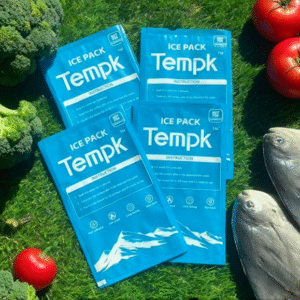
Tempk is a leading provider of cold chain packaging and temperature control solutions. Diseñamos y fabricamos bolsas isotérmicas., recyclable fiber boxes and reusable ice packs backed by rigorous testing. Our Greencoat® certified boxes are water resistant and maintain product temperatures below 4 °C por más 40 horas. Con más de una década de experiencia., nuestra R&D team continuously innovates to replace problem plastics and reduce carbon emissions. We are proud to have eliminated over one billion pieces of plastic packaging by helping customers transition to sustainable alternatives. Contact us to learn how we can help you optimize your shellfish cold chain.