The cold chain keeps your vegetables crisp and safe from farm to fork. En 2025, the food cold chain market is valued at about US $65.8 billion, and the global cold chain logistics market has climbed to roughly US $436 billion. As demand for fresh, minimally processed foods surges and food safety laws tighten, vegetables travel farther and require precise temperature control. Sin embargo, alrededor 526 million tonnes of food—12 % of global production—are lost annually due to the lack of cold chains, and vegetables can suffer post harvest losses of more than 50 De % en algunas regiones. This guide explains the trends transforming vegetable logistics in 2025 and offers practical strategies to improve quality, sostenibilidad y rentabilidad.
Understand why the cold chain matters to vegetables – explain how proper temperature management reduces food loss and preserves nutrition.
Explore growth drivers – review consumer trends, cross border trade and regulations boosting cold chain investment.
Learn about cutting edge technologies – discover how AI, IoT and blockchain improve traceability and efficiency.
Implementar mejores prácticas – find recommended temperature ranges, packaging and handling guidelines for various vegetables.
Prepare for sustainability and future trends – see how energy efficient systems and greener logistics address climate goals.
Why the Cold Chain Matters for Vegetables
Food loss and nutrition. Sin refrigeración, las verduras se echan a perder rápidamente. About 13 % of all food produced is lost because of insufficient cold chains, and smallholder farmers in Sub Saharan Africa lose over 50 % of vegetable harvests. Las cadenas de frío adecuadas reducen el crecimiento microbiano y las reacciones enzimáticas., extending shelf life and protecting nutrients.
Seguridad y cumplimiento. Regulaciones como las de EE. UU.. Ley de modernización de la seguridad alimentaria (FSMA) Rule 204 exigir trazabilidad las 24 horas para los alimentos de alto riesgo. Maintaining vegetables at 0–5 ° C (32–41 °F) preserves texture and prevents pathogens. Real time monitoring ensures compliance and reduces recalls.
Economic and social impact. La pérdida y el desperdicio de alimentos representan 8–10% de las emisiones globales de gases de efecto invernadero. By improving cold chains, we can feed more than 1 billion people actualmente afectados por la inseguridad alimentaria. Efficient logistics also increase farmer incomes and create jobs.
A closer look at vegetable losses
| Asunto | Evidencia | Impact on vegetables | Por qué te importa |
| Post harvest loss | Arriba a 50 De % of vegetable yields lost in Sub Saharan Africa due to inadequate cold chains | Waste reduces farmer incomes and consumer supply | Improved cold chain storage can halve post harvest losses, increasing profits and food availability |
| Food loss vs. desperdiciar | 526 million tonnes of food lost annually because of missing or broken cold chains | High nutrient loss for vegetables; wasted energy | Investing in refrigeration infrastructure reduces loss and improves sustainability |
| Temperature abuse | Frozen vegetables require −18 °C a −23 °C; verduras frescas necesitan 0–13 ºC dependiendo de la variedad | Deviations lead to ice crystals, texture damage and spoilage | Maintaining correct ranges ensures quality and reduces complaints |
Tips for reducing vegetable loss
Pre-enfriar rápidamente: Rapidly cool vegetables after harvest using blast chillers or forced air cooling. Slow cooling allows ice crystals to form and reduces quality.
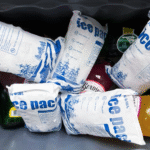
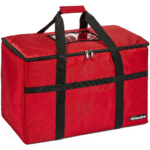
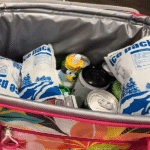
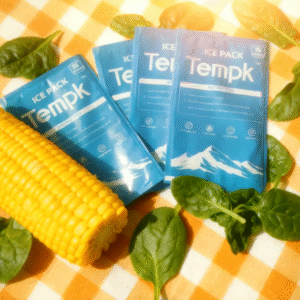
Utilice un embalaje adecuado: Contenedores de espuma aislados, Las bolsas selladas al vacío y los paquetes de gel ayudan a mantener la temperatura..
Monitorear la humedad: La humedad equilibrada evita el marchitamiento; Las películas transpirables permiten el intercambio de gases mientras retienen la humedad..
Instalar sensores: IoT loggers and data loggers provide continuous temperature and humidity data, alertar a los operadores sobre desviaciones.
Caso en punto: A Southeast Asian distributor that installed solar powered cold storage and IoT monitoring cut energy costs from 13.10 centavos por kWh a 3.2 centavos, while maintaining vaccines at –80 °C a –150 °C. Similar systems for vegetables can slash energy bills and preserve product quality.
Drivers of Growth in the 2025 Cold Chain Vegetables Industria
Creciente demanda de alimentos congelados y procesados
Urban lifestyles and busy schedules have increased consumption of frozen meals, carnes y mariscos. Investigación de mercado de persistencia reports the global food cold chain market at US $65.8 billion en 2025 y lo proyecta para llegar US $205.3 billion por 2032, creciendo en 17.5 % anualmente. Kits de comida, ready to eat foods and online grocery services require reliable refrigerated logistics.
El frozen vegetable market itself is worth US $57 billion en 2025 y se prevé que alcance US $102.3 billion por 2035 (Tocón 6 %). Retail customers account for 65 % del mercado. The popularity of plant based diets and the convenience of ready to cook vegetables drive this segment.
Normas de seguridad alimentaria más estrictas
Los gobiernos están imponiendo el control de la temperatura y la trazabilidad en todas las cadenas de suministro.. The FSMA Rule 204 mandates digital records and 24trazabilidad horaria para alimentos de alto riesgo. En Europa, el Pasar a la coalición de –15 °C encourages raising freezer temperatures from –18 °C a –15 °C, entrega 10–15 % energy savings while preserving food. El Embalaje de la UE & Directiva sobre residuos requires recyclable and reusable packaging, pushing companies to adopt eco friendly materials.
Crecimiento del comercio y la infraestructura transfronterizos
Perishable exports such as meat, seafood and fresh produce have grown 5.6 % anualmente desde 2018. Las economías emergentes están ampliando la capacidad de los almacenes refrigerados: la capacidad de almacenamiento en frío de la India creció 35 % entre 2020 y 2024, mientras que la capacidad de China supera 200 millones de m³. The Asia Pacific cold chain market is expected to grow 11 % por 2025, yet uneven infrastructure creates regional disparities. Countries like the Philippines aim to increase cold storage capacity by 10–15 % annually to support exports.
Digitalización y tecnología de sensores.
IoT platforms and predictive analytics help reduce product loss and optimize routes. Digital solutions can cut downtime by up to 50 %, reduce repair costs 10–20 % y guardar 10–30 % de energía. Real time tracking satisfies regulatory demands and builds consumer trust. Blockchain proporciona registros a prueba de manipulaciones de cada transferencia, Garantizar la trazabilidad de extremo a extremo..
Consumer preferences for quality and convenience
Los consumidores quieren productos frescos, minimally processed vegetables but also value convenience. Suscripciones a kits de comida, online grocery services and quick service restaurants rely on chilled logistics. en la india, the quick service restaurant sector is projected to grow 20–25 % anualmente, underscoring the need for reliable cold chains.
Technology Innovations Transforming Vegetable Cold Chains
Artificial Intelligence and route optimization
AI is revolutionizing cold chain logistics by optimizing routes based on traffic patterns, ventanas meteorológicas y de entrega. This reduces fuel consumption and ensures timely deliveries. Warehouse AI platforms predict equipment failures, schedule maintenance and provide inventory forecasts. Automated storage systems improve safety and reduce labour costs.
Blockchain para la trazabilidad
Blockchain crea registros inmutables de los recorridos de los productos. Mejora la transparencia, garantiza el cumplimiento de las normas de seguridad alimentaria y genera confianza en el consumidor. By recording each handoff in the supply chain, blockchain prevents counterfeit products and simplifies audits.
Monitoreo habilitado para IoT
The Internet of Things allows continuous tracking of temperature sensitive products. Sensors provide real time data on temperature, humedad y ubicación. Immediate alerts enable corrective actions when deviations occur, reducir el deterioro y el desperdicio. GPS integration helps adjust routes for traffic and weather.
Refrigeración solar y renovable
Solar powered refrigeration units are gaining traction in regions with limited electricity. Companies like Eja Ice Nigeria deploy solar powered cold storage to reduce food waste and improve food security. Renewable energy solutions lower operating costs and emissions, making cold chains more sustainable.
Contenedores inteligentes ligeros
Lightweight insulated containers with embedded sensors monitor temperature, humedad y ubicación. These containers improve efficiency and reduce weight, lowering transport costs. Reusable smart packaging reduces waste and supports circular supply chains.
Temperature management for different vegetables
Temperature control varies by product:
Verduras congeladas: requerir –18 °C a –23 °C to stop bacterial growth and enzymatic reactions. Any fluctuation can form ice crystals and damage cell structures.
Verduras de hojas verdes frescas: necesidad 0–4 ºC and high humidity to prevent wilting.
hortalizas de raíz (papas, cebollas): tolerate 10–13 ºC. Warmer temperatures prevent chilling injury.
Verduras tropicales (tomates, pepinos): preferir 10–13 ºC y humedad moderada.
Maintaining optimal humidity is crucial; containers must balance moisture to avoid dehydration or rot.
Practical handling tips
Utilice contenedores frigoríficos: Set accurate temperature and humidity controls. Fresh vegetables need 32–40 °F (0–4 ºC), while tropical varieties need 50–55 °F (10–13 ºC).
Planificar carga y descarga: Rapid transfers minimize exposure to ambient temperatures.
Implementar monitoreo en tiempo real: Sensors and GPS provide continuous data and alert handlers to deviations.
Tener energía de respaldo: Generators prevent disruptions during outages.
Ejemplo del mundo real: En julio 2025 UNICEF envió 500 000 dosis de vacuna neumocócica por mar. Careful route planning and green logistics reduced greenhouse gas emissions by 90 % y reducir los costos de flete 50 % en comparación con el transporte aéreo. Similar strategies can be applied to vegetable shipments to save money and reduce climate impact.
Sostenibilidad e Impacto Ambiental
Cold chain’s carbon footprint
La cadena de frío de los alimentos representa 4 % de las emisiones globales de gases de efecto invernadero. Energy consumption for refrigeration, refrigerant leakage and food loss due to inadequate cooling are the main sources. Cold chain operations also consume 17 % de la electricidad del mundo. Tackling these emissions is essential for meeting climate goals.
Food loss and climate change
En 2022 más que 1.05 billion tonnes of food were wasted, mientras 783 millones de personas went hungry. La pérdida y el desperdicio de alimentos contribuyen 8–10 % of annual global greenhouse gas emissions—nearly five times the emissions from aviation. Reducing cold chain losses can therefore deliver significant environmental and social benefits.
Estrategias sostenibles
| Estrategia | Descripción | Beneficio para ti |
| Energía renovable | Install solar panels or wind turbines to power cold storage and transport equipment. Use electric vehicles for last mile delivery. | Reduces emissions and energy costs; increases resilience to power price volatility. |
| Refrigerantes naturales | Replace high GWP refrigerants with CO₂, amoniaco o hidrocarburos, in line with the Kigali Amendment and EPA regulations. | Cuts direct greenhouse gas emissions and future proofs equipment against regulation. |
| Energy efficient operations | Adoptar el Pasar a –15 °C iniciativa, raising freezer temperatures from –18 °C to –15 °C to save 10–15 % de energía. Utilice paneles aislados al vacío y materiales de cambio de fase para mejorar el aislamiento.. | Lower operating costs and extend equipment life; maintain quality and reduce waste. |
| Logística verde | Use AI for route optimization and load consolidation; shift to lower carbon transport modes (rail or sea). Implement micro fulfillment centers to reduce travel distance. | Cuts fuel consumption and emissions; improves delivery speed and reliability. |
| Circular packaging | Switch to recyclable and reusable containers. The EU Packaging Directive mandates such materials. Smart containers with sensors can be reused multiple times. | Reduces packaging waste and complies with legislation; lowers long term costs. |
Market Trends and Consumption Patterns
Dinámica de precios y oferta
Los EE. UU.. Servicio de Estudios Económicos reports that retail fresh vegetable prices increased by 2.8 % desde julio 2025 a agosto 2025 y fueron 2.9 % más alto que un año antes. Despite seasonal fluctuations due to weather events in California and Florida, fresh vegetables are predicted to cost about the same in 2025 as in 2024, with a prediction interval of –1.3 % a 1.3 %. A nivel de finca, vegetable prices are expected to disminuir en 14.1 % en 2025 because of improved yields and stabilizing supply. Stable retail prices benefit consumers but may pressure growers, emphasizing the need for efficient logistics to maintain margins.
Regional growth and consumption
El Asia Pacífico cold chain market is expected to grow 11 % por 2025, driven by rising incomes and urbanization. Sin embargo, uneven infrastructure and climate conditions mean that some countries lag behind, creating opportunities for investment in sustainable cold storage facilities.
Per capita consumption of frozen vegetables varies. Developed countries such as the United States, United Kingdom and Germany report higher consumption because of busy lifestyles and widespread cold storage. Mercados emergentes, incluyendo la India, Brazil and South Africa, show rising consumption as cold chain infrastructure improves. Asia Oriental, particularly Japan, is projected to be the fastest growing market with a 6.1 % Tocón.
Value added produce and automation
The fresh cut and value added produce market has grown as consumers demand convenience. Value added produce reached a 15.4 % compartir de ventas de productos frescos en 2025. Automation technology such as robotic corers and peelers can process 2 500 pieces per hour, improving efficiency and reducing labour costs. These innovations require precise cold chain management to maintain quality after cutting.
Mesa: Key Market and Sustainability Metrics
| Métrico | 2025 Valor | Pronóstico / Impacto | Importancia práctica |
| Mercado global de logística de cadena de frío | US $436 billion | Se espera que supere US $1.36 trillion por 2034 | Muestra un rápido crecimiento; investment opportunities in logistics and infrastructure |
| Mercado de la cadena de frío alimentario (en general) | US $65.8 billion | Proyectado para alcanzar US $205.3 billion by 2032 (Tocón 17.5 %) | Highlights strong demand for cold chain services across food categories |
| Mercado de verduras congeladas | US $57 billion | Expected to reach US $102.3 billion by 2035 (Tocón 6 %) | Indicates rising demand for frozen vegetables; opportunities for processors and retailers |
| Proporción de alimentos perdidos por falta de cadena de frío | 12 % (526 millones de toneladas) | Suficiente comida para alimentar 1 mil millones de personas | Emphasizes social impact of investing in cold chain infrastructure |
| Participación de la cadena de frío en las emisiones globales de GEI | 4 % | Related energy consumption is 17 % de la electricidad mundial | Highlights environmental cost; sustainability measures are essential |
| Previsión del precio de las verduras frescas (A NOSOTROS) | Unchanged (–1.3 % a 1.3 % cambiar) en 2025 | Farm level prices expected to disminuir en 14.1 % | Stable retail prices benefit consumers; efficient cold chains help growers remain profitable |
Desafíos y Gestión de Riesgos
Desafíos comunes
Control de temperatura y estabilidad.. Las fluctuaciones durante el transporte provocan la cristalización del hielo., deterioro y deterioro de la textura. Power failures and inefficient cooling systems lead to temperature excursions.
Lack of visibility and communication. Gaps in monitoring make it hard to identify where temperature abuse occurs. Mala coordinación entre proveedores., carriers and retailers results in delays and product damage.
Desperdicios de embalaje y errores de planificación. Over or under using gel packs wastes materials and increases risk of temperature deviations.
Incumplimiento normativo. Los registros faltantes o las condiciones de almacenamiento inadecuadas pueden dar lugar a multas y retiradas del mercado..
Brechas en infraestructura y cadena de suministro. Instalaciones obsoletas, Las malas rutas de transporte y los altos costos de la energía obstaculizan la eficiencia..
Strategies for risk management
Monitoreo y alertas en tiempo real: Deploy IoT sensors and GPS trackers to monitor temperature, humedad y ubicación continuamente.
Mantenimiento predictivo: Utilice análisis impulsados por IA para programar reparaciones antes de las averías, reducing downtime by up to 50 % y costos de reparación por 10–20 %.
Visibilidad de extremo a extremo: Integrate Transportation Management Systems (TMS) with ERP software to track shipments and inventory. RFID and barcode technologies help maintain optimum stock levels.
Optimización de ruta: Use AI to optimize delivery routes, reduciendo retrasos y consumo de combustible.
Formación y comunicación.: Standardize procedures for loading, descarga y seguimiento; realizar entrenamientos y simulacros regulares.
Energía de respaldo y energía renovable: Instale generadores y adopte energía solar o eólica para garantizar una refrigeración ininterrumpida..
Embalaje sostenible: Calibre los tamaños de embalaje según el volumen de envío; adoptar contenedores reutilizables y sistemas de agrupación de circuito cerrado.
Consejos prácticos y recomendaciones.
Kits de comida en lotes pequeños: Use insulated containers and gel packs that maintain 0–5 ° C, combinado con registradores de IoT para el monitoreo de entregas de última milla.
Envíos congelados de larga distancia: Mantener –18 ºC o inferior; emplear contenedores inteligentes con sensores y optimización de rutas. Considere el transporte marítimo para reducir emisiones y costos.
Procesamiento de IV gama: Aplique descorazonadores y peladores robóticos para minimizar el tiempo de manipulación, then package in breathable films and cool quickly.
Infraestructura resiliente: Invest in multi temperature zones, energía solar o eólica, and micro fulfillment centers.
Collaborative programs: Educate small farmers and cooperatives about temperature control and provide access to affordable cold storage.
Escenario práctico: A Southeast Asian frozen vegetable exporter installed IoT sensors and backup power systems. Temperature excursions decreased by 90 %, and shelf life complaints dropped dramatically. They also adopted the Pasar a –15 °C pauta, reducir los costos de energía por 10–15 % while maintaining quality.
2025 Tendencias y perspectivas de futuro
Sustainability at the heart of operations
La sostenibilidad ambiental es ahora un requisito más que una opción. Cold chain operations are pressured to adopt greener practices, reduce carbon footprints and maintain efficiency. Innovaciones en logística verde, energy management and resilience are leading the way. Las empresas integran la energía solar y eólica en las instalaciones y utilizan biocombustibles para el transporte. Certification systems like EDGE Advanced (exemplified by Emergent Cold’s zero carbon plant in Chile) showcase the shift to greener operations.
Inteligencia artificial y automatización
La IA proporciona información predictiva que optimiza las operaciones del almacén, pronosticar la demanda y programar el mantenimiento. Robots improve space utilization and safety. AI enabled route optimization reduces delays and fuel costs, while real time monitoring ensures optimum conditions.
Green logistics and built to suit facilities
Sustainable logistics emphasize renewable energy sources and efficient facility design. Construido para adaptarse a las soluciones, personalice la capacidad y mejore la eficiencia energética., helping companies manage costs while meeting regulatory requirements. Outsourcing to specialized cold storage providers can further reduce capital expenditures.
Move to –15 °C initiative
The Move to –15 °C coalition promotes raising standard freezer temperatures from –18 °C to –15 °C, entrega 10–15 % energy savings and extending equipment life. Large corporations are aligning operations with this initiative to meet sustainability goals.
Reducing food loss and waste
Más que 1 billion tonnes of food are wasted annually, contribuyendo a 8–10 % de las emisiones globales de gases de efecto invernadero. Cold chain improvements reduce post harvest losses and preserve product quality, helping to feed more people and decrease emissions.
Expansion of cold storage capacity and resilience
Demand for cold storage is increasing due to climate variability and supply chain disruptions. Companies are expanding or outsourcing storage and using microcentros logísticos to improve last mile delivery. Building strategic stocks and diversifying suppliers enhances resilience to events like canal closures or climate induced disruptions.
Preguntas frecuentes
- ¿A qué temperatura se deben almacenar las verduras frescas durante el transporte??
Las verduras frescas generalmente requieren 0–4 ºC (32–40 °F), mientras que las verduras tropicales como los tomates y los pepinos necesitan 10–13 ºC (50–55 °F). Maintain humidity to prevent wilting and avoid condensation. - ¿Cómo mejora la IA la logística de la cadena de frío para hortalizas??
La IA optimiza las rutas de entrega, predice fallas en los equipos y proporciona pronósticos de demanda e inventario en tiempo real. Estos conocimientos reducen el consumo de combustible., minimizar el tiempo de inactividad y mejorar la frescura del producto. - ¿Cuáles son los mayores desafíos en el envío internacional de verduras congeladas??
mantenimiento –18 °C a –23 °Cthroughout the journey is critical. Challenges include temperature fluctuations, cortes de energía, regulatory compliance and visibility gaps. Monitoreo en tiempo real, backup power and trained handling help overcome these issues. - ¿Por qué es importante la iniciativa Pasar a –15 °C??
Aumentar la temperatura estándar del congelador de –18 °C a –15 °Cpuede salvar 10–15 %de energía y prolongar la vida útil del equipo. It reduces emissions without compromising food safety. - ¿Cómo pueden los pequeños agricultores beneficiarse de sistemas mejorados de cadena de frío??
El acceso a almacenamiento en frío asequible reduce las pérdidas poscosecha, aumenta los ingresos y permite a los agricultores llegar a mercados distantes. Cooperative programs and solar powered systems make cold chains accessible in off grid areas.
Resumen y recomendaciones
Effective cold chain management is crucial for the vegetable industry. Control de llave incluir:
Crecimiento del mercado: The food cold chain market is projected to grow from US $65.8 billion en 2025 a US $205.3 billion por 2032, while the frozen vegetable market is expected to reach US $102.3 billion por 2035.
Loss reduction: Inadequate cold chains lead to 526 million tonnes of food loss annually; proper refrigeration can halve post harvest losses and feed more people.
Technology innovation: AI, IoT, blockchain and renewable energy improve traceability, eficiencia y sostenibilidad.
Sostenibilidad: The cold chain accounts for 4 % of global GHG emissions and 17 % del consumo mundial de electricidad. Energy efficient practices and green logistics reduce environmental impact.
Stable prices: Retail fresh vegetable prices are forecast to remain stable in 2025; efficient cold chains help maintain profitability despite lower farm level prices.
Plan de acción
Invierta en monitoreo digital: Implementar sensores de IoT, GPS trackers and blockchain for real time monitoring and traceability. Choose solutions that provide 1–5 minute data updates for proactive interventions.
Implementar análisis predictivos: Use AI tools to forecast demand and schedule maintenance, reducing downtime by up to 50 % and cutting repair costs.
Adopt energy efficient practices: Raise freezer temperatures to –15 °C, instalar sistemas de energía renovable y adoptar envases reutilizables. These steps save 10–15 % de energía.
Reforzar la logística de última milla: Construir microcentros logísticos, use three temperature vehicles and optimize routes for speed and efficiency.
Educar y colaborar: Train staff on proper handling and emergency procedures, and collaborate with farmers and cooperatives to provide affordable cold storage.
Acerca de Tempk
Tempk is a trusted innovator in cold chain packaging and logistics solutions. Diseñamos cajas aisladas, bolsas de hielo, bolsas térmicas y medical cold boxes to keep your vegetables and other temperature sensitive products safe. Our products are reutilizable, reciclable and engineered for energy efficiency. Backed by a dedicated R&D center and strict quality control, we help clients meet regulatory requirements and sustainability goals.
Ready to optimize your vegetable cold chain?
Visit Tempk’s knowledge center for more insights and tools, or get in touch with our experts for a personalized consultation. We’re here to support your journey toward fresher products, reduced waste and a greener supply chain.