Garantía de calidad de hortalizas en cadena de frío: Cortar y encoger
Si quieres frescura predecible, cadena de frío aseguramiento de la calidad de las verduras debe proteger la vida útil y demostrar control de extremo a extremo. Para verduras de hojas verdes, el almacenamiento cerca de 0°C puede significar aproximadamente 21 días de la vida, mientras que alrededor de 5°C puede reducirlo más cerca de 14 días en condiciones típicas. Un solo retraso en el enfriamiento también puede perjudicar rápidamente; un ejemplo muestra una 4-retraso de una hora aumentando la dureza de los espárragos en aproximadamente 40%.
Este artículo responderá por ti.:
- Cómo cadena de frío aseguramiento de la calidad de las verduras trabaja en operaciones diarias (no solo auditorías)
- Un sistema de carriles para producir monitoreo de temperatura y control de humedad (así que deja de adivinar)
- Un práctico Lista de verificación de control de calidad de vegetales de cadena de frío para recibir que reduce las disputas
- Un plan KPI para rastrear los "minutos cálidos"," encoger, y reclamaciones por ruta y grupo de hortalizas
- 2025 actualizaciones: cronograma de trazabilidad, expectativas de prueba bajo demanda, y diseño de SOP escalable
¿Qué cubre el control de calidad de las hortalizas de cadena de frío??
Respuesta directa: Garantía de calidad de hortalizas en cadena de frío es el sistema de normas, cheques, y acciones correctivas que mantengan las hortalizas dentro de los objetivos de calidad desde la cosecha hasta la entrega.. Normalmente cubre la estabilidad de la temperatura., control de humedad, manejo de la disciplina, rendimiento del embalaje, inspecciones, y excepciones documentadas.
Explicación expandida: Piensa en ello como un cinturón de seguridad más un tablero. El cinturón de seguridad son sus POEs que previenen daños. El panel de control es un monitoreo que le advierte con anticipación, antes de que las pérdidas se conviertan en reclamos.. Tu objetivo es simple: mantenga las verduras crujientes y vendibles, y hacer que los resultados sean repetibles.
El “reloj de calidad” que no puedes retroceder
Las hortalizas inician una cuenta atrás de calidad en la cosecha. El calor hace que el reloj gire más rápido. El enfriamiento lo ralentiza, pero no puedes rebobinarlo. Esta es la razón cadena de frío aseguramiento de la calidad de las verduras se centra en la prevención, no culpar.
| Enfoque de control de calidad | lo que mides | ¿Qué falla primero? | Lo que significa para ti |
|---|---|---|---|
| control de temperatura | Pulp temp checks | Fast deterioration | Less shrink |
| Control de humedad | RH + packaging moisture signs | Marchitez / water loss | Mejor textura |
| Gentle handling | Damage score | moretones | Mejor apariencia |
| control de higiene | Sanitation logs | Spread risk | Menos incidentes |
| Prueba | Shipment records | Disputes / recuerda | Decisiones más rápidas |
Consejos prácticos que puede usar hoy
- Define “fresh” with photos: pass/fail examples reduce arguments across sites.
- Measure the product, not the air: pulp temperature reveals hidden drift.
- Turn complaints into a metric: track “soft/wilted/decay” by SKU and route.
Ejemplo práctico: Teams cut disputes when “keep cold” becomes measurable targets plus a staging time limit.
How Do You Set Temperature and Humidity Lanes?
Respuesta directa: Garantía de calidad de hortalizas en cadena de frío works best when you run carriles, no promedios. Different vegetables need different temperature and humidity conditions, so a lane system prevents chilling injury, wilting, and avoidable rejects.
Explicación expandida: La mayoría de las instalaciones no tienen "una habitación por SKU". Los carriles son un compromiso práctico que aún protege los resultados. Las etiquetas de tus carriles deben ser lo suficientemente obvias para que un nuevo empleado pueda seguirlas..
Un mapa de carriles que puedes usar inmediatamente
| carril | Objetivos típicos | Ejemplos | El mayor riesgo si se equivoca | Que haces |
|---|---|---|---|---|
| Cerca-0°C HR alta | ~0-2°C, HR muy alta | Verdes de hoja, muchas verduras | Marchitez/descomposición si hace demasiado calor | Enfriamiento rápido + HR alta |
| Sensible al frío | ≥10°C (a menudo) | tomates, pepinos | Lesión por frío si hace demasiado frío | Mantener alejado de cargas a 0°C |
| Seco fresco | Fresco + menor humedad relativa | Tipos de cebollas/ajos | Se pudre si está demasiado húmedo | Zona de almacenamiento separada |
| Congelado | Producto ≤-18°C | verduras congeladas | Daño por descongelación y recongelación | Monitoreo fuerte |
Haga que los carriles se mantengan con imágenes simples
- Carriles de código de colores: verde (cerca-0°C), naranja (sensible al frío), gris (seco), azul (congelado).
- Deja de mezclar tomates con verduras de hojas verdes en la misma carga cuando sea posible.
- Utilice “cargas de compromiso” al final: A menudo fallan ambos productos..
Ejemplo del mundo real: Moving tomatoes to a warmer lane reduced “mealy tomato” complaints while greens stayed near 0°C.
Cold Chain Vegetables Quality Assurance Targets by Vegetable Group
Respuesta directa: Garantía de calidad de hortalizas en cadena de frío gets easier when you group vegetables by how they fail. A “one temperature fits all” plan creates avoidable losses because sensitivity to cold, sequedad, and bruising varies.
Explicación expandida: Grouping reduces training complexity and makes SOPs scalable. It also helps you standardize packaging and inspection rules.
Vegetable group QA map (operacional)
| Grupo de verduras | Most common failure | QA priority | Lo que significa para ti |
|---|---|---|---|
| Verdes de hoja | Wilt + limo | muy alto | El mayor impulsor de la reducción |
| Hierbas | Deshidración | Alto | Premium loss quickly |
| Crucíferas | Yellowing + olor | Medio -alto | Faster shelf decline |
| Roots | El secado + moretones | Medio | Hidden losses add up |
| Fruiting veg | Cold damage/softening | Medio | El daño aparece más tarde |
Temperature and humidity targets that prevent “silent shrink”
Most vegetables prefer high humidity (a menudo 90-95 % de humedad relativa) porque la pérdida de agua hace que se marchite y encoja. Algunos alimentos, como las cebollas secas y el ajo, funcionan mejor en 65–75% HR para evitar daños por humedad.
Si vendes verduras de hojas verdes, la brecha "suficientemente cercana" es real. Una referencia señala que la lechuga romana y de hoja puede tener alrededor 21 días cerca de 0°C versus aproximadamente 14 días a 5°C en condiciones típicas. Garantía de calidad de hortalizas en cadena de frío se trata de proteger esos días.
Consejos prácticos que puede aplicar hoy
- Etiquetar paletas y contenedores por grupo de vegetales para evitar errores de mezcla.
- Mantenga los artículos con mucha humedad alejados de los artículos "sudados" que atrapan la humedad.
- Cree 2 o 3 estándares de embalaje por grupo, no docenas.
Caso práctico: Los criterios de aceptación basados en grupos redujeron las disputas de recepción frente a los argumentos de SKU por SKU.
Garantía de calidad de hortalizas de cadena de frío para estabilidad de temperatura
Respuesta directa: Soporte de reglas de temperatura cadena de frío aseguramiento de la calidad de las verduras manteniendo el producto estable y minimizando el tiempo fuera de condiciones controladas. La estabilidad suele ser más importante que el “frío adicional”.
Explicación expandida: Un envío que oscila entre cálido y frío puede presentar condensación, textura suave, y una decadencia más rápida que la que se mantiene estable. Si solo corrige los puntos de ajuste pero ignora la puesta en escena, Seguirás perdiendo "minutos cálidos".
Controles de control de calidad de temperatura que puede estandarizar
| control de calidad | Estándar que estableces | como verificas | Lo que significa para ti |
|---|---|---|---|
| Preenfriamiento | Requerido para grupos sensibles | Lista de verificación de embalaje | Mayor vida útil |
| Límite de tiempo de preparación | Minutos máximos | Minutero + registro | Deriva menos silenciosa |
| Disciplina de puertas abiertas | regla del conductor | POE de ruta | Menos picos |
| Umbral de excepción | Borrar disparador | Formulario de excepción | Decisiones más rápidas |
Consejos prácticos y sugerencias.
- Construya una estación lista para empacar Así que el producto sale del refrigerador sólo cuando todo está listo..
- Empaque los artículos fríos al final y séllelos rápidamente para reducir la exposición al calor.
- en los días calurosos, acortar rutas o aumentar la protección térmica y la disciplina.
Ejemplo del mundo real: Moving pack-out earlier and limiting warm dock exposure improved leafy green outcomes.
Cold Chain Vegetables Quality Assurance for Humidity Without Slime
Respuesta directa: Humidity control is central to cadena de frío aseguramiento de la calidad de las verduras because it prevents wilting, but it must be balanced to avoid condensation. Too dry causes dehydration. Too wet causes slime and mold risk.
Explicación expandida: Humidity is a tightrope. Condensation often comes from temperature swings, so stability is your best moisture strategy. Your packaging creates a micro-environment, so you need rules for liners, flujo de aire, and “don’t seal warm product.”
Moisture control table (simple y practico)
| Meta | Que haces | What you avoid | Lo que significa para ti |
|---|---|---|---|
| Prevent wilting | Use liners for leafy items | Open crates in dry air | Better crispness |
| Prevent slime | Estabilizar la temperatura | Warm-to-cold shocks | Mayor vida útil |
| Avoid pooling | Upright packs + drain rules | Cajas mojadas | Menos rechazos |
Consejos prácticos y sugerencias.
- Never seal warm produce tightly: it traps moisture and accelerates decay.
- Utilice envases transpirables where sweating is common.
- Remove wet packaging immediately so it doesn’t spread problems.
Caso práctico: A short cooling step before sealing plus breathable inner packs reduced herb decay.
How Does Pre-cooling Improve Cold Chain Vegetables Quality Assurance?
Respuesta directa: Garantía de calidad de hortalizas en cadena de frío improves when you start cold. Pre-cooling removes field heat quickly, lowering respiration and slowing deterioration, so shelf life lasts longer through handoffs.
Explicación expandida: Pre-cooling isn’t “nice to have” for many vegetables. It’s a measurable lever. One example shows a 4-retraso de una hora in cooling asparagus can increase toughness by about 40%, which is a fast quality loss.
Pre-cooling method selection (fit-for-commodity)
| Método | Mejor para | Por que funciona | Cuidado | Lo que significa para ti |
|---|---|---|---|---|
| Forced-air | Boxed vegetables | Pulls cold air through vents | Non-vented packaging | Enfriamiento desigual |
| Vacuum cooling | Verdes de hoja | Rapid heat removal | control de humedad | Better crispness |
| Hydrocooling | Hardy veg | Fast surface cooling | Water hygiene | Riesgo de contaminación cruzada |
| Refrigeración de la habitación | Artículos de bajo riesgo | Configuración simple | demasiado lento | Vida útil corta |
Un KPI que cambia el comportamiento
- Pista “Minutos de inicio desde la cosecha hasta el enfriamiento” por lote. Convierte la disciplina en un hábito mensurable.
Regla del “presupuesto de tiempo” del paquete (rápido de implementar)
Definir un tiempo máximo que el producto puede estar fuera de condiciones controladas durante el embalaje.. Su punto de partida puede ser conservador para las verduras de hojas verdes., luego refinado con pruebas de carril.
Ejemplo del mundo real: Programar la cosecha para enfriar y rechazar los lotes que no cumplieron con la ventana mejoró la consistencia.
Garantía de calidad de hortalizas en cadena de frío para manipulación y envasado
Respuesta directa: Los estándares de manejo reducen los hematomas al controlar las gotas., vibración, presión de apilamiento, y estabilidad del palet. Los moretones son costosos porque a menudo aparecen más tarde y desencadenan disputas..
Explicación expandida: El daño mecánico puede ocurrir en segundos, entonces la decadencia se acelera. Trate la manipulación como un punto de control de calidad., no “solo trabajo”.
Manejo de reglas que puedes entrenar rápidamente.
| Regla de manejo | Evitan | Por que funciona | Lo que significa para ti |
|---|---|---|---|
| Sin gotas | moretones | Detiene los microdaños | Mayor vida útil |
| Disciplina de pila | Aplastante | Controla el peso | Menos reclamaciones |
| Estabilidad del palet | Movedizo | Reduce la vibración | Mejor condición de llegada |
| Segregación de rutas | Daño mixto | menos presión | Mayor consistencia |
Envases que respaldan el aseguramiento de la calidad de las hortalizas en la cadena de frío
El embalaje crea un microclima. Decide si las verduras se secan, sudor, o ser aplastado, por lo que los cheques de embalaje pertenecen al interior cadena de frío aseguramiento de la calidad de las verduras.
| Tipo de embalaje | Fortaleza | Riesgo | Lo que significa para ti |
|---|---|---|---|
| Caja ventilada | Buen flujo de aire | Deshidración | Necesita estrategia de humedad |
| Caja forrada | Retención de humedad | Condensación | Necesita estabilidad |
| Contenedor rígido | Protección contra aplastamientos | Mayor costo | Lo mejor para premium |
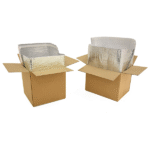
| Remitente | buffer térmico | Proceso requerido | Lo mejor para rutas más largas |
Consejos prácticos y sugerencias.
- Elija embalaje por perfil de ruta: Las necesidades urbanas cortas versus las regionales largas difieren.
- Evite el cartón mojado: Los cartones mojados son un punto de falla recurrente en las cadenas de frío..
- Utilice inserciones o almohadillas para artículos propensos a magulladuras en rutas largas.
Caso práctico: Upgrading to more rigid packaging reduced returns on long-distance routes with unavoidable vibration.
Cold Chain Vegetables Quality Assurance Checklist for Receiving
Respuesta directa: Receiving inspections make cadena de frío aseguramiento de la calidad de las verduras faster and fairer when they use clear criteria, muestreo consistente, and simple pass/hold/fail decisions.
Explicación expandida: Receiving is where problems become visible. If checks are inconsistent, decisions become inconsistent, and arguments never end. Your receiving checklist should be fast enough to run every shift.
A “fast check” you can complete in under 3 minutos
- Identidad + trazabilidad (lot ID, proveedor, dates if available)
- Integridad del embalaje (esquinas aplastadas, torn liners, cartones mojados)
- Surface condition (limo, pooled water, decay spots)
- Texture check (crisp vs limp)
- Temperature check (consistent method and location)
- Decisión: aceptar, accept with conditions, or hold
Aprobar / Sostener / Fail table (reduces disputes)
| Check item | Aprobar | Sostener | Fallar | Lo que significa para ti |
|---|---|---|---|---|
| Apariencia | Crisp, bright | Slightly dull | Severe wilt/yellow | Shelf life risk |
| Humedad | Dry surfaces | Light damp | Slime/pooling | High decay risk |
| Daño | Mínimo | Moderado | Severe bruising | Claim risk |
| Embalaje | Intact | Minor dents | Wet/crushed | Contamination risk |
Sampling plan that works in real life
You don’t need to check every carton. You need a rule staff can follow without debate.
- Small lots: check 1–2 cartons
- Medium lots: controlar 3 cartons across the pallet
- Large lots: expand across positions and record where you sampled (for disputes)
Consejos prácticos y sugerencias.
- Use the same checklist across all locations to prevent “site-by-site” arguments.
- Photograph exceptions immediately so root cause is faster.
- Record time and condition at receiving to speed investigations.
Caso práctico: Requiring photos for every hold/fail reduced supplier disputes.
Herramienta de decisión interactiva: Build Cold Chain Vegetables Quality Assurance by Route
Use this quick tool to pick controls that match real route risk.
Paso 1: Choose your vegetable group
A: Leafy greens · B: Herbs · C: Crucifers · D: Roots · E: Verduras de fruto
Paso 2: Choose your route profile
1: Same-day short · 2: Same-day multi-stop · 3: Next-day regional · 4: High-heat/extreme weather
Quick QA recommendations (read the line that matches you):
- A + 2: strict staging time limit + humidity-support packaging + manejo de la disciplina
- B + 3: strong moisture control packaging + manejo suave + muestreo consistente
- do + 1: frío estable + airflow-friendly packing + clear receiving checks
- D + 4: protección contra aplastamiento + stable loading + exception plan for delays
- mi + 3: avoid over-cold exposure + stable packing + careful receiving inspection
Monitoring KPIs That Prove Cold Chain Vegetables Quality Assurance
Respuesta directa: Monitoring makes cadena de frío aseguramiento de la calidad de las verduras defensible when it helps you measure where shelf life is being spent. A tiered approach (checks → lane tests → continuous monitoring) focuses effort where risk is highest.
Explicación expandida: You don’t need perfect data. You need data that triggers action: tiempo de puesta en escena, receiving temps, claims by SKU, and shrink trends.
KPI dashboard (simple, action-based)
| KPI | Good signal | Bad signal | Lo que significa para ti |
|---|---|---|---|
| Receiving temp pass rate | Estable | Drifting up | Supplier/transport issue |
| tiempo de empaque | Coherente | High variance | Workflow problem |
| Claims by SKU | Concentrated | Widespread | Systemic issue |
| Encoger | Estable | Creciente | Humidity/handling failing |
Herramienta interactiva: QA maturity score (0–10)
Date a ti mismo 1 punto por cada “sí”.
- Targets by commodity group exist.
- Receiving checklist runs every shift.
- Pack-out time budget rule is enforced.
- Transport cleanliness + pre-cool checks exist.
- Logger lane tests run in hot and cool seasons.
- Claims are tracked by SKU and root cause.
- Compatibility rules exist (temp bands, ethylene/odor).
- Los registros se almacenan por ID de envío.
- Corrective actions have owners and deadlines.
- KPIs are reviewed monthly; SOPs updated quarterly.
Significado de la puntuación:
- 0–3: operating on luck
- 4–7: stable but leaving shelf life on the table
- 8–10: ready to scale premium programs
Registros de trazabilidad para el aseguramiento de la calidad de hortalizas de cadena de frío en 2025
Respuesta directa: La trazabilidad ahora es parte de cadena de frío aseguramiento de la calidad de las verduras porque las líneas de producción enfrentan expectativas cada vez mayores de récords a nivel de envío. Tarde 2025 Las notas describían una extensión propuesta de una fecha de cumplimiento de trazabilidad por 30 meses para Julio 20, 2028, junto con una directiva para no aplicar antes de esa fecha.
Explicación expandida: La decisión inteligente es utilizar el tiempo extra para estandarizar registros simples ahora.. Cuando sucede un problema, "Prueba en horas" supera a "Prueba en semanas".
El pack mínimo de trazabilidad viable (empezar poco a poco)
No necesitas una plataforma complicada para empezar. Necesitas campos consistentes.
- Producto/mercancía + forma (fresco, recién cortado)
- Identificador de lote/lote
- Fecha de cosecha/envasado (si está disponible)
- Identificadores de proveedor y ubicación
- Marcas de tiempo de envío y recepción
- Recuentos de unidades + transformaciones (si vuelves a empacar)
Consejos prácticos y sugerencias.
- Trate la IV gama como un riesgo récord más alto: reforzar la disciplina de recepción y etiquetado.
- Estandarizar la colocación de etiquetas: Las cámaras frigoríficas destruyen las etiquetas débiles.
- Comience primero con verduras de hojas verdes y hierbas si necesita un piloto enfocado.
Caso práctico: “Sin identificación de lote, Las políticas de no envío redujeron el tiempo de rastreo en la práctica..
Gestión de excepciones y acciones correctivas
Respuesta directa: La gestión de excepciones es parte de cadena de frío aseguramiento de la calidad de las verduras porque los retrasos, puesta en escena cálida, y los daños en el embalaje ocurren en la vida real. La diferencia es si detectas y respondes rápidamente.
Explicación expandida: Si no documenta las excepciones, no puedes mejorar. Su protocolo de excepción debe definir desencadenantes, propietarios de decisiones, comportamiento, y documentación.
Tabla de protocolo de excepción
| Excepción | Desencadenar | Acción | Lo que significa para ti |
|---|---|---|---|
| Demora | Más allá del umbral | Devolver al almacenamiento en frío o volver a congelar | Protege la calidad |
| Embalaje húmedo | Agrupación visible | Reempacar o aislar | Previene la baba |
| Daño | Aplastamiento/magulladuras | Mantener y calificar | Reduce las disputas |
| Deriva de temperatura | Evidencia de calentamiento | Mantener y evaluar | Mejores decisiones |
Un método de acción correctiva que previene fallas repetidas
Utilice un enfoque simple de "3 por qué", luego asigna un propietario y una fecha límite.
- que falló?
- ¿Por qué falló??
- ¿Por qué pasó eso??
- Arreglar + dueño + fecha límite + verificación
Consejos prácticos y sugerencias.
- Solucione primero la causa de la excepción más importante: a menudo, el tiempo de preparación o el manejo..
- Revise las excepciones semanalmente y cambie una variable a la vez.
- entrenar equipos: las excepciones son datos, no culpar.
2025 Desarrollos y tendencias en el aseguramiento de la calidad de las hortalizas de cadena de frío
Descripción general de la tendencia: En 2025, cadena de frío aseguramiento de la calidad de las verduras se está volviendo más impulsado por el rendimiento y específico de la ruta. El enfoque se está alejando del “mantenerlo frío” hacia controles mensurables como límites de tiempo de preparación., estrategias de humedad, y criterios de recepción estandarizados.
Última instantánea del progreso
- Más gestión de la humedad: La prevención de la condensación es un KPI superior para las verduras de hojas verdes..
- Más estandarización: Las reglas de control de calidad basadas en grupos reducen la complejidad de la capacitación..
- Más análisis de excepciones: Las revisiones semanales reemplazan los ciclos reactivos de culpa..
Insight del mercado: Vegetable quality is a reputation business. Many can deliver produce, but fewer can deliver crisp, premium visuals week after week—QA is how you earn that trust.
Preguntas frecuentes
Q1: What is cold chain vegetables quality assurance in one sentence?
It’s the documented control of temperature, humedad, manejo, higiene, and proof that keeps vegetables within spec across handoffs.
Q2: Why do leafy greens need stricter cold chain vegetables quality assurance?
Because small temperature differences can cost real shelf life—around 21 days near 0°C versus about 14 days around 5°C in typical conditions.
Q3: What humidity range supports vegetables cold chain QA?
Many vegetables do well around 90–95% RH, while dry onions and garlic often do better closer to 65–75% RH to avoid moisture damage.
Q4: ¿Cuál es la mejora más rápida que puedes hacer esta semana??
Establecer un límite de tiempo de preparación, ejecutar una lista de verificación de recepción de 3 minutos, y medir la temperatura de la pulpa constantemente al recibirla..
Q5: ¿Por qué los envíos se vuelven viscosos incluso cuando la nevera está fría??
La condensación a menudo proviene de cambios de calor a frío., no es el punto de ajuste final: la estabilidad es la mejor prevención.
Q6: ¿Qué debe hacer cuando vea cajas mojadas al recibirlas??
Trátelo como una excepción.: documento con fotos, mantener si es necesario, e investigar los cambios de temperatura y las causas de la acumulación.
P7: ¿Qué calendario de trazabilidad debería planificar? 2025?
Una nota de finales de 2025 describió una extensión propuesta hasta julio 20, 2028 y una directiva de no aplicar antes de esa fecha, así que construye registros simples ahora.
P8: ¿Con qué frecuencia se deben actualizar los POE para el aseguramiento de la calidad de las hortalizas de cadena de frío??
Al menos estacionalmente, y siempre que las rutas, embalaje, proveedores, or handling steps change.
Resumen y recomendaciones
Control de llave: Garantía de calidad de hortalizas en cadena de frío protects crispness, duración, and brand trust by controlling temperature stability, humidity balance, manejo suave, rendimiento del embalaje, and consistent receiving checks. Your biggest losses usually come from dehydration, condensación, and bruising—often driven by staging time and handling discipline.
Plan de acción (empieza esta semana):
- Assign your top SKUs to 3–4 lanes and label them clearly.
- Enforce a staging time limit + door-open discipline, then track “warm minutes.”
- Implement the 3-minute receiving checklist and require photos for holds/fails.
- Run seasonal lane tests (hot and cool days) and update SOPs with what you learn.
- Standardize traceability fields by shipment ID so proof is fast when issues happen.
Acerca de Tempk
Y tempk, we support cold chain teams with practical packaging systems and operational guidance designed for real-world handling. Nos centramos en procesos repetibles: estabilidad de temperatura, control de humedad, y reducción de daños, para que las verduras lleguen crujientes, limpio, y consistente.
Llamado a la acción: Si quieres más fuerte cadena de frío aseguramiento de la calidad de las verduras, Empiece por mapear sus mayores pérdidas. (marchitar, limo, moretones), estandarizar un cambio de SOP de alto impacto esta semana, medir resultados, luego escala carril por carril.