Update Date: Diciembre 2025
Introducción
Getting artisanal truffles or creamy bars to your door in perfect condition isn’t luck—it’s science. Premium chocolates contain cocoa butter, sugar and milk solids that respond quickly to heat and humidity. With global demand for premium chocolate soaring—the market surpassed 1,11 billones de dólares en 2025—mastering cooled chocolate shipping is vital for your brand’s reputation and profit. This comprehensive 2025 guide explains how to control temperature, packaging and timing so that each piece arrives glossy and delicious.

Ideal shipping conditions: find the right temperature and humidity ranges for different chocolate types.
Packaging and cooling solutions: understand insulation materials, Materiales de cambio de fase y refrigeración activa..
Tech-driven cold chain: learn how IoT sensors and AI analytics enhance visibility and efficiency.
Market trends and growth: explore how a booming cold chain industry affects chocolate delivery.
Last mile and seasonal strategies: get practical tips for shipping during heat waves or winter chills.
What Conditions Are Ideal for Cooled Chocolate Shipping?
Cocoa butter melts easily. To avoid bloom or cracking, shipments should stay between 54 °F y 68 °F (12–20 ºC) con humedad relativa inferior 50 %. Dark chocolate tolerates the cooler end of that range, mientras que el chocolate con leche y el chocolate blanco requieren un control más estricto. Even a short temperature spike above 86 °F (30 °C) softens cocoa butter, while high humidity crystallises sugar. Pre cooling your products and packaging keeps internal moisture stable during transit.
Por qué son importantes la temperatura y la humedad
Temperature and humidity determine whether chocolate arrives glossy or blooms. Heat softens fats, causando floración de grasa; humidity triggers sugar bloom. When the environment fluctuates, fats migrate to the surface or sugars crystallise. Keeping the micro climate stable prevents condensation and preserves the desired snap. To achieve this stability:
Stabilise temperature: keep shipments within 12–20 °C using insulated containers and phase change materials (PCM).
Controlar la humedad: maintain relative humidity under 50 % by using desiccants or moisture absorbing liners.
Asegurar el flujo de aire: allow space around boxes and avoid storing chocolate near odorous goods.
Proteger de la luz: use opaque packaging to prevent light induced degradation.
Comprender los puntos de fusión del chocolate
Chocolates have different compositions, so their melting points and sensitivity vary. The table below summarises ideal conditions:
| tipo chocolate | Rango de temperatura (°C) | Humedad (%) | Significado |
| Chocolate oscuro | 12–20 | ≤50 | High cocoa content; tolera un ligero enfriamiento |
| Chocolate con leche | 12–20 | ≤50 | Contains milk solids; necesita un control más estricto |
| Chocolate blanco | 12–20 | ≤50 | Low cocoa solids; las grasas se separan rápidamente |
| Bombones rellenos/crema | 12–20 | ≤50 | Prone to cracking and filling dissolution |
Consejos prácticos para mantener condiciones óptimas
Tailor conditions to chocolate type: dark chocolate can handle lower temperatures; milk and white chocolates need steady warmth.
Embalaje previo a la condición: cool both chocolates and packaging materials to 18–20 °C before shipping to prevent condensation.
Utilice barreras contra la humedad: add desiccants or humidity absorbing liners inside boxes.
Add continuous monitoring: place IoT data loggers to track temperature and humidity in real time; adjust if readings drift.
Ejemplo del mundo real: a logistics firm shipping gourmet truffles saw sugar bloom rates drop from 15 % a 2 % after adding sensors and switching to insulated passive packaging.
Caso real: A small chocolatier shipping filled pralines to international clients saw repeated bloom during summer. After pre cooling each batch and adding humidity absorbing paper inside insulated boxes, rejection rates fell to less than 3 %. Los clientes notaron una textura más firme y un acabado más brillante..
How to Choose Packaging and Cooling Solutions for Chocolate Shipping?
El embalaje es la defensa final contra el calor y la humedad.. Elegir el aislamiento y los refrigerantes adecuados puede mantener los chocolates dentro de su rango seguro durante días. You need to balance thermal performance, sostenibilidad y costo.
Aislamiento y refrigerantes
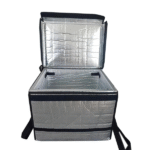
Modern insulated boxes use materials such as expanded polystyrene (EPS) espuma, forros de fibra de algodón, espumas a base de almidón, plástico de burbujas y papel reciclado. Opciones premium como ClimaCell® combinar alto rendimiento térmico con sostenibilidad. Coolants include gel packs, dry ice and PCMs that absorb or release energy during phase change. Para envíos de chocolate, aim to keep contents between 60 °F y 70 °F (15–21°C).
Embalaje primario y control de humedad
Primary packaging must protect against condensation and rough handling. Sturdy boxes or tins combined with moisture resistant wraps withstand delivery bumps. Al enviar chocolates premium, combine multiple layers: an inner wrap for direct contact and an outer layer to block light. Adding desiccants inside the box reduces the risk of sugar bloom.
Preacondicionamiento y Preenfriamiento
Temperature control starts before leaving the warehouse. Chocolates should be cooled to 18–20 °C and packaging materials pre chilled to stabilise internal temperatures. Colocar productos fríos en envases calientes favorece la condensación; El preacondicionamiento reduce los gradientes de temperatura y mantiene la humedad por debajo. 50 %.
Comparación de soluciones de embalaje y refrigeración
| Solución | Características | Aproximadamente. duración (horas) | Beneficios |
| Cajas aisladas | Materiales multicapa (poliestireno, papel, algodón) transferencia de calor lenta | 24–72 | Ligero, barato, personalizable |
| Materiales de cambio de fase (PCM) | Gel packs or advanced PCMs absorb or release heat during phase change | 24–96 | Mantener temperaturas estables en un rango más amplio; reutilizable |
| Contenedores activos | Unidades de refrigeración motorizadas con control preciso | 72+ | Adecuado para envíos de alto valor o de larga distancia; Más caro |
| Soluciones híbridas | Combinación de aislamiento, PCM y refrigeración activa mínima | 48–96 | Equilibra coste y rendimiento para distancias medias |
Recomendaciones de embalaje
Haga coincidir el aislamiento con la ruta: thicker or higher performance liners are needed for high ambient temperatures.
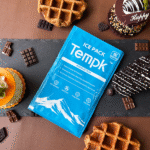
Elija PCM para el rango deseado: standard gel packs keep near 0 °C; specialised PCMs maintain 15–20 °C, ideal para chocolate.
Embalaje primario seguro: sturdy boxes prevent crushing and moisture ingress.
Ajustar por estacionalidad: increase coolant or insulation in summer and insulate against cold in winter.
Integrar registradores de datos: continuous monitoring detects deviations early.
Be Smart About Insulation and Coolant
According to a packaging guide, most chocolate wants to stay between 60–70 °F. Blooming can occur when shipments get too hot or too cold, so packaging must be designed for the entire journey. Insulation slows heat transfer and affects transit time, coolant quantity and box size. Common insulation materials include EPS foam, forros de fibra de algodón, starch based foam, plástico de burbujas y papel reciclado. PCMs can maintain temperature over a wider range for longer durations. When selecting coolant, consider both summer and winter conditions.
User Focused Tips and Suggestions
Regalos de lotes pequeños: For gifting chocolate in summer, choose overnight shipping with PCMs and include a moisture barrier. Avoid weekend transit to prevent packages sitting in hot warehouses.
Órdenes corporativas: Para grandes regalos de empresa, use hybrid solutions: insulated boxes with PCMs and minimal active cooling. Real time data logging helps your team respond quickly to deviations.
Suscripciones: For monthly chocolate subscriptions, adjust packaging according to season. Add extra insulation in July and August, and less in winter. Provide customers with guidelines on storing and opening their deliveries.
Escenario práctico: A boutique chocolatier switched from Styrofoam to cotton fibre liners paired with PCMs. Combined with real time temperature sensors, their summer shipments maintained 60–70 °F a pesar de una ola de calor. Although packaging costs rose slightly, complaints dropped dramatically.
Why Are IoT, AI and Sustainability Transforming Cold Chain Logistics?
La industria de la cadena de frío está evolucionando rápidamente. Customers expect transparency and reliability, regulators demand traceability, and businesses need to reduce waste. En respuesta, companies are turning to technology and sustainable practices.
Industry Trends Shaping the Cold Chain
A 2025 study highlights several major trends:
Growing demand and e commerce: population growth, higher living standards and online grocery demand are driving a surge in refrigerated trucks, containers and urban cold storage facilities.
IoT avanzado y conectividad: built in sensors provide continuous temperature, monitoreo de humedad y ubicación. Asset trackers now combine GPS with environmental sensors.
Data analytics and artificial intelligence: predictive analytics forecast demand, optimizar las rutas de entrega y anticipar el mantenimiento.
Automatización y robótica.: automated warehouses and digital conveyor systems reduce human error and speed up operations.
Presión regulatoria y seguridad alimentaria: regulators require detailed temperature logs, chain of custody documentation and compliance with FDA, EU GDP and WHO practices.
Sostenibilidad y eficiencia energética: greener practices—such as eco friendly refrigerants and solar powered refrigerated trucks—reduce the cold chain’s carbon footprint.
These trends create an ecosystem where technology, compliance and sustainability intersect.
Beneficios de IoT y monitoreo en tiempo real
Visibilidad continua: real time sensors detect problems immediately, allowing route changes or equipment fixes before products spoil.
Cumplimiento regulatorio: automated temperature logs create tamper proof audit trails.
Mantenimiento predictivo: AI platforms analyse past temperature excursions to prevent future failures.
Enrutamiento optimizado: real time data combined with predictive analytics helps avoid traffic, clima extremo o cortes de energía.
Pain Points and Solutions
Despite the progress, cold chain stakeholders face common challenges:
Mantener condiciones precisas: deviations during loading, unloading or equipment failures can spoil goods.
Falta de visibilidad en tiempo real.: without continuous tracking, shipments become “black boxes”.
Cumplimiento regulatorio: manual record keeping is error prone and labour intensive.
Limitaciones de infraestructura: limited cold storage near consumption centres causes bottlenecks.
Costos crecientes: specialised refrigerated trucks and energy hungry equipment strain margins.
Complex last mile: dense urban traffic and varying handling requirements challenge timely delivery.
Sobrecarga de datos: multiple monitoring systems create information silos.
Preocupaciones de sostenibilidad: balancing greener practices with cost and reliability is difficult.
Solutions include implementing connected IoT trackers, integrating systems for unified data, investing in renewable energy, and adopting advanced analytics. Por ejemplo, a cellular tracker like the LL309 monitors temperature and humidity, stores thousands of data records and sends alerts if readings drift.
Sostenibilidad y Logística Verde
Environmental sustainability is not optional—it’s a requirement. Cold chain operations face increasing pressure to adopt greener practices while maintaining efficiency. Tendencias para 2025 include innovations in green logistics, Gestión energética y resiliencia al cambio climático.. Companies are using biocombustibles, energía solar y eólica to power refrigerated fleets and facilities. Emerging coalitions, como el Convidar a -15 ºC iniciativa, promote energy efficient refrigeration technologies.
Inteligencia artificial y automatización
Embracing AI is transforming warehouse operations and supply chain management. AI provides predictive insights for inventory control, optimises warehouse layouts, and reduces direct and indirect labour costs. Los beneficios clave incluyen:
Automatización de almacenes: robots optimise space, energy and manpower.
Proactive maintenance: AI predicts equipment failures, minimising shutdowns.
Optimización de ruta: traffic and weather analysis reduces delays and fuel costs.
Monitoreo en tiempo real: IoT sensors ensure optimum conditions for perishable products.
Ejemplo: A 2025 cold chain facility integrated AI driven warehouse automation, reducing labour costs by 30 % y el consumo de energía en casi 20 %. El sistema predijo las necesidades de mantenimiento del compresor., evitando el tiempo de inactividad durante las temporadas altas.
What Trends Will Shape Cold Chain and Chocolate Shipping in 2025 y más allá?
The cold chain logistics market is entering a period of explosive growth. Según la investigación de precedencia, the global cold chain logistics market was worth USD 436.30 mil millones en 2025 y se prevé que alcance Dólar estadounidense 1,359.78 mil millones por 2034, expandiéndose en un 13.46 % Tocón. The Asia Pacific region is expected to grow at the highest CAGR of 14.3 %. El segmento de lácteos y postres helados posee actualmente la mayor cuota de ingresos., while refrigerated warehouse and transportation types are expected to expand rapidly.
Market Growth Factors
Varios factores impulsan este crecimiento.:
Expansión del comercio mundial de alimentos: perishable food demand and globalization accelerate cold chain investments.
Comercio electrónico y alimentación online: explosive growth in online grocery requires reliable temperature controlled transportation.
Avances tecnológicos: trazabilidad de la cadena de bloques, IoT monitoring devices and innovative packaging enhance transparency and reduce spoilage.
Mercados emergentes y urbanización: rising disposable incomes and changing dietary preferences create demand for convenience foods.
Regulaciones más estrictas: food safety laws like the FSMA in the U.S. require strict compliance and push companies toward better cold chain practices.
Iniciativas de sostenibilidad: renewable energy and eco friendly packaging reduce carbon footprints, aligning with regulatory and consumer expectations.
Cold Storage and Infrastructure Trends
A medida que aumenta la demanda, cold storage infrastructure must expand and modernize. Las tendencias clave incluyen:
Cambiando los patrones de consumo: consumers prefer fresh, locally sourced foods like farm to fork produce and meal kits. Cold storage facilities are adapting to handle a broader range of perishables, prioritizing transparency and efficiency.
Automatización, sostenibilidad y eficiencia energética: urban micro fulfilment centres integrate automated picking and advanced temperature controls to meet e commerce demands. Greener practices such as LED lighting and solar integration reduce energy costs by almost 50 %.
Construcción especulativa: developers are building state of the art cold storage facilities without pre leased tenants, anticipating future demand. Regiones de alto crecimiento como Texas, Florida and Georgia accounted for 47 % de nuevos desarrollos desde 2020.
Investment boom: average asking rents for cold storage facilities have risen over 96 % desde 2019, reflecting scarcity and importance. Investors fund modernization projects to meet rising demand.
Last mile challenges: delivering temperature sensitive goods to consumers’ doorsteps remains one of the toughest tasks. Strategies include collaborative warehouses, repurposing older facilities and partnering with 3PL providers to optimise routes.
Supply Chain Resilience and Climate Adaptation
Extreme weather events—such as floods and droughts—highlight the need for resilient logistics systems. Cold chain operators must invest in adaptive infrastructure to mitigate climate related disruptions. Built to suit solutions, where facilities are customised to operational needs, optimise costs and increase efficiency. Maintaining strategic stocks of critical products also helps manage volatility.
Market Growth and Investment Data
| Año | Tamaño del mercado (USD billion) | Tocón | Notas |
| 2024 | 436.30* | - | Base year for global cold chain logistics market |
| 2025 | 436.30 | - | Market size after pandemic recovery |
| 2026 | 496.80 | - | Expected growth as regulatory pressure and e commerce accelerate |
| 2034 | 1,359.78 | 13.46 % | Forecasted global market size |
* Nota: Precedence Research uses 2024 as a base year in its analysis but reports the same figure for 2025 due to post pandemic recovery.
How to Execute Last Mile and Seasonal Strategies for Cooled Chocolate Shipping?
The last mile—the final leg from distribution hub to your customer—is often the most challenging part of cold chain delivery. Las fluctuaciones de temperatura durante la entrega final pueden causar una rápida degradación.. Al enviar chocolates, timing and planning are everything.
Last Mile Strategies
Programación de entrega eficiente: deliver during cooler periods and avoid midday heat; plan routes with predictive analytics to avoid traffic.
Minimizar el tiempo de manipulación: limit time outside insulated packaging during transfer to prevent rapid temperature changes.
Microcentros logísticos: position small warehouses close to customers to shorten transit times and reduce exposure. Urban micro fulfilment centres also address e commerce demand.
Collaborative networks: share cold storage and delivery infrastructure with partner brands to optimise routes and reduce costs.
Seasonal Strategies
Warm seasons pose a high risk of melting. A chocolatier notes that most chocolate softens between 80 °F y 85 °F and melts at around 86 - 93 °F. To protect shipments:
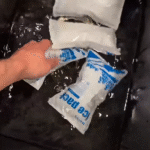
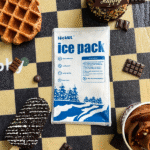
Use insulation and ice packs: in warm months, include insulation and ice packs; add costs when temperatures exceed 75 °F.
Select shipping days wisely: ship Monday through Wednesday to avoid weekend delays.
Upgrade delivery options: choose overnight or 2 day shipping if the destination is more than two transit days away and temperatures exceed 80 °F.
Choose the right address: send packages to locations where someone can receive them immediately, avoiding hot mailboxes.
During colder seasons, chocolate may crack or condense. Use insulated packaging to prevent freezing and avoid leaving boxes outside in freezing temperatures. Adjust coolant quantity to prevent the chocolate from dropping below its safe range.
Shipping Guidelines by Season
| Estación | Riesgo de temperatura | Packaging adjustments | Delivery strategy |
| Spring/Summer | High ambient temps; risk of melting | Use un aislamiento más grueso, PCMs and ice packs; productos preenfriados | Enviar a principios de la semana; choose overnight or 2 day shipping; Evite las mantras del fin de semana |
| Autumn | Moderado; variable weather | Ajustar el espesor del aislamiento; moderate PCMs | Plan routes based on local weather; schedule deliveries during cooler periods |
| Invierno | Low temperatures; risk of condensation and cracking | Use insulation to prevent freezing; avoid cold air exposure | Monitorear la humedad; instruct recipients to bring packages inside quickly |
2025 Últimos desarrollos y tendencias
The cold chain is evolving at breakneck speed. Here’s a snapshot of emerging developments in 2025:
Logística verde: companies adopt renewable energy sources, such as solar and wind, for refrigerated fleets and facilities.
AI driven warehouse automation: predictive maintenance and route optimisation reduce downtime and fuel consumption.
Refrigeración energéticamente eficiente: iniciativas como la Convidar a -15 ºC coalition promote energy efficient technologies and sustainable practices.
Resiliencia de la cadena de suministro: investments in adaptive infrastructure to tackle climate change and extreme weather.
Reducing food waste: cold chain logistics helps prevent the 1 billion tonnes of food wasted annually, which accounts for 8–10 % de las emisiones globales de gases de efecto invernadero.
Expansion of cold storage: built to suit solutions and speculative construction address soaring demand.
Últimas ideas del mercado
US chocolate industry growth: Estados Unidos. chocolate industry is expected to surpass $20 mil millones por 2025.
Mercado global de logística de cadena de frío: valorado en más $321 mil millones en 2023 and estimated at over $368 mil millones en 2024; proyectado para superar $1.245 billones por 2033 en una CAGR de 14.5 %.
Average cold storage facility age: la instalación de almacenamiento en frío promedio es 42 años; more than half are over 30 años, destacando la necesidad de modernización.
Cold storage rents: average asking rents have risen over 96 % desde 2019, signalling high demand and limited supply.
Preguntas frecuentes
Q1: What temperature range should I maintain for shipping chocolates?
Keep shipments between 54–68 °F (12–20 ºC) y humedad relativa por debajo 50 %. Staying in this range prevents fat and sugar bloom and ensures your chocolates arrive glossy and smooth.
Q2: Why does chocolate bloom during shipping?
Bloom occurs when fats or sugars migrate to the surface due to temperature or humidity fluctuations. Using proper insulation, PCMs and moisture barriers prevents bloom.
Q3: Which packaging materials work best for shipping chocolate?
Insulated boxes made from EPS foam, fibra de algodon, starch based foams or recycled paper provide thermal protection. Combining them with phase change materials or gel packs keeps the temperature stable.
Q4: How can I reduce the environmental impact of chocolate shipping?
Opt for sustainable insulation materials, reusable PCMs and renewable energy for transportation. Combinar envíos, use micro fulfilment centres and select recyclable packaging.
Q5: What is the ideal shipping schedule during summer?
Ship orders early in the week, preferably Monday through Wednesday, para evitar retenciones de fin de semana. Include insulation and ice packs when temperatures exceed 75 °F and choose expedited delivery.
Q6: How will AI improve cooled chocolate shipping?
AI provides predictive insights for inventory, route optimisation and maintenance, reducir retrasos y deterioros. Automated warehouses and real time sensors enhance efficiency and safety.
P7: How big is the cold chain market and why does it matter?
El mercado global de logística de la cadena de frío valió la pena $436.30 mil millones en 2025 y se prevé que alcance $1,359.78 mil millones por 2034. Rapid growth reflects rising demand for perishable goods, making robust cold chain practices essential for chocolate and other temperature sensitive products.
Resumen y recomendaciones
Effective cooled chocolate shipping is a blend of science and strategy. Chocolates must stay between 12–20 °C and humidity below 50 %. Proper packaging—combining insulation, PCMs and moisture barriers—protects against bloom and cracking. Pre cooling both products and packaging stabilises internal conditions. Real time monitoring through IoT sensors and AI analytics provides transparency, predictive insights and compliance. Demanda creciente, tighter regulations and sustainability imperatives mean the cold chain industry will continue expanding. Investing in modern facilities, renewable energy and automation ensures resilience and efficiency.
Próximos pasos viables
Audita tu embalaje: evaluate current insulation, coolants and moisture controls. Test different combinations to maintain 60–70 °F during transit.
Implementar monitoreo en tiempo real: equip each shipment with IoT sensors that record temperature and humidity. Use alerts to intervene when deviations occur.
Optimise routes and timing: schedule deliveries during cooler periods, avoid weekend holds and leverage predictive analytics for route planning.
Adoptar prácticas sostenibles: switch to recyclable insulation and renewable energy. Explore coalition initiatives like Convidar a -15 ºC for energy efficient refrigeration.
Educar a los clientes: provide clear instructions for receiving and storing chocolate. Encourage recipients to track deliveries and bring packages inside promptly.
Acerca de Tempk
We are a leading innovator in cold chain packaging. Our products combine high thermal performance with sustainability. ClimaCell® liners deliver superior insulation using paper based materials that are easily recyclable. We design solutions for perishable food, pharmaceuticals and medical devices, ensuring products stay within their optimal temperature range during transit. Our team stays at the forefront of cold chain trends, incorporating IoT monitoring and renewable energy to help clients reduce waste and costs. Al asociarse con nosotros, usted obtiene acceso a un embalaje confiable, expert guidance and cutting edge technology.
Llamado a la acción
Ready to elevate your cooled chocolate shipping? Contact us for tailored advice on packaging design, IoT monitoring solutions and sustainability strategies. Nuestros expertos le ayudarán a elegir el aislamiento adecuado., coolant and logistics approach to keep your chocolates perfect. Don’t let your hard work melt away—reach out today!