Envío de carne con bolsa de hielo seco: La solución definitiva para la entrega segura de carne en 2025
Envío de carne, particularmente en largas distancias, Requiere un manejo cuidadoso de la temperatura para evitar el deterioro y el crecimiento bacteriano.. En 2025, dry ice pack meat shipping has become one of the most reliable methods for maintaining meat quality during transit. El hielo seco ofrece una solución refrescante que mantiene la carne a temperaturas ultrabajas, convirtiéndolo en una herramienta indispensable para las empresas del sector logístico de la cadena de frío. Esta guía explorará las mejores prácticas., requisitos reglamentarios, y tendencias que dan forma al envío de carne con hielo seco en 2025.

-
¿Cuánto hielo seco se necesita para el envío de carne??
-
¿Cuáles son las mejores prácticas para envasar carne con hielo seco??
-
¿Cuáles son las últimas innovaciones en el transporte de carne con hielo seco en 2025?
-
Cómo cumplir con la normativa y garantizar envíos seguros?
¿Por qué el hielo seco es ideal para el envío de carne? 2025?
hielo seco, la forma sólida de dióxido de carbono (Co₂), is a critical element in cold chain logistics, especially for perishable goods like meat. A diferencia del hielo normal, dry ice sublimates directly into gas without leaving any liquid residue, ensuring a mess-free shipping process. Here’s why it remains a go-to option for meat shipping:
Control de temperatura
Dry ice helps maintain temperatures as low as -78.5°C (-109.3°F), ideal for frozen meat products. It is capable of keeping meats like steaks, salchichas, and roasts frozen during long-distance shipments, ensuring that they arrive fresh and free from spoilage.
Vida útil extendida
Unlike ice packs or gel packs that lose their cooling effect within hours, dry ice lasts significantly longer, which is especially important for extended transit times, such as international shipments. This makes dry ice perfect for ensuring that meat stays frozen, even during long periods of transit.
Sin daños por agua
Dry ice’s ability to sublimate directly into gas means that there is no risk of water damage to packaging or the meat itself. This ensures that the meat stays dry, preventing freezer burn and packaging deterioration.
Mejores prácticas para envasar carne con hielo seco
Shipping meat requires more than just throwing dry ice into a container. Proper packing ensures that both the meat and dry ice maintain optimal conditions during transport. Follow these essential steps for safe and effective dry ice meat shipping:
1. Select the Right Amount of Dry Ice
The amount of dry ice required depends on several factors such as the meat weight, Duración de envío, y condiciones ambientales. Como regla general, usar 1–2 libras de hielo seco por 5 pounds of meat por cada 24 horas de transito. Para envíos más grandes, como 20 libras de carne, it’s recommended to use around 6 libras de hielo seco por 24 horas, adjusting based on distance and weather conditions.
| Meat Weight | Hielo seco (24 horas) | Hielo seco (48 horas) | Aplicación práctica |
|---|---|---|---|
| 5 libras | 1–2 libras | 3–4 libras | Small sample shipments |
| 10 libras | 3–4 libras | 5–8 libras | Household subscription boxes |
| 20 libras | 6 libras | 10–12 libras | Ideal for family-sized shipments |
| 40 libras | 12 libras | 18–22 lbs | Larger shipments require extra insulation |
2. Prepare the Meat
Proper packaging of the meat is essential to avoid freezer burn and leakage. The best practices for preparing meat include:
-
Sellado al vacío: Removes air to prevent freezer burn and bacterial growth.
-
Double-Bagging: Provides an extra layer of protection against potential leaks.
-
Pre-congelado: Freezing the meat before packing ensures that it is at its optimal frozen state before shipping.
3. Pack Dry Ice and Meat Together
Here’s how to pack the dry ice and meat together in a shipping container:
-
Coloque capas de hielo seco correctamente: Start with a layer of dry ice at the bottom of the insulated container, place the meat on top, and then add another layer of dry ice on top of the meat.
-
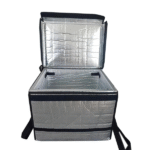
Use contenedores aislados: Opt for rigid coolers or fiberboard boxes, insulated with foam or eco-friendly liners, to slow down dry ice sublimation.
-
Asegurar la ventilación: El hielo seco se sublima en gas dióxido de carbono, so the container must allow the gas to escape to avoid pressure buildup. Use containers with vents to release the CO₂ gas safely.
4. Etiquetar el paquete
Proper labeling is crucial for compliance and safety:
-
Y 1845 Etiquetado: Clearly label the package as “Hielo seco” o “Dióxido de carbono, Sólido,” and include the UN 1845 number along with the weight of dry ice.
-
Perishable Item Labeling: Mark the box as “Perishable – Keep Frozen” to ensure the carrier knows the urgency of the shipment.
-
Documentación: Para envíos aéreos, include the necessary dangerous goods declaration form, indicating the total dry ice weight and the number of packages being shipped.
Regulatory Compliance for Dry Ice Meat Shipping
Shipping meat with dry ice requires compliance with various regulations set by agencies like the Departamento de Transporte (PUNTO) y el Asociación Internacional de Transporte Aéreo (IATA). These regulations ensure safe handling and shipping of dry ice, which is classified as a hazardous material. Key regulatory requirements include:
-
Nombre de envío adecuado: Always label the package as “Hielo seco” o “Dióxido de carbono, sólido” with the appropriate UN 1845 número.
-
Dry Ice Weight Limits: Para envíos aéreos, dry ice quantities are capped by weight limits (generalmente 5 lbs per package for USPS and up to 200 kg for air freight).
-
Venting and Packaging: Packaging must allow for the safe release of CO₂ gas to avoid pressure buildup. Avoid sealed containers like steel drums or airtight plastic bags.
Para 2025, new regulations emphasize enhanced desfogue, monitoreo de temperatura, y pressure testing para el embalaje. sensores de iot y digital air waybills (VEJEZ) are becoming more common for ensuring compliance with these updated rules.
Trends Shaping Dry Ice Meat Shipping in 2025
A medida que la industria de la logística de la cadena de frío continúa evolucionando, several trends and technologies are shaping the future of dry ice meat shipping:
1. Producción de hielo seco sostenible
The dry ice industry is focusing on sustainability by using carbon capture technologies to produce dry ice more efficiently and with less environmental impact. Companies are increasingly integrating ecológico production practices to reduce their carbon footprint, meeting growing consumer demand for sustainable practices.
2. Embalaje inteligente y sensores de IoT
Smart packaging is becoming more common in the shipping industry. sensores de iot embedded in the packaging help monitor the temperatura y humedad in real time, allowing for better control and ensuring that the meat remains within safe temperature ranges throughout the transit process.
3. Materiales de aislamiento avanzado
Nuevos materiales aislantes, como materiales de cambio de fase (PCM), are helping to extend the duration of cooling during meat shipments. These materials store and release energy as they change phases, making them more efficient than traditional insulation methods.
Preguntas frecuentes (Preguntas frecuentes)
Q1: How long does dry ice last when shipping meat?
El hielo seco generalmente dura 24–72 horas, depending on insulation quality and ambient temperatures. The amount of dry ice used and the type of packaging significantly affect the duration.
Q2: Can dry ice damage the meat during shipping?
Cuando se empaqueta correctamente, dry ice does not damage meat. Sin embargo, direct contact with the dry ice or improper handling can lead to quemadura del congelador or dehydration. Siempre usa contenedores aislados y sellado al vacío.
Q3: Is dry ice shipping expensive?
While dry ice is often more costly than traditional ice, its longer cooling duration and mess-free properties make it a cost-effective option in the long run. Reducing spoilage and ensuring that the meat reaches its destination safely can help avoid financial losses.
Conclusion and Actionable Next Steps
En resumen, dry ice pack meat shipping is an essential solution for keeping meat fresh during transit. By following the best practices for packing, calcular la cantidad correcta de hielo seco, y apegarse a las regulaciones, las empresas pueden garantizar la seguridad, reliable meat shipments.
Próximos pasos viables:
-
Assess your dry ice needs using the provided formula.
-
Paquete de actualización to high-performance insulation and ensure proper ventilation.
-
Implement temperature monitoring to track your shipments in real time.
-
Entrena a tu equipo on safety protocols and handling guidelines.
Acerca de Tempk
Templ provides advanced cold chain logistics solutions, incluido dry ice shipping kits, sensores inteligentes, y embalaje aislado designed to ensure safe and efficient transportation of perishable goods. Contact us today to optimize your shipping process with our reliable and sustainable solutions.