Actualizado: 30 Noviembre 2025
Almacenamiento en cadena de frío de alimentos congelados mantiene sus alimentos seguros y su negocio rentable. Sin un control y manipulación adecuados de la temperatura, Casi una cuarta parte de los productos refrigerados o congelados se estropean antes de llegar a los consumidores.. Solo en los Estados Unidos, Aproximadamente el 70% de todos los alimentos dependen de una cadena de frío y la refrigeración consume alrededor del 15% de la energía mundial.. Este artículo explica cómo funciona el almacenamiento en cadena de frío de alimentos congelados., por qué es importante para la calidad y la sostenibilidad, y qué tendencias darán forma a la industria en 2025.
Importancia del almacenamiento en cadena de frío de los alimentos congelados: Comprenda por qué el control preciso de la temperatura y la humedad protege la calidad de los alimentos y prolonga la vida útil.
Rangos de temperatura y manejo.: Conozca las categorías de temperatura recomendadas para congelados., Productos refrigerados y ultracongelados y cómo controlarlos..
Regulaciones y cumplimiento: Explorar la regla FSMA 204, HACCP, Estándares ISO y protocolos emergentes como el 2025 iniciativa de monitoreo de temperatura.
Mejores prácticas y consejos prácticos: Obtenga consejos prácticos sobre cómo recibir, almacenamiento, preparar y entregar alimentos congelados manteniendo la calidad.
2025 tendencias e innovaciones: Descubra cómo los sensores de IoT, instalaciones mejoradas, Los productos de origen vegetal y las iniciativas de sostenibilidad están dando forma a la cadena de frío de los alimentos congelados..
¿Por qué es crucial el almacenamiento en cadena de frío de los alimentos congelados??
Mantener la integridad del producto. Los alimentos congelados deben permanecer a –18°C o menos. (0 ° F) a lo largo de toda la cadena de suministro. Cuando las temperaturas fluctúan, Los cristales de hielo se derriten y se vuelven a congelar., dañar la estructura celular y causar texturas blandas o sabores desagradables. Según la Asociación Internacional de Productos Frescos, Hasta el 25% de los alimentos se desperdician debido a las diferencias de temperatura.. Mantener un estricto control de la temperatura preserva los nutrientes, Previene el crecimiento microbiano y mantiene los productos seguros para el consumo..
Reducir los residuos y el uso de energía. La refrigeración utiliza alrededor del 15% del consumo mundial de energía, y el almacenamiento en frío ineficiente amplifica esa huella. A 2025 protocolo desarrollado por la Alianza Global de la Cadena de Frío (AMCC) y el Instituto Americano de Alimentos Congelados (AFFI) tiene como objetivo estandarizar el monitoreo de temperatura para mejorar la eficiencia, reducir las emisiones de gases de efecto invernadero y reducir el uso de energía. La implementación de mejores prácticas en el almacenamiento de la cadena de frío de alimentos congelados puede reducir significativamente los costos de energía y desperdicios, al mismo tiempo que protege sus resultados..
Apoyando el crecimiento del mercado. Se prevé que el mercado mundial de logística de la cadena de frío de alimentos crezca de 393.200 millones de dólares en 2025 a 1.632,6 mil millones de dólares por 2035, una tasa de crecimiento anual compuesta del 15,3%. La demanda está impulsada por el creciente consumo de alimentos frescos y congelados., La expansión del comercio electrónico y la necesidad del sector farmacéutico de una distribución a temperatura controlada. Una cadena de frío sólida permite a las empresas aprovechar este mercado en crecimiento y al mismo tiempo satisfacer las expectativas de calidad y seguridad de los consumidores..
Entendiendo la cadena de frío como una carrera de relevos
Imaginemos una cadena de frío como una carrera de relevos.. Cada etapa, desde la línea de producción hasta el almacén y el camión de distribución, debe entregar el producto a la velocidad y temperatura adecuadas para mantener el impulso.. Si a un corredor se le cae el testigo (Por ejemplo, dejar una plataforma de verduras congeladas en un muelle de carga cálido), todo el equipo pierde. Los alimentos congelados pasan por múltiples “puntos de retransmisión”: cosecha, tratamiento, almacenamiento, embalaje, transporte y comercio minorista. Cada punto debe mantener las condiciones dentro de parámetros estrictos para evitar el deterioro..
| Factor | Descripción | Significado práctico |
| Temperatura | Los alimentos congelados permanecen a –18°C o menos (0 ° F); Los productos ultracongelados, como el helado, pueden requerir entre –25 °C y –30 °C.. | Adapta tus instalaciones y transporte para soportar estas temperaturas. |
| Humedad | La baja humedad previene la condensación y el moho.; La alta humedad mantiene la frescura del producto.. | Utilice equipos que monitoreen y controlen la humedad para evitar la deshidratación o el deterioro.. |
| Manejo | Embalaje adecuado, El apilamiento y el flujo de aire evitan puntos críticos y contaminación cruzada.. | Capacitar al personal para apilar palés para que circule el aire y utilizar embalajes aislados.. |
| Escucha | sensores de iot, Los registradores de datos y el monitoreo en tiempo real detectan desviaciones de temperatura y envían alertas.. | Invierta en tecnología para recibir notificaciones inmediatas y tomar medidas correctivas. |
| Documentación | Registros digitales de temperatura., ubicación y manipulación soporte trazabilidad y cumplimiento de la regla FSMA 204. | Mantenga la documentación electrónica para la preparación de auditorías y la gestión rápida de retiros.. |
Consejos y sugerencias para mantener la calidad de los alimentos congelados
Mapear las necesidades del producto: Enumere todos los artículos que envía o almacena y observe su rango de temperatura ideal: plátanos entre 12 y 14 °C y carnes congeladas entre –25 °C y –30 °C.. Adaptar el equipo a las necesidades del producto evita el deterioro.
Bienes y equipos de preenfriamiento: Los remolques y contenedores frigoríficos están diseñados para mantener la temperatura., no crearlo. Preenfriado de productos y vehículos para evitar choque térmico.
Comprobar humedad y ventilación.: Utilice sensores de humedad para evitar la condensación en los envases., lo que puede provocar moho y deterioro..
Calibrar y mantener equipos.: Calibre los sensores periódicamente, Revise los sellos de las puertas y dé servicio a las unidades de refrigeración para garantizar lecturas precisas y evitar averías..
Incumplimientos de documentos y acciones correctivas: Si se produce una excursión de temperatura, registrar la duración, causa y medidas adoptadas. Esto respalda la trazabilidad y ayuda a perfeccionar los protocolos..
Caso del mundo real: Un exportador de cítricos amplió la vida útil invirtiendo en envases aislados y añadiendo sensores IoT a contenedores frigoríficos.. Cuando la puerta de un camión quedó abierta, Los datos de temperatura activaron una alerta., Permitir que el personal intervenga antes de que se produzca el deterioro.. El software de optimización de rutas redujo los retrasos, proteger aún más la calidad del producto.
Cómo controlar la temperatura, Humedad y Equipo
Categorías de temperatura y monitoreo
El almacenamiento en cadena de frío de alimentos congelados implica varias categorías de temperatura.:
Congelamiento profundo (–25°C a –30°C / –13°F a –22°F): Utilizado para helado, ciertos mariscos y carnes de alto valor. Esta categoría evita que se formen grandes cristales de hielo y preserva la textura..
Congelado (–10°C a –20°C / 14 °F a –4°F): Apto para verduras congeladas, carnes y platos preparados. El estándar mundial para alimentos congelados es –18°C. (0 ° F).
Enfriar (2 °C a 4°C / 35 °F a 39°F): Productos frescos, Los lácteos y algunos alimentos procesados requieren este rango para mantener la textura crujiente y prevenir el crecimiento bacteriano..
Ambiente controlado (50 °F a 70°F / 10 °C a 21°C): Chocolate, El vino y los productos secos necesitan condiciones moderadas para evitar que se derritan o se produzcan cambios químicos..
Para cada categoría, mantener la temperatura correcta utilizando embalajes térmicos validados, remolques multizona y sensores IoT. El monitoreo en tiempo real envía alertas si las temperaturas superan los puntos establecidos, permitiendo una acción correctiva inmediata.
Papel de la humedad y el flujo de aire
El control de la humedad es tan importante como la temperatura. La alta humedad puede provocar la acumulación de humedad., crecimiento de moho y contaminación cruzada; La baja humedad provoca deshidratación y pérdida de calidad.. Mantener un flujo de aire adecuado alrededor de los pallets evita los puntos calientes y garantiza un enfriamiento constante. Utilice sensores de humedad en almacenes y camiones, y evite bloquear las salidas de aire al apilar productos.
Equipamiento e Infraestructura
Remolques frigoríficos y contenedores frigoríficos: Los remolques frigoríficos modernos vienen con aislamiento, Unidades de refrigeración y sistemas de monitoreo en tiempo real.. Enfríe previamente los remolques antes de cargarlos y realice un mantenimiento regular para evitar averías..
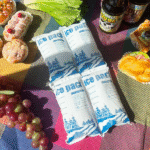
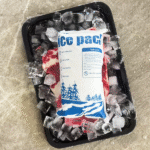
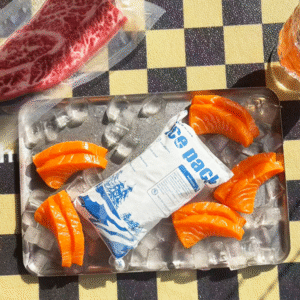
Embalaje aislado: Utilice métodos de enfriamiento pasivo como paquetes de gel o hielo seco para viajes cortos, y métodos de enfriamiento activo como la refrigeración mecánica para rutas más largas. Para productos ultracongelados, El embalaje debe mantener temperaturas extremadamente bajas y evitar la condensación..
Instalaciones de almacenamiento en frío: Muchos almacenes frigoríficos están obsoletos, haber sido construido hace 40-50 años. Mejora del aislamiento, La adopción de refrigeración energéticamente eficiente y la integración de la automatización mejoran la eficiencia y reducen el consumo de energía.. A 2025 La tendencia pasa por invertir en nuevas instalaciones con mejores características de sostenibilidad y visibilidad..
Capacitación y dotación de personal
El personal cualificado es esencial. Los trabajadores deben saber manipular productos congelados., cargar camiones correctamente y responder a alarmas de temperatura. Proporcionar formación continua sobre higiene., Operación del equipo y procedimientos de emergencia.. Una sólida cultura de seguridad reduce los errores y garantiza el cumplimiento.
Gestión de Riesgos y Planificación de Contingencias
Las averías ocurren. Crear planes de contingencia para fallas de equipos., retrasos en la ruta o cortes de energía. Identificar conductores alternativos, Generadores de energía de respaldo y contactos de emergencia.. Los sensores en tiempo real y las geocercas brindan visibilidad de la ubicación y las condiciones.; El software de planificación de rutas minimiza el tiempo de viaje y garantiza entregas oportunas..
Reglamentos y Normas para 2025
Regla FSMA 204 (Regla final de trazabilidad)
Los EE. UU.. Ley de modernización de la seguridad alimentaria (FSMA) Regla 204 requiere que las empresas manipulen alimentos de alto riesgo, como verduras de hojas verdes, huevos con cáscara y mantequilla de nueces: para registrar eventos de seguimiento críticos (CTE) y elementos de datos clave (KDE). Las empresas deben mantener registros digitales durante al menos dos años y proporcionarlos a la FDA dentro de un plazo de 24 horas. La fecha de cumplimiento se ha ampliado para permitir a las empresas más tiempo para implementar sistemas digitales..
Los requisitos clave de FSMA incluyen:
Códigos de lote de trazabilidad: Asigne códigos únicos a los alimentos en la Lista de trazabilidad de alimentos de la FDA para facilitar las retiradas..
mantenimiento de registros: Mantener registros digitales interoperables de la cosecha., embalaje, eventos de envío y recepción.
planes APPCC: Identificar peligros (bacterias, contaminación cruzada), establecer límites críticos y establecer acciones correctivas.
Capacitación del personal: Proporcionar educación continua sobre el control de temperatura., mantenimiento de registros y procedimientos de emergencia.
Cumplimiento del proveedor: Auditar proveedores e incluir requisitos de temperatura en los contratos..
Análisis de riesgos y puntos de control críticos (HACCP) & Buenas prácticas de distribución (PIB)
HACCP es un sistema preventivo que identifica peligros y establece controles en puntos críticos como transporte y muelles de carga.. Las directrices del PIB hacen hincapié en el embalaje adecuado, Documentación y gestión de riesgos para productos sensibles a la temperatura.. Normas ISO (p.ej., ISO 22000) Proporcionar marcos de gestión de calidad para la seguridad alimentaria..
Estándares internacionales y protocolos emergentes
El Instituto Internacional de Refrigeración (IIR) señala que –18°C sigue siendo la norma internacional para los alimentos congelados. Sin embargo, La iniciativa “Tres grados de cambio” propone aumentar la temperatura de almacenamiento a –15°C para ahorrar energía. Las investigaciones muestran que esto podría reducir el consumo de energía en aproximadamente un 10 %, pero puede acortar la vida útil en aproximadamente un 30 % y requerir un embalaje más grueso.. Los reguladores están evaluando enfoques diferenciales basados en la sensibilidad del producto.
En julio 2025, La GCCA y AFFI lanzaron un nuevo protocolo para estandarizar el monitoreo de temperatura en toda la cadena de suministro de alimentos congelados.. El protocolo identifica puntos críticos de seguimiento, recomienda mejores prácticas para la recopilación y el análisis de datos, y tiene como objetivo mejorar la eficiencia operativa, seguridad alimentaria y sostenibilidad. Alienta a las empresas a adoptar un monitoreo basado en datos y a colaborar en toda la industria..
Regla de transporte sanitario de la FSMA
Los transportistas que transportan alimentos congelados deben mantener el equipo sanitario., controlar las temperaturas y mantener registros detallados de las operaciones de transporte. Los remolques frigoríficos deben tener unidades de refrigeración y sistemas de monitoreo confiables para evitar variaciones de temperatura..
Eliminación gradual de HFC en virtud de la Ley AIM
La innovación y la fabricación estadounidenses (APUNTAR) La ley exige una eliminación gradual de los hidrofluorocarbonos (HFC), exigir a las empresas que hagan la transición a refrigerantes con menor potencial de calentamiento global. Se están adoptando alternativas como el dióxido de carbono y los hidrocarburos., pero requieren evaluaciones de compatibilidad y seguridad.
Mejores prácticas desde la recepción hasta la entrega
Recibir mercancías
Inspeccionar y verificar: Verifique la temperatura y el estado de la mercancía entrante inmediatamente después de su llegada.; rechazar productos fuera de los rangos aceptables.
Utilice áreas de preparación: Mantenga un área de preparación con temperatura controlada cerca de los muelles de carga para minimizar la exposición durante el traslado..
Etiquetar con precisión: Las etiquetas deben indicar el tipo de producto., código de lote, requisitos de almacenamiento y fecha de vencimiento.
Gestión de almacenamiento e inventario
Almacenes de zona: Almacenamiento separado por categoría de temperatura: refrigerado, congelados y ultracongelados. Esto evita la mezcla de temperaturas y simplifica la gestión..
Rotar inventario (FIFO): Usar primero en, Principios de primero en salir para minimizar el envejecimiento del stock..
Monitorear la humedad: Mantenga niveles de humedad adecuados para evitar la deshidratación y la condensación..
Implementar sistemas de gestión de almacenes.: Seguimiento de la ubicación del inventario, temperatura y estado en tiempo real.
Preparación y carga de mercancías
Plano de embalaje: Elige activo (refrigeración mecánica) o pasivo (paquetes de gel, hielo seco) Embalaje basado en el producto y la duración del viaje..
Cargas seguras: Organice los paquetes para permitir el flujo de aire y evitar aplastar artículos delicados..
Inspecciones previas al viaje: Los conductores deben verificar la configuración del frigorífico., niveles de combustible, Sellos de puertas y sensores antes de la salida..
Monitoreo continuo: Utilice sensores y telemática de IoT para rastrear la temperatura y la ubicación; integrar con el software de optimización de rutas.
Comunicarse con los clientes: Proporcione actualizaciones en tiempo real sobre la llegada estimada para reducir las entregas perdidas.
Llevar suministros de respaldo: Stock de paquetes de gel de repuesto, Hielo seco y generadores portátiles para emergencias..
Entrega y Traslado Final
Garantizar que las entregas de última milla mantengan la cadena de frío. Utilice contenedores aislados para rutas cortas y controle la temperatura hasta que se complete la entrega.. Educar a los clientes sobre el almacenamiento adecuado al recibirlos y enfatizar la importancia de mantener los productos congelados hasta su uso..
Últimos desarrollos y tendencias en 2025
Crecimiento y visibilidad del mercado
El mercado de la logística de la cadena de frío sigue siendo resiliente a pesar de las perturbaciones geopolíticas y las crisis de la cadena de suministro.. Maersk proyecta que el valor de mercado crecerá de 324.850 millones de dólares en 2024 a USD 862,33 mil millones por 2032. Los cambios demográficos y la demanda de alimentos y productos farmacéuticos impulsan este crecimiento.. En 2025, Las empresas buscarán una mayor visibilidad a través de software y plataformas integradas que monitoreen toda la cadena de suministro..
Actualización de la infraestructura antigua
Muchas instalaciones de almacenamiento en frío se construyeron hace 40 o 50 años y adolecen de ineficiencias.. En 2025, Las inversiones se centrarán en la modernización de estos almacenes.: agregando automatización, Adoptar refrigerantes sostenibles e integrar el monitoreo digital.. Las presiones regulatorias están eliminando gradualmente los hidroclorofluorocarbonos (HCFC) e hidrofluorocarbonos (HFC), Fomentar las conversiones hacia alternativas respetuosas con el clima..
Productos vegetales y especiales
La demanda de los consumidores de proteínas de origen vegetal, Los artículos sin gluten y los productos con certificación ecológica siguen aumentando. Por 2030, Los alimentos de origen vegetal podrían representar el 7,7% del mercado mundial de proteínas., valorado en más de 162 mil millones de dólares. Estos productos a menudo provienen de pequeñas y medianas empresas nuevas en la logística y, por lo tanto, requieren el apoyo de proveedores experimentados en la cadena de frío.. Las empresas de logística deben adaptarse a los nuevos requisitos de temperatura y necesidades de envasado de artículos de origen vegetal.
Sostenibilidad y Eficiencia Energética
La sostenibilidad es un tema clave. El protocolo GCCA-AFFI enfatiza la reducción del uso de energía y las emisiones de gases de efecto invernadero optimizando el monitoreo de la temperatura.. La iniciativa “Tres grados de cambio” explora aumentar las temperaturas de almacenamiento a –15°C para ahorrar energía, aunque esto puede acortar la vida útil y requerir un embalaje más grueso. Los líderes de la industria están explorando la energía renovable, aislamiento mejorado y refrigeración con CO₂ para reducir la huella de carbono.
Monitoreo avanzado e integración de IoT
Sensores en tiempo real, Las etiquetas RFID y el análisis de datos proporcionan una visibilidad incomparable. El monitoreo continuo permite acciones correctivas inmediatas durante las variaciones de temperatura y respalda el mantenimiento predictivo.. Geofencing alerta a los operadores sobre desvíos de ruta, mientras que las plataformas blockchain mejoran la trazabilidad y la confianza. El análisis predictivo ayuda a las empresas a ajustar el inventario y optimizar la capacidad de almacenamiento en función de las previsiones de demanda..
Automatización y almacenamiento inteligente
Tecnologías de automatización: sistemas de recolección robóticos y vehículos guiados automatizados (AGV)—están transformando las instalaciones de almacenamiento en frío. Estas tecnologías minimizan el contacto humano, reducir el riesgo de contaminación y mejorar la precisión de los pedidos. Los almacenes inteligentes utilizan análisis de datos para optimizar el espacio, reducir el consumo de energía y mejorar el rendimiento.
Distribución Local y Soluciones de Última Milla
La proximidad a los clientes se vuelve más importante a medida que se expanden el comercio electrónico y los modelos directos al consumidor.. Los proveedores de cadena de frío se están desarrollando, Centros de distribución estratégicamente ubicados para acortar los tiempos de entrega y reducir las emisiones.. Las soluciones de última milla incluyen taquillas aisladas, Micro centros logísticos con temperatura controlada y vehículos refrigerados eléctricos..
Preguntas frecuentes
¿Cuál es la temperatura estándar de almacenamiento de alimentos congelados??
El estándar internacional es –18°C (0 ° F). Los alimentos congelados deben permanecer a esta temperatura o por debajo de ella durante toda la cadena de suministro para mantener la calidad y la seguridad.. Los productos ultracongelados pueden requerir de –25 °C a –30 °C.
¿Por qué es tan importante el control de la temperatura??
Las fluctuaciones de temperatura pueden hacer que los cristales de hielo se derritan y se vuelvan a congelar, dañando la textura y el sabor de los alimentos congelados. El monitoreo garantiza que los productos se mantengan dentro de rangos seguros, evitando el deterioro y el desperdicio. Los sensores en tiempo real brindan alertas inmediatas si las condiciones cambian.
¿Cómo gobierna la FSMA? 204 afectar mi negocio?
Regla FSMA 204 requiere que las empresas realicen un seguimiento de los eventos críticos y mantengan registros digitales de los alimentos de alto riesgo. El cumplimiento incluye la asignación de códigos de lote de trazabilidad, registrar elementos de datos clave y proporcionar registros dentro 24 horas previa solicitud. Invertir en trazabilidad digital y capacitación puede optimizar el cumplimiento.
¿Cuáles son los beneficios de mejorar las instalaciones de almacenamiento en frío??
La actualización reduce los costos de energía, mejora la estabilidad de la temperatura y aumenta la capacidad. Las instalaciones modernas suelen incluir automatización., Refrigerantes sostenibles y monitorización integrada., que mejoran la eficiencia operativa y la sostenibilidad.
¿Cómo está abordando la sostenibilidad la industria de la cadena de frío??
Las iniciativas de la industria se centran en la eficiencia energética, Energías renovables y refrigerantes alternativos.. El protocolo GCCA-AFFI promueve la gestión de la temperatura basada en datos para reducir las emisiones de gases de efecto invernadero. Investigación sobre el aumento de las temperaturas de almacenamiento (p.ej., –18°C a –15°C) tiene como objetivo ahorrar energía manteniendo la seguridad alimentaria.
Resumen y recomendaciones
El almacenamiento adecuado de la cadena de frío de los alimentos congelados no es negociable por motivos de seguridad., calidad y sostenibilidad. Las conclusiones clave incluyen:
Mantener un estricto control de temperatura: Mantenga los productos congelados a –18°C o menos y los productos ultracongelados a –25°C a –30°C.
Monitorear la humedad y el flujo de aire: Prevenga la condensación y la deshidratación controlando la humedad y asegurando la circulación del aire..
Adopte el monitoreo digital: Invierta en sensores de IoT, registradores de datos y plataformas en la nube para seguimiento y trazabilidad de la temperatura en tiempo real.
Cumplir con las regulaciones: Comprender la regla FSMA 204, HACCP, PIB y protocolos emergentes; mantener registros digitales y capacitar al personal.
Invertir en infraestructura: Actualizar las instalaciones antiguas, Adoptar refrigerantes sostenibles y adoptar la automatización para lograr eficiencia y reducir las emisiones..
Al implementar estas prácticas, puedes reducir el desperdicio, mejorar la calidad y cumplir con los requisitos reglamentarios. Mantenerse informado sobre nuevos protocolos y tecnologías ayudará a que su negocio prospere en un mercado competitivo..
Plan de acción
Audita tu cadena de frío: Identificar puntos débiles en el control de temperatura., Gestión y documentación de la humedad.. Utilice el protocolo GCCA-AFFI para comparar sus prácticas de monitoreo.
Actualizar equipo: Reemplace las unidades de refrigeración obsoletas con modelos energéticamente eficientes y considere cambiar a refrigerantes de bajo PCA.
Implementar la trazabilidad digital: Implementar sensores de IoT y plataformas en la nube para rastrear temperaturas, humedad y ubicación en tiempo real. Garantizar que los datos sean interoperables entre socios.
Entrena a tu equipo: Proporcionar capacitación sobre el cumplimiento de FSMA, manejo adecuado, y respuesta de emergencia. Fomentar una cultura de seguridad y mejora continua..
Plan de crecimiento y sostenibilidad: Considere la inversión en empresas más pequeñas, centros de distribución estratégicamente ubicados y explorar opciones de energía renovable para almacenamiento y transporte..
Acerca de Tempk
somos tempk, líder de la industria en embalaje de cadena de frío y soluciones de temperatura controlada. Nuestros productos están diseñados para mantener tus productos perecederos a la temperatura adecuada., ya sea que envíe productos del mar congelados o productos farmacéuticos que salvan vidas. Con décadas de investigación y compromiso con la innovación., ofrecemos: