Gel Cold Compress for Knee Pain Relief – How to Use It Effectively?
Actualizado: Diciembre 2025
Gel cold compresses have become a staple in home care for knee pain. Whether you’re dealing with an acute injury or managing chronic osteoarthritis, understanding how to use a gel cold compress effectively can make a big difference in your comfort and recovery. Alrededor 528 million people worldwide live with osteoarthritis, and the knee is the most frequently affected joint. Nearly three quarters of people with this condition are over 55 y sobre 60 % are women. With such a large population affected by knee pain, simple, affordable remedies like a gel cold compress are more relevant than ever.
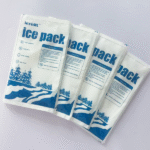
A gel cold compress (sometimes called a gel ice pack) uses pliable gel sealed inside a durable plastic pouch. When chilled or frozen, the gel stays flexible, allowing the pack to mold around the contours of your knee. By applying controlled cold, it lowers skin temperature, slows nerve activity and constricts blood vessels to reduce swelling and numb pain. The following guide explains why gel cold compresses are effective, cuando usarlos, how to apply them safely and what developments you can expect in 2025.
¿Qué es exactamente un gel cold compress and how does it relieve knee pain?
When should you use a gel cold compress for knee injuries or arthritis?
How do you apply a gel cold compress safely to avoid skin damage?
How do gel packs compare to ice bags or advanced cryotherapy devices?
What are the latest innovations and market trends in gel cold compresses for 2025?
Frequently asked questions about gel cold compress use for knee pain relief.
What Is a Gel Cold Compress and How Does It Work?
A gel cold compress is a flexible pouch filled with non toxic gel that delivers targeted cold therapy to the knee, reducing pain and swelling by constricting blood vessels and numbing nerve endings. Unlike rigid ice cubes, the gel remains pliable when frozen, allowing the compress to conform closely to bony prominences and soft tissues. The gel often contains materials like silica gel or hydroxyethyl cellulose which stay soft at low temperatures and can also hold heat when microwaved. This dual use capability makes gel packs a versatile option for both cold and heat therapy.
The Physiology of Cold Therapy
Cold therapy works through vasoconstriction – the narrowing of blood vessels – which decreases blood flow to the injured area and limits fluid buildup. Lowering skin temperature also slows the conduction of pain signals through nerve fibers and reduces the metabolic demand of tissues, giving them time to heal. The numbing effect brings immediate pain relief while swelling reduction helps protect joint structures during the early stages of recovery. En resumen:
| Mecanismo | Resultado | Beneficiarte para ti |
| Vasoconstricción | Blood vessels narrow and less blood reaches the injured knee | Swelling and internal bleeding are reduced, limiting inflammation and joint damage |
| Reduced nerve activity | Cold slows nerve conduction | Pain signals are dampened, providing instant relief |
| Lowered tissue metabolism | Cooling slows cellular processes | Helps preserve tissue integrity and reduces secondary damage |
| Flexibility of gel pack | Pack molds around knee contours | Delivers consistent cold exposure, even around complex joint shapes |
Why Choose Gel Over Traditional Ice?
Professional athletic trainer Jason Cruickshank notes that crushed ice can wrap around injured areas effectively, but frozen gel packs offer similar flexibility and are inexpensive and easy to store. Unlike ice cubes that melt quickly, gel compresses maintain a steady cold temperature for 10–20 minutes and can be reused repeatedly. They are also less messy, safer for direct contact (when wrapped in cloth) and versatile for treating other body parts.
Common Uses for Gel Cold Compresses
Gel compresses are part of the R.I.C.E. (Descansar, Hielo, Compresión, Elevación) method and are recommended for many knee related conditions. According to Johns Hopkins Medicine, cold therapy can be used for runner’s knee, tendinitis, esguas, arthritis pain and post operative swelling. It is also suitable after knee replacement surgery or for low grade injuries following physical activity.
When Should You Use a Gel Cold Compress?
Use a gel cold compress within the first 24–72 hours of an acute knee injury or flare up to reduce swelling and numb pain. Cold therapy is most effective when inflammation is actively developing. For chronic conditions such as osteoarthritis, apply cold after activities that trigger pain or swelling.
Lesiones agudas
Esguinces y torceduras: Immediately after twisting your knee or landing awkwardly, the compress limits swelling and eases pain.
Post surgical swelling: After procedures like arthroscopy or total knee arthroplasty (ATR), cryotherapy devices help control pain during the first 72 horas.
Traumatic injuries: Knee injuries from sports or falls often benefit from cold therapy; apply a gel pack as soon as possible for 15–20 minutes at a time.
Condiciones crónicas
Osteoarthritis flare ups: Cold therapy reduces inflammation and provides relief after prolonged standing or exercise.
Overuse syndromes: Tendonitis and bursitis respond well to intermittent cold to calm irritated tissues.
Timing Guidelines
Cold compresses should be applied for 10–20 minutos por sesión, followed by an equal period without cold to prevent skin damage. Por lesiones agudas, repeat this cycle every 2–3 hours during waking hours for the first couple of days. For chronic pain, apply after activity when swelling or discomfort arises. Always wrap the compress in a towel and avoid sleeping with it on your knee to prevent frostbite or nerve damage.
How to Apply a Gel Cold Compress Safely
Proper application ensures you get maximum benefit without risk of skin injury or frostbite. Sigue estos pasos:
Chill the gel pack. Store your gel pack in the freezer for at least two hours so it reaches a stable cold temperature. Some packs can also be kept in the refrigerator if you prefer a milder chill.
Wrap in a cloth. Never place a frozen pack directly on your skin. A thin towel or cloth acts as a barrier to protect your skin from intense cold. For extra comfort, dampen the cloth slightly before wrapping.
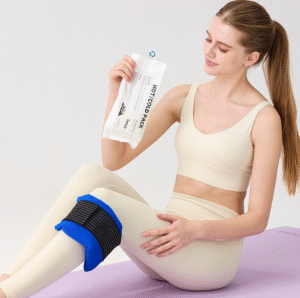
Apply to the knee. Place the wrapped compress around the front of your knee so it covers the area of pain. Hold the pack in place with gentle pressure or a soft bandage; do not wrap it too tightly as this can impede circulation.
Establecer un temporizador. Keep the compress on for 15–20 minutes. Remove the pack as soon as you feel numbness or discomfort.
Allow skin to warm. Wait at least 20–30 minutes before reapplying. This gives your skin and underlying tissues time to return to normal temperature.
Monitor skin condition. Check for any redness, tingling or changes in skin color. If you have diabetes or conditions that reduce sensation, consult your physician before using cold therapy and stop if you lose feeling.
Gel Cold Compress vs. Other Cryotherapy Methods
Advances in cryotherapy mean there are now several options for knee pain relief. Gel cold packs are the most accessible, but how do they compare to alternatives?
Bolsas de hielo tradicionales
Ice bags filled with crushed ice are inexpensive and wrap easily around the knee. They work well for short sessions but melt quickly and can be messy. Some people prefer ice because it’s widely available. Sin embargo, gel packs provide longer-lasting cold and are less likely to leak.
Cryo Cuff Devices
A cryo cuff combines a wrap with a reservoir of ice water that circulates continuously. en un 2025 randomized controlled trial comparing gel cold packs, cryo cuffs and a mobile cold compression device (MCCD) after knee arthroplasty, the cryo cuff group experienced greater reduction in knee swelling at 72 horas (P = 0.028) but scored lower on patient satisfaction (total score 82.8) compared with the gel pack group (86.8) and the MCCD (89.1). Cryo cuffs provide uniform cold and compression but require more equipment and are costlier.
Mobile Cold Compression Devices (MCCD)
MCCDs consist of multiple gel packs integrated into a foldable socket with compression capabilities. El 2025 trial found that the MCCD delivered lower pain scores than gel packs or cryo cuffs in the first eight hours after surgery. It also allowed patients to flex and extend the knee during rehabilitation. Sin embargo, these devices can cost up to ten times more than a conventional gel cold pack.
Paquetes de frío instantáneos
Instant cold packs use a chemical reaction to become cold on demand. They are ideal for emergencies or when traveling, as they require no freezing. The trade off is that they are single use and may not stay cold as long as reusable gel packs. Para uso en el hogar, reusable gel packs are more economical and environmentally friendly.
Terapia con calor
Heat is better suited for muscle relaxation and increasing blood flow once swelling subsides. Many gel packs can be heated in a microwave for short bursts, offering both hot and cold therapy. A typical approach is to use cold therapy during the first 24–72 hours after injury and switch to heat to promote muscle relaxation once inflammation has decreased.
Tabla comparativa: Cold Therapy Options for Knee Pain
| Característica | Gel Cold Pack | Cryo Cuff | MCCD | Instant Pack | Ice Bag |
| Reutilizabilidad | Sí | Sí | Sí | No | Sí |
| Duración fría | 15–20 minutos, reutilizable | Continuo (requires refill) | Continuous with compression | 5–10 minutos | 10–15 minutos (se derrite) |
| Compresión | Mínimo (manual pressure) | Sí | Sí | No | No |
| Flexibilidad & Cobertura | High – conforms to knee | Moderate – requires proper fit | High – foldable design | Low – single shape | Moderate – depends on bag shape |
| Costo | Bajo | Moderado | Alto (10× gel pack cost) | Bajo | Bajo |
| El mejor uso | Home care for acute or chronic knee pain | Post surgical recovery | Post surgical recovery with mobility | Emergency or travel | Quick home remedy |
| Desventajas | Requires freezing; must be wrapped | Voluminoso; requires water; moderate satisfaction | Caro; disponibilidad limitada | De un solo uso; corta duración | Desordenado; may drip water |
Expert Tips and Real World Advice
Act quickly after injury: Apply a gel cold compress within the first few hours of injury to minimize swelling and pain.
Use a timer: Always limit sessions to 10–20 minutes to prevent frostbite and nerve damage.
Elevate your knee: Elevation helps drain fluid away from the joint. Prop your leg on pillows while applying the compress.
Wrap properly: A thin cloth protects your skin; never apply the compress directly onto bare skin.
Avoid if you have sensory disorders: People with conditions like diabetes should consult a healthcare provider before using cold therapy.
Caso del mundo real: A 55 year old runner experienced acute knee pain after slipping on uneven pavement. By immediately resting, elevating her leg and applying a gel cold compress for 20 minutes every few hours, she reduced swelling and returned to jogging within a week. She followed up with heat therapy and gentle stretching after the first 72 hours and avoided complications.
How Gel Cold Compresses Fit Into Comprehensive Knee Pain Management
Knee pain often requires a multi faceted approach. Cold therapy alone may not be sufficient for chronic conditions like osteoarthritis. A 2025 systematic review of five randomized controlled trials found that cryotherapy delivered a standardized mean difference of −0.57 in pain intensity (95 % CI: −0.97 to −0.18). Sin embargo, the review concluded that cryotherapy is most effective when combined with other interventions such as physical therapy and strength training.
Integrating Cold Therapy With Other Strategies
Physical Therapy: Strengthening the quadriceps, hamstrings and hip muscles improves knee stability and reduces pain. Combine cold therapy after exercise sessions to manage inflammation.
Control de peso: Excess body weight increases stress on knee joints, accelerating cartilage degeneration. Maintaining a healthy weight lessens pain and slows disease progression.
Medication and Supplements: Non steroidal anti inflammatory drugs (AINE) may be used under medical supervision. Supplements like glucosamine and chondroitin have mixed evidence; consult your healthcare provider before use.
Supportive Devices: Knee braces or compression sleeves can provide stability. Use them alongside gel cold packs for added support.
2025 Market Trends and Innovations in Gel Cold Compresses
The ice pack industry is booming. Market analysts report that the global ice pack market was $1.1 mil millones en 2022 y se prevé que alcance $1.8 mil millones por 2030. This growth reflects the proven effectiveness of cold therapy and increasing demand for home based solutions. Several trends are shaping the 2025 paisaje:
Trend Summary
Paquetes de gel inteligentes: New gel compresses incorporate temperature sensors and digital timers to alert users when to remove the pack, reducir el riesgo de congelación.
Materiales ecológicos: Manufacturers are developing gel packs with biodegradable or recyclable shells, addressing environmental concerns and aligning with consumer preferences.
Hybrid Therapy Devices: Combining cold therapy with vibration or light therapy is gaining popularity for enhancing circulation and reducing pain.
Tailored Designs: Packs shaped specifically for knees feature adjustable straps, multiple gel cells and contoured padding to maximize coverage and comfort.
Cost Effective Mobility: The mobile cold compression device (MCCD) tested in 2025 provides improved pain relief during rehabilitation, though high costs remain a barrier. Expect competitive designs to lower prices and improve accessibility.
Market Growth Drivers
Rising prevalence of knee osteoarthritis (encima 365 million people affected globalmente), aging populations and increased participation in sports contribute to growing demand for non invasive pain relief. People are seeking alternatives to opioids and surgery, pushing innovation in gel pack technology. As portable, reusable devices become more sophisticated, consumers can manage pain conveniently at home, reducing healthcare costs.
Preguntas frecuentes (Preguntas frecuentes)
- Can a gel cold compress help with chronic knee arthritis?
Sí. Cold therapy reduces inflammation and pain by constricting blood vessels and numbing nerve endings. For chronic osteoarthritis, use a gel pack after activities that trigger pain. Combine it with exercise and weight management for best results.
- How long should I apply a gel cold compress?
Limit each session to 10–20 minutos. Remove the pack once the area feels numb or uncomfortable. Wait at least 20–30 minutes before reapplying to allow tissues to recover.
- When should I avoid using a gel cold compress?
Avoid cold therapy on areas with poor sensation, heridas abiertas, or if you have conditions like diabetes, Raynaud’s disease or vascular disorders. Stop use immediately if the skin becomes red, pale or numb.
- What’s the difference between a gel cold compress and an instant cold pack?
A gel pack is reusable, flexible and can be heated or frozen. An instant cold pack contains chemicals that create a cold reaction when activated, making it ideal for emergencies but single use.
- Is alternating heat and cold therapy beneficial?
Alternating between cold and heat can be effective for managing pain and stiffness. Use cold therapy during the first 24–72 hours after injury and switch to heat once swelling subsides to relax muscles.
Resumen y recomendaciones
Gel cold compresses provide an accessible and effective method for reducing knee pain and swelling. By constricting blood vessels and numbing nerve endings, they deliver immediate relief and limit tissue damage. They are especially useful in the first 24–72 hours after an injury or during flare ups of chronic conditions. Following proper application—wrapping the pack, using 10–20 minute sessions, and observing skin condition—ensures maximum benefit without risk.
To manage knee pain holistically, combine cold therapy with physical therapy, weight control, supportive devices and, cuando sea necesario, tratamientos medicos. A partir de 2025, innovations such as smart gel packs and mobile compression devices are expanding options for home care. The growing prevalence of knee osteoarthritis and consumer demand for non invasive pain relief will continue to drive development in this space. Stay informed and consult healthcare professionals to choose the best strategy for your needs.
Pasos procesables
Prepare a gel pack: Keep a reusable gel pack in your freezer so it’s ready when you need it.
Use the R.I.C.E. método: Rest the injured knee, apply your gel compress, wrap with light compression and elevate to reduce swelling.
Follow up with heat therapy: Después de que la hinchazón disminuye, use heat therapy or gentle stretching to improve flexibility.
Monitor symptoms: If pain or swelling persists beyond a few days, or if you have underlying health conditions, Consulte a un profesional de la salud.
Acerca de TemPk
TemPk is a forward thinking provider of cold chain and temperature controlled solutions. Our gel cold compresses are designed with flexible, non toxic materials that stay pliable when frozen and double as heat packs when needed. We prioritize user comfort and safety by incorporating durable shells and adjustable straps. Our dedication to quality ensures that every product meets rigorous standards, giving you confidence in your recovery journey. At TemPk, we believe in combining innovation with care to help you live pain free.
For personalized guidance on selecting the right gel cold compress or integrating cold therapy into your recovery plan, contacta a nuestros expertos. We’re here to help you take the next step toward better knee health.