How to Buy Gel Cold Compress Grocery Wholesale
When you source gel cold compress grocery wholesale products, the real target is not a cheap cold pack. The real target is a repeatable delivery window that keeps food safe, reduces refunds, and protects margin. For grocery wholesalers, tiendas oscuras, meal-kit brands, and regional food distributors, the goal is to protect refrigerated groceries while keeping packaging cost and box weight under control. This optimized version fuses the strongest buyer guidance, profundidad técnica, and current-market framing into one final article. It emphasizes decision clarity, technical reliability, search intent coverage, and conversion-friendly structure. A final optimized article should help you move from keyword research to a genuinely useful page that can rank, convert, and reduce pre-sale friction. The best-performing page and the best-performing cold pack share one rule: both need to work in the real world, not only in a simplified test or a sales deck.
FDA food safety guidance continues to center refrigerated handling around 40°F (4°C) o debajo, freezer control around 0°F (-18°C), and quick refrigeration of perishables after purchase or preparation.
Este artículo te ayudará a responder.
Which pack format fits fresh grocery e-commerce, dairy kits, seafood boxes, comidas preparadas, store replenishment, and same-day regional delivery
How to compare suppliers beyond headline price
What matters in pack geometry, carton fit, insulation pairing, pre-conditioning workflow, and lane-by-lane temperature validation
How to build a stronger 2026 sourcing and validation workflow
Why is gel cold compress grocery wholesale a real buying decision instead of a simple commodity purchase?
gel cold compress grocery wholesale becomes strategic when the pack has to perform inside a real operation, not a laboratory fantasy. The shipment moves through picking, puesta en escena, tiempo de apertura de puertas, line-haul transfer, receiving delays, and sometimes failed first delivery. Every one of those steps adds heat risk, handling pressure, o ambos.
That is why smart buyers do not begin with price per piece. They begin with the real shipping lane, the product temperature target, the order profile, and the amount of labor the pack line can handle. A cheap pack that forces repacking, extra void fill, or more damage claims is rarely the cheapest solution by the end of the quarter.
Where do buyers usually make mistakes?
The most common mistake is choosing a pack only by weight. Weight matters, but placement, forma, área de contacto, and repeatability matter too. Another common mistake is asking for a “universal” pack that will handle every SKU and every season. That usually creates overpacking for mild conditions and under-protection for hotter routes.
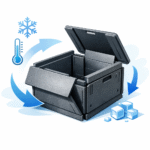
A better method is to split your use cases into lanes or order families. Por ejemplo, separate short local moves from overnight parcel lanes. Separate dense cartons from light mixed baskets. Separate heat-sensitive items from more forgiving items. Then match the gel pack design to the actual risk.
Practical buyer tips
Start with the lane, not the catalog: Build your shortlist around route length, tiempo de apertura de puertas, and receiving pattern.
Use real product load: Validation works better when the carton contains realistic product mass and realistic void space.
Check operator speed: A pack that looks good on a sales sheet may slow your packing line.
Review storage discipline: Congelado, refrigerado, and room-conditioned packs should be clearly separated in the warehouse.
Plan seasonal changeovers: Summer pack-outs, shoulder season pack-outs, and local same-day pack-outs should not always be identical.
Ejemplo de campo: A buyer that replaced one oversized universal pack with three smaller lane-specific formats often finds that damage claims fall while carton fit improves. The surprise is not only better temperature control. Packing accuracy and line speed usually improve too.
How should you compare suppliers for gel cold compress grocery wholesale?
A reliable wholesale supplier gives you more than a unit price. They should be able to discuss fill-weight tolerance, film specification, ancho del sello, etiquetado, carton count, sample lead time, and how the pack should be conditioned before use. If they cannot explain how the product behaves in transit, they are only selling inventory, not helping you manage risk.
Supplier comparison should include manufacturing stability. Ask whether the pack dimensions stay consistent from batch to batch, whether seals are inspected visually or by sampling, whether there is a standard for filled-weight variation, and how complaints are handled. These details directly affect your packing process, storage density, and claim rate.
What sample program gives you useful answers?
Do not request only one sample and make a decision from a hand-feel test. Request a small but structured sample set. Include at least two sizes, one heavier option, one thinner option, and any custom shape you are seriously considering. Then test them in cartons that reflect your true SKU mix.
Próximo, review both temperature results and operating results. Did the pack hold temperature? Did it crowd the product? Did it leak after freezing? Did it create condensation that damaged labels or inserts? Did the line team find it easy to place? Good wholesale decisions are made by combining thermal data with handling data.
Why this optimized version should work better for both ranking and conversion
A strong final article answers the search query and the buying query at the same time. It should help a visitor understand the product, compare options, picture the application, and feel confident enough to request samples or pricing. Google’s current guidance keeps pointing toward helpful, confiable, people-first content, while structured data guidance supports clearer machine understanding of article, Preguntas frecuentes, and product content.
That means the best final page is not stuffed with keywords. It is organized around genuine buyer questions. It uses specific headings, short paragraphs, mesas, and FAQ blocks to reduce bounce risk and improve scanability. En otras palabras, the same structure that helps readers make a decision can also help search systems understand the page.
What the fused version keeps from the three draft styles
The practical decision flow from the buyer-guide version
The validation depth from the technical version
The trend and demand framing from the market-aware web version
The clearer CTA and page architecture needed for conversion
That blend is usually what turns a serviceable cold-chain article into a page with stronger long-term value.
What technical details matter most in pack geometry, carton fit, insulation pairing, pre-conditioning workflow, and lane-by-lane temperature validation?
The best cold pack is the one that performs predictably and stays easy to handle. Buyers often focus on how cold the pack feels when removed from storage. A better question is how steadily it works after thirty minutes, sixty minutes, or after a delay on the dock. Stable cooling usually matters more than a dramatic first impression.
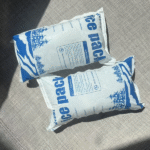
Material details matter here. Gel distribution affects surface contact. Film strength affects puncture resistance. Seal quality affects leak risk. Pack thickness affects how much product space you lose inside the carton. Even the edges matter because sharp corners can create pressure points against other packaging components. This is where technical review protects future operations.
Mode-specific technical emphasis
For this opt article, the focus is on decision clarity, technical reliability, search intent coverage, and conversion-friendly structure. That means you should ask for test evidence that matches the way you ship. In a buyer guide, that may be carton fit and claim reduction. In a deeper validation program, that may be freeze-thaw stability, burst resistance, or conditioning repeatability. In a market-facing 2026 revisar, that may be documentation, sostenibilidad, and operational simplicity.
If your application touches sensitive goods, do not ignore protocol or regulatory context. For specimen or healthcare-adjacent loads, current CDC and WHO guidance continues to point to validated temperature ranges and triple-packaging principles rather than guesswork. For hazardous-material contexts, OSHA and PHMSA documentation discipline remains central. For food and beauty applications, buyers still need clear GMP-style thinking, manejo limpio, and stable temperature control.
What is changing in 2026 for buyers of gel cold compress grocery wholesale?
The direction of travel in 2026 es simple: buyers want proof. They want proof that the pack fits the box, proof that the supplier can repeat the batch, proof that the conditioning method is clear, and proof that packaging waste is not being ignored. That does not always mean the most advanced or most expensive cold pack wins. It means vague claims are losing value.
The strongest market shift is toward tighter operating discipline. Google’s current guidance for search also reinforces the same broad idea on the content side: útil, people-first information and clearer structure outperform shallow content made only to chase rankings. That matters because many buyers now research packaging partners through detailed educational pages before they ever request a quote. Search-friendly pages that answer the real buying questions have become part of the sales process.
2026 trend snapshot
More validation by lane: Buyers are testing by route, estación, and order family instead of using one blanket pack-out.
More focus on waste reduction: Reusable or lower-waste secondary systems keep getting more attention as packaging teams review disposal cost and material use.
More documentation pressure: BPF, SDS, and structured SOP thinking are shaping even routine packaging conversations.
More demand for rich product content: Buyers expect clear sizing, instrucciones de manejo, Preguntas frecuentes, and product data before they sample.
Preguntas frecuentes
How many gel cold packs should a grocery carton use?
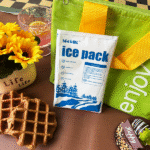
Start with lane testing rather than a fixed rule. Mixed baskets with dairy, carne, or seafood often need different pack layouts than produce-only orders, Especialmente en verano.
Are larger grocery cold packs always better?
No. Oversized packs can waste space, embalaje lento, and create uneven contact. A set of smaller packs often gives better product coverage and easier box balancing.
Can grocery teams reuse gel cold packs?
Many can be reused when the material, reglas de higiene, and return flow support it. Reuse only works when cleaning, inspección, and reverse logistics are consistent.
What should wholesalers ask for before buying?
Ask for sample packs, fill-weight tolerance, seal details, carton counts, recommended conditioning rules, and lane-based test support.
Resumen y próximos pasos
gel cold compress grocery wholesale should be selected as part of a system, not as a random consumable. The right wholesale product fits your carton, matches your temperature target, survives normal handling, and supports a workflow your team can repeat at scale. That is true whether you ship groceries, quimicos, productos cosméticos, productos sensibles a la temperatura, or tissue samples.
The best next step is practical. Narrow the application, shortlist the pack geometries, request structured samples, and run a lane-based validation. Review both temperature and handling outcomes. Then choose the supplier that gives you stable quality, comunicación clara, and a pack-out you can live with in daily operations.
Acerca de Tempk
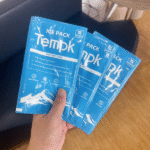
Y tempk, we help grocery teams match gel pack size, aislamiento, and carton design to real delivery lanes and real order mixes. We focus on practical customization, dependable wholesale production, and cold-chain packaging choices that make sense for real operations rather than generic marketing claims.
Llamado a la acción: If you are evaluating gel cold compress grocery wholesale, build a sample matrix and compare real pack-out results before you lock in your next wholesale order.