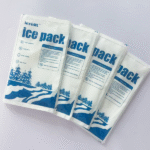
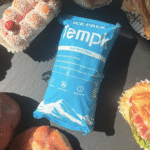
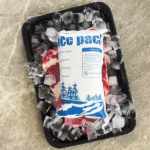
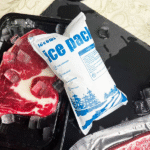
Los servicios de logística de la cadena de frío garantizan que los productos perecederos (desde vacunas y productos biológicos hasta mariscos y productos frescos) permanezcan dentro de un rango de temperatura seguro durante el almacenamiento y el transporte.. En 2025 El mercado de la cadena de frío está en auge.: investigación de Precedence Research valora el sector global en 436,30 mil millones de dólares en 2025 y lo proyecta para superar 1,3 billones de dólares por 2034. Los consumidores esperan productos frescos, productos de alta calidad, Los reguladores imponen estrictas normas de seguridad., y las cadenas de suministro abarcan continentes. Esta guía explica cómo funcionan los servicios logísticos de la cadena de frío., Por qué importan, y cómo la tecnología está remodelando la industria. Se basa en los últimos datos y conocimientos de expertos para 2025, permitiéndole tomar decisiones informadas ya sea que administre productos farmacéuticos, alimento, u otros productos sensibles a la temperatura.
¿Qué implican los servicios de logística de la cadena de frío?, y ¿por qué son esenciales en 2025?
Qué tecnologías: IA, IoT, blockchain y energía renovable: están transformando la logística de la cadena de frío?
¿Cómo influyen las tendencias del mercado mundial y las diferencias regionales en la inversión y la capacidad??
¿Cómo puede seleccionar el socio logístico de la cadena de frío adecuado y mejorar sus propias operaciones??
¿Cuáles son las innovaciones y tendencias de mercado más notables que surgen en 2025?
¿Qué preguntas comunes hacen las empresas sobre los servicios de cadena de frío??
¿Qué son los servicios de logística de la cadena de frío y por qué son importantes en 2025?
Servicios de logística de cadena de frío. abarcar una red de procesos, Equipos y protocolos diseñados para mantener rangos de temperatura específicos desde la producción hasta el consumo.. El sistema incluye almacenamiento con temperatura controlada., transporte refrigerado, tecnología especializada de embalaje y monitoreo. En 2025 La cadena de frío nunca ha sido más crítica.: Precedence Research informa que el El mercado mundial vale 436.300 millones de dólares. 2025 y podría alcanzar US$ 1.359,78 mil millones por 2034. Varios factores impulsan este crecimiento.:
Salud y seguridad: Durante la pandemia de COVID 19 la cadena de frío garantizó la distribución segura de vacunas y alimentos. La demanda pospandémica sigue siendo alta como productos biológicos, Las vacunas de ARNm y los alimentos especiales requieren un control preciso de la temperatura.
Comercio electrónico y globalización: Los servicios de comestibles y kits de comida en línea impulsan la demanda de redes confiables de entrega de última milla. El comercio internacional de productos perecederos expone a los consumidores a nuevas cocinas y amplía las oportunidades de mercado.
Innovación tecnológica: Avances en refrigeración, Internet de las cosas (IoT) sensores e inteligencia artificial (AI) permitir el seguimiento en tiempo real, Mantenimiento predictivo y planificación eficiente de rutas..
Mercados emergentes: Ingresos crecientes y urbanización en Asia, América Latina y África crean nueva demanda de infraestructura de almacenamiento en frío.
Comprender los rangos de temperatura y los componentes clave
Los servicios de cadena de frío mantienen los productos dentro de estrictos rangos de temperatura.. Los rangos típicos incluyen ambiente (59–86 °F), Frío (50–59 °F), refrigerado (32–50 °F) y congelado (–22–32 °F). La siguiente tabla resume los rangos comunes y cómo se aplican a sus productos.:
| Rango de temperatura | Productos típicos | Tu comida para llevar |
| Ambiente (59–86 °F / 15–30 ºC) | alimentos secos, ciertos productos farmacéuticos | Requiere refrigeración mínima; asegurar la ventilación para evitar la acumulación de calor. |
| Fresco (50–59 °F / 10–15 ºC) | Queso, productos frescos | Reduce el deterioro; Utilice contenedores aislados y limite el tiempo de transporte.. |
| Refrigerado (32–50 °F / 0–10 ºC) | Vacunas, productos lácteos | Previene el crecimiento bacteriano.; Los sensores de IoT permiten el monitoreo en tiempo real. |
| Congelado (–22–32 °F / –30–0 °C) | Carne, mariscos, postres congelados | Exige equipos de ultracongelación y planes de redundancia para atender fallas eléctricas. |
Los componentes clave de una cadena de frío moderna incluyen:
Sistemas de refrigeración: Compresores, Los condensadores y evaporadores mantienen las temperaturas deseadas..
Almacenamiento con temperatura controlada: Almacenes aislados con sistemas automatizados de almacenamiento y recuperación. (COMO/RS) minimizar las fluctuaciones.
Infraestructura de transporte: Camiones aislados, Los contenedores frigoríficos y los vagones refrigerados conservan la temperatura durante el tránsito.. Algunas instalaciones utilizan congeladores criogénicos portátiles capaces de mantener entre –80 °C y –150 °C para productos biológicos..
Sistemas de seguimiento y control.: Los sensores y registradores de datos de IoT transmiten la temperatura en tiempo real, datos de humedad y ubicación, permitiendo una acción inmediata si las condiciones se desvían.
Protocolos de aseguramiento de la calidad.: Mapeo de temperatura, Los planes de respuesta a emergencias y la gestión de inventario de primero en entrar, primero en salir garantizan el cumplimiento..
Consejos prácticos para gestionar las operaciones de la cadena de frío
Plan de contingencias: Desarrollar protocolos de respuesta de emergencia para fallas de equipos o cortes de energía para evitar daños..
Utilice sensores de IoT: Instale sensores inteligentes en unidades de almacenamiento y vehículos para rastrear la temperatura y la humedad.; automatizar alertas cuando se superan los umbrales.
Entrena a tu equipo: Proporcionar formación periódica sobre los procedimientos de manipulación., registro de datos y respuestas de emergencia.
Integre la IA con la experiencia humana: Utilice la IA para respaldar las decisiones mientras confía en la experiencia operativa para adaptarse a condiciones imprevistas..
Ejemplo del mundo real: En 2024 CJ Logistics America anunció una nueva instalación de almacenamiento en frío cerca de Kansas City con sistemas automatizados, refrigeración energéticamente eficiente y monitoreo de IoT. El proyecto ilustra cómo el almacenamiento frigorífico moderno combina tecnología y sostenibilidad.
¿Cómo son las tecnologías como la IA?, IoT y blockchain transforman la logística de la cadena de frío?
La tecnología juega un papel fundamental en la 2025 cadena de frio. Las innovaciones reducen el desperdicio, mejorar la eficiencia y permitir el cumplimiento.
IA y análisis predictivo: Decisiones más inteligentes y reducción del deterioro.
La inteligencia artificial analiza datos históricos y en tiempo real para predecir fallas en los equipos, optimizar las rutas de entrega y pronosticar la demanda. Los beneficios incluyen:
Optimización de ruta: Los algoritmos consideran el tráfico., Clima y ventanas de entrega para encontrar caminos eficientes., Reducir el consumo de combustible y mantener la integridad de la temperatura..
Mantenimiento predictivo: El análisis de los datos de los sensores ayuda a programar reparaciones antes de que fallen las unidades de refrigeración, evitando costosas averías.
Previsión de la demanda: La IA modela patrones de consumo estacionales, Reducir los costos de desperdicio e inventario..
Las investigaciones indican que la previsión de la demanda y el mantenimiento predictivo habilitados por la IA reducen el deterioro al automatizar las alertas y los programas de mantenimiento.. Según StartUs Insights, el mercado de la cadena de frío sumó más 26 800 nuevos empleados en el último año y presentó más de 2 800 patentes, reflejando un fuerte ecosistema de innovación.
IoT permitió el monitoreo en tiempo real: visibilidad de extremo a extremo
Dispositivos IoT como sensores inteligentes, Los rastreadores GPS y los registradores de datos brindan visibilidad ininterrumpida a lo largo de la cadena de frío. Estos dispositivos envían alertas cuando las temperaturas se salen de los rangos seguros, que ofrece varias ventajas:
Prevenir el deterioro: El monitoreo continuo permite una acción inmediata si las temperaturas suben o bajan inesperadamente.
Cumplimiento regulatorio: Los dispositivos IoT proporcionan registros verificables del recorrido de un producto, Ayudar a las empresas a cumplir con las regulaciones farmacéuticas y de seguridad alimentaria..
Transparencia del cliente: Los datos en tiempo real se pueden compartir con los clientes., generar confianza y mejorar la satisfacción.
El segmento de hardware lideró el mercado de seguimiento de la cadena de frío en 2022, tenencia encima 76% de la cuota de mercado.
Blockchain para trazabilidad y confianza
La tecnología Blockchain crea registros a prueba de manipulaciones de los recorridos de los productos, permitiendo la trazabilidad de extremo a extremo. En el sector farmacéutico, blockchain ayuda a monitorear los datos de temperatura y ubicación, Asegurar que todas las partes interesadas compartan el mismo registro inmutable.. Esto reduce el riesgo de manipulación de datos., simplifica las auditorías y mejora la seguridad del paciente. El Actualización empresarial de control térmico señala que la integración de blockchain mejora el cumplimiento y genera confianza en el consumidor.
Energías renovables y sostenibilidad
El consumo de energía es un importante factor de costes en la logística de la cadena de frío.. Las unidades de refrigeración alimentadas por energía solar ofrecen soluciones sostenibles, particularmente en regiones rurales o con escasez de energía. Las tarifas comerciales de electricidad solar en los Estados Unidos varían desde 3.2 a 15.5 centavos por kWh, en comparación con una tarifa de servicios públicos comercial promedio de 13.10 centavos por kWh en 2024. Aprovechando paneles solares para almacenes y camiones frigoríficos, las empresas pueden reducir los costos operativos y reducir la huella de carbono.
Los envases sostenibles también están ganando terreno. Ligero, Las envolturas térmicas biodegradables y las compresas frías reutilizables disminuyen el impacto ambiental., Apoyar los objetivos de sostenibilidad corporativa y cumplir con las regulaciones.. Además, La optimización de rutas impulsada por IA y el mantenimiento predictivo minimizan el uso de combustible, reducir aún más las emisiones.
Tendencias del mercado y conocimientos regionales para 2025
Crecimiento y proyecciones del mercado global.
Varias agencias de investigación proyectan un crecimiento sólido para el sector de la cadena de frío:
Investigación de precedencia estima que el El mercado mundial crecerá de 436.300 millones de dólares en 2025 a US$ 1.359,78 mil millones por 2034 en un CAGR de 13.46%.
Perspectivas de StartUs, citando a The Business Research Company, informa que el El tamaño del mercado de la cadena de frío aumentará de 454.480 millones de dólares en 2025 a 776.01 mil millones de dólares en 2029, a CAGR de 12.2%.
Fortune Business Insights (citado por Maersk) valora el mercado en 324.850 millones de dólares en 2024 y lo proyecta para llegar 862,33 mil millones de dólares por 2032, exhibiendo un CAGR de 13%.
Nester de investigación afirma que el El mercado de logística de cadena de frío fue valorado en 385.600 millones de dólares en 2025 y se prevé que alcance 1.429,5 mil millones de dólares por 2035 con un CAGR de 14%.
Si bien las estimaciones difieren, el consenso es claro: La demanda de logística con temperatura controlada se está acelerando.. Se espera que la región de Asia y el Pacífico crezca a la CAGR más alta de aproximadamente 14.3% entre 2025 y 2034. El segmento de lácteos y postres helados tuvo la mayor participación (36.10%) de aplicaciones en 2024, mientras que las instalaciones de preenfriamiento se valoraron en 204.400 millones de dólares en 2024.
Aspectos destacados regionales
| Región | Ideas clave | Implicaciones para ti |
| América del norte | Se prevé que el mercado aumentará de 116.850 millones de dólares en 2024 a 289.580 millones de dólares EE.UU. 2034, reflejando la creciente demanda farmacéutica y el comercio electrónico. El gobierno de EE.UU. Plan de Implementación de la Estrategia Nacional de Ciberseguridad (Puede 2024) enfatiza asegurar las cadenas de frío alimentarias y farmacéuticas, señalando un mayor escrutinio regulatorio. | Las empresas deben cumplir con las normas de ciberseguridad y seguridad alimentaria mientras invierten en nueva capacidad y tecnología.. |
| Asia-Pacífico | Esta región experimentará el mayor crecimiento.. Promedios de consumo de lácteos en la India 427 g per cápita (por encima del promedio mundial de 305 gramo), y se espera que el sector de restaurantes de comida rápida crezca 20–25% en impuestos 2024. Los gobiernos están invirtiendo en programas de exportación (p.ej., el programa de exportación de lácteos del Reino Unido) Incrementar el comercio internacional de bienes perecederos.. | Las empresas necesitan redes de almacenamiento y distribución escalables para satisfacer la creciente demanda de alimentos frescos y vacunas.. |
| Europa | La anticuada infraestructura de almacenamiento en frío (a menudo de entre 40 y 50 años) está impulsando la inversión en modernización, sistemas de automatización y eficiencia energética. | Reemplazo de instalaciones obsoletas por automatizadas, Los diseños sostenibles reducirán los costos de energía y mejorarán el cumplimiento.. |
| América Latina | Las crecientes exportaciones de productos frescos y productos del mar requieren una infraestructura mejorada de la cadena de frío. Las inversiones en energía renovable y monitoreo de IoT ayudan a superar los desafíos del suministro de energía. | Priorizar los almacenes energéticamente eficientes y las soluciones de energía solar para superar las brechas de infraestructura. |
| África | La ampliación de la capacidad de la cadena de frío es fundamental para la seguridad alimentaria y la distribución de vacunas. Las unidades de almacenamiento en frío que funcionan con energía solar y los congeladores criogénicos portátiles son particularmente valiosos en áreas con electricidad poco confiable.. | Considere modular, Contenedores y congeladores portátiles que funcionan con energía solar para dar servicio a zonas remotas.. |
Tendencias específicas del sector
Productos farmacéuticos y biológicos.
Biofarmacéuticos, Las terapias genéticas y las vacunas exigen un control preciso de la temperatura y el cumplimiento normativo.. Se espera que el mercado de la cadena de frío farmacéutica alcance 1.454 mil millones de dólares por 2029, con una CAGR de 4.71% de 2024 a 2029. Innovaciones como los congeladores criogénicos portátiles (manteniendo de –80 °C a –150 °C) permitir la distribución de productos biológicos ultrafríos.
Alimento, bebidas y productos vegetales
La creciente demanda de productos frescos por parte de los consumidores, Los alimentos orgánicos y de origen vegetal impulsan la inversión en capacidad de la cadena de frío.. El Mercado logístico de la cadena de frío de alimentos de América del Norte se espera que alcance 86.670 millones de dólares en 2025. Las alternativas a las proteínas de origen vegetal podrían representar 7.7% del mercado mundial de proteínas por 2030 con un valor superior 162 mil millones de dólares, Creciente demanda de transporte frigorífico especializado.. restaurantes de servicio rápido (QSR) en la India se prevé que crezcan 20–25% en impuestos 2024, Impulsar aún más la inversión en la cadena de frío..
Diagnóstico y ciencias de la vida.
El diagnóstico médico y la investigación en ciencias biológicas dependen del transporte de reactivos a temperatura controlada, muestras y materiales de ensayos clínicos. La expansión de las terapias celulares y genéticas añade complejidad, que requieren temperaturas ultrabajas y sistemas de trazabilidad robustos.
Cómo elegir y optimizar los servicios logísticos de la cadena de frío
Elegir el proveedor de logística adecuado puede significar la diferencia entre cumplir, Entregas de alta calidad y costosas pérdidas de productos.. Utilice el siguiente marco para evaluar proveedores y mejorar sus propias operaciones.
Identifique el perfil de temperatura de su producto
Determine el rango de temperatura requerido (ambiente, Frío, refrigerado o congelado) y sensibilidad a las fluctuaciones de temperatura. Para productos biológicos o terapias genéticas que requieren temperaturas ultrabajas, Garantizar que los proveedores ofrezcan congeladores criogénicos y equipos validados..
Evaluar la tecnología y las capacidades de monitoreo.
Monitoreo en tiempo real: Pregunte si el proveedor ofrece sensores IoT, Seguimiento GPS y alertas automáticas.
Mantenimiento predictivo e IA: Los proveedores que utilizan IA para predecir fallas de equipos y optimizar rutas pueden reducir el deterioro y los retrasos.
Blockchain o registros digitales: Busque sistemas de trazabilidad a prueba de manipulaciones, Especialmente para productos farmacéuticos.
Inspeccionar infraestructura y capacidad.
Almacenamiento con temperatura controlada: Visitar las instalaciones de almacenamiento para verificar el aislamiento., automatización y eficiencia energética. Una infraestructura obsoleta puede provocar variaciones de temperatura y mayores costes energéticos.
Red de transporte: Evaluar la flota del proveedor (camiones, contenedores, vagones) y capacidad para manejar la entrega de última milla.
Planes de despido: Confirmar generadores de respaldo, repuestos y estrategias de contingencia ante fallas de equipos.
Considere la sostenibilidad y la eficiencia energética
Con el aumento de los costes energéticos y las regulaciones medioambientales, Elija proveedores que inviertan en energías renovables y envases sostenibles.. Los almacenes con energía solar y los vehículos frigoríficos eléctricos reducen los costes operativos y las emisiones de carbono.
Evaluar el cumplimiento normativo y las certificaciones.
Asegurar que el proveedor cumpla con las Buenas Prácticas de Distribución. (PIB), Análisis de Peligros y Puntos Críticos de Control (HACCP) y normas ISO pertinentes. Pregunta por auditorías y protocolos de aseguramiento de calidad..
Evaluar precios y flexibilidad del servicio.
Solicite modelos de precios detallados, incluidos los costos de almacenamiento, transporte, Servicios de seguimiento y valor añadido. (p.ej., reempacar o equipar). Los términos de contrato flexibles y la capacidad escalable le permiten responder a los cambios estacionales de la demanda.
Utilice una herramienta de autoevaluación
Responda este sencillo cuestionario para aclarar sus necesidades:
¿Qué categoría de producto maneja?? (Seleccione todo lo que corresponda: productos farmaceuticos, terapias biológicas/génicas, productos frescos, alimentos congelados, productos a base de plantas, diagnóstico).
¿Qué rango de temperatura se requiere?? (Ambiente, Fresco, Refrigerado, Congelado, Ultrabajo).
¿Qué tan importante es el monitoreo en tiempo real?? (Alto, Moderado, Bajo).
¿Necesita alcance global o distribución local?? (Global, Regional, Local).
¿Priorizas la sostenibilidad?? (Sí, energía renovable & embalaje; No; No estoy seguro).
Basado en tus respuestas, puede priorizar proveedores con las capacidades de temperatura adecuadas, tecnología, Cobertura geográfica y medidas de sostenibilidad..
Estudio de caso: En julio 2025 Lineage Logistics amplió su presencia en Canadá al adquirir tres instalaciones de almacenamiento en frío en Quebec, mejorar la capacidad para la fruta, logística de productos vegetales y congelados. Inversiones estratégicas como esta señalan consolidación y mayor capacidad en América del Norte.
Últimas novedades y tendencias en 2025
1. La automatización y la robótica abordan la escasez de mano de obra
Las instalaciones de almacenamiento en frío enfrentan escasez de mano de obra y costos crecientes. Sistemas automatizados de almacenamiento y recuperación. (COMO/RS) y el manejo robótico reducen los errores, operar continuamente y mejorar el rendimiento. Los estudios sugieren acerca de 80% de los almacenes no están automatizados, dejando un margen significativo para la adopción. La automatización no solo aumenta la eficiencia sino que también mejora la consistencia en el control de temperatura y inventario..
2. La sostenibilidad es un valor fundamental
Las preocupaciones medioambientales y las regulaciones más estrictas ponen la sostenibilidad en primer plano. Según Trackonomy, el La infraestructura global de la cadena de frío de alimentos representa aproximadamente 2% de las emisiones globales de CO₂. Sistemas de refrigeración energéticamente eficientes, Las fuentes de energía renovables y los envases biodegradables ayudan a reducir la huella de carbono.. Las empresas que adoptan prácticas sostenibles no sólo cumplen con las regulaciones sino que también reducen los residuos y los costos de energía.. Los camiones eléctricos y de almacenamiento en frío que funcionan con energía solar están ganando terreno.
3. Visibilidad de extremo a extremo mediante seguimiento en tiempo real
Mantener la calidad del producto requiere visibilidad ininterrumpida. Los dispositivos de seguimiento habilitados para IoT proporcionan datos en tiempo real sobre la temperatura, ubicación y condición, permitiendo la optimización de rutas y una respuesta más rápida a las interrupciones. El segmento de hardware lideró el mercado de seguimiento de la cadena de frío en 2022, con 76% cuota de mercado.
4. Modernización de infraestructuras y eficiencia energética.
Las antiguas instalaciones de almacenamiento en frío a menudo no cumplen con los estándares modernos. Inversiones en automatización, El cumplimiento y el aislamiento son esenciales.. El informe de Maersk Insight señala que la eliminación gradual regulatoria de refrigerantes sintéticos como los HCFC y los HFC está acelerando las actualizaciones de las instalaciones.. Las nuevas instalaciones incorporan aislamiento mejorado, Recopilación de datos en tiempo real y energía renovable in situ..
5. La IA y el análisis predictivo potencian decisiones más inteligentes
La IA optimiza las rutas, pronostica la demanda y predice las necesidades de mantenimiento, reducir retrasos y deterioros. Los análisis impulsados por IA ayudan a mitigar los riesgos, pronosticar patrones de consumo y mejorar la confiabilidad del servicio. Trackonomy señala que por 2025, 74% Se espera que los datos logísticos estén estandarizados., Facilitar una integración perfecta entre las cadenas de suministro..
6. Crecimiento en la cadena de frío farmacéutica
La pandemia destacó la importancia del almacenamiento ultrafrío de vacunas y productos biológicos. Aproximadamente 20% de los nuevos fármacos en desarrollo son terapias basadas en genes y células, que requieren un estricto control de temperatura. Se prevé que la cadena de frío farmacéutica alcance 1.454 mil millones de dólares por 2029.
7. Inversión en logística de alimentos frescos y entrega de última milla
Los servicios de comercio electrónico de comestibles y los proveedores de kits de comida se están expandiendo rápidamente. Se prevé que el mercado de la cadena de frío de alimentos de América del Norte alcance 86.670 millones de dólares en 2025. Los pedidos en línea y los modelos directos al consumidor exigen nuevos microcentros de cumplimiento refrigerados, optimización de rutas y seguimiento en tiempo real. Los nuevos productos alimenticios (artículos orgánicos y de origen vegetal) requieren transporte especializado para mantener su frescura..
8. Asociaciones estratégicas e integración de la cadena de suministro
La colaboración en todo el ecosistema de la cadena de frío mejora la resiliencia y la visibilidad. Asociaciones entre fabricantes de alimentos, Los proveedores de embalaje y los proveedores de tecnología permiten soluciones integradas.. Los datos estandarizados y los contenedores inteligentes respaldan una integración perfecta entre las cadenas de suministro, con 74% de datos logísticos que se espera que sean estandarizados por 2025.
9. Aparición de innovaciones blockchain e IoT en el Sudeste Asiático
El sudeste asiático se está convirtiendo en un centro para la innovación en la cadena de frío. Los innovadores están integrando blockchain para una trazabilidad de extremo a extremo, unidades de almacenamiento en frío con energía solar, Sensores inteligentes habilitados para IoT para monitoreo en tiempo real, Optimización de rutas impulsada por IA, y congeladores criogénicos portátiles que mantienen –80 °C a –150 °C. Estas innovaciones ayudan a cerrar las brechas de infraestructura en regiones con un suministro de energía inconsistente y largas distancias de transporte..
Preguntas frecuentes
Q1: ¿Cuál es la diferencia entre la logística de cadena de frío y la logística tradicional??
La logística de la cadena de frío mantiene ambientes con temperatura controlada desde el almacenamiento hasta la entrega., Garantizar que los productos perecederos se mantengan dentro de los rangos especificados.. La logística tradicional no se centra en el control de la temperatura y puede exponer las mercancías a las condiciones ambientales..
Q2: ¿Cómo se utiliza la IA en la logística de la cadena de frío??
La IA analiza datos históricos y en tiempo real para optimizar rutas, predecir fallas de equipos y pronosticar la demanda. Reduce el consumo de combustible., previene el deterioro y mejora el servicio al cliente.
Q3: ¿Todos los productos necesitan monitoreo de temperatura en tiempo real??
No necesariamente. Artículos de alto riesgo como vacunas., Los productos biológicos y los productos del mar de alto valor requieren un seguimiento continuo., mientras que los artículos estables pueden necesitar solo controles periódicos. Evalúe la sensibilidad y los requisitos reglamentarios de su producto.
Q4: ¿Por qué es importante la sostenibilidad en la cadena de frío??
La cadena de frío alimentario representa alrededor 2% de las emisiones globales de CO₂. Refrigeración energéticamente eficiente, La energía renovable y los envases biodegradables reducen el impacto ambiental y los costos operativos..
Q5: ¿Qué son los congeladores criogénicos portátiles?, y cuando se usan?
Los congeladores criogénicos portátiles mantienen temperaturas ultrabajas (–80 °C a –150 °C) para productos biológicos, terapias genéticas y tratamientos celulares. Permiten una distribución flexible de productos que requieren ultracongelación..
Q6: ¿Cómo mejora blockchain la transparencia de la cadena de frío??
Blockchain crea registros inmutables de temperatura, eventos de ubicación y transferencia, garantizar que todas las partes compartan los mismos datos. Reduce el fraude, simplifica el cumplimiento y aumenta la confianza.
Resumen y recomendaciones
Los servicios de logística de la cadena de frío son fundamentales para entregar productos perecederos de forma segura y eficiente. El mercado continúa expandiéndose rápidamente, con valor global proyectado para crecer de 436 mil millones de dólares en 2025 a más de 1,3 billones de dólares EE.UU. 2034. Los impulsores incluyen la expansión del comercio internacional., comercio electrónico, Avances farmacéuticos y creciente demanda de alimentos frescos.. Tecnologías como la IA, sensores de iot, blockchain y energía renovable reducen el desperdicio, mejorar la visibilidad y permitir el cumplimiento.
Para optimizar sus operaciones de cadena de frío, identificar el perfil de temperatura de sus productos, evaluar las capacidades tecnológicas, inspeccionar la infraestructura, priorizar la sostenibilidad y garantizar el cumplimiento normativo. Invierta en automatización y análisis predictivo para abordar la escasez de mano de obra y el aumento de los costos.. Considere asociaciones estratégicas para mejorar la visibilidad y la resiliencia. A medida que los mercados emergentes y los nuevos productos impulsan la demanda, Mantenerse informado sobre las innovaciones, desde congeladores criogénicos portátiles hasta plataformas de datos estandarizadas, le ayudará a seguir siendo competitivo en 2025 y más allá.
Acerca de Tempk
Tempk es un proveedor líder de soluciones logísticas de cadena de frío, ofreciendo envases con temperatura controlada, contenedores aislados y sistemas de monitoreo habilitados para IoT. Nuestros productos incluyen cajas aisladas reutilizables, bolsas de hielo en gel y unidades de refrigeración con energía solar. Combinamos experiencia en la industria con tecnología innovadora para ofrecer confiabilidad, Soluciones energéticamente eficientes para productos farmacéuticos., alimentos frescos y productos especiales. Con un compromiso con la sostenibilidad y el cumplimiento, Ayudamos a los clientes a reducir el deterioro., cumplir con los requisitos regulatorios y lograr sus objetivos comerciales.
Listo para proteger su carga sensible a la temperatura? Póngase en contacto con el equipo de Tempk para una consulta personalizada y descubra cómo nuestros servicios de logística de cadena de frío pueden proteger sus productos y respaldar su crecimiento..