In the realm of seafood storage, maintaining product integrity is paramount. This article focuses on how specialized plastic containers can maintain freshness of fish and shellfish at 0–2°C. We’ll explore design features, material choices and regulatory considerations to help you select the right solution for your needs.
This Article Will Help You Understand:
- Why temperature-controlled containers are essential for seafood freshness
- Key features of seafood storage containers like insulation and drainage
- Material considerations for marine applications
- Compliance with FSMA and EU seafood packaging standards
- Sustainability and market trends in seafood logistics
Why Reliable Containers Are Essential in Seafood storage
Mantener la temperatura adecuada es fundamental for seafood storage products. Research shows that up to 20% of temperature-sensitive goods are damaged during transit due to poor cold chain management. Para {industria}, failure to maintain temperatures within 0–2°C can lead to spoilage or contamination. Conventional packaging often fails to provide adequate insulation or durability.
Specialized plastic containers feature thick walls, smooth surfaces and often include drain holes or breathable vents depending on the product. They are made from materials like HDPE or PP to ensure they withstand moisture, chemicals and repeated use. Además, regulatory frameworks such as FSMA Rule 204 for traceability and EU Single Use Plastics Directive require traceability and hygiene measures. Using reusable containers supports sustainability and complies with restrictions on single-use plastics.
Características clave para buscar
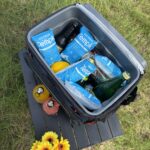
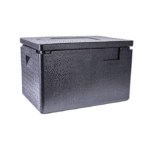
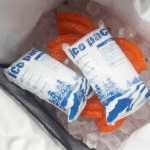
High-performing containers share several characteristics. Look for insulation compatible with gel packs or phase change materials to maintain the appropriate temperature range. Smooth interiors and drain holes prevent residue buildup. Reinforced corners and secure locks protect contents during handling and transport.
Considere los mangos ergonómicos, stackable or nestable designs to save space, and compatibility with tracking technology. For industries like seafood storage, specific features such as oxygen barriers, drainage and odour control enhance performance. Insulated containers can retain temperature for 48–72 hours.
Material Considerations
Material selection impacts durability, weight and compliance. HDPE offers high impact resistance and cold temperature performance, while PP provides rigidity and lower weight. Both materials must meet FDA and EU food contact standards.
Depending on the environment, co‑polymer blends or reinforced plastics may offer better performance. Ensure the manufacturer provides declarations of conformity and compliance with relevant regulations.
Regulations and Best Practices
Adhering to standards such as FSMA Rule 204 for traceability and EU Single Use Plastics Directive safeguards product quality. Monitoreo de temperatura, proper sanitation and traceability are essential elements of compliance. Digital tools like IoT sensors and data loggers support these practices by providing real-time temperature and location data.
Implementing Good Distribution Practice (PIB) and HACCP principles reduces risk and ensures product safety.
Trends and Sustainability
Sustainability and innovation are driving adoption of reusable containers. El mercado de envases de cadena de frío está creciendo rápidamente, with a projected value of USD 39.1 mil millones por 2036. Consumers and regulators alike demand eco-friendly solutions.
Incorporating IoT technology, using recyclable materials and designing for end-of-life recycling support a circular economy. Companies that adopt these practices improve efficiency and brand reputation.
Preguntas frecuentes
What temperature should be maintained? Follow industry guidelines, often 0–2°C or as required by product.
How durable are these containers? HDPE or PP containers can be reused hundreds of times when properly maintained.
Are containers customizable? Sí. Many manufacturers offer custom sizes, colours and branding.
Resumen y recomendaciones
Choosing the right plastic container or tote involves balancing insulation, durabilidad, cumplimiento y sostenibilidad. By understanding the unique needs of seafood storage, you can select a product that protects your goods, meets regulatory requirements and aligns with market trends.
Acerca de Tempk
somos tempk, specialists in cold chain solutions for food, bebida, biotech and pharmaceutical industries. Our product line includes insulated containers, collapsible totes and monitoring technology designed to keep your goods safe from origin to destination. We combine decades of industry expertise with innovative materials to deliver products that meet FDA and EU standards. Our commitment to sustainability means we offer reusable and recyclable solutions to reduce environmental impact while ensuring product integrity.
Ready to improve your operations? Contact us for a consultation and find out how our containers and totes can transform your logistics.