Actualizado en diciembre 10 2025
La gestión de la cadena de frío habilitada por IoT combina logística con temperatura controlada y tecnologías avanzadas para mantener el pan suave y seguro desde la panadería hasta la mesa.. La exposición al oxígeno y la humedad degrada la calidad, llevando al estancamiento, crecimiento microbiano y desechos. Integrando Internet de las Cosas (IoT) sensores, embalaje inteligente y análisis de datos, panaderías y distribuidores pueden detectar problemas a tiempo, reducir el deterioro y ofrecer pan más fresco a los consumidores.
Este artículo responderá:
¿Cómo mejora IoT la gestión de la cadena de suministro de pan?? – El control continuo de la temperatura y la humedad reduce la pérdida de producto y mejora la trazabilidad.
¿Qué tecnologías de envasado protegen la frescura del pan?? – Descubra los envases en atmósfera modificada, Películas activas y bolsas microperforadas que bloquean el oxígeno y retienen la humedad..
¿Qué tecnologías de monitoreo son mejores?? – Comparar registradores de datos, sensores de iot, Etiquetas RFID, rastreadores GPS, Sensores BLE y contenedores frigoríficos inteligentes.
¿Cómo impactan la planificación de rutas y la gestión de carga en la distribución del pan?? – Explorar las mejores prácticas de logística, incluyendo optimización de rutas y control de temperatura.
¿Cuáles son las tendencias clave para 2025? – Obtenga más información sobre el enrutamiento impulsado por IA, trazabilidad de la cadena de bloques, Refrigeración solar y embalaje sostenible..
¿Por qué el Cadena de frío del pan Necesita IoT?
Respuesta directa: La cadena de suministro del pan es una red compleja de abastecimiento de ingredientes, fabricación, embalaje, almacenamiento, distribución y venta al por menor. Cada etapa expone los panes al oxígeno., Humedad y daños físicos que aceleran el envejecimiento y el deterioro.. El monitoreo de IoT en tiempo real ayuda a mantener condiciones óptimas, permitiendo a panaderos y distribuidores intervenir rápidamente cuando la temperatura o la humedad se desvían. Conectando sensores a plataformas en la nube, La cadena de frío del pan pasa de reactiva a proactiva., Reducir el desperdicio y garantizar una calidad constante..
Comprender la complejidad de la cadena de suministro de pan
El pan es un alimento básico que se consume en todo el mundo.. Su cadena de suministro comienza con ingredientes de alta calidad y una fabricación precisa., seguido de un embalaje cuidadoso para preservar la frescura.. Los panes terminados se almacenan en almacenes con temperatura controlada y se transportan a los minoristas.. A pesar de este proceso lineal, numerosas variables: condiciones ambientales, Prácticas de manipulación y tiempos de tránsito: introducen riesgos.:
Sensibilidad a la temperatura: El pan tiene una vida útil limitada y puede rancio en cuestión de días si se expone al calor o la humedad..
Exposición al oxígeno: La oxidación acelera el endurecimiento de la miga y la pérdida de sabor..
Daño físico: Los panes y pasteles blandos pueden aplastarse durante el transporte., reduciendo el atractivo.
Razones clave para la adopción de IoT en la logística del pan
El monitoreo tradicional de la cadena de frío se basa en registradores de datos que registran la temperatura y la humedad para su posterior recuperación.. Si bien es útil para el cumplimiento, Estos dispositivos son reactivos y no pueden prevenir incidentes en tiempo real.. Los sensores IoT superan esta limitación transmitiendo datos de forma continua a través de Wi Fi, redes celulares o LoRaWAN.
| Desafío | Enfoque tradicional | Solución habilitada para IoT | Impacto para tu panadería |
| Excursiones de temperatura inesperadas | Comprobaciones manuales o descargas de datos posteriores al viaje.; excursiones detectadas después del deterioro | Los sensores de IoT en tiempo real envían alertas inmediatamente cuando la temperatura se desvía | Una intervención rápida evita que el pan se seque o se enmohezca, preservando la vida útil. |
| Las fluctuaciones de humedad provocan estancamiento. | Inspecciones periódicas; sin datos detallados de humedad | Los sensores monitorean los niveles de humedad y oxígeno., Permitir ajustes de ventilación o embalaje. | El pan permanece húmedo sin empaparse., mantener la miga suave por más tiempo. |
| Falta de visibilidad en múltiples traspasos | Datos registrados en almacenes pero perdidos durante el transporte | Los rastreadores GPS combinados con sensores de temperatura proporcionan datos de ubicación y condición en toda la ruta | La trazabilidad mejorada reduce la responsabilidad y garantiza a los minoristas la integridad del producto. |
| Planificación de rutas y gestión de carga ineficientes | Los horarios estáticos ignoran el tráfico en tiempo real o las condiciones ambientales. | La optimización de rutas impulsada por IA ajusta las rutas de entrega según el clima y el tráfico | Los tiempos de tránsito más cortos mantienen la frescura y reducen el consumo de combustible.. |
Consejo práctico: Evaluar la cobertura de la red, Valor de envío y tolerancia al riesgo al seleccionar sensores.. Para panes artesanales de alto valor o distribución a larga distancia., invertir en dispositivos IoT o GPS; para entregas locales, Los sensores RFID o BLE pueden ser suficientes. Integre siempre sensores con sus sistemas de gestión y planifique la redundancia utilizando registradores de datos de respaldo.
Caso del mundo real: Un distribuidor de productos orgánicos de la costa oeste que utiliza refrigeración inteligente y sensores de IoT redujo el desperdicio en 30 %. Otra empresa láctea informó ahorros de costos y una mejor vida útil después de implementar el monitoreo en tiempo real.. Estos éxitos muestran cómo las inversiones en IoT dan sus frutos al reducir las pérdidas y fortalecer la confianza de los clientes..
¿Cómo mantienen las tecnologías de envasado el pan fresco??
Respuesta directa: Los envases de pan deben controlar el oxígeno, Humedad y daño físico para retardar la oxidación y el crecimiento microbiano.. Las soluciones efectivas incluyen contenedores de plástico termoformados., bolsas microperforadas, películas compuestas activas y bolsas de papel reciclables. Combinando envases inteligentes con monitoreo de IoT, Las panaderías logran una vida útil más larga y sostenibilidad..
Atmósfera modificada y soluciones de embalaje activo
Las innovaciones en envases se centran en controlar la composición del gas y las propiedades de barrera alrededor del pan..
Envasado en atmósfera modificada (MAPA): MAP sustituye el aire del interior de contenedores sellados por una mezcla de gases, como 50 % dióxido de carbono y 50 % nitrógeno. Los niveles más bajos de oxígeno inhiben el crecimiento microbiano y la oxidación.. MAP puede duplicar la vida útil del pan hasta dos semanas.
Películas compuestas activas: Las películas biodegradables incorporan agentes antimicrobianos y conservantes en el embalaje en lugar de en los alimentos.. A 2025 estudio describe una película hecha de pectina, carboximetilcelulosa y ácido oleico, con propionato de calcio y zeolitas cargadas con iones de plata que reducen el moho entre un 99,97 y un 99,998 %. Porque los conservantes residen en la película., El embalaje activo satisface las expectativas de etiqueta limpia y al mismo tiempo proporciona fuertes barreras contra el oxígeno y el dióxido de carbono..
Envases de Plástico Termoformado: Las películas rígidas multicapa bloquean el oxígeno y la humedad., Proteger los panes del aplastamiento y extender la frescura a aproximadamente siete días.. Estos recipientes son ideales para panes sándwich suaves y pasteles que requieren una alta retención de humedad..
Bolsas de pan microperforadas: Las bolsas con microagujeros retienen 85–90 % Humedad interna y permitir el intercambio de vapor controlado.. Reducen la pérdida de agua en aproximadamente 60 % en comparación con el pan sin envolver y mantiene la corteza crujiente. Para panes artesanales crujientes, Las bolsas microperforadas equilibran la retención de humedad con el flujo de aire..
Bolsas de papel reciclables con ventanas de película: Estos utilizan barreras de papel y ventanas de película desmontable para brindar protección contra el oxígeno y al mismo tiempo se alinean con los objetivos de sostenibilidad.. Ofrecen atractivo visual y reciclabilidad., satisfacer la demanda de los consumidores de envases ecológicos.
| Tipo de embalaje | Característica clave | Impacto en la vida útil | Lo que significa para ti |
| Plástico termoformado | La película rígida multicapa bloquea el oxígeno y la humedad. | Extiende la frescura a ~7 días | Ideal para panes blandos que necesitan una alta retención de humedad. |
| Bolsas microperforadas | 85–90 % retención de humedad con intercambio de vapor controlado | Reduce la pérdida de agua por 60 % VS. pan sin envolver | Ideal para panes artesanales crujientes que necesitan flujo de aire.. |
| Películas compuestas activas | Polímeros naturales con agentes antimicrobianos.; plastificante de ácido oleico | Reduce el moho entre un 99,97 y un 99,998 % | Solución de etiqueta limpia con fuertes propiedades de barrera. |
| Contenedores de mapas | Paquetes sellados con mezcla de gases controlada | Duplica la vida útil hasta dos semanas. | Adecuado para distribución o exportación a larga distancia. |
| bolsas de papel reciclables | Barrera de papel con ventana de película desmontable. | Mantiene la frescura y al mismo tiempo es reciclable. | Cumple con los mandatos de sostenibilidad y las preferencias de los consumidores.. |
Consejos prácticos para reducir el estancamiento y el desperdicio
Elija la ventilación de la bolsa según el tipo de pan: Para panes crujientes, utilizar bolsas transpirables; para panes blandos, Elija envases herméticos o diseños híbridos con zonas perforadas.. La retención equilibrada de la humedad evita que la corteza se empape o se ablande..
Sellar el embalaje correctamente: La creación de un microclima con bajo contenido de oxígeno reduce el moho al 78 % y extiende la vida útil de 4 a 7 días. Utilice sellos térmicos o cierres resellables..
Combina control de humedad y aislamiento.: Las bolsitas de control de humedad y los recipientes aislados pueden agregar de una a tres semanas de frescura cuando se usan con el empaque adecuado..
Caso real: Una panadería presentó bolsas microperforadas para panes de masa madre artesanales. Los clientes descubrieron que el pan se mantuvo crujiente durante dos días en lugar de uno.. El embalaje permitió que la humedad escapara evitando la contaminación., aumentar las compras repetidas y reducir las devoluciones.
Comprender los mecanismos de envejecimiento del pan
El envejecimiento se produce cuando las moléculas de almidón se recristalizan., provocando miga reafirmante y sequedad. Las bolsas de polietileno selladas pueden retrasar el endurecimiento de la miga hasta 96 horas, Extender la vida útil 2.5 veces más que el pan descubierto. Las películas activas y MAP ralentizan aún más la retrogradación al controlar la composición del gas. Comprender estos mecanismos ayuda a los panaderos a seleccionar el embalaje y las condiciones de almacenamiento adecuados..
¿Qué sensores de IoT y tecnologías de monitoreo debería utilizar??
Respuesta directa: Los sistemas modernos de monitoreo de la cadena de frío utilizan sensores, registradores de datos y plataformas de comunicación para rastrear la temperatura, humedad y otros factores ambientales. Se espera que el mercado mundial de monitoreo de la cadena de frío crezca de USD 6.8 mil millones en 2025 a USD 13.4 mil millones por 2032, reflejando un 12.1 % Tocón. La selección de las tecnologías adecuadas depende de la cobertura de la red., valor del envío y requisitos reglamentarios.
Comparación de tecnologías de monitoreo
| Método de seguimiento | Características | Limitaciones | Mejor caso de uso |
| Registradores de datos | Dispositivos alimentados por baterías que registran la temperatura y la humedad.; datos descargados a través de USB/NFC | Sin alertas en tiempo real; recuperación manual; conocimiento limitado | Úselo como respaldo o para verificar tendencias históricas; adecuado para cumplimiento y operaciones pequeñas. |
| sensores de iot | Sensores inalámbricos transmiten datos continuamente a través de Wi Fi, celular o LoRaWAN | Requieren conectividad de red e implican mayores costos; preocupaciones de ciberseguridad | Ideal para monitoreo en tiempo real y alertas proactivas; crítico para envíos de alto valor o largas distancias. |
| Sensores de temperatura RFID | Etiquetas pasivas con sensores de temperatura integrados; escaneado en los puntos de control | Gama limitada; interferencia de señal; requieren infraestructura | Adecuado para grandes almacenes o seguimiento a nivel de palés; reduce los errores de registro manual. |
| rastreadores GPS | Combine el seguimiento de ubicación con el monitoreo de temperatura | Necesita una fuente de energía; costos de transmisión de datos; no es ideal para viajes cortos | Esencial para envíos de larga distancia y prevención de robos; proporciona visibilidad de ruta. |
| sensores BLE | Los sensores de baja energía transmiten datos a dispositivos cercanos entre 30 y 100 m | Problemas de interferencia y alcance limitado | Rentable para almacenes y monitoreo de corto alcance; integrar con aplicaciones móviles. |
| Contenedores frigoríficos inteligentes (Reefers) | Los sistemas automatizados de enfriamiento y monitoreo ajustan las temperaturas internas | Alto consumo de energía y costes de mantenimiento. | Proporcionar condiciones estables para el transporte a larga distancia de productos congelados o de alto valor.. |
| Plataformas en la nube con análisis de IA | Agregue datos de sensores y proporcione paneles centrales, mantenimiento predictivo y seguimiento del cumplimiento | Depende de Internet estable y tarifas de suscripción | Centralice el monitoreo en múltiples instalaciones; esencial para grandes operaciones e informes regulatorios. |
Consejos para seleccionar sensores y plataformas
Evaluar la cobertura de la red: Determina si tus rutas o almacenes cuentan con wifi confiable, Cobertura celular o LoRaWAN. En áreas remotas, Utilice registradores de datos con cargas periódicas o comunicación por satélite..
Equilibrar coste y riesgo: Para panes de alto valor, invertir en soluciones IoT o GPS; para panes a granel, Los sensores RFID o BLE pueden ser suficientes.
Integrar con sistemas existentes: Asegúrese de que los sensores y las plataformas se alineen con sus sistemas de gestión de transporte o almacén. Elija soluciones con API abiertas para una integración perfecta.
Planificar redundancia: Combine sensores en tiempo real con registradores de datos de respaldo para mantener registros incluso si falla la conectividad.
Monitorear la ciberseguridad: Implemente protocolos de seguridad y cifrado sólidos al implementar dispositivos conectados.
Ejemplo de campo: El Ministerio de Salud de Azerbaiyán se desplegó 2,100 Dispositivos digitales de monitoreo de temperatura Fridge Tag en todos los puntos de almacenamiento de la cadena de frío nacional.. La iniciativa demostró cómo el monitoreo automatizado protege la integridad del producto y reduce el trabajo manual: lecciones aplicables a las cadenas de suministro de panadería..
Qué desafíos y mejores prácticas existen en la distribución de pan?
Respuesta directa: La distribución de pan implica más que envases y sensores; Los gerentes de logística deben planificar rutas., gestionar cargas, mantener la temperatura, rastrear el inventario y coordinar las entregas. La aplicación de mejores prácticas reduce los costos, Mejora la calidad y fortalece la ventaja competitiva..
Planificación de ruta, Gestión de carga y control de temperatura
Planificación de ruta: La distribución eficiente del pan requiere diseñar rutas de entrega que minimicen el tiempo de viaje y el consumo de combustible y al mismo tiempo garanticen entregas oportunas.. La optimización de rutas impulsada por IA ajusta las rutas según el tráfico y el clima.
Gestión de carga: La disposición de los productos de pan en los vehículos de reparto debe evitar daños y permitir el flujo de aire.. Equilibrar la capacidad del camión con entregas oportunas garantiza la eficiencia sin comprometer la frescura.
control de temperatura: Mantener unas condiciones óptimas de temperatura es fundamental para preservar la calidad del pan durante la distribución.. Los camiones refrigerados o los compartimentos con temperatura controlada mantienen los panes dentro de rangos seguros. Los sistemas de monitoreo avanzados ajustan el enfriamiento automáticamente para mantener el ambiente perfecto durante todo el viaje..
Seguimiento de inventario: El seguimiento del inventario en tiempo real permite a los distribuidores controlar las cantidades y ubicaciones del pan., Permitir respuestas rápidas a la escasez o al excedente..
programación de entrega: Coordinar las entregas con los minoristas requiere una comunicación estrecha y flexibilidad. Compartir datos de ventas y conocimientos de los consumidores ayuda a optimizar las frecuencias y cantidades de entrega..
Beneficios de la gestión de la cadena de suministro de pan
Una cadena de suministro de pan bien gestionada ofrece múltiples beneficios:
Frescura del producto: La distribución oportuna garantiza que el pan llegue a los consumidores con la máxima calidad.
control de costos: Optimización de rutas, Maximizar la capacidad del vehículo y reducir el desperdicio ayuda a mantener precios competitivos..
Gestión de inventario: Equilibrar los niveles de existencias evita el exceso de existencias y el desperdicio.
Ventaja competitiva: Las cadenas de suministro eficientes permiten una respuesta más rápida a los cambios del mercado y un mejor servicio a los socios minoristas..
Seguro de calidad: El seguimiento y el control mantienen la integridad del producto desde la producción hasta el consumo..
Sostenibilidad: Reducir los residuos y optimizar los recursos se alinea con los objetivos medioambientales.
Mejorando la distribución con IoT
La tecnología IoT aborda desafíos comunes de distribución:
Visibilidad en tiempo real: Los rastreadores GPS combinados con sensores de temperatura permiten a los gerentes rastrear los envíos y detectar retrasos o desviaciones al instante..
Mantenimiento predictivo: Los datos de los sensores revelan patrones en el rendimiento de los equipos, Permitir el mantenimiento antes de que se produzcan averías..
Programación dinámica: La información basada en datos y los algoritmos de inteligencia artificial ajustan los cronogramas de entrega en función de los datos de inventario y ventas en tiempo real..
Alertas automatizadas: Cuando la temperatura se desvía o se producen retrasos en el tráfico, Los sistemas notifican a los conductores y gerentes., permitiendo una acción rápida.
Comunicación con el cliente: Las actualizaciones en tiempo real para minoristas y consumidores generan confianza y les permiten planificar el inventario en consecuencia..
2025 Tendencias en pan de cadena de frío e IoT
Respuesta directa: La industria de la cadena de frío está evolucionando rápidamente, impulsado por el comercio internacional, Expectativas de los consumidores y presiones regulatorias.. Innovaciones como la optimización de rutas impulsada por la IA, trazabilidad de la cadena de bloques, refrigeración con energía solar, Los contenedores ligeros con sensores integrados y embalajes sostenibles están transformando la logística.. Comprender estas tendencias ayuda a las panaderías a prepararse para el futuro y seguir siendo competitivas..
Tecnologías emergentes y crecimiento del mercado
Optimización de rutas impulsada por IA: La inteligencia artificial ajusta las rutas de entrega en tiempo real en función del tráfico y el clima, mejorando la eficiencia y reduciendo el consumo de combustible.
Blockchain para la trazabilidad: Blockchain crea registros inmutables de los recorridos de los productos, mejorar la transparencia y el cumplimiento.
Refrigeración con energía solar: Las soluciones de cadena de frío alimentadas por energía solar reducen el consumo de energía y amplían la refrigeración a regiones con electricidad limitada.
Contenedores isotérmicos ligeros con sensores IoT: Los diseños innovadores de contenedores incorporan aislamiento y sensores para monitorear la temperatura., humedad y ubicación en tiempo real.
Monitoreo de la cadena de frío habilitado por IoT: El seguimiento continuo de productos sensibles a la temperatura proporciona acciones correctivas inmediatas cuando se producen desviaciones..
Soluciones de embalaje sostenibles: Los materiales ecológicos minimizan el impacto ambiental y satisfacen la demanda de los consumidores de productos más ecológicos..
Expansión del mercado global: El comercio internacional impulsa el crecimiento de la cadena de frío; Las exportaciones de productos horneados de EE. UU. alcanzaron el dólar 4.21 mil millones en 2022, desde USD 3.73 mil millones en 2021. Programas gubernamentales como el Programa de Exportación de Lácteos del Reino Unido ilustran el apoyo a la expansión de las exportaciones.. Se prevé que el mercado mundial de la cadena de frío alcance los USD 372.0 mil millones por 2029, creciendo a una tasa compuesta 10.3 %.
Crecimiento regional: La región de Asia Pacífico, incluyendo la India, está experimentando un rápido crecimiento debido al alto consumo de lácteos y al aumento de los restaurantes de servicio rápido. Crecimiento del sector QSR indio de 20 a 25 % en el año fiscal 2024 subraya la necesidad de sistemas robustos de cadena de frío.
Cómo afectan estas tendencias a su panadería
La convergencia de la IoT, La IA y la sostenibilidad significan que las panaderías deben:
Invierta en tecnologías inteligentes: Implementar sensores y análisis para monitorear la calidad del pan., predecir el mantenimiento y optimizar rutas.
Adoptar envases sostenibles: Elija materiales reciclables y envases de bajo impacto para cumplir con los requisitos reglamentarios y las expectativas de los consumidores..
Adopte la transparencia: Utilice blockchain o pasaportes digitales para compartir información sobre el recorrido del producto con minoristas y consumidores..
Expandirse a nuevos mercados: Aproveche la creciente demanda internacional de productos horneados garantizando la preparación para la exportación mediante el cumplimiento de estándares internacionales y sistemas sólidos de cadena de frío..
Colaborar con proveedores: Trabajar en estrecha colaboración con los proveedores de ingredientes., Socios de embalaje y proveedores de logística para garantizar soluciones integradas de cadena de frío..
Preguntas frecuentes
Q1: ¿Cuál es la principal causa del deterioro del pan en la cadena de frío??
La exposición al oxígeno y la humedad acelera la oxidación., Estanqueidad y crecimiento microbiano.. Usar envases que bloqueen el oxígeno y retengan la humedad., combinado con un control de temperatura adecuado, reduce el deterioro.
Q2: ¿Cómo mejoran los sensores de IoT la distribución del pan??
Los sensores de IoT proporcionan datos en tiempo real sobre la temperatura, humedad y ubicación, Permitir acciones correctivas inmediatas cuando ocurren desviaciones.. Esto reduce el desperdicio y garantiza que el pan llegue a los minoristas con la máxima frescura..
Q3: ¿Siguen siendo útiles los registradores de datos tradicionales??
Sí. Los registradores de datos registran las condiciones de cumplimiento y verificación.. Deben usarse junto con sensores en tiempo real para proporcionar redundancia y análisis histórico..
Q4: Qué envase es mejor para el pan artesanal crujiente?
Las bolsas microperforadas mantienen la suavidad de la miga y reducen la pérdida de agua al tiempo que permiten el flujo de aire., haciéndolos ideales para panes crujientes.
Q5: ¿Cuánto tiempo pueden los envases en atmósfera modificada prolongar la vida útil del pan??
Dependiendo de la mezcla de gases y del tipo de producto, MAP puede mantener el pan fresco hasta por dos semanas.
Q6: ¿Cuáles son los beneficios de la optimización de rutas impulsada por IA??
La IA ajusta las rutas según el tráfico y el clima, reducir el consumo de combustible y mejorar la confiabilidad de la entrega. Ayuda a las panaderías a entregar pan más rápido y al mismo tiempo minimiza el impacto ambiental..
P7: ¿Por qué es importante la cadena de bloques para las cadenas de suministro de pan??
Blockchain proporciona registros inmutables de los recorridos de los productos, mejorar la transparencia y el cumplimiento de las normas de seguridad alimentaria. Genera confianza en el consumidor al permitir la trazabilidad de extremo a extremo..
Resumen y recomendaciones
Resumen: La cadena de frío del pan requiere un control preciso de la temperatura, Humedad y oxígeno para preservar la frescura y evitar el deterioro.. La integración de sensores de IoT transforma el monitoreo de reactivo a proactivo, permitiendo alertas en tiempo real y mantenimiento predictivo. Tecnologías de embalaje inteligentes como MAP, Las películas activas y las bolsas microperforadas prolongan la vida útil y se alinean con los objetivos de etiqueta limpia y sostenibilidad.. Planificación de rutas eficiente, La gestión de carga y el seguimiento de inventario mejoran el rendimiento de la distribución.. Tendencias emergentes, incluida la IA, cadena de bloques, La refrigeración solar y los envases sostenibles están remodelando la logística de la cadena de frío..
Recomendaciones prácticas:
Audite su cadena de suministro: Mapee cada etapa, desde los ingredientes hasta la venta minorista, identificando vulnerabilidades y oportunidades para la integración de IoT..
Seleccione los sensores apropiados: Evaluar la cobertura de la red, Valor del envío y riesgo para elegir entre registradores de datos., sensores de iot, RFID, Dispositivos GPS o BLE. Intégrelos con sus sistemas de gestión y planifique la redundancia.
Paquete de actualización: Adopte MAP o películas activas para una vida útil más larga y bolsas microperforadas para panes artesanales. Selle los paquetes de manera efectiva y combínelos con control de humedad y aislamiento..
Optimizar la logística: Utilice la planificación de rutas y la gestión de carga impulsadas por IA para reducir los tiempos de tránsito y el consumo de energía.. Monitoree la temperatura continuamente y ajuste la configuración de enfriamiento para mantener condiciones perfectas.
Adopte la sostenibilidad: Elija materiales de embalaje reciclables o compostables y refrigeración energéticamente eficiente. Comunique sus esfuerzos a través del etiquetado transparente y la trazabilidad digital.
Monitorear tendencias: Manténgase informado sobre el crecimiento del mercado, cambios regulatorios y tecnologías emergentes. Invertir en investigación y asociaciones para poner a prueba nuevas soluciones..
Acerca de Tempk
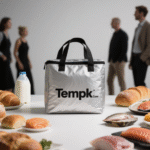
Antecedentes de la empresa: Tempk es líder en soluciones de cadena de frío, proporcionando envases innovadores, contenedores aislados y tecnologías de monitoreo adaptadas a productos perecederos. Nuestros productos incluyen bolsas de hielo de alto rendimiento., Bolsas aisladas y sistemas de monitoreo de la cadena de frío que garantizan temperaturas constantes desde la producción hasta la entrega.. Priorizamos la sostenibilidad a través de materiales reutilizables y reciclables y apoyamos a los clientes en todo el sector alimentario., industrias farmacéuticas y biotecnológicas. Nuestro 2025 Las actualizaciones reflejan las últimas investigaciones y datos de mercado..
Llamado a la acción: Para saber cómo las soluciones de Tempk pueden transformar la cadena de frío de su panadería, Póngase en contacto con nuestros expertos para una consulta personalizada.. Le ayudaremos a diseñar una economía resiliente, Sistema de cadena de frío sostenible y compatible que mantiene su pan fresco y a sus clientes satisfechos..