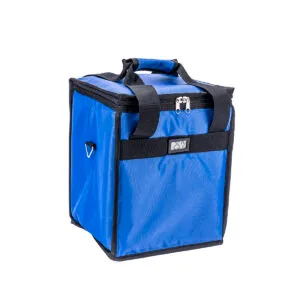
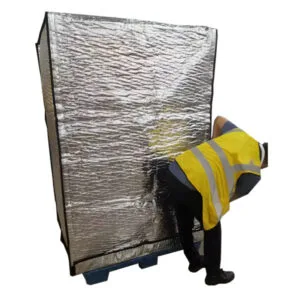
El método de transporte de frutas depende principalmente del tipo., madurez, distancia al destino, y presupuesto de los frutos. Los siguientes son algunos métodos comunes de transporte de frutas.:
1. Transporte de la cadena de frío: Este es el método más común de transporte de fruta., Especialmente para frutas perecederas y de frescura como fresas, guindas, y mangos. El transporte en cadena de frío puede garantizar que las frutas se mantengan siempre en un entorno adecuado de baja temperatura desde la recolección hasta la venta., extendiendo así su vida útil y manteniendo la frescura..
2. Transporte seco: Para algunas frutas que no requieren refrigeración, como los plátanos, frutos de cítricos, y caquis, Se puede utilizar el transporte seco a temperatura ambiente.. Este método tiene un costo menor., pero es necesario garantizar una buena ventilación durante el transporte para evitar que la fruta se enmohezca debido a la humedad..
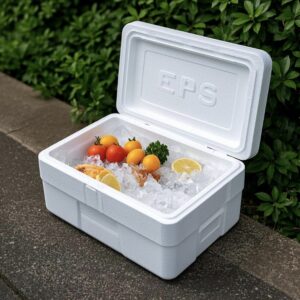
3. Entrega urgente: Para transporte de larga distancia o internacional, Es posible que se requieran servicios de entrega urgente.. Esto generalmente implica transporte aéreo o terrestre rápido., que puede entregar frutas a su destino en el menor tiempo posible, reduciendo el tiempo de tránsito y reduciendo así el riesgo de descomposición.
4. Transporte de contenedores: Para el transporte a larga distancia de grandes cantidades de frutas, como de un país a otro, Se puede usar el envío de contenedores. La temperatura y humedad en el contenedor se pueden ajustar según las necesidades específicas de las frutas..
5. Transporte especializado de vehículos: Algunas frutas como las sandías y las manzanas pueden requerir el uso de vehículos especializados para su transporte., que puede proporcionar protección y control de temperatura adecuado.
Al elegir un método de transporte, es necesario considerar de manera integral los requisitos de calidad de las frutas, costos de transporte, y requisitos específicos del destino. Para frutas perecederas o de alto valor, El transporte en cadena de frío suele ser la mejor opción..

Herramientas útiles para tomar decisiones
Comprueba los detalles antes de elegir el embalaje.
Estas herramientas rápidas pueden ayudarle a comparar el riesgo de la ruta, necesidades de dimensionamiento, opciones de refrigerante, y detalles del embalaje antes de solicitar una cotización.
Calculadora de hielo seco
Calcule las necesidades de hielo seco para envíos congelados o ultrafríos antes de empacar.
Estimar hielo secoResistencia a la caída del material aislante
Revise la resistencia a caídas y los factores de manipulación antes de elegir materiales aislantes..
Comprobar resistenciaSelector de embalaje
Compare las opciones de embalaje aislado por producto, ruta, y necesidad de temperatura.
encontrar embalajeMétodos de transporte de productos cárnicos.
1. Transporte de la cadena de frío:
Transporte refrigerado: adecuado para carne fresca, como carne fresca, cerdo, o pollo. La carne debe mantenerse dentro del rango de temperatura de 0 ° C para 4 ° C durante todo el transporte para prevenir el crecimiento bacteriano y mantener la frescura..
Transporte congelado: Adecuado para carnes que requieren almacenamiento a largo plazo o transporte a larga distancia., como carne de res congelada, cerdo, o pescado. Generalmente, La carne debe transportarse y almacenarse a temperaturas de 18 ° C o menos para garantizar la seguridad alimentaria y evitar el deterioro.
2. Envasado al vacío:
El envasado al vacío puede prolongar significativamente la vida útil de los productos cárnicos, Reducir el contacto entre el oxígeno del aire y la carne., y reducir la posibilidad de crecimiento bacteriano.. La carne envasada al vacío a menudo se combina con el transporte por cadena de frío para garantizar aún más la seguridad alimentaria durante el transporte..

3. Vehículos de transporte especiales:
Utilice camiones frigoríficos o congelados especialmente diseñados para el transporte de carne.. Estos vehículos están equipados con sistemas de control de temperatura para garantizar que la carne se mantenga a una temperatura adecuada durante el transporte..
4. Cumplir con las normas y reglamentos de higiene.:
Durante el transporte, es necesario cumplir con las normas y reglamentos pertinentes de seguridad alimentaria para garantizar que los productos cárnicos estén siempre en buenas condiciones higiénicas antes de llegar a su destino.. Los vehículos y contenedores de transporte deben limpiarse y desinfectarse periódicamente..
5. Transporte rápido:
Minimizar al máximo el tiempo de transporte, especialmente para productos cárnicos frescos. El transporte rápido puede reducir el tiempo que la carne está expuesta a temperaturas no ideales, reduciendo así los riesgos para la seguridad alimentaria.
En general, La clave para el transporte de carne es mantener un ambiente de baja temperatura., cumplir con las normas de seguridad alimentaria, y usar materiales de embalaje y tecnología razonablemente para garantizar la frescura y seguridad de la carne.